Discover Diving in Brunei: Borneo's Secret Underwater World
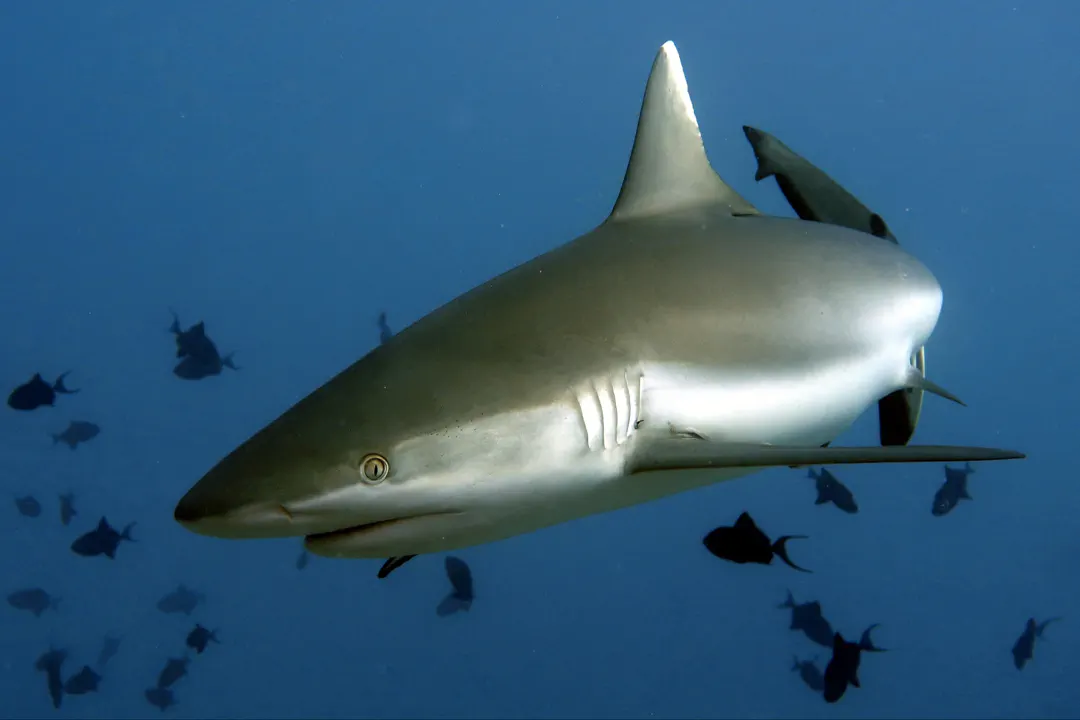
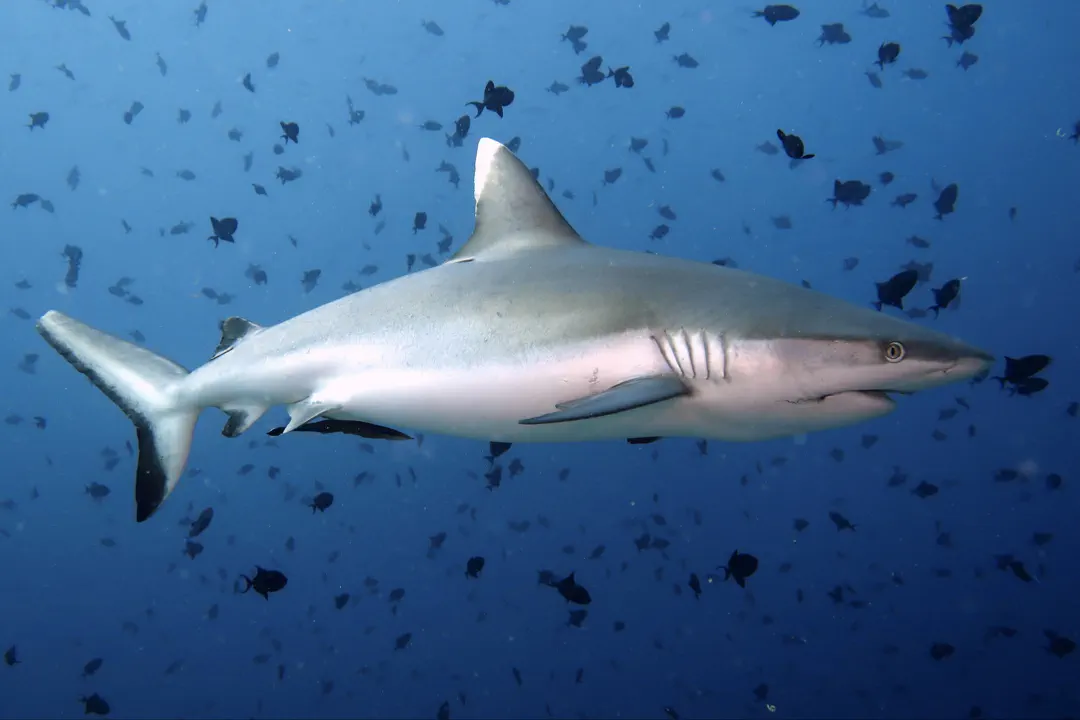
A school of iridescent blue-striped fusiliers, thousands strong, streams like a silver river over the corroded superstructure of the USS Salute. At 30 meters depth, sunlight filters through 25-meter visibility, illuminating barracuda patrolling the perimeter of the WWII minesweeper, their bodies glinting like polished steel. Below them, a grey reef shark glides silently, an apex predator weaving through the historical steel.
Brunei Darussalam, a small nation nestled on the northwest coast of Borneo, remains one of Southeast Asia's most uncrowded diving destinations, offering an alternative to the bustling reefs of Malaysia and the Philippines. Its waters are home to historical wrecks, now thriving artificial reefs, and natural coral gardens. Divers here explore sites like the USS Salute and SS Darvel, where maritime history merges with ecological recovery, all while enjoying visibility regularly reaching 20-30 meters and water temperatures consistently around 28–30°C year-round.
Brunei's Tropical Waters: Geography and Climate
Brunei's tropical climate ensures warm, stable water temperatures between 28°C and 30°C throughout the year, creating ideal conditions for coral growth and marine life. The nation lies just outside the western boundary of the Coral Triangle, the world's epicenter of marine life, yet its reefs still support diverse coral communities, including a variety of mushroom corals and numerous reef-building species.
Seasonal weather patterns feature a dry season from March to October, when seas are calmer, currents are moderate, and underwater visibility peaks at 20–30 meters. In contrast, the wet season (November–February) brings heavier rainfall, stronger winds, and reduced visibility due to runoff and plankton blooms.
Rich Underwater Worlds: Marine Ecosystems and Biodiversity
Brunei's marine ecosystems encompass shallow coral reefs alive with fish like the green-banded butterflyfish and blue-striped fusilier, to deep-sea wrecks hosting pelagics such as barracuda and reef sharks. Muck diving sites along sandy slopes reveal macro life including ornate ghost pipefish, mimic octopus, and colorful nudibranchs, while the artificial reefs formed from decommissioned oil rigs attract pelagic hunters such as tiger sharks and schooling tuna.
This region's biodiversity is bolstered by its proximity to the Coral Triangle, which contains 76% of the world's coral species and 37% of reef fish, ensuring Brunei's waters remain a hotspot for both wide-angle photography and close-up macro exploration.
 © Daniel BenákCC BY 4.0 · iNaturalist
  © seabook.appAll rights reserved
 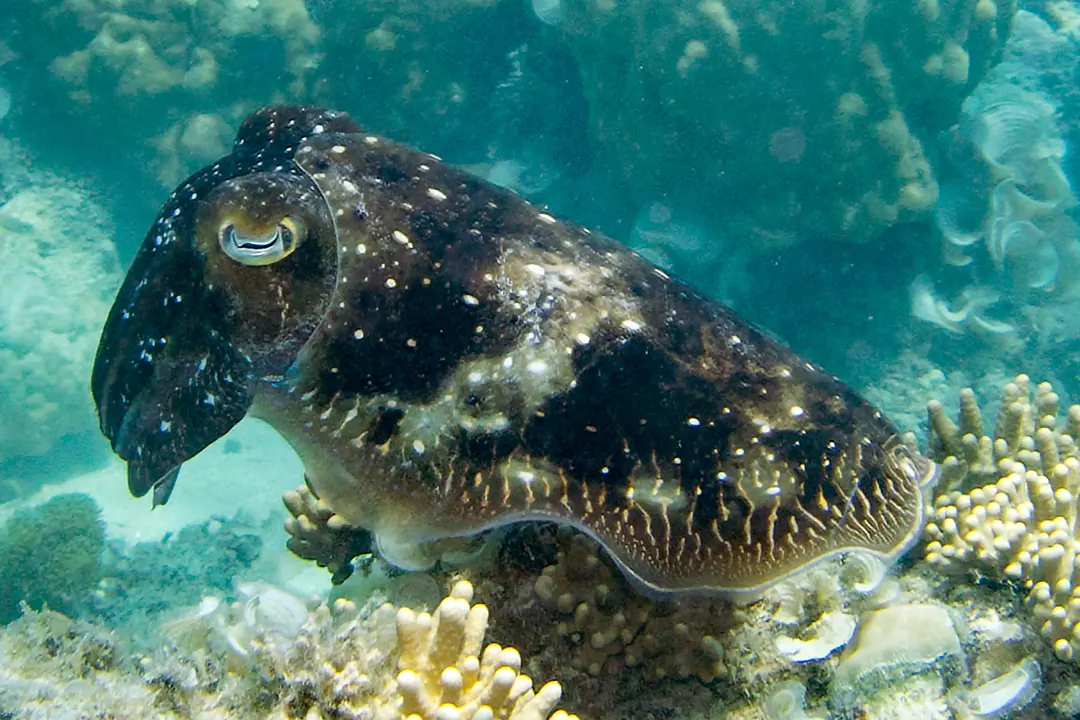 © Paul Asman and Jill LenobleCC BY 4.0 · iNaturalist
 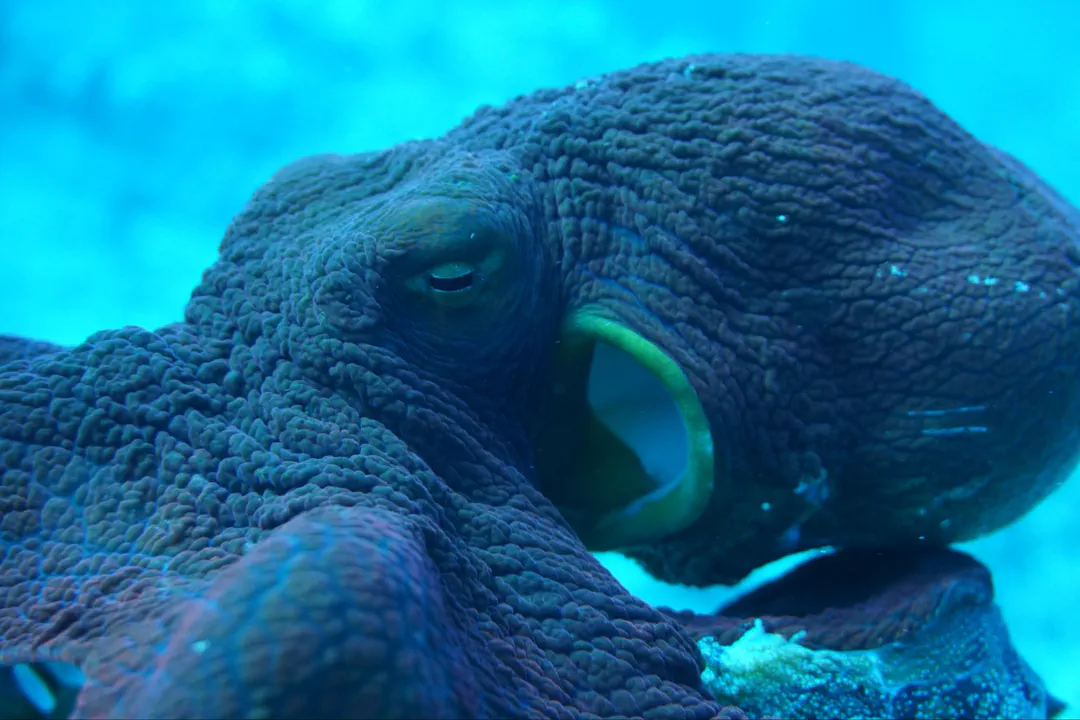 © cello caruso-turielloCC BY 4.0 · iNaturalist
 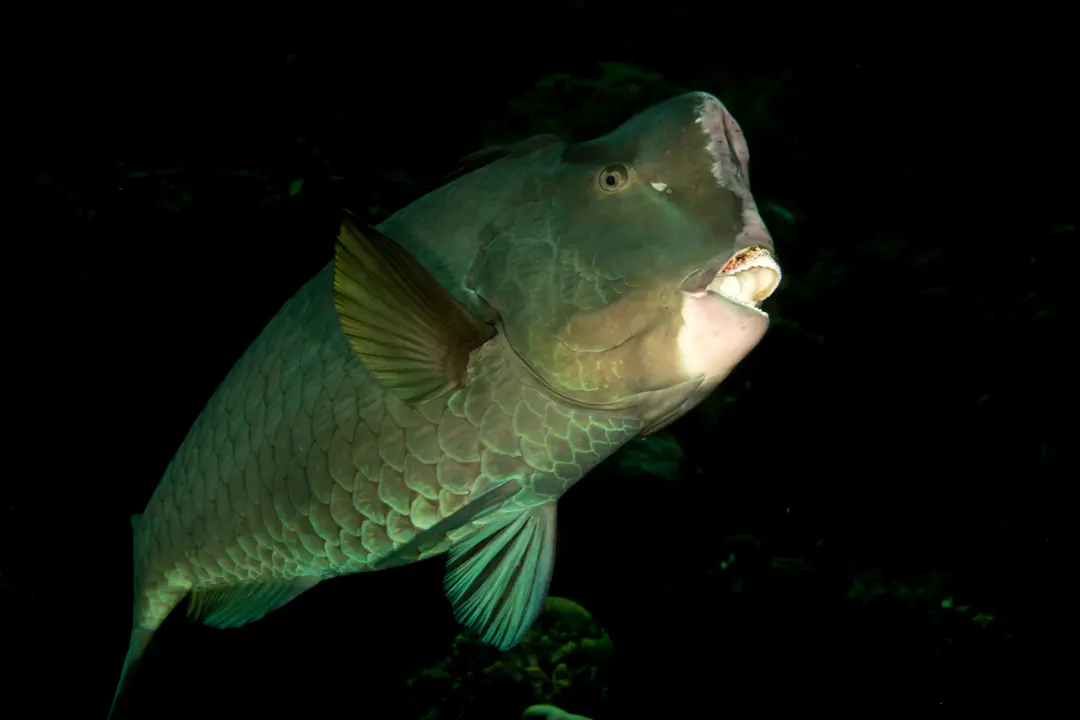 © Rickard ZerpeCC BY 4.0 · iNaturalist
 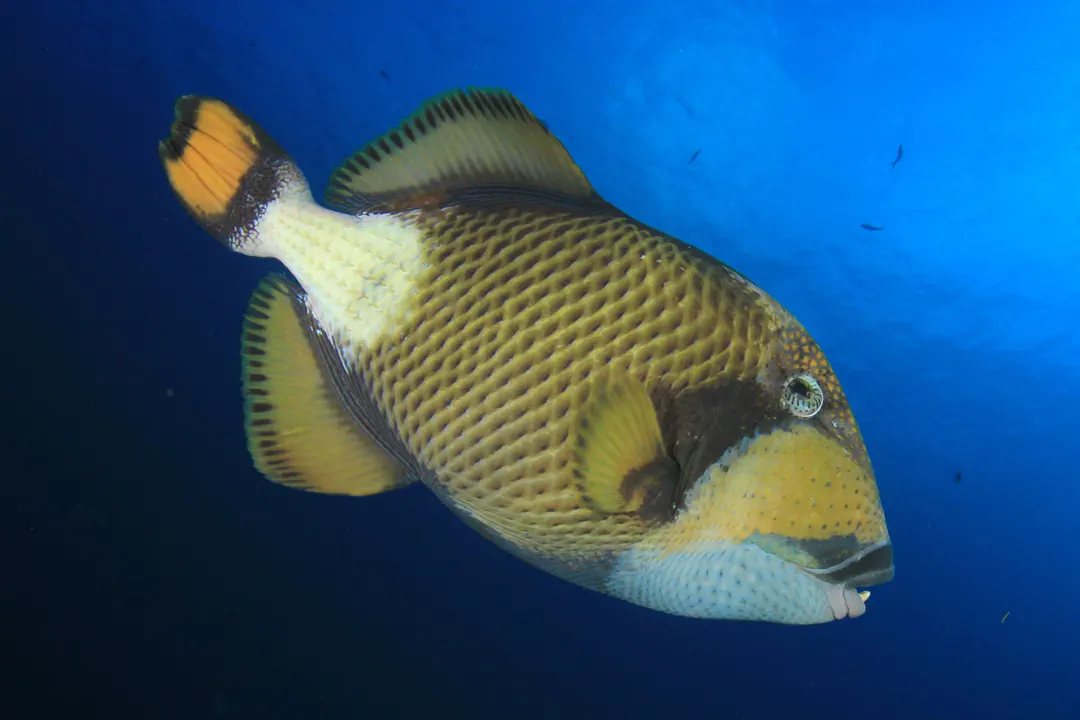 © seabook.appAll rights reserved
 Ideal Diving Conditions: Best Time to Visit
The best time to dive in Brunei is from March to October, when the dry season delivers calm seas, moderate currents, and optimal visibility ranging from 20 to 30 meters. During these months, water temperatures remain consistently warm at 28–30°C, and marine life is active, with sightings of schooling fusiliers, reef sharks, and pelagic visitors around wrecks and oil rig reefs.
In contrast, the wet season (November–February) brings heavier rainfall, stronger winds, and reduced visibility due to runoff and increased plankton, making diving conditions less predictable and sometimes limiting access to deeper sites like the Bolkiah Wreck or offshore oil rig structures.
Water temperature
Brunei, monthly average
Bandar Seri Begawan area (Brunei Muara District) on South China Sea coast, surface waters (0-10m depth)
Notable Dive Sites: Exploring Brunei's Underwater Gems
American Wreck (USS Salute)
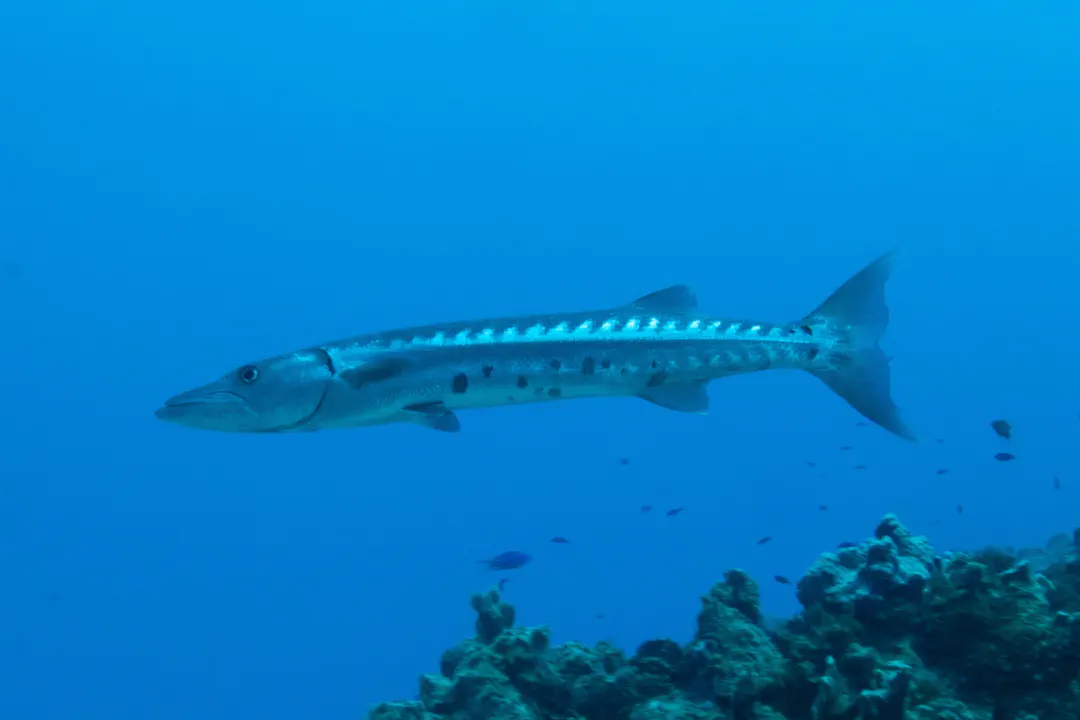
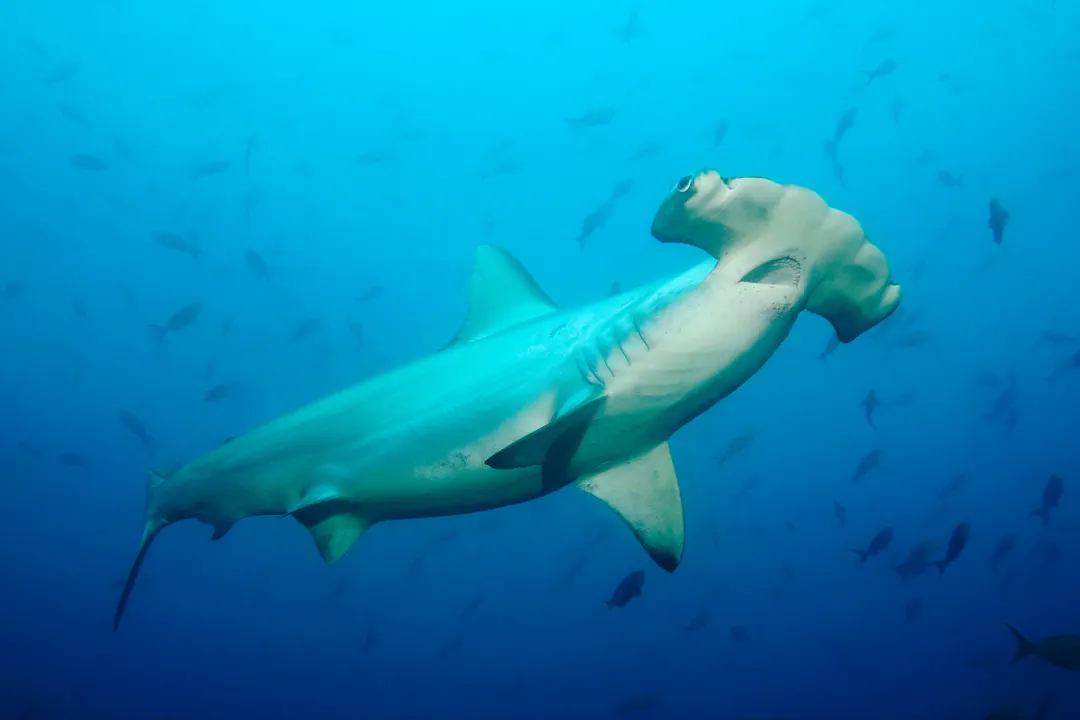
The USS Salute, a WWII-era minesweeper lost in 1945, rests at approximately 30 meters depth. This historical wreck, accessible by boat and suitable for advanced divers, offers a dramatic glimpse into maritime history, its corroded hull now a canvas for marine life. Thousands of blue-striped fusiliers stream over the structure, while barracuda patrol its perimeter and grey reef sharks glide past.
Its coral-encrusted steel provides refuge for smaller creatures, including ornate ghost pipefish, mimic octopus, and nudibranchs, making it a compelling site for those interested in both history and its resident reef fish.
 © Dan SchofieldCC BY 4.0 · iNaturalist
  © seabook.appAll rights reserved
  © seabook.appAll rights reserved
  © Roger RittmasterCC BY 4.0 · iNaturalist
 Australian Wreck (SS Darvel)
The SS Darvel, an Australian merchant ship sunk by Japanese forces in 1941, lies at around 25 meters depth. Accessible by boat and suitable for intermediate divers, this wreck is distinguished by its extensive coral growth, which has transformed its older steel structure into a thriving artificial reef. Its surface is covered with colonies of hard and soft corals, providing a habitat for macro life.
Divers discover ornate ghost pipefish camouflaged against the sponges, mimic octopus on the surrounding sand, and nudibranchs, making it a prime site for close-up observation.
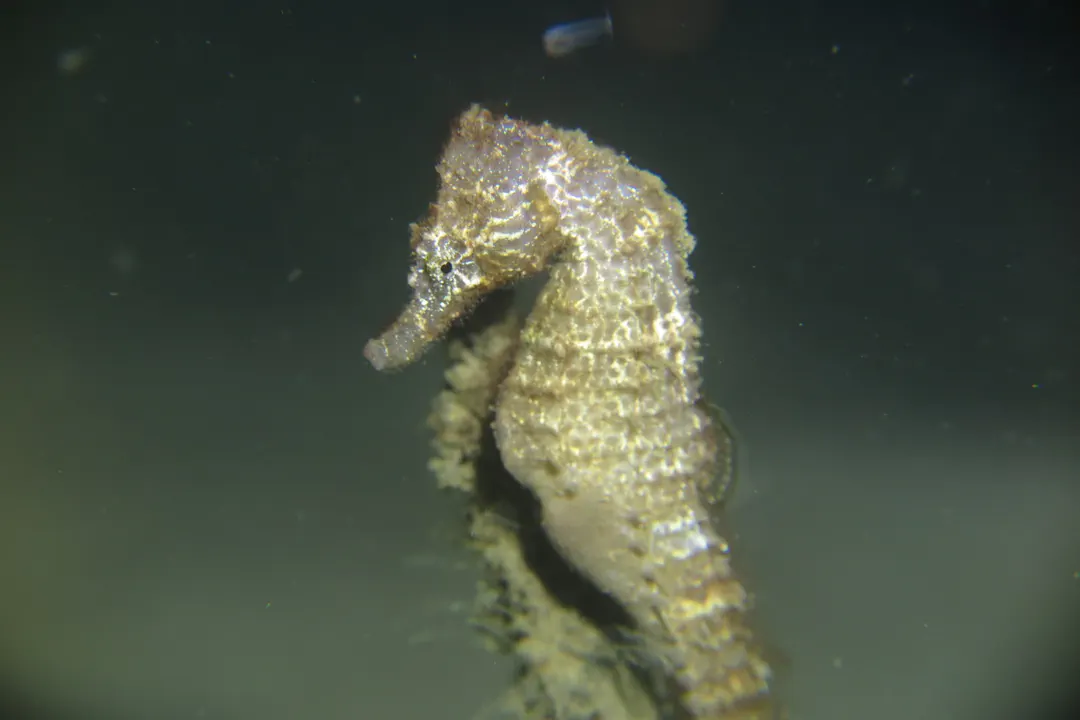 © Ewout KnoesterCC BY-SA 4.0 · iNaturalist
 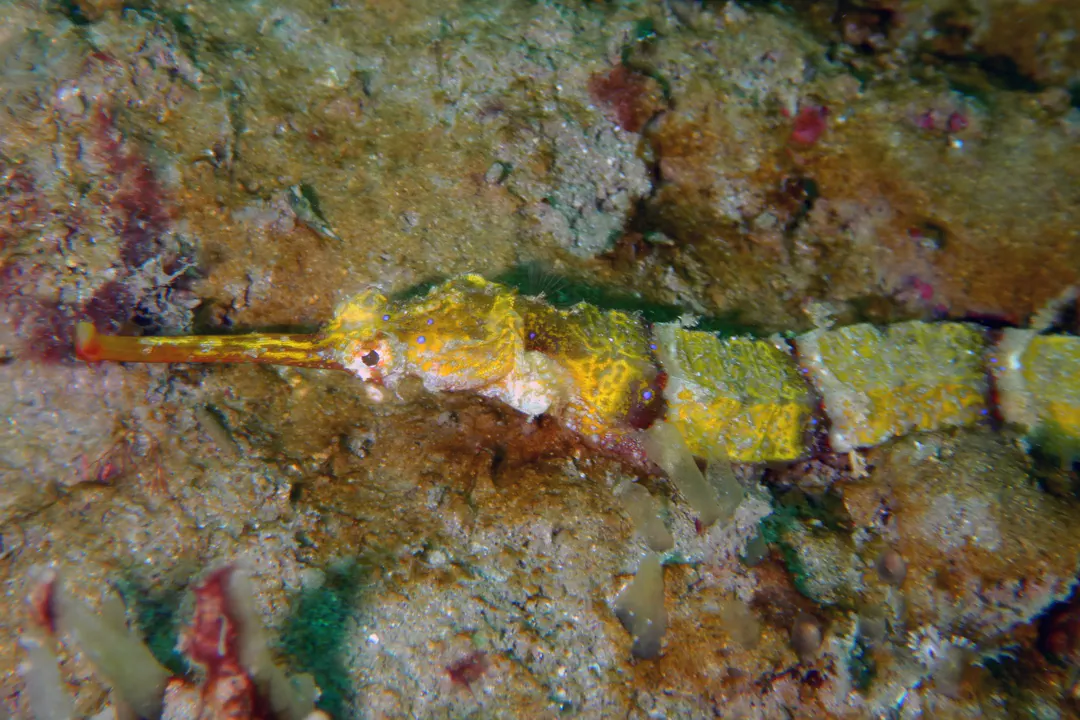 © Ewout KnoesterCC BY-SA 4.0 · iNaturalist
 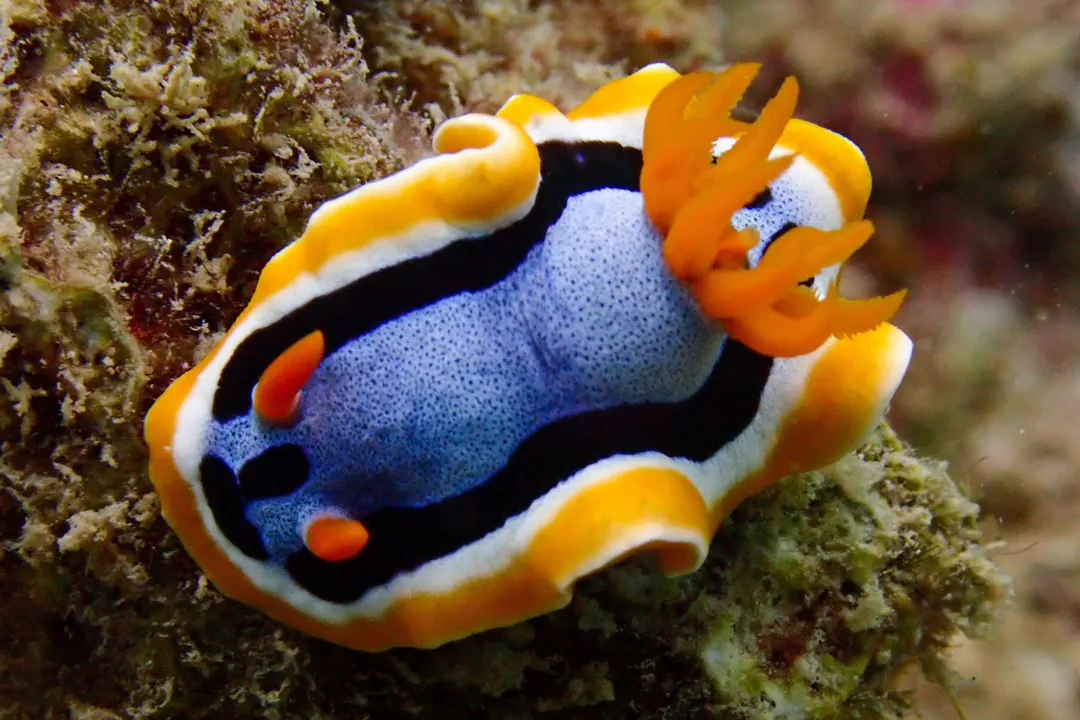 © Dan SchofieldCC BY 4.0 · iNaturalist
 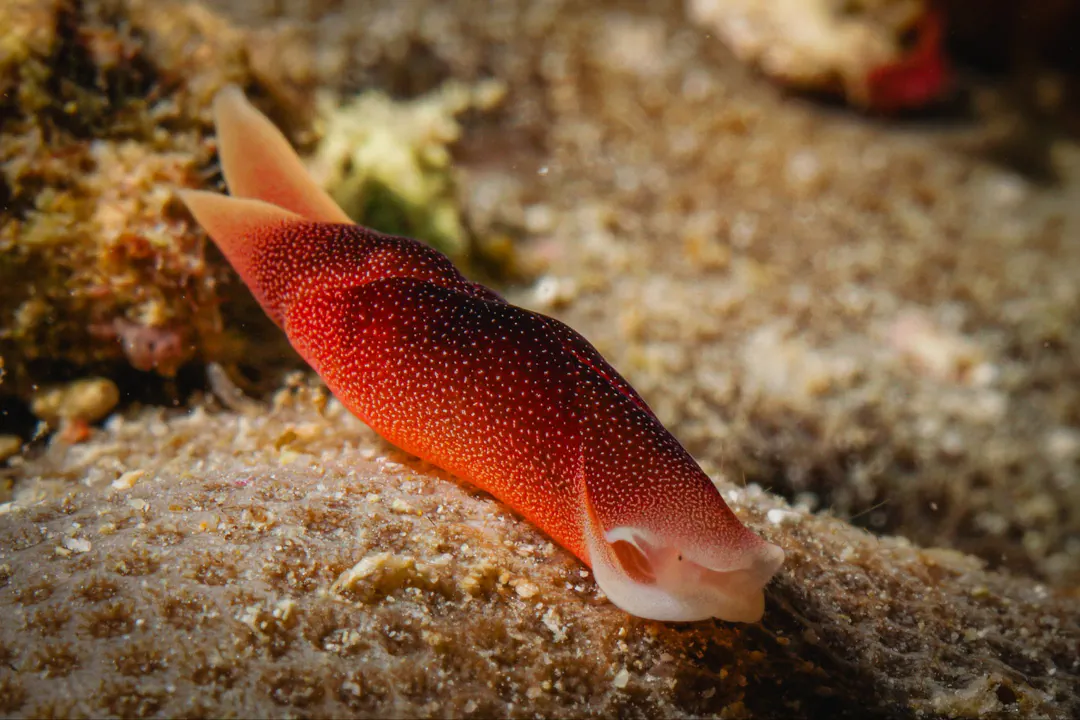 © Stas KuryanAll rights reserved
 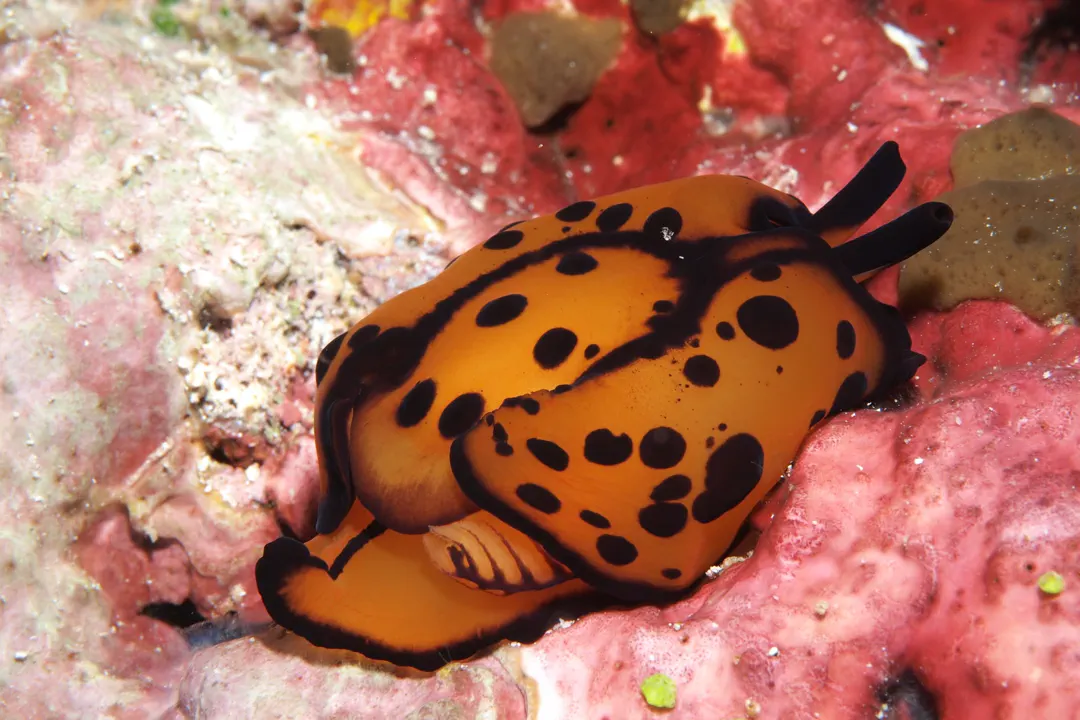 © Steve ChildsCC BY 4.0 · iNaturalist
 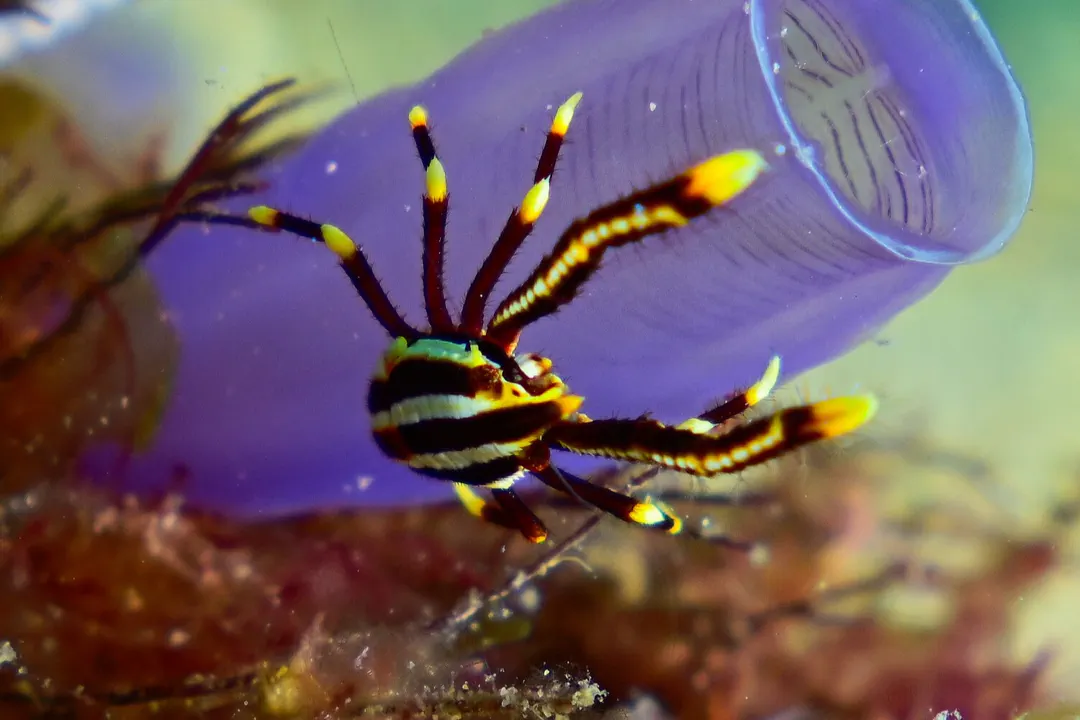 © Bernie WongCC BY 4.0 · iNaturalist
 Bolkiah Wreck
The Bolkiah Wreck, a more recent addition to Brunei's artificial reefs, rests at approximately 28 meters depth. This intact vessel, accessible by boat and suitable for advanced divers, serves as a thriving hub for marine life. Large schools of blue-striped fusiliers encircle the structure, with barracuda and reef sharks patrolling its perimeter.
Its steel framework, now adorned with young corals and sponges, also shelters macro creatures, from ornate ghost pipefish to mimic octopus and nudibranchs, offering opportunities for both wide-angle and close-up photography.
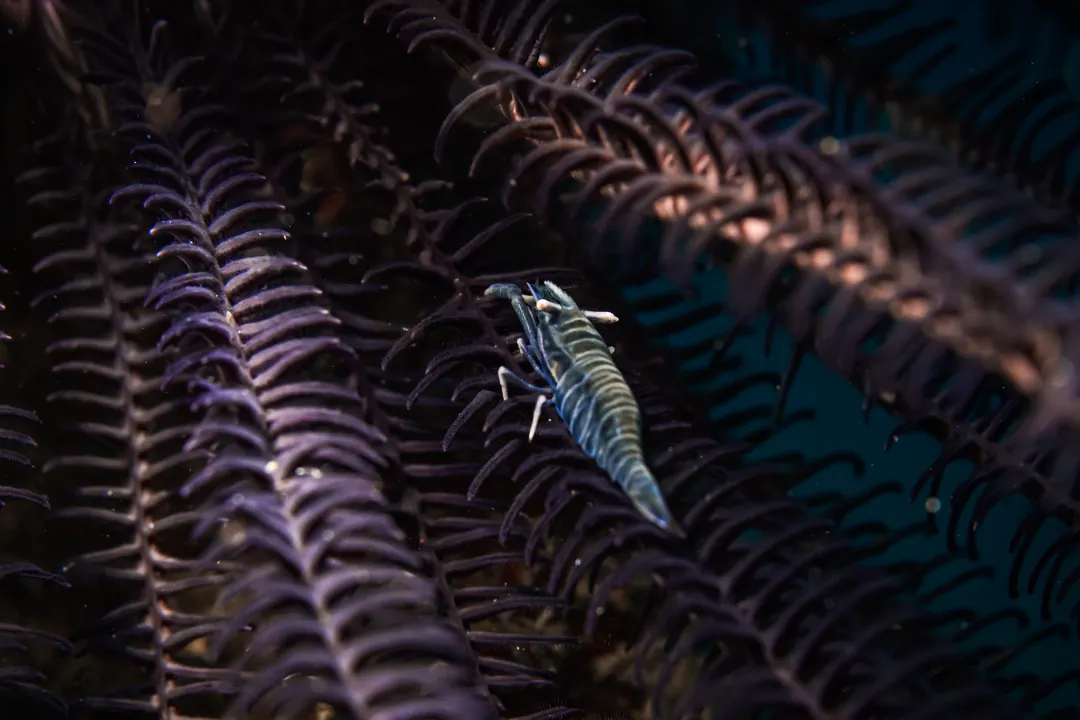 © Stas KuryanAll rights reserved
 Oil Rig Reefs
Brunei's decommissioned oil rigs have been repurposed into artificial reefs, creating distinct offshore dive sites. These industrial structures, located at depths of 30–40 meters and accessible by boat for advanced divers, are magnets for large pelagics, including tiger sharks, schooling tuna, and barracuda. Giant tube sponges and soft corals drape the metal, transforming these remnants into thriving ecosystems.
While pelagic encounters are a highlight, the rigs also host smaller life, from reef sharks patrolling the depths to ornate ghost pipefish hidden among the growth and nudibranchs grazing on the corals.
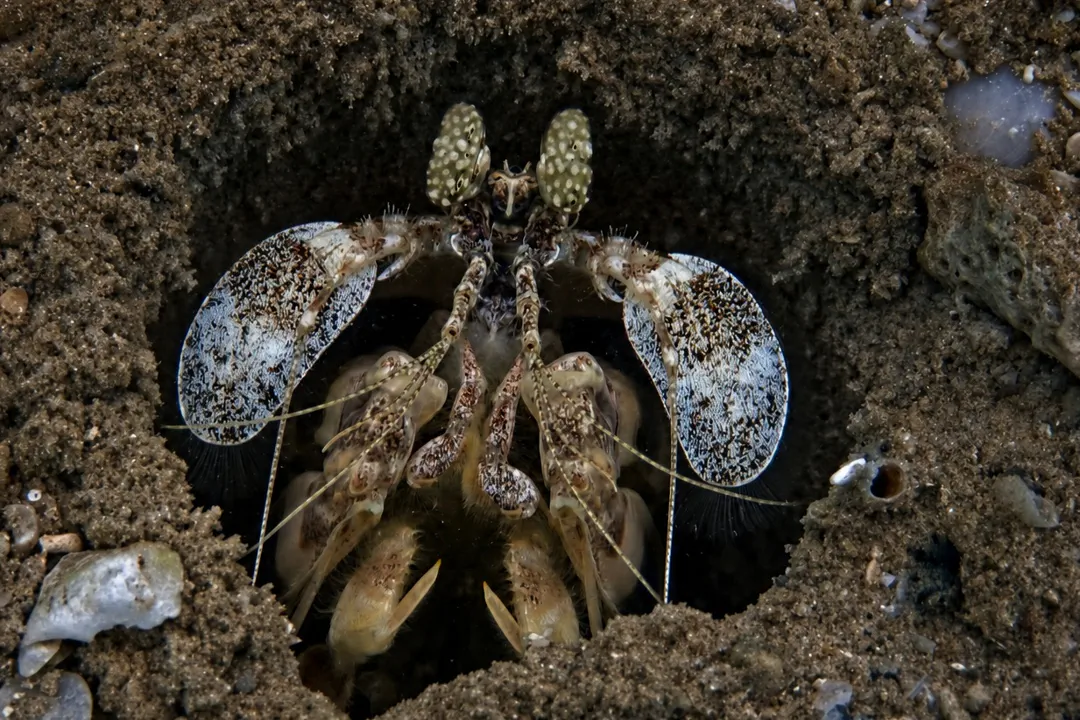 © seabook.appAll rights reserved
 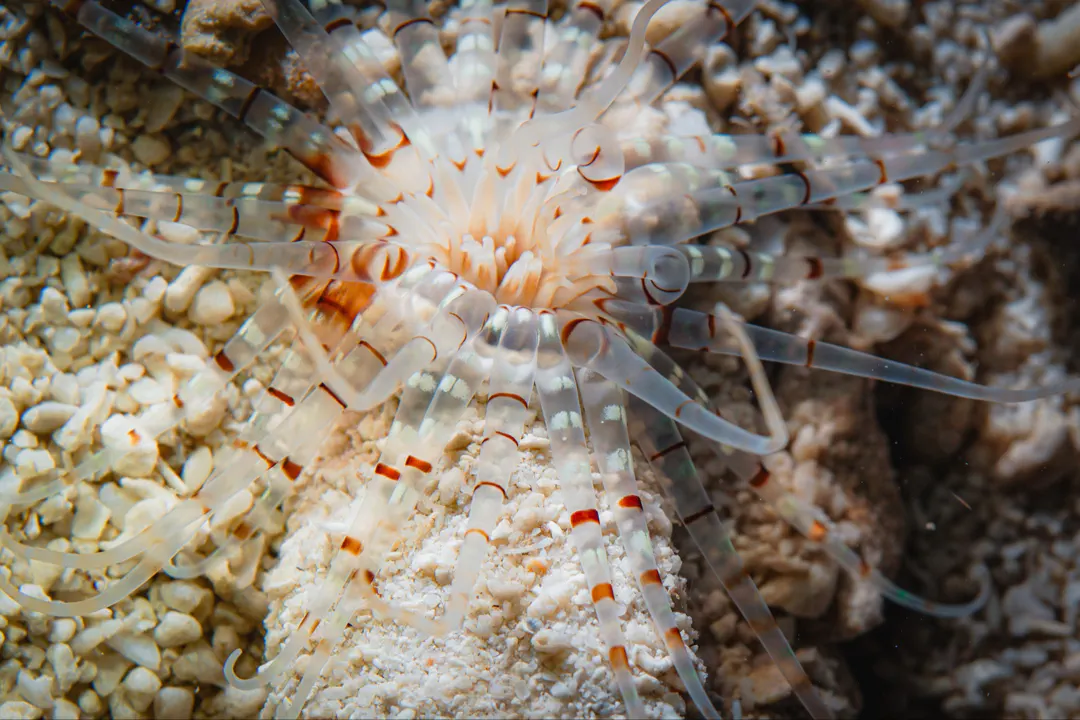 © Stas KuryanAll rights reserved
 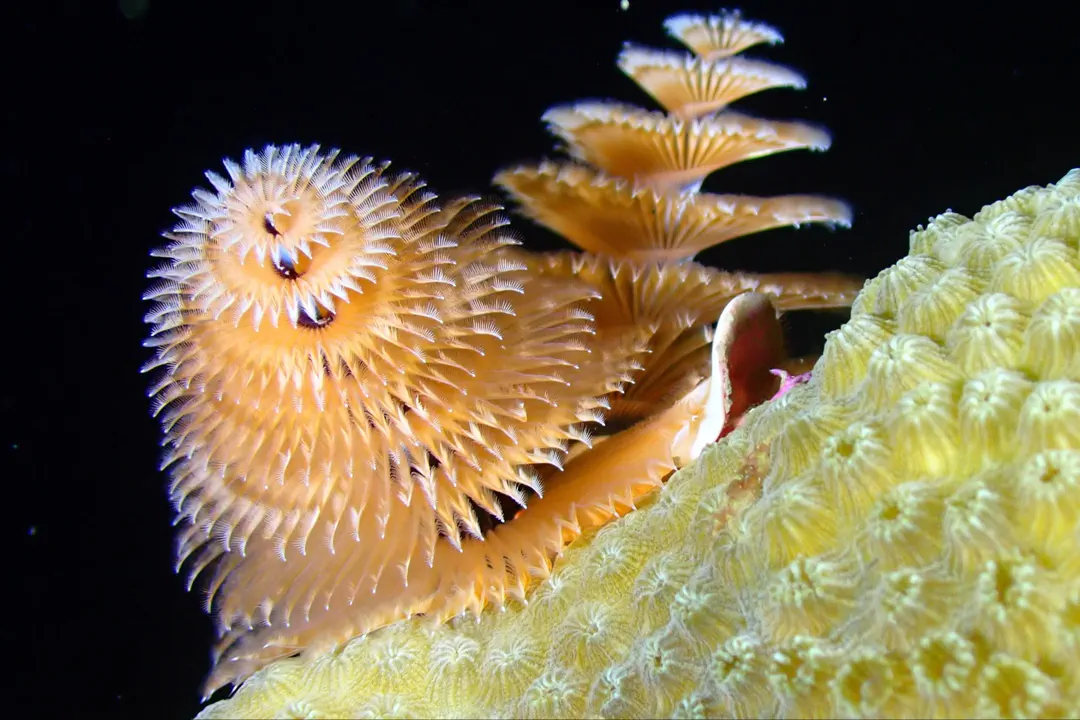 © Robin WhiteCC BY 4.0 · iNaturalist
 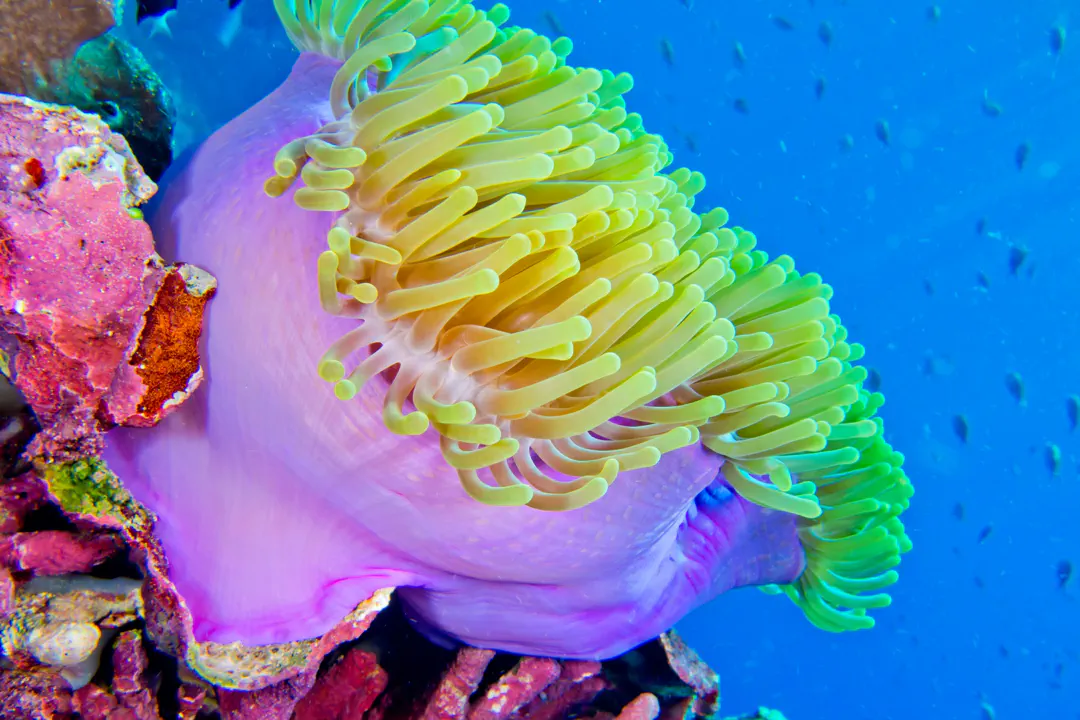 © seabook.appAll rights reserved
 Protecting Brunei's Underwater Heritage: Conservation Efforts
Brunei is committed to preserving its marine heritage through marine protected areas (MPAs), sustainable tourism practices, and conservation initiatives that emphasize responsible diving and minimal environmental impact. The nation's MPA monitoring programs, led by organizations like Reef Check, ensure baseline data collection on reef health and biodiversity, supporting long-term conservation goals.
Divers are encouraged to follow eco-friendly guidelines, such as avoiding contact with corals, using reef-safe sunscreen, and respecting local regulations, to help maintain Brunei's underwater ecosystems for future generations.
Planning Your Brunei Dive Trip: Practical Tips
Planning a dive trip to Brunei requires selecting reputable dive operators like Brunei Dive Centre or Borneo Divers, which offer guided dives, equipment rentals, and courses for all experience levels. Accommodation options range from shore-based resorts in Bandar Seri Begawan to eco-friendly lodges near dive sites, with transportation typically provided via van or boat to access wrecks and oil rig reefs.
Local customs emphasize respect for Islamic traditions, including modest dress and avoiding public consumption of alcohol, while divers should be aware that liveaboard options are limited, with most diving conducted via day trips from shore-based operators.
Questions
Is Brunei suitable for beginner divers?
Yes, Brunei offers several beginner-friendly dive sites, including shallower wrecks like the SS Darvel at 25 meters, and various reef areas known for calm conditions. Local dive centers provide PADI Open Water (or equivalent) courses and guided dives tailored to all experience levels, ensuring a safe and enjoyable introduction to diving.
What kind of visibility can I expect in Brunei?
Visibility in Brunei ranges from 20 to 30 meters during the dry season (March to October), when seas are calm and currents are moderate. During the wet season (November to February), visibility may decrease to 10–15 meters due to rainfall, runoff, and increased plankton activity.
Are there liveaboard options for diving in Brunei?
Liveaboard options are limited in Brunei, with most diving conducted via day trips from shore-based operators like Brunei Dive Centre or Borneo Divers. These operators efficiently transport divers to multiple sites, including wrecks and oil rig reefs, without the need for overnight boat stays.
What are the unique aspects of diving in Brunei?
Brunei offers a unique combination of well-preserved historical wrecks like the USS Salute and SS Darvel, pioneering artificial reefs from decommissioned oil rigs, and diverse natural reefs, all with fewer crowds compared to more established dive destinations in Southeast Asia. Its proximity to the Coral Triangle ensures exceptional biodiversity, including rare macro life and pelagic visitors.