Gabon, on the Atlantic coast of Central Africa, is a genuinely frontier diving destination: its offshore waters and coastal ecosystems remain far less documented than those of many tropical dive regions. The country’s appeal comes from a long, relatively undeveloped coastline, extensive mangrove-fringed estuaries, and a strong conservation framework that has protected large areas of habitat. Exploratory work in Gabon's coastal waters continues to reveal new species, underscoring how biologically rich and under-surveyed these waters remain.
For divers, that combination matters because it supports intact food webs, strong predator presence, and fewer crowds. Gabon is especially relevant for marine megafauna watchers: the wider coastline supports seasonal aggregations of humpback whales, sea turtles, sharks, rays, and schools of pelagic fish. Conditions are influenced by the nutrient-rich Atlantic, which helps sustain high productivity even where visibility fluctuates with river outflow and coastal plankton blooms.
The best-known dive areas sit near Libreville, Port-Gentil, and the southern protected coastline around Mayumba. In practice, Gabon is best suited to divers comfortable with flexible logistics, visibility that shifts from 5m near river mouths to 25m offshore, and boat-based diving in a developing dive market. The reward is access to one of West Africa’s least explored marine environments, where a single dive can reveal both a cryptic blenny and a passing shark.
Gabon's Unique Marine Geography and Climate
Gabon's coastline spans roughly 800 km along the eastern Atlantic, and much of it is shaped by sandy beaches, rocky headlands, estuaries, and mangrove systems rather than extensive shallow coral reef. That geography matters ecologically: mangroves and estuaries act as nurseries for fish and crustaceans, while offshore current systems and upwelling bring nutrients into the water column and help support large biomass. From land, the coast appears austere, yet beneath the surface, a profusion of life thrives.
Because Gabon lies almost exactly on the equator, sea surface temperatures remain warm throughout the year. Diving temperatures range from 25–29 °C, with the warmest water in the wet season and slightly cooler conditions during the main dry season and periods of stronger upwelling. Most coastal diving is relatively shallow, but the mix of habitats changes quickly over short distances, from sheltered estuary edges to exposed rocky reefs and offshore structure.
Seasonality matters for visibility and wildlife behavior. The drier months, especially June to September, offer calmer seas and the most workable conditions for recreational diving, while river discharge and rainfall reduce clarity closer to shore during wetter periods. Migratory species also respond to this seasonal pulse, which is why the same coastline produces very different encounters depending on the month.
Historically, Gabon’s marine zone has been far less intensively surveyed than its terrestrial parks, in part because access and dive infrastructure are limited. That relative lack of pressure is part of what makes the coast attractive today, but it also means divers should not expect a highly developed resort-dive network. The marine environment is better understood as a mosaic of small-access sites with strong conservation value than as a classic coral-reef destination.
An Overview of Gabonese Marine Biodiversity
The waters off Gabon support a diverse Atlantic fauna, including sharks, rays, pelagic schooling fish, turtles, and a wide range of benthic invertebrates. Scientific exploration in Gabon's coastal zone continues to record new fish taxa, a sign that the nearshore ecosystem is still incompletely inventoried and potentially much richer than casual observations suggest. For divers, that means the biodiversity on offer is real, but the full species list is still being assembled by researchers.
Gabon is particularly important for migratory species because its coastline lies along a productive stretch of the eastern tropical Atlantic. Seasonal movements of humpback whales, sea turtles, and large coastal predators bring marine life close to shore at predictable times, and the southern coastline around Mayumba is internationally known for turtle nesting and marine megafauna use. The ecological significance of the region extends beyond single sightings: it functions as a corridor, nursery, and feeding zone in the same coastal system.
Not every celebrated species for Gabon is equally common. Coastal waters are more likely to produce Atlantic reef and shelf species, while truly oceanic predators are less predictable and often depend on offshore productivity, floating structure, or seasonal movement. Divers should think of Gabon as a place for mixed encounters rather than guaranteed checklists.
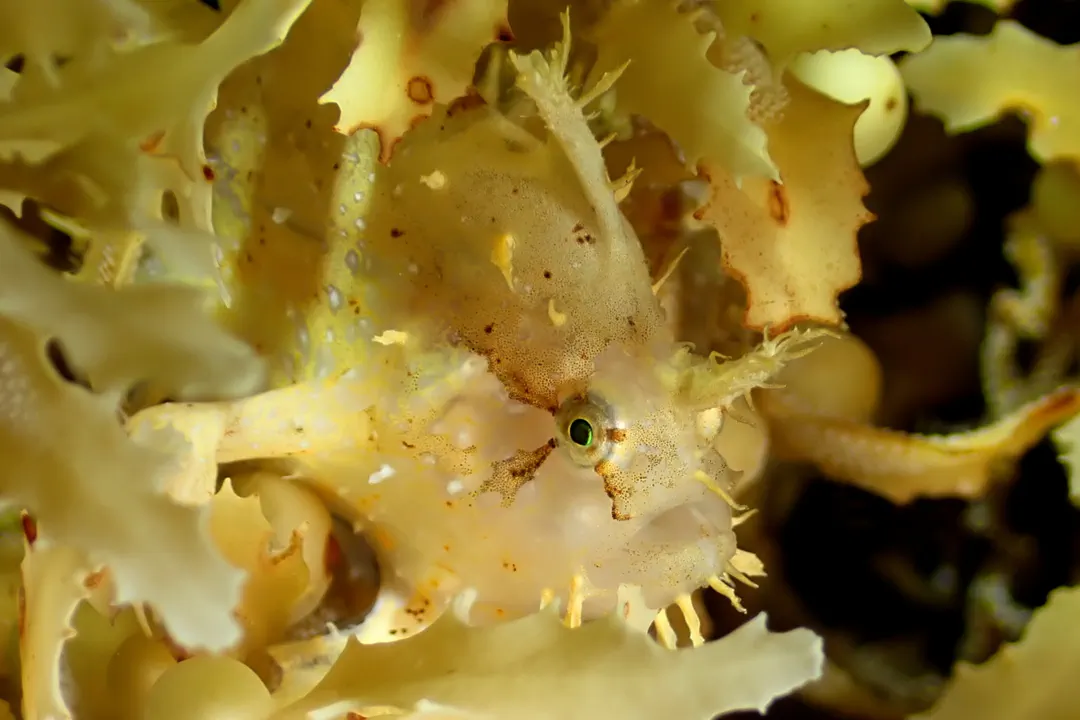
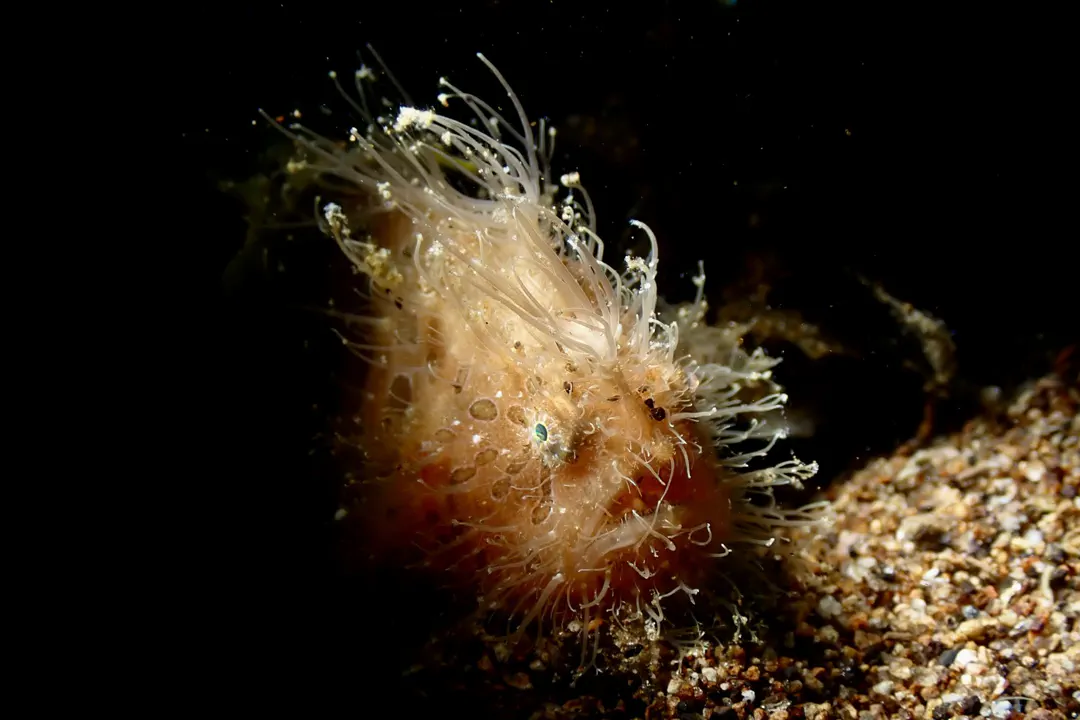
Rocky patches, sand plains, mangrove edges, and artificial structures host octopuses, frogfish, blennies, angelfish, wrasses, and small reef-associated invertebrates. That diversity is one reason Gabon is attractive to photographers and naturalists who enjoy searching rather than simply ticking off large animals.
 © seabook.appAll rights reserved
  © seabook.appAll rights reserved
 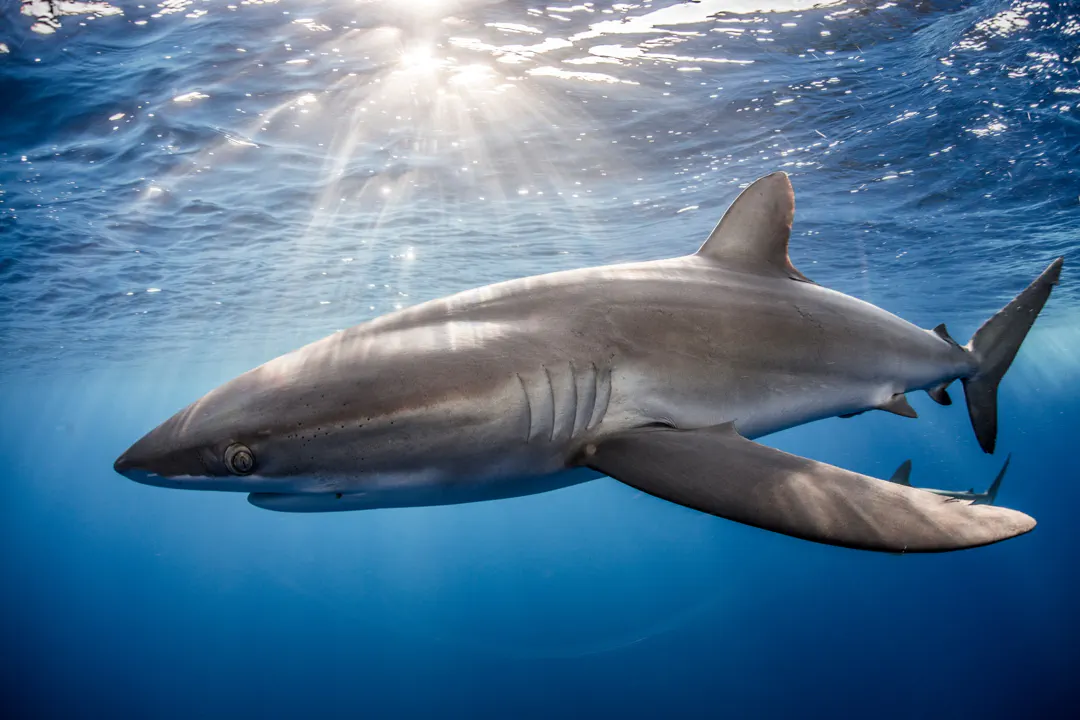 © seabook.appAll rights reserved
 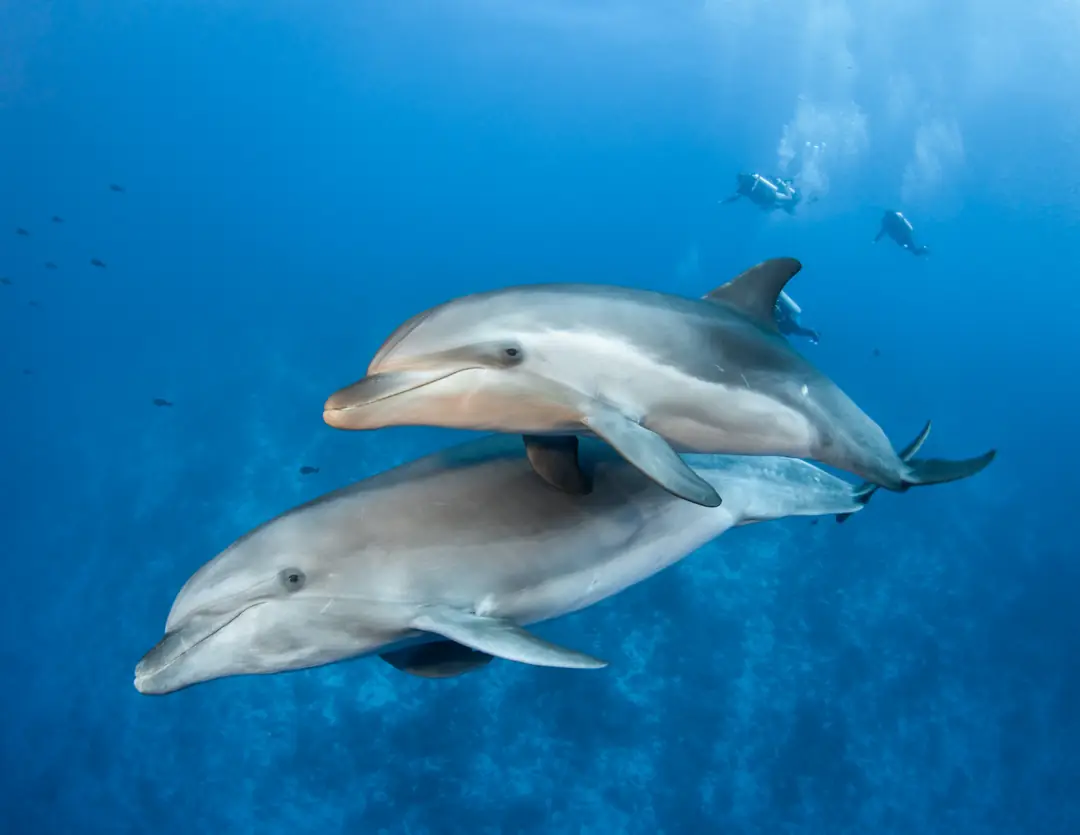 © seabook.appAll rights reserved
 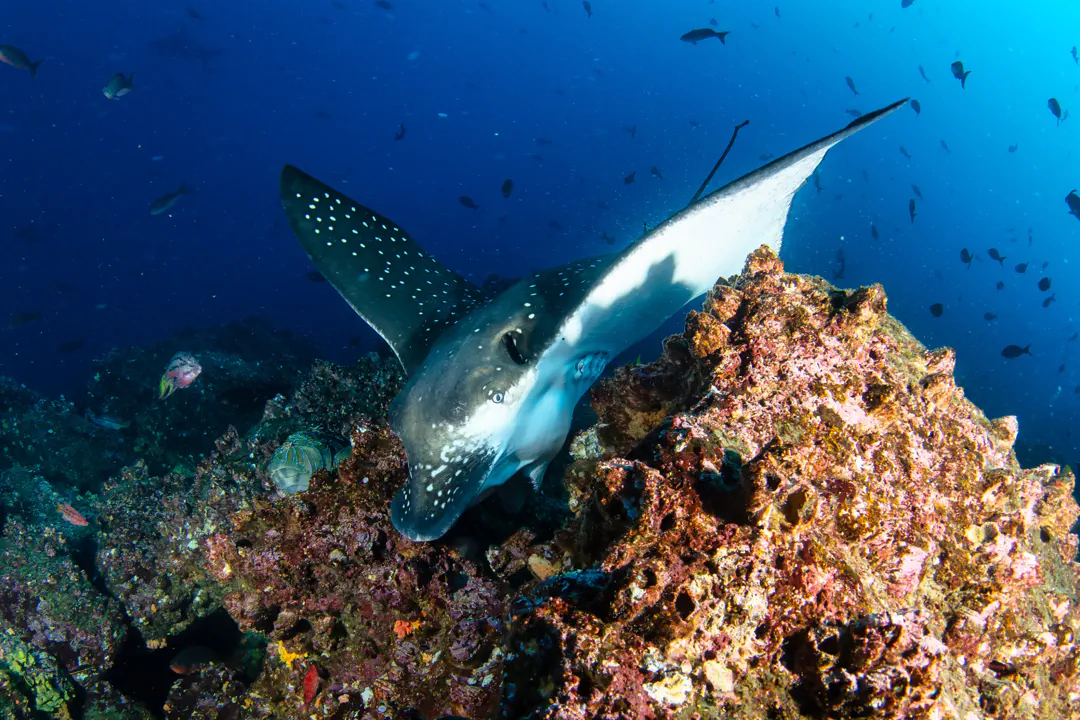 © seabook.appAll rights reserved
 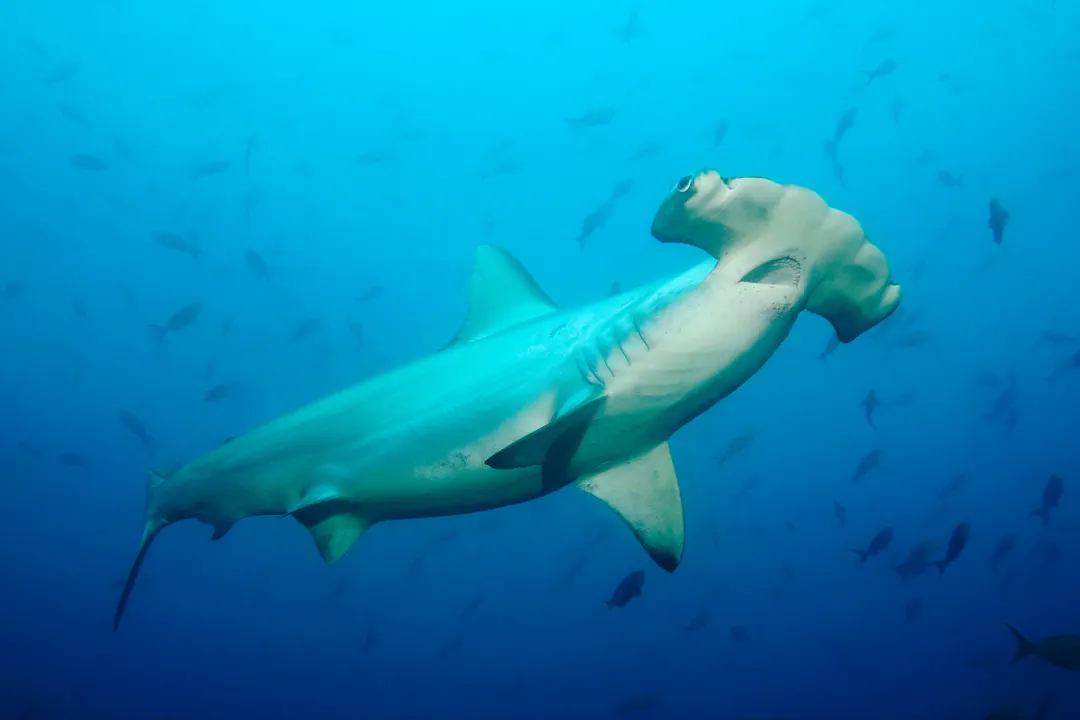 © seabook.appAll rights reserved
 Best Time to Visit for Diving
Water temperatures in Gabon are warm year-round, ranging from 25-29 °C, so most divers use a light wetsuit such as a 3 mm suit or even a shorty in the warmest periods. Because the coast is influenced by rivers, rainfall, and seasonal productivity, visibility swings from modest nearshore conditions to much clearer offshore water depending on location and month. A realistic planning range for many coastal dives is roughly 10 to 25 m, with the clearest conditions more likely in the dry season and away from river mouths.
The dry season from June to September is the most reliable window for diving. Seas are calmer, surface conditions are more manageable for small-boat operations, and wildlife activity is strong as migratory species move along the coast. That said, Gabon is not a high-volume dive destination with dense operator coverage, so itinerary flexibility matters as much as seasonal timing.
For practical logistics, divers should expect a relatively undeveloped support network compared with established tropical dive hubs. Booking ahead is wise, and it helps to confirm boat schedules, cylinders, rental gear availability, and emergency procedures before travel. Experienced divers usually cope best because some sites are current-affected, boat entries may be simpler than purpose-built resort diving, and shore support is limited.
Water temperature
Gabon, monthly average
Libreville area on the Gulf of Guinea coast, sea surface temperatures (0-20m depth)
Notable Dive Sites in Gabon
Pointe Denis: Coastal Reefs and Macro Life
Pointe Denis, a short boat ride across the water from Libreville, offers some of Gabon’s most accessible coastal diving. Most dives here are shallow, typically between 5 and 15 meters, and are well-suited for beginner to intermediate divers. The underwater landscape combines rocky substrate, sand, and patchy reef habitat, making it a prime location for spotting smaller Atlantic shelf fish and cryptic invertebrates. Ongoing surveys in the wider Libreville coastal zone continue to yield new species records with relatively little effort, a reminder that even near the capital the marine fauna remains under-described.
Macro life is the main draw here. Divers and snorkelers are more likely to encounter blennies, wrasses, small groupers, nudibranchs, octopuses, and reef-associated crustaceans than large pelagics on every dive. Because nearshore visibility is affected by runoff, the best experience comes during calmer dry-season conditions when the water is steadier and the seafloor is easier to read.
Practical diving at Pointe Denis is best approached as exploratory coastal diving rather than classic coral-reef tourism. A close look at ledges, overhangs, and sand-rubble edges usually produces better results than swimming long distances in open water. Photographers should bring macro lenses, and all divers should be prepared for modest visibility shifts and the possibility of surge near rocky points.
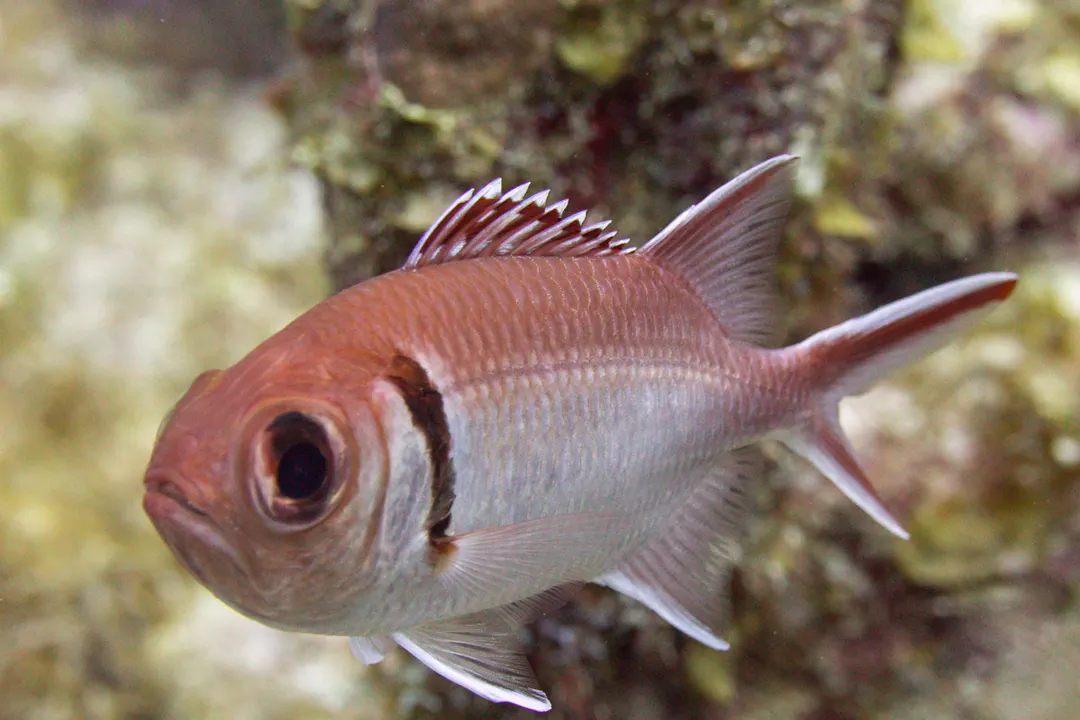 © Dan SchofieldCC BY 4.0 · iNaturalist
 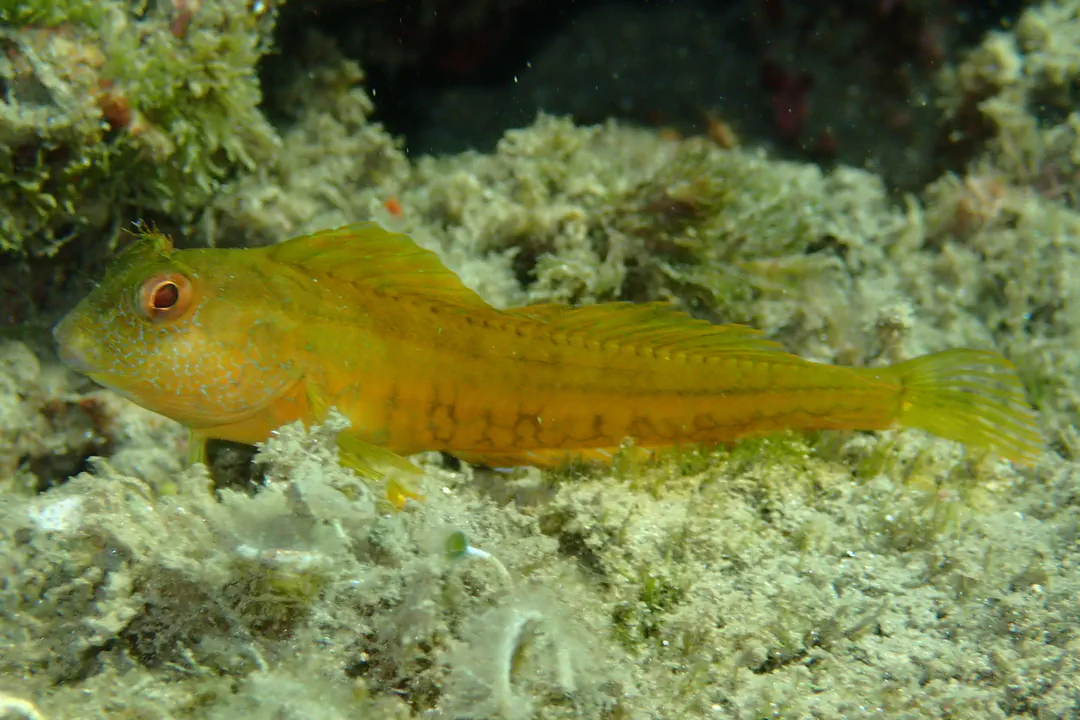 © Julien RenoultCC BY 4.0 · iNaturalist
 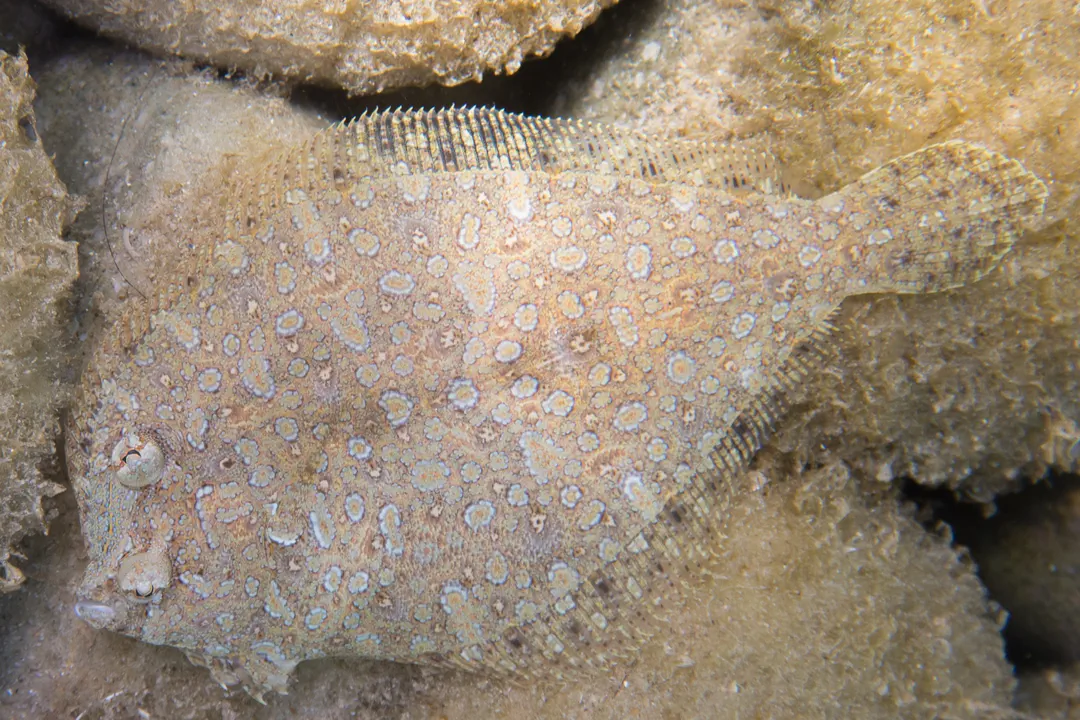 © BartCC BY 4.0 · iNaturalist
 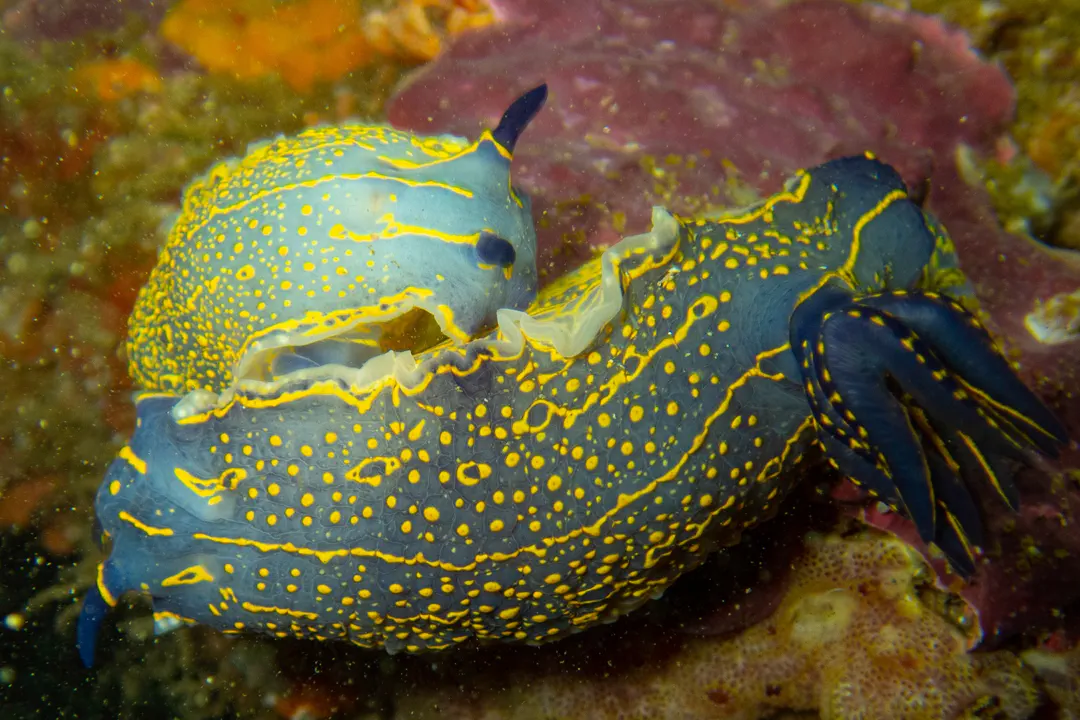 © Bernard PictonCC BY 4.0 · iNaturalist
  © Gregor BailarCC BY 4.0 · iNaturalist
  Chris SpainCC0 · iNaturalist
 Port Gentil & Offshore Rigs: Pelagic Encounters
The waters around Port-Gentil offer offshore, working-water diving focused on artificial structures rather than classic recreational reefs. Dives here range from 15 to 40 meters, depending on the rig, and are exclusively boat-accessed. Due to strong currents and complex logistics, these sites are suitable for advanced divers only, and require specific permits from oil companies. Artificial structures such as platforms, moorings, and associated hard substrate attract fish; they increase local fish density by creating vertical relief and shade, though species composition remains strongly shaped by currents, turbidity, and distance from river plumes.
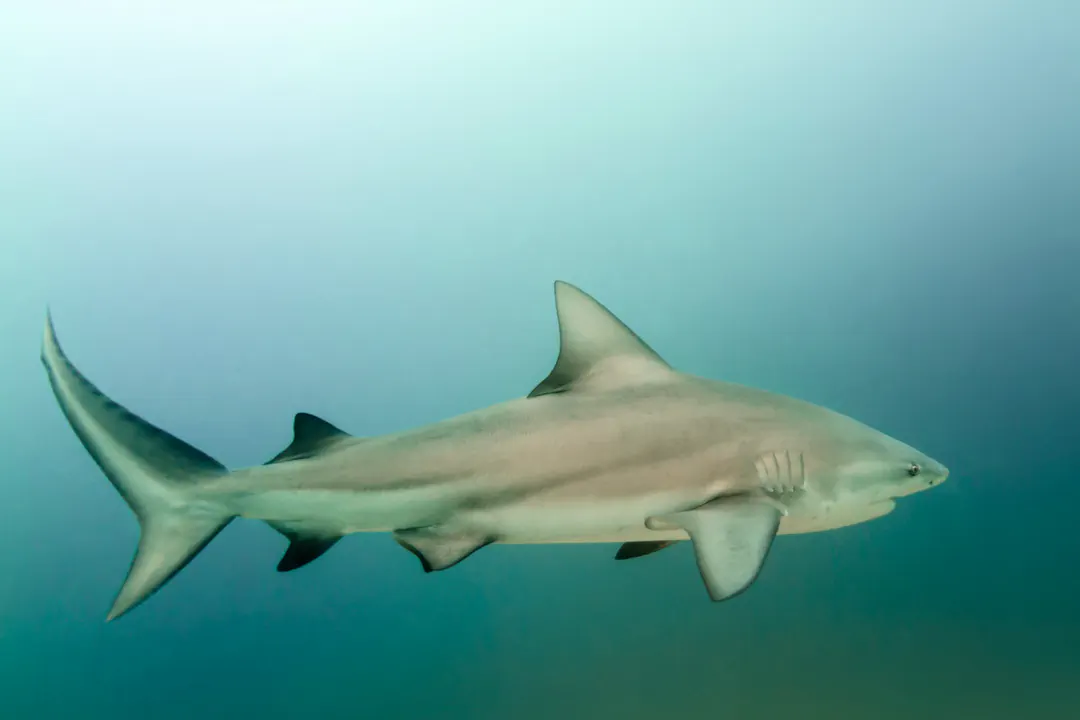
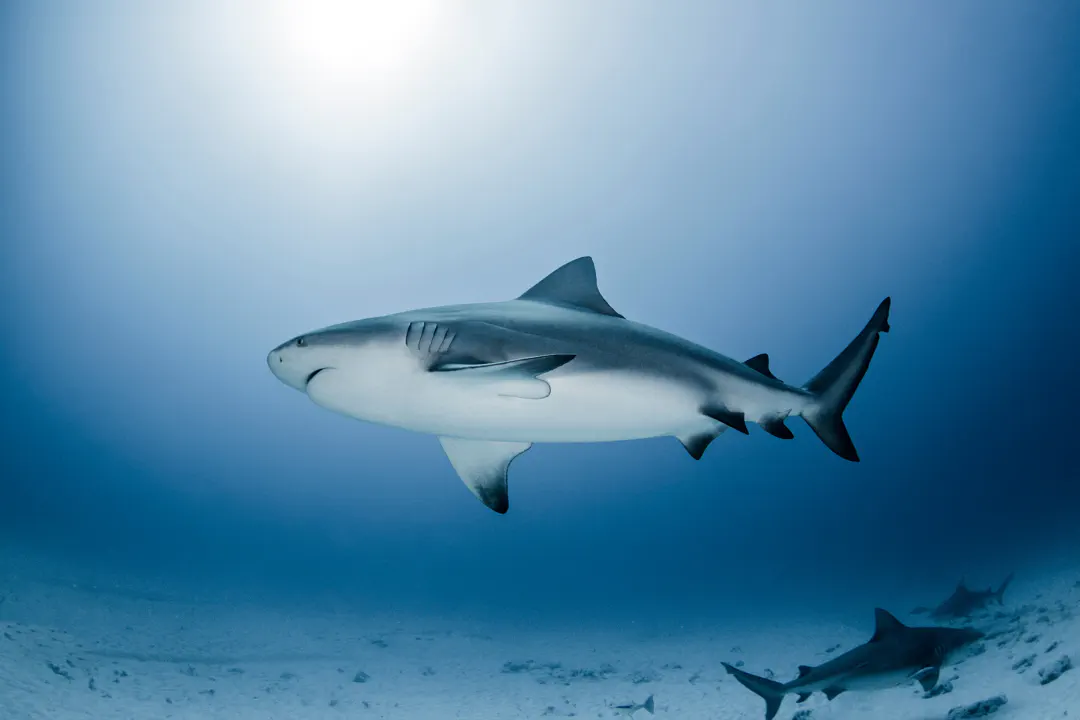
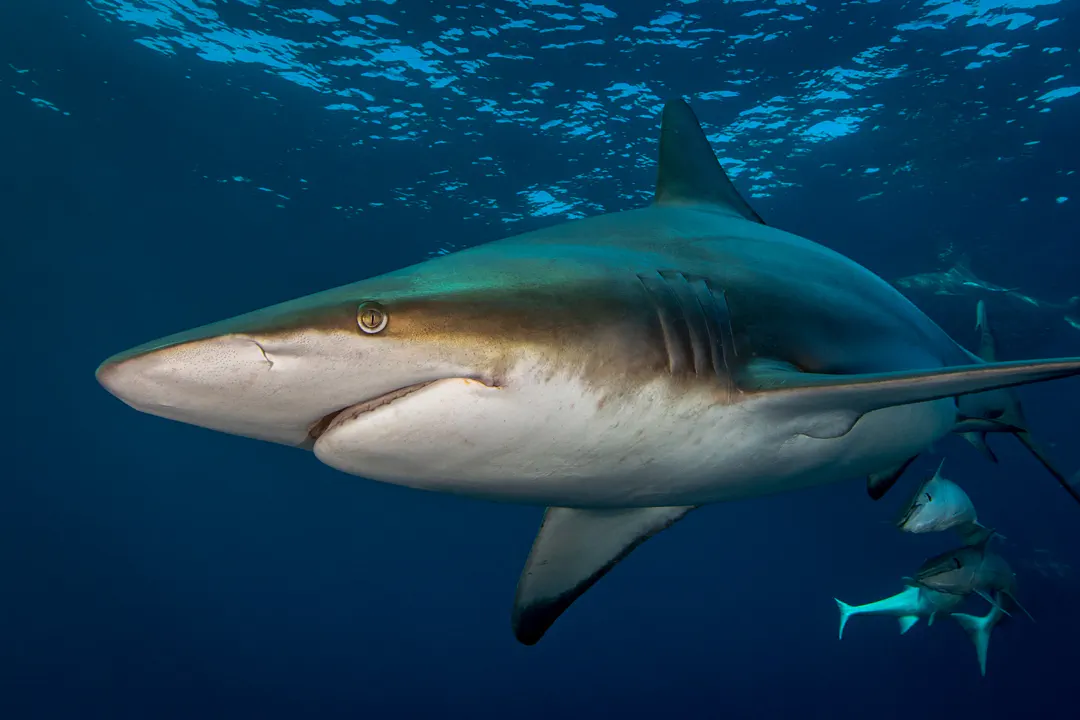
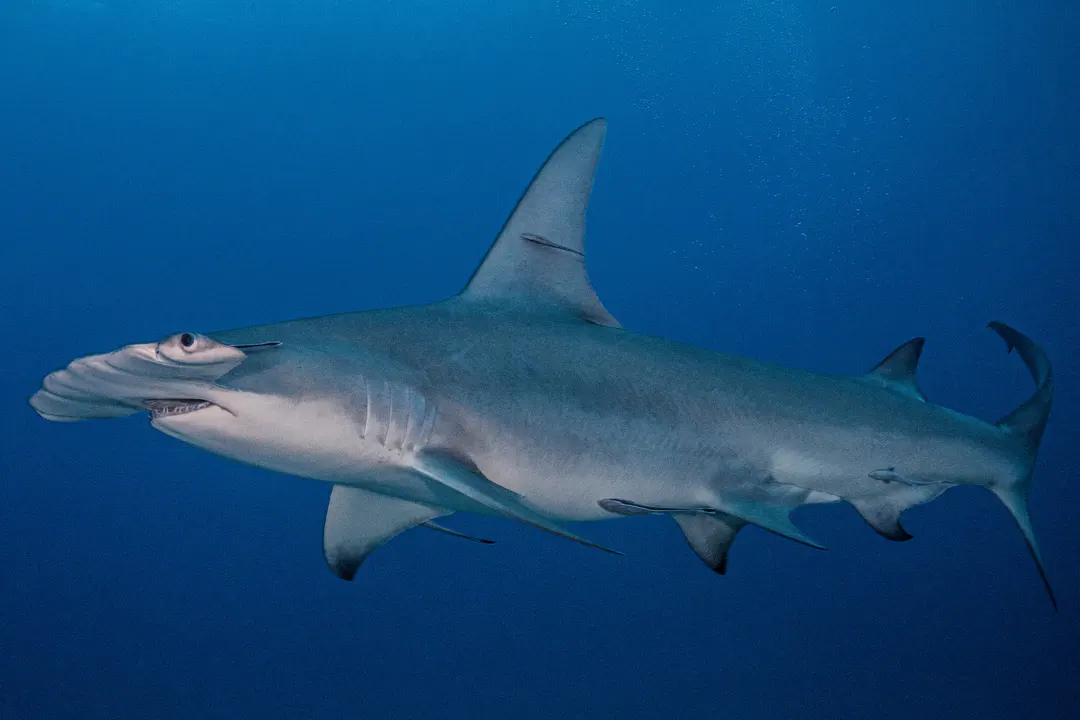
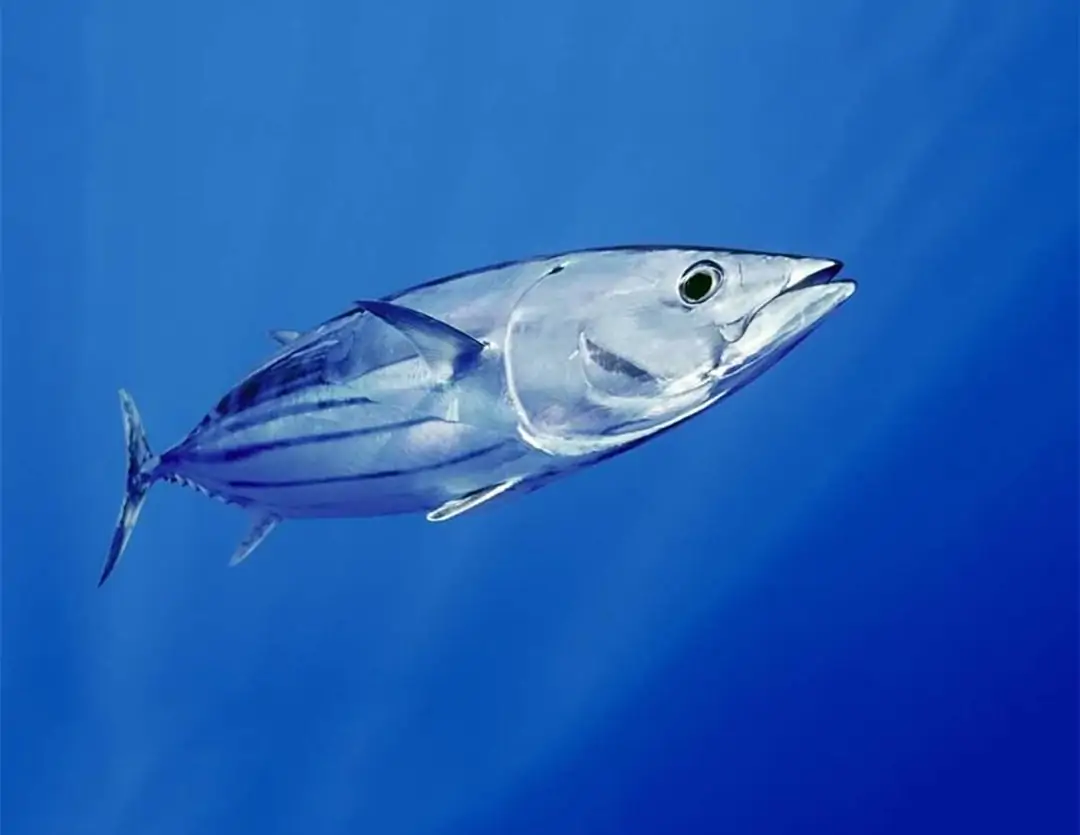
Large pelagic species are encountered offshore, though not predictably at every rig. Tuna, jacks, and barracuda aggregate around structure or bait concentrations; various shark species move through seasonally. Divers should therefore expect variable encounters rather than fixed “pelagic hotspots,” and any offshore dive here must be planned with current, weather, and operational safety as the priority.
Because Gabon’s offshore infrastructure is primarily industrial, dives near Port-Gentil require careful coordination and strong situational awareness. Access depends on operator permissions, vessel traffic, and site conditions. For advanced divers, the appeal lies in the chance of seeing active, midwater fish life around human-made habitat in a region with limited recreational diving pressure.
 © seabook.appAll rights reserved
  © seabook.appAll rights reserved
 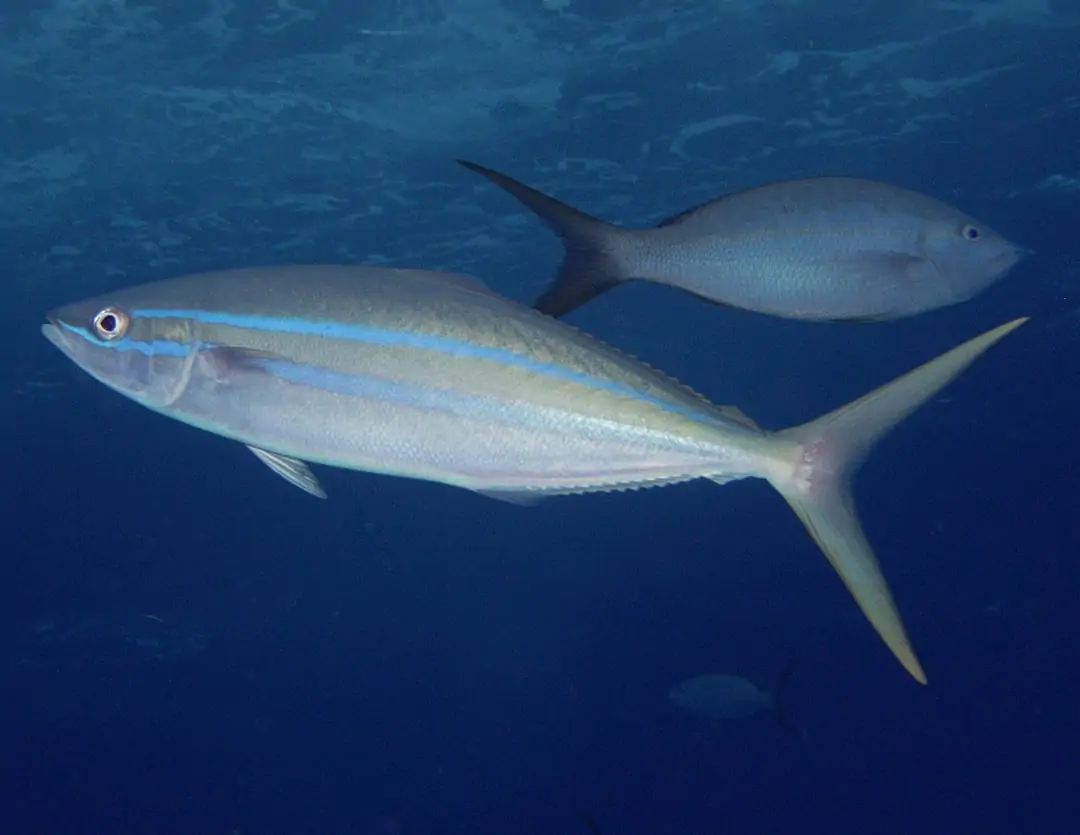 © seabook.appAll rights reserved
 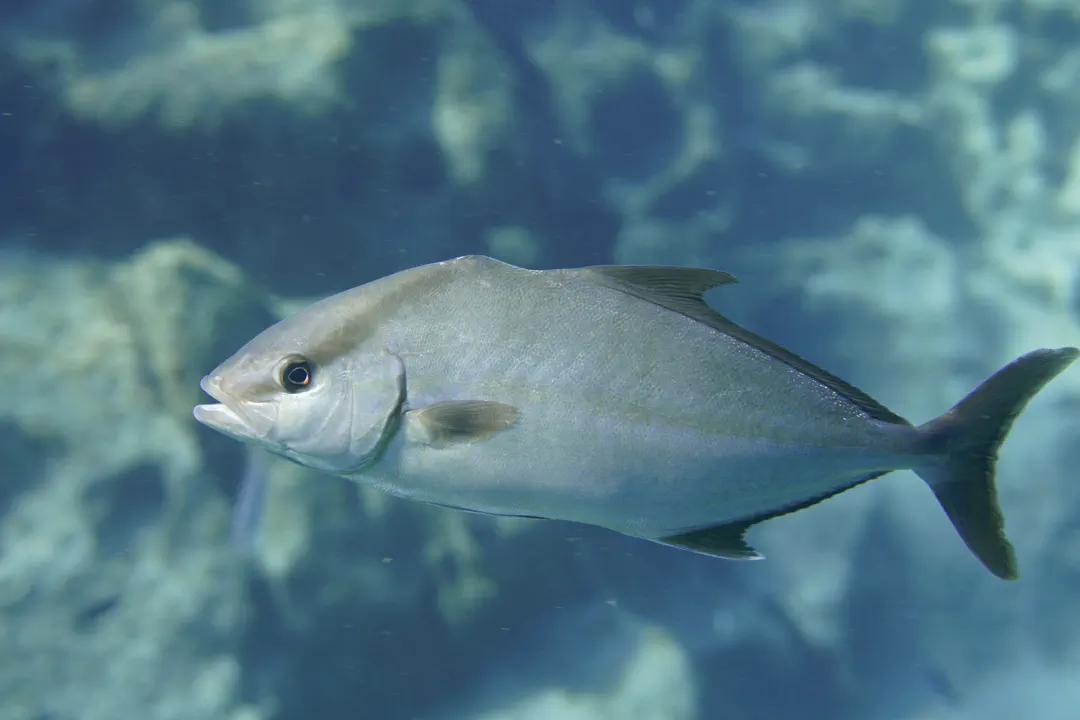 © Michael BommererCC BY 4.0
 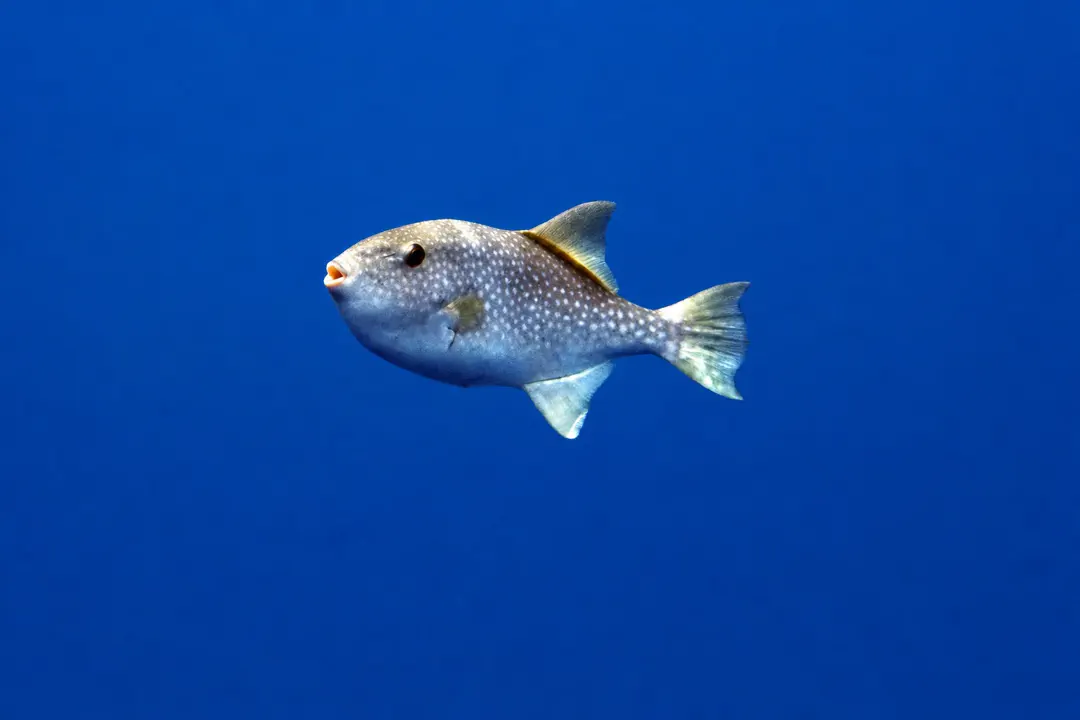 © seabook.appAll rights reserved
 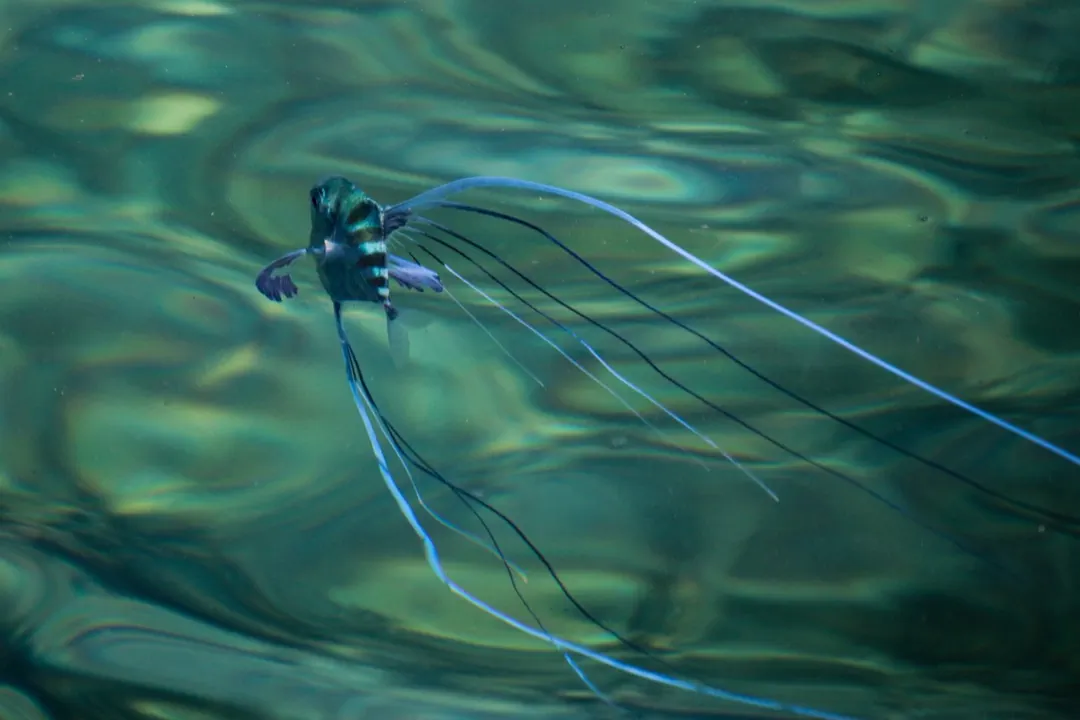 © Antonio Vukusich y Alejandra CabellosCC BY 4.0 · iNaturalist
 Mayumba National Park: A Sanctuary for Giants
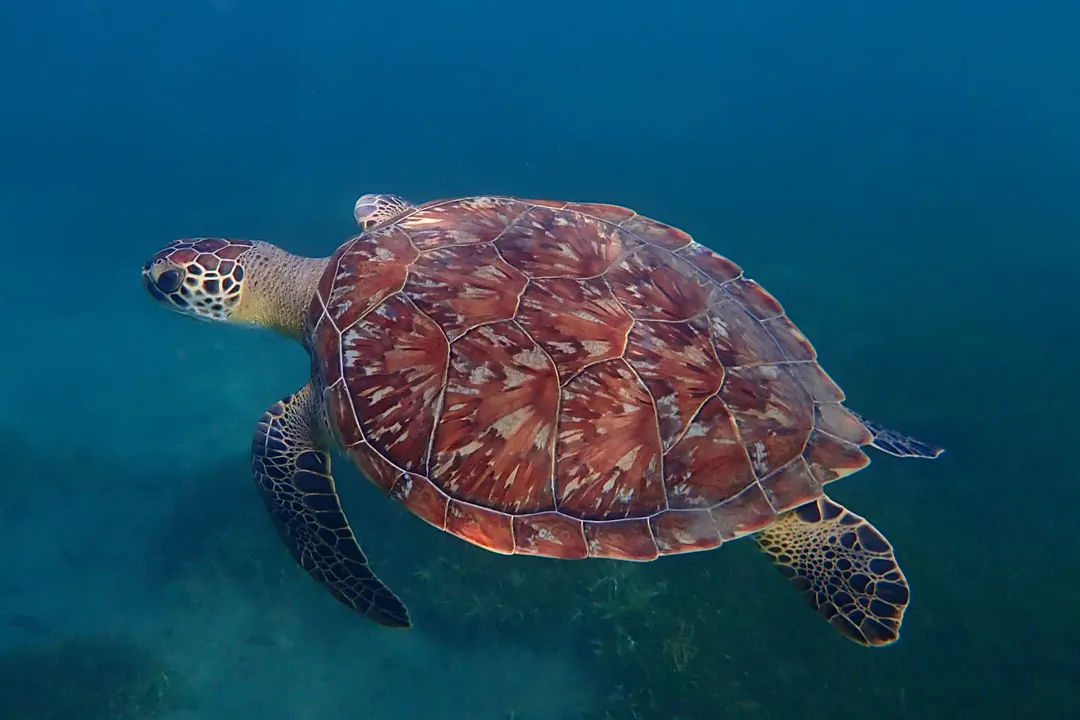
Mayumba National Park, one of Gabon’s most important coastal conservation areas, is widely known for its pristine long beaches and critical sea turtle nesting sites. Diving here is typically shallow, ranging from 5 to 20 meters, focusing on coastal reefs and sand channels. Access is exclusively by boat, often from ranger stations, and national park permits are required. These sites are best suited for intermediate divers or those comfortable with variable conditions and boat-based operations. The park's value lies as much in protecting an intact migratory corridor for marine megafauna—including leatherback and olive ridley turtles, sharks, rays, and dolphins—as in any single dive site.
While the wide sawfish, Pristis pristis, has a historical presence in the region and is critically endangered globally, modern, site-specific abundance data are limited. Divers will more likely participate in a conservation landscape that supports rare elasmobranchs than encounter sawfish on routine dives.
From a diver’s perspective, Mayumba is most compelling as a wildlife coastline rather than a guaranteed underwater spectacle. Seasonal marine mammal movement, turtle nesting periods, and the chance of encountering sharks or rays offshore make timing important. Conditions are influenced by swell and surf, so access is more restrictive than in sheltered bays farther north.
 © Matteo BellucciCC BY 4.0 · iNaturalist
 Conservation Efforts and Sustainable Diving
Gabon stands at the forefront of marine conservation in West Africa, with its extensive network of protected areas safeguarding its unique biodiversity. The country’s marine protection system covers about 26% of its waters, including marine parks and aquatic reserves, making it one of Africa’s strongest examples of large-scale ocean conservation.
As a frontier destination, divers contribute directly to conservation by choosing operators who actively participate in marine research or local community initiatives. Adhering to guidelines like avoiding contact with marine life and proper waste disposal helps preserve these unique environments, many of which are still being fully documented.
Practical Diving Tips for Gabon
For practical diving in Gabon, the main challenge is logistics rather than depth. Many sites are boat-based, rental gear is limited, and local knowledge matters because current, visibility, and access change quickly with weather and river conditions. Divers should bring well-maintained equipment, verify cylinder and boat support in advance, and choose operators familiar with the local coastline and safety procedures.
Questions
What is the visibility like in Gabon's waters?
Visibility in Gabon varies by season and location. Nearshore sites influenced by rivers and runoff can be murky after rain, while offshore areas are clearer in the dry season from June to September; a practical range for many dives is about 10 to 25 m.
Are there many dive operators in Gabon?
Gabon has a relatively small recreational dive market, so operators are limited compared with established dive destinations. It is best to book early, confirm experience with local conditions, and verify equipment, boat support, and safety procedures before travel.
What kind of dive experience is required for Gabon?
Gabon is generally better for intermediate or advanced divers because current, boat logistics, and changing visibility can make some sites more demanding. Shallow and calmer locations do exist, but beginners should plan conservative dives with professional guidance.
Is Gabon suitable for non-diving companions?
Yes. Non-diving travelers can focus on coastal wildlife, turtle and whale watching, and Gabon’s inland parks and forests, which are among the country’s strongest ecotourism draws. That makes Gabon workable for mixed-activity trips.
How do I get to Gabon for a dive trip?
International flights primarily arrive at Libreville Leon M'ba International Airport (LBV). From Libreville, divers typically arrange boat transfers to coastal dive sites or take domestic flights to Port-Gentil or Mayumba, depending on their itinerary.
Are permits required for diving in Gabon?
Yes, diving in national parks like Mayumba requires specific permits, usually arranged through your dive operator or park authorities. Offshore sites near Port-Gentil, especially around industrial structures, may also require special permissions or operator coordination.