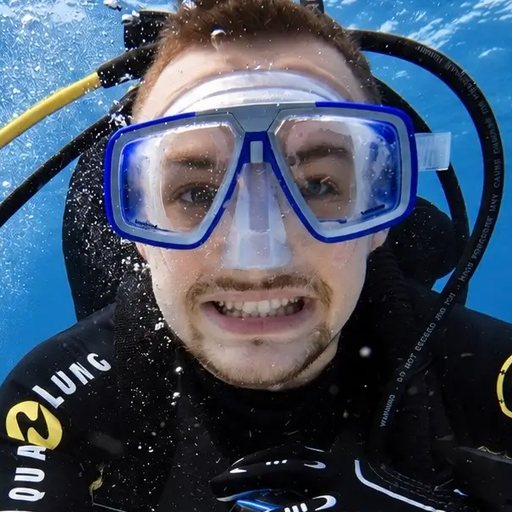
Belize's Underwater Realms
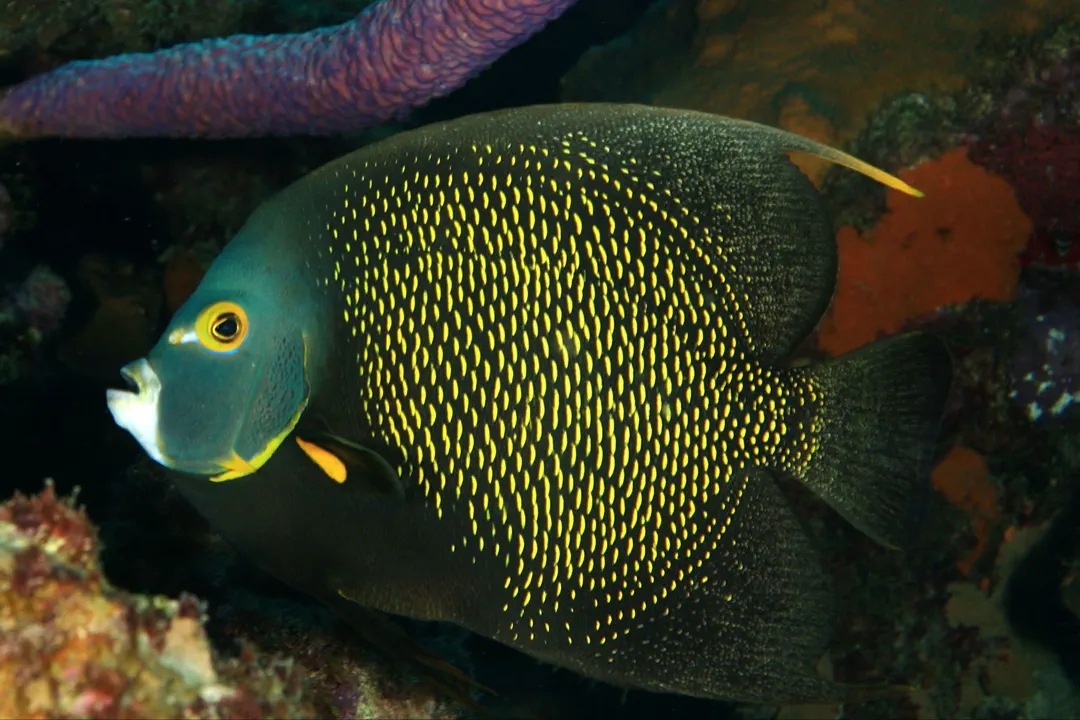
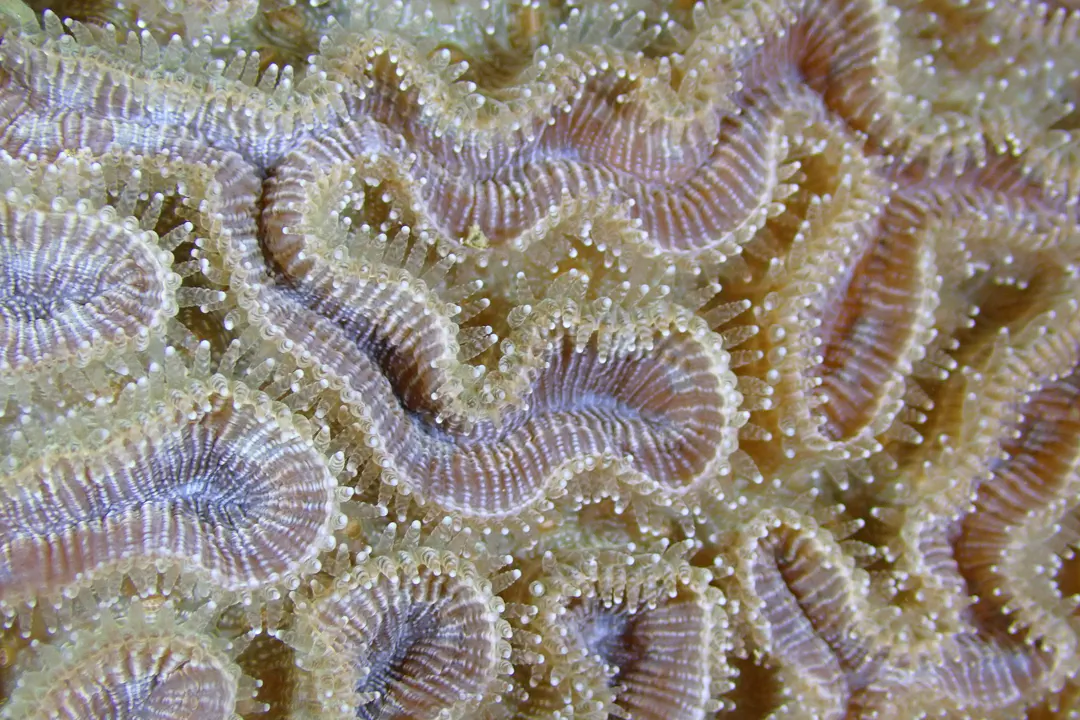
Sunlight, fractured into shimmering daggers, pierced the 15-meter depths of Lighthouse Reef's Half Moon Caye Wall, illuminating a pair of French angelfish (Pomacanthus paru) as they meticulously grazed algae from a massive brain coral (Diploria labyrinthiformis). A gentle, consistent current pulled wisps of fine sediment past, revealing the intricate patterns of gorgonians swaying in rhythm. Below, at 30 meters, the wall dropped sharply into the Caribbean abyss, a dark blue invitation.
This underwater theater unfolds daily across Belize's barrier reef system. Along the Caribbean coast of Central America, Belize holds extensive coral formations and marine habitats, a significant portion of the Western Hemisphere's reef life.
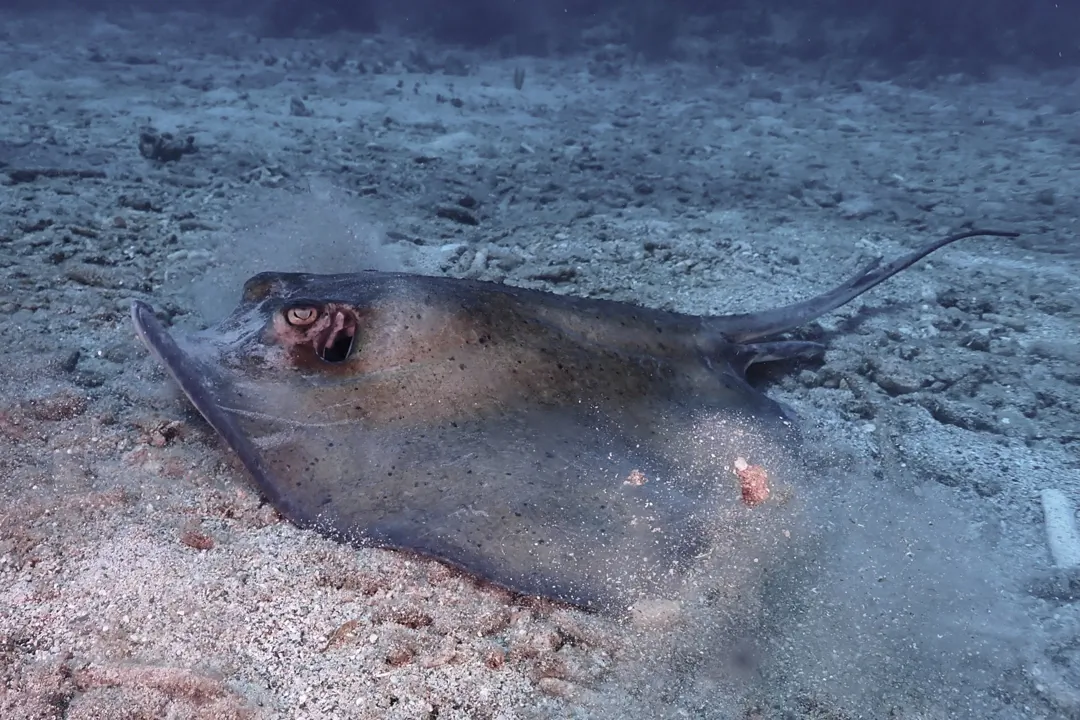 © Robin WhiteCC BY 4.0 · iNaturalist
 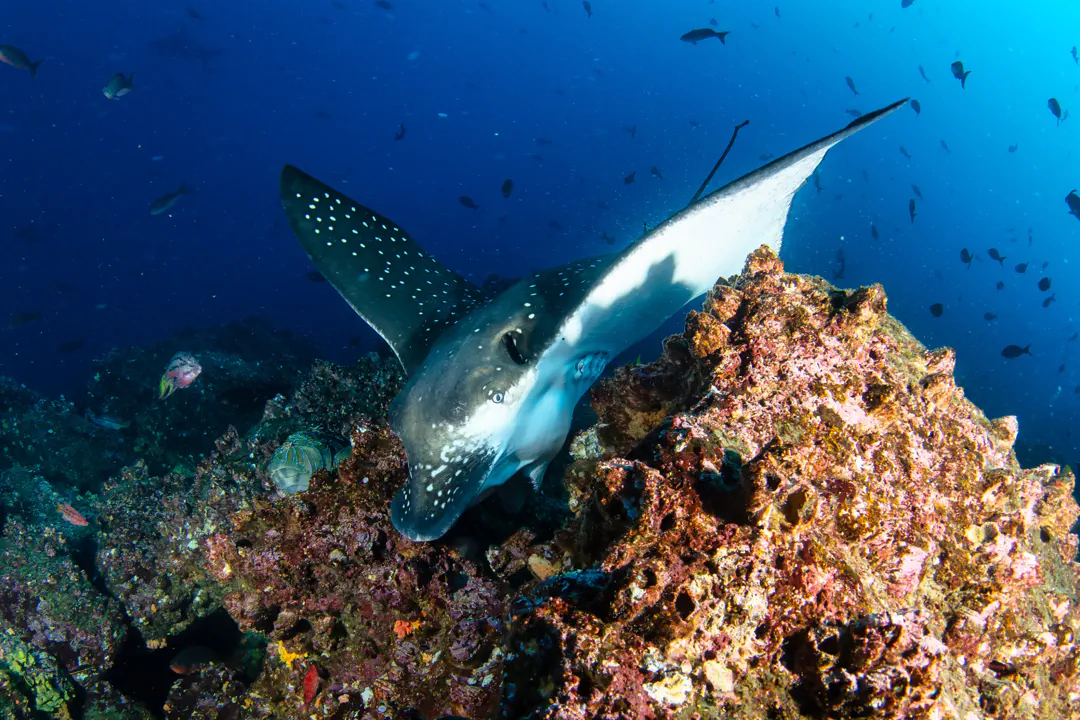 © seabook.appAll rights reserved
 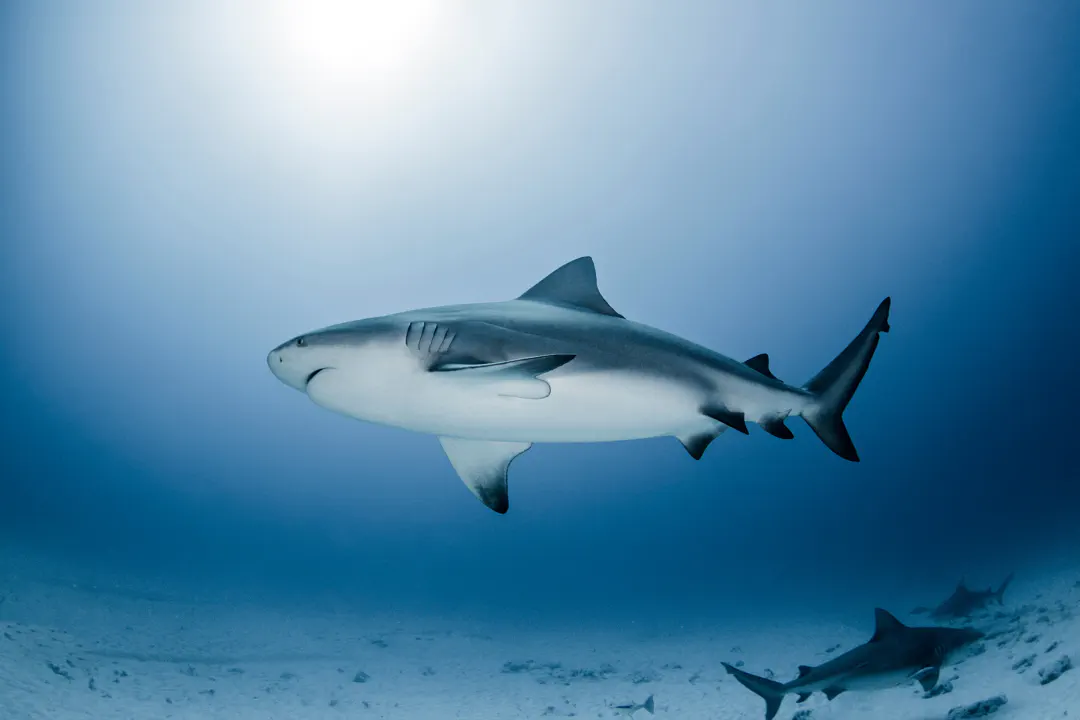 © seabook.appAll rights reserved
  © Matteo CassellaCC BY-SA 4.0 · iNaturalist
  © LASZLO ILYESCC BY 4.0 · iNaturalist
  © Jay BrasherCC BY 4.0 · iNaturalist
 Geography and Climate: A Reef's Foundation
Belize sits on the eastern coast of Central America, bordered by the Caribbean Sea. Its tropical climate ensures warm waters year-round, averaging 26-29°C.
The Belize Barrier Reef, positioned offshore, acts as a natural breakwater, shielding the coastline. This protection fosters the growth of intricate coral structures, from branching acropora to massive brain corals, and supports thousands of fish species.
The Belize Barrier Reef: A UNESCO World Heritage Site
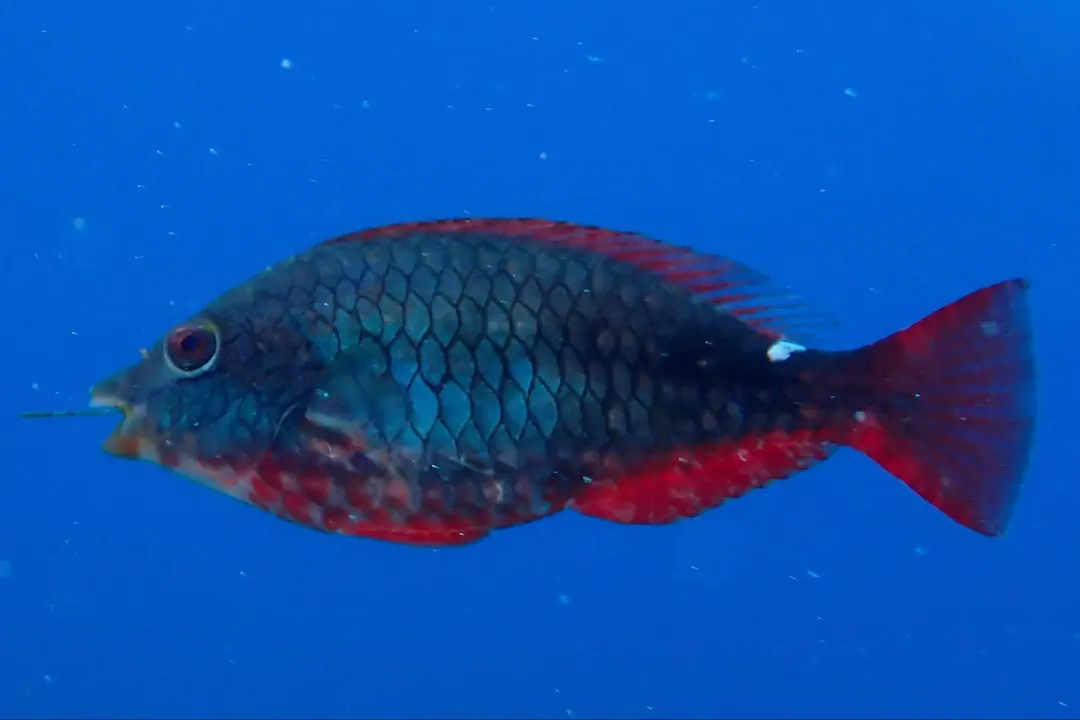
The Belize Barrier Reef System, a designated UNESCO World Heritage Site, stretches over 300 kilometers. It supports a mosaic of habitats, from shallow patch reefs sheltering young parrotfish (Scarus coelestinus) and grunts (Haemulon album), to sheer vertical walls plunging hundreds of meters into the deep.
This extensive reef includes fringing reefs, three major atolls, and hundreds of sand cayes. Its scale provides vital shelter, feeding grounds, and breeding sites for marine life, supporting species from tiny gobies to migrating whale sharks.
When to Dive: Seasons and Conditions
Belize offers year-round diving, but the dry season, from November to May, brings more stable weather, less rainfall, and consistently calm seas.
During these months, visibility frequently exceeds 30 meters, providing expansive views of the reef. Water temperatures consistently hold between 26°C and 28°C. This period also sees a higher frequency of larger pelagic species, particularly around the outer atolls.
Water temperature
Belize, monthly average
Belize Barrier Reef area near Ambergris Caye (popular diving region), sea surface temperatures
From the community's dive logs
What divers log in Belize
From 15 dives logged by 9 Seabook divers. What this group recorded, not a verdict on the destination.
Months these logs come fromwhen people dived, not when it is best
Belize's Notable Dive Sites
The Great Blue Hole
Dropping into the Great Blue Hole, divers descend to 40 meters, where the water temperature cools to around 24°C. This nearly perfectly circular sinkhole, 300 meters wide and 125 meters deep, formed during the last ice age when it was a dry limestone cavern.
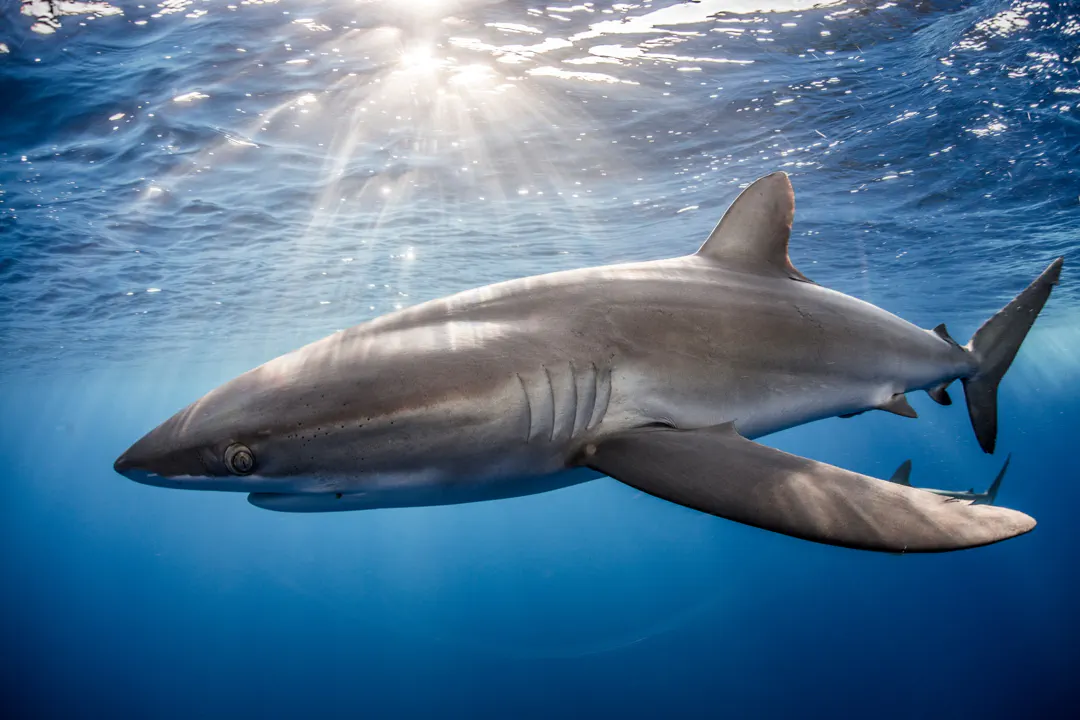
Massive stalactites, some reaching 12 meters in length, hang from the cavern ceiling at 40 meters. Bull sharks (Carcharhinus leucas) frequent the deeper ledges, their powerful forms a stark contrast against the dark blue water. Access is by boat, a full-day trip from the mainland or cayes, and requires advanced certification due to the depth.
 © Dan SchofieldCC BY 4.0 · iNaturalist
  © seabook.appAll rights reserved
  © Robin WhiteCC BY 4.0 · iNaturalist
  © Robin WhiteCC BY 4.0
 Lighthouse Reef Atoll
Beyond the Blue Hole, Lighthouse Reef Atoll reveals its outer reefs. Sites like Half Moon Caye Wall, accessible by boat for certified divers, feature drop-offs beginning at 10-15 meters and descending past 40 meters. Here, sunlit coral formations give way to immense sea fans and barrel sponges clinging to the sheer rock face.
Eagle rays (Aetobatus narinari) glide along the wall, and schools of creole wrasse (Clepticus parrae) and horse-eye jacks (Caranx latus) stream past. Further south, The Elbow, a deep pinnacle accessible by boat, plunges to 30-40 meters. Strong currents here sweep past the reef, drawing in large aggregations of schooling Atlantic spadefish (Chaetodipterus faber) and often bringing reef sharks (Carcharhinus perezi) into view. This site is best for advanced divers comfortable with drift conditions.
 Jean-Paul BoerekampsCC0 · iNaturalist
  © cello caruso-turielloCC BY 4.0 · iNaturalist
  Justin PhilboisCC0 · iNaturalist
  © Dan SchofieldCC BY 4.0 · iNaturalist
  © Bernard PictonCC BY 4.0 · iNaturalist
  © Dan SchofieldCC BY 4.0 · iNaturalist
 Turneffe Atoll
Turneffe Atoll, the largest of Belize's three atolls, presents a mosaic of mangrove islands, shallow lagoons, and fringing reefs. It is a prime location for encounters with larger pelagic species and impressive coral structures.
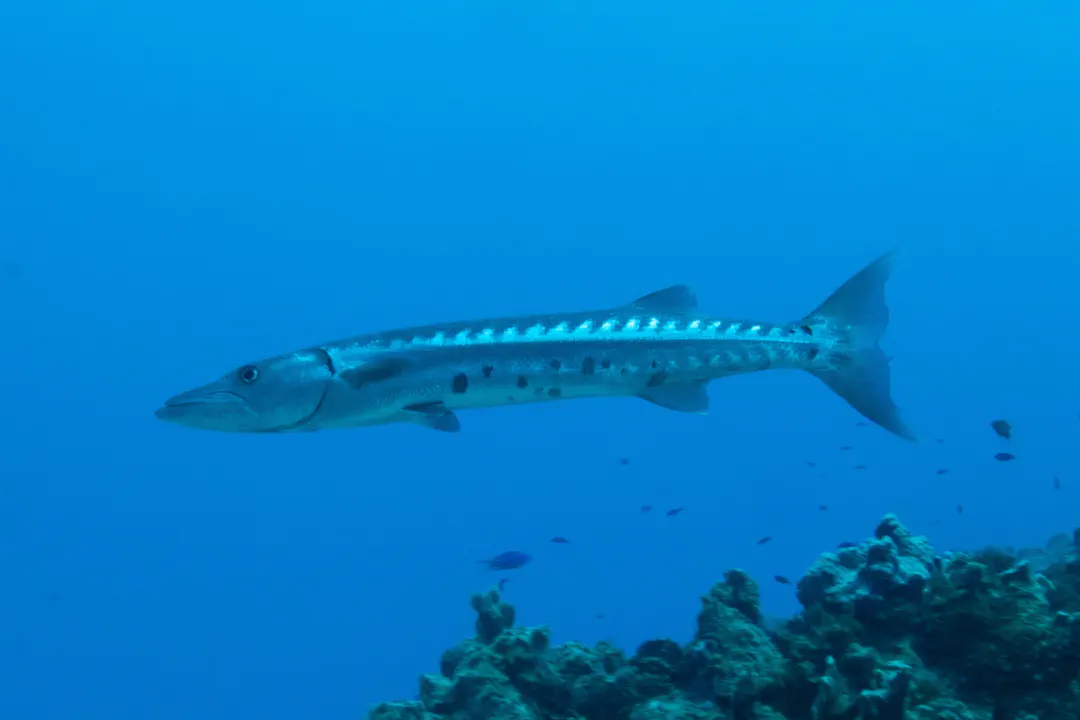
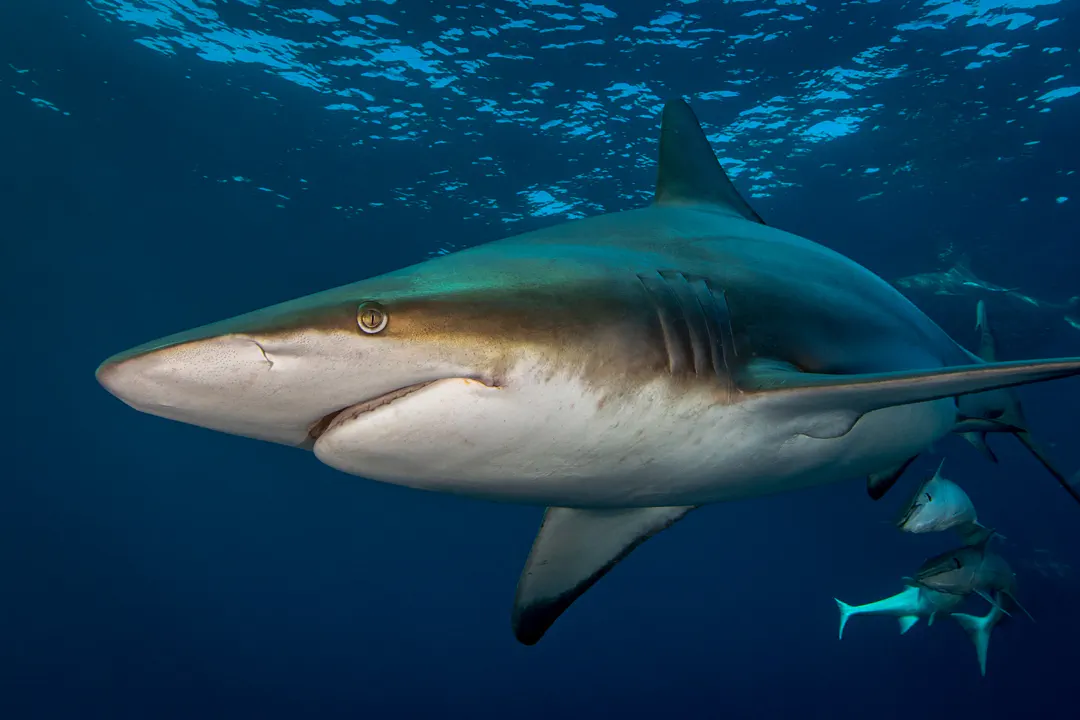
At the southern tip of the atoll, Turneffe's Elbow is a deep wall and pinnacle site, accessible by boat, plunging from 15 meters down to 35 meters. Here, strong currents draw in immense schools of horse-eye jacks (Caranx latus), forming swirling tornadoes of silver, and frequently bring in reef sharks (Carcharhinus perezi) and barracuda (Sphyraena barracuda). This site is best suited for advanced divers due to potential strong currents. The atoll's sheltered interior also provides calm conditions for newer divers, with depths from 5 to 20 meters.
 © seabook.appAll rights reserved
  © Antonio Vukusich y Alejandra CabellosCC BY 4.0 · iNaturalist
  © seabook.appAll rights reserved
 Glover's Reef Atoll
Glover's Reef Atoll stands out for its remarkable water clarity, which can reach 40 meters on calm days, and its dense populations of reef fish. This oval-shaped atoll, 32 kilometers long and 12 kilometers wide, cradles over 700 patch reefs within its lagoon.
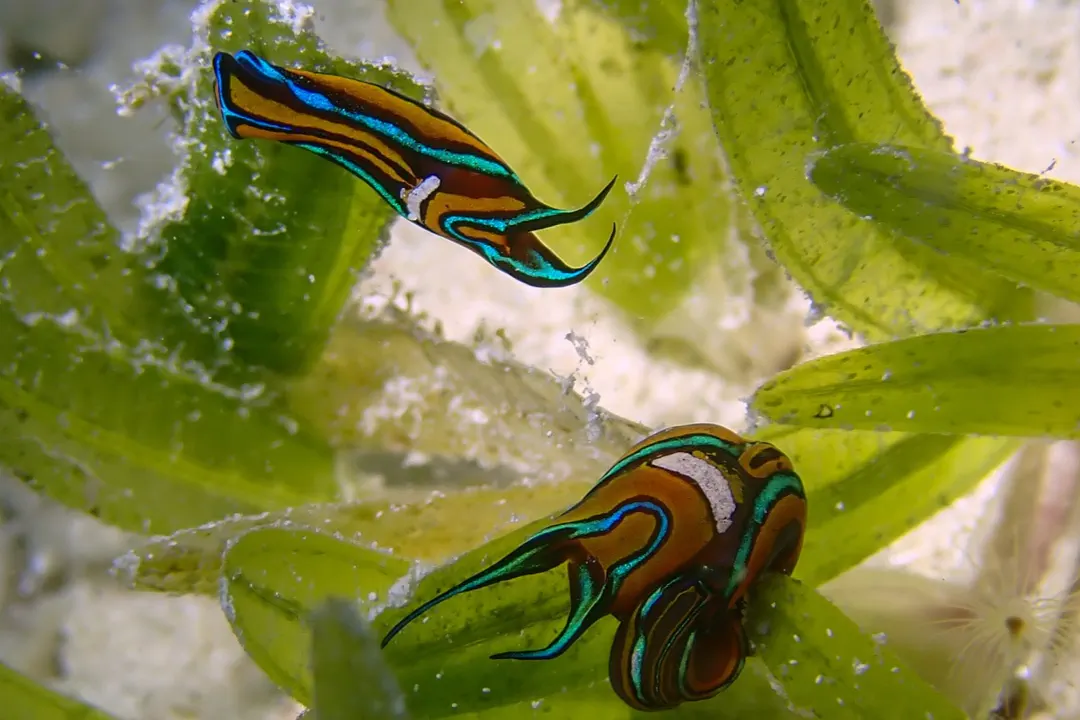
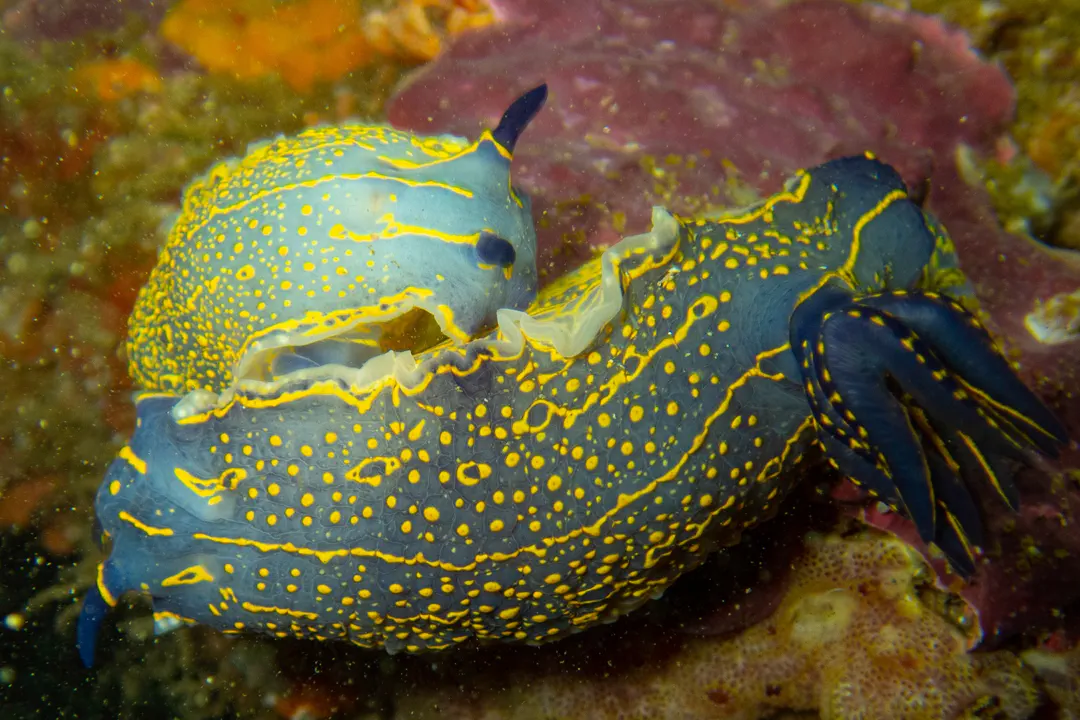
Within the coral formations, it offers a rich hunt for macro subjects, from vivid nudibranchs (Felimare picta) and arrow crabs (Stenorhynchus seticornis) to tiny blennies. Dive depths span from shallow coral gardens at 5-10 meters, ideal for open water divers, to wall dives reaching 30 meters and deeper for advanced divers, all accessible by boat. The atoll's status as a marine reserve protects its extensive reef system.
 © Brian GratwickeCC BY 4.0 · iNaturalist
  © Matteo CassellaCC BY-SA 4.0 · iNaturalist
  © Robin WhiteCC BY 4.0 · iNaturalist
  © Leonel RogetCC BY 4.0 · iNaturalist
 Beyond the Reef: Hidden and Transient Life
While the barrier reef and atolls are the primary draw, Belize's waters shelter a wide array of marine life. Hidden within the intricate coral formations and sponges, divers can find unexpected macro subjects.
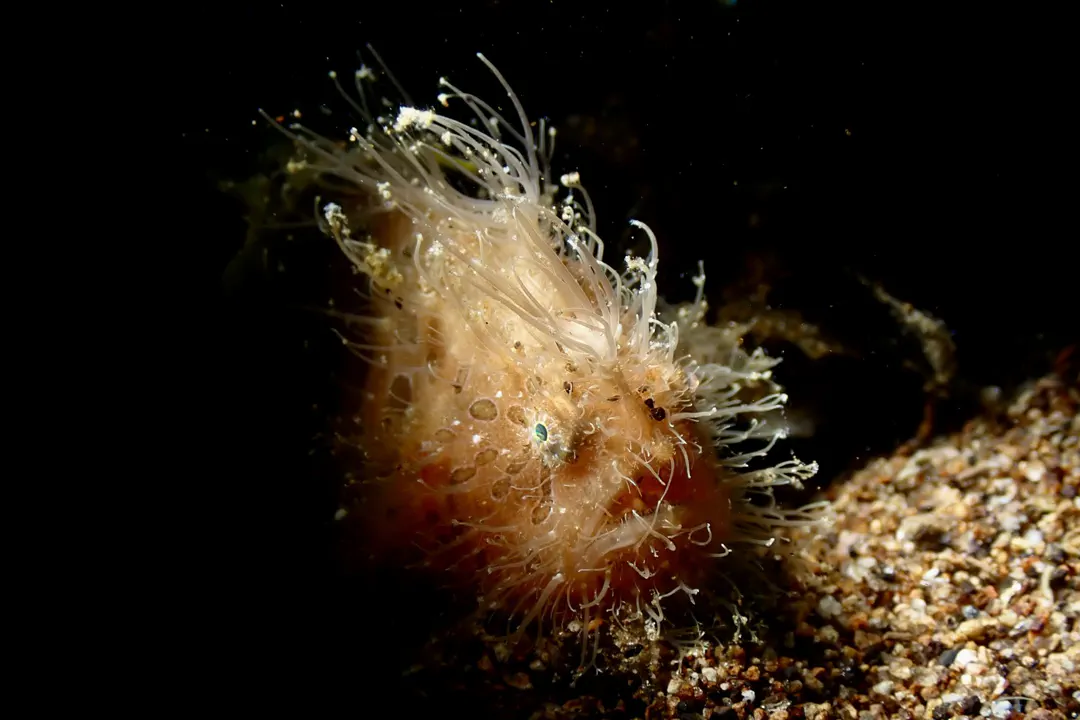
From the tiny, camouflaged sargassum frogfish (Histrio histrio) to vibrant nudibranchs, these smaller inhabitants demand a keen eye. Out in the deeper blue, beyond the reef crests, pelagic species like oceanic whitetip sharks (Carcharhinus longimanus) and schools of tuna (Katsuwonus pelamis) traverse the open ocean, providing thrilling, though less frequent, encounters.
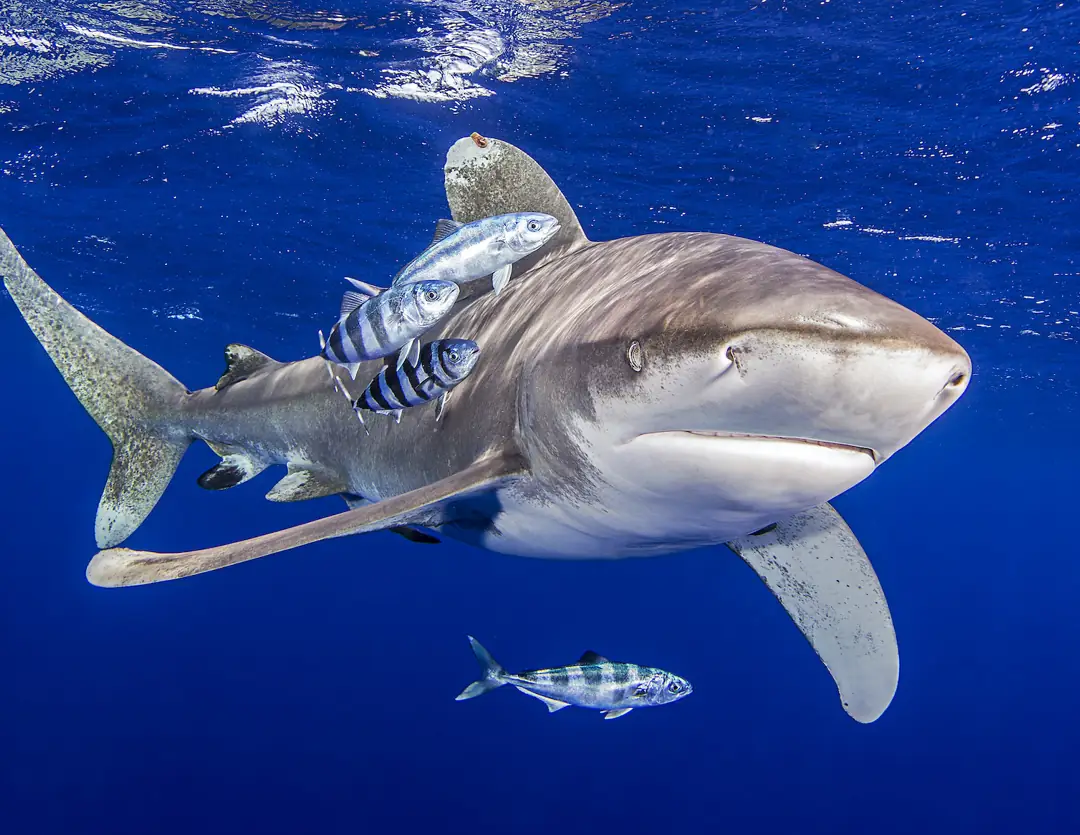 © seabook.appAll rights reserved
 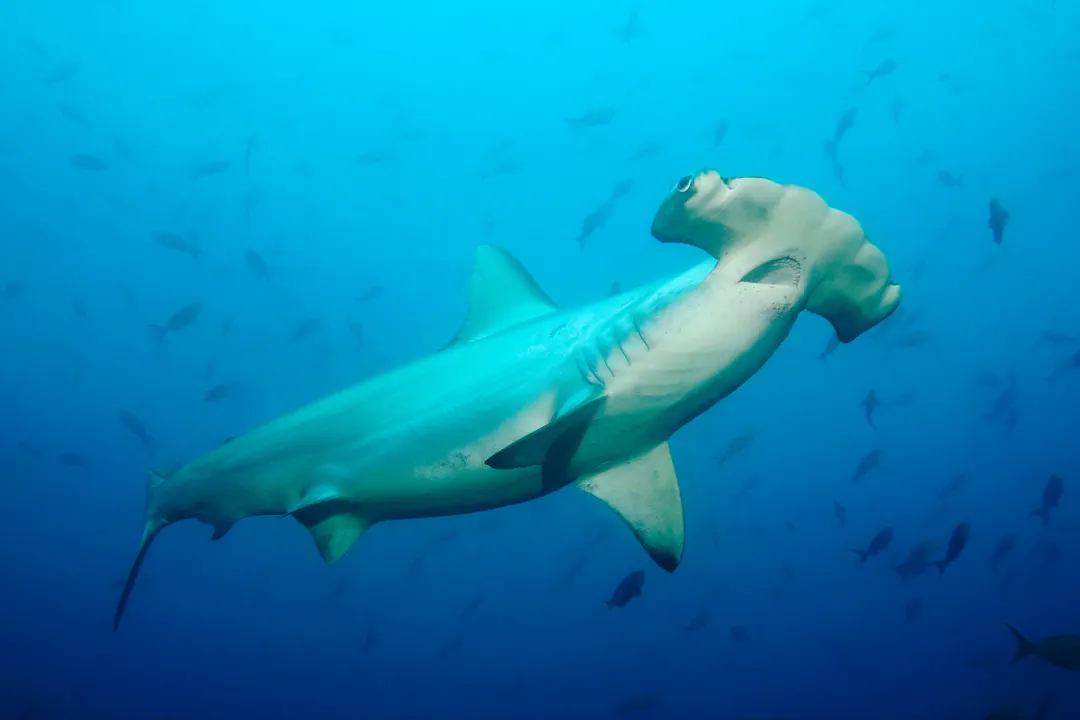 © seabook.appAll rights reserved
 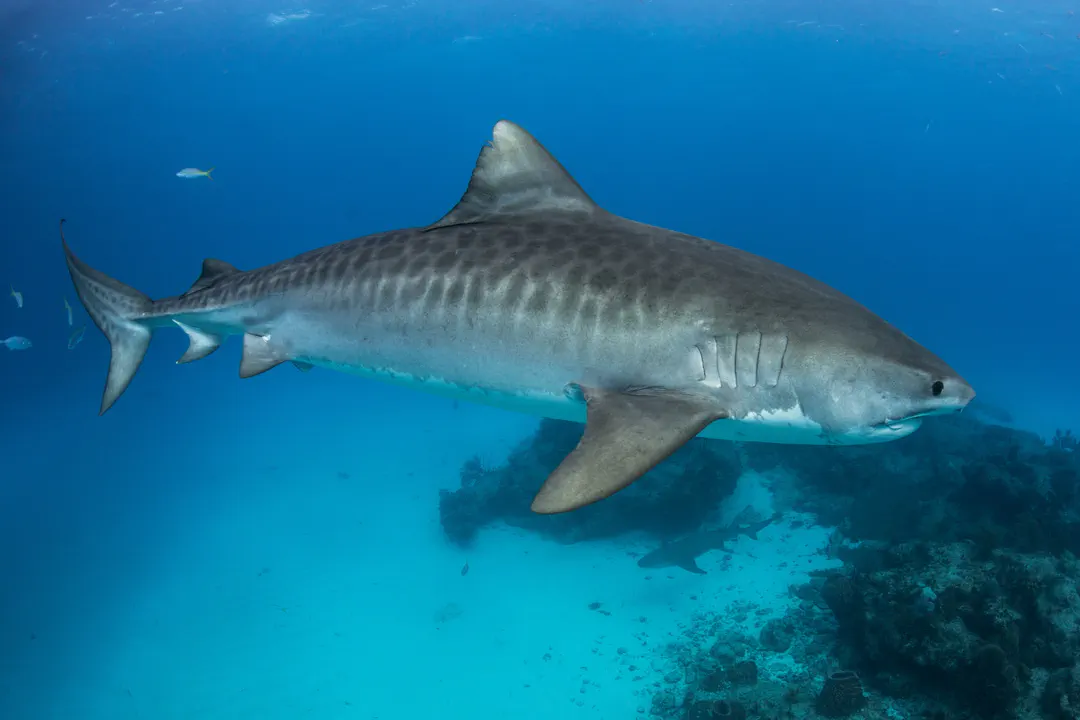 © seabook.appAll rights reserved
 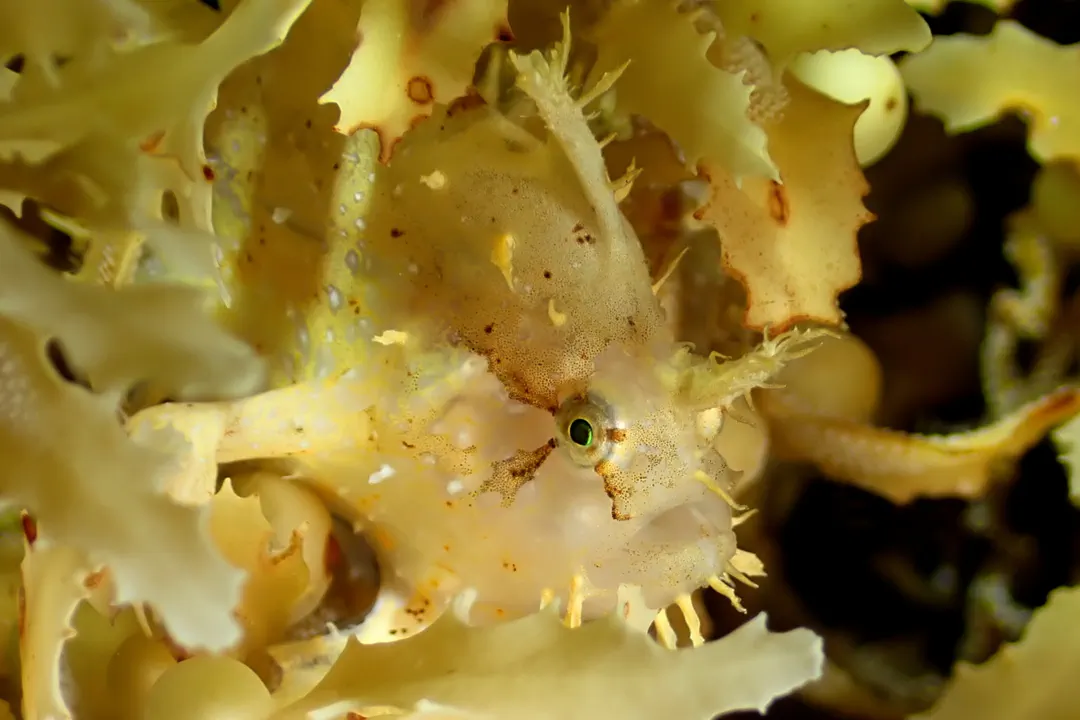 © Gregor BailarCC BY 4.0 · iNaturalist
  Chris SpainCC0 · iNaturalist
  © seabook.appAll rights reserved
 Conservation and Responsible Diving
Belize demonstrates its dedication to marine conservation through its network of marine reserves and national parks, protecting substantial portions of its barrier reef system. These initiatives are essential for safeguarding coral formations, from intricate gorgonian fields to massive boulder corals, and the myriad creatures that depend on them.
Divers contribute directly to these efforts by practicing responsible underwater behavior. Maintaining neutral buoyancy, avoiding contact with corals and marine life, and refraining from collecting souvenirs all help preserve the reef's integrity. Choosing dive operators committed to conservation also supports ongoing protection efforts.
Practical Tips for Your Belize Dive Trip
When planning a dive trip to Belize, select a reputable dive operator with well-maintained equipment and experienced guides. Many operators offer full gear rental, though bringing your own mask, fins, and computer ensures comfort and familiarity.
Ensure your dive certification is current, and consider advanced training if you plan to explore deeper sites like the Blue Hole. Always follow your guide's instructions and maintain a safe diving profile. Travel to Belize involves flying into Philip S.W. Goldson International Airport (BZE), followed by a short domestic flight or boat transfer to your chosen caye or coastal town.
Questions
Is Belize suitable for beginner divers?
Yes, numerous sites along the barrier reef, such as those near Ambergris Caye or Caye Caulker, offer calm, shallow reef dives (5-15 meters) with minimal current, ideal for new divers. These areas provide clear visibility, frequently exceeding 20 meters, and abundant reef fish, offering a gentle introduction to underwater exploration.
What is the water visibility like in Belize?
Belize offers consistently good visibility, often exceeding 30 meters (100 feet), due to its clear Caribbean waters and intact reef system. In some outer atoll sites, visibility can even reach 40 meters on calm days.
Are there any dangerous marine animals to be aware of?
While Belize is home to sharks (like reef and bull sharks) and barracudas, encounters are generally safe, and these animals maintain their distance. Divers should always maintain a respectful observation distance and avoid touching marine life. Lionfish are an invasive species and venomous, but they are shy; report sightings to your dive guide.
Can I dive the Great Blue Hole as a recreational diver?
The Great Blue Hole requires advanced certification (or equivalent experience) due to its maximum recreational depth of 40 meters. Many operators offer guided trips that cater to recreational limits, but full penetration into the deeper, darker caverns beyond 40 meters is reserved for technical divers with specialized training and equipment.