
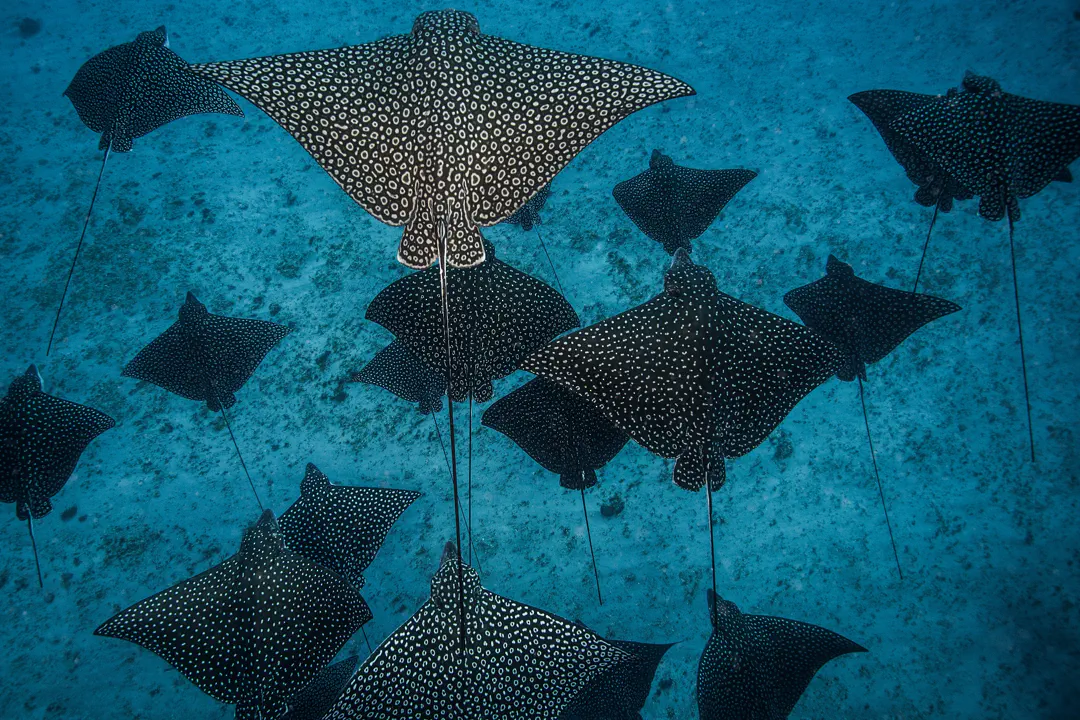
At three meters depth inside Hanifaru Bay, sunlight breaks through green-tinged water packed with copepods. A reef manta ray turns hard on its left wing, opening a white gullet two feet wide to scoop up plankton. Behind it, five more rays line up tail-to-snout in a slow barrel roll, their dark cephalic fins uncurled like scoops to funnel the soup into their gills.
Planning a trip for diving with manta rays depends on aligning monsoon winds, moon phases, and ocean currents across key global ocean basins. Peak sightings span May through December in the Indian Ocean and November through June in the eastern Pacific. Water temperatures at major aggregation sites range from 21°C in oceanic upwellings to 30°C in tropical lagoons, while visibility varies between 10 meters in plankton-rich feeding bays and 30 meters at deep ocean pinnacles.
Top destinations include Hanifaru Bay and Ari Atoll in the Maldives, Komodo National Park and Raja Ampat in Indonesia, the Kona Coast in Hawaii, and the Revillagigedo Archipelago in Mexico. Divers and snorkelers encounter reef manta rays (Mobula alfredi), giant oceanic manta rays (Mobula birostris), whale sharks, grey reef sharks, and green sea turtles. Experience levels range from shallow surface snorkeling in sheltered bays to advanced drift diving along remote volcanic pinnacles.
Understanding Manta Rays: Reef vs. Oceanic Species
Reef manta rays (Mobula alfredi) and giant oceanic manta rays (Mobula birostris) represent two distinct species with different ecological roles and physical dimensions. Reef mantas reach disc widths between three and five meters, spending their lives along coastal reefs, shallow lagoons, and island channels. In contrast, giant oceanic mantas grow up to seven meters across and weigh over two thousand kilograms. Their dark dorsal surfaces feature distinct V-shaped shoulder markings, whereas reef mantas display softer Y-shaped pale patches behind their heads.
Both species filter zooplankton using modified gill rakers that strain microscopic crustaceans, fish eggs, and larval invertebrates from moving water. Feeding strategies change based on prey concentration and current movement. In calm water with dense plankton, mantas perform repetitive backward somersaults to stay within the richest feeding zone. When strong currents push food through narrow channels, rays align in long chains or wide chevrons to capture prey missed by the lead individuals.
Cleaning stations serve as essential social and hygienic hubs where both species pause their foraging routines. Elevated coral bommies and granite pinnacles host resident cleaner wrasses, including Labroides dimidiatus, which swim into the rays' open gill slits and mouth cavities to remove parasites and dead tissue. Mantas hover in near-motionless positions for extended periods directly above the coral heads while adjusting their pectoral fins to match the surrounding current.
Top Destinations to Dive with Manta Rays
The global distribution of manta rays concentrates around oceanic upwellings, island passes, and shallow reefs where nutrient-rich water creates predictable feeding conditions. Ocean currents driven by trade winds and monsoon cycles move plankton blooms across open basins, prompting resident and migratory populations to gather at specific geographic bottlenecks throughout the year.
Choosing the right destination requires understanding whether you want to observe shallow cleaning behavior or high-energy open-ocean encounters. Coastal lagoons and shallow channels provide relaxed viewing conditions with minimal current, allowing divers to sit on sandy sea floors while rays pass overhead. Remote volcanic pinnacles and deep channels offer dramatic drift encounters with pelagic megafauna alongside schooling sharks and eagle rays.
Regional management rules dictate how divers and snorkelers interact with these animals at major sites. Protected marine reserves enforce strict limits on group sizes, entry fees, dive times, and proximity to cleaning stations to prevent disturbance. Knowing these local operational details ensures your trip supports long-term conservation while delivering reliable underwater sightings.
Maldives: Baa Atoll and Ari Atoll
Hanifaru Bay in Baa Atoll is a 700-by-200-meter reef inlet within the Baa Atoll UNESCO Biosphere Reserve. According to a 2021 study in Frontiers in Marine Science using long-term manta research at Hanifaru Bay, peak feeding events can involve more than 250 individual reef manta rays when tidal back-eddies trap massive densities of zooplankton inside the narrow channel. As noted by the Convention on Migratory Species Hanifaru Bay elasmobranch-tourism factsheet, these seasonal aggregations occur mainly during the southwest monsoon from May through December.
A report by Katie Brooks for the University of York on tourism at Hanifaru Bay highlights how individual photo-identification has documented the Maldives' large resident reef-manta population across its atolls. While Hanifaru Bay restricts visitors to strictly managed snorkeling, surrounding sites like Lankan Manta Point in North Malé Atoll and Moofushi Point in South Ari Atoll allow scuba divers to watch rays at shallow cleaning stations. During the northeast monsoon from December to April, plankton shifts to the western side of the atolls, shifting manta activity to sites like Ukulhas Thila.
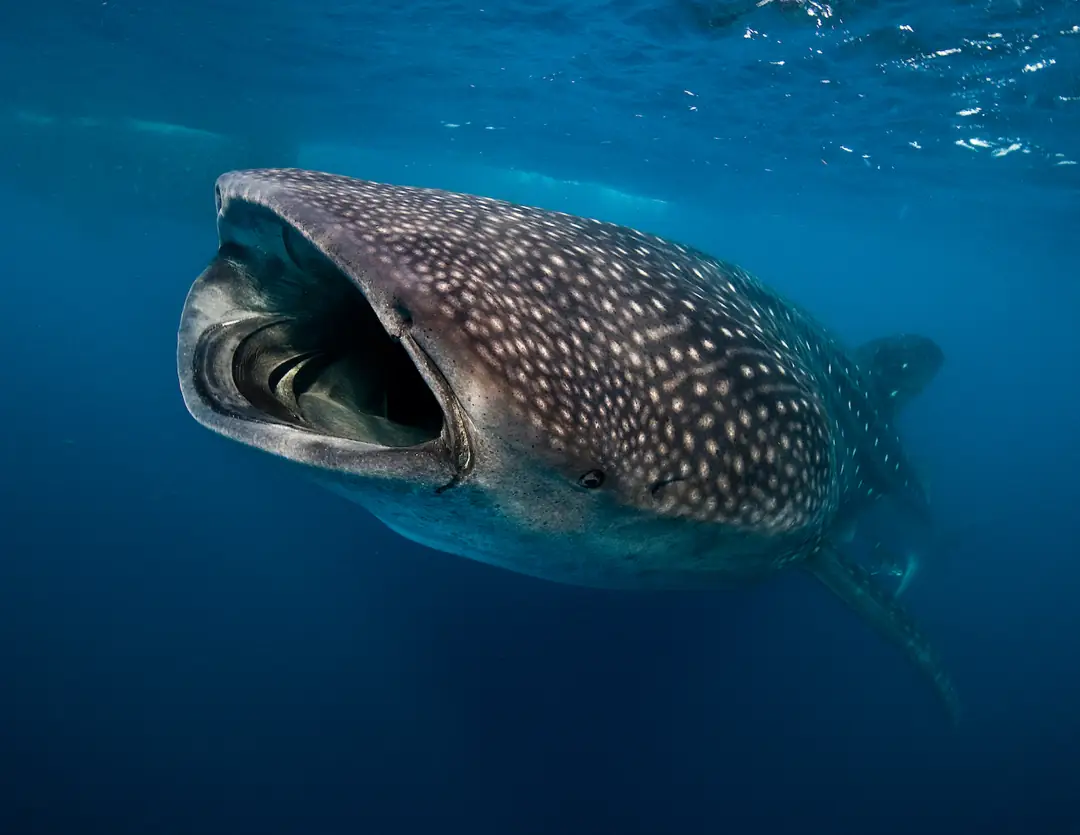
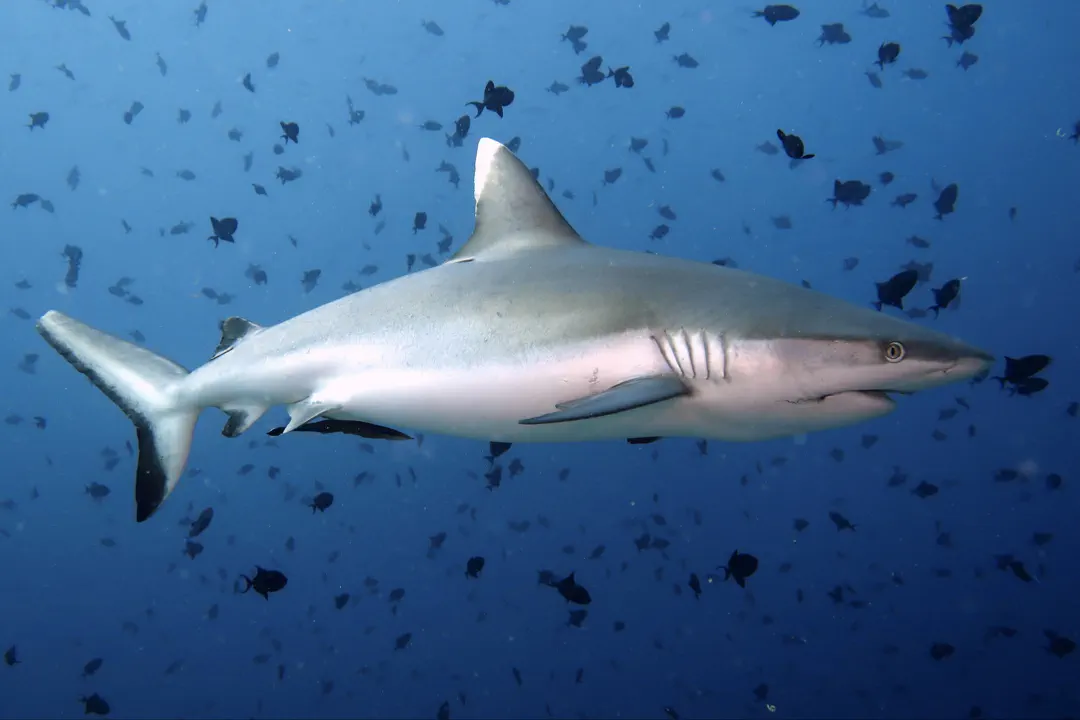
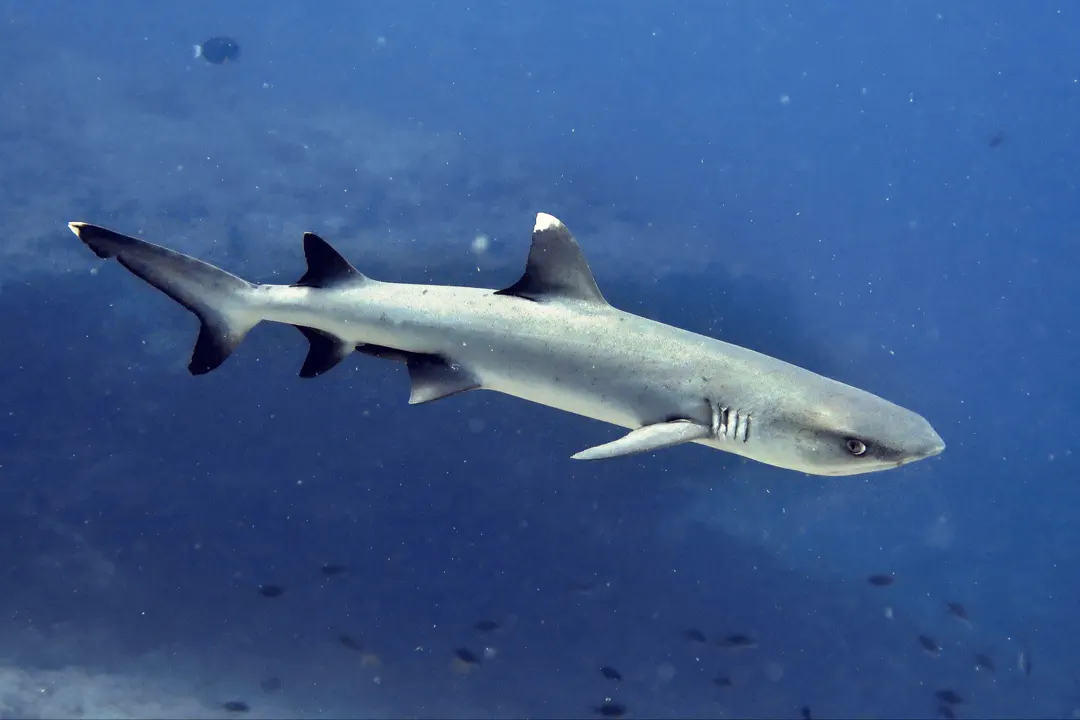
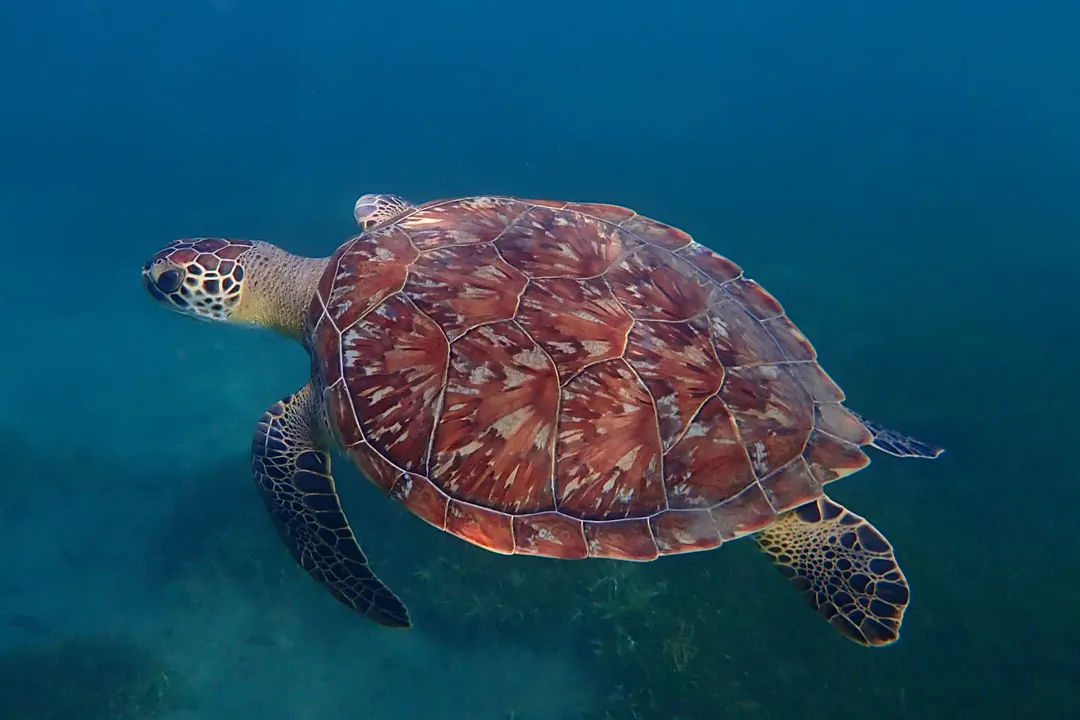
Divers visiting Maldivian thilas—submerged coral pinnacles—will encounter reef mantas hovering three meters above coral heads alongside grey reef sharks, white-tip reef sharks, and hawksbill sea turtles. The Seabook app allows divers to log these sightings and verify spot patterns on individual rays against regional marine life databases. Water temperatures remain constant across the archipelago between 27°C and 30°C throughout the year.
Depth: 5-30 m. Access: boat, 20-45 minutes from local resorts or liveaboards. Level: Open Water to Advanced. Best months: May-November (Baa Atoll), December-April (Ari Atoll).
 © Daniel BenákCC BY 4.0 · iNaturalist
  © Daniel BenákCC BY 4.0 · iNaturalist
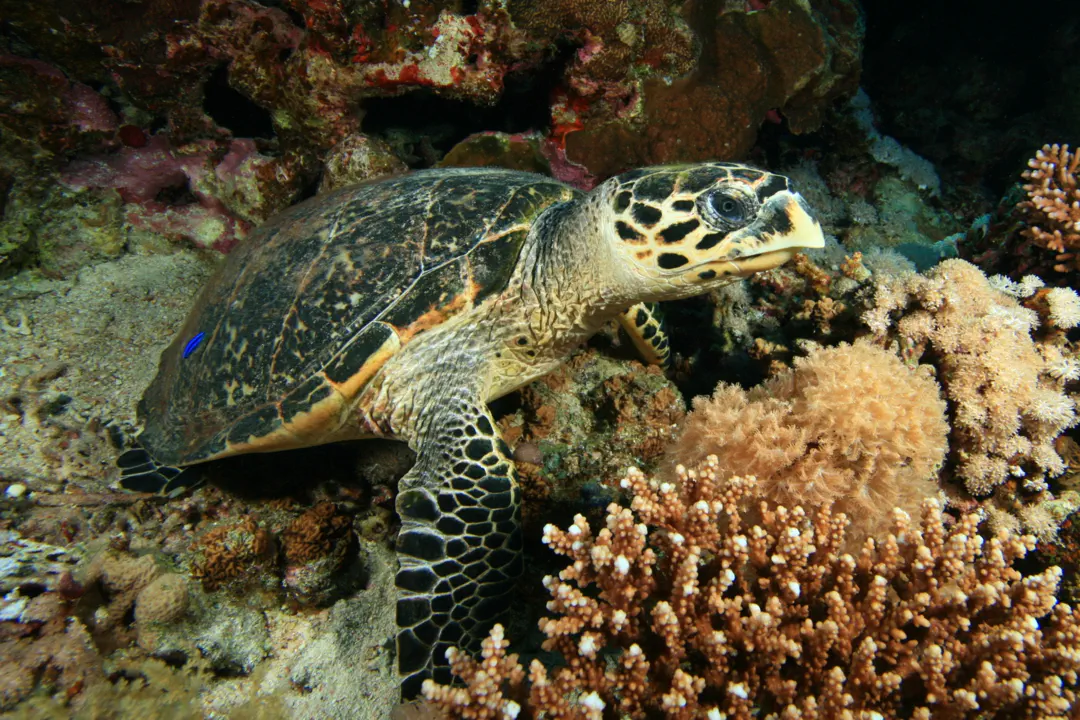
  © Matteo BellucciCC BY 4.0 · iNaturalist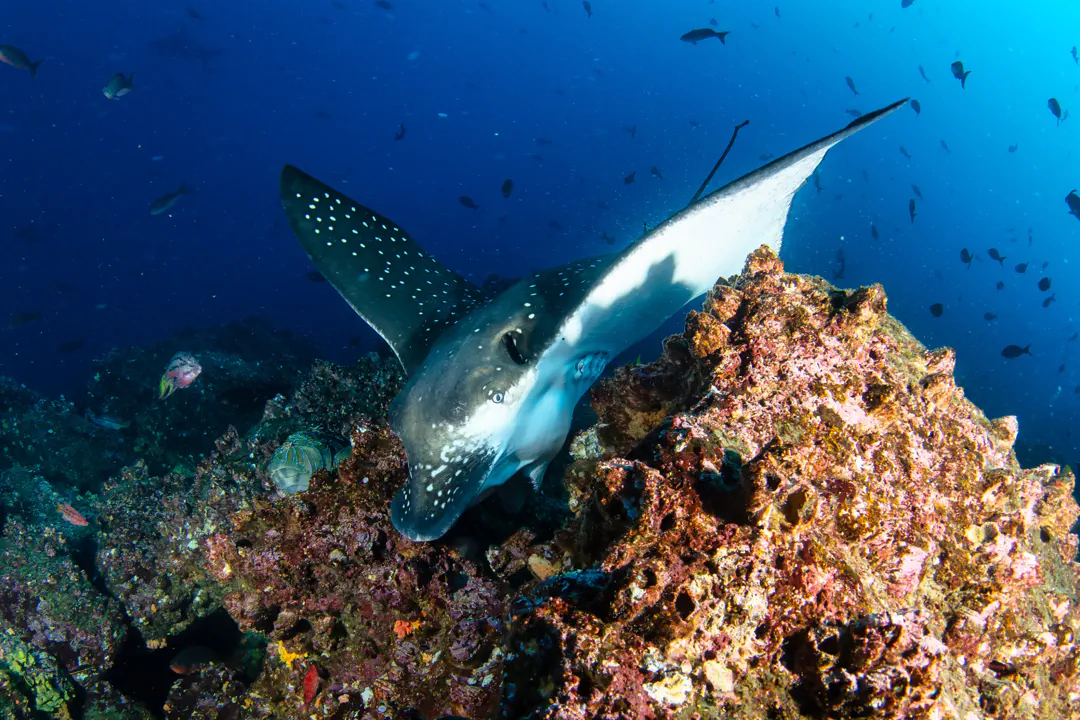
Indonesia: Komodo and Raja Ampat
Karang Makassar in Komodo National Park is a two-kilometer-long shallow rubble reef swept by powerful tidal currents. Reef mantas assemble here to feed on plankton suspended in the moving water column and to visit cleaning bommies scattered across the sea floor at depths between 8 and 18 meters. Upwelling currents bringing nutrient-rich deep water lower the ocean temperature in Komodo to between 24°C and 26°C during the dry season, creating high productivity.
In Raja Ampat, the Dampier Strait contains key manta aggregation sites including Manta Ridge, Blue Magic, and Manta Sandy. These sites host both standard counter-shaded reef mantas and all-black melanistic morphs, which account for roughly 15 percent of the local population. Water temperatures in Raja Ampat are warmer, averaging 27°C to 30°C, with visibility ranging from 15 to 25 meters depending on tidal phase and plankton density.
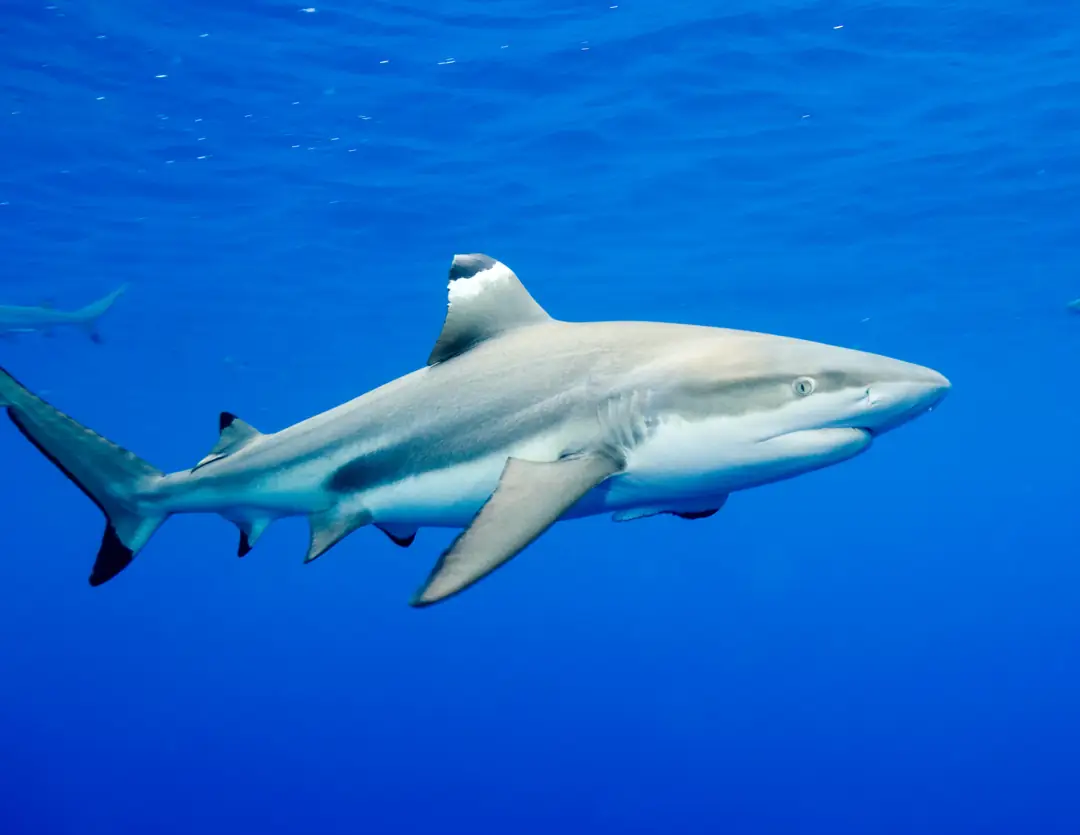
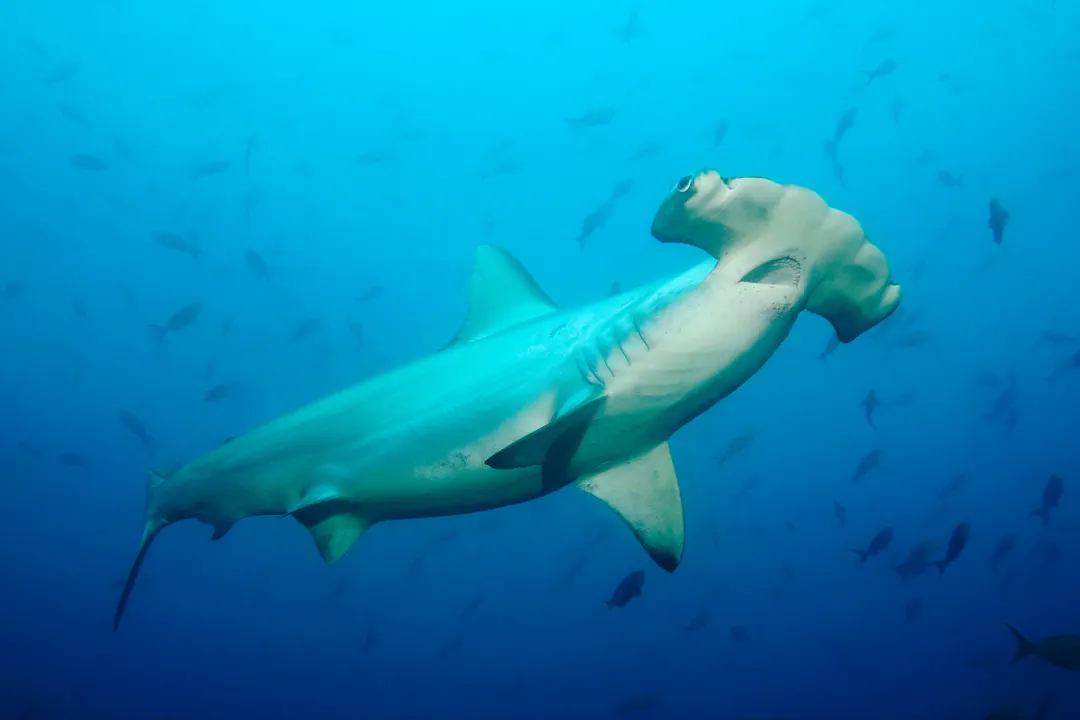
Diving in Indonesian passes demands precise negative entries and confident buoyancy control in turbulent currents. Reef hooks are often necessary to stay anchored near cleaning bommies without damaging surrounding hard corals. Along with mantas, divers regularly encounter hawksbill turtles, blacktip reef sharks, whitetip reef sharks, and scalloped hammerheads navigating the current.
Depth: 8-28 m. Access: liveaboard or day boat, 30-90 minutes from Labuan Bajo or Sorong. Level: Advanced Open Water. Best months: May-October (Komodo), October-April (Raja Ampat).
Kona, Hawaii: World-Famous Night Dives
Off the Kona Coast of Hawaii's Big Island, site locations like Makako Bay and Keauhou Bay host one of the most consistent night diving experiences in the world. High-powered floodlights positioned on the sandy sea floor at depths of 8 to 12 meters illuminate the water column, attracting dense concentrations of phototactic zooplankton within minutes of sunset. Resident reef mantas gather in the light beams to feed.
Divers kneel on sandy patches surrounding a central light ring, while rays glide inches above their heads. The mantas execute continuous backward somersaults to filter plankton, brushing past divers with their wingtips. Water temperatures along the Kona Coast range from 24°C in winter to 27°C in late summer, with underwater visibility typically exceeding 20 meters.
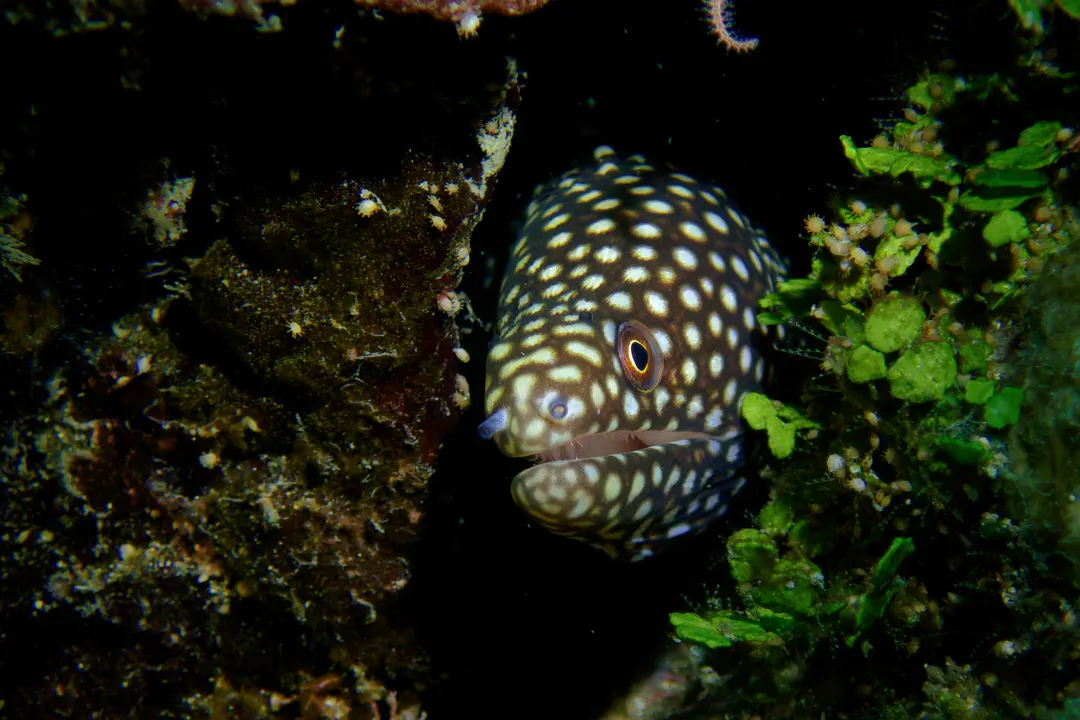
Because this population consists of resident individuals identified by distinct ventral markings, local conservation groups track their growth and health over decades. Divers on these night excursions also spot whitetip reef sharks hunting along the reef margin, spotted eagle rays, green sea turtles, and whitemouth moray eels emerging from lava rock crevices.
Depth: 8-14 m. Access: boat, 15-30 minutes from Honokohau Harbor. Level: Open Water. Best months: Year-round.
 © Jay ParolineCC BY 4.0 · iNaturalist
 Socorro Islands, Mexico: Giant Oceanic Mantas
The Revillagigedo Archipelago, situated 390 kilometers south of Cabo San Lucas, represents the primary global hotspot for intimate encounters with giant oceanic manta rays (Mobula birostris). Sites such as San Benedicto's El Boiler and Partida's The Canyon feature submerged volcanic pinnacles rising from ocean depths exceeding one thousand meters into intense open-ocean currents.
Unlike reef mantas, the oceanic mantas at Socorro regularly reach wingspans of five to six meters and actively seek out interaction with divers. Rays often match their swimming speed to divers' bubble plumes, hovering inches above dive teams to feel the sensation of rising air against their skin. Ocean temperatures range from 21°C to 28°C, with thermal layers producing sudden drops during deep dives.
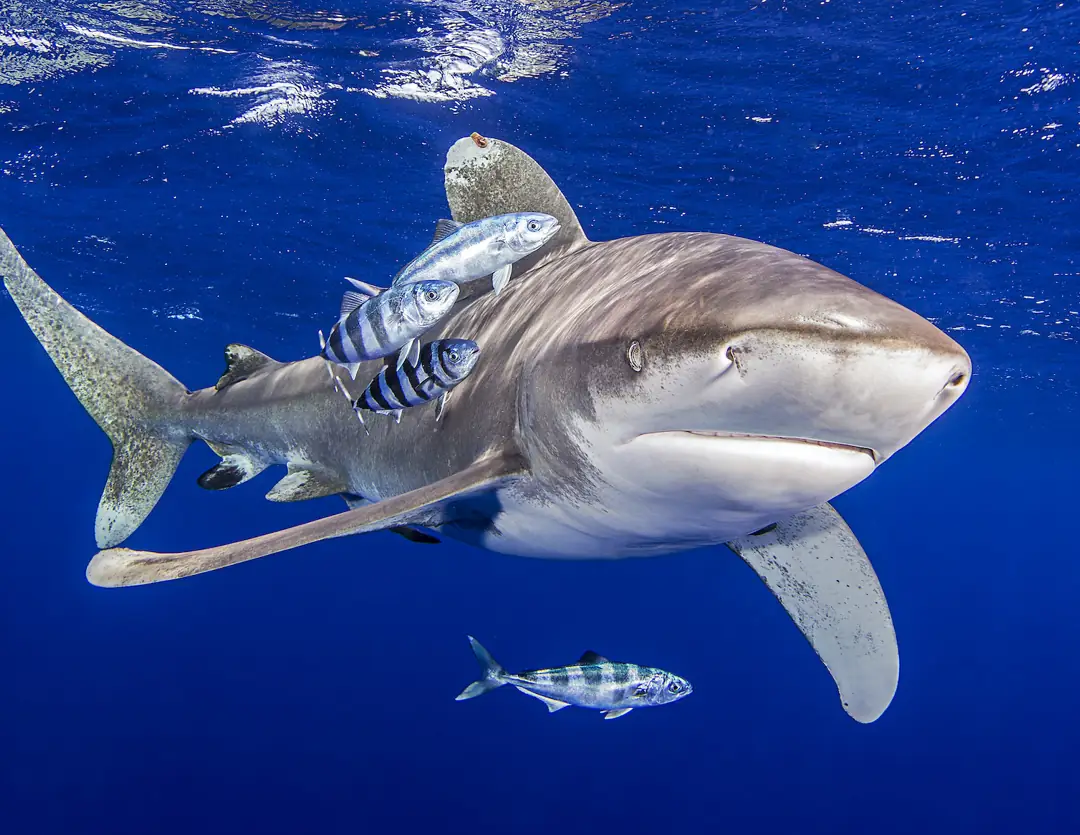
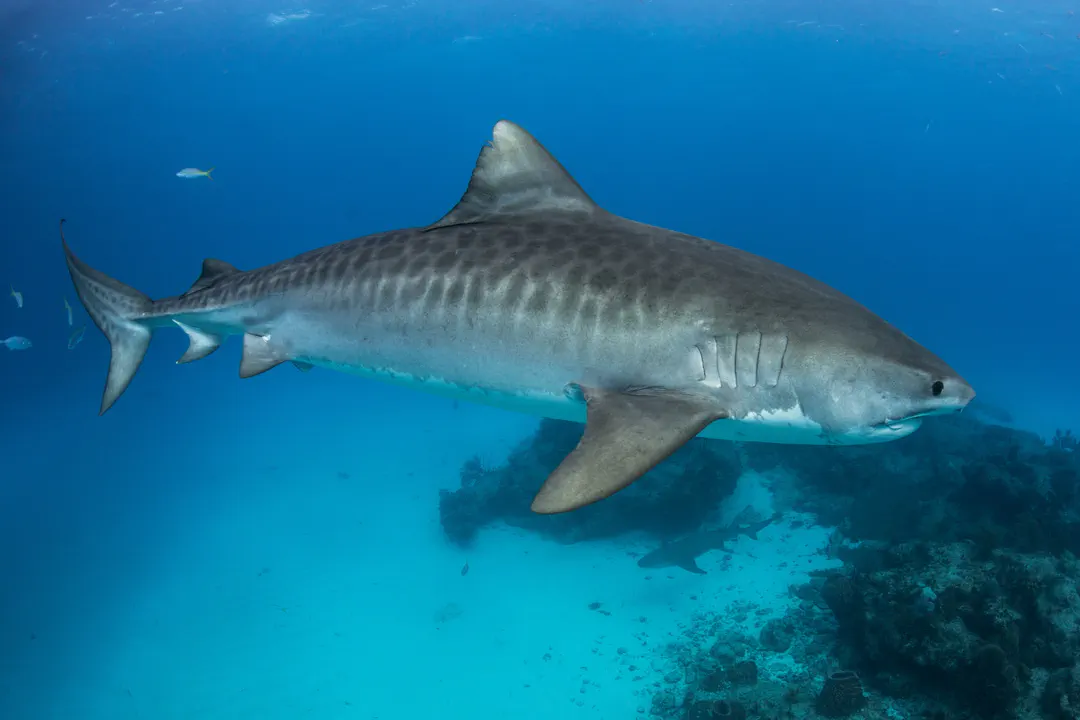
Diving at Socorro requires liveaboard travel across open ocean and strong self-reliance underwater. Alongside giant oceanic mantas, divers share the pinnacles with silky sharks, scalloped hammerheads, tiger sharks, and bottlenose dolphins that frequently join safety stops.
Depth: 12-30 m. Access: liveaboard only, 24-30 hours transit from Cabo San Lucas. Level: Advanced Open Water (minimum 50 logged dives). Best months: November-June.
Palau and Fiji: Pacific Cleaning Channels
German Channel in Palau is a historic artificial passage cut through the barrier reef that connects the inner lagoon with open ocean waters. Strong incoming and outgoing tides flush nutrient-heavy water through the channel, drawing reef mantas to several coral cleaning stations positioned at depths between 12 and 20 meters along the channel slopes.
In Fiji, the Great Astrolabe Reef off Kadavu Island and the waters around Wakaya Island feature deep passes where mantas gather to feed and visit cleaning stations. Fiji's cooler months from May through October produce major plankton surges, bringing visibility to 15 to 25 meters in water temperatures between 24°C and 26°C. Palau maintains consistent water temperatures of 28°C to 30°C year-round.
Channel diving requires using surface marker buoys and managing gas consumption during swift drift entries. In addition to reef mantas, divers in these Pacific channels routinely observe grey reef sharks, whitetip reef sharks, hawksbill turtles, and scalloped hammerheads patrolling the deep drop-offs.
Depth: 10-25 m. Access: boat, 20-60 minutes from Koror or Kadavu resorts. Level: Advanced Open Water. Best months: October-April (Palau), May-October (Fiji).
When Is Manta Ray Season Around the World?
Manta ray presence relies directly on seasonal weather systems, moon cycles, and ocean currents that concentrate planktonic food sources rather than an unwavering global calendar. Understanding regional shifts helps divers select the right destination for specific times of year. Monsoons in the Indian Ocean and seasonal upwellings in the Pacific dictate precisely when rays gather at cleaning stations or surface feeding sites.
From May through November, the southwest monsoon drives high plankton productivity across the eastern atolls of the Maldives and through the Indonesian waters of Komodo National Park. Conversely, from December through April, the northeast monsoon shifts Maldivian activity toward western atolls like Ari Atoll, while Raja Ampat enters its optimal diving window with calm seas and concentrated rays.
Offshore Pacific destinations follow independent oceanographic patterns. Socorro Island offers peak giant oceanic manta conditions from November through June when water temperatures average 21°C to 26°C. Hawaii's Kona Coast provides reliable year-round sightings due to fixed artificial lighting systems, though winter swells between December and March can occasionally affect boat access to coastal sites.
Tips for Responsible Manta Ray Encounters
Maintaining passive observational distance is the foundation of respectful manta ray encounters. At cleaning stations, divers should position themselves low to the seabed surrounding the base of the coral bommie, staying out of the rays' approach corridors. Remaining motionless allows cleaner fish to work undisturbed and encourages mantas to perform repeated low passes directly above the group.
Never pursue, touch, or attempt to ride a manta ray. Touching an individual strips away its protective mucous layer, leaving its skin vulnerable to bacterial infection and parasite infestations. If an animal turns away, accelerates, or changes depth rapidly, it is demonstrating stress; divers should adjust their positioning and increase distance immediately.
Proper neutral buoyancy control and careful equipment management prevent accidental damage to fragile reef ecosystems. Diver lighting during night dives should be directed toward sandy bottoms or illuminated viewing frames rather than directly into a manta's eyes. Following established local marine park regulations ensures these aggregation sites remain safe habitats for generations of rays.
Questions
Where is the best place to see manta rays?
The top location depends on the style of encounter you seek. Hanifaru Bay in the Maldives offers massive seasonal feeding aggregations of up to 250 reef mantas, while Socorro Island in Mexico provides close encounters with giant oceanic mantas reaching seven meters across. Kona in Hawaii guarantees high-frequency night encounters year-round, and Indonesia's Komodo and Raja Ampat feature active current-swept cleaning stations.
What is the difference between reef mantas and giant oceanic mantas?
Reef mantas (Mobula alfredi) reach wingspans of three to five meters and reside primarily around coastal reefs, lagoons, and shallow atoll passes. Giant oceanic mantas (Mobula birostris) grow up to seven meters wide and range through deep open ocean waters, seamounts, and offshore islands. Oceanic mantas display bold V-shaped shoulder markings and darker ventral spots located beneath their gill slits, whereas reef mantas have Y-shaped shoulder markings.
Are manta rays dangerous to swimmers or divers?
Manta rays are completely harmless to humans and possess no venomous stingers, tail barbs, or sharp teeth. They feed exclusively on tiny zooplankton like copepods, krill, and fish larvae using specialized gill rakers. However, because they are large animals weighing up to two thousand kilograms, swimmers and divers must maintain passive distance to avoid accidental collisions or causing stress.
Can non-divers see manta rays?
Yes, non-divers can experience exceptional manta encounters through guided surface snorkeling. Hanifaru Bay in the Maldives is strictly managed for snorkeling only, where mantas feed within three meters of the surface during peak monsoon months. Kona in Hawaii also offers dedicated night snorkeling tours where surface floaters watch rays feed under stationary light boards.
When is the best month to see manta rays in the Maldives?
The best month depends on which atoll you visit due to monsoon-driven current shifts. For Baa Atoll and Hanifaru Bay, the peak season runs from May through November during the southwest monsoon, with August through October offering the highest feeding activity. For Ari Atoll, the best months span December through April during the northeast monsoon, when water temperatures average 28°C and visibility reaches 25 meters.
Why do manta rays gather at cleaning stations?
Manta rays visit coral pinnacles and elevated bommies so specialized cleaner wrasses like Labroides dimidiatus can pick off dead skin, parasites, and damaged tissue. These cleaning stations serve as vital hygienic stops where rays hover in place against currents for extended periods. Divers who stay low on the sand around cleaning stations can watch this behavior from just a few meters away without disturbing the animals.
Sources
- Reef manta rays forage on tidally driven, high density ... · 2021-08-23
- Phot · 2025-04-14
- University of York · 2026-10-04