Introduction to Daedalus Reef
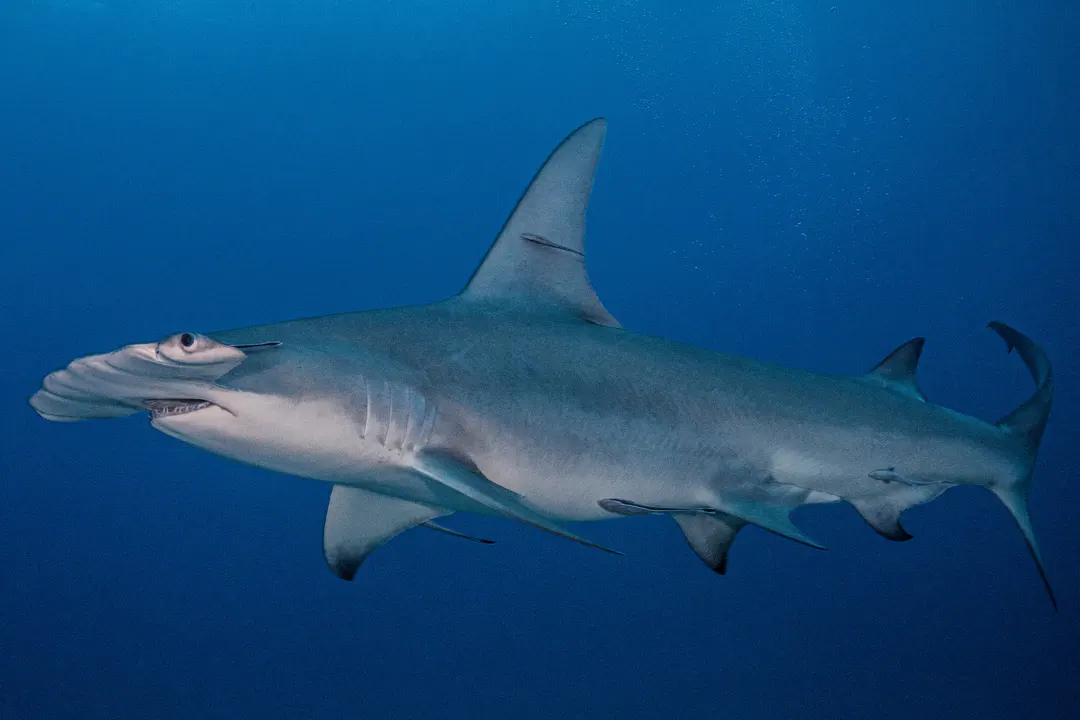
A strong current peels back from Daedalus Reef's northern tip, carrying a rich soup of nutrients into the blue. At 30 meters, a lone Great Hammerhead Shark (Sphyrna mokarran) glides silently past, its distinctive cephalofoil sweeping the water, before vanishing into the deeper thermocline. Above, fusiliers sheet through the water column, their scales flashing like scattered light.
This is Daedalus Reef, known locally as Abu el-Kizan, one of Egypt’s most remote offshore reefs. Located roughly 80 to 90 kilometers east of Marsa Alam, this isolated outpost in the open Red Sea has earned its reputation as a classic destination for experienced divers seeking significant pelagic encounters and pristine coral formations.
The reef gained diving fame because it combines steep walls, a compact shallow plateau, and access to deeper water that concentrates marine life along the reef edge. That mix creates conditions that attract schooling sharks, tunas, and other open-ocean predators, while the reef itself supports a dense community of corals and reef fish typical of the central and southern Red Sea.
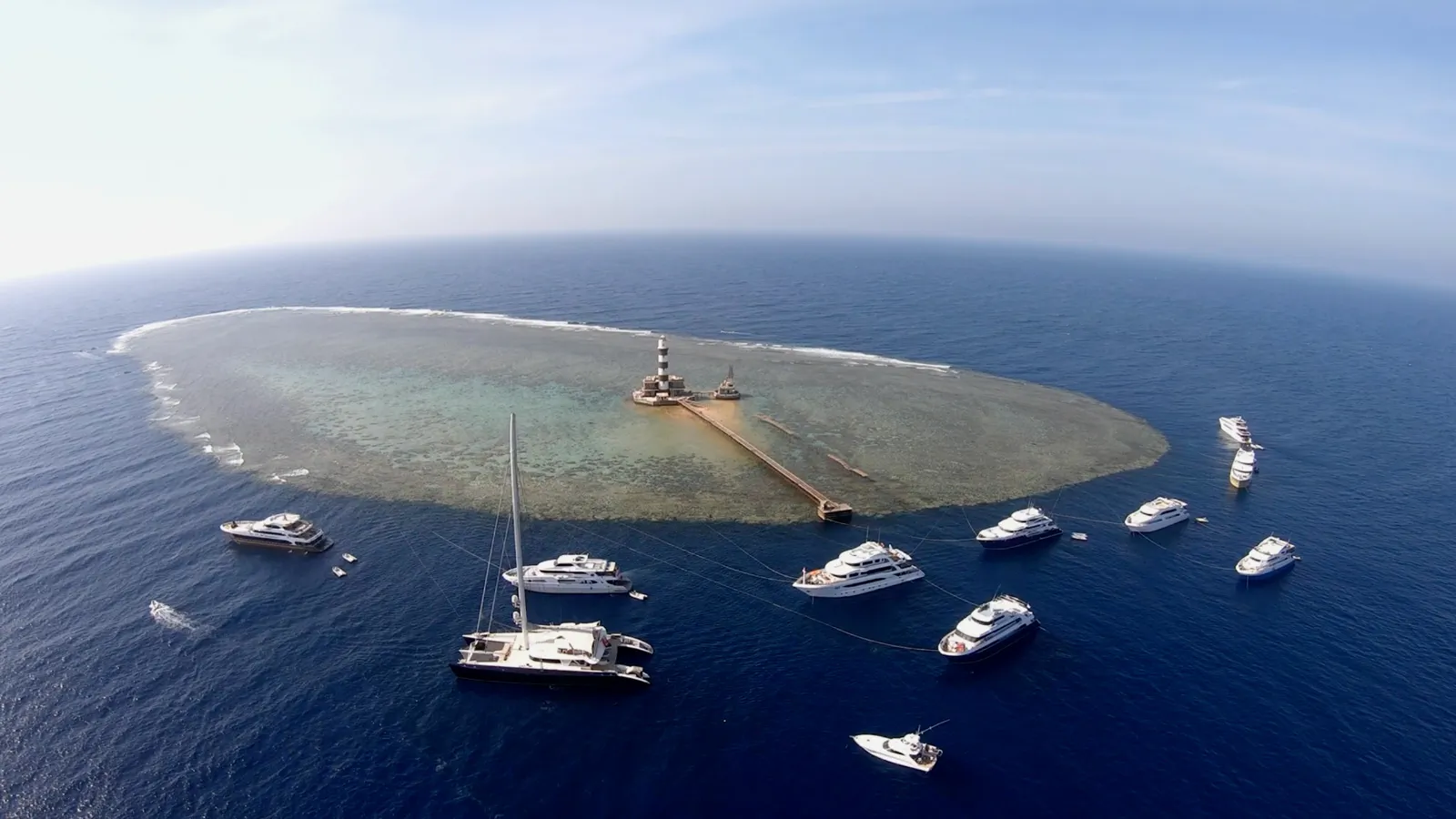
Historically, the site is marked by the Daedalus lighthouse, a prominent navigational structure that became a landmark for offshore shipping and later for liveaboard diving routes. Today, reaching the reef still requires a multi-day liveaboard itinerary, and the site remains best suited to divers comfortable with drift diving, negative entries, and changing visibility in exposed offshore conditions.
Geography and Unique Formation
Daedalus Reef is a near-circular offshore reef structure rising from deep water in the central Red Sea, with a shallow rim and steep outer walls that drop quickly into blue water. Its isolated position, far from coastal runoff and heavy boat traffic, helps preserve high coral cover and gives the reef a more oceanic character than nearshore sites.
The reef’s shape and exposure are important ecologically. Current flow around the north, east, and south edges can create upwelling and eddies that concentrate zooplankton and small schooling fish, which in turn attract larger predators. This is why the reef is so closely associated with hammerheads, oceanic whitetips, tuna, and barracuda, especially along points where the current splits or accelerates.
The lighthouse area sits near the top of the reef and often serves as a reference point for moorings and dive briefings. Divers usually enter with a controlled descent and then drift along the wall or hold position at depth in midwater, because the best sightings often occur between 20 and 40 meters, where visibility can remain good but the current may be stronger.
Daedalus is also part of Egypt’s Red Sea marine park system, so its ecological value extends beyond its popularity as a dive site. Protected status has helped keep the reef largely intact, and the isolation that once made navigation difficult now helps conserve one of the Red Sea’s most important offshore predator habitats.
Best Time to Dive Daedalus Reef
Daedalus is famous for its seasonal pelagic action, but the reef also rewards patient reef diving. The best conditions often arrive in spring and autumn, when sea state is usually calmer than in winter and water clarity can be excellent, often exceeding 20 to 30 meters on good days. Summer brings warmer water and a better chance of Great Hammerheads, while autumn can combine warm water with relatively stable weather.
July through September is commonly associated with the strongest Great Hammerhead opportunities, especially around the north point, where schools may pass in the upper part of the water column or deeper along the wall. Oceanic whitetip sharks are more often associated with the southern plateau and late-season conditions, although sightings depend heavily on current, plankton levels, and dive timing.
Divers should plan for variable conditions rather than a guaranteed wildlife schedule. A trip may include glassy morning seas, then strong afternoon current, and the reef’s exposed setting means wind can quickly change surface conditions. Because most encounters happen on moving drifts rather than stationary reef dives, good buoyancy control and calm finning make a real difference.
Temperatures also influence comfort and behavior underwater. In winter, a 5 mm or 7 mm wetsuit may be preferable because water can fall to the low 20s Celsius, while late-summer dives can feel tropical at nearly 30°C. That warm period often coincides with the highest biological activity, when plankton-supported food chains are strongest and larger fish concentrate around the reef.
Water temperature
Daedalus Reef, monthly average
Daedalus Reef offshore Marsa Alam, Egyptian Red Sea; based on central Red Sea surface temperature averages near 25°N 35°E
The Thrill of Pelagic Encounters
Daedalus Reef is a strong magnet for pelagic life because it rises abruptly from deep water in an open-ocean setting. The reef’s exposed edges, especially around the north point and southern plateau, act as intercept points for moving water, helping bring oxygenated, food-rich currents past the coral walls and into the paths of larger animals.
Schools of Great Hammerheads (Sphyrna mokarran) are among the reef’s signature sightings, and oceanic whitetip sharks (Carcharhinus longimanus) are another classic offshore encounter. Divers also commonly report tunas, yellowtail amberjack, barracuda, and occasional manta rays, all of which use the reef as a feeding or cleaning stop in the broader pelagic corridor.
The reef’s shark attraction is partly seasonal and partly behavioral. Hammerheads are most often reported in the warmer months, when deeper offshore waters and current patterns align with the species’ movements, while oceanic whitetips may appear more often at different times of year and in different parts of the reef. Because these animals are mobile and sensitive to diver pressure, quiet, controlled approaches increase the odds of close but ethical observations.
For divers, the thrill comes from the combination of scale and uncertainty. A single dive can shift from a coral wall covered in anthias to a blue-water encounter with a shark school passing at 25 to 40 meters. That unpredictability is part of Daedalus’s identity, and it is why experienced liveaboard divers regard it as one of the Red Sea’s premier pelagic sites.
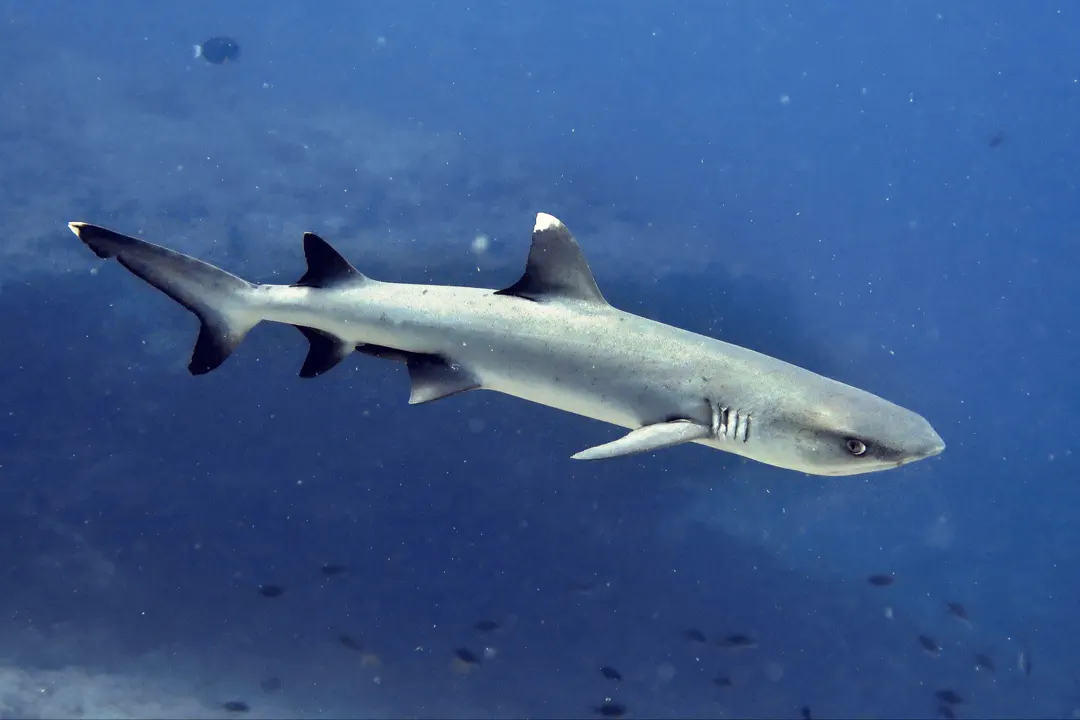 © Daniel BenákCC BY 4.0 · iNaturalist
 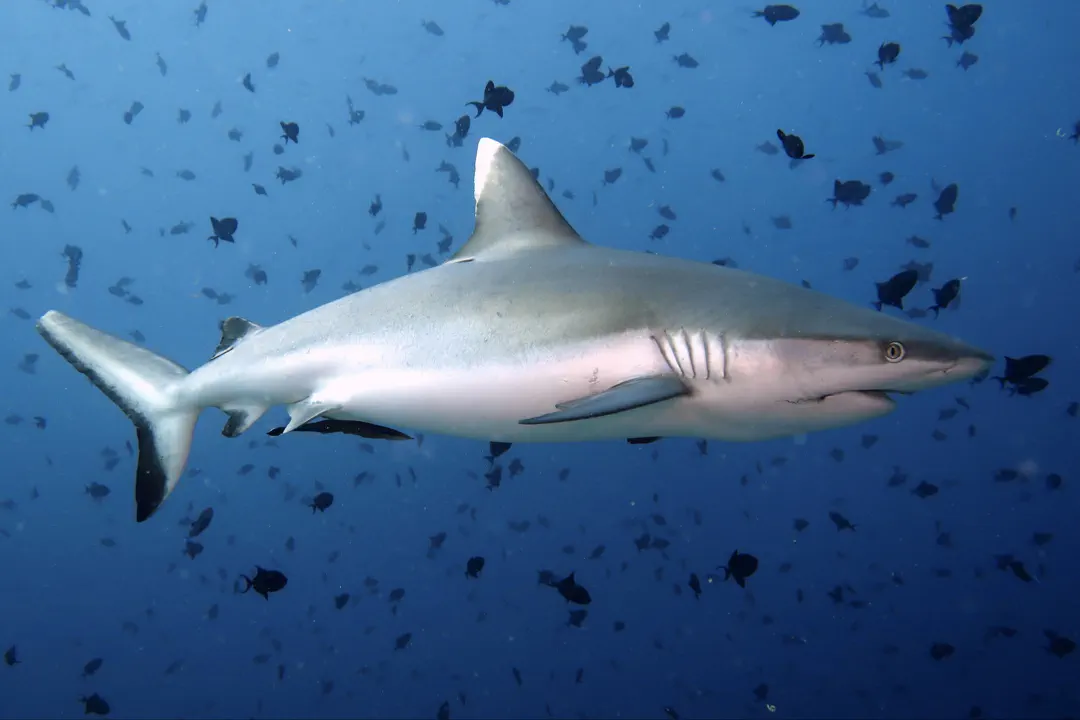 © Daniel BenákCC BY 4.0 · iNaturalist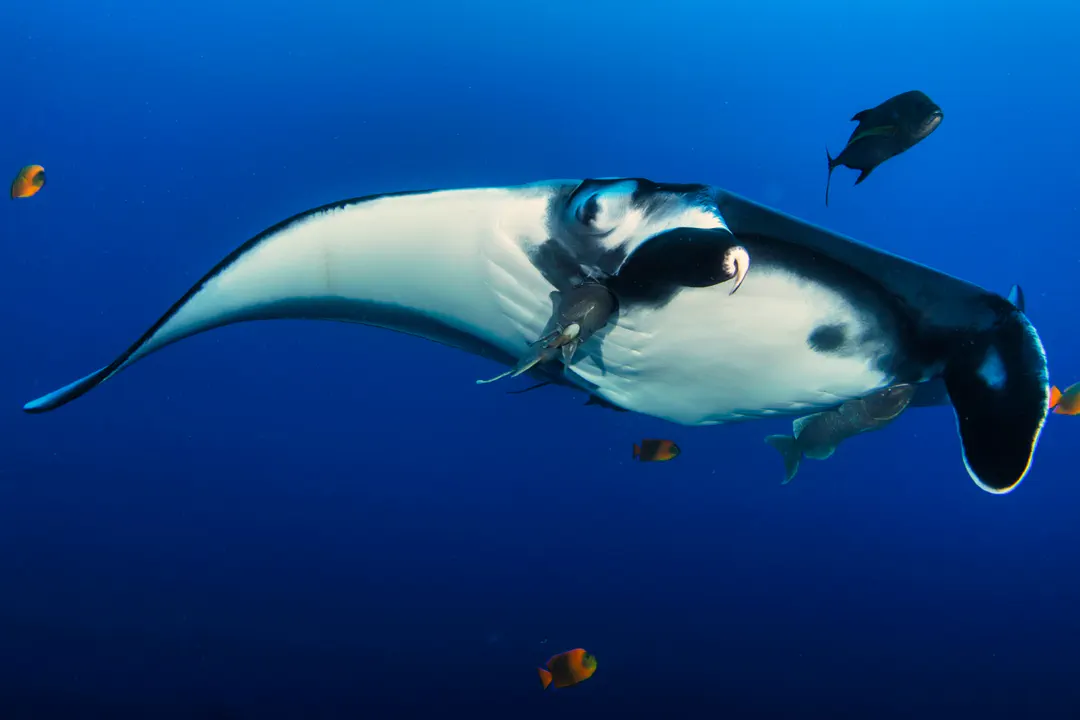
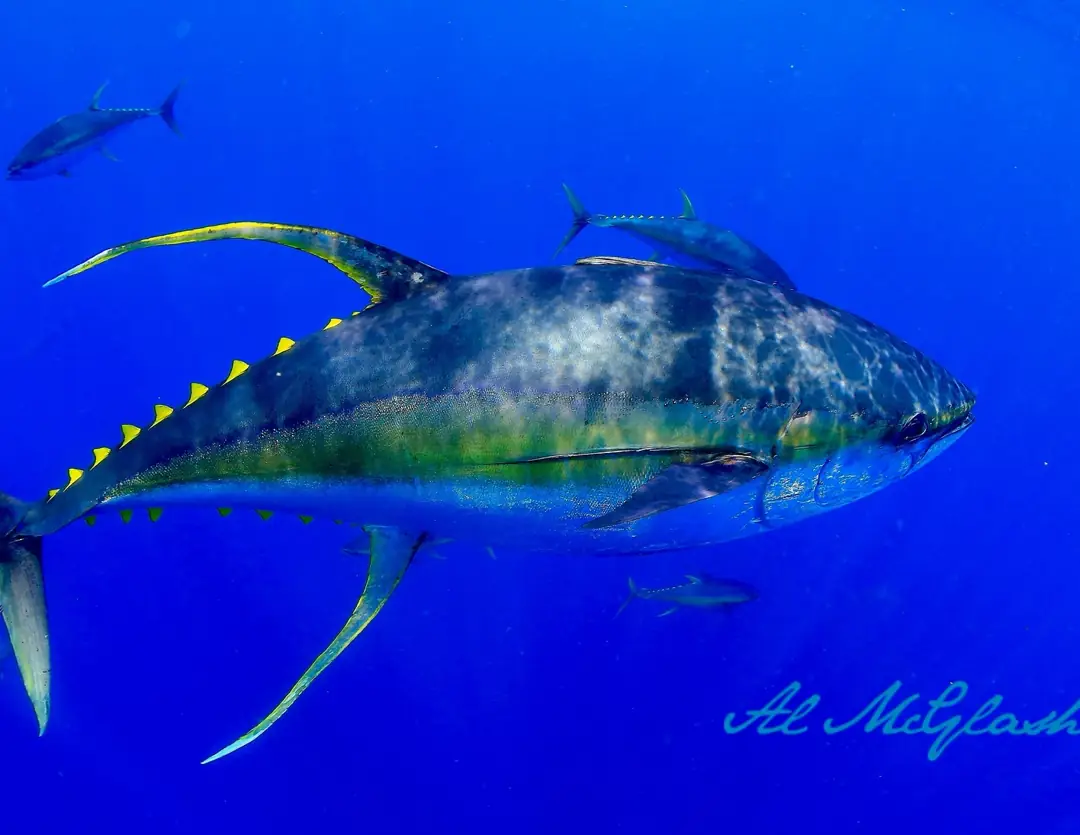 © AlmcglashanCC BY-SA 4.0
 Diving the Daedalus Lighthouse
The Daedalus lighthouse area is the most recognizable landmark on the reef and a common reference point for dive operations. The structure sits above a shallow reef crest, while the surrounding walls drop quickly into deeper water, creating a classic offshore profile that supports both reef life and pelagic pass-throughs.
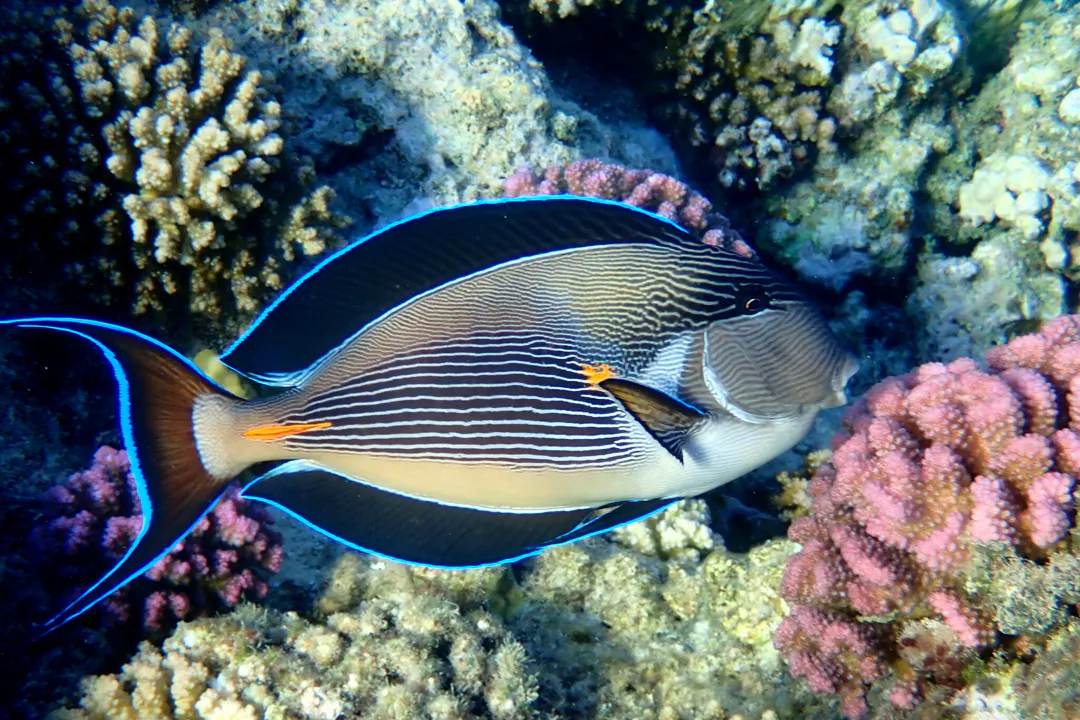
Soft corals, hard corals, and schools of reef fish build much of the visual appeal around the lighthouse, especially where current brings nutrients and suspended plankton. Divers can expect butterflyfish, surgeonfish, anthias, and fusiliers in the shallower zones, while deeper sections may hold grey reef sharks, whitetip reef sharks, jacks, and larger schooling predators if conditions are right.
From a diving perspective, the lighthouse zone is often used as a staging point because it offers access to several different profiles in one area: sheltered-ish reef sections, vertical walls, and blue-water drop-offs. That variety makes it useful for repeated dives on the same day, but it also demands strong awareness of depth, current direction, and gas management.
Seasonally, the lighthouse area can be productive year-round, though marine life density tends to increase when the water warms and plankton blooms feed the food web. In late spring and summer, divers may see more sharks and larger schooling fish, while cooler months can bring fewer big encounters but still excellent reef structure and coral color.
 © Matteo BellucciCC BY 4.0 · iNaturalist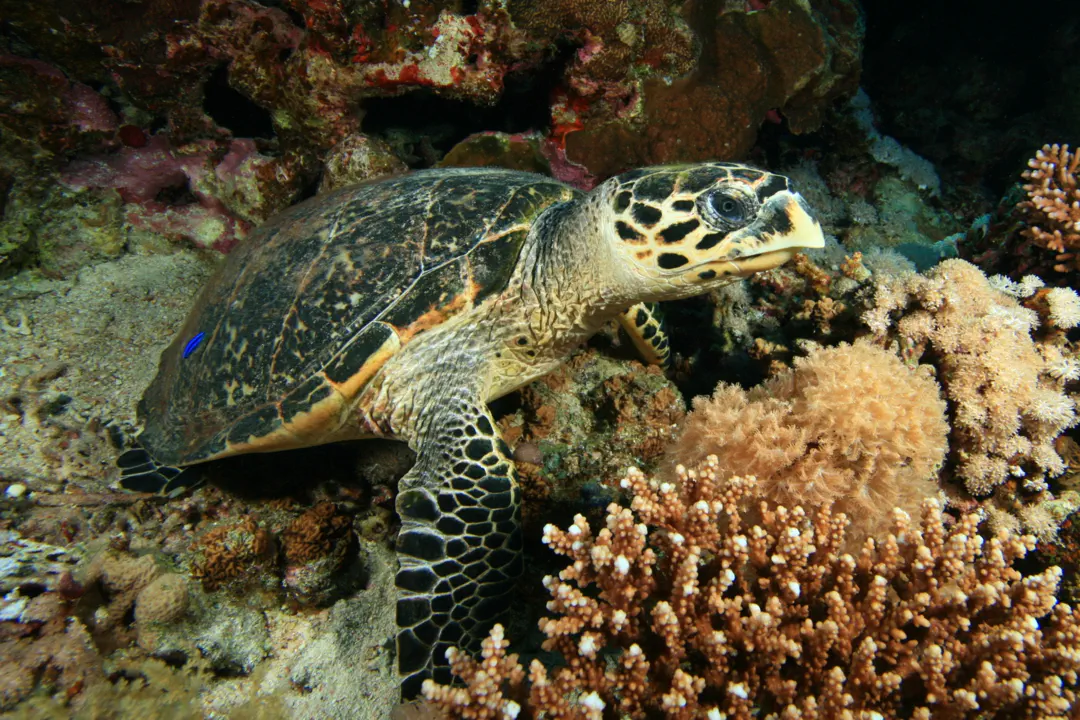
North Point: Hammerhead Hotspot
Daedalus’s north point is one of the reef’s most celebrated shark stations, and it has built its reputation on Great Hammerhead (Sphyrna mokarran) encounters. The site’s current lines and depth contours make it a natural place for these sharks to move along the reef edge, often in small schools rather than as solitary animals.
Hammerhead sightings are most often associated with the warmer months, particularly summer, when divers report the best odds of seeing groups at depth or in the blue. These sharks may travel along the wall between roughly 25 and 40 meters, although they can appear deeper, and they often keep a wary distance that rewards patient, minimally invasive observation.
The dive itself is demanding because current can be strong and unpredictable. Most teams use drift techniques, negative entries, and strict buddy discipline, and many briefings emphasize keeping close to the reef without touching coral or pushing too far into open water where pickup becomes difficult. Good timing matters: arriving early, descending quickly and cleanly, and settling into position before the current changes can improve the experience.
Ecologically, the north point functions like a marine highway intersection. Nutrient movement around the reef concentrates prey, which then draws mid-level predators and apex predators into a relatively small area. That makes the point especially important from a conservation standpoint, because even modest disturbance can alter shark behavior and reduce sighting reliability over time.
East and West Walls: Coral Gardens and Reef Life
The east and west walls of Daedalus Reef provide the reef-building contrast to the shark-focused north point. These walls support robust coral growth, including hard corals on the sunnier upper slopes and colorful soft corals in areas with steady flow, creating habitat complexity for a wide range of reef organisms.
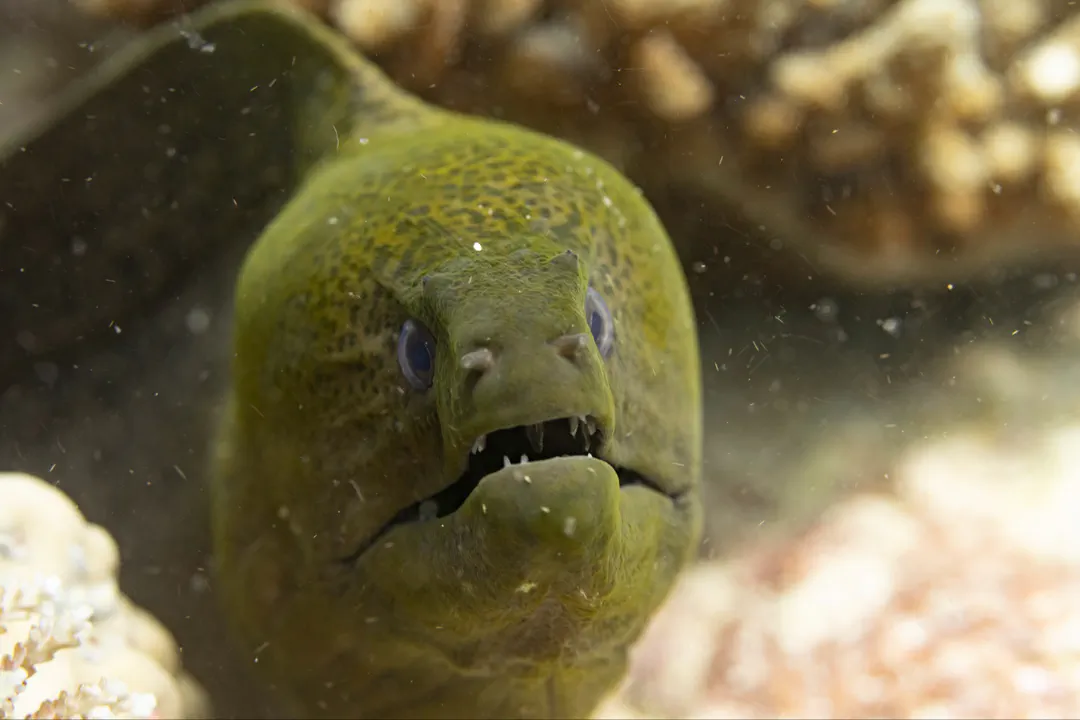
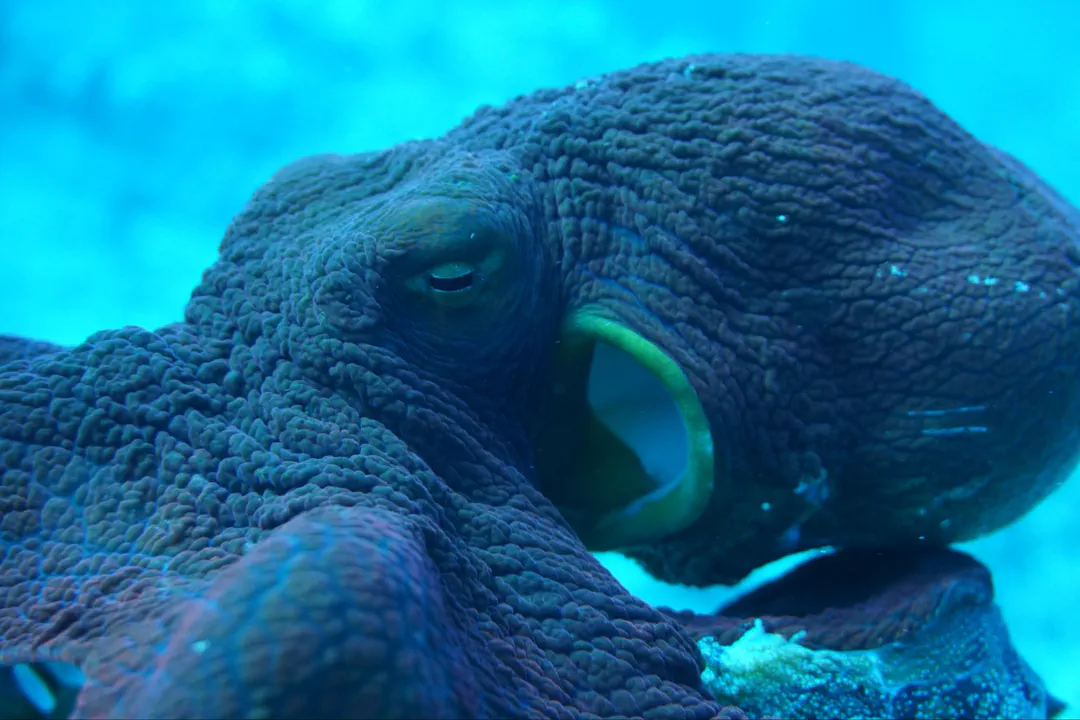
Typical inhabitants include parrotfish, surgeonfish, butterflyfish, wrasses, anthias, moray eels, octopus, and reef-associated triggerfish. In the Red Sea, these communities often show strong endemism, meaning some fish and invertebrate species occur here or in the wider Red Sea region and are not common in nearby ocean basins.
The walls are especially productive where light, current, and depth intersect. Shallow ledges may be packed with herbivores grazing on algae, while drop-offs and overhangs can shelter nocturnal predators and day-resting species. This vertical habitat gradient makes the site worthwhile even on dives when large sharks stay out of sight.
For photographers and naturalists, the east and west walls are often easier than the current-swept points. Morning dives can provide better light for coral color, and calmer conditions may allow longer bottom times in the 10 to 25 meter range, where the reef fish activity is richest and the coral architecture is easiest to appreciate.
 Andrew DeaconCC0 · iNaturalist
  Jean-Paul BoerekampsCC0 · iNaturalist
  © cello caruso-turielloCC BY 4.0 · iNaturalist
  © cello caruso-turielloCC BY 4.0 · iNaturalist
  © Dirk FroebelCC BY 4.0 · iNaturalist
 South Plateau: Oceanic Whitetips and More
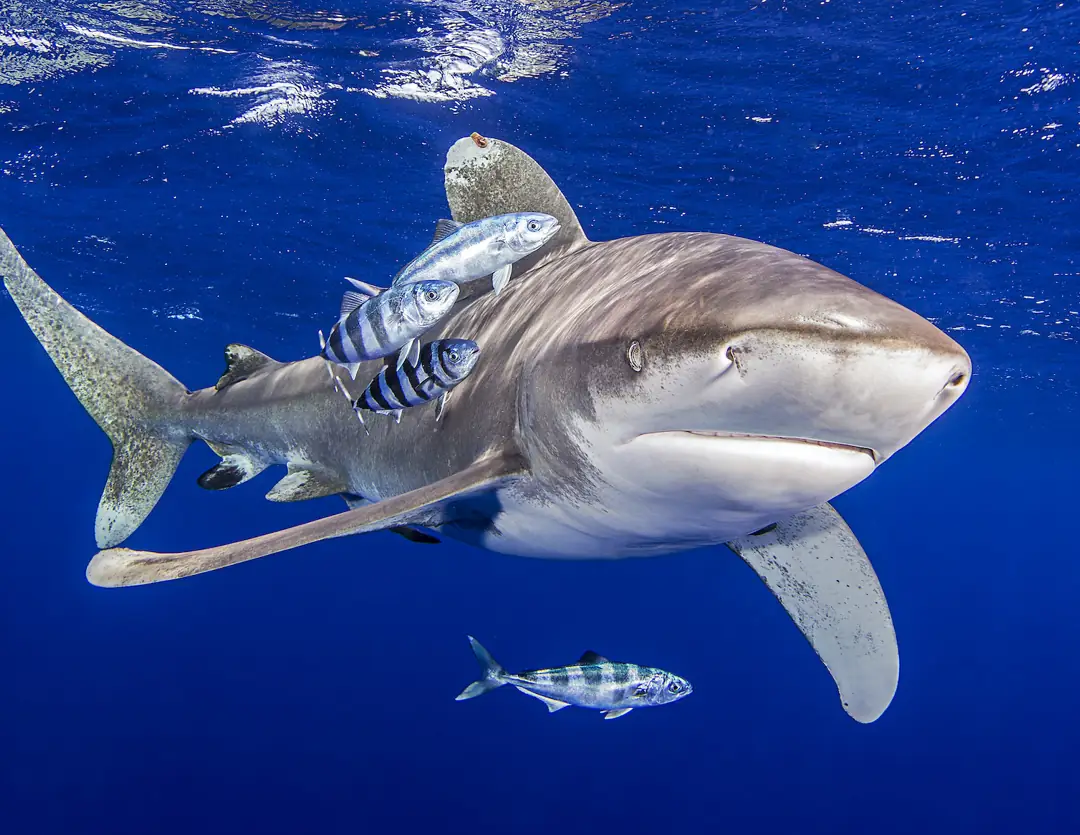
The southern plateau is the part of Daedalus most closely associated with oceanic whitetip sharks (Carcharhinus longimanus), although sightings remain variable and cannot be promised on any given trip. The plateau’s open exposure and proximity to deep water make it a natural patrol zone for large predators moving through the central Red Sea.
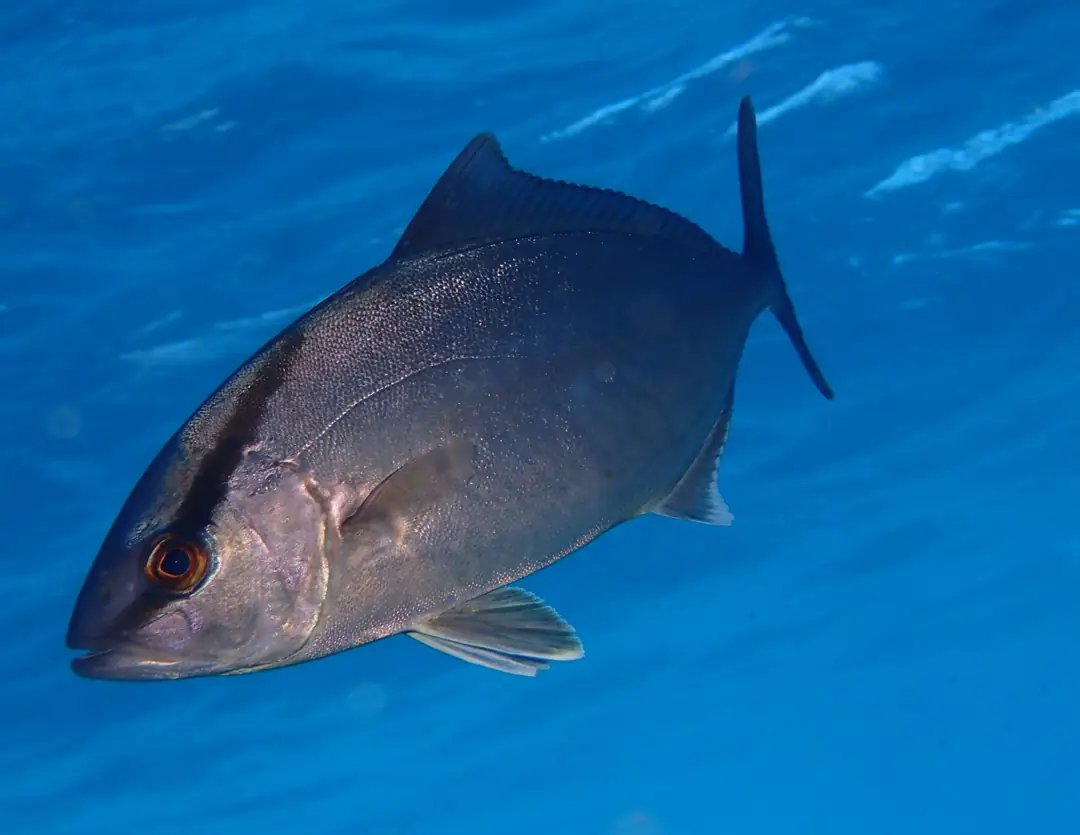
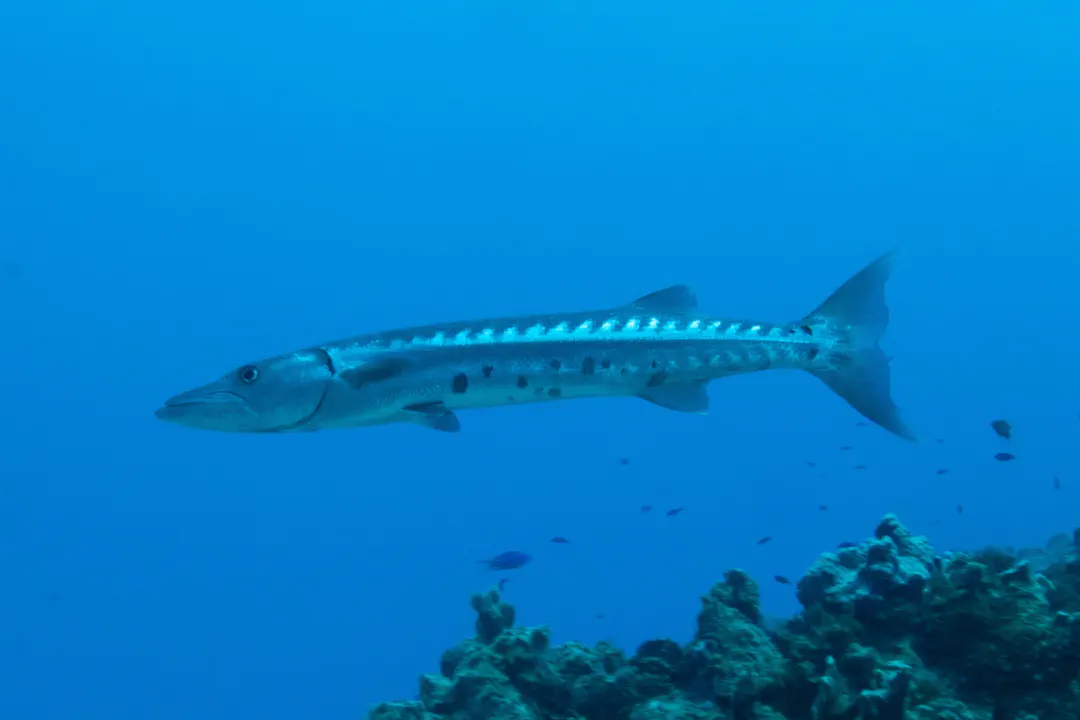
Other species regularly linked to this section include tuna, barracuda, and giant trevally, which often hunt along the reef edge or in the current seams above the plateau. When conditions are favorable, the area can produce some of the most memorable blue-water encounters in Egypt because large animals may approach within just a few meters before slipping back into open water.
Compared with the north point, the southern plateau often feels more open and less topographically complex. That exposure increases the sense of scale, but it also means divers must pay close attention to buoyancy and drift management, since strong current can push the group away from the reef faster than expected.
Seasonally, oceanic whitetip reports tend to cluster in warmer parts of the year and can vary with local food availability. As with all pelagic wildlife at Daedalus, the best strategy is to treat the plateau as a high-probability habitat rather than a guaranteed sighting station, and to dive it with realistic expectations and excellent situational awareness.
 © Ian ShawAll rights reserved
  © Dan SchofieldCC BY 4.0 · iNaturalist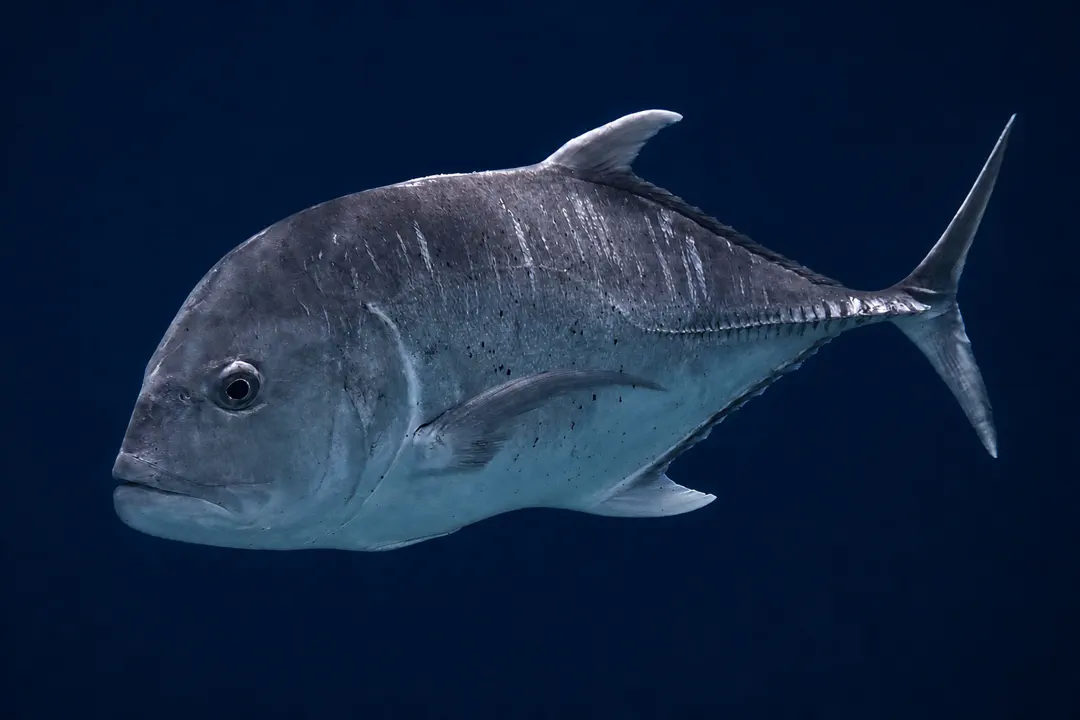
Diving Logistics and Safety Tips
Daedalus Reef requires advanced diving skills because of its offshore setting, strong currents, and frequent blue-water drifts. Most itineraries are liveaboard-based, and many operators expect divers to have recent open-water experience, strong buoyancy control, and comfort descending quickly in current rather than lingering on a descent line.
Safety preparation should include a surface marker buoy, reel or spool where appropriate, a cutting device, and a clear plan for separation from the group. Because the site is remote, divers should also confirm that the boat carries oxygen, communications gear, and a well-rehearsed emergency pickup procedure; those details matter more here than at mainland reefs with nearby support.
Environmental responsibility is equally important. Divers should avoid touching the reef, never chase sharks, and keep fin kicks off the coral to protect fragile growth that can take years to recover. Good trim, controlled ascents, and disciplined photo behavior reduce disturbance and help preserve the reef’s reputation as a high-quality wildlife site.
Practical trip planning should also account for weather windows and marine park rules. Liveaboards often choose itineraries based on calm seas and seasonal wildlife movement, so flexibility improves success. A well-run trip balances access to the famous shark points with reef dives that keep gas use, current exposure, and diver fatigue under control.
Conservation Efforts and Responsible Diving
Daedalus Reef is environmentally significant because it sits within Egypt’s marine protected area framework, which has been in place since the 1980s and is designed to safeguard offshore coral ecosystems and migratory species. Protection has helped maintain reef structure, but the site still depends on careful visitor management because repeated diving pressure can affect shark behavior and coral condition.
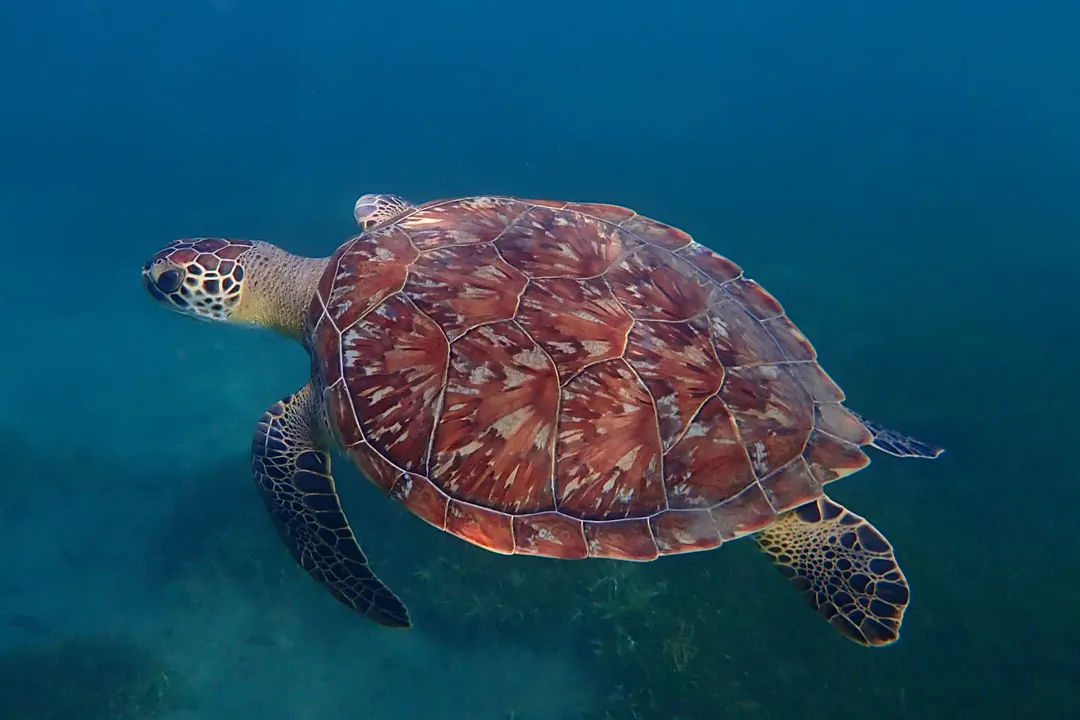
Responsible diving at Daedalus starts with simple habits: maintain neutral buoyancy, avoid kneeling on coral, do not feed fish, and keep a respectful distance from sharks and turtles. In a place known for schooling Great Hammerheads and oceanic whitetips, unmanaged diver crowding can easily turn a wildlife encounter into a stress event for the animals.
Conservation also matters because the reef functions as a rare offshore refuge in a region where many habitats face warming seas, tourism pressure, and broader fisheries impacts. Large sharks are especially vulnerable because they mature slowly, produce relatively few young, and often range widely; that makes a site like Daedalus valuable far beyond its tourism appeal.
For the long term, the best protection combines marine park enforcement, disciplined liveaboard practices, and data collection from operators and researchers. Divers who report sightings responsibly and follow guide instructions help build a picture of seasonal shark presence while reducing the chance of damaging one of the Red Sea’s most iconic offshore ecosystems.
Questions
What kind of diving experience is required for Daedalus Reef?
Daedalus Reef is best suited to advanced divers who are comfortable with strong current, drift diving, and deep-water descents. Most operators recommend good buoyancy control, recent diving experience, and confidence using surface signaling gear because the site is remote and conditions can change quickly.
What are the chances of seeing hammerhead sharks at Daedalus?
Daedalus has some of the best hammerhead opportunities in the Red Sea, especially at the north point, where Great Hammerheads are most often reported in summer. Sightings are still never guaranteed, but the reef’s offshore position and current patterns make it one of the highest-probability sites in Egypt for this species.
Are there any specific safety considerations for diving Daedalus?
Divers should be prepared for strong current, possible blue-water drift, and long distances from shore, which makes SMB use and tight buddy awareness essential. A reputable liveaboard should carry oxygen, emergency communications, and a recovery plan, and divers should listen carefully to briefing instructions because pickup procedures matter here.
What other marine life can I expect to see besides sharks?
Daedalus supports healthy Red Sea reef communities with corals, butterflyfish, surgeonfish, anthias, wrasses, moray eels, and occasional turtles. Larger visitors can include tuna, barracuda, amberjack, and sometimes manta rays, so the site offers both reef scenery and open-ocean action.