Introduction to the Red Sea's Underwater Wonders
At a depth of 15 meters off a fringing reef near Sharm el Sheikh, a school of orange anthias pulses like a living cloud, shifting in unison as a lone blue-spotted stingray glides silently past the coral heads. Sunlight, filtered through 30 meters of clear water, paints the reef in shifting patterns of gold and azure, revealing the intricate branches of a table coral where a clownfish guards its anemone home.
This vibrant tableau is a signature of the Red Sea, a narrow basin stretching 2,250 km between Africa and Arabia. Its unique geography, marked by high salinity and warm temperatures, has sculpted a marine ecosystem distinct from the wider Indo-Pacific. For divers, this translates into steep reef walls, clear water, and a mosaic of shallow coral gardens, deep drop-offs, and remote offshore pinnacles. These conditions provide a range of experiences, from calm, sheltered bays perfect for novices to exhilarating drift dives on exposed reefs for advanced explorers.
Unique Geography and Climate
Born from the ongoing separation of the African and Arabian tectonic plates, the Red Sea is a geologically young ocean basin. This continuous rifting, combined with a narrow continental shelf and deep central trough, has isolated its reef communities, fostering a remarkable rate of speciation unique to this region.
Salinity here is notably high, often ranging from 36 to 41 practical salinity units, and water temperatures typically span 21°C to 34°C across seasons. These environmental extremes, while challenging for some species, have forged a resilient ecosystem where many reef-building corals and fish have adapted to thrive, reinforcing the sea's distinctiveness.
The surrounding arid desert climate and minimal river runoff ensure low suspended sediment in most reef areas. This is why visibility often exceeds 30 meters, sometimes reaching over 40 meters, particularly on offshore reefs during calm conditions. Such clarity transforms every dive into an expansive window onto the underwater world.
The Red Sea's Thriving Marine Ecosystems
The Red Sea is a crucible of life, supporting over 1,071 shallow-water fish species and approximately 346 species of hard corals. What truly sets it apart is the high endemism; about 138 fish species and 19 coral species are found nowhere else on Earth, offering divers encounters with truly unique marine residents.
Reef structures range from shallow fringing reefs to vertical outer shelf walls, isolated patch reefs, and deep offshore pinnacles. This diverse topography creates habitats for everything from tiny damselfish flitting among coral branches to majestic sharks and rays patrolling the blue.
Coral assemblages in the Red Sea are notable for their heat tolerance, with some reefs showing resilience during warm anomalies that have impacted other global systems. This makes the region ecologically important for understanding coral adaptation and survival in a changing climate.
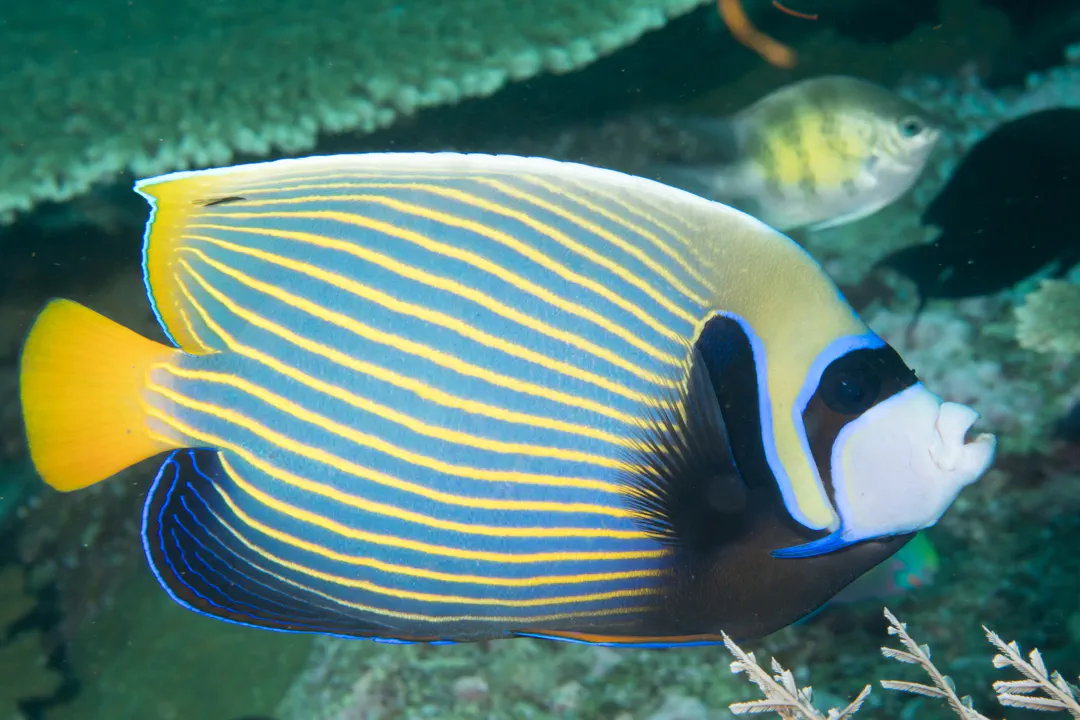
 © Nicola CrockfordCC BY 4.0 · iNaturalist
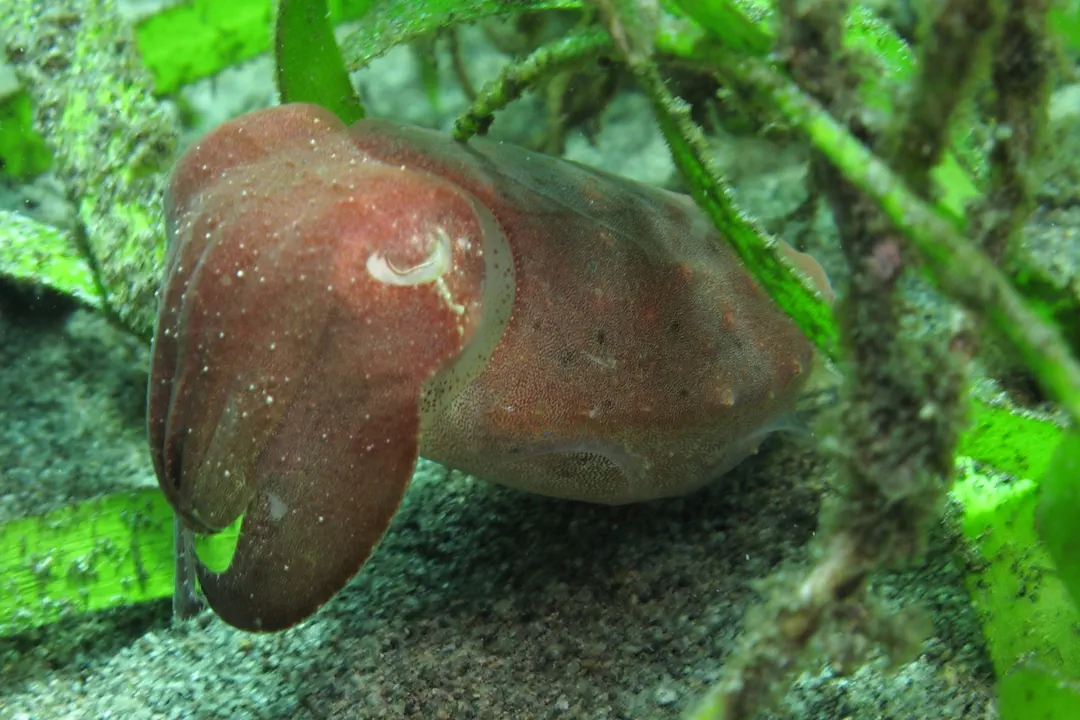
  © Rickard ZerpeCC BY 4.0 · iNaturalist
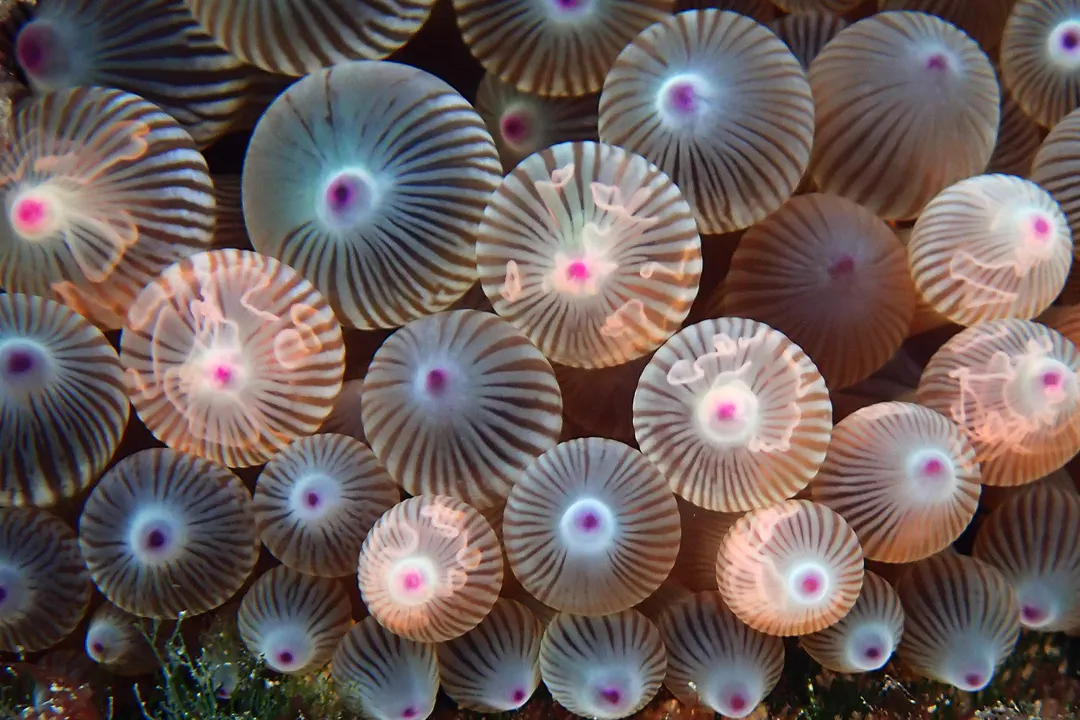
  © BJ SmitCC BY 4.0 · iNaturalist
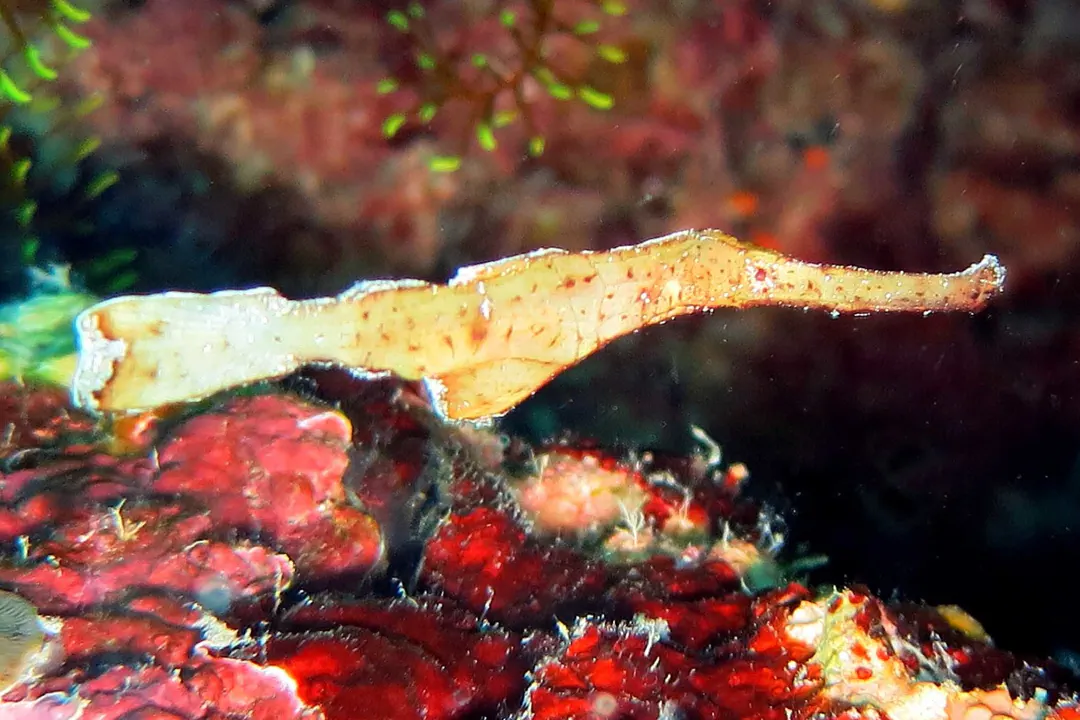
  © Susan PriorCC BY 4.0 · iNaturalist
 Best Time to Visit and Water Temperatures
The Red Sea offers year-round diving, with distinct seasons influencing conditions. From June to September, water temperatures climb, reaching 29-30°C in the south, often coinciding with increased pelagic activity. From October to May, temperatures cool to 21-24°C in the north, offering consistently superb visibility.
Regardless of the season, the water remains comfortable for diving, making it accessible for extended underwater exploration. Divers can choose their visit based on a preference for warmer temperatures and potential big animal encounters, or cooler conditions with exceptional clarity.
Iconic Red Sea Dive Sites
Ras Mohammed National Park
At the southern tip of the Sinai Peninsula lies Ras Mohammed National Park, Egypt's inaugural marine protected area. Here, dive sites such as Shark Reef and Yolanda Reef plunge into depths exceeding 70 meters, characterized by strong currents that sweep nutrients across dramatic walls.
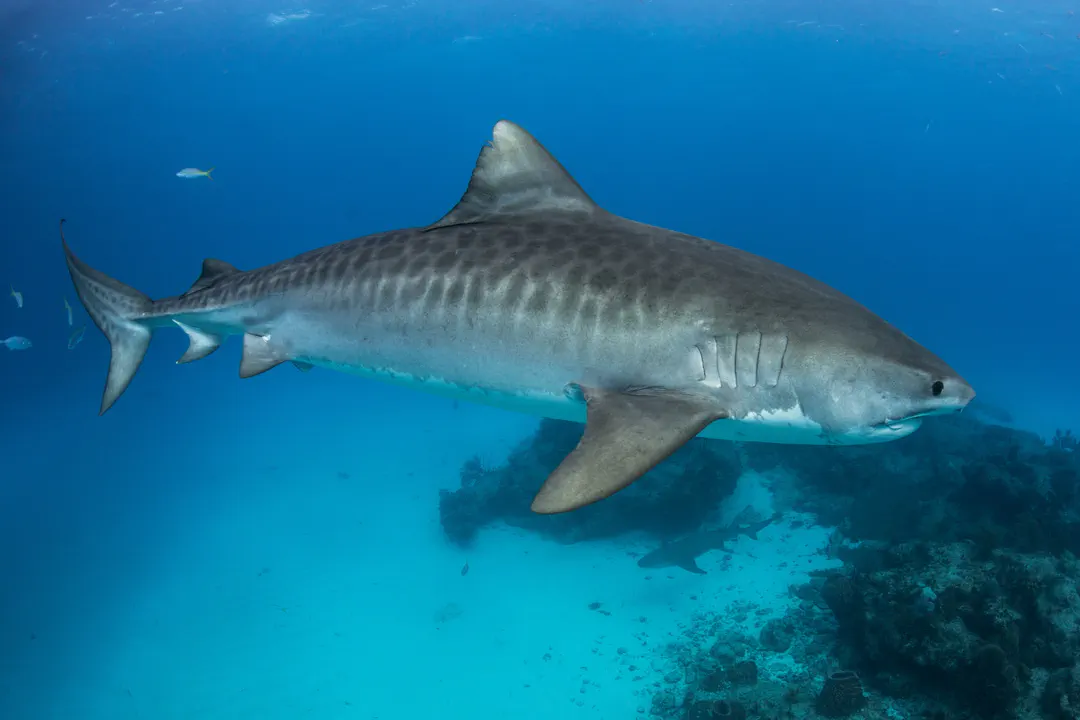
These currents sustain vast schools of snapper and barracuda, forming shimmering columns of fish, while the reefs themselves are adorned with robust hard and soft corals. Keep an eye seaward for a tiger shark (Galeocerdo cuvier) occasionally cruising the deeper ledges. These sites are typically accessed by boat and are best suited for intermediate to advanced divers due to potential strong currents.
 © Lakshmi SawitriCC BY 4.0 · iNaturalist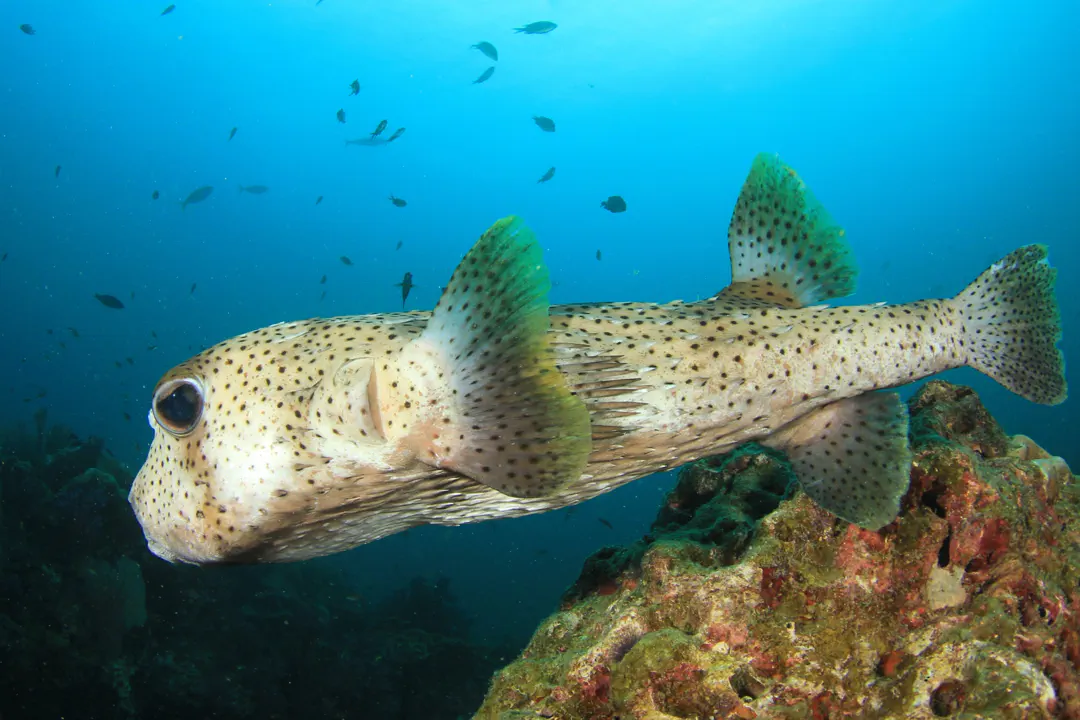
SS Thistlegorm Wreck
Lying upright on the seabed at a depth of 30 meters, the SS Thistlegorm is a British armed merchant navy ship sunk in 1941. This iconic wreck, located in the Straits of Gubal, is now a thriving artificial reef, easily accessible by day boat or liveaboard from Sharm el Sheikh.
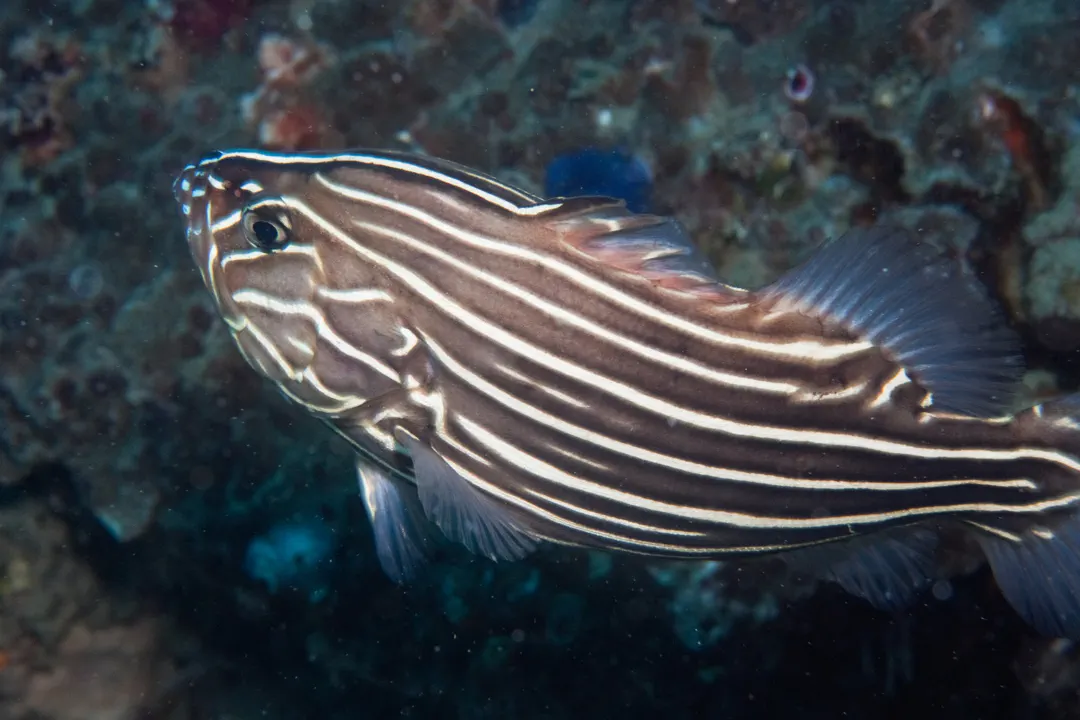
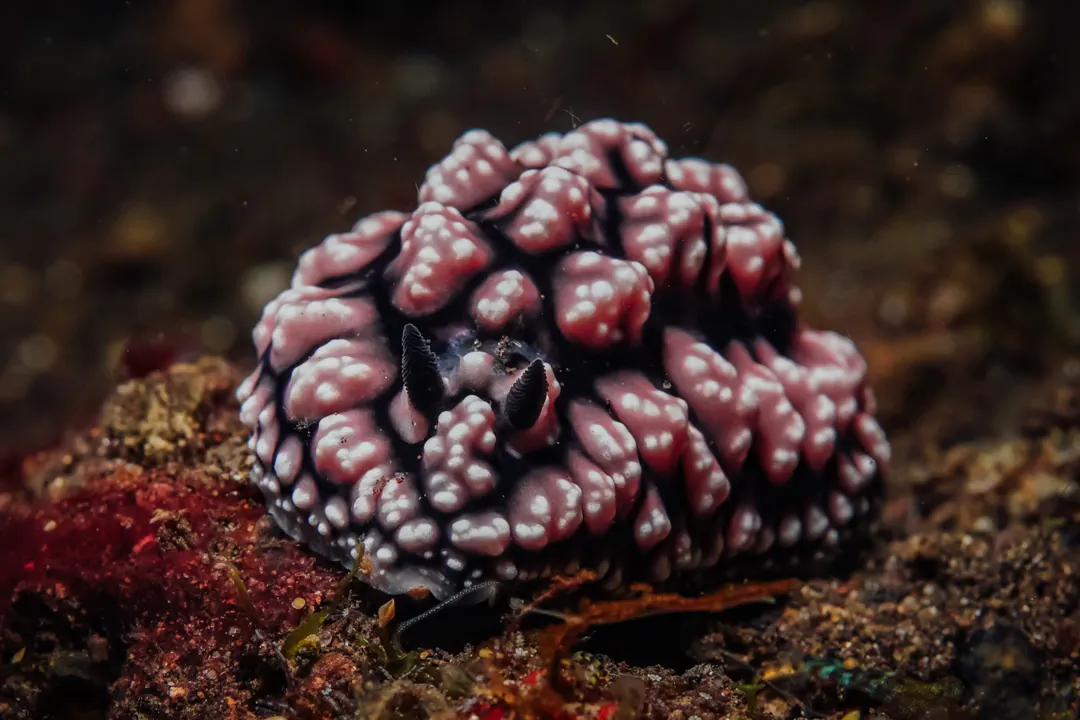
Penetrating its cargo holds reveals a fascinating time capsule: motorcycles, trucks, rifles, and train carriages, all slowly being reclaimed by the sea. These relics now provide shelter for schools of snapper, resident barracudas, and intricate macro life, including the vibrant Lined Soapfish (Grammistes sexlineatus) and various colorful nudibranchs. This site is suitable for intermediate divers comfortable with deeper dives and potential currents.
 © Georgina JonesCC BY-SA 4.0 · iNaturalist
  © Stas KuryanAll rights reserved
 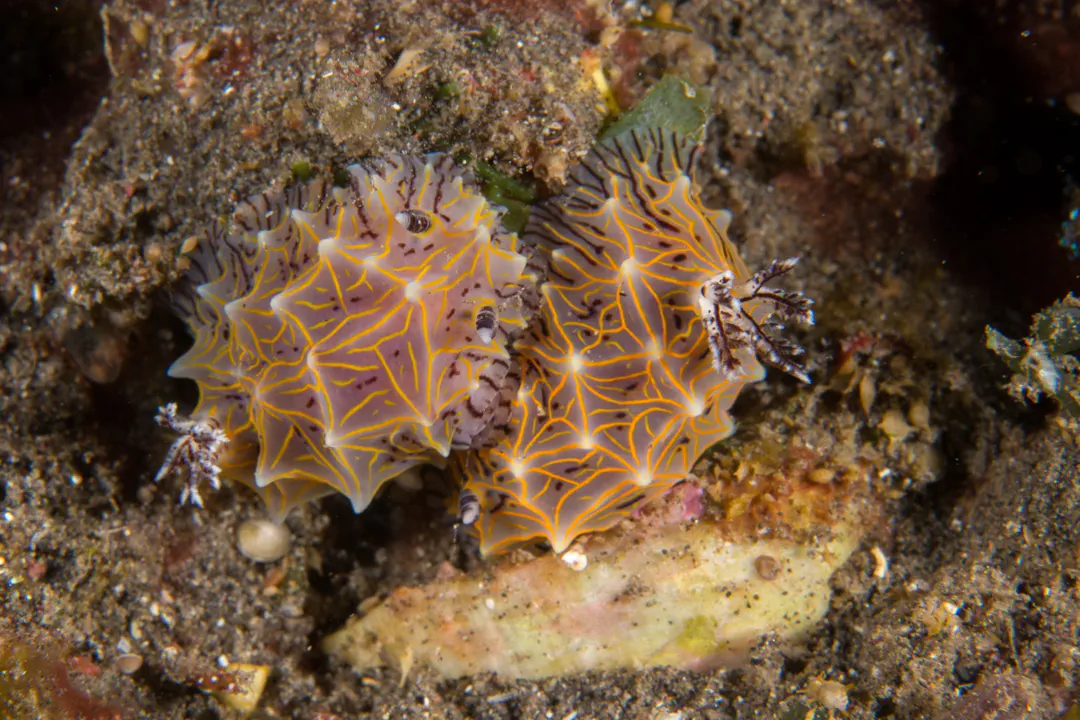 © Bernard PictonCC BY 4.0 · iNaturalist
 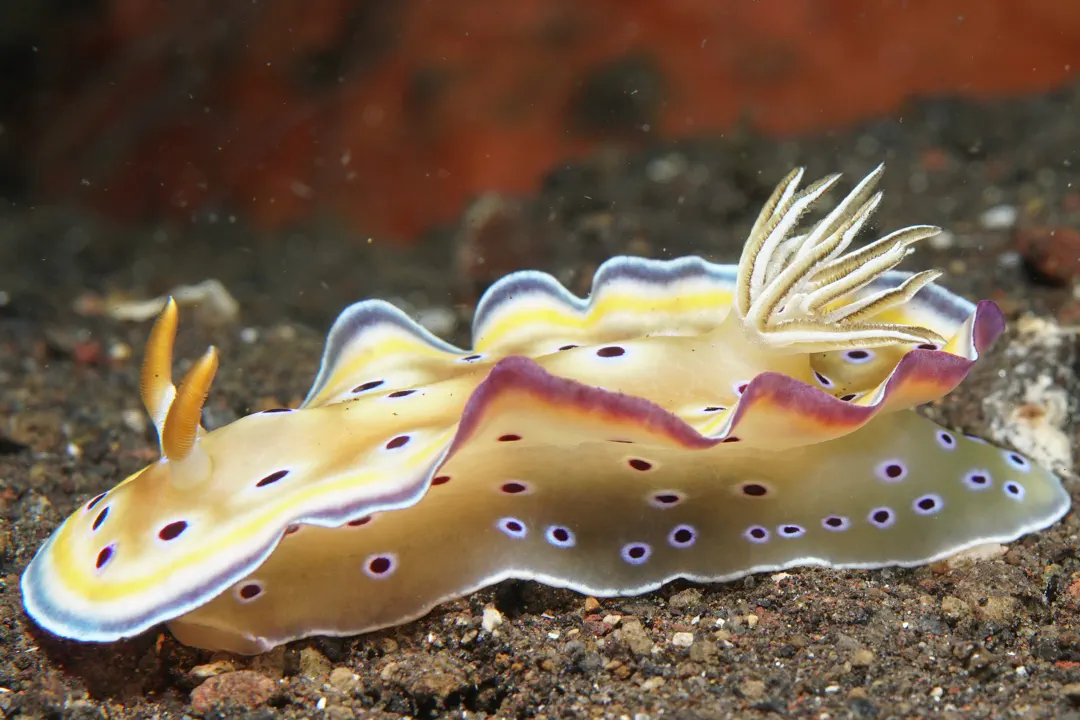 © Stas KuryanAll rights reserved
 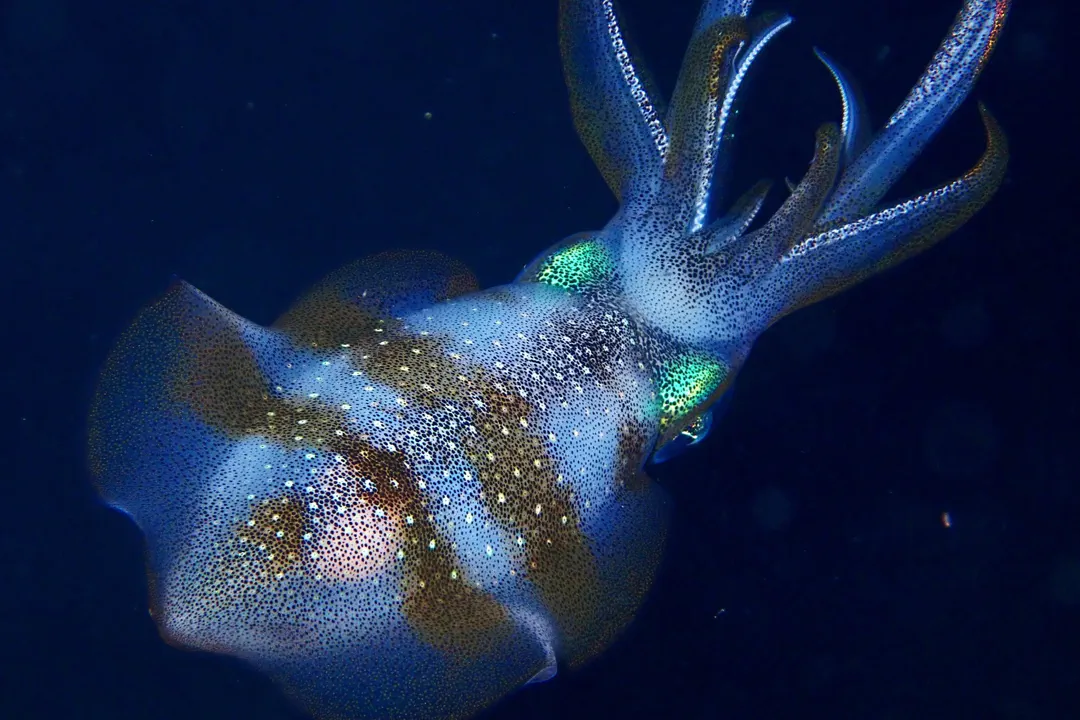 Jean-Paul BoerekampsCC0 · iNaturalist
 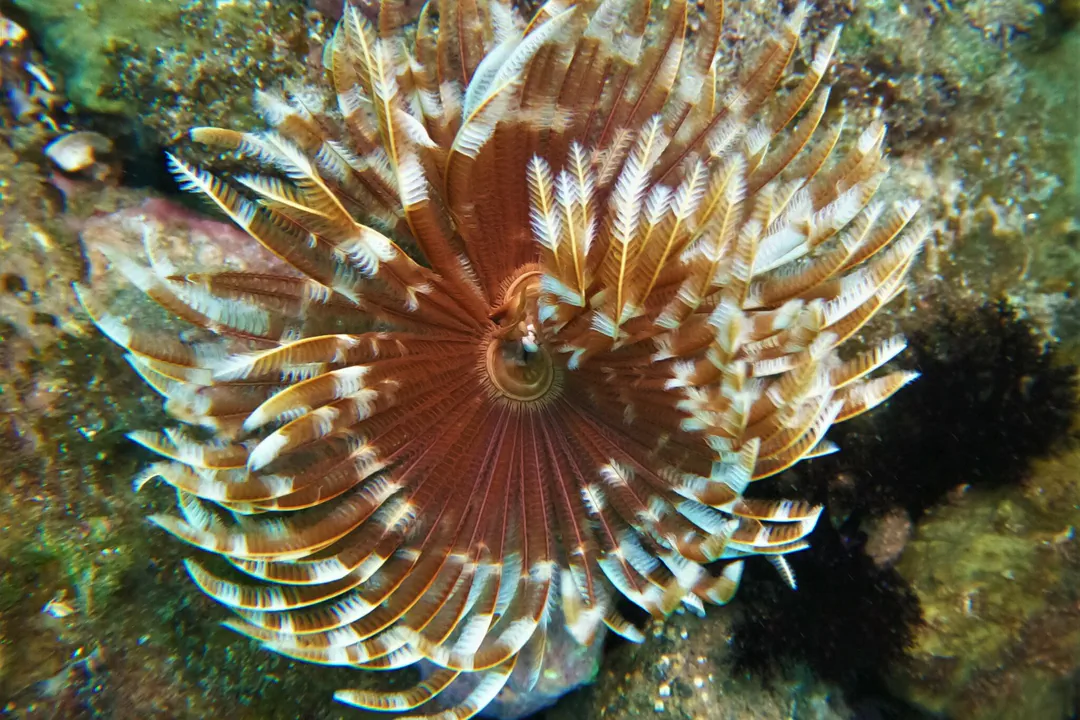 © Alberto AlcaláCC BY 4.0 · iNaturalist
 Daedalus Reef
Far offshore in the southern Red Sea, Daedalus Reef is an isolated pinnacle marked by a historic lighthouse, accessible primarily via liveaboard. Its walls plunge vertically into the abyss, often swept by strong currents, making it a thrilling drift dive for experienced divers, typically exploring depths from 15 to 40 meters.
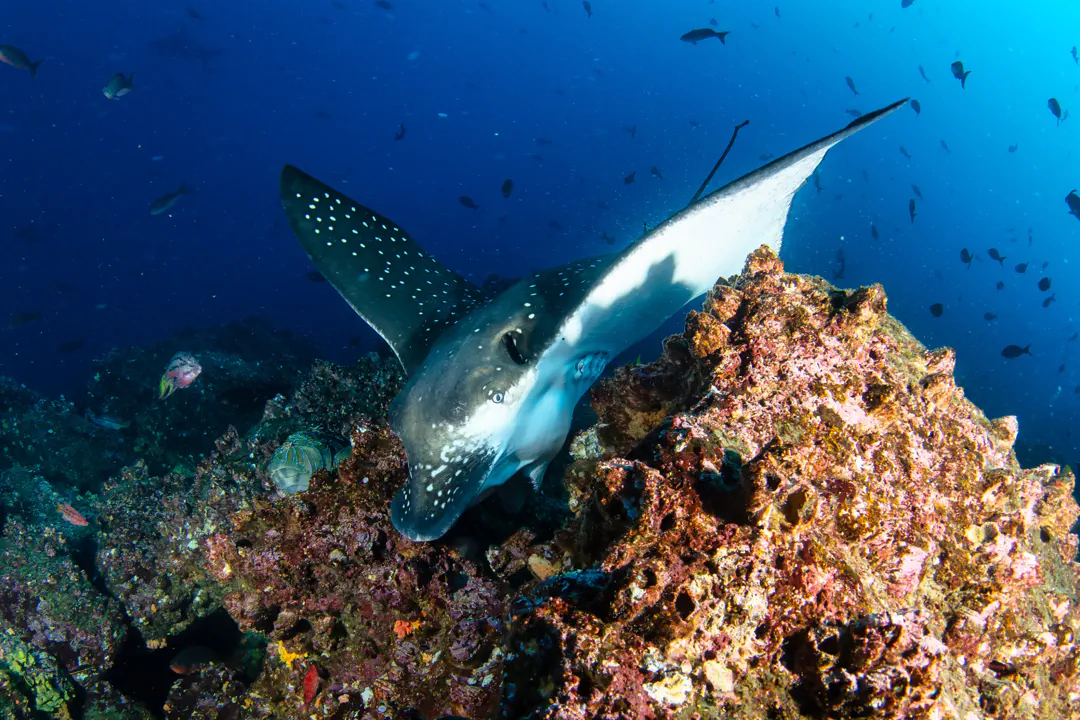
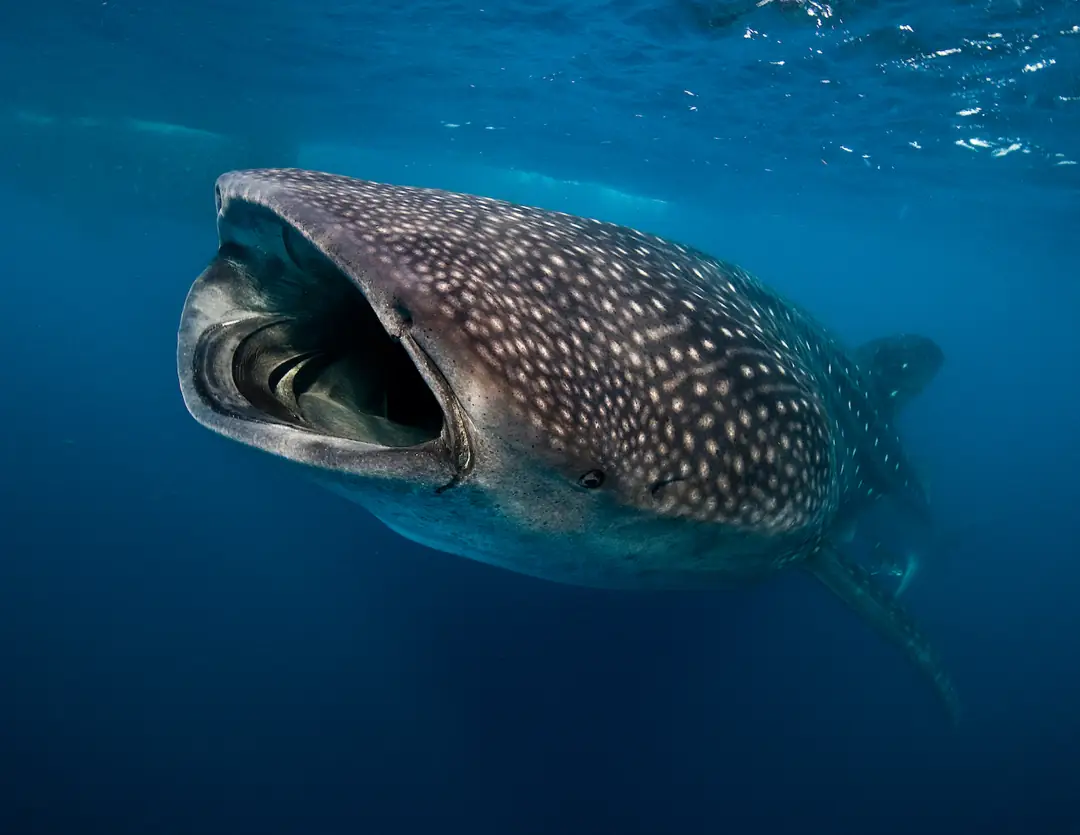
These currents are magnets for large pelagics, with seasonal sightings of whale sharks (Rhincodon typus) and elegant spotted eagle rays (Aetobatus narinari) gliding along the pristine coral-covered slopes. Tiger sharks (Galeocerdo cuvier) are also occasionally spotted here, drawn by the rich ecosystem of its coral-covered walls.
 Chris SpainCC0 · iNaturalist
  © Stas KuryanAll rights reserved
 Elphinstone Reef
Elphinstone Reef, a narrow, torpedo-shaped pinnacle, rises from depths exceeding 100 meters in the southern Red Sea, accessible by liveaboard. This legendary offshore site is renowned for exhilarating drift dives along its sheer walls, typically explored between 20 and 40 meters, and consistent encounters with pelagic species.
Divers can witness tiger sharks (Galeocerdo cuvier) occasionally patrolling the deeper blue, and elegant spotted eagle rays (Aetobatus narinari) gliding along the current-swept walls. These walls are draped in massive gorgonian fans and a tapestry of vibrant soft corals, creating a breathtaking backdrop for schools of barracuda and trevally. This site is best for advanced divers due to strong, unpredictable currents.
 © Stas KuryanAll rights reserved
 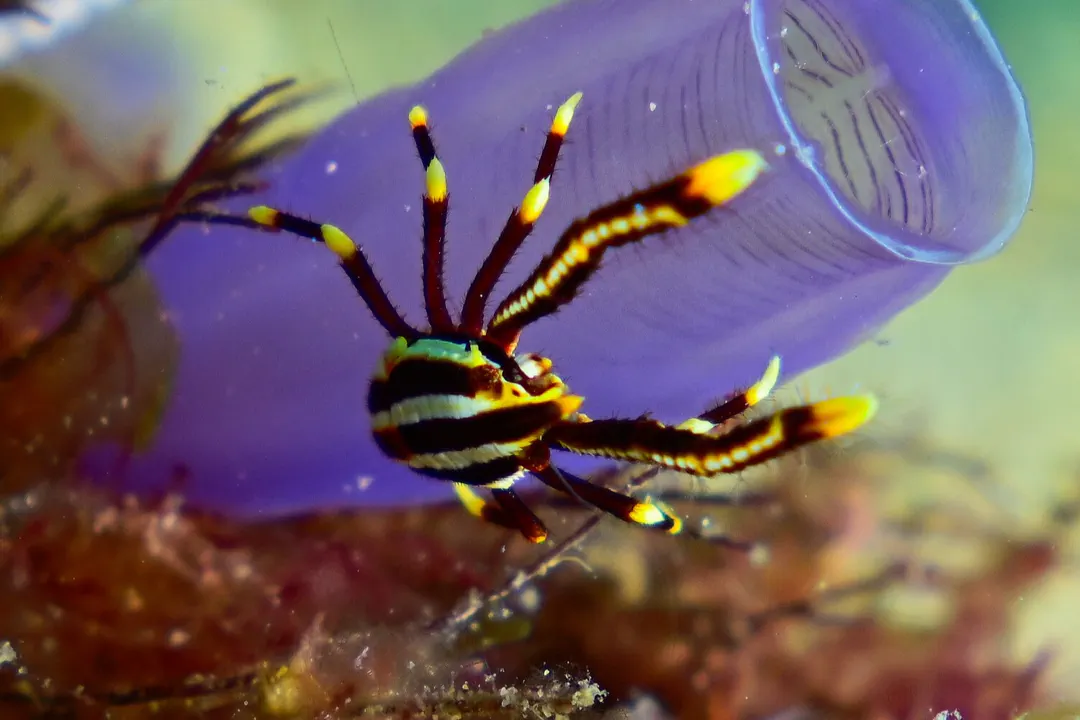 © Bernie WongCC BY 4.0 · iNaturalist
 Practical Tips for Diving the Red Sea
When planning your Red Sea adventure, consider a liveaboard for unparalleled access to remote offshore reefs like Daedalus or Elphinstone. Alternatively, shore-based diving from resorts in areas like Sharm el Sheikh or Hurghada offers flexibility for daily dives on local sites.
Regardless of your choice, always maintain precise buoyancy control and be acutely aware of currents, which can be strong on exposed pinnacles. Respect marine life by observing without touching, preserving the delicate coral ecosystems for future explorers.
FAQs About Diving the Red Sea
Questions
What is the visibility like in the Red Sea?
Visibility is often excellent and commonly falls in the 20–40 m range, with many sites exceeding 30 m on calm days. Offshore reefs and periods of low wind tend to produce the clearest conditions, while plankton blooms, surf, and suspended sediment can temporarily reduce clarity near shore or after strong weather.
Are there strong currents in the Red Sea?
Some sites are calm, but offshore pinnacles, channel dives, and exposed headlands can have powerful currents and downcurrents. These conditions are part of what makes famous sites such as Elphinstone, Daedalus, and Ras Mohammed attractive to experienced divers, and drift-diving skills are often useful there.
What marine life can I expect to see?
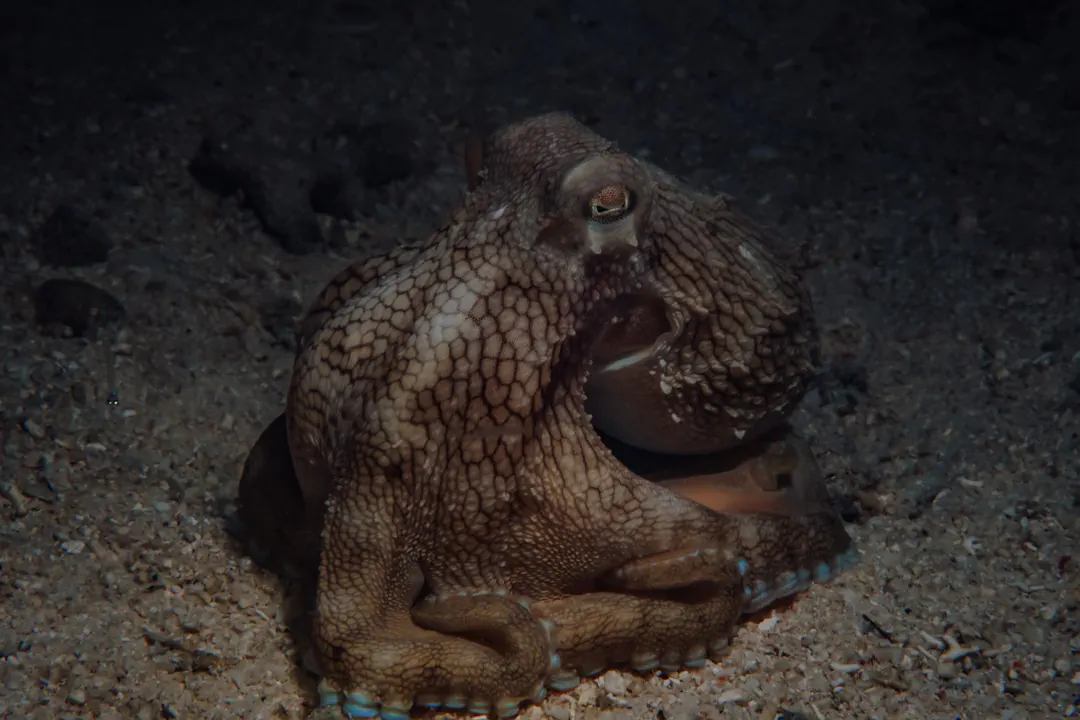
Divers can see reef fishes such as angelfish, butterflyfish, parrotfish, and surgeonfish, along with sharks, rays, turtles, octopuses, and a large range of corals and nudibranchs. Seasonal pelagics such as hammerhead sharks, oceanic whitetip sharks, and manta rays are most likely on offshore routes and remote reefs.
Is the Red Sea suitable for beginner divers?
Yes. Sheltered bays and fringing reefs near resort areas provide shallow, warm, and relatively protected conditions that are suitable for training, introductory dives, and guided fun dives. Beginners still need to watch for boat traffic, surge, and occasional currents, especially when diving near reef passes or outer walls.
What is the best way to explore the Red Sea dive sites?
Both shore-based resort diving and liveaboards are effective, but they suit different goals. Shore diving is ideal for training, short stays, and easy access to local reefs, while liveaboards provide the best access to offshore sites such as Daedalus, Brothers, and other remote reefs where encounters with large pelagics are more likely.