Introduction to Seychelles Diving
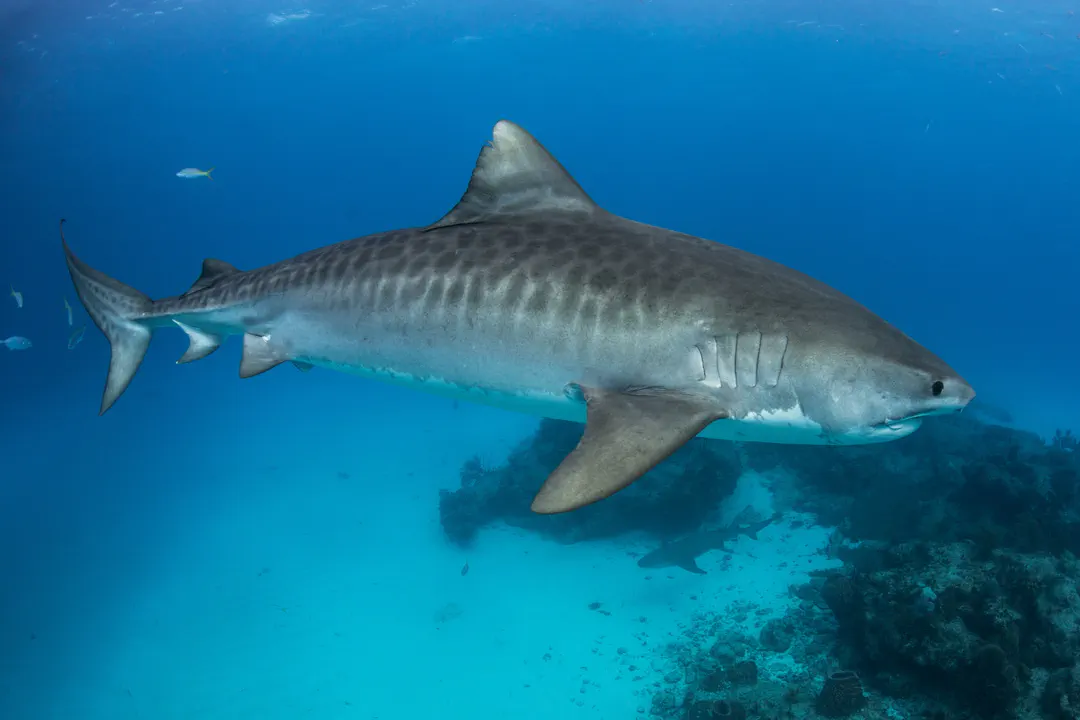
A tiger shark, its stripes fading into the blue, cruises the sun-dappled outer reef of a remote atoll, a silent sentinel in water so clear it seems to vanish. Below, giant granite boulders, smoothed by millennia of oceanic currents, form a dramatic backdrop for schooling fusiliers, their silver bodies flashing in unison. This is the Seychelles underwater, a world where ancient geology meets vibrant marine ecosystems.
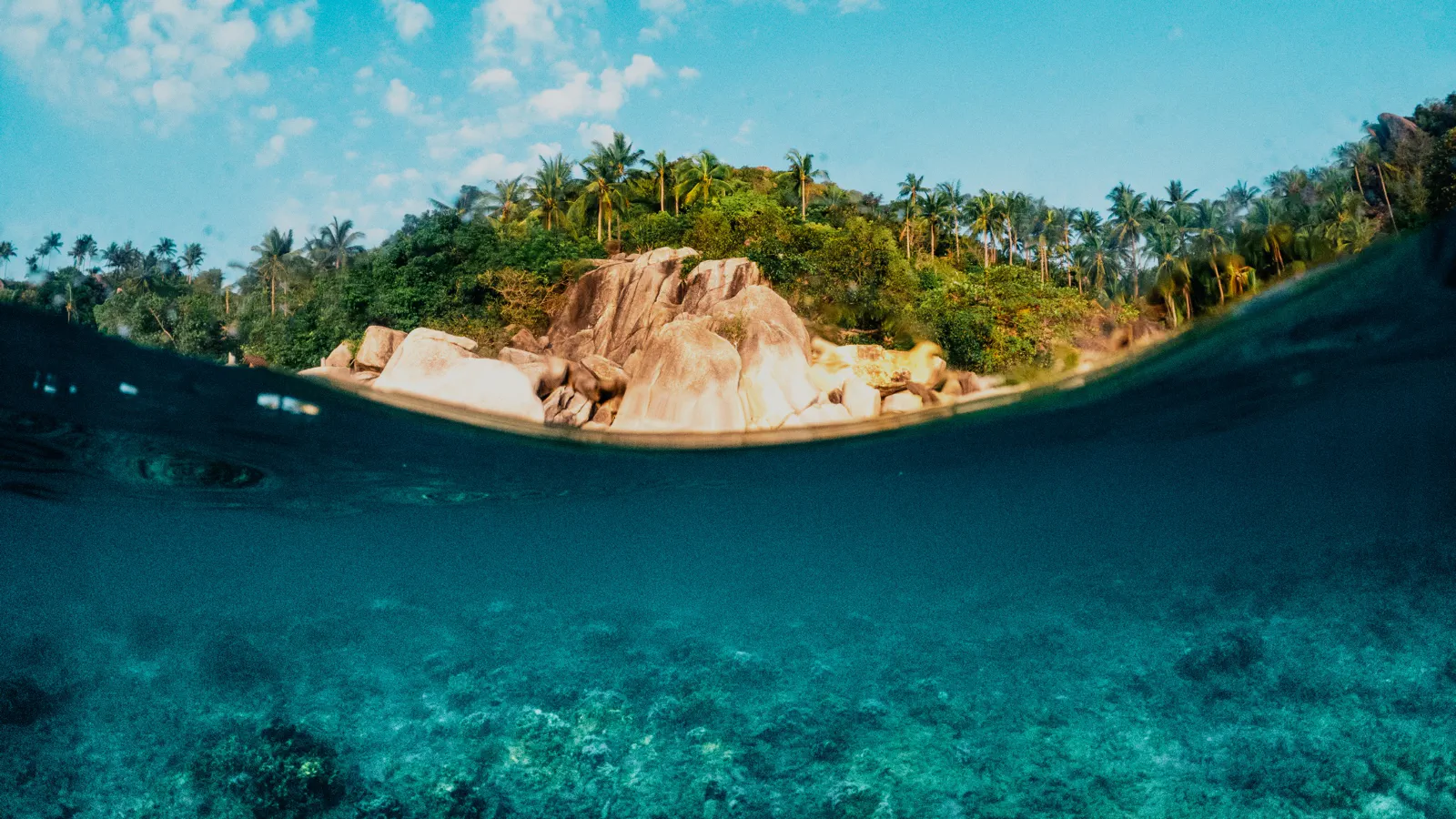
Seychelles is one of the Indian Ocean’s most distinctive dive destinations because it combines ancient granite islands, outer coral atolls, and exceptionally clear tropical water across a vast oceanic area. This unique geography creates a rare mix of boulder reefs, drop-offs, channels, lagoons, and wrecks.
For divers, the appeal is not only scenic topography but also biological variety. Inner islands such as Mahé, Praslin, and La Digue offer sheltered reef dives, while outer islands and atolls such as Aldabra and Astove can deliver stronger currents, bigger pelagics, and more intact reef systems. Water temperatures stay warm most of the year, typically around 26°C to 30°C, so diving is comfortable with light thermal protection.
The Seychelles also has a strong conservation profile. Large areas of reef and shallow water are protected, which supports coral communities, turtles, reef sharks, rays, and abundant schooling fish. That protection matters because the islands sit in a region where reef resilience, cyclone exposure, and seasonal plankton pulses all shape what divers see underwater.
Geography and Marine Environment
The Seychelles sits on a geologically unusual foundation. The inner islands are among the oldest oceanic granitic islands on Earth, built from exposed continental crust rather than volcanic rock, which is why divers see dramatic submerged boulder fields and fractured granite walls around Mahé, Praslin, and La Digue.
Offshore, the landscape changes to low-lying coralline islands and atolls, producing reefs, passes, and outer slopes that feel very different underwater. This contrast creates a broad range of habitats within a relatively small country.
Shallow granite reefs often host patch reefs, coral gardens, and sandy channels, while deeper outer sites can form steep drop-offs, current-swept pinnacles, and hard-coral terraces. Those habitat differences support a wide spread of fish and invertebrates, from macro species hiding among rubble to sharks and tuna moving along offshore ledges.
Ecologically, the Seychelles’ position in the western Indian Ocean makes it a crossroads for reef species, pelagic visitors, and seasonal migrants. Nutrient pulses can concentrate plankton, which in turn attracts filter-feeders and larger predators. That is one reason whale sharks, manta rays, and other large animals are reported seasonally around parts of the archipelago.
Rich Biodiversity of Seychelles' Waters
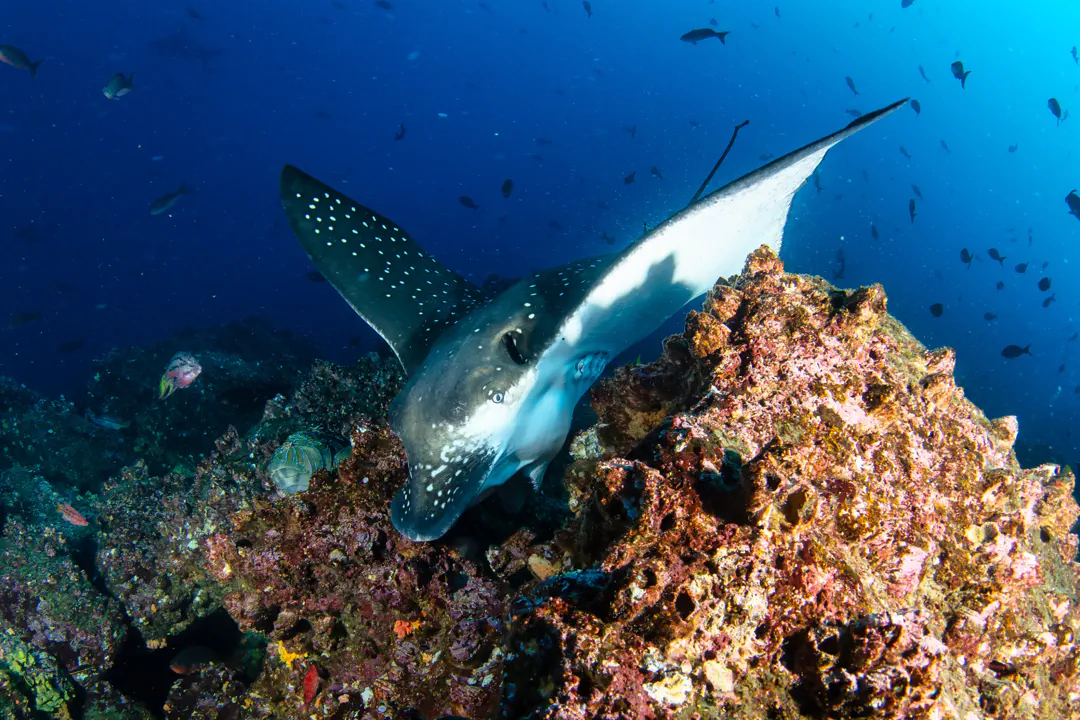
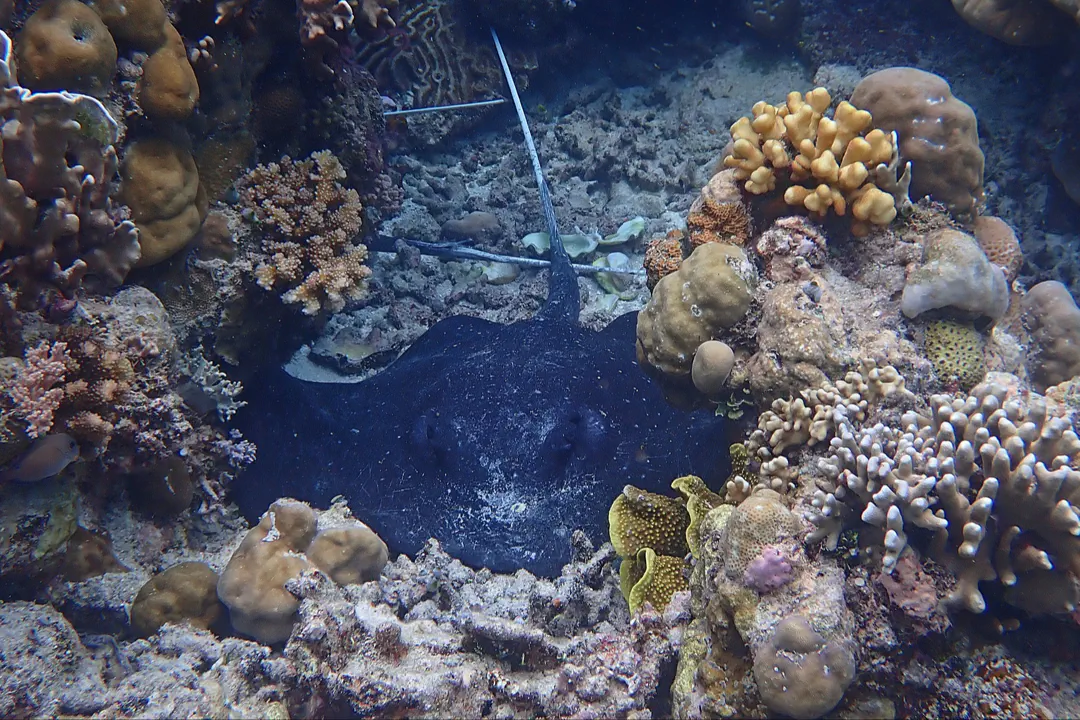
The Seychelles supports a rich reef assemblage, offering encounters with a diverse array of marine life. Divers frequently spot the distinctive patterns of reef-spotted eagle rays gliding past, or observe the solitary patrol of a tiger shark along a reef edge.
Among the coral formations, humphead wrasse cruise with their prominent foreheads, while emperor angelfish flash their intricate blue and yellow markings. Giant clams, some reaching impressive sizes, anchor themselves to the seafloor, filtering nutrients from the passing water. Look closely and you might find bubble-tip anemones hosting their resident clownfish.
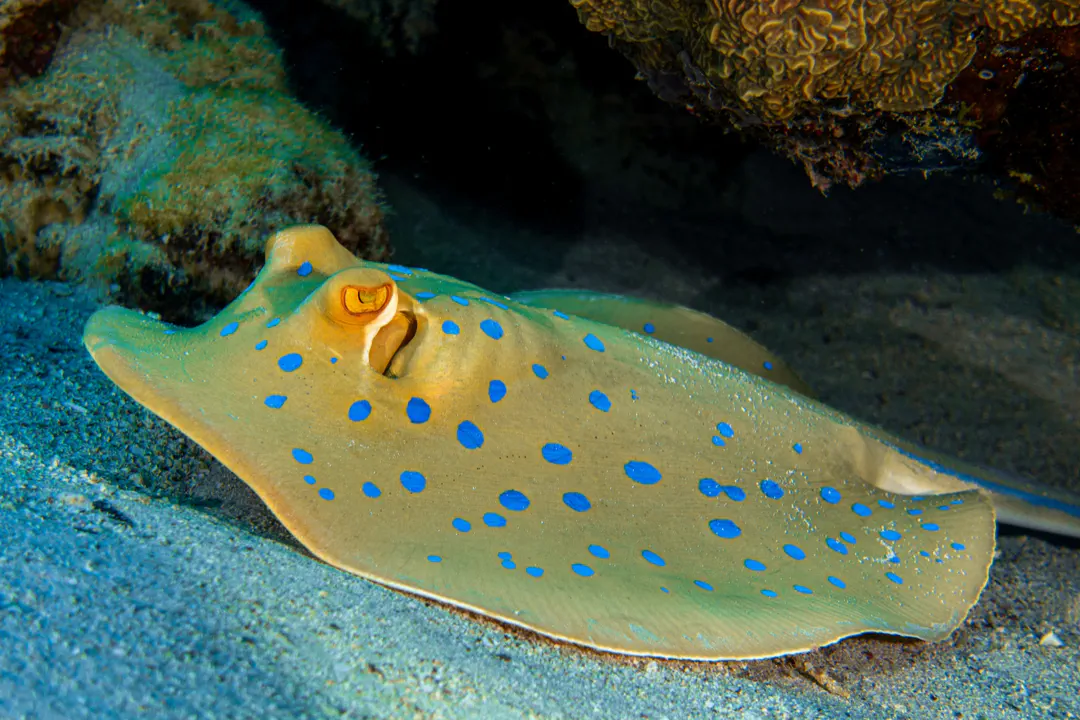
These waters also bring seasonal visitors, including Indo-Pacific bottlenose dolphins offshore and the vibrant blue-spotted ribbontail ray resting on sandy patches. This mix of resident reef dwellers and transient pelagics makes every dive a unique exploration.
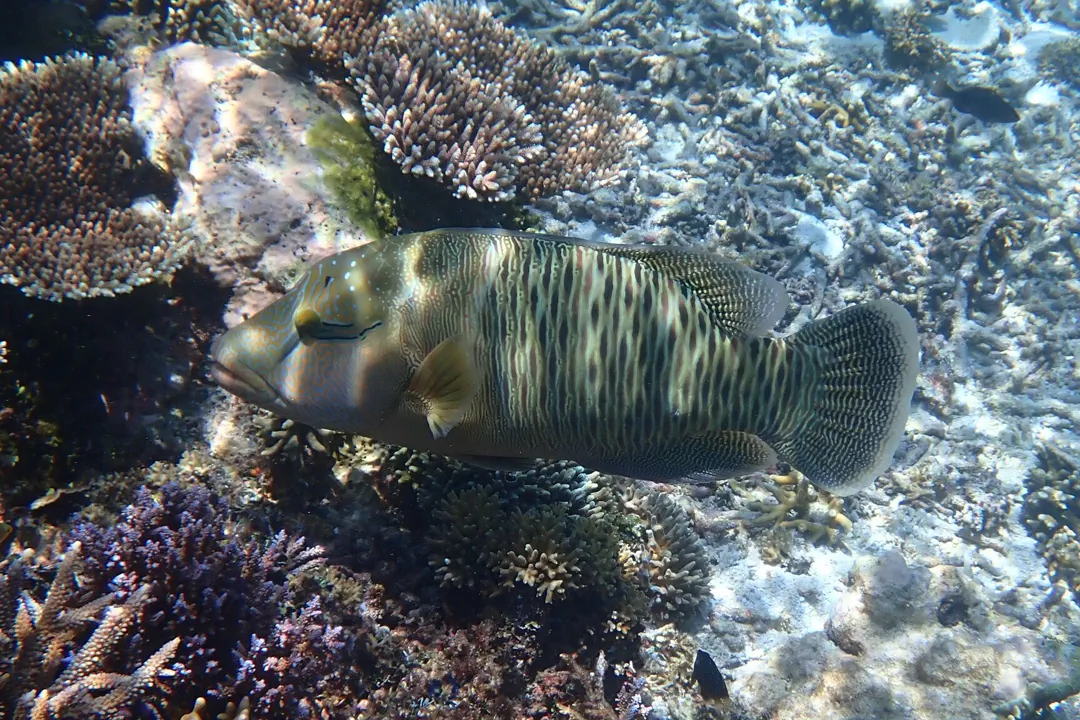 © Nicola CrockfordCC BY 4.0 · iNaturalist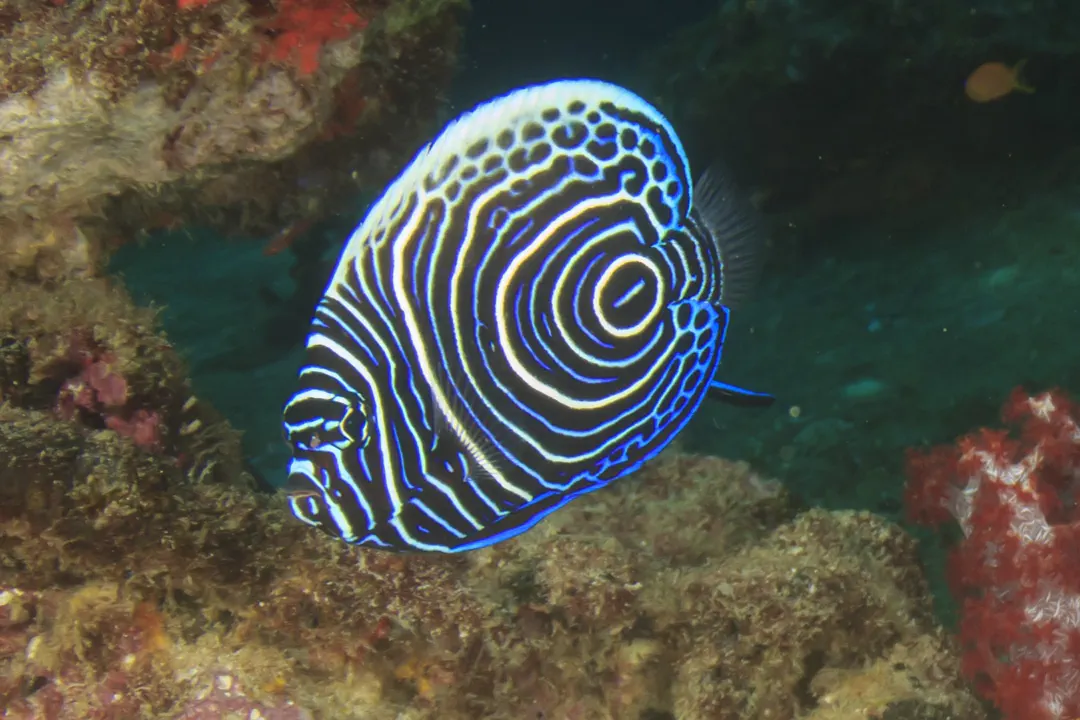
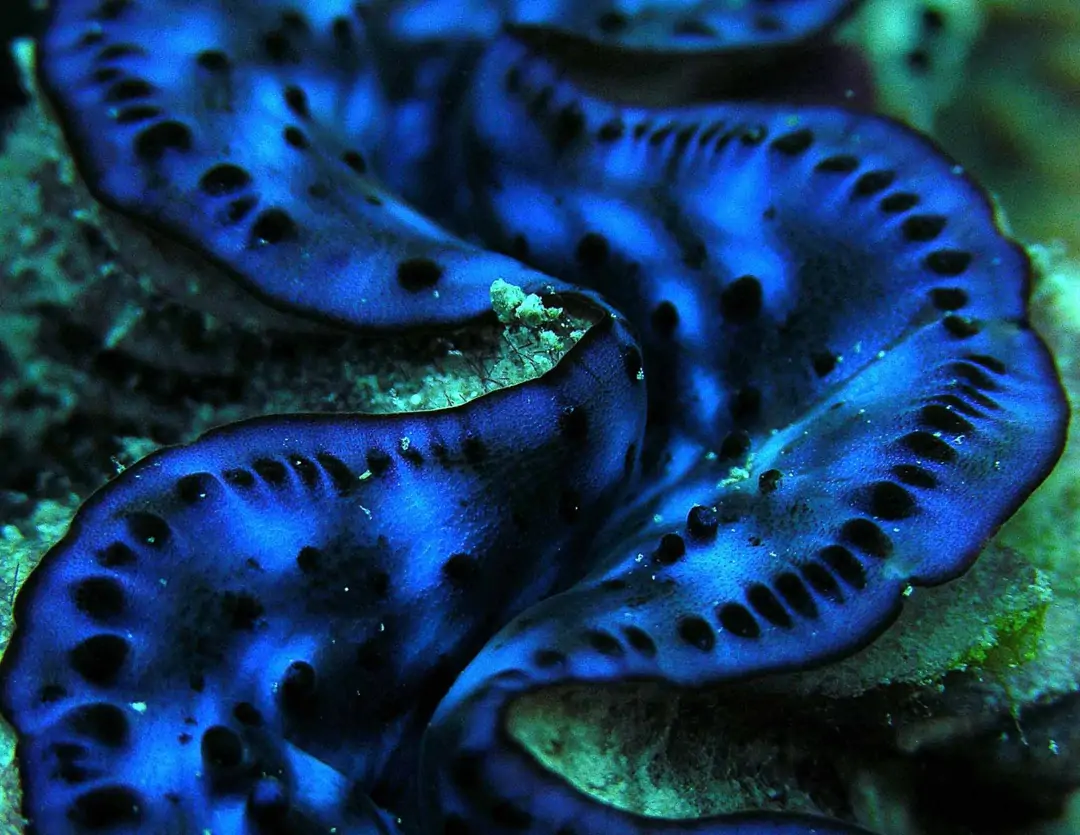 © Stas KuryanAll rights reserved
 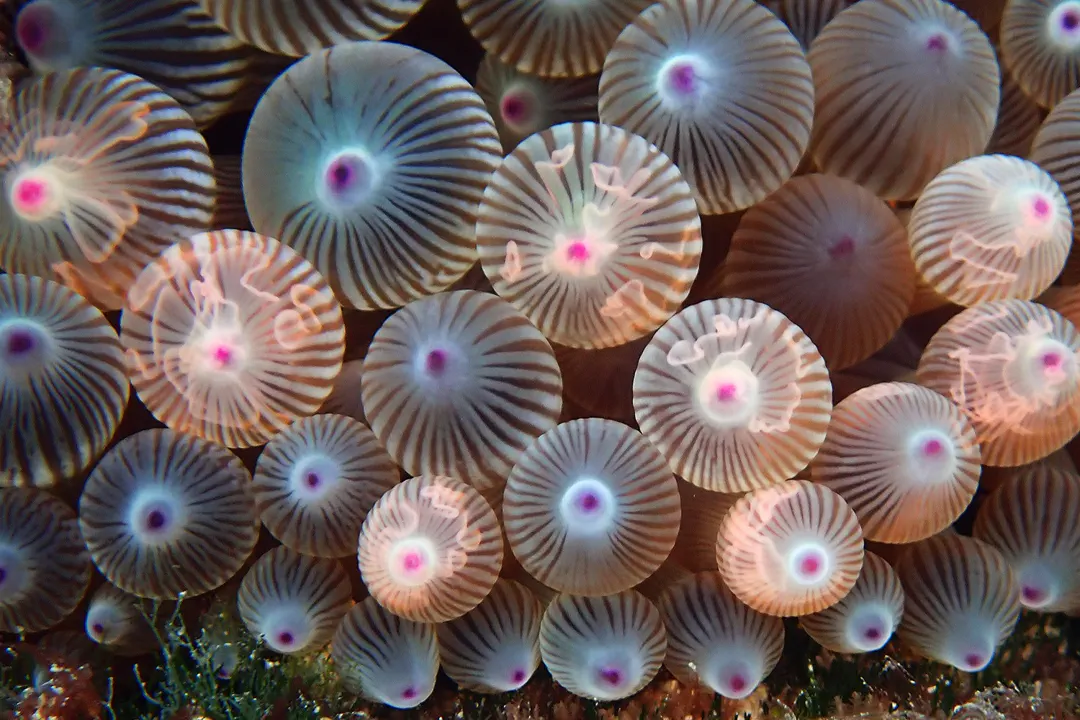 © Susan PriorCC BY 4.0 · iNaturalist
 Best Time to Visit for Diving
Seasonality is important for planning a Seychelles dive trip. The calmest conditions and best visibility are usually found in the transitional months, especially April to May and October to November, when winds tend to be lighter and seas more settled.
During these periods, visibility can extend beyond 30 meters on many sites, offering optimal conditions for photography and observing distant pelagic life. Water temperatures remain consistently warm, ranging from 27°C to 30°C, making for comfortable diving.
While the northwest monsoon period from roughly November to April can still be diveable, visibility and surface comfort often vary more between sites. During the southeast monsoon (June to September), stronger winds can create choppier surface conditions, though some sheltered sites may still be accessible.
Water temperature
Seychelles, monthly average
Mahé (Victoria) area, main diving hub in granitic Inner Islands; surface temperatures from NOAA and Seatemperature.org averages, typical for 0-10m dive depths
Iconic Dive Sites of the Seychelles
1. Aldabra Atoll: A World Heritage Site
Aldabra is one of the most important dive regions in the Seychelles because it is remote, highly protected, and ecologically intact. This UNESCO World Heritage site is an outer atoll, best accessed via liveaboard, offering expedition-style diving for experienced divers due to its strong currents and open-ocean exposure.
The main appeal of Aldabra is its scale: large groupers, tiger sharks, eagle rays, and schooling fish can all appear on the outer slopes and channels, particularly where current concentrates food. Depths can range from shallow reef flats to beyond 40 meters on the outer walls, with currents often exceeding 2 knots in passes.
Because conditions can change quickly on remote atolls, dive planning must account for tide, swell, and logistics. Aldabra offers a rare glimpse into a coherent reef ecosystem operating with minimal human disturbance, providing a baseline for what a large coral-atoll system in the western Indian Ocean can look like when fishing pressure and coastal development are limited.
 © Dirk FroebelCC BY 4.0 · iNaturalist
 2. Inner Islands: Mahé, Praslin, and La Digue
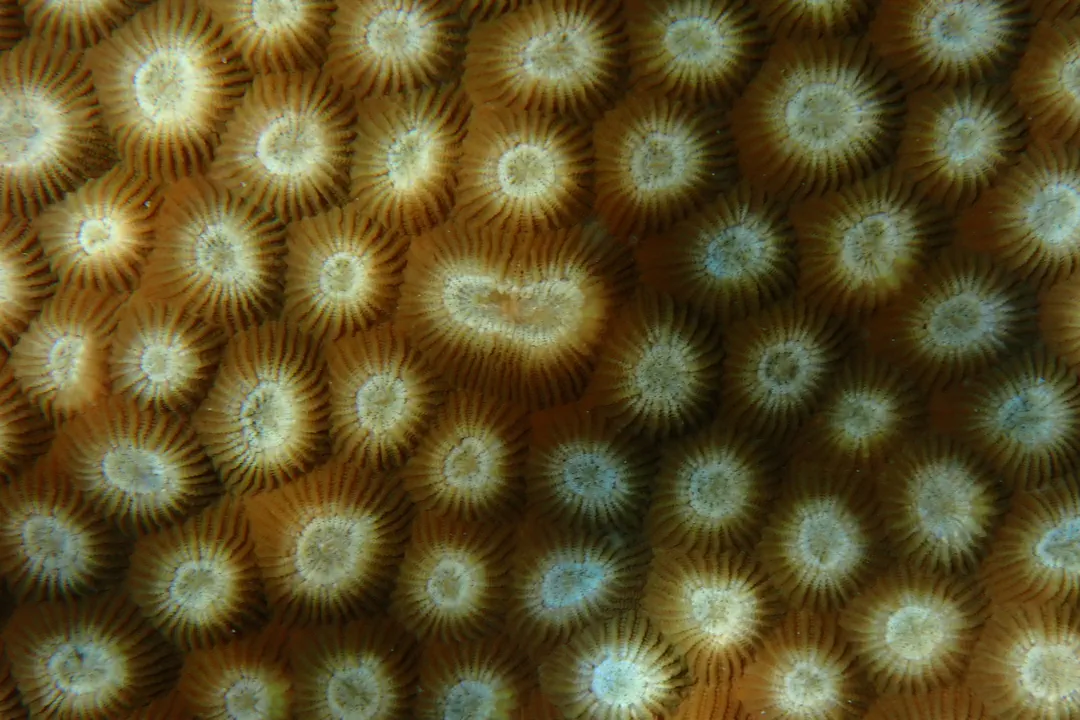
The inner islands of Mahé, Praslin, and La Digue are the most accessible diving area in Seychelles, serving as an excellent starting point for most visitors. Their granitic foundations create distinctive underwater scenery: submerged boulders, dramatic overhangs, sandy gullies, and sheltered coral gardens.
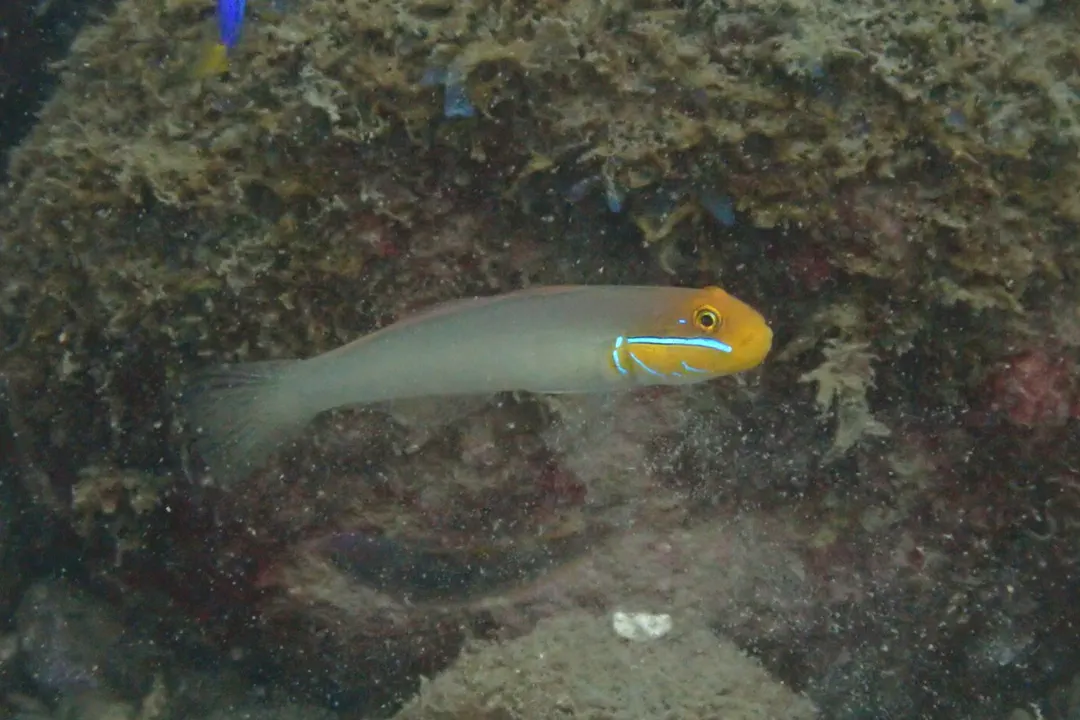
Compared with the outer atolls, these sites are generally easier to reach via daily boat trips, and more forgiving for novice or intermediate divers, with average depths ranging from 10 to 30 meters. Biologically, the inner islands tend to mix reef fish, turtles, and rays with abundant macro life around rubble and coral edges.
Visibility can be excellent in the calmer shoulder seasons, often exceeding 20 meters, but swell and wind can influence exposed western or southern sites. Many operators run daily boat trips, and some locations can also be paired with snorkel sites or shallow check dives, offering a relaxed introduction to Seychelles diving.
 James EatonCC0 · iNaturalist
  © 呂一起(Lyu yi-chi)CC BY 4.0 · iNaturalist
  © Debra BakerCC BY 4.0 · iNaturalist
  © jeyreCC BY 4.0 · iNaturalist
 3. Shark Bank: Pelagic Encounters
Offshore from Mahé, Shark Bank is a submerged granite pinnacle rising from depths of over 50 meters to within 8 meters of the surface. This seamount acts as a beacon for larger pelagic species, making it a prime location for thrilling drift dives.
Divers here often experience strong currents, typically between 1-3 knots, which sweep nutrient-rich waters over the bank, attracting schooling barracuda, tuna, and various shark species. Sightings of grey reef sharks and eagle rays are common, and the sheer volume of fish can be astounding.
Access to Shark Bank is exclusively by boat, usually a 45-60 minute ride from Mahé, and it is best suited for experienced divers comfortable with deep diving and strong currents. The sheer density of schooling fusiliers and other open-ocean fish creates a mesmerizing spectacle against the deep blue.
 © Roger RittmasterCC BY 4.0 · iNaturalist
 4. Ennerdale Wreck: An Artificial Reef
The Ennerdale wreck is one of the best-known wreck dives near Mahé, serving as a genuine artificial reef site. This British tanker, sunk in 1970, now rests at a maximum depth of 30 meters, with its highest points around 15 meters, making it accessible for advanced open water divers.
The wreck provides hard structure for corals, sponges, and a dense population of fish and invertebrates, transforming it into a productive habitat. Divers can explore its collapsed bridge structure and cargo holds, often encountering schooling groupers and lionfish that have made the wreck their home.
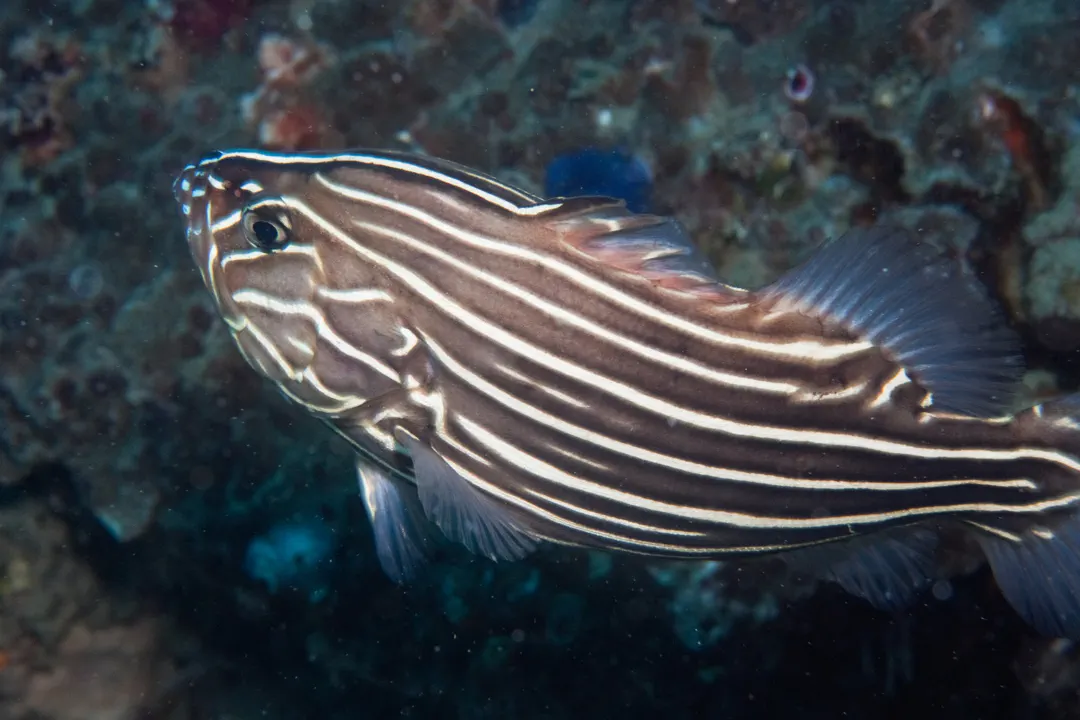
Around the wreck, look for cryptic species like the ornate ghost pipefish or the delicate Oates' soft coral shrimp, hiding among the growth. The distinct six-lined soapfish is also a common sight, camouflaged against the dark metal. Visibility here typically ranges from 15 to 25 meters, creating excellent opportunities for underwater photography.
 © Georgina JonesCC BY-SA 4.0 · iNaturalist
  © Alberto AlcaláCC BY 4.0 · iNaturalist
 Conservation Efforts in the Seychelles
The Seychelles has made marine conservation central to its identity, a commitment that directly benefits divers. Large portions of the country’s coastal and reef environments are within marine protected areas, notably covering roughly 85% of its coral reefs and 88% of its shallow waters. This extensive network supports coral communities, turtles, reef sharks, and abundant schooling fish.
Protection extends beyond no-take zones alone. Seychelles has used spatial planning, fisheries controls, and international financing mechanisms to support biodiversity and ocean governance. This broader policy framework helps safeguard species such as green and hawksbill turtles, reef sharks, and large wrasses, while also preserving the seascapes that make recreational diving so valuable.
For visitors, responsible diving is straightforward but important. Good buoyancy control, no-contact diving, careful finning over coral, reef-safe sun protection, and strict seafood and souvenir choices all reduce pressure on valuable habitats. Divers should also respect marine park rules, heed no-anchor zones, and use dive operators who follow local conservation guidance rather nation chasing wildlife.
Practical Diving Tips for Your Trip
Planning a Seychelles diving trip starts with choosing the right island group and season. The inner islands are best for flexibility and easier logistics, while the outer islands suit divers who want remote reefs, stronger currents, and a more expedition-style experience. The most comfortable conditions are usually found in April to May and October to November, when seas are often calmer and visibility can improve.
Water temperature is warm enough that many divers use a 3 mm wetsuit, and some are comfortable in even lighter exposure protection for short recreational dives. Still, repeated dives, long surface intervals, and individual cold tolerance vary, so the best suit is the one that keeps you warm enough to stay relaxed and neutrally buoyant. Gloves are usually unnecessary and may be restricted in some marine areas, so local rules should be checked before packing them.
Safety and logistics matter because site conditions can shift with wind, swell, and tide. Choose operators that brief currents, entry and exit methods, depth limits, and emergency procedures clearly, and confirm whether your chosen sites are appropriate for your certification level. For remote atolls or bank dives, ask about oxygen, communications, and evacuation planning before you book.
Health-wise, standard tropical-dive precautions apply. Maintain good hydration, protect yourself from sun and boat exposure, and allow adequate no-fly time after diving, especially if you plan multiple days underwater. Because Seychelles can involve boat rides to exposed sites, seasickness preparation is also sensible for divers who are sensitive to swell.
Questions
What is the average water temperature in the Seychelles?
Seychelles water temperatures are typically warm year-round, generally about 26°C to 30°C, with some sites and seasons dipping slightly lower but rarely becoming cool by tropical-diving standards. A 3 mm wetsuit is usually sufficient for most recreational dives, though repeated boat dives may feel more comfortable with a thin hooded vest or extra layering.
Are there strong currents when diving in the Seychelles?
Currents vary by island group and site, but they are often stronger on outer atolls, passes, banks, and exposed channels than around sheltered inner-island reefs. Experienced local guides are important because tide state, wind, and swell can turn a normally manageable site into a demanding drift dive.
What marine life can I expect to see in the Seychelles?
Divers can expect a mix of reef fish, turtles, rays, sharks, and seasonal pelagic visitors, with species such as tiger sharks, eagle rays, humphead wrasse, emperor angelfish, giant clams, and reef-associated anemones or corals appearing on suitable sites. Depending on season and location, whale sharks and mantas may also appear, especially where plankton concentrations rise.
Is the Seychelles suitable for beginner divers?
Yes, especially around the inner islands, where many sites offer shallow reef slopes, relatively easy access, and conditions that are often calmer than outer atolls. Beginners should still choose operators that match site selection to certification level, because visibility, swell, and current can vary from one bay or bank to another.
Do I need special permits to dive in marine protected areas?
Some protected sites, especially remote conservation areas such as Aldabra, require special access arrangements and are typically visited through organized expeditions or authorized operators. Even where a formal permit is not needed, divers should expect marine park fees, site rules, and restrictions on anchoring or wildlife interaction.