Introduction to Sri Lanka's Underwater World
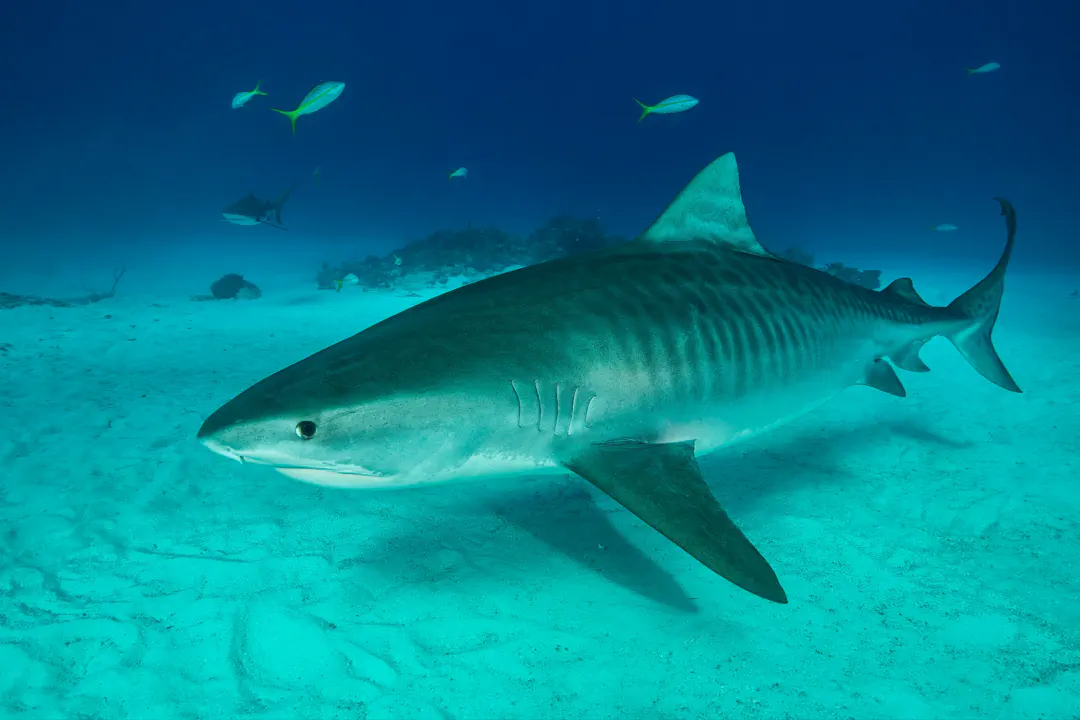
At 54 meters, the colossal hull of HMS Hermes looms out of the deep blue, a ghost from another era. A lone tiger shark, a massive shadow herself, glides slowly past the bridge, her striped flank barely visible in the dim light filtering through the water. Below, a school of barracuda shimmers, a living curtain parting and closing as the current gently nudges them around the rusting deck guns, a silent testament to the sea's reclaiming power.
This island nation, suspended like a teardrop in the Indian Ocean, offers a surprising breadth of underwater experiences. From the intricate ecosystems clinging to historic shipwrecks to the powerful currents sweeping past remote reefs where large pelagic species congregate, Sri Lanka's waters reveal a dynamic marine tapestry.
Geography and Marine Environment
Sri Lanka’s position at the southern tip of India places it in a unique oceanographic crossroads, influenced by the Bay of Bengal to the east and the Arabian Sea to the west. This geographical setting, coupled with a continental shelf that drops off steeply in many areas, contributes to a diverse range of habitats.
The island experiences two distinct monsoon seasons, which dictate diving conditions and visibility on its different coasts. The northeast monsoon (October to April) brings rain and rough seas to the east, while the southwest monsoon (May to September) affects the west and south. This means that year-round, there is always a calm, diveable coast.
Best Time to Dive in Sri Lanka
Diving in Sri Lanka operates on a split season, following the rhythms of the monsoon winds. The west and southwest coasts, including areas like Colombo, Hikkaduwa, and Galle, are best explored from October to May.
During these months, the seas are calmer, and visibility typically ranges from 15 to 30 meters. Conversely, the east coast, encompassing Trincomalee and Batticaloa, offers its prime diving conditions from May to October, with similar visibility ranges. This seasonal shift ensures that divers can find suitable conditions almost any time of the year by simply moving to the opposite side of the island.
Water temperature
Sri Lanka, monthly average
Hikkaduwa area (popular southwest diving spot near Galle), sea surface temperatures based on typical tropical Indian Ocean data for Sri Lanka's coastal diving regions
Iconic Dive Sites of Sri Lanka
Sri Lanka’s underwater landscape features a compelling mix of natural reefs and artificial ones, born from centuries of maritime trade and wartime events. From shallow coral gardens teeming with small reef fish to the deep, silent hulks of sunken vessels, the variety of diving experiences is considerable.
Each site tells a different story, whether it's the sheer scale of a naval aircraft carrier or the raw, untamed energy of an exposed pelagic reef where powerful currents sculpt the underwater terrain.
HMS Hermes Wreck (Batticaloa)
The HMS Hermes, the world's first purpose-built aircraft carrier, rests upright at a depth of 54 meters off the coast of Batticaloa. Sunk in 1942, this immense vessel spans 183 meters and offers an unparalleled deep wreck diving experience.
Access is via boat, approximately 10 kilometers offshore, and the dive requires advanced wreck certification due to its depth and the potential for strong currents. The wreck is a thriving artificial reef, its metal structure encrusted with hard corals and home to a remarkable density of marine life.
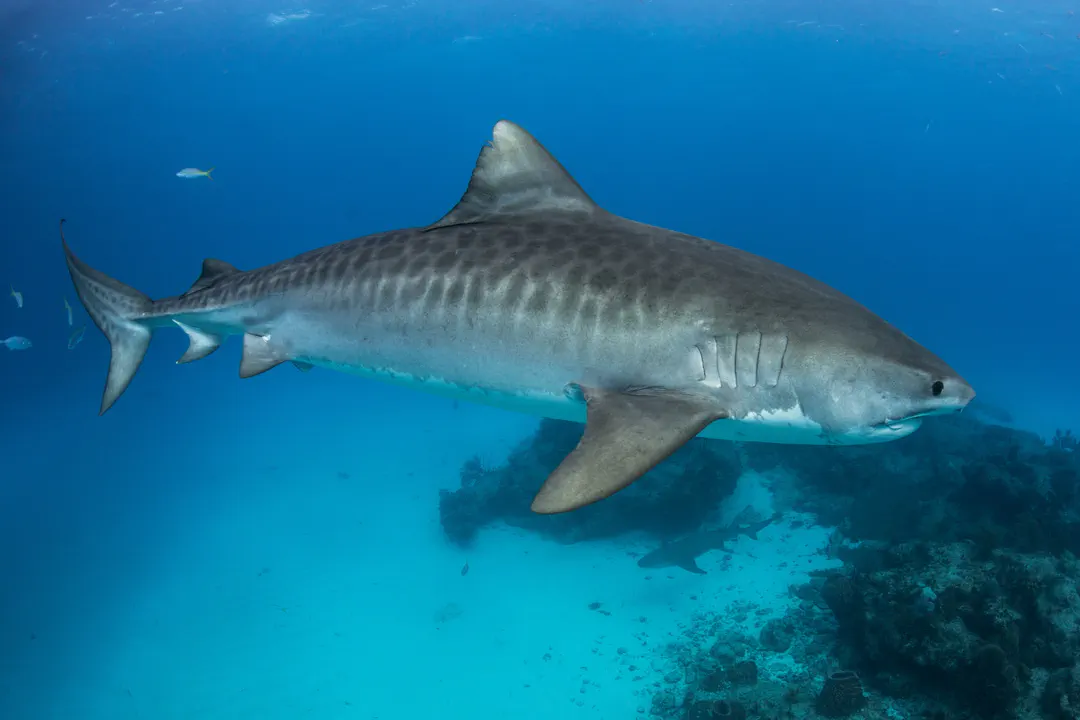
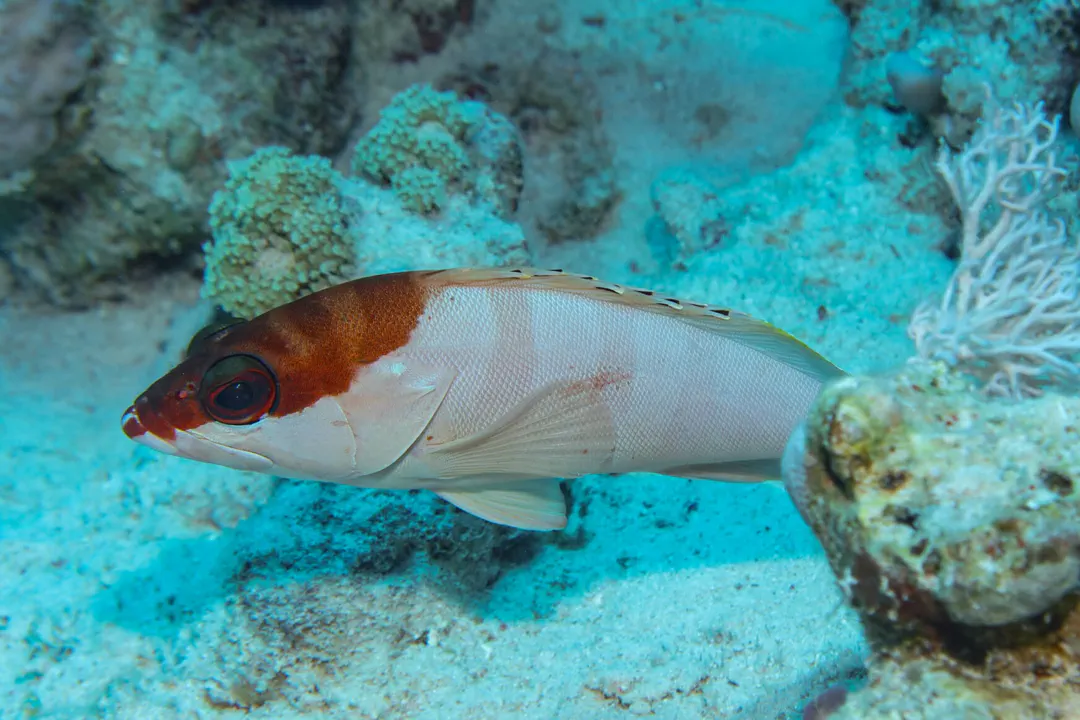
Large groupers find shelter within its hangars, while schools of trevally and barracuda swirl around the superstructure. Tiger sharks are occasionally observed patrolling its perimeter, drawn to the abundant food source this sunken city provides.
 © Dan SchofieldCC BY 4.0 · iNaturalist
  © Julien RenoultCC BY 4.0 · iNaturalist
  © Nicola CrockfordCC BY 4.0 · iNaturalist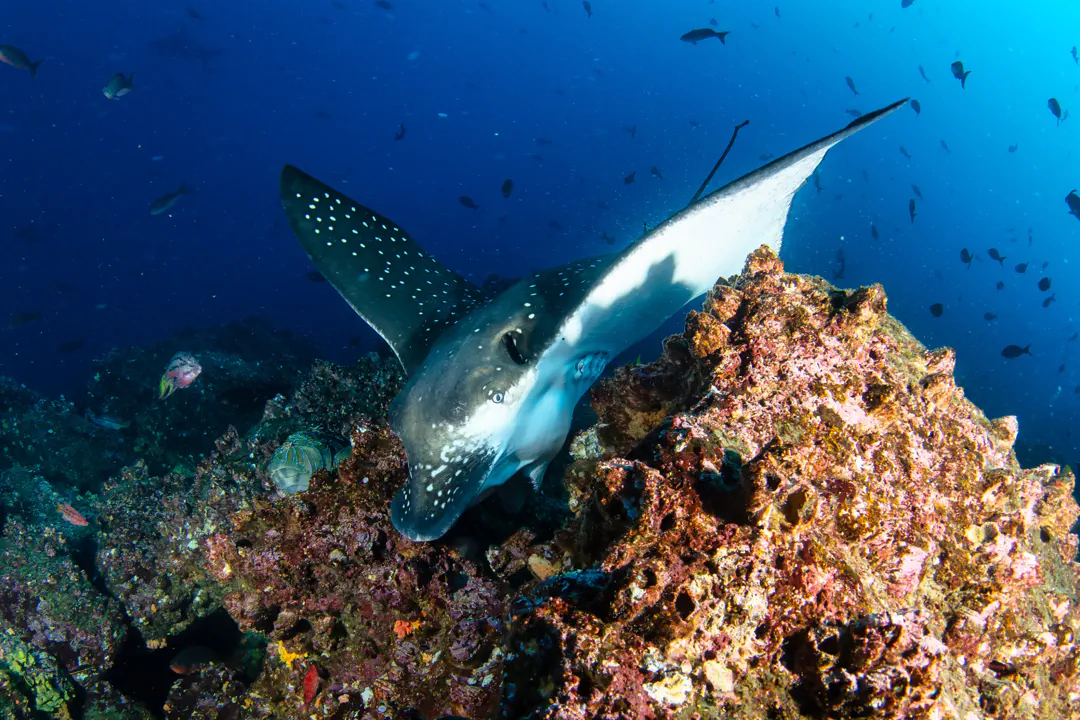
 © Debra BakerCC BY 4.0 · iNaturalist
 Great Basses Reef (Southern Coast)
Located off Sri Lanka's remote southern coast, the Great Basses Reef is an exposed rock formation stretching over 10 kilometers, rising from depths of 30-40 meters to just below the surface. This site is known for its dramatic underwater topography, with canyons and ledges carved by relentless currents.
Accessed by boat from Kirinda or Hambantota, dives here are typically drift dives and are best suited for experienced divers due to the strong, unpredictable currents. These currents, however, are precisely what attract large pelagic species, making it a prime location for encounters with various sharks, including tiger sharks, and schooling eagle rays.
The best time to visit is during the calm inter-monsoon periods, typically March to April and September to November, when the pelagic action is at its peak. Visibility can reach 20-25 meters on good days, revealing the reef's powerful ecosystem.
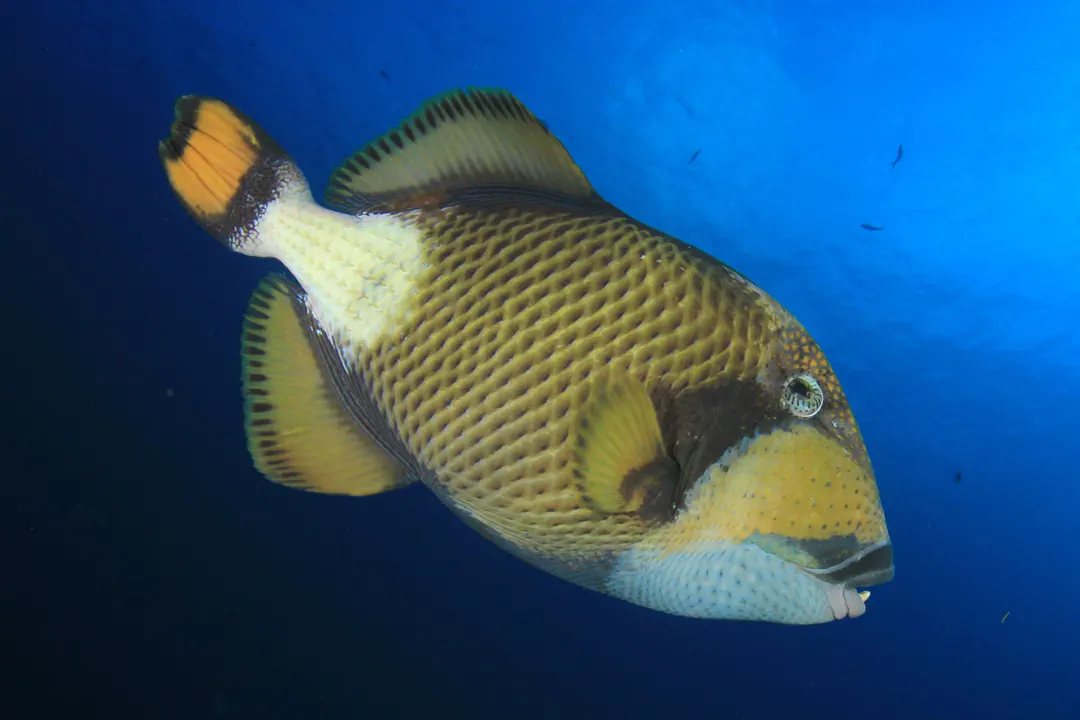
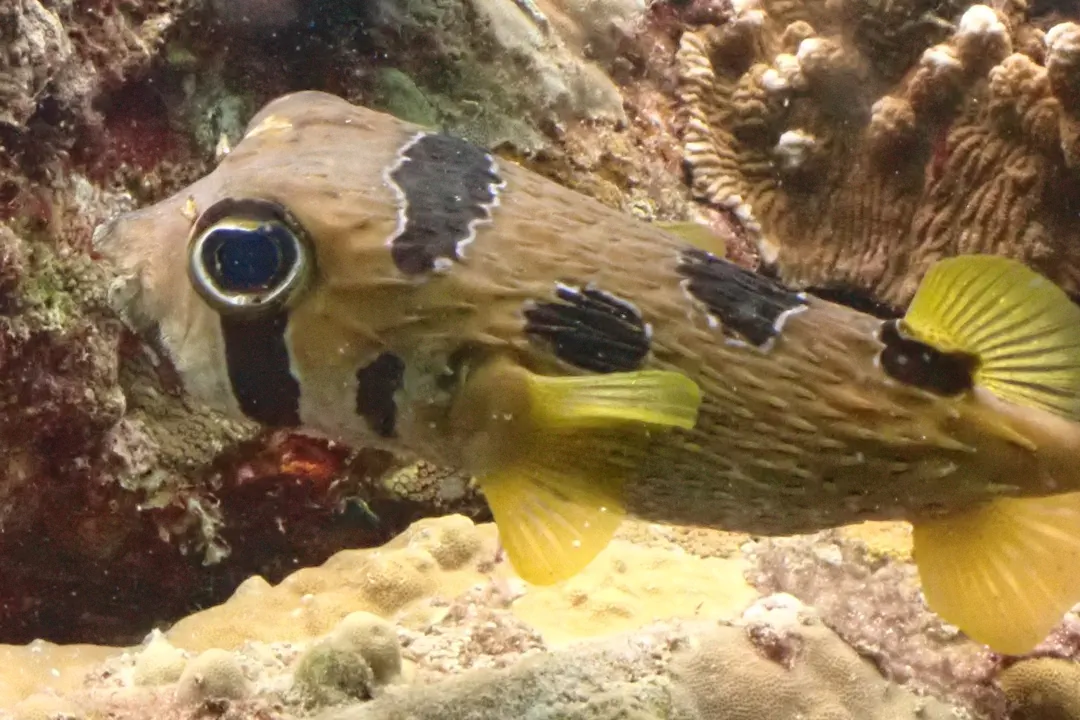 © Jay ParolineCC BY 4.0 · iNaturalist
 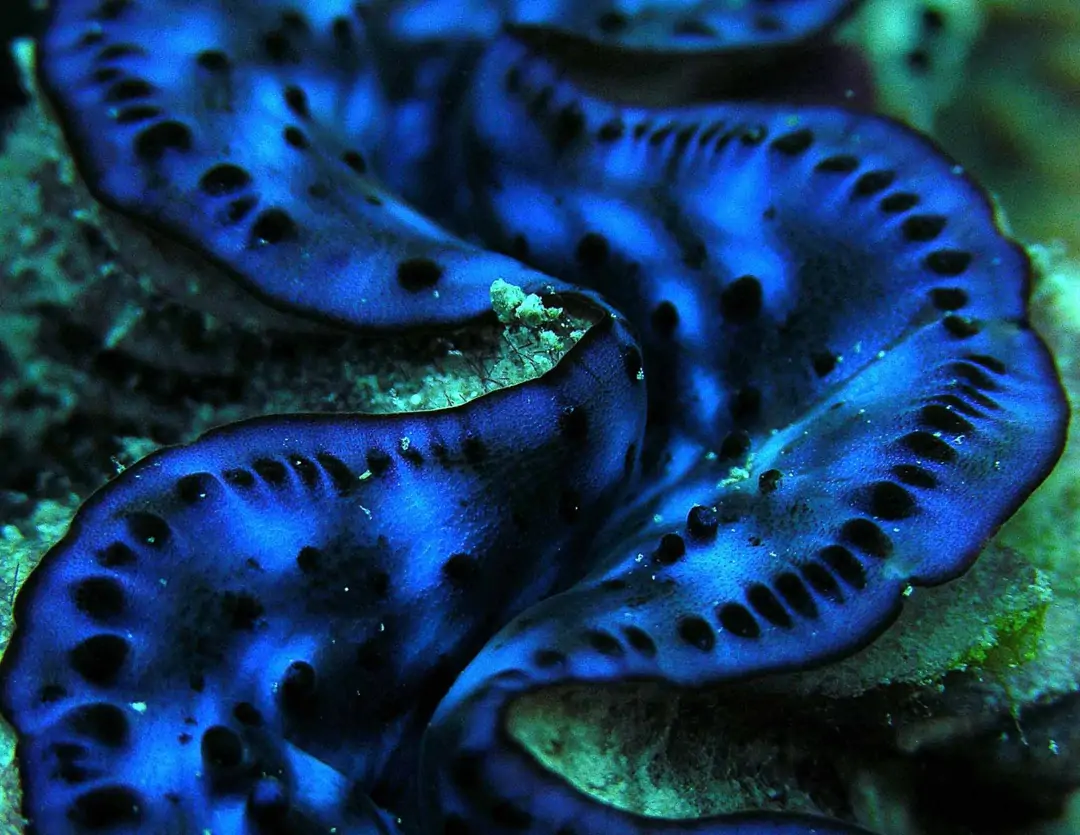 © Stas KuryanAll rights reserved
 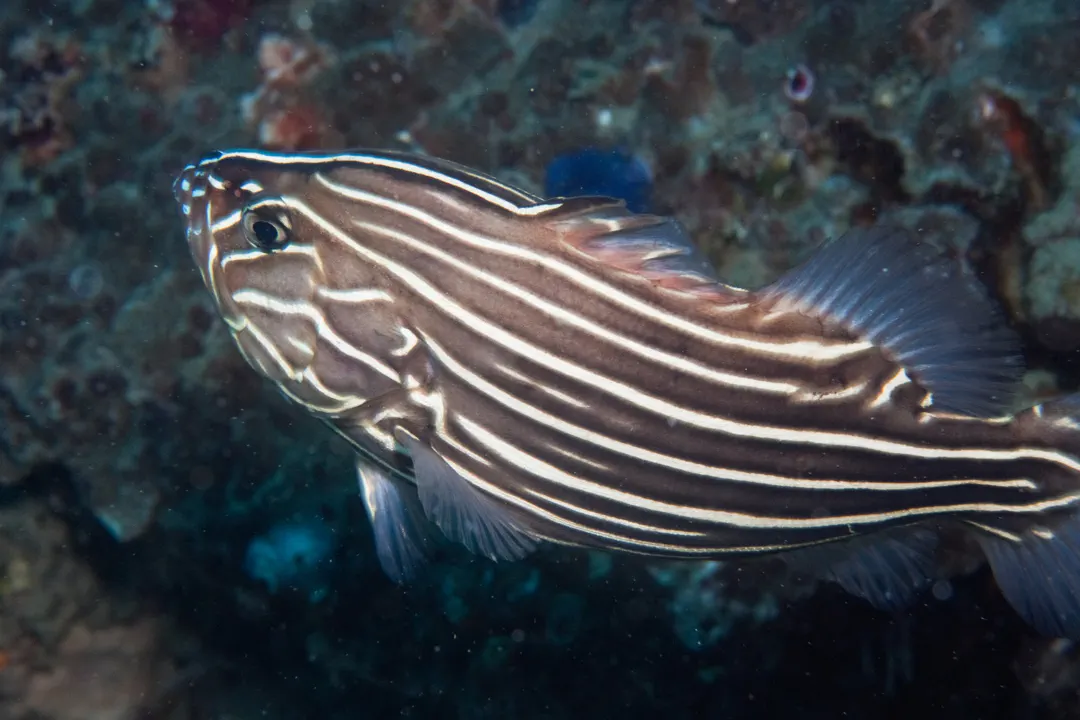 © Georgina JonesCC BY-SA 4.0 · iNaturalist
 Little Basses Reef (Southern Coast)
Just a short distance from its larger counterpart, Little Basses Reef shares many of the same characteristics, offering another thrilling dive for those seeking encounters with large marine life. This reef system also features significant rock formations, rising from depths of 20-30 meters.
Like Great Basses, it is a boat dive from Kirinda or Hambantota, and strong currents are common, necessitating experience. During the peak season (March-April, September-November), divers can anticipate drift dives alongside schools of trevally, barracuda, and various shark species, including grey reef sharks and occasional tiger sharks.
Visibility here can also extend to 20-25 meters, providing clear views of the dynamic interactions between predators and their prey in this open ocean environment.
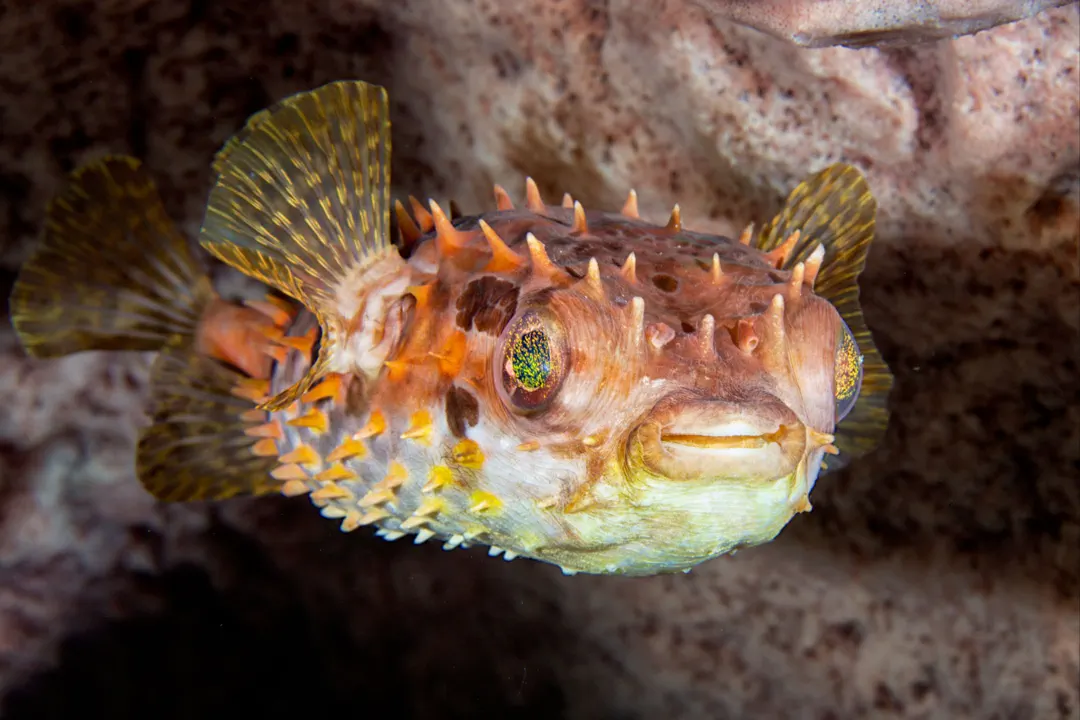
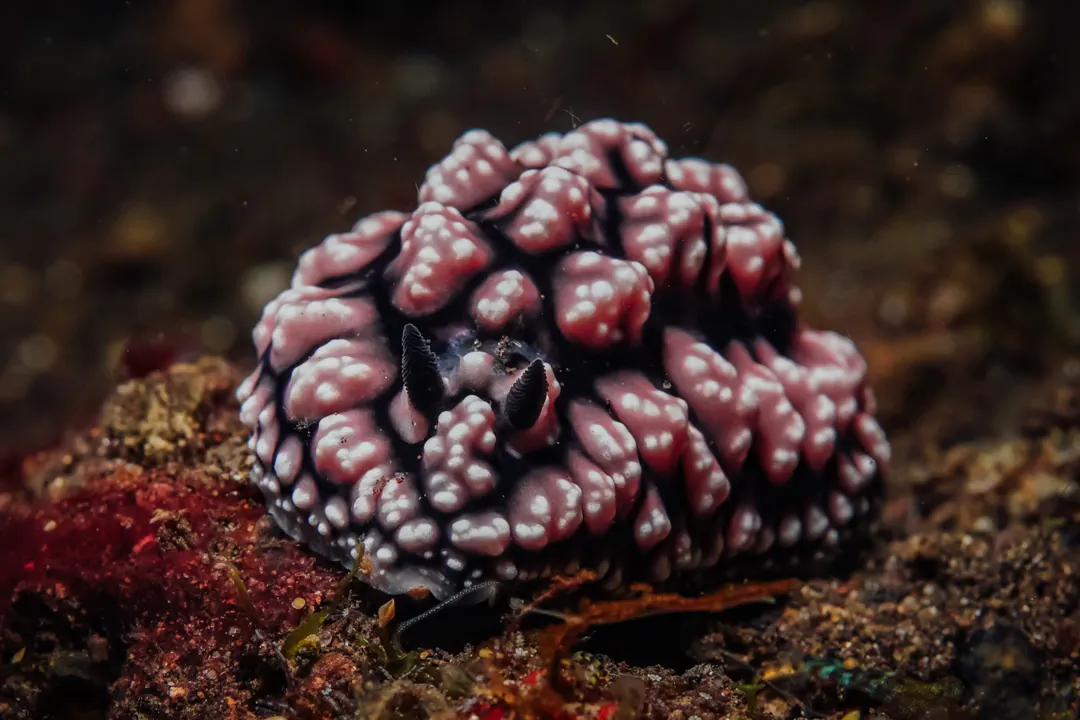 © Stas KuryanAll rights reserved
 Barracuda Reef (Colombo)
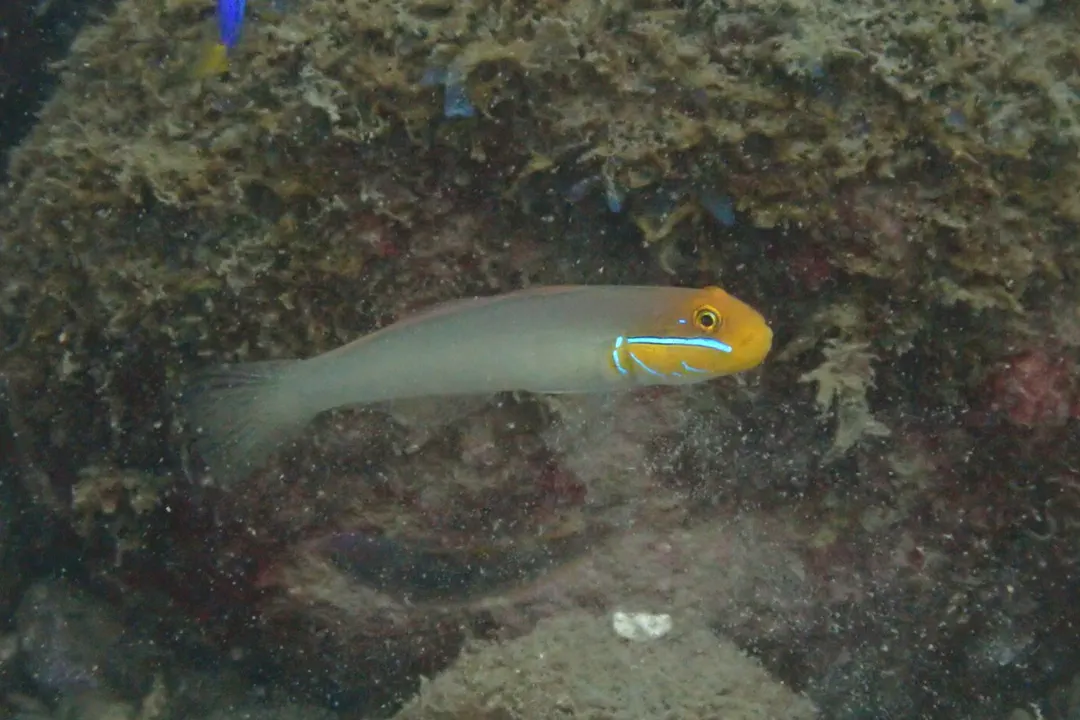
Just a short boat ride from Colombo, Barracuda Reef offers a more accessible and calmer diving experience, with depths ranging from 8 to 18 meters. This site is characterized by its extensive coral gardens, which draw a wide array of reef fish.
It is suitable for divers of all experience levels, including beginners, and offers excellent opportunities for observing schooling fish. The reef is named for the large schools of barracuda that frequently gather here, often numbering in the hundreds.
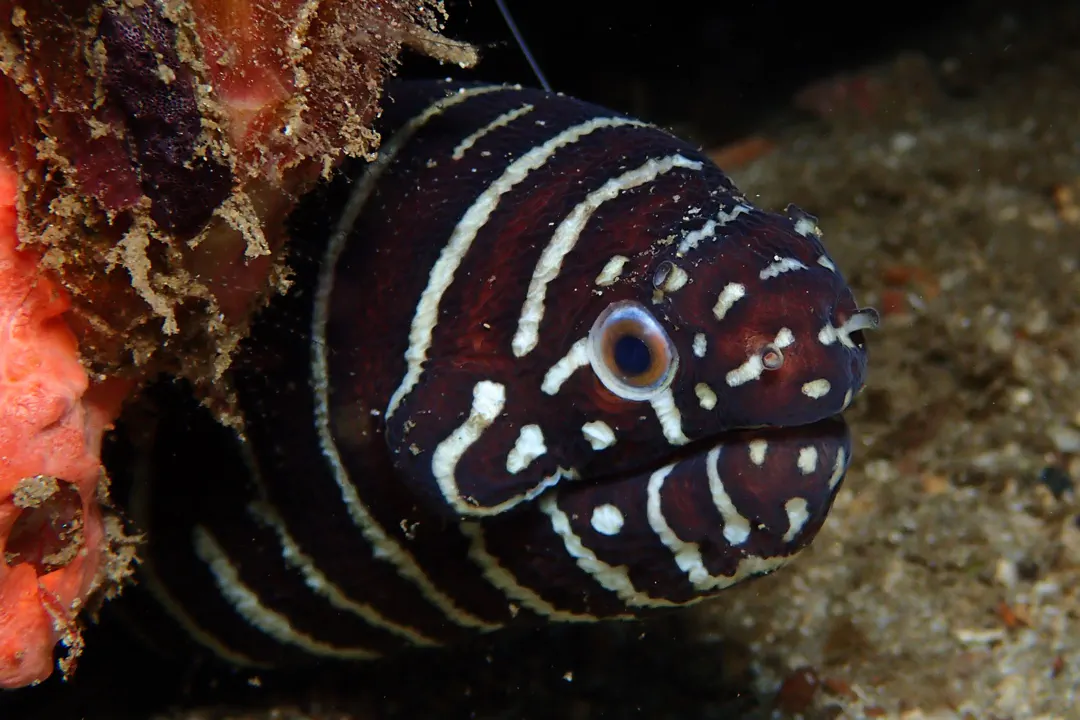
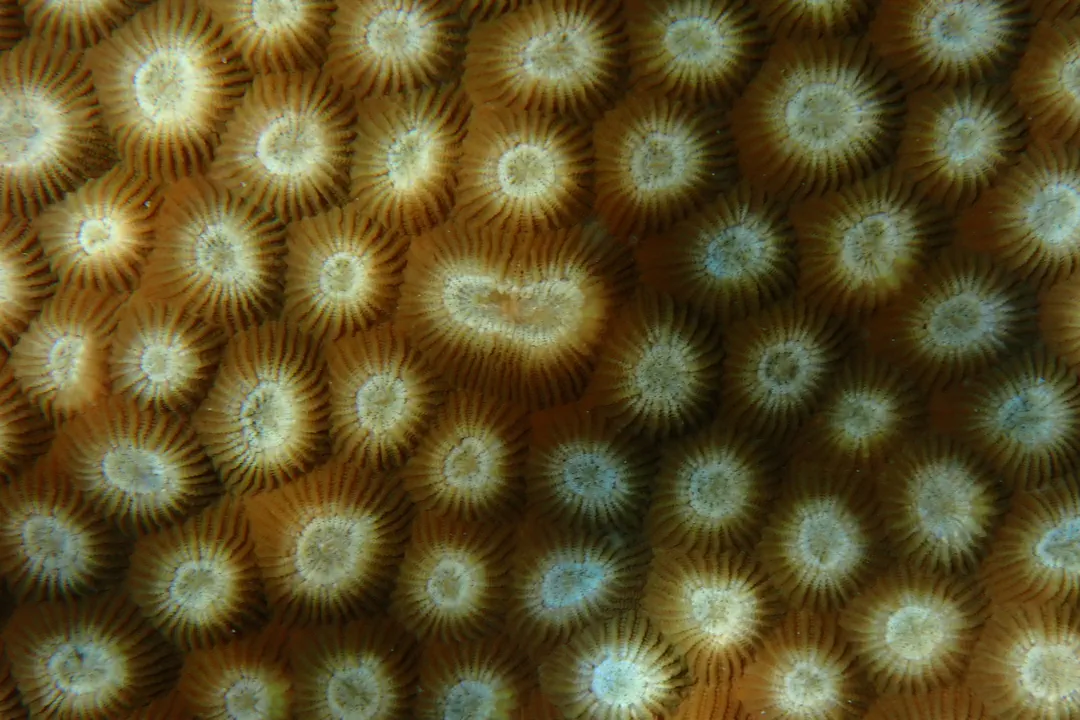
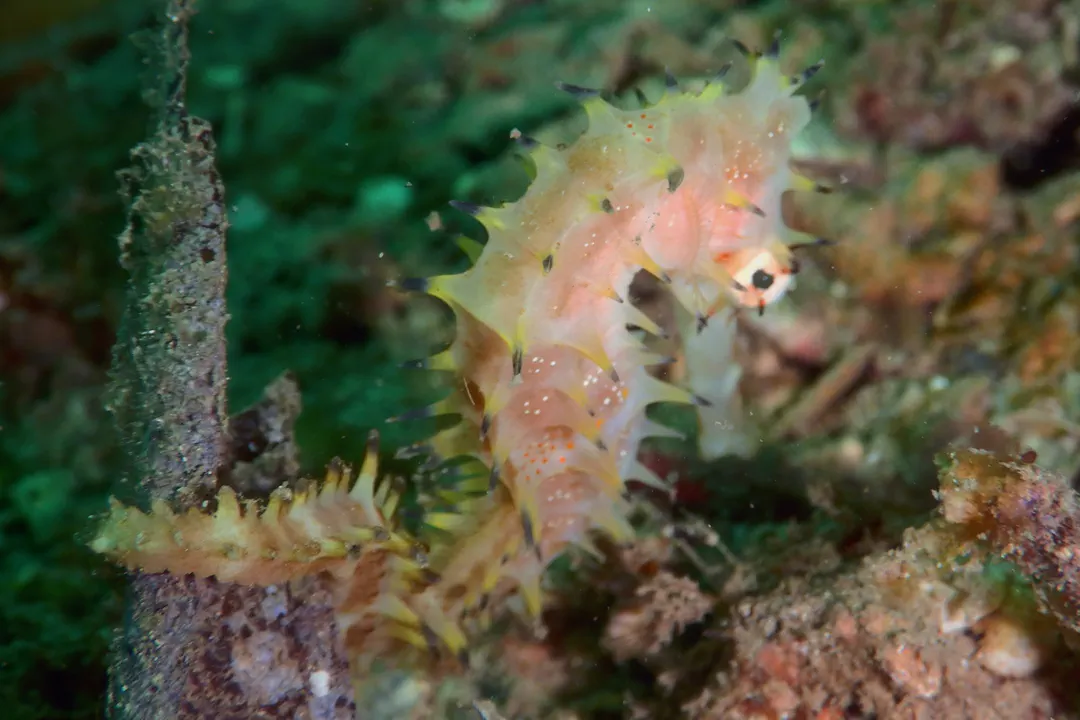
Aside from barracuda, divers can observe trevally, fusiliers, moray eels, and numerous smaller reef inhabitants darting among the hard and soft corals. Visibility averages 10-20 meters during the west coast's prime season (October-May).
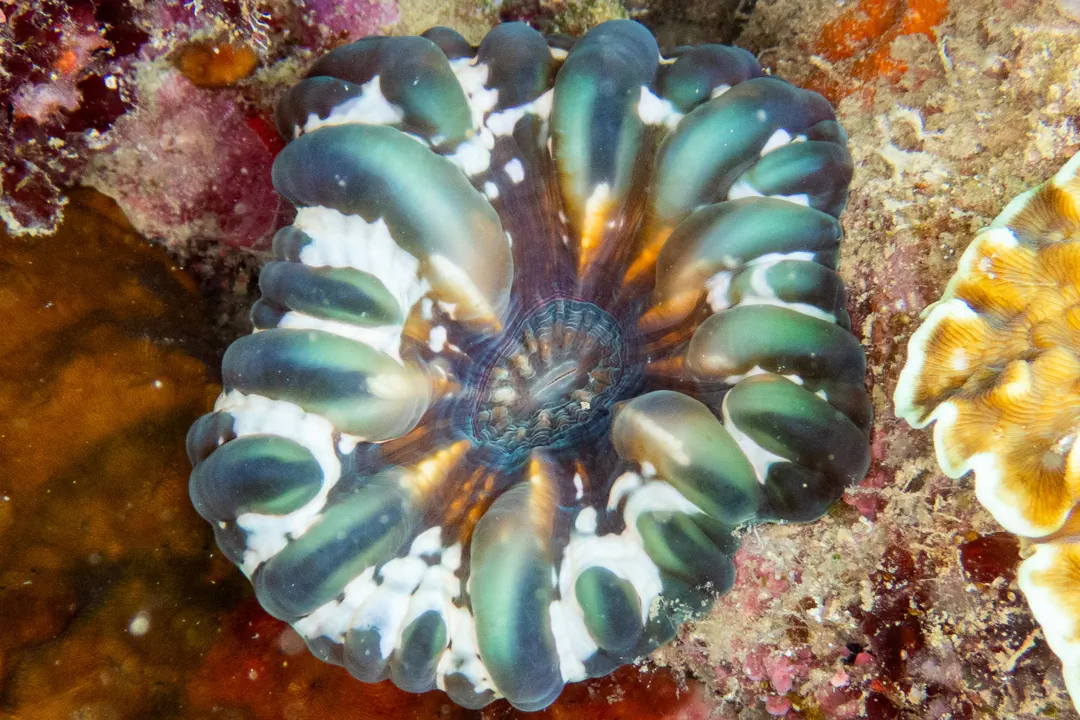 © Pierre PericardCC BY 4.0 · iNaturalist
 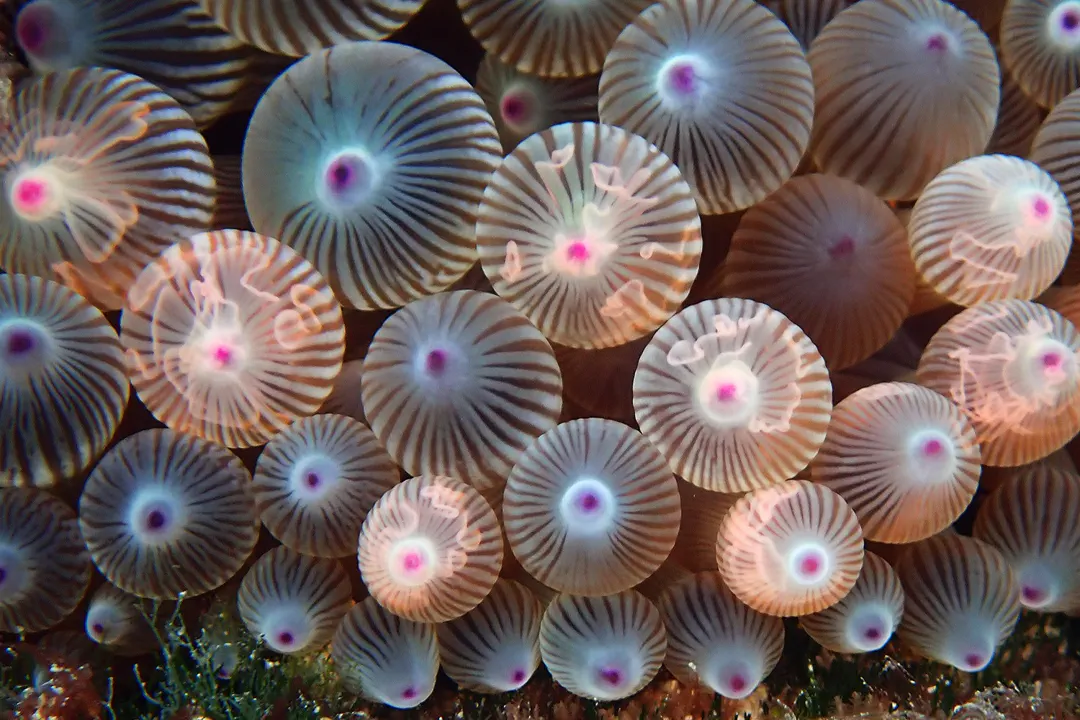 © Susan PriorCC BY 4.0 · iNaturalist
  © 呂一起(Lyu yi-chi)CC BY 4.0 · iNaturalist
  © Ewout KnoesterCC BY-SA 4.0 · iNaturalist
  © Lakshmi SawitriCC BY 4.0 · iNaturalist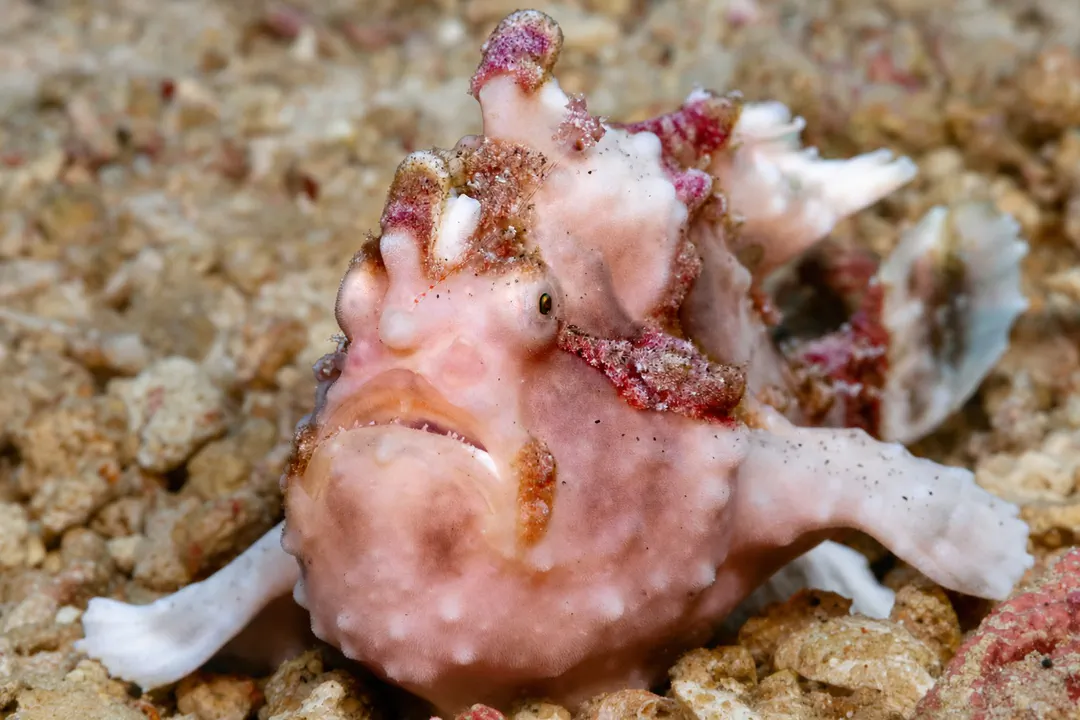
Pigeon Island National Park (Trincomalee)
Off the coast of Trincomalee on the east coast, Pigeon Island National Park is a protected marine sanctuary, accessible by a short boat ride. This site is famous for its shallow reefs, typically between 2 and 10 meters deep, making it ideal for both snorkeling and diving.
The park's most distinctive feature is its resident population of blacktip reef sharks, which can be seen cruising the shallows, often just a few meters from shore. It’s also a crucial habitat for several species of sea turtles, including green and hawksbill turtles, which are frequently observed grazing on the seagrass beds.
The coral formations, a mix of hard and soft varieties, host a multitude of smaller reef fish, nudibranchs, and other macro life. Visibility here is consistently good during the east coast's season (May-October), often exceeding 25 meters, revealing a vibrant, healthy ecosystem.
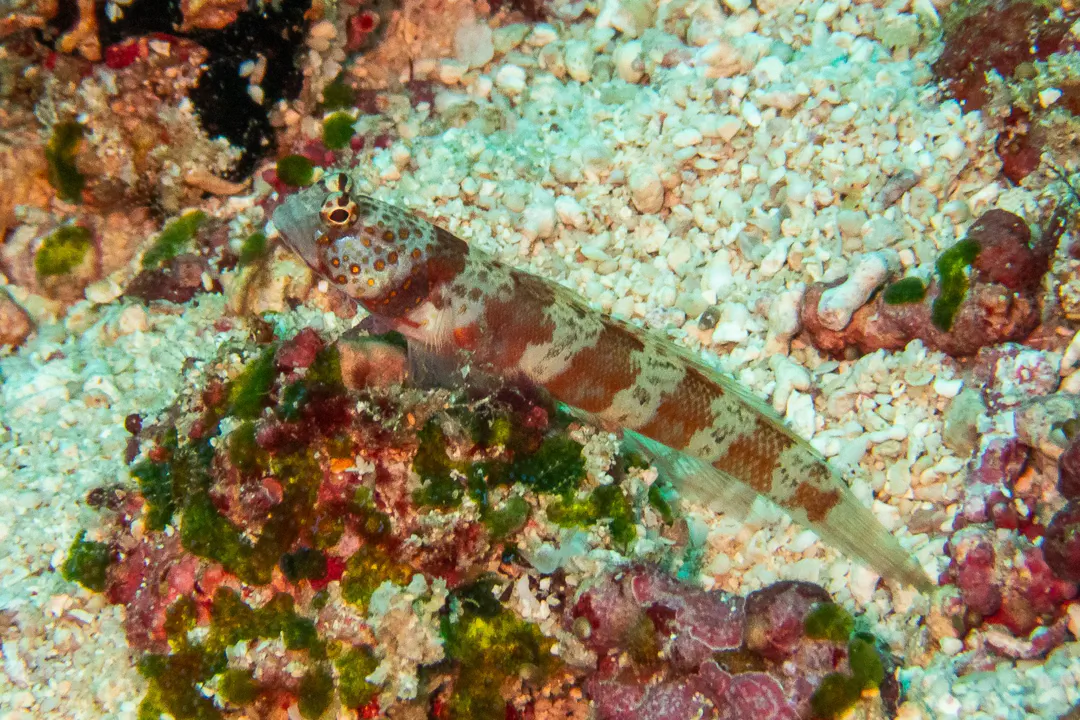 © Piotr LukasikCC BY 4.0 · iNaturalist
 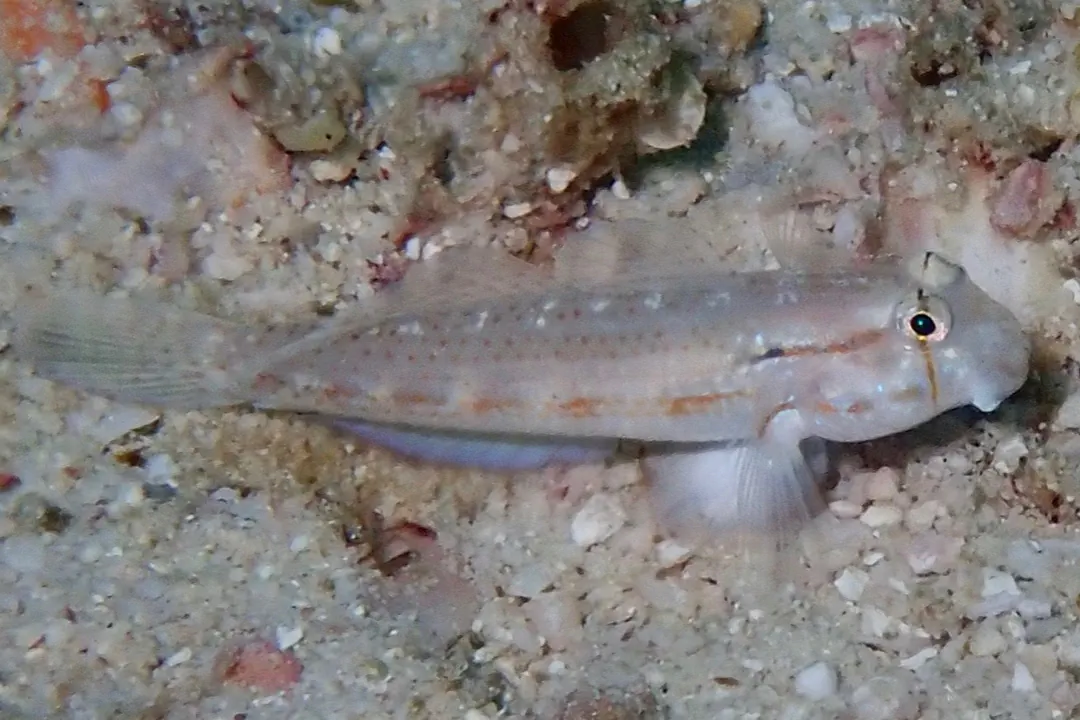 © jeyreCC BY 4.0 · iNaturalist
 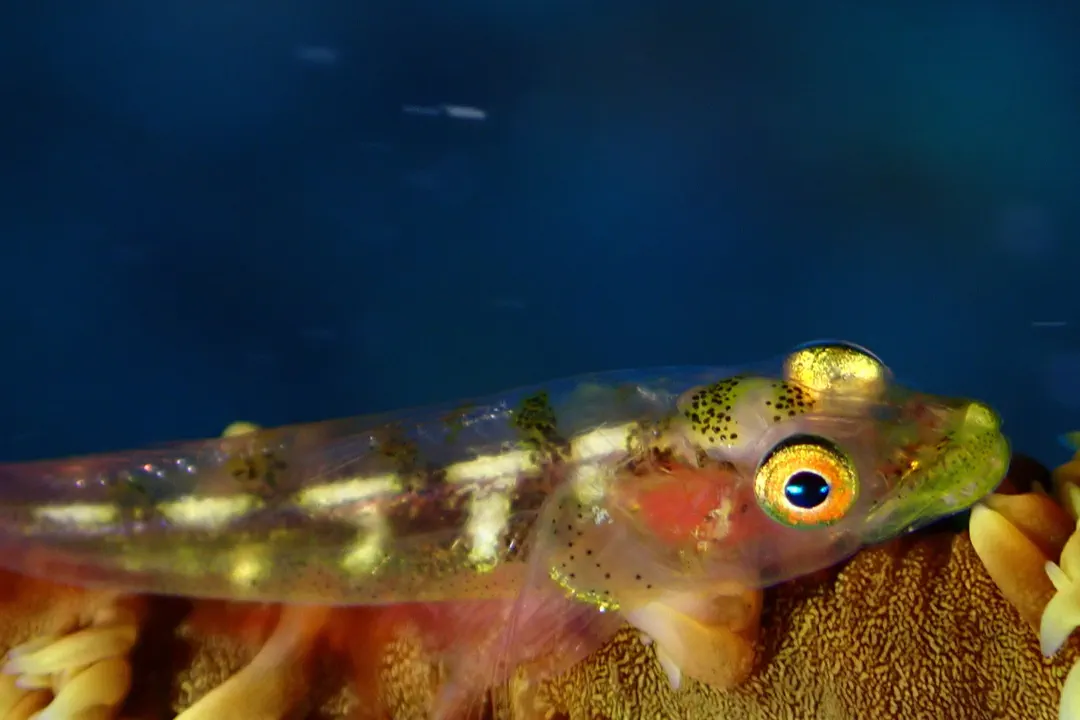 © Robin WhiteCC BY 4.0 · iNaturalist
 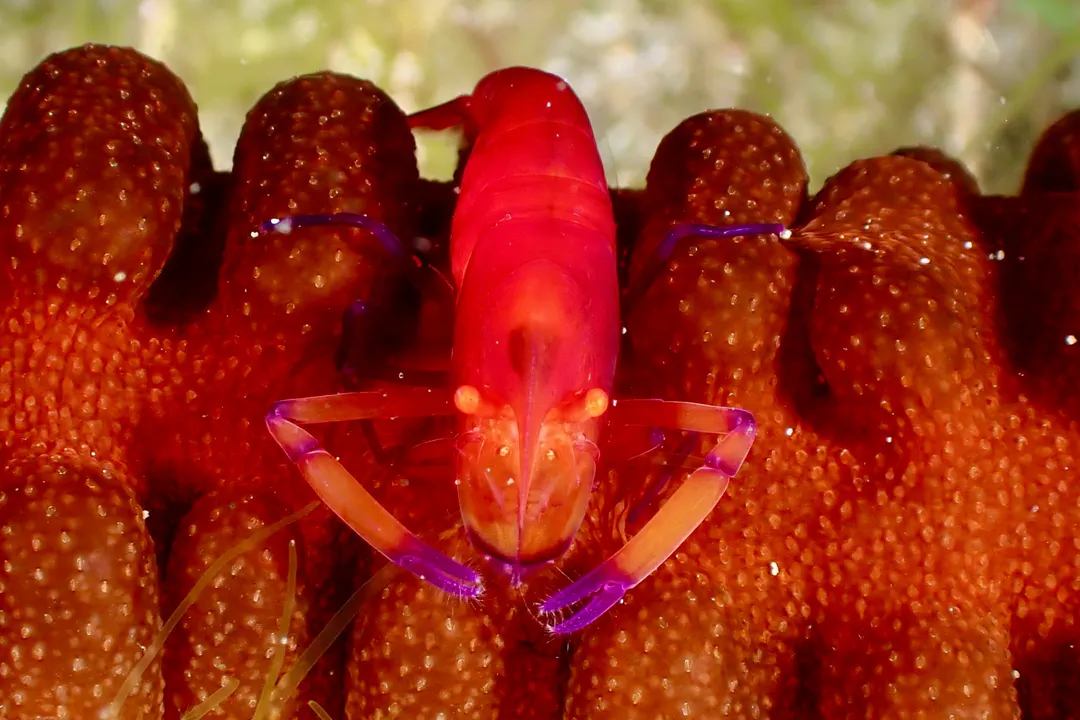 Chris SpainCC0 · iNaturalist
 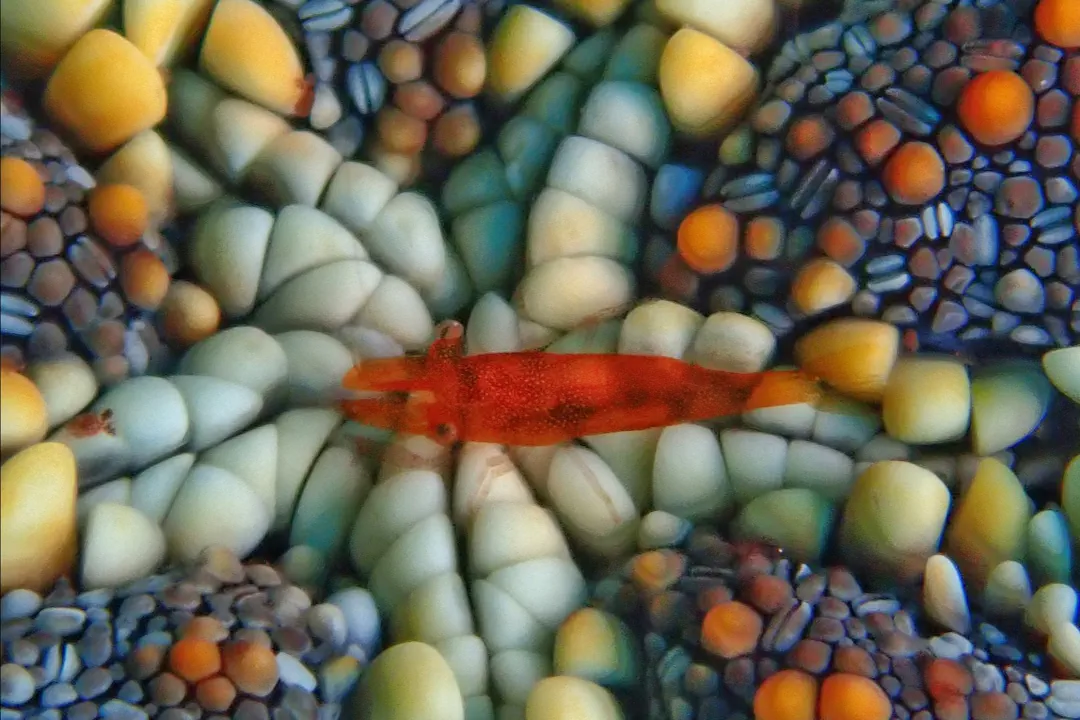 © Alberto AlcaláCC BY 4.0 · iNaturalist
 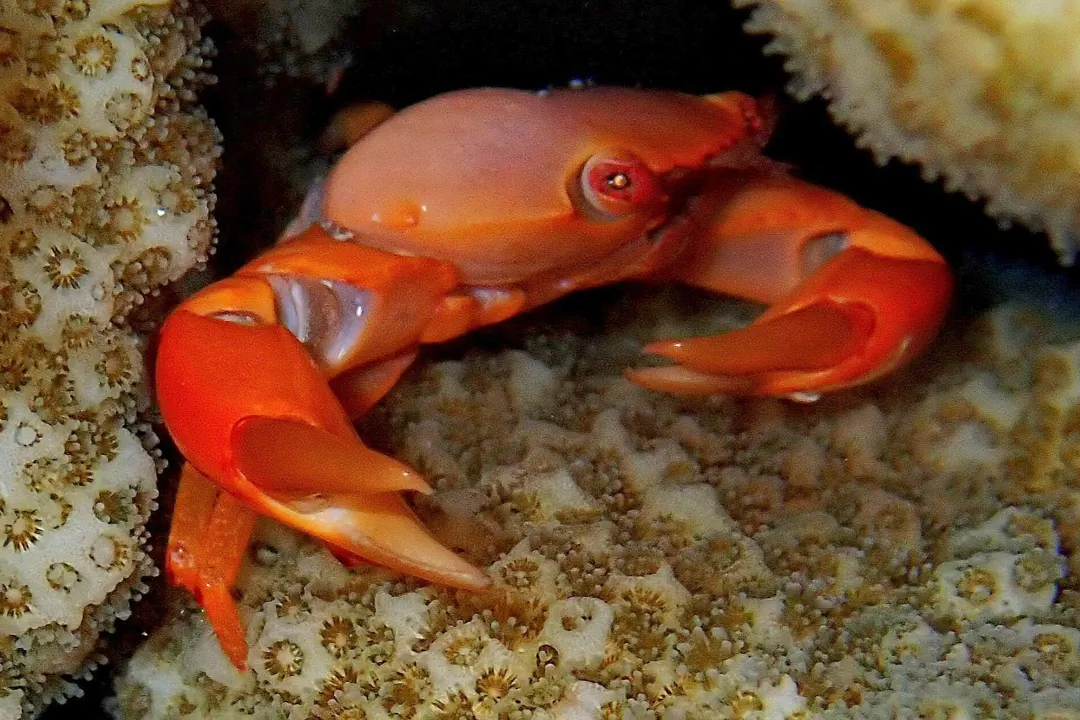 © Jan Ebr & Ivana EbrováCC BY 4.0 · iNaturalist
 Practical Diving Tips for Sri Lanka
When planning a dive trip to Sri Lanka, consider the specific coast you intend to visit and align it with the appropriate season. Most dive operations are concentrated in areas like Hikkaduwa and Unawatuna on the west/south coast, and Trincomalee and Batticaloa on the east.
Equipment rental is widely available, though bringing your own mask and computer is always recommended for comfort and familiarity. For deep wreck dives like the HMS Hermes, ensure your certification is current and consider bringing a dive light to penetrate the darker sections. Adhering to local marine conservation guidelines, such as maintaining neutral buoyancy and avoiding contact with marine life, helps preserve these precious ecosystems.
Questions
What marine life can I expect to see in Sri Lanka?
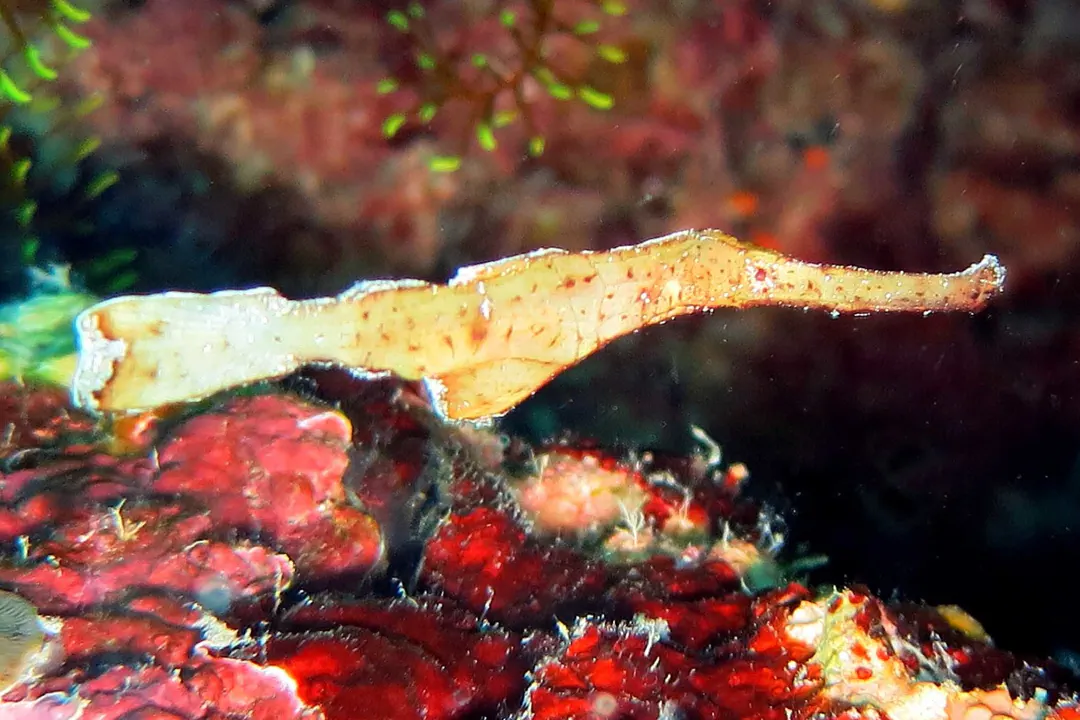
Sri Lanka boasts an incredible diversity, from large pelagics like sharks (including Tiger Sharks at the Basses Reefs) and rays, to schooling barracuda and trevally, vibrant reef fish, numerous nudibranchs, ghost pipefish, and several species of sea turtles.
Are there good wreck dives in Sri Lanka?
Yes, Sri Lanka is a wreck diver's paradise, home to numerous WWII wrecks, including the famous HMS Hermes, a deep, intact aircraft carrier, and many other cargo ships and smaller vessels scattered along its coastline.
Is Sri Lanka suitable for beginner divers?
While some sites, like the HMS Hermes or the Basses Reefs, are better suited for experienced divers due to depth or currents, there are also many shallower, calmer reef sites and protected areas perfect for beginners and snorkelers, such as Pigeon Island National Park.
What is the visibility like in Sri Lanka?
Visibility varies significantly by season and location. On the west and south coasts, it's generally best from October to May, while the east coast shines from May to October. Average visibility can range from 15-30 meters (50-100 feet) on good days.
Are there any strong currents in Sri Lanka?
Some of Sri Lanka's more exposed dive sites, particularly the Basses Reefs, can experience strong currents, which are often responsible for bringing in large pelagic species. Dive operators will assess conditions and guide accordingly.