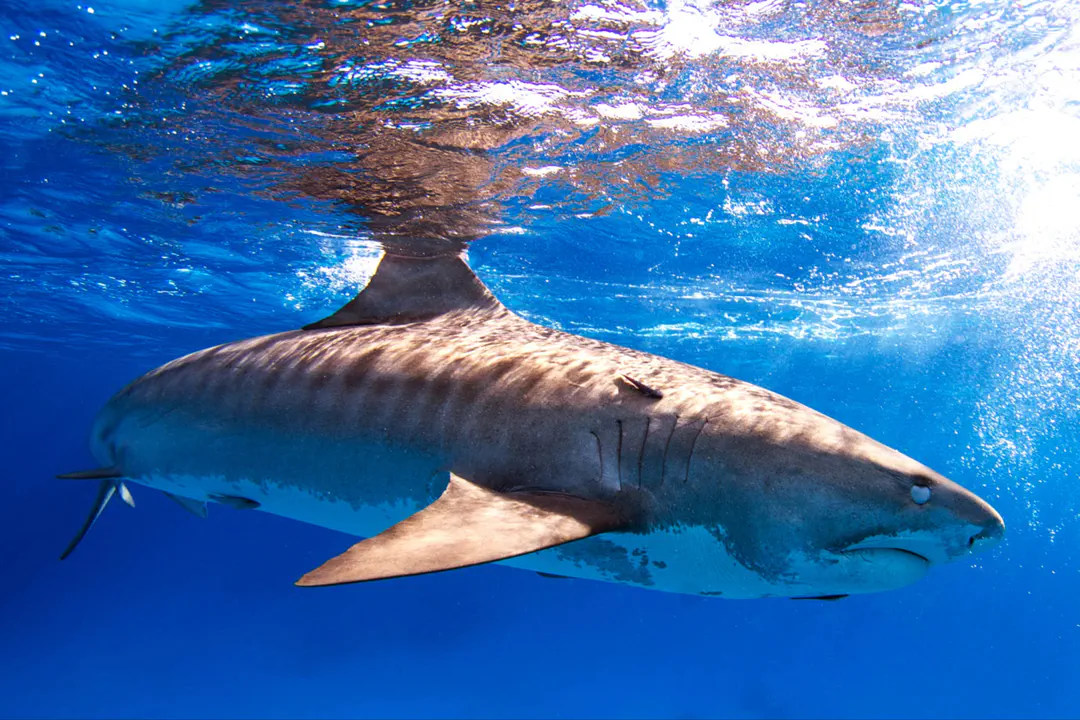
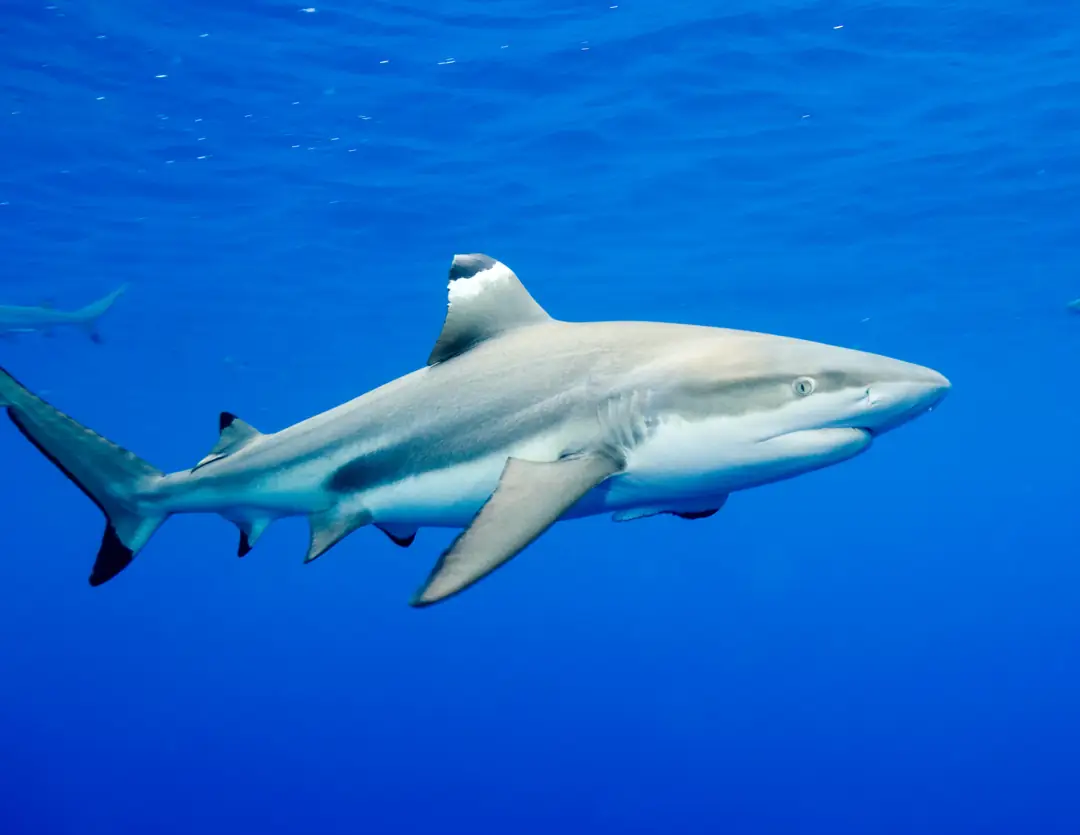
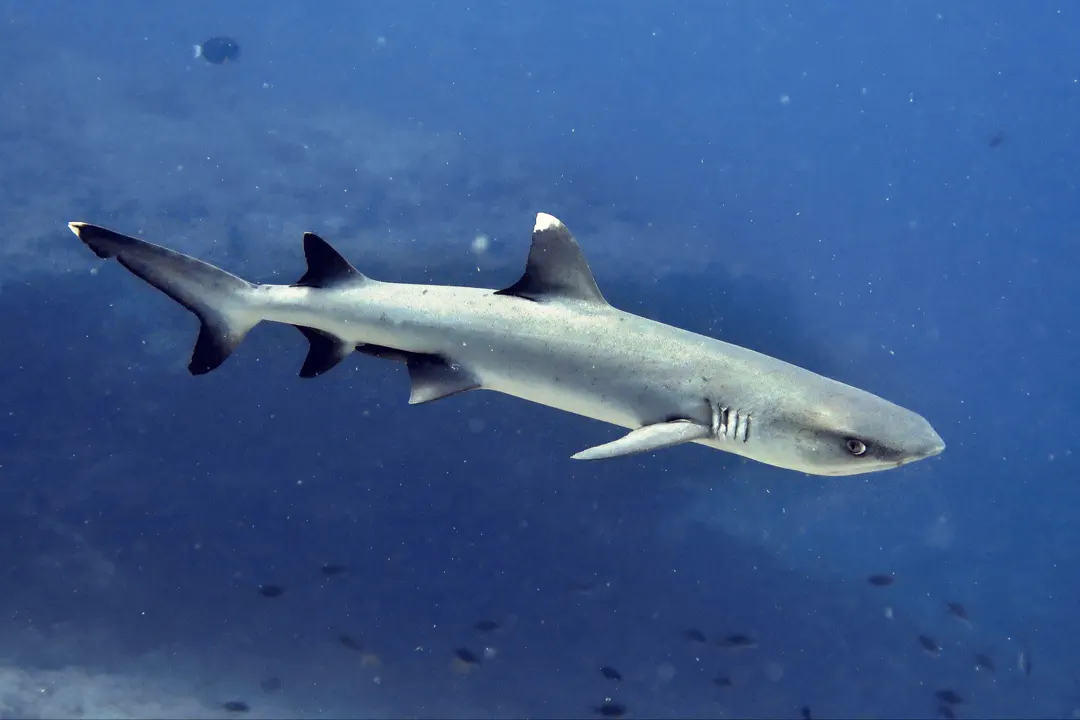
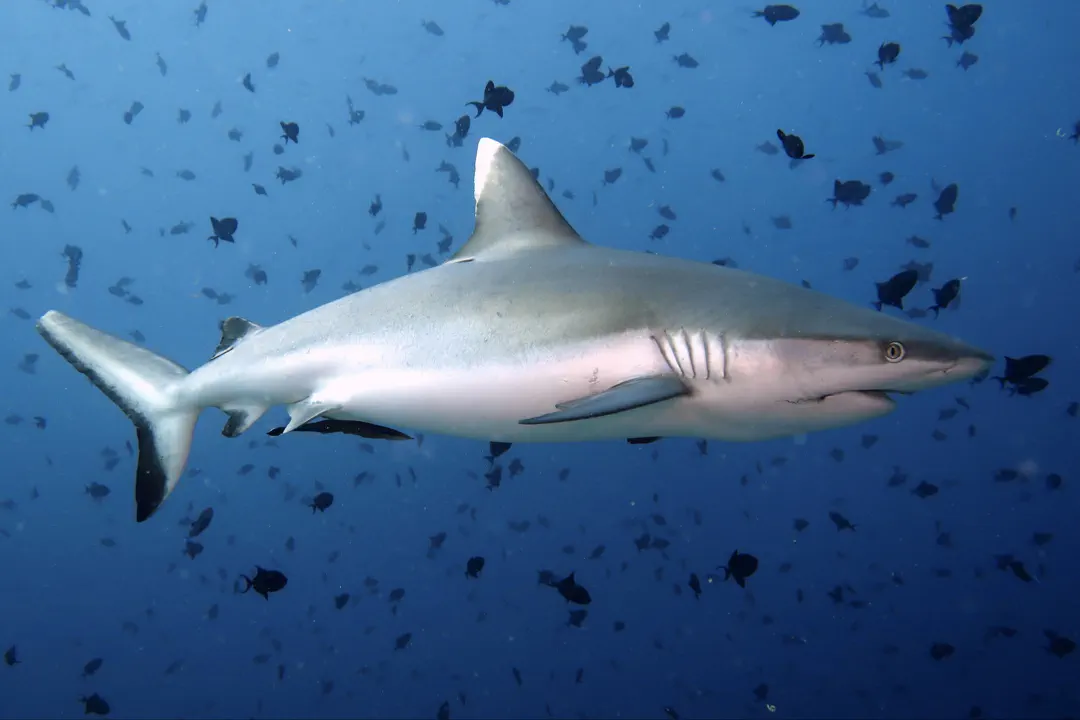
At 15 meters deep on the outer reef of Maaya Thila, a grey reef shark (Carcharhinus amblyrhynchos) glides along the current-swept edge, its dark eyes scanning the schooling fusiliers that sheet and swirl just beyond the reef crest. The water, a brilliant sapphire, carries a steady flow, pushing nutrients past vibrant hard corals that cling to the pinnacle's walls. Sunlight filters down, illuminating a white-tip reef shark (Triaenodon obesus) resting under a ledge, its tail occasionally twitching in the gentle surge.
This interplay of current, coral, and pelagic life defines the Maldives, an archipelago of 26 atolls in the Indian Ocean. With clear water, warm temperatures, and a high density of reef slopes, pinnacles, and channels, its reef systems are accessible to both beginners and experienced divers.
What sets the country apart is the way ancient volcanic foundations were overgrown by coral reefs, producing submerged rings, lagoons, and current-swept channels that concentrate marine life. Divers move between sheltered inner lagoons and exposed outer reef walls within the same atoll, which creates very different underwater conditions over short distances.
Geography and Climate: Atolls and Tropical Seas
The Maldives consists of 26 natural atolls arranged on a long north-south chain, with reefs built on top of ancient volcanic structures that now lie below sea level. This geology has produced the country’s signature diving features: ring-shaped reef systems, steep outer walls, thilas, which are underwater pinnacles, and kandus, which are current channels that funnel nutrient-rich water across the reefs.
The climate is tropical maritime, with air temperatures ranging from 24 °C to 31 °C and annual rainfall measuring 160 to 230 cm. The absence of rivers means very little sediment runs off the land, so reef waters are exceptionally clear compared with many other tropical coastlines.
Two monsoon seasons shape diving conditions. The northeast monsoon, from December to April, brings calmer seas and better visibility. The southwest monsoon, from May to November, brings more plankton and stronger currents. Those plankton blooms are one reason the Maldives can be so productive for manta rays and whale sharks even when visibility drops slightly.
Because many dive sites sit close to channels and passes, current awareness is essential. Divers in the Maldives drift with the flow, use reef hooks only where permitted, and plan for blue-water ascents or guided exits by boat, especially on exposed outer reefs and channel dives.
Best Time to Visit for Diving
Dry-season diving in the Maldives from December to April brings calmer seas, lighter rainfall, and visibility that can exceed 30 meters. These months are ideal for photographers, first-time visitors, and divers who want the clearest conditions on reef slopes and pinnacles.
The southwest monsoon, from May to November, brings more plankton into the water. That can reduce visibility in some locations, but it also increases the odds of seeing feeding manta rays and whale sharks, especially around the central atolls and plankton-rich passes. Hanifaru Bay is the best-known example of this seasonal aggregation pattern.
Seasonal differences are not absolute, because local geography matters. Sites exposed to open-ocean flow can remain productive year-round, and some whale shark encounters in South Ari Atoll are possible in all months, although the southwest monsoon improves the chances of close sightings.
For planning, divers should match the season to the goal. Choose the dry season for the cleanest water and easiest conditions, and choose the plankton-rich season if the priority is manta rays, whale sharks, and high-energy current diving.
Water temperature
Maldives, monthly average
Malé area (North Malé Atoll), central Maldives; typical scuba diving depths 10-30m where surface temps apply
From the community's dive logs
What divers log in Maldives
From 96 dives logged by 49 Seabook divers. What this group recorded, not a verdict on the destination.
Most-logged marine lifedivers who logged it
 9 divers
 5 divers
 5 divers
 5 divers
 5 divers
Maldives Marine Life: A Biodiversity Hotspot
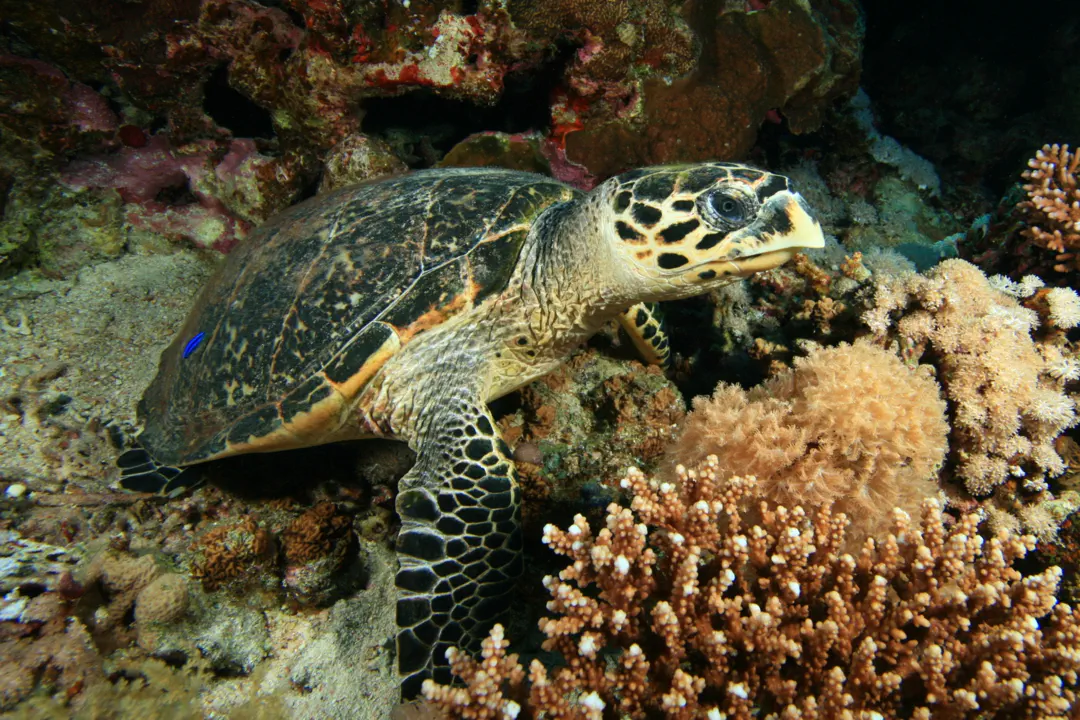
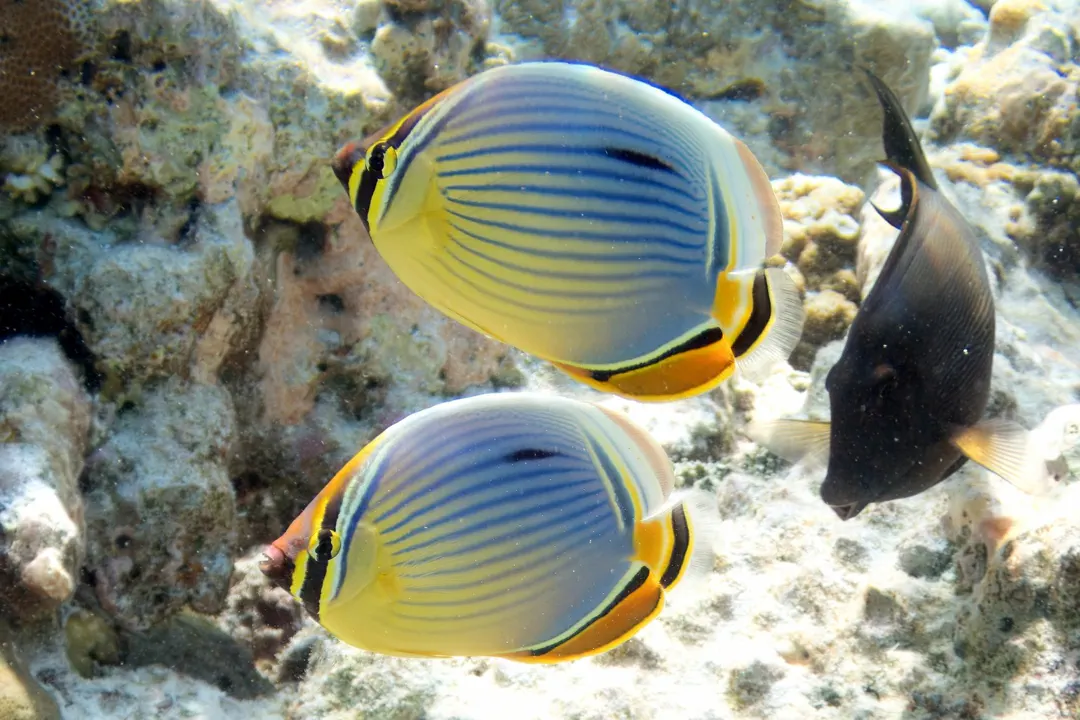
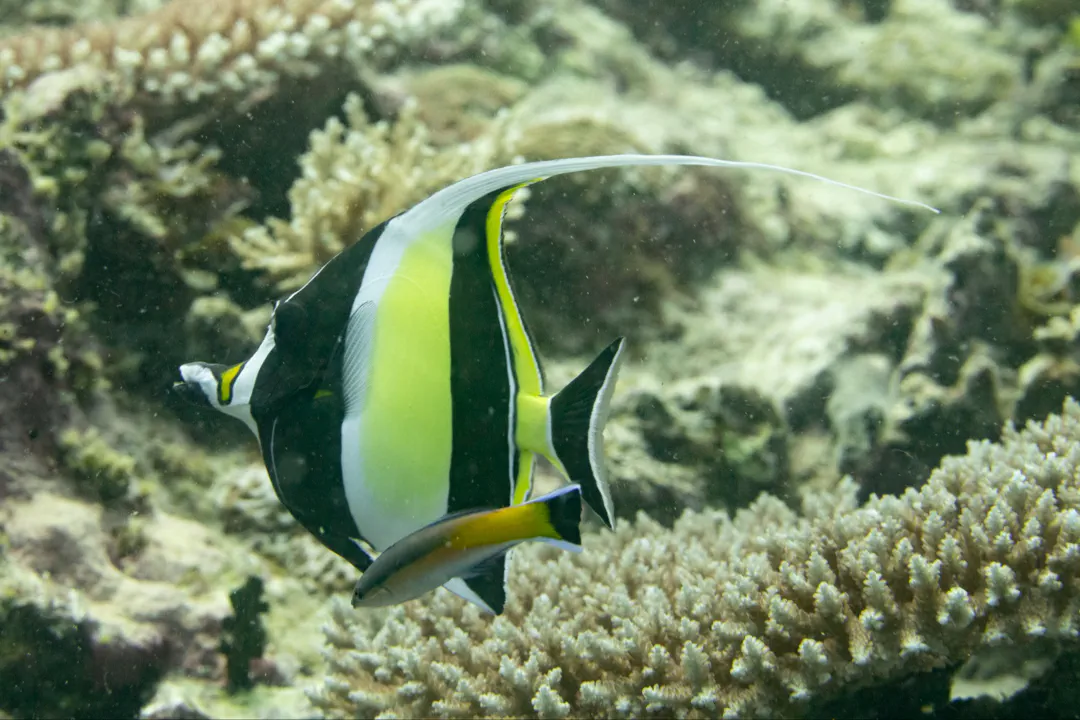
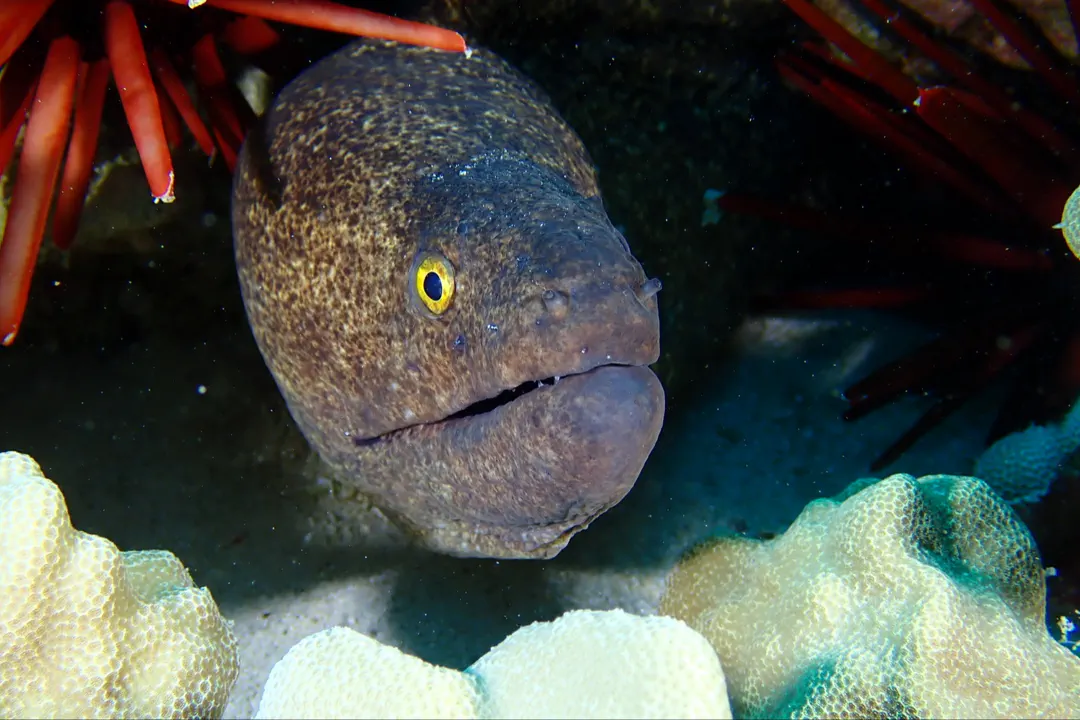
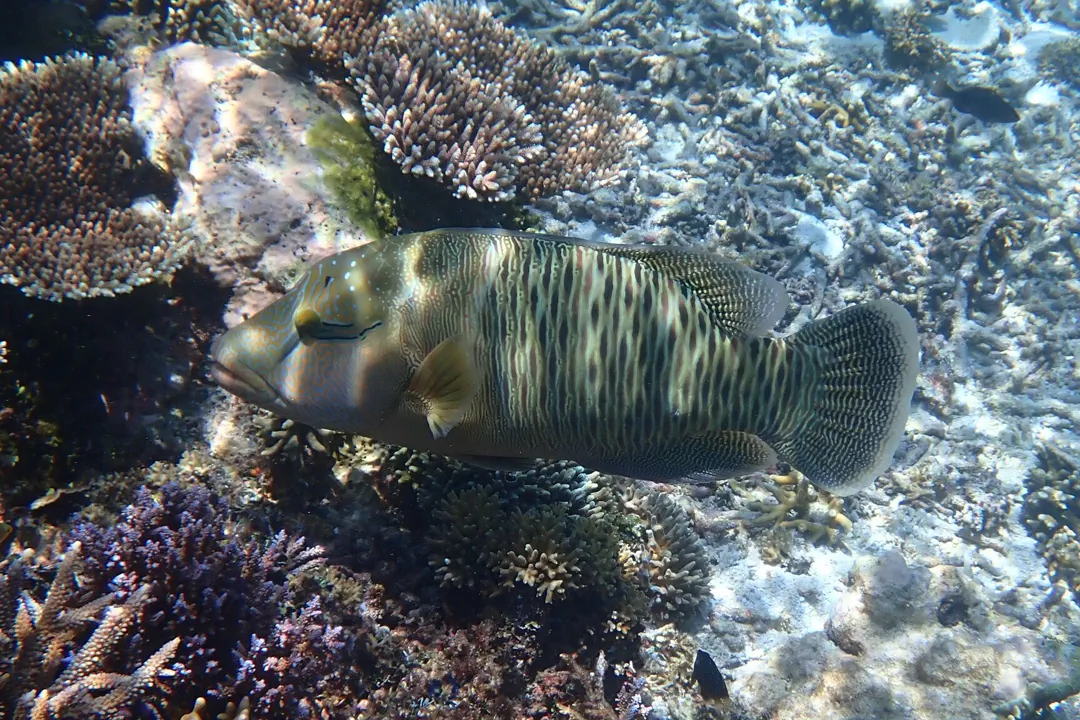
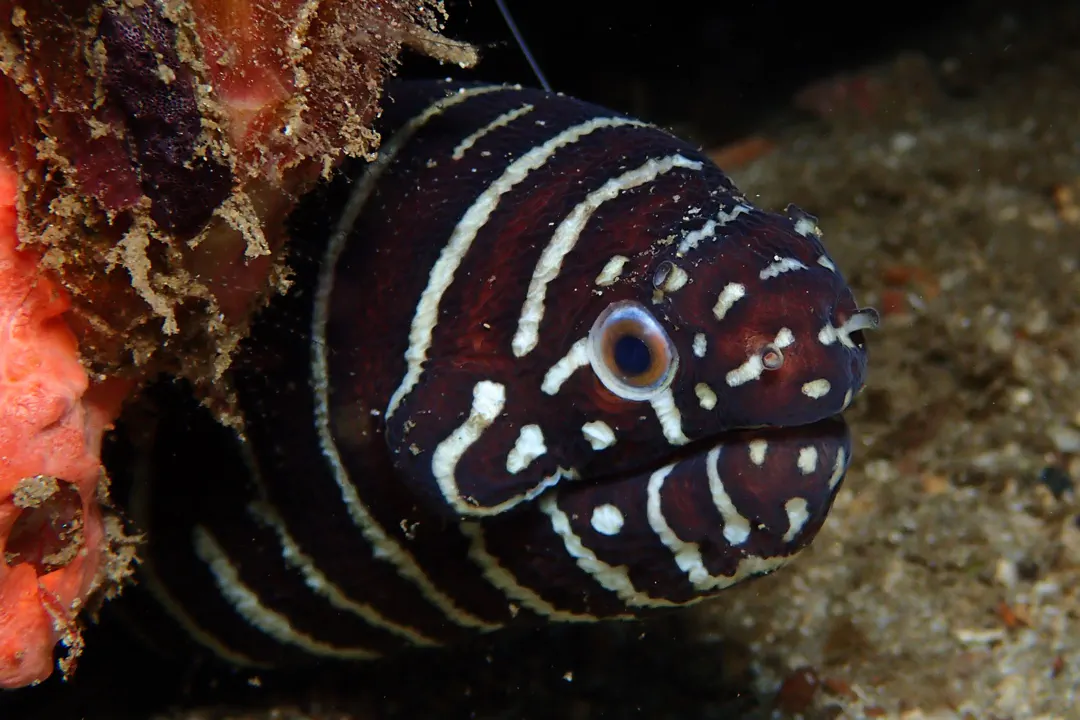
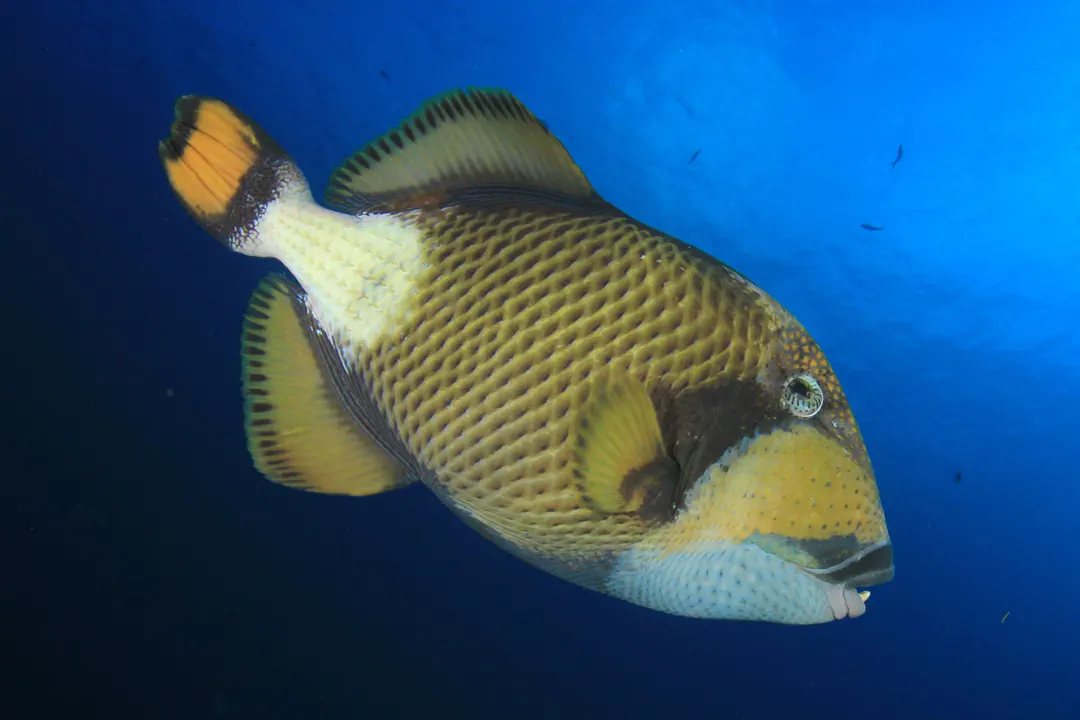
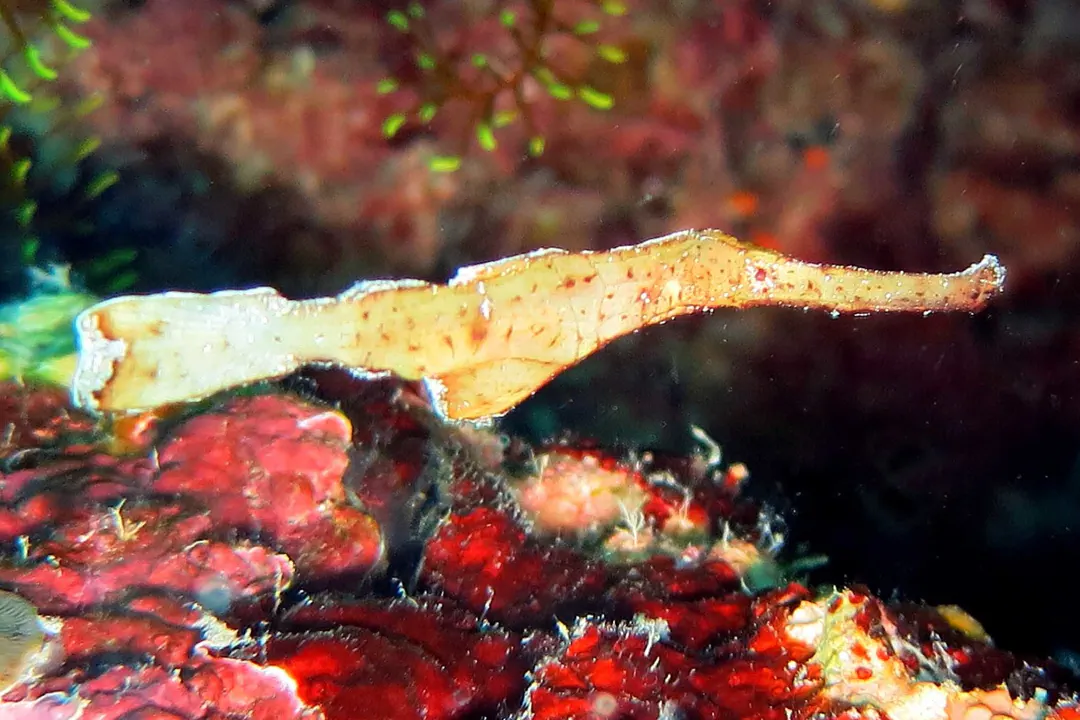
Maldivian reef life includes over 2,000 recorded marine species in the broader island nation, with reef communities that range from tiny shrimp and gobies to large reef sharks and rays. Divers regularly encounter hard corals, soft corals, butterflyfish, angelfish, wrasses, parrotfish, moray eels, turtles, and seasonally abundant plankton-feeding megafauna.
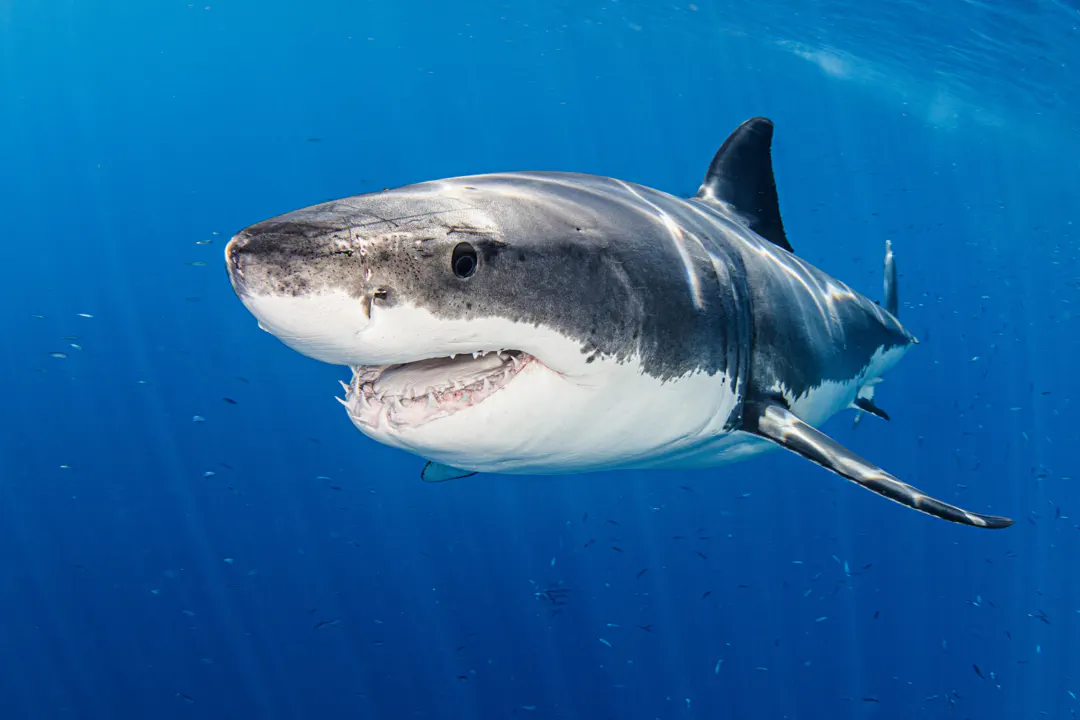
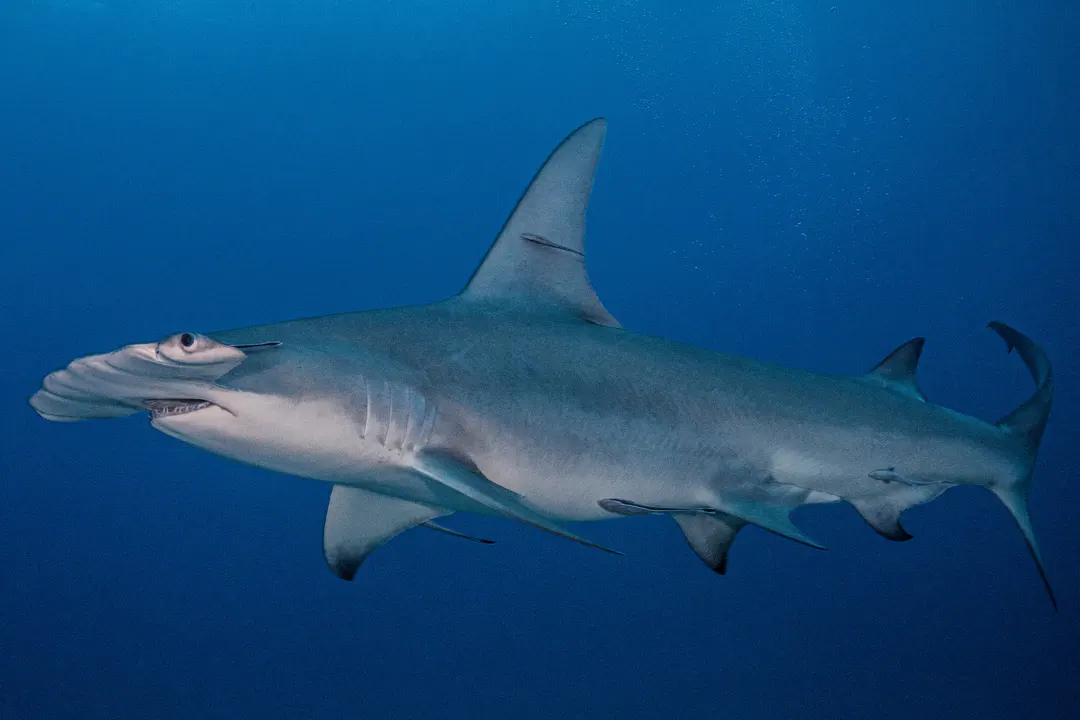
The Maldives is especially known for its shark and ray assemblages. White-tip reef sharks, grey reef sharks, eagle rays, manta rays, and whale sharks are among the headline species, but the smaller life is equally important: cleaner shrimp, anemones, nudibranchs, and symbiotic gobies make the reefs biologically rich at every scale.
Historical bleaching events have changed parts of the reef structure, especially after the 1998 and 2010 thermal events, but recovery has also occurred in many areas. That makes the Maldives a useful place to observe both ecological resilience and the effects of climate stress on coral-dominated ecosystems.
Practical diving here rewards careful buoyancy and slow observation. Many of the most interesting animals are small, cryptic, or nocturnal, so night dives, cleaning-station dives, and patient reef inspection often reveal more biodiversity than simply chasing large animals in open water.
 © Nicola CrockfordCC BY 4.0 · iNaturalist
  © Dan SchofieldCC BY 4.0 · iNaturalist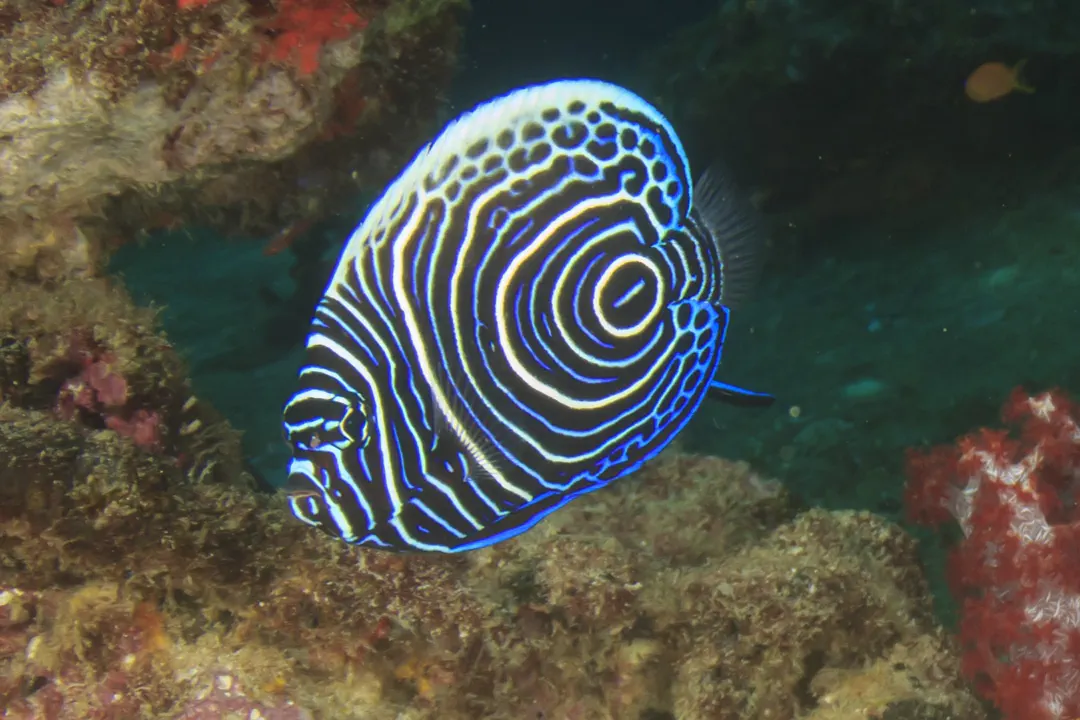
 © Lakshmi SawitriCC BY 4.0 · iNaturalist
 Notable Dive Sites
Maaya Thila: The Shark Cleaning Station
Maaya Thila is a classic Maldivian thila, or submerged pinnacle, and it is famous for reef sharks, schooling fusiliers, and dramatic night-diving action. White-tip reef sharks (Triaenodon obesus) are the most characteristic shark species here, while grey reef sharks (Carcharhinus amblyrhynchos) are also possible on current-swept sections and during strong tidal movement.
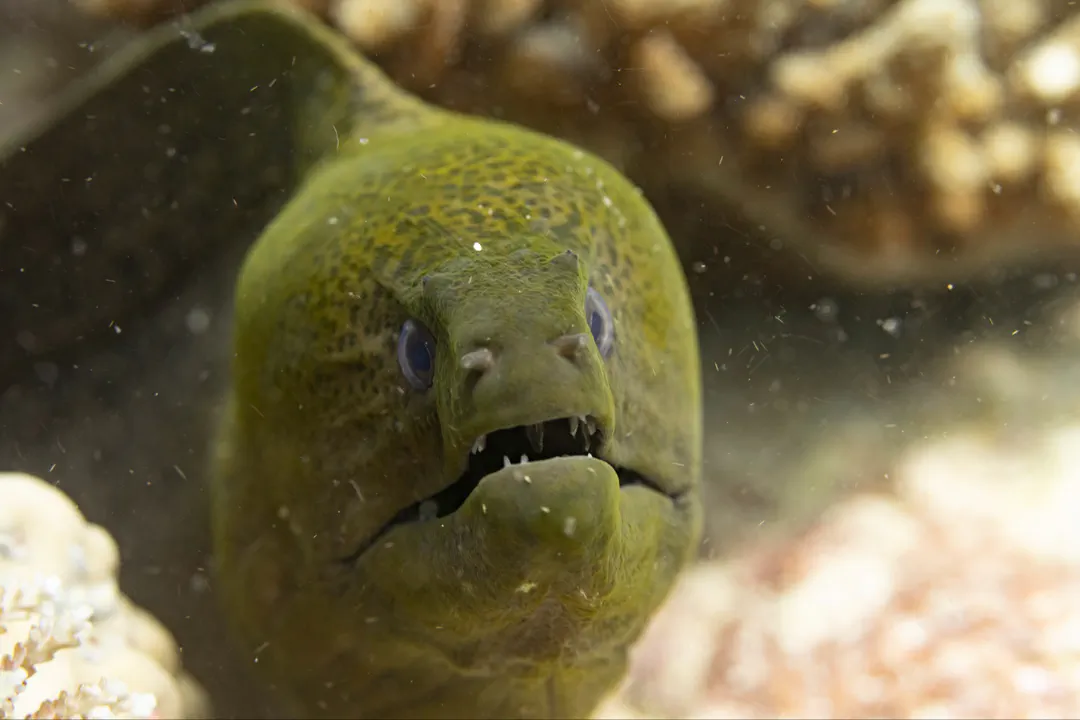
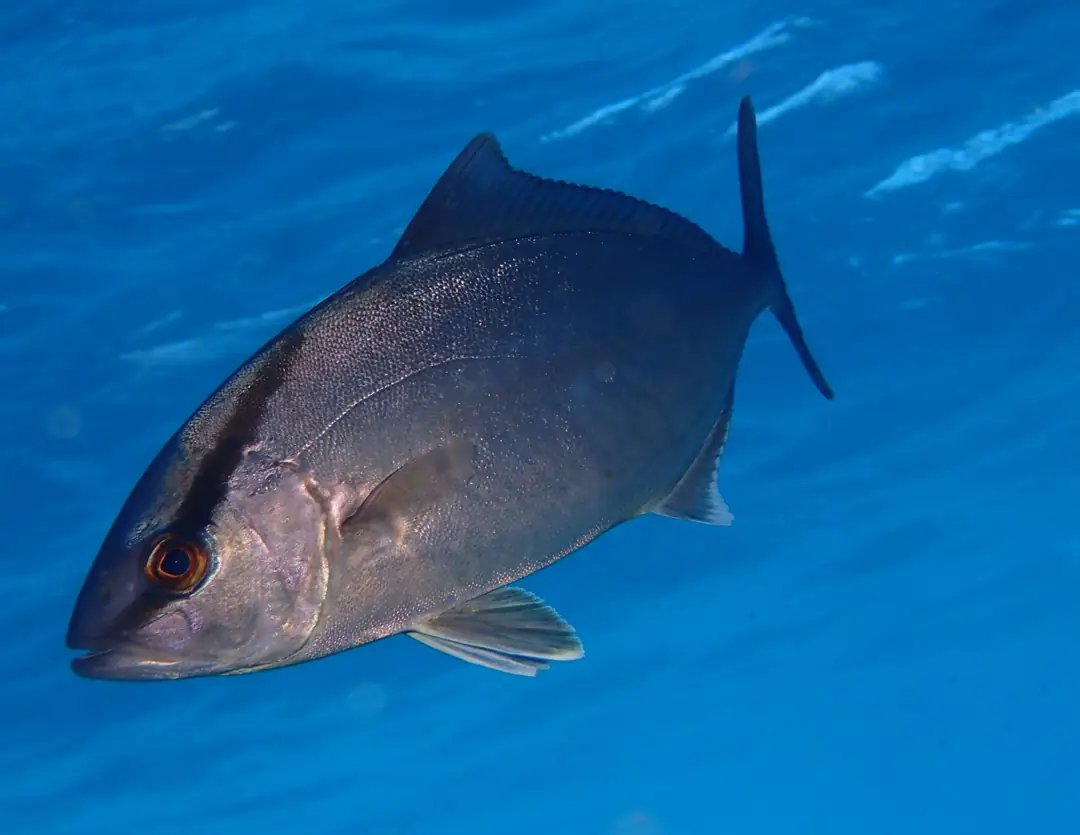
Maaya Thila, a boat dive accessible from North Ari Atoll resorts and liveaboards, is best suited for intermediate to advanced divers due to potential currents. The main reef action occurs in the 5 to 30 meter range, with overhangs, coral bommies, and a sloping top that attracts reef fish, moray eels (Gymnothorax javanicus), lionfish, and hunting jacks (Seriola dumerili) after dark. Its distinction lies in the dramatic night-diving action, especially with white-tip reef sharks.
Maaya Thila is especially rewarding at night, when the behavior of the reef changes. Parrotfish sleep in mucus cocoons, predators become more visible, and crustaceans such as shrimps and crabs emerge from the coral, so a good torch and excellent buoyancy are essential.
Divers should expect moderate to strong currents at times, particularly around the edges of the pinnacle. Because the site is one of the Maldives’ best-known shark dives, it is best approached with disciplined trim, controlled finning, and close attention to the guide’s entry and exit plan.
 © Daniel BenákCC BY 4.0 · iNaturalist
  © Daniel BenákCC BY 4.0 · iNaturalist
  © cello caruso-turielloCC BY 4.0 · iNaturalist
  © Darren ObbardCC BY 4.0 · iNaturalist
  © Roger RittmasterCC BY 4.0 · iNaturalist
  © Ian ShawAll rights reserved
 Banana Reef
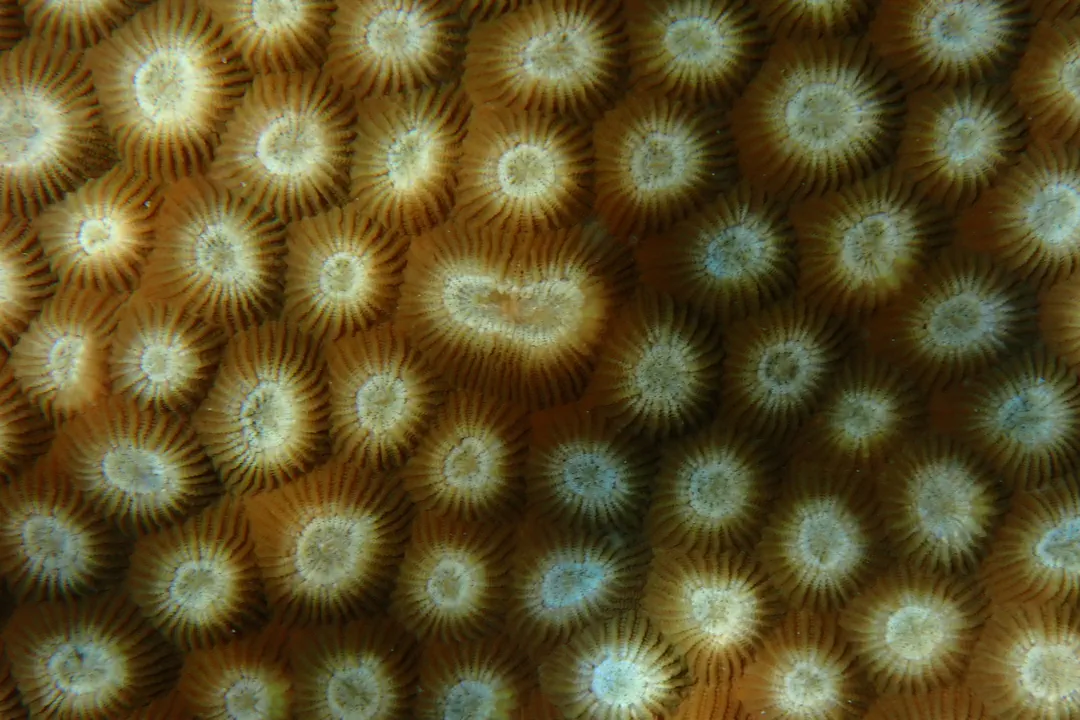
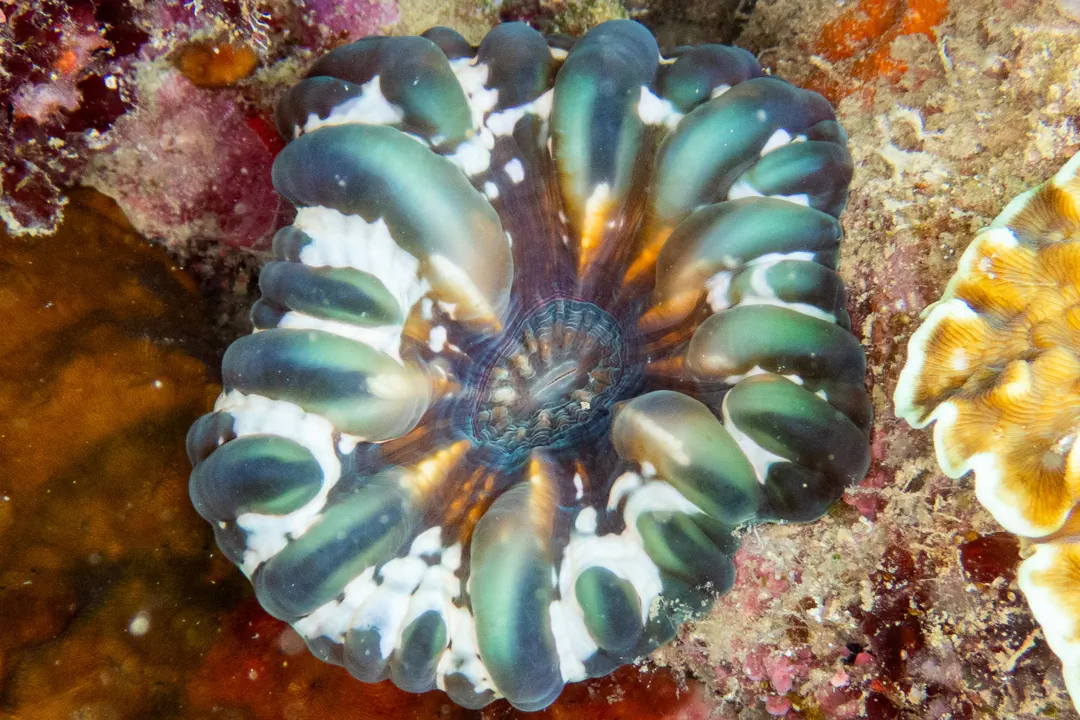
Banana Reef, a boat dive in North Malé Atoll, remains one of the Maldives’ earliest known dive sites, popular for its combination of hard corals (Diploastrea heliopora), overhangs, ledges, and dense reef fish life in a relatively compact area. It is suitable for beginner divers while still offering enough structure for experienced underwater photographers. Its key feature is the combination of varied coral growth and abundant reef fish.
Its protection and long-standing fame have helped make it a reference point for Maldivian reef diving. Depths range from shallow coral gardens to 30 meters, allowing divers to spend time in the 5 to 18 meter zone where light is best and reef detail is easiest to see.
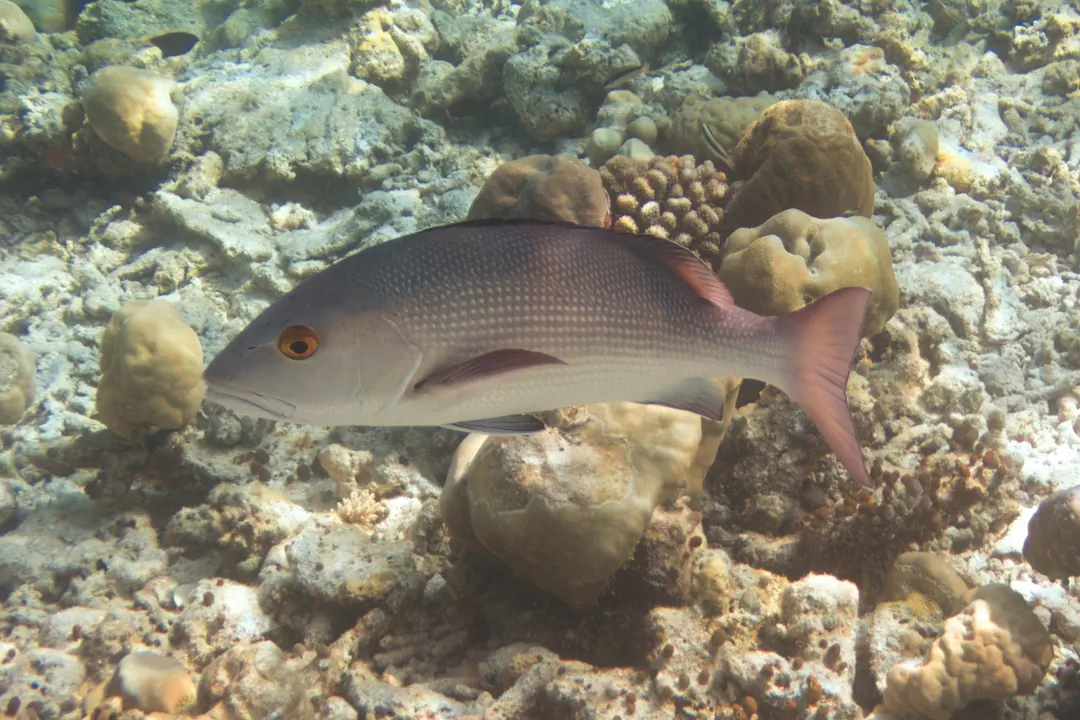
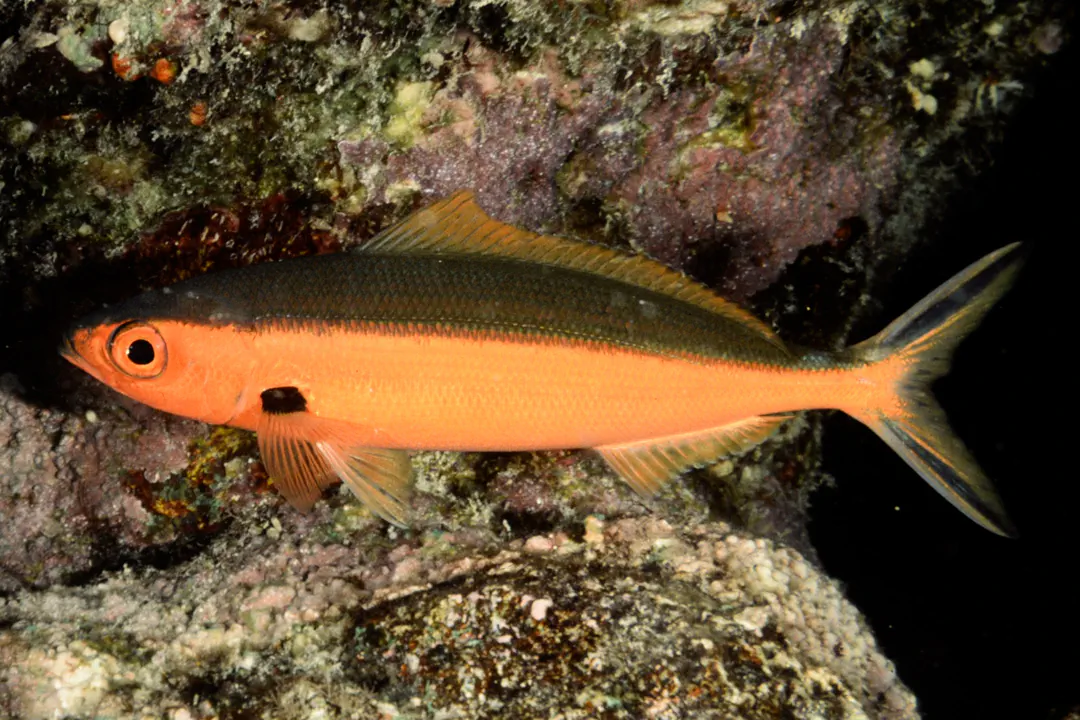
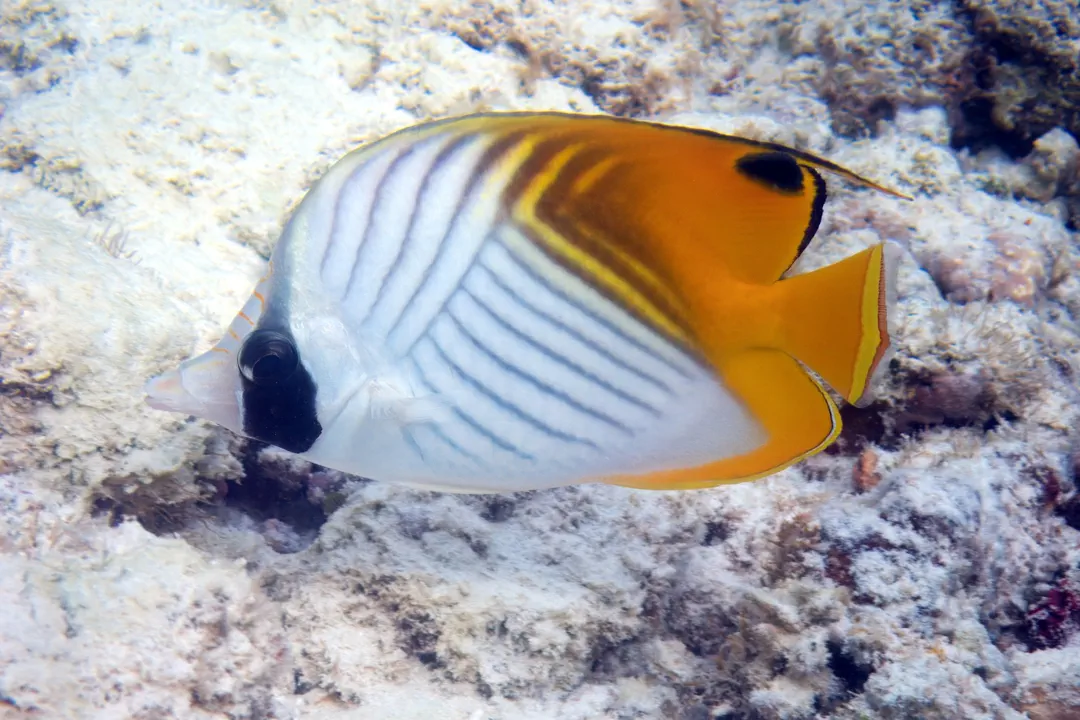
At Banana Reef, the most characteristic life is not a single marquee species but the combination of coral growth and fish density. Schools of fusiliers (Pterocaesio tile), snappers (Lutjanus bohar), butterflyfish (Chaetodon auriga), angelfish (Pomacanthus imperator), and wrasses are common, while morays (Gymnothorax javanicus), cleaner shrimp, and nudibranchs appear in the cracks and overhangs.
Photographers should look closely along ledges and under coral shelves rather than focusing only on the open reef. The site can hold good visibility in the dry season and still remain productive during the wetter months, although current direction and surge can change the character of the dive from calm to brisk.
 © Stas KuryanAll rights reserved
  © Debra BakerCC BY 4.0 · iNaturalist
  © Pierre PericardCC BY 4.0 · iNaturalist
  © 呂一起(Lyu yi-chi)CC BY 4.0 · iNaturalist
  © Bernard DUPONTCC BY 4.0 · iNaturalist
Fotteyo Kandu: Pelagic Encounters and Soft Corals
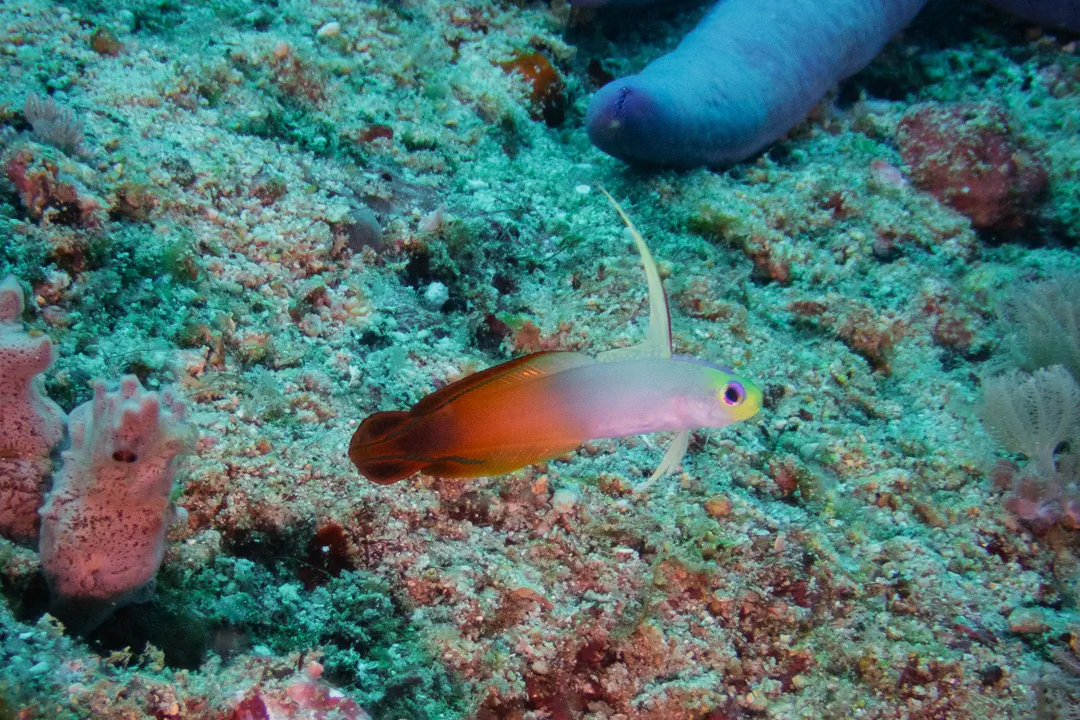
Fotteyo Kandu in Vaavu Atoll, a boat dive, is widely regarded as one of the Maldives’ strongest current dives, suitable for experienced divers. It features long channel walls, soft corals, caves, and the kind of water movement that attracts big fish. Grey reef sharks (Carcharhinus amblyrhynchos) are among the most characteristic encounters, and eagle rays (Aetobatus ocellatus), jacks (Seriola dumerili), and fusiliers (Pterocaesio tile) are frequently associated with channel flow.
Its distinction is the combination of strong currents and abundant pelagic life.
Because kandus act as tidal funnels, timing is crucial. Incoming or outgoing water can dramatically alter the dive, and the best sections occur where current meets reef structure, creating feeding stations for pelagic fish and cleaning opportunities for larger animals.
Soft coral growth is one of the site’s visual signatures, especially when water movement delivers oxygenated flow across the reef. The best photos come from the upper wall and sheltered alcoves, where orange, pink, and white corals stand out against the blue water outside the pass.
This is not a casual drift for inexperienced divers. Strong current, changing flow direction, and blue-water exits make a controlled descent, close buddy contact, and local guide expertise especially important here. Depths range from 10 to 40 meters, with the most active areas around 20-30 meters.
 © Pierre PericardCC BY 4.0 · iNaturalist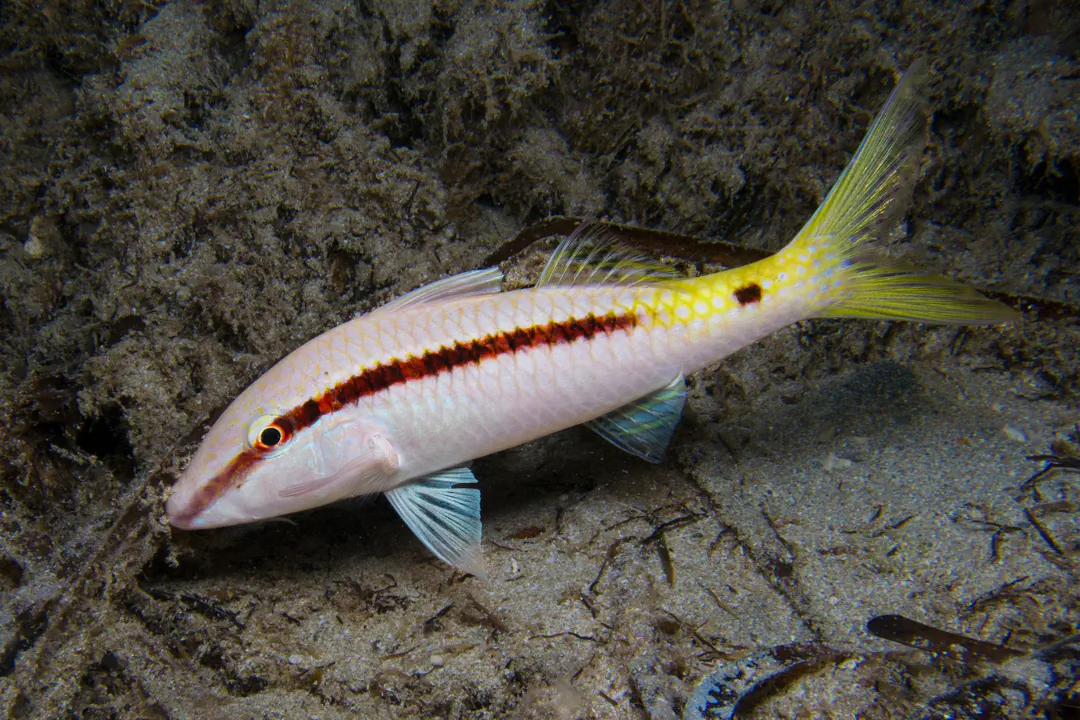
 © Darren ObbardCC BY 4.0 · iNaturalist
  Justin PhilboisCC0 · iNaturalist
 Hanifaru Bay: Manta and Whale Shark Aggregation
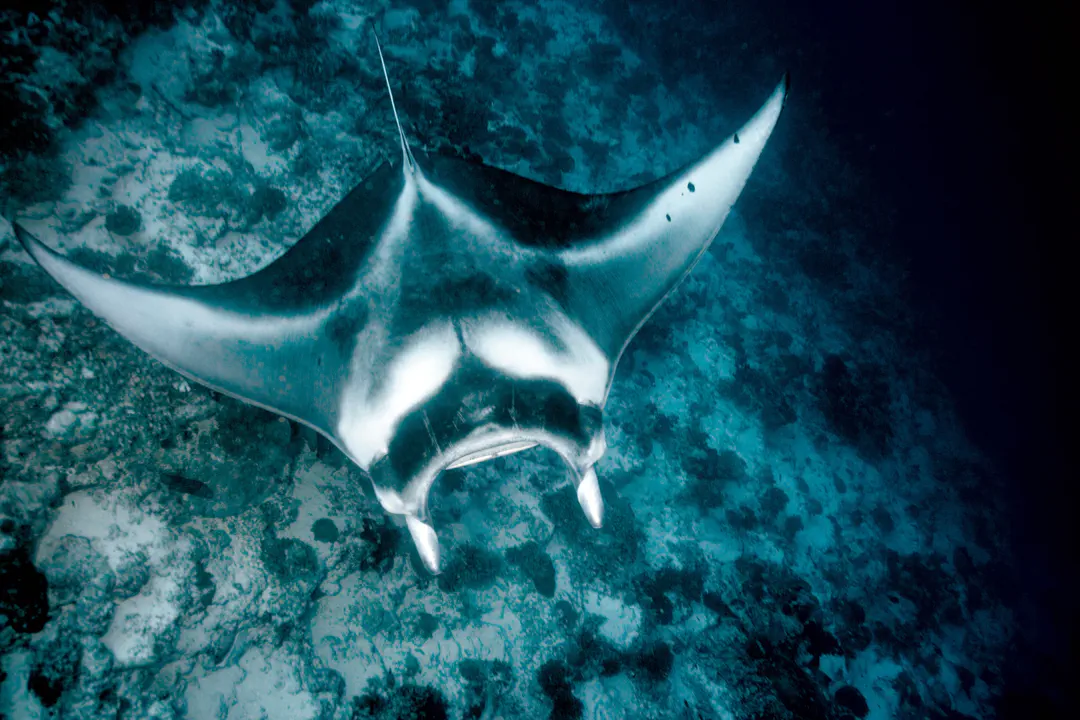
Hanifaru Bay in Baa Atoll is one of the Maldives’ most famous marine protected areas and a UNESCO Biosphere Reserve, accessible by boat for snorkeling visitors. It is especially well known for seasonal manta ray (Mobula alfredi) aggregations, and whale sharks (Rhincodon typus) also appear there when plankton is concentrated by currents and tidal flow. It is a snorkeling-only site, suitable for all levels, and its key feature is the mass aggregation of mantas and whale sharks during plankton blooms.
The site is seasonal rather than uniformly productive all year. The strongest aggregation period is associated with the southwest monsoon, from May to November, when plankton blooms can trigger intense feeding activity. On especially productive days, dozens of mantas may gather in the bay, creating one of the most extraordinary snorkeling experiences in the Indian Ocean.
Hanifaru is a snorkeling-only site for visitor protection and safety, which helps reduce pressure on the animals and the habitat. The no-dive rule matters because the bay is shallow, less than 10 meters deep, crowded with feeding rays, and managed to limit disturbance to the plankton-feeding chain that sustains the spectacle.
For visitors, patience and respectful spacing are more important than chasing proximity. The best encounters depend on tides, visibility, and local management decisions, so sightings can be spectacular on one day and quiet on the next.
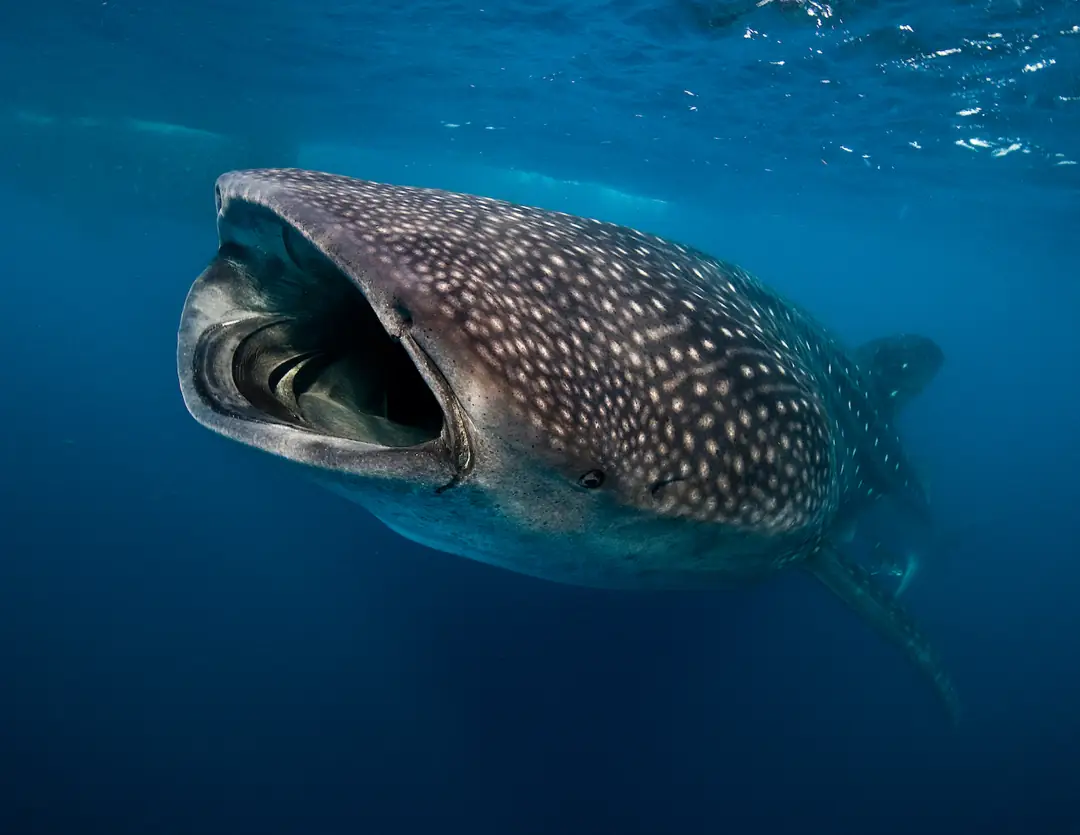
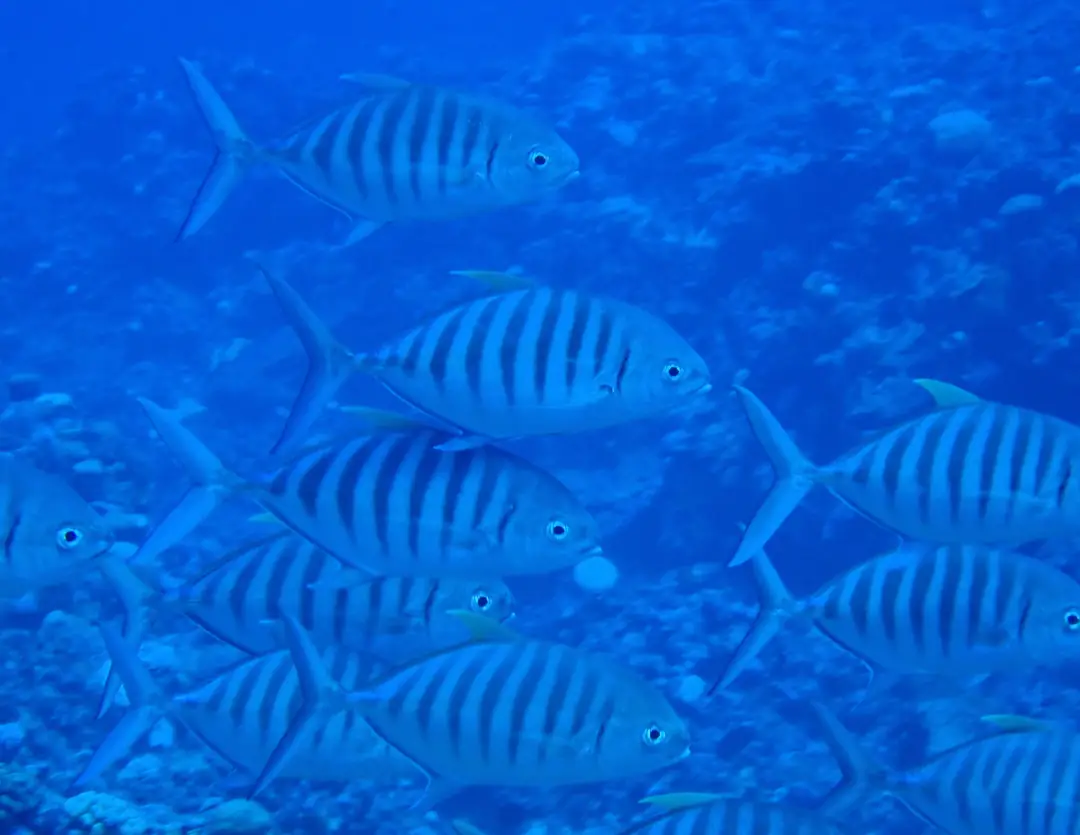 © Debra BakerCC BY 4.0
 Conservation Efforts and Responsible Diving
The Maldives relies on traditional dhonis as well as modern dive vessels, and these boats remain a practical part of island life and marine tourism. For divers, dhonis are especially useful because they can carry tanks, allow easy water entries and exits, and move efficiently between resort islands, atolls, and liveaboard anchorages.
Conservation is a major issue for the archipelago. Coral bleaching, warming seas, and plastic pollution have all affected reef health, and large-scale reef mortality has been documented after major thermal stress events. That makes marine protection, mooring management, and careful visitor behavior central to the long-term future of diving in the Maldives.
Responsible diving here means excellent buoyancy, no coral contact, no wildlife chasing, and strict respect for current and site rules. On channels and pinnacles, good operators brief divers on drift entries, descent lines, and how to avoid damaging the reef while still enjoying the current-driven fish action.
The Maldives remains a significant tropical diving destination, combining rich marine life with relatively easy access, but its reefs are not immune to climate pressure. Divers who understand the seasonal patterns and practice low-impact behavior will see more and help preserve more.
Practical Diving Tips for the Maldives
Questions
Do I need special certification to dive in the Maldives?
An open water certification is enough for many resort house reefs and shallow sites, but advanced open water training is strongly recommended for the Maldives because many signature dives involve drift conditions, channel currents, and dives beyond 18 meters. If you want to dive passes, pinnacles, or stronger-current sites safely, experience with drift diving and good buoyancy control is especially valuable.
What kind of visibility can I expect?
Visibility is generally excellent in the Maldives and can exceed 30 meters in the drier months, especially from December to April. During plankton-rich periods, visibility may drop somewhat, but the reduced clarity coincides with better chances of seeing manta rays and whale sharks.
Are there many sharks in the Maldives?
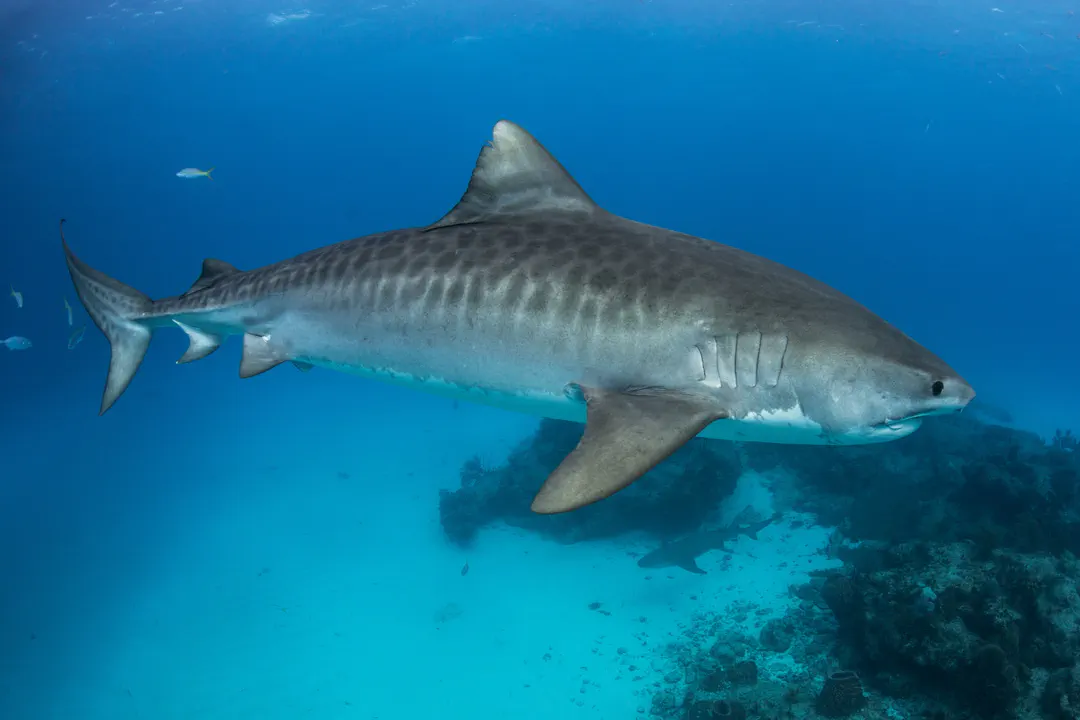
Yes. The Maldives is known for healthy populations of white-tip reef sharks, grey reef sharks, nurse sharks, and occasional larger species such as tiger sharks and whale sharks. Most encounters are safe when divers maintain distance, avoid feeding behavior, and follow local guide instructions.
Can non-divers enjoy the Maldives?
Absolutely. The Maldives offers excellent snorkeling, beaches, lagoon swimming, kayaking, and resort-based marine excursions, so non-divers can still experience reefs and marine life from the surface. Many liveaboards and resorts also organize snorkeling trips that target manta and whale shark areas when conditions allow.
Is it possible to see manta rays and whale sharks?
Yes, especially from May to November in plankton-rich areas such as Hanifaru Bay, where manta rays can gather in large numbers. Whale sharks are also seen in Maldivian waters year-round in some locations, but the best odds depend on season, local plankton concentration, and tidal conditions.