Introduction to Australia's Underwater Realm
A manta ray, its wingspan a silent shadow of over five meters, glides effortlessly over the branching acropora and plate corals of Ribbon Reef #10, a remote northern stretch of the Great Barrier Reef. At a gentle depth of 15 meters, where the morning sun slices through the water in shimmering shafts, a parade of parrotfish crunches audibly on the reef, their iridescent scales flashing like scattered jewels. The current here is a slow breath of the ocean, allowing for unhurried observation as the manta circles back, its cephalic fins unfurling like elaborate scrolls to scoop plankton from the water column.
Australia, a continent island, offers a spectrum of underwater environments as vast and ancient as its landmass. From the warm, nutrient-rich currents that feed colossal reef systems in the north to the cool, kelp-laden depths of its southern shores, every descent here is a journey into a unique natural history. Its immense coastline promises encounters with creatures found nowhere else on Earth.
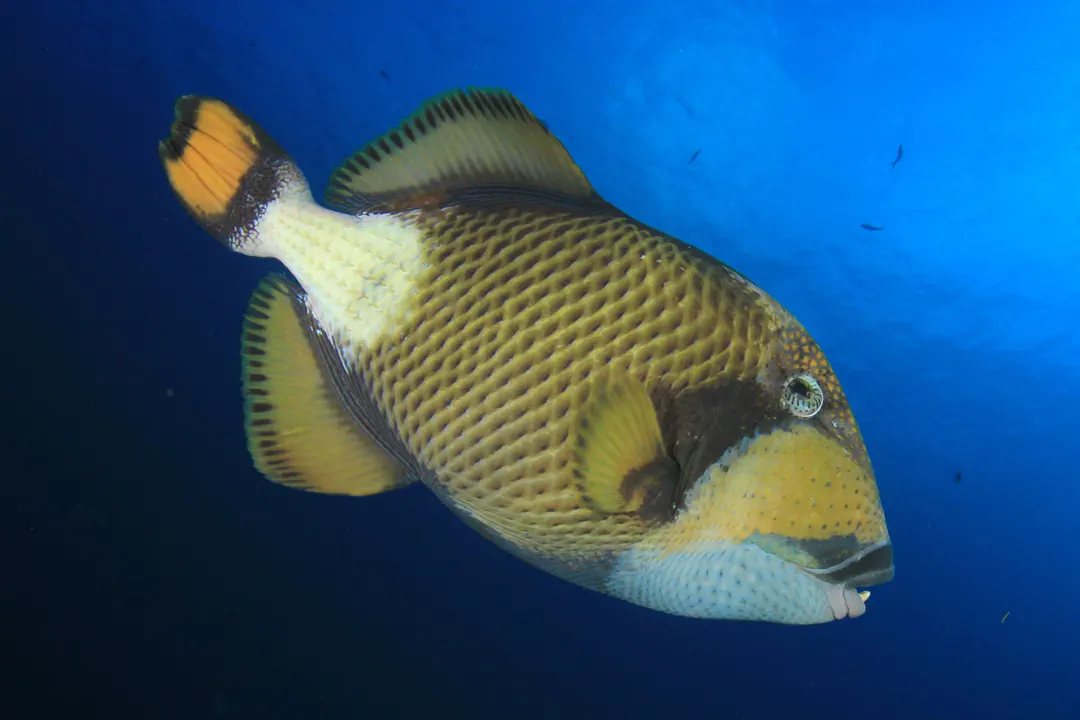
 © seabook.appAll rights reserved
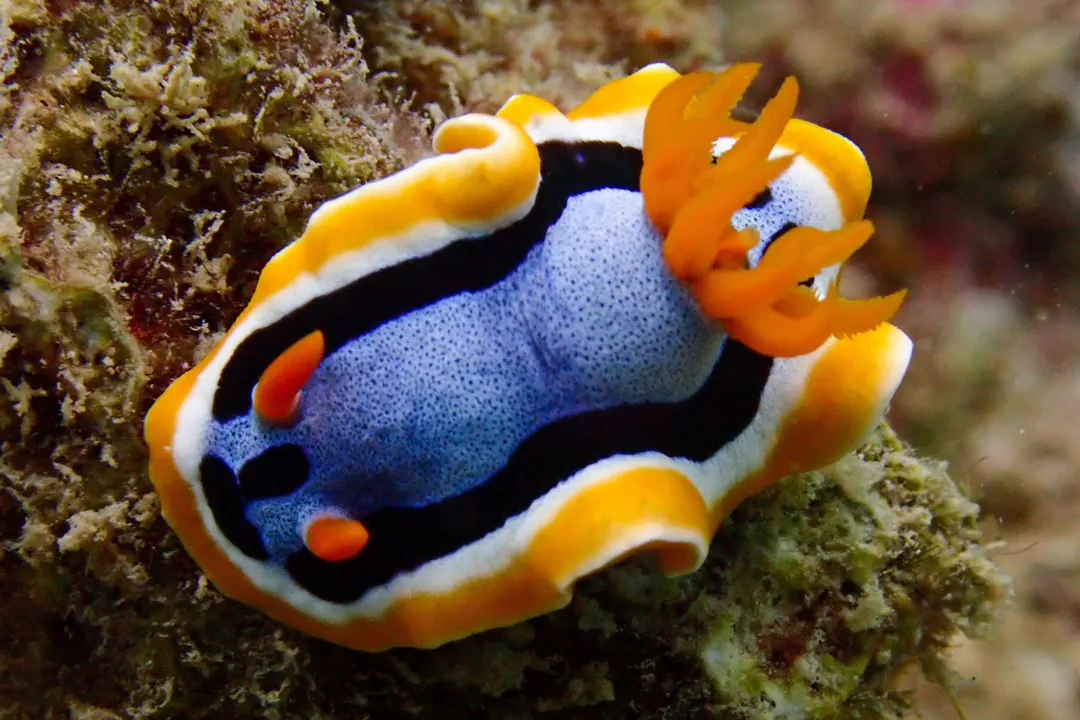
  © seabook.appAll rights reserved
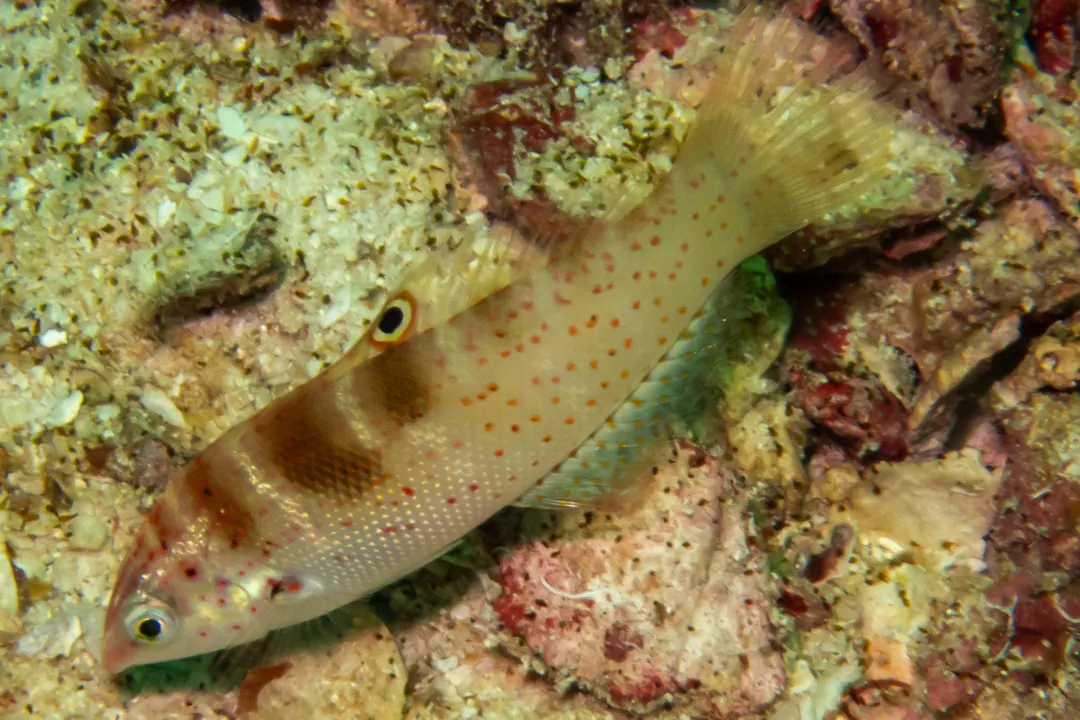
 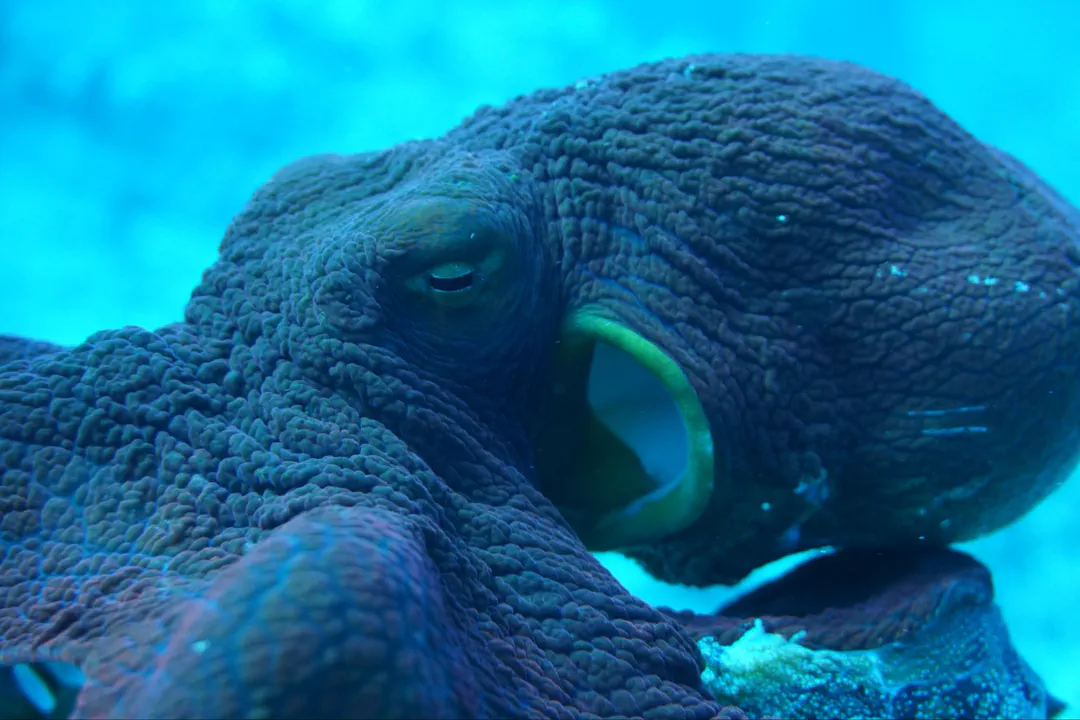 © cello caruso-turielloCC BY 4.0 · iNaturalist
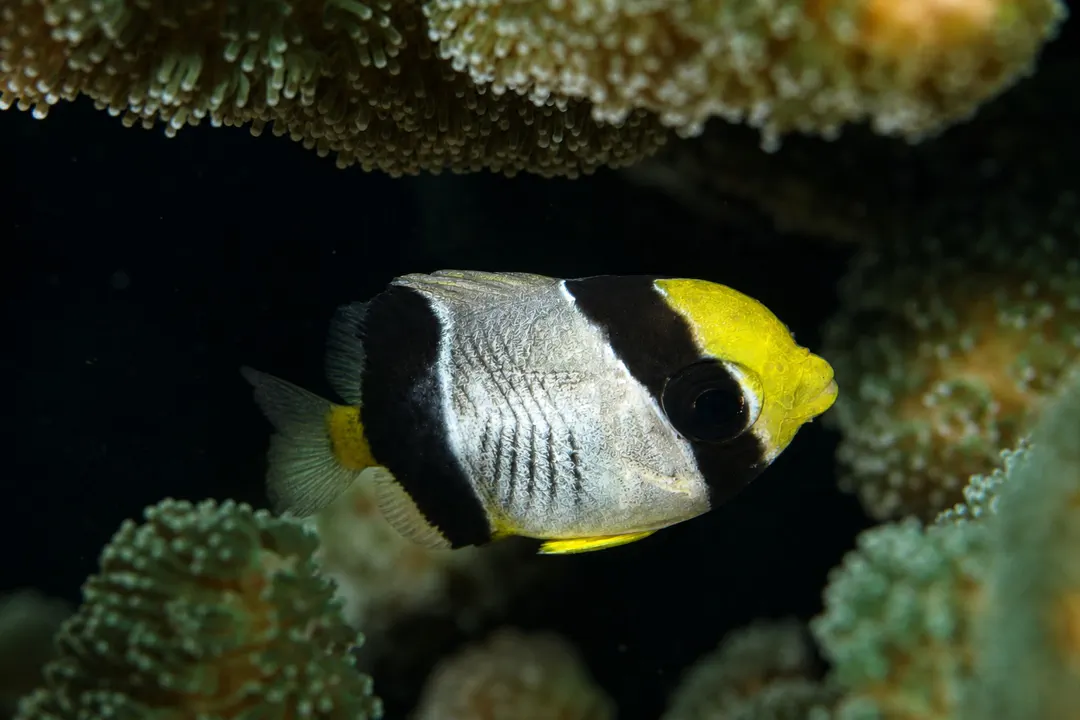
 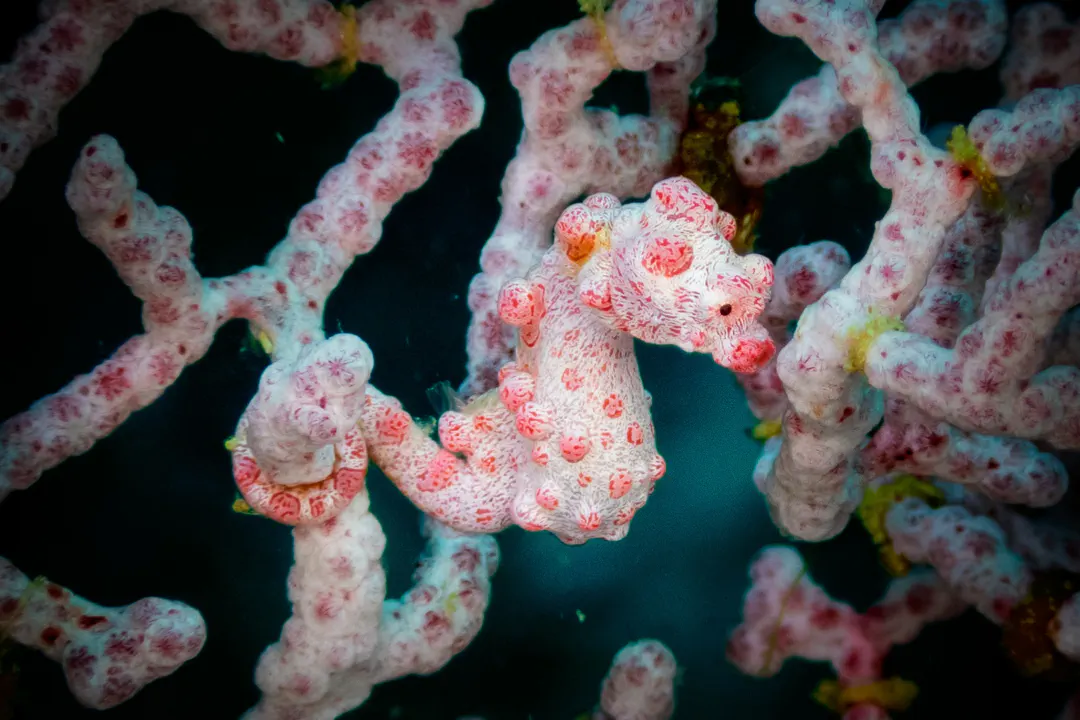 © Pierre PericardCC BY 4.0 · iNaturalist
 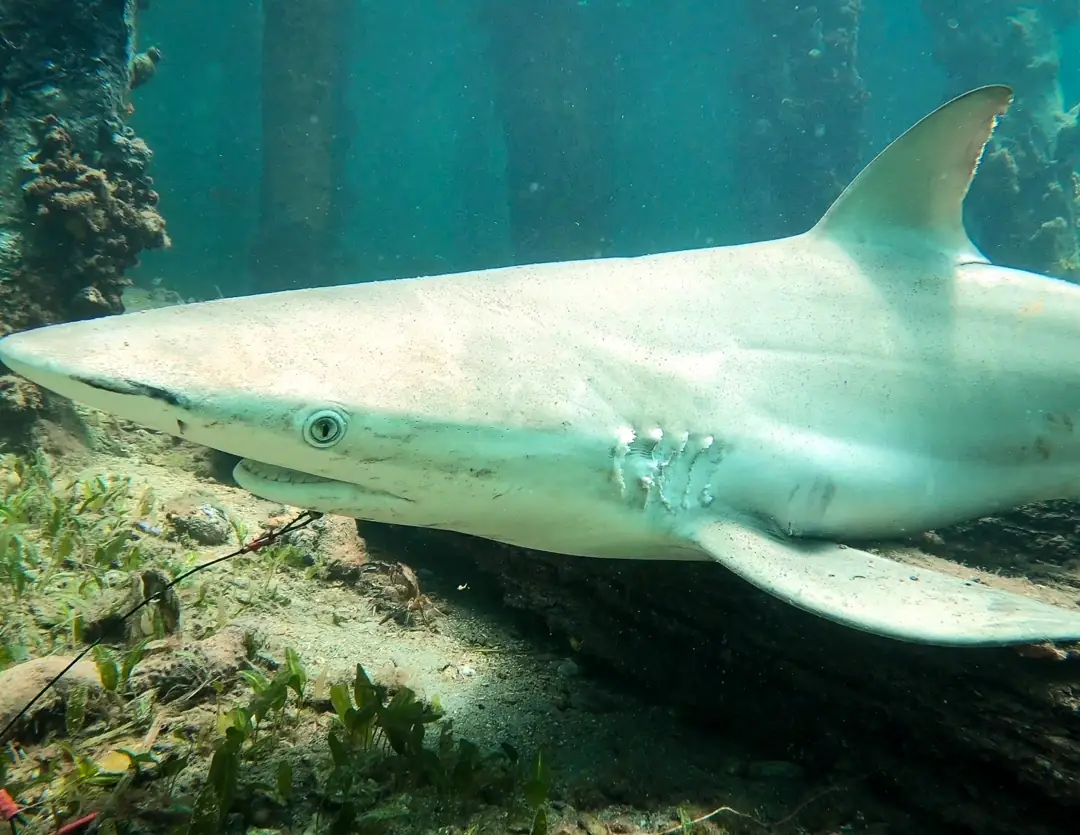 © Brad CrookAll rights reserved
 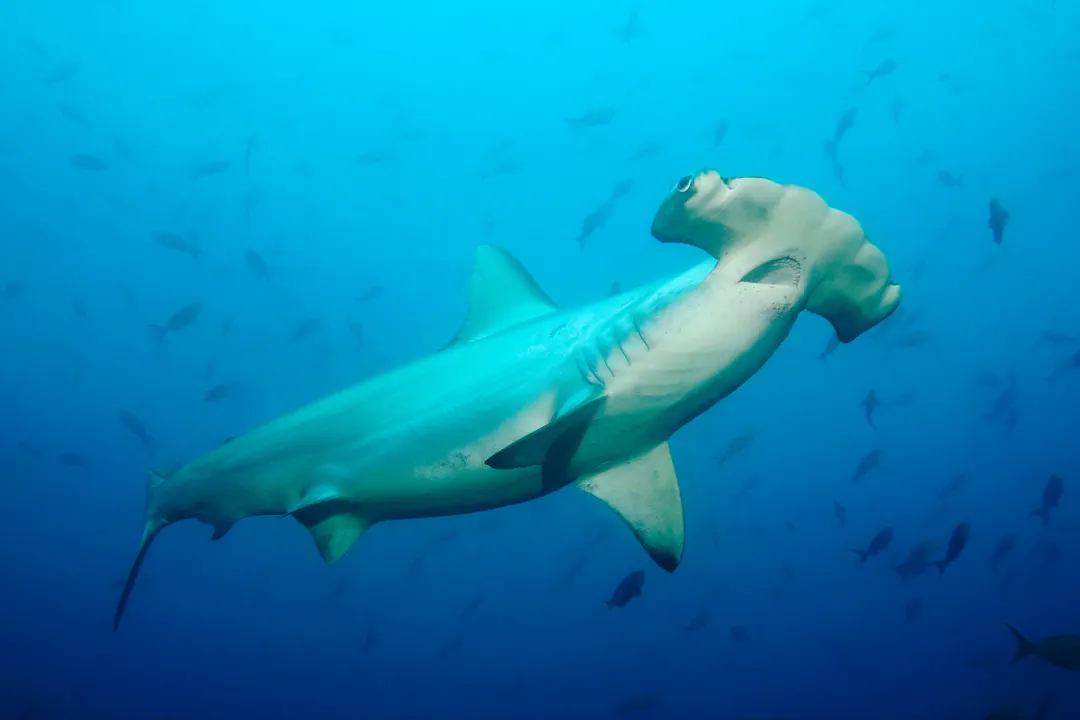 © seabook.appAll rights reserved
 Geographic and Climatic Diversity
Australia's immense coastline, stretching over 34,000 kilometers, embraces three distinct climatic zones: tropical in the north, subtropical across the mid-latitudes, and temperate in the south. This geographical spread crafts vastly different underwater landscapes, fostering a high concentration of marine life, with many species found nowhere else.
In the tropical north, warm waters nurture extensive coral reefs and mangrove systems. Moving south, subtropical currents foster a mix of hard and soft corals, alongside kelp forests. The cooler, temperate waters of the southern coast are dominated by towering kelp forests, intricate sponge gardens, and a high concentration of endemic species.
Best Time to Visit for Diving
The optimal diving season in Australia varies significantly by region, reflecting its continental scale. For the tropical northern waters, including the Great Barrier Reef and Ningaloo, the dry season from May to October brings clear skies, calm seas, and excellent visibility. Water temperatures remain warm year-round.
In the southern temperate zones, summer and autumn (December to May) bring warmer water temperatures and better visibility for exploring kelp forests and unique macro life. Migratory species like whale sharks arrive at Ningaloo between March and July, while humpback whales are observed in northern waters from June to November.
Water temperature
Australia, monthly average
Great Barrier Reef area near Cairns, Queensland (most popular diving region in Australia); surface temperatures for tropical coral reef diving
From the community's dive logs
What divers log in Australia
From 89 dives logged by 39 Seabook divers. What this group recorded, not a verdict on the destination.
Most-logged marine lifedivers who logged it
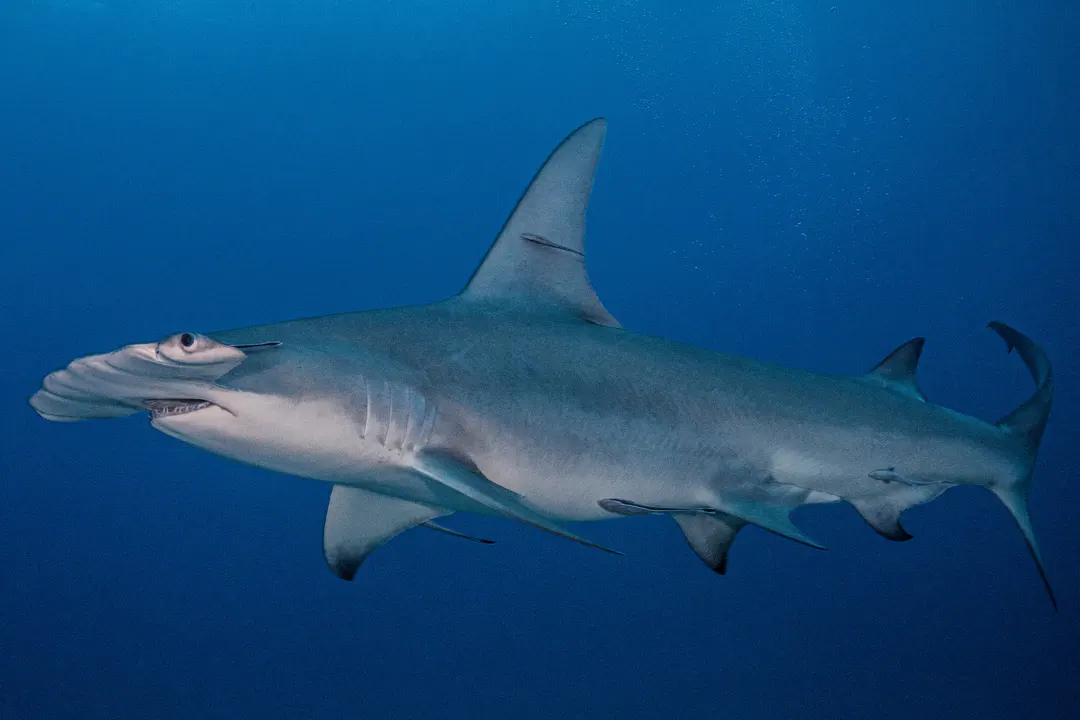 © seabook.appAll rights reserved 7 divers
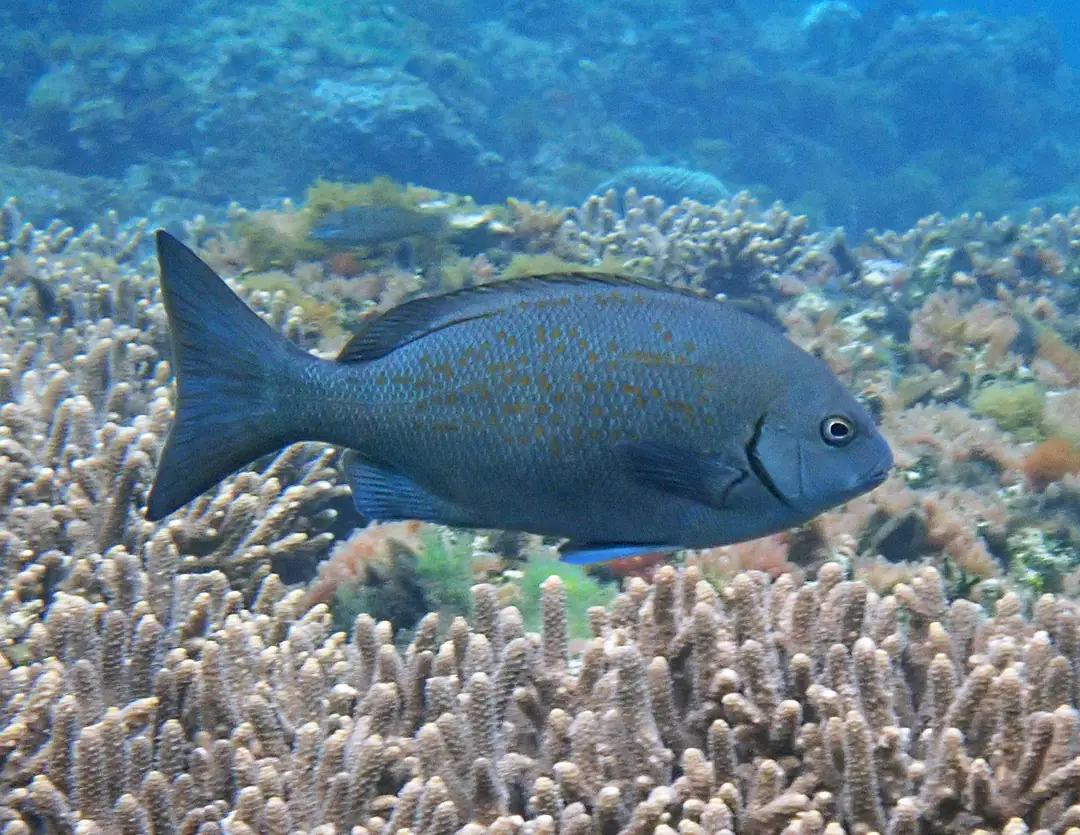
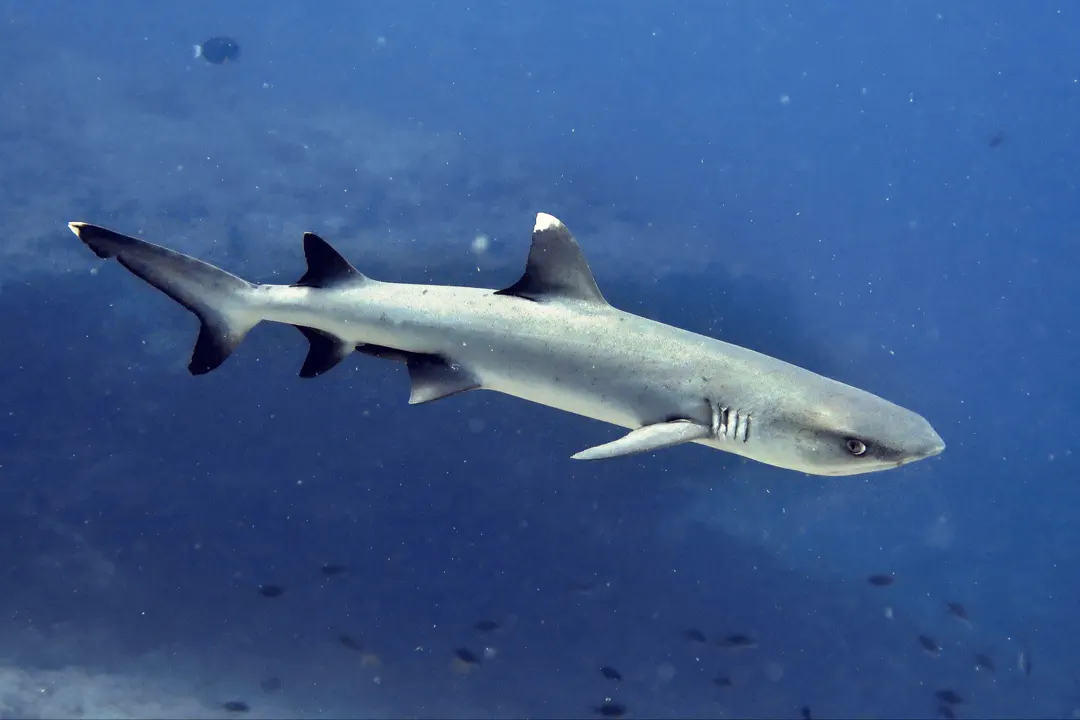
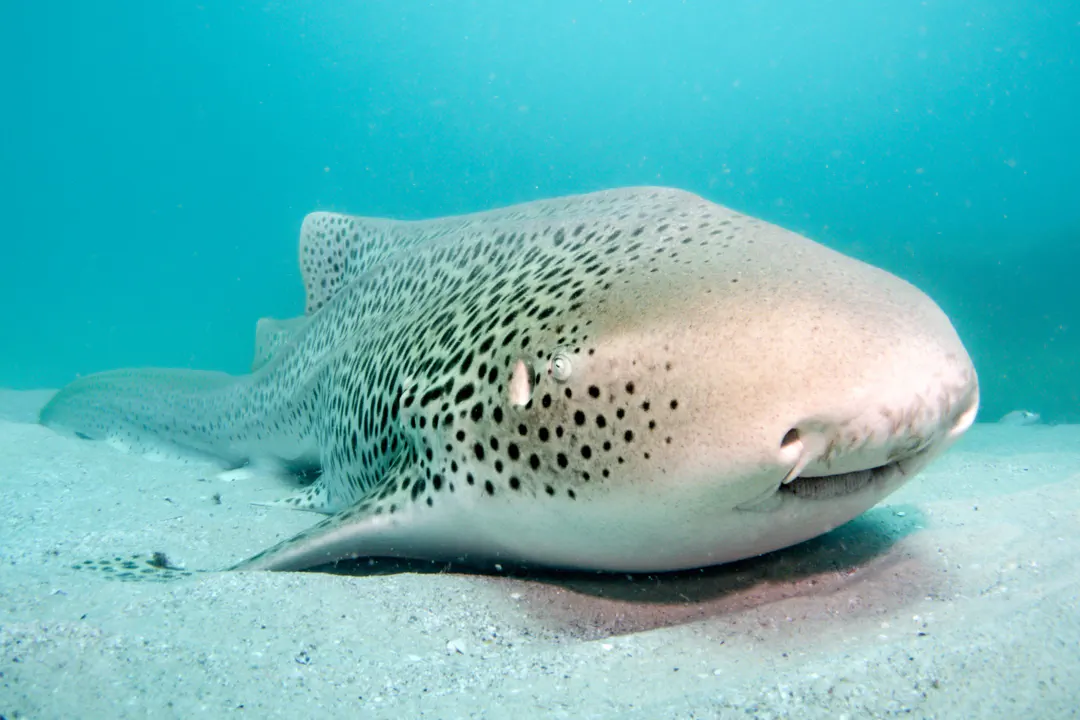 © seabook.appAll rights reserved 5 divers
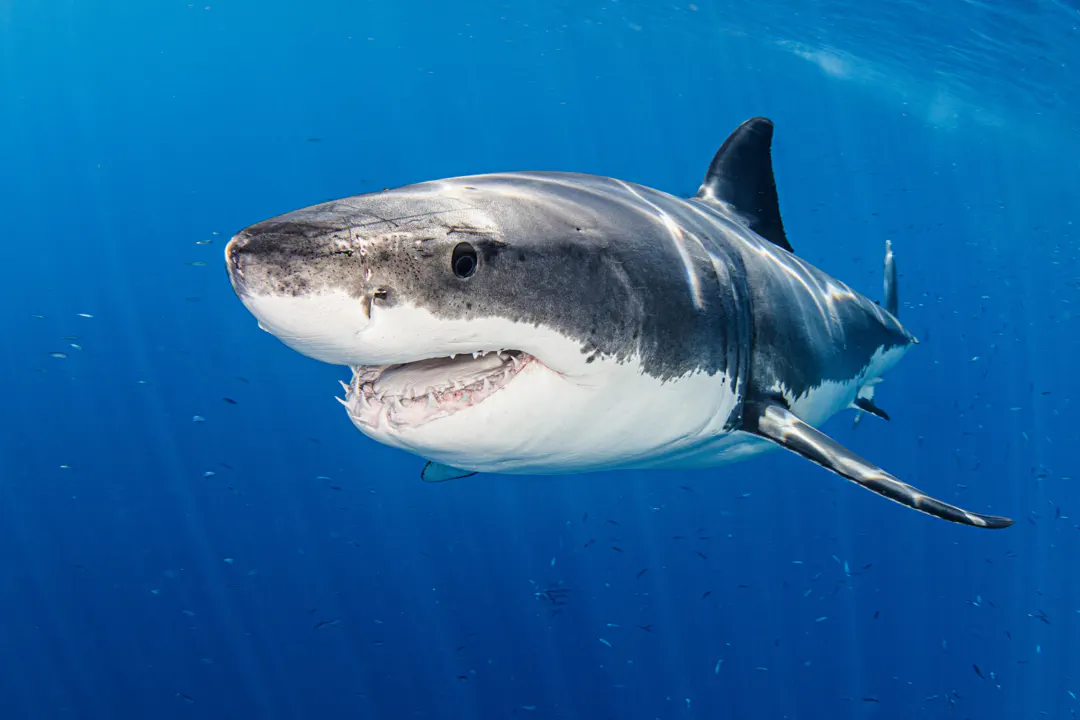 © seabook.appAll rights reserved 5 divers
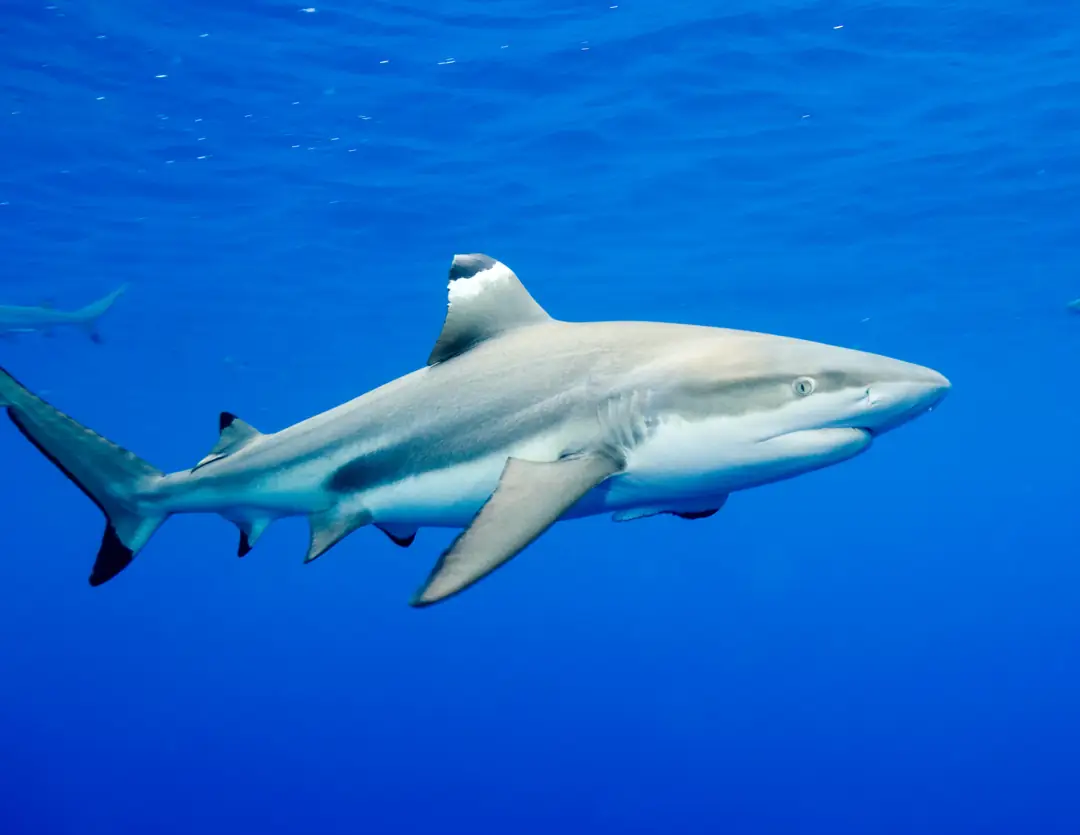 © seabook.appAll rights reserved 4 divers
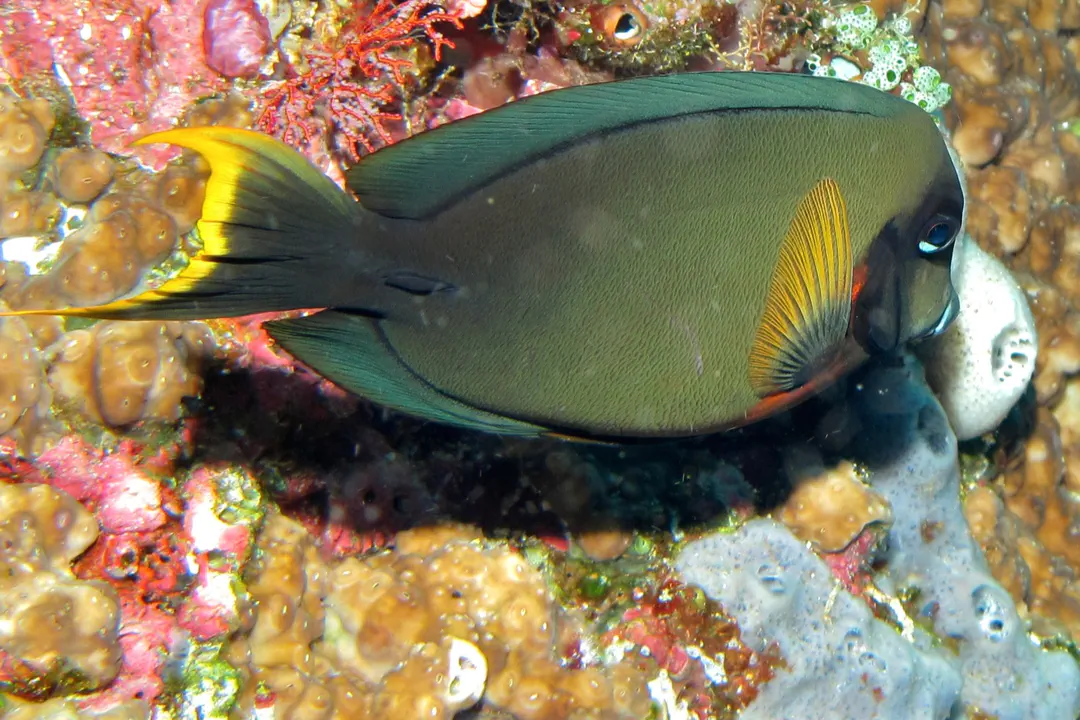
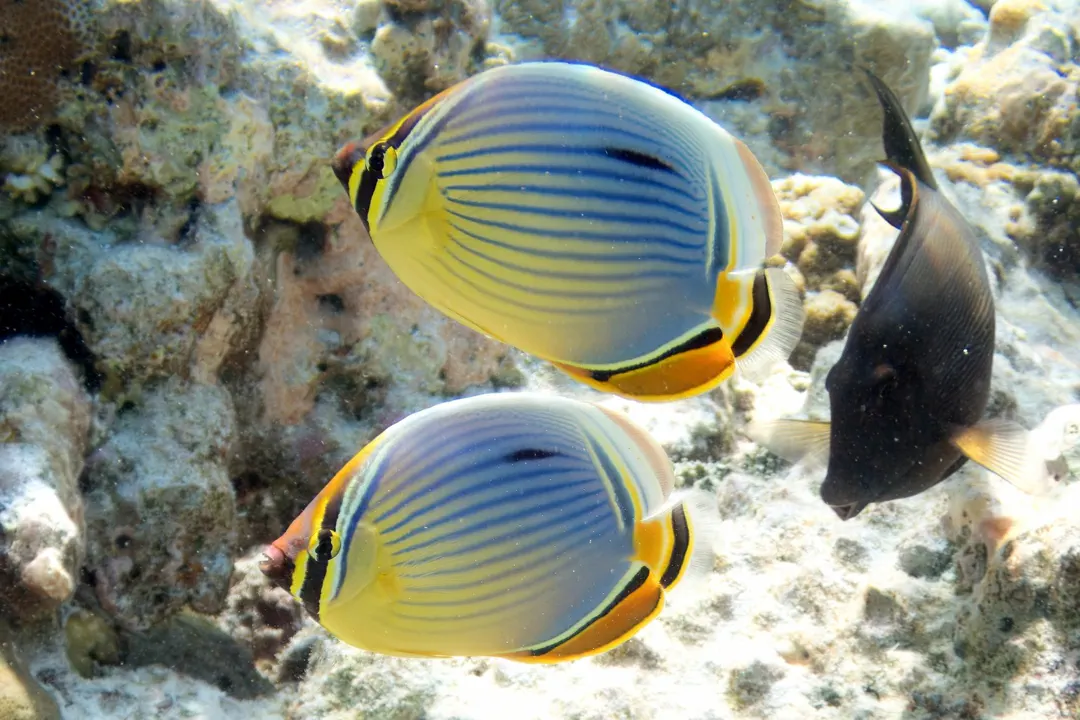
The Great Barrier Reef: A World Heritage Site
The Great Barrier Reef is a colossal living structure, stretching over 2,300 kilometers along Queensland's coast. Beneath the surface, divers navigate through labyrinthine channels carved into massive reef walls, where plate corals stack like ancient amphitheaters and branching acropora form intricate gardens. Dives here, accessed by liveaboard or day boat, range from shallow, sun-drenched bommies at 5 meters, suitable for Open Water divers, to deep outer reef slopes descending past 30 meters for Advanced certified divers.
Schools of fusiliers sheet through the blue, while clownfish dart amongst the tentacles of their anemone homes. Divers observe green sea turtles grazing on seagrass beds, white-tip reef sharks resting beneath coral overhangs, and giant trevally patrolling the reef edge. Visibility consistently holds at 20 meters or more, with water temperatures ranging from 23°C in winter to 29°C in summer.
 © seabook.appAll rights reserved
  © Dan SchofieldCC BY 4.0 · iNaturalist
  © portioidCC BY 4.0 · iNaturalist
  © seabook.appAll rights reserved
 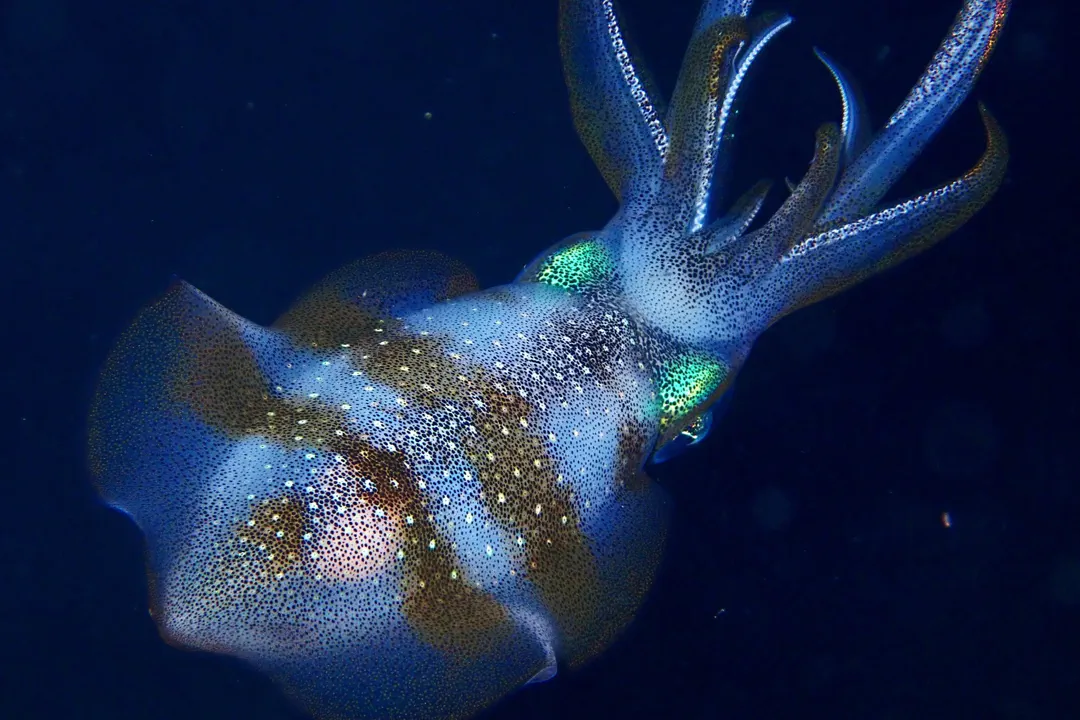 Jean-Paul BoerekampsCC0 · iNaturalist
 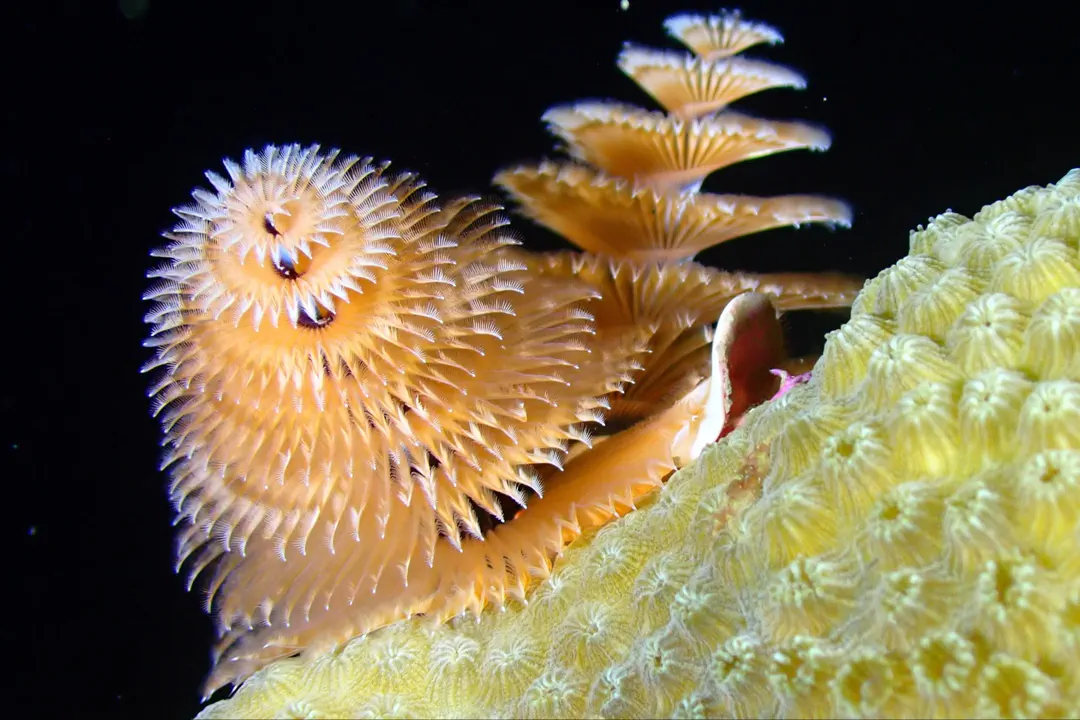 © Robin WhiteCC BY 4.0 · iNaturalist
 Ningaloo Reef: Whale Shark Encounters
On Australia's remote west coast, the Ningaloo Reef stretches 300 kilometers, a fringing reef that comes alive each year with the world's largest aggregation of whale sharks. From March to July, these gentle giants, measuring up to 18 meters, gather to feed, offering the chance to swim alongside them in the open ocean at depths of 5-15 meters. These encounters are snorkel-based, suitable for all experience levels, and accessed by dedicated tour boats from Exmouth or Coral Bay.
Beyond the whale sharks, Ningaloo's inner reef features extensive hard coral formations, teeming with schools of snapper and sweetlips, accessible from shore or short boat rides in depths from 3 to 20 meters. The outer reef, a drift dive for certified divers, reveals manta rays, reef sharks, and dugongs. Water temperatures range between 22°C and 28°C, with visibility extending beyond 25 meters.
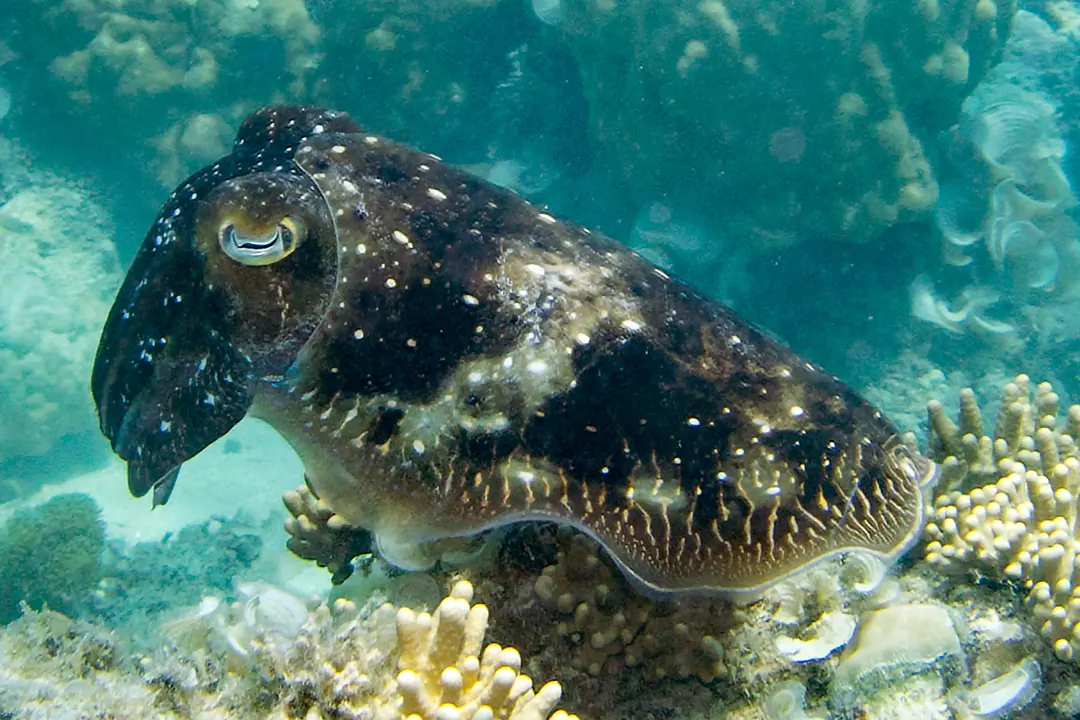 © Paul Asman and Jill LenobleCC BY 4.0 · iNaturalist
 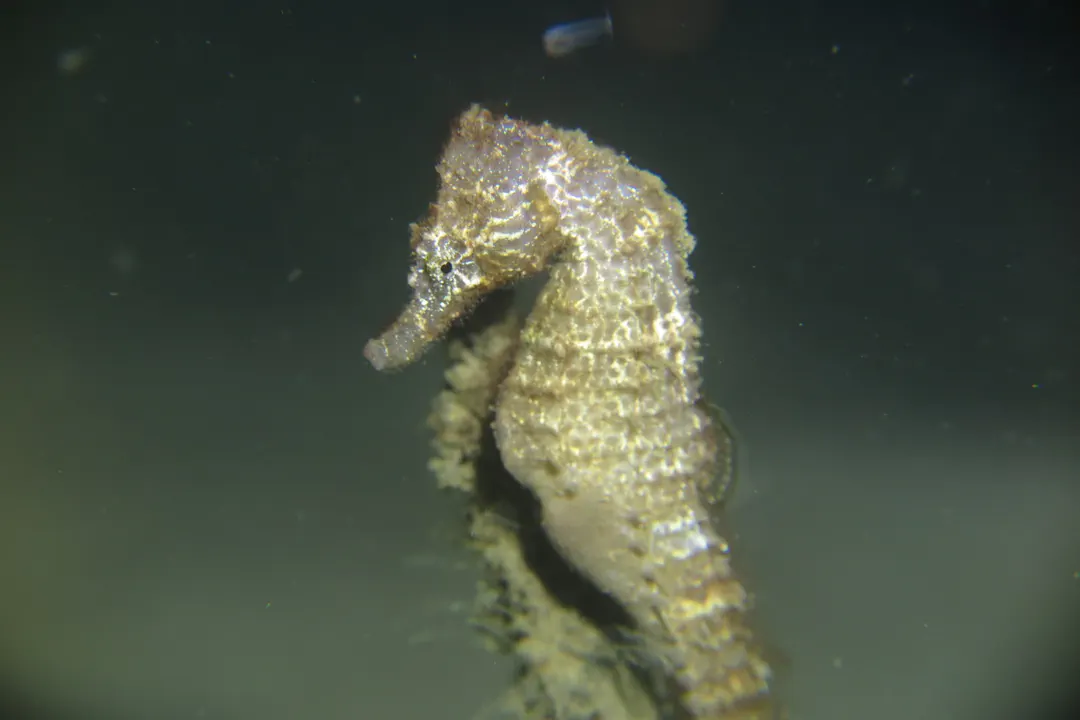 © Ewout KnoesterCC BY-SA 4.0 · iNaturalist
 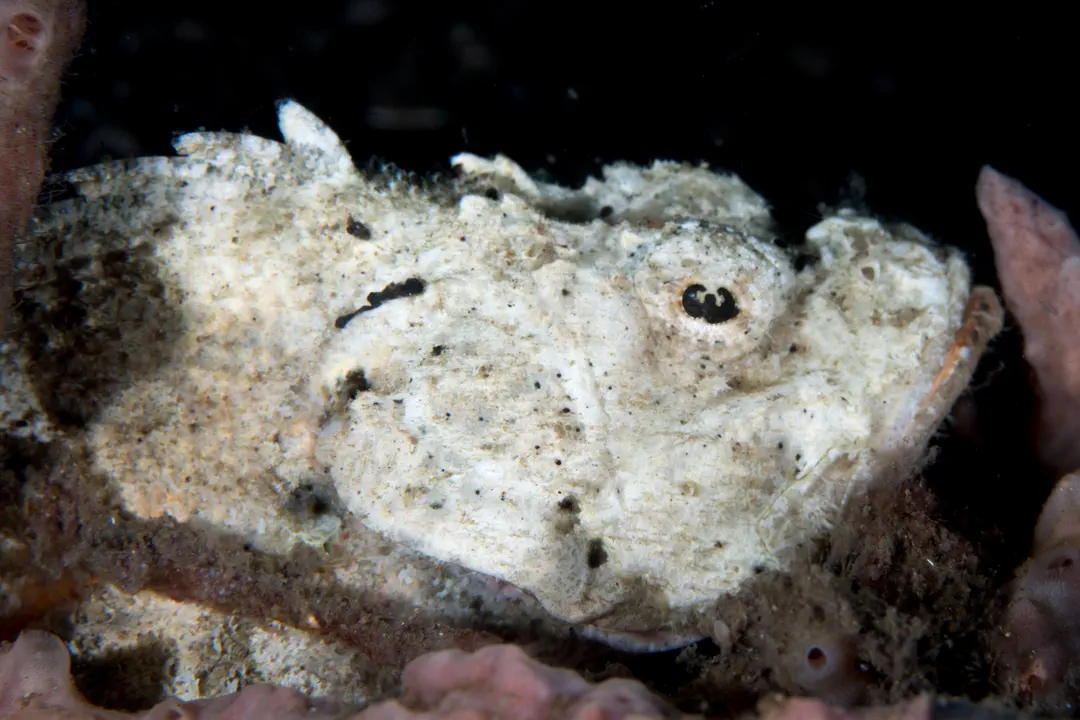 © Rickard ZerpeCC BY 4.0 · iNaturalist
 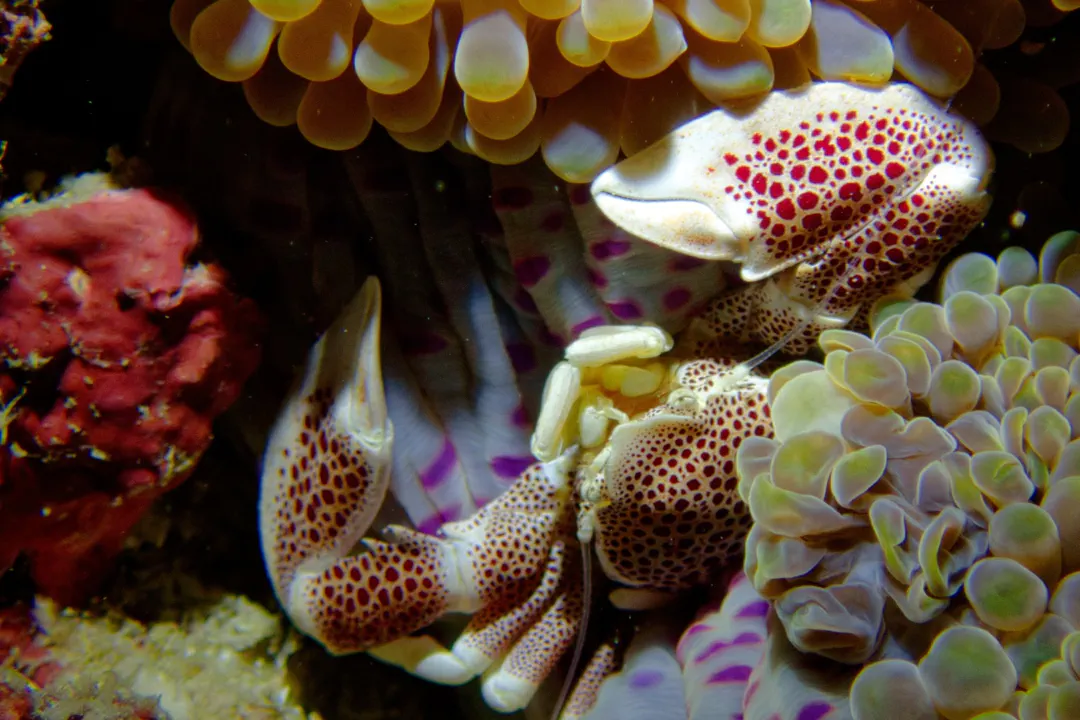 © Jay ParolineCC BY 4.0 · iNaturalist
 Temperate Wonders of South Australia
South Australia's cooler, nutrient-rich waters present a diving experience distinctly different from the tropical north. Here, towering forests of swaying kelp, some reaching 20 meters in height, form lush underwater jungles, home to a high concentration of endemic species. Depths vary from shallow shore entries at 5 meters, suitable for Open Water divers, to deeper wreck sites past 30 meters, requiring Advanced certification.
The Fleurieu Peninsula is a key location to observe the elusive leafy sea dragons, masters of camouflage that drift among the kelp like living pieces of seaweed. Divers can also encounter playful Australian sea lions near Hopkins Island, a boat access site for all levels, or explore historic shipwrecks. The HMAS Hobart, a former guided missile destroyer, now an artificial reef at 20-30 meters off the coast, offers a challenging wreck dive accessible by boat for Advanced divers. Water temperatures range from 14°C to 22°C, with visibility varying from 5 to 20 meters depending on conditions.
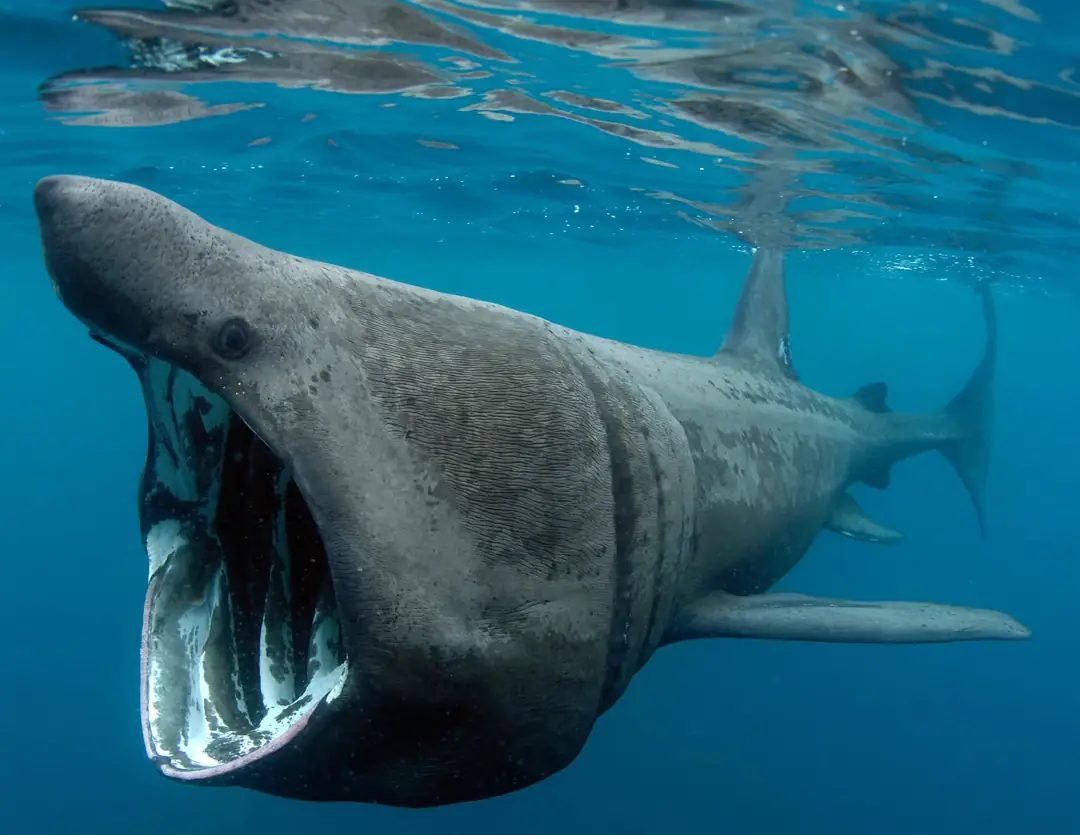 © Charles HoodAll rights reserved
 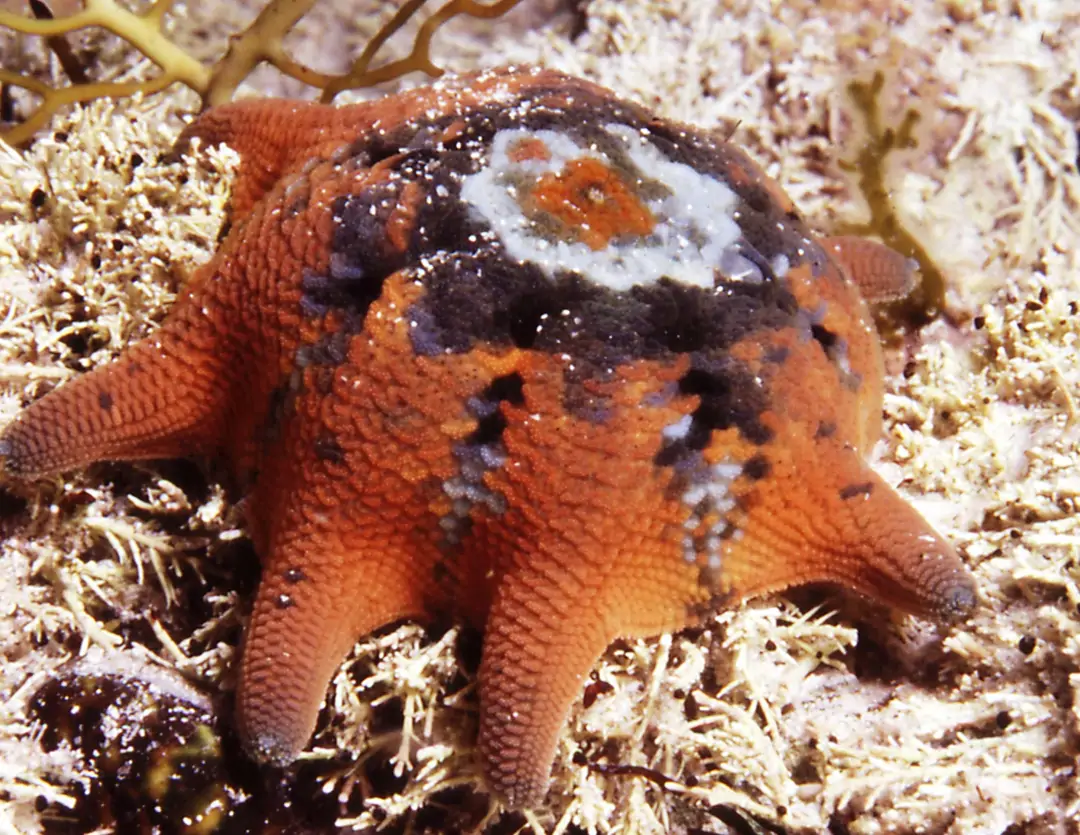 © seabook.appAll rights reserved
 Lord Howe Island: Volcanic Beauty
Lord Howe Island, a remote volcanic outpost 600 kilometers off Australia's east coast, is a UNESCO World Heritage site protecting a vibrant marine park. Its isolated position has fostered a remarkable convergence of tropical, subtropical, and temperate marine life, with over 500 fish species recorded, many of which are endemic. Dives, accessed by boat and suitable for Open Water to Advanced divers, range from 10 to 30 meters.
The island's Balls Pyramid, a dramatic sea stack rising from the ocean, hosts the southernmost coral reef in the world, a truly unique ecosystem where divers can descend to 30 meters or more. Divers explore volcanic formations, sheltered lagoons, and dramatic drop-offs, encountering large schools of kingfish, Galapagos sharks, and the rare Lord Howe Island anemonefish. Water temperatures vary from 18°C in winter to 25°C in summer, with visibility holds at 30 meters or more.
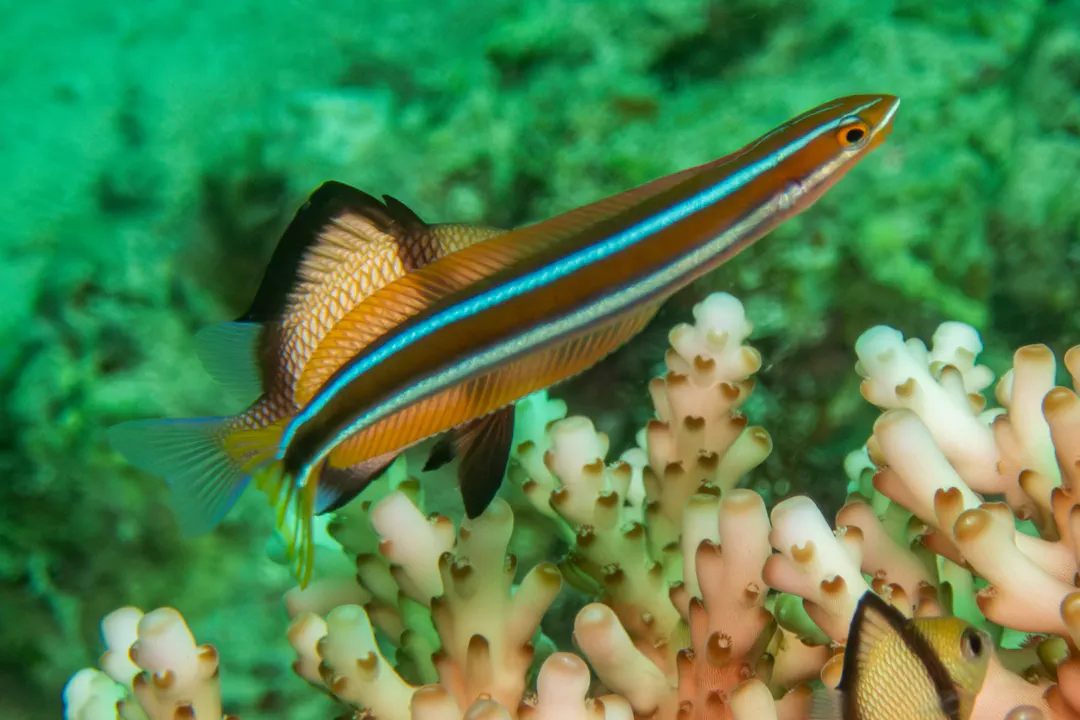 © portioidCC BY 4.0
 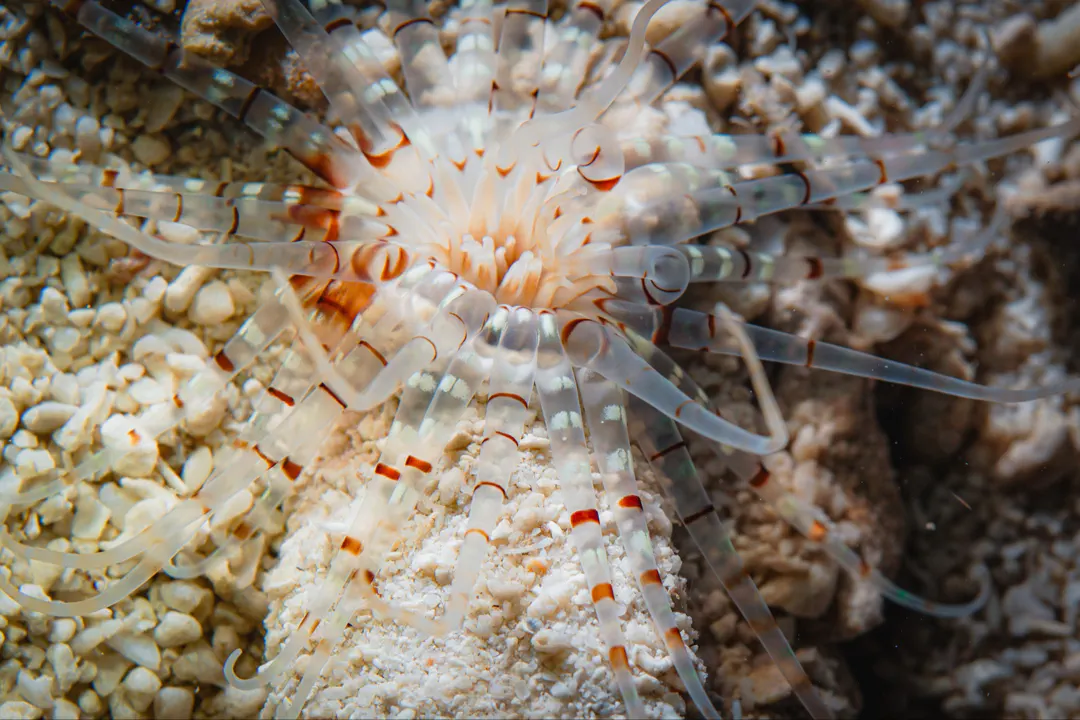 © Stas KuryanAll rights reserved
 Western Australia's Dive Sites
Beyond Ningaloo, Western Australia offers a range of diving experiences across its vast coastline. Near Perth, the ex-HMAS Swan, scuttled as an artificial reef, provides an accessible wreck dive at 5-30 meters, accessed by boat and suitable for Advanced divers, where schools of yellowtail scad and Samson fish envelop the structure. Shore dives around Rottnest Island, suitable for all levels, reveal intricate limestone reefs and playful Australian sea lions.
Further north, the Abrolhos Islands feature a fascinating blend of tropical and temperate marine life, with extensive coral formations and numerous historical wrecks in depths ranging from 5 to 25 meters, accessed by liveaboard. The region's waters are 18°C to 26°C, and offer visibility between 10 and 25 meters, appealing to divers seeking both macro subjects and larger pelagic encounters.
Practical Diving Tips for Australia
Preparing for an Australian diving adventure involves considering the vast distances and varied conditions. Ensure your dive certification is current and consider bringing an advanced certification if you plan to explore deeper wrecks or drift dives. Always dive with reputable operators who adhere to strict safety standards.
Gear requirements shift dramatically between regions: a 3mm wetsuit is sufficient for tropical waters, while a 5-7mm wetsuit or drysuit is recommended for the cooler southern regions. Be mindful of local marine life, especially during jellyfish seasons in tropical waters, and always respect marine park regulations to protect these underwater habitats.
Questions
Do I need a special certification to dive in Australia?
For most recreational dives, a standard Open Water certification is sufficient. However, for deeper wrecks or advanced drift dives, an Advanced Open Water certification or higher may be required. Always check with your chosen dive operator.
What is the water visibility in Australia?
Visibility varies significantly by region and season. In tropical areas like the Great Barrier Reef, visibility ranges from 15 to 30+ meters. Temperate southern waters offer visibility between 5 and 20 meters, influenced by local conditions.
Are there dangerous marine animals in Australia?
Yes, Australia is home to several potentially dangerous marine animals, including certain species of sharks, jellyfish, and venomous octopuses. Reputable dive operators prioritize diver safety and provide thorough briefings on local hazards and precautions.
How can I dive with whale sharks at Ningaloo Reef?
Ningaloo Reef offers highly regulated and ethical swimming-with-whale-shark tours during their migratory season, which runs from March to July. These tours are popular and should be booked well in advance through licensed operators.
What gear is recommended for diving in Australia?
Gear requirements depend on the region. For tropical waters, a 3mm wetsuit is sufficient. For cooler temperate southern waters, a 5-7mm wetsuit or drysuit is recommended. Most dive shops across Australia offer rental gear.