Introduction to South Africa's Underwater World
At 25 meters deep on Aliwal Shoal, where the warm Agulhas Current brushes the KwaZulu-Natal coast, a potato cod, *Epinephelus tukula*, the size of a small barrel, holds its ground against a gentle surge. Sunlight, broken into shimmering shafts, filters down through the plankton-rich water, illuminating blacktip reef sharks, *Carcharhinus melanopterus*, circling in the distance. The current pulls at the divers, a constant reminder of the ocean's power.
South Africa is one of the world’s most varied diving destinations because two major ocean systems shape its coastline: the warm Agulhas Current on the east and the cold Benguela Current on the west. This contrast creates a sharp ecological boundary, with tropical and subtropical reefs in KwaZulu-Natal and cool-temperate kelp forests, reefs, and wrecks around the Cape.
The country’s dive appeal comes from both biodiversity and spectacle. East-coast sites such as Sodwana Bay, Aliwal Shoal, and Protea Banks support coral reefs, sharks, turtles, and seasonal pelagics, while the western and southern coasts offer seal colonies, sevengill sharks, and dense kelp canopies. For divers, that means visibility, temperature, and marine life can change dramatically within a few hundred kilometers.
Historically, South African diving developed around shore-accessible reefs, wrecks, and research-driven shark encounters, then expanded into eco-tourism and large-animal diving. Today, it remains especially attractive to experienced divers who want strong currents, cold-water exposure, and the chance to combine big-predator encounters with highly productive nearshore ecosystems.
Geography and Ocean Currents
South Africa’s coastline spans two very different marine provinces. The east coast and parts of the south coast are influenced by the warm Agulhas Current, which carries subtropical water southward along the shelf edge and can push warm water toward the coast.
The west coast is dominated by the Benguela Current, a cold eastern boundary current that drives nutrient-rich upwelling and fuels some of the most productive waters in the southern hemisphere. The ecological result is dramatic: warm east-coast reefs support species associated with the western Indian Ocean, while the cold west coast sustains kelp forests, rock reefs, and large invertebrate communities adapted to low temperatures and high productivity.
Around Cape Town, divers can move between Atlantic and False Bay conditions in the same day, often encountering a temperature difference of more than 8°C between exposed and sheltered sites. For diving conditions, the east coast is generally warmer and often clearer, especially from late spring through autumn, while the west coast is colder, more surge-prone, and more dependent on local wind and swell.
The best dive choice depends less on the country as a whole and more on whether the goal is coral reef life, pelagic action, kelp forest species, or shark encounters. Strong currents can occur on offshore sites such as Protea Banks, so certification and local experience matter. The Agulhas and Benguela systems are also important beyond diving because they shape fisheries, plankton production, and the distribution of marine megafauna.
Best Time to Visit for Diving
The best diving season in South Africa depends on region and target species rather than a single national calendar. KwaZulu-Natal and the northeast coast are generally warmest from November to April, when surface water often reaches the mid-20s °C and tropical species are most active. Cape waters remain much colder year-round, but summer and early autumn usually offer the most comfortable conditions and calmer weather windows.
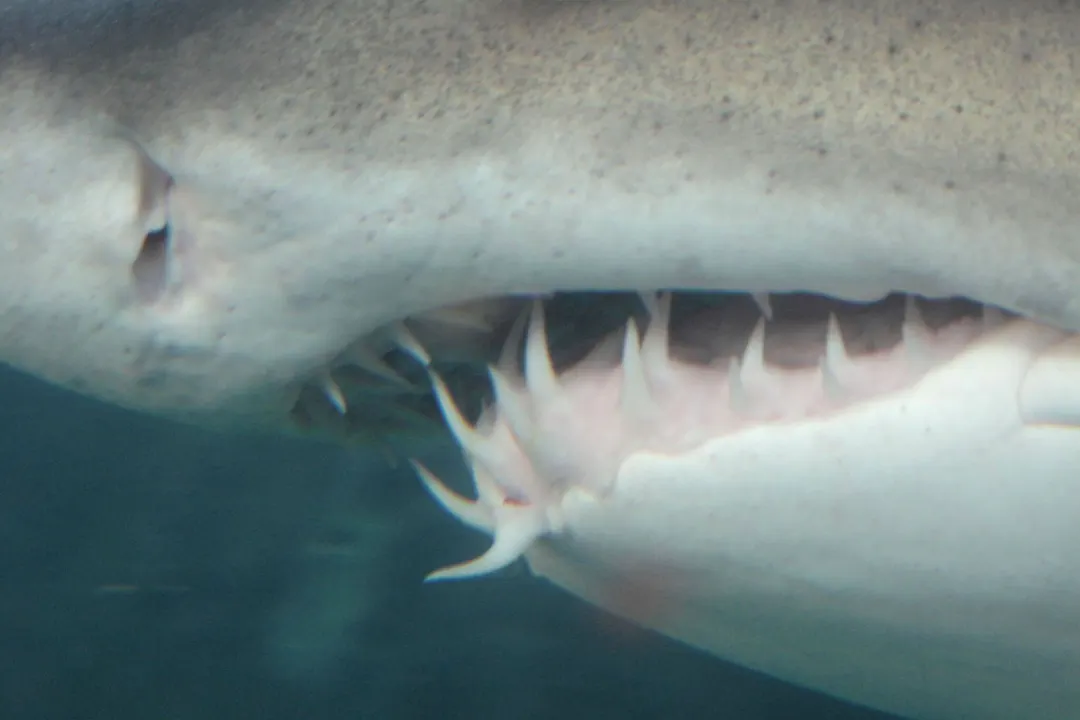
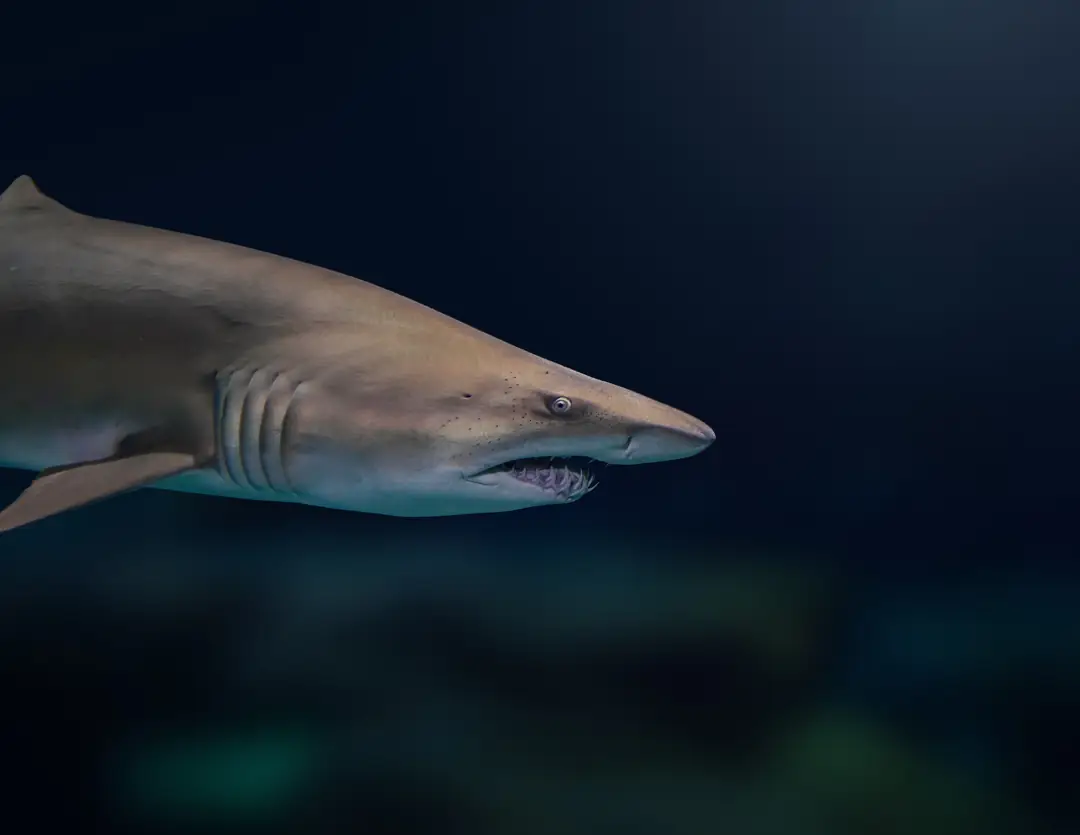
Winter brings some of the country’s best shark and macro-diving opportunities. Ragged-tooth sharks, *Carcharias taurus*, are strongly associated with seasonal aggregations on reefs such as Aliwal Shoal during the cooler months, while the Cape’s kelp forests can be exceptionally productive after winter swells. At the same time, winter can reduce visibility in some places because of swell, wind, and suspended sediment.
The Sardine Run usually occurs from late autumn into winter, roughly May to July, though timing can shift from year to year. This event is not a predictable “wall of fish” everywhere along the coast; it is a dynamic, offshore-moving concentration of bait balls and predators that depends on currents, water temperature, and wind. Successful trips often require flexibility, fast boat access, and the ability to dive in short weather windows.
Beginners are generally best served by sheltered reefs, calmer summer conditions, and operators who can match dive sites to skill level. More advanced divers can plan around stronger current periods, colder water, and deeper offshore sites when visibility and pelagic activity are at their best. A layered packing strategy is essential because a South African dive holiday can combine water from 12°C to 28°C in a single itinerary.
Water temperature
South Africa, monthly average
Sodwana Bay (KwaZulu-Natal north coast), most popular scuba diving area in South Africa with tropical coral reefs
Iconic Marine Life of South Africa
South Africa’s iconic dive fauna includes a mix of sharks, rays, seals, turtles, and pelagic fish, but the country is not defined by a single “big five” in any strict biological sense. The most characteristic species vary by region: ragged-tooth sharks and blacktips on reef systems, broadnose sevengill sharks in kelp forests, great white sharks in some temperate habitats and offshore contexts, and turtles and reef fish farther north on the east coast.
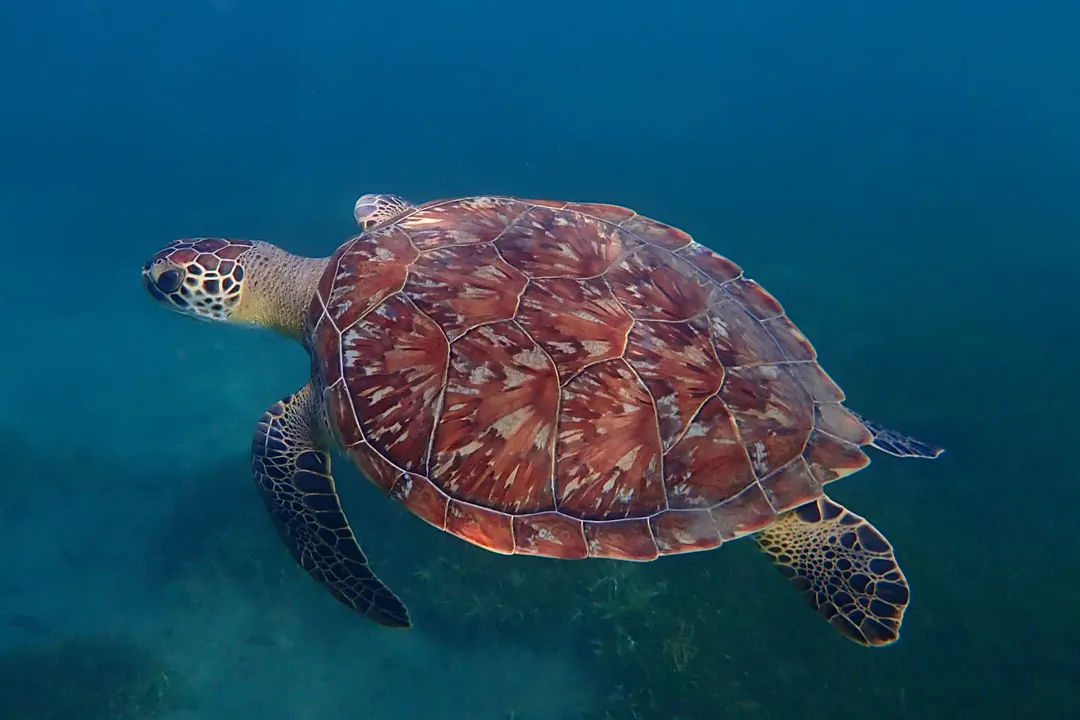
The east coast adds tropical and subtropical species such as manta rays, green turtles, hawksbill turtles, and dolphins, especially where warmer water intrudes southward. The west and south coasts are more strongly shaped by seals, sevengill sharks, octopus, abalone, rock lobsters, and kelp-associated fish. That regional split is one of the country’s strongest marine features and helps explain why species checklists must be location-specific.
For divers, the practical takeaway is to match expectations to site and season. If the plan is a warm-water reef dive, small reef fish and turtles matter more than great whites; if the plan is a kelp-forest dive, sharks, seals, and invertebrates are the key draws. South Africa’s marine diversity is impressive precisely because it spans both tropical and cool-temperate systems.
 © Matteo BellucciCC BY 4.0 · iNaturalist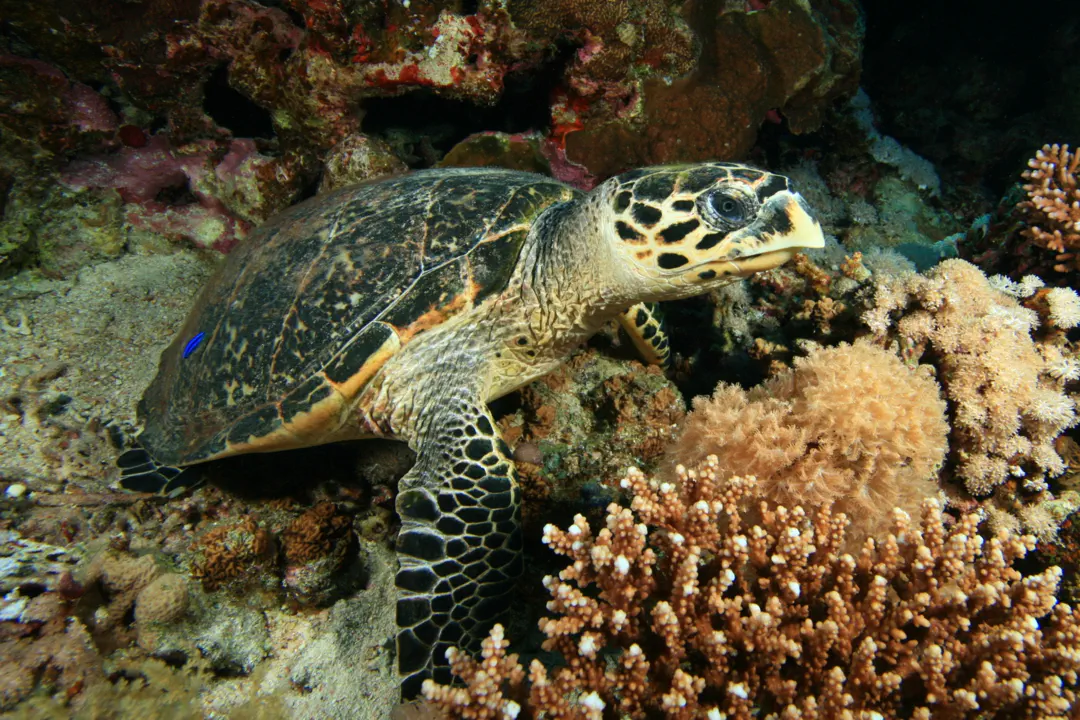
Protea Banks: The Shark Capital
Protea Banks is an offshore sandstone reef system off KwaZulu-Natal that is best known for shark diving, especially in the cooler months. The site sits far enough offshore to feel exposed, and dives often involve boat entry, current management, and careful timing around swell and drift. Conditions can change quickly, so this is not a beginner site.
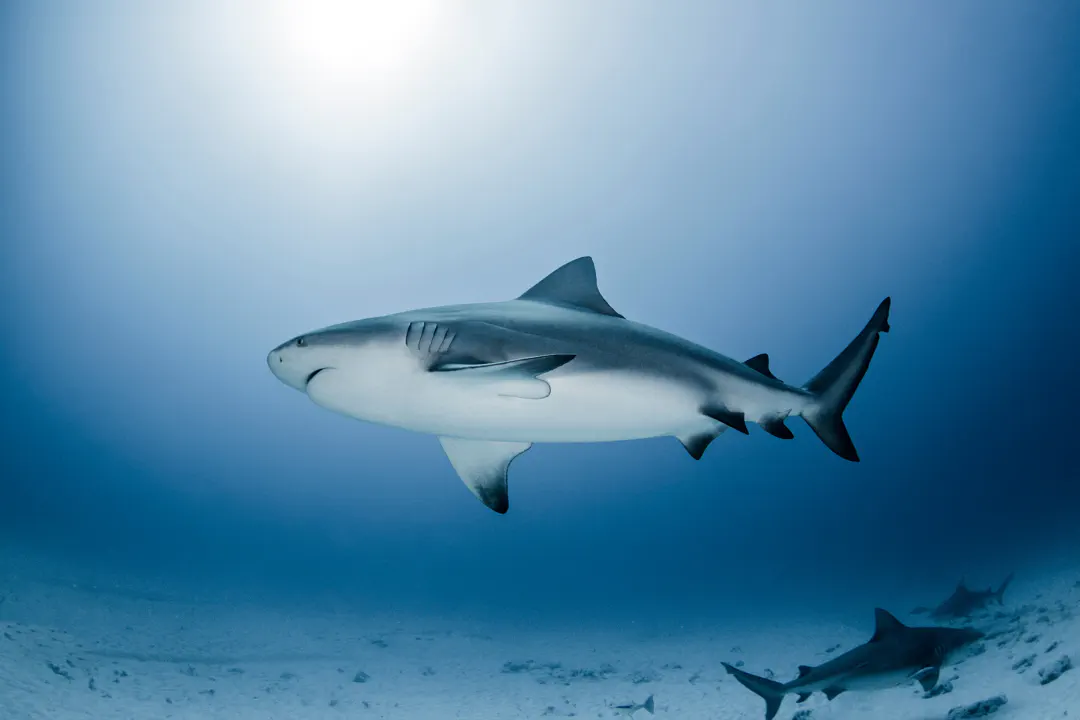
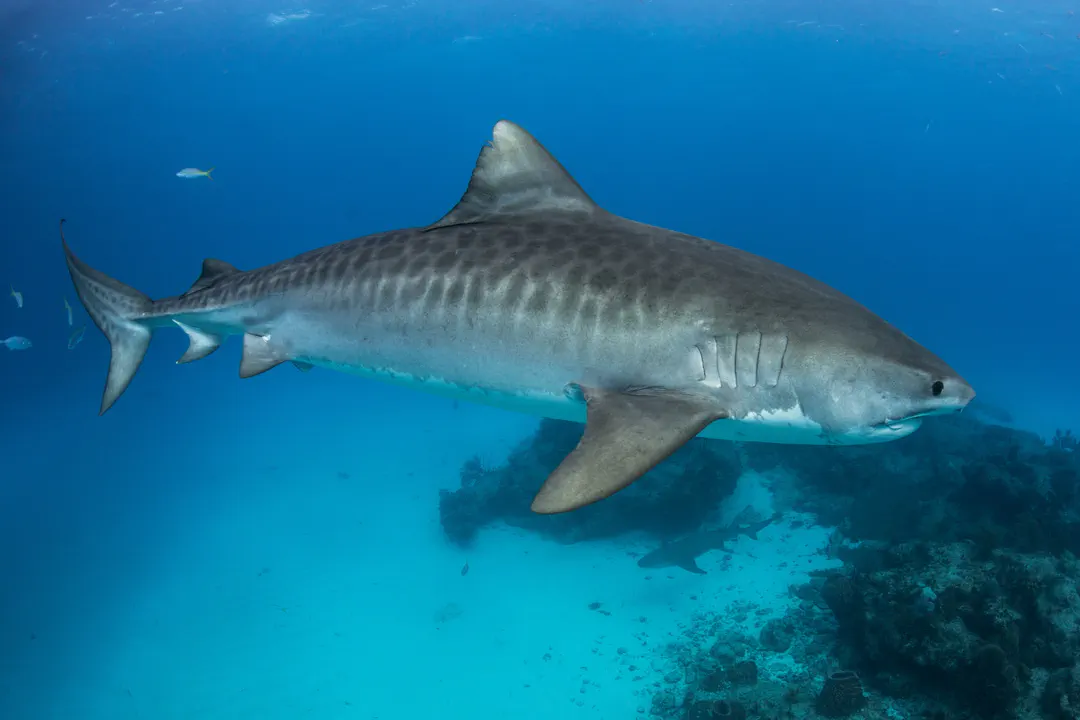
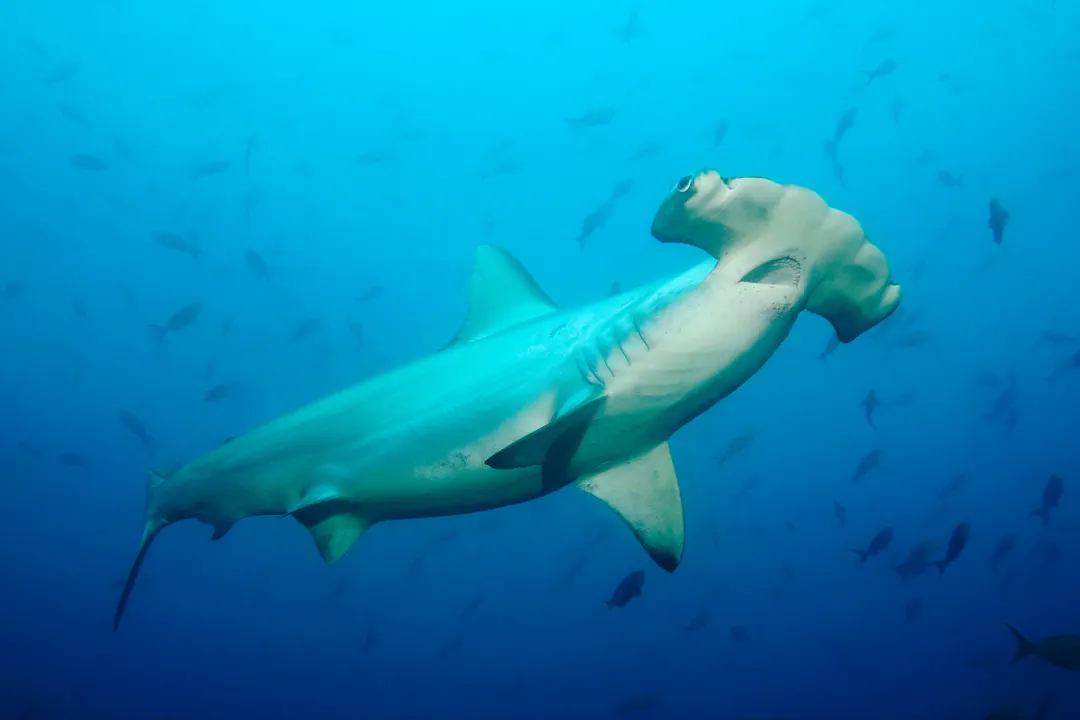
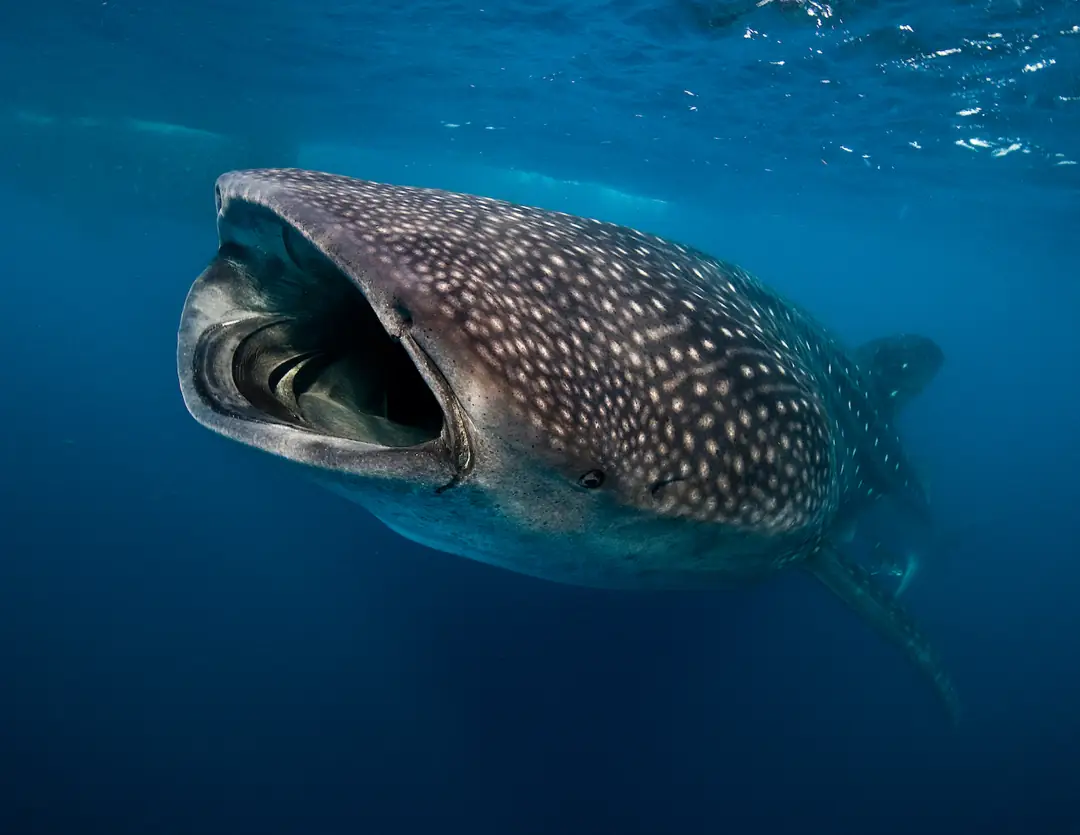
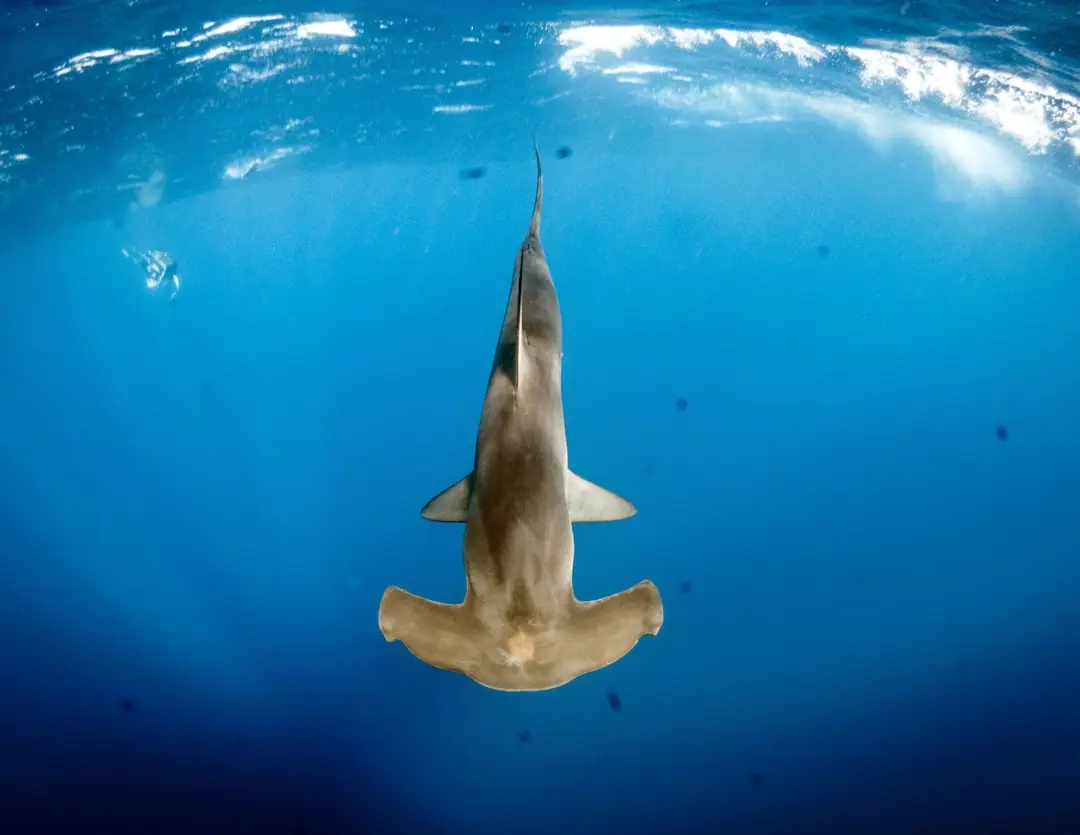
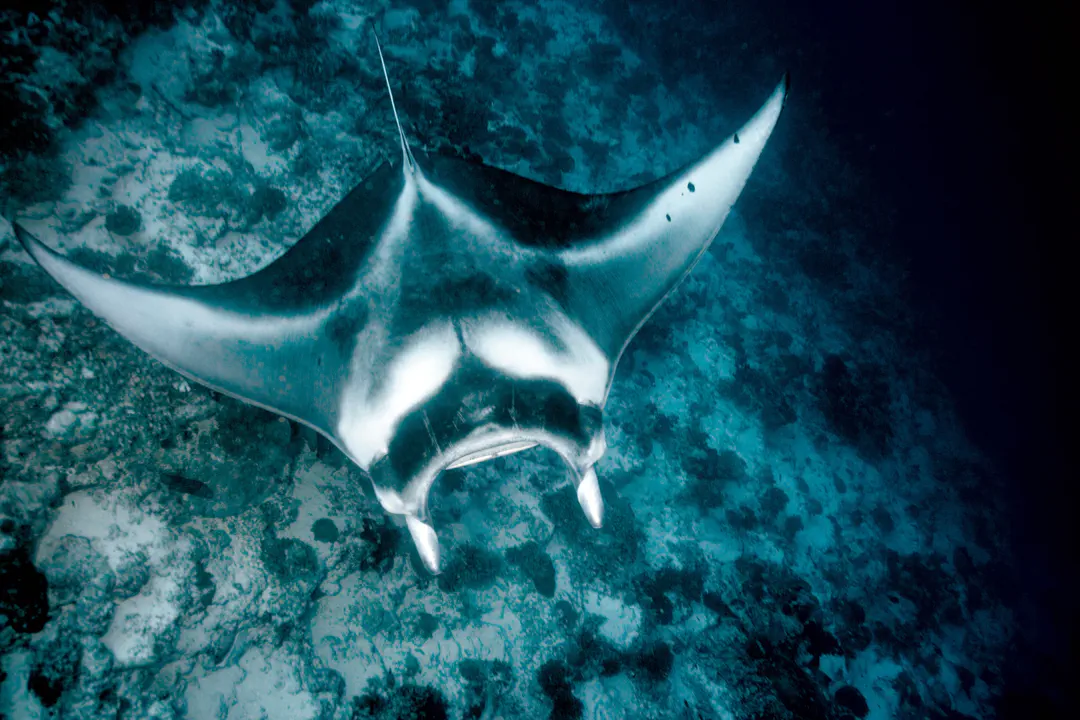
The most characteristic sharks here are ragged-tooth sharks, *Carcharias taurus*, bull sharks, *Carcharhinus leucas*, tiger sharks, *Galeocerdo cuvier*, and hammerheads, especially scalloped hammerheads, *Sphyrna lewini*. Seasonal visits by manta rays and whale sharks may occur, but they are not guaranteed, and the exact mix of species depends on temperature, current, and bait availability.
The site’s reputation as a shark hotspot is rooted in its offshore topography and the movement of prey species. The reef’s relief and surrounding open water create a corridor used by larger predators, while the broader KwaZulu-Natal shelf remains under the influence of warm Agulhas water. Winter and early spring generally give the highest odds of ragged-tooth aggregations, while late summer can be more variable but sometimes better for warm-water pelagics.
Aliwal Shoal: Reefs and Wrecks
Aliwal Shoal is one of South Africa’s most celebrated dive sites because it combines reef structure, wrecks, and seasonal shark activity within a Marine Protected Area. The shoal lies off the KwaZulu-Natal south coast and includes the well-known wrecks of the MV Nebo and SS Produce, which have become artificial reefs supporting fish life and invertebrate growth over time. It is a site where reef, current, and season all matter.
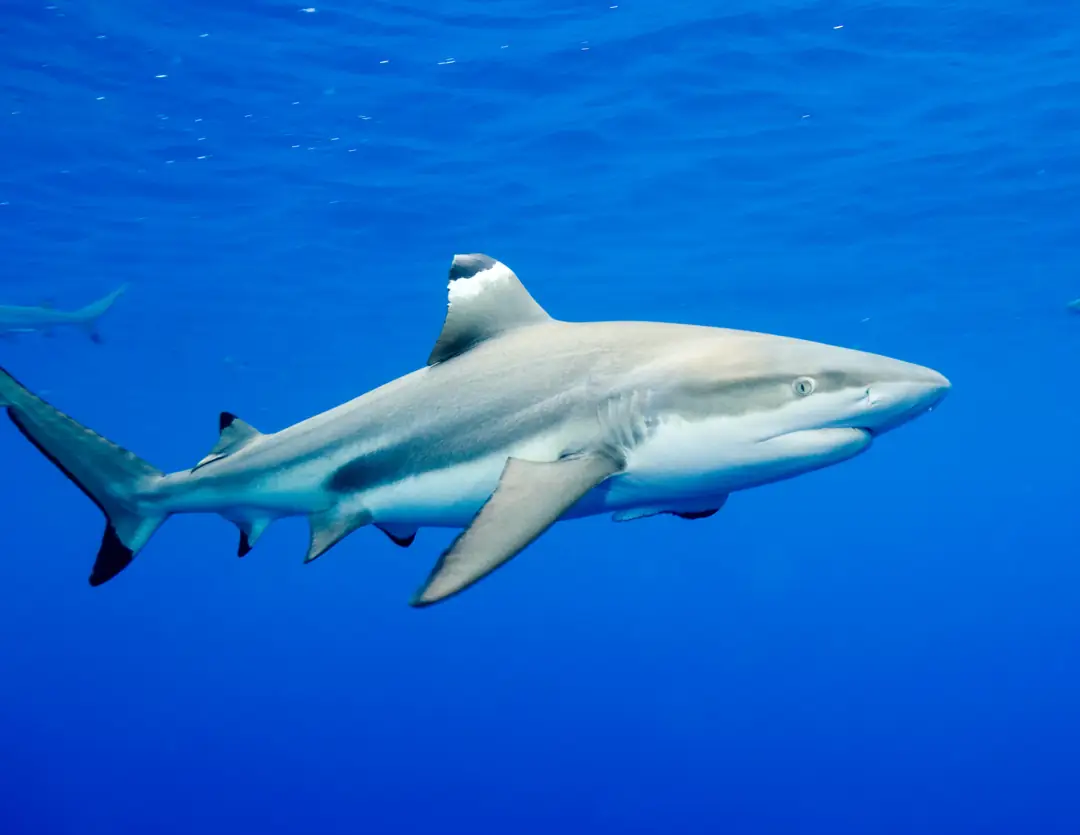
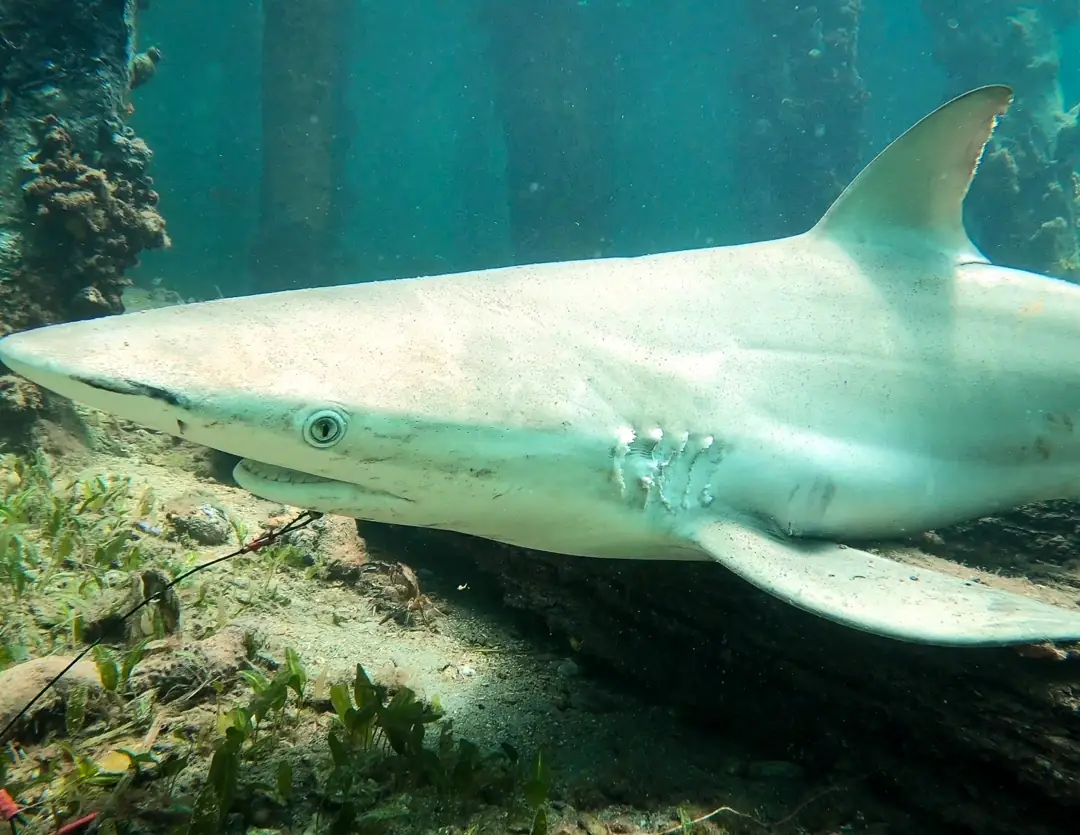
Ragged-tooth sharks, *Carcharias taurus*, are the classic winter attraction, often resting in groups on the shoal during their seasonal aggregation. Other species that are genuinely characteristic of the area include blacktip reef sharks, *Carcharhinus melanopterus*, green turtles, *Chelonia mydas*, hawksbill turtles, *Eretmochelys imbricata*, and large reef fish such as potato cod, *Epinephelus tukula*, and giant grouper, *Epinephelus lanceolatus*. Cleaner wrasses, nudibranchs, and schooling baitfish are also common in productive reef sections.
Aliwal Shoal is best dived with operators who understand the local current patterns and shark protocols. Conditions are often best from late autumn through winter for shark encounters, while warmer months can improve general reef comfort and visibility. Divers should be prepared for drift, surge, and changing surface conditions, and they should treat wreck penetrations as advanced activities requiring proper training.
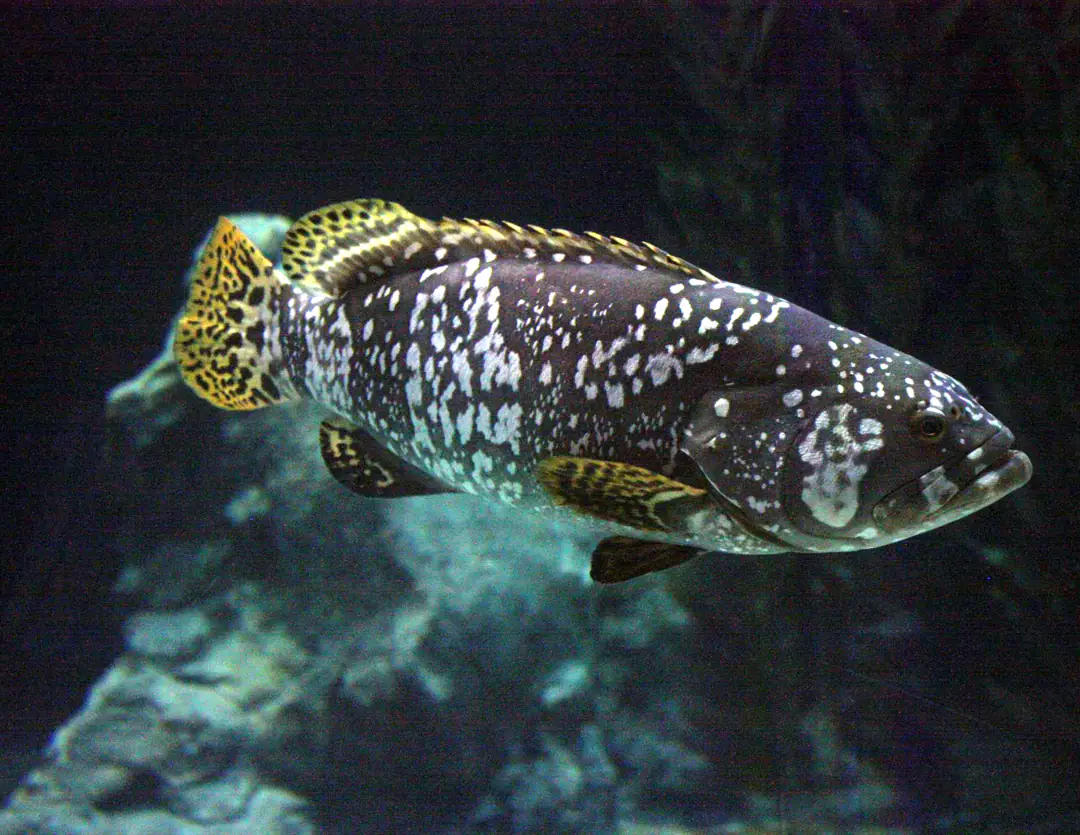 © HombreCC BY-SA 4.0
 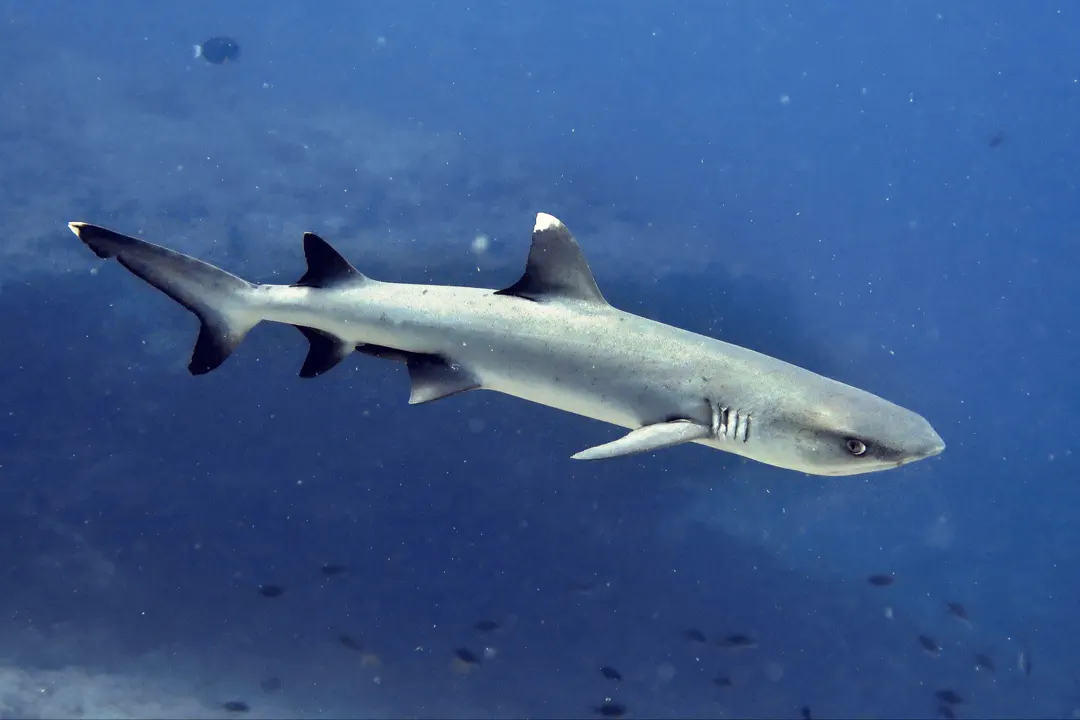 © Daniel BenákCC BY 4.0 · iNaturalist
 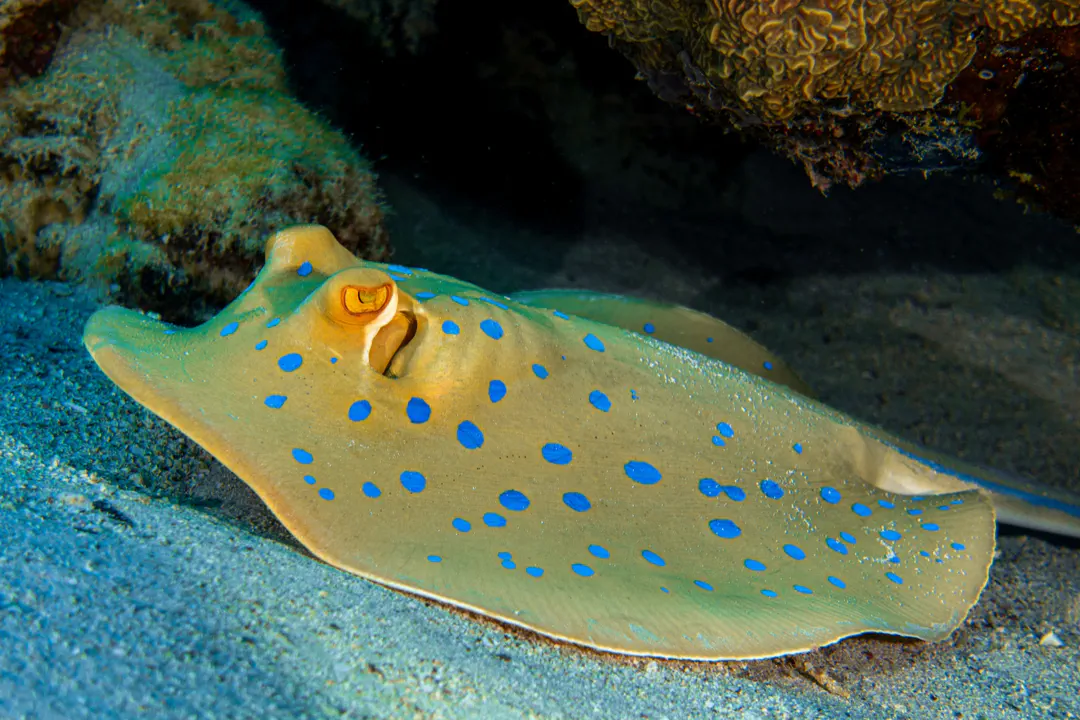 © Dirk FroebelCC BY 4.0 · iNaturalist
 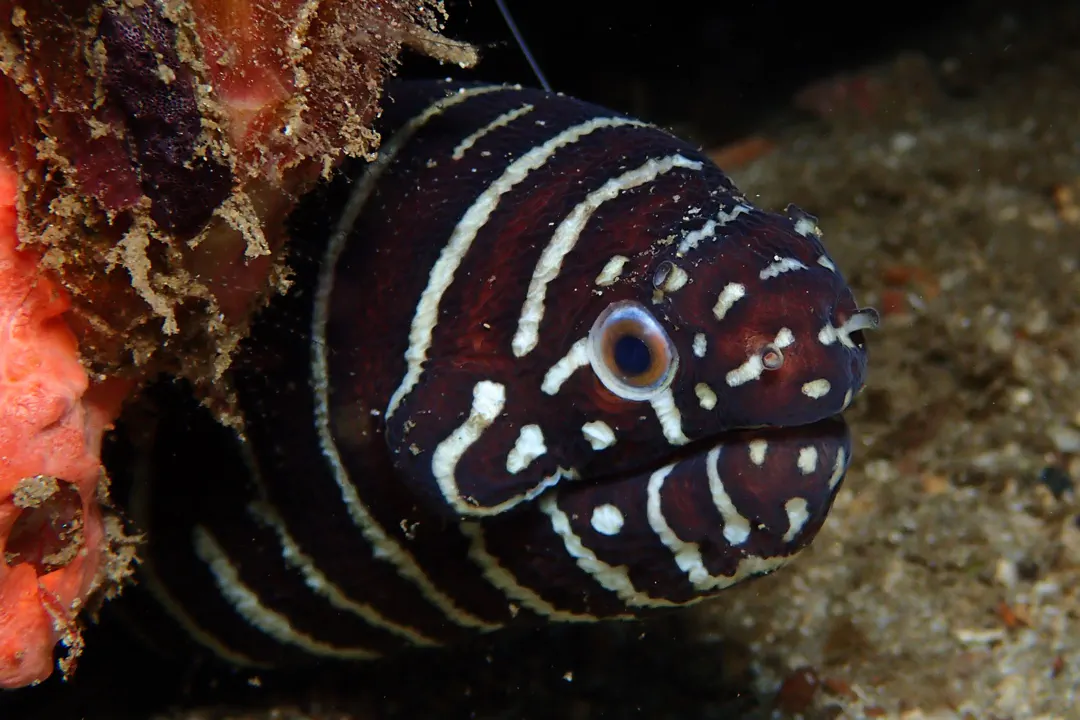 © Dan SchofieldCC BY 4.0 · iNaturalist
 The Greatest Shoal on Earth: Sardine Run
The Sardine Run is one of the most famous marine events in Africa, driven by the seasonal movement of sardines, especially *Sardinops sagax*, along the east coast. The run usually peaks from about May to July, but timing varies with water temperature, currents, and wind. It is not a single dense ribbon of fish; instead, it is a moving, scattered, and highly dynamic predator-prey system.
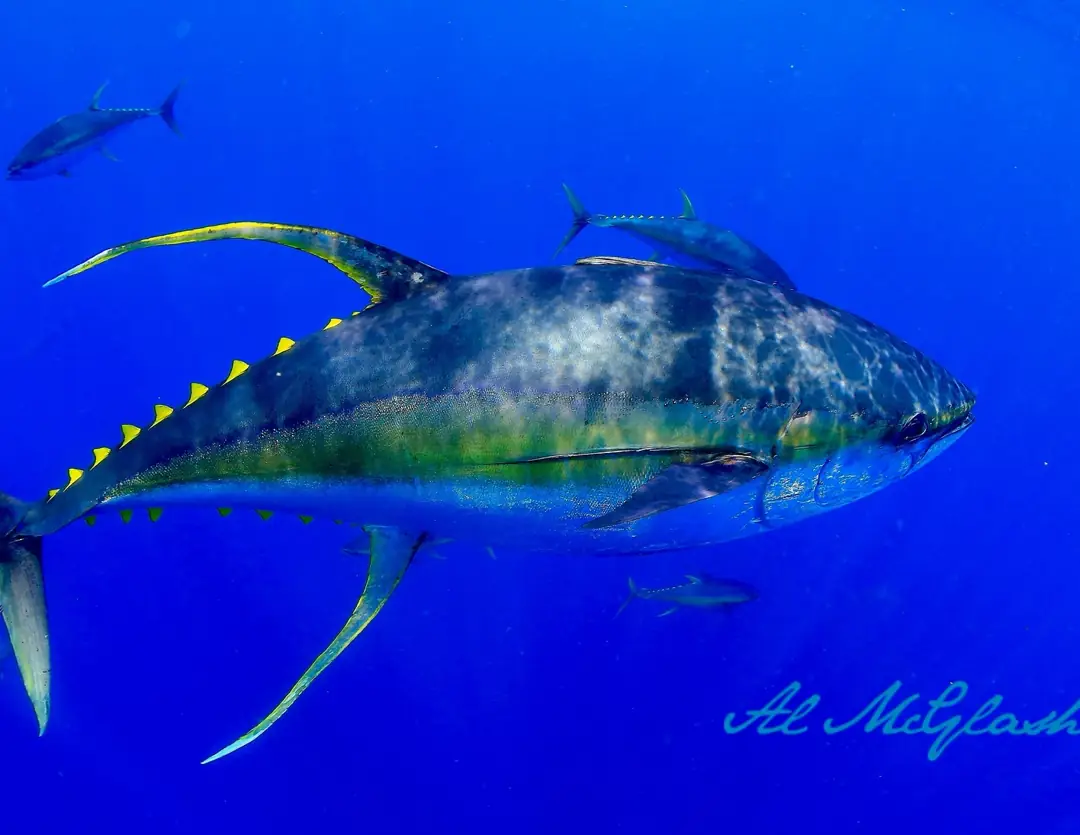
Predators associated with the event typically include common dolphins, *Delphinus delphis*, Cape gannets, *Morus capensis*, long-beaked common dolphins, *Delphinus capensis*, bronze whalers, *Carcharhinus brachyurus*, dusky sharks, *Carcharhinus obscurus*, and Cape fur seals, *Arctocephalus pusillus pusillus*. Bryde’s whales, *Balaenoptera edeni*, are also regular participants in many years, and yellowfin tuna, *Thunnus albacares*, can appear where warm water pushes inshore.
For divers and photographers, the Sardine Run demands stamina, patience, and flexibility. Surface conditions can be rough, the action can shift by the minute, and successful encounters often depend on finding bait balls from boats rather than planning a traditional fixed-site dive. The best trips build in several days because weather, visibility, and predator density can change daily along the Wild Coast.
 © Brad CrookAll rights reserved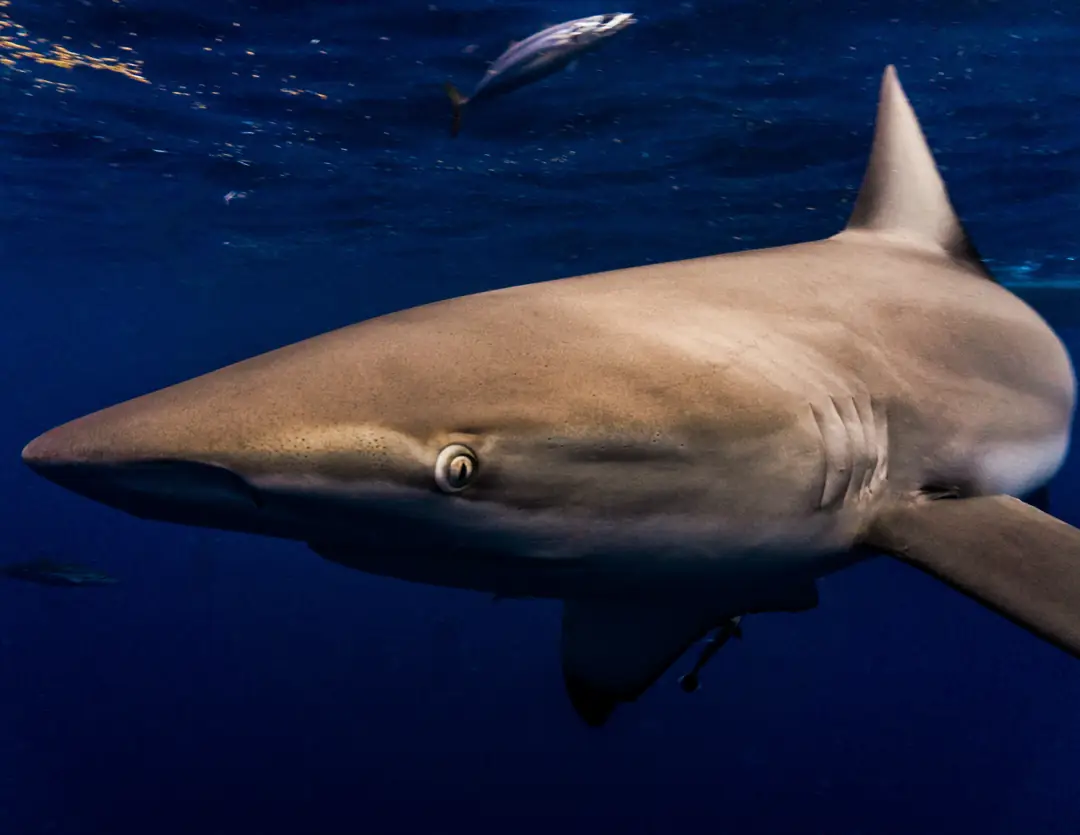
 © AlmcglashanCC BY-SA 4.0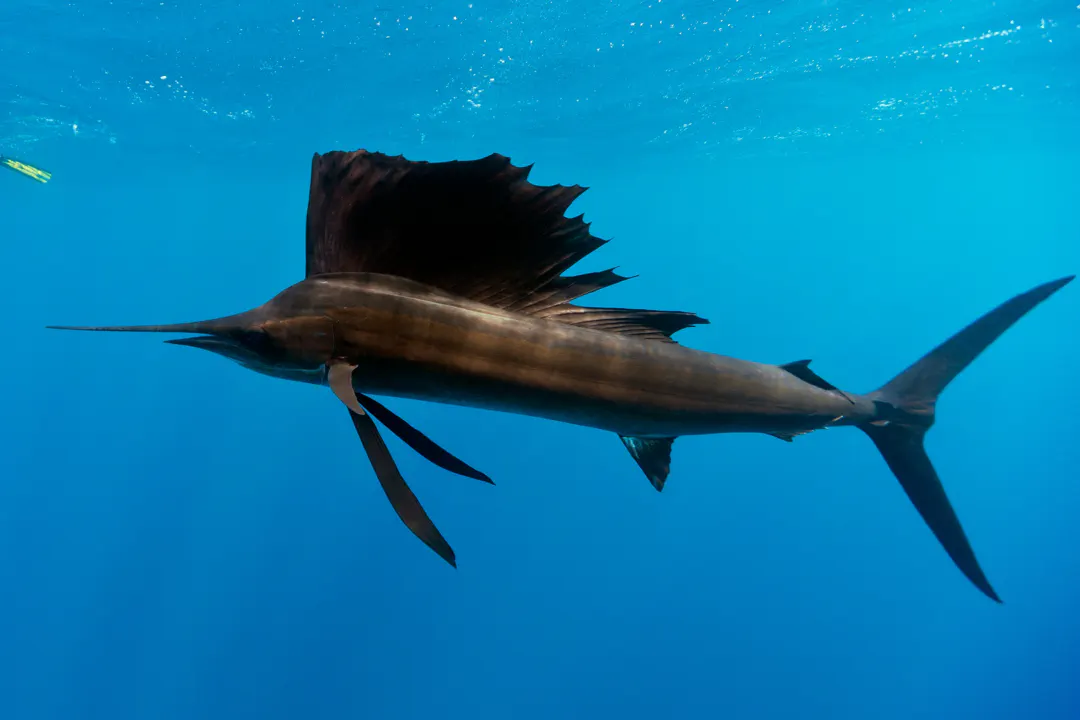
Diving the Kelp Forests of the Cape
South Africa’s Cape kelp forests are among the most iconic cold-water diving environments in the Southern Hemisphere. The main canopy-forming kelps are *Ecklonia maxima* and *Laminaria pallida*, which create three-dimensional habitat for fish, crustaceans, and cephalopods. These forests are especially well developed in cool, nutrient-rich water along the west coast and around the Cape Peninsula.
Characteristic animals include the broadnose sevengill shark, *Notorynchus cepedianus*, Cape fur seal, *Arctocephalus pusillus pusillus*, pyjama shark, *Haploblepharus edwardsii*, common octopus, *Octopus vulgaris*, West Coast rock lobster, *Jasus lalandii*, and Cape halfbeak or pipefish species such as *Syngnathus acus*.
Divers should expect surge, reduced visibility after strong swell, and colder water than on the east coast, often in the 8–16°C range on exposed Atlantic sites. Kelp forest diving rewards slow buoyancy, careful finning, and patient searching in the canopy and along the forest edge. Morning dives often give calmer water, while winds can rapidly degrade conditions later in the day.
These forests are ecologically important because they provide shelter, nursery habitat, and feeding grounds in an otherwise wave-exposed coastline. They also support herbivores and predators that are tightly linked to kelp productivity, making them one of the best places in South Africa to observe how structure drives biodiversity. A strong local conservation angle exists here because kelp habitats are sensitive to overfishing, climate shifts, and coastal disturbance.
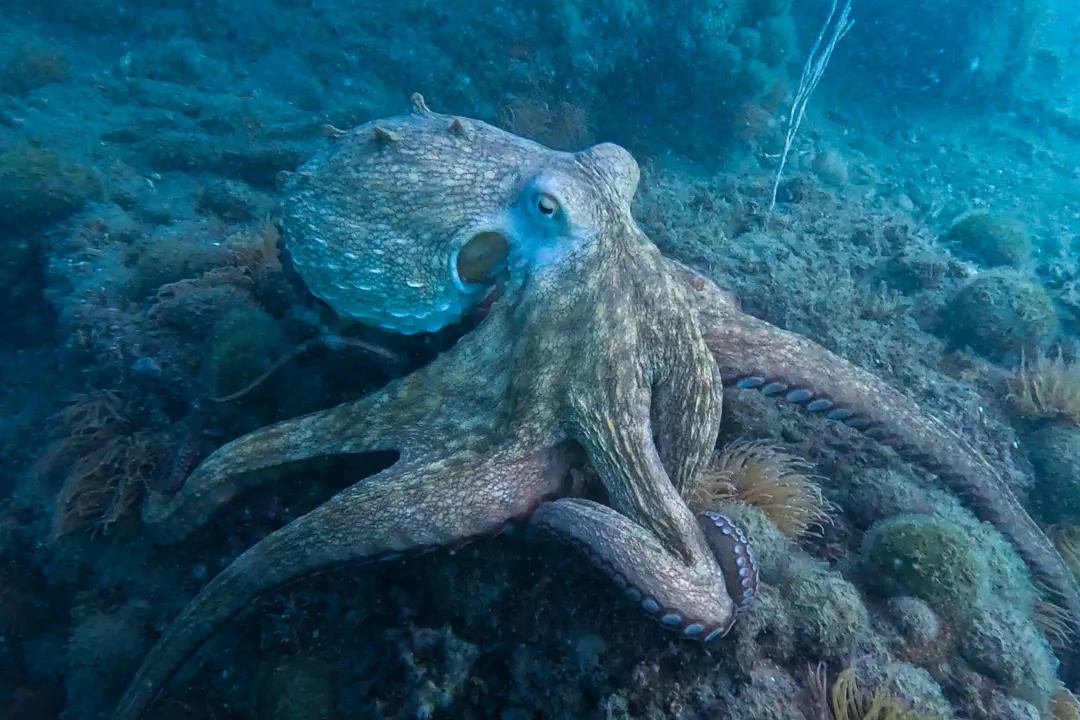 Justin PhilboisCC0 · iNaturalist
 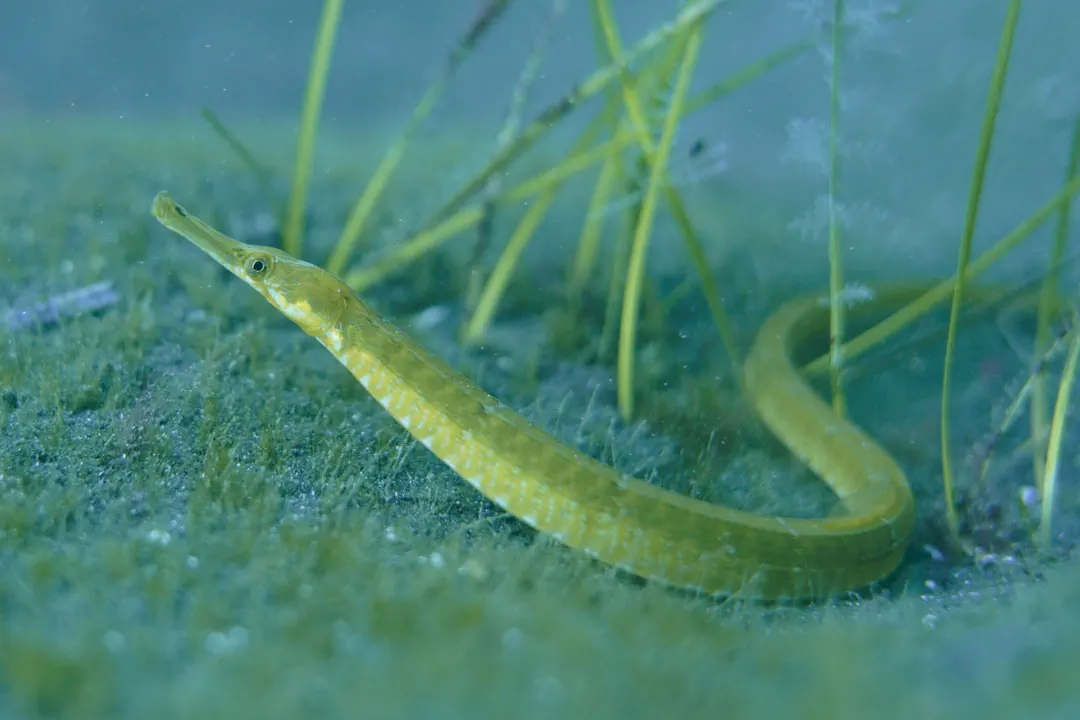 © Michael BommererCC BY 4.0 · iNaturalist
 Practical Diving Tips for South Africa
South Africa is a very good destination for beginner divers, but site selection matters more than certification level. Sheltered areas such as parts of False Bay, Sodwana Bay, and selected reef dives on the east coast are more forgiving than offshore current dives like Protea Banks or event-driven trips like the Sardine Run. Beginners should favor calm seas, modest depths, and operators that keep group sizes small.
Exposure protection should match the coast and season. A 5 mm wetsuit may be adequate for warm KwaZulu-Natal summer dives, but the Cape often needs a 7 mm suit, hood, and gloves; some divers prefer a drysuit for repeated winter dives where water can sit near 8–12°C. Good planning also includes seasickness medication for boat dives, reef-safe habits, and a SMB or surface marker buoy where local practice recommends it.
Safety and current awareness are essential. Offshore sites can produce strong drift, limited exit options, and abrupt changes in visibility, so divers should review the day’s plan, entry method, gas requirements, and emergency procedures before leaving the dock. A reputable operator will match the dive to the prevailing swell, wind, and tide rather than forcing a site choice for marketing value.
Conservation Efforts and Responsible Diving
South Africa’s marine conservation framework includes a network of Marine Protected Areas, species protection rules, and site-specific management designed to reduce pressure from fishing, development, and irresponsible tourism. Important protected sites include Aliwal Shoal Marine Protected Area and several Cape MPAs that safeguard kelp forests, reefs, and associated species. These areas help maintain breeding grounds, nursery habitat, and the resilience of ecosystems that divers visit.
Responsible diving is especially important around sharks, seals, and wrecks. Divers should avoid touching animals, keeping baited or chummed encounters controlled only by licensed operators, and never crowding animals on the surface or underwater. Because South Africa’s marine life is strongly seasonal, good behavior also means respecting closures, distance guidelines, and local conservation rules that change from site to site.
Tourism can support conservation when it funds research, local employment, and community stewardship. Choosing operators that follow permit rules, brief guests carefully, and minimize disturbance helps protect the very animals that make these sites famous. For a destination with both cold-water kelp ecosystems and warm-water coral reefs, conservation is not optional; it is what keeps the dive economy viable.
Questions
What is the water temperature like in South Africa?
Water temperature varies sharply by coast and season. KwaZulu-Natal is often around 22–28°C in summer and 19–23°C in winter, while Cape Atlantic waters commonly range from 8–16°C and sheltered False Bay can reach about 22°C in summer. Most divers need at least a 5 mm wetsuit on the east coast and a 7 mm suit, hood, and gloves for colder Cape dives.
Do I need special certifications for shark diving?
Most standard reef and shark dives only require an Open Water certification, but strong-current offshore dives often call for Advanced Open Water or relevant drift-diving experience. Cage diving with Great White Sharks is usually surface-based and does not require scuba certification, though operators may set age, health, or swimming requirements.
Is South Africa suitable for beginner divers?
Yes, but only certain sites are beginner-friendly. Sheltered reefs and calmer inshore areas are suitable for new divers, while offshore shark sites, deep wrecks, and the Sardine Run are better left to experienced divers because of current, surge, and rapidly changing sea conditions.
What kind of visibility can I expect?
Visibility can range widely depending on coast, weather, and plankton conditions. Good east-coast days may reach 20 m or more, while Cape sites often sit closer to 5–20 m and can change quickly after swell or wind. The Sardine Run is especially unpredictable because visibility can drop when predators, bait balls, and surface chop build up.