Introduction to French Polynesia Diving
French Polynesia is one of the South Pacific’s most varied diving regions because its islands span shallow lagoons, outer reef walls, and deep ocean passes. The best-known dive zones are concentrated in the Society Islands and the Tuamotu Archipelago, where visibility reaches 30 meters or more in many locations, and schools of sharks patrol the atoll passes, drawing divers comfortable with current.
The diving appeal comes from the geography as much as the marine life. Atoll passes such as those in Rangiroa and Fakarava act like tidal funnels: water moving between lagoon and ocean concentrates fish, sharks, and other predators into narrow channels, creating some of the most productive drift dives in the Pacific.
French Polynesia also has a practical advantage for divers: many sites are accessible year-round, but conditions vary strongly by island and season. Sheltered lagoon dives are suitable for beginners, but pass dives demand advanced buoyancy, comfort in current, and the ability to descend and ascend efficiently in moving water.
Ecologically, the region matters because it links coral reef communities, open-ocean species, and nursery habitats in the same seascape. That combination supports reef fish, turtles, sharks, rays, dolphins, and occasional whales, giving divers a chance to see both resident species and seasonal visitors in a single trip.
Geography and Climate
French Polynesia consists of five archipelagos: the Society Islands, Tuamotu Archipelago, Marquesas, Austral Islands, and Gambier Islands. The territory includes 118 islands and atolls spread across a vast ocean area, with most diving concentrated in the Society Islands and the Tuamotus because of easier access and stronger reef development.
The climate is tropical, but the diving calendar is shaped by trade winds, rainfall, and local currents rather than by temperature alone. The cooler, drier period from May to October brings the most stable weather, while the wetter season from November to April delivers warmer water, more rain, and occasionally reduced visibility after heavy runoff.
Water temperatures remain warm, between 26-29°C (79-84°F), and a 3 mm suit is sufficient for most dives in the warm season. Some divers prefer 5 mm protection during cooler months or on longer drift dives where repeated descents and surface intervals can chill the body.
Seasonality also matters for wildlife. Humpback whales appear in the austral winter and spring, while shark density at passes is influenced more by tide stage, current direction, and plankton transport than by surface weather alone. Divers planning a trip should therefore match the target species to the right island and season, not just the best weather window.
Rich Marine Ecosystems
French Polynesia’s marine environments, encompassing barrier reefs, fringing reefs, deep passes, pinnacles, and extensive lagoon habitats, support both reef-associated species and large predators, while strong tidal exchange through passes pushes nutrient-rich water across the reef edge.
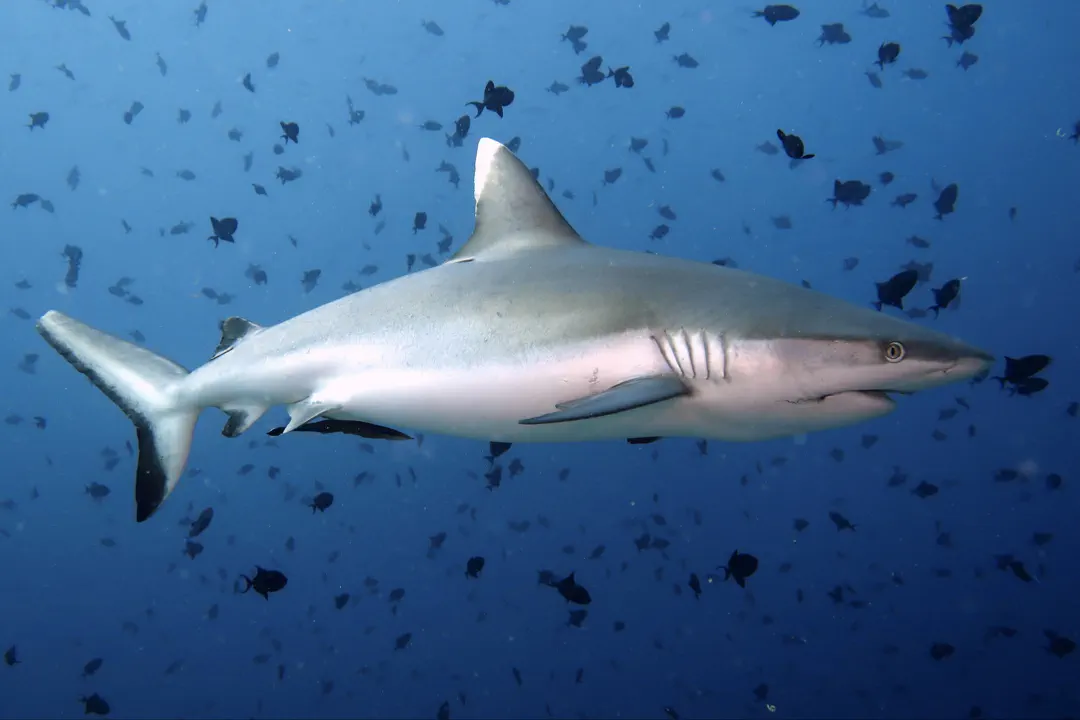
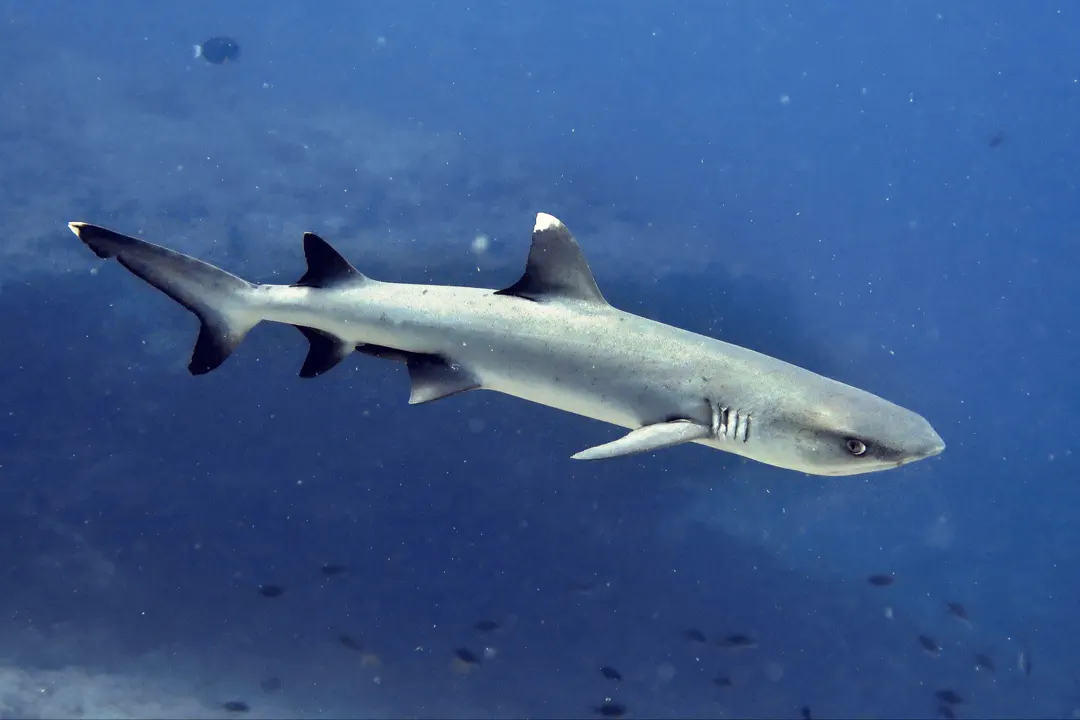
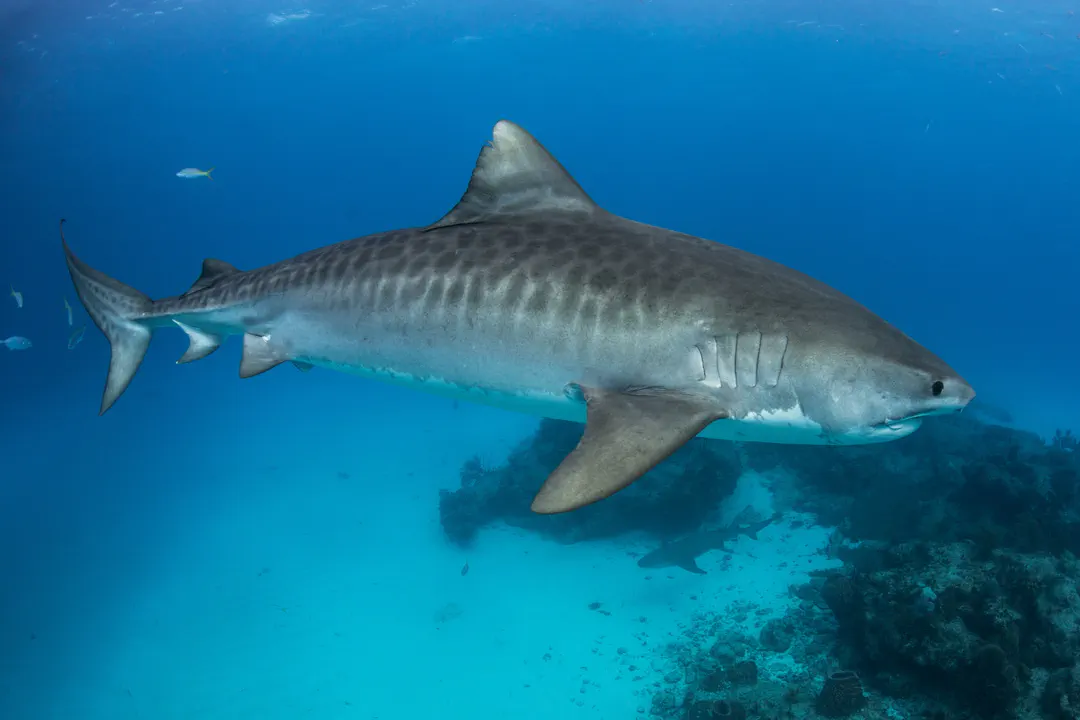
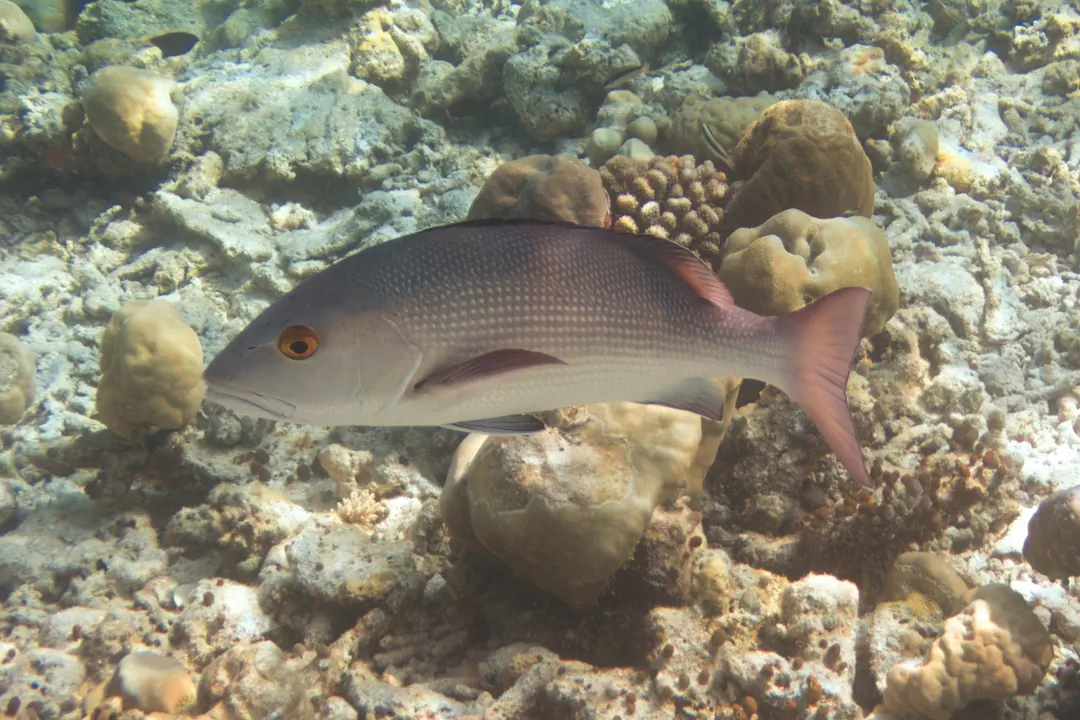
That tidal flushing is especially important in places such as Rangiroa and Fakarava, where current concentrates plankton and small fish, attracting larger hunters. Divers encounter grey reef sharks, whitetip reef sharks, trevallies, snappers, and surgeonfish in the same drift, with dolphins and manta rays appearing in the more open-water sections.
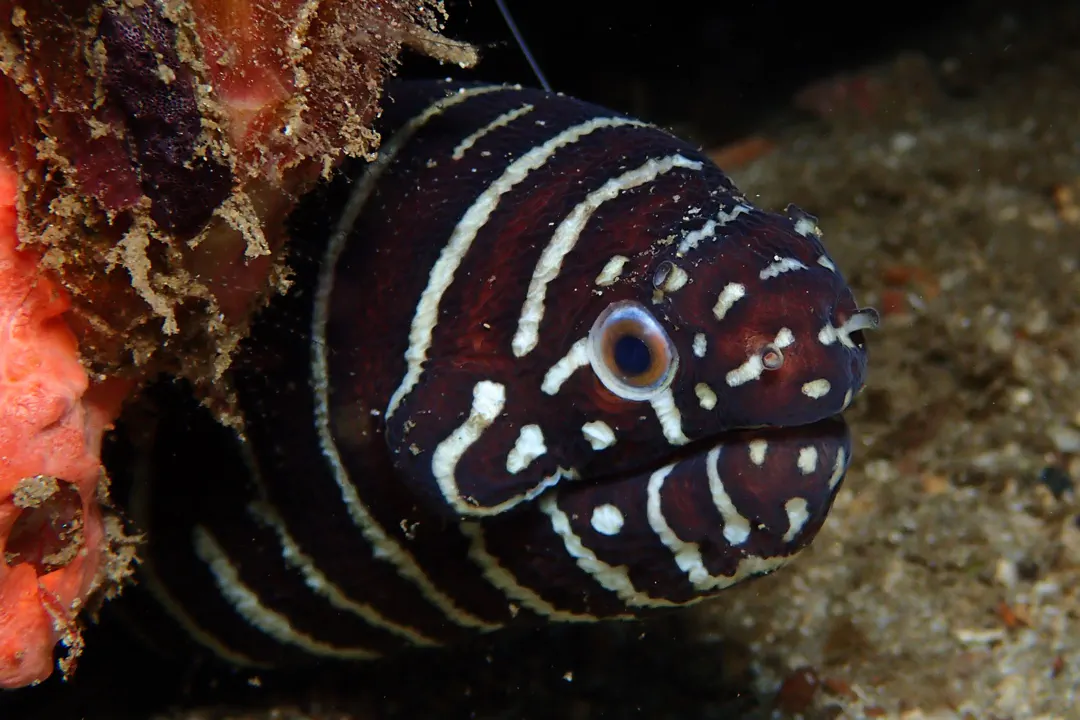
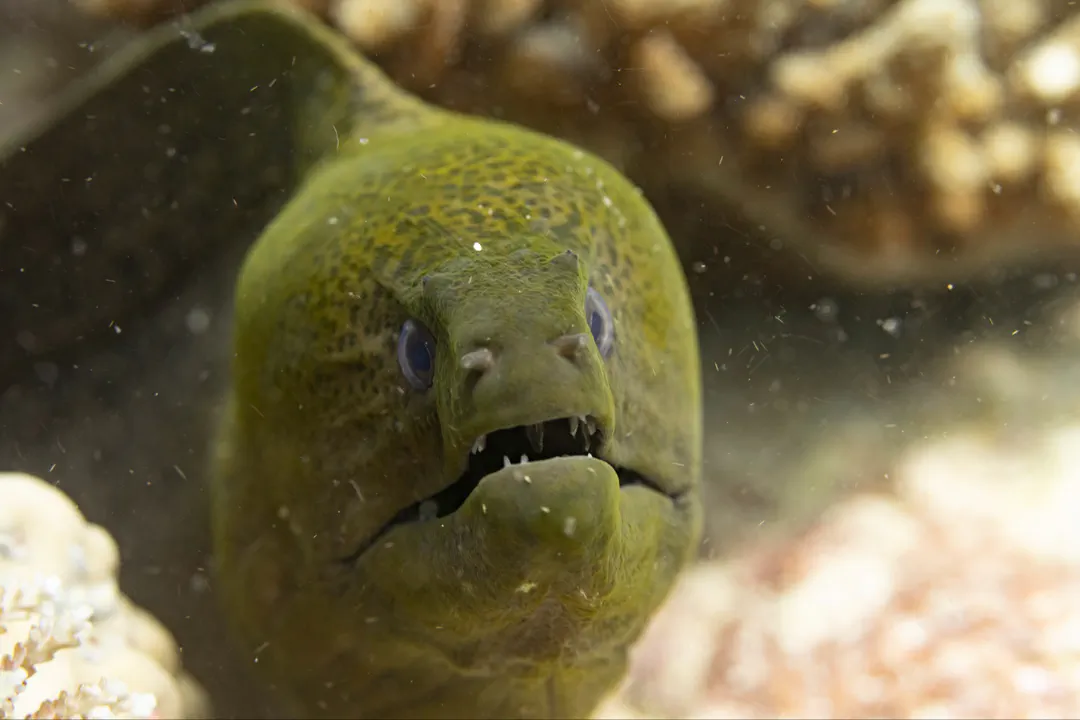
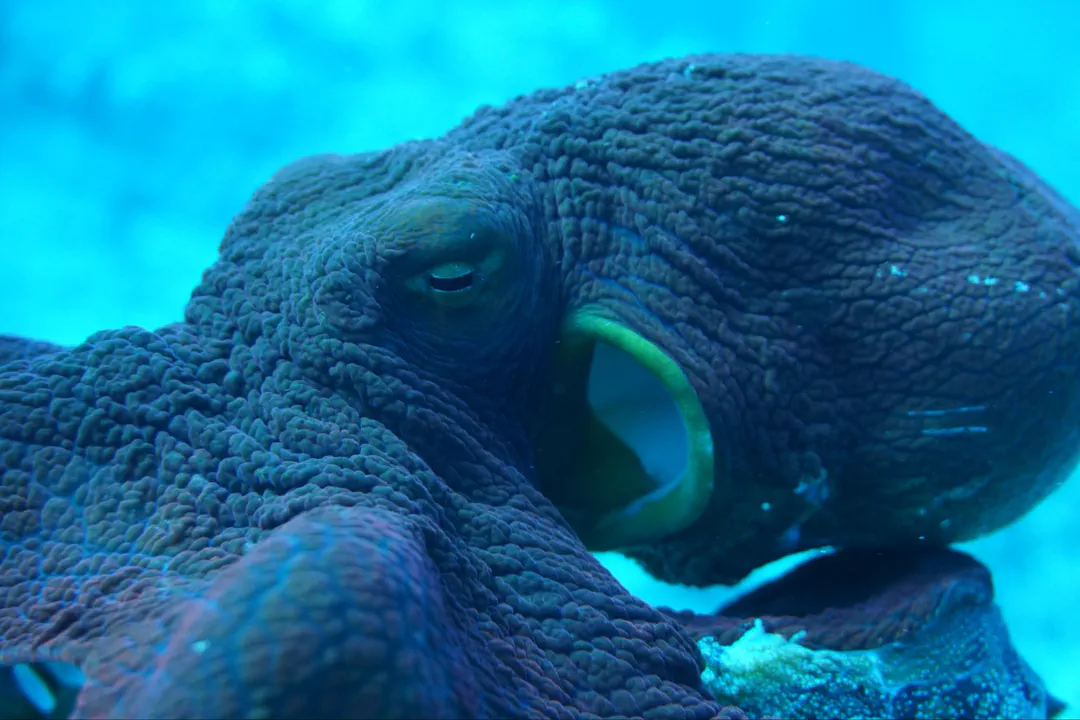
The ecological value of the region extends beyond close-up observations. Healthy reef systems stabilize shorelines, provide shelter for juvenile fish, and sustain food webs that connect coral gardens to oceanic predators. Sites with intricate coral formations support more invertebrates, cleaning stations, and night activity from moray eels, octopuses, and crustaceans.
For divers, current timing is critical. The most comfortable pass dives happen around slack or controlled current windows, but some well-known channels are intentionally dived on incoming current to maximize shark density and drift speed. Experienced operators time entries and exits carefully because even modest current can become strong in narrow channels only a few dozen meters deep.
 © Daniel BenákCC BY 4.0 · iNaturalist
  © Daniel BenákCC BY 4.0 · iNaturalist
  © seabook.appAll rights reserved
  © seabook.appAll rights reserved
  © seabook.appAll rights reserved
  © seabook.appAll rights reserved
 Best Time to Visit for Diving
The dry season, from May to October, delivers the most stable conditions for diving across French Polynesia. During these months, trade winds bring cooler air, less rainfall, and consistently clearer water, with visibility reaching 30 meters or more on many reef and pass dives. This period is also when humpback whales are seen around the Society Islands.
From November to April, the wet season brings warmer air and water temperatures, but also more frequent rain showers. While diving remains possible year-round, heavy rainfall can reduce visibility in some lagoons due to runoff. However, the warmer water often coincides with increased plankton blooms, which, while reducing visibility, attract pelagic species.
Water temperature
French Polynesia, monthly average
Society Islands (Tahiti/Papeete area), most popular diving region; NOAA satellite-derived long-term monthly averages for sea surface temperature
Top Dive Sites in French Polynesia
Rangiroa: The World's Largest Atoll
Beneath the surface of Rangiroa's Tiputa Pass, at 25 meters, a school of fusiliers, thousands strong, streams past, their silver scales catching shafts of sunlight. The current tugs gently, carrying divers alongside, as the silhouette of a grey reef shark, 2 meters long, glides into view, patrolling the edge of the blue. This channel, one of the two main passes, **Tiputa Pass (20-40m, boat access, advanced divers)**, is famous for its "aquarium" at the mouth and the resident pod of bottlenose dolphins that are known to surf the incoming current with divers. Its sister channel, **Avatoru Pass (10-25m, boat access, intermediate to advanced divers)**, offers a slightly shallower drift, with schooling fish and occasional manta rays inside the lagoon.
Rangiroa is the largest atoll in French Polynesia and one of the largest in the world by lagoon surface area, drawing divers to its unique channels. These two passes, Tiputa and Avatoru, channel tidal exchange between the ocean and lagoon, creating drift conditions that can range from moderate to very strong depending on the tide.
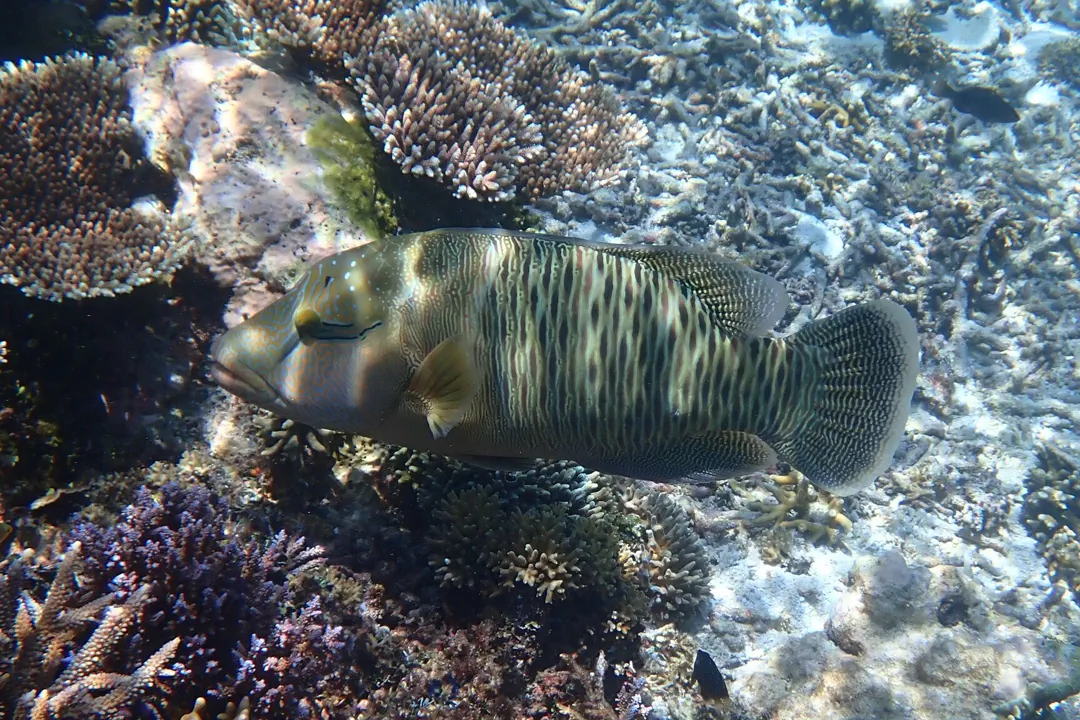
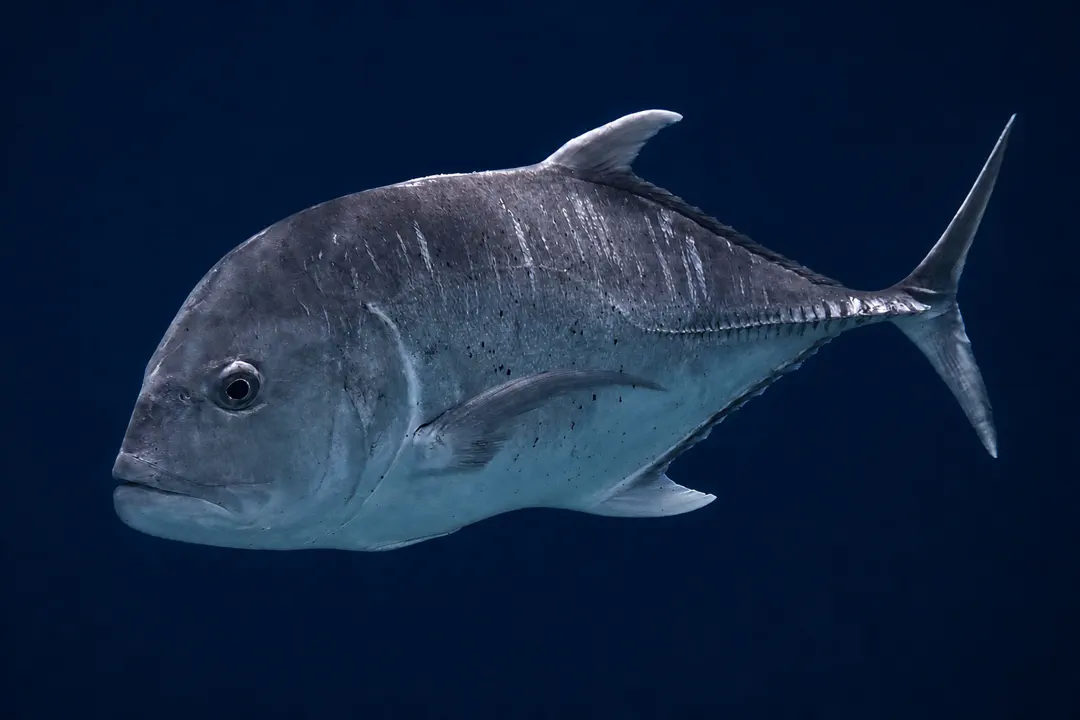
These passes are known for dense aggregations of sharks, schooling fish, dolphins, and large jacks. Divers frequently encounter grey reef sharks and whitetip reef sharks in the current, while dolphins occasionally enter the pass and interact closely with divers when conditions and wildlife behavior allow.
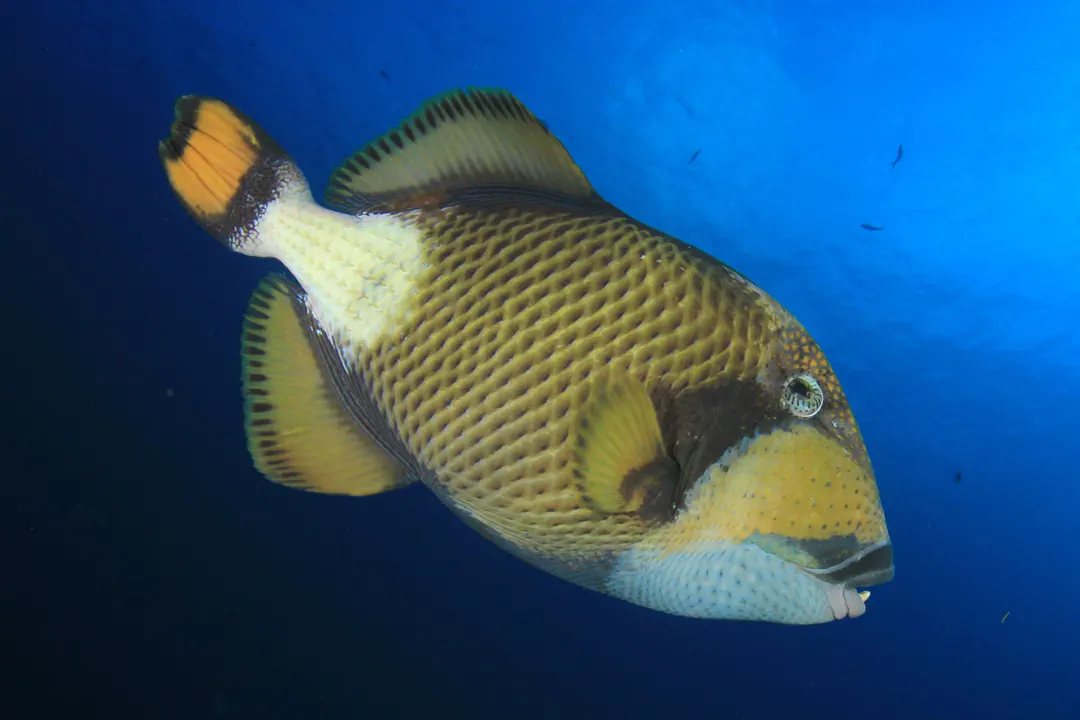
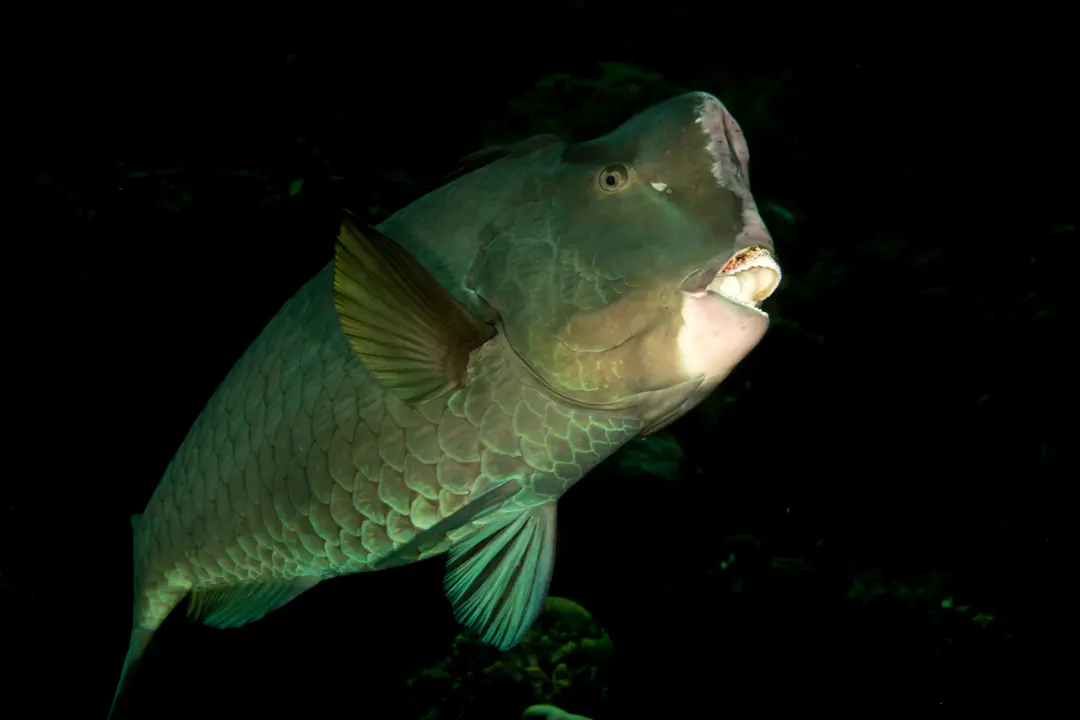
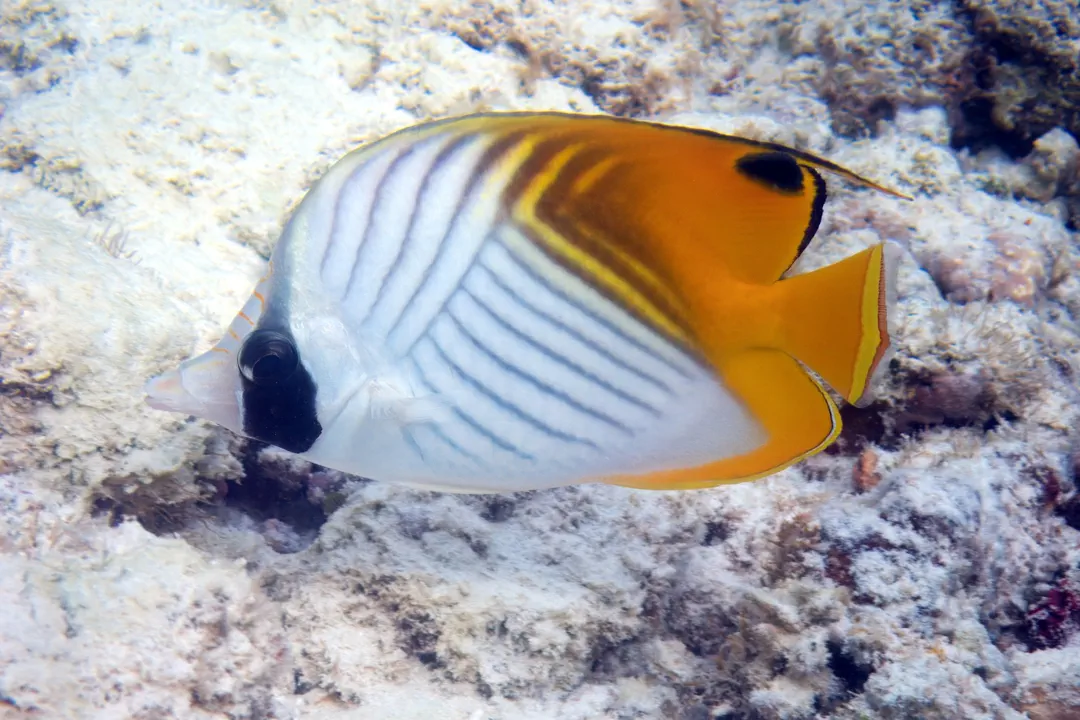
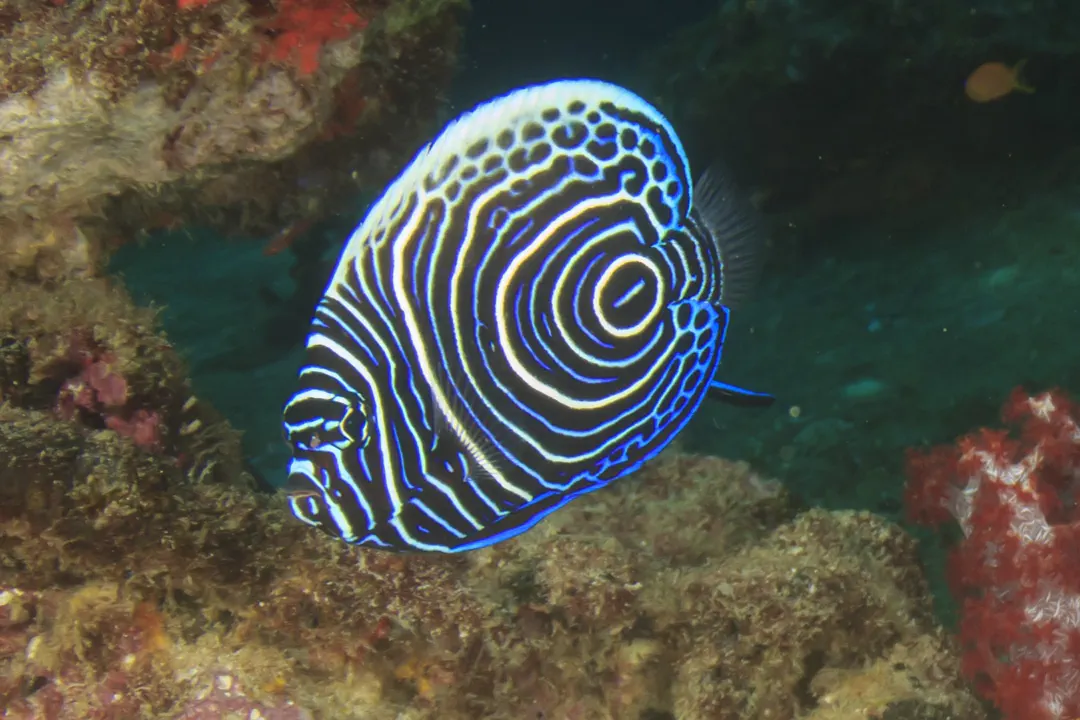
Rangiroa also offers calmer lagoon and reef dives, such as the sites near **The Aquarium (5-15m, boat access, beginner to intermediate)**, a sheltered area just inside Tiputa Pass. Here, divers find vibrant patch reefs teeming with angelfish and parrotfish, and cleaner water that makes it ideal for photographers or less experienced divers to explore without strong current.
When diving Rangiroa, tide planning is essential. The same site can feel relaxed at slack water and highly dynamic an hour later, so operators carefully match entry time to the desired direction of drift, visibility, and species activity. Reef hooks may be used on some high-current dives, but only where local practice permits and only on dead substrate or designated hook points.
 © seabook.appAll rights reserved
  © Nicola CrockfordCC BY 4.0 · iNaturalist
  © Darren ObbardCC BY 4.0 · iNaturalist
  © seabook.appAll rights reserved
  © Dan SchofieldCC BY 4.0 · iNaturalist
  © seabook.appAll rights reserved
 Fakarava: UNESCO Biosphere Reserve
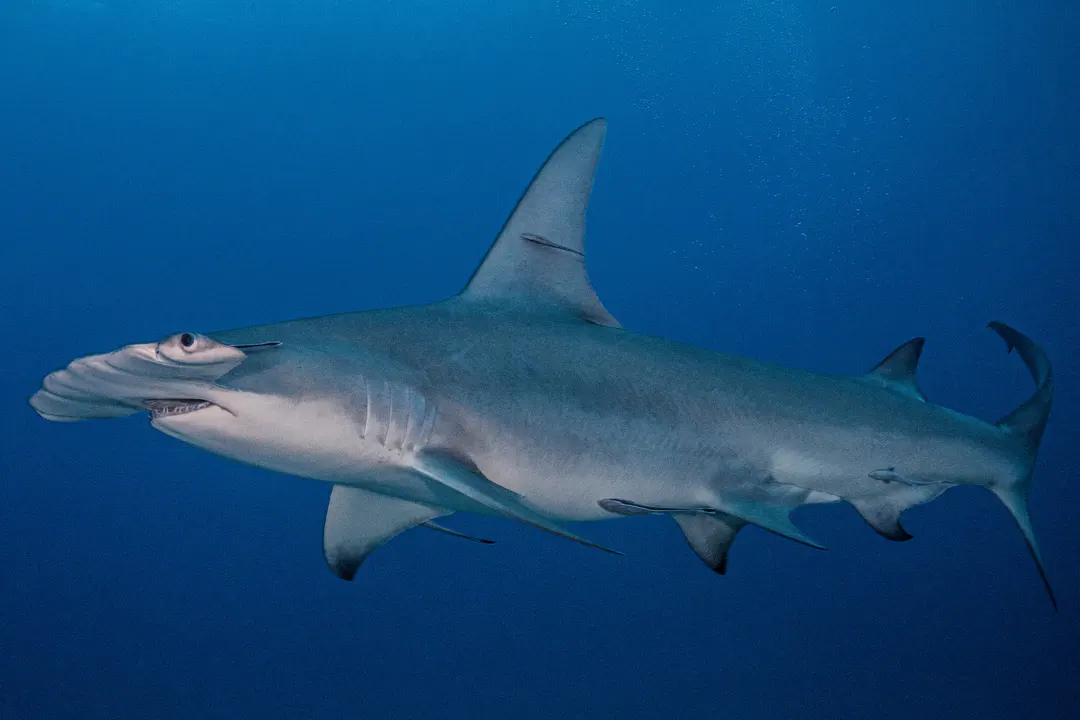
At Fakarava's Tumakohua Pass, 15 meters down, a dark line forms on the horizon, resolving into hundreds of grey reef sharks patrolling the current's edge. This "wall of sharks" holds its position, a silent, powerful presence as the incoming tide pushes nutrients through the channel. This **Tumakohua Pass (10-30m, boat access, advanced divers)** is celebrated for these concentrated shark encounters and its unique ecological structure.
Fakarava, a UNESCO Biosphere Reserve, stands out in the Tuamotu Archipelago for its exceptional coral habitat and dramatic pass diving. Its northern pass, **Garuae Pass (15-40m, boat access, advanced divers)**, is the largest pass in French Polynesia, measuring 1,600 meters wide, allowing for massive water exchanges and attracting huge schools of fish and pelagics. Its southern pass, Tumakohua, focuses on the shark aggregations.
The southern pass is known for the so-called “wall of sharks,” a dense aggregation of grey reef sharks that patrols the current edge in large numbers. That behavior is not random spectacle: the pass concentrates food and provides a predictable corridor for predators, making it one of the clearest examples of how oceanography shapes reef ecology.
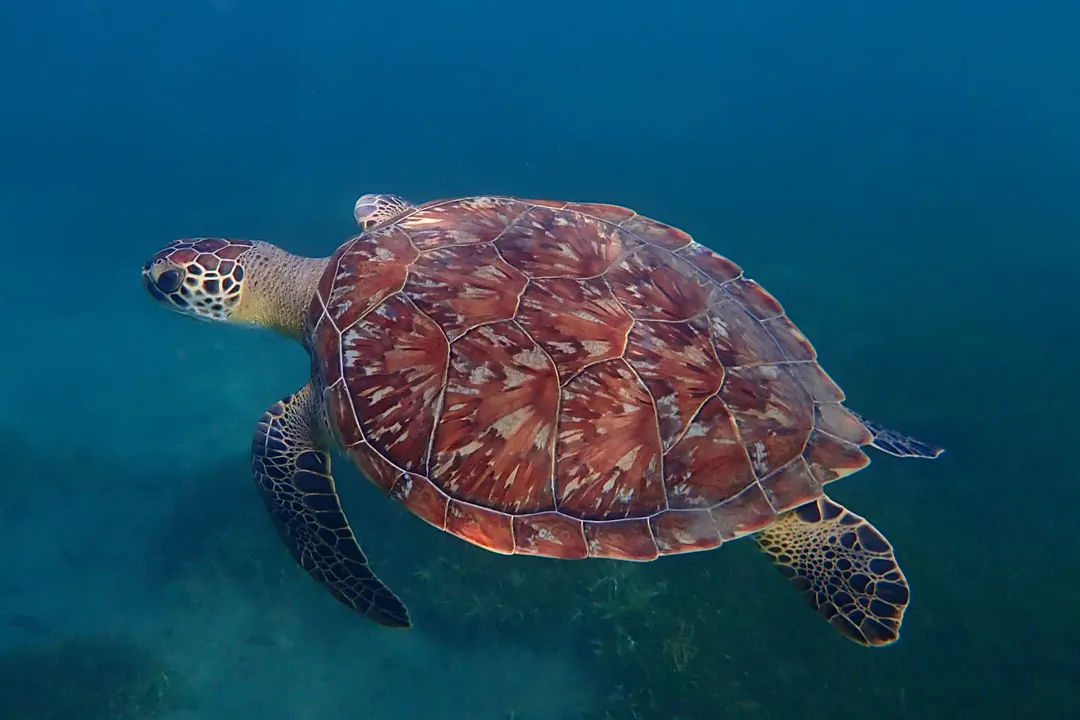
Fakarava also offers sheltered lagoon diving outside the main passes, where expansive hard coral formations create intricate habitats for schooling reef fish, sporadic turtles, and rays. These calmer areas, often found closer to the villages, make the atoll useful for mixed-level itineraries, although the pass dives remain the headline attraction for divers comfortable in current.
Because the current can become intense in both passes, dive planning matters as much as the dive itself. Many operators choose the north or south pass based on tide stage, and the easiest conditions are not always the most biologically active. Stronger flow usually means more sharks and cleaner drift, but it also demands better buoyancy control and faster ascent discipline.
 © seabook.appAll rights reserved
  © Matteo BellucciCC BY 4.0 · iNaturalist
  © Rickard ZerpeCC BY 4.0 · iNaturalist
 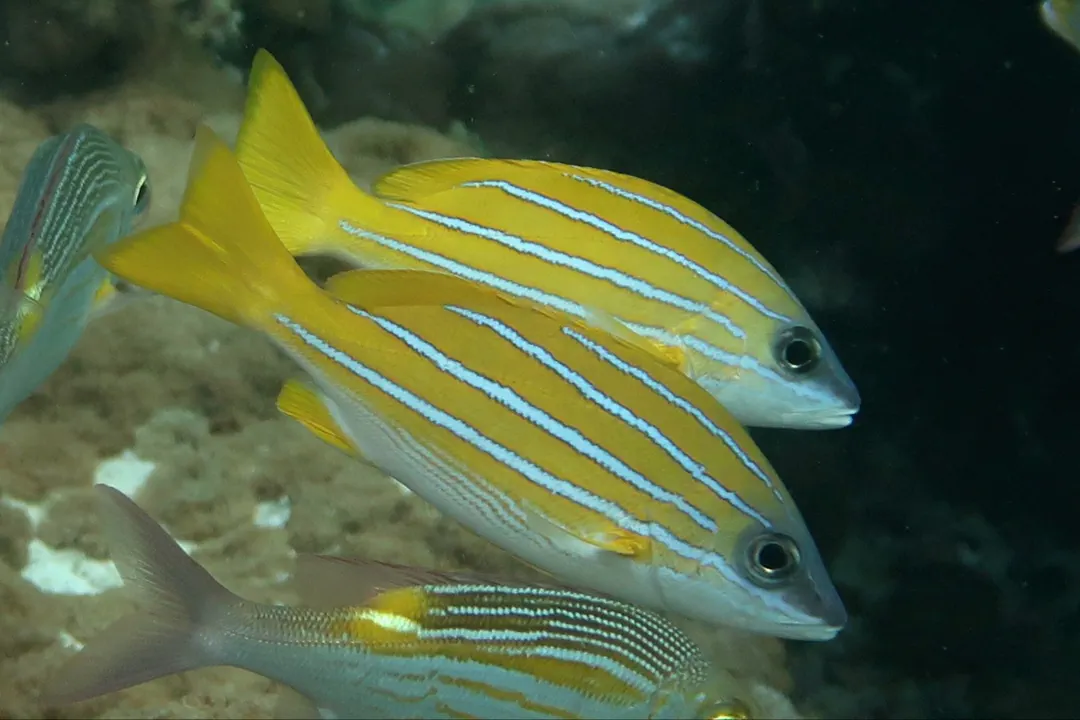 © Daniel BenákCC BY 4.0 · iNaturalist
 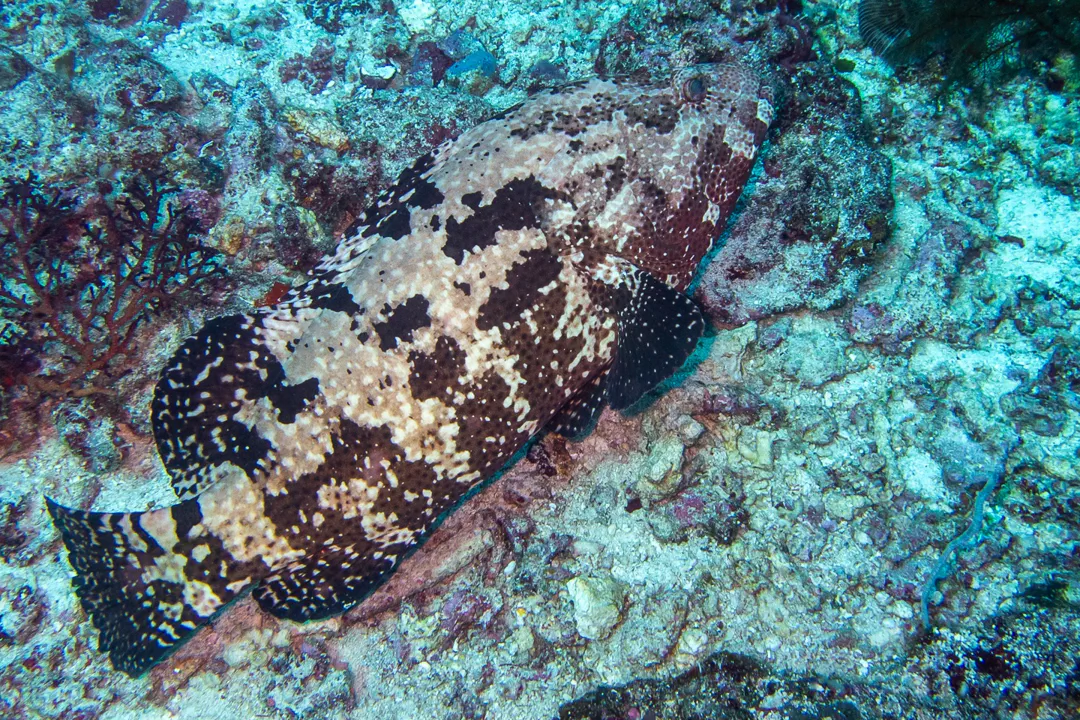 © Piotr LukasikCC BY 4.0 · iNaturalist
 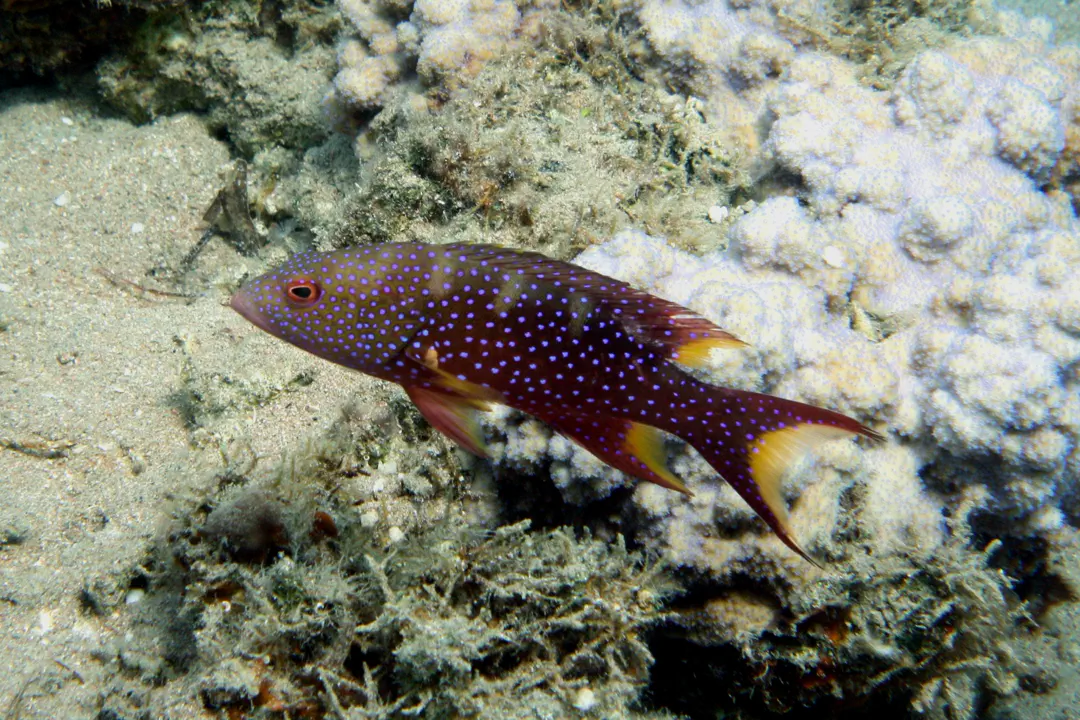 © Chris ChuchollCC BY 4.0 · iNaturalist
 Bora Bora: Lagoon Diving and Manta Rays
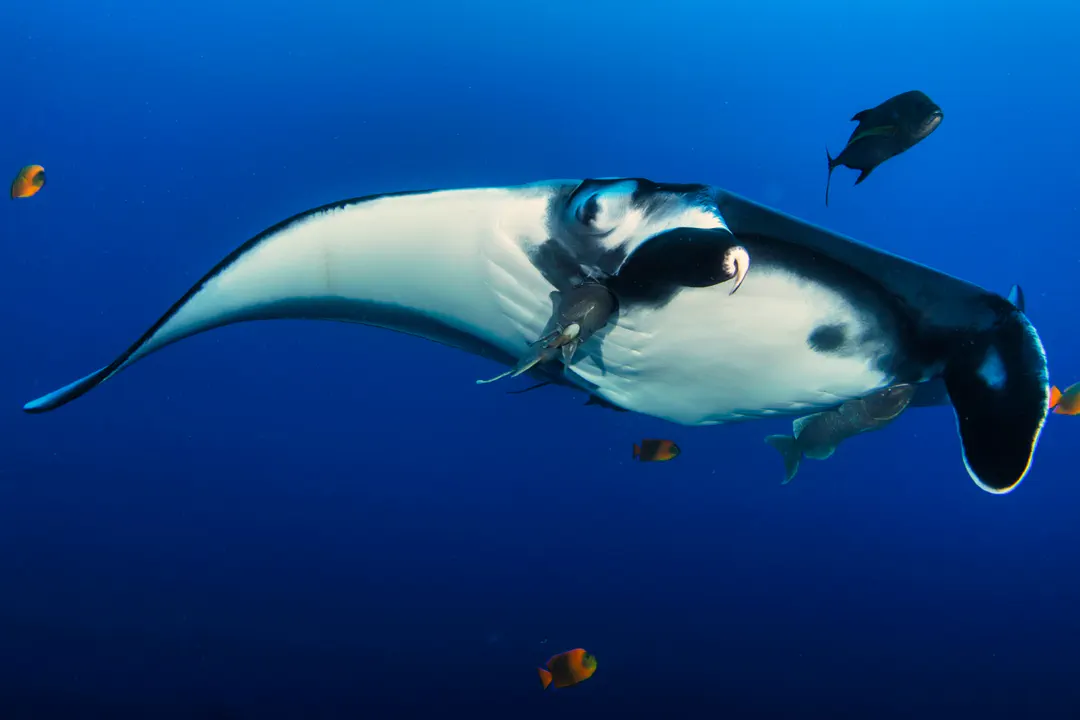
In Bora Bora's Anau site, at a shallow 10 meters, a manta ray, its wingspan perhaps 3 meters, glides gracefully over a coral bommie, awaiting its turn at a cleaning station. The water here is calm, reflecting the sun in soft patterns across the sand. This site, **Anau (5-15m, boat access, beginner to intermediate)**, is a primary draw for divers hoping to witness these gentle giants, though sightings are seasonal.
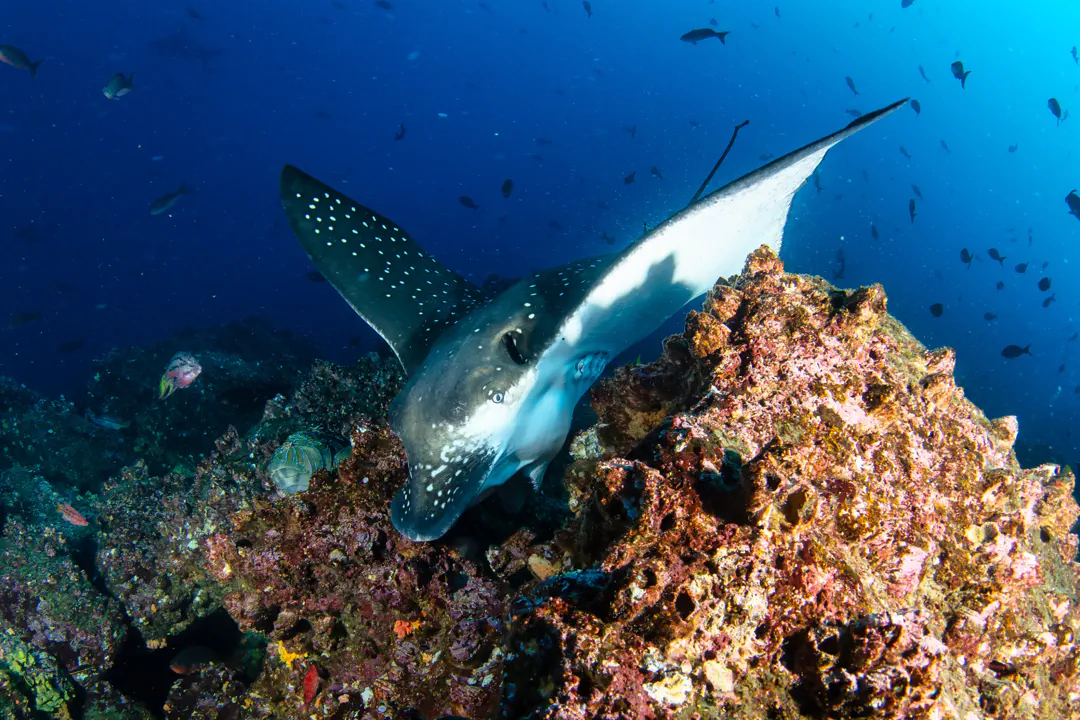
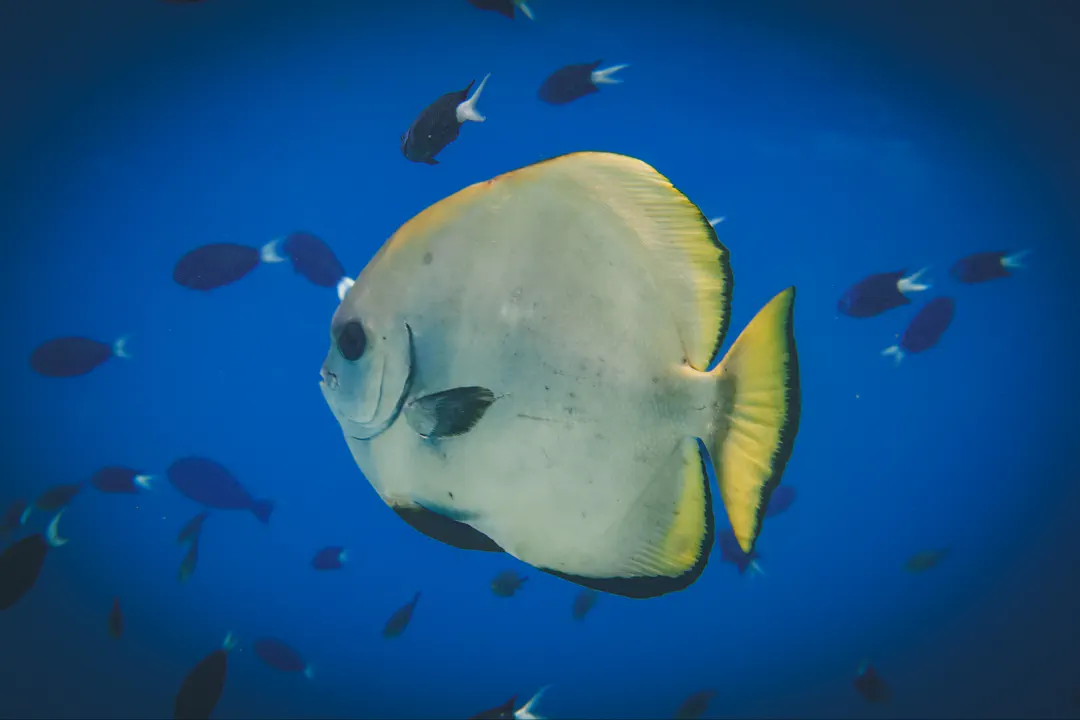
Bora Bora is primarily known for lagoon diving rather than high-energy drift passes, making it ideal for divers seeking calmer water, coral gardens, and repeated close encounters with rays and reef fish. The lagoon is sheltered by a barrier reef, and many sites are shallower and offer gentler conditions than the pass dives of the Tuamotus. Another key site, **Tapu (15-30m, boat access, intermediate)**, located on the outer reef, where blacktip reef sharks and eagle rays patrol intricate coral formations.
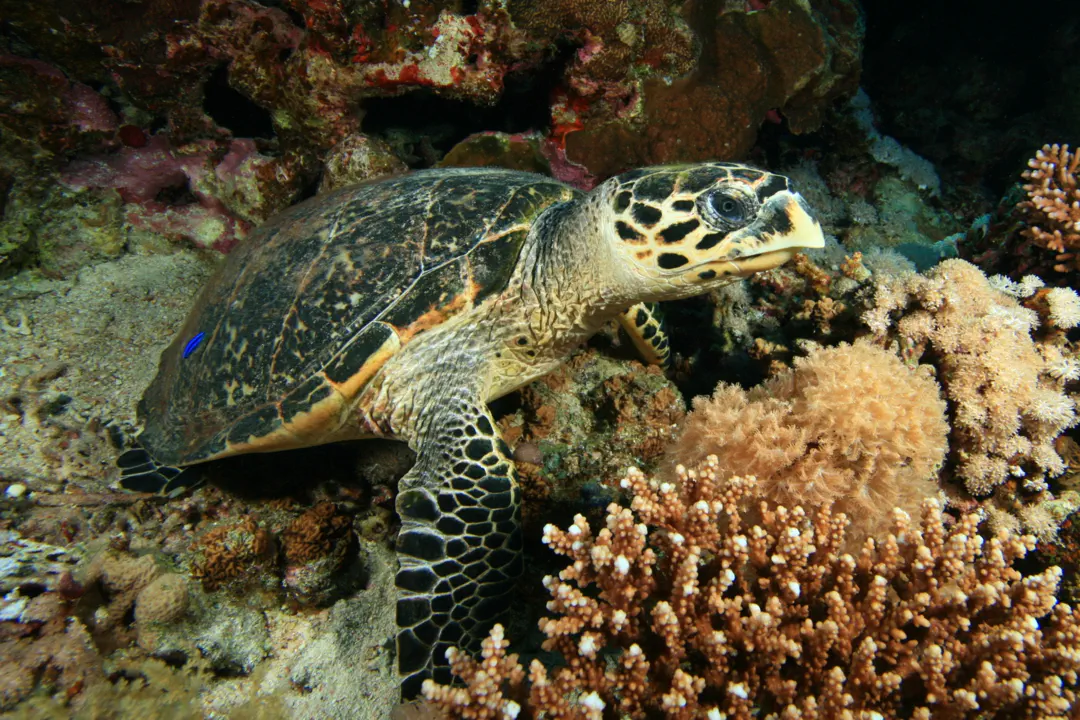
Manta rays draw divers here, though sightings vary with season, cleaning-station activity, and local plankton conditions. Eagle rays, reef sharks, turtles, and dense schools of tropical fish are also part of the regular mix, especially on outer reef or channel dives.
While Bora Bora is marketed for luxury rather than diving, it remains ecologically important because its lagoon supports seagrass, coral, and reef-edge habitats that serve as feeding and refuge areas. The combination of protected water and outer reef access allows divers to move from quiet lagoon scenes to more active reef patrol zones within a short boat ride.
For divers, Bora Bora is a good island for easing into French Polynesia before tackling stronger current sites elsewhere. It is also a practical place to fine-tune weighting, buoyancy, and midwater trim before moving on to the more demanding passes of Rangiroa or Fakarava.
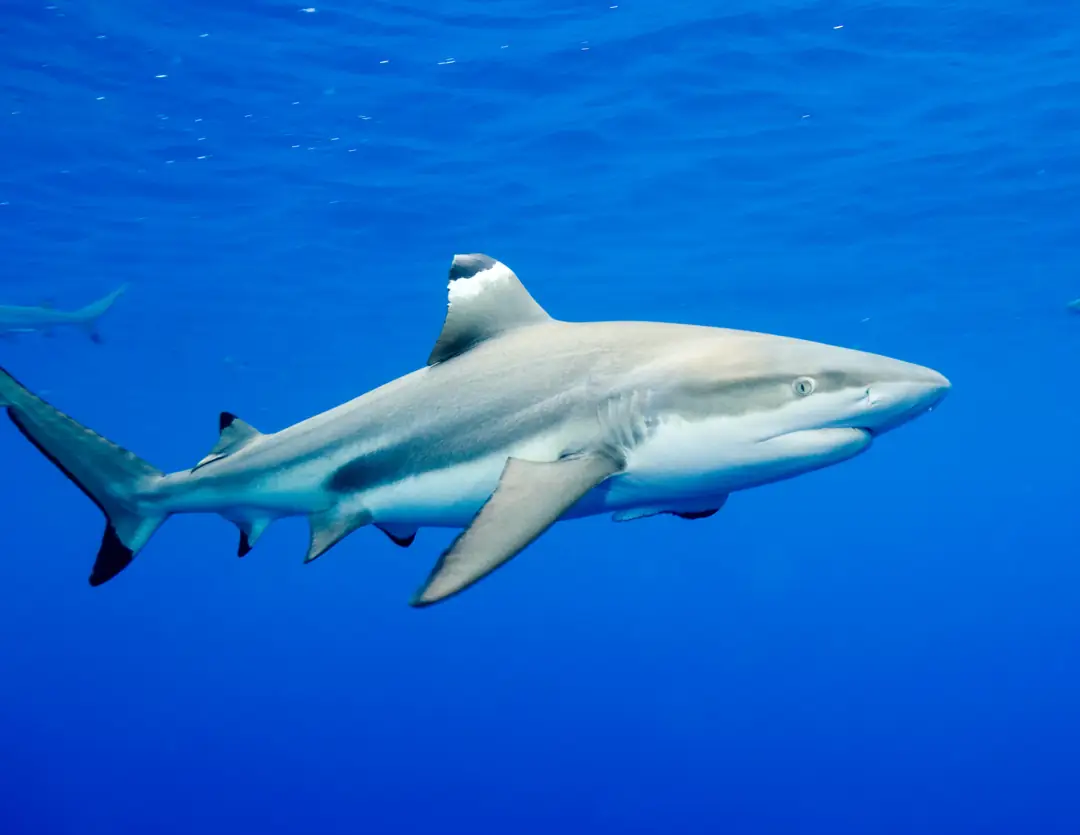 © seabook.appAll rights reserved
  © seabook.appAll rights reserved
  © Darren ObbardCC BY 4.0 · iNaturalist
  © seabook.appAll rights reserved
  © Olka KuryanAll rights reserved
  © cello caruso-turielloCC BY 4.0 · iNaturalist
 Moorea: Dolphin and Whale Encounters
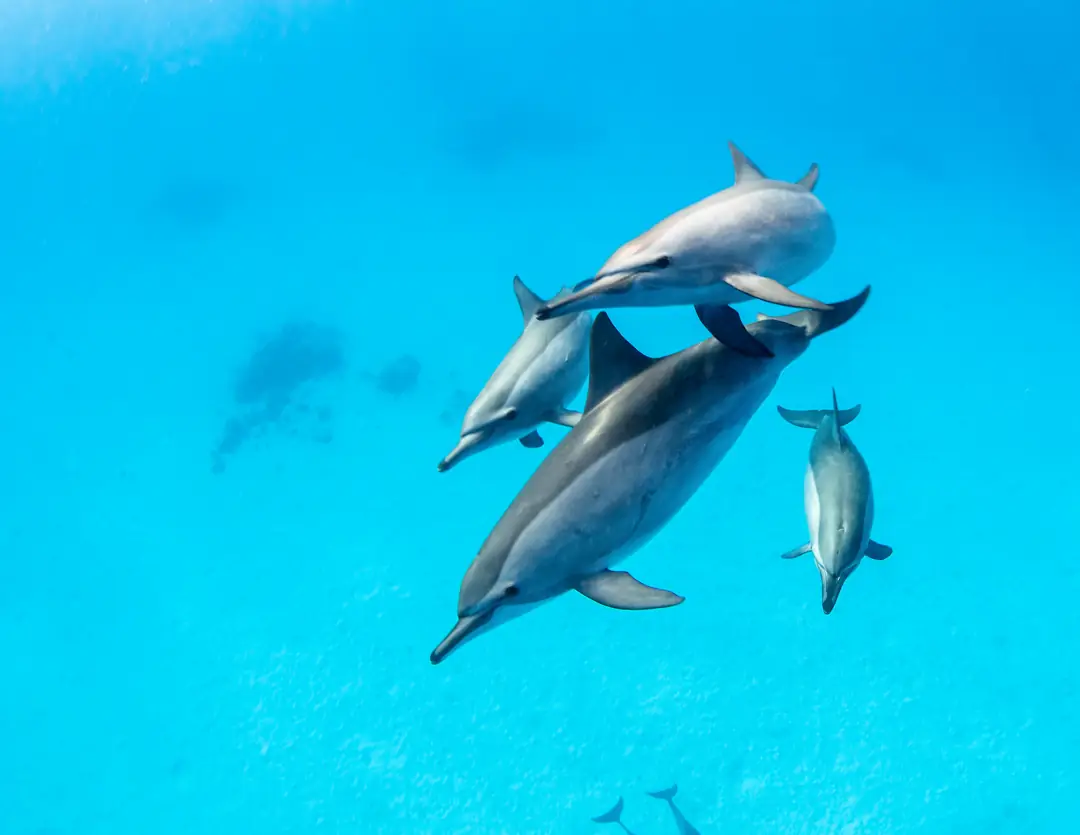
Off Moorea's north coast, near Opunohu Bay, a school of spinner dolphins leaps and spins in the morning light, their sleek bodies flashing against the deep blue. Below, at 20 meters, the reefs of **Opunohu Canyons (15-35m, boat access, intermediate divers)** trace a dramatic volcanic landscape, where whitetip reef sharks patrol the sandy channels.
Moorea's dramatic volcanic landscape extends underwater, creating a mix of fringing reefs and deeper channels that attract both resident reef life and larger pelagics. The island offers consistent encounters with spinner dolphins, which gather in large pods near the surface or along the outer reef slopes. Another key site, **The Roses (10-25m, boat access, beginner to intermediate)**, features unique coral formations resembling their namesake, teeming with reef fish and occasional rays.
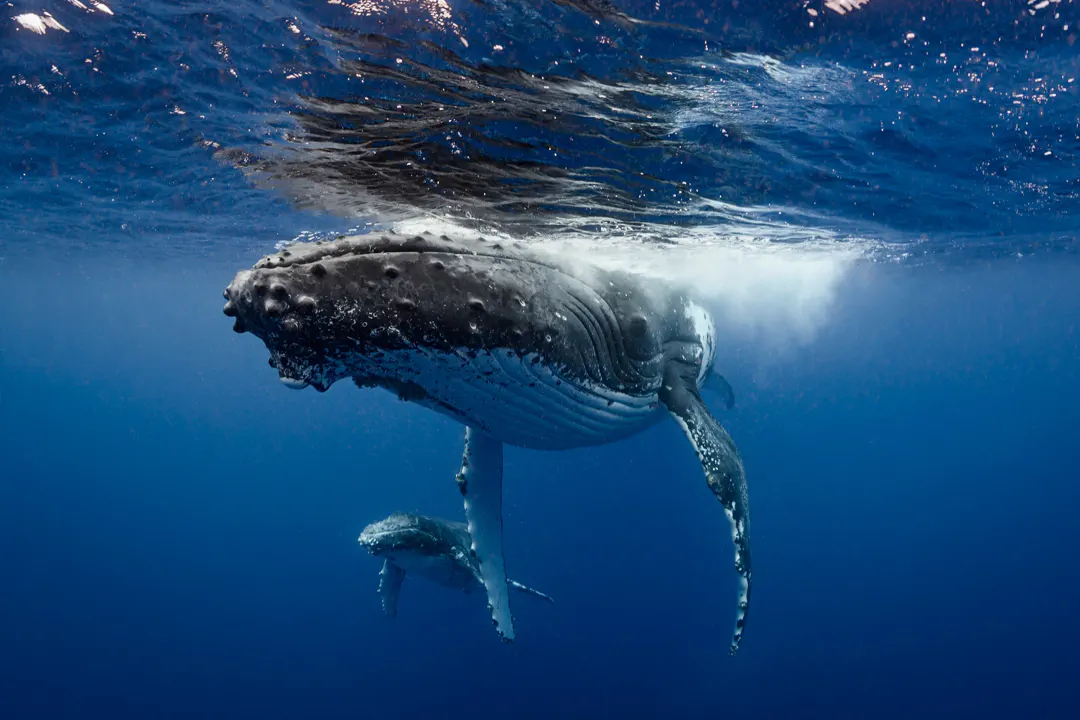
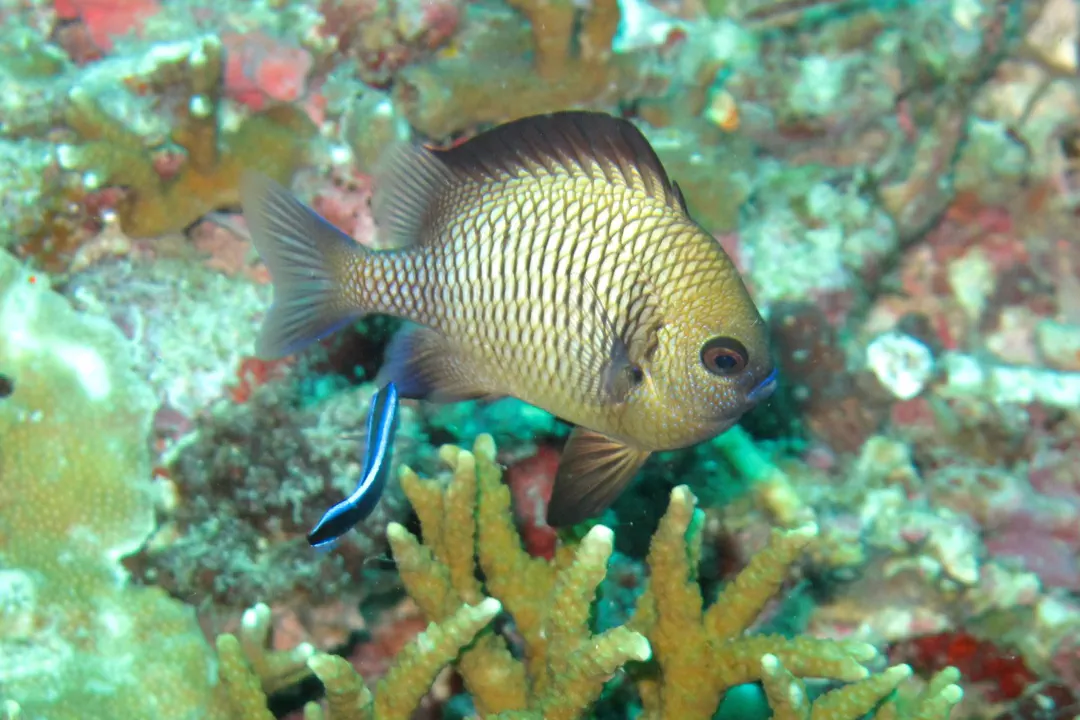
During the austral winter and spring, from July to November, humpback whales migrate through Moorea's waters, allowing for both diving and surface encounters. The reefs themselves are home to whitetip reef sharks, blacktip reef sharks, and numerous parrotfish, triggerfish, and angelfish, typically found in shallower, calmer conditions compared to the Tuamotu passes.
Dive sites around Moorea, such as those near Opunohu Bay or off the north coast, feature depths from 10 to 30 meters, with visibility often 20 meters or more. These boat-accessible sites are suitable for divers from beginner to intermediate, providing a gentler introduction to French Polynesian diving.
 © seabook.appAll rights reserved
  © cello caruso-turielloCC BY 4.0 · iNaturalist
  © Bernard DUPONTCC BY 4.0 · iNaturalist
 Practical Diving Tips for French Polynesia
French Polynesia’s most rewarding diving demands planning for both ocean conditions and site type. Divers should choose operators that brief current direction, entry and exit procedures, and the exact depth limits of each dive, because passes can change rapidly with tide and wind.
Reef hooks are used on select drift dives, but they should only be deployed where the dive guide approves them and where a natural dead-rock hold is available. They are not a substitute for good buoyancy; in strong current, divers still need streamlined gear, close buddy contact, and the ability to control ascent at the end of the drift.
Exposure protection is lighter than in temperate-water destinations, yet long boat rides, repeated immersion, and current can make divers colder than expected. A hooded vest or 3 mm to 5 mm wetsuit can improve comfort, especially on multi-dive days with several drifts.
Environmental care matters because many of the memorable encounters occur in relatively shallow, biologically active reef zones. Divers should avoid touching coral, never pursue turtles or dolphins, and keep fin kicks controlled in the sand-and-coral interface so that silt and contact do not damage fragile colonies.
Frequently Asked Questions About Diving in French Polynesia
Questions
What skill level is required for diving in French Polynesia?
French Polynesia supports a wide range of skill levels, but the famous pass dives in Rangiroa and Fakarava are best suited to advanced or comfortable intermediate divers with solid buoyancy and drift experience. Calmer lagoon and reef sites on islands such as Bora Bora and Moorea are suitable for beginners, especially when current is light and the dive is shallow.
Are there any specific safety considerations for diving in French Polynesia?
Yes. Strong currents, rapid tide changes, and deep channel dives make local briefing essential, especially in the Tuamotu atolls where conditions can shift within minutes. Divers should follow the guide’s entry and exit plan, maintain close buddy contact, and use reef hooks only when they are specifically appropriate and permitted.
What kind of marine life can I expect to see?
Expect a mix of reef sharks, rays, turtles, dolphins, and dense schools of tropical fish, with grey reef sharks and whitetip reef sharks especially common on pass dives. Seasonal wildlife can include humpback whales around Moorea and other Society Islands during the austral winter and spring, while manta rays and eagle rays are more likely on calm lagoon and cleaning-station dives.
Is it better to stay on one island or explore multiple?
Exploring multiple islands is the best way to capture French Polynesia’s range, because lagoon sites, intricate reef formations, and current-swept passes each highlight different species and diving styles. A common and effective combination is a Society Island such as Moorea or Bora Bora with a Tuamotu atoll such as Rangiroa or Fakarava, which balances easier dives with higher-energy drift sites.