Introduction to the Austral Circumpolar Waters
At Portal Point, a colossal iceberg, fractured and sculpted by aeons of wind and wave, casts a cerulean shadow across the shallow seabed. Here, at just eight meters below the surface, a Weddell seal (Leptonychotes weddellii) glides with effortless grace, its whiskers trailing like sensory antennae through the near-freezing water, eyes wide and dark as it navigates the underwater labyrinth of ice. The diffuse light, filtered through the thick floe overhead, paints the scene in shades of ethereal blue and green.
This is a glimpse into the Austral Circumpolar Waters, a realm of profound cold, immense scale, and an ecosystem unlike any other on Earth. Extending across the entire Southern Hemisphere, this vast ocean encircles Antarctica, creating a unique biological engine that sustains an extraordinary density of marine life. For the adventurous diver, it offers an expedition into a world of ice, colossal creatures, and an unparalleled sense of wilderness.
Geography, Climate, and Oceanography
The Southern Ocean, the youngest and fourth-largest of the world's oceans, stretches from the Antarctic continent northward to 60 degrees south latitude. Its waters are consistently near freezing, often hovering at -1.8°C (28.8°F), a temperature at which freshwater would solidify, but saltwater remains liquid due to its salinity.
This immense body of water is dominated by the Antarctic Circumpolar Current (ACC), a powerful eastward flow that isolates Antarctica from warmer northern waters. The ACC drives a massive upwelling of nutrient-rich deep water, fueling the base of the Antarctic food web and creating one of the most productive marine environments globally.
Unique Antarctic Marine Ecosystems
The foundation of the Antarctic food web is a tiny, shrimp-like crustacean: Antarctic krill (Euphausia superba). These abundant organisms graze on phytoplankton, forming colossal swarms that can stretch for kilometers and weigh hundreds of thousands of tons. This incredible biomass underpins nearly all larger life in the region, from colossal whales to seals and penguins.
Beneath the surface, the cold, oxygen-rich waters have sculpted a unique evolutionary path. Antarctic fish, such as the Antarctic toothfish (Dissostichus mawsoni) and various notothenioids like the blackfin icefish (Chaenocephalus aceratus), have evolved specialized antifreeze proteins in their blood to prevent ice crystal formation, allowing them to thrive in temperatures that would be lethal to most other fish.
Best Time to Visit and Diving Conditions
The diving season in the Austral Circumpolar region is short, constrained by the austral summer when ice conditions allow access. Typically, expeditions run from November to March, with the peak months for wildlife viewing and more stable weather often being January and February.
Diving here presents considerable challenges. Water temperatures consistently remain below 0°C, requiring dry suit proficiency and specialized cold-water gear. Unpredictable ice movements, strong katabatic winds, and currents necessitate a high degree of adaptability and experienced dive guides. Visibility can range from 10 to 30 meters, depending on plankton blooms and glacial melt.
Iconic Marine Mammals and Seabirds
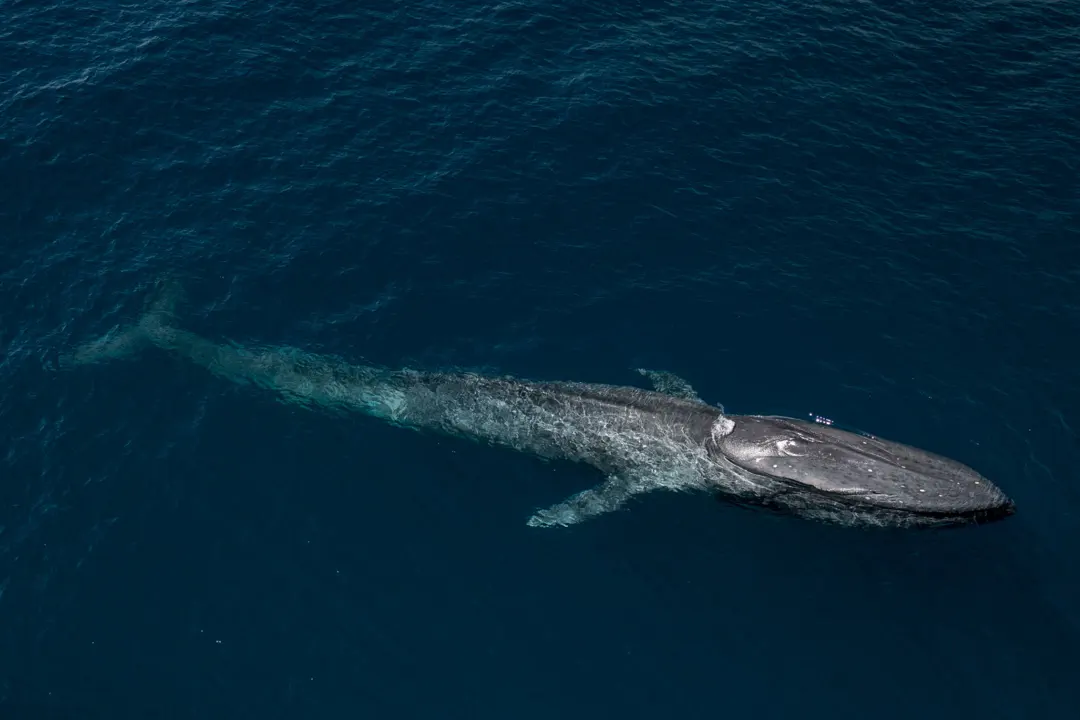
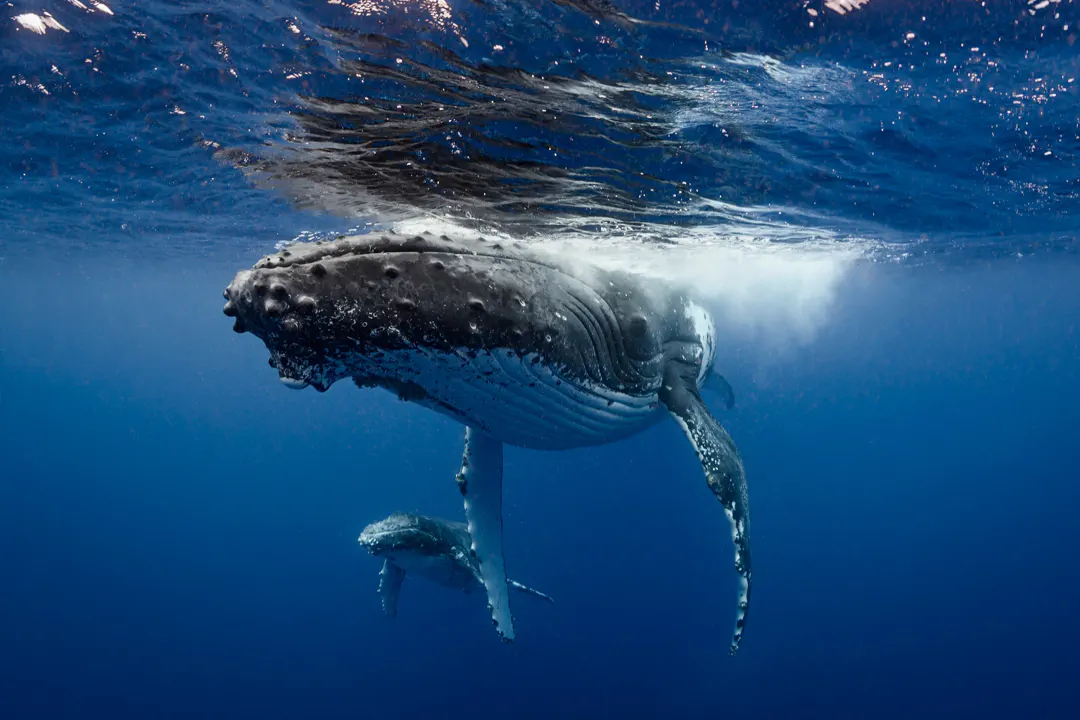
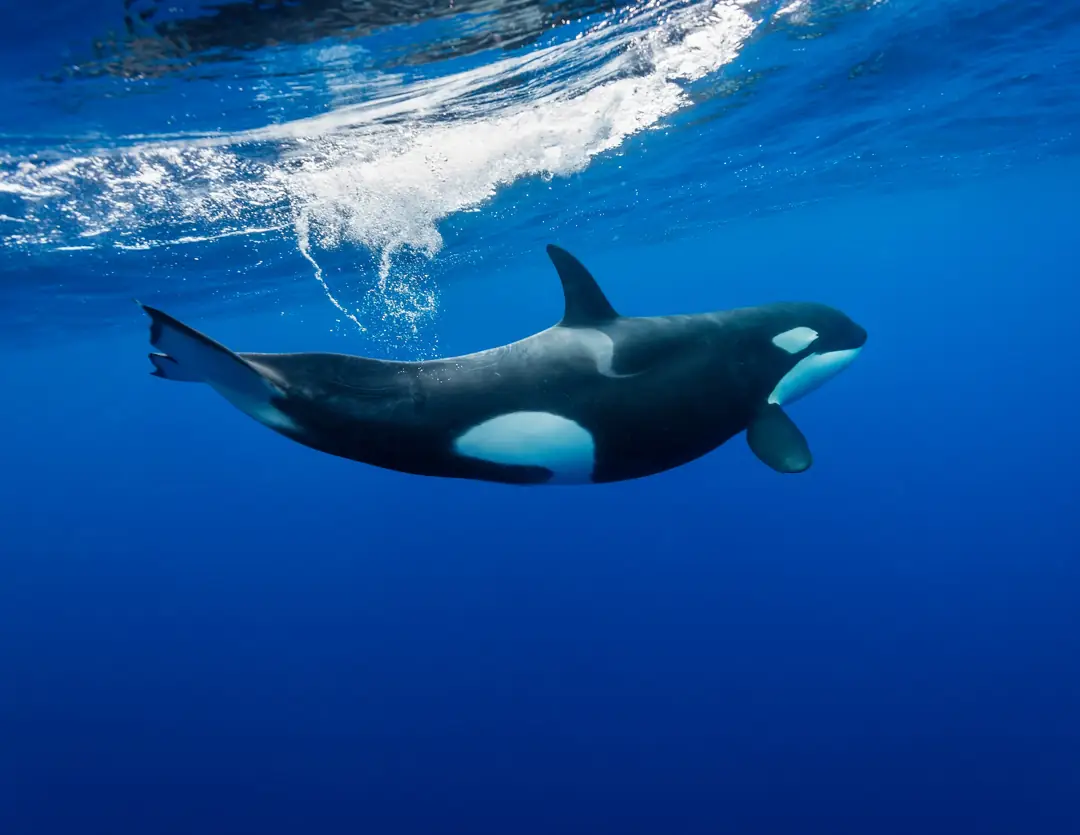
The nutrient-rich waters of the Southern Ocean support an astonishing density of marine mammals and seabirds. Gigantic baleen whales, including blue whales (Balaenoptera musculus) and humpback whales (Megaptera novaeangliae), migrate here in summer to feast on krill, their immense bodies a testament to the ocean's productivity. Pods of orcas (Orcinus orca) patrol the ice edge, hunting seals and penguins.
Six species of seals call these waters home. Weddell seals (Leptonychotes weddellii) are often found resting on ice floes, while leopard seals (Hydrurga leptonyx), with their reptilian heads, are formidable predators. Vast colonies of penguins, from the majestic emperor penguins (Aptenodytes forsteri) to the boisterous Adélie (Pygoscelis adeliae) and chinstrap (Pygoscelis antarcticus) species, dominate the coastlines and ice shelves, their synchronized dives a common sight from the surface and below.
 © seabook.appAll rights reserved
  © seabook.appAll rights reserved
  © seabook.appAll rights reserved
  © Flavien SaboureauCC BY 4.0 · iNaturalist
 Key Dive Sites and Experiences
Diving in the Austral Circumpolar region is primarily an expedition experience, conducted from ice-strengthened liveaboards. Divers explore beneath icebergs, navigate channels carved through sea ice, and investigate vibrant shallow-water ecosystems clinging to rock walls. The experience is less about coral reefs and more about raw, untamed nature.
Encounters with curious seals, gliding penguins, and the sheer scale of the underwater ice formations are the hallmarks of an Antarctic dive. Depths typically range from 5 to 25 meters, focusing on the photic zone where light penetrates and life thrives, often just below the ice edge.
Antarctic Peninsula
The Antarctic Peninsula is the most accessible region for divers, with numerous sheltered bays and channels offering relatively calm conditions. Dive sites here, often from 5 to 20 meters deep, provide opportunities for ice diving, exploring the undersides of icebergs, and observing the vibrant life on kelp-covered rocks.
Sites like Neko Harbour or Port Lockroy allow for close encounters with Weddell seals and leopard seals. Divers frequently observe penguins, such as the Adélie (Pygoscelis adeliae) and gentoo (Pygoscelis papua), darting underwater, and the unique notothenioid fish, like the Antarctic rockcod (Notothenia coriiceps), resting on the seabed.
South Georgia Island
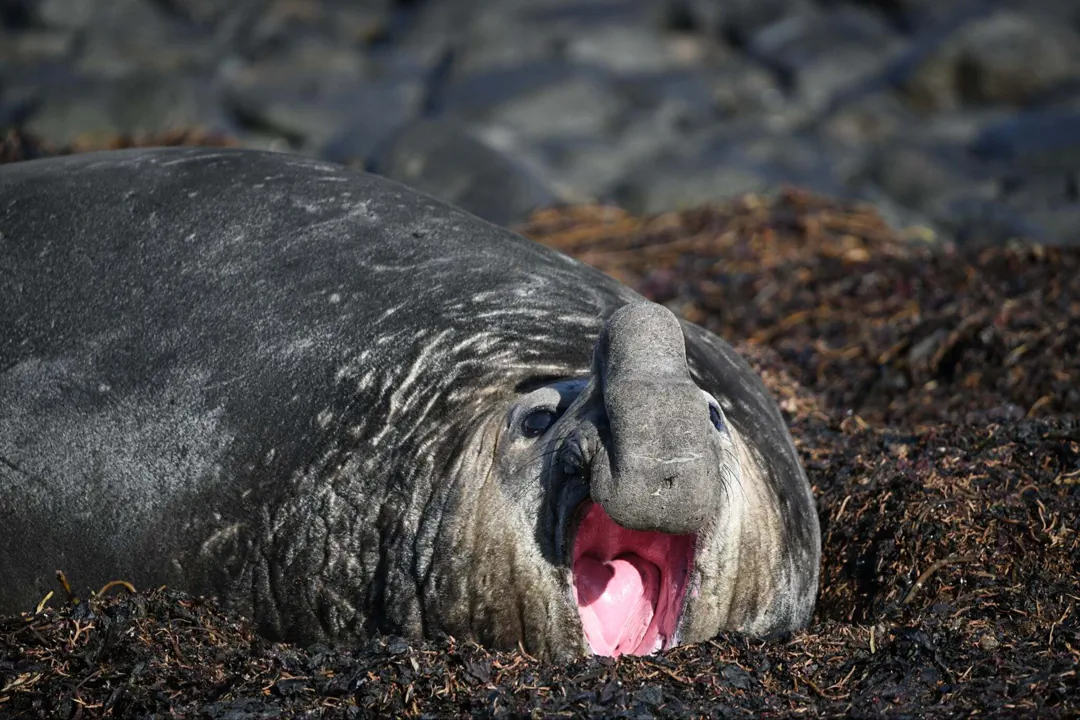
South Georgia Island, located in the South Atlantic within the Antarctic Convergence, is an unparalleled wildlife hotspot. Its shallow waters, typically 3 to 15 meters deep, are teeming with life, making it a unique diving destination. The island hosts immense colonies of Antarctic fur seals (Arctocephalus gazella) and southern elephant seals (Mirounga leonina), with millions of individuals crowding its beaches.
Diving here offers incredible interactions with these curious seals, often in water so dense with life it feels like swimming through a living tapestry. King penguins (Aptenodytes patagonicus) in their hundreds of thousands line the shores, their underwater movements a spectacle. The sheer biomass of animals makes South Georgia a truly immersive experience, though strong currents can be present.
Ross Sea Region
Often dubbed 'The Last Ocean,' the Ross Sea region is a remote and pristine frontier, accessible only to highly experienced divers on specialized expeditions. Characterized by thicker, more persistent ice and extreme cold, diving here is an unparalleled challenge.
Depths explored are often between 5 and 20 meters, focusing on the unique ecosystems beneath the ice. This region is home to the largest known breeding colony of emperor penguins (Aptenodytes forsteri) and specialized icefish, such as the Antarctic toothfish (Dissostichus mawsoni) and emerald rockcod (Trematomus bernacchii), found nowhere else. It represents the pinnacle of polar diving for those seeking true wilderness.
Conservation and Responsible Diving
The Antarctic environment is exceptionally fragile, acutely sensitive to human impact and the broader effects of climate change. The slow growth rates of many polar species mean recovery from disturbance can take decades or even centuries. Responsible diving practices are not just recommended but are critical for protecting this pristine ecosystem.
Divers must adhere to strict protocols, including maintaining respectful distances from wildlife, avoiding contact with marine life or the seabed, and ensuring all gear is meticulously cleaned to prevent the introduction of non-native species. Every visit is a privilege, demanding a commitment to leave no trace and protect this unique wilderness for future generations.
Practical Diving Tips for Cold Water Expeditions
An Austral Circumpolar diving expedition demands extensive preparation and experience. Proficiency in dry suit diving is non-negotiable, and advanced certifications are often required. Divers should have a minimum of 50 dry suit dives, with recent experience in cold water.
Specialized cold-water gear is essential, including a well-fitting dry suit with appropriate thermal undergarments, thick hoods, five-finger gloves, and redundant cold-water-rated regulators. Layering is key for surface warmth, and a thorough medical check-up is advisable due to the remote nature of these expeditions. Embracing the logistical challenges is part of the adventure.
Questions
What kind of diving certification do I need for Austral Circumpolar waters?
Advanced Open Water Diver certification is typically a minimum, but extensive dry suit experience and potentially ice diving or technical diving certifications are highly recommended by expedition operators.
What specialized gear is essential for diving in the Austral Circumpolar region?
A dry suit with appropriate undergarments, thick hood and gloves, redundant regulators, multiple layers of thermal protection, and reliable cold-water-rated equipment are crucial for safety and comfort.
Is it safe to dive with large marine mammals like seals and whales?
While encounters are incredible, maintaining a respectful distance and following strict guidelines from your dive leader is paramount. Never attempt to touch or harass wildlife. Most interactions are passive observations.
What is the visibility like in these icy waters?
Visibility can be surprisingly good, often ranging from 15 to 30 meters (50-100 feet) or more, especially in areas away from glacial melt or heavy plankton blooms. It can vary significantly by location and time of year.
Are there any specific health considerations for an Antarctic dive trip?
Divers should be in excellent physical condition due to the extreme cold and remote nature of the region. Medical clearance from a doctor specializing in dive medicine is often required, and motion sickness medication is advisable for rough seas.