Introduction to Belgian Diving
A beam of late afternoon light, fractured by the North Sea's green embrace, pierced the murk at 28 meters. Below, the skeletal remains of the SS Brabo lay sprawled, its steel ribs a silent testament to a century-old conflict. From a gaping cargo hold, a European lobster, its antennae twitching, cautiously extended a formidable claw, surveying the passing diver with ancient, unblinking eyes.
The wreck's structure, a rust-colored canvas, was densely covered in Metridium anemones, their white tentacles swaying with the gentle surge.
 © Charles HoodAll rights reserved
  © Ed CoreyAll rights reserved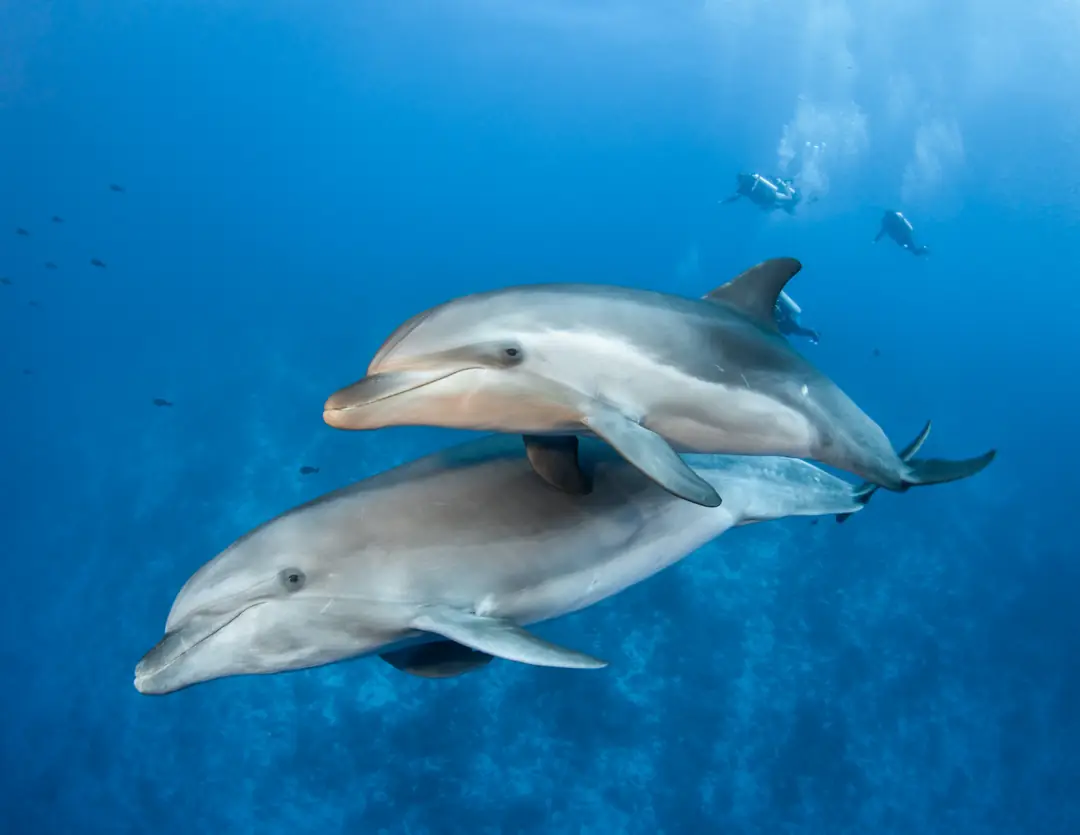
The North Sea: A Dynamic Marine Environment
The Belgian North Sea, with its average depth of 30 meters, is a realm constantly reshaped by powerful tidal currents. These unseen forces sweep nutrient-rich waters through the system, fueling a productive underwater tapestry where life actively contends with the flow.
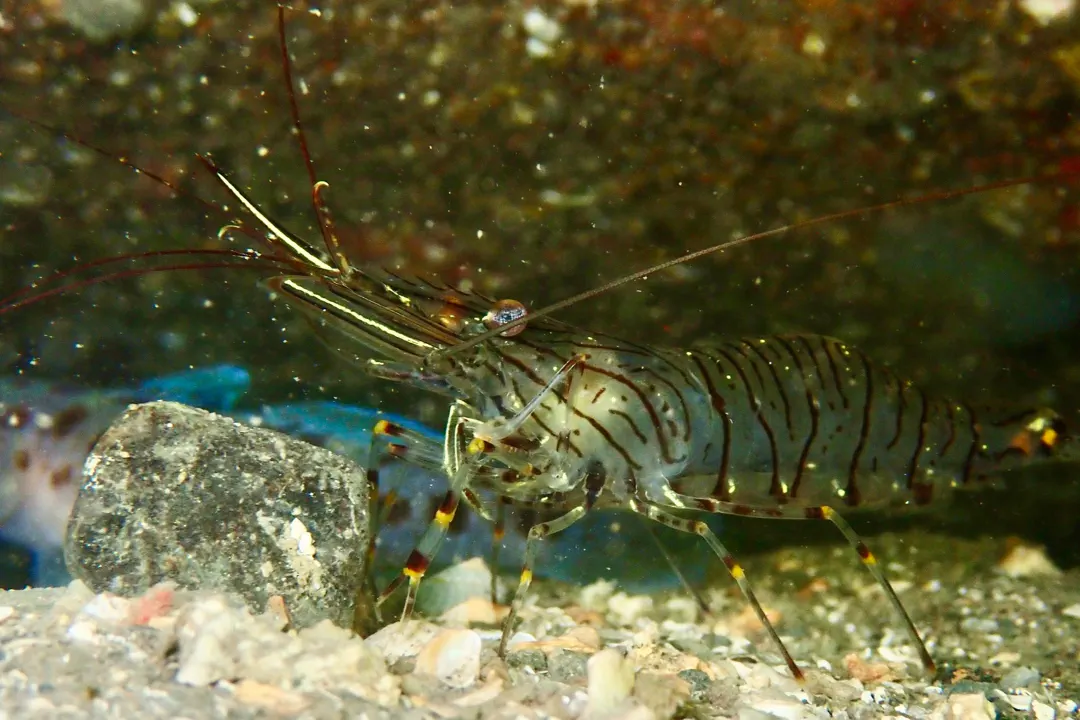
This continuous movement sustains robust populations of European lobsters, plump cod, schooling pouting, and various crabs. They find shelter and foraging grounds not only around the sparse natural rocky outcrops but also amidst the numerous shipwrecks and artificial structures that pepper the seabed, each offering a foothold against the current.
Best Time to Dive and Water Conditions
From late spring through autumn, roughly May to October, the Belgian North Sea offers its most hospitable embrace for divers. During these months, surface water temperatures warm from 10°C in May, peaking at 17-19°C in August. Visibility, though always dictated by the day's currents and plankton blooms, can reach 10 to 15 meters, offering clear views of the wrecks below.
Despite the summer warmth, the depths remain cool. A dry suit is not merely recommended but essential for nearly all divers, ensuring warmth and comfort during extended bottom times. The formidable tidal currents demand careful dive planning, often restricting exploration to slack tide windows for safety and enjoyment.
Water temperature
Belgium, monthly average
North Sea coastal waters off Belgium (reference: Belgian coast near De Panne/Ostend). Typical diving depth range: 5-40 meters. Data represents average sea surface temperatures.
Diving the Historic Wrecks of the North Sea
Belgium's stretch of the North Sea holds a somber archive of maritime history, where the seabed is strewn with the remnants of centuries of shipping and the two World Wars. These sunken vessels, ranging from cargo carriers to naval warships, have been entirely reclaimed by the ocean's relentless embrace.
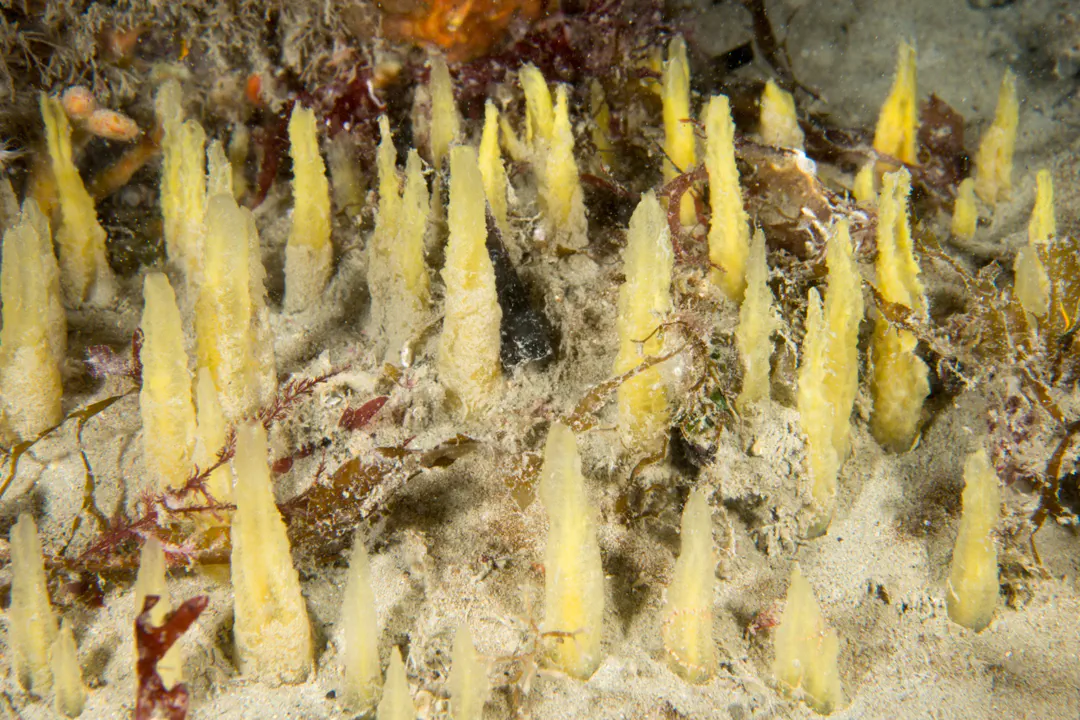
Their steel skeletons now form intricate artificial reefs, offering both shelter and a firm substrate. Here, the corroded metal is draped in dense tapestries of white Metridium anemones, vibrant yellow Ciocalypta sponges, and delicate hydroids. Divers exploring these sites discover not just history, but complex, living ecosystems where European lobsters, schools of pouting, and various crabs intertwine with the silent, decaying steel.
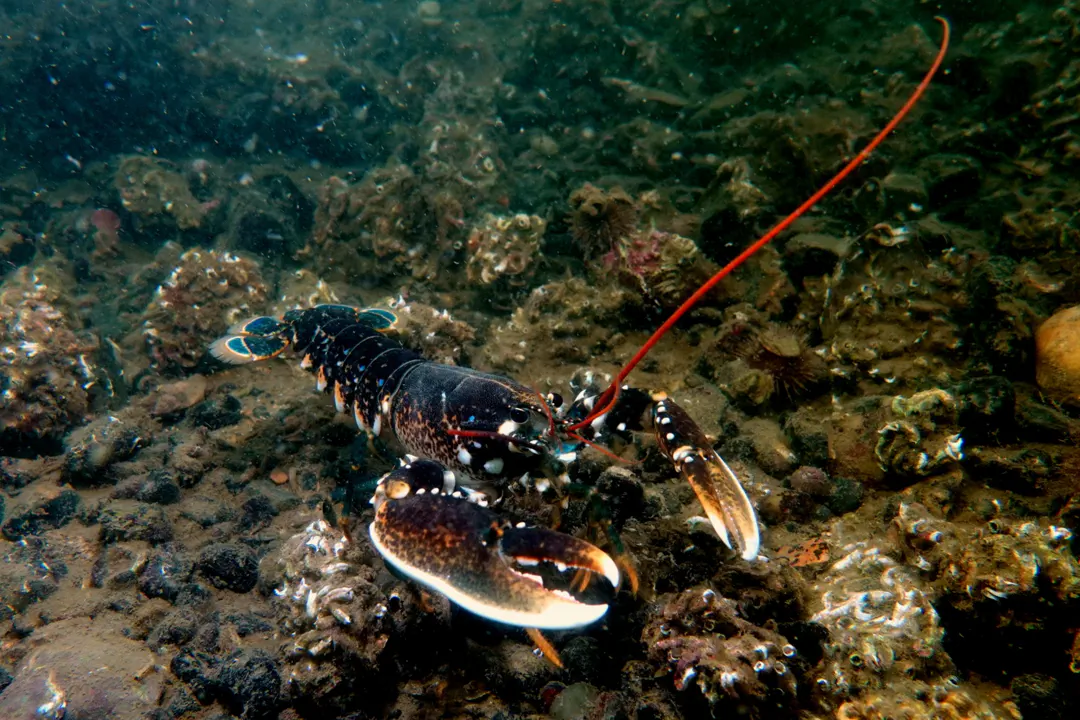 © Klaus Kevin KristensenCC BY 4.0 · iNaturalist
 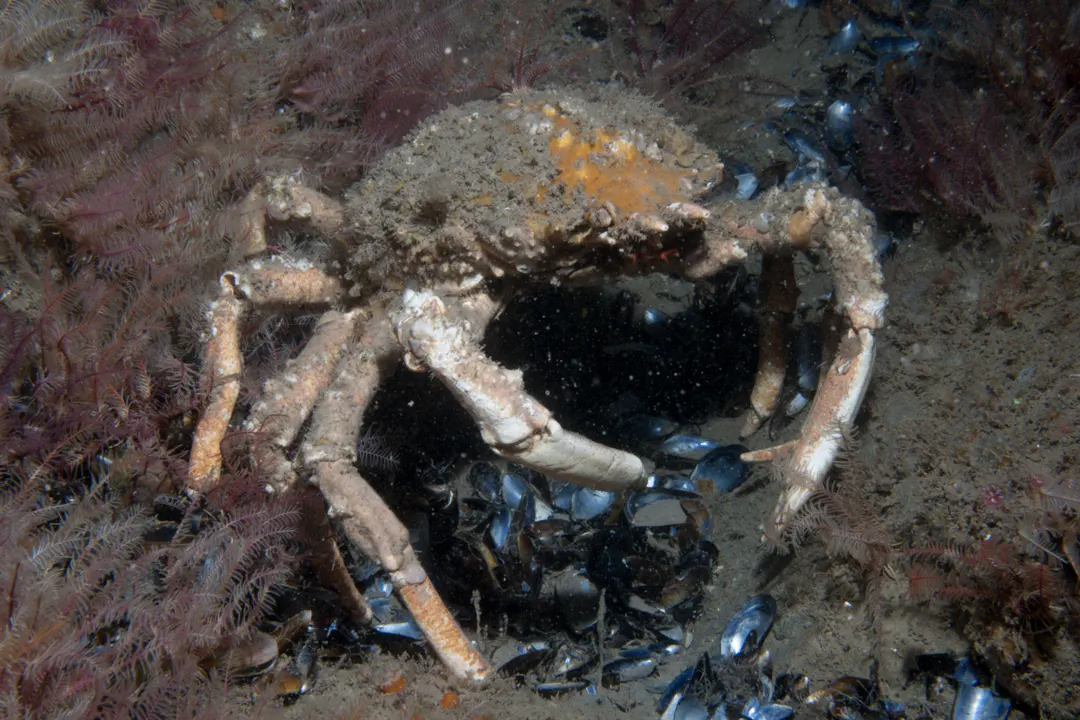 © Bernard PictonCC BY 4.0 · iNaturalist
 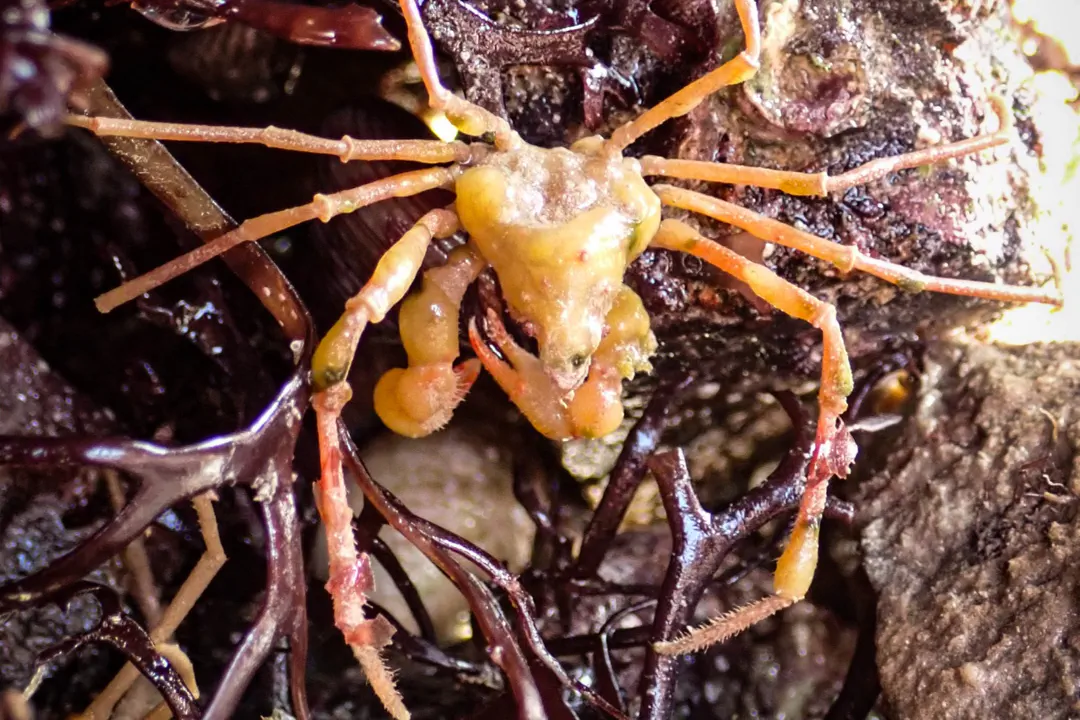 © Lou WagstaffeCC BY 4.0 · iNaturalist
 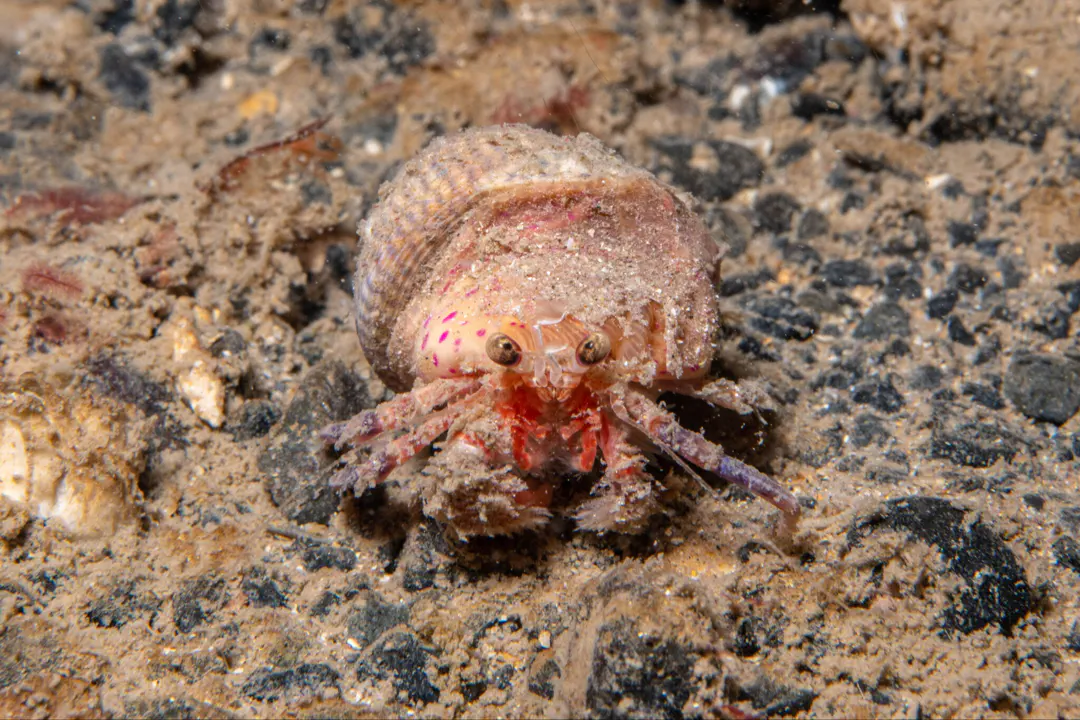 © Libby KeatleyCC BY 4.0 · iNaturalist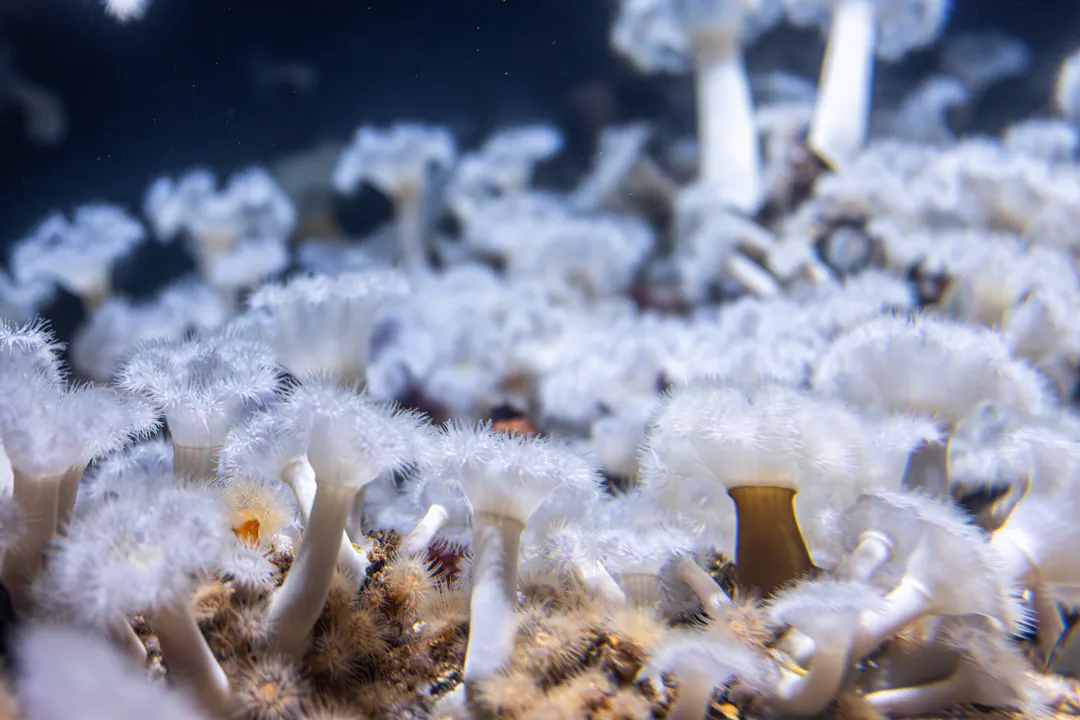
 © Bernard PictonCC BY 4.0 · iNaturalist
 Featured Wreck Site: The SS Brabo
Lying at a depth of 25-30 meters, the SS Brabo, a Belgian cargo ship sunk during WWI, offers an accessible yet captivating wreck dive. This boat-accessed site, suitable for Advanced Open Water divers familiar with cold water and currents, is particularly distinct for its dense, white draperies of Metridium anemones that cover nearly every surface. Its relatively intact sections allow for carefully planned penetration by experienced wreck divers, revealing internal structures now draped in life.
The wreck's superstructure is thoroughly encrusted with dense colonies of white Metridium anemones and vibrant yellow Ciocalypta sponges. These living tapestries provide shelter for European lobsters, spider crabs, and schools of gobies that dart between the corroded steel plates.
Featured Wreck Site: The SS Samland
Another significant casualty of WWI, the SS Samland, presents a larger, more sprawling exploration for divers. Positioned at a depth of 30-35 meters, this boat-accessed site is best suited for experienced Advanced Open Water divers who can manage potential strong currents and deeper profiles. Its substantial size means divers can spend an entire bottom time exploring just a fraction of its remains, and it's distinct for the large schools of pouting and cod that swim through its vast, open cargo holds.
The Samland's vast hull and cargo holds attract larger schools of pouting and cod, which swim through the open sections. Parts of the wreck remain surprisingly well-preserved, offering glimpses into its former glory and providing more varied habitats for crustaceans and sessile filter feeders.
Coastal Reefs and Artificial Structures
Beyond the deep-lying wrecks, Belgium's shallower coastal areas reveal a different kind of underwater landscape. Here, natural rocky outcrops near the shore and extensive man-made breakwaters offer crucial hard surfaces where sessile organisms can anchor, defying the relentless sweep of the currents.
These structures transform into bustling miniature worlds. Look closely, and you might spot the vibrant yellow of a sea lemon nudibranch, the slender form of a pipefish swaying with the kelp, or tiny crabs scuttling amongst dense mussel beds. These shallower zones, often overlooked, teem with life for the observant diver.
 © Bernard PictonCC BY 4.0 · iNaturalist
  © Libby KeatleyCC BY 4.0 · iNaturalist
 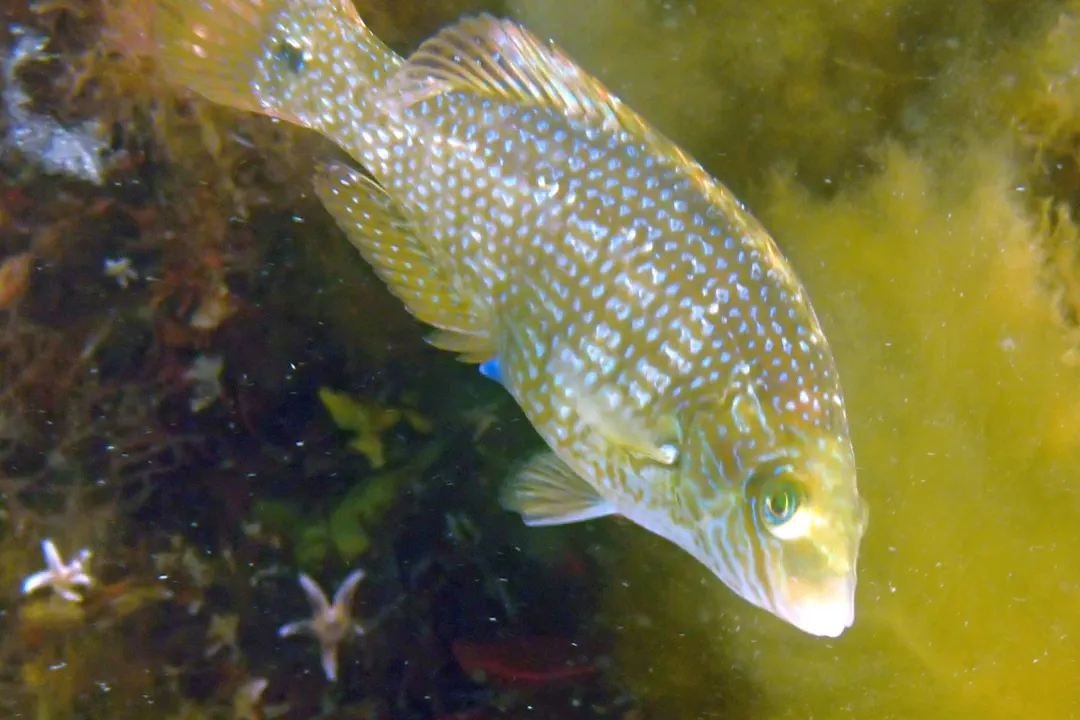 © Micha BaumCC BY-SA 4.0 · iNaturalist
 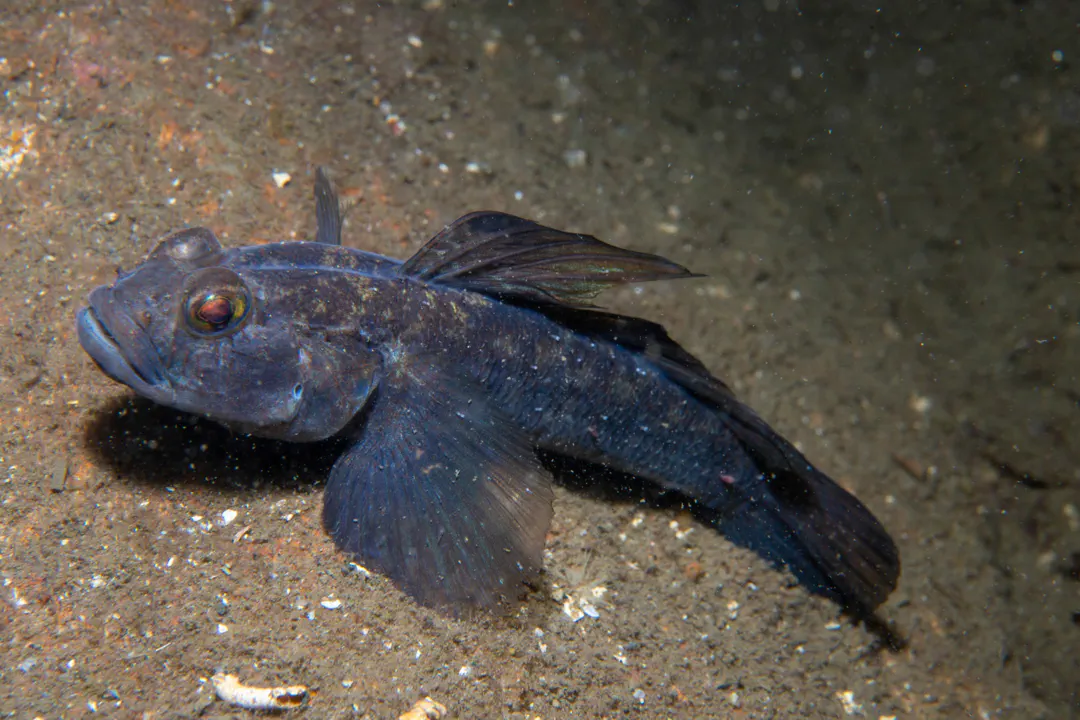 © Bernard PictonCC BY 4.0 · iNaturalist
 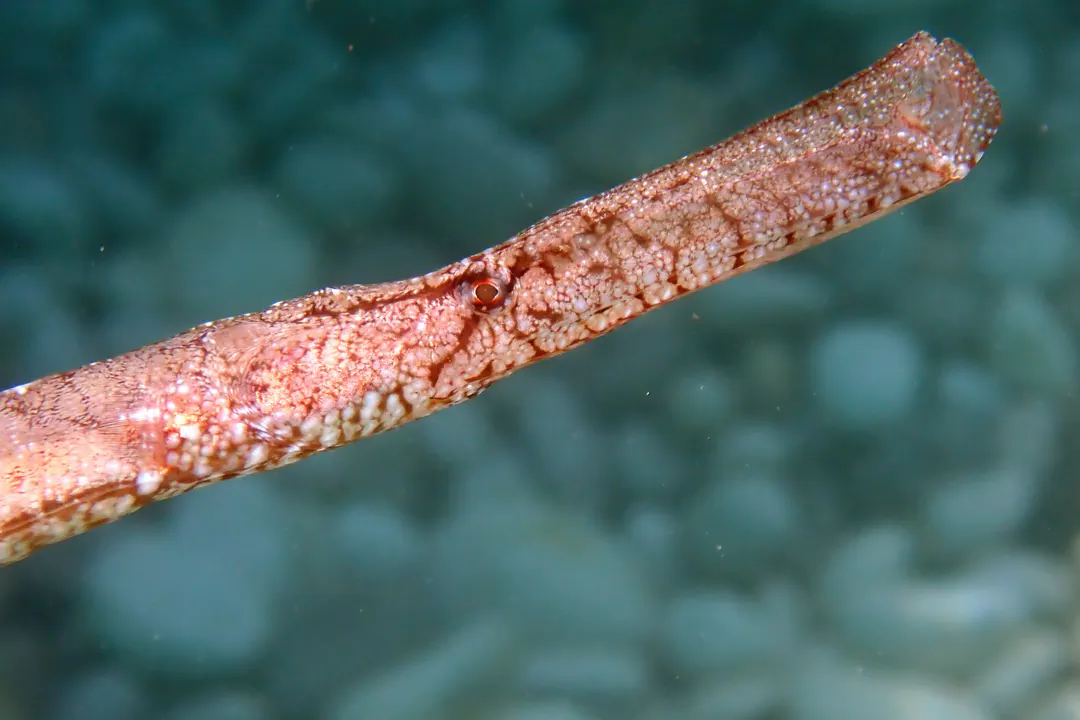 © Eridan XharahiCC BY 4.0 · iNaturalist
 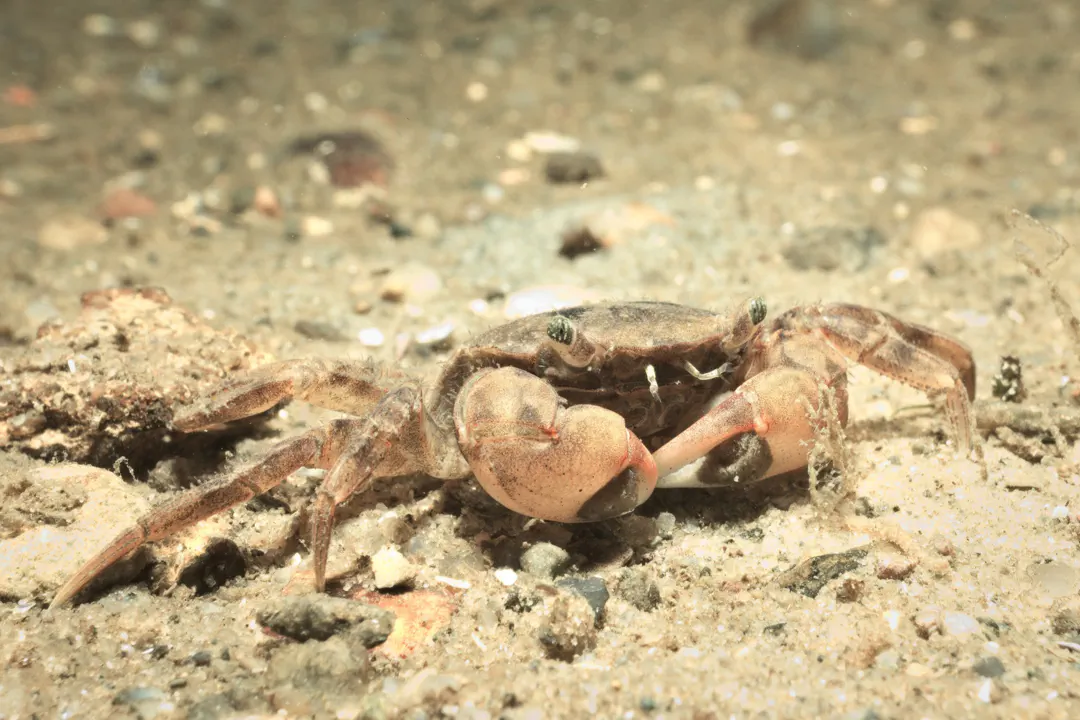 © Klaus Kevin KristensenCC BY 4.0 · iNaturalist
 Inland Diving: Quarries and Lakes
For those seeking freshwater adventures away from the North Sea's relentless currents, Belgium offers a network of flooded quarries and serene lakes. These inland sites provide a stark contrast, with consistently calm conditions and visibility often reaching beyond 20 meters.
Divers exploring these clear waters encounter unique geological formations, submerged forests, and sometimes even the intriguing silhouettes of sunken cars or planes placed as attractions. While the rich marine biodiversity of the North Sea is absent, these freshwater environments offer a tranquil and distinct diving experience, perfect for training and year-round recreational dives.
Practical Tips for Belgian Divers
Venturing into Belgium's cooler waters demands specific equipment; a dry suit is not merely optional but essential for maintaining comfort and safety. Proper weighting and thermal undergarments are also crucial, particularly for longer bottom times.
For North Sea expeditions, always coordinate with local dive centers. They are the authorities on current conditions, any necessary permit requirements, and precise tide tables, as the powerful currents can profoundly impact dive planning. Many local operators specialize in guiding wreck dives and provide specialized training tailored for cold water and advanced wreck penetration.
Frequently Asked Questions
Questions
What is the best time of year to dive in Belgium?
The optimal time for North Sea diving is late spring through early autumn (May to October), when surface temperatures are warmest and visibility is generally best. Inland quarries, with their stable conditions, can be dived year-round.
Do I need a dry suit to dive in Belgium?
Yes, a dry suit is essential for diving in Belgium, especially in the North Sea, due to consistently cool water temperatures throughout the year. Even summer waters often necessitate dry suit use for comfort and safety.
What kind of marine life can I expect to see in the North Sea?
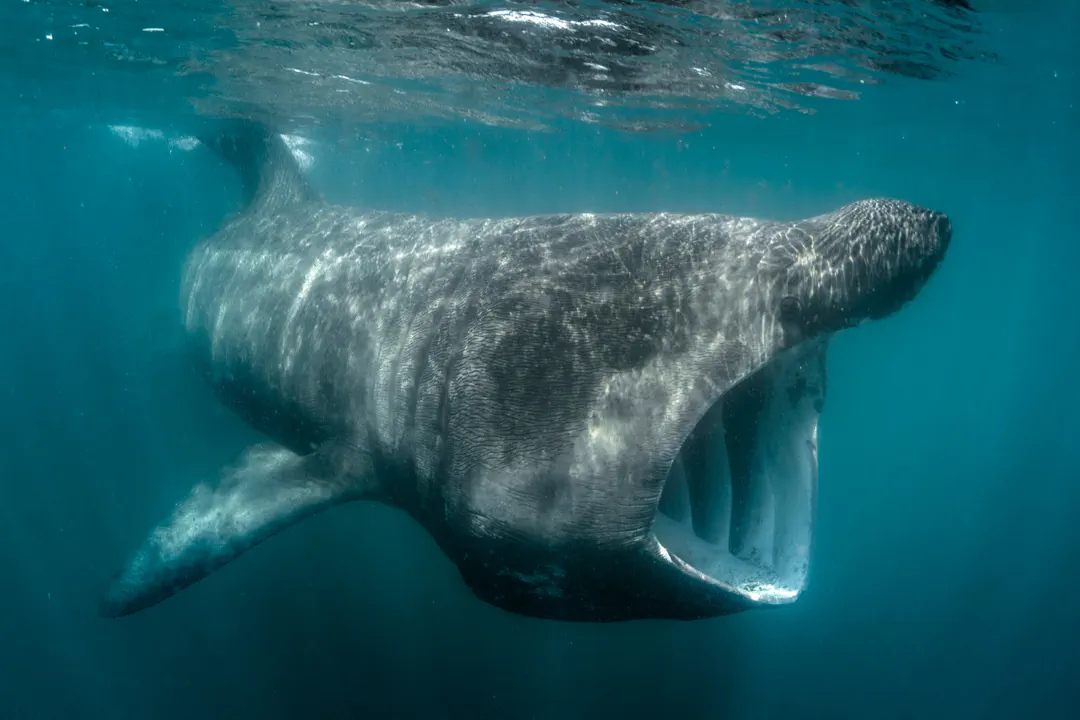
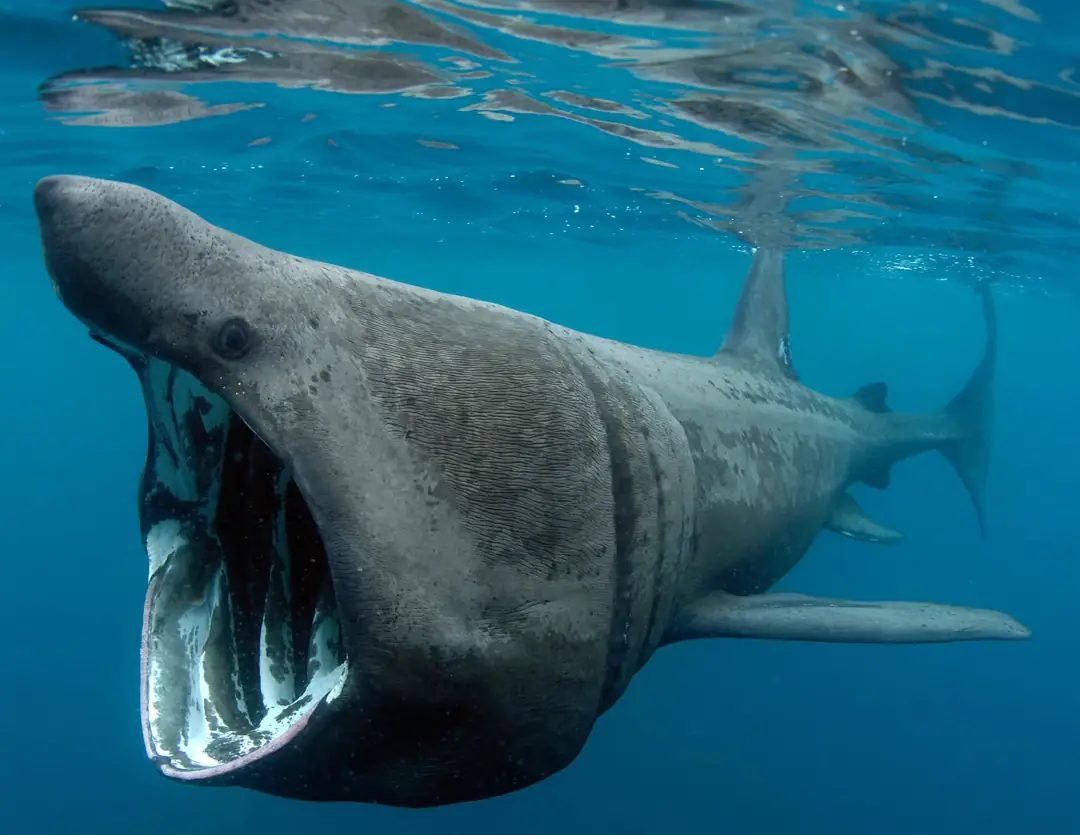
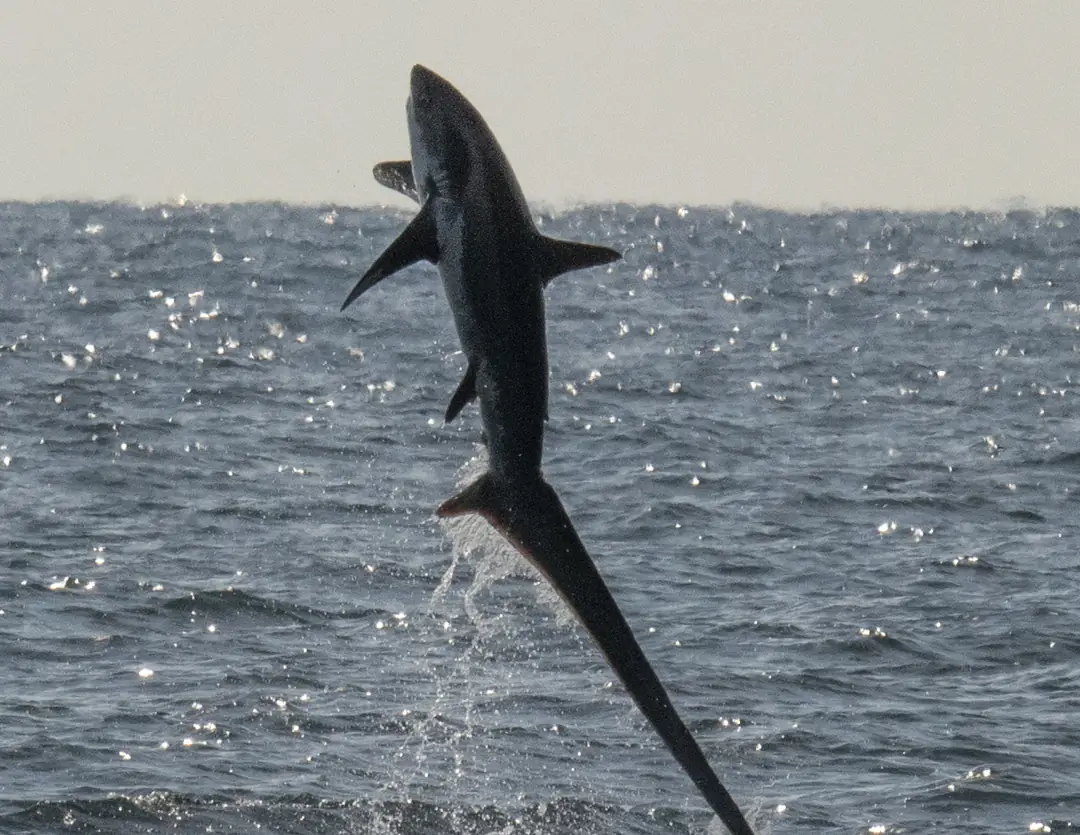
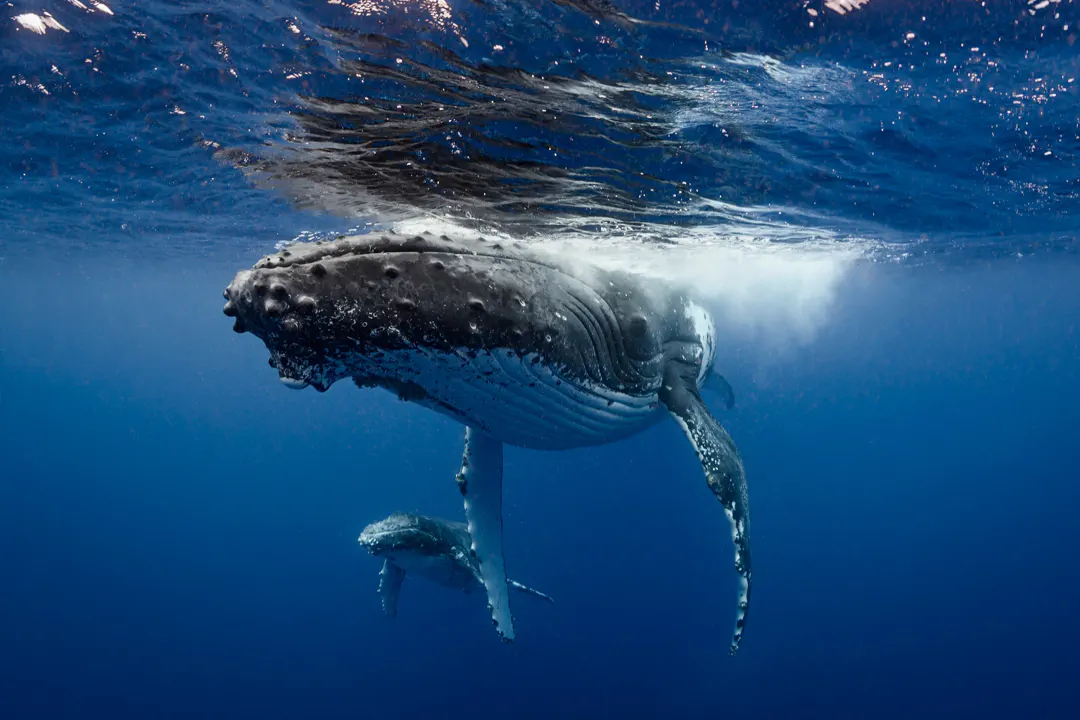
Expect to encounter European lobsters, various crabs (spider, hermit), a profusion of anemones and sponges, gobies, wrasse, and pipefish. While rarer, seals, and occasionally even sharks or dolphins, might be sighted. Wrecks, in particular, teem with sessile invertebrates and bottom-dwelling fish.
Are there any specific safety considerations for diving in Belgium?
North Sea diving demands experience with currents and colder water. Always dive with a reputable local guide, consult tide schedules, and ensure your equipment is suitable. Wreck penetration requires specialized training and gear, and should only be attempted by experienced divers.
Can beginners dive in Belgium?
While North Sea conditions can be challenging, suitable sites exist for beginners, particularly in calmer inland quarries which are ideal for training and recreational dives. Open Water certified divers can enjoy many North Sea dives with proper guidance and appropriate cold-water equipment.