Introduction to Montenegro's Underwater World
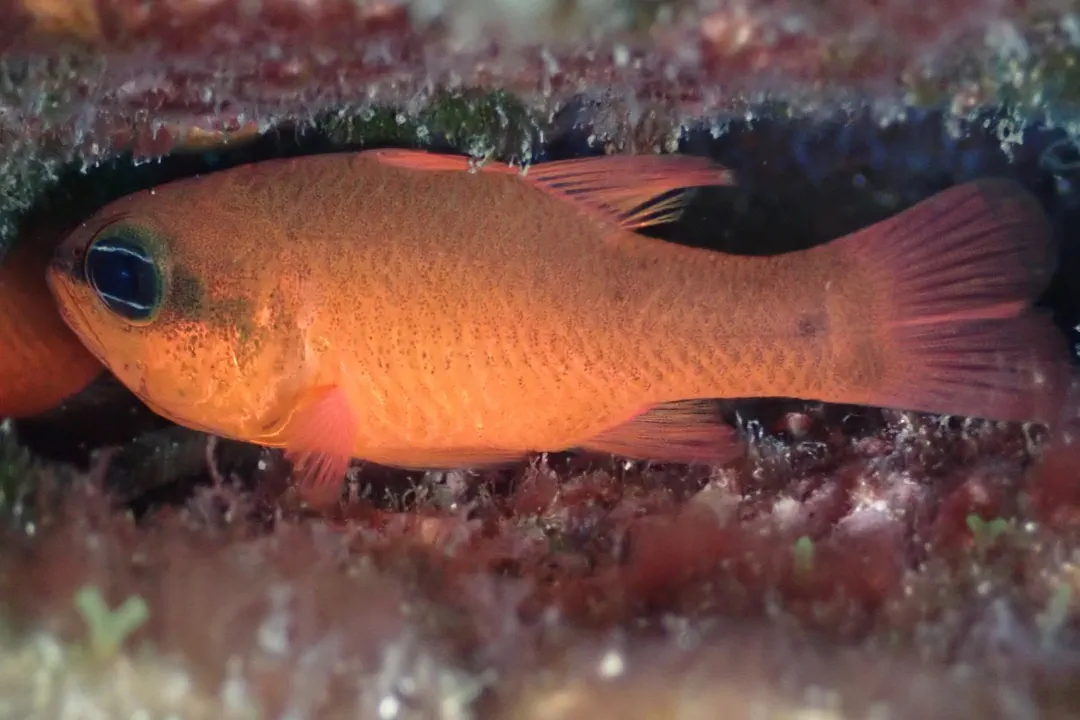
In the twilight zone of a limestone cavern near the Luštica Peninsula, a small, iridescent cardinalfish (Apogon imberbis) hovers, its eyes reflecting the faint, shifting blue light filtering from the surface, 15 meters above. A gentle surge nudges it closer to a wall draped with orange cup corals, their polyps extended in the calm, 22°C water. This is a glimpse into Montenegro's underwater world, a place where dramatic geological formations frame characteristic Mediterranean life.
Montenegro’s Adriatic coast, though relatively short, is a geological marvel. Its steep limestone slopes, karst formations, and narrow coastal shelf create a concentrated landscape of diveable caves, walls, and sheltered bays. Unlike vast, open reefs, the underwater terrain here mirrors the Dinaric Alps above, offering tunnels, overhangs, and caverns close to shore rather than long, featureless expanses.
This compact, varied relief supports both scenic recreational diving and more technical wreck or cavern exploration. The southeastern Adriatic is calmer than the open Mediterranean. During summer, visibility ranges from 15 to 35 meters, with many sites offering clarity above 20 meters. This combination of calm conditions and varied topography creates a compelling dive experience.
Geography and Climate for Divers
Imagine the Dinaric Alps plunging directly into the Adriatic, their limestone peaks mirrored beneath the surface. This dramatic geology defines Montenegro's underwater world, creating a coastline marked by steep walls, overhangs, and a labyrinth of caves rather than sprawling coral gardens. This abrupt topography is precisely why the country features numerous caves, chimneys, walls, and pockets of shelter for marine life.
For divers, the most important environmental variables are sea state, light, and seasonal temperature. Summer brings the calmest water and the warmest temperatures, while spring and late autumn produce cooler but clear conditions. Because the Adriatic here is semi-enclosed and not strongly exposed to oceanic swell, sites remain accessible when offshore conditions elsewhere in the Mediterranean would be less comfortable.
The underwater environment is also shaped by a mix of rocky substrates, artificial reefs, and archaeological or historical wrecks. This means a dive day in Montenegro may combine a shallow scenic cave, a wall covered with sponges, and a wreck colonized by fish and invertebrates. This variety is especially attractive to underwater photographers because light contrast is strong in caves and structure-rich wrecks support close-up macro subjects.
Marine Life of the Montenegrin Adriatic
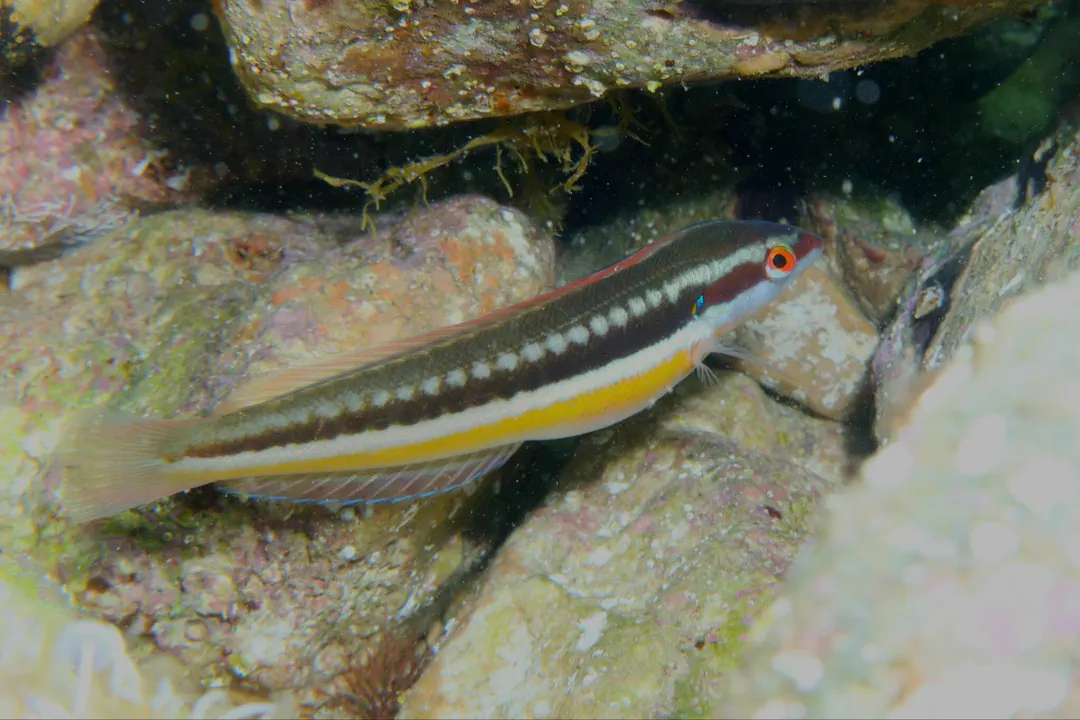
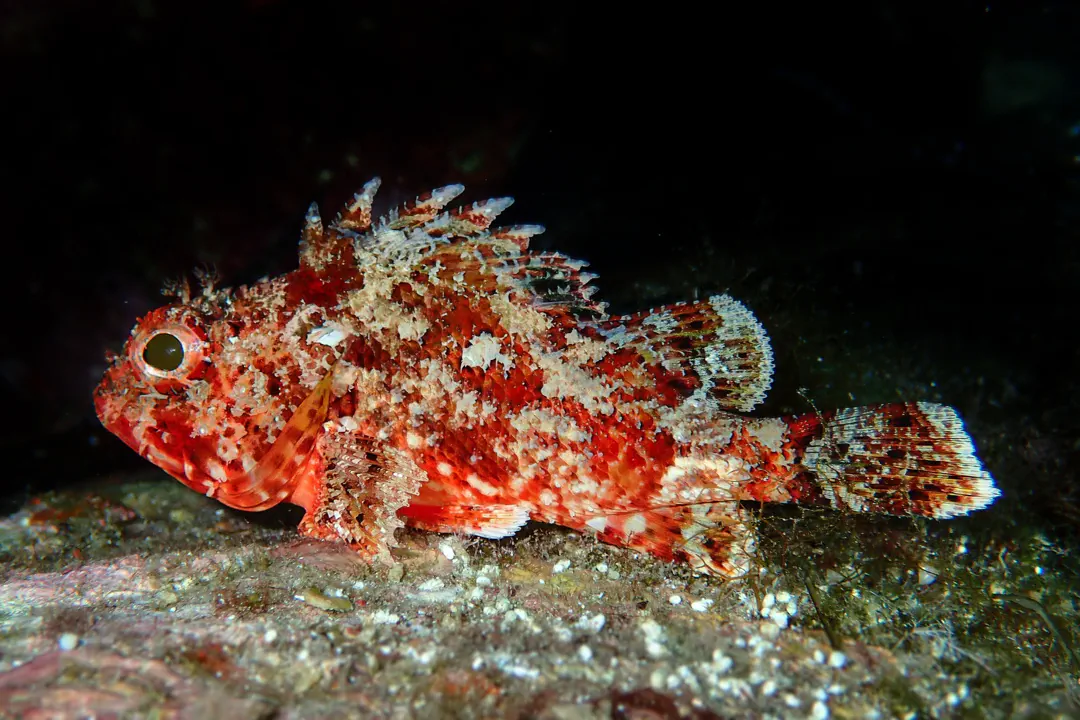
Along a sun-dappled rocky reef, an Ornate Wrasse (Coris julis) darts between boulders, its iridescent scales catching the light as it forages. Nearby, a Small Red Scorpionfish (Scorpaena notata) lies perfectly camouflaged against a sponge-encrusted rock, its spiny outline barely discernible. This distinctly Mediterranean fish-and-invertebrate community thrives in Montenegro’s waters.
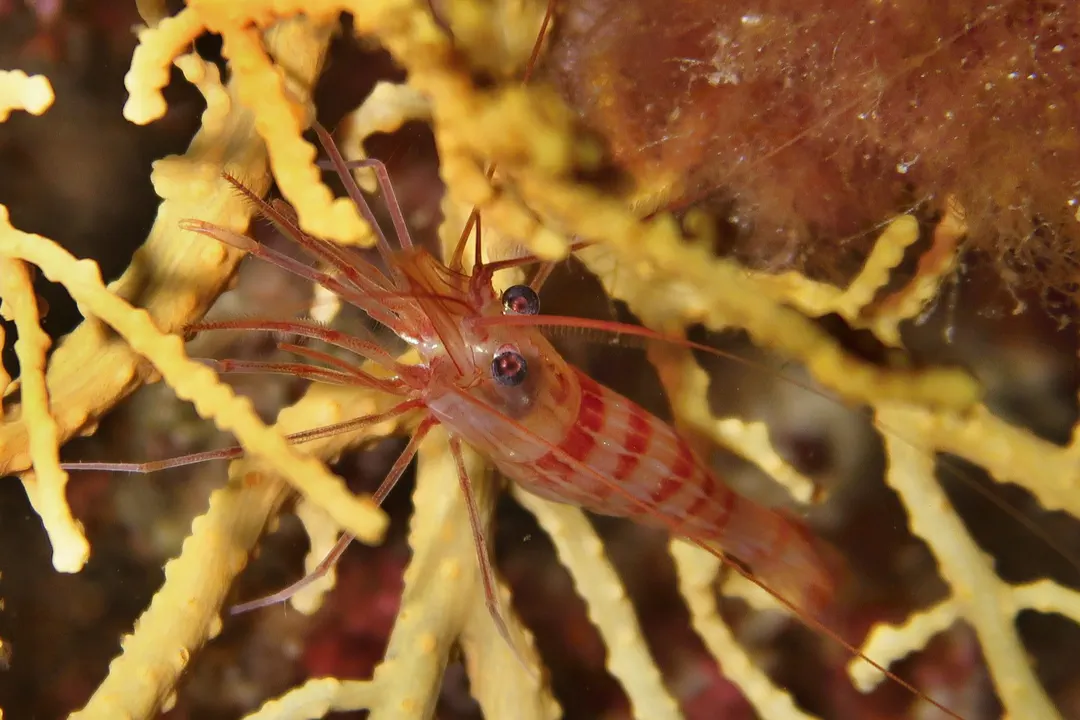
Rocky reefs, cave entrances, and wreck surfaces are colonized by sponges, bryozoans, algae, and encrusting cnidarians. Crevice-dwellers such as small wrasses, blennies, and shrimp are common in sheltered zones. This habitat mosaic is the main reason the coast produces strong biodiversity in a small area.
For divers, the most rewarding encounters are found around structure: cave mouths, wreck edges, and shaded rock faces. These places concentrate life because they provide shade, protection from predators, and hard surfaces for attachment. The more realistic biological signature of Montenegro is a sheltered Mediterranean ecosystem with strong cave and wreck communities, not a tropical big-animal destination.
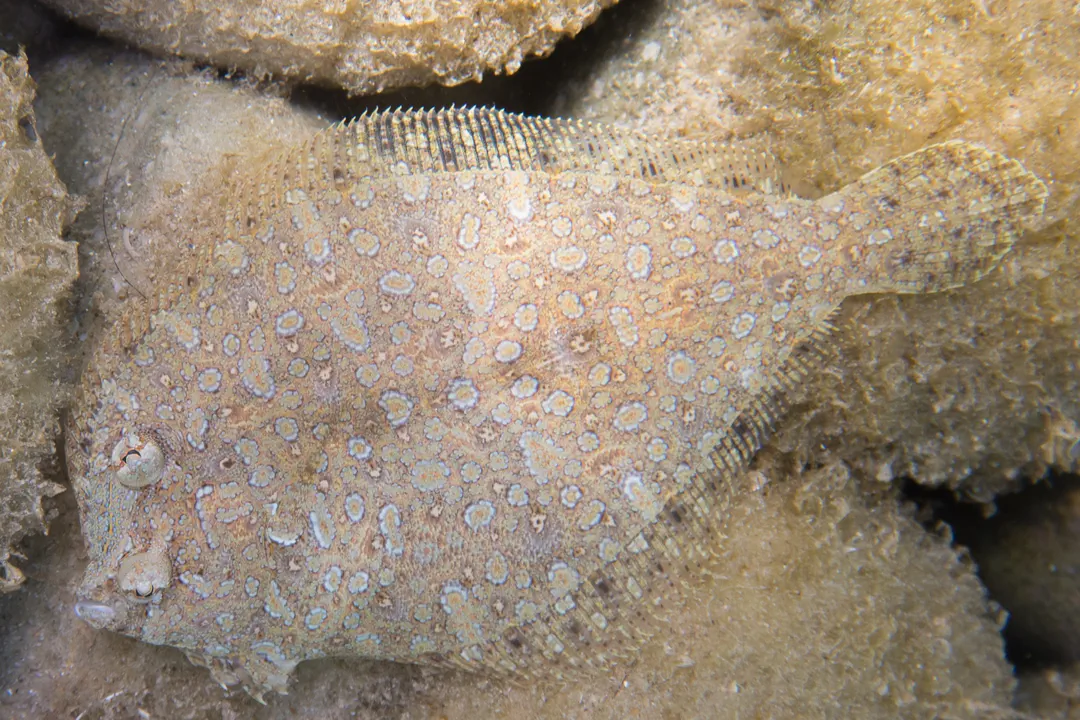
 © Charles HoodAll rights reserved
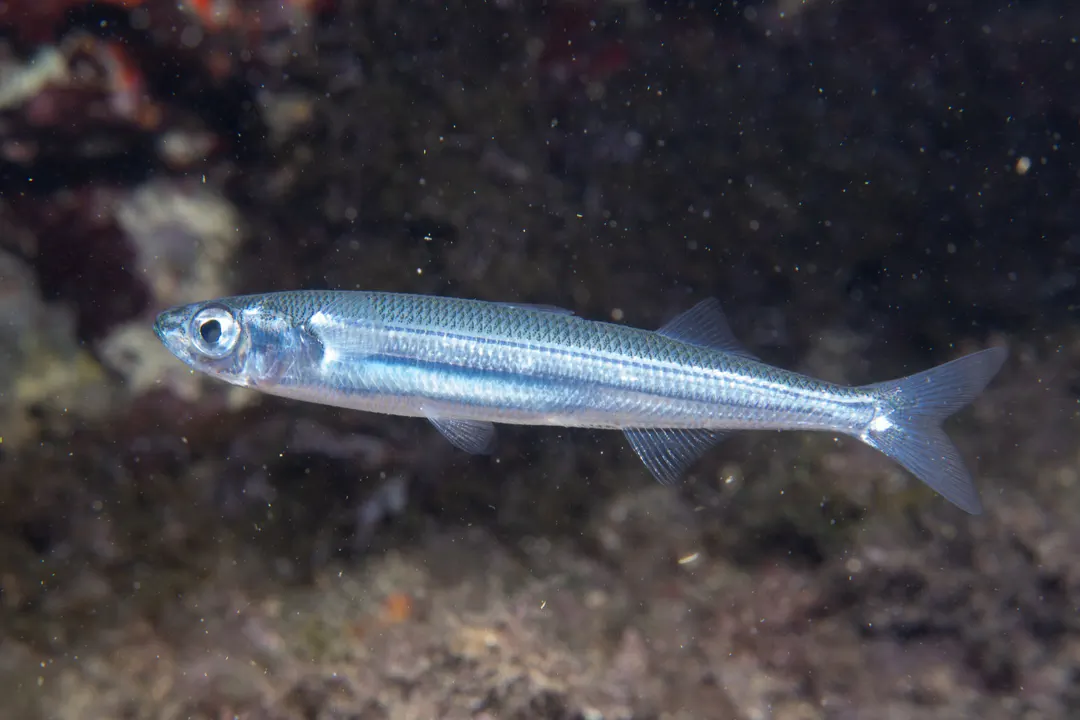
 © Klaus Kevin KristensenCC BY 4.0 · iNaturalist
  © Julien RenoultCC BY 4.0 · iNaturalist
  © shahar chaikinCC BY 4.0 · iNaturalist
  © Julien RenoultCC BY 4.0 · iNaturalist
 Best Time to Visit for Diving
The Montenegrin diving season stretches from late spring through early autumn, offering a range of conditions for different preferences. Peak summer, from July to August, brings the warmest waters, reaching 24–26°C. During these months, visibility extends beyond 20 meters, and can reach 30 meters or more, especially at offshore sites after settled weather.
For divers seeking fewer crowds and slightly cooler water, early autumn is a strong choice, preserving good visibility. Spring offers cooler temperatures, around 14–18°C, requiring thicker exposure protection but still providing clear conditions. If the goal is comfort, a 3 mm to 5 mm wetsuit is adequate in midsummer, while spring and autumn divers prefer a 7 mm wetsuit or additional thermal protection.
Water temperature
Montenegro, monthly average
Budva area on Adriatic coast (popular diving spot in Montenegro), sea surface temperatures
Notable Dive Sites
Blue Cave (Plava Špilja)
Sunlight, fractured and diffused, pours into the Blue Cave (Plava Špilja), transforming the water into an ethereal, luminous azure. This natural phenomenon, just north of the Luštica Peninsula, occurs as light reflects off the white sandy bottom, painting the cavern walls in shifting shades of blue. The cave is accessible by a short boat ride.
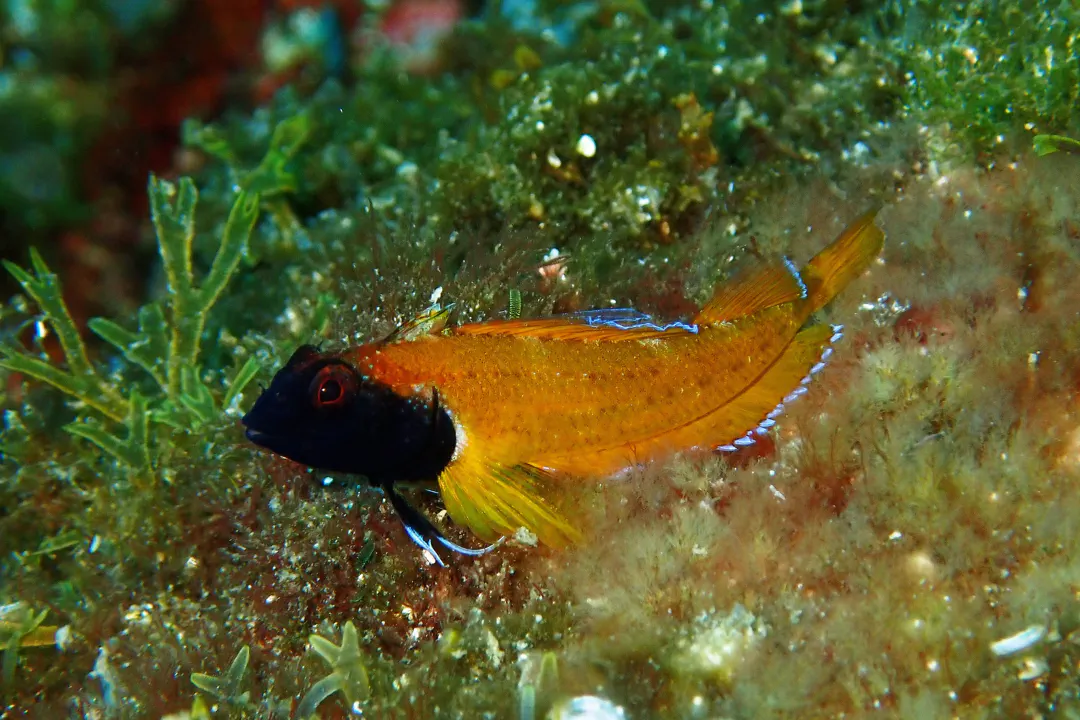
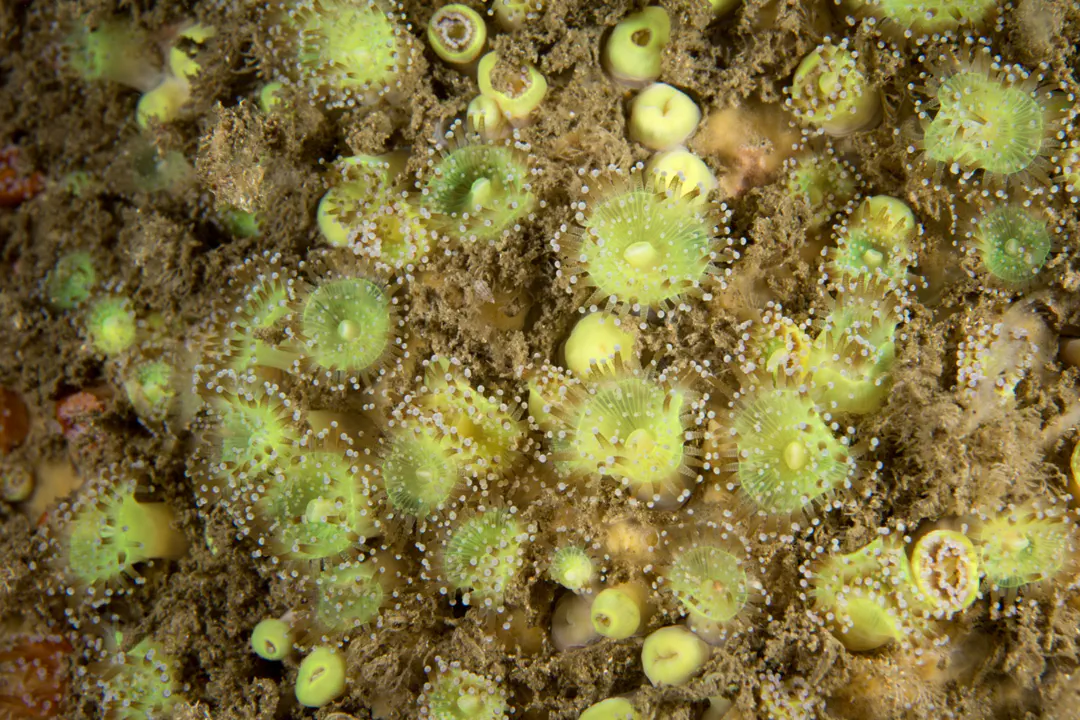
With depths ranging from 5 to 15 meters, the Blue Cave is suitable for all experience levels, including snorkelers and beginners. Inside, small cardinalfish (Apogon imberbis) and shy blennies flit in the shadows, while the entrance hosts colorful wrasses and encrusting anemones.
 © Donald DavesneCC BY 4.0 · iNaturalist
  © Bernard PictonCC BY 4.0 · iNaturalist
  © Daniel BenákCC BY 4.0 · iNaturalist
  © Daniel BenákCC BY 4.0 · iNaturalist
  © Bernard PictonCC BY 4.0 · iNaturalist
  © Juraj AhelCC BY 4.0 · iNaturalist
 Tunnels and Caves of Lustica Peninsula
Beyond the famous Blue Cave, the Luštica Peninsula conceals a deeper, more intricate world of limestone tunnels and caverns. Here, shafts of light pierce through openings, illuminating ancient rock formations and revealing cryptic inhabitants clinging to the shaded walls. These sites are notable for their light effects.
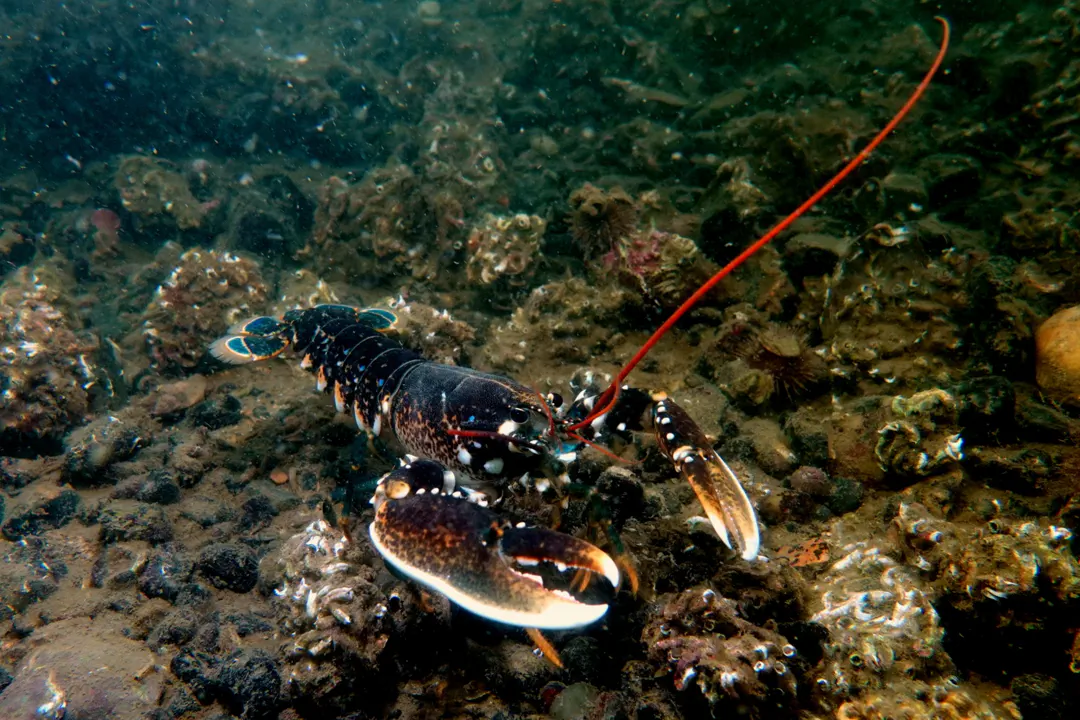
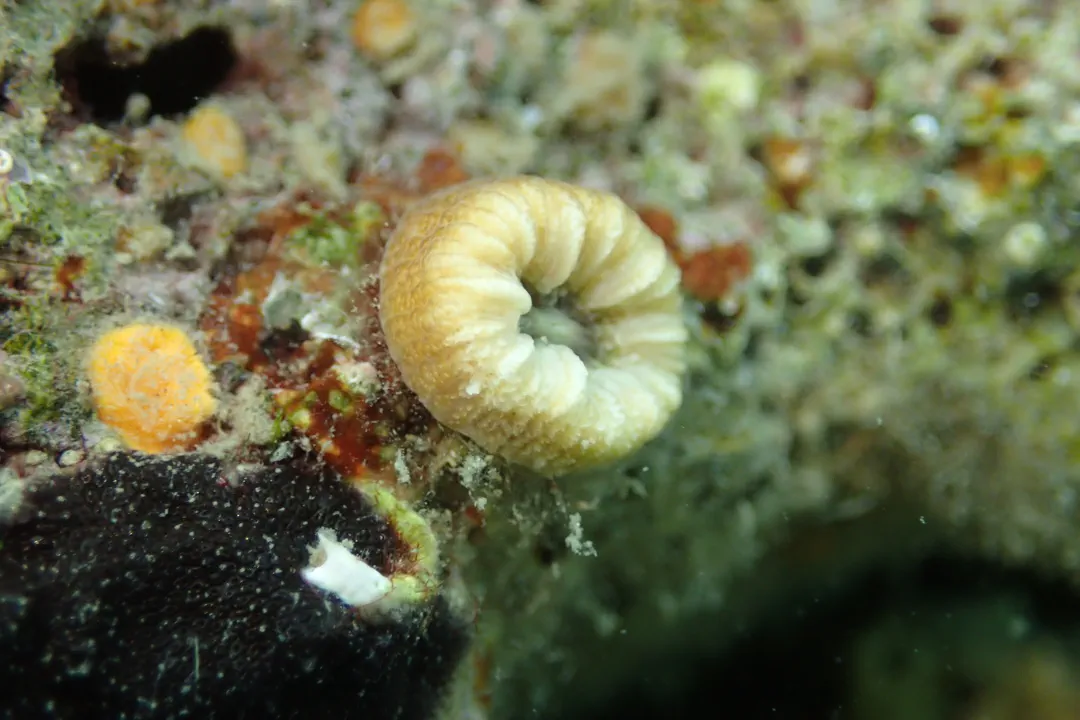
Accessible by boat, sites like those near Cape Platamun offer depths from 10 to 30 meters, and require good buoyancy control and advanced certification due to overhead environments. Divers navigating these passages spot European lobsters (Homarus gammarus) tucked into crevices, or the delicate, orange polyps of European cup corals (Balanophyllia europaea) adhering to the rock.
 © Lou WagstaffeCC BY 4.0 · iNaturalist
  © Libby KeatleyCC BY 4.0 · iNaturalist
  © Juraj AhelCC BY 4.0 · iNaturalist
 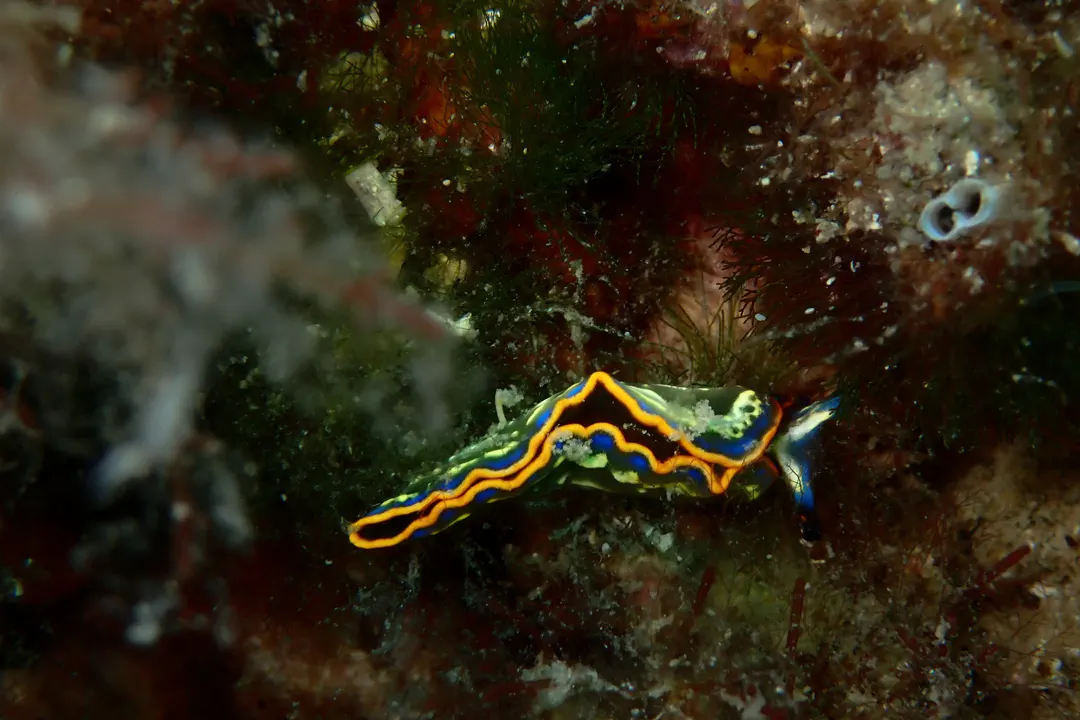 © Vsevolod RudyiCC BY 4.0 · iNaturalist
 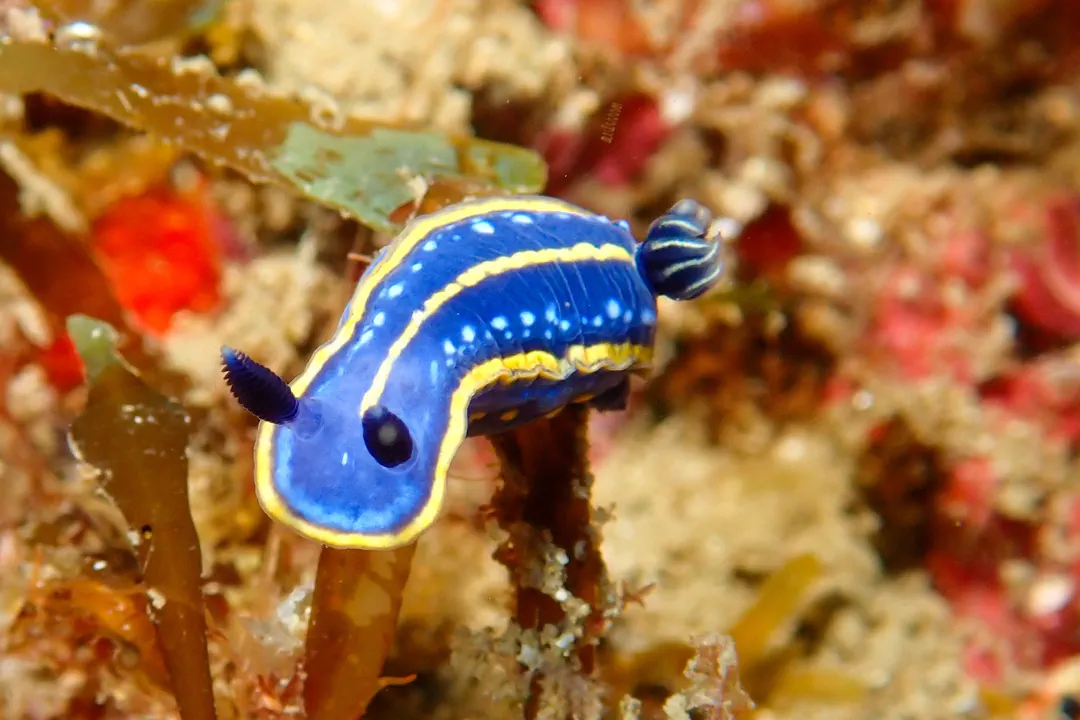 © Vsevolod RudyiCC BY 4.0 · iNaturalist
  © Valentin MoserCC BY 4.0 · iNaturalist
 Shipwreck of the Tihany
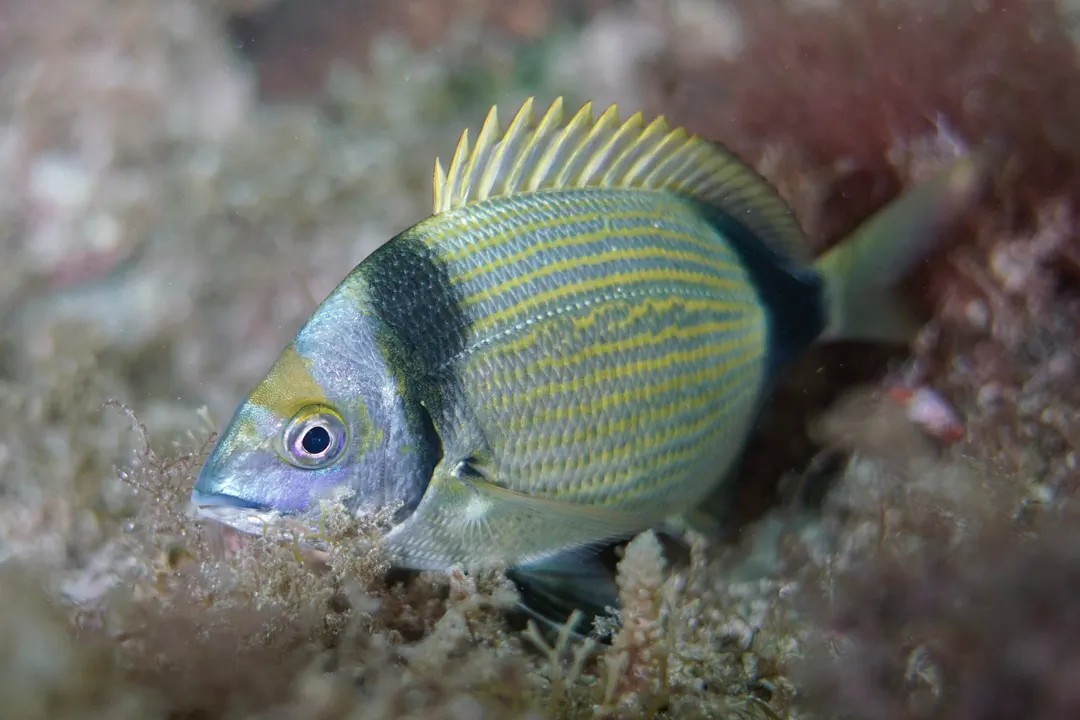
The ghostly silhouette of the Tihany, an Austro-Hungarian merchant ship sunk during WWI, rests silently on the seabed, its steel structure now an artificial reef. Schools of damselfish (Diplodus sargus) swirl around the mast, which rises from the main deck, while cardinalfish (Apogon imberbis) shelter within the ship's cargo holds. This well-preserved wreck offers a dive into history.
Lying at depths ranging from 25 to 40 meters, this wreck is accessible by boat and suitable for advanced divers or intermediate divers with wreck specialty training. The Tihany offers a blend of history and biology, with its hull and superstructure heavily colonized by sponges, anemones, and a variety of small invertebrates.
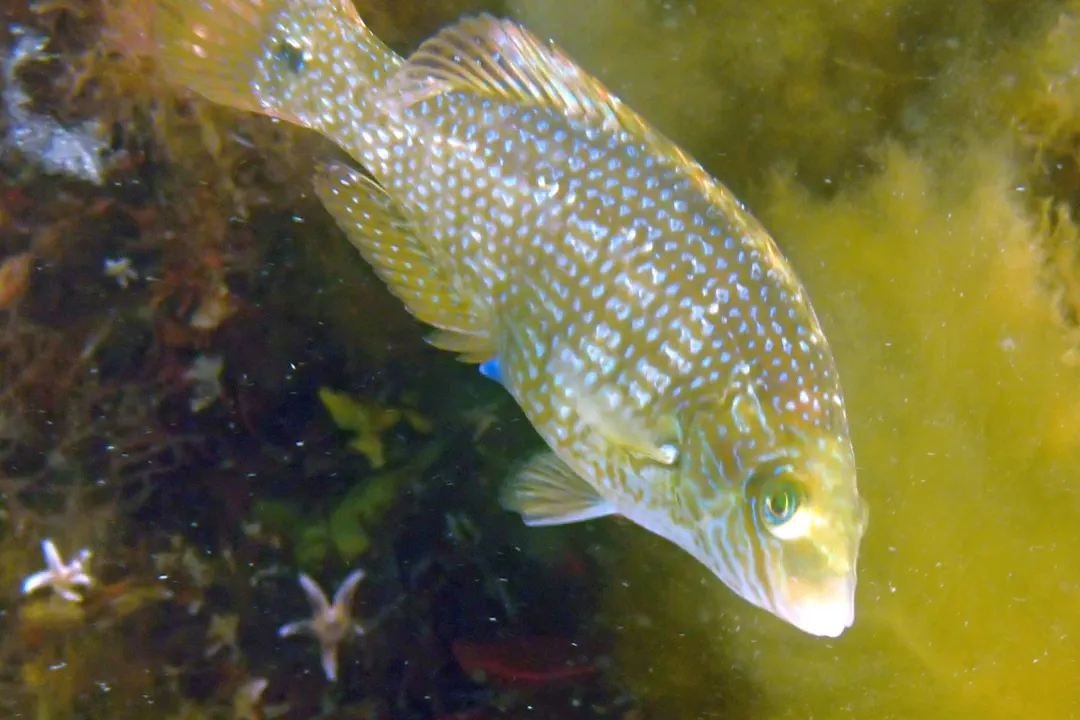 © Micha BaumCC BY-SA 4.0 · iNaturalist
  © BartCC BY 4.0 · iNaturalist
  © Julien RenoultCC BY 4.0 · iNaturalist
  © Juraj AhelCC BY 4.0 · iNaturalist
  © Michael BommererCC BY 4.0 · iNaturalist
 Katič Island
Around Katič Island, a small rocky outpost near Petrovac, schools of Saddled Seabream (Oblada melanura) shimmer in the sunlit shallows, weaving through the kelp-draped reefs. Below, the rocky bottom descends into a series of ledges and small drop-offs, revealing life. This site offers varied diving around its rocky shores and submerged reefs.
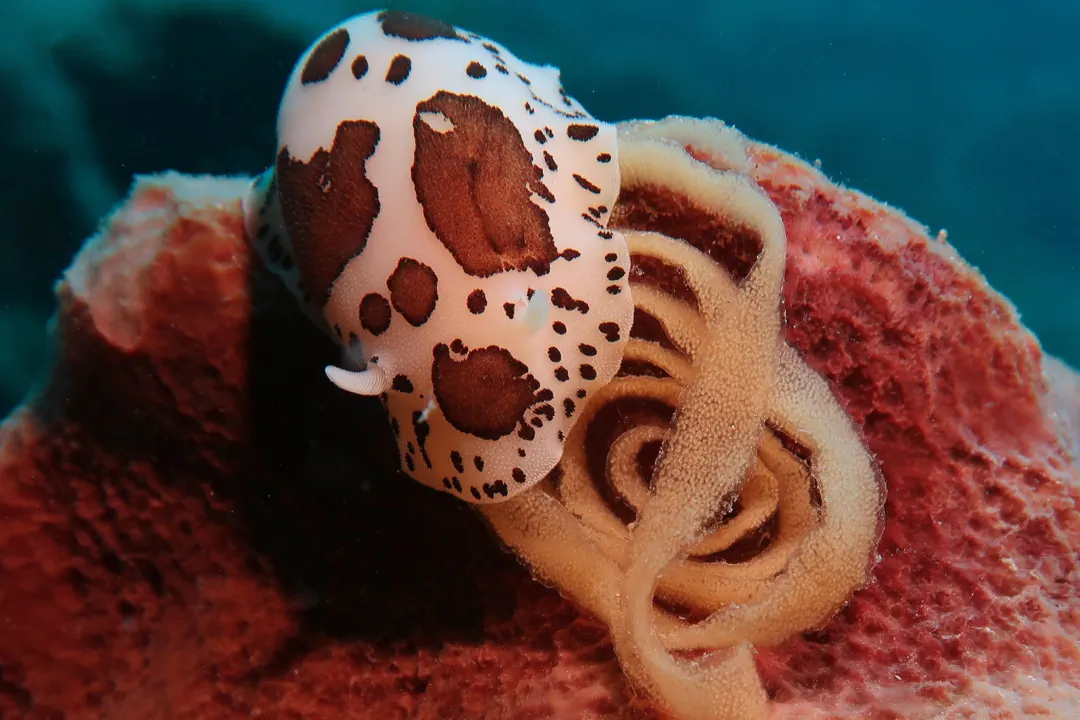
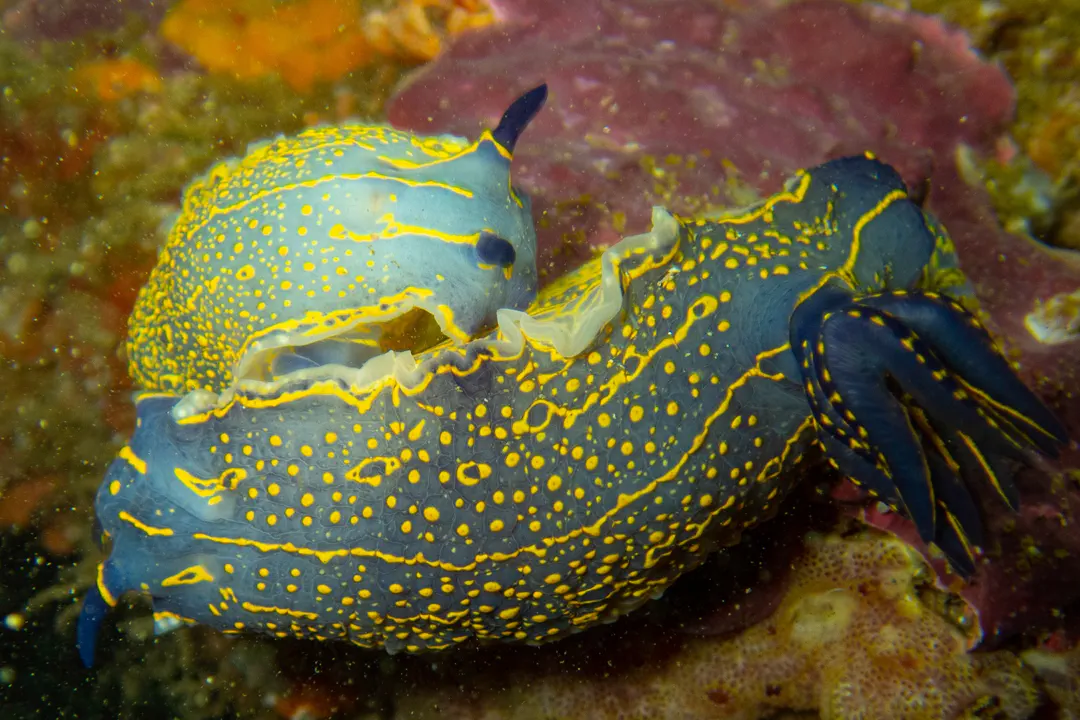
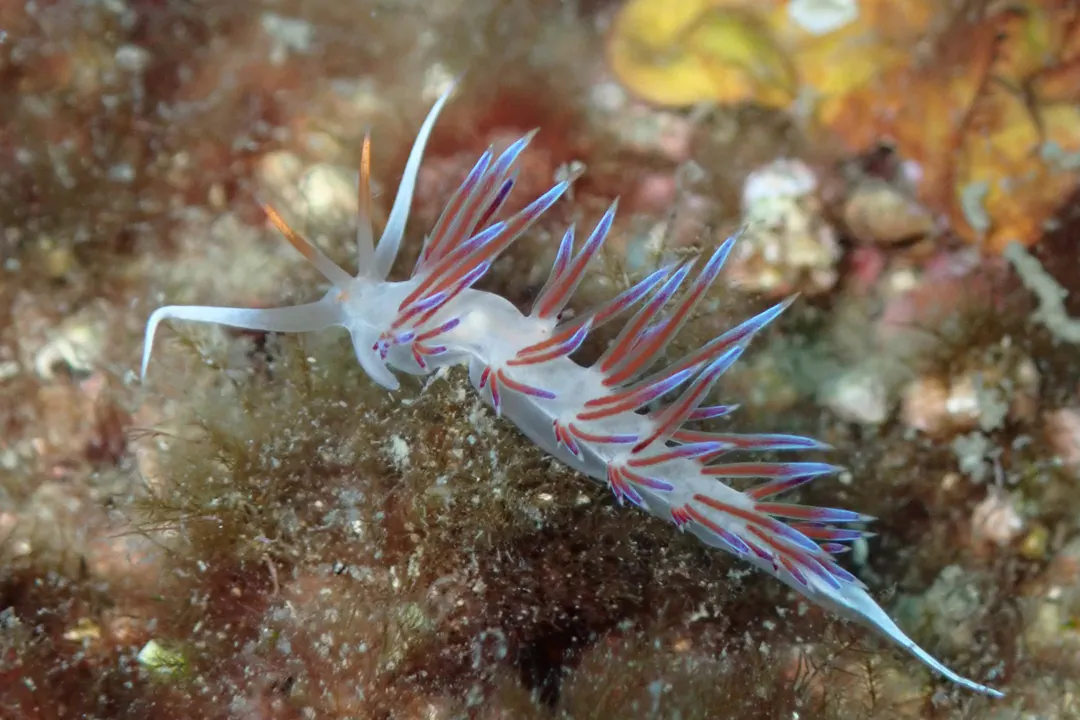
With depths ranging from 10 to 30 meters, Katič Island is accessible by boat and suitable for all experience levels, offering profiles from shallow reef exploration to deeper wall dives. Divers here encounter wrasses, blennies, and nudibranchs grazing on the encrusting organisms that cling to the submerged rock formations.
Practical Diving Tips for Montenegro
When planning a dive trip to Montenegro, partnering with a local, registered dive center is essential. These operators provide boat access to sites, handle necessary local permissions, and ensure compliance with safety regulations, which vary by site, especially for wrecks or protected areas.
During the peak summer months, a 3mm or 5mm wetsuit is sufficient given water temperatures up to 26°C. For spring and autumn diving, when temperatures drop to 14°C, a 7mm wetsuit or drysuit is advisable. A dive torch is recommended for exploring the numerous caves and wrecks.
Montenegro is actively working to protect its marine environment. Divers should practice excellent buoyancy control to avoid disturbing delicate encrusting life and historical artifacts, and always maintain a respectful distance from marine animals.
Frequently Asked Questions
Questions
What is the typical water visibility in Montenegro?
Visibility in Montenegro’s Adriatic waters ranges from 15–35 m, with the clearest conditions during summer and early autumn. After calm weather, offshore or less disturbed sites are especially clear, while wind and suspended sediment reduce visibility in bays.
Are there any dangerous marine animals in Montenegro?
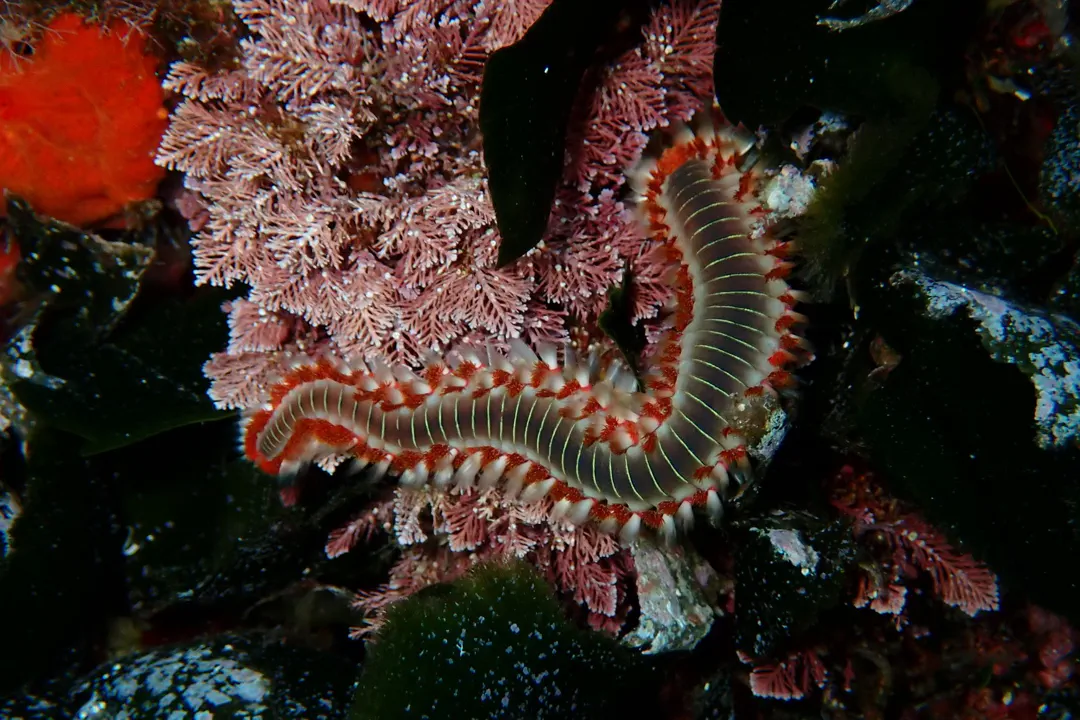
Yes, but serious hazards are limited and manageable with good awareness. Divers should avoid contact with scorpionfish and fireworms, and should also watch for sting or spine injuries from bottom-dwelling species; these are the main biological risks rather than large aggressive animals.
Is diving in Montenegro suitable for beginners?
Yes, many sites are suitable for beginners, especially shallow reefs, sheltered bays, and some cave entrances with simple profiles. More advanced dives include deeper wrecks, walls, and overhead environments, so divers should match the site to their certification and experience.
What kind of dive gear should I bring?
A 3 mm to 5 mm wetsuit is enough in the warmest months, while spring and autumn call for 7 mm protection or a warmer setup. A torch is useful for caves and wrecks, and good buoyancy control matters because many Montenegrin sites have overhead features and delicate encrusting life.
Do I need a special permit to dive in Montenegro?
For ordinary recreational diving, a special personal permit is not required, but divers should go with a licensed or registered local operator. Some protected or heritage sites have site-specific rules, and dive centers handle local permissions and safety requirements.