Introduction to Diving in Croatia
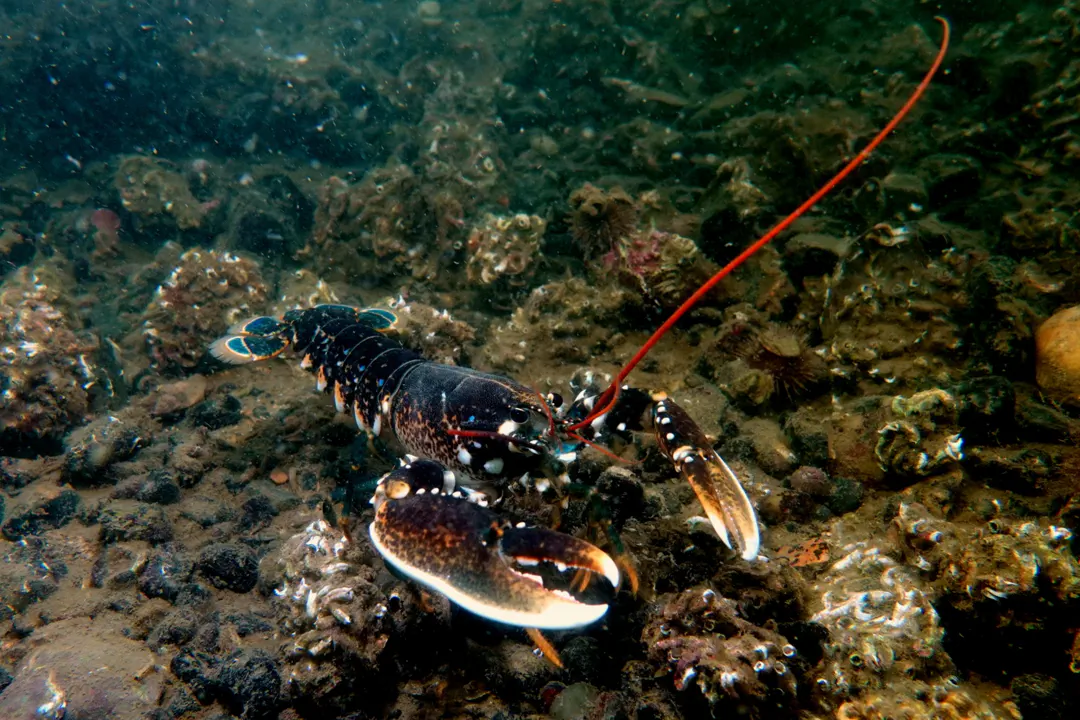
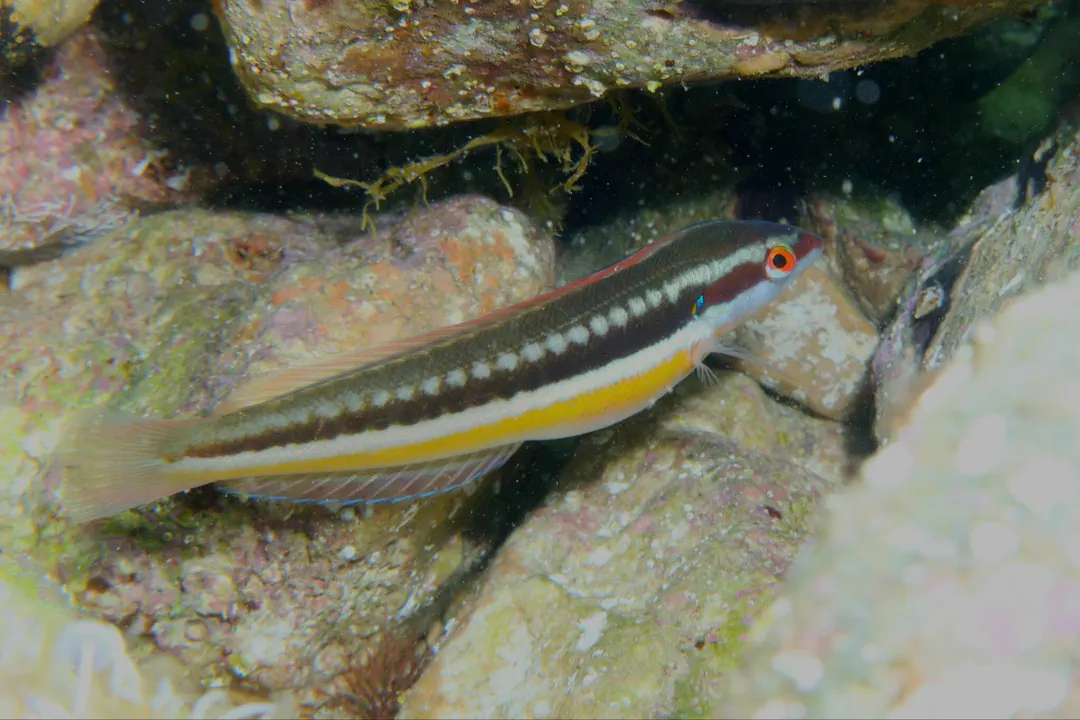
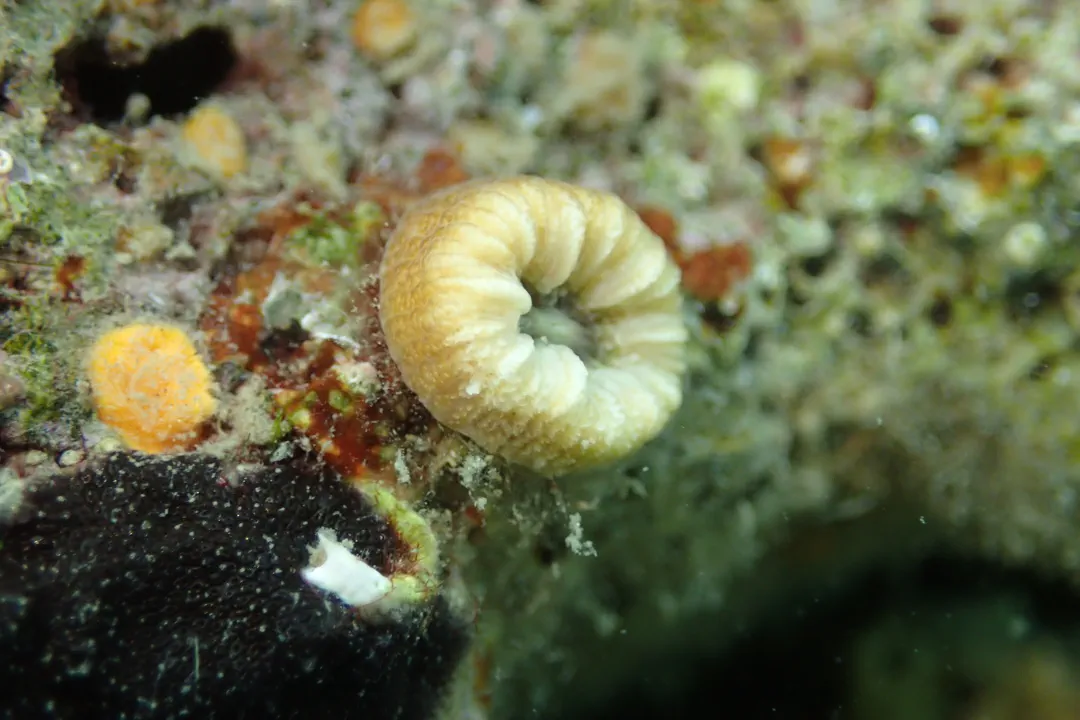
At a depth of 25 meters, along a sheer drop-off near the island of Žut in Kornati National Park, a European spiny lobster slowly backs into a crevice, its antennae twitching in the gentle current. Sunlight, softened by the clear Adriatic, filters down, illuminating patches of yellow cup corals clinging to the rock face. A small, ornate wrasse darts past, its colors flashing against the blue, oblivious to the diver observing its quick movements.
This single moment hints at the deep currents of the Adriatic: a marine environment where ancient history rests alongside species shaped by the sea's distinct salinity and temperature. From the Istrian peninsula to the Dalmatian coast’s scattered islands, the underwater world reveals the hushed presence of Roman amphorae and the intricate life within gorgonian gardens.
Geography and Climate of the Croatian Adriatic
Croatia’s coastline is a mosaic of land and sea, stretching over 1,777 kilometers and embracing more than 1,200 islands, islets, and reefs. This intricate geography creates sheltered bays, dramatic drop-offs, and intricate underwater landscapes.
The Mediterranean breathes warm, dry summers into the Adriatic, cooling into mild, rainy winters. This annual rhythm dictates the sea's thermal layers: surface waters, sun-warmed to their peak in August, slowly surrender their heat with depth and through the autumn months. This ebb and flow of temperature shapes the movements of marine life and guides a diver's need for thermal protection.
Marine Biodiversity of the Adriatic Sea
The Adriatic Sea, a semi-enclosed arm of the Mediterranean, harbors a marine ecosystem distinct from the wider Mediterranean. Its relatively lower salinity contributes to a specific blend of species, from familiar reef fish to specialized invertebrates.
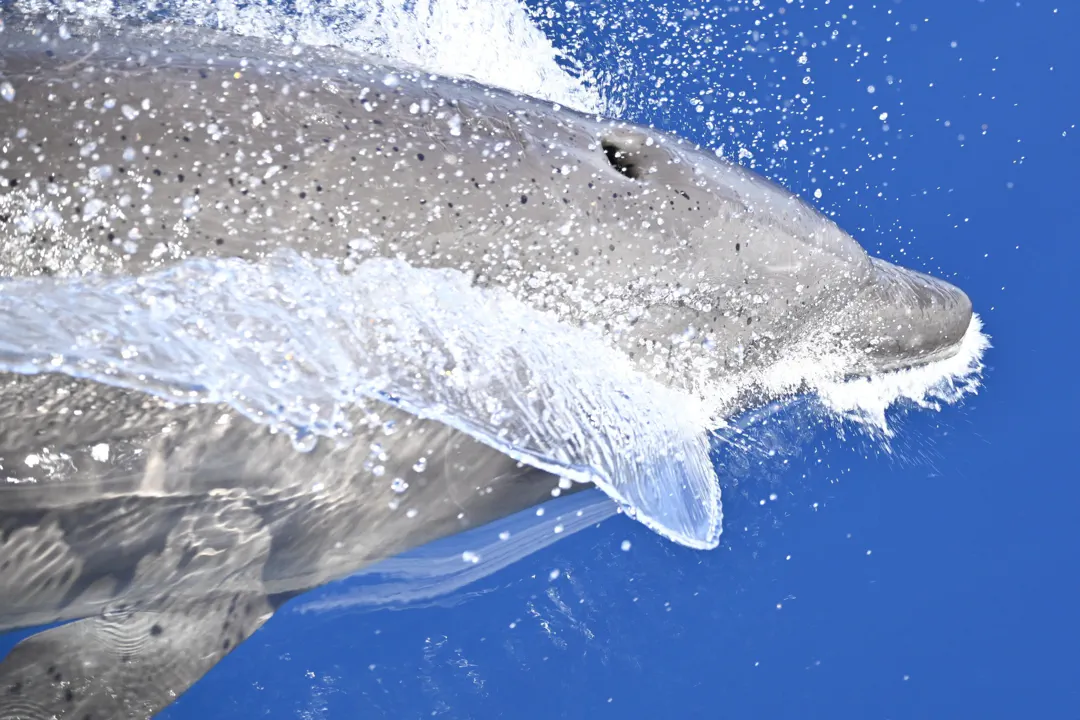
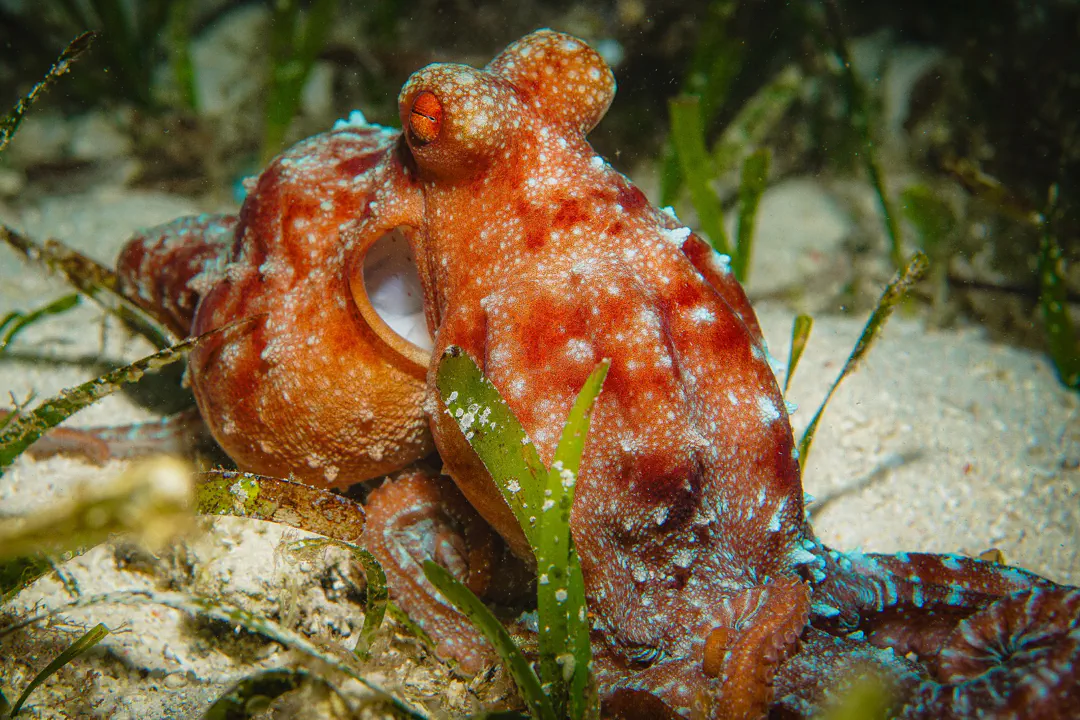
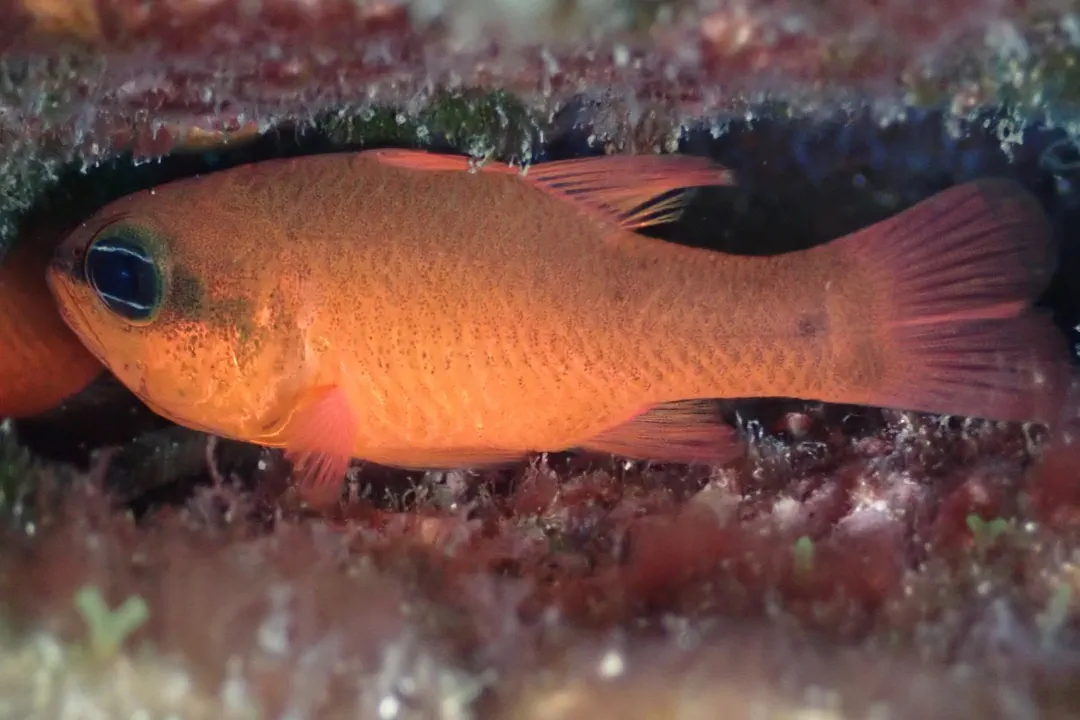
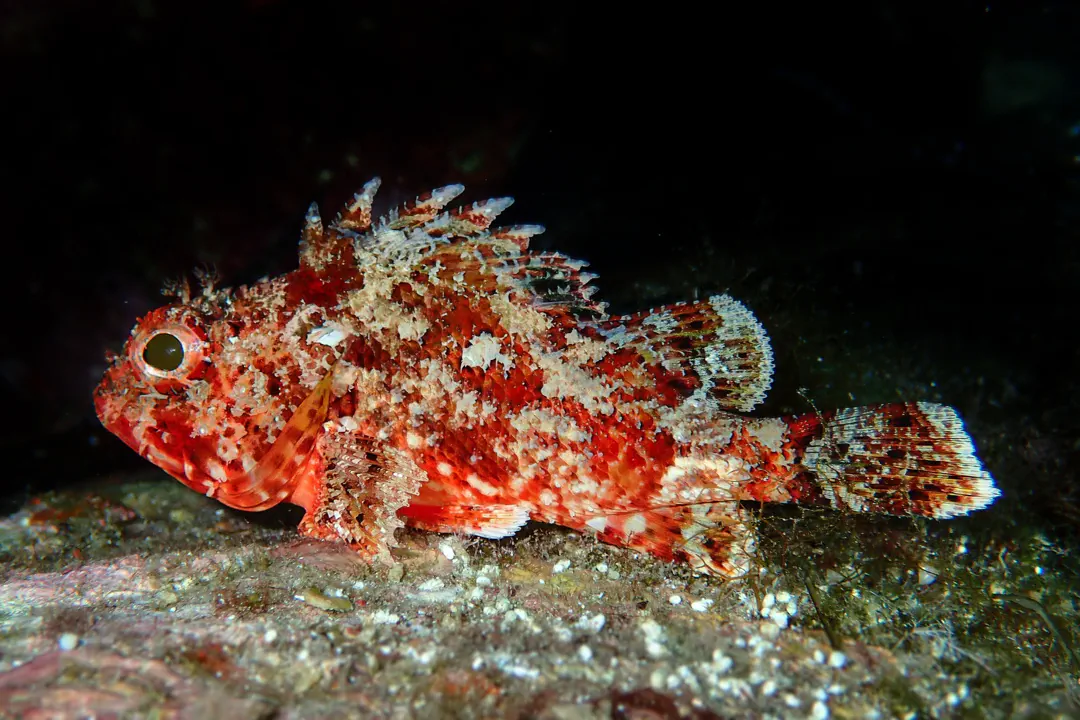
Damselfish, numbering in the hundreds, form shimmering curtains that part and rejoin around rocky outcrops. Octopuses, masters of camouflage, reveal themselves through the sudden flash of an eye from a crevice. Ornate wrasses, with their shifting patterns of green and blue, glide through sunlit seagrass meadows. In deeper waters and protected zones, the European spiny lobster extends its long, spiny antennae from its lair, while sleek bottlenose dolphins occasionally carve trails through the open blue.
 © seabook.appAll rights reserved
  © Stas KuryanAll rights reserved
  © Klaus Kevin KristensenCC BY 4.0 · iNaturalist
  © Julien RenoultCC BY 4.0 · iNaturalist
  © shahar chaikinCC BY 4.0 · iNaturalist
  © Julien RenoultCC BY 4.0 · iNaturalist
 Best Time to Visit and Water Temperatures
The diving season in Croatia extends from May through October. The warmest water temperatures and best visibility occur in the summer months. June, July, and August see surface temperatures rise to 23-26°C (73-79°F), making a 3mm or 5mm wetsuit comfortable for most divers.
Visibility during this peak period ranges between 15 and 40 meters. For those seeking fewer crowds and slightly cooler conditions, late spring (May-early June) and early autumn (September-October) offer excellent diving. Water temperatures then range from 18-22°C (64-72°F), and seas are generally calm.
Water temperature
Croatia, monthly average
Split (Dalmatia coast), most popular diving area in Croatia; sea surface temperatures (0-10m depth)
Top Dive Sites in Croatia
Kornati National Park: Labyrinth of Islands
Kornati National Park, a sprawling archipelago of 89 islands, islets, and reefs, is a protected marine area where limestone cliffs, carved by millennia of wind and sea, plunge into the blue. Diving here reveals sheer walls dropping from the surface to depths of 40 meters, intricate caves, and submerged pinnacles. This labyrinthine landscape, rich with deep walls adorned with red gorgonians and teeming fish, is its distinct feature.
Access is exclusively by boat from coastal towns like Murter or Sukošan; a park entrance fee and diving permit are required. Dives for certified divers can range from shallow reef exploration (5-15m), requiring Open Water certification, to deeper wall dives (20-40m) best suited for those with Advanced Open Water or deep diving specialization. The park's protection allows vast fans of red gorgonians to cling to rock faces, forming living tapestries, while schools of damselfish navigate the dramatic underwater cliffs.
 © Vsevolod RudyiCC BY 4.0 · iNaturalist
  © Juraj AhelCC BY 4.0 · iNaturalist
  © Daniel BenákCC BY 4.0 · iNaturalist
  © Valentin MoserCC BY 4.0 · iNaturalist
 Vis Island: Wrecks and the Blue Cave
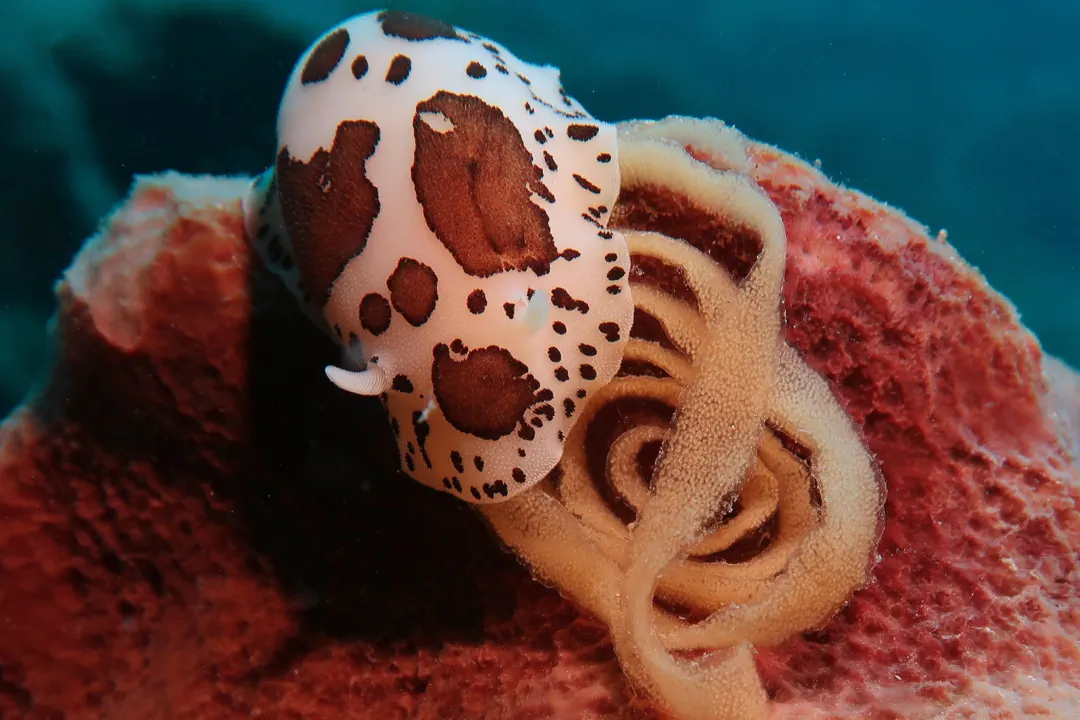
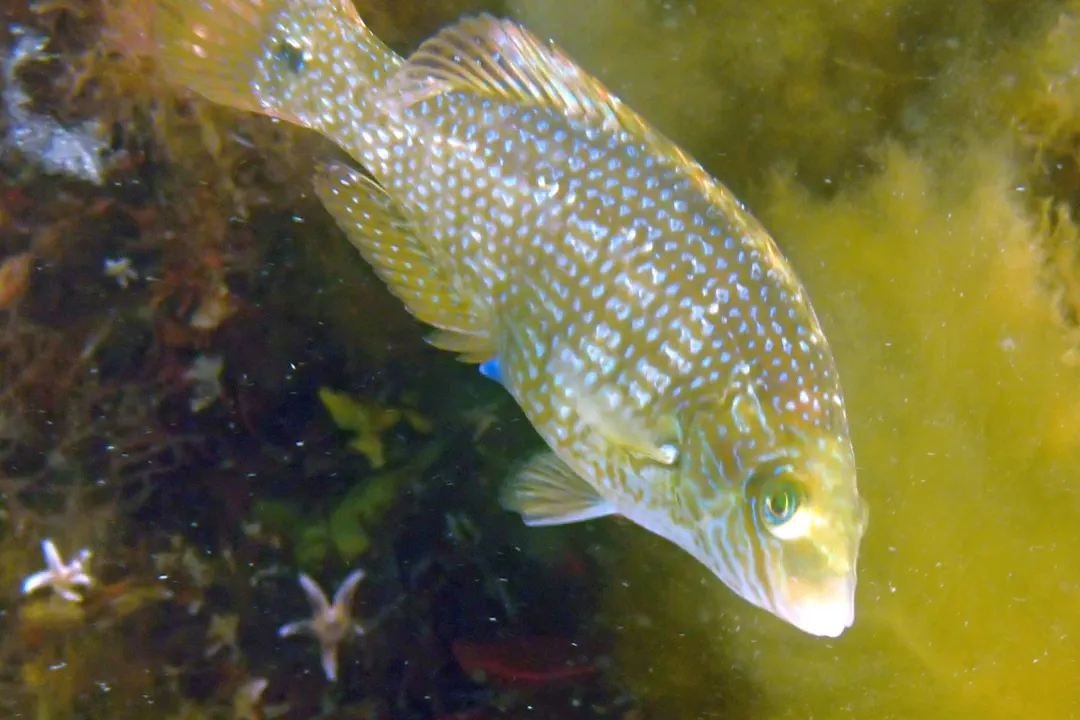
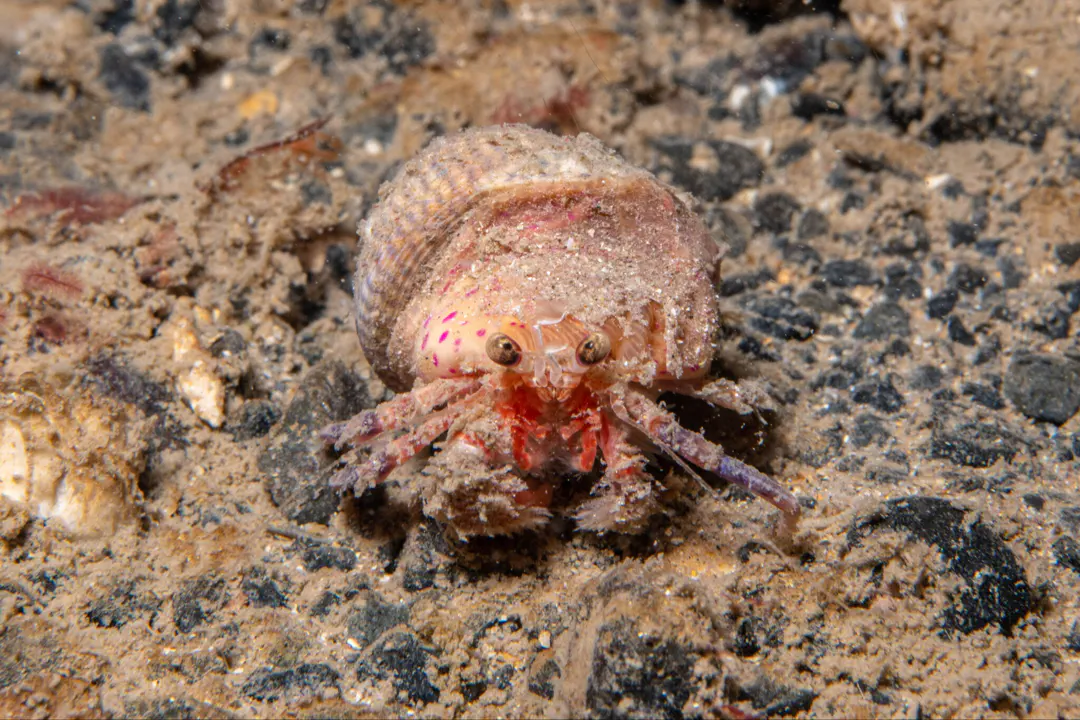
Vis Island's shores hold a submerged archive of human history. Here, numerous historical wrecks, from ancient Roman galleys to World War II aircraft and vessels, rest at depths spanning 15 to over 60 meters. This concentration of remarkably preserved historical wrecks, offering a direct link to the Adriatic's maritime past, is the island's distinct diving feature.
Access to these sites is by boat from Vis town. Exploring these deeper wrecks requires Advanced Open Water certification and often specialized wreck diving training, particularly for penetration. Beyond the wrecks, the famous Blue Cave (Modra špilja) on the nearby islet of Biševo, while best experienced by snorkel or surface visit, presents an ethereal blue light show as sunlight enters a submerged opening.
 © Donald DavesneCC BY 4.0 · iNaturalist
  © Daniel BenákCC BY 4.0 · iNaturalist
  © Micha BaumCC BY-SA 4.0 · iNaturalist
  © Libby KeatleyCC BY 4.0 · iNaturalist
 Pakleni Islands: Shallow Reefs and Nudibranch Heaven
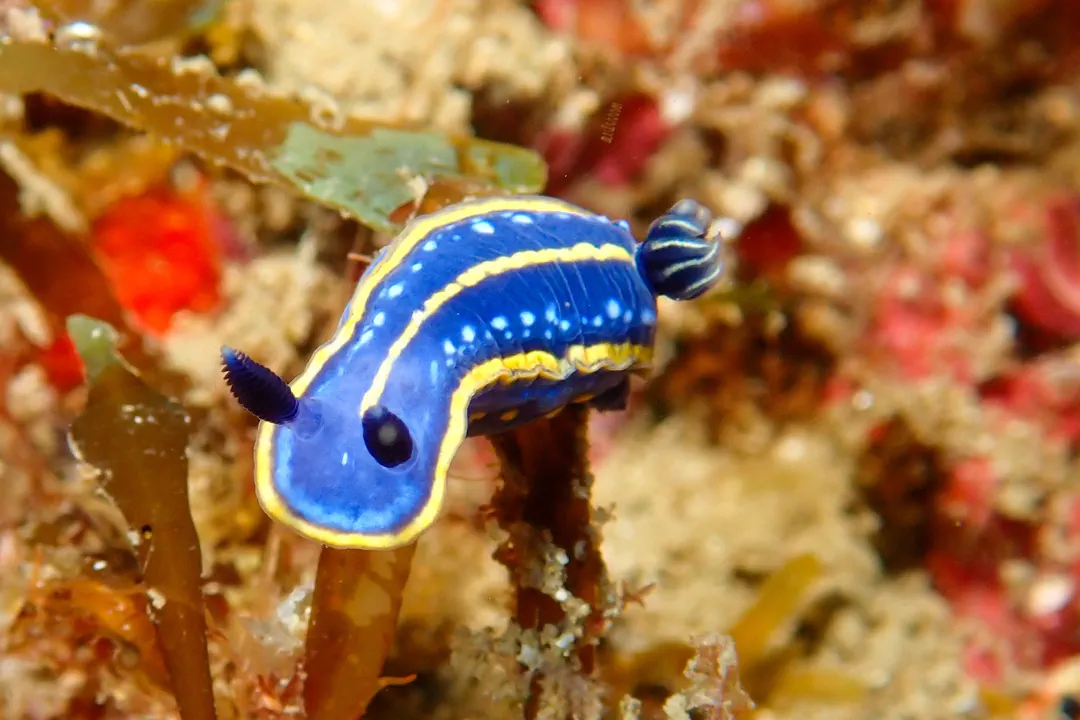
Just a short boat ride from Hvar, the Pakleni Islands offer a distinct shallow water diving experience. Depths range from 5 to 20 meters, making these reefs accessible for Open Water certified divers and enjoyable for all, particularly those interested in macro photography. Access is by boat from Hvar town.
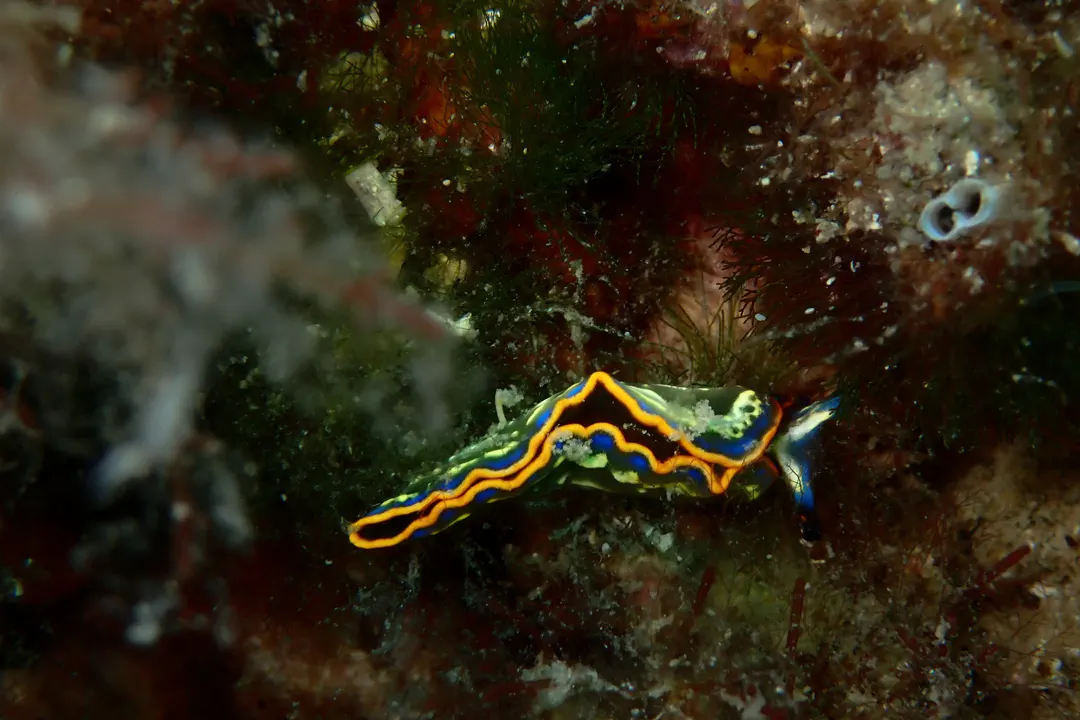
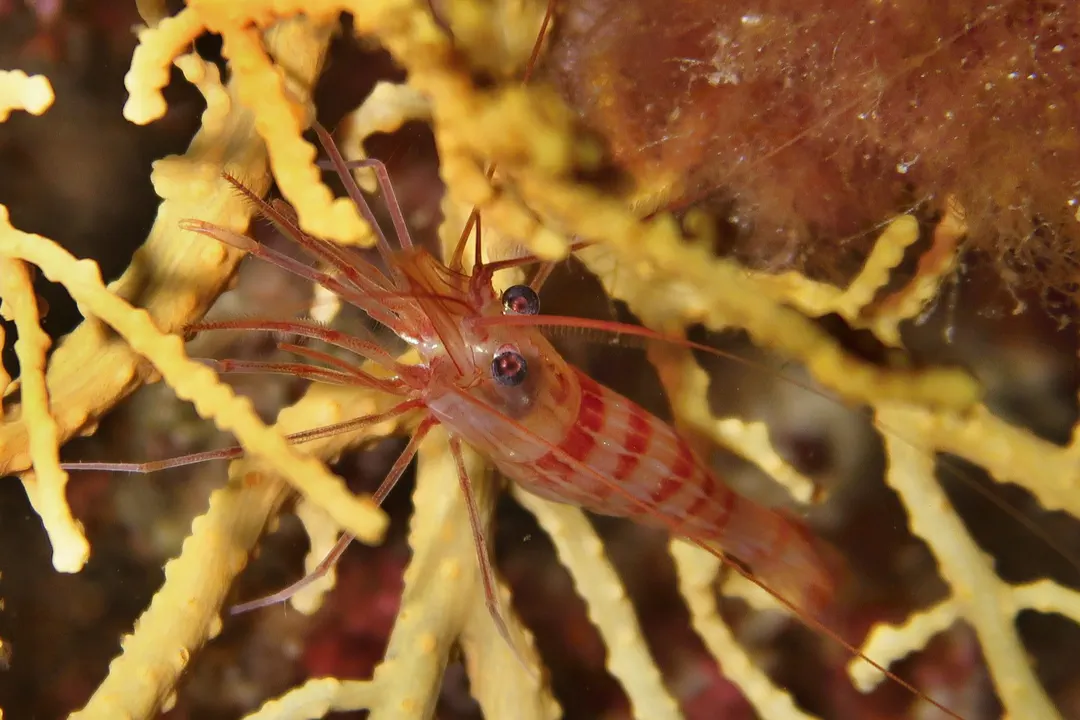
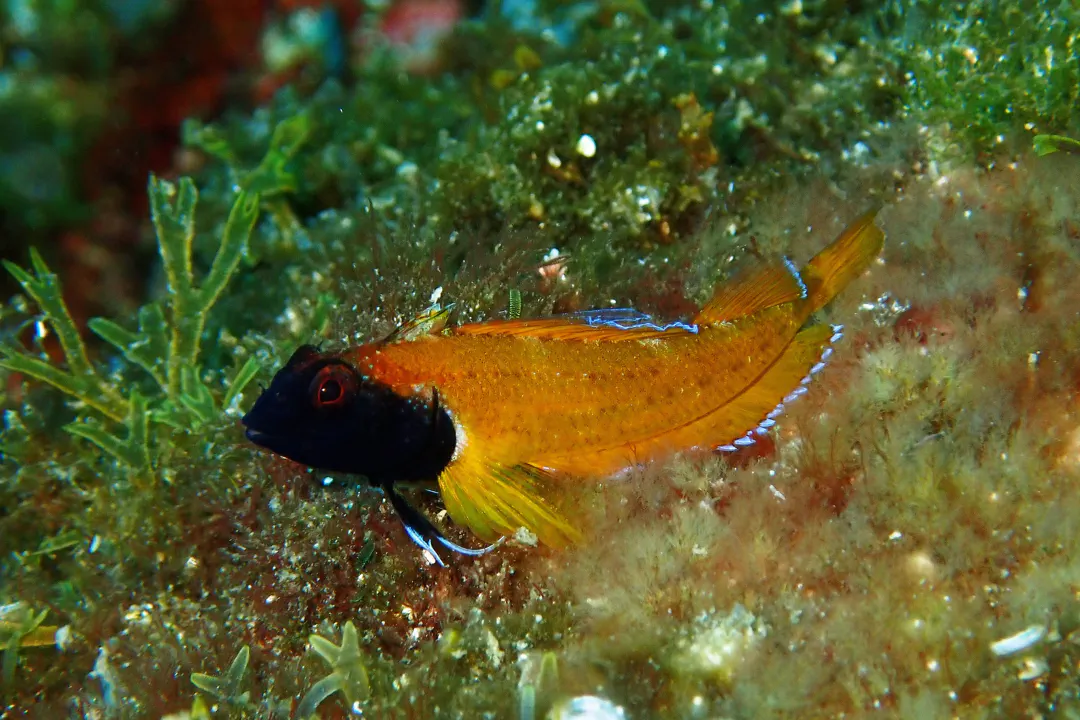
The distinct feature of these islands is their remarkable density of colorful nudibranchs, which graze on sponges and hydroids, alongside small blennies and cleaner shrimp, all illuminated by clear, sun-drenched waters.
 © Vsevolod RudyiCC BY 4.0 · iNaturalist
 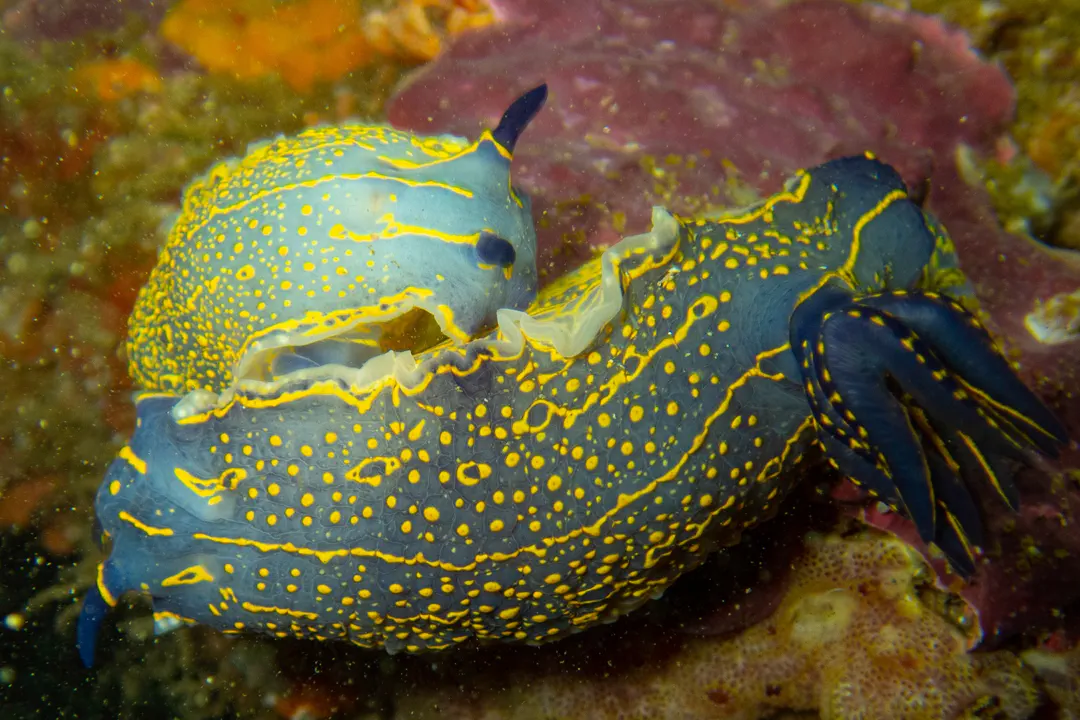 © Bernard PictonCC BY 4.0 · iNaturalist
 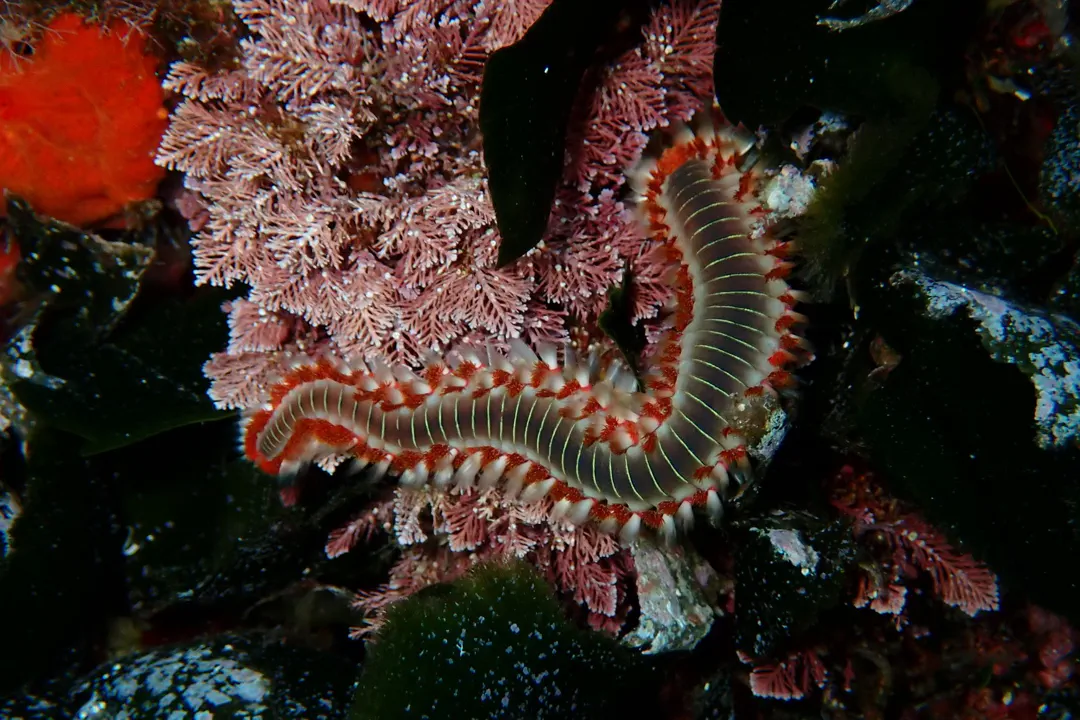 © Juraj AhelCC BY 4.0 · iNaturalist
 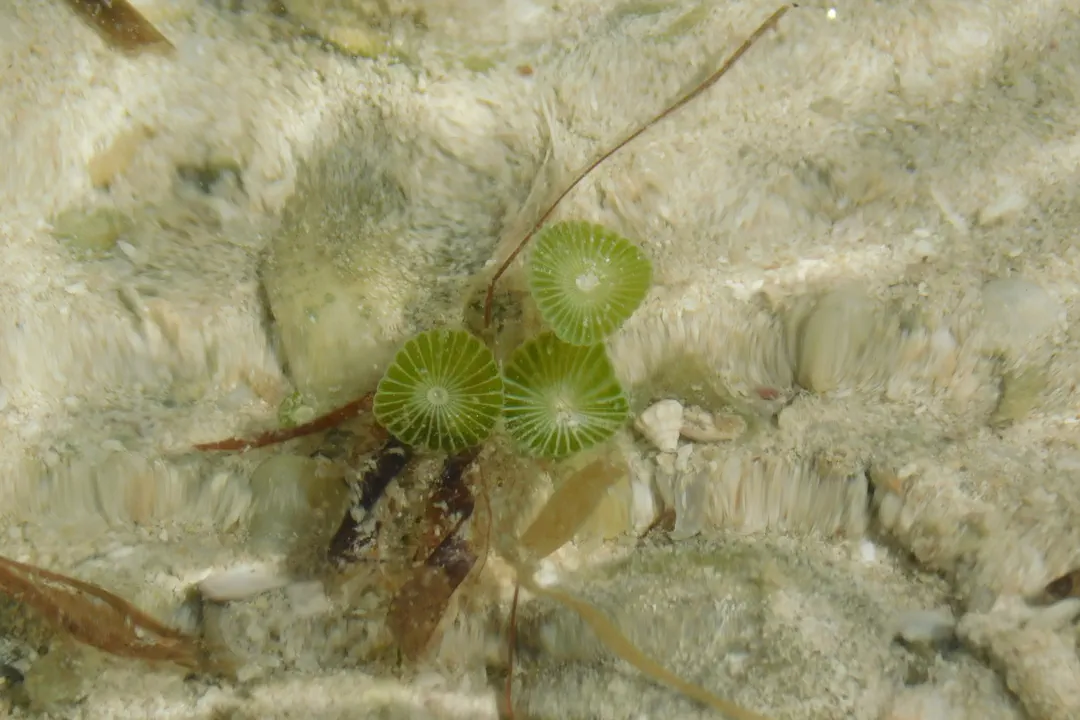 © Mauricio Soto DavidCC BY 4.0 · iNaturalist
 Mljet National Park: Saltwater Lakes and Caves
Mljet National Park offers a diving environment unlike others in the Adriatic, centered around its two interconnected saltwater lakes, Veliko Jezero and Malo Jezero. These lakes, connected to the open sea by a narrow channel, host a distinct ecosystem where depths can reach up to 30 meters. The park's distinct feature for divers is the chance to explore this unique, sheltered saltwater lake ecosystem, or venture into its underwater caves.
Diving within the lakes is accessible from shore or by short boat rides within the park, requiring Open Water certification; a park permit is also required. Exploring the underwater caves, however, demands specialized cave diving training. Here, divers find species adapted to these calm, brackish conditions.
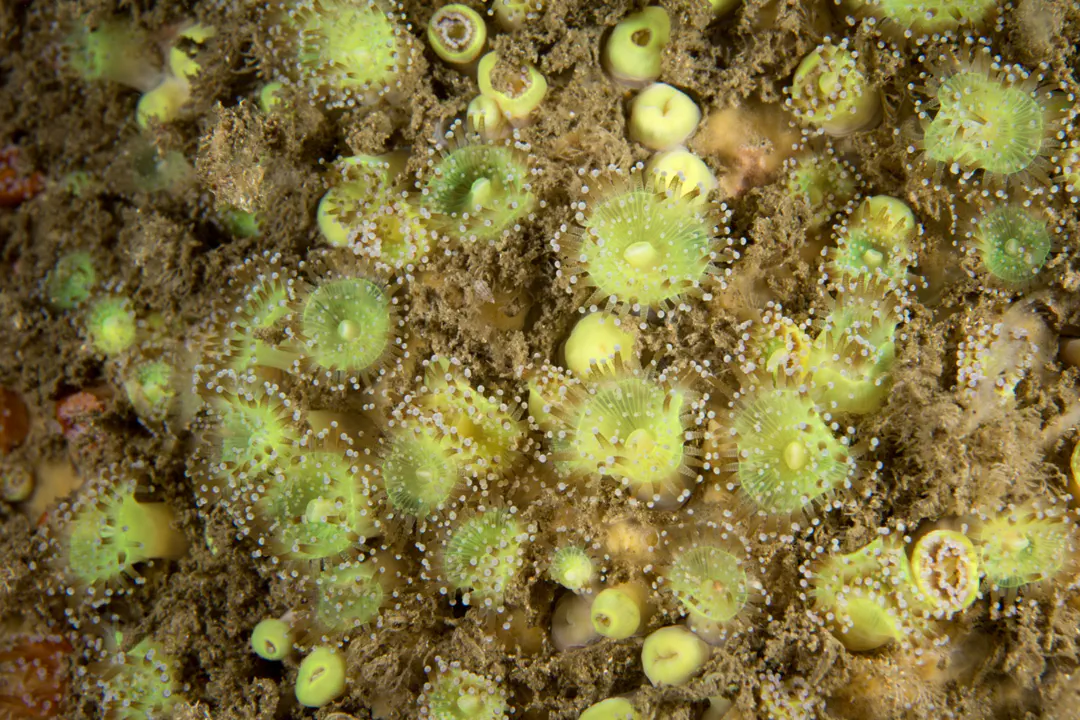 © Bernard PictonCC BY 4.0 · iNaturalist
 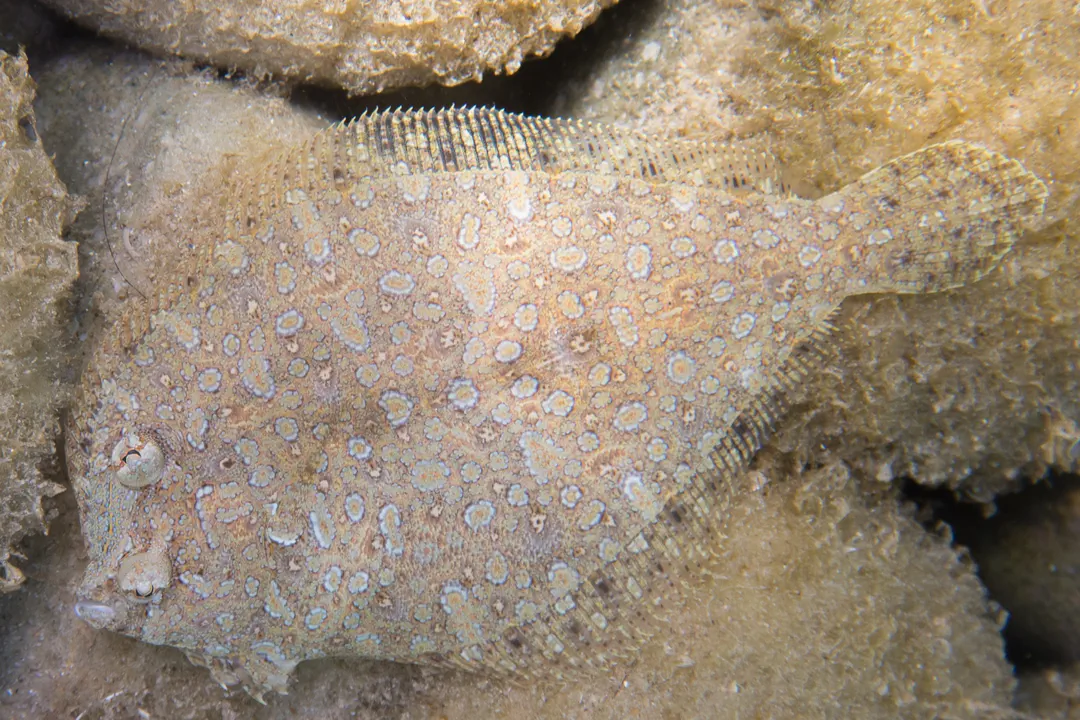 © BartCC BY 4.0 · iNaturalist
 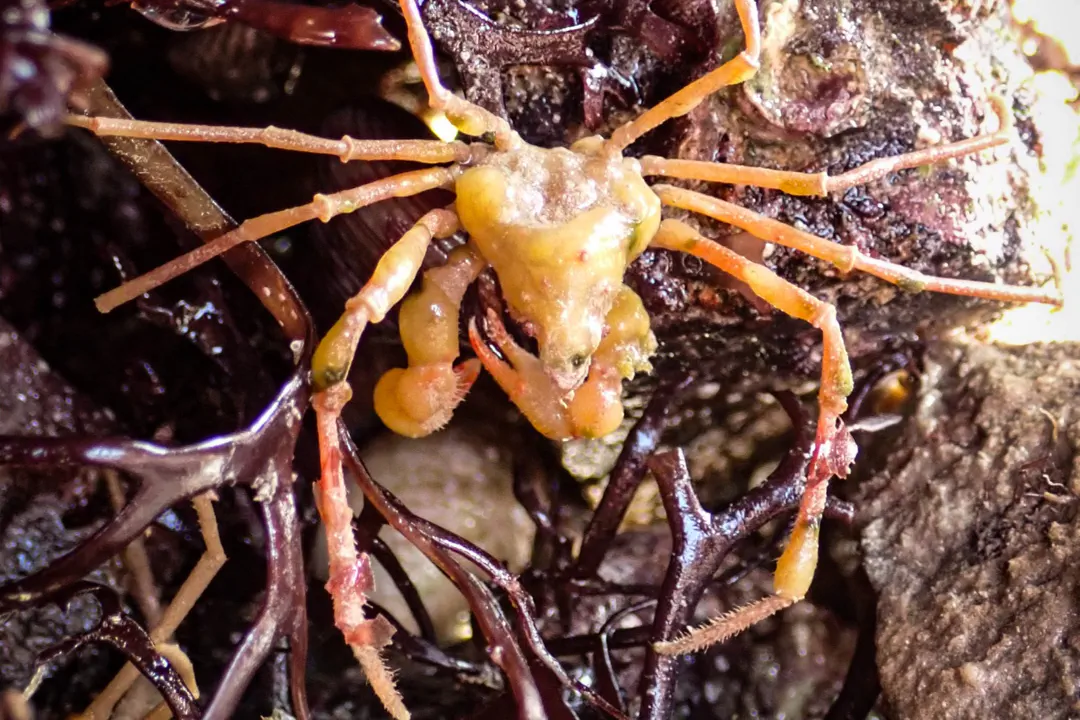 © Lou WagstaffeCC BY 4.0 · iNaturalist
 Dubrovnik Area: Historical Reefs and Walls
Diving near the ancient city of Dubrovnik, typically by boat from the city harbor, reveals a landscape where natural reef formations meet remnants of ancient history. Sites range from 10 to 30 meters in depth, making them accessible to Open Water certified divers. The distinct feature of diving here is the presence of amphora fields, remnants of ancient trade routes, which lie scattered among reef fish and invertebrates, offering a direct glimpse into the Adriatic's past.
Divers can explore reefs, walls, and small caves here. Visibility often extends beyond 20 meters, allowing clear views of these submerged historical artifacts.
Diving Conditions and Regulations
The Croatian Adriatic offers calm conditions during summer, with visibility often extending beyond 20 meters. Currents are typically mild, especially in sheltered bays and around the islands, but can be stronger in narrow channels or deeper offshore sites.
Navigating Croatia's underwater world requires adherence to local regulations. All divers must possess a valid diving permit issued by the Croatian Diving Federation; dive centers can help facilitate this. Protected areas like national parks have specific rules to preserve their ecosystems, and permits are required for diving on historical wrecks to ensure their protection and safe exploration.
Practical Diving Tips for Your Croatian Adventure
When planning your Croatian diving trip, consider booking with a dive center that adheres to safety and environmental standards. Most centers offer equipment rental, but bringing your own mask and computer is beneficial for comfort and familiarity.
Always respect marine life by maintaining a safe distance and never touching or disturbing animals or corals. Familiarize yourself with local customs and conservation efforts, contributing to the preservation of Croatia's unique underwater sites for future generations.
Questions
Do I need a special permit to dive in Croatia?
Yes, divers in Croatia require a valid diving permit issued by the Croatian Diving Federation, in addition to their certification. Most dive centers will assist with obtaining this permit.
What is the visibility like in the Croatian Adriatic?
The Adriatic Sea around Croatia offers excellent visibility, ranging from 15 to 40 meters (50 to 130 feet), especially during the summer months.
Are there many wrecks to dive in Croatia?
Croatia's coastline and islands are home to many historical wrecks, including ancient Roman galleys, WWI and WWII warships, and cargo vessels, offering fascinating dives for wreck enthusiasts.
Is Croatia suitable for divers with Open Water certification?
Yes, many of Croatia's dive sites, particularly sheltered bays, shallow reefs (5-15m), and some lake dives, are accessible and enjoyable for Open Water certified divers. More challenging deep dives and wreck explorations typically require Advanced Open Water or specialized training.
How do I typically access dive sites in Croatia?
Most dive sites in Croatia are accessed by boat, typically departing from coastal towns or island harbors. Shore diving is less common but available in some areas, especially within national parks like Mljet.