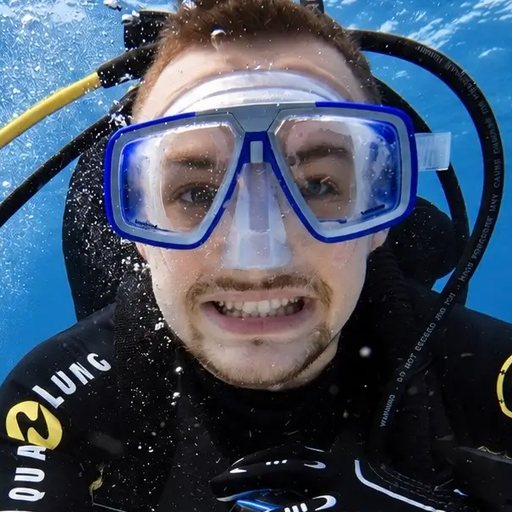
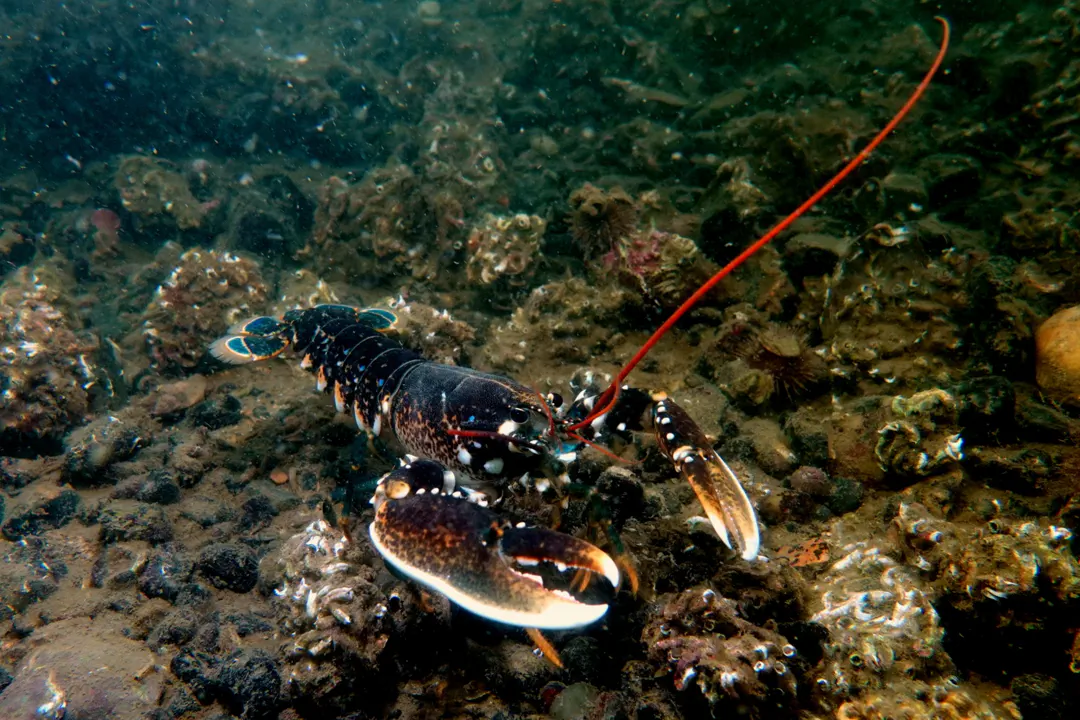
Beneath the tumultuous surface of the North Atlantic, off Ireland’s rugged coast, a European lobster, its antennae twitching from a crevice at 15 meters, retreats deeper into the kelp forest. Shafts of light pierce through the fronds, illuminating the passing shadow of a curious Atlantic grey seal, its eyes wide and dark, before it disappears into the green depths. This is the reality of diving in Ireland, where cool, nutrient-rich waters sustain a productive marine ecosystem.
Ireland's marine life is shaped by a long Atlantic coastline, a wide continental shelf, and waters that mix shelf currents with strong tidal exchange. The island has more than 3,000 km of coastline, and its surrounding seas extend across a very large maritime area that includes exposed headlands, sheltered bays, offshore islands, wrecks, reefs, kelp beds, and deep offshore slopes.
This geography creates a varied set of underwater habitats within a relatively compact area. Divers can move from surge-swept rocky shallows to eelgrass and kelp forests, then out toward drop-offs, boulder fields, and wreck sites where cold-water invertebrates such as sea fans, anemones, and large crustaceans are common.
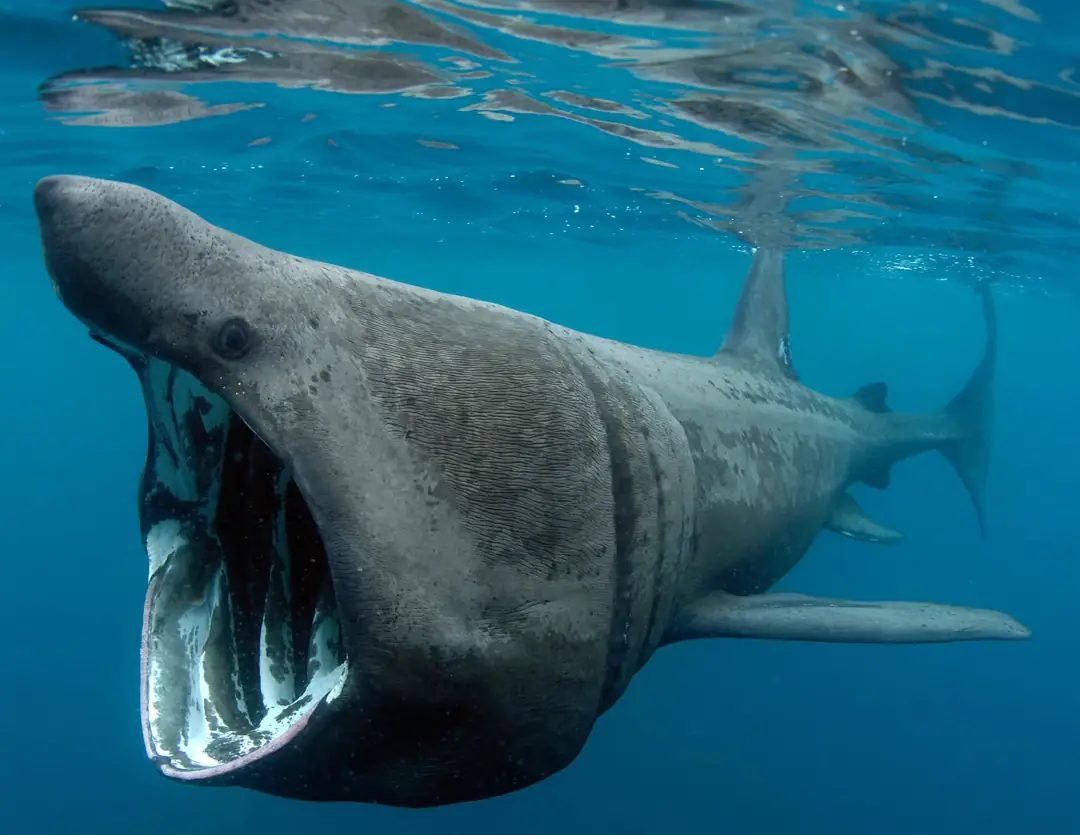
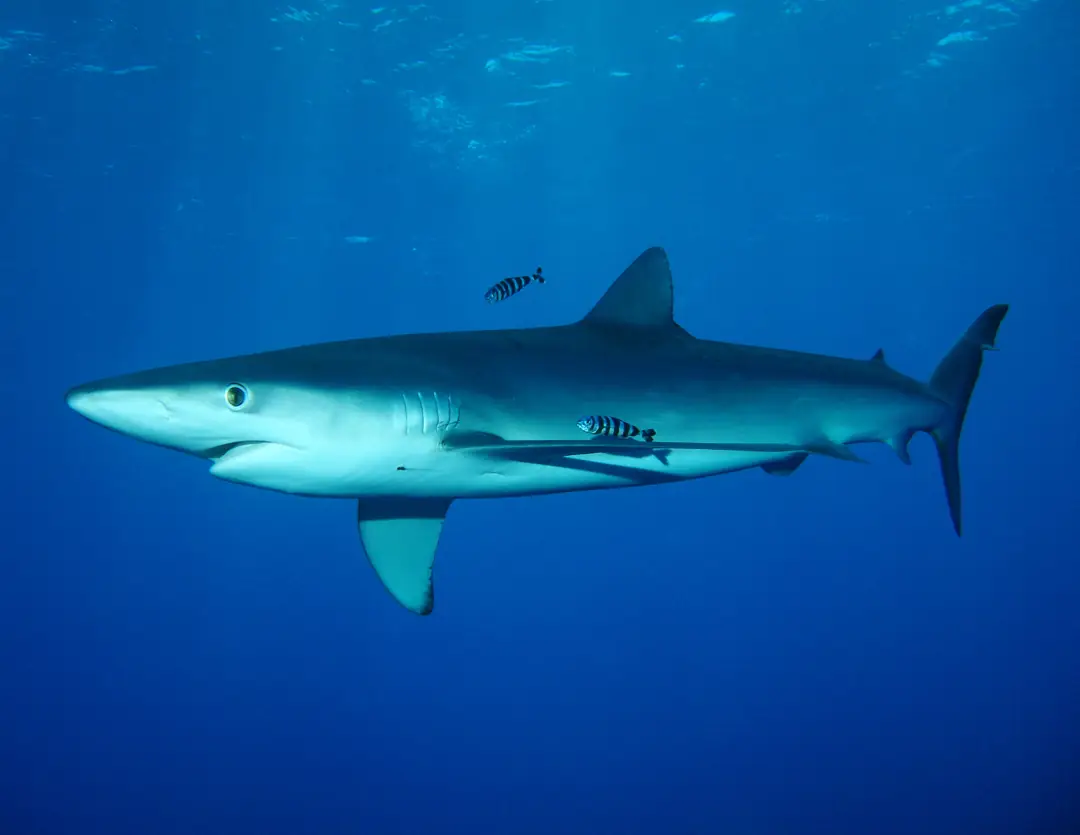
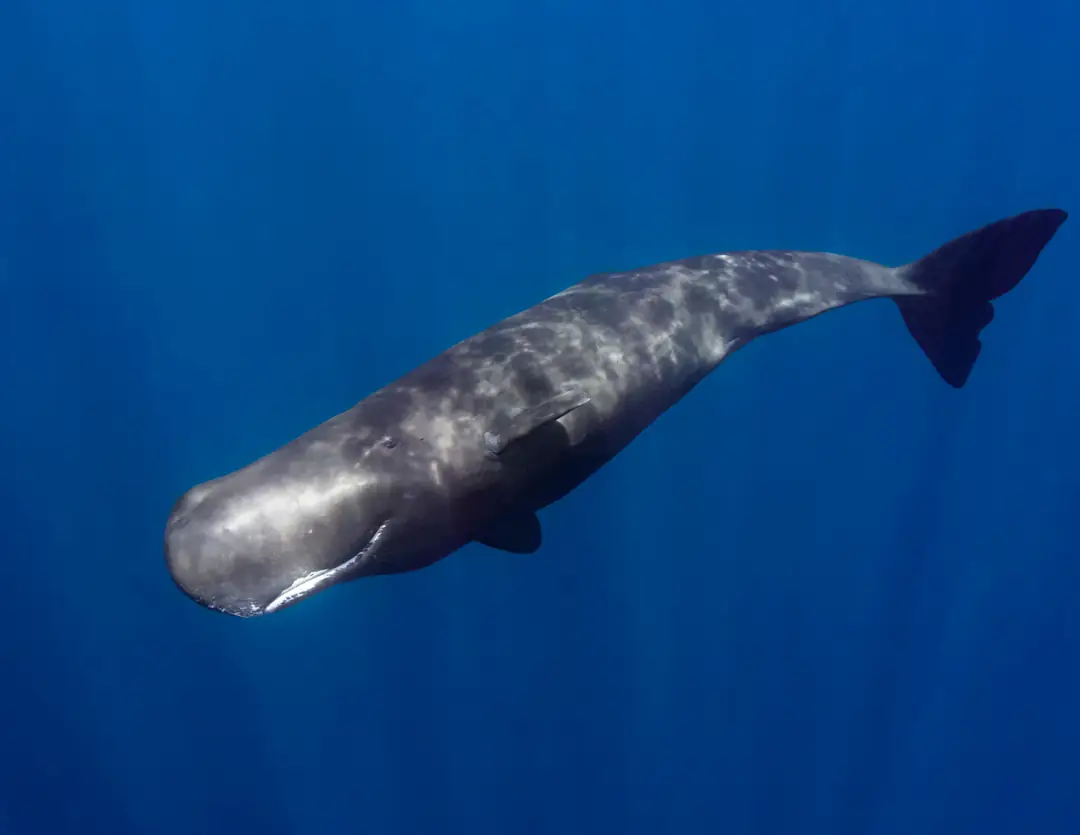
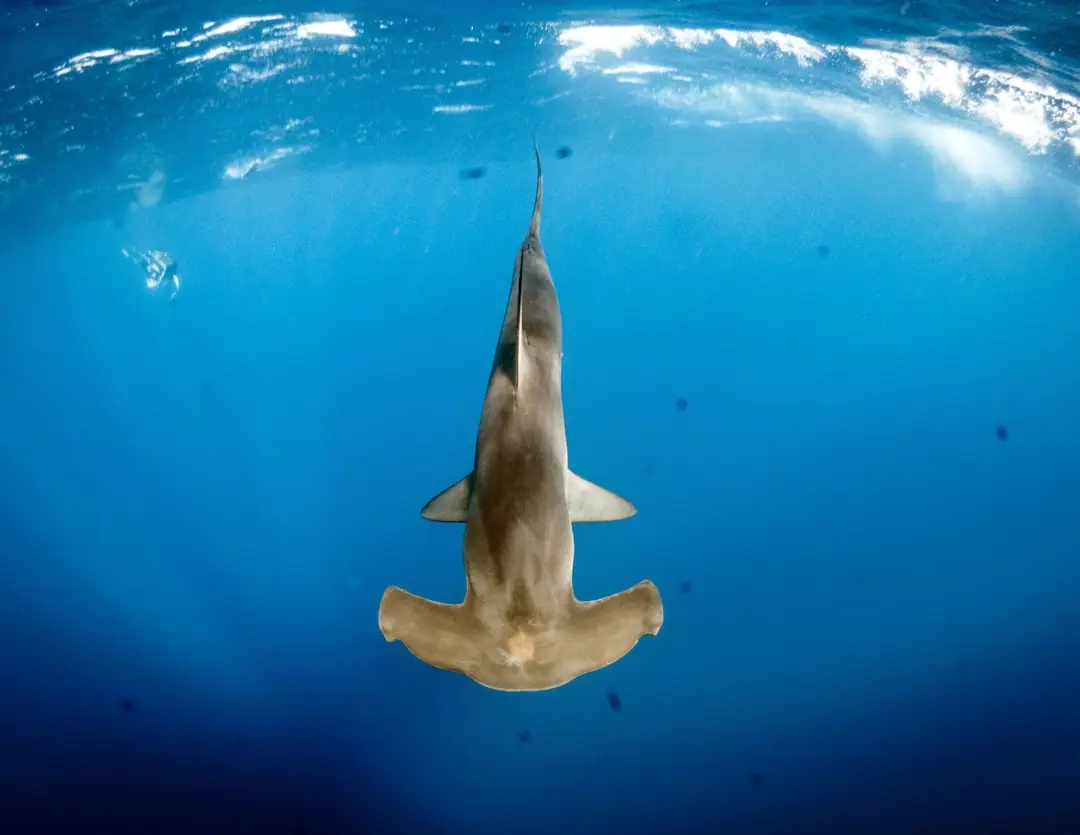
Ireland’s marine biodiversity is substantial for a temperate North Atlantic country, with 24 species of whales and dolphins, 35 species of sharks, and hundreds of fish and invertebrate species recorded. This helps explain why the same dive trip can produce kelp forest scenery, seal encounters, and the possibility of pelagic visitors offshore. Productive diving is often found where the coastline provides shelter from Atlantic swell, but the wildness is part of the appeal. Many of the most interesting sites are remote, weather-dependent, and strongly influenced by tides, so Ireland rewards divers who can plan around conditions rather than expecting stable tropical-style visibility or temperature.
Ireland's Maritime Geography and Climate
Ireland sits on the north-eastern edge of the Atlantic Ocean and is strongly shaped by the interaction of oceanic swell, tidal streams, and the continental shelf break west of the island. That shelf break helps concentrate nutrients and supports productive marine food webs, while the coastline itself alternates between steep cliffs, rocky shore platforms, sandy bays, estuaries, and offshore islands.
The climate is temperate maritime rather than truly cold, but underwater conditions are cool enough that most divers use thermal protection year-round. Sea temperatures vary by region and season; the warmest water occurs in late summer and early autumn, while the coolest water is found in late winter and early spring.
These physical conditions create different dive environments. Exposed west-coast sites typically have strong surge and better access to offshore pelagic life, while more sheltered east- and south-coast sites provide easier entry, calmer boat handling, and more frequent macro life on rocky reefs and wrecks.
Ireland’s marine ecology is also influenced by long-term protection and monitoring concerns. Coastal habitats such as reefs, kelp forests, estuaries, and salt marshes are ecologically important because they support nursery areas, shelter juvenile fish and crustaceans, and help buffer coastlines from storm damage.
The Rich Marine Ecosystems of Ireland
Ireland’s underwater habitats are dominated by kelp forests, rocky reefs, wrecks, and deep shelf-edge environments rather than tropical coral systems. Brown kelps such as Laminaria hyperborea and related canopy-forming species are especially important because they create three-dimensional habitat for crabs, wrasse, juvenile fish, sea urchins, and many small invertebrates.
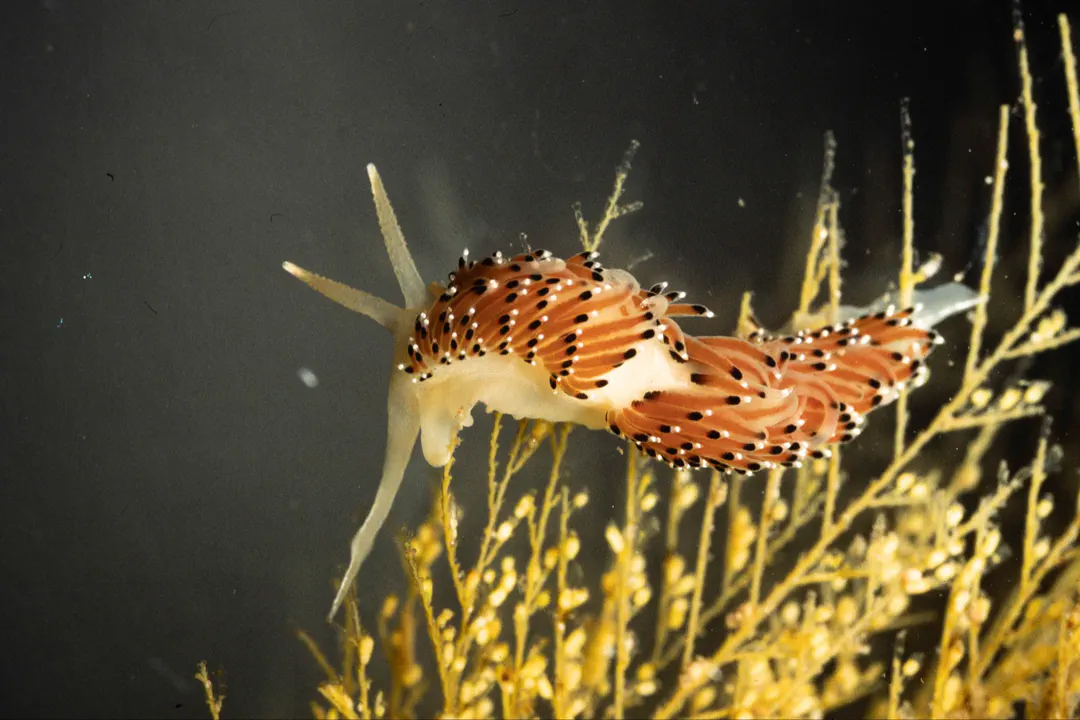
The waters around Ireland are productive, fueled by Atlantic mixing and nutrient input along the shelf edge, which supports a food web ranging from plankton to large sharks and whales. This productivity explains why divers can see dense patches of anemones, sponges, bryozoans, squat lobsters, edible crabs, and nudibranchs on relatively shallow rocky sites.
Deep-water areas off Ireland, such as the Porcupine Bank, Porcupine Abyssal Plain, and submarine canyon systems, support cold-water corals and sponge communities. While these are generally beyond ordinary recreational diving depths, they are relevant to scientific submersible work or technical exploration.
Seasonality matters. Macro life becomes more obvious in late spring and summer. Autumn can bring some of the best visibility in selected areas after periods of stable weather. Winter diving is possible, but swell, shortened daylight, and stronger storm systems limit access to exposed sites.
 © seabook.appAll rights reserved
  © seabook.appAll rights reserved
  © Charles HoodAll rights reserved
  © Patrick DollCC BY-SA 4.0
  © Klaus Kevin KristensenCC BY 4.0 · iNaturalist
  Justin PhilboisCC0 · iNaturalist
 Best Time to Visit and Water Conditions
Late spring through early autumn is the most practical window for recreational diving in Ireland because sea temperatures peak and daylight is longer. In many coastal areas, surface water rises into the mid-teens Celsius in summer, while winter water drops to the high single digits or low double digits Celsius.
Visibility varies widely by location, tide, rainfall, plankton blooms, and swell. Sheltered sites become visually poor after storms and river runoff, while offshore islands and sites with clean Atlantic flow can produce far better conditions, sometimes exceeding 15 m on good days.
A drysuit is the standard choice for most regular Irish diving because it allows longer bottom times and safer thermal management in water that is cool even in summer. Thick wetsuits can work in the warmest months for short dives, but they are less comfortable for repetitive diving or boat-based days with wind chill.
Practical planning matters as much as thermal protection. Divers should check local tide tables, swell forecasts, and operator advice carefully, because many of Ireland’s best sites depend on short slack-water windows and can become inaccessible when Atlantic conditions build.
Water temperature
Ireland, monthly average
Dublin area on the Irish Sea coast, typical nearshore surface waters for diving sites
Top Dive Sites in Ireland
1. The Wrecks of Malin Head, Donegal: Historic Wrecks and Reefs
Off Malin Head in Donegal, a landscape of historic wrecks and dramatic underwater topography defines the diving experience. Consider the site known as 'The Trawler Wreck,' lying at depths between 20-30 meters. This particular wreck, accessible by boat from local dive operators, is best suited for advanced divers due to potential currents and depth. Its distinct feature is the dense covering of plumose anemones and jewel anemones that blanket the structure, creating a vibrant, living reef.
Around these structures and nearby boulder slopes, divers encounter European lobsters, squat lobsters, and various wrasse species, all thriving in the nutrient-rich currents. Wreck diving in Irish waters reflects centuries of Atlantic navigation and wartime losses, with sites like 'The Trawler Wreck' serving as underwater museums.
Many sites in this region demand advanced planning; local conditions can change rapidly, and good dives depend on short, tide-sensitive access windows. Late summer and early autumn are often the most comfortable times to visit, with better water temperatures and a lower probability of severe weather. Even then, exposed sites can be washed out by swell, making local knowledge essential for safe access.
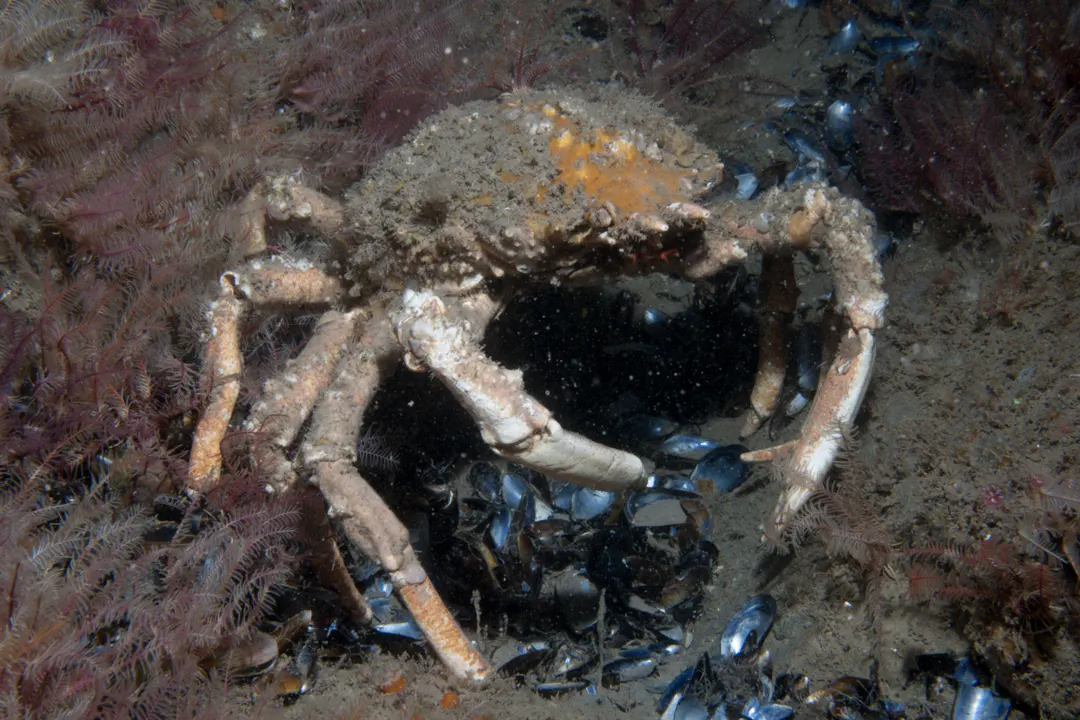 © Bernard PictonCC BY 4.0 · iNaturalist
 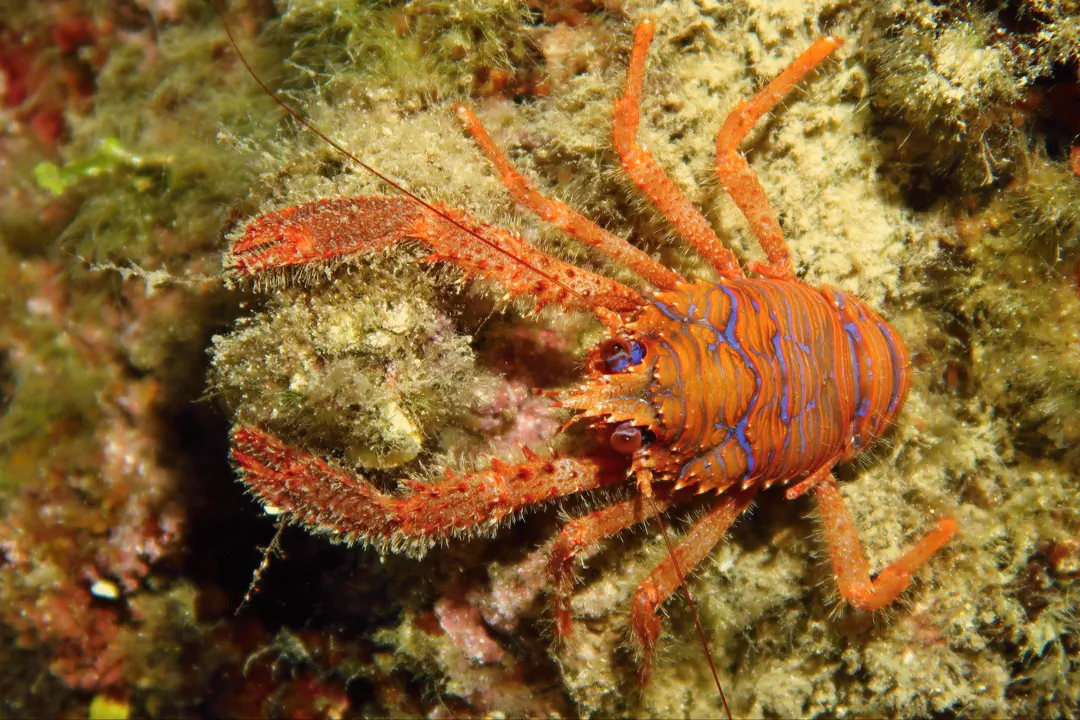 © Daniel BenákCC BY 4.0 · iNaturalist
 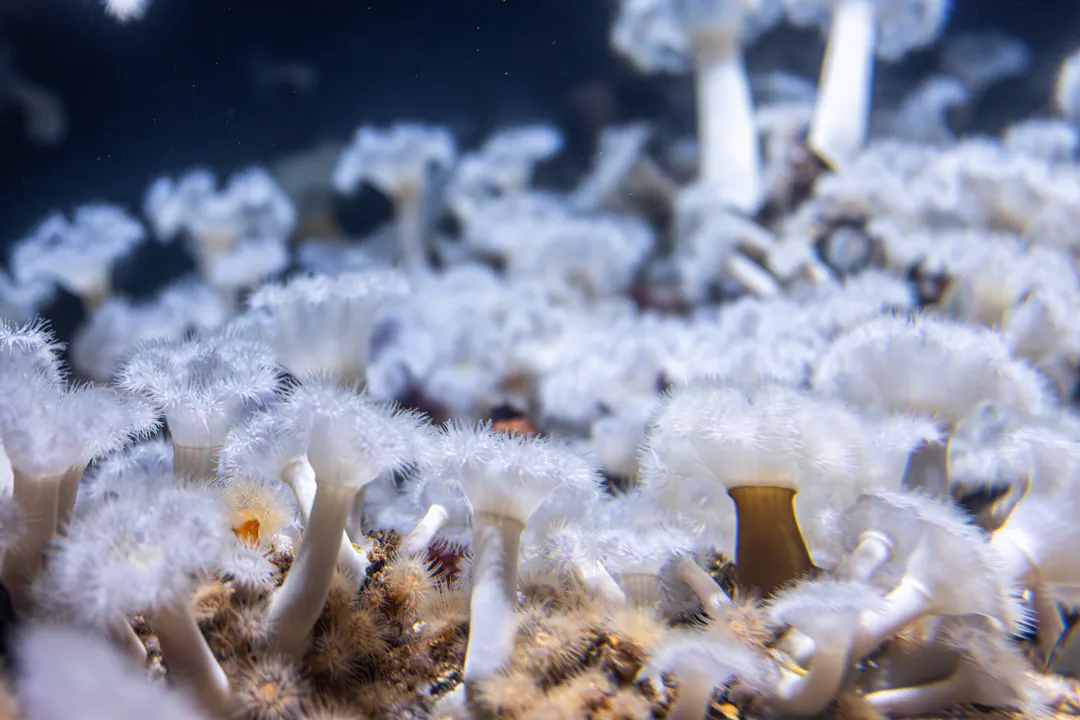 © seabook.appAll rights reserved
 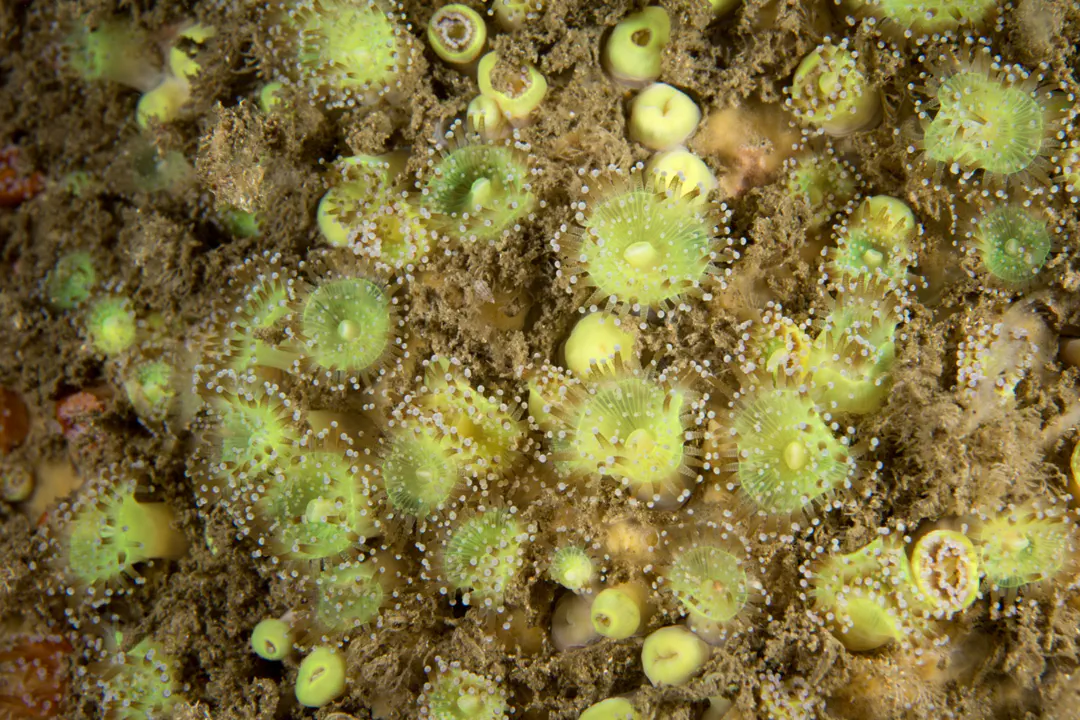 © Bernard PictonCC BY 4.0 · iNaturalist
 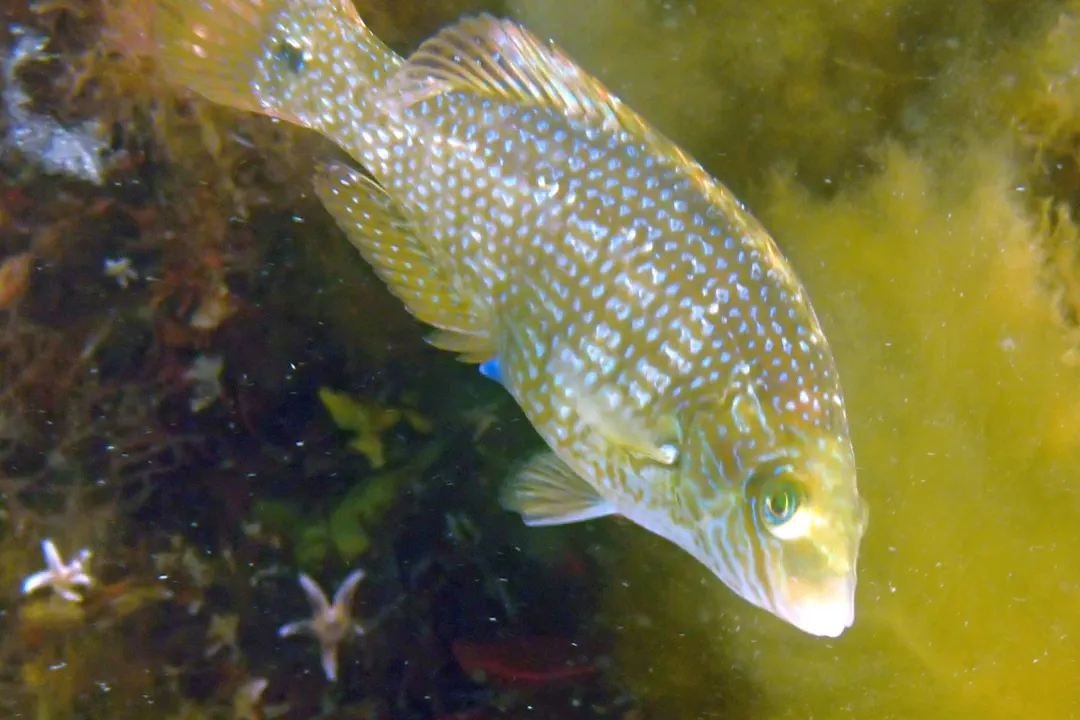 © Micha BaumCC BY-SA 4.0 · iNaturalist
 2. Skellig Michael: Atlantic Grey Seals and Rocky Walls
Diving near Skellig Michael, off the Iveragh Peninsula, offers a chance to encounter Atlantic grey seals amidst dramatic underwater walls. Consider a site like 'The Pinnacle,' a rock formation dropping to 25 meters, accessible by boat from Portmagee. This site is suitable for intermediate to advanced divers due to potential currents. Its unique draw is the regular presence of Atlantic grey seals (Halichoerus grypus) that often interact with divers, and walls covered in colourful jewel anemones.
The Skelligs are a UNESCO World Heritage site, and the surrounding marine environment supports not only seals but also queen scallops, nudibranchs, wrasse, and crabs on rocky reefs.
Water clarity can reach 15-20 meters with the right tide and weather, as these offshore islands sit in clean Atlantic flow. However, Atlantic swell and strong currents are frequent constraints, so conditions must be checked carefully.
Summer, from June to September, offers the best chance of comfortable diving, when sea temperatures are highest and wind chill is lower. Divers visiting this region should expect scenic, sometimes demanding conditions rather than easy, sheltered diving.
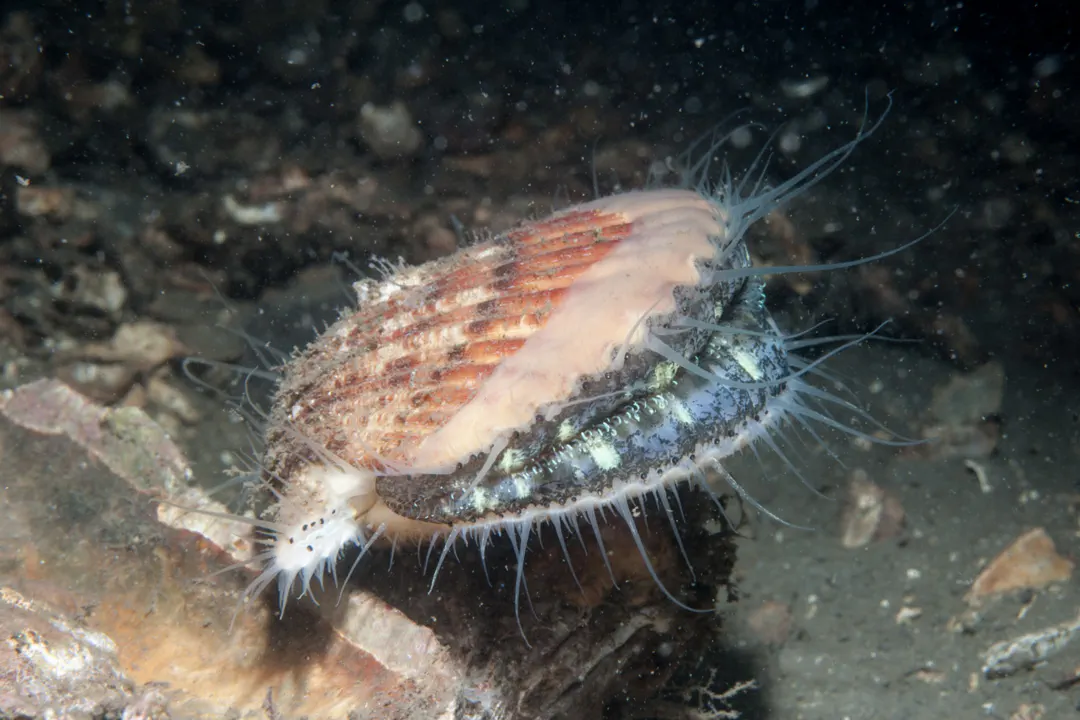 © Bernard PictonCC BY 4.0 · iNaturalist
 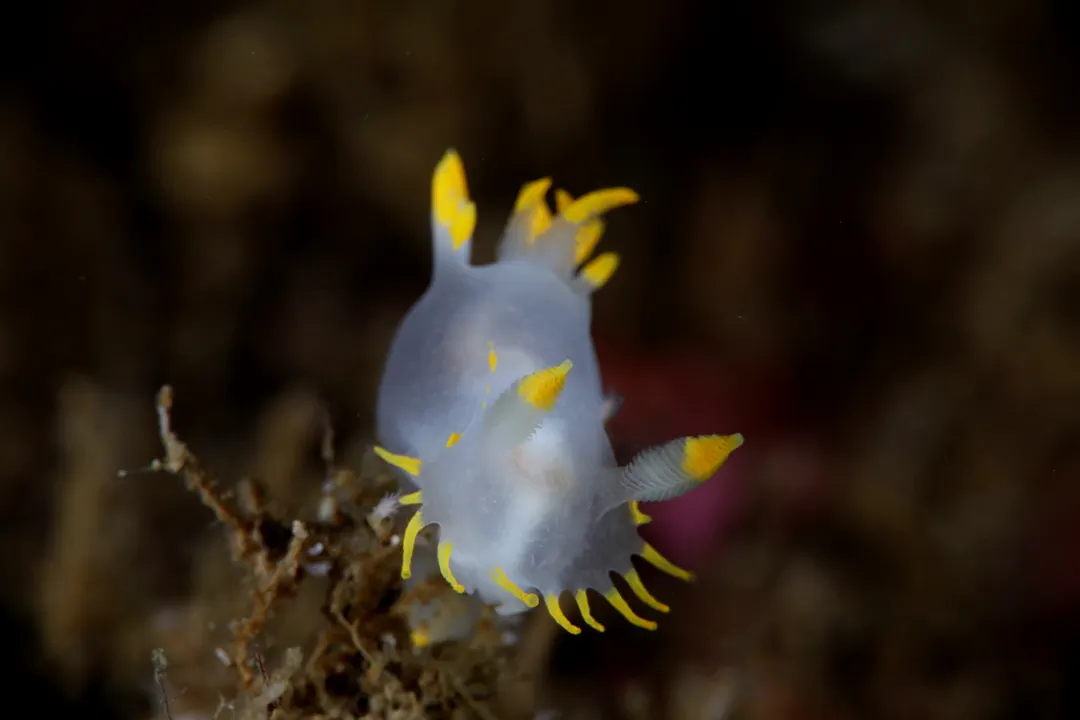 © Heine JensenCC BY 4.0 · iNaturalist
 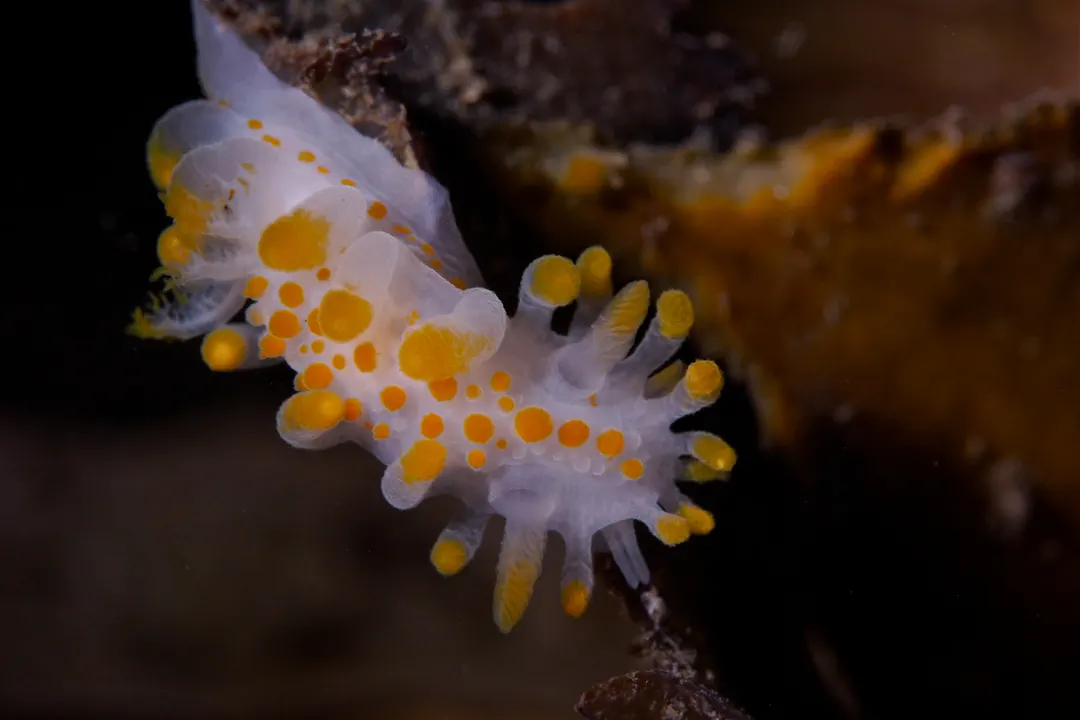 © Tine Kinn KvammeCC BY 4.0 · iNaturalist
  © Bernard PictonCC BY 4.0 · iNaturalist
 3. Doolin Point, Clare: Limestone Caves and Arches
At Doolin Point in County Clare, part of the Wild Atlantic Way, divers explore dramatic limestone caves and arches carved by the Atlantic. A site like 'The Cathedral,' an impressive archway at 10-18 meters, is accessible by boat from Doolin Harbour and suitable for intermediate divers. Its distinct feature is the light filtering through the arch, illuminating walls adorned with encrusting sponges and anemones.
While large pelagics are seen offshore seasonally, the more reliable encounters in these coastal waters include kelp-associated fish, European lobsters, large crabs, jewel anemones, and wrasse. Basking sharks sometimes pass seasonally in open water, particularly in spring.
The west coast's strong mixing and nutrient delivery support productive food webs, attracting filter-feeding species and larger predators. However, this also means conditions can shift quickly with wind, swell, and tide.
For divers, the advantage lies in the variety of sites: kelp forests, underwater gullies, arches, and even small wrecks can occur nearby. The main drawback is exposure to Atlantic weather, so local guidance and conservative planning are essential.
 © seabook.appAll rights reserved
  © seabook.appAll rights reserved
 4. The Great Saltee Island, Wexford: Seal Encounters and Reefs
Off the coast of Wexford, Great Saltee Island is a renowned seabird colony, but beneath the surface, it also offers memorable encounters with grey seals. A popular site, 'The Caves,' descends to 15 meters and is accessible by boat from Kilmore Quay. It is suitable for open water divers. Its distinct feature is the chance to observe grey seals resting in shallow gullies or curiously approaching divers.
The rocky reefs around the island support queen scallops, wrasse, crabs, anemones, and nudibranchs. Sea conditions here are generally more forgiving than on the exposed west coast, making the area attractive for accessible boat diving. However, conditions still depend on weather, tide state, and boat operator judgment, as the Irish Sea and Celtic Sea can build rough conditions quickly.
Summer and early autumn are the most comfortable seasons, with warmer water and better odds of calmer weather. As elsewhere in Ireland, successful dives come from careful timing rather than from assuming steady visibility throughout the day.
 © Jay ClueAll rights reserved
 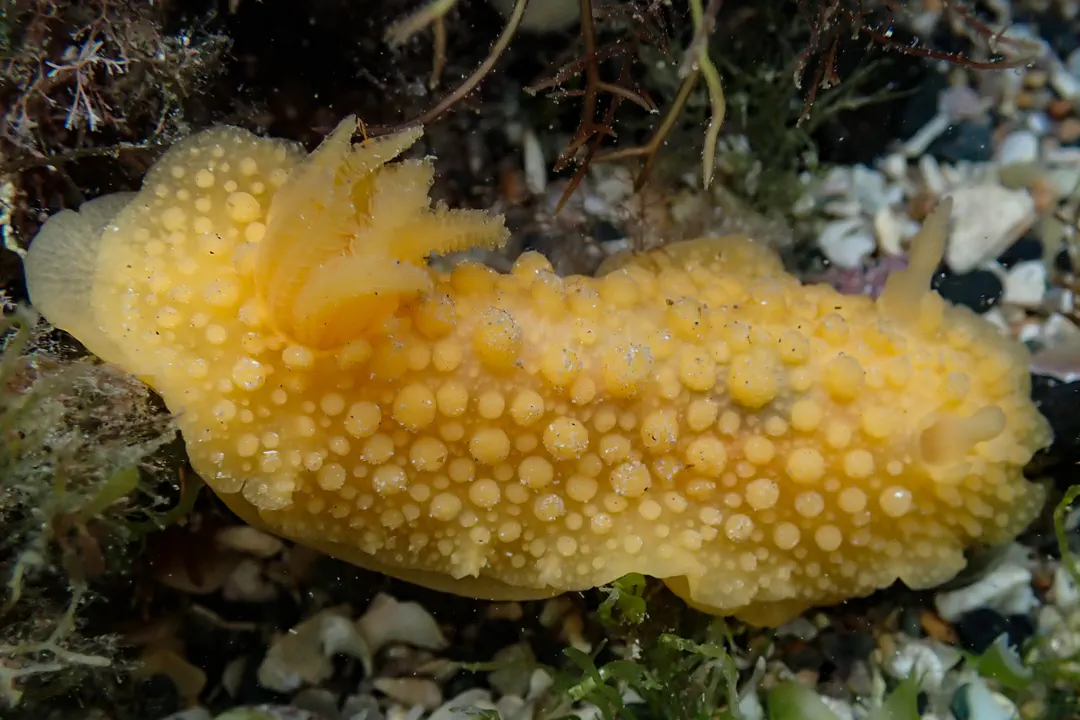 © Lou WagstaffeCC BY 4.0 · iNaturalist
 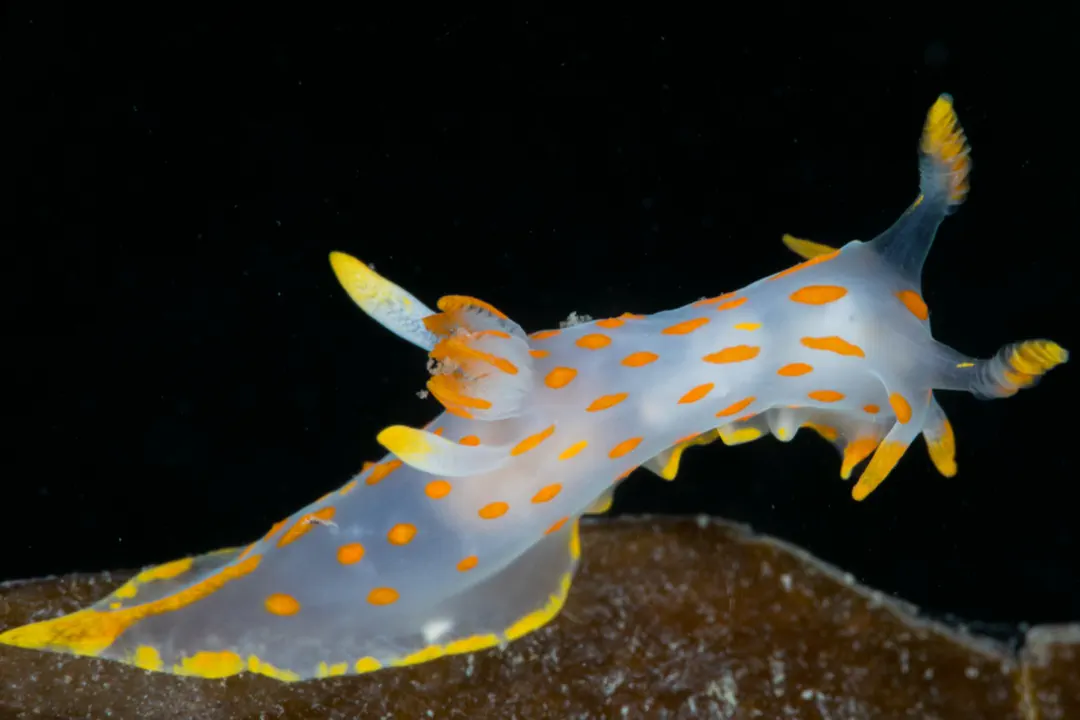 © Heine JensenCC BY 4.0 · iNaturalist
 Practical Tips for Diving in Ireland
Most divers in Ireland should plan for a drysuit, especially outside July to September. Water temperatures typically range from high single digits to mid-teens Celsius depending on region and season, so thermal comfort quickly becomes a limiting factor on bottom time and safety.
Visibility is highly variable; many coastal sites average around 5 to 10 m, while clearer offshore or sheltered island locations can exceed 15 m when tides, swell, and runoff are favorable.
Ireland supports a network of dive operators and clubs, though they are concentrated in the more active diving regions rather than evenly distributed. Donegal, Kerry, Cork, and parts of the east coast offer organized diving, charter boats, training, and guided excursions.
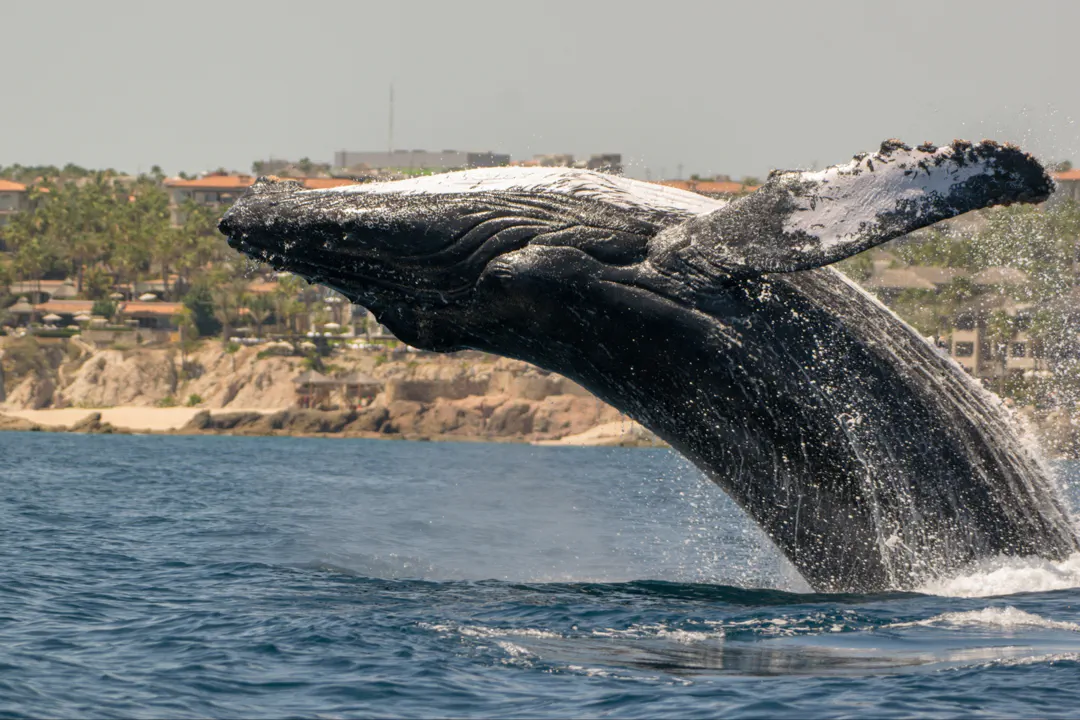
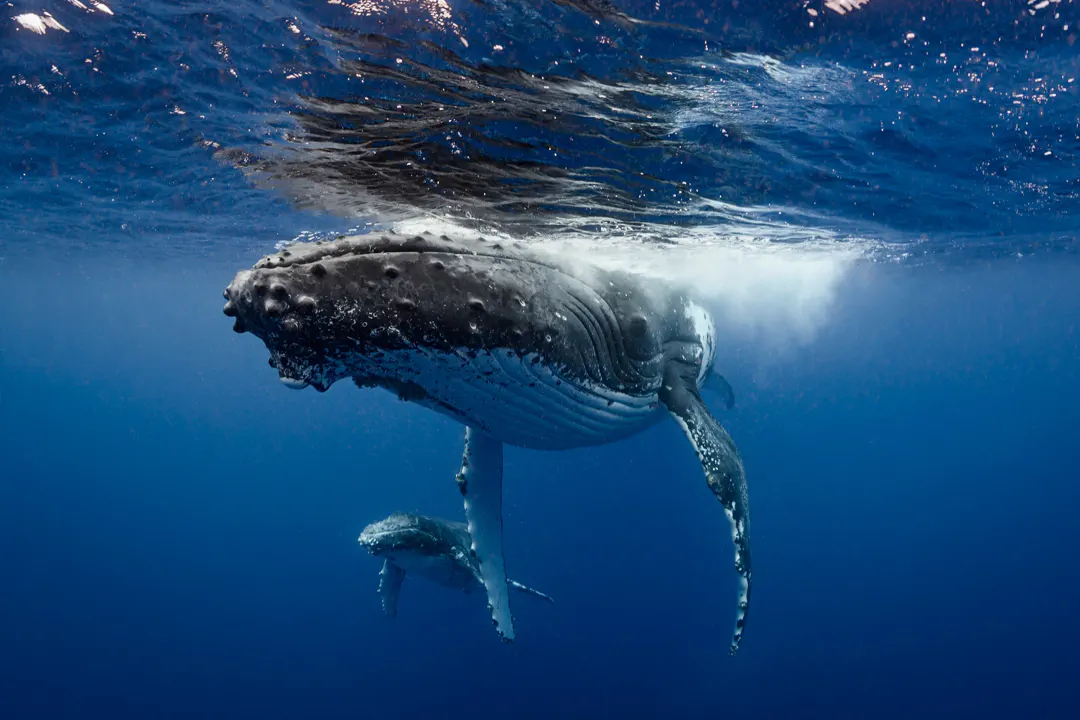
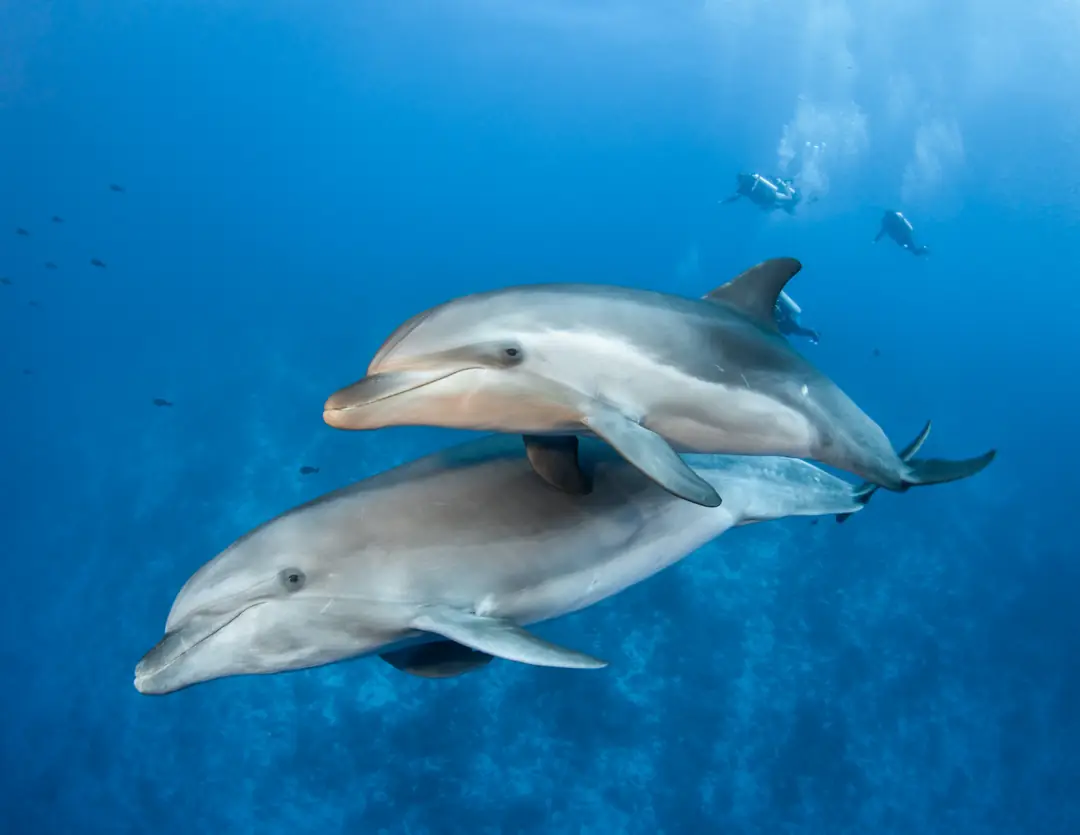
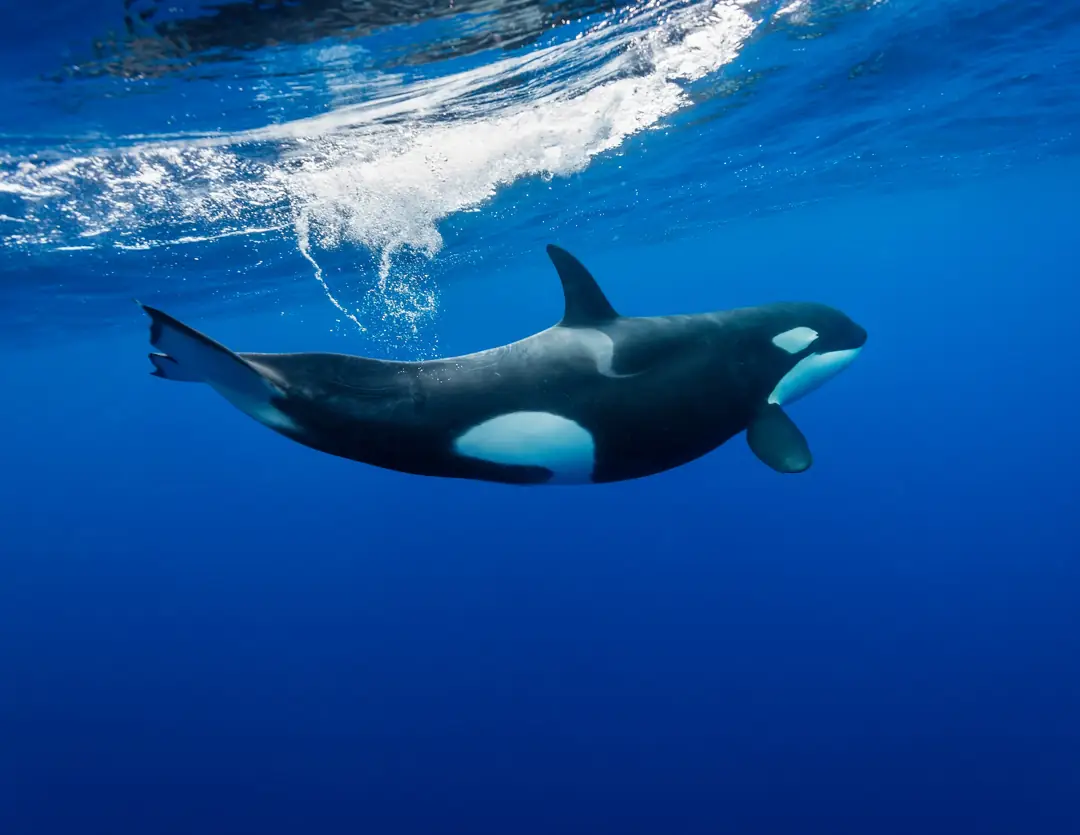
Marine mammal sightings depend on place and season. Grey seals are the most reliable encounter for divers. Bottlenose dolphins, harbour porpoises, minke whales, humpbacks, and occasional orca can be seen in Irish waters more broadly, especially along productive Atlantic coasts.
Questions
Do I need a drysuit to dive in Ireland?
A drysuit is not absolutely required for every dive, but it is the most practical and comfortable choice for most of the year. Ireland’s sea temperatures are usually cool enough that a thick wetsuit is only comfortable for short summer dives, while a drysuit lets you stay warm, extend bottom time, and handle boat days with wind chill more safely.
What kind of visibility can I expect?
Visibility in Ireland varies sharply by coast, weather, tide, and rainfall. A realistic working range for many sites is about 5 to 10 m, but offshore islands and well-timed dives can reach 15 m or more, and local conditions can also reduce visibility to just a few meters after storms or heavy runoff.
Are there many dive operators in Ireland?
Yes, but they are concentrated in the main diving regions rather than spread evenly around the country. Donegal, Kerry, Cork, and parts of the east and southeast have the strongest mix of charter boats, training centers, and local clubs, and many operators focus on seasonal windows when weather and sea state are most favorable.
What marine mammals can I see while diving in Ireland?
Grey seals are the most reliable marine mammal for divers to encounter around Irish reefs and islands. Depending on the season and location, divers may also see bottlenose dolphins, harbour porpoises, minke whales, humpback whales, and occasionally killer whales, although the larger cetaceans are much less predictable than seals.