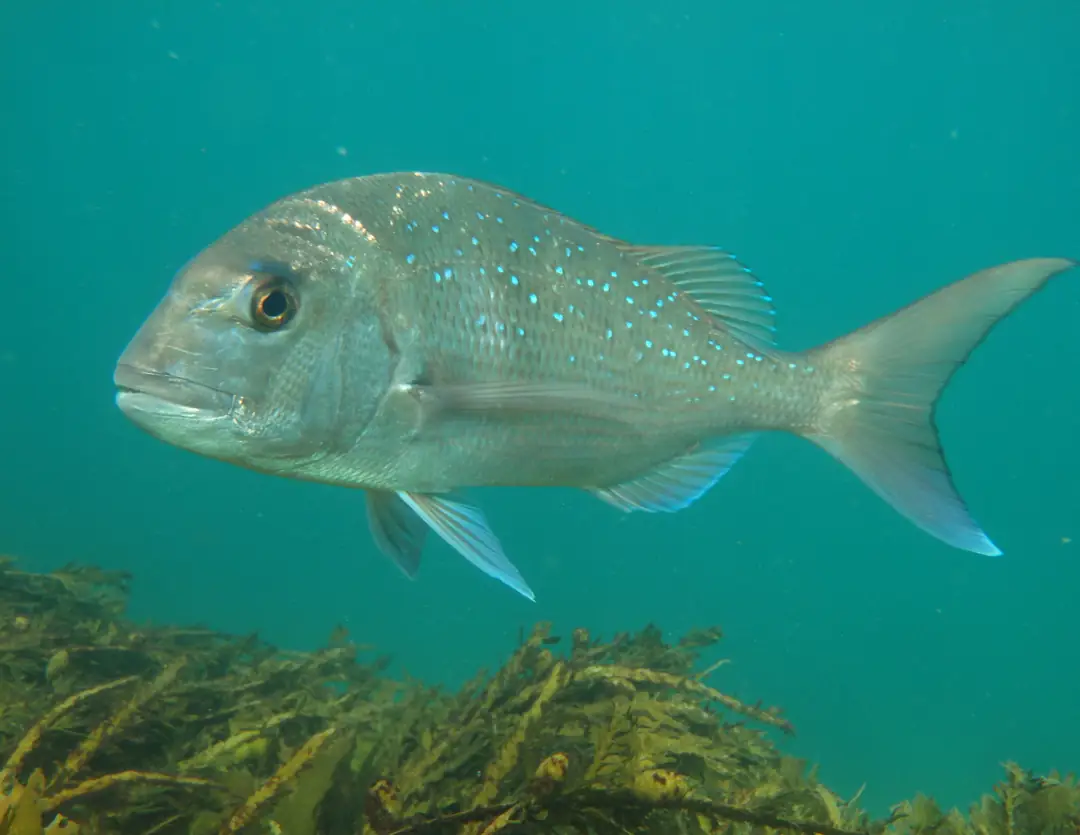
Beneath the surface at the Northern Arch of Poor Knights Islands, a school of snapper, their scales catching the morning light, drifts through a sun-dappled canyon at 18 meters. A lone yellowtail kingfish, a flash of silver, cuts through their formation, its powerful tail propelling it into the deeper blue. Here, warm currents from the Coral Sea brush against ancient volcanic rock, creating a vibrant theatre of life.
New Zealand, or Aotearoa, is one of the Southern Hemisphere’s most distinctive dive destinations because its long coastline spans temperate and subtropical waters, creating sharp biological contrasts between regions. On a single trip, divers can move from warm, fish-rich northern sites to cool southern fiords where visibility, temperature, and species composition change dramatically with latitude and season.
The country’s marine diversity reflects its position where oceanic currents, island geology, and strong coastal relief intersect. That combination produces kelp forests, rocky reef systems, submarine caves, volcanic features, wrecks, and deep offshore habitats, giving New Zealand far more variety than its compact landmass suggests. For divers, that diversity matters practically as well as biologically, rewarding careful seasonal planning.
The Unique Geography and Climate
New Zealand’s two main islands present distinctly different underwater worlds. The North Island, shaped by volcanic activity, experiences warmer currents that foster subtropical reef species and extensive kelp forests, particularly along its northern coasts. Its waters are generally milder, supporting a different array of life.
In contrast, the South Island is dominated by glacial fiords and a rugged, colder coastline. Here, nutrient-rich upwellings feed vast ecosystems, with water temperatures often much cooler, especially in the deep, shaded fiords. This stark geographical divide creates a fascinating gradient of marine habitats.
Aotearoa's Rich Marine Ecosystems
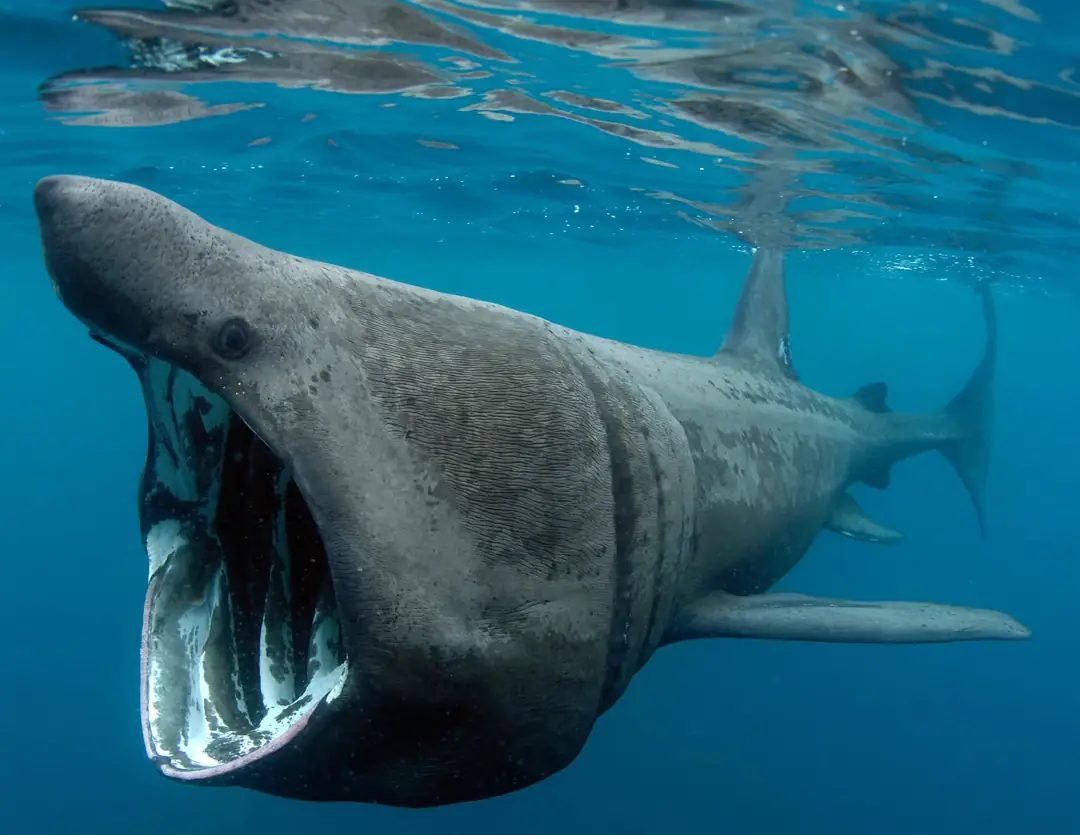
From the smallest nudibranchs clinging to kelp fronds to immense basking sharks filtering plankton in open water, New Zealand’s marine ecosystems are teeming. Endemic species, found nowhere else on Earth, swim alongside large pelagic visitors, all navigating a complex underwater topography.
Kelp forests sway in shallow coastal waters, providing shelter and hunting grounds. Deeper, rocky reefs give way to dramatic walls and canyons, while offshore volcanic vents release plumes of superheated water, creating unique chemosynthetic communities. This array of habitats supports a full spectrum of marine life, from Hector's dolphins patrolling the coast to colossal squid in the deep Southern Ocean.
 © ellalisAll rights reserved
  © Charles HoodAll rights reserved
  © Patrick DollCC BY-SA 4.0
  © Brad CrookAll rights reserved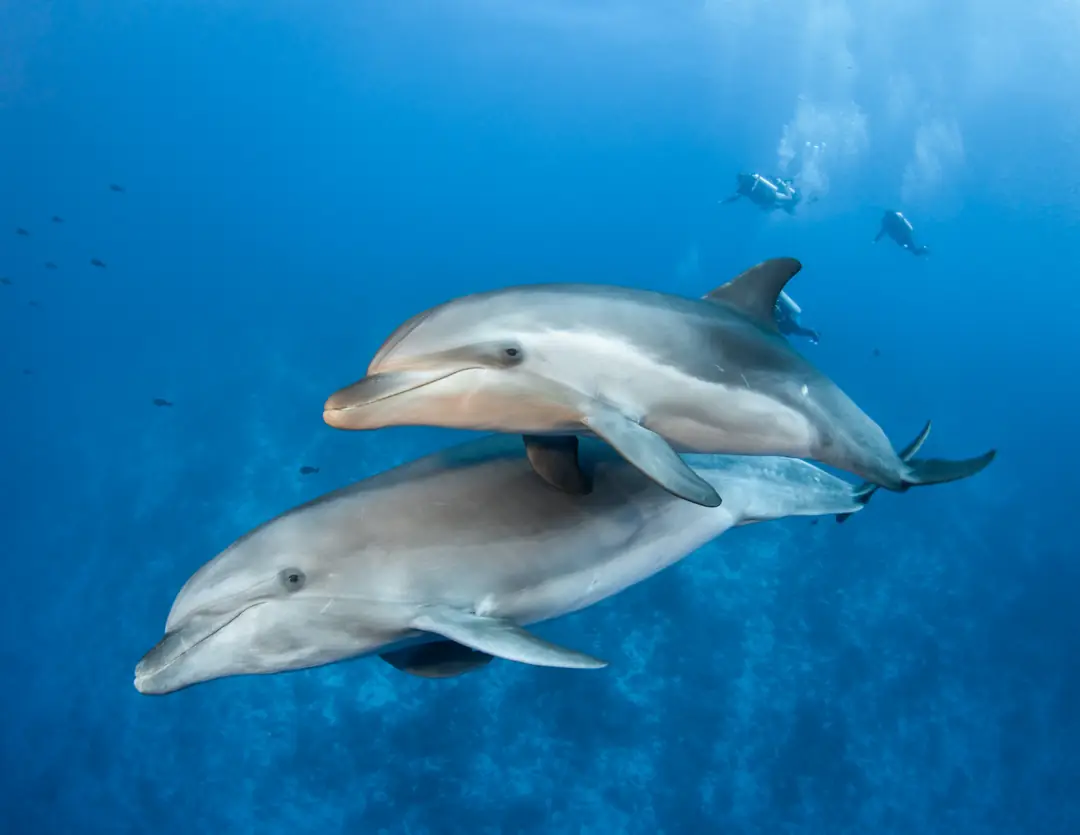
Best Time to Visit for Diving
Diving in New Zealand offers year-round possibilities, but the optimal season depends on the region. For the North Island, summer (December to February) generally brings the warmest water temperatures, often reaching the low 20s °C, and good visibility, making for comfortable diving.
In the South Island, especially Fiordland, winter (June to August) can offer exceptional visibility, sometimes exceeding 20 meters, though water temperatures can drop into the single digits. Divers planning for southern sites should be prepared for colder conditions with thicker wetsuits or drysuits, regardless of the season.
Water temperature
New Zealand, monthly average
Auckland area (North Island), most popular diving region; typical scuba depth range 10-30m
Northern Wonders: Poor Knights Islands Marine Reserve
Rising from the Pacific Ocean off the Northland coast, the Poor Knights Islands are the remains of ancient volcanoes, sculpted by erosion into a labyrinth of archways, caves, and tunnels. Depths here range from 10 meters in sheltered bays to over 40 meters on outer walls, all accessible by boat from Tutukaka, suitable for certified divers of all experience levels.
Warm currents from the Coral Sea foster a subtropical environment where schools of snapper and yellowtail kingfish congregate in the thousands. The volcanic topography creates dramatic swim-throughs and sunlit caverns, providing shelter for moray eels and vibrant nudibranchs. Visibility frequently extends beyond 15 meters, often reaching 30 meters on calm days.
 © Ian ShawAll rights reserved
 Southern Fjords: Diving Fiordland National Park
In the remote southwest corner of the South Island, Fiordland National Park offers a diving experience unlike any other. Sites like Milford Sound, accessible by boat, feature steep, dark walls plunging to depths of 40 meters or more, suitable for certified divers comfortable with cold water and deeper environments. The defining characteristic is a permanent freshwater layer, sometimes 2 to 5 meters thick, caused by heavy rainfall.
Below this brackish lens, the water clarifies dramatically, often revealing visibility of 10-20 meters. This freshwater layer filters sunlight, allowing deep-water species, most notably black corals, to thrive in unusually shallow depths of 10 meters instead of their typical hundreds of meters. Divers here encounter a unique ecosystem of fragile corals, anemones like the snakelocks anemone, and schooling squat lobsters clinging to the vertical rock faces.
Bay of Islands: Wrecks and Reefs
The Bay of Islands, a cluster of over 140 islands off the Northland coast, offers a mix of historical wreck diving and natural reef exploration. Dive sites like the HMNZS Canterbury, a decommissioned frigate sunk in 2007, lie at depths of 25-38 meters and are best suited for advanced divers with boat access. The iconic Rainbow Warrior, sunk in 1987, rests at 26 meters and is more accessible, suitable for most certified divers.
These artificial reefs have become thriving habitats, draped in soft corals and attracting vast schools of trevally and snapper. Natural reefs in the area, typically shallower at 10-20 meters, provide sheltered environments for reef fish and occasional eagle rays gliding past, making the Bay of Islands a versatile dive destination.
Volcanic Encounters: White Island (Whakaari)
Whakaari/White Island, New Zealand's most active marine volcano, once offered a truly unique diving experience in the Bay of Plenty, though it should now be treated as a hazardous destination. Historically, divers could explore underwater landscapes shaped by geothermal activity, with depths typically ranging from 10 to 30 meters around its base.
Even when accessible, diving around active volcanic features carries serious risk, and conditions can change rapidly. The unique geological aspects, such as warm water vents and sulfurous rock formations, created an environment where certain marine life adapted to the geothermal heat, drawing species like snapper and yellowtail kingfish. Any potential access to this site is now subject to strict safety and exclusion controls.
Conservation Efforts and Marine Protection
New Zealand is deeply committed to safeguarding its marine environments, recognizing the unique biodiversity of its waters. This commitment is reflected in its extensive network of marine reserves and protected areas, designed to preserve representative coastal habitats and the species within them.
Currently, New Zealand’s marine-reserve system includes 44 marine reserves, ensuring that significant portions of its underwater landscapes remain pristine and undisturbed. These protected zones, alongside customary and species-based protections, are vital for maintaining the health and resilience of Aotearoa's precious marine ecosystems for future generations.
Practical Diving Tips for New Zealand
Planning a dive trip to New Zealand requires consideration for its diverse conditions. For northern sites like Poor Knights, a 5mm to 7mm wetsuit is common during warmer months (December-February), while a 7mm semi-dry is often preferred for cooler shoulder seasons.
When heading south, particularly to Fiordland, be prepared for colder water. A drysuit is often the most comfortable choice, as water temperatures can remain in the single digits to low teens °C even in summer. Always choose reputable dive operators who prioritize safety and provide thorough briefings on local conditions and regulations. Confirm minimum certification requirements for specific sites, especially for deeper or more exposed dives.
Questions
What kind of wetsuit do I need for diving in New Zealand?
For North Island diving, a 5 mm to 7 mm wetsuit is common in warmer months, but many divers prefer a 7 mm semi-dry for shoulder seasons when water temperatures are lower. For Fiordland and much of the South Island, a drysuit is often the most comfortable choice because water temperatures can stay in the single digits to low teens °C in winter and remain cold even in summer.
Are there sharks in New Zealand waters?
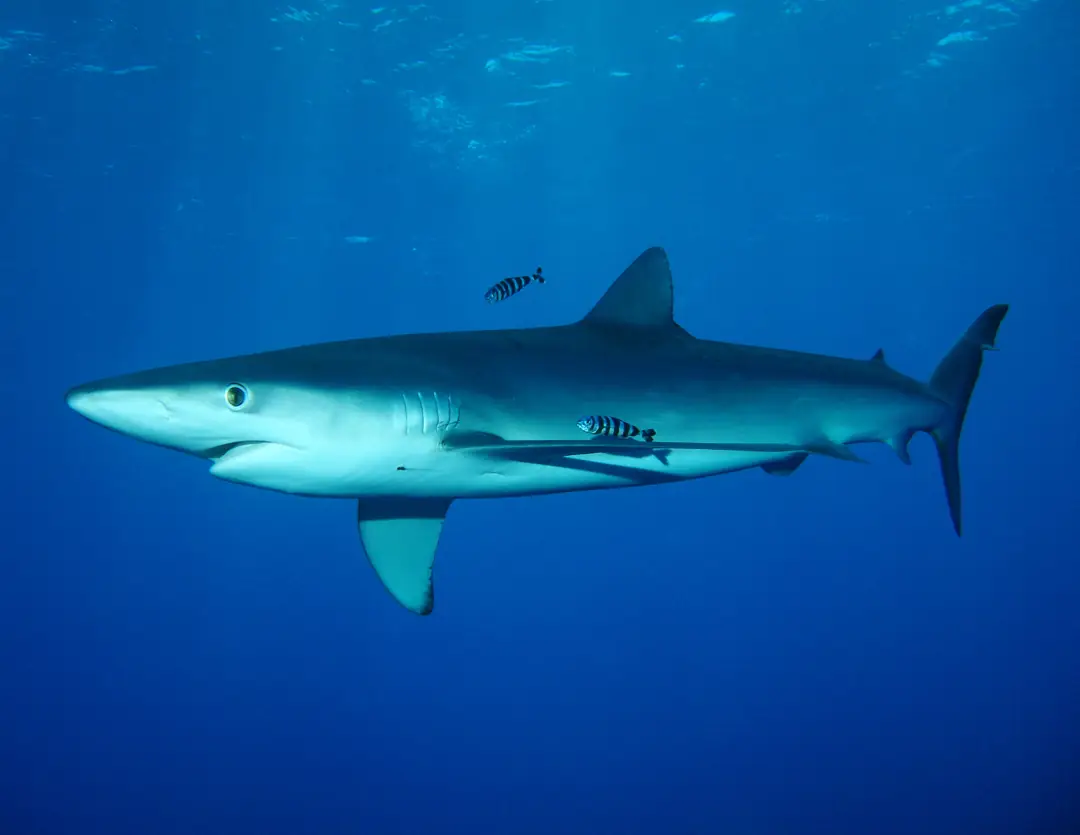
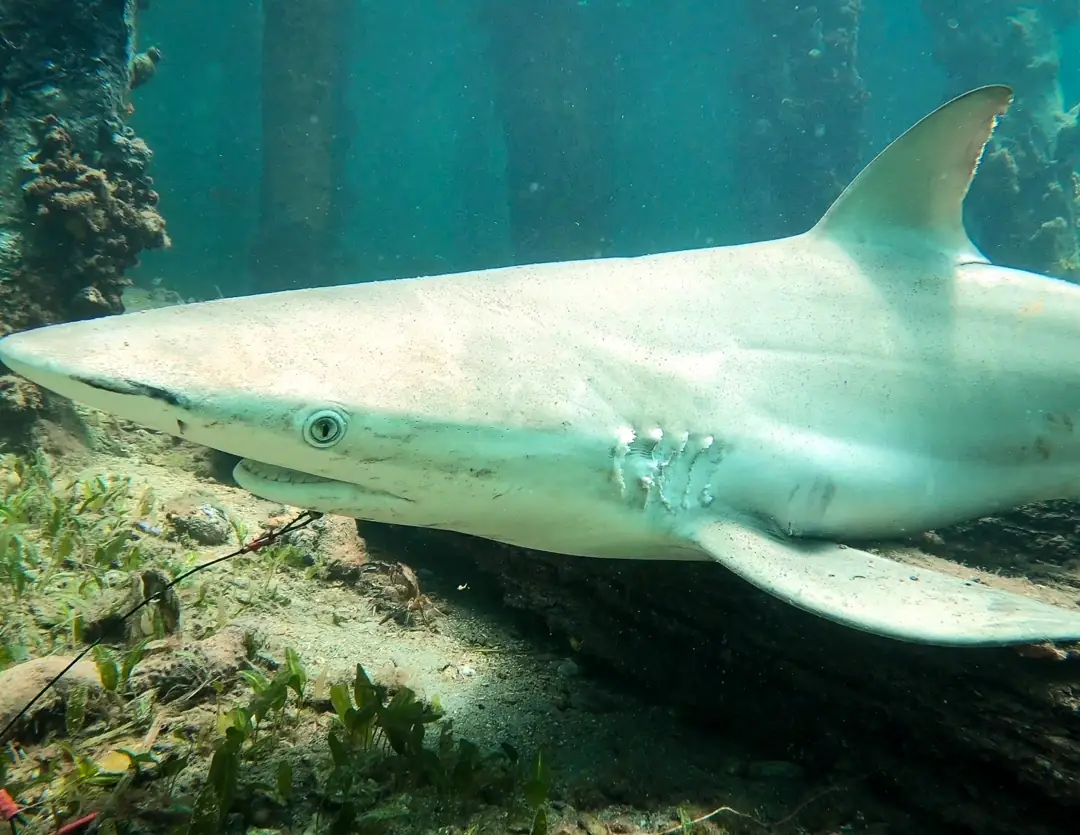
Yes. New Zealand waters host a range of shark species, including bronze whalers, blue sharks, mako sharks, and occasional basking sharks, and most are not a threat to divers when approached calmly. Encounters are generally infrequent and safe, especially when divers follow local briefings, avoid spearfishing activity, and use reputable operators.
Is diving in Fiordland suitable for beginners?
Some Fiordland dives are suitable for newly certified divers, but the region is best approached conservatively because cold water, depth, surge, and rapidly changing weather can make conditions demanding. Beginners should choose shallow, guided sites, confirm minimum certification requirements, and plan for shorter bottom times because cold exposure can reduce comfort and buoyancy control.
What is the visibility like in New Zealand?
Visibility varies sharply by site and season. Poor Knights and some offshore northern sites can reach 15 to 30 meters on good days, while Fiordland often has a dramatic layer effect with poor surface visibility above the freshwater lens and much clearer water below it, sometimes around 10 to 20 meters or more underwater.
Can I see dolphins or whales while diving?
Dolphins, including Hector’s dolphins and common bottlenose dolphins, are regularly seen from boats and occasionally near dive sites, but in-water encounters are less predictable than surface sightings. Whales are more often observed from boats than on dives, with seasonal movements influencing when and where they are most likely to be seen.