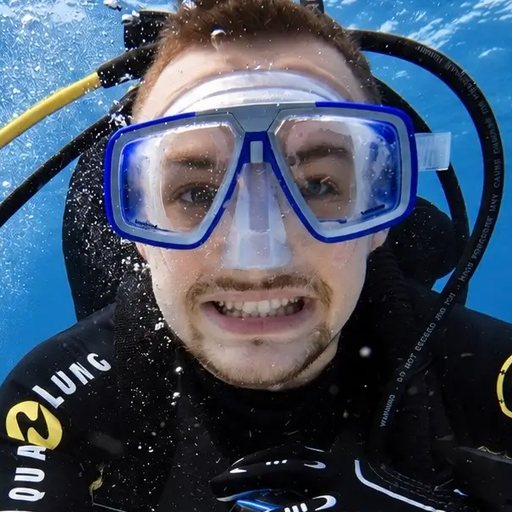
Introduction to Finnish Diving
Below the surface, Finland offers two distinct underwater realms: the brackish Baltic Sea and thousands of pristine freshwater lakes. This geology, carved by glaciers and fed by rivers, creates a gradient of salinity, from almost fresh in the inner archipelagos to slightly salty near the Danish straits. These conditions preserve wooden shipwrecks and shape ecosystems unlike any other marine environment.
Finland’s coastal waters hold a significant submerged cultural heritage. The cold, low-salinity environment of the Baltic significantly slows the biological deterioration of wooden wrecks, preserving them for centuries. Accessing some protected sites, particularly culturally significant wrecks, may require specific permits.
The Baltic Sea: A Brackish Wonderland
The Baltic Sea, a vast expanse covering roughly 377,000 km², stands as one of the world’s largest brackish water bodies. Its limited connection to the North Sea through shallow Danish straits, combined with substantial freshwater inflow from rivers, creates a unique hydrographical profile.
Surface salinity gradually declines from about 15–20 practical salinity units (PSU) near Denmark to a mere 2–5 PSU in the Bothnian Bay and many inner Finnish coastal waters. This gradient dictates which species can thrive, resulting in a fascinating mix of marine-tolerant, brackish-water, and freshwater inhabitants, rather than the full marine diversity found in the North Atlantic.
Diving conditions are influenced by strong water layering. A halocline can separate less-saline surface water from denser, saltier layers below. Different habitats—rocky shores, eelgrass beds, mussel patches, and soft sediments—each support distinct communities, though overall species diversity is lower than in fully marine environments.
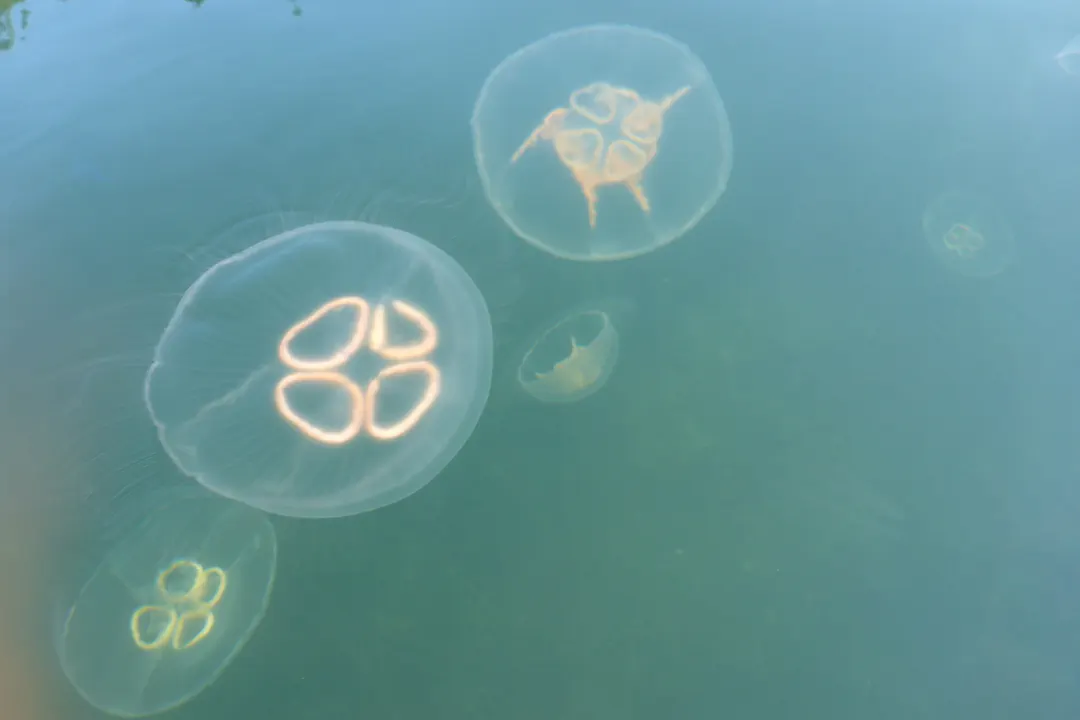 © mfeaverCC BY 4.0 · iNaturalist
 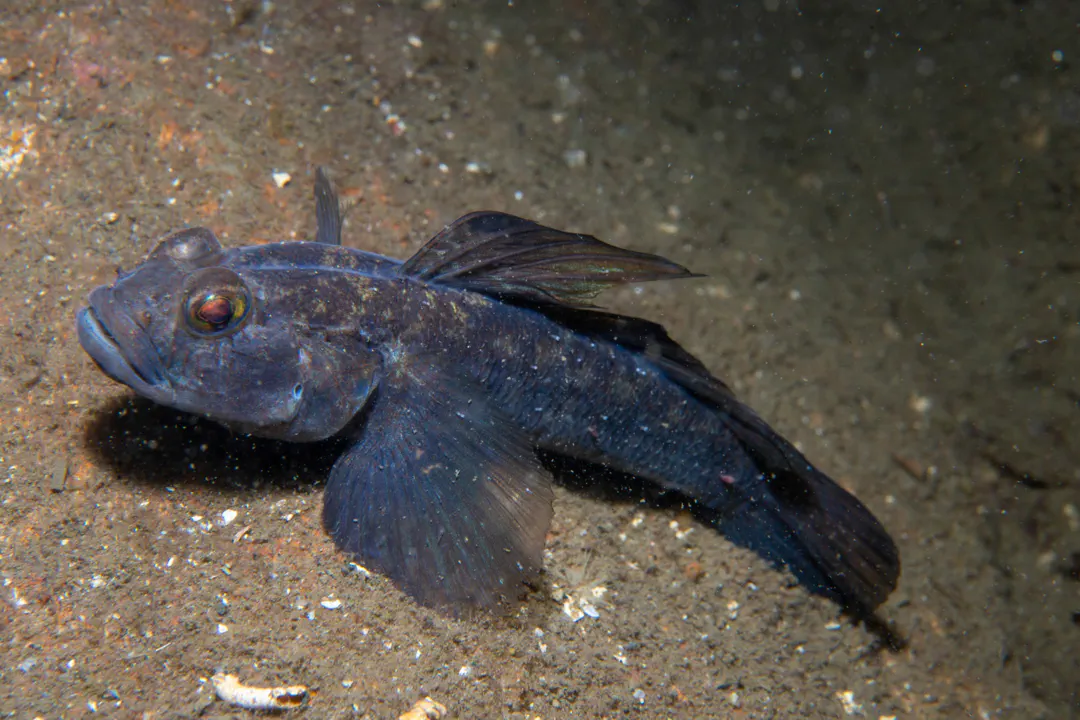 © Bernard PictonCC BY 4.0 · iNaturalist
 Best Time to Visit and Water Conditions
Finland offers year-round diving, though the most accessible conditions prevail from late June through August. During these summer months, sheltered Baltic and lake surfaces can warm to approximately 15–20 °C, but water below the thermocline usually remains a chilly 4–8 °C.
Visibility also varies seasonally. Spring runoff and summer plankton blooms can reduce clarity. Autumn and winter often bring clearer water, but these months also mean colder temperatures, shorter daylight hours, and potential ice cover, increasing operational risks.
Water temperature
Finland, monthly average
Helsinki area in Gulf of Finland (Baltic Sea); typical scuba diving in 10-30m depths during summer months when temps exceed 10°C
Notable Dive Sites in the Baltic Sea
Along Finland's Baltic coast, historical sea routes and strategic locations have left a legacy of submerged history. From the exposed outer islands to the sheltered archipelagos, divers can explore a range of sites, each telling a distinct story of maritime past.
Hanko Peninsula: Wrecks and Rocky Reefs
At the wreck of the SS **Inga**, a steamship sunk in 1916 off the Hanko Peninsula, a Baltic prawn, its antennae tracing the current, darts between the ribs of a shattered wooden deck beam. Below, at 15–25 meters, the ship's cargo holds yawn open, dark with the shadows of centuries. This boat-accessed site, suitable for advanced open water divers, offers a chance to explore a surprisingly intact vessel, its machinery still discernible, a silent testament to a wartime past. The cold, often 4–8 °C below the summer thermocline, helps preserve these structures, making a drysuit a practical choice for exploring them.
Nearby, the **Gåsörsgrundet reef**, a shallower boat-accessed site at 5–15 meters, invites all certified divers to drift over vast fields of bladderwrack, its fronds swaying like kelp forests. Here, blue mussels cling in dense patches to granite boulders, forming miniature cities for smaller crustaceans. Flatfish, camouflaged against the sandy bottom, might lift a watchful eye as herring shoals sheet past in shimmering curtains. Many wrecks in this region are culturally significant; divers should respect non-disturbance rules and avoid penetration without specialized training.
Åland Islands: Maritime History
The Åland Islands form a sprawling archipelago of sheltered sounds and rocky skerries. Its maritime past has left behind numerous well-preserved wrecks, many benefiting from the region's low salinity, which inhibits the wood-boring shipworm, *Teredo navalis*—an effect most pronounced where salinity stays below 4–6 PSU, though shipworm can still cause damage in slightly saltier areas.
One prominent example is the **F7 wreck**, a German torpedo boat from WWI, resting at 20–30 meters. This boat-accessed site, suitable for advanced divers, is distinct for its intact structure, with visible torpedo tubes still mounted. Another accessible site, the **S/S C.F. Liljevalch**, a Swedish steamer sunk in 1916, lies at 18–28 meters, also boat-accessed and suitable for advanced divers. This large vessel is known for its significant size and a cargo of timber still in its holds, providing a window into early 20th-century commerce.
Visibility around clean rocky sites can extend to 10–15 meters, though it can decrease after heavy winds, rain, or algal blooms. While summer surface water might reach 15–20 °C, the deeper layers remain cold, often 4–8 °C, requiring appropriate thermal protection. Given the maze-like nature of the archipelago, a compass and a local briefing are invaluable for navigation among these scattered islands.
Helsinki Archipelago: Accessible Diving
The Helsinki Archipelago, close to Finland's capital, invites exploration among its rocky shores, islands, and submerged structures. Here, the challenge of busy shipping lanes meets the quiet solitude of underwater history.
A well-known site is the wreck of the **SS St. Nikolai**, a steamship sunk in 1941, resting at 10–18 meters. This boat-accessed site, suitable for open water divers, is distinct for its relatively shallow depth, allowing easy viewing of its visible stern section and scattered debris field. Another accessible site, the **M/S Estonia memorial**, a submerged monument at 15-20 meters (boat access, suitable for open water divers), offers a unique space for reflection, marking a somber chapter in maritime history.
Dives in the archipelago typically occur at depths of 5–20 meters, though some nearby wrecks lie deeper. While summer surface water can reach 15–20 °C, the colder layers below often require a drysuit for comfort and safety. Among the bladderwrack and blue mussels clinging to rocks, small crustaceans scuttle, while perch and sticklebacks dart through the fronds. Flatfish lie camouflaged on the bottom, and schools of herring may ghost through the murk. Heavy boat traffic is a significant hazard, requiring divers to use a large surface marker buoy and adhere strictly to designated diving areas, especially in inner bays where visibility can be limited by seasonal plankton blooms and turbidity.
Freshwater Diving in Finland's Lakes
Beyond the Baltic coast, Finland's interior offers a completely different diving landscape: thousands of freshwater lakes. These glacially formed basins present underwater habitats ranging from rocky shelves and steep drop-offs to submerged forests and extensive reed beds. Here, divers explore environments shaped purely by freshwater, home to a distinct community of flora and fauna adapted to these unique conditions.
Lake Päijänne: Deep Freshwater Exploration
Lake Päijänne, Finland’s second-largest lake, stretches approximately 120 km and reaches depths of 95–104 meters, with a mean depth of 14–17 meters. This vastness creates varied underwater landscapes, including deep-water habitats and pronounced thermoclines during summer stratification.
Visibility in Päijänne can reach 10–15 meters, particularly in deeper, offshore areas. However, clarity can fluctuate with wind, boating activity, algal growth, or humic runoff. In winter, the lake reliably freezes over, offering opportunities for specialized ice diving, where water near the bottom of the ice layer remains around 0–4 °C.
Exploring Lake Päijänne, one might find schools of roach, bream, and perch drifting through the water column, or spot larger predatory fish like pike and zander lurking near submerged structures. Burbot, various species of whitefish, brown trout, and landlocked salmon also inhabit these clear, cold waters. Ice diving here requires specific training, a secured guideline, and a dedicated surface team to manage the overhead environment and prevent equipment freeze-up.
Practical Diving Tips for Finland
Finland’s cold-water diving season extends year-round, with the most comfortable conditions prevailing from late June through August. While sheltered Baltic and lake surfaces may reach 15–20 °C in summer, deeper water usually remains near 4–8 °C. Spring runoff and summer plankton blooms can reduce visibility, whereas autumn and winter often bring clearer water but colder temperatures and shorter daylight.
A drysuit is the practical default for repeated Finnish dives. A 7 mm wetsuit might suffice for short, shallow summer dives for cold-tolerant individuals, but it offers less margin for long dives, deeper thermoclines, surface intervals, or emergency delays. A hood, gloves, thermal undergarments, and redundant exposure protection should always match the planned bottom time.
Divers should carry a compass, surface marker buoy, cutting device, and reliable lights for wrecks, low visibility, and dark-season conditions. Before coastal dives, check wind, wave height, ferry and boat traffic, protected-area rules, and wreck-access restrictions. Before lake dives, confirm water quality, private access, steep or slippery entries, and sudden depth changes.
Ice diving is a specialist activity, not ordinary winter scuba. Hazards include regulator freeze-up, entanglement, poor access, cold stress, and losing the surface opening. Essential equipment includes specialist training, a secured guideline, a trained surface team, redundant gas planning, and conservative gas reserves.
Questions
What kind of wetsuit do I need for diving in Finland?
A drysuit is the most practical choice for repeated Finnish diving because Baltic and lake water can remain near 4–8 °C below the summer thermocline, and winter water may be close to freezing. A 7 mm wetsuit may suffice for a short, shallow summer dive, but it offers less protection during long dives, cold surface intervals, deeper dives, or delays at the surface.
What is visibility like in Finland?
Visibility varies widely rather than following a fixed national range. Sheltered rocky sites and clear lakes may offer several metres, while plankton blooms, runoff, wind-driven sediment, and eutrophic inner bays can reduce visibility to 1–3 m; divers should obtain a current local report instead of relying on seasonal averages.
Are there many dive centers in Finland?
Dive clubs, instructors, and commercial operators are concentrated around Helsinki, Turku, other coastal cities, and larger population centres, with additional clubs serving inland lakes. Availability, rental stock, boat trips, and guided wreck access are seasonal, so divers should confirm current services and qualifications before travelling.
What challenges might divers face in Finland?
The main challenges are cold exposure, low visibility, rapidly changing weather, boat traffic, navigation among islands, and the overhead hazards associated with wrecks and ice. Brackish water also requires careful species identification because marine, freshwater, and introduced species can occur together, while protected wrecks may have access and non-disturbance rules.
Can I do ice diving in Finland?
Yes, ice diving is possible in frozen lakes and sheltered coastal areas, commonly during the winter period when safe ice cover is established. It requires specialist training, a secured guideline, a competent surface team, redundant gas and thermal systems, and procedures for regulator or inflator freeze-up; never treat an ice-covered site as an ordinary open-water dive.