Introduction to Diving in Romania
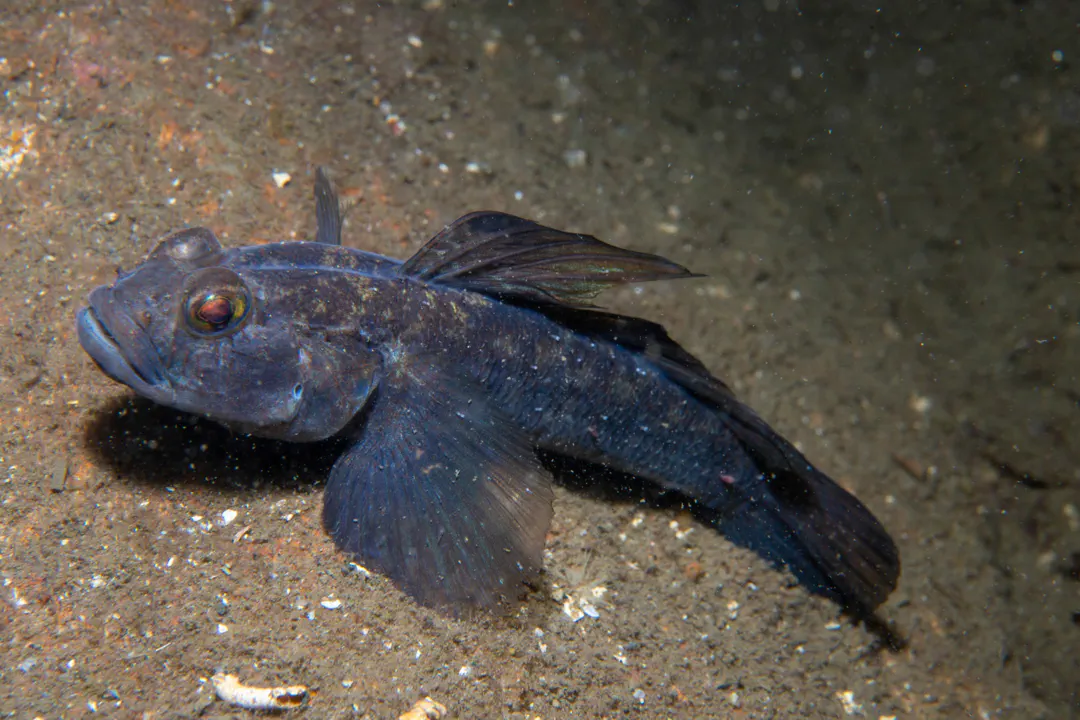
At 8 meters deep, within the skeletal remains of the *Evangelia* off Costinești, a common black goby, *Gobius niger*, darts from a rust-colored crevice in the hull. Silvery schools of mullet, *Mugil cephalus*, shimmer in the shafts of sunlight piercing the green-tinged water, their scales catching the light as they sweep past the twisted metal. A subtle current tugs at the fronds of algae clinging to the wreck's superstructure, a silent testament to the Black Sea's unique pulse.
This sunken Greek cargo ship, a landmark for coastal wreck diving, embodies the distinct allure of Romania's Black Sea. Unlike the sun-drenched reefs of the Mediterranean, diving here offers a different kind of adventure: a journey into maritime history and an ecosystem shaped by lower salinity and seasonal temperature shifts. Most Romanian dives are relatively shallow to moderate in depth, often clustered around coastal towns like Constanța, Mangalia, and Vama Veche.
The country’s diving narrative is closely intertwined with the Black Sea’s busy maritime routes and wartime losses. Cargo vessels, naval craft, and accidental sinkings have collectively formed a scattered chain of artificial reefs. These structures now provide shelter for fish, crabs, and anemones, creating accessible targets for both recreational and technical divers. This blend of biology and history holds a particular appeal for underwater photographers, wreck enthusiasts, and trainees refining their cold-water or low-visibility skills.
Romania’s coastline, though concise, presents a surprising range of underwater conditions within a few dozen kilometers. Divers might encounter sheltered sandy bottoms, rocky ledges, or the dramatic superstructures of wrecks. Areas influenced by the Danube plume can reduce visibility and alter salinity nearshore, meaning a single stretch of coast can offer calm, beginner-friendly sessions at one spot and more demanding dives with thermoclines and currents at another.
Seasonal timing is crucial for planning. The most comfortable period for diving typically spans from June through September, when the upper water layer is at its warmest and dive operations are most active. Outside of summer, many operators continue, but water temperatures drop sharply. Exposure protection becomes essential, especially below the thermocline where temperatures can plummet into the single digits Celsius.
The Black Sea: A Unique Marine Environment
The Black Sea is a semi-enclosed basin, an aquatic world unto itself, characterized by unusually low salinity and a pronounced seasonal temperature gradient. Below roughly 150 to 200 meters, a permanent anoxic layer begins, devoid of oxygen. This oxygen-poor deep water severely limits complex animal life but acts as a remarkable preservative, keeping shipwrecks and other organic material far more intact than in fully oxygenated seas.
Its salinity, significantly lower than the open ocean, influences everything from a diver's buoyancy to the very composition of its species. Compared to the nearby Mediterranean, the Romanian Black Sea hosts fewer large reef fish. Instead, it supports a population of hardy coastal species, creatures that tolerate brackish conditions, fluctuating temperatures, and often reduced underwater visibility.
For divers, understanding this oceanography is as vital as knowing its biology. While summer surface temperatures can be a comfortable 23°C, a thermocline often creates a dramatic temperature drop below 10 to 15 meters. A dive starting in warm surface water might quickly plunge into 8 to 12°C temperatures near the bottom. This sharp shift also affects plankton growth, which can, in turn, reduce visibility after periods of warm, nutrient-rich conditions.
Ecologically, the Black Sea's unique structure creates a layered habitat. The shallow shelf teems with fish, crustaceans, and jellyfish, while the deeper basin, accumulating hydrogen sulfide below the oxic zone, remains largely inhospitable to ordinary marine life. This unusual arrangement makes the Romanian coast a compelling study in how marine communities adapt and thrive under marginal conditions.
Marine Life of the Romanian Black Sea
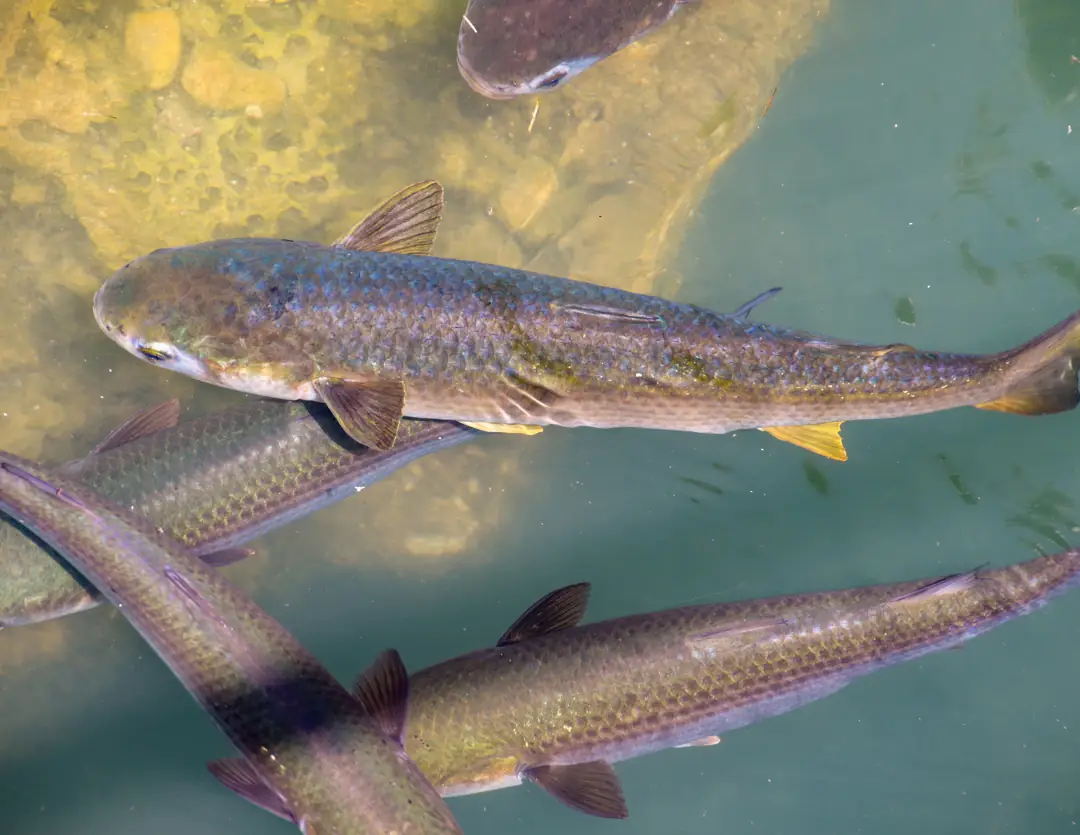
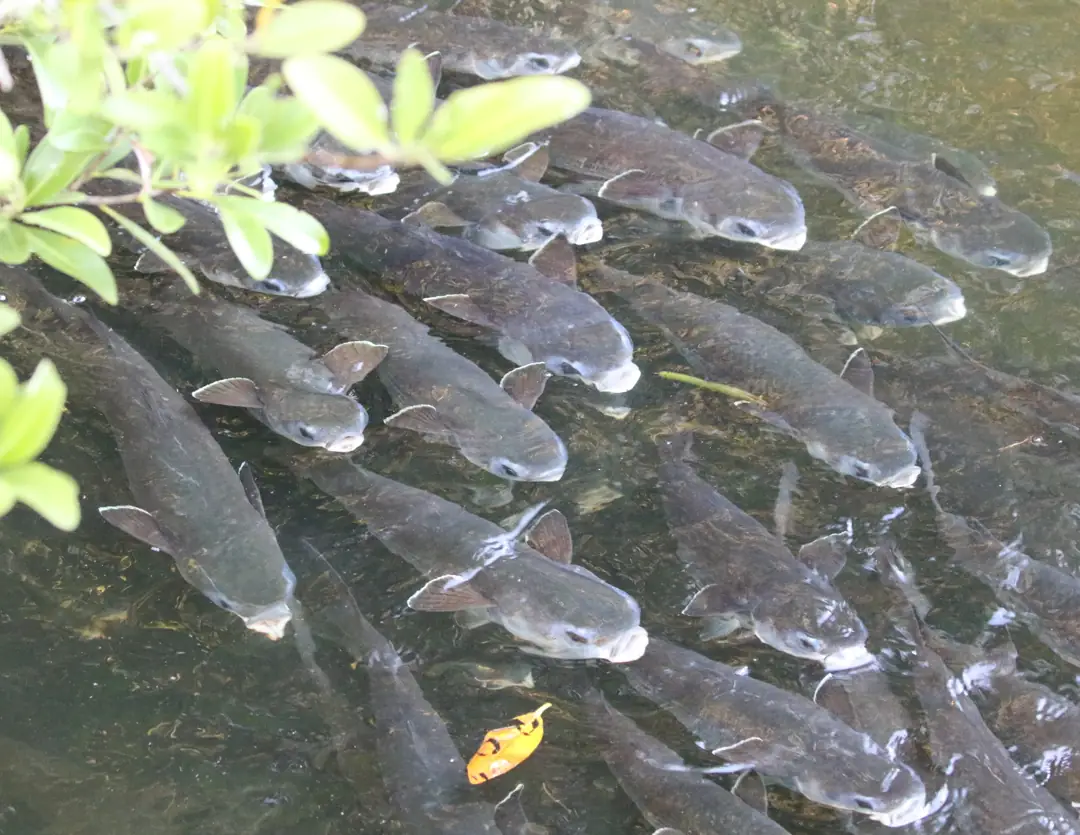
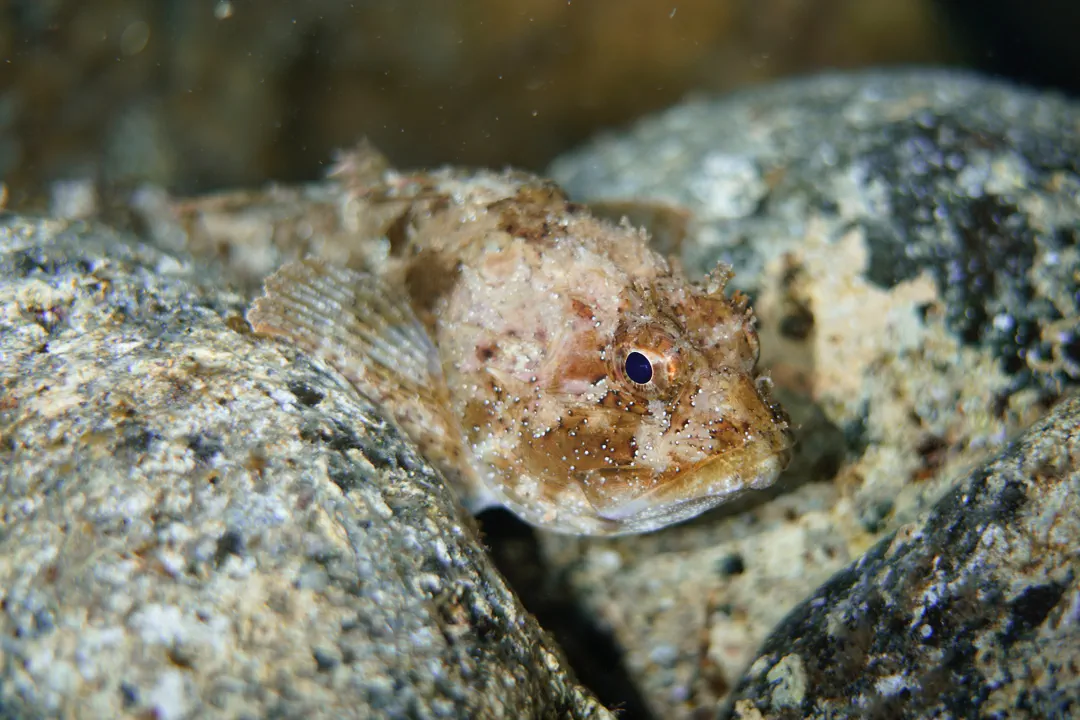
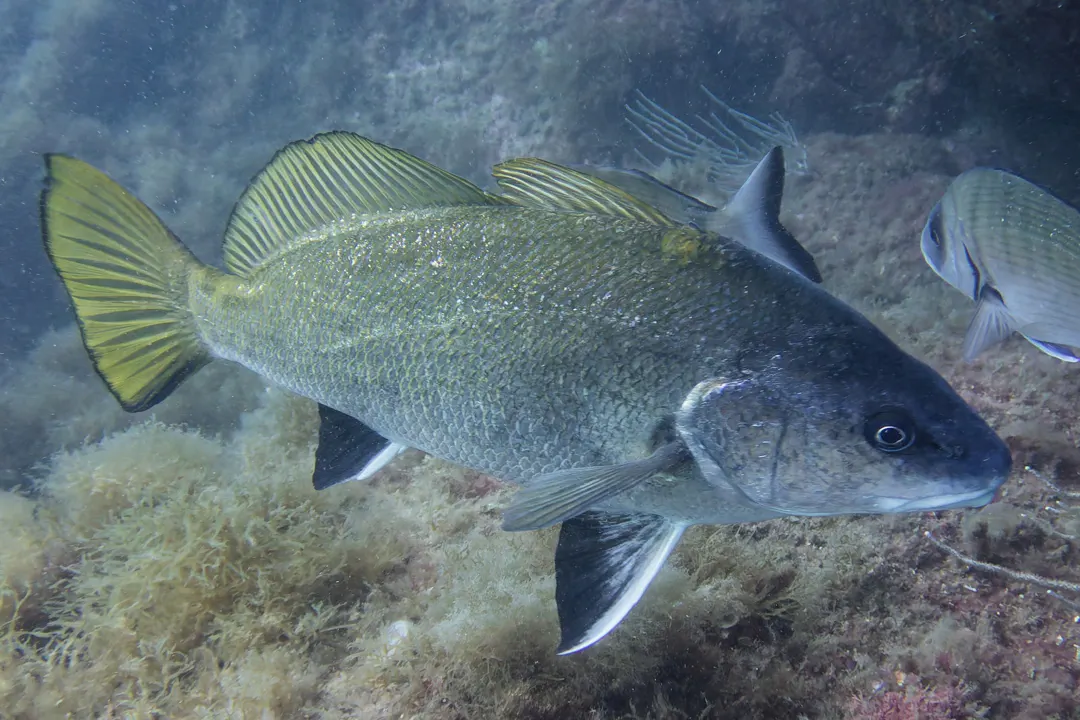
The Romanian Black Sea, while not boasting tropical reef biodiversity, supports a smaller but highly specialized fauna. Its coastal waters are home to resilient species such as the flathead grey mullet, *Mugil cephalus*, often seen in shimmering schools, and the common black goby, *Gobius niger*, which perches camouflaged on the seabed. Black scorpionfish, *Scorpaena porcus*, also blend into rocky substrates, while pipefish and seahorses find refuge in sheltered seagrass and algal beds.
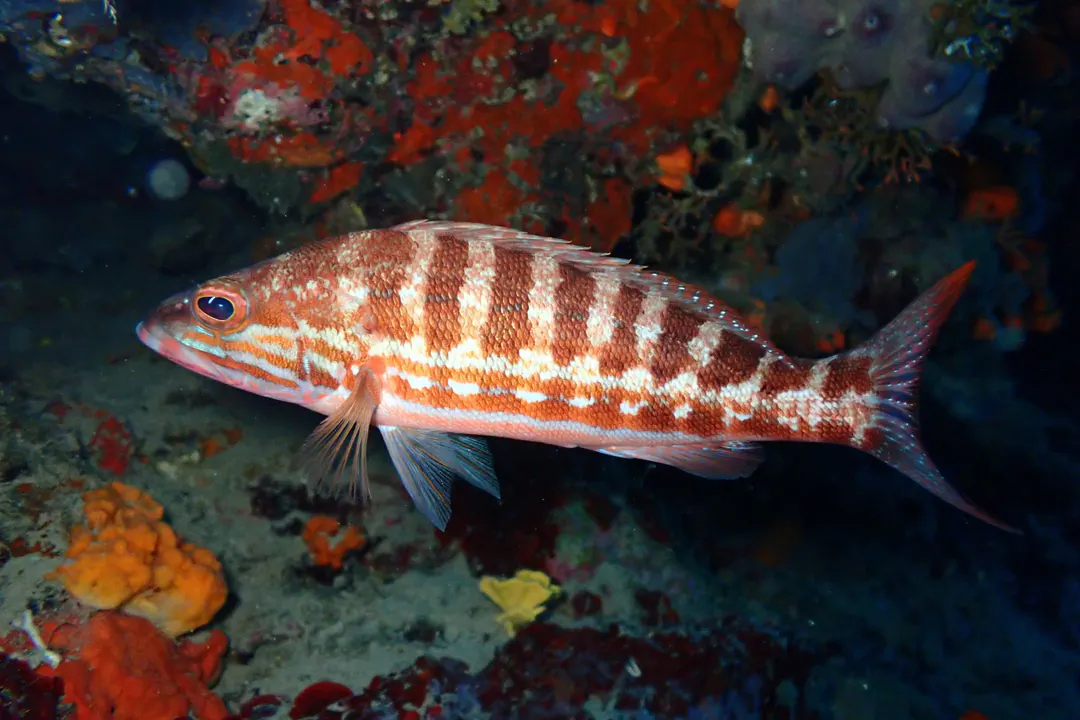
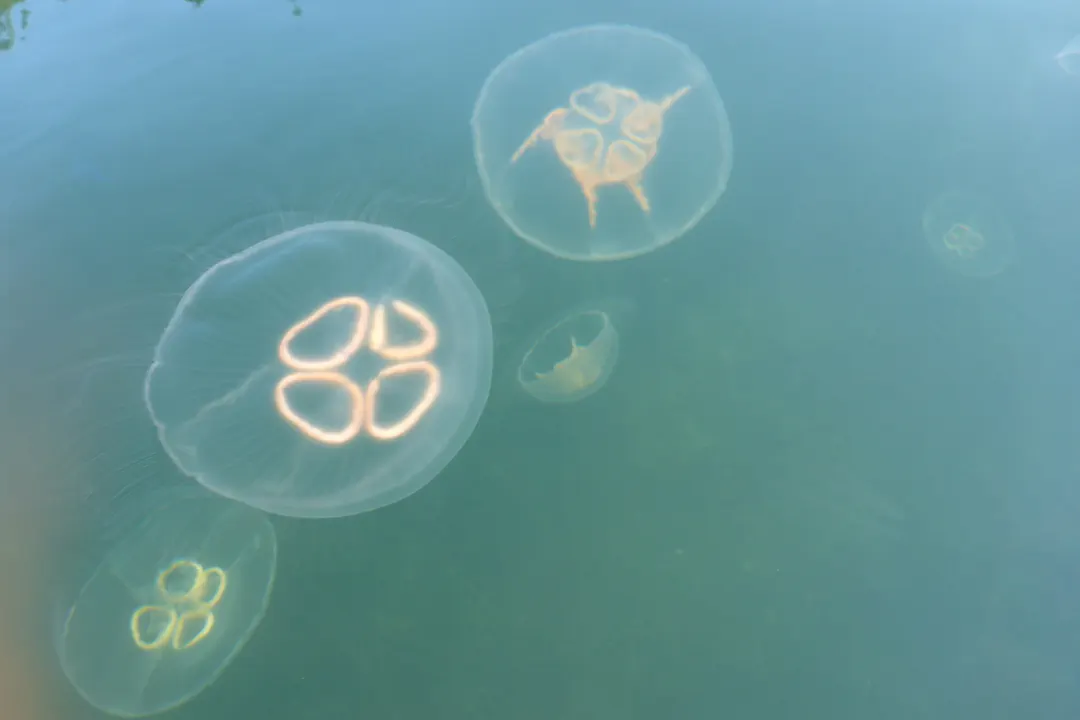
Many of the most characteristic animals here are bottom-associated, adept at tolerating reduced salinity and fluctuating oxygen levels. The red mullet, *Mullus barbatus*, sifts through sandy or muddy bottoms, its barbels searching for food. The comber, *Serranus cabrilla*, patrols rocky coastal habitats, and the brown meagre, *Sciaena umbra*, a regional Mediterranean-Black Sea fish, often appears near hard structures and wrecks. During warmer months, jellyfish like the moon jellyfish, *Aurelia aurita*, frequently drift through the water column, especially during plankton blooms.
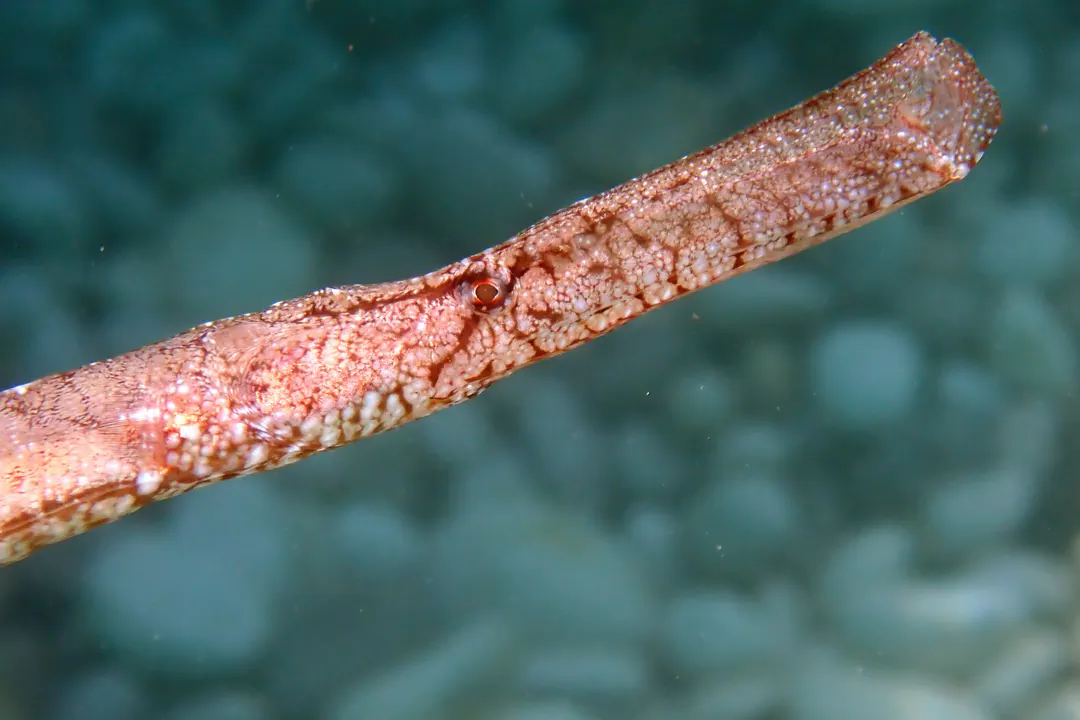
Among the most rewarding encounters for divers are seahorses, small and cryptic masters of camouflage, and their pipefish relatives. The long-snouted seahorse, *Hippocampus guttulatus*, and the broad-nosed pipefish, *Syngnathus typhle*, are plausible finds in sheltered coastal habitats where algae or seagrass persists. However, their distribution is patchy, highly dependent on habitat quality, the seasonal growth of vegetation, and minimal human disturbance.
 © Michael BommererCC BY 4.0 · iNaturalist
  © Donald DavesneCC BY 4.0 · iNaturalist
  © Sarah FaulwetterCC BY 4.0 · iNaturalist
  © Bernard PictonCC BY 4.0 · iNaturalist
  © Eridan XharahiCC BY 4.0 · iNaturalist
 Best Time to Visit and Diving Conditions
Romanian diving conditions are most favorable from late spring through early autumn. The period from June to September typically offers the warmest surface layers and the most reliable access for charter and shore diving. During summer, surface water temperatures commonly range from about 17°C to 24°C. However, spring and autumn dives often demand thicker exposure protection, as temperatures can drop to 10°C to 17°C.
Visibility in the Black Sea is highly variable, often improving after stable weather and away from coastal zones influenced by river outflows. In calm periods, divers can expect to see around 5 to 15 meters. Yet, plankton blooms, storms, and sediment stirred from the seabed can quickly reduce this to only a few meters, particularly near shallow sandy bottoms and busy ports. Here, a precise mask-clearing routine and excellent buoyancy control are more critical than in clearer waters, as fine silt is easily disturbed.
Most Romanian coastal diving centers focus on shore dives, short boat trips, wreck explorations, and training programs. Beginner divers should anticipate shallow sites and guided entries rather than open-ocean drift conditions. Still, they will need appropriate exposure protection, a surface marker buoy where regulations require, and an awareness of boat traffic, especially around sites adjacent to harbors.
Practical planning should always factor in the Black Sea's pronounced thermocline and seasonal weather changes. A 5 mm wetsuit might suffice for short, shallow dives in midsummer. However, many divers opt for 7 mm suits, hoods, or even drysuits for repeated dives, deeper wrecks, or shoulder-season trips, where bottom temperatures can feel significantly colder than the surface layer.
Water temperature
Romania, monthly average
Black Sea coast at Constanța (popular diving area in Romania), sea surface temperatures
Top Dive Sites Along the Romanian Coast
Romania's coastline, though short, presents several compelling dive spots, primarily famed for their historical wrecks and artificial reefs. These sites offer a blend of history and ecology, making them accessible and intriguing targets for divers.
Costinești Wreck (Evangelia)
The shipwreck of the Greek cargo ship *Evangelia*, widely known as the Costinești Wreck, stands as one of Romania’s most recognizable dive sites. Lying close to shore at depths between 5 and 10 meters, it offers an easily accessible wreck dive, often via shore entry or a very short boat ride, suitable for beginner to intermediate divers. The exposed hull, a landmark above water, continues below as a striking artificial reef, teeming with local marine life.
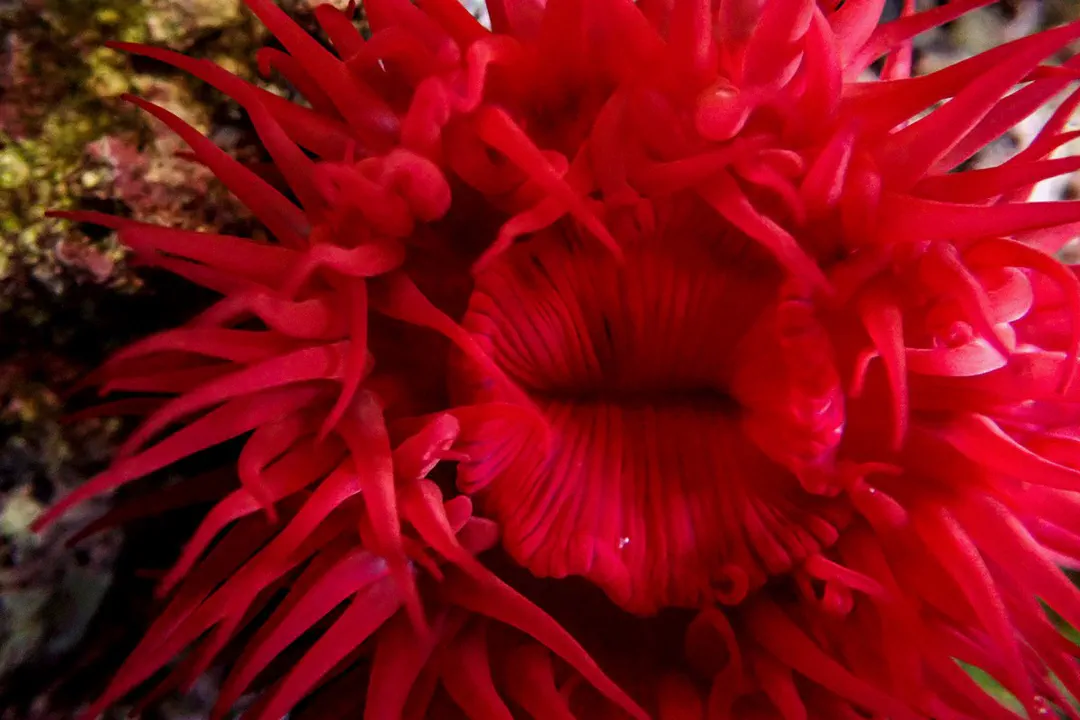
The wreck's structure provides vital shelter for fish and invertebrates. Divers here commonly observe common black gobies, *Gobius niger*, peeking from crevices, alongside schools of flathead grey mullet, *Mugil cephalus*. Black scorpionfish, *Scorpaena porcus*, expertly camouflage themselves against the metal, while sea anemones like *Actinia schmidti* colonize hard surfaces. Moon jellyfish, *Aurelia aurita*, drift by seasonally.
As the *Evangelia* rests in a coastal zone, it's susceptible to storms and sediment movement. The best viewing conditions typically follow settled weather, ideally before summer plankton blooms intensify. Early morning dives are often most productive, with calmer surface conditions and more active fish around the wreck's shaded sections and openings.
Divers should note that Black Sea wreck dives, even at modest depths, can feel colder and darker than anticipated due to the thermocline and suspended particles. Strong dive lights and conservative no-decompression planning are crucial for enhancing comfort and visibility on this intriguing site.
 © mfeaverCC BY 4.0 · iNaturalist
  © GolfopolikayakCC BY 4.0 · iNaturalist
 Mangalia Shipwrecks
Near the port city of Mangalia, a collection of historical wrecks awaits exploration, offering a fascinating glimpse into maritime history. These sites, varying in depth from 10 meters to over 30 meters, are typically accessed by boat and are best suited for intermediate to advanced divers. The Black Sea’s unique anoxic deep layer allows for remarkable preservation of these submerged vessels, making them compelling artificial reefs.
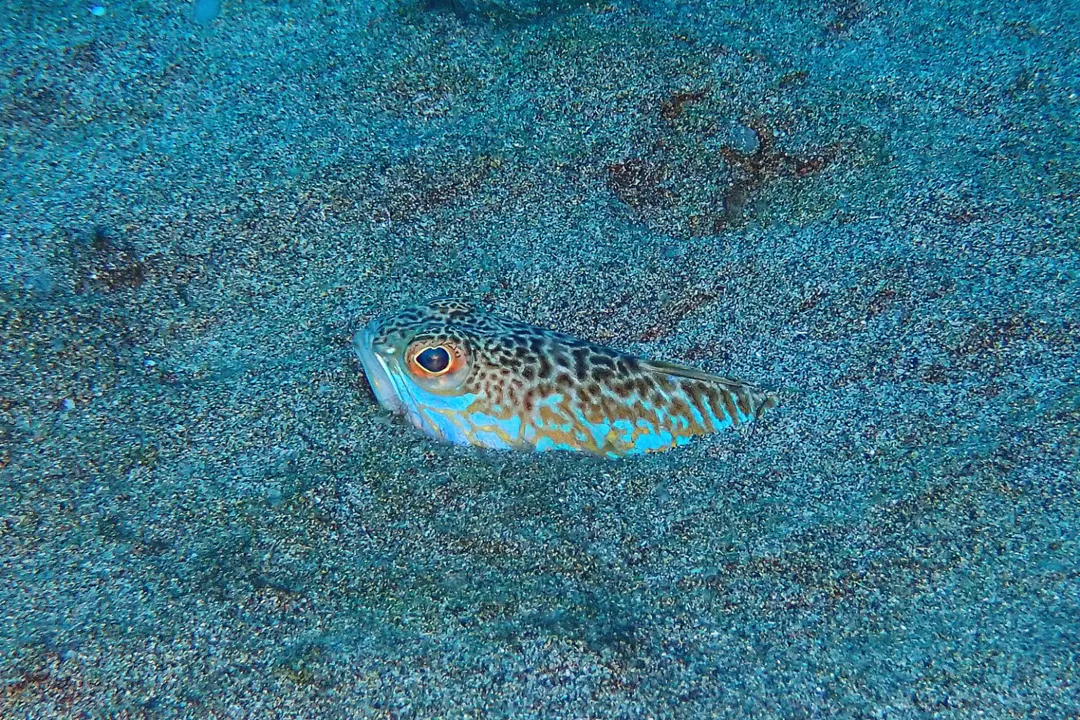
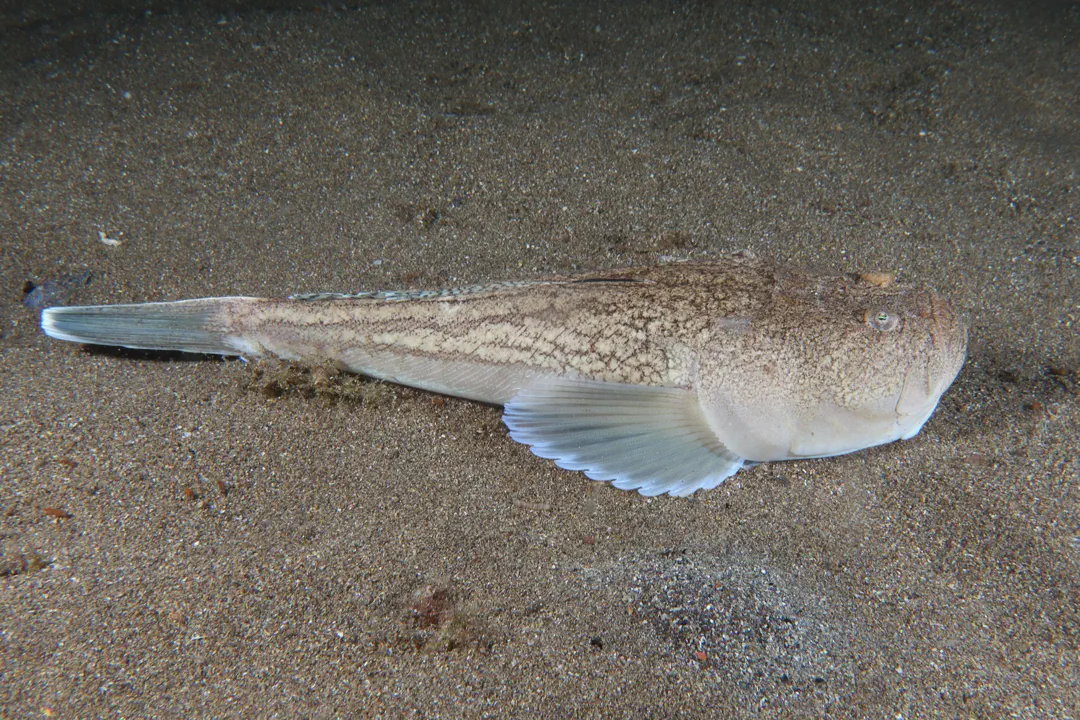
These shipwrecks and artificial reef formations create hard surfaces that attract a diverse community of marine life. Divers can expect to find brown meagre, *Sciaena umbra*, lurking in shaded sections, while red mullets, *Mullus barbatus*, forage along the sandy edges. The greater weever, *Trachinus draco*, and the Atlantic stargazer, *Uranoscopus scaber*, may be found partially buried in the surrounding sand. Barrel jellyfish, *Rhizostoma pulmo*, can also be seasonal visitors during warmer months.
Ecologically, the Mangalia wrecks are crucial because they concentrate life in an otherwise sediment-dominated shelf sea. Hard substrate is relatively scarce along much of the Romanian coast, so any submerged steel or stone quickly becomes a focal point for colonization. Algae, hydroids, and anemones rapidly establish themselves, providing shelter and hunting grounds for various fish and crustaceans.
From a diving perspective, these sites are best approached as mixed-bottom wreck dives. Fine silt, low relief, and variable currents can dramatically reduce visibility if disturbed. Therefore, stable finning, controlled descents, and minimal contact hovering are essential skills for maximizing the experience and preserving the site.
 © Donald DavesneCC BY 4.0 · iNaturalist
  © Julien RenoultCC BY 4.0 · iNaturalist
 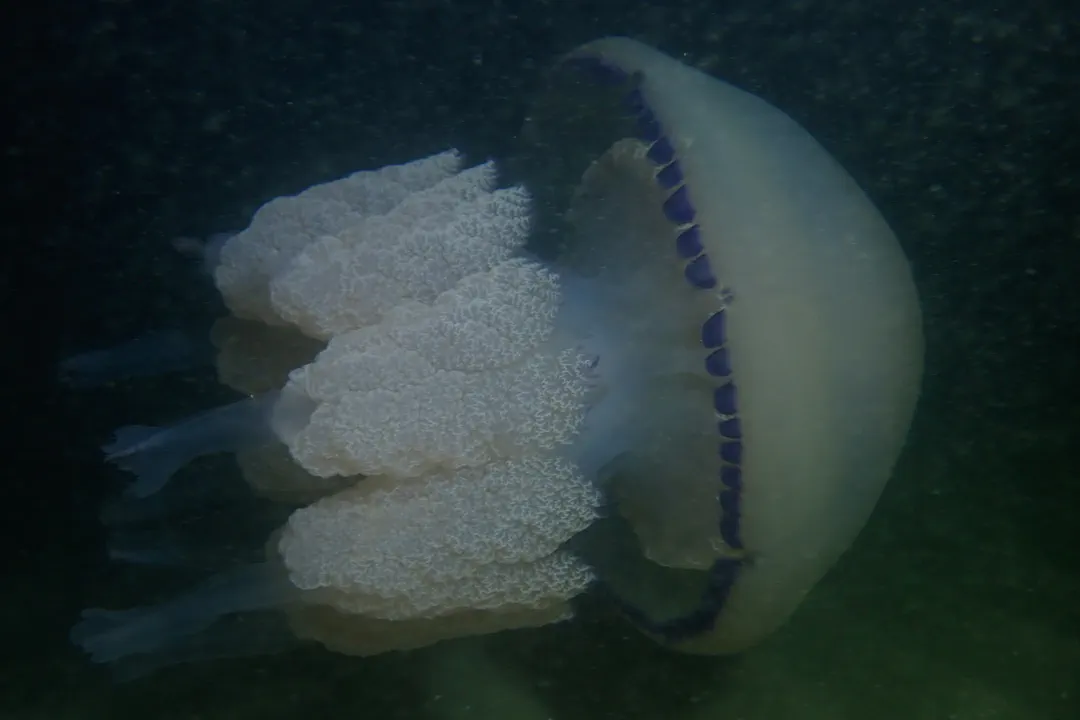 © Julien RenoultCC BY 4.0 · iNaturalist
 Vama Veche Reefs
The waters near Vama Veche reveal some of Romania’s most intriguing natural coastal structures, characterized by rocky patches, lush algal growth, and shallow habitats. These reefs, typically found between 5 and 15 meters deep and accessible from shore or via short boat rides, offer a unique diving experience for all levels, particularly rewarding for those with a keen eye for macro life. The biodiversity here is often hidden within crevices, algae, and low-relief bottom features, favoring careful observation over large animal encounters.
This habitat supports a variety of small fish and cryptic invertebrates. Divers might spot the elusive long-snouted seahorse, *Hippocampus guttulatus*, or the broad-nosed pipefish, *Syngnathus typhle*, blending into their surroundings. Small schooling fish like the sand smelt, *Atherina hepsetus*, dart through the water, while two-banded seabream, *Diplodus vulgaris*, and painted comber, *Serranus scriba*, patrol the rocky ledges. The black scorpionfish, *Scorpaena porcus*, also finds excellent camouflage here.
Seasonal growth of macroalgae and seagrass-like vegetation from late spring into summer significantly improves the chances of encountering pipefish and seahorses. However, divers should be mindful that post-storm surge can reduce visibility and make shallow rocky diving more challenging. Calm conditions are always the safest and most productive choice for exploring this particular stretch of coast.
For divers exploring Vama Veche, a slow and deliberate approach to microhabitats is key. Peering under ledges, along algal edges, and near hard substrates often reveals more life than simply scanning open sand. A powerful dive torch can also make a substantial difference, illuminating the subtle camouflage patterns of scorpionfish and gobies.
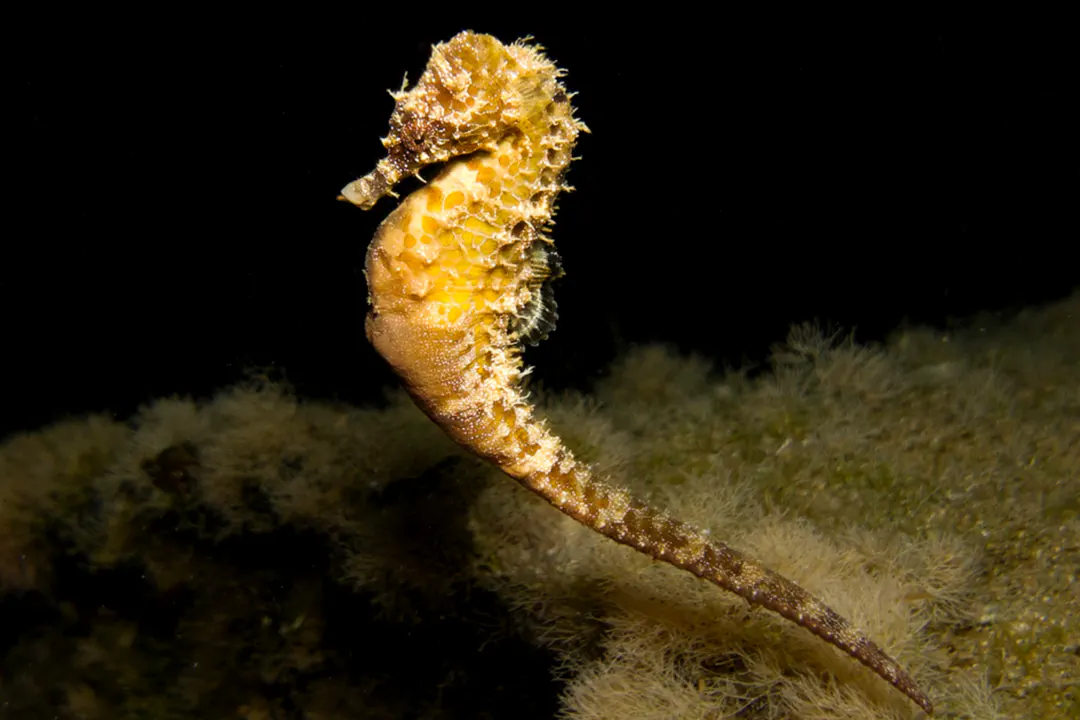
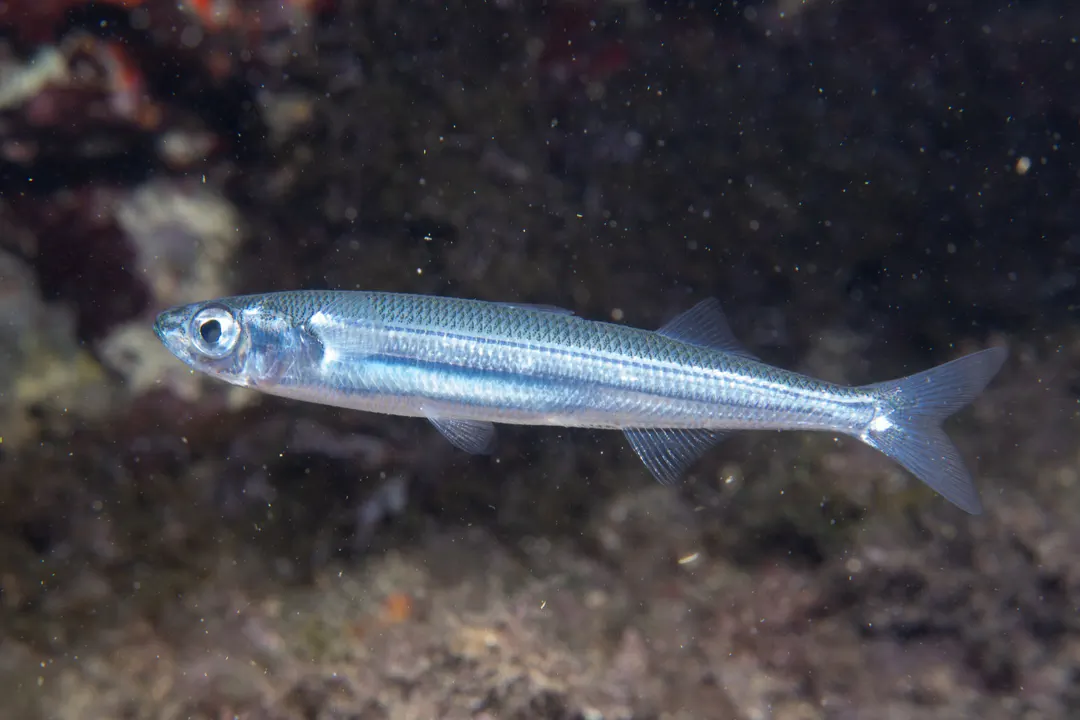 © Julien RenoultCC BY 4.0 · iNaturalist
 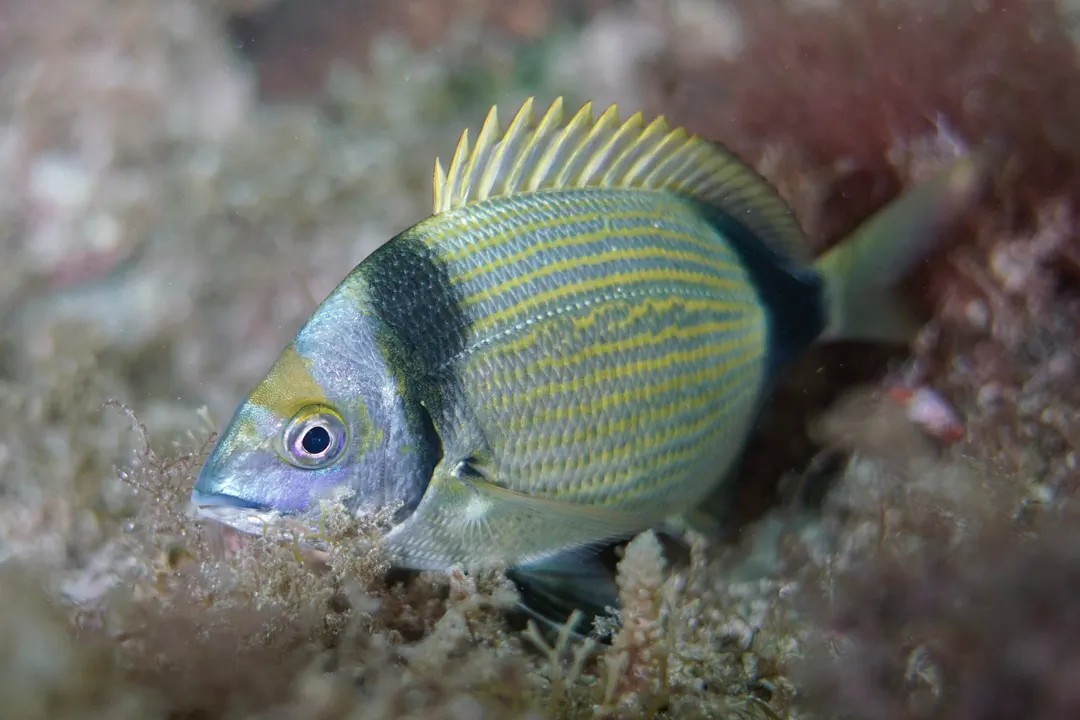 © Michael BommererCC BY 4.0 · iNaturalist
 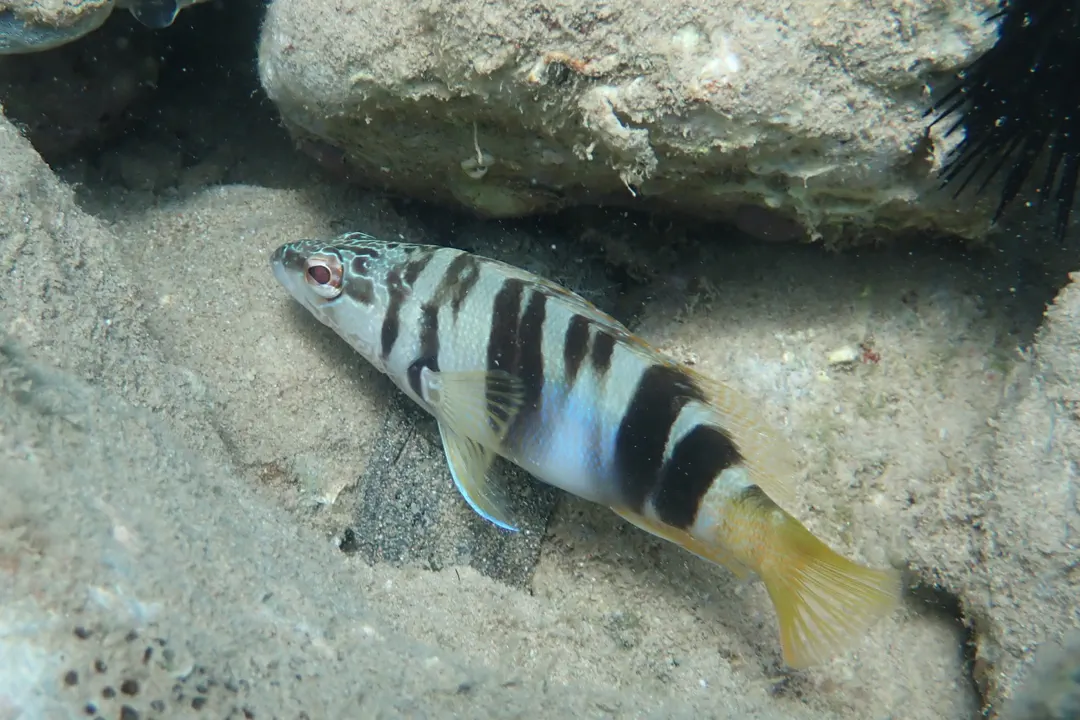 © Sarah FaulwetterCC BY 4.0 · iNaturalist
 Constanța Area
The waters surrounding Constanța, Romania's largest port city, offer a varied diving landscape, a mosaic of natural and artificial structures. Dive sites here, ranging from 5 to 25 meters, are typically accessed by boat from the bustling port, catering to various experience levels. This area presents a blend of hard-bottom habitats, breakwaters, and occasional wrecks, which together attract a surprising diversity of marine life.
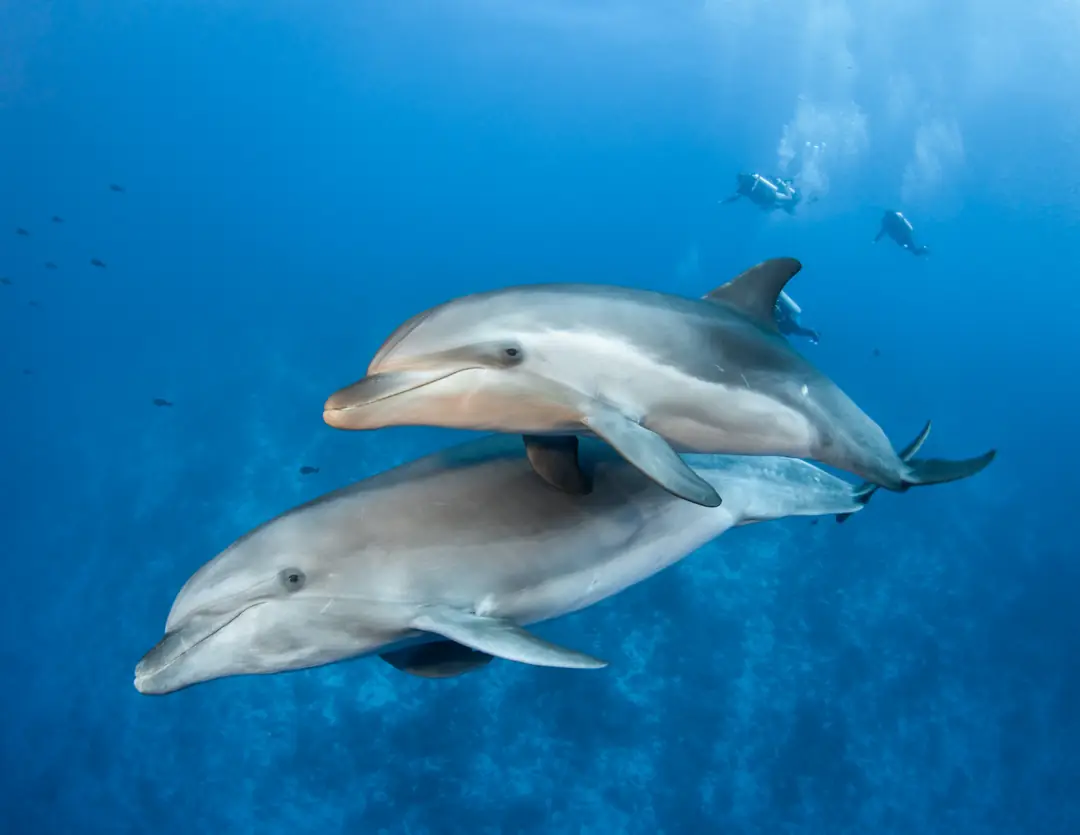
Within these mixed environments, divers can expect to encounter schools of flathead grey mullet, *Mugil cephalus*, near piers and breakwaters. The comber, *Serranus cabrilla*, and black scorpionfish, *Scorpaena porcus*, are common residents of the rocky and structured areas. Brown meagre, *Sciaena umbra*, also find shelter within these artificial reefs. While not a routine underwater encounter, common bottlenose dolphins, *Tursiops truncatus*, are known to inhabit the Black Sea and can occasionally be sighted offshore from dive boats.
Port areas and urban coastlines create a unique ecological setting. Artificial surfaces readily support algal growth and invertebrate communities, yet the constant presence of noise, sediment, and ship movement can make these sites less predictable than quieter, natural rocky shores. This makes Constanța particularly appealing to divers who prioritize ease of access and diverse exploration over pristine water clarity.
For underwater visitors, the most realistic expectation is to discover a rich tapestry of coastal Black Sea life rather than large pelagic spectacles. Diligent searches around submerged structures often reveal schools of mullet, well-camouflaged scorpionfish, various small gobies, and seasonal jellyfish. Dolphin sightings are far more likely to occur at the surface from a boat than during the dive itself.
Practical Tips for Diving in Romania
Planning a dive trip to Romania requires careful preparation, as it's best approached as a seasonal coastal adventure rather than a year-round warm-water holiday. Summer, from June to September, offers the widest array of open sites, the warmest surface water, and the most stable visibility. Spring and autumn, however, can reward more experienced divers who are comfortable with colder water and potentially more varied surface conditions.
Romania’s underwater appeal lies not in coral reefs, but in its historical wrecks, hard-bottom habitats, and unique oceanography. The Black Sea’s lower salinity, distinct thermocline, and deep anoxic zone create diving conditions profoundly different from the Mediterranean, giving Romania a genuinely distinctive marine identity within Europe.
For experienced travelers, the reward of diving here lies in combining rich history, unique ecology, and the application of practical diving skills within a compact region. This combination is precisely why the Romanian Black Sea continues to attract wreck divers, marine naturalists, and training groups seeking accessible yet nonstandard coastal dives.
Travelers should plan conservatively, especially concerning exposure protection, potential visibility fluctuations, and the depth limits of local wrecks. A well-timed summer trip, coupled with a flexible itinerary to account for weather windows, will generally yield the most satisfying results along this short but remarkably varied coastline.
Frequently Asked Questions About Diving in Romania
Questions
Is diving in Romania suitable for beginners?
Yes, many Romanian Black Sea sites are shallow coastal dives, and guided shore or short-boat dives can be appropriate for entry-level divers with proper supervision. Beginners should still anticipate variable visibility, the presence of a thermocline, and water temperatures cooler than the summer surface layer might suggest.
What kind of visibility can I expect in the Black Sea?
Visibility is highly variable, often ranging from about 3 to 15 meters. The clearer end of this range is more probable during calm summer weather and away from river-influenced coastlines. However, storms, plankton blooms, or disturbed sand can quickly reduce visibility to just a few meters.
Are there many dive centers in Romania?
Several established dive centers operate along the coast, particularly around Constanța, Eforie Sud, Mangalia, Vama Veche, and Costinești. Most focus their operations during the summer season, offering training, guided wreck dives, and equipment rental, rather than large-volume resort diving.
What unique marine life can I see in the Black Sea?
Expect to encounter species adapted to low-salinity coastal environments, such as various gobies, mullets, scorpionfish, pipefish, seahorses, and seasonal jellyfish. Occasionally, dolphins can be spotted offshore. The species mix, though less diverse than in the Mediterranean, is distinctive and well-adapted to the Black Sea’s unique chemistry and seasonal shifts.
What are the water temperatures like for diving?
Summer surface waters typically range from 17°C to 24°C, while spring and autumn conditions are often cooler, closer to 10°C to 17°C. Below the thermocline, especially on deeper wrecks, the bottom layer can feel significantly colder, making thicker wetsuits or drysuits a wise choice.
Diving in Romania truly offers an unconventional yet profoundly rewarding adventure for those seeking to explore the Black Sea's unique ecosystems and rich history. Its distinct marine life, adapted to its specific oceanographic conditions, alongside intriguing historical wrecks, promises a memorable underwater journey.