Introduction to Diving in the Netherlands
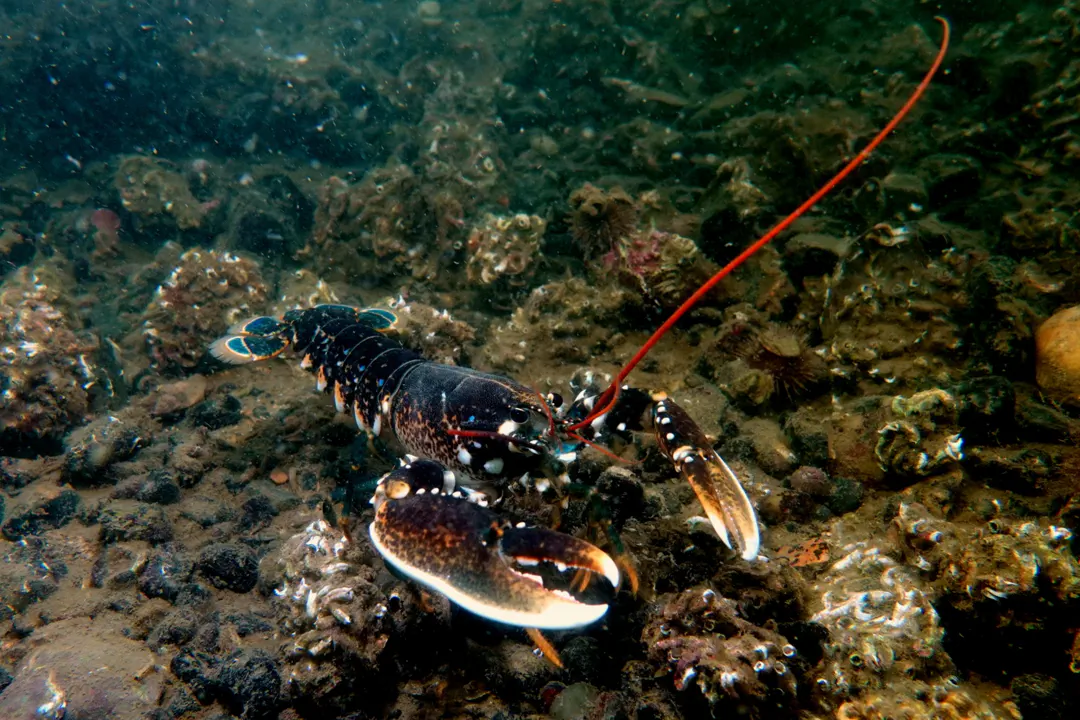
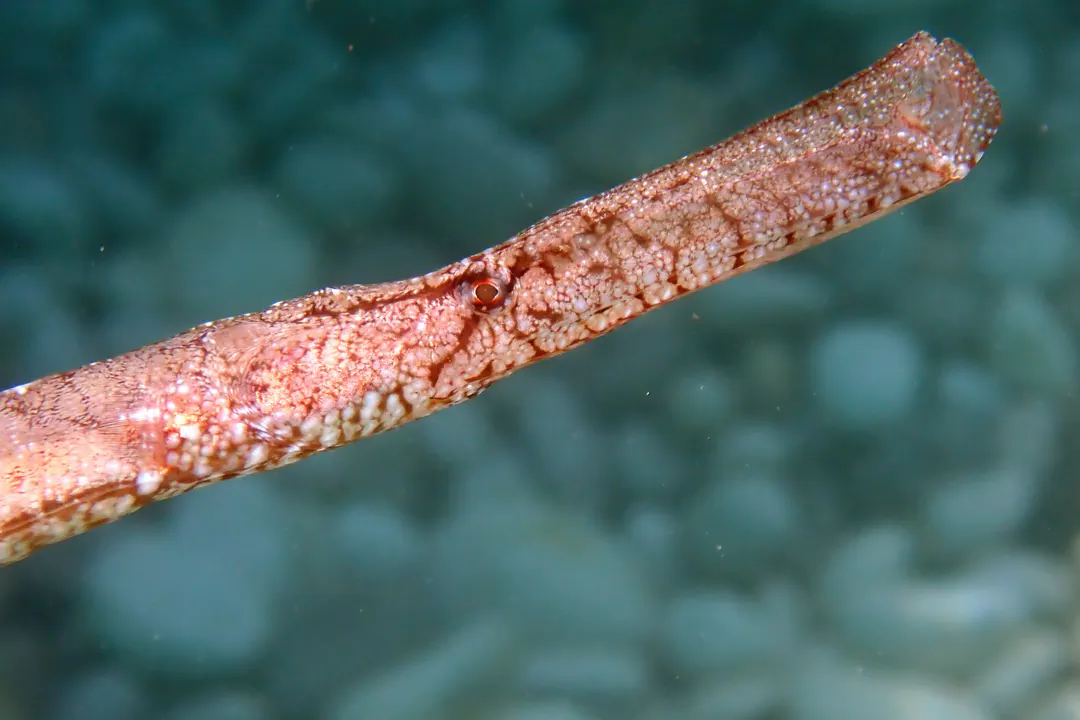
At a depth of 8 meters in the Oosterschelde, where the tidal current pauses its relentless pull, a broadnosed pipefish, slender as a pencil, hangs suspended amidst a swaying meadow of eelgrass. Its mottled skin blends perfectly with the green blades, a master of stillness in the nutrient-rich haze that softens the light to a muted emerald. Just below, a European lobster edges out from under a cluster of mussels, its antennae sweeping the 5-meter visibility for signs of a meal.
This cool, often turbid environment might seem an unlikely stage for underwater exploration, yet the Netherlands offers unusually varied cold-water diving for a relatively small country. From sheltered estuaries and brackish inland seas to exposed North Sea wrecks, a surprising array of marine life thrives.
Dutch diving developed around Zeeland in the 1970s, as improved access and local dive clubs made the Oosterschelde and Grevelingenmeer popular year-round training and photography sites. What makes the destination distinctive is the combination of tidal nutrient flow and man-made structures, supporting dense populations of crabs, nudibranchs, pipefish, and juvenile fish.
The Diverse Waters of the Netherlands
The Netherlands is shaped by its waters, offering distinct dive environments. The North Sea, a dynamic, open expanse, holds countless historical shipwrecks, where strong currents and variable visibility—often 2 to 10 meters—create challenging but rewarding dives.
In contrast, the Zeeland estuaries, including the Oosterschelde, Grevelingenmeer, and Veerse Meer, present a calmer, more sheltered experience. These former inlets, now largely separated from the open sea, feature less current and often clearer water, sometimes reaching 10 to 15 meters on exceptional days. Each estuary, however, has its own unique character and resident species.
Best Time to Visit and Water Conditions
Diving in the Netherlands is a year-round pursuit, though conditions vary significantly with the seasons. Water temperatures commonly range from about 4–6°C in winter, when a drysuit is essential, to roughly 18–20°C in late summer, when a thick wetsuit might suffice for shorter dives in calmer inland waters.
Spring and early summer usually bring the first major pulse of marine activity, including the fascinating spawning aggregations of cuttlefish. Late summer and early autumn often produce the best sightings of seahorses and many nudibranchs, making these months particularly rewarding for macro enthusiasts. Winter offers quieter sites and stable visibility after storms, appealing to experienced drysuit divers.
Water temperature
Netherlands, monthly average
North Sea coast near Scheveningen/The Hague area, typical scuba diving sites at 10-30m depth
A Rich Tapestry of Cold-Water Marine Life
The Dutch underwater landscape is dominated by temperate species, not coral reefs, with life adapted to cool, nutrient-rich water. Crustaceans, polychaetes, anemones, pipefish, gobies, and juvenile flatfish form the backbone of the visible life in the estuaries and many North Sea wreck zones.
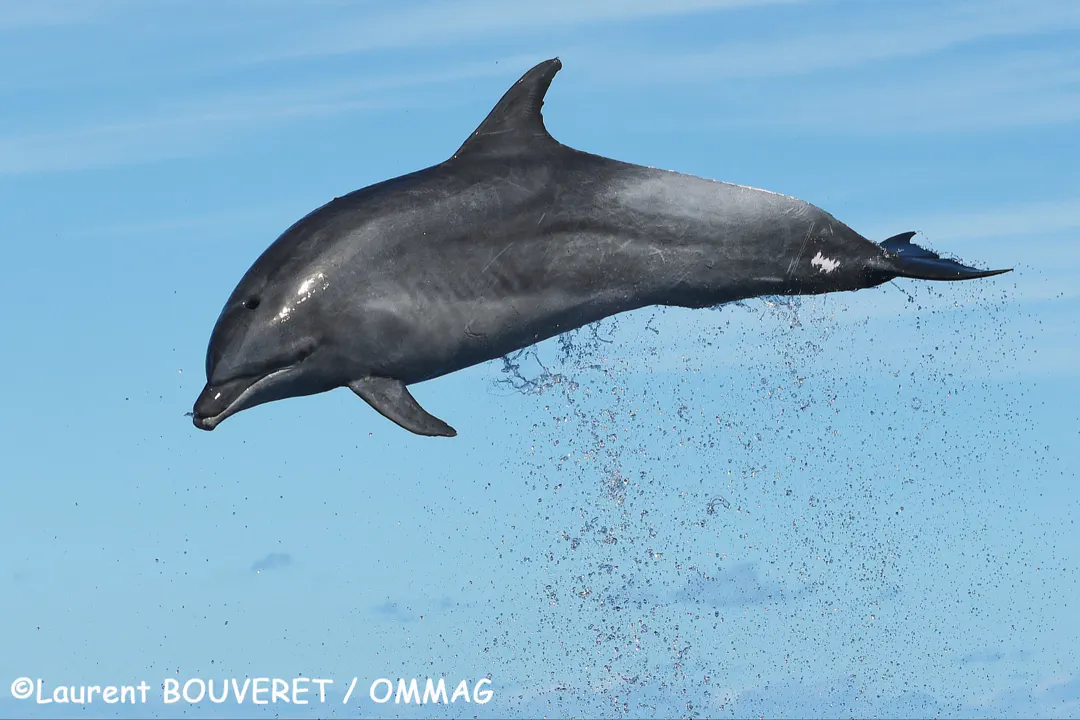
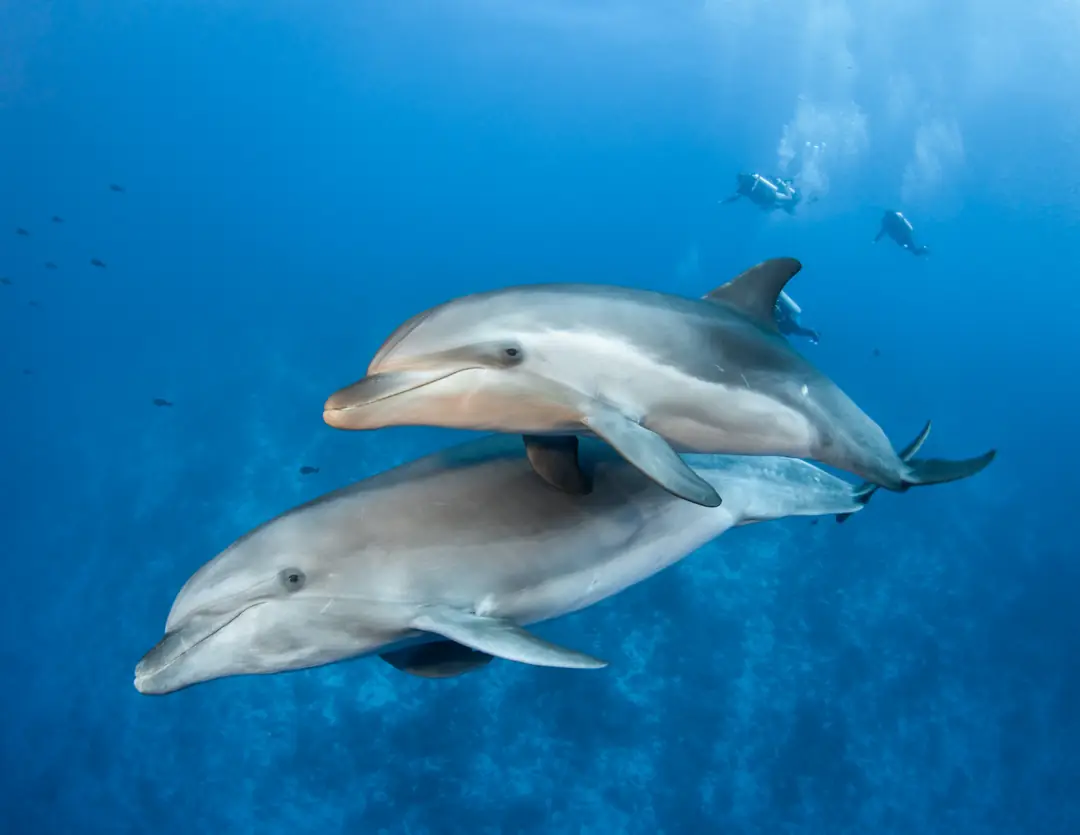
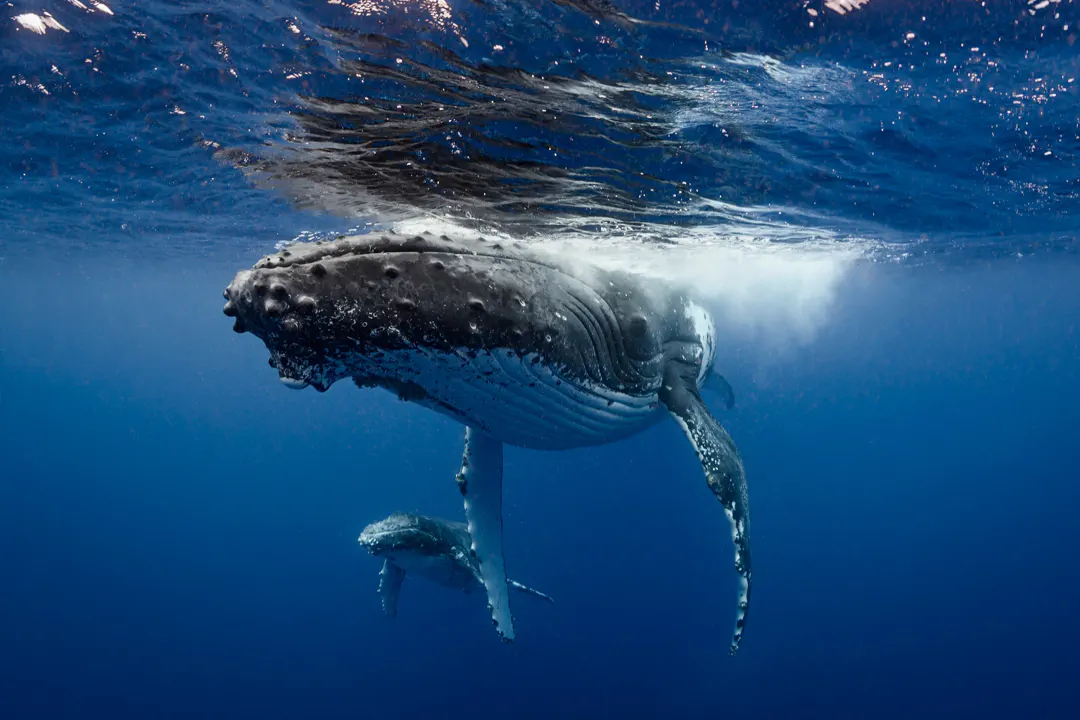
The ecological importance of these waters comes from their productivity. Tidal mixing in the estuaries concentrates plankton and suspended food, which supports dense shellfish beds, seaweed communities, and the small invertebrates that draw photographers. This same productivity also supports larger visitors such as seals, porpoises, and occasionally dolphins in the broader Dutch coastal waters.
For divers, the key adjustment is to slow down. Dutch sites reward low-impact buoyancy control, careful finning around silt, and close inspection of shell beds, weed lines, and wreck structure, where many of the region’s most interesting animals are only a few centimeters long.
 © seabook.appAll rights reserved
  © Charles HoodAll rights reserved
  © seabook.appAll rights reserved
  © Xavier MasCC BY 4.0 · iNaturalist
  © mfeaverCC BY 4.0 · iNaturalist
 Oosterschelde National Park: Macro Wonderland
The Oosterschelde, designated a National Park in 2002, is one of the most productive and biodiverse diving regions in the Netherlands. As a tidal national park and Natura 2000 site, its seawater exchange keeps the system oxygenated and nutrient-rich, supporting exceptional species richness.
Here, the main attraction is not coral, but hard substrates, tidal flow, and dense seasonal macro life. Divers regularly encounter a world of nudibranchs, seahorses clinging to eelgrass, pipefish, shrimp, crabs, and anemones in shallow water. The area is especially strong for macro photography, as many animals cluster around oyster beds, mussel lines, and harbor infrastructure.
Timing your dive with the tide is crucial in the Oosterschelde, as slack water can be brief and currents strong. Local tide tables and site-specific entry planning are essential for safe and rewarding exploration. Summer and early autumn are generally the most rewarding months for visible macro life, while spring can be excellent for cuttlefish spawning.
Grevelingenmeer: Calm and Clear Inland Sea
Grevelingenmeer, a former estuary now separated from the tidal system by the Brouwersdam, offers some of the calmest and clearest major diving in the Netherlands. Its stable conditions make it a common training ground for Dutch divers and a productive site for photographers.
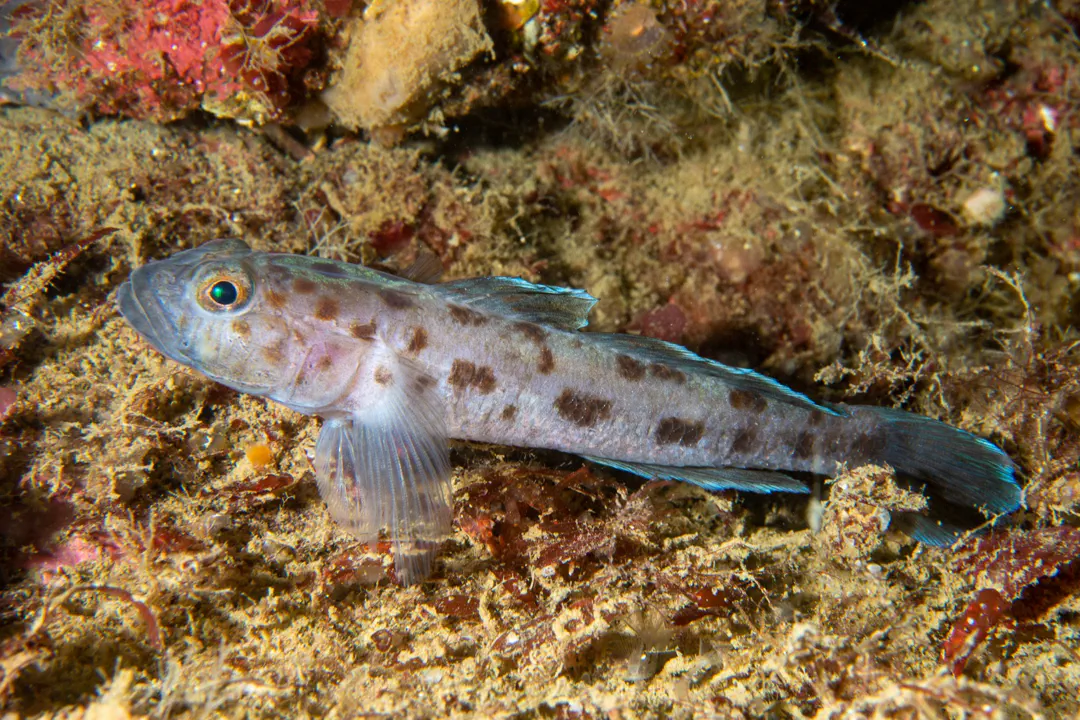
The lake supports a temperate marine community, distinct from the tidal estuaries. Species such as European lobster, pipefish, gobies, blennies, anemones, and seasonal crustaceans thrive around artificial structures and weed beds. Visibility can often exceed that of the Oosterschelde, sometimes reaching 15 meters, because tidal resuspension of sediment is reduced.
While heavy rain, algal blooms, and strong winds can still lower clarity, Grevelingenmeer remains a preferred location for relaxed dives and underwater photography due to its generally predictable and tranquil environment.
 © Klaus Kevin KristensenCC BY 4.0 · iNaturalist
  © Eridan XharahiCC BY 4.0 · iNaturalist
  © Bernard PictonCC BY 4.0 · iNaturalist
  © Bernard PictonCC BY 4.0 · iNaturalist
 Veerse Meer: Brackish Water Adventures
Veerse Meer presents a specialized brackish water diving environment, a former estuary now separated from the open sea. Its reduced salinity and water movement create a unique habitat for species adapted to these conditions, offering a distinct diving experience.
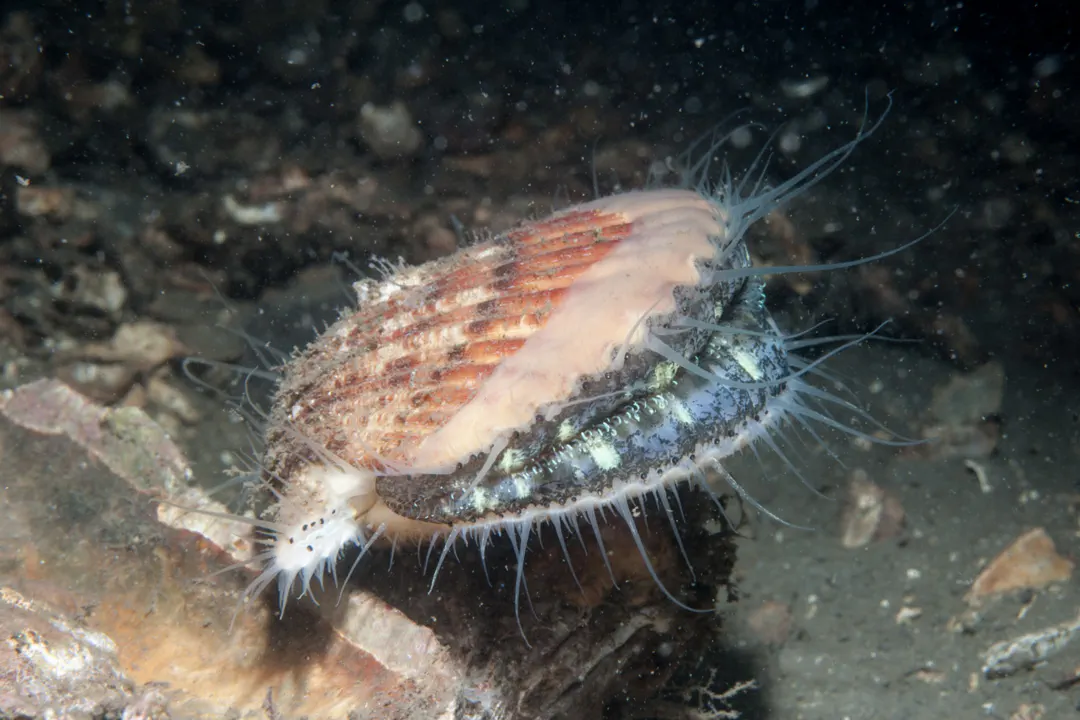
Because of its variable salinity, the biology here is more limited than in the tidal estuaries or saltwater lakes. The best-known life tends to be a mix of hardy euryhaline species. Divers can expect to find Flat Periwinkles, Common shore crabs scuttling over the bottom, gobies, pipefish, and some anemones in saltier sections or attached to structures.
This sheltered environment makes Veerse Meer an important training site, particularly for divers new to cold-water conditions. The species composition can shift noticeably by season, rainfall, and water exchange, making each visit potentially different.
North Sea Wrecks: History Beneath the Waves
The Dutch North Sea holds a submerged archive of maritime history, with thousands of shipwrecks scattered across its floor. These range from commercial vessels and fishing boats to wartime sinkings, creating crucial hard structure in an otherwise soft-sediment environment.
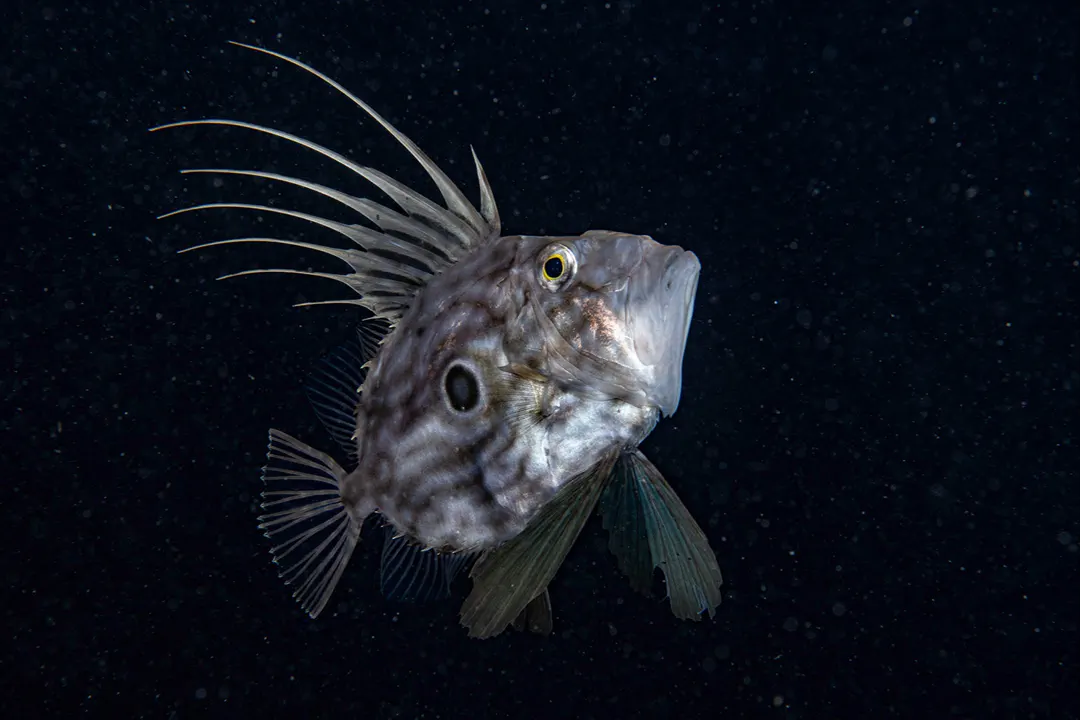
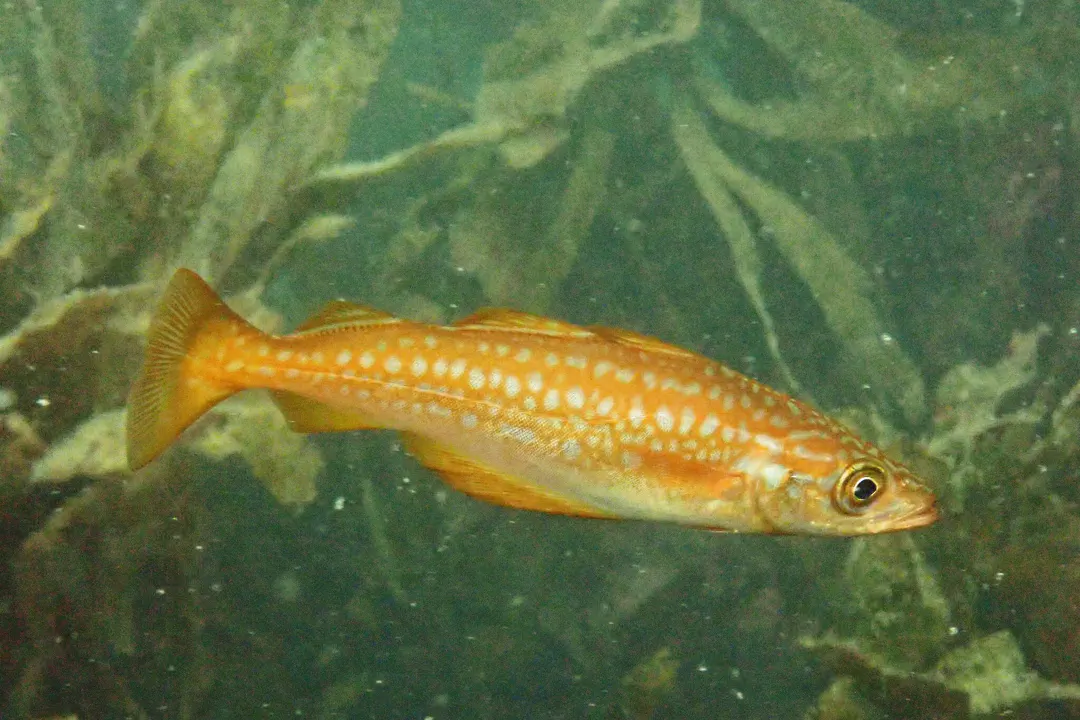
Wrecks function as artificial reefs, providing attachment points for Plumose Anemones, mussels, sponges, hydroids, and crabs, while juvenile fish find shelter within their decaying hulls. They also serve as feeding stations for larger predators like European lobsters, Atlantic Spinous Spider Crabs, and John Dory, which move through the region seasonally.
Wreck diving here demands careful gas planning, awareness of strong currents, and strong buoyancy control. Many sites lie deeper than 20 meters, and visibility can be challenging, ranging from 2 to 10 meters. The rewards, however, are a unique blend of historical exploration and observation of cold-water marine life.
 © Donald DavesneCC BY 4.0 · iNaturalist
 Essential Tips for Diving in Dutch Waters
Diving in Dutch waters usually demands more thermal protection than many new visitors expect. A drysuit is the standard choice for year-round diving, because even summer water temperatures often remain only 16–20°C at the surface and much colder below any thermocline.
Local conditions vary sharply by site. The Oosterschelde is tidal and can have strong currents, while Grevelingenmeer is calmer and more suitable for training and photography. North Sea wrecks often require boat access, careful current planning, and the ability to manage limited visibility.
Practical diving skills matter as much as equipment. Divers should be comfortable with low-visibility navigation, negative or controlled entries from boats, and precise buoyancy. Many Dutch sites have silty bottoms, delicate shell beds, and dense structure that can be damaged by careless finning.
Seasonality should shape trip planning. Spring is excellent for spawning cephalopods and active invertebrates, summer offers the warmest and calmest conditions, and autumn often provides very good macro diving before temperatures fall rapidly. Winter can still be rewarding for experienced drysuit divers who want quieter sites and fewer crowds.
Protecting the Underwater World
Conservation efforts in Dutch coastal waters have become increasingly active, particularly around shellfish reefs and nature-inclusive offshore engineering. European flat oyster restoration is a serious research and management focus, with pilot projects underway in the Dutch North Sea since at least 2018.
These projects aim not only for biodiversity recovery but also for ecosystem functions such as nursery habitat creation and improved water clarity. Historic flat oyster reefs were heavily reduced by overfishing and disease in the early 20th century, so current initiatives are attempting to rebuild a habitat that once played a much larger role in the southern North Sea food web.
For divers, the conservation angle is practical as well as ecological. Good buoyancy, no-touch diving, and not disturbing shell beds or nesting fish help protect fragile habitats that can be slow to recover in cold water, where growth rates are much lower than in tropical systems.
Questions
Is diving in the Netherlands only for experienced divers?
No. Many sites in the Oosterschelde and Grevelingenmeer are suitable for beginners and intermediate divers, especially on slack tide and in sheltered conditions. North Sea wreck dives are usually more demanding because currents, boat procedures, and depth often require more experience and better gas planning.
What is the typical water temperature in the Netherlands?
Dutch water temperatures usually range from about 4–6°C in winter to around 18–20°C in late summer. A drysuit is the safest year-round choice for most divers, while a thick wetsuit may work for short summer dives in sheltered inland waters.
What kind of marine life can I expect to see?
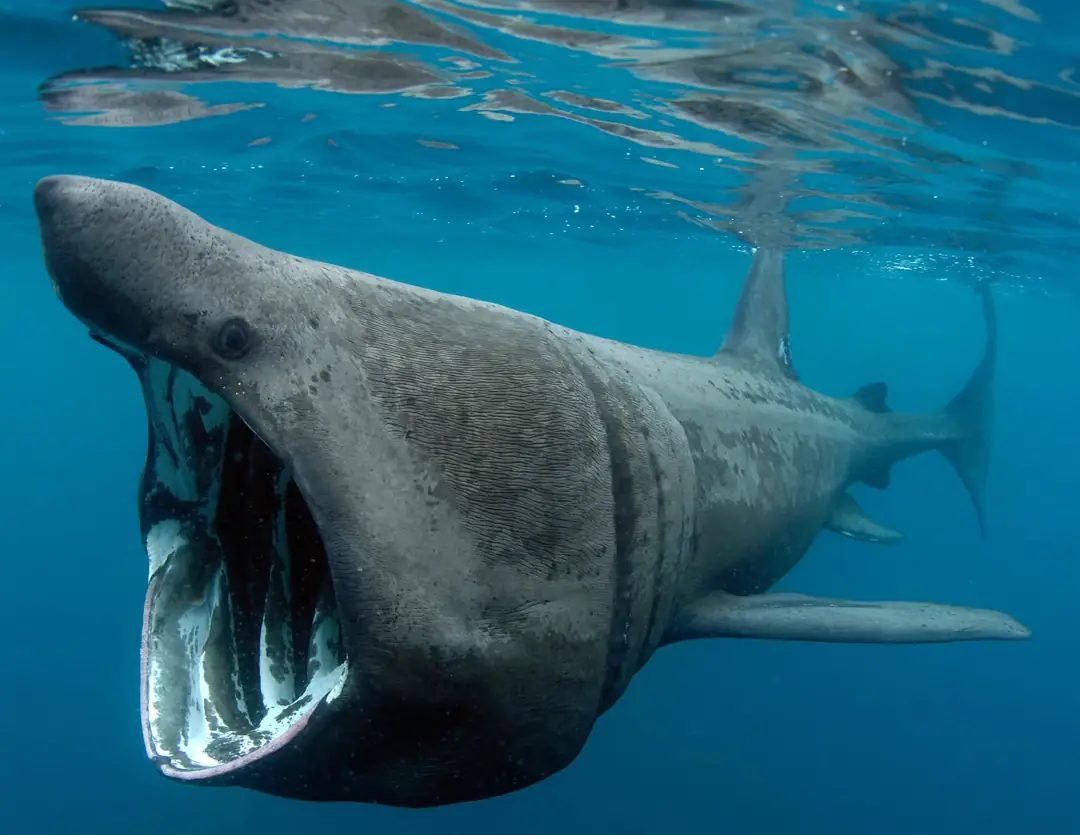
Expect mostly temperate macro life: crabs, lobsters, pipefish, gobies, anemones, nudibranchs, and seasonal fish such as cuttlefish and seahorses in some areas. Offshore and near-wreck sites can also produce seals, porpoises, and occasional dolphins, while basking sharks and whales are rare visitors rather than routine sightings.
Are there any specific regulations for diving in Dutch National Parks?
Yes. Protected areas such as the Oosterschelde have site rules that protect habitats and wildlife, and divers should follow local access guidance, respect tide windows, and avoid touching or collecting organisms. Using a local dive center or guide is a sensible way to stay current on site-specific restrictions and tidal timing.
Is visibility generally good in the Netherlands?
Visibility varies widely by site and weather. In the North Sea it is often around 2–10 meters, while sheltered waters like Grevelingenmeer can sometimes reach about 10–15 meters on better days, although wind, plankton, and tidal stirring can reduce clarity quickly.