Introduction to Diving in Spain
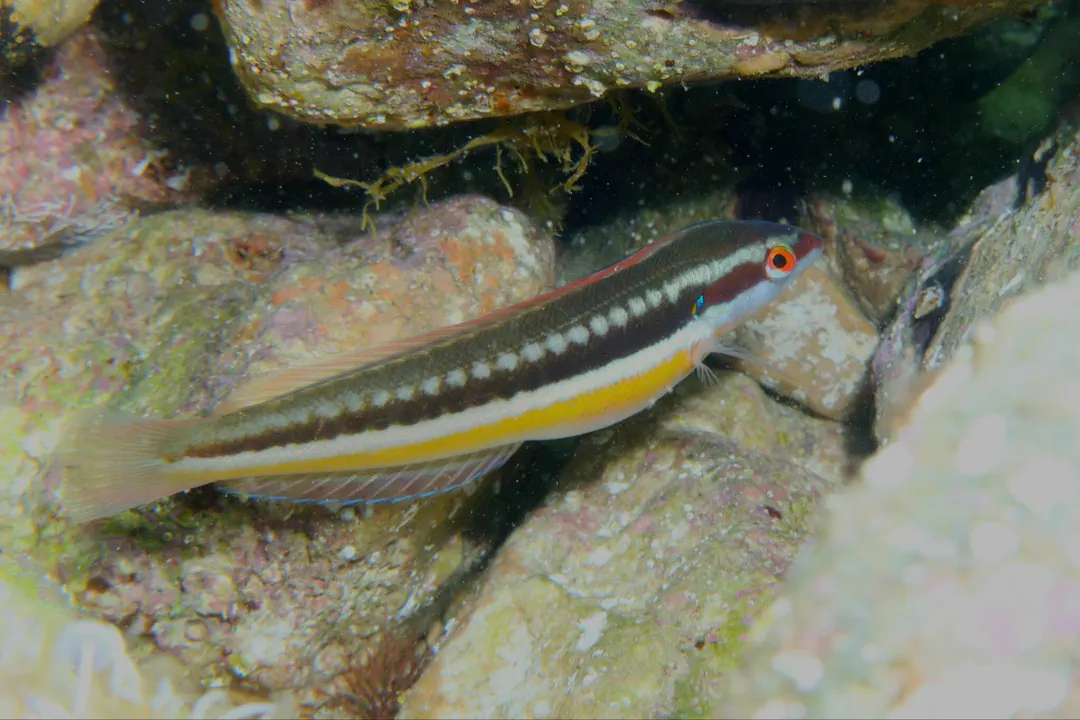
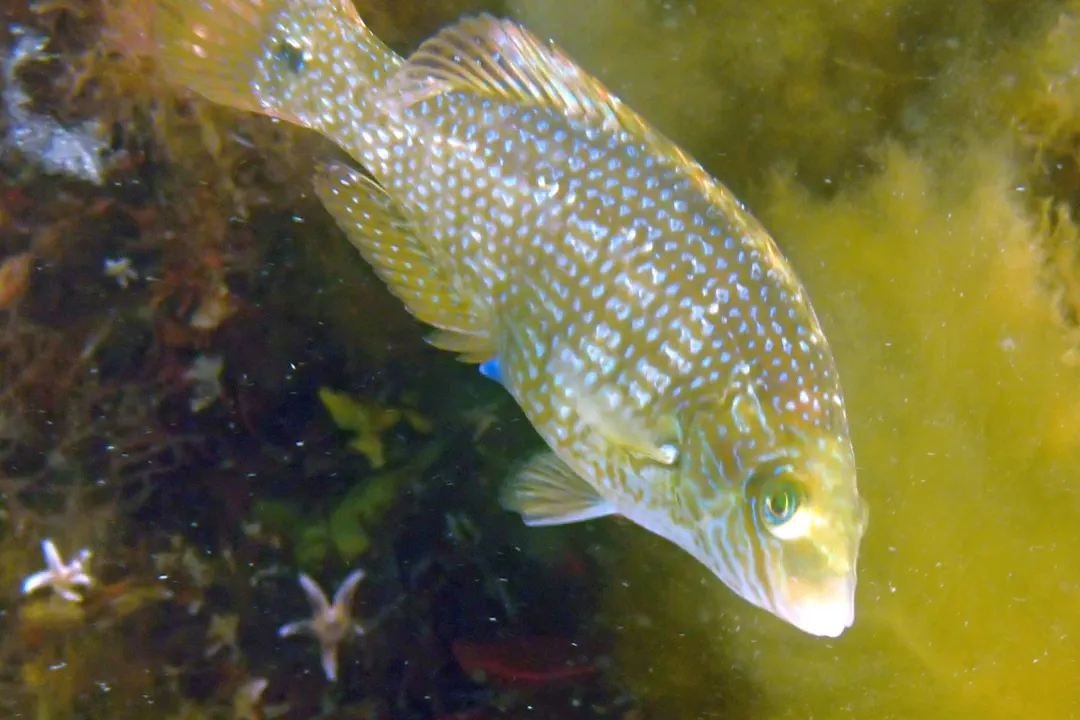
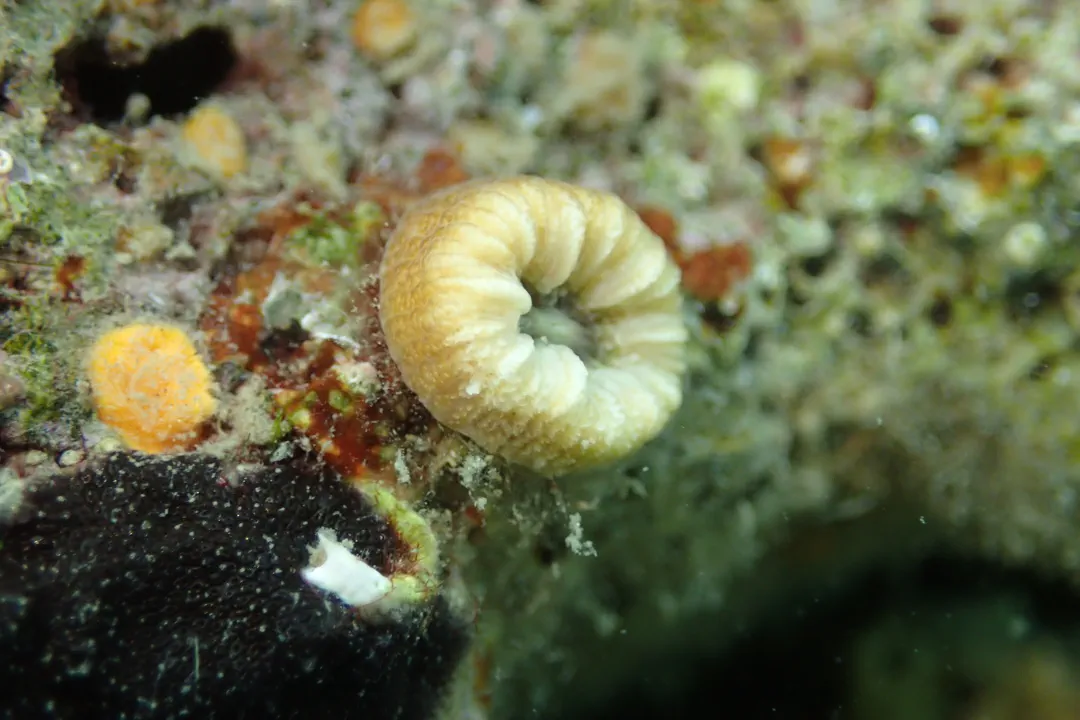
A curious orange cup coral, a Balanophyllia europaea, extends its delicate polyps from a limestone overhang at 18 meters, catching the gentle surge as a curious painted comber, Coris julis, glides past its golden crown. Above, sunlight filters through the clear Mediterranean water, illuminating the rocky seafloor. This small scene, unfolding in a sheltered cove off Spain's eastern coast, hints at the country's profound underwater duality.
Spain offers one of Europe’s most varied diving landscapes because it spans two very different marine realms: the Mediterranean along much of its eastern and southern coastline, and the Atlantic along the northwestern mainland and the Canary Islands. That geography gives divers a genuine range of experiences, from shallow seagrass meadows and limestone caves to steep volcanic drop-offs, wrecks, and current-swept offshore pinnacles.
The Mediterranean side is best known for clear water, rocky reefs, and dense marine reserves where fish biomass can be noticeably higher than on adjacent unprotected coastlines. The Atlantic side adds stronger surge, cooler temperatures in the north, and a more oceanic feel in places such as the Canary Islands, where volcanic topography creates arches, lava tubes, and dramatic walls that attract both macro life and larger pelagic visitors.
Divers also benefit from Spain’s long coastline and island networks, which spread dive opportunities across many regions rather than concentrating them in one area. In practice, this means beginners can find sheltered bays and training-friendly sites, while experienced divers can book drift dives, deep wreck dives, and reserve-based excursions that require local guiding and advance planning.
 © Daniel BenákCC BY 4.0 · iNaturalist
  © Julien RenoultCC BY 4.0 · iNaturalist
  © Julien RenoultCC BY 4.0 · iNaturalist
 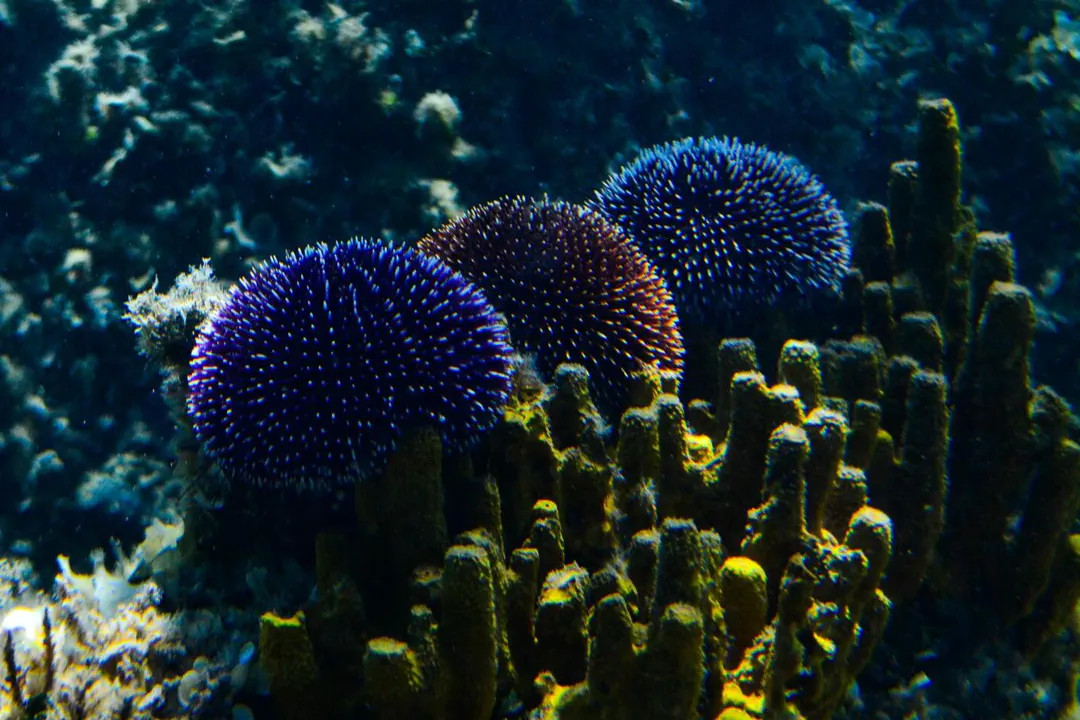 Marino LinićCC0 · iNaturalist
 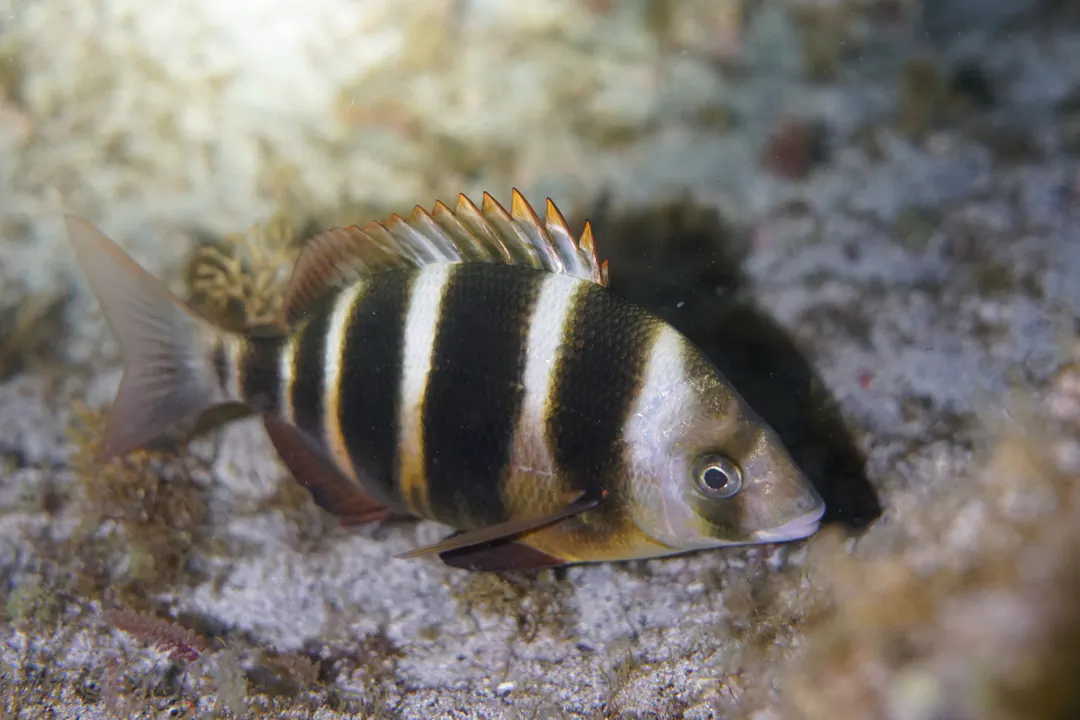 © Michael BommererCC BY 4.0 · iNaturalist
 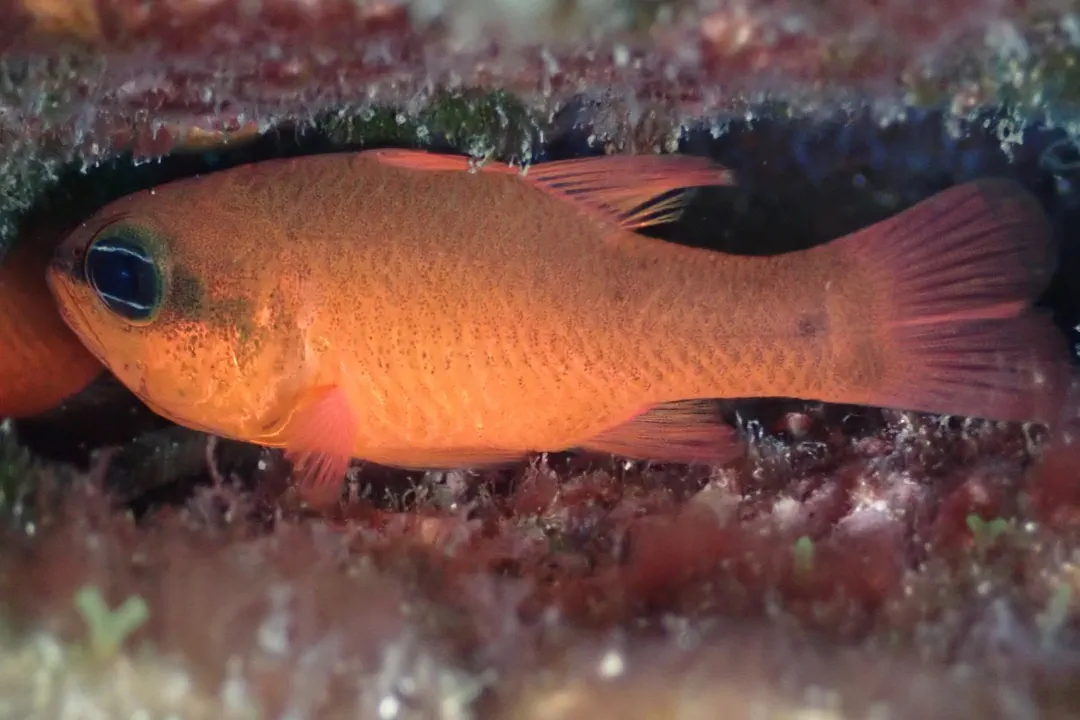 © shahar chaikinCC BY 4.0 · iNaturalist
 Geography and Climate for Divers
Spain’s diving regions differ sharply because the country sits at the meeting point of the Mediterranean Sea and the Atlantic Ocean, with island archipelagos in both basins. The Balearic Islands lie in the western Mediterranean, where Posidonia oceanica seagrass meadows form essential nursery habitat, stabilize sediments, and support high visibility when waters are calm. The Canary Islands sit in the Atlantic off northwest Africa and are shaped by volcanic geology, oceanic swell, and subtropical conditions that favor year-round diving.
The Mediterranean generally offers calmer seas and warmer summer water than the Atlantic coast, but it is also more vulnerable to seasonal plankton blooms and summer boat traffic, which can reduce visibility in some bays. In contrast, northern Atlantic Spain, especially Galicia and other exposed coasts, sees colder, nutrient-rich water, stronger tidal movement, and productive kelp- and algae-dominated habitats that support abundant invertebrate life.
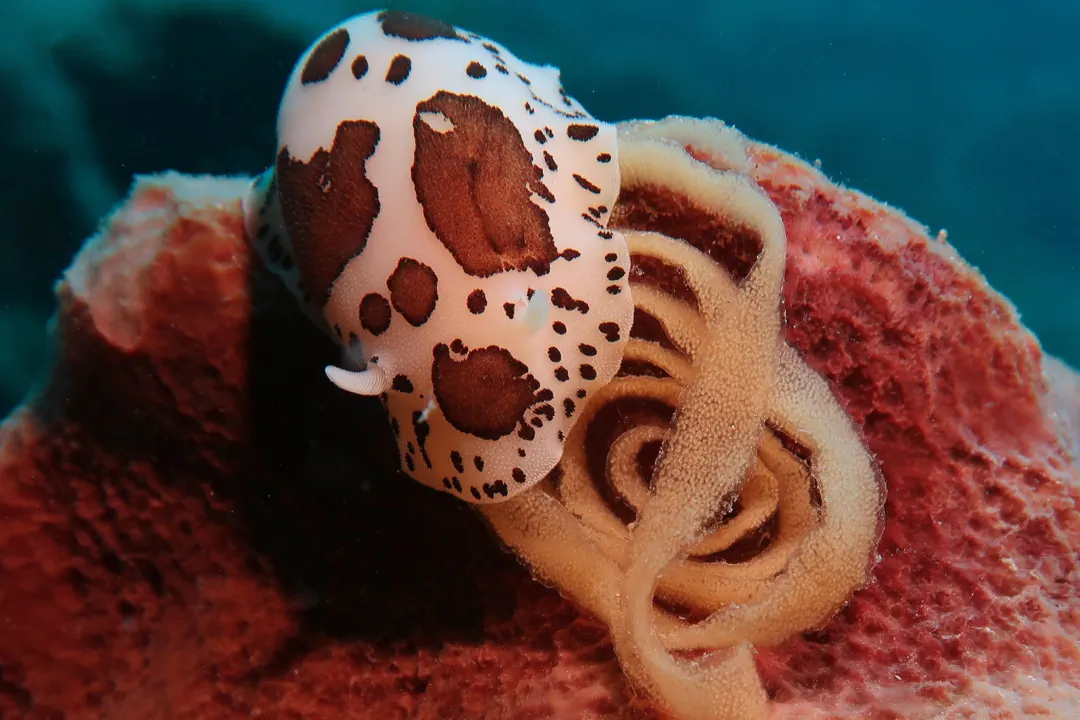
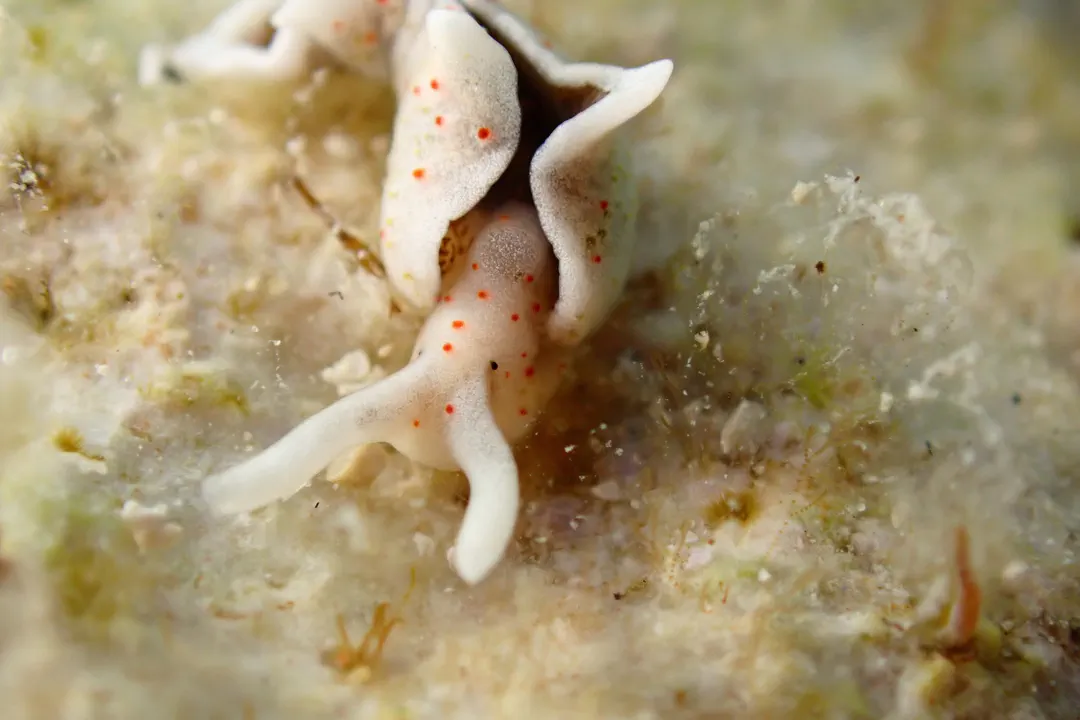
Ecologically, these differences create distinct underwater communities. Mediterranean rocky reefs commonly host wrasses, breams, nudibranchs, octopuses, and sea urchins, while the Canary Islands can add trumpetfish, barracudas, stingrays, turtles, and occasional sharks in deeper or more open-water settings. Seasonal temperature swings are also important: many Mediterranean sites are best from May to October, whereas the Canary Islands usually remain comfortable even in winter with only modest cooling.
For divers, the main practical takeaway is to match the site to the season and the goal of the dive. Choose the Mediterranean for clear, warmer conditions and marine reserves rich in reef fish; choose Atlantic or island sites for volcanic scenery, larger water movement, and the possibility of more oceanic species. Proper exposure protection matters throughout the year, because even “warm-water” Spanish sites can feel cool on repetitive dives or at depth.
Marine Ecosystems: A Tale of Two Seas
The Mediterranean and Atlantic coasts of Spain each support different ecosystems, and that difference shapes everything divers see underwater. In the Mediterranean, Posidonia oceanica meadows are among the most important habitats because they store carbon, produce oxygen, and shelter juvenile fish and invertebrates; these meadows are also a strong indicator of healthy water quality. On rocky reef systems, divers often encounter dense communities of sea fans, sponges, algae, and small reef fish packed into limited space.
Spain’s Atlantic coast is more variable. Northern regions such as Galicia experience cooler water, stronger tidal exchange, and higher nutrient input, which can produce productive macro habitats and rich benthic communities on rocks, boulders, and kelp-influenced ground. Around the Canary Islands, the Atlantic becomes more subtropical and volcanic, so divers see black lava substrates, large swim-throughs, and deeper walls that contrast sharply with Mediterranean limestone and seagrass landscapes.
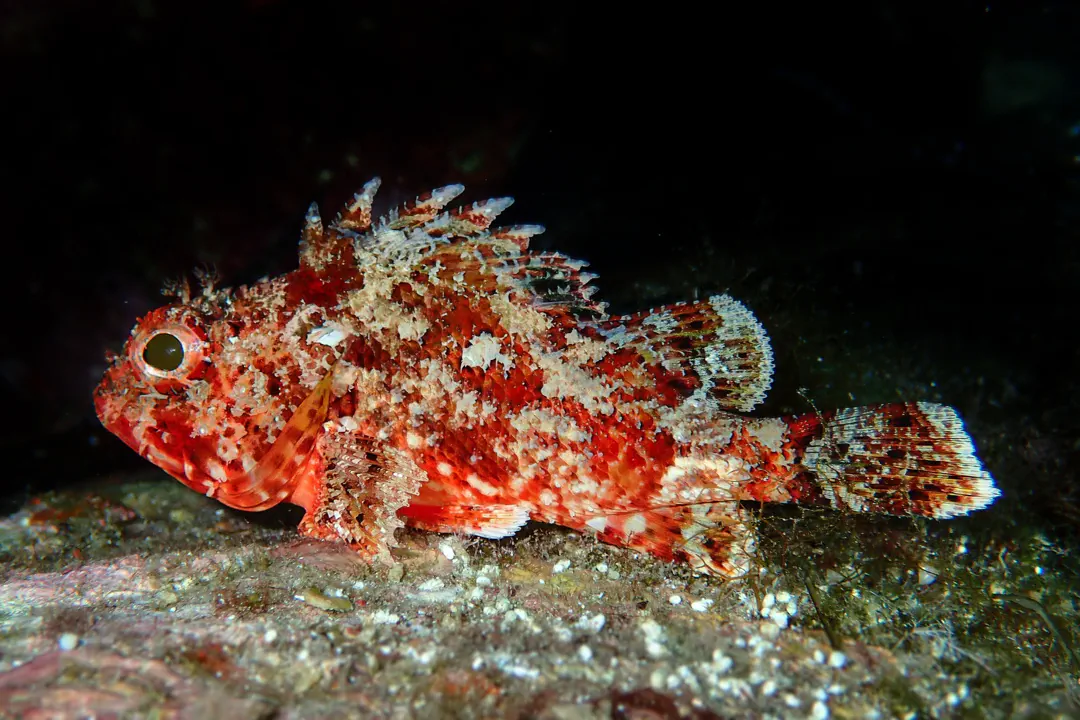
These ecosystems also differ in species composition. The Mediterranean hosts many fish familiar to European divers, including wrasses, damselfish, breams, scorpionfish, and groupers in protected areas, while the Canary Islands add more oceanic and Macaronesian elements, including species adapted to warm-temperate Atlantic conditions. Seasonal shifts are strongest in the north, where colder months can reduce surface comfort and increase surge, while the Canaries remain a dependable year-round option.
From a conservation perspective, both seas face pressure from coastal development, anchoring, warming seas, and overfishing, but marine protected areas have proven especially effective at rebuilding fish populations and increasing the size of target species. For divers, that often translates into better encounters in reserves than in unprotected nearby waters, especially around long-established no-take or restricted-use zones.
Best Time to Visit and Water Temperatures
Late spring through early autumn is usually the best window for Mediterranean diving in Spain because surface weather is steadier, seas are warmer, and underwater visibility often improves after the spring transition. In many Mediterranean regions, water temperatures climb from about 14–16°C in spring to roughly 22–26°C in late summer, so a 3–5 mm wetsuit is often enough in warm months, while a thicker suit is useful for early spring, deeper dives, or repeated immersions.
The Canary Islands are different: they are widely regarded as a year-round destination because water temperatures remain relatively mild, typically around 19–24°C depending on the season and island. Winter diving is still comfortable with proper exposure protection, and summer water often reaches the low to mid-20s °C, which makes 5 mm suits common for many divers and 7 mm suits useful for longer or colder-profile dives.
Visibility also varies by region and weather. Mediterranean sites can exceed 20 meters on good days, especially in protected reserves or after stable weather, while Atlantic visibility depends more on swell, wind, and plankton activity; some island sites in the Canaries can also deliver excellent clarity when local conditions are calm. Northern Atlantic Spain tends to be less predictable because tides, runoff, and weather fronts can change conditions quickly.
Practical planning matters as much as season. Book guided dives for marine reserves, confirm cylinder and regulator standards with the dive center, and ask whether a 5 mm, 7 mm, or semi-dry setup is more appropriate for the local depth and month. A hood and gloves can also make a major difference in comfort, especially in the Atlantic or on repetitive dives where core temperature drops faster than expected.
Water temperature
Spain, monthly average
Costa Brava (Mediterranean coast near Lloret de Mar), most popular diving area in mainland Spain; surface temperatures
From the community's dive logs
What divers log in Spain
From 86 dives logged by 49 Seabook divers. What this group recorded, not a verdict on the destination.
Most-logged marine lifedivers who logged it
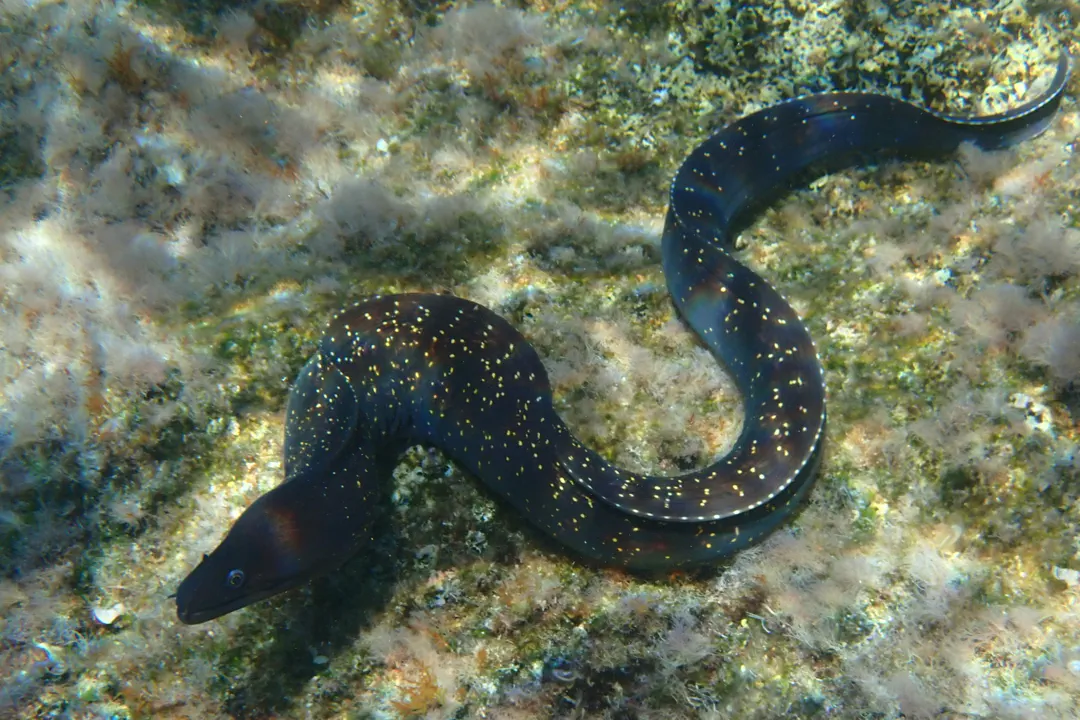
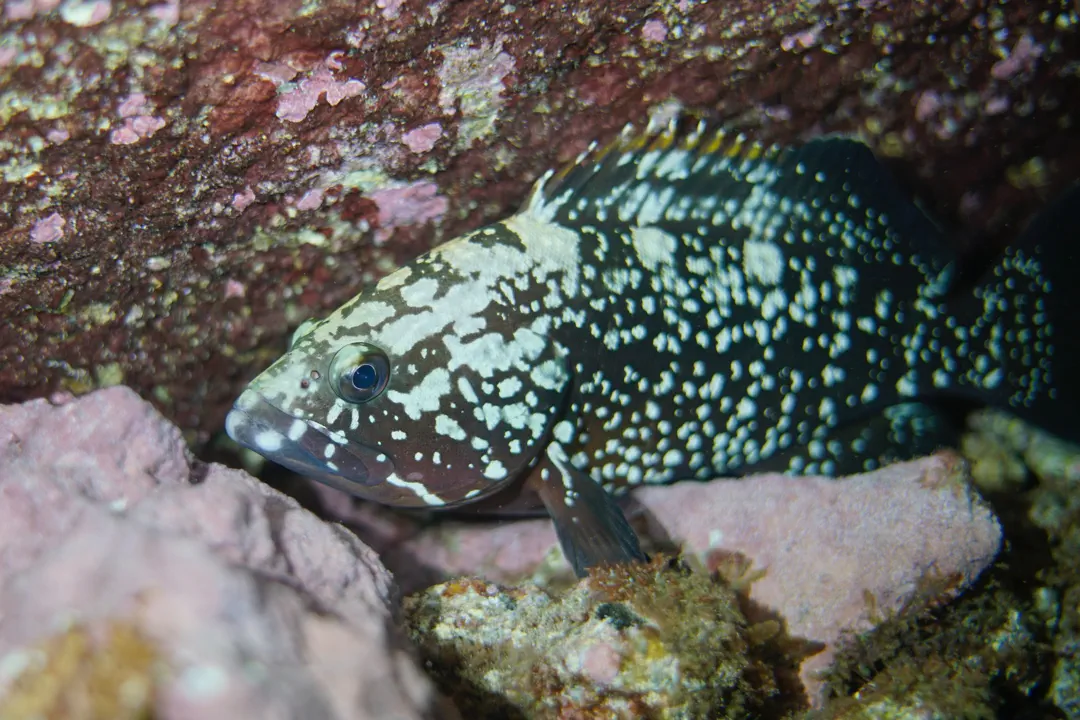
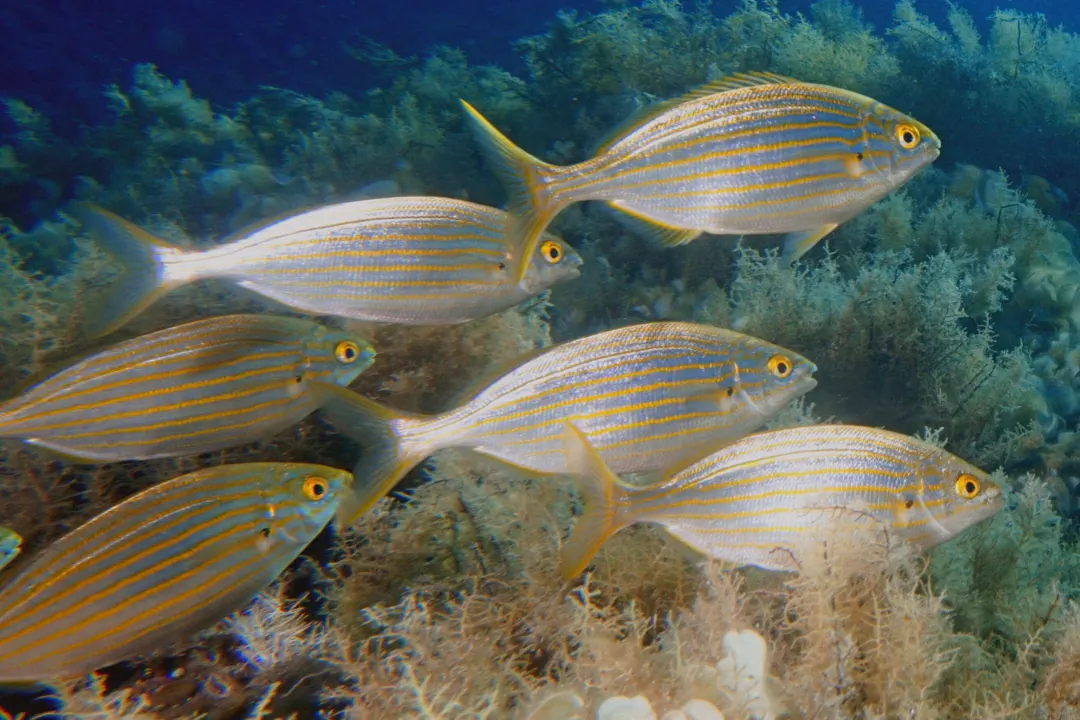
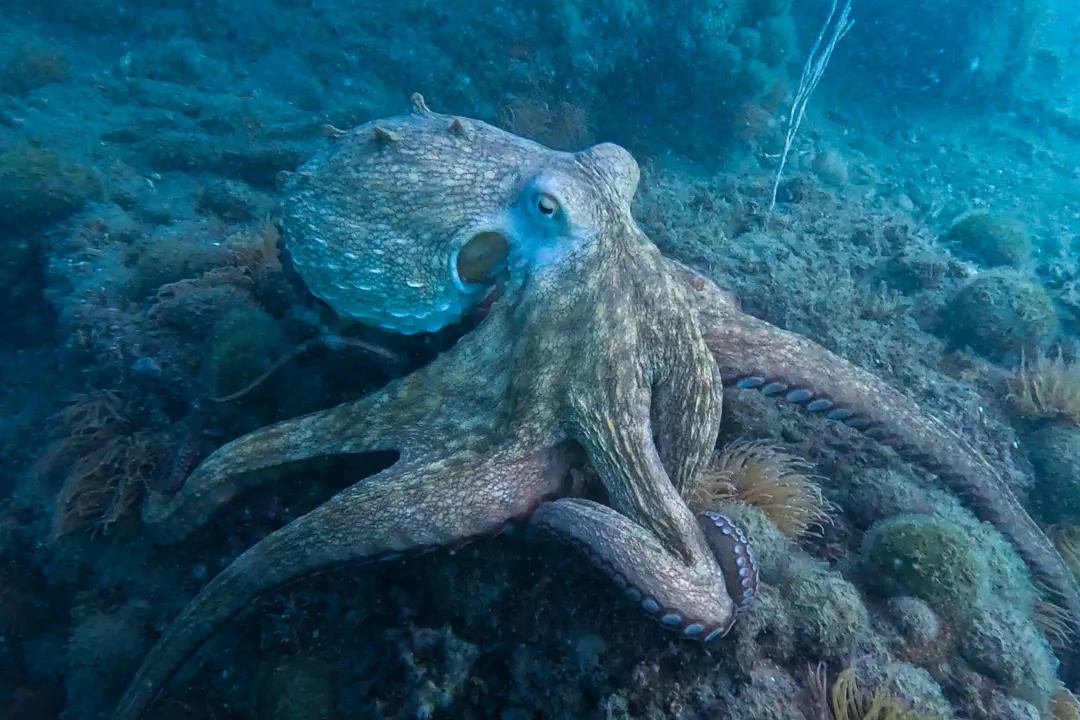
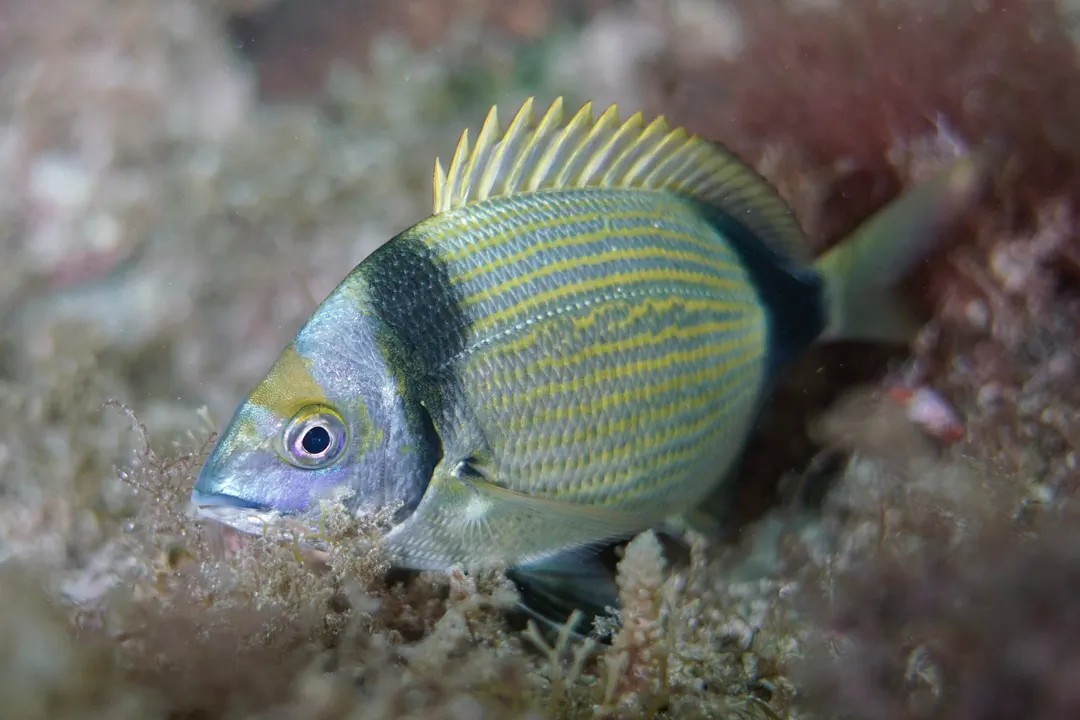
 © seabook.appAll rights reserved 3 divers
Top Dive Sites in Spain
1. Costa Brava, Catalonia (Mediterranean)
On the Costa Brava, divers descend into the protected waters surrounding the Medes Islands, where a school of barracuda might suddenly appear, forming a shimmering silver vortex at 20 meters. This marine reserve, one of the Mediterranean's most safeguarded, offers dramatic rocky walls dropping to 30-40 meters, intricate caves, and clear water, making it a benchmark for marine conservation in Spain.
Access to the Medes Islands is strictly regulated by boat, often requiring guided dives with authorized centers to preserve its dense fish life and ancient red coral colonies. Conditions are usually best from late spring through early autumn, with water temperatures reaching 22-26°C in late summer, making a 3-5mm wetsuit suitable for most dives.
This area is suitable for all experience levels, though deeper walls and cave penetrations require advanced certification. The unique combination of dramatic topography and vibrant, protected marine life makes the Medes Islands a standout Mediterranean destination for observing dense schools of fish and macro creatures alike.
 © Juraj AhelCC BY 4.0 · iNaturalist
  © Fish and DiveCC BY 4.0 · iNaturalist
 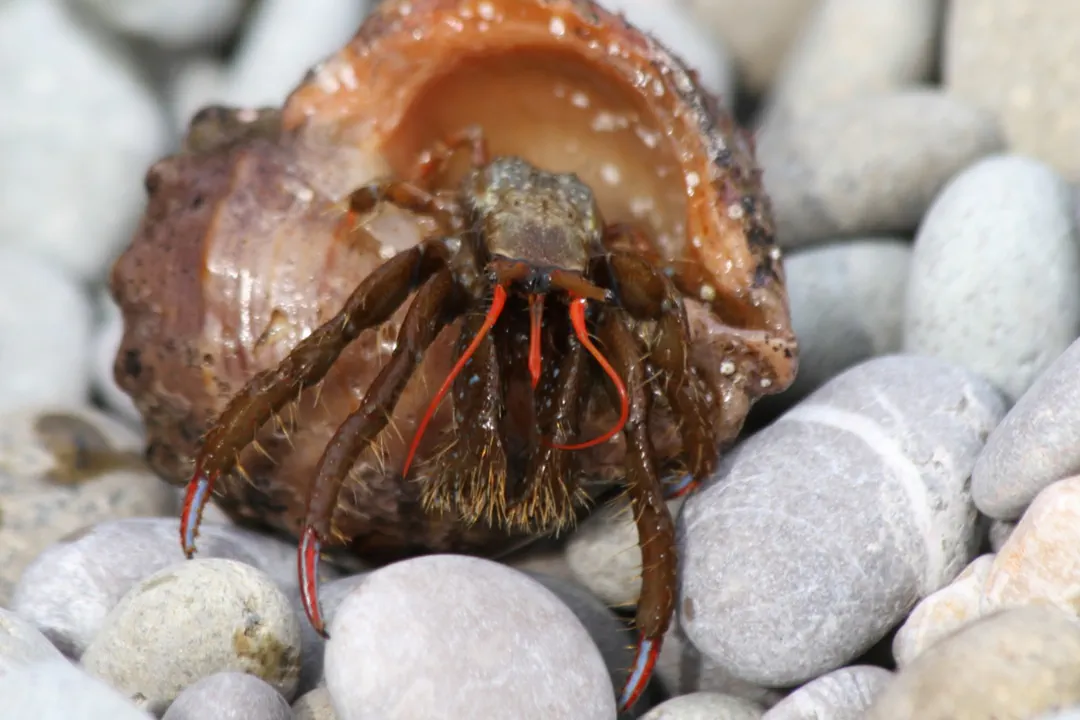 © Dmitry KulakovCC BY 4.0 · iNaturalist
 2. Canary Islands (Atlantic)
Off El Hierro, a large stingray might glide silently over black volcanic sand at 25 meters, disappearing into the blue of a deep drop-off. The Canary Islands, including Tenerife and Lanzarote, offer Spain’s most distinctive Atlantic diving, characterized by dramatic volcanic arches, lava tubes, and walls that plunge well past 30 meters.
These islands are a year-round destination, with water temperatures ranging from 19°C in late winter to 23–24°C in late summer, making a 5mm wetsuit a common choice. Most dives are accessed by boat, with sites ranging from sheltered bays ideal for beginners to current-swept pinnacles and deeper walls for experienced divers.
Divers here can expect encounters with Atlantic rays, angel sharks flattened against the seabed, and various species of barracuda and trumpetfish. The unique volcanic topography provides hiding spots for macro life and dramatic backdrops for larger pelagic visitors, offering a different kind of underwater exploration than the Mediterranean.
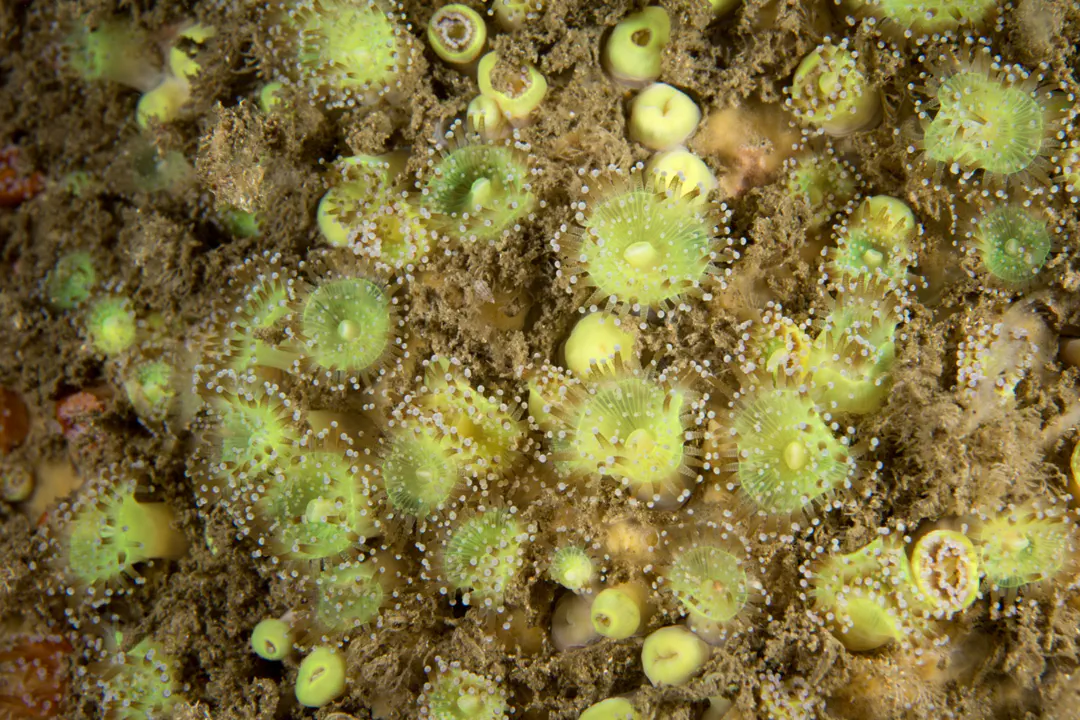 © Bernard PictonCC BY 4.0 · iNaturalist
 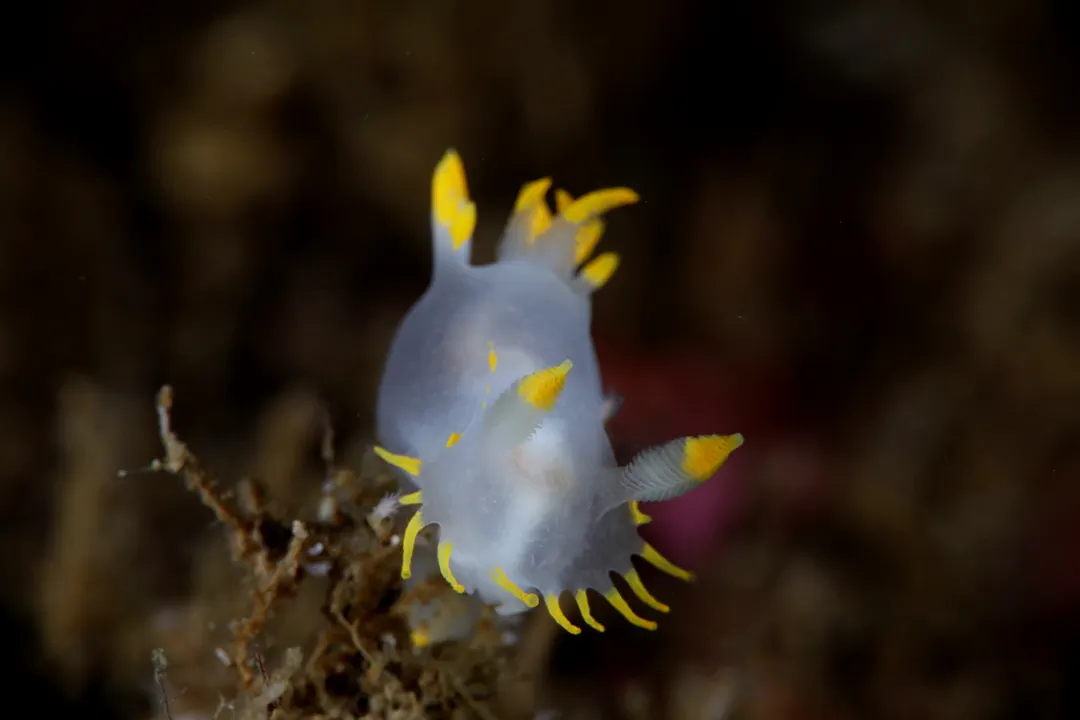 © Heine JensenCC BY 4.0 · iNaturalist
 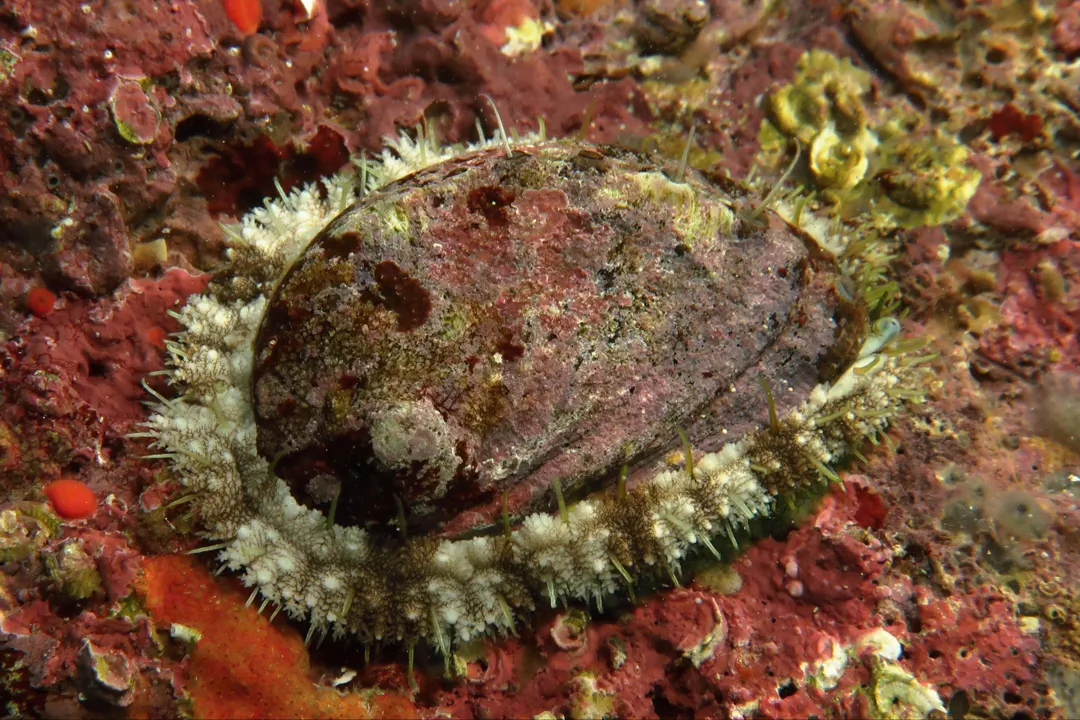 © Daniel BenákCC BY 4.0 · iNaturalist
 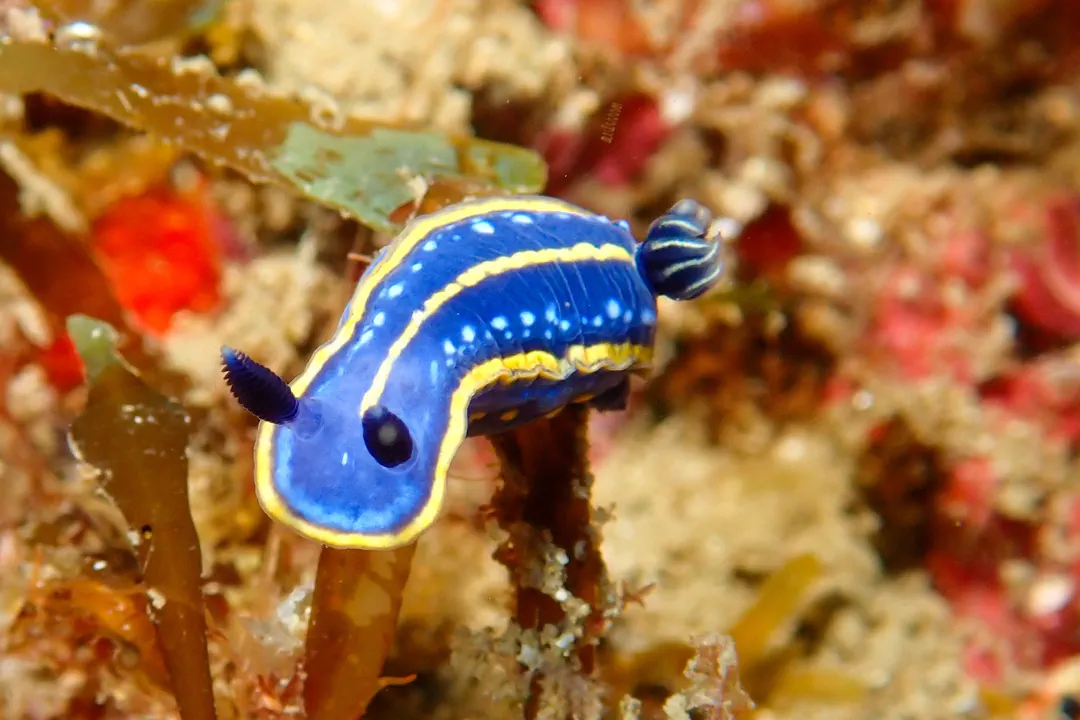 © Vsevolod RudyiCC BY 4.0 · iNaturalist
 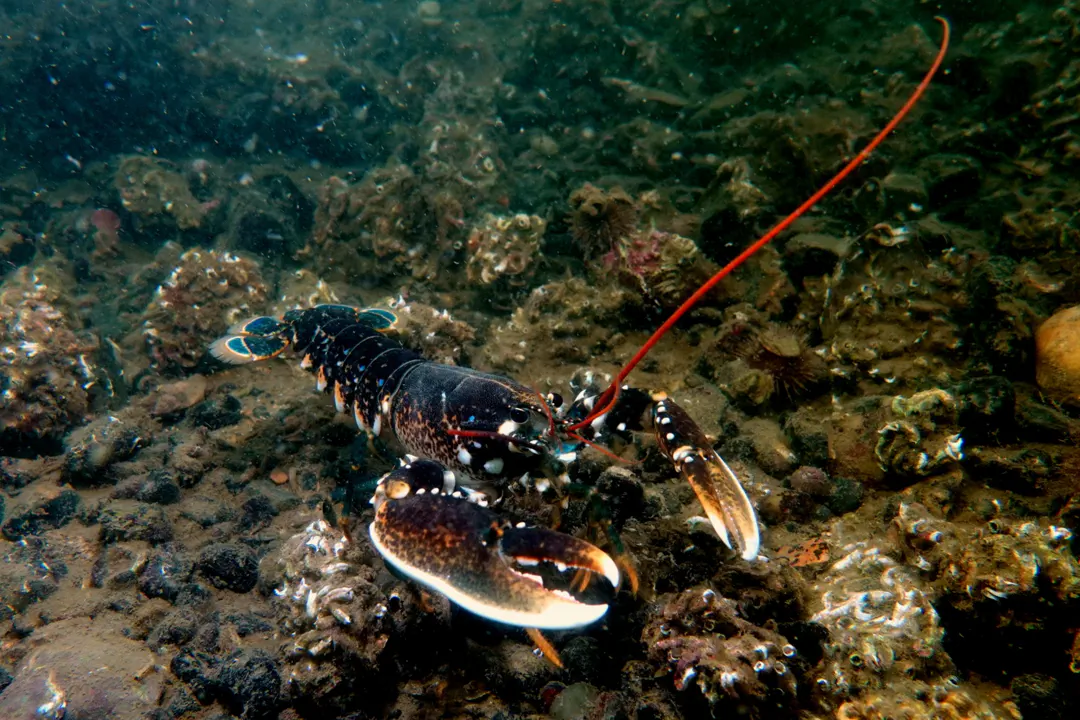 © Klaus Kevin KristensenCC BY 4.0 · iNaturalist
 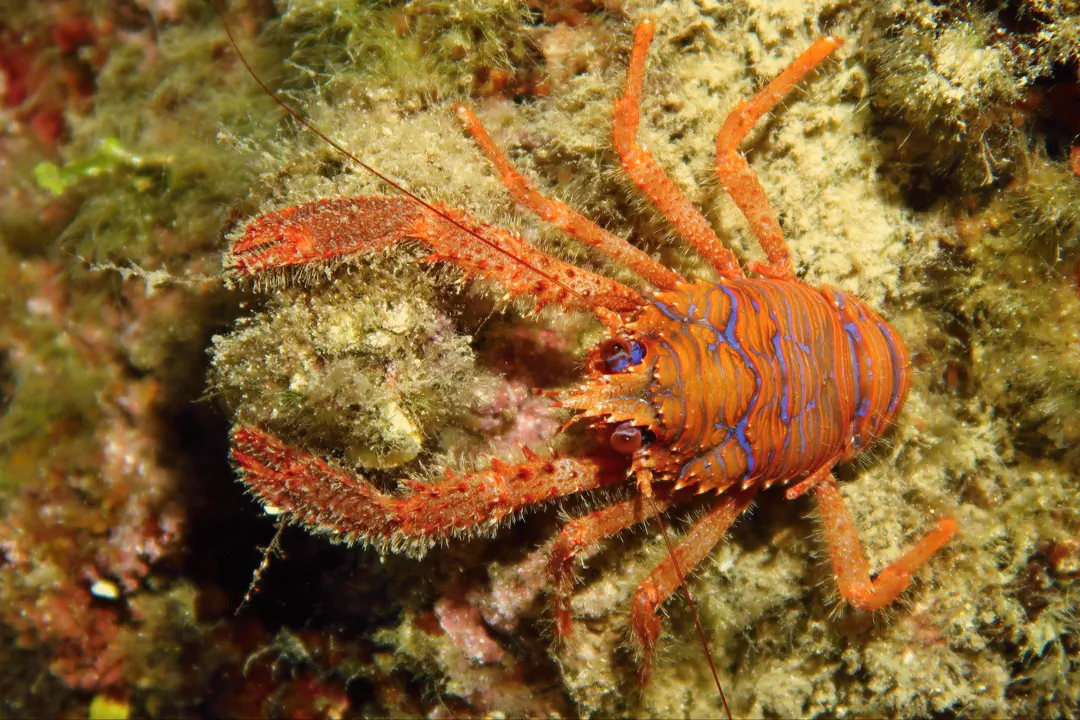 © Daniel BenákCC BY 4.0 · iNaturalist
 3. Balearic Islands (Mediterranean)
In the Balearic Islands, a school of juvenile damselfish might dart through the emerald blades of a Posidonia oceanica seagrass meadow at 10 meters, a vital nursery habitat. Mallorca, Menorca, and Ibiza are renowned for their clear, calm Mediterranean waters, extensive seagrass beds, and numerous caves, caverns, and shipwrecks.
Depths typically range from 5-15 meters in the seagrass meadows, with caves and wrecks often found between 15-40 meters. Access is a mix of shore and boat dives, and the calm, clear conditions, especially from late spring to early autumn, make many sites suitable for beginners, while the intricate cave systems and wrecks appeal to advanced divers.
Visibility can be excellent in calm weather, often exceeding 20 meters, allowing divers to appreciate the delicate ecosystems of the seagrass beds and the dramatic formations within the limestone caverns. These islands offer a quintessential Mediterranean diving experience, blending serene shallow dives with more adventurous explorations.
4. Northern Spain / Galicia (Atlantic)
Along the rugged Atlantic coast of Northern Spain, particularly Galicia, a nimble squat lobster, Galathea strigosa, might scuttle across an algae-covered rock at 15 meters, disappearing into a crevice. This region offers colder, nutrient-rich waters that support productive kelp forests and dramatic underwater scenery, a stark contrast to the Mediterranean.
Depths typically range from 5 to 30 meters, with a mix of shore and boat access. These sites are best for experienced divers who are comfortable with cooler water, often around 12-18°C, and potentially stronger currents, especially outside of calmer summer months. A 7mm wetsuit or drysuit is often preferred here.
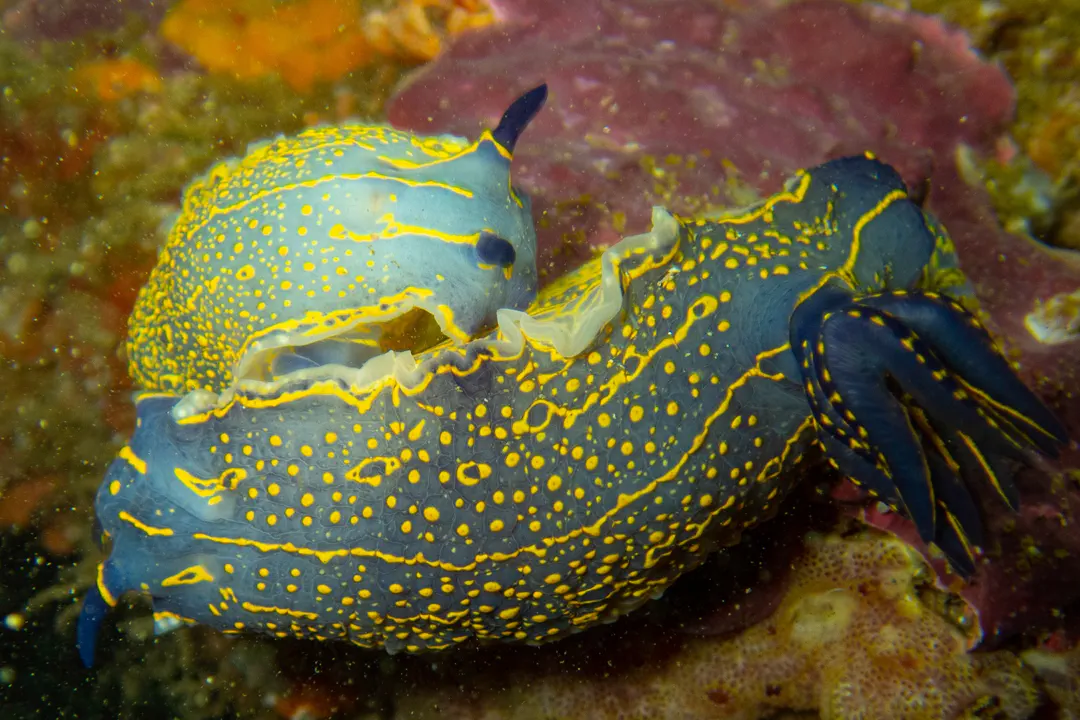
The unique draw is the abundant macro life, including various nudibranchs, crustaceans, and anemones, thriving among the kelp-like habitats and rocky reefs. Underwater canyons and temperate reef species provide a rich environment for photographers and those seeking a different kind of biodiversity.
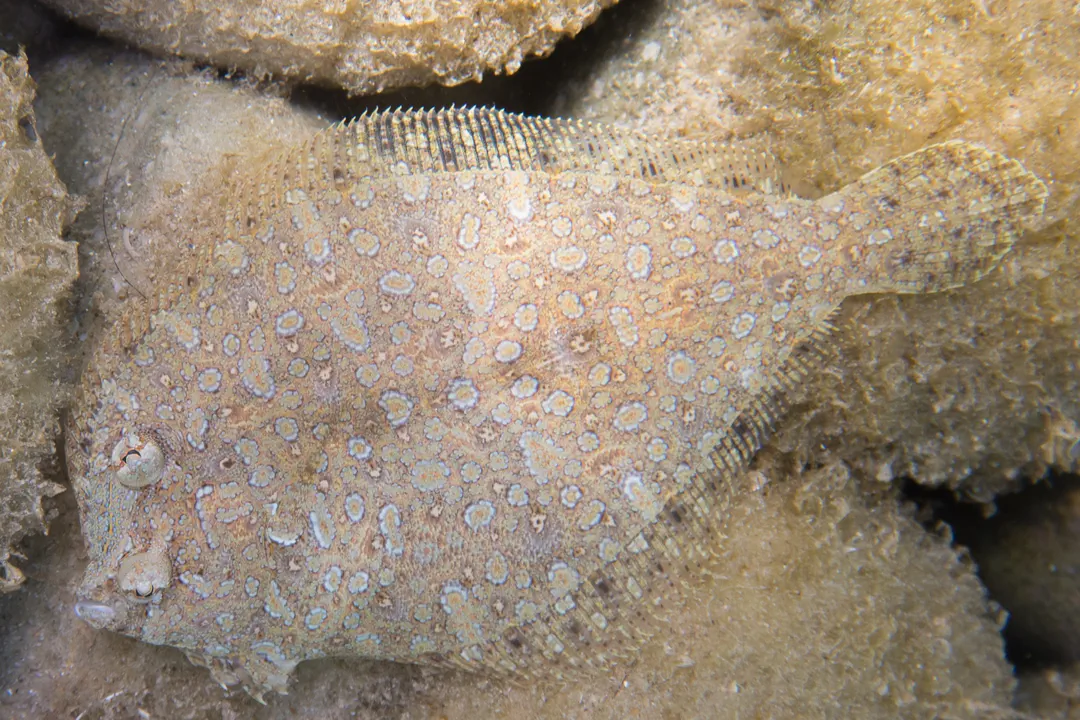 © BartCC BY 4.0 · iNaturalist
  © Bernard PictonCC BY 4.0 · iNaturalist
 Practical Diving Tips for Spain
Spain rewards divers who plan around geography as well as season. Along the Mediterranean coast, you can combine rocky reef diving with protected marine reserves, while the Balearic Islands add seagrass meadows, caves, and wrecks. In the Canary Islands, the focus shifts to volcanic landscapes, year-round water comfort, and the chance of encounters with rays, turtles, and occasional sharks in open Atlantic settings.
Novice divers will usually find the most forgiving conditions in sheltered Mediterranean bays and island-based training sites, especially from late spring to early autumn. More experienced divers can look for drift dives, deeper walls, and reserve sites that require local operators, which often improves safety and protects sensitive habitats at the same time. Across Spain, local dive centers are central to logistics because many of the best sites are controlled, boat-access only, or subject to specific reserve rules.
Responsible diving matters because much of Spain’s marine life is concentrated in relatively small habitats such as seagrass beds, reef crevices, and protected rocky outcrops. Good buoyancy control prevents contact with fragile organisms like sponges, corals, and sea fans, and careful finning reduces sediment disturbance in shallow bays and caves. Anchoring, touching marine life, and collecting souvenirs should all be avoided, especially inside marine reserves.
For trip planning, ask dive operators about seasonal currents, required certification levels, and the best suit for the month you are traveling. A diver heading to the Canaries in winter may still want a 5 mm or 7 mm wetsuit depending on personal cold tolerance, while a summer Mediterranean trip may be comfortable with lighter thermal protection. That flexibility is one reason Spain works well for mixed-experience groups and multi-stop dive itineraries.
Questions
Do I need a special permit to dive in Spain?
For standard recreational diving, a special national permit is usually not required, but you do need appropriate certification for the type of dive you plan to do. Some marine reserves and protected areas, including places such as the Medes Islands, require divers to use authorized operators, follow site rules, or obtain additional access permissions.
What is the visibility like in Spanish waters?
Visibility varies widely by region, weather, and season. Many Mediterranean sites can reach 20 to 30 meters on calm days, while Atlantic conditions are more variable and can be reduced by swell, wind, or nutrient-rich water, although some Canary Islands sites still offer very clear water.
Can I see large marine animals in Spain?
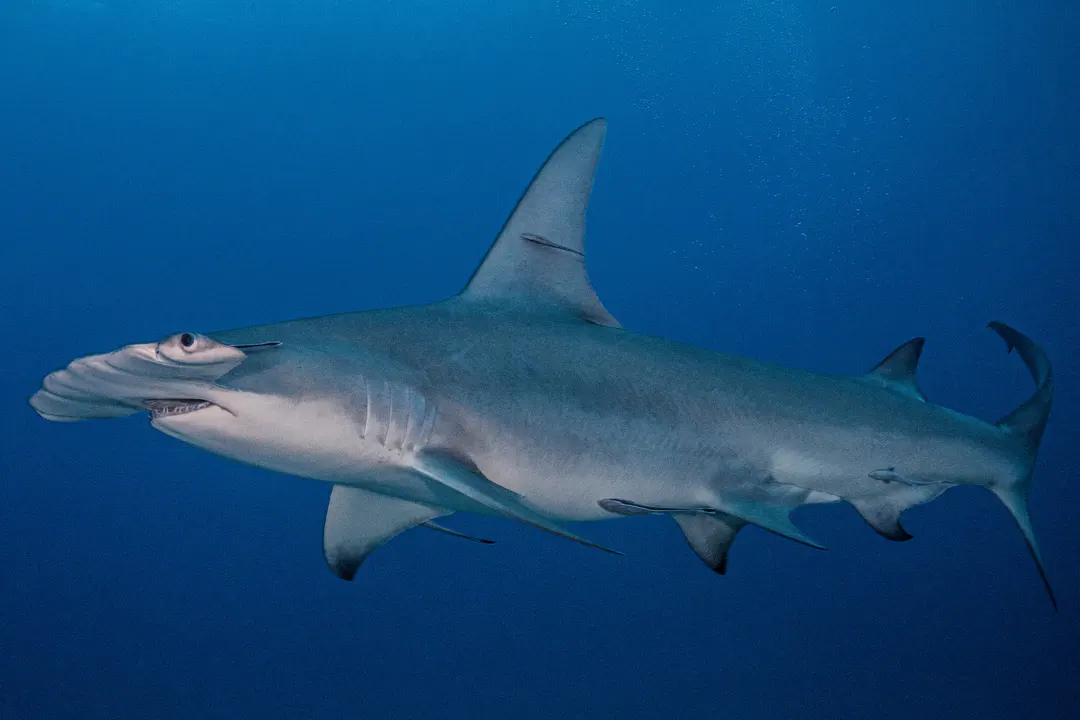
Yes, especially in Atlantic areas and around the Canary Islands, where divers may encounter rays, turtles, barracudas, and sometimes sharks such as angel sharks. The Mediterranean is usually better for reef fish, groupers in protected zones, and smaller invertebrates, but larger fauna can still appear on offshore or deeper sites.
Is diving in Spain suitable for beginners?
Yes, Spain has many beginner-friendly sites, especially sheltered bays, shallow rocky reefs, and calm island locations with professional dive centers. More advanced divers can also find drift dives, cave systems, and deeper wrecks, so the country supports a wide range of experience levels.
What kind of dive equipment should I bring?
For summer Mediterranean diving, many divers are comfortable in a 3–5 mm wetsuit, while winter Mediterranean or Atlantic diving often calls for a 5–7 mm suit, and some people prefer a semi-dry or drysuit in colder northern waters. Most Spanish dive centers rent full gear, but bringing a well-fitting mask, exposure protection, and a dive computer improves comfort and consistency.