Introduction to Monaco's Underwater Realm
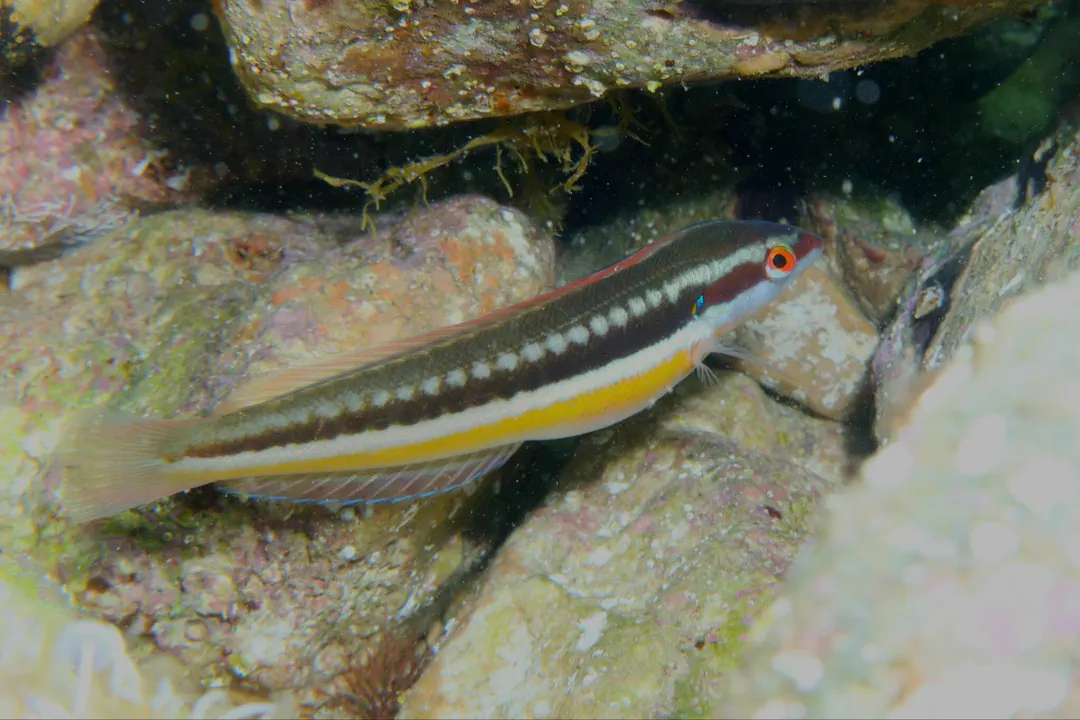
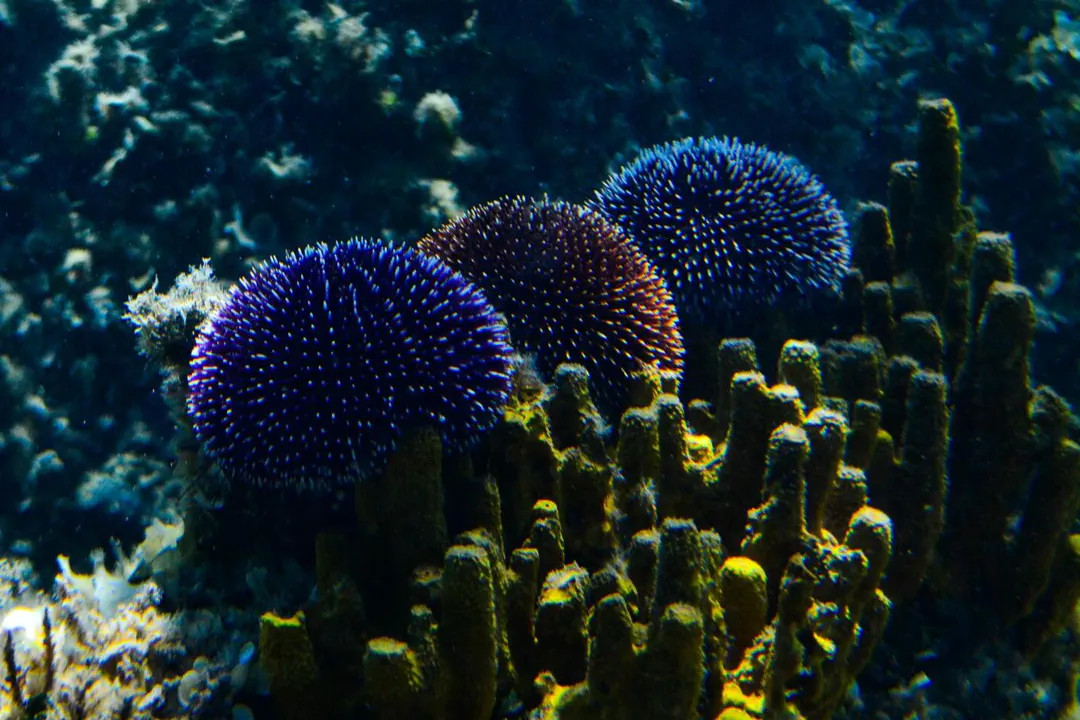
At 12 meters deep in Monaco's Larvotto Marine Reserve, a male ornate wrasse (Coris julis) flashes emerald green and orange stripes as it weaves through a dense meadow of Posidonia oceanica. Sunlight filters through the clear Mediterranean surface, dappling the long, ribbon-like leaves where a tiny common sea urchin (Sphaerechinus granularis) slowly scrapes algae from a rock. The water, a comfortable 22°C in late summer, holds a gentle current, allowing the wrasse to hover before darting into a nearby crevice, disappearing from view.
Monaco’s underwater landscape is shaped by the Ligurian Sea, a sector of the northwestern Mediterranean known for rocky reefs, Posidonia oceanica meadows, and steep coastal relief packed into a very small area. The principality’s compact shoreline means divers can reach biologically productive sites within minutes of port, and the combination of protected habitats and low coastal development has helped maintain strong fish diversity close to shore.
Historical protection has played a major role in that richness. Monaco’s Larvotto Marine Protected Area dates to 1976 and was created to safeguard a seagrass habitat rather than a coral reef, which makes it ecologically important in a distinctly Mediterranean way. For divers, that translates into encounters with wrasses, breams, sea stars, nudibranchs, and crustaceans over bottoms that sit between 5 and 20 meters, with deeper walls and offshore features available for advanced profiles.
Practical diving in Monaco feels orderly and well managed, with local operators familiar with reserve rules, boat traffic, and site access. The best conditions are typically found from late spring through early autumn, but winter diving can reward experienced divers with quieter sites and good underwater clarity after calm weather. Because much of the coastline is urbanized, entry logistics and local regulations matter as much as the dive plan itself.
Geography, Climate, and Marine Environment
Monaco sits on the French Riviera in the western Mediterranean, where the climate is mild on land but the sea still follows pronounced seasonal swings. Surface water in the warm season reaches 24-26 °C, while winter temperatures can fall to roughly 13-14 °C, so a 3 mm wetsuit suits summer dives and a 7 mm suit or semi-dry setup is more appropriate outside the warm season.
The underwater environment combines Posidonia oceanica seagrass, rocky ledges, and artificial structures that quickly become colonized by algae, sponges, and small invertebrates. Posidonia meadows are especially important because they stabilize sediments, store carbon, and function as nursery habitat for juvenile fish and cephalopods, making them one of the Mediterranean’s most valuable ecosystems. On many Monaco sites, the transition from seagrass to rock produces the highest species diversity over a short horizontal distance.
Visibility in Monaco typically ranges from 15-30 meters, with the clearest conditions found after periods of stable weather and away from river runoff. Offshore sites and deeper drop-offs tend to stay clearer than shallow protected coves, while mistral-driven chop or storm activity can shorten visibility for a few days. Divers should expect the best light and calmest seas from May to October, when surface conditions are most reliable for boat departures.
Water temperature
Monaco, monthly average
Monaco on the French Riviera (Mediterranean Sea); data for Monaco/Nice area surface waters, typical scuba diving depths 10-30m have similar averages
Best Time to Dive in Monaco
The optimal diving season in Monaco runs from May to October, when water temperatures are warmest and visibility is at its best. During these months, surface conditions are also calmer, making boat trips to offshore sites more reliable. A 3mm wetsuit is sufficient for summer dives, while a 7mm or semi-dry suit is recommended for the cooler months.
While summer offers the most comfortable conditions, experienced divers can enjoy year-round diving. Cooler months can bring clearer waters and fewer divers, offering a quieter experience. However, careful planning around weather windows is essential, as winter storms can affect visibility and sea state.
Larvotto Marine Reserve: A Protected Haven
Larvotto Marine Protected Area is Monaco’s flagship coastal reserve, established in 1976 to protect a Posidonia oceanica meadow extending from the shoreline to about 600 meters offshore. This protected zone, covering about 33.6 hectares, restricts fishing and anchoring, preserving one of the principality’s most important shallow-water habitats.
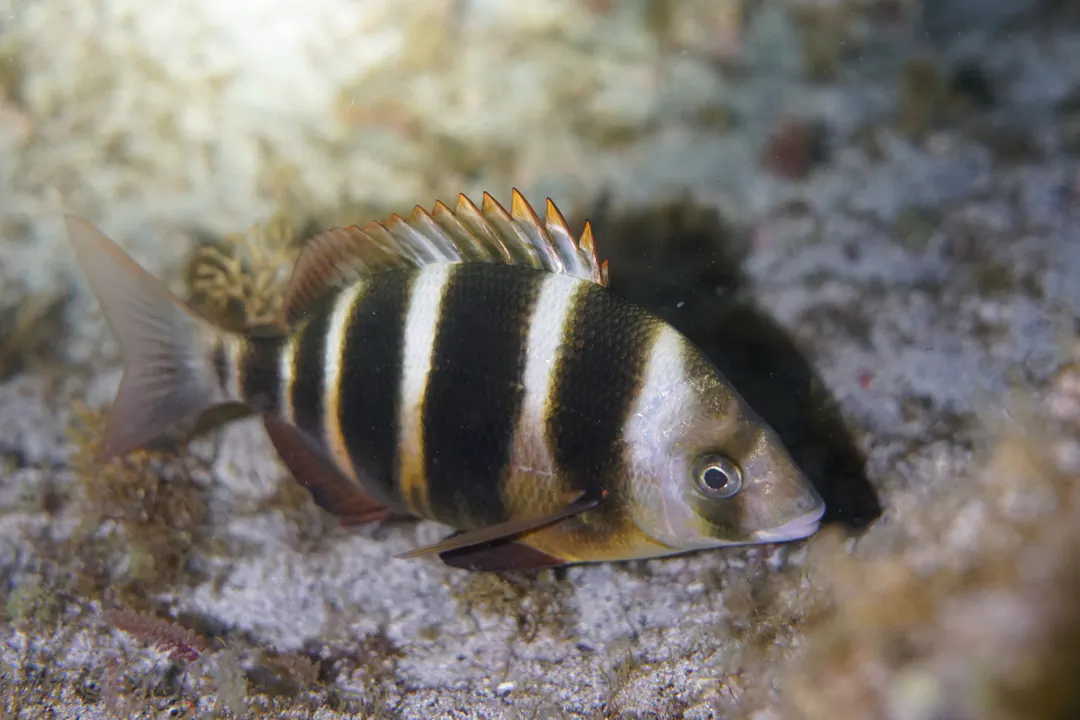
Because the reserve combines seagrass, sand, and artificial reef structure, it supports a broad Mediterranean community rather than a single signature species. Fish such as ornate wrasse, black damselfish, seabreams, and salema appear in schools or near cover, while the seafloor hosts nudibranchs, hermit crabs, brittle stars, and sea urchins. Calm conditions and depths between 5 and 20 meters make this an accessible site for open water certified divers, ideal for training dives, macro photography, and extended observation. Access is typically by a short boat ride from local dive centers, or in some areas, shore entry is possible.
Seasonally, Larvotto becomes especially lively from late spring through autumn, when warmer water brings more visible invertebrate activity and juvenile fish. In winter, the same site can feel quieter but still productive for careful observers, with clearer water after settled weather. Divers should move slowly and maintain buoyancy above the meadow, because direct fin contact with Posidonia can damage leaves that grow only a few centimeters per year.
 © Julien RenoultCC BY 4.0 · iNaturalist
  © Daniel BenákCC BY 4.0 · iNaturalist
  Marino LinićCC0 · iNaturalist
 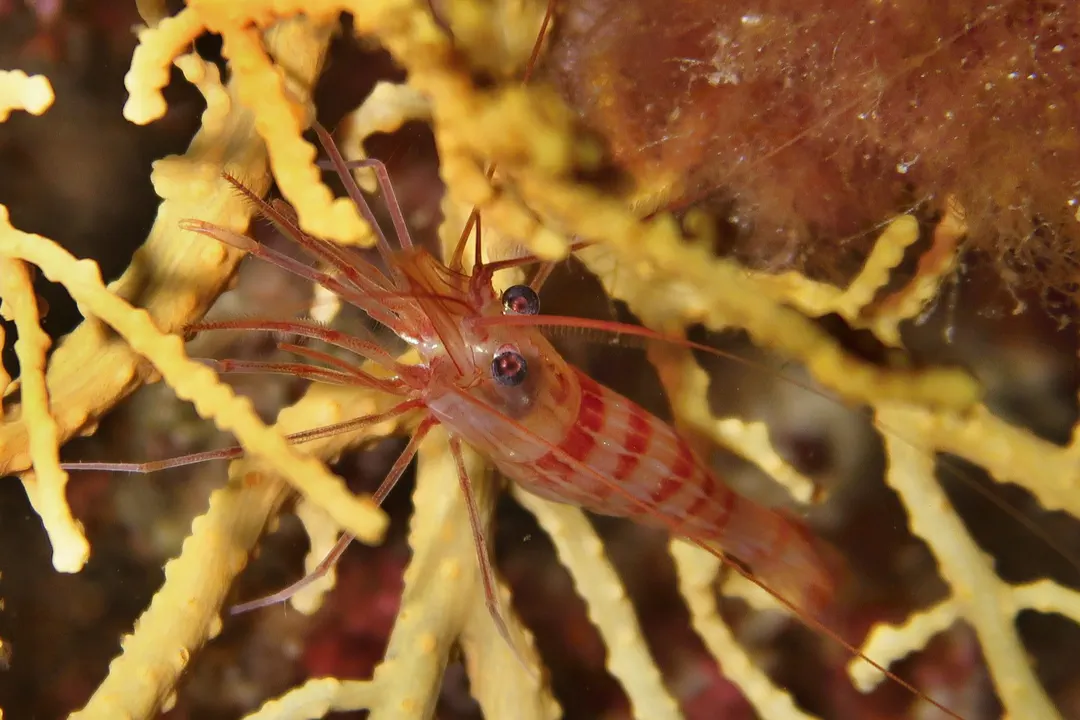 © Daniel BenákCC BY 4.0 · iNaturalist
 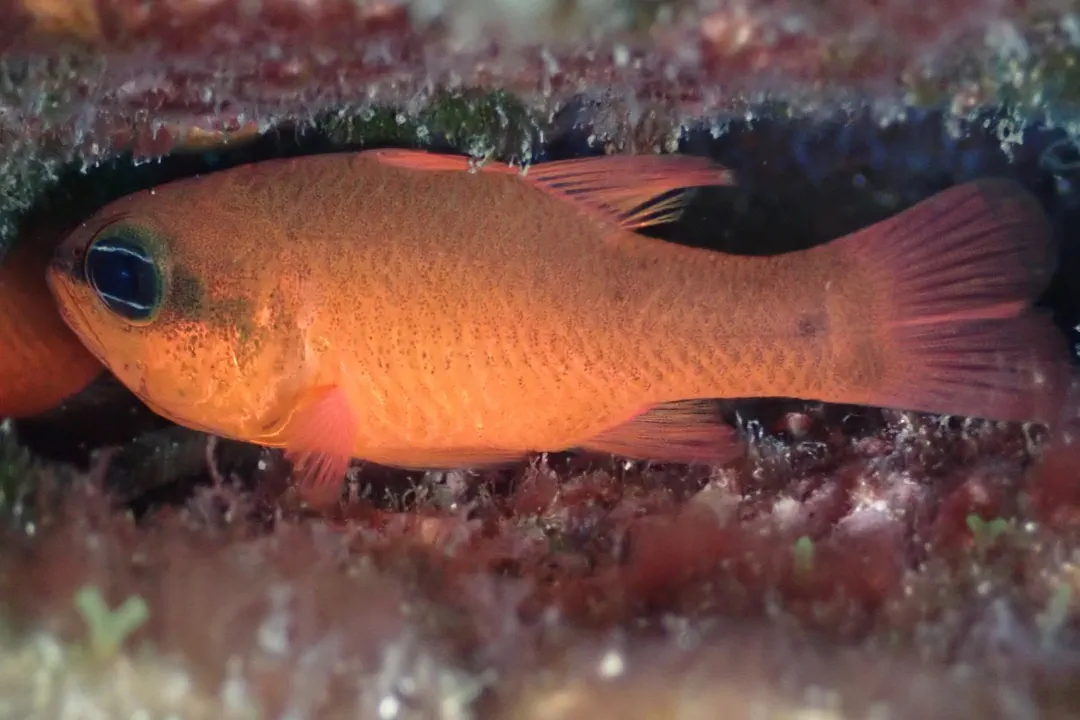 © shahar chaikinCC BY 4.0 · iNaturalist
 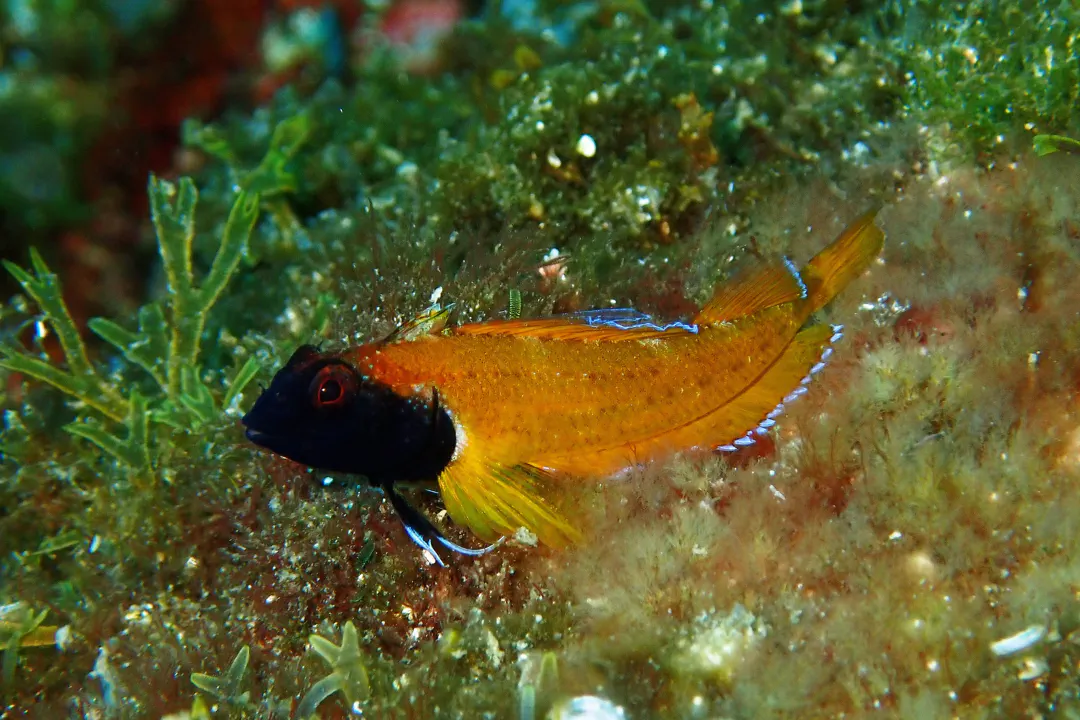 © Donald DavesneCC BY 4.0 · iNaturalist
 Tombant de la Sirène (Mermaid's Drop-off): Deep Walls and Pelagic Encounters
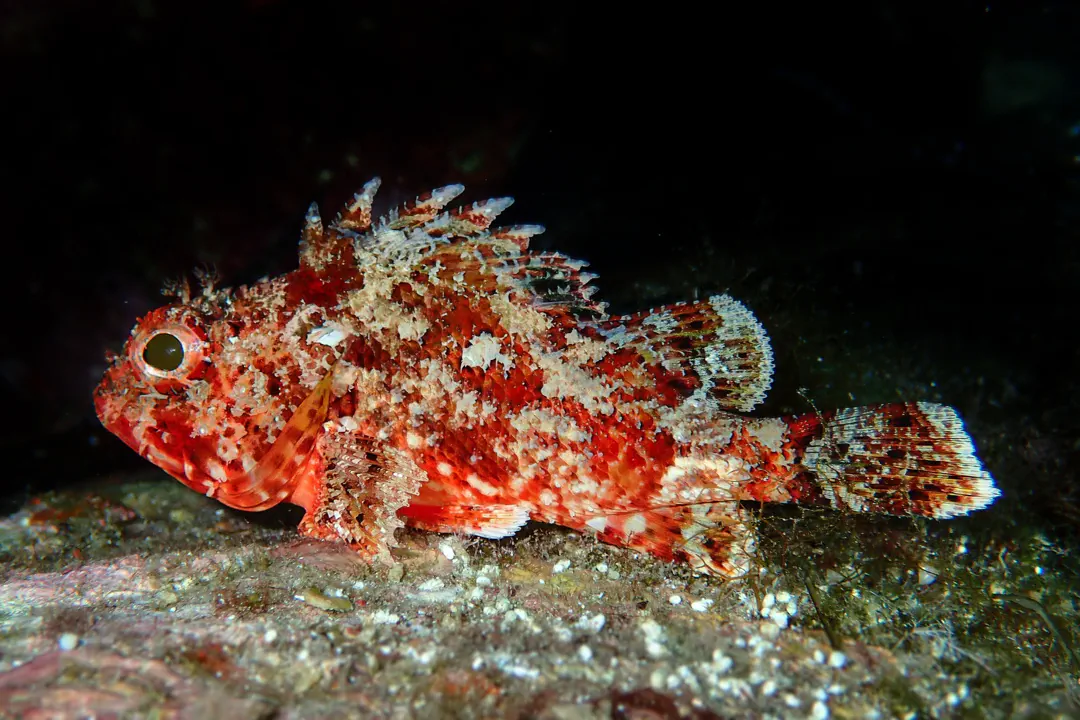
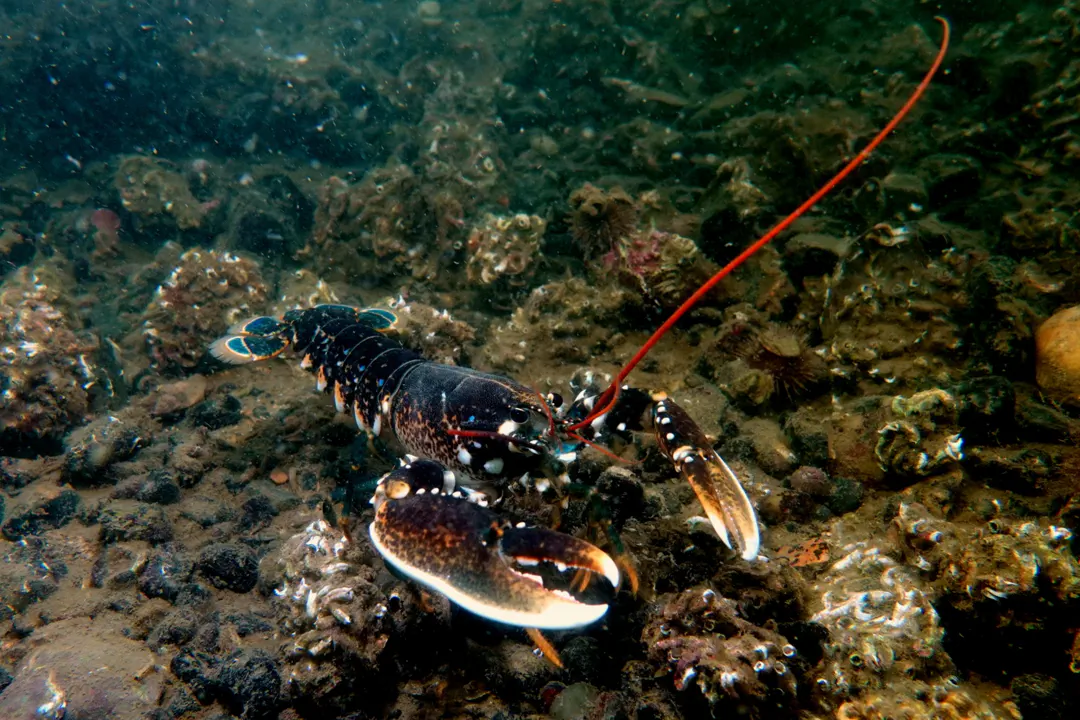
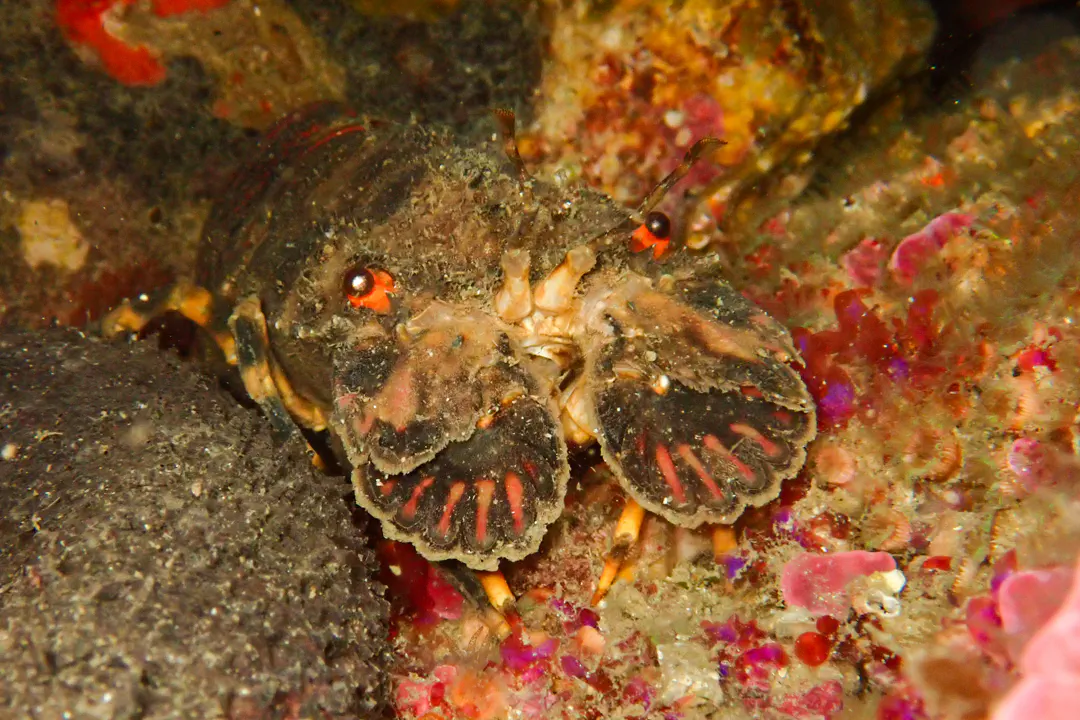
Tombant de la Sirène is a deeper wall site, typically accessed by boat, where the seabed drops from around 20 meters down to beyond 40 meters. This site, suited for advanced certified divers due to depth and potential currents, features dramatic vertical relief and open-water conditions. These sites in the Ligurian Sea hold moray eels, conger eels, scorpionfish, seabreams, and schools of juvenile fish, with occasional passing larger animals rather than guaranteed pelagic action.
Because Monaco lies inside the broader Pelagos Sanctuary region, divers in offshore waters may occasionally encounter cetaceans such as bottlenose dolphins, but sightings are never predictable. The more realistic draw at a wall site is the structural complexity: overhangs, fissures, and vertical relief support sponges, bryozoans, gorgonian patches on harder exposed sections, and large invertebrates that prefer current-washed rock.
For divers, the safest approach is to treat the site as an advanced to intermediate-plus dive unless local guides confirm mild conditions. A current line, an SMB, and a plan for midwater ascent are sensible when currents run, and visibility can be excellent on calm days while dropping sharply if swell stirs the upper layers. The best wildlife observation comes from slow hovering at the wall rather than chasing animals in open water.
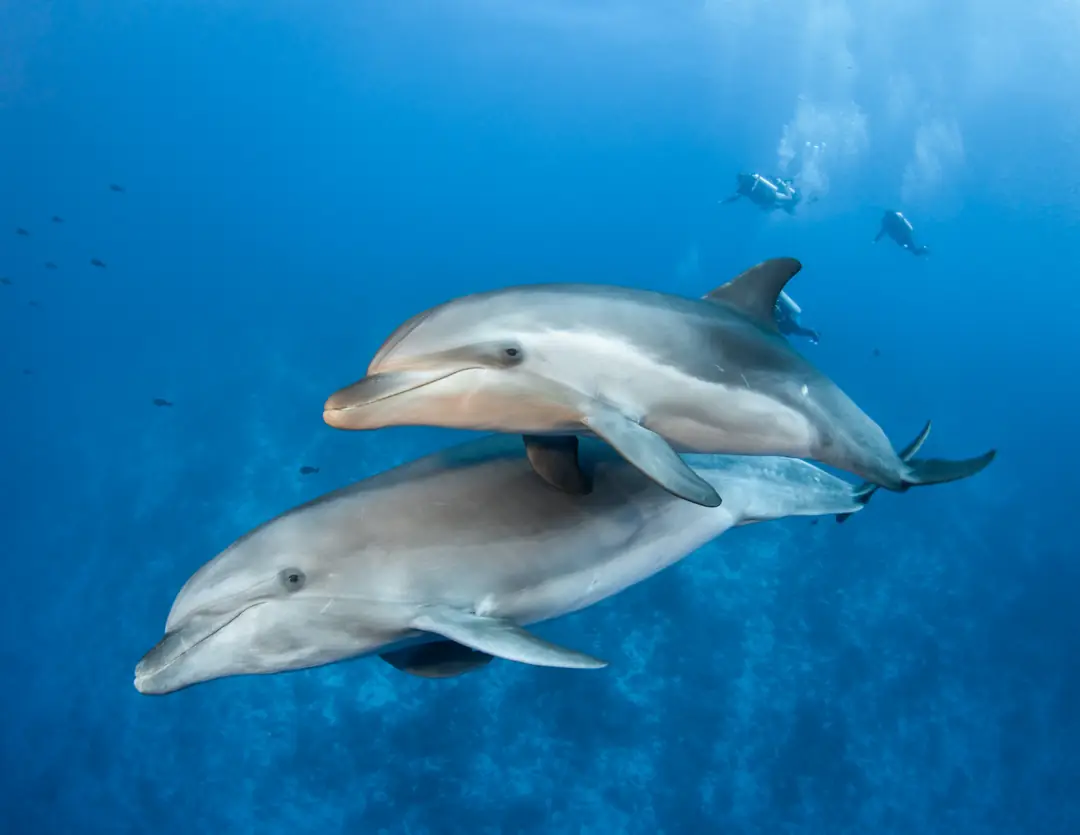 © seabook.appAll rights reserved
  © Michael BommererCC BY 4.0 · iNaturalist
  © Julien RenoultCC BY 4.0 · iNaturalist
  © Klaus Kevin KristensenCC BY 4.0 · iNaturalist
  © Vsevolod RudyiCC BY 4.0 · iNaturalist
 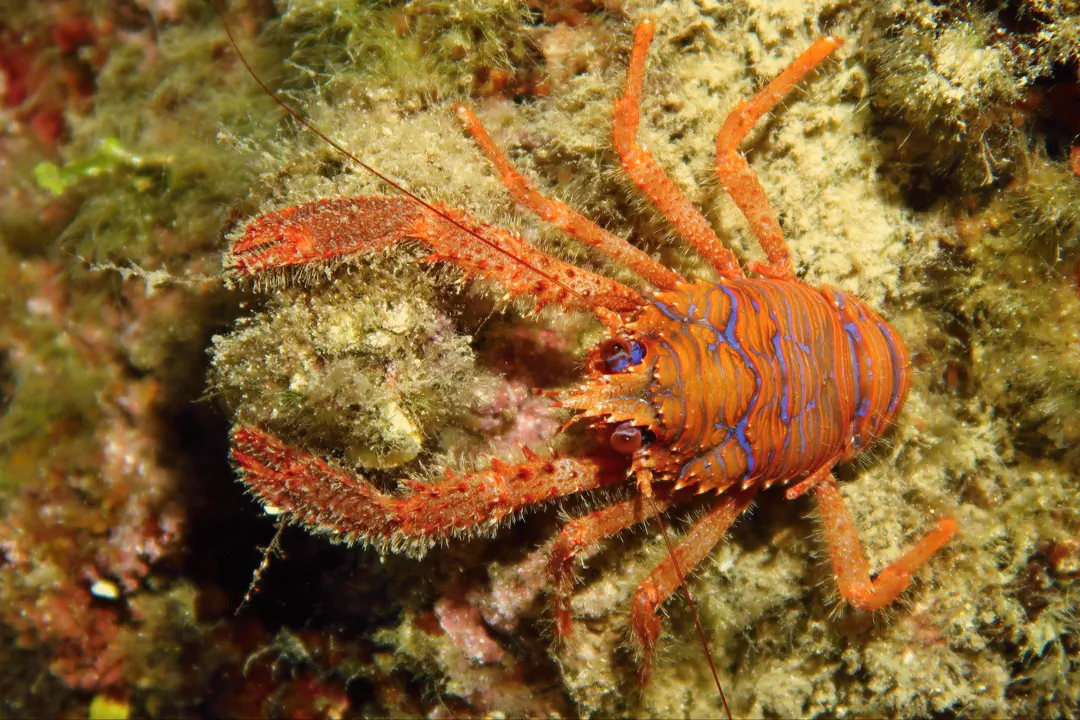 © Daniel BenákCC BY 4.0 · iNaturalist
 Le Sec de la Bouée: An Offshore Pinnacle
Located further offshore and accessed by boat, Le Sec de la Bouée is an underwater pinnacle rising from over 50 meters to its shallowest point at about 20-25 meters. This advanced dive site, best explored from late spring through early autumn for calmer seas, acts as a magnet for schooling fish and larger marine life. Such structures in the Mediterranean attract shoals of bogue, saddled seabream, and salema, while cracks and ledges hold groupers, scorpionfish, conger eels, and crustaceans. This site can offer visibility exceeding 30 meters, with gorgonian corals creating vivid patches of color.
Offshore pinnacles are best dived in late spring through early autumn when sea state is calmer and boat access is more reliable. Depths can move quickly from moderate to deep, so divers should confirm the site profile in meters before entry and expect stronger blue-water exposure than at Larvotto. If gorgonians or other suspension-feeding fauna are present, they are a good indicator of current flow and generally signal a more nutrient-swept habitat than the sheltered reserve.
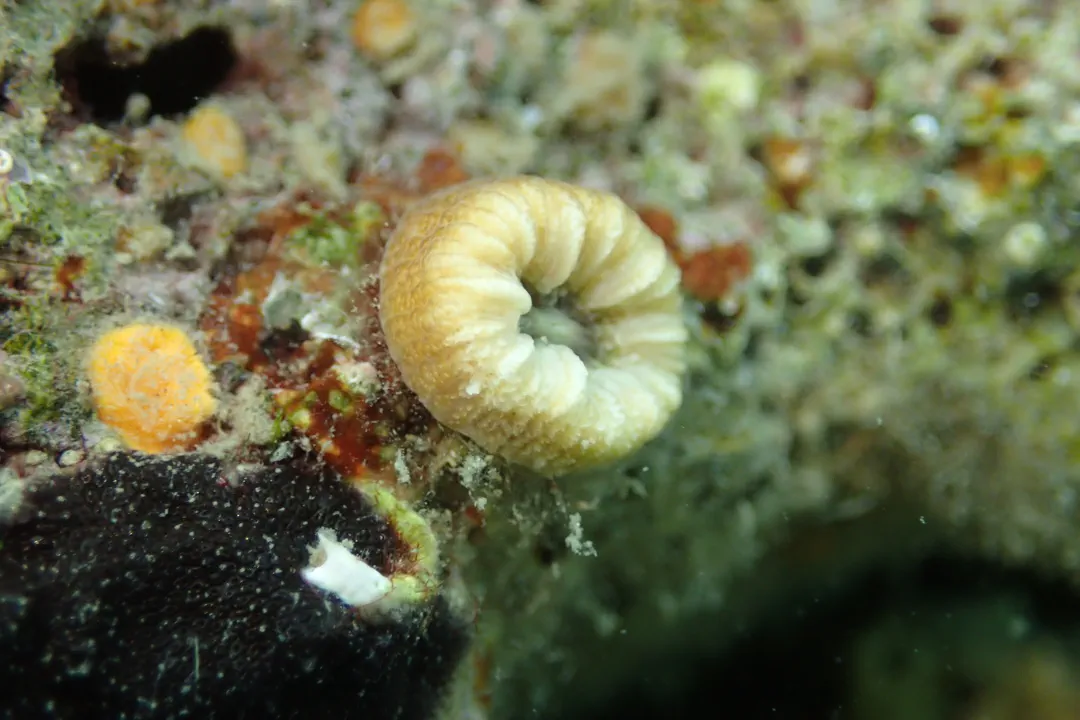 © Juraj AhelCC BY 4.0 · iNaturalist
 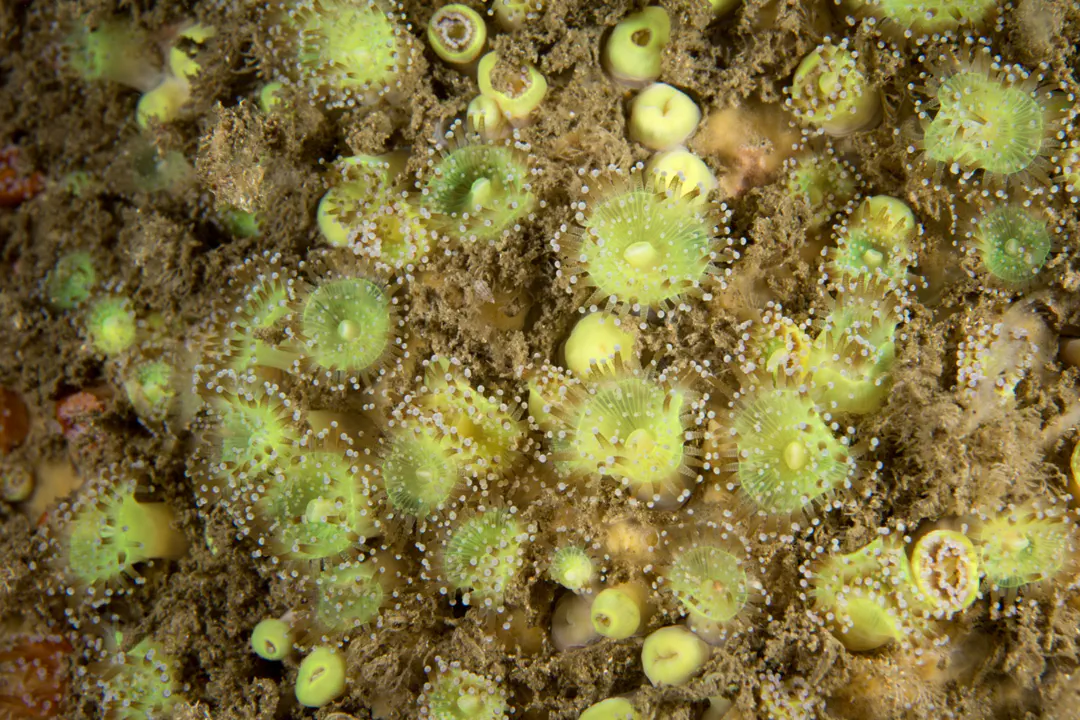 © Bernard PictonCC BY 4.0 · iNaturalist
 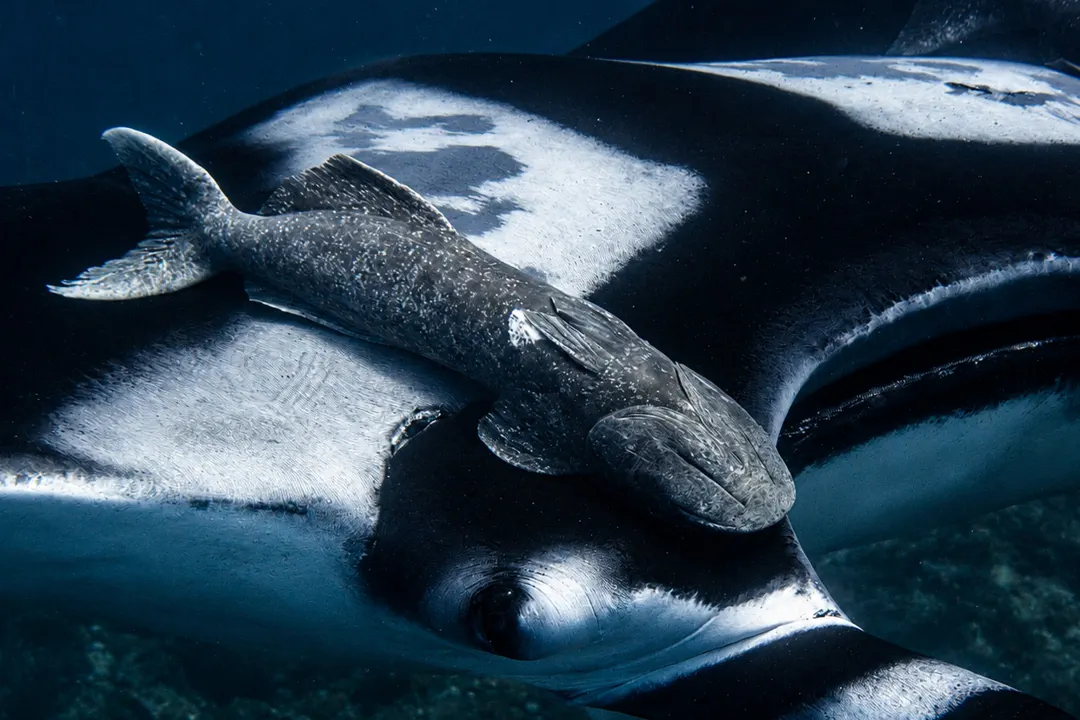 © seabook.appAll rights reserved
 Macro Wonders and Nudibranch Hotspots
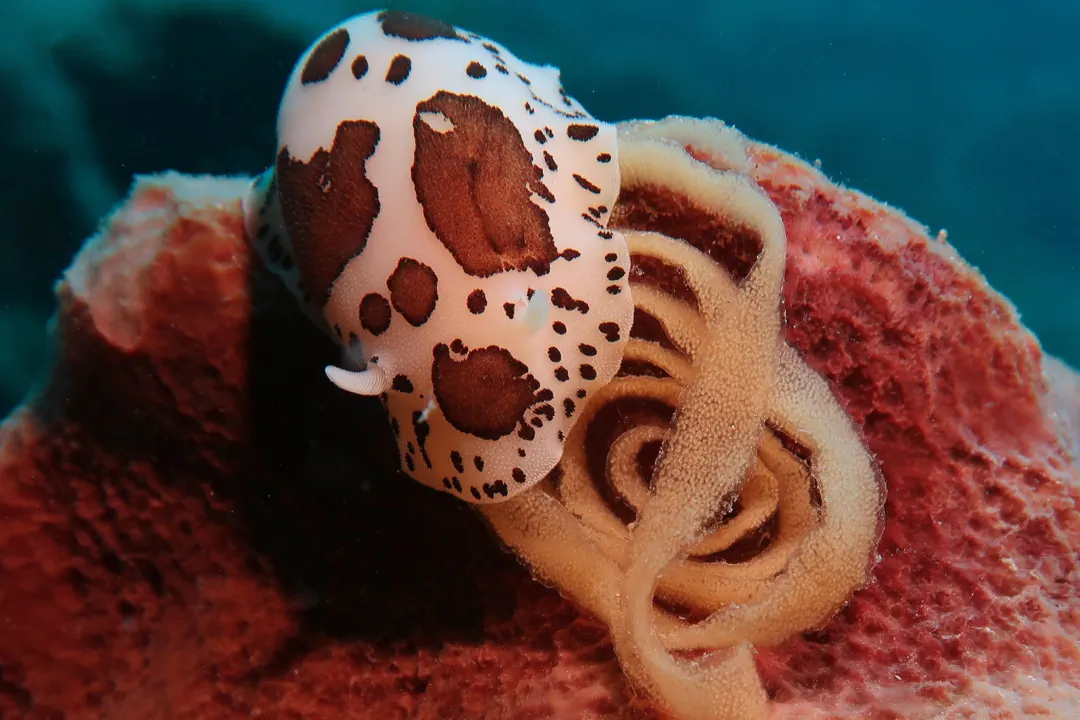
Monaco’s rocky reefs and seagrass beds offer exceptional opportunities for macro enthusiasts, supporting dense small-scale biodiversity. Nudibranchs such as the blotched dorid (Peltodoris atromaculata), the painted chromodoris (Felimare picta), and Hope's Thuridilla (Thuridilla hopei) are appropriate for shallow rocky and mixed habitats.
Small crabs like the spider crab (Inachus phalangium) and cryptic fish such as blennies (Tripterygion delaisi) and flatfish (Bothus podas) are found camouflaged among the rocks and algae. These creatures make for rewarding slow dives between 5 and 20 meters, where careful observation reveals a miniature world.
For photographers, the best macro results come from spring and autumn, when cooler water, lower tourist pressure, and active invertebrate life combine. Careful buoyancy, a close-focusing lens, and patience around sponge-covered rock and seagrass edges pay off more than long fin kicks across open sand. Monaco’s shallow sites reward dives that last 45-60 minutes at low depth, because much of the interest sits in details only a few centimeters across.
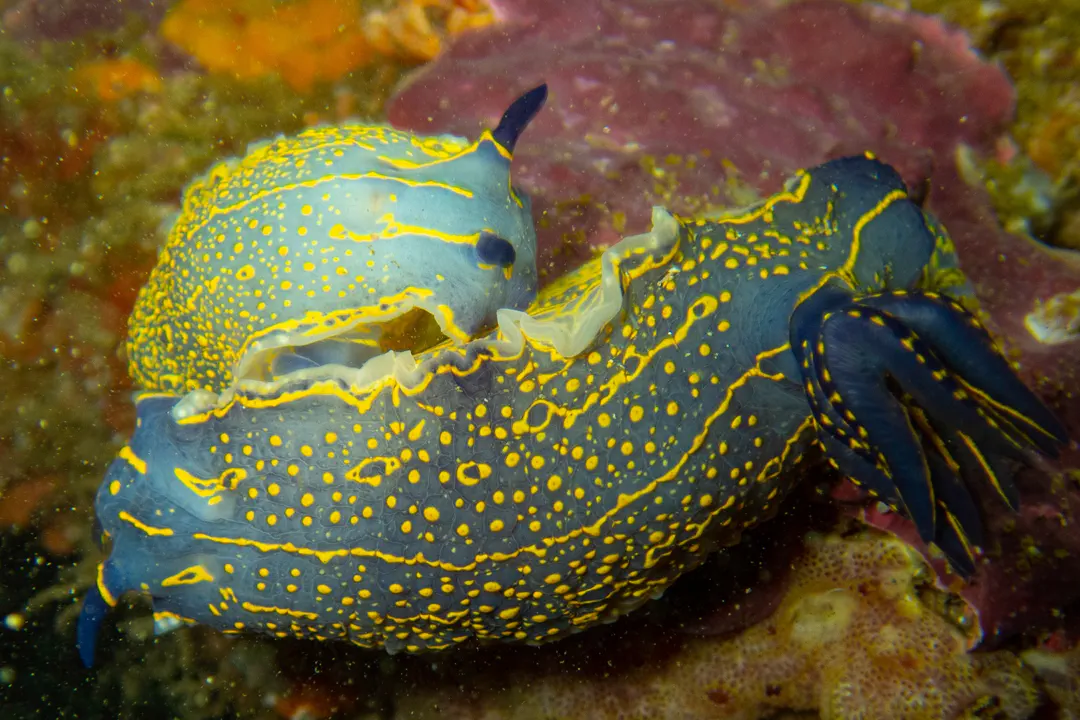 © Bernard PictonCC BY 4.0 · iNaturalist
 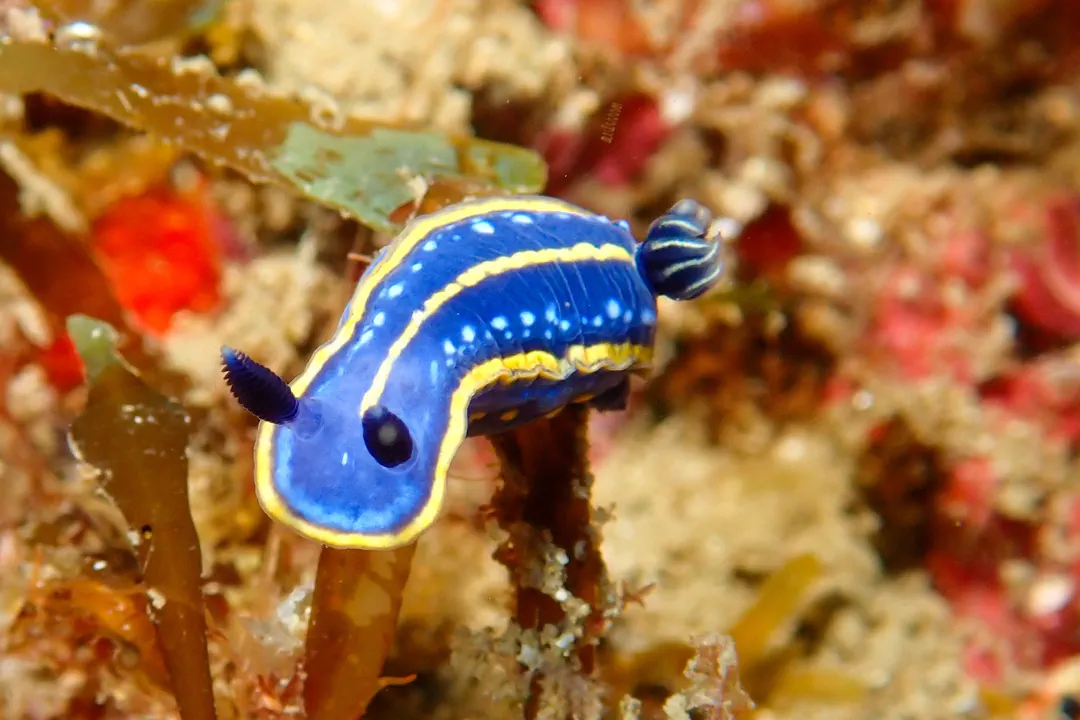 © Vsevolod RudyiCC BY 4.0 · iNaturalist
 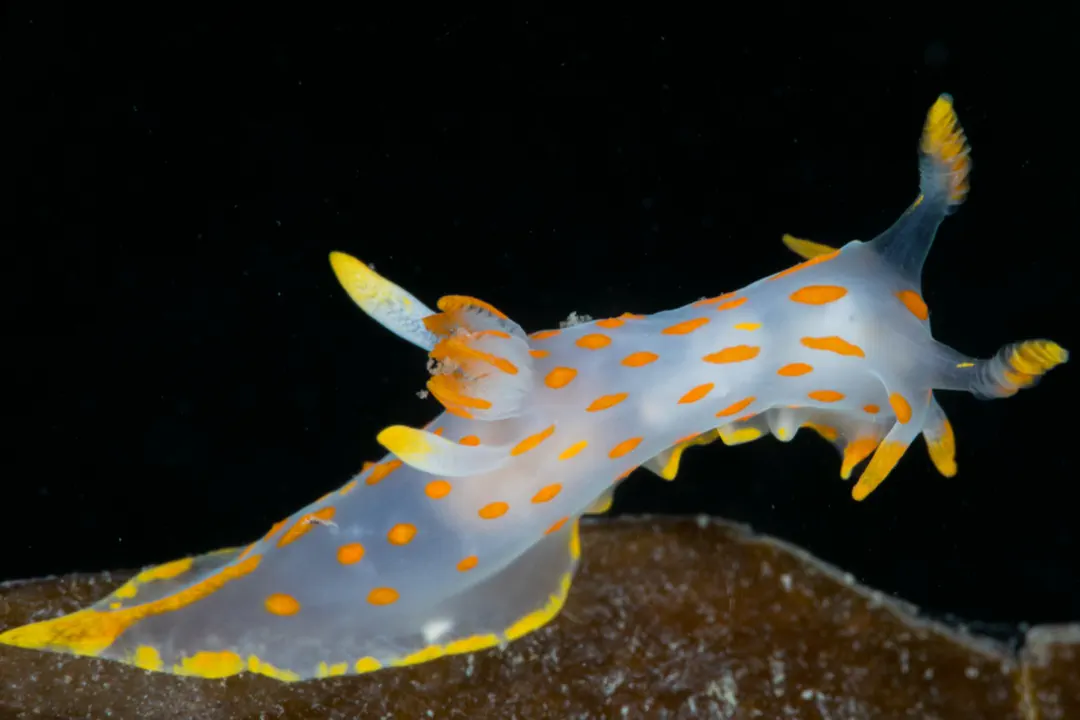 © Heine JensenCC BY 4.0 · iNaturalist
 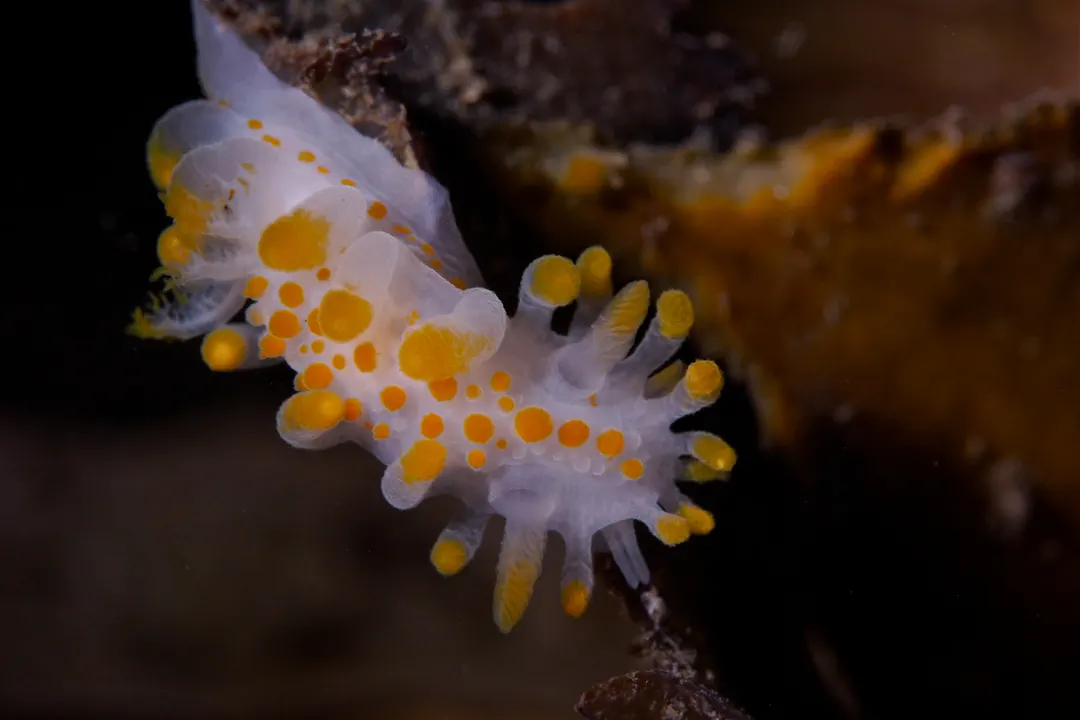 © Tine Kinn KvammeCC BY 4.0 · iNaturalist
 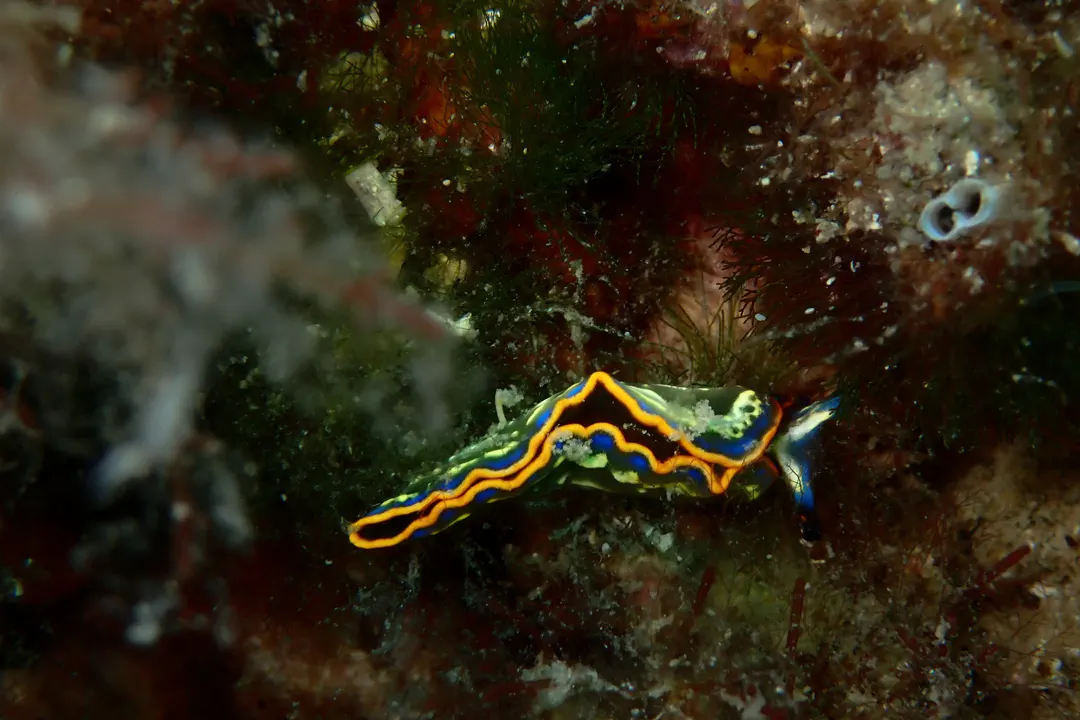 © Vsevolod RudyiCC BY 4.0 · iNaturalist
 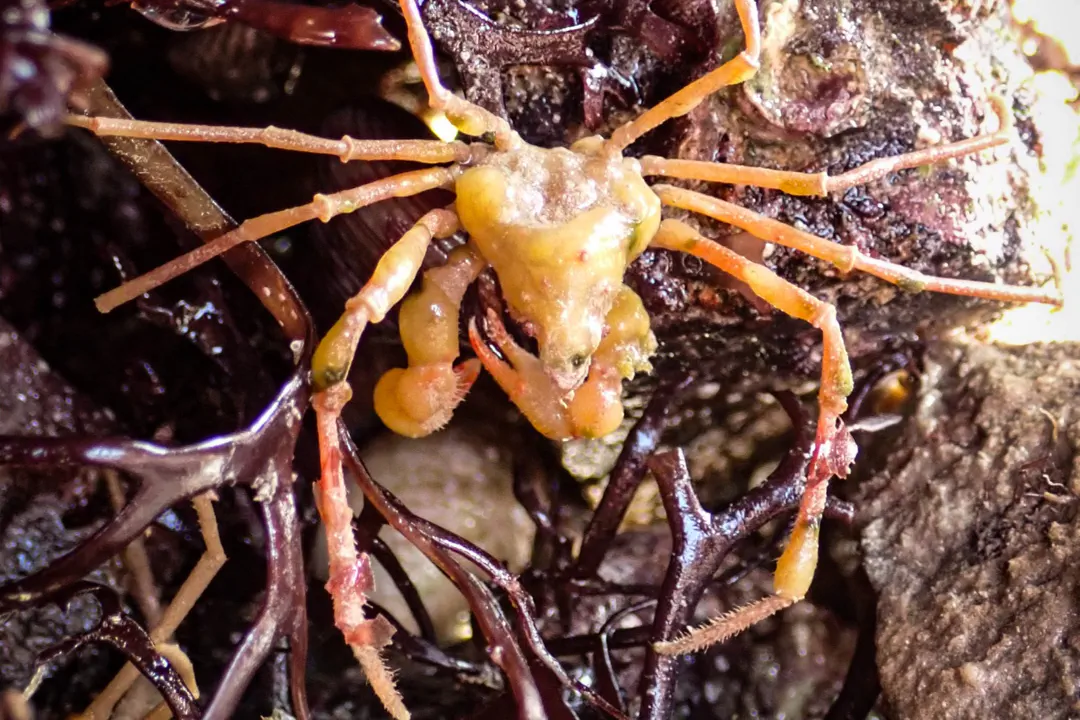 © Lou WagstaffeCC BY 4.0 · iNaturalist
 Monaco's Commitment to Marine Conservation
Monaco’s conservation reputation is anchored by institutions such as the Oceanographic Museum of Monaco and the Association Monégasque pour la Protection de la Nature (AMPN), which manages the principal marine protected areas. The Larvotto reserve was created in 1976, and the wider Monegasque MPAs also include the Tombant des Spélugues area, reflecting a long-term strategy to protect both seagrass and coralligenous habitats along a heavily urbanized coast.
The principality’s waters also connect to the Pelagos Sanctuary, a trinational protected area shared by France, Italy, and Monaco and dedicated to cetacean conservation. The sanctuary regularly hosts eight whale and dolphin species, including fin whales, striped dolphins, sperm whales, and bottlenose dolphins, and monk seals are occasional visitors. For divers, that does not mean guaranteed encounters, but it does place Monaco within one of the most important marine-mammal regions in the Mediterranean.
Conservation-minded diving in Monaco means staying clear of seagrass, avoiding wildlife contact, and minimizing sediment disturbance on the very shallow sites where visibility can be quickly reduced. Small actions matter in a compact marine environment: a bad fin stroke can damage Posidonia, a dragged anchor can scar the bottom, and careless buoyancy can break fragile invertebrates that took years to grow. The best local dives combine observation with restraint, which is exactly what the protected areas were designed to encourage.
Practical Diving Tips for Monaco
Planning a dive in Monaco starts with local logistics rather than equipment drama. Most visitors dive through a center that understands the Monegasque marine protection rules, reserves, and boat schedules, and that is the easiest way to confirm site access, depth, and current conditions on the day. A standard Mediterranean open-water certification is enough for many shore-adjacent sites, but offshore pinnacles and deeper walls may require advanced qualification or guided supervision.
From a gear standpoint, water temperature is the key variable. Between about 24-26 °C in late summer, many divers are comfortable in a 3 mm wetsuit, while 13-16 °C in winter and early spring justifies a 7 mm wetsuit, hood, gloves, or even a semi-dry suit for longer exposures. Surface conditions are best from May to October, and winter dives should be planned around weather windows because stronger swell can reduce both comfort and visibility.
Safety and environmental etiquette are equally important. Use neutral buoyancy, carry an SMB on boat dives, and keep a conservative reserve because some sites involve depth, current, or changing exit conditions. For beginners, sheltered shallower areas around Larvotto are the most appropriate starting point; for experienced divers, wall and offshore profiles can provide 20-40 meter dives with more dramatic relief and greater marine variety.
Questions
Do I need a special permit to dive in Monaco?
No separate personal permit is usually required for recreational diving, but divers must comply with Monaco’s marine protected area rules and local site regulations. In practice, most visitors dive through a local center, which handles site access, briefings, and any operational permissions needed for protected waters.
What is the visibility like in Monaco's waters?
Visibility ranges from 15-30 meters, especially in summer and at offshore sites, though it can drop after wind, swell, or surface disturbance. Shallow protected areas may be slightly less clear than deeper walls, while calm periods in late spring and summer provide the best conditions.
Are there opportunities for wreck diving in Monaco?
Monaco itself is better known for protected seagrass, walls, and offshore pinnacles than for a large number of signature wrecks. Some wrecks exist in the broader nearby Mediterranean region and can be accessed by local operators, but they are not the main defining feature of diving in Monaco.
Can beginners dive in Monaco?
Yes, beginners can dive in Monaco, especially in calm, shallow, protected areas such as parts of Larvotto where conditions are more controlled. Deeper walls, pinnacles, and sites with current are better reserved for advanced divers or for guided dives with a local instructor.