
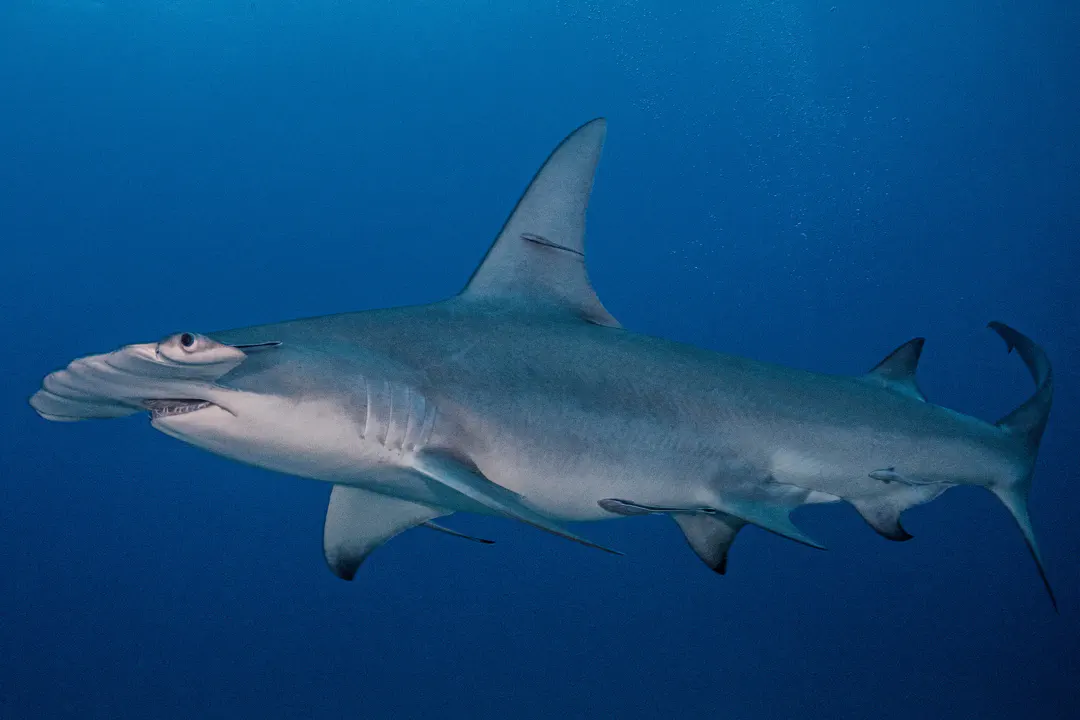
At Jupiter Ledges, twenty-four meters deep, the northward pull of the Gulf Stream carries a diver across limestone shelf edges. Sunlight filters down through blue water, casting rippling patterns over sponges. Out of the haze, a three-meter great hammerhead appears, its tall dorsal fin cutting through the drift. The shark tilts sideways, turns its flattened cephalofoil into the current, and glides past before vanishing into the pelagic expanse.
Florida shark diving offers consistent big-animal encounters in the Western Atlantic due to the proximity of deep ocean currents and expansive reef systems. The best months to dive with sharks in Florida run from December through April, when migrating species join resident populations along the east coast. Water temperatures range between 21°C in the north during winter to 28°C across the south during summer, while visibility averages 15 to 30 meters along offshore drop-offs.
Key diving hubs include Jupiter, West Palm Beach, Key Largo, Islamorada, and Key West. Divers routinely encounter bull sharks, tiger sharks, lemon sharks, great hammerheads, and nurse sharks across these coastal zones. The shallow spur-and-groove reefs of the Florida Keys cater to newly certified divers and snorkellers, while the swift drift dives off Jupiter require experience handling deep currents and open-water entries.
What Sharks Live in Florida?
Florida's coastline forms a geographical crossroads where tropical Caribbean waters meet temperate Atlantic conditions. The state's eastern edge sits within miles of the Gulf Stream, a powerful oceanic current that delivers nutrient-rich water and pelagic species directly toward narrow continental shelves. Coastal mangroves serve as nurseries for juvenile coastal sharks, while deeper offshore ledges provide hunting grounds for apex predators. Over 40 species of sharks inhabit or pass through these marine environments throughout the year.
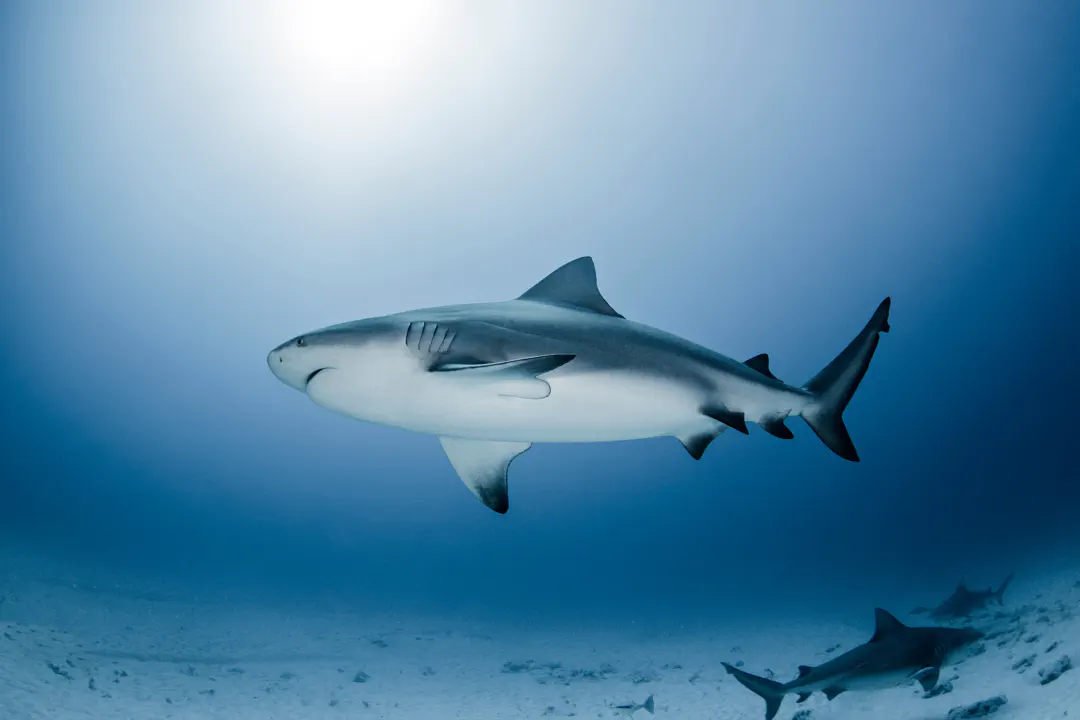
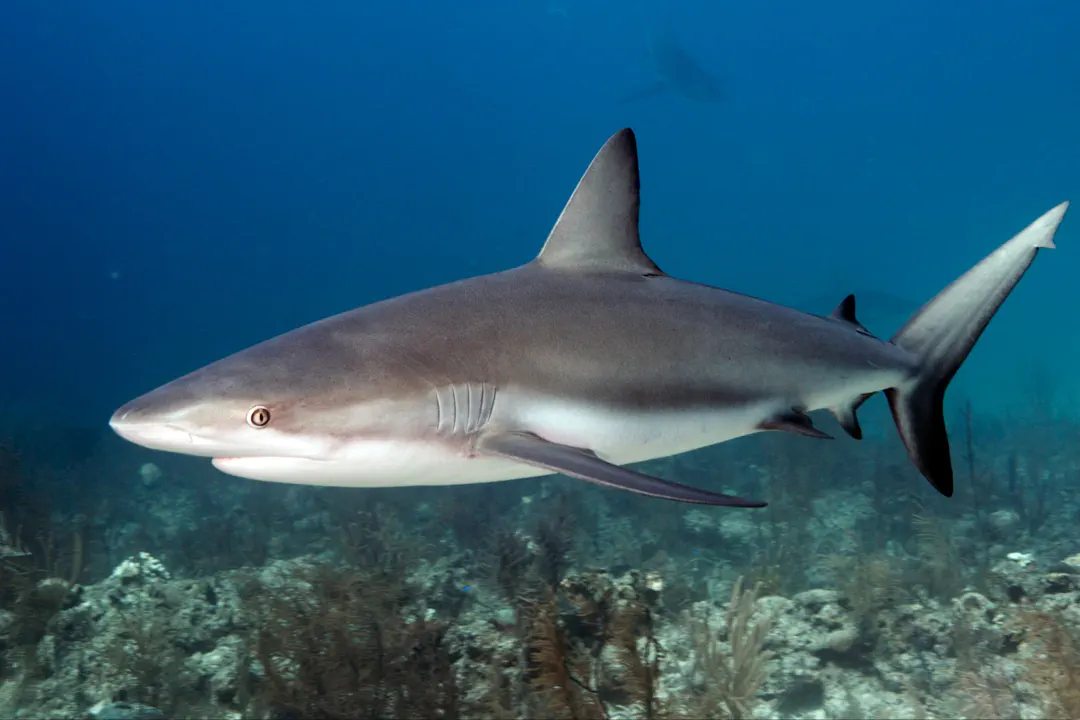
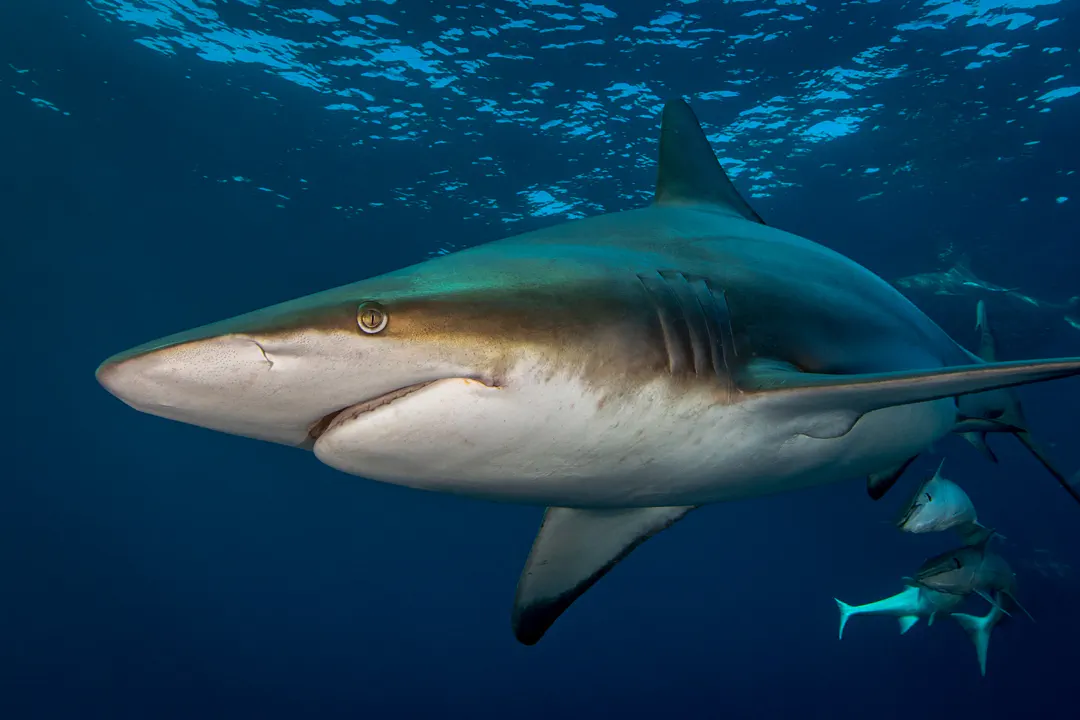
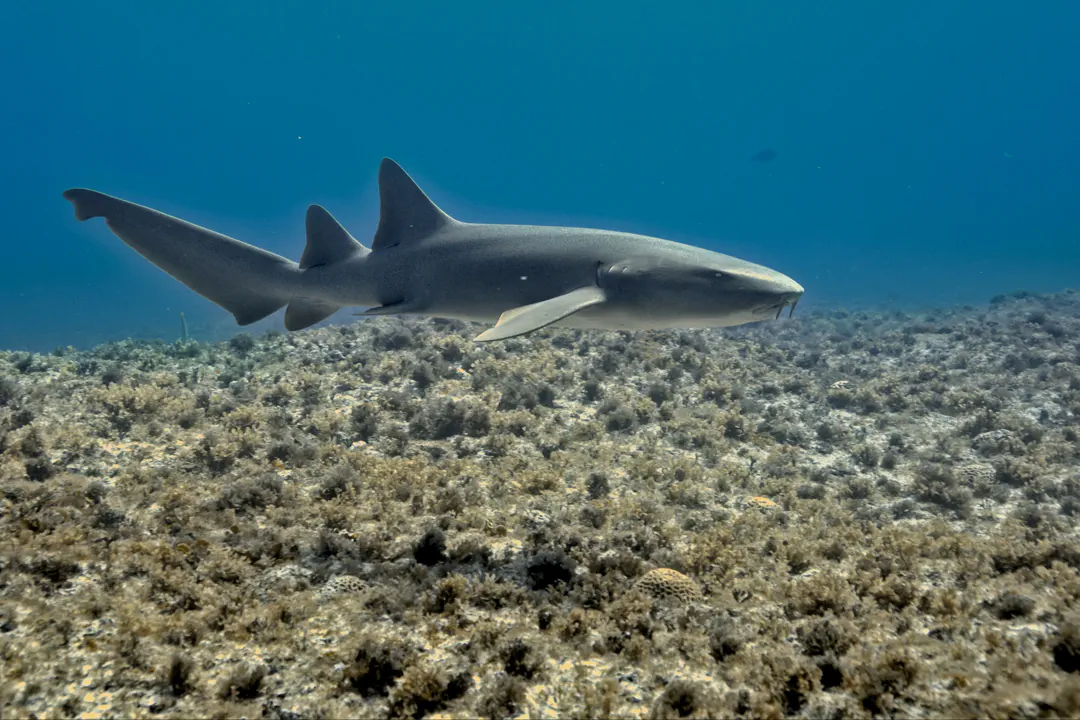
Requiem sharks make up the largest family seen by divers along Florida reefs and drop-offs. Bull sharks patrol river mouths, inlets, and deep outer reefs, recognized by their stocky bodies and blunt snouts. Caribbean reef sharks cruise shallow hard-bottom habitats, maintaining steady patrolling patterns around wreck sites and spur-and-groove structures. On the sandy seabed, nurse sharks spend daylight hours resting under coral overhangs, using suction feeding to target crustaceans and small reef fish.
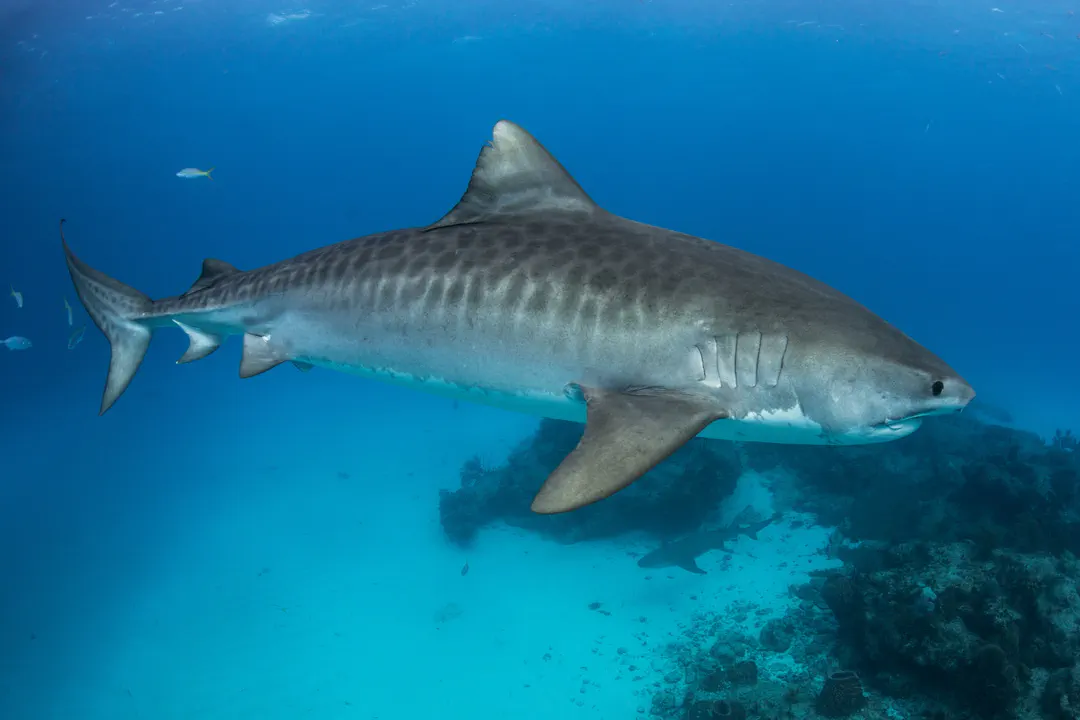
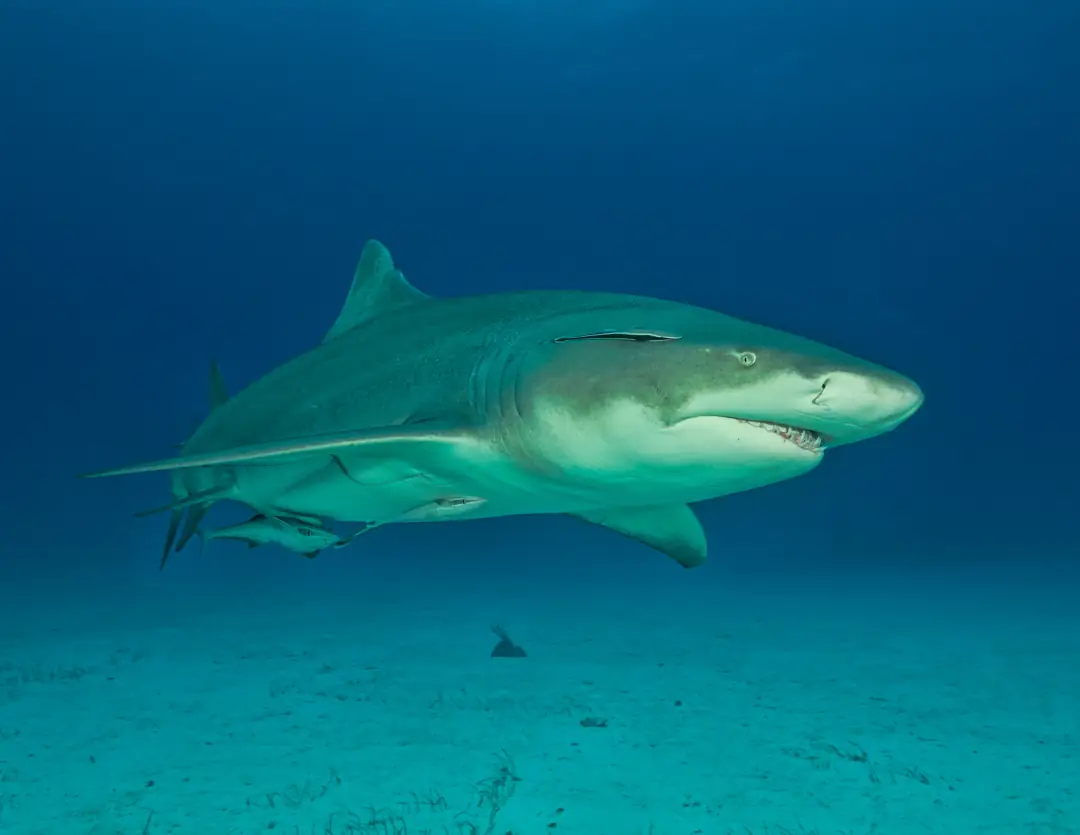
Migratory pelagic species add dynamic seasonal spikes to the resident population. Great hammerheads and tiger sharks follow schools of prey along deep Atlantic ledges, while blacktip sharks move along shoreline shallows in vast groups. Lemon sharks gather along specific limestone ridges every winter, taking advantage of predictable temperature bands.
 © seabook.appAll rights reserved
 © seabook.appAll rights reserved
 © seabook.appAll rights reserved
 © R VasconcellosCC BY 4.0 · iNaturalist
 © seabook.appAll rights reserved
 © seabook.appAll rights reserved
Best Time to See Sharks in Florida
Shark movement across Florida follows distinct thermal patterns and seasonal prey migrations. Winter brings the highest overall density of large shark species to the Atlantic coast between Palm Beach and Jupiter. From December through March, water temperatures hover around 22°C to 24°C, creating ideal conditions for aggregations of adult lemon sharks along offshore ledges. During these same cold months, great hammerheads ascend from deeper Gulf Stream trenches into diveable depths.
Spring marks a shift as migrating blacktip sharks journey northward along the coast, accompanied by cobia and large pelagic game fish. By April and May, tiger sharks become frequent visitors along deep drop-offs, trailing migrating sea turtles that arrive to nest on regional beaches. Visibility during spring peaks at 25 to 30 meters as calm weather patterns reduce wave action along the coast.
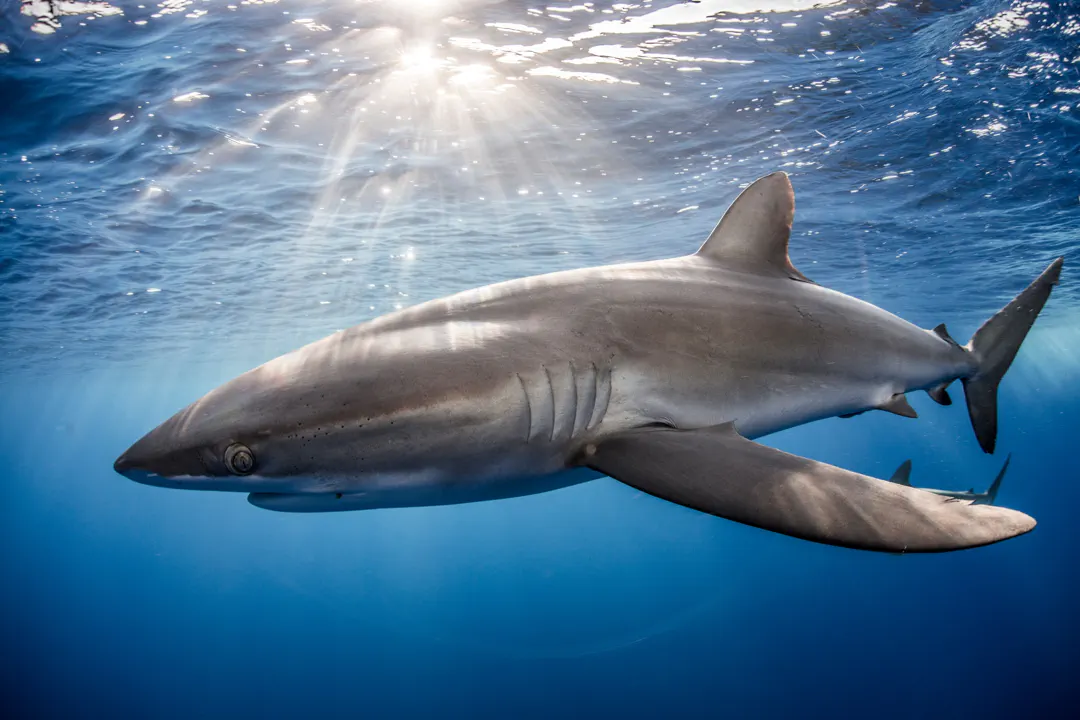
Summer and autumn bring warmer sea temperatures reaching 28°C, shifting the focus toward resident reef species. Caribbean reef sharks, nurse sharks, and silky sharks remain active around deeper shipwrecks and artificial reefs throughout the Keys and Gulf Coast. While pelagic shark numbers decrease off Palm Beach during late summer, reef encounters remain steady and water conditions permit light exposure suits or shorty wetsuits.
Top Locations for Florida Shark Diving
Florida offers distinct geographic dive regions, each defined by specific seafloor structures and water movements. The Atlantic coastline features narrow continental shelves and deep drop-offs swept by north-flowing currents, concentrating large pelagic sharks close to shore. In contrast, the Florida Keys sanctuary consists of expansive coral barrier systems and historic shipwrecks surrounded by shallow, protected waters.
Choosing where to dive depends on experience level, targeted species, and preferred diving style. Offshore drift diving off Palm Beach County provides high-energy encounters with free-swimming pelagics in deep water. Meanwhile, the southern Florida Keys present relaxed bottom times over shallow coral heads where nurse sharks and reef sharks navigate natural swim-throughs and sandy channels.
Jupiter and West Palm Beach: Deep Drift Dives
Jupiter and West Palm Beach sit at Florida's narrowest continental shelf, where the Gulf Stream passes within three miles of the coastline. Dive boats drop divers onto natural limestone ledges that rise three to four meters off a sandy ocean floor at depths between 20 and 30 meters. Divers float effortlessly in two-to-three-knot currents while watching pelagic sharks cruise along the top and base of the ridge.
Winter months in Jupiter produce sightings of lemon sharks congregating in groups of twenty or more along the deep sand trenches. Great hammerheads, identifiable by their tall dorsal fins and sweeping lateral head extensions, cut across the ledge edges in search of stingrays buried in the sand. Bull sharks and tiger sharks join these drift profiles, maintaining distance while inspecting divers from the outer blue.
Drifting along these deep ledges requires proper weight balance and comfortable buoyancy control in open water. Live-boat drop-offs and surface marker buoy deployment are standard practice for every dive group due to swift surface currents. The volume of big animals makes Jupiter one of the most reliable pelagic shark locations along the North American coastline. Depth: 18-30 m. Access: boat, 15-30 minutes from Jupiter Inlet. Level: Advanced Open Water. Best months: December-April.
 © seabook.appAll rights reserved
Florida Keys: Shallow Reefs and Wrecks
Stretching southwest from the mainland, the Florida Keys host a shallow coral barrier reef system alongside deliberate artificial reef wrecks. Sites like the Spiegel Grove off Key Largo and the Vandenberg off Key West sit in 20 to 40 meters of water, drawing resident marine life. Caribbean reef sharks routinely patrol the steel superstructures, threading through open deck areas and trailing along surrounding debris fields.
Along shallow spur-and-groove reefs like Molasses Reef and Alligator Reef, nurse sharks lie tucked under coral ledges at depths under 10 meters. These nocturnal foragers remain motionless during daylight hours, allowing divers to observe their barbels and smooth grey-brown skin up close. Juvenile lemon sharks and blacktip sharks utilize the nearby mangrove lagoons of Florida Bay as protected nursery grounds before maturing into open-reef habitats.
Diving conditions across the Florida Keys remain user-friendly year-round, with low to moderate currents and clear water. The shallow depths extend bottom times, making these reefs ideal for multi-dive days and photographic observations. Combined with wreck exploration, the Keys offer predictable encounters with resident reef sharks in gentle ocean conditions. Depth: 5-30 m. Access: boat, 20-45 minutes from marina. Level: Open Water. Best months: May-October.
 © R VasconcellosCC BY 4.0 · iNaturalist © seabook.appAll rights reserved
Carcharhinus leucas
*Carcharhinus leucas* is a requiem shark commonly found worldwide in warm, shallow waters along coasts and in rivers. The bull shark is known for its aggressive nature, predilection for warm shallow w...
Are Shark Encounters in Florida Safe?
Diving with sharks in Florida is an organized activity conducted under strict professional safety protocols. Reputable operators rely on clear briefing procedures, small group sizes, and experienced safety divers who maintain positioning above and behind the group. Sharks are naturally cautious animals that maintain visual boundaries rather than initiating close physical contact with humans.
Maintaining calm, controlled movements under water reduces potential stimulation or curiosity from passing predators. Divers should stay near the bottom or remain grouped together during drift dives, avoiding mid-water suspension or erratic splashing at the surface. Wearing dark dive gear without bright, reflective neon accents or shiny metal jewelry prevents accidental visual confusion in low-light or turbid conditions.
Understanding shark body language allows divers to read non-verbal cues in the water column. A relaxed shark swims with smooth, rhythmic tail sweeps and horizontal pectoral fins. If a shark exhibits stiff, exaggerated swimming motions, dropped pectoral fins, or rapid directional changes, dive guides will signal the group to gather closely and make a calm, controlled ascent back to the vessel.
© R VasconcellosCC BY 4.0 · iNaturalistCarcharhinus perezii
*Carcharhinus perezii* is a species of requiem shark, belonging to the family [Carcharhinidae](seabook://category?id=fe242683-eae0-47fd-b6b6-1144a93b6471). It is found in the tropical waters of the we...
Practical Tips for Florida Shark Diving
Planning a successful shark diving trip in Florida requires matching your diving experience with regional water conditions. Deep drift diving off Jupiter and West Palm Beach demands an Advanced Open Water certification, comfortable deep buoyancy skills, and experience with surface marker buoy deployment. Beginners and casual divers will find shallow reef sites in the Keys more manageable for building confidence around marine life.
Thermal protection varies by season and location along the state's coast. During winter months off Palm Beach, water temperatures of 22°C call for a 5mm full wetsuit, hood, and gloves to maintain core heat during 50-minute drift profiles. Summer diving in 28°C water across the Keys allows for a 3mm full suit or shorty, though full coverage remains recommended to protect skin from marine scrapes and stinging organisms.
Choose dive operators who specialize in pelagic encounters and prioritize marine conservation. Operators running dedicated shark trips provide specialized briefings on animal behavior, camera positioning, and entry-exit techniques in open water. Booking multiple diving days during your trip builds flexibility against seasonal wind changes and maximizes your chances of encountering multiple shark species.
Questions
What is the most common shark in Florida?
The nurse shark and blacktip shark are among the most frequently sighted shark species in Florida coastal waters. Nurse sharks remain resident on shallow reefs year-round, while tens of thousands of blacktip sharks migrate along east coast beaches every winter.
When is the best month to dive with sharks in Florida?
Winter and early spring from December through April deliver peak shark activity across Florida. This period brings winter lemon shark aggregations to Jupiter, great hammerheads along Atlantic ledges, and migrating pelagic species in 22°C to 24°C waters.
Are there bull sharks in Florida?
Yes, bull sharks are common throughout Florida in coastal reefs, deep ocean ledges, and estuarine river mouths. Divers frequently see adult bull sharks at depths of 18 to 30 meters along Jupiter drift sites and wreck locations year-round.
Do you need advanced certification to dive with sharks in Jupiter?
Most Jupiter shark dives take place along deep ledges at 20 to 30 meters with strong surface and bottom currents. Operators require an Advanced Open Water certification along with experience using surface marker buoys for live-boat drift drops.
Can you see great white sharks in Florida?
Great white sharks migrate to Florida waters during winter months, following cold water fronts down the Atlantic coast. While acoustic tagging tracks numerous individuals off Palm Beach and the Keys each winter, underwater sightings by divers remain rare compared to resident reef and pelagic sharks.