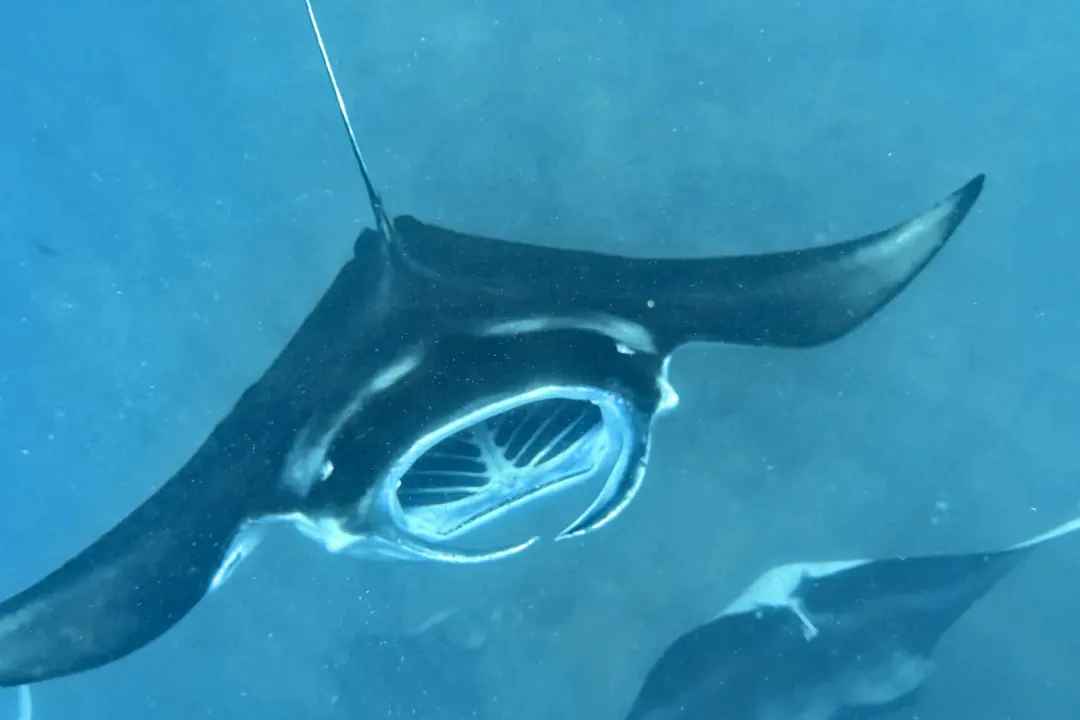
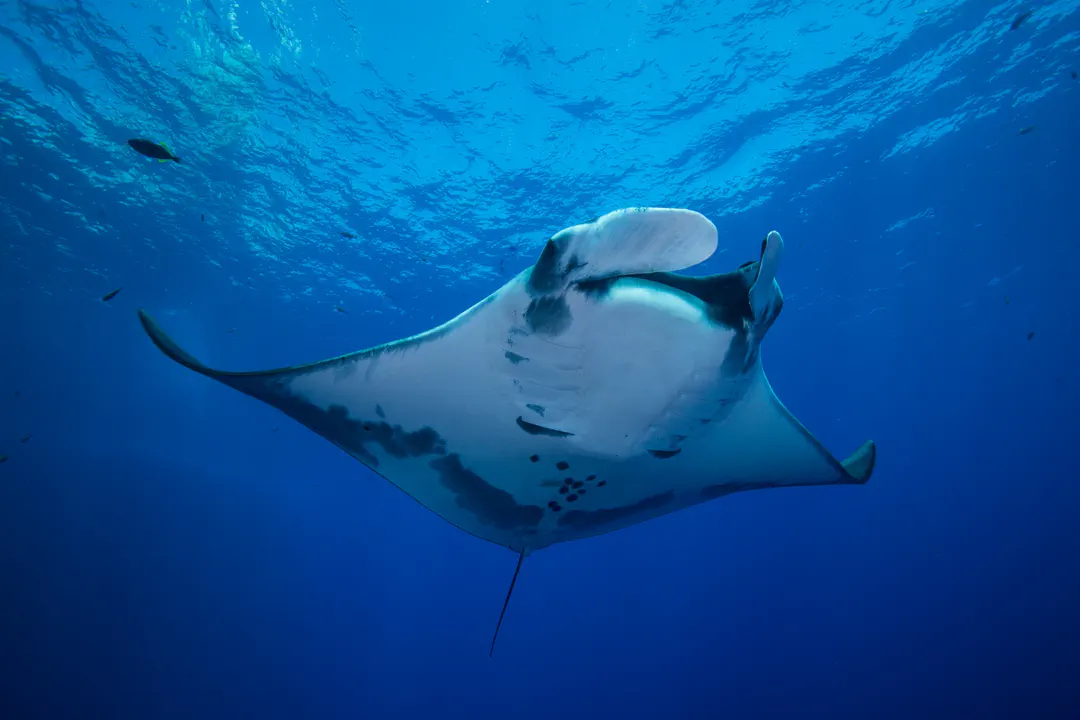
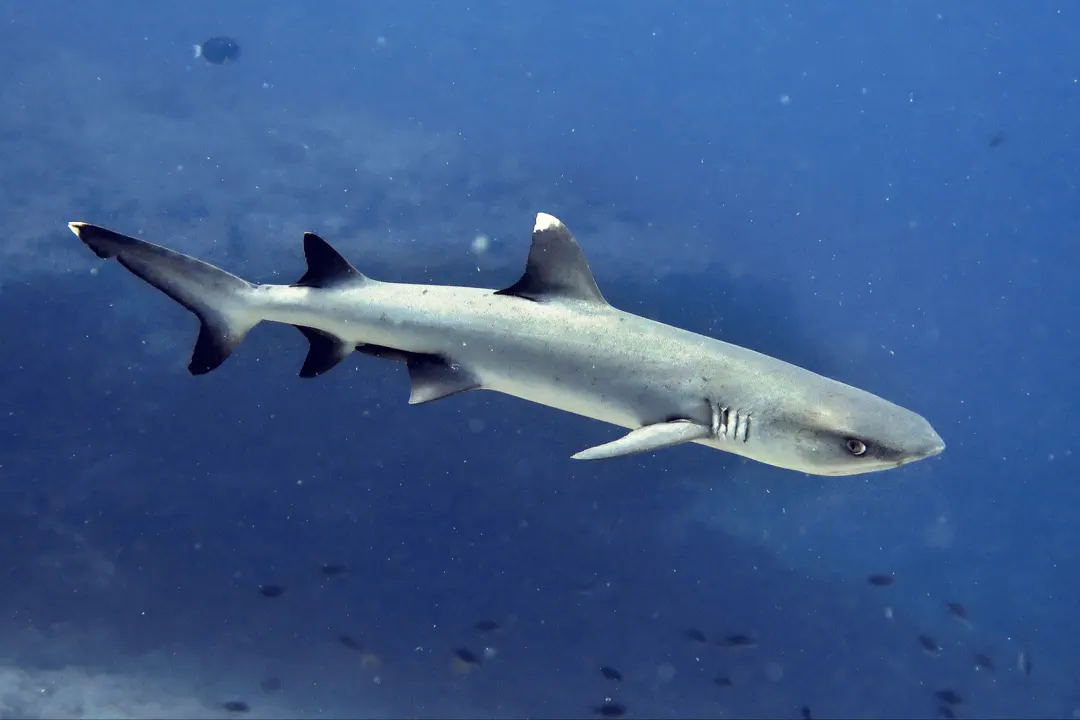
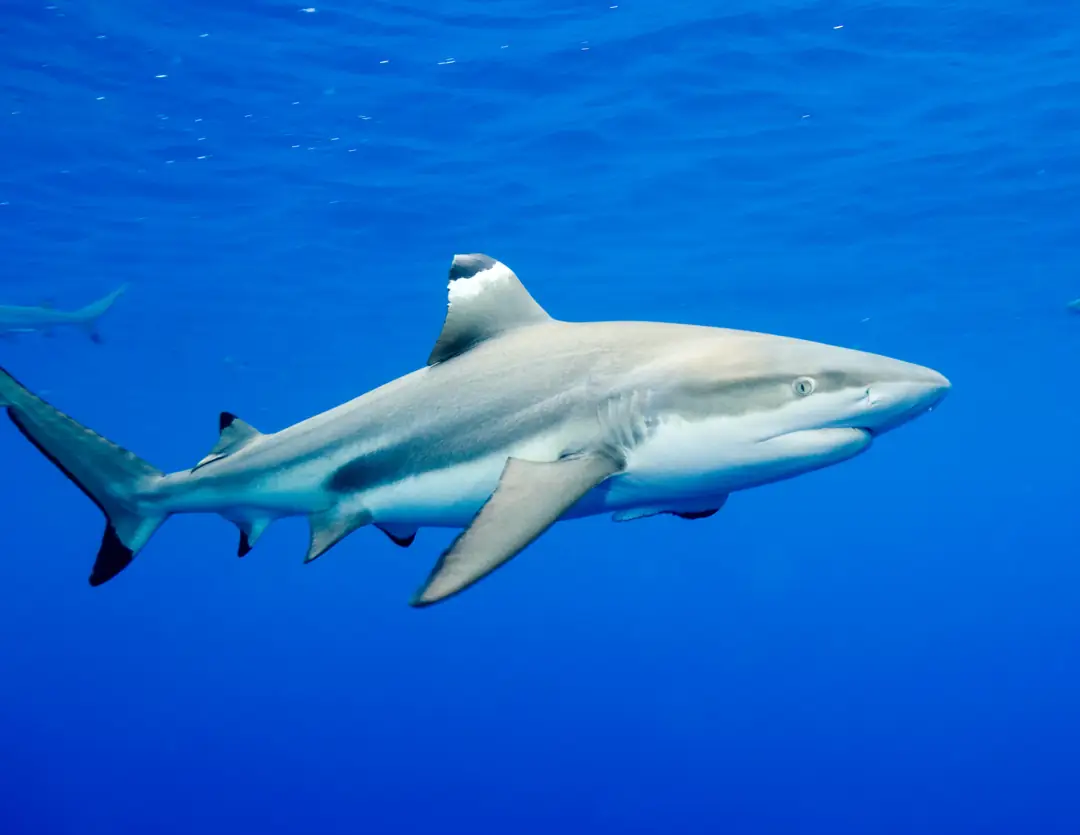
A female reef manta ray glides six metres down through green-blue water over the cleaning station at Manta Sandy in Raja Ampat. Wrasse pick at her dark pectoral fins as current pulses gently through the channel, while sunlight glints on white sand dunes below. Nearby, a pair of blacktip reef sharks circle the channel edge.
Finding the best scuba diving in November comes down to tracking seasonal wind patterns and regional monsoon shifts across the tropics. Water temperatures across prime tropical destinations range from 26°C in the northern Red Sea to 30°C in the Indo-Pacific, with visibility running between 10 and 30 metres depending on local plankton concentrations. Late autumn marks the transition away from summer rains in Southeast Asia and opens major offshore national parks.
Top destinations this month span the shallow coral passages of Raja Ampat, the granite drop-offs of Thailand's Similan Islands, and the plankton-rich channels of Ari Atoll in the Maldives. Experienced divers can target pelagic sharks off Daedalus Reef in Egypt or hook into strong currents at Blue Corner in Palau. Snorkellers and novice divers can explore the sheltered barrier reef walls of Belize.
Raja Ampat, Indonesia: Peak Calm Seas and Mantas
In November, the seas across the Dampier Strait drop to mirror-smooth surface conditions as seasonal southeast winds subside. Water temperatures remain stable between 28°C and 30°C across the northern passages. Plankton surges into shallow cleaning stations, where reef manta rays aggregate to strip parasites from their skin.
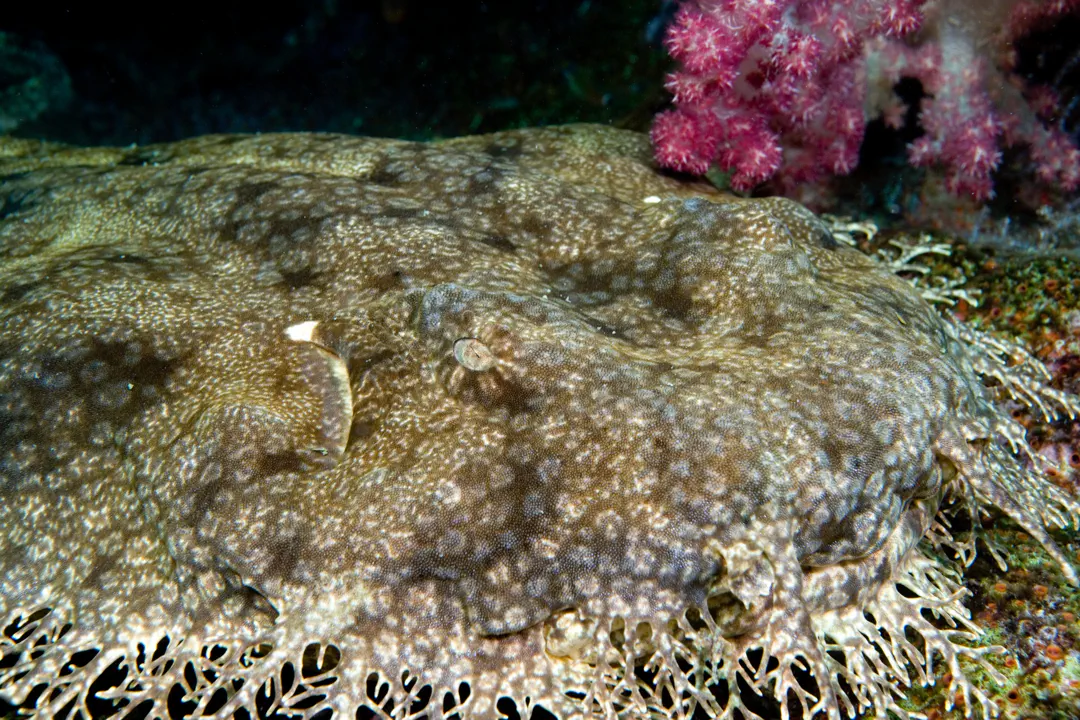
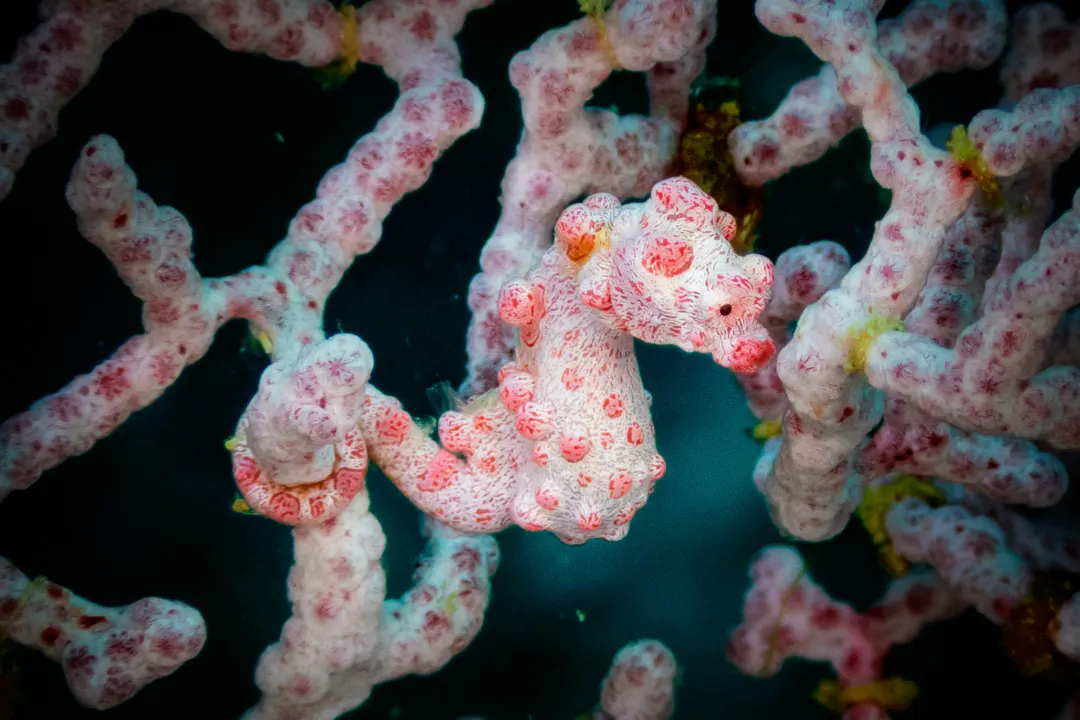
Below the surface, over 1,600 reef fish species populate the pinnacles and slope reefs. Tasselled wobbegongs flatten their fringed bodies against coral heads at depths of 15 metres, while grey reef sharks cruise the current lines off Cape Kri. Pygmy seahorses measuring less than two centimetres anchor to sea fans along deep vertical walls. Logging sightings of these cryptic species on the Seabook app gives divers a reliable reference while navigating the region's habitats.
Tidal currents run swift through these island passages, requiring drift entries and careful gas management. Visibility varies from 10 metres in plankton-heavy channels to 25 metres on open outer reefs. Using a surface marker buoy is mandatory on all drift ascents due to variable surface pick-up points.
Depth: 5-30 m. Access: liveaboard or resort boat from Sorong. Level: Intermediate to Advanced. Best months: October-April.
 © seabook.appAll rights reserved
 © seabook.appAll rights reserved
 © Daniel BenákCC BY 4.0 · iNaturalist
 © seabook.appAll rights reserved
 © Matteo BellucciCC BY 4.0 · iNaturalist
 © Pierre PericardCC BY 4.0 · iNaturalist
Similan Islands, Thailand: Newly Opened Marine Park
Mu Ko Similan National Park reopens its boundaries in November as the southwest monsoon recedes from the Andaman Sea. Water temperatures average 28°C to 30°C, creating comfortable immersion conditions for multi-dive liveaboard itineraries. Submerged granite boulder formations form underwater canyons, archways, and steep swim-throughs around sites like Elephant Head Rock.
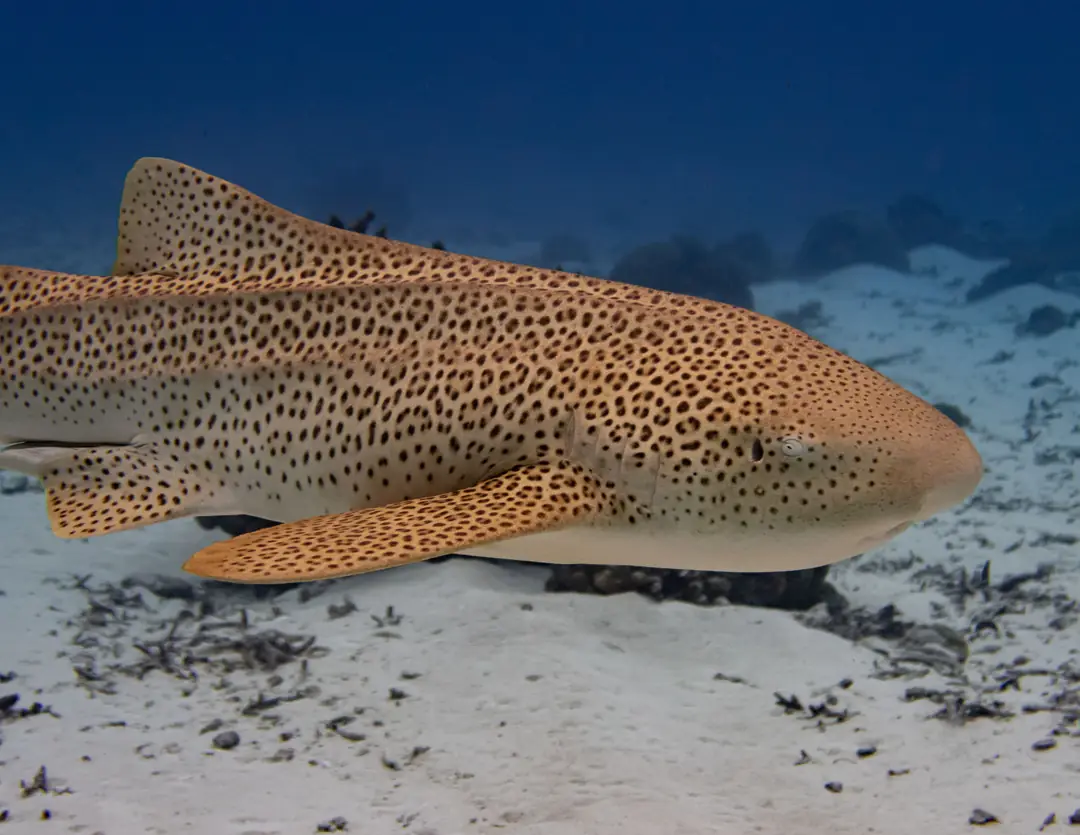
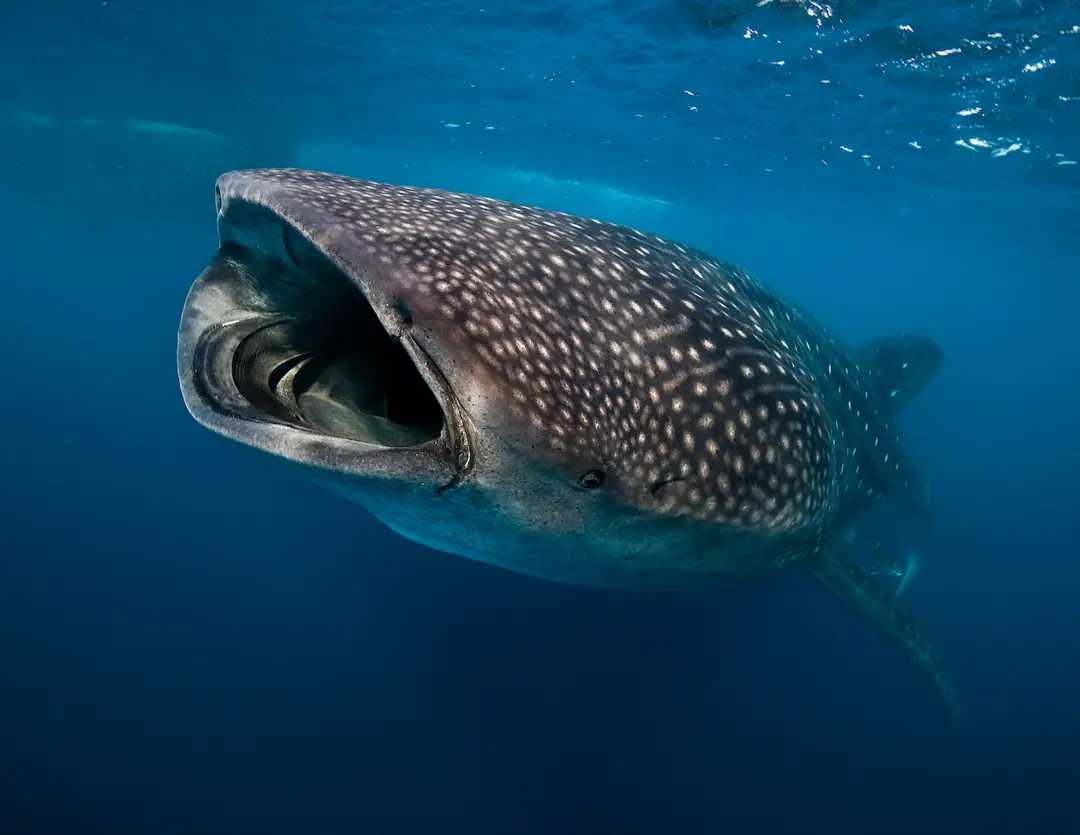
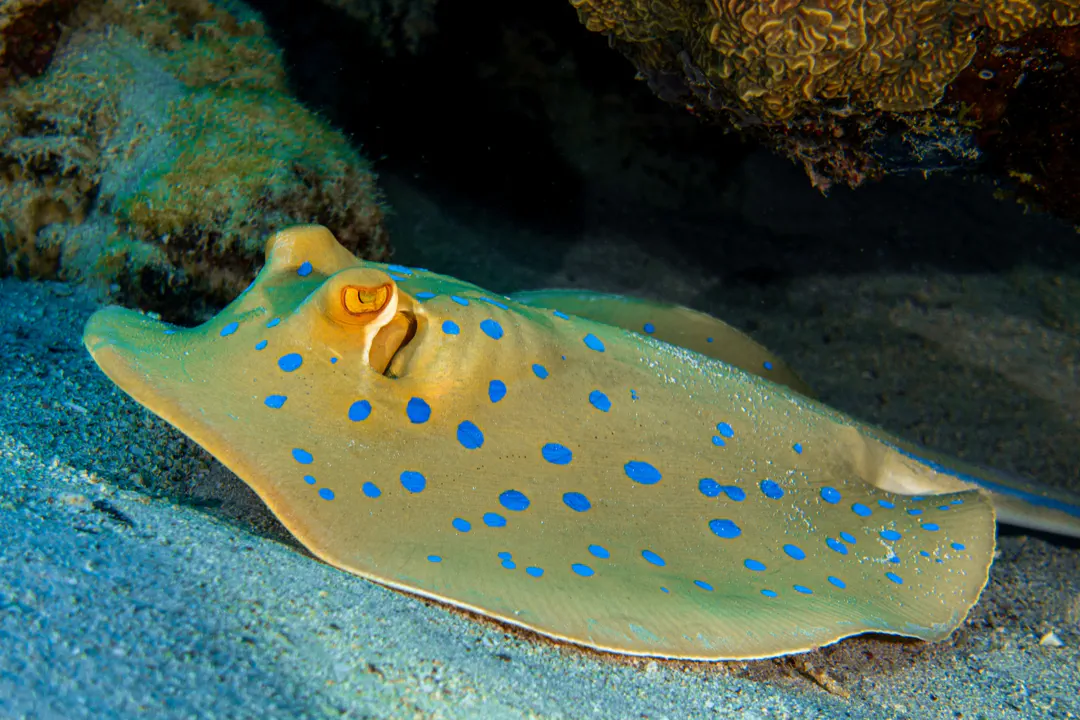
Giant boulders create sheltered eddies where leopard zebra sharks rest on sandy patches at depths of 18 metres. Blue-spotted stingrays wedge under ledge overhangs while schools of chevron barracuda circle open pinnacles. Plankton blooms occasionally draw juvenile whale sharks along deep drop-offs near Koh Tachai and Richelieu Rock.
Currents can turn strong and unpredictable around exposed granite pinnacles, demanding good buoyancy control and situational awareness. Visibility ranges from 15 to 30 metres depending on prevailing tidal shifts. Divers should monitor depth limits closely when swimming through granite cracks that open to deep water.
Depth: 10-35 m. Access: liveaboard boat from Khao Lak. Level: Intermediate. Best months: November-April.
 © Pauline FeyAll rights reserved
 © seabook.appAll rights reserved
 © Dirk FroebelCC BY 4.0 · iNaturalist
 © João D'AndrettaCC BY 4.0 · iNaturalist
 © seabook.appAll rights reserved
 © seabook.appAll rights reserved
Ari Atoll, Maldives: Manta Rays and Whale Sharks
November signals the inter-monsoon shift in the Maldives, driving nutrient-dense water through the deep channels of Ari Atoll. Water temperatures stay between 28°C and 30°C throughout the water column. Plankton accumulates along eastern channel exits, attracting large filter feeders to shallow reef margins.
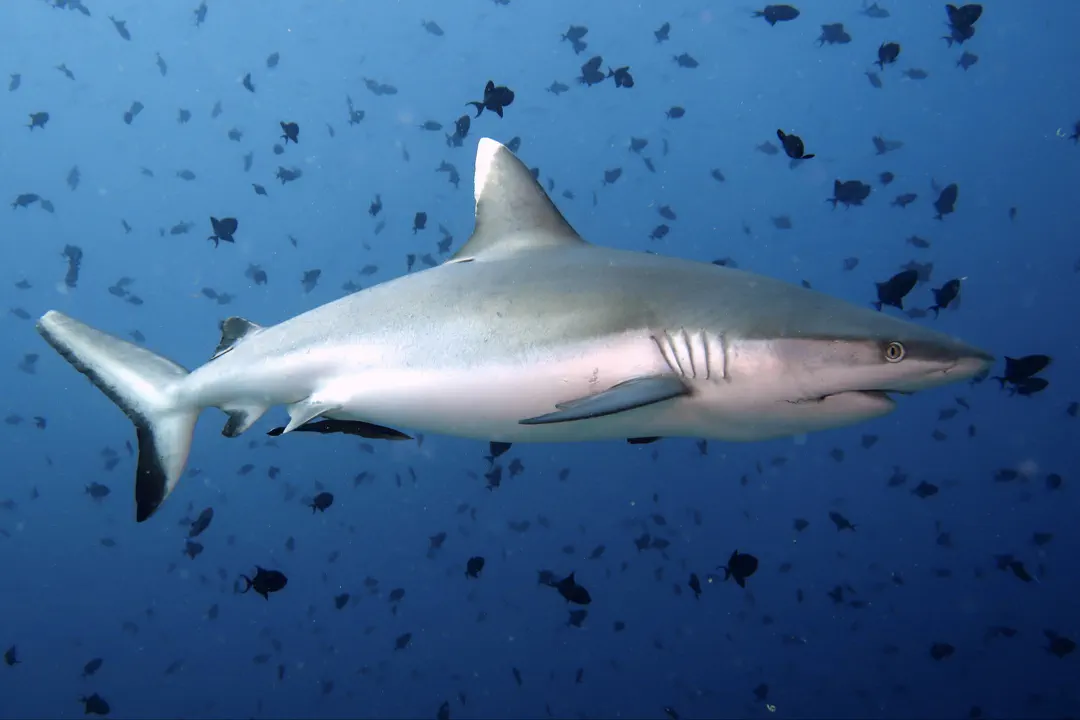
South Ari Atoll remains a critical feeding ground for whale sharks, which cruise slowly at depths between 3 and 15 metres along the outer reef slope. Reef manta rays gather at cleaning thilas, hovering over massive Porites coral heads while labrid wrasses clear their gills. Grey reef sharks and white-tip reef sharks patrol the outer channels where currents accelerate.
Channel diving here involves strong tidal flow, requiring negative entries and occasional reef-hook deployment on plateau edges. Visibility swings between 12 metres in nutrient-heavy channels and 25 metres on calm outer reefs. Divers must maintain a minimum distance of three metres from filter-feeding megafauna during encounters.
Depth: 5-30 m. Access: liveaboard or speedboat from Male. Level: Intermediate to Advanced. Best months: November-April.
 © Daniel BenákCC BY 4.0 · iNaturalist
 © seabook.appAll rights reserved
Red Sea & Daedalus Reef, Egypt: Oceanic Whitetip Season
Offshore Egyptian reefs like Daedalus and Elphinstone enter prime seasonal conditions as water temperatures drop to 26°C-27°C. Air temperatures cool down from summer peaks, providing comfortable conditions on liveaboard sundecks. Vertical drop-offs plunge into depths over 500 metres, swept by steady northerly currents.
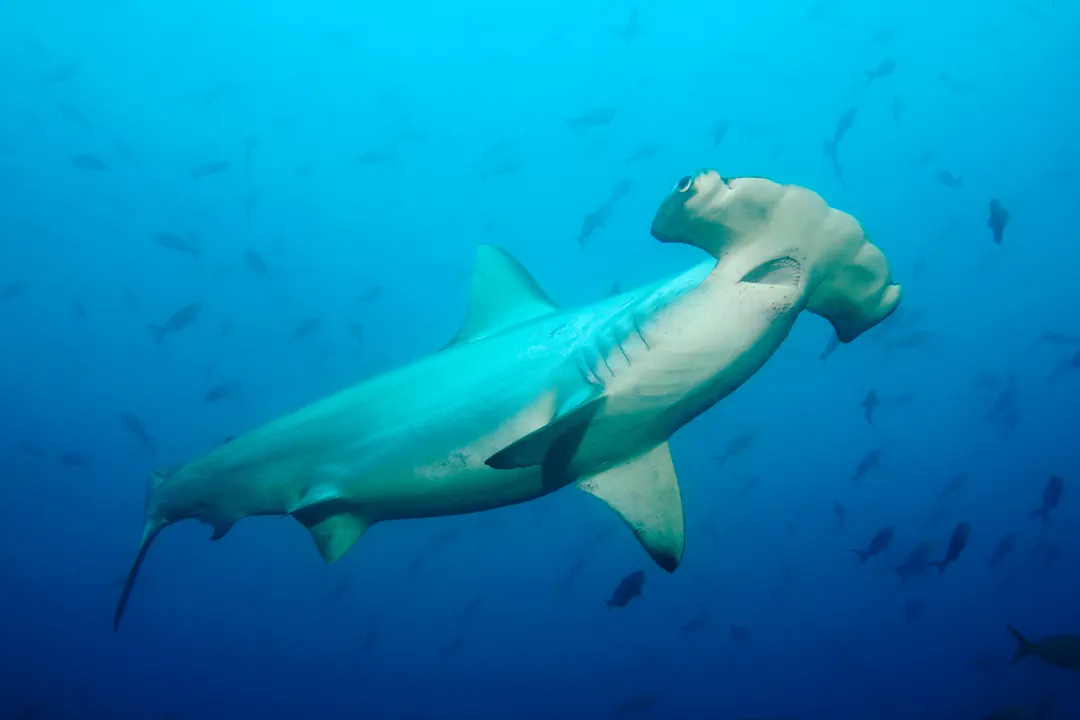
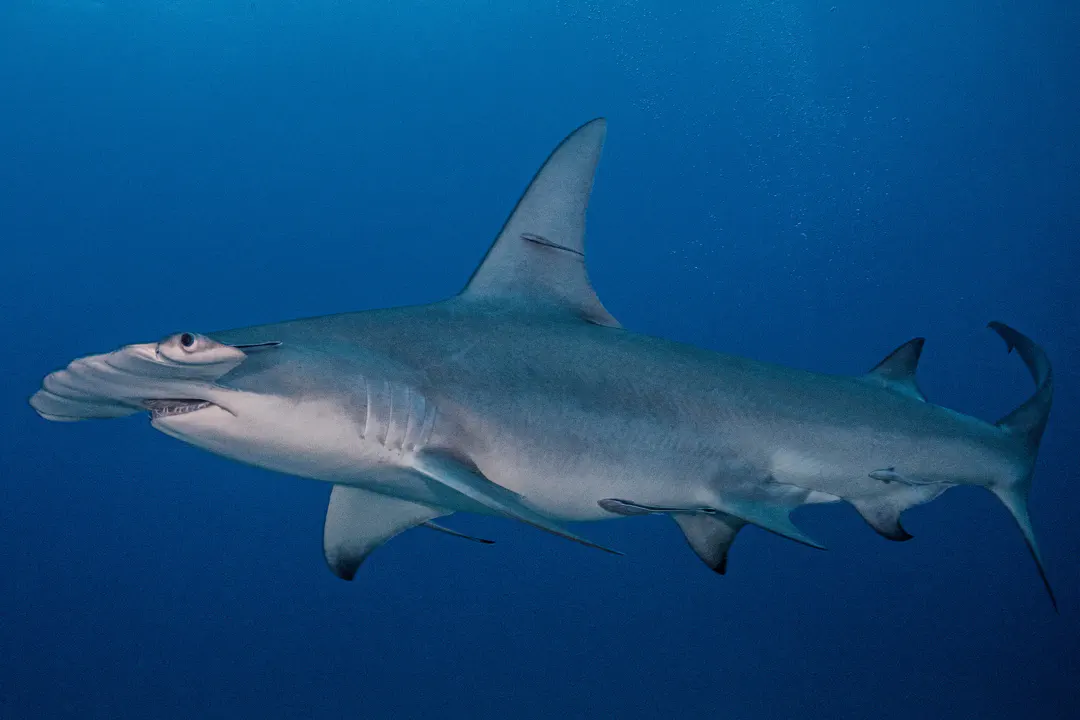
Oceanic whitetip sharks patrol the upper 10 metres of the water column around liveaboard moorings. Schools of scalloped hammerheads often hold in deep currents near the northern point of Daedalus at depths of 30 metres. Endemic Sohal surgeonfish and bright yellow mask butterflyfish defend territory across the hard coral walls.
Strong surface chop and downward currents off reef corners make these sites unsuited for inexperienced divers. Visibility regularly reaches 30 metres, opening broad views down sheer drop-offs. Deploying a delayed surface marker buoy and keeping tight buddy contact are standard safety precautions in open water.
Depth: 5-40 m. Access: liveaboard boat from Marsa Alam. Level: Advanced. Best months: October-November.
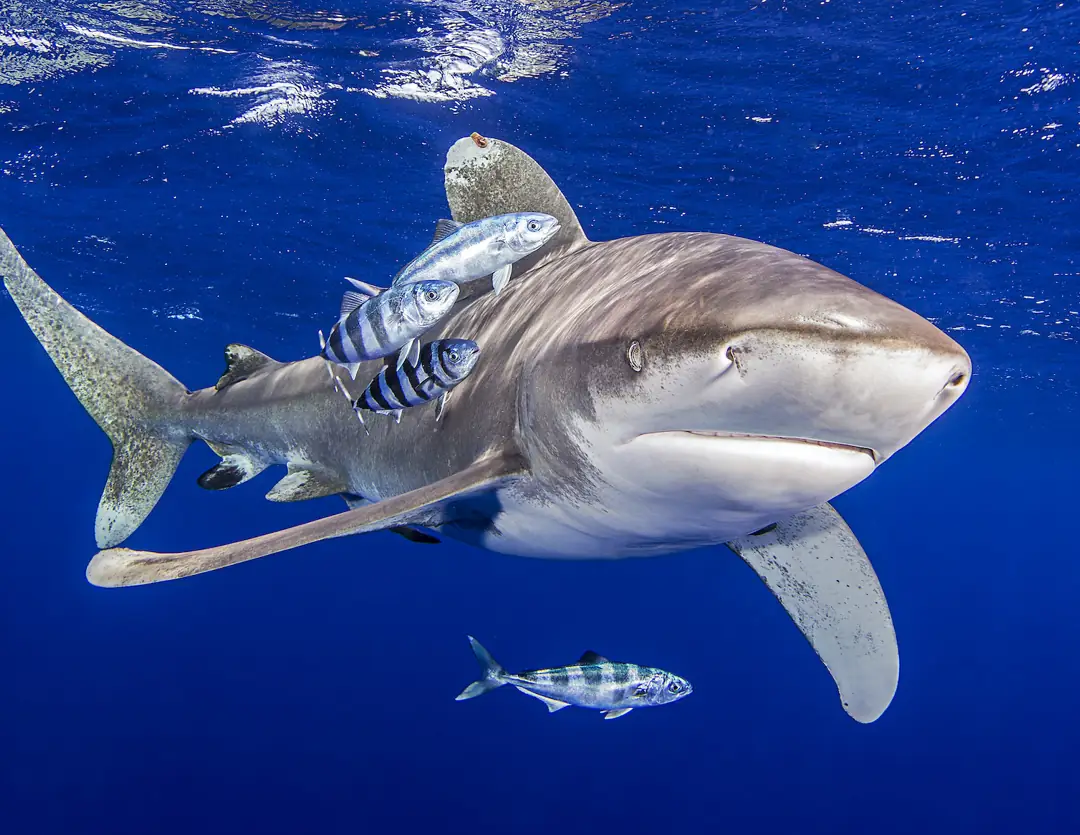 © seabook.appAll rights reserved
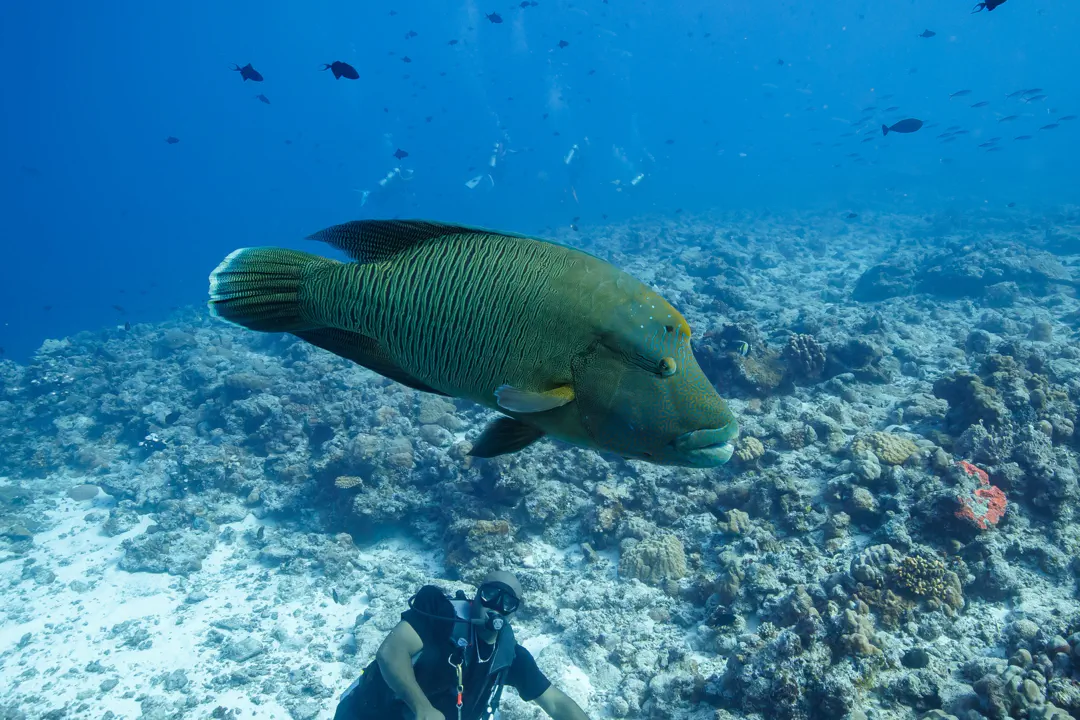 © seabook.appAll rights reserved
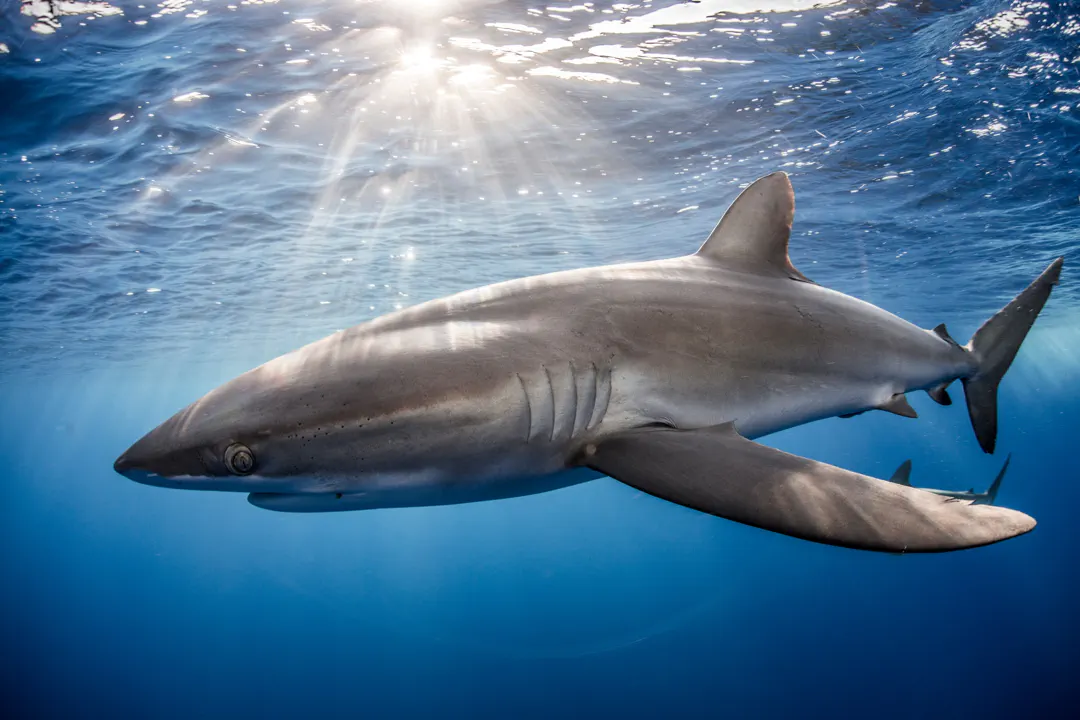 © seabook.appAll rights reserved
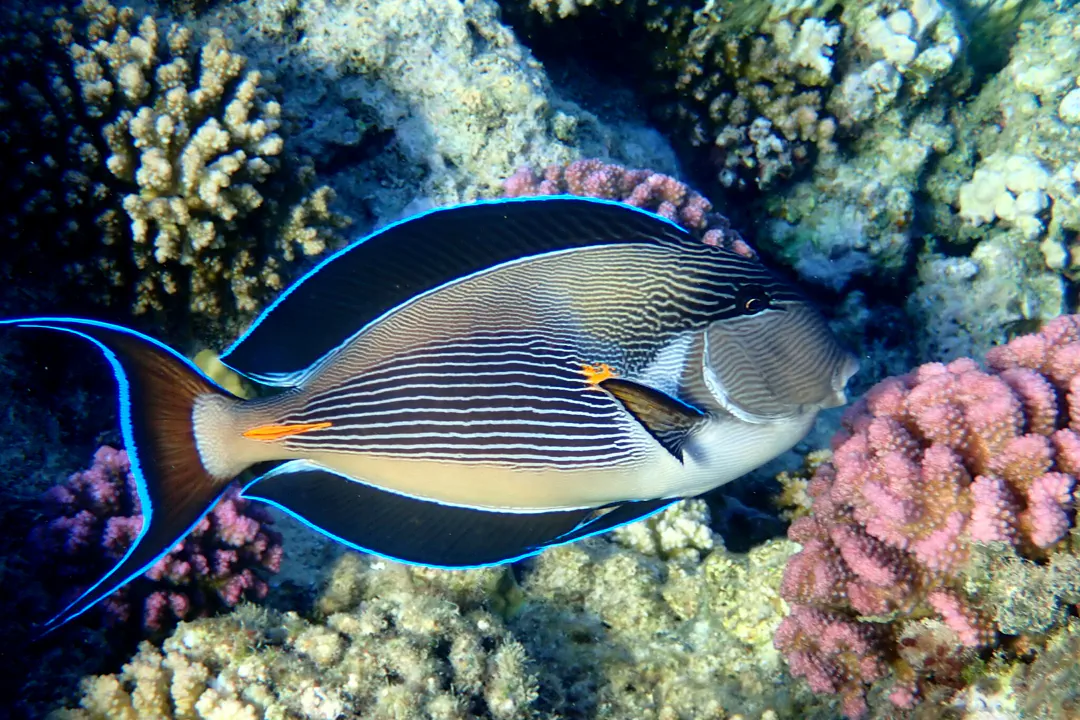 Andrew DeaconCC0 · iNaturalist
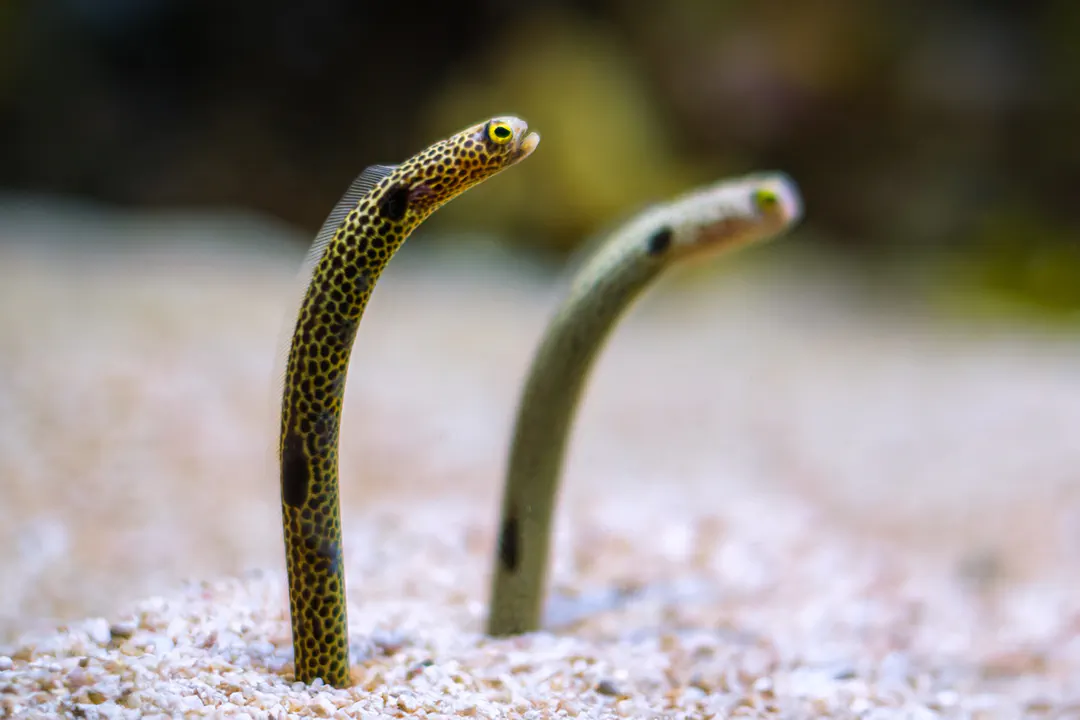 © seabook.appAll rights reserved
Palau, Micronesia: Spawning Aggregations and Blue Corner
Palau's limestone walls and channel passes experience steady 28°C to 29°C sea temperatures during November. The transition into drier trade wind patterns brings clear weather and predictable ocean swells. Strong tidal exchanges pump clear ocean water into the inner lagoon past drop-offs like Blue Corner.
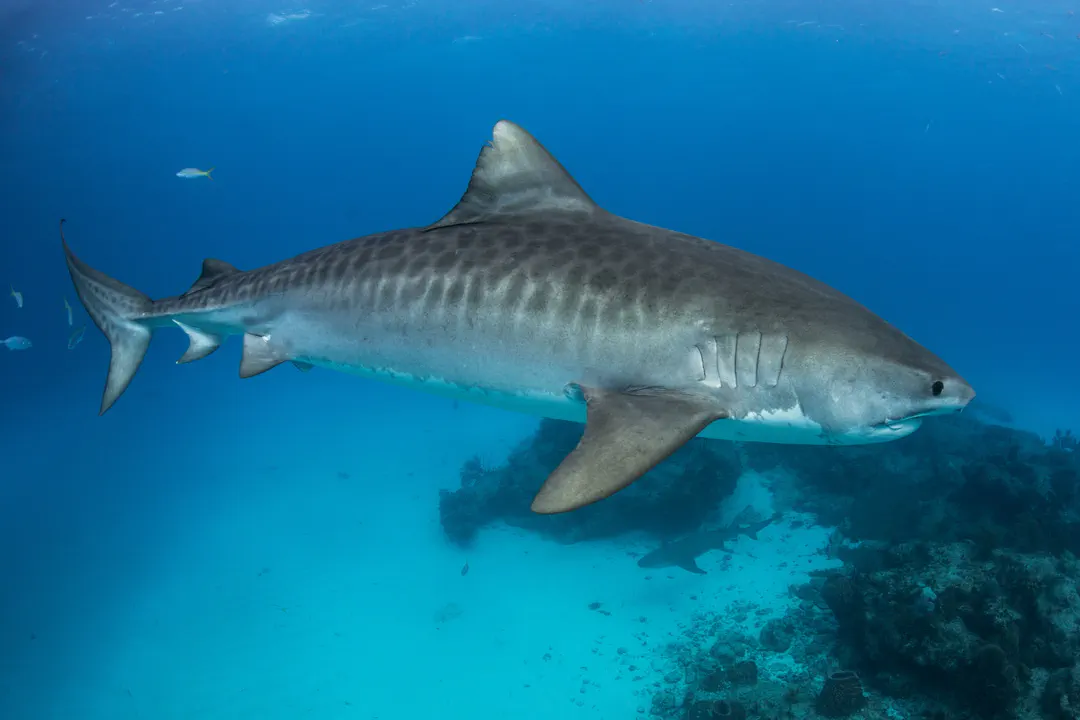
At Blue Corner, incoming tides force divers to clip reef hooks onto rocky ledges at 15 metres while grey reef sharks hunt in the oncoming current. Hundreds of bigeye trevallies form tight silver schooling formations over the plateau edge. Bumphead parrotfish gather in massive schools along outer reef crests during specific lunar phases to release eggs and sperm.
The high-energy drift environment demands confident buoyancy skills and comfort in strong current. Visibility exceeds 30 metres along open wall faces, offering clear sights into deep blue drop-offs. Divers should monitor non-decompression limits carefully when watching pelagic action off deep wall edges.
Depth: 8-30 m. Access: day boat from Koror. Level: Advanced. Best months: October-May.
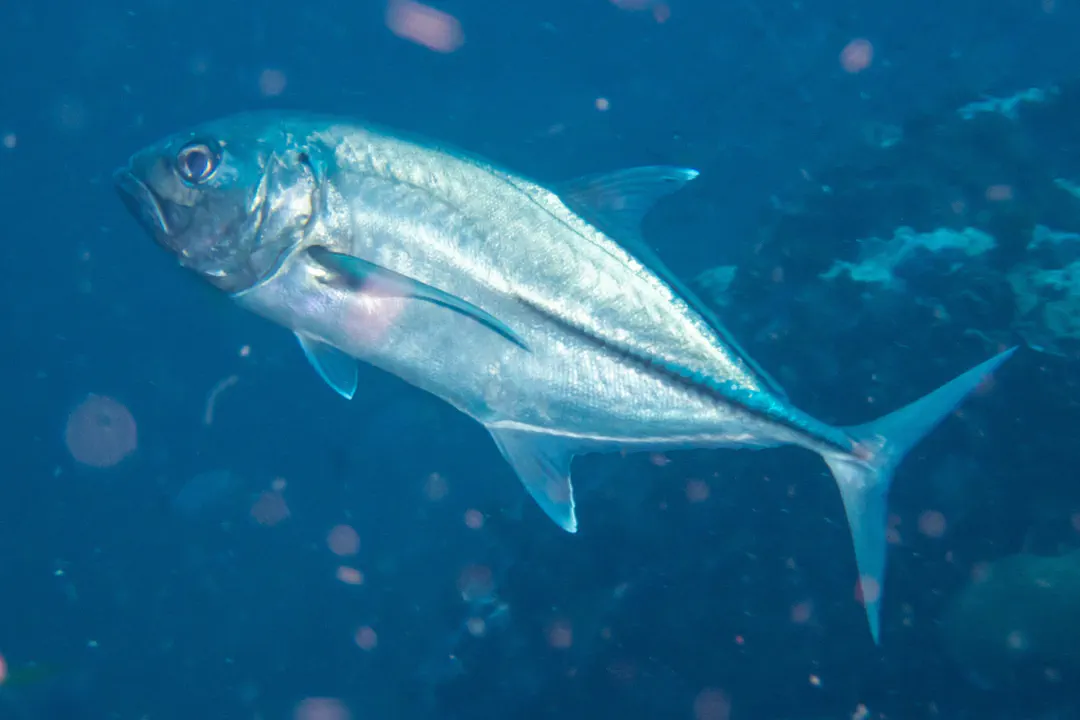 © portioidCC BY 4.0 · iNaturalist
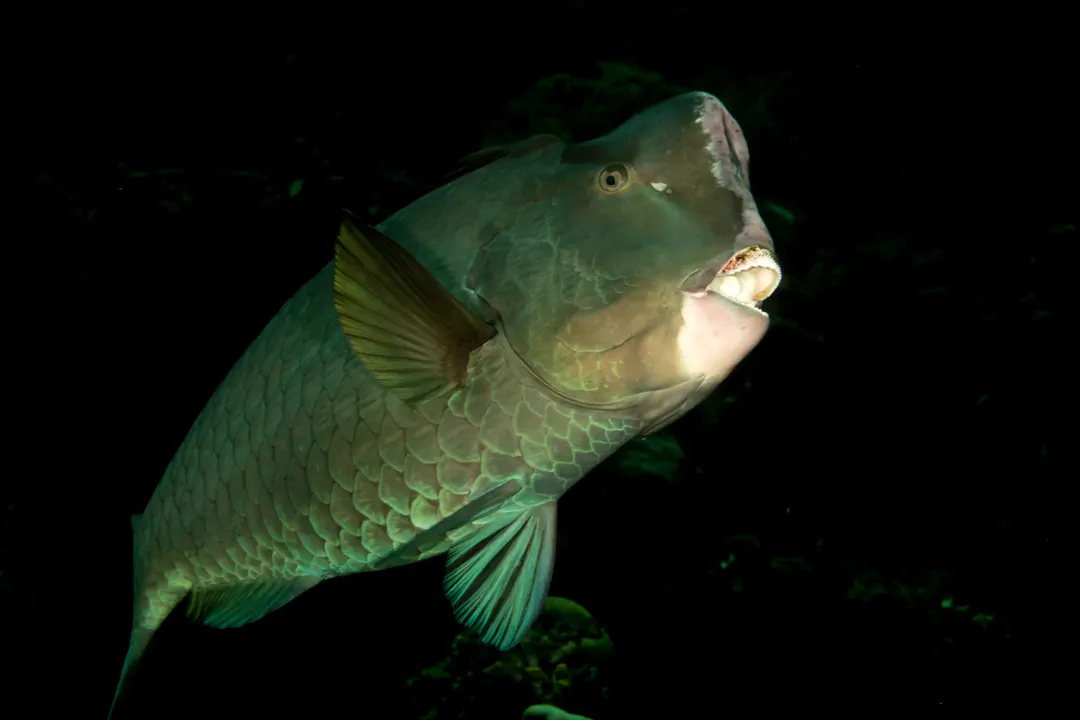 © Rickard ZerpeCC BY 4.0 · iNaturalist
Belize Barrier Reef: Calm Caribbean Diving
November marks the shift to drier winter weather along the Mesoamerican Barrier Reef in Belize. Water temperatures average 27°C to 29°C across outer atolls like Turneffe and Lighthouse Reef. Calmer surface seas allow easy navigation to offshore drop-offs and deep wall sites.
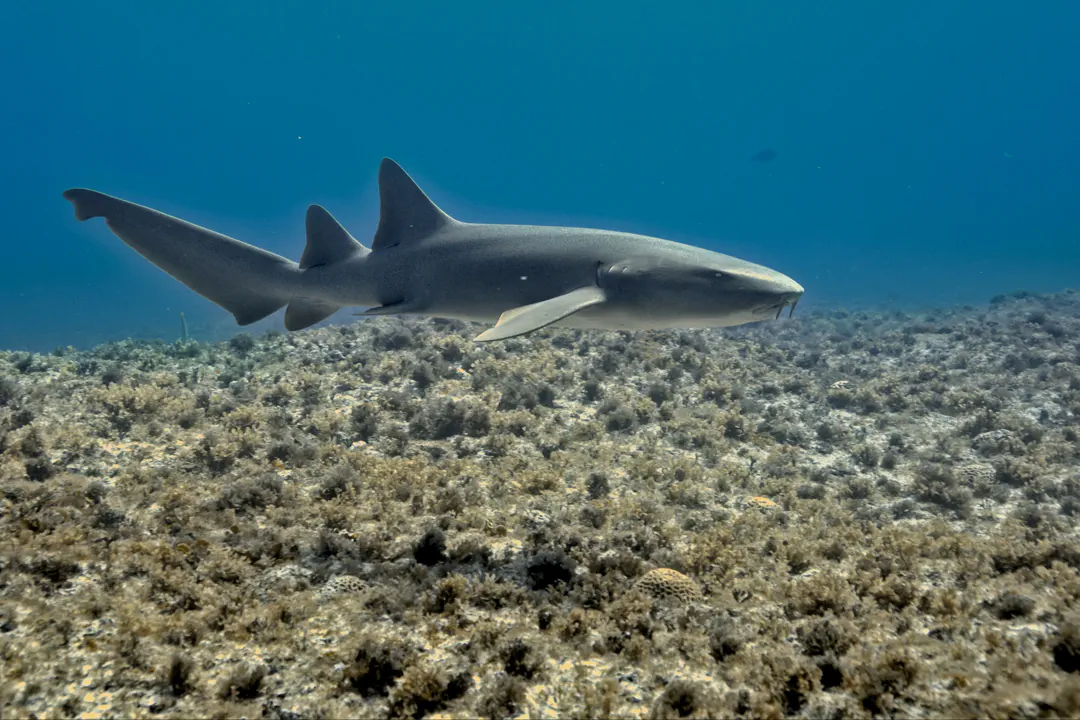
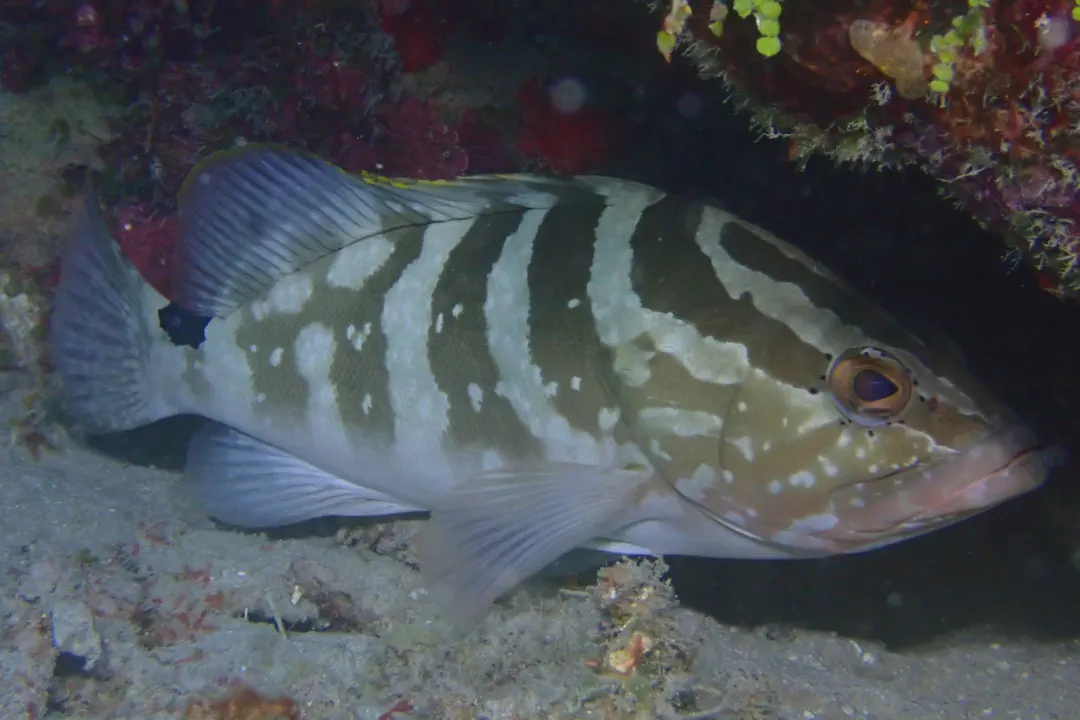
Deep wall crests drop vertically into the Caribbean basin, adorned with giant barrel sponges and deep-water gorgonians. Caribbean reef sharks cruise the wall edges at 20 metres, accompanied by large Nassau groupers and southern stingrays resting in sand channels. Spotted eagle rays glide along wall boundaries in small formations.
Gentle currents make these wall environments accessible, though deep drop-offs require strict depth monitoring. Visibility ranges from 20 to 30 metres over open drop-offs, dropping slightly near shallow mangrove estuaries. Standard 3 mm wetsuits provide adequate thermal protection for multi-dive schedules.
Depth: 10-30 m. Access: day boat or liveaboard from San Pedro or Caye Caulker. Level: Open Water to Advanced. Best months: November-April.
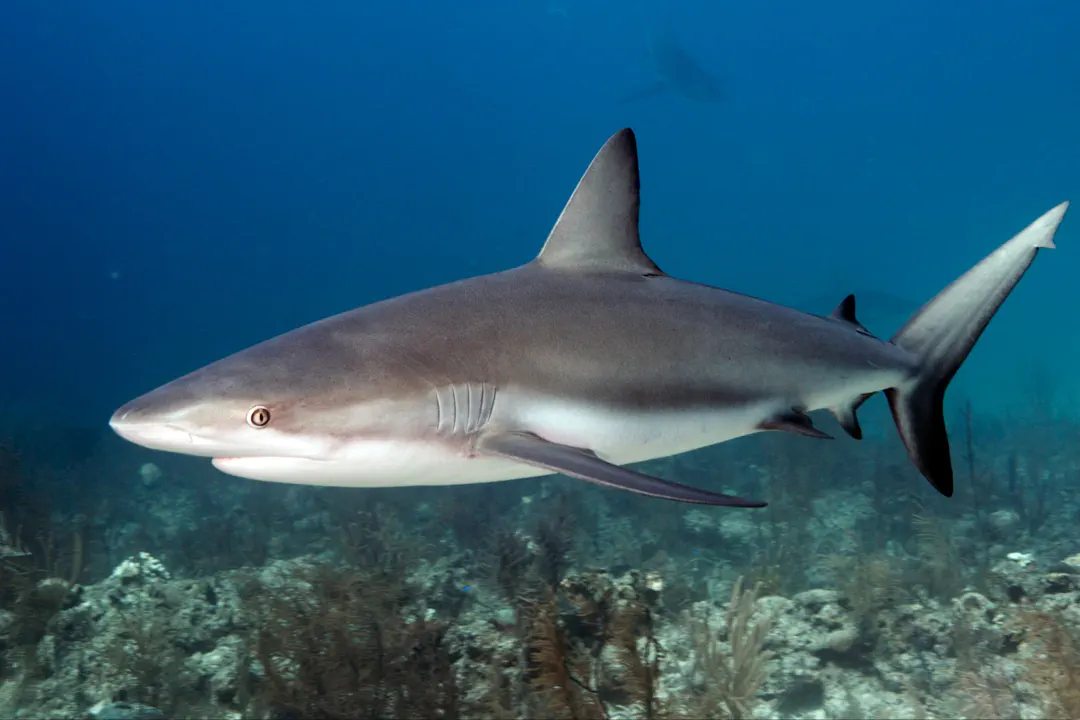 © R VasconcellosCC BY 4.0 · iNaturalist
 © R VasconcellosCC BY 4.0 · iNaturalist
 © Robin WhiteCC BY 4.0 · iNaturalist
 © seabook.appAll rights reserved
 © Dan SchofieldCC BY 4.0 · iNaturalist
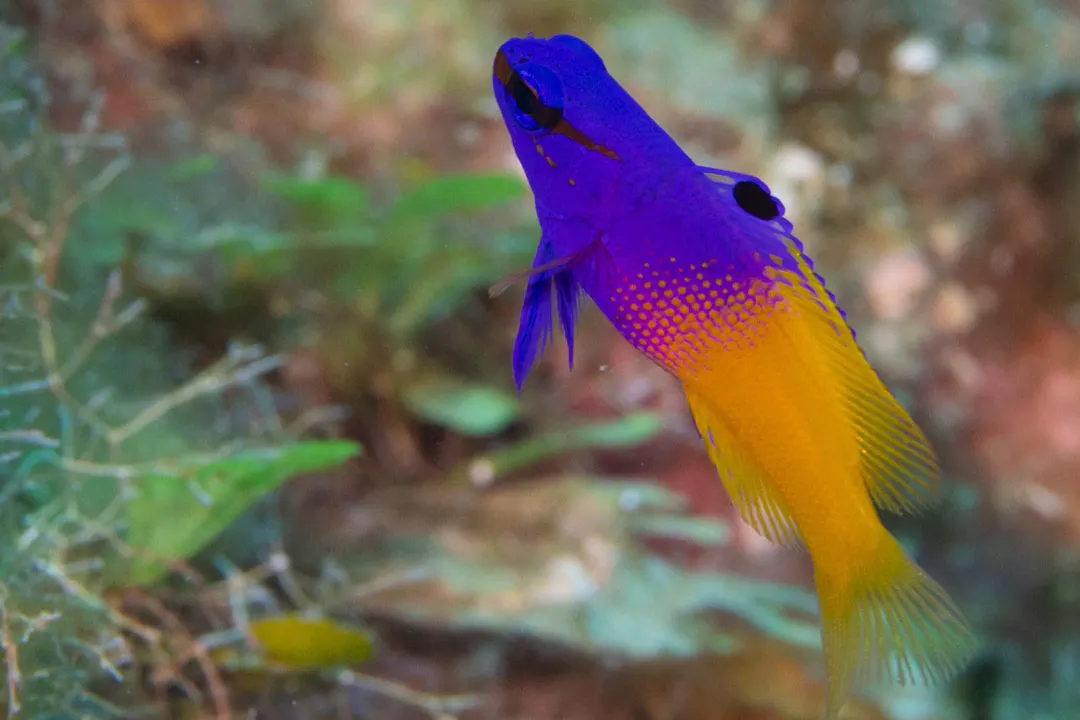 © cello caruso-turielloCC BY 4.0 · iNaturalist
Questions
Where is the best scuba diving in November?
Top global destinations in November include Raja Ampat in Indonesia for coral biodiversity and manta rays, Ari Atoll in the Maldives for whale sharks, Thailand's Similan Islands for newly opened granite reefs, and the Egyptian Red Sea for oceanic whitetip sharks. Seawater temperatures across these regions range from 26°C to 30°C.
Is November a good time to dive in the Maldives?
Yes, November marks the inter-monsoon transition in the Maldives, bringing plankton-rich waters that draw manta rays and whale sharks into Ari Atoll. Water temperatures average 28°C to 30°C, and visibility ranges from 12 to 25 metres depending on local currents.
Can you see whale sharks in November?
Whale sharks are regularly encountered during November at South Ari Atoll in the Maldives and along Thailand's offshore pinnacles near Koh Tachai and Richelieu Rock. Encounter depths typically range between 3 and 15 metres along outer reef edges.
What is the water temperature in the Red Sea in November?
Water temperatures in the Egyptian Red Sea average 26°C to 27°C in November, offering comfortable swimming while attracting pelagic species like oceanic whitetip sharks and hammerheads to offshore reefs such as Daedalus.
Which liveaboard destinations open in November?
Thailand's Similan and Surin Islands National Parks officially open their marine boundaries in November following seasonal monsoon closures. November also launches peak liveaboard itineraries in Indonesia's Raja Ampat region.

