At twenty meters depth along the wall of Barracuda Point, the light dims beneath a rotating ceiling of silver and dark grey. Hundreds of chevron barracudas lock into a spiraling tornado fifty meters wide, their fins flicking against a steady incoming current from the Celebes Sea. Below them, three grey reef sharks drift along the drop-off while a green sea turtle pushes past a coral ledge toward the surface for air.
Scuba diving in Malaysia spans two distinct marine environments across Peninsular Malaysia and Sabah on the island of Borneo. Water temperatures remain between 27°C and 30°C year-round, while underwater visibility ranges from 10 meters on inshore Peninsular reefs to 30 meters along oceanic drop-offs. The primary season for Peninsular destinations like Tioman and the Perhentians runs from April to October during the dry weather. In Sabah, sites like Sipadan can be dived throughout the year, with optimal clarity occurring between April and December.
Key dive sites include Barracuda Point, Turtle Cavern, Tiger Reef, Tokong Laut, and the deep atoll of Layang-Layang. Divers encounter chevron barracudas, green sea turtles, tawny nurse sharks, bumphead parrotfish, and seasonal schools of scalloped hammerhead sharks. Calmer island bays along the east coast suit novice divers and snorkellers, whereas current-swept oceanic walls in Borneo demand experience and precise buoyancy control.
What Is Diving in Malaysia Like?
Malaysia's underwater territory splits into two distinct ecological zones separated by the South China Sea. Peninsular Malaysia’s eastern coastline features shallow fringing reefs, granite boulder formations, and protected island bays. These sheltered habitats foster dense soft corals, sea anemones, and small reef organisms in depths rarely exceeding thirty meters. In contrast, the Malaysian state of Sabah on Borneo faces deep oceanic trenches and open sea basins.
Off the eastern coast of Sabah, submerged volcanic geography creates sudden transitions from shallow coral beds to deep abyssal drop-offs. Sipadan stands as a volcanic oceanic feature rising six hundred meters from the Celebes Sea floor, bringing open-ocean pelagic species within meters of shore. Nearby islands like Mabul and Kapalai sit on shallow continental shelves where fine sand, seagrass beds, and artificial structures host specialized benthic critters.
This dual geography shapes two entirely different underwater experiences within a single nation. Peninsular sites present gentle conditions with minimal current, making them practical locations for marine park exploration. Bornean sites demand attention to moving water, depth awareness, and oceanic upwellings that draw large schooling predators. Understanding these regional differences helps divers match their training levels with appropriate marine habitats.
Best Time to Dive in Malaysia
Monsoon wind patterns establish the seasonal rhythm for diving across Peninsular Malaysia's eastern coastline. Between November and February, the northeast monsoon brings strong winds, heavy rainfall, and rough seas to islands such as Tioman, Redang, and the Perhentians. Most dive centers in Peninsular Malaysia close their operations during these months as sea transport becomes unsafe and underwater visibility drops significantly.
The operating season for Peninsular Malaysia begins in March and runs through October, with peak conditions occurring from May to August. During these summer months, calm surface conditions, minimal rainfall, and underwater visibility between ten and twenty meters prevail across the marine parks. Sunlight penetrates deep into the shallow bays, providing ideal light for observing reef structures and fish behavior.
Sabah’s diving destinations experience less impact from the northeast monsoon, allowing operations to run throughout the year. At Sipadan and its surrounding islands, underwater visibility varies between fifteen and thirty meters, reaching its highest clarity from April to December. Layang-Layang Atoll operates on a strict seasonal window from March to August, with the spring months of March to May offering the highest probability of encountering scalloped hammerhead schools.
Malaysia Water Temperature by Month
Seawater temperatures in Malaysia remain stable throughout the year, hovering consistently between 27°C and 30°C across both regions. Surface waters rarely chill, making full-body exposure suits unnecessary for thermal insulation on short single dives. A standard 3mm wetsuit or a lightweight rashguard provides adequate protection against sun exposure, stinging hydroids, and coral scrapes in these warm conditions.
Thermoclines occasionally occur on deeper wall dives along Sabah’s oceanic drop-offs, dropping local water temperatures by two or three degrees. Divers staying at depths below twenty meters for extended periods or conducting three to four dives daily may experience gradual thermal loss over several days. In these circumstances, choosing a 3mm or 5mm suit prevents mild hypothermia during repetitive dive schedules.
Local upwellings bring nutrient-rich cool water from the depths around oceanic pinnacles and deep walls, particularly between March and May. These temperature shifts trigger increased pelagic activity, drawing schooling fish and large sharks into shallower depths. Monitoring water temperature changes during deep descents gives divers early clues to incoming currents and shifting wildlife movements.
Water temperature
Malaysia, monthly average
Popular diving area around Tioman Island (Peninsular Malaysia east coast), surface temperatures; East Malaysia (e.g. Sipadan) similar but slightly warmer in peak months
From the community's dive logs
What divers log in Malaysia
From 50 dives logged by 22 Seabook divers. What this group recorded, not a verdict on the destination.
Months these logs come fromwhen people dived, not when it is best
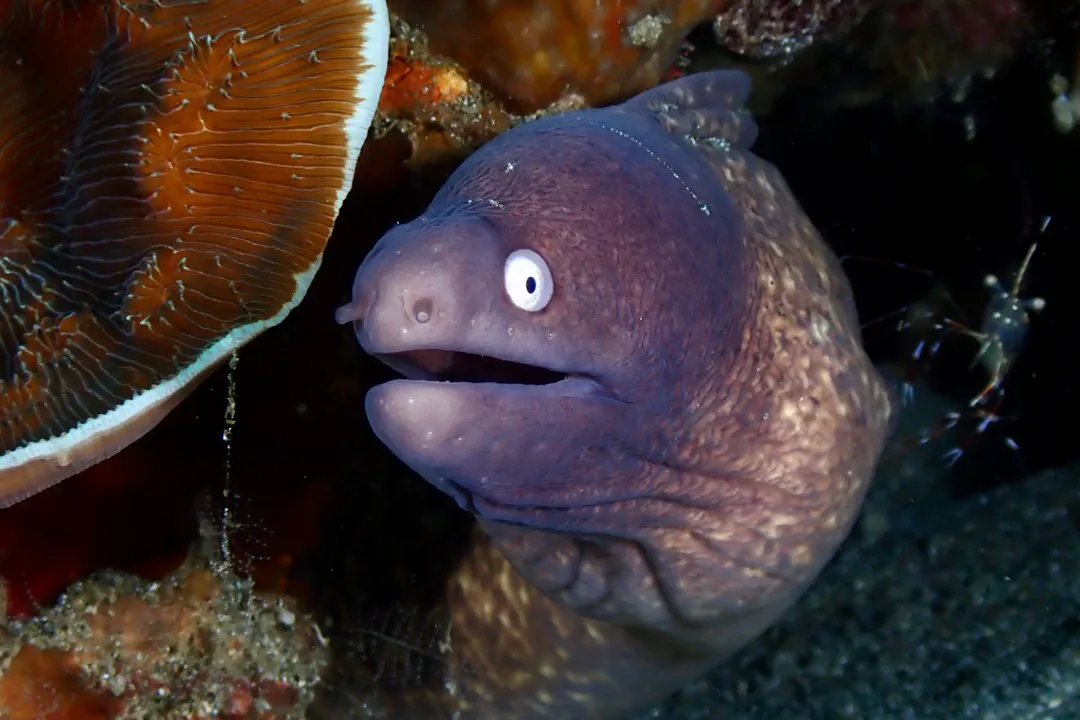
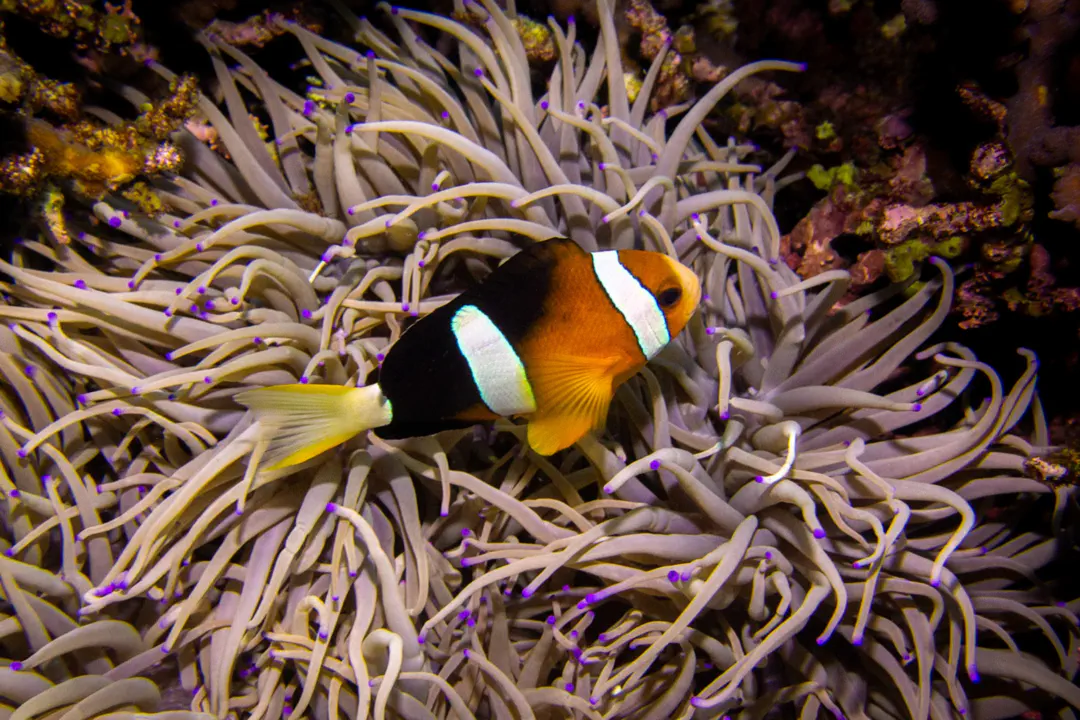
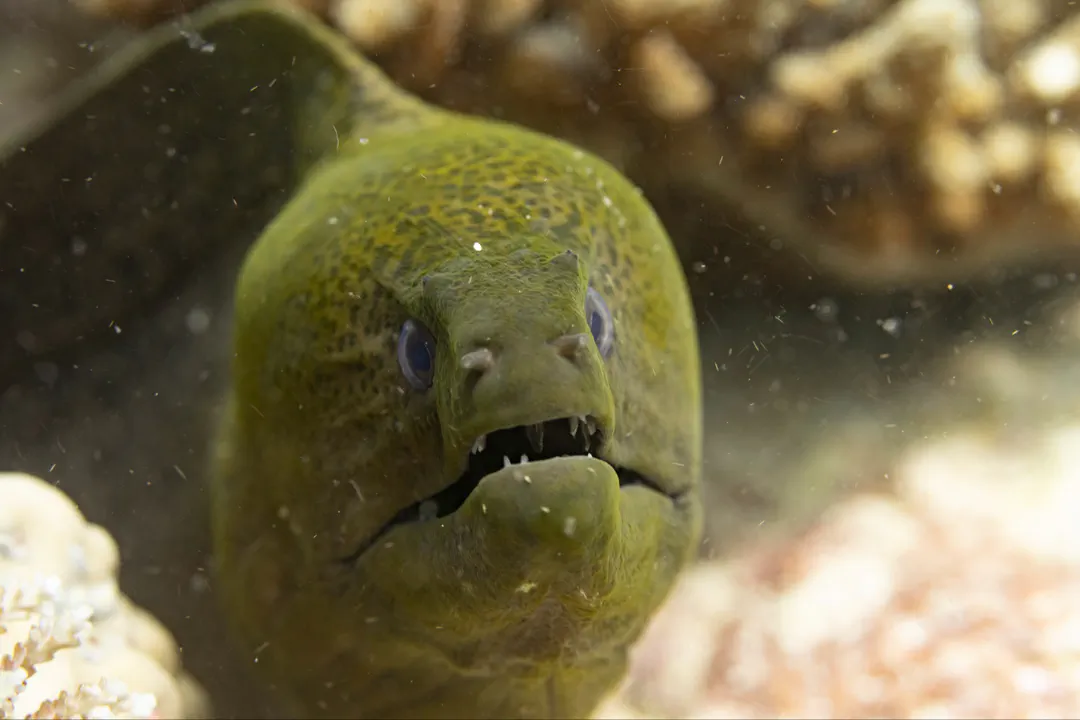
Most-logged marine lifedivers who logged it
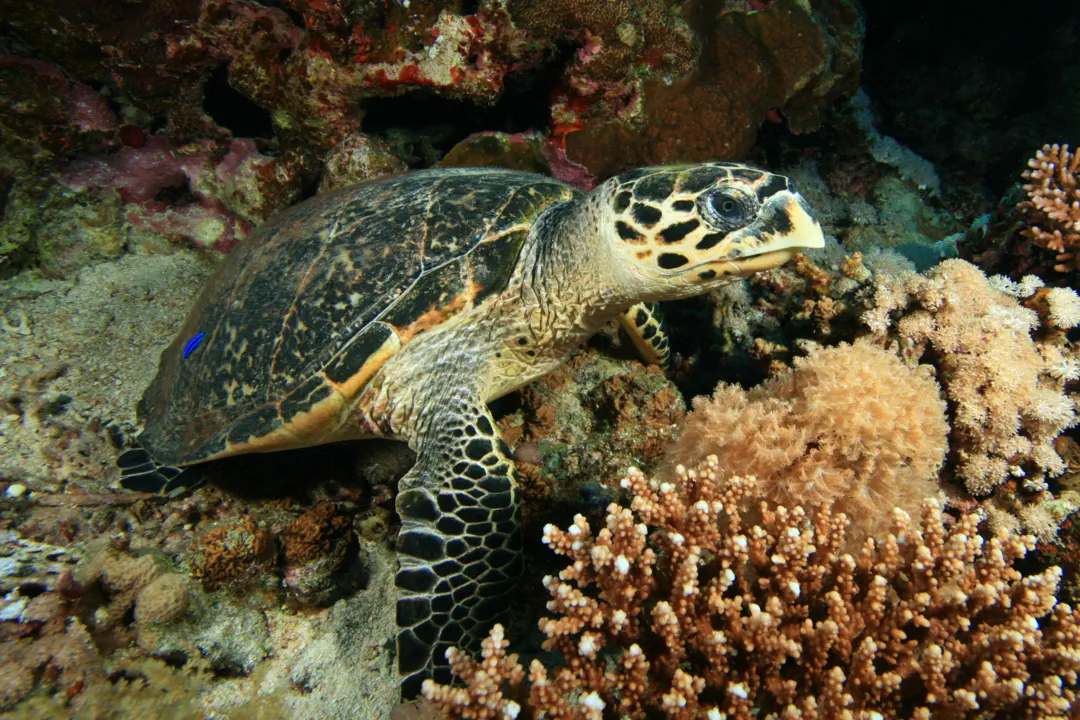 © seabook.appAll rights reserved 6 divers
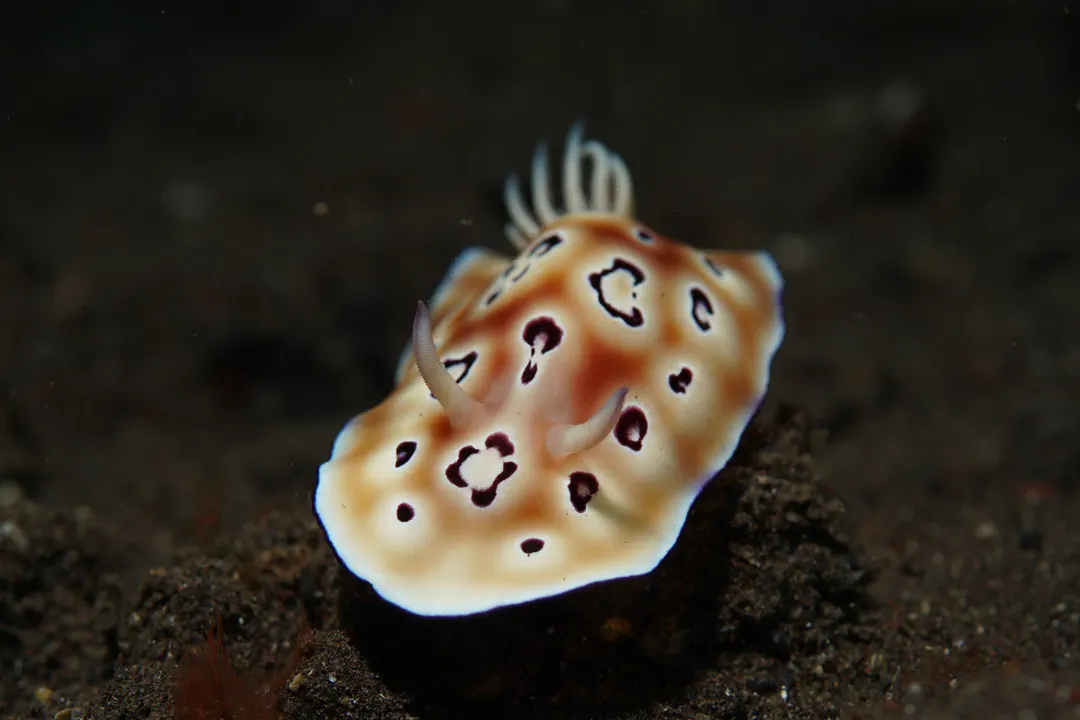 © Stas KuryanAll rights reserved 4 divers
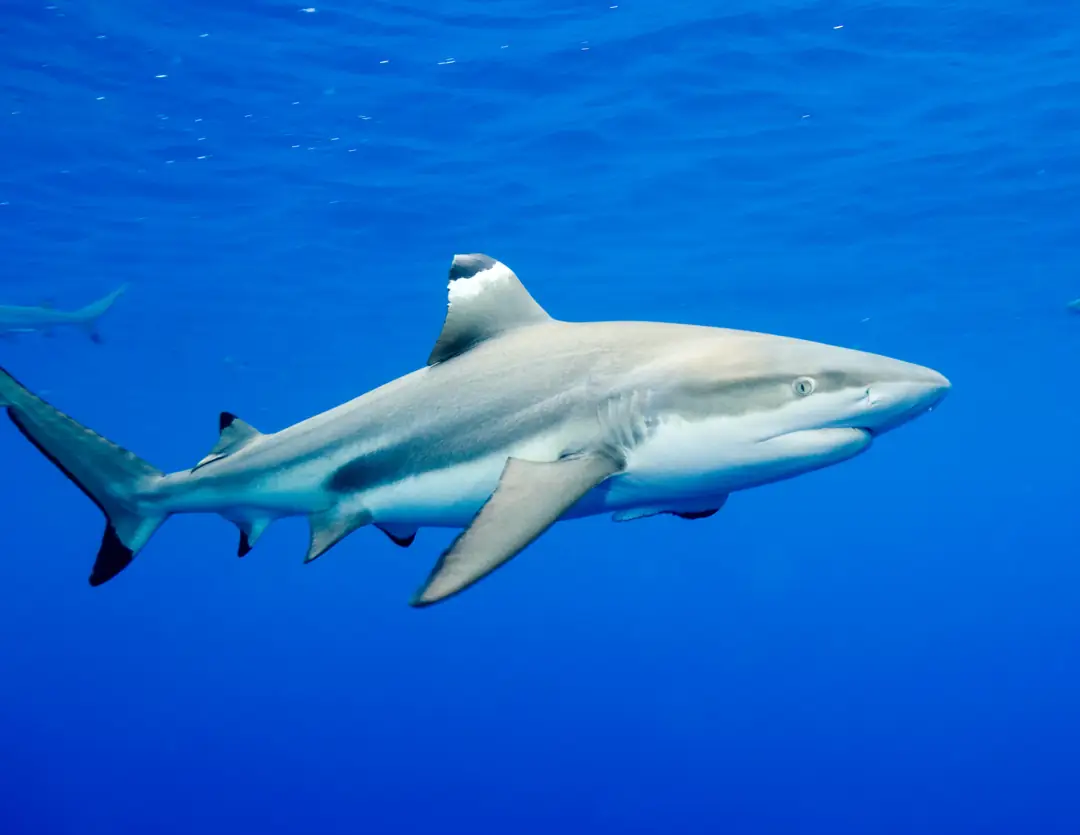 © seabook.appAll rights reserved 3 divers
 © Stas KuryanAll rights reserved 3 divers
Best Dive Sites in Malaysia
Barracuda Point (Sipadan): swarming barracudas and grey reef sharks
Barracuda Point rests on the northern tip of Sipadan, where open-ocean currents sweep across a shallow coral saddle before plunging into deeper water. The current pushes nutrient-packed water along the reef crest, attracting massive aggregations of schooling fish. Divers descend along a sloping wall covered in hard corals to encounter thousands of chevron barracudas (Sphyraena qenie) moving as a single synchronized mass.
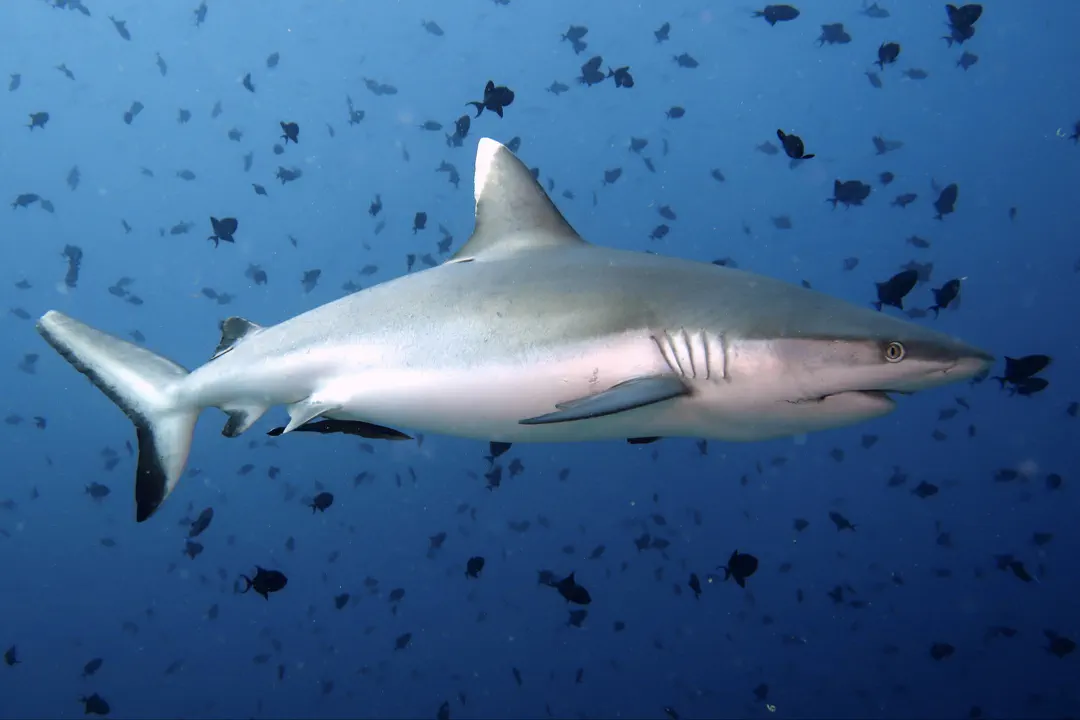
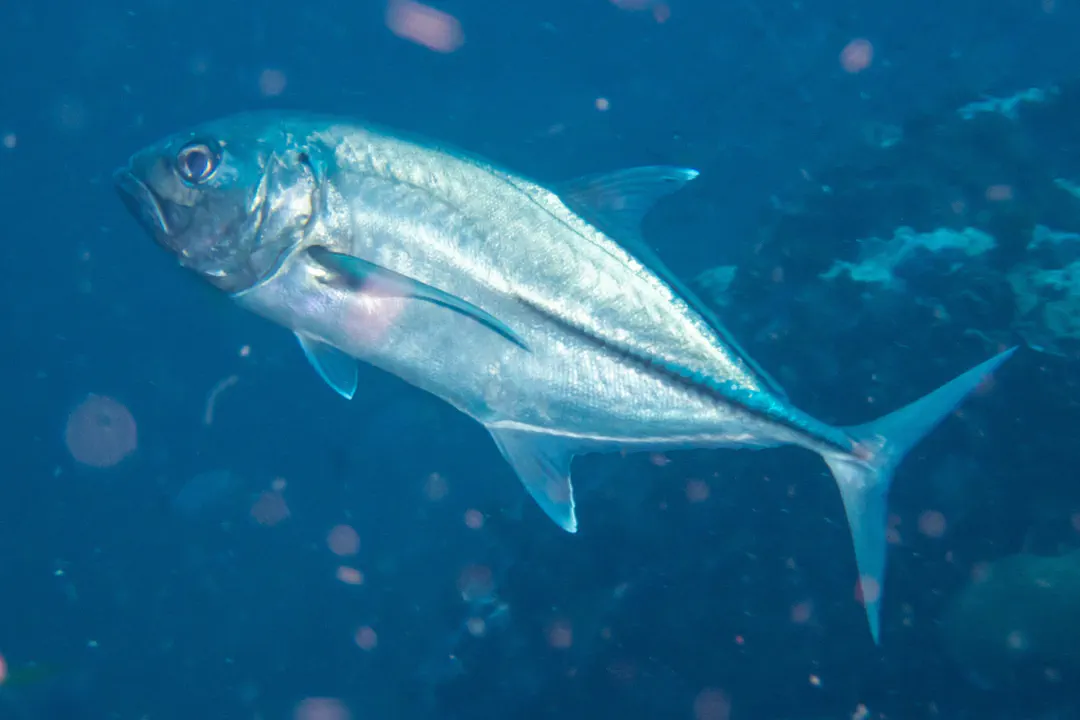
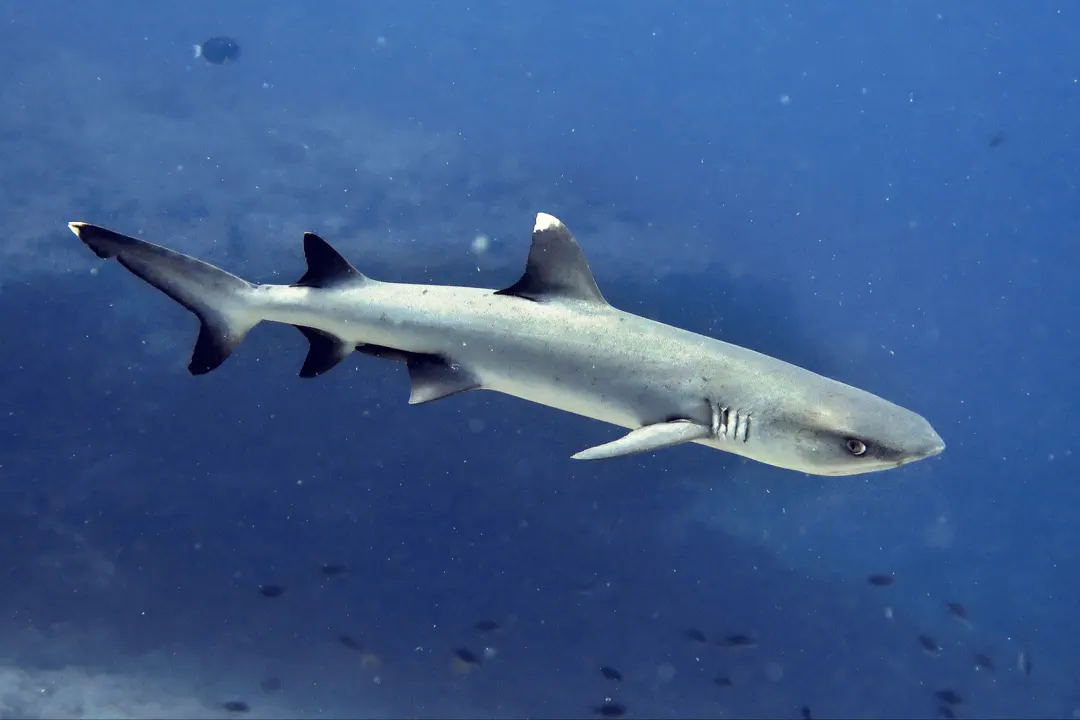
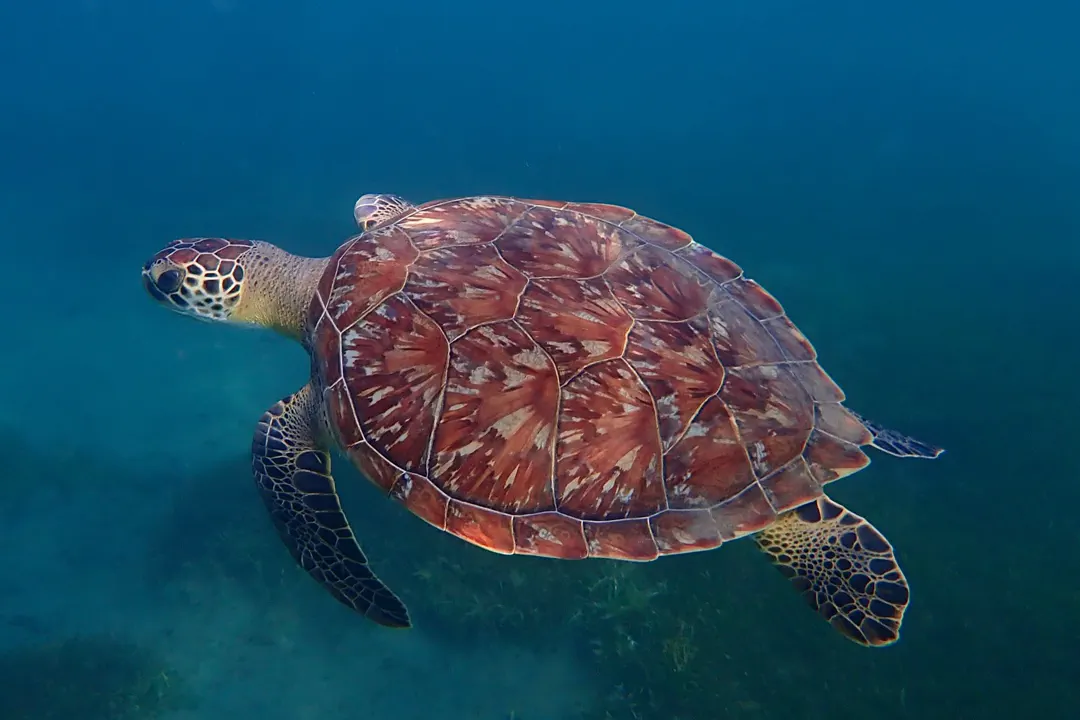
Grey reef sharks (Carcharhinus amblyrhynchos) cruise the outer edge of the current line, while whitetip reef sharks (Triaenodon obesus) lie resting on sandy patches below the main drop. Dense schools of bigeye trevally (Caranx sexfasciatus) coil into reflective silver cylinders nearby, shifting shape as divers approach. Resident green sea turtles (Chelonia mydas) move steadily between the wall and the open water, while occasional humphead wrasses (Cheilinus undulatus) inspect the reef edge.
Currents at this point can shift rapidly in strength and direction, creating down-currents or sweeping divers away from the main wall. Divers must monitor their buoyancy carefully, stay close to the reef structure, and follow local guide instructions closely. Maintaining distance from the schooling barracudas ensures the school remains intact rather than breaking apart into open water.
Depth: 5–30 m. Access: boat, 20 minutes from Mabul Island. Level: Advanced Open Water. Best months: April–December.
 © portioidCC BY 4.0 · iNaturalist
 © Daniel BenákCC BY 4.0 · iNaturalist
 © portioidCC BY 4.0 · iNaturalist
 © Daniel BenákCC BY 4.0 · iNaturalist
 © Matteo BellucciCC BY 4.0 · iNaturalist
 © seabook.appAll rights reserved
Turtle Cavern (Sipadan): resident green sea turtles and bone graveyard
Turtle Cavern opens into Sipadan’s vertical wall at a depth of twenty-two meters, leading into an intricate chamber system. The cavern system extends back into darkness, where fine sediment coats the rock floor and ancient sea turtle remains lie undisturbed. Outside the entrance, the vertical wall falls into the blue, providing shelter for resting reptiles and schooling reef fish.
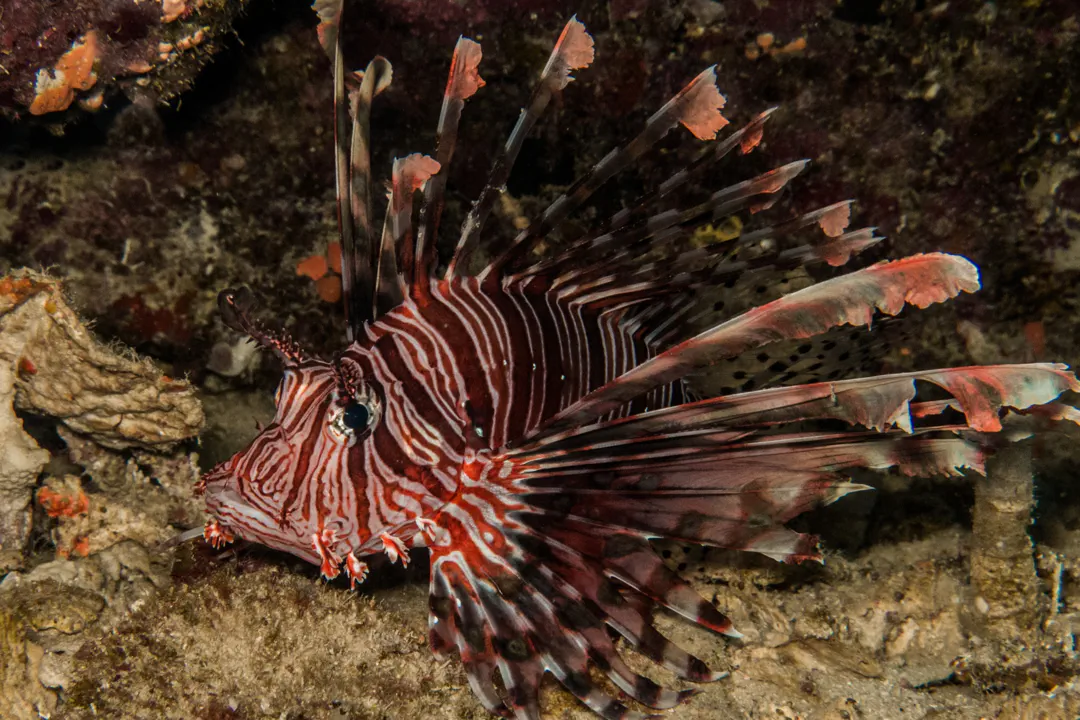
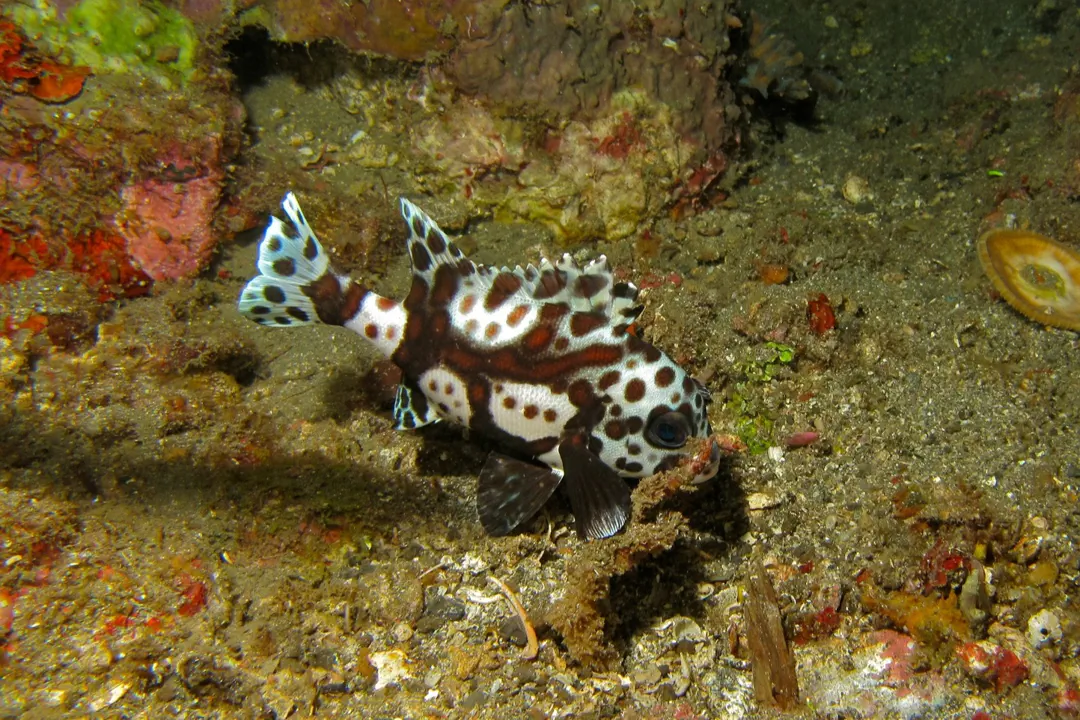
Green sea turtles (Chelonia mydas) and hawksbill sea turtles (Eretmochelys imbricata) frequent the wall near the cavern mouth, often resting on narrow ledges or swimming slowly along the drop. Berndt’s soldierfish (Myripristis berndti) cluster in shadowy crevices, their large eyes adapted to low-light conditions. Harlequin sweetlips (Plectorhinchus chaetodonoides) hang in small groups near overhangs, while red lionfish (Pterois volitans) flare their venomous spines against the rock face.
Entering the inner cavern requires cavern or cave certification, redundant air supplies, and direct guide supervision due to total darkness and silt hazards. Uncertified divers can safely explore the cavern entrance and outer wall, where natural light illuminates the reef structure. Buoyancy precision is necessary near the entrance to prevent kicking up fine silt that reduces visibility for other divers.
Depth: 15–22 m (entrance). Access: boat, 20 minutes from Mabul Island. Level: Advanced Open Water / Cavern Certified for entry. Best months: April–December.
© seabook.appAll rights reserved 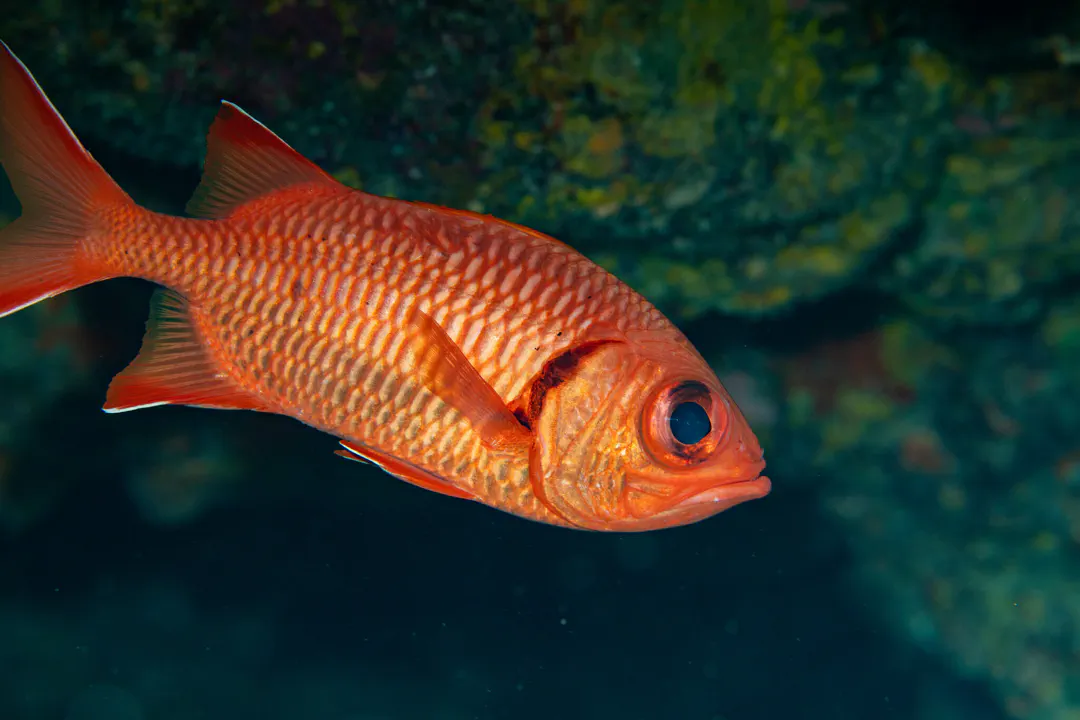 © cello caruso-turielloCC BY 4.0 · iNaturalist
 © João D'AndrettaCC BY 4.0 · iNaturalist
 © Bernard DUPONTCC BY 4.0 · iNaturalist
Drop Off (Sipadan): vertical walls and pelagic species
Located just ten meters off the sandy beach of Sipadan, the Drop Off plunges straight down into a six-hundred-meter underwater abyss. The transition from shallow sand to vertical wall happens within a few fin kicks, allowing divers to drop directly into deep water from the shore entry area. Morning light illuminates the upper reef crest, where soft corals and sea fans cling to the vertical rock face.
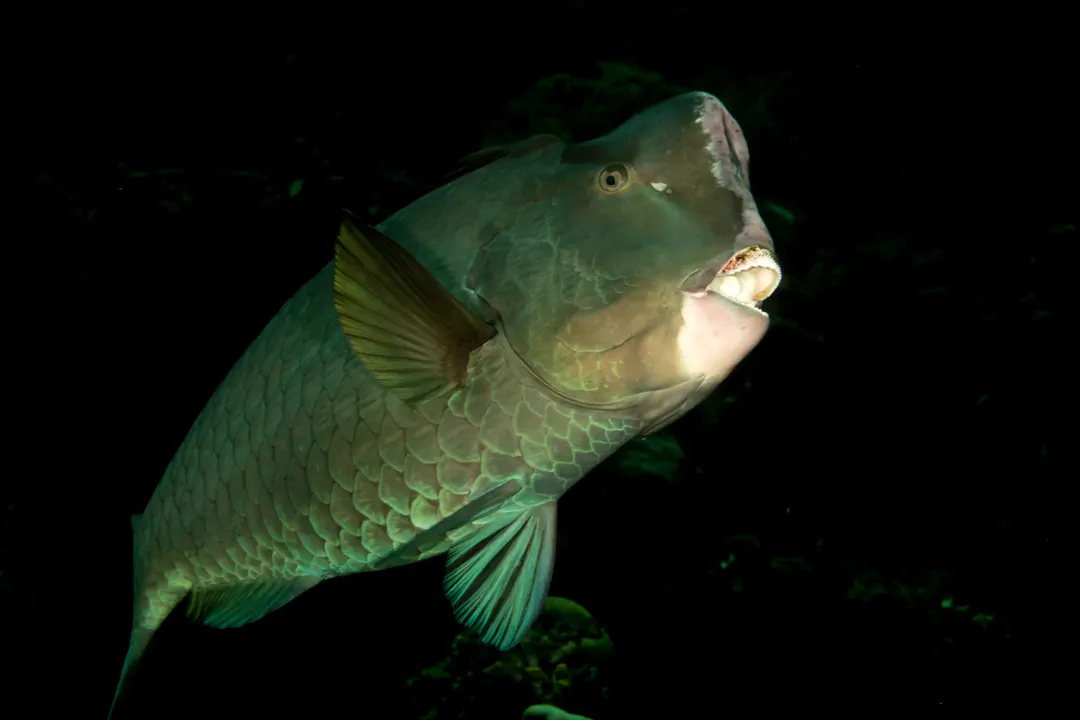
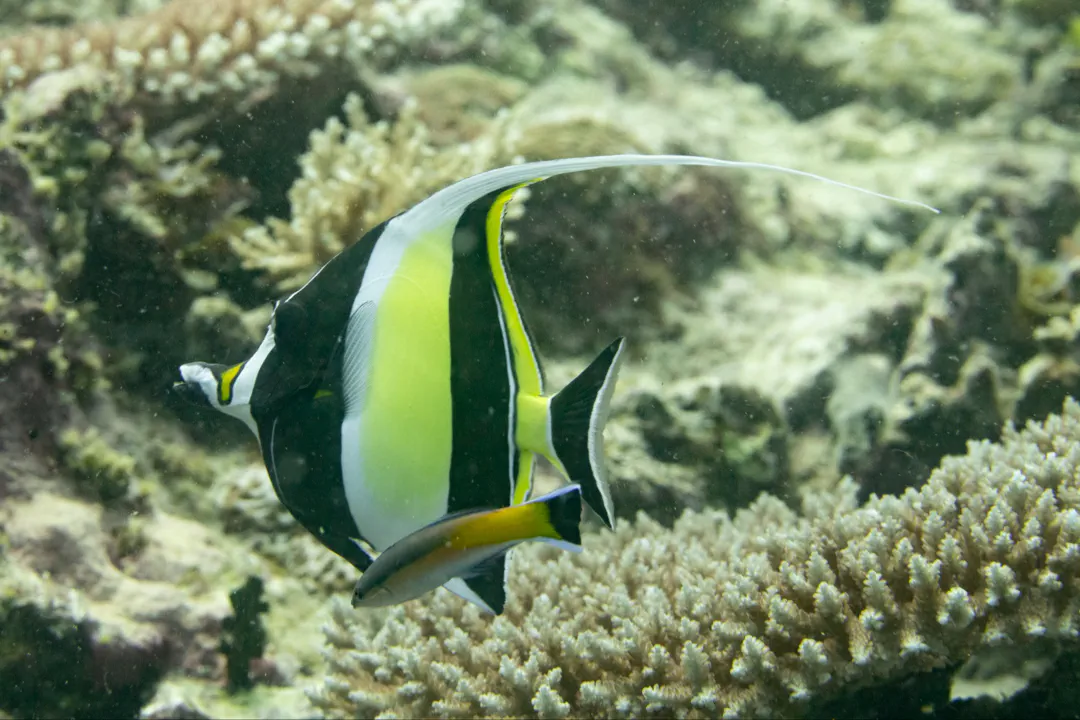
Early morning dives at the Drop Off frequently reveal herds of bumphead parrotfish (Bolbometopon muricatum) emerging from the deep to crunch on hard coral heads. Whitetip reef sharks (Triaenodon obesus) patrol the wall ledges, while green sea turtles (Chelonia mydas) rest in small rocky alcoves. Moorish idols (Zanclus cornutus) sweep across the wall in small groups, their long dorsal filaments trailing through clear water.
The immense depth beneath the Drop Off provides no visual ocean floor to gauge descent, making computer monitoring vital for maintaining safe depth limits. Divers must control their trim and breathing to prevent unintended descent down the sheer wall face. Ascending slowly along the shallow wall top provides a natural safety stop surrounded by marine life.
Depth: 3–30 m. Access: shore or boat, 20 minutes from Mabul Island. Level: Open Water. Best months: April–December.
 © Rickard ZerpeCC BY 4.0 · iNaturalist
 © cello caruso-turielloCC BY 4.0 · iNaturalist
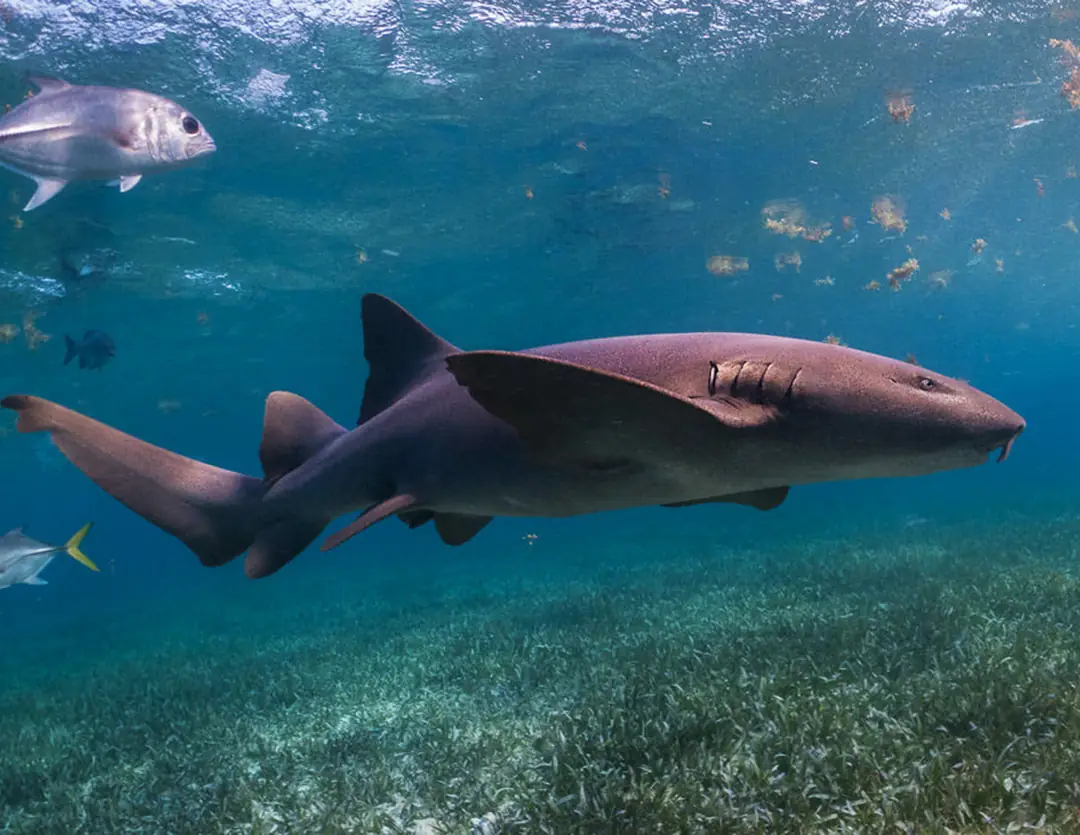
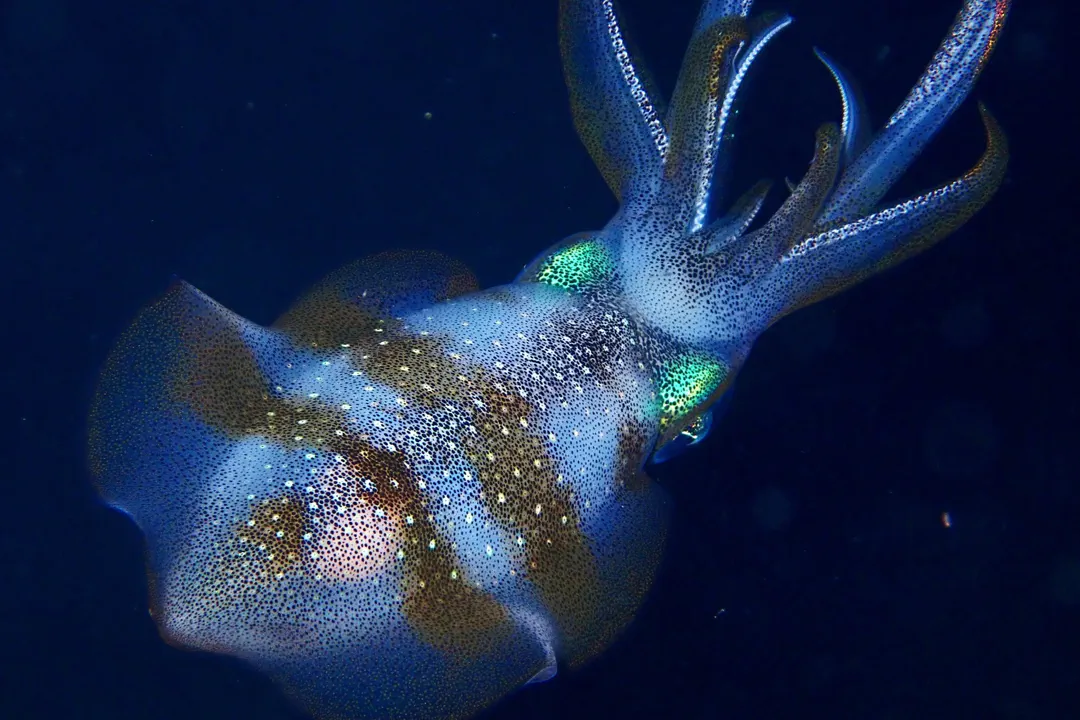
Tiger Reef (Tioman Island): soft corals and nurse sharks
Tiger Reef is a submerged granite pinnacle located in open water off Tioman Island, rising from a twenty-six-meter seabed to within ten meters of the surface. Strong currents sweep around the rock structure, delivering plankton that fuels dense growths of colorful soft corals and sea fans. The pinnacle acts as a shelter point in open sea, attracting predators and schooling fish to its current-swept sides.
Tawny nurse sharks (Nebrius ferrugineus) wedge themselves beneath low granite overhangs or rest on sandy patches near the base of the pinnacle. Blacktip reef sharks (Carcharhinus melanopterus) circle through the upper water column, while bigfin reef squid (Sepioteuthis lessoniana) hover in formation in open water. Anemonefish, including Clark's anemonefish (Amphiprion clarkii), guard their host anemones tucked into rocky crevices along the pinnacle walls.
Due to its exposed location, surface surge and strong underwater currents frequently wash over Tiger Reef. Divers need good buoyancy control to stay protected behind the rock face without damaging fragile soft corals. Descending rapidly down the anchor line helps divers avoid surface drift and reach the sheltered leeside of the pinnacle safely.
Depth: 10–26 m. Access: boat, 30 minutes from Tekek, Tioman. Level: Advanced Open Water. Best months: April–October.
 © seabook.appAll rights reserved © seabook.appAll rights reserved
 Jean-Paul BoerekampsCC0 · iNaturalist © Stas KuryanAll rights reserved
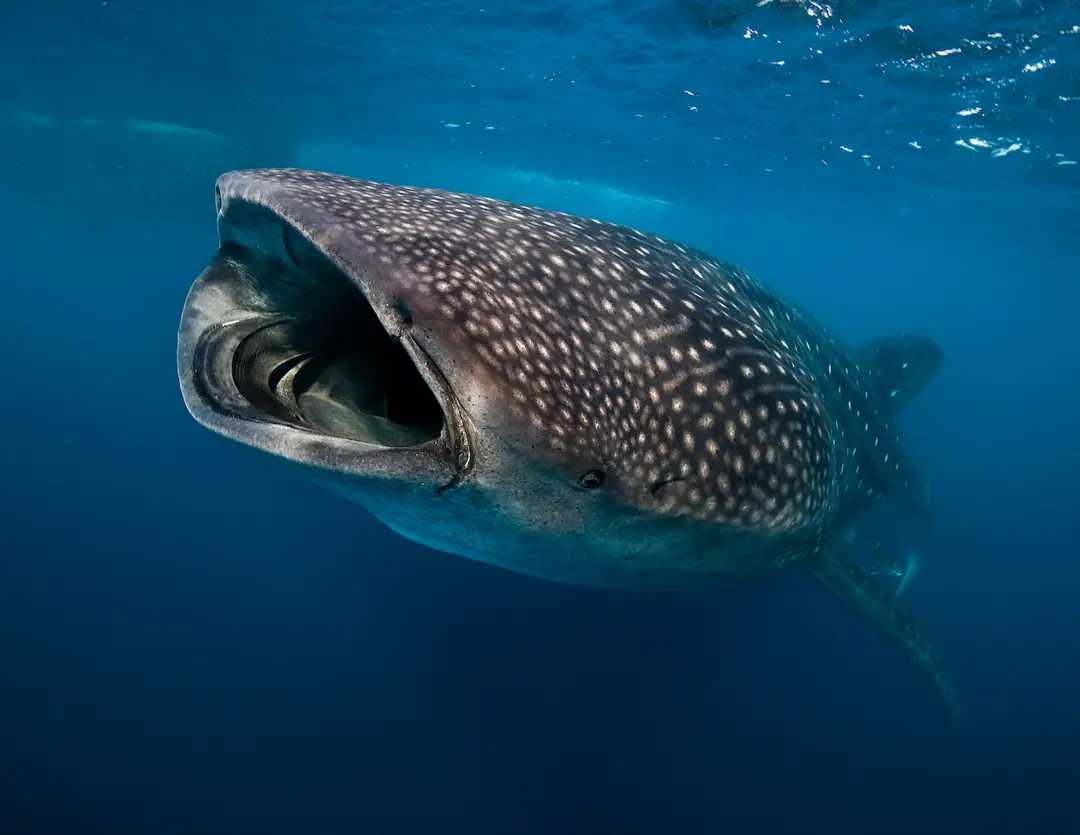
Tokong Laut (Perhentian Islands): pinnacle schooling fish and whale sharks
Tokong Laut, often called the Temple of the Sea, is a dramatic granite pinnacle that emerges from the seabed off the Perhentian Islands. The pinnacle rises from twenty-four meters depth, its submerged slopes covered in sea anemones, soft corals, and encrusting sponges. Strong current frequently hits the exposed rock, creating an ideal habitat for schooling reef species and visiting ocean pelagics.
Blacktip reef sharks (Carcharhinus melanopterus) circle the deeper contours of the pinnacle, while hawksbill sea turtles (Eretmochelys imbricata) feed on sponges attached to the granite walls. Clark's anemonefish (Amphiprion clarkii) inhabit dozens of sea anemones lining the shallow boulders. During spring plankton blooms, occasional whale sharks (Rhincodon typus) pass through the open water surrounding the pinnacle.
The pinnacle offers varied depth profiles, allowing divers to circle the structure while performing a multi-level profile. Current strength dictates whether divers can complete a full loop around the rock or must stay on the sheltered side. The shallow crest of the pinnacle provides an excellent spot to complete safety stops while watching small reef fish.
Depth: 8–24 m. Access: boat, 20 minutes from Perhentian Kecil. Level: Open Water / Advanced Open Water. Best months: April–September.
 © seabook.appAll rights reserved
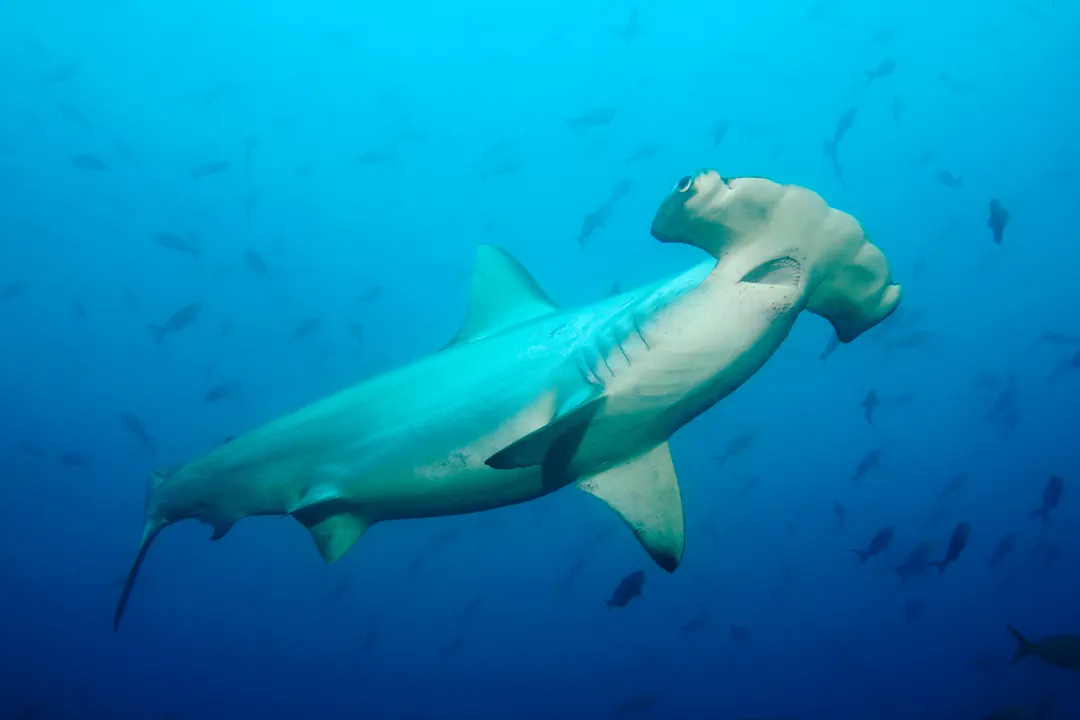
Dogtooth Lair (Layang-Layang): schooling hammerhead sharks and deep drop-offs
Dogtooth Lair sits along the outer ocean wall of Layang-Layang Atoll, an isolated coral ring three hundred kilometers northwest of Kota Kinabalu in the South China Sea. The wall drops vertically into deep oceanic water, surrounded by clear oceanic conditions. Strong oceanic currents run along the drop-off, bringing cool, nutrient-dense water up from the abyss.
Scalloped hammerhead sharks (Sphyrna lewini) gather in large schools in the blue water off the wall, particularly between March and May. Silvertip sharks (Carcharhinus albimarginatus) and dogtooth tuna (Gymnosarda unicolor) patrol the outer drop-off, hunting in the open current. Giant oceanic manta rays (Mobula birostris) occasionally glide past the wall, filtering plankton from the clear water column.
Diving at Dogtooth Lair involves drifting over blue water away from the wall at depths between thirty and forty meters. Strict depth monitoring, conservative gas management, and clear buddy communication are required due to the absence of a visible bottom. Because Layang-Layang is extremely remote, conservative diving practices are essential for safety.
Depth: 15–40 m. Access: boat, 10 minutes from Layang-Layang Resort. Level: Advanced Open Water. Best months: March–May.
 © seabook.appAll rights reserved
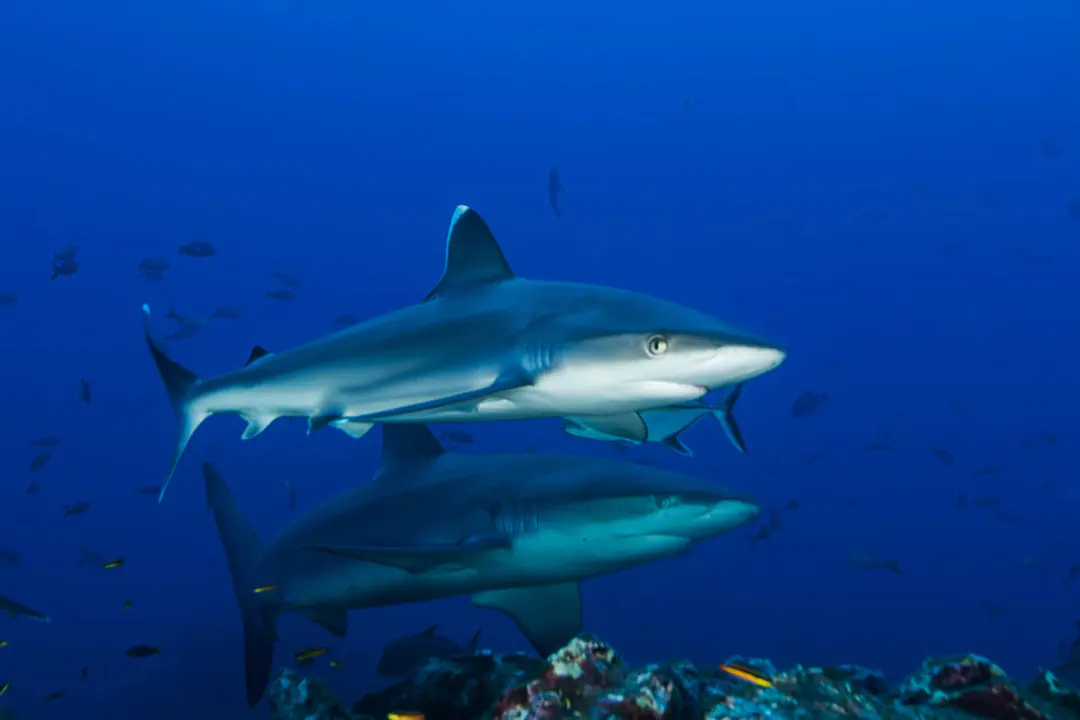 © seabook.appAll rights reserved
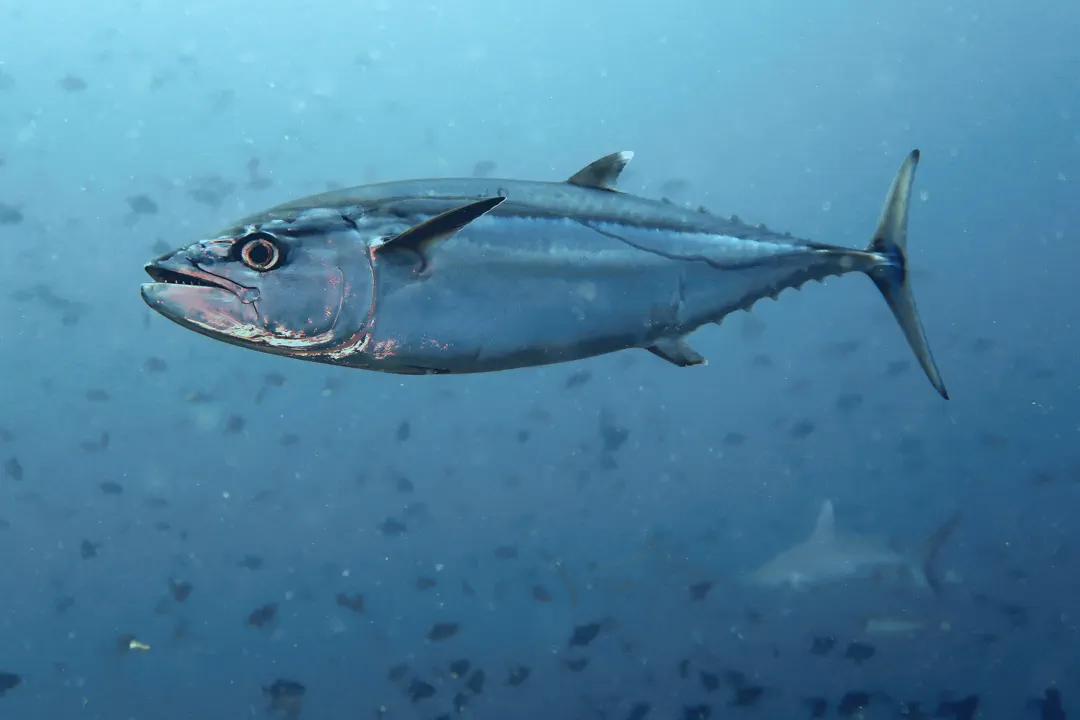 © Daniel BenákCC BY 4.0 · iNaturalist
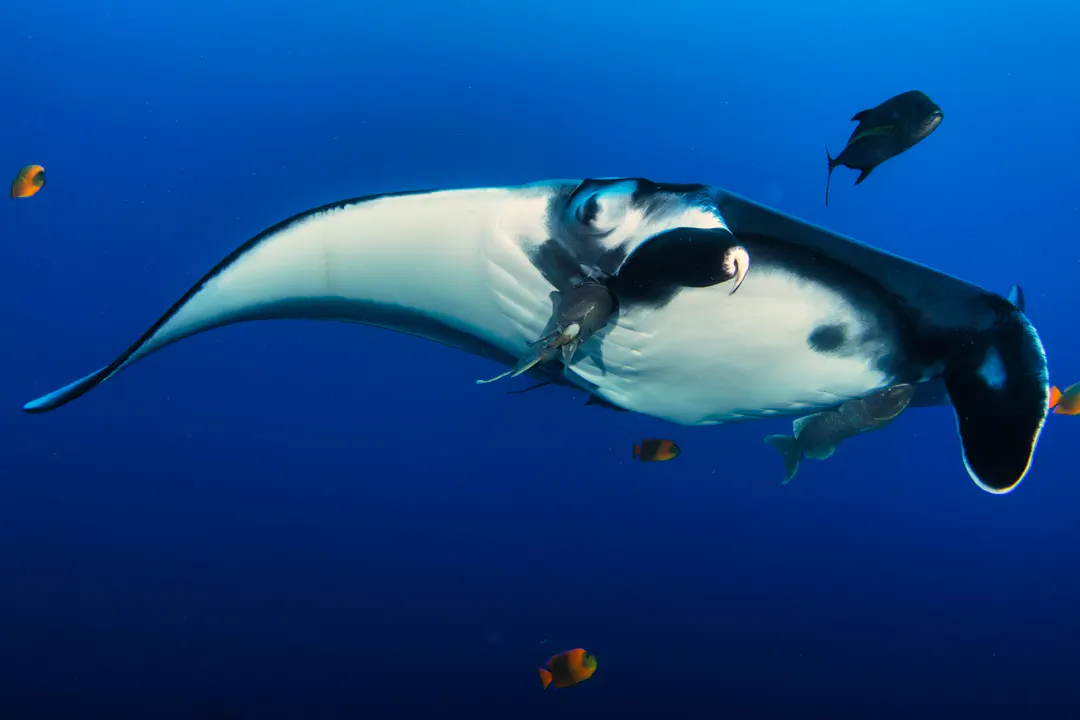 © seabook.appAll rights reserved
Marine Life in Malaysia
Malaysia's marine biodiversity extends far beyond large pelagic species, harboring world-class macro sites around Mabul and Kapalai. Fine black sand, coral rubble, and artificial reef structures provide habitat for cryptic invertebrates and juvenile fishes. Specialized macro photographers and naturalists explore these shallow sites to observe rare marine species adapted to camouflage on the sea floor.
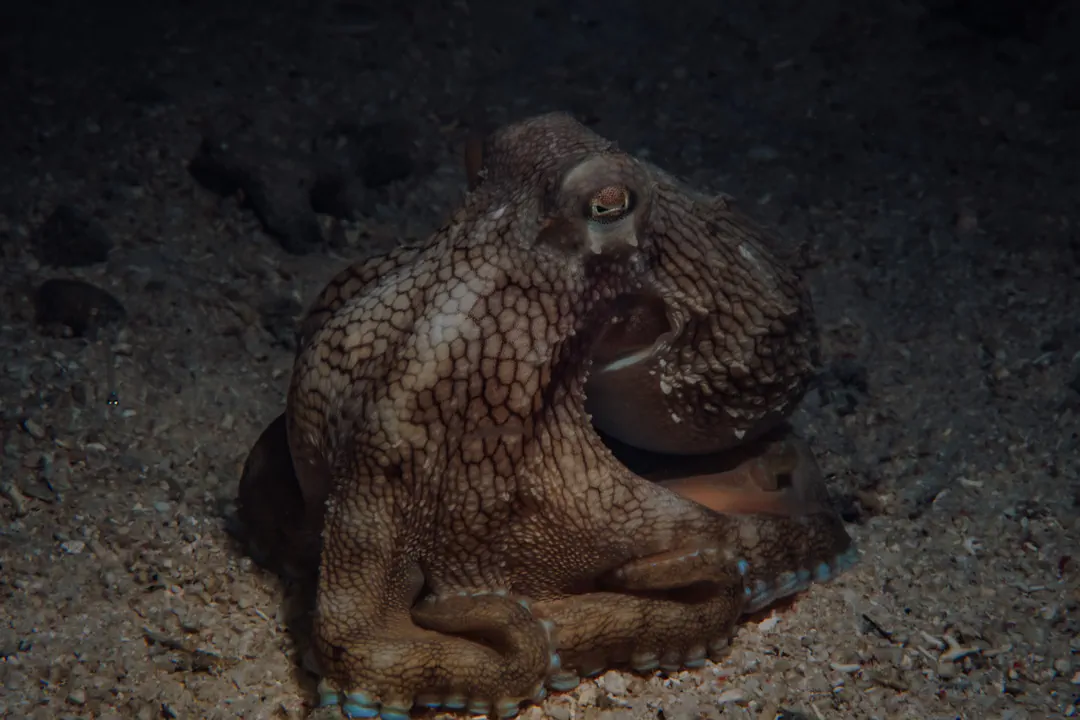
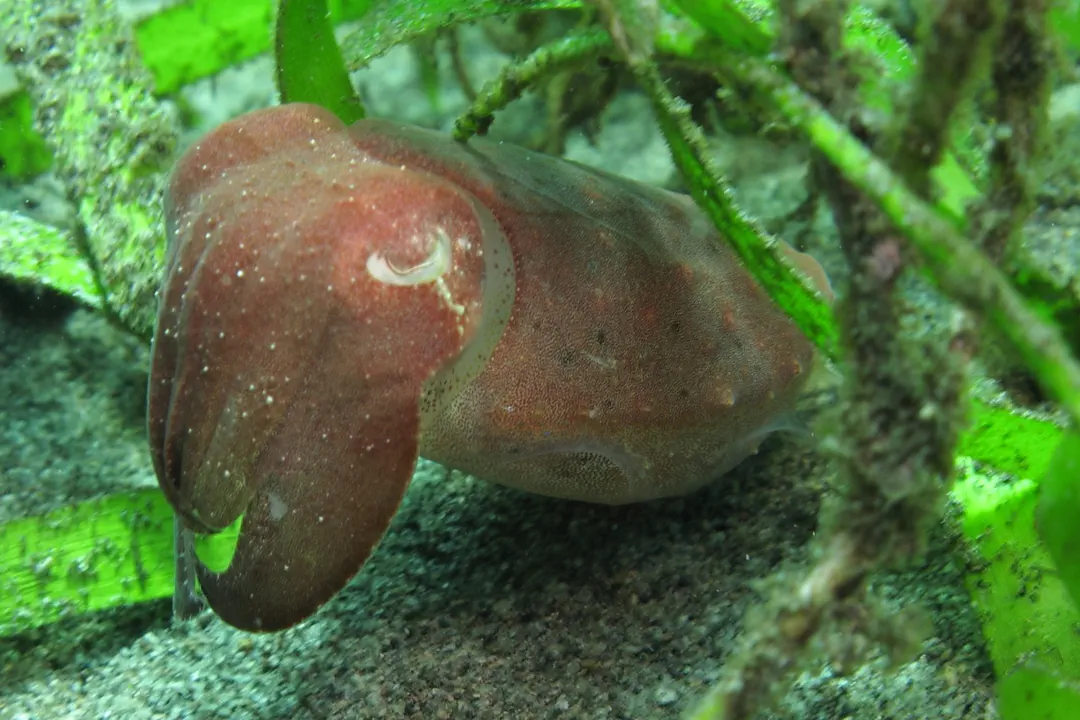
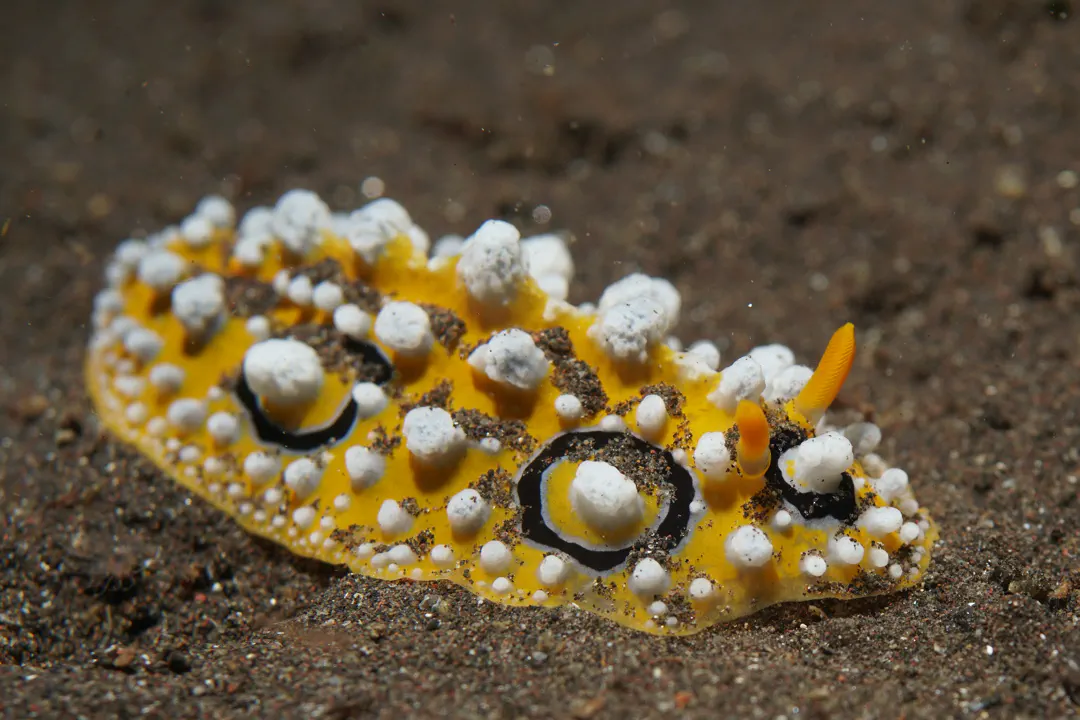
Benthic habitats host Bargibant's pygmy seahorses (Hippocampus bargibanti) hidden among sea fan branches, while thorny seahorses (Hippocampus histrix) rest on sandy patches. Weedy scorpionfish (Rhinopias frondosa) lie motionless in reef rubble, mimicking algae. Coconut octopuses (Amphioctopus marginatus) inhabit discarded shells, broadclub cuttlefish (Ascarosepion latimanus) hover over sandy bottom, and nudibranch species like Phyllidia ocellata and Hypselodoris apolegma add bright splashes of color across dark sand. Loggers using the Seabook app can record these rare invertebrate observations directly into their dive logs while identifying complex nudibranch patterns in the field.
Lesser-known invertebrates inhabit specific host organisms across Malaysian reefs. Sea cucumber crabs (Zenopontonia soror) and imperial shrimps (Periclimenes imperator) live symbiotically on sea cucumbers like Bohadschia argus. Headshield slugs such as Chelidonura amoena and widespread nudibranchs like Phyllidiella pustulosa browse on sponges along shallow reef flats. Protecting these delicate macro environments requires strict neutral buoyancy and careful fin placement from every diver.
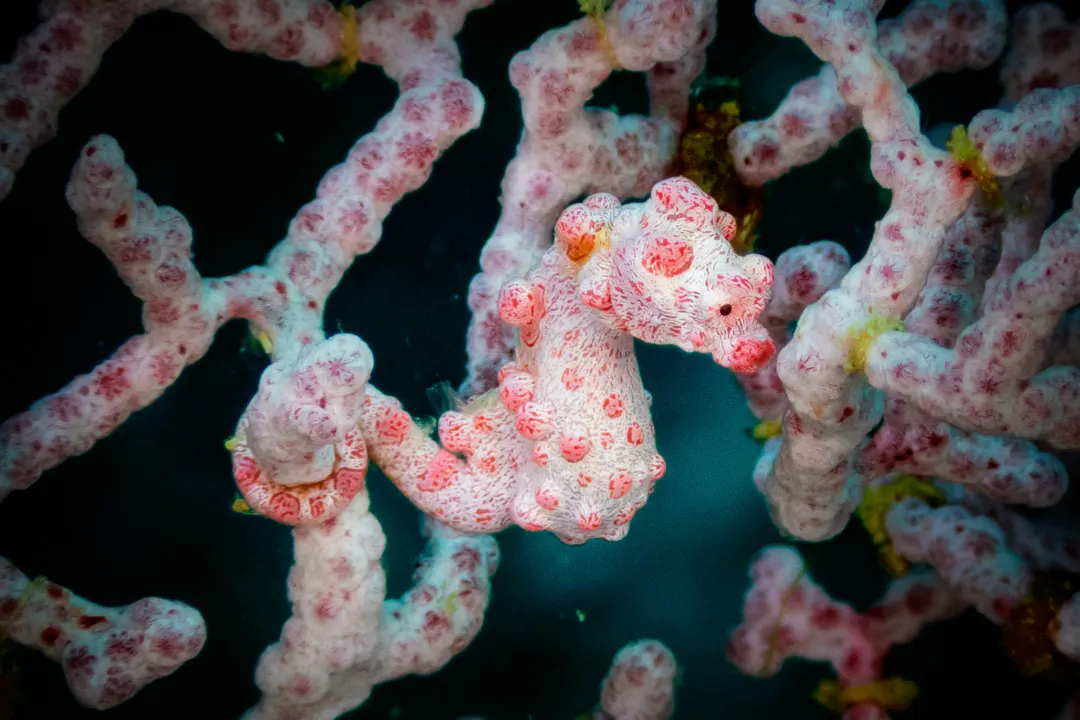 © Pierre PericardCC BY 4.0 · iNaturalist
 © Ewout KnoesterCC BY-SA 4.0 · iNaturalist
 © Stas KuryanAll rights reserved
 © Stas KuryanAll rights reserved
 © BJ SmitCC BY 4.0 · iNaturalist
 © Stas KuryanAll rights reserved
Is Malaysia Good for Beginners and Snorkellers?
Peninsular Malaysia offers excellent conditions for novice divers and entry-level scuba certifications. Islands such as the Perhentians, Redang, and Tioman feature shallow, sheltered bays with water depths between five and fifteen meters. Mild currents, warm temperatures, and good underwater visibility create a comfortable training environment for practicing basic dive skills and buoyancy control.
Snorkellers can explore extensive fringing reefs directly from island beaches in Peninsular marine parks. Shallow coral gardens host clownfish, green sea turtles, and small blacktip reef sharks in depths under five meters. Guided boat trips take snorkellers to sheltered rocky islets where marine life thrives in calm surface conditions, making these islands ideal for families and non-certified companions.
In contrast, Sabah’s top dive sites demand greater experience due to exposure and depth profiles. Sipadan's vertical drop-offs, strong washing-machine currents, and deep wall entries require solid buoyancy management and Advanced Open Water certification. Novice divers visiting Sabah can gain experience on the calm, shallow sandy slopes of Mabul and Kapalai before attempting oceanic wall sites.
Getting There and Practical Tips
Reaching Malaysia’s diving destinations involves transit through major international travel hubs. Most international travelers fly into Kuala Lumpur International Airport (KUL) before connecting on domestic flights to regional gateways. For Peninsular island destinations like Tioman or the Perhentians, land transfers lead to coastal ferry ports at Mersing or Kuala Besut for island boat crossings.
Accessing Sipadan requires flying from Kuala Lumpur or Kota Kinabalu to Tawau Airport in Sabah. From Tawau, a ninety-minute land transfer leads to the port town of Semporna, followed by a forty-five-minute speed boat ride to dive resorts on Mabul or Kapalai. Visiting Sipadan Island requires an official daily entry permit issued by Sabah Parks, which dive resorts distribute to guests staying for minimum night stays.
Divers should bring digital or physical certification cards, a dive computer, and personal surface marker buoys for current-heavy wall sites. Ensure comprehensive dive insurance covers emergency medical evacuation from remote oceanic islands like Layang-Layang or Sipadan. Respect local marine park regulations by using reef-safe sunscreen, refraining from touching marine life, and maintaining proper buoyancy over fragile coral reefs.
Questions
Do I need a permit to dive Sipadan?
Yes, Sabah Parks requires a daily entry permit to dive or visit Sipadan Island. Permits are allocated through authorized resorts on Mabul and Kapalai, usually requiring a minimum stay of three to four nights.
Are there sharks in Malaysia?
Yes, grey reef sharks, whitetip reef sharks, and blacktip reef sharks are common across Malaysia. Advanced sites like Layang-Layang host seasonal schools of scalloped hammerheads, while whale sharks occasionally visit Peninsular reefs.
Is it dangerous to swim in Malaysia?
Swimming and diving in designated marine parks is safe when following standard safety procedures. Swimmers should stay in designated beach zones, respect current briefings, and avoid isolated channels with strong water movement.
What fish can you see in Malaysia?
Divers encounter chevron barracudas, bumphead parrotfish, clownfish, humphead wrasses, and reef sharks. Macro sites around Mabul offer pygmy seahorses, scorpionfish, cuttlefish, octopuses, and colorful nudibranchs.
How warm is the water in Malaysia?
Water temperatures across Malaysia range consistently between 27°C and 30°C year-round. A lightweight 3mm wetsuit or a rashguard provides sufficient thermal protection for most recreational dives.
Which month is best for diving in Malaysia?
For Peninsular Malaysia (Tioman, Perhentian), the best months are April through September during the dry season. Sipadan and Sabah offer year-round diving with clearest visibility between April and December, while Layang-Layang is best visited from March to May.