Introduction to Diving in Tanzania
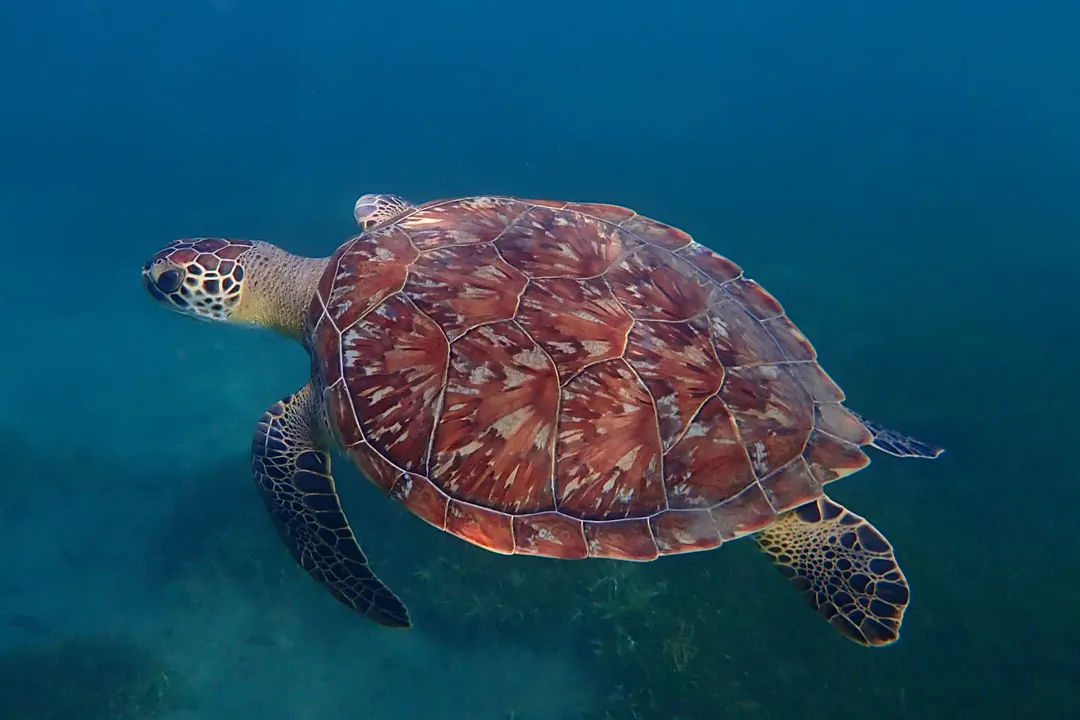
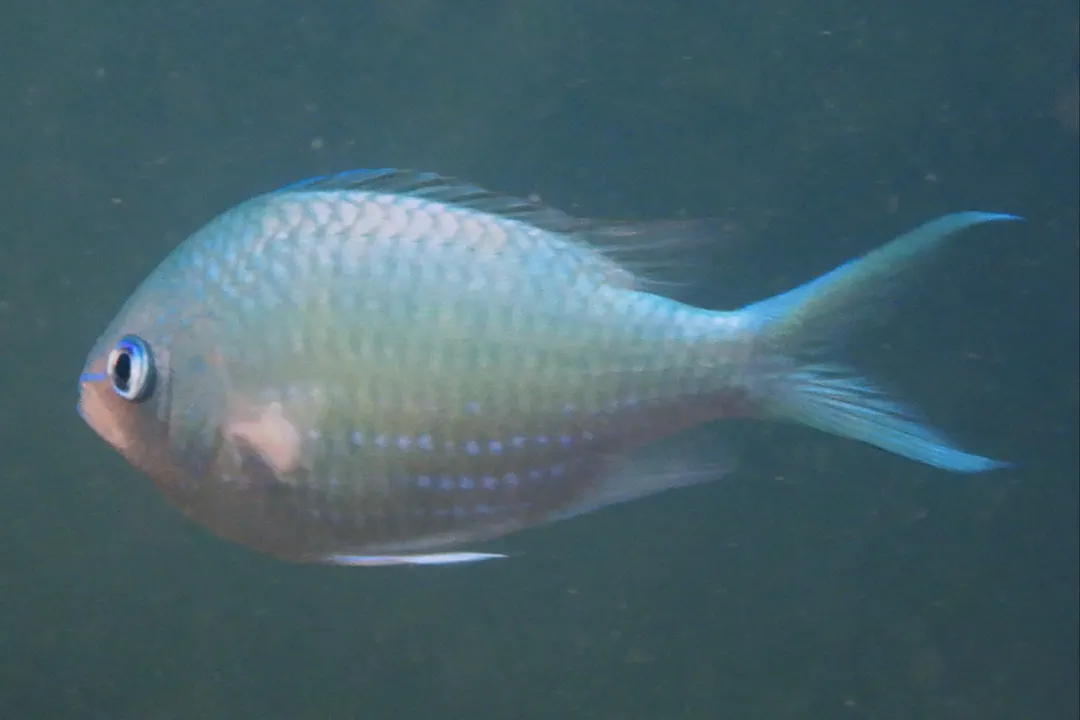
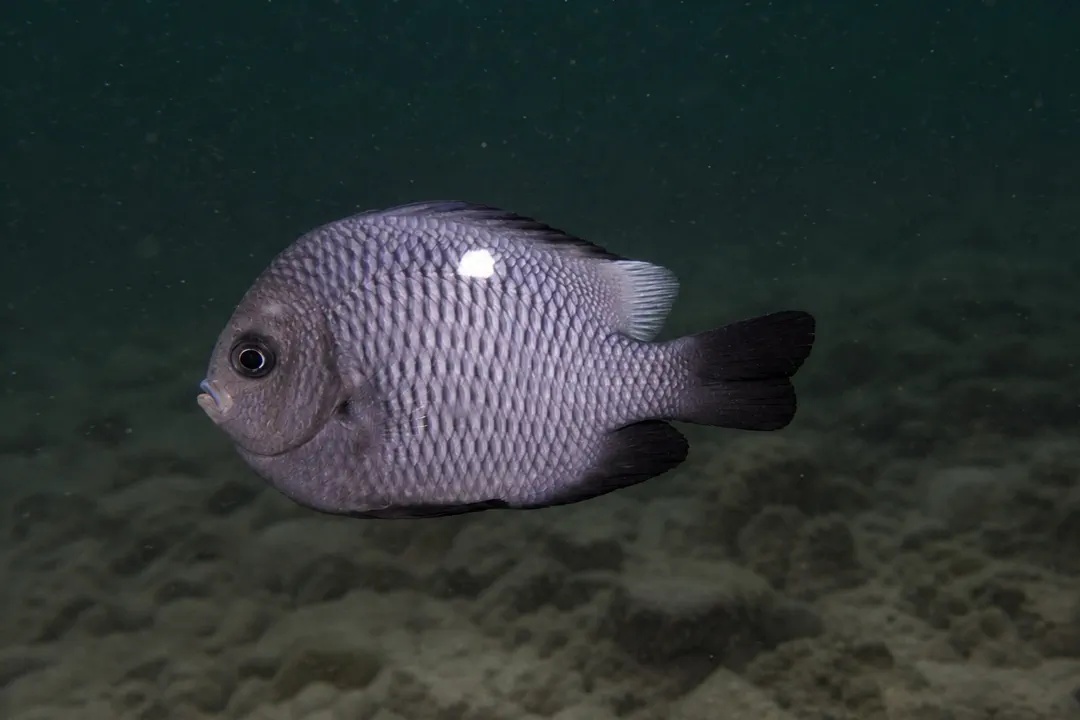
Thirty meters down at Zanzibar's Mnemba Atoll, a green sea turtle glides past, its shell dappled by shafts of sunlight piercing the turquoise water. Below, a school of crescent-tail bigeyes, numbering in the hundreds, streams through a coral canyon, their bodies flashing silver as they turn against the gentle current. The reef here, a tapestry of branching acropora and bulbous brain corals, hums with the quiet industry of damselfish and parrotfish.
This scene is just one glimpse into Tanzania’s hidden underwater world, a realm often overshadowed by its famous savannahs. Yet, along its Indian Ocean coastline, particularly around the islands of Zanzibar, Mafia, and Pemba, a distinct marine landscape thrives, marked by both intricate reef life and the passage of large oceanic creatures.
Geography and Climate
Tanzania's mainland coast stretches for over 800 kilometers, extending into the archipelagos of Zanzibar, Mafia, and Pemba. The warm tropical climate ensures consistent water temperatures, which range from 25°C to 29°C year-round.
Monsoon seasons, however, dictate the rhythm of the ocean, influencing visibility and current patterns. These shifts create distinct windows for diving, from periods of calm, clear water to opportunities for more dynamic drift dives.
Best Time to Visit for Diving
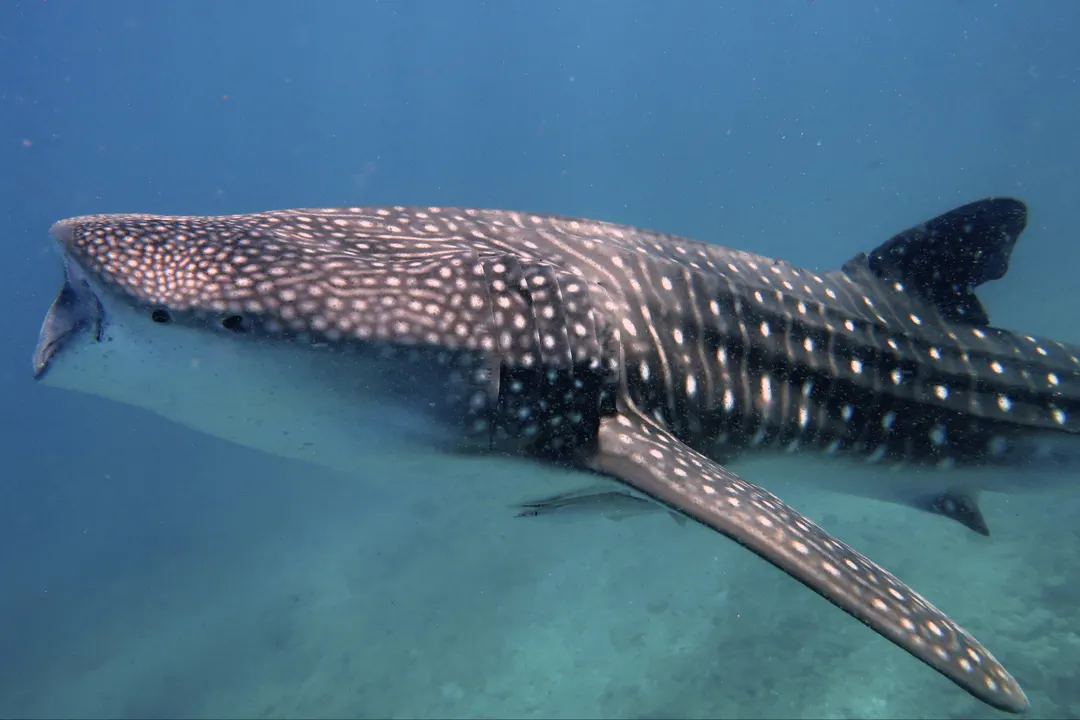
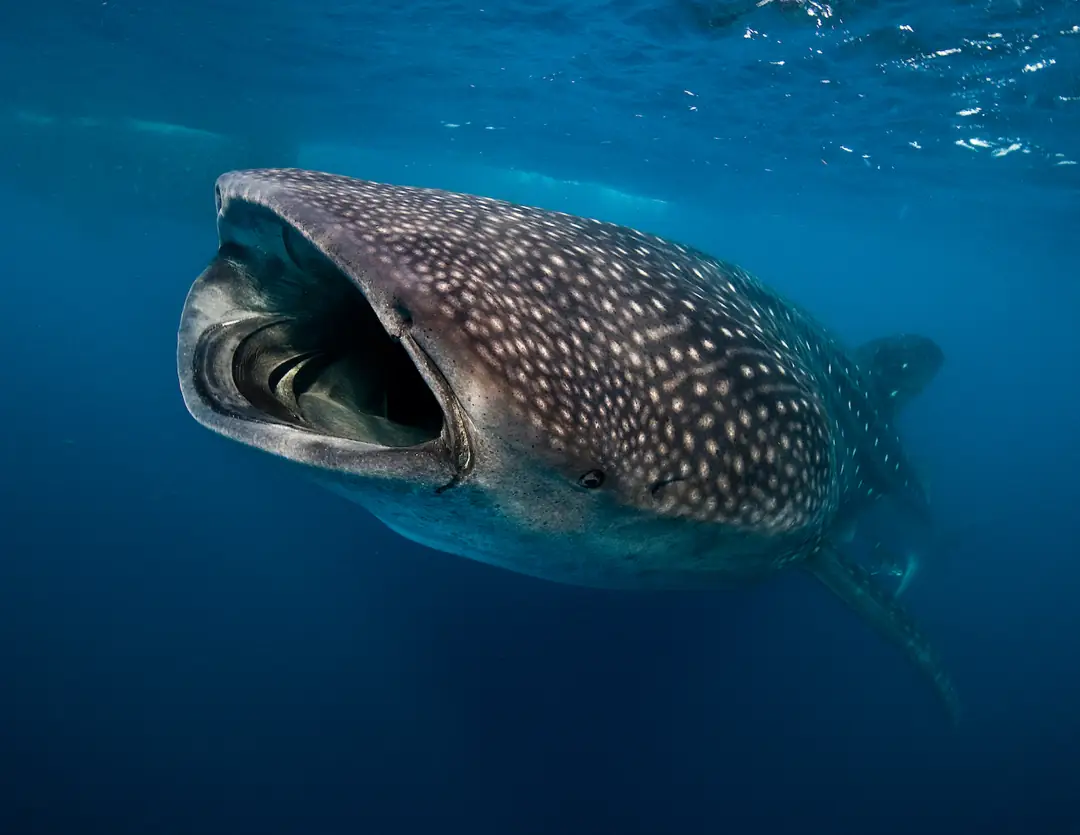
For optimal diving conditions, plan a visit between October and March. During these months, the seas are calm, offering visibility that can stretch beyond 30 meters, particularly ideal for spotting whale sharks around Mafia Island.
Another favorable period runs from June to September. While some areas might experience stronger winds and slightly cooler water, with temperatures around 25°C, these conditions can also bring nutrient-rich upwellings that attract larger marine life.
Water temperature
Tanzania, monthly average
Average sea surface temperatures for Zanzibar/Dar es Salaam area on Tanzania's Indian Ocean coast. Typical diving depth range 5-40 meters.
Marine Life and Ecosystems
Tanzania’s underwater realms are part of the rich Indo-Pacific marine province. Here, intricate coral gardens meet swaying seagrass beds and the dense root systems of mangrove forests, each supporting a distinct community of life.
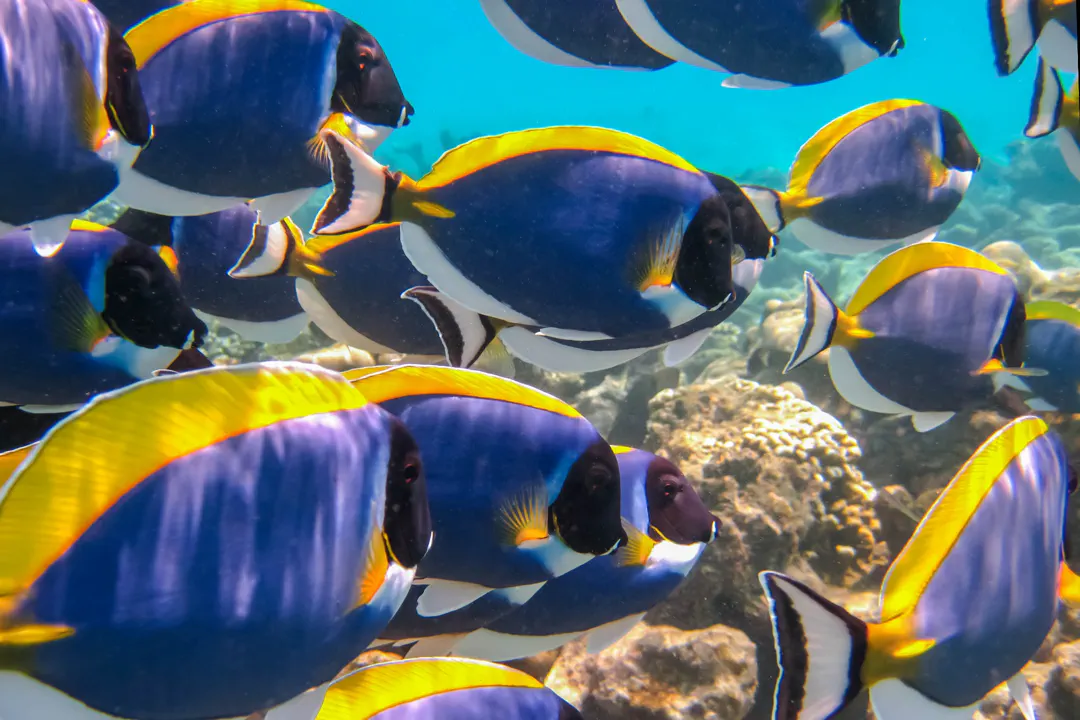
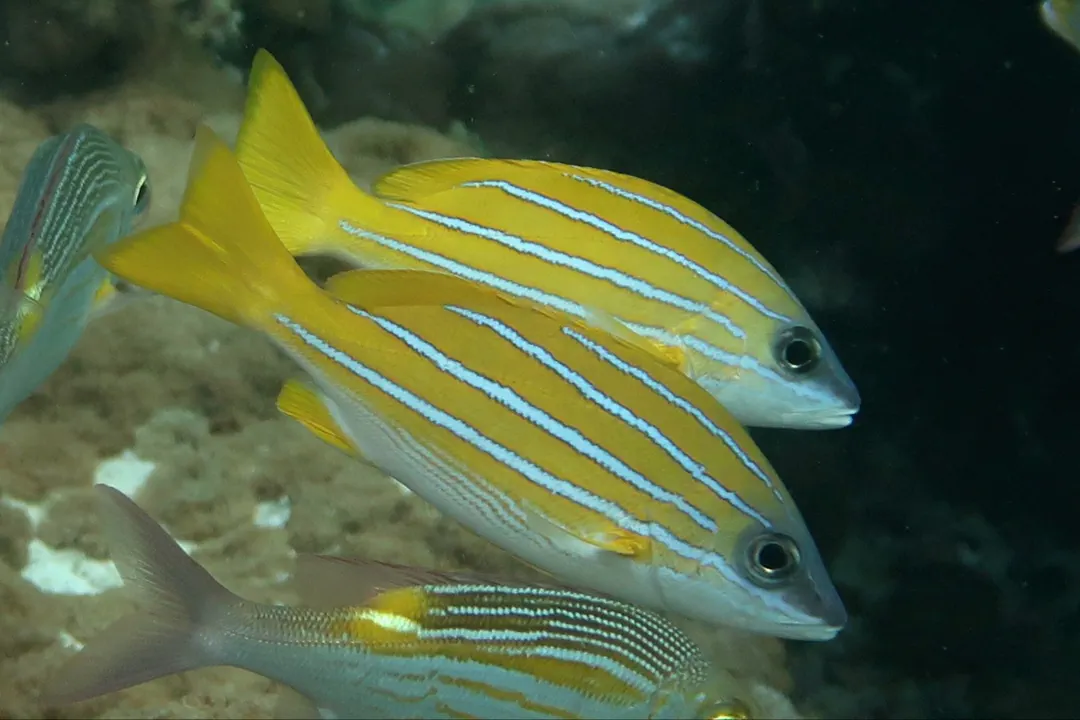
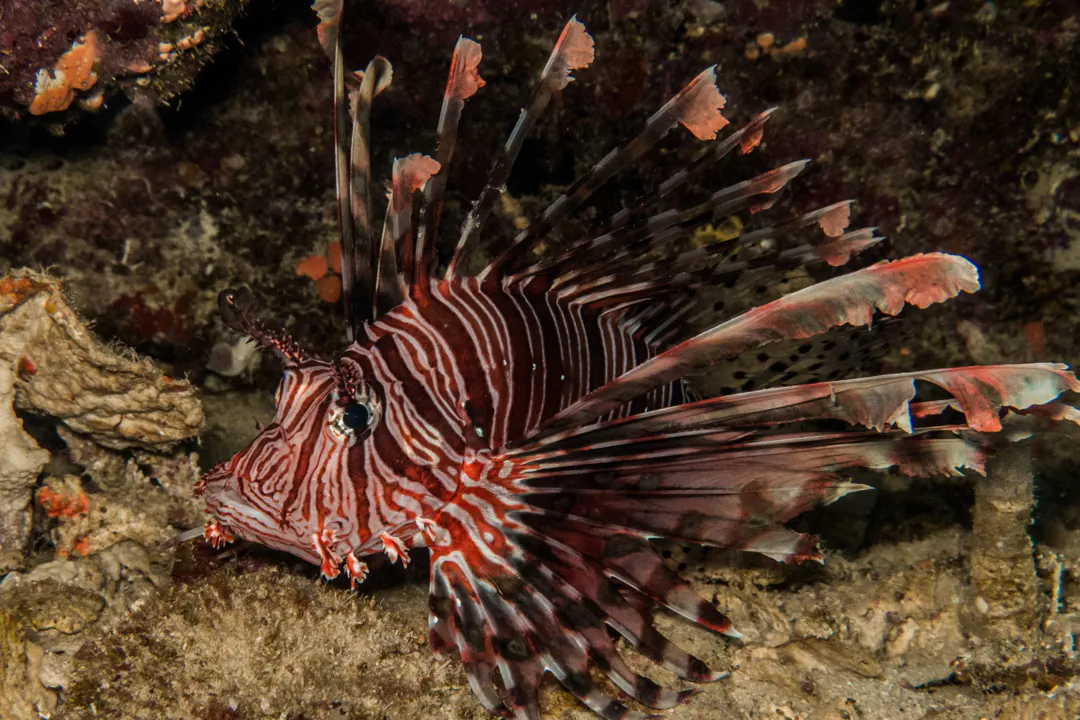
Divers exploring these waters can encounter everything from the immense whale shark, a filter feeder that can reach over 10 meters, to the secretive pygmy seahorse, no larger than a fingernail. Reefs host surgeonfish and angelfish, while sandy bottoms hide octopus and cuttlefish, offering encounters both grand and minute.
 © seabook.appAll rights reserved
  © seabook.appAll rights reserved
  © seabook.appAll rights reserved
  © seabook.appAll rights reserved
  © Matteo BellucciCC BY 4.0 · iNaturalist
  © seabook.appAll rights reserved
 Top Dive Sites in Tanzania
1. Zanzibar: Mnemba Atoll
Mnemba Atoll, a privately managed marine conservation area off Zanzibar’s northeast coast, is renowned for its vibrant, well-preserved coral reefs. Entry to its sites, primarily accessed by boat, involves depths from 10 to 30 meters, making it suitable for divers of all experience levels.
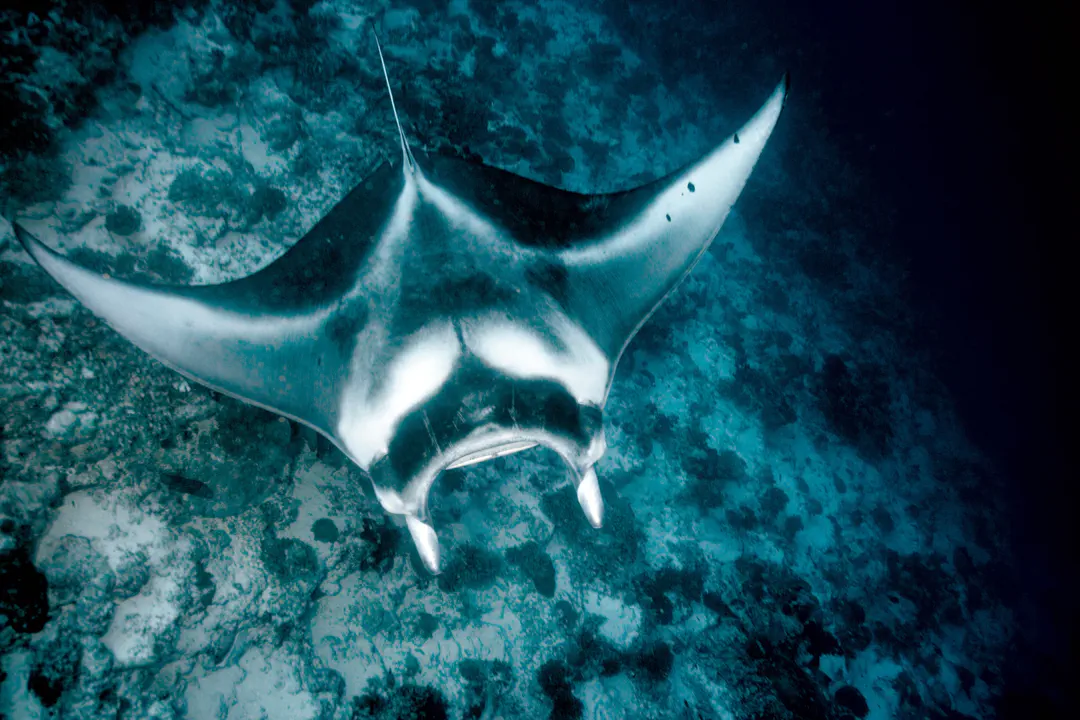
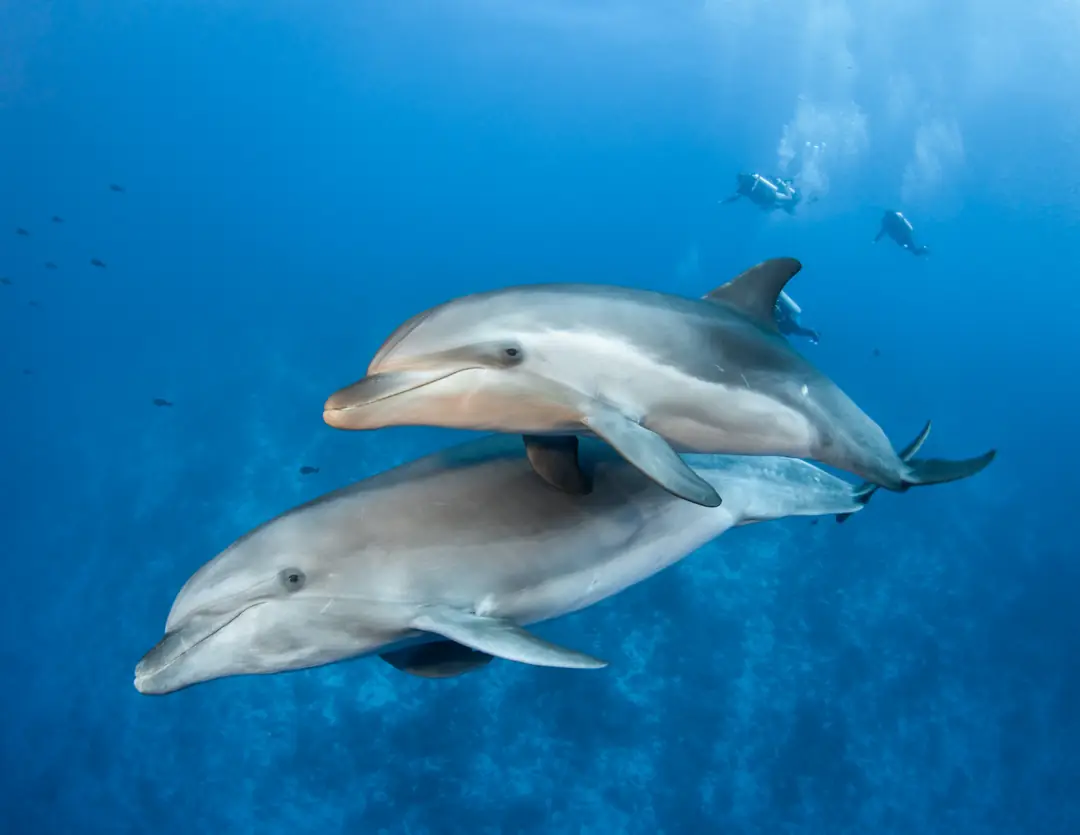
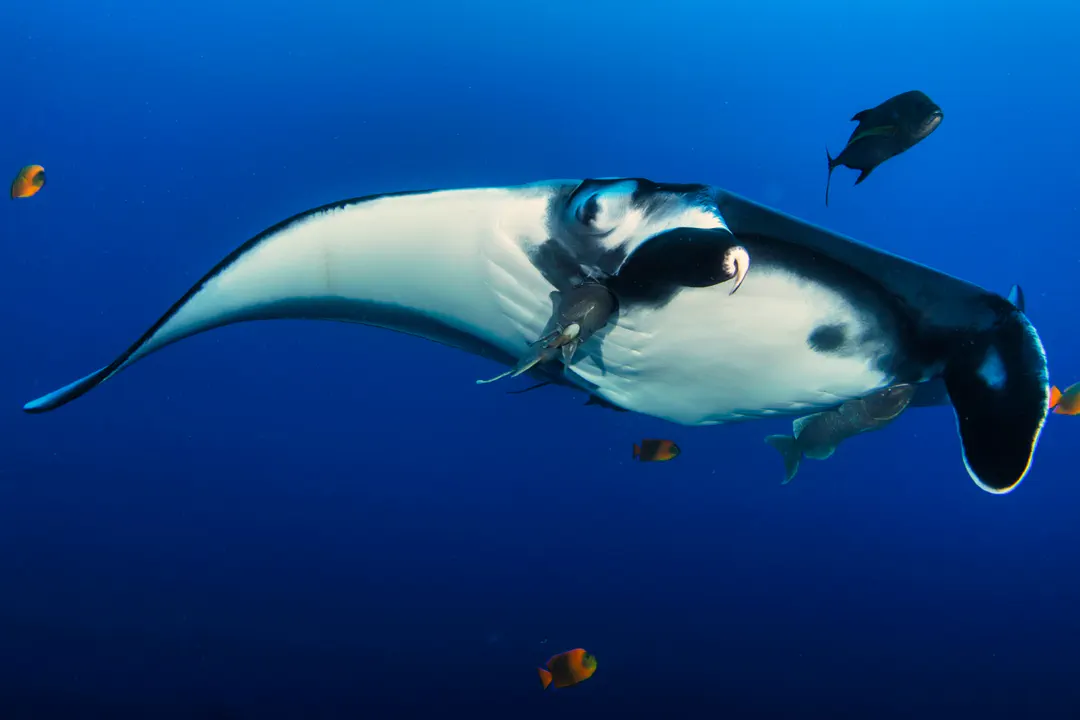
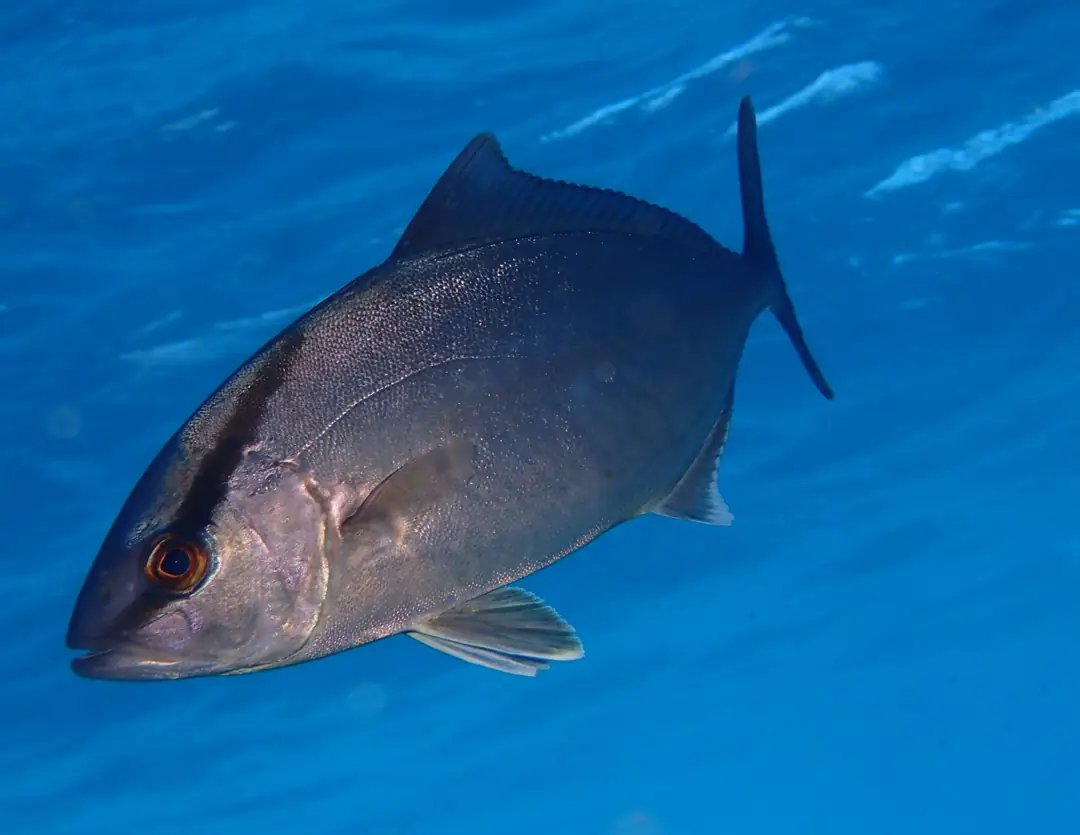
Its distinct feature is the abundance of schooling pelagic fish and the frequent presence of dolphins around its extensive reef system. Divers here drift alongside schools of barracuda and trevally, while bottlenose dolphins circle in the blue. Manta rays and whale sharks are also sighted, drawn by the abundant plankton.
 © seabook.appAll rights reserved
  © Daniel BenákCC BY 4.0 · iNaturalist
  © Daniel BenákCC BY 4.0 · iNaturalist
  © seabook.appAll rights reserved
 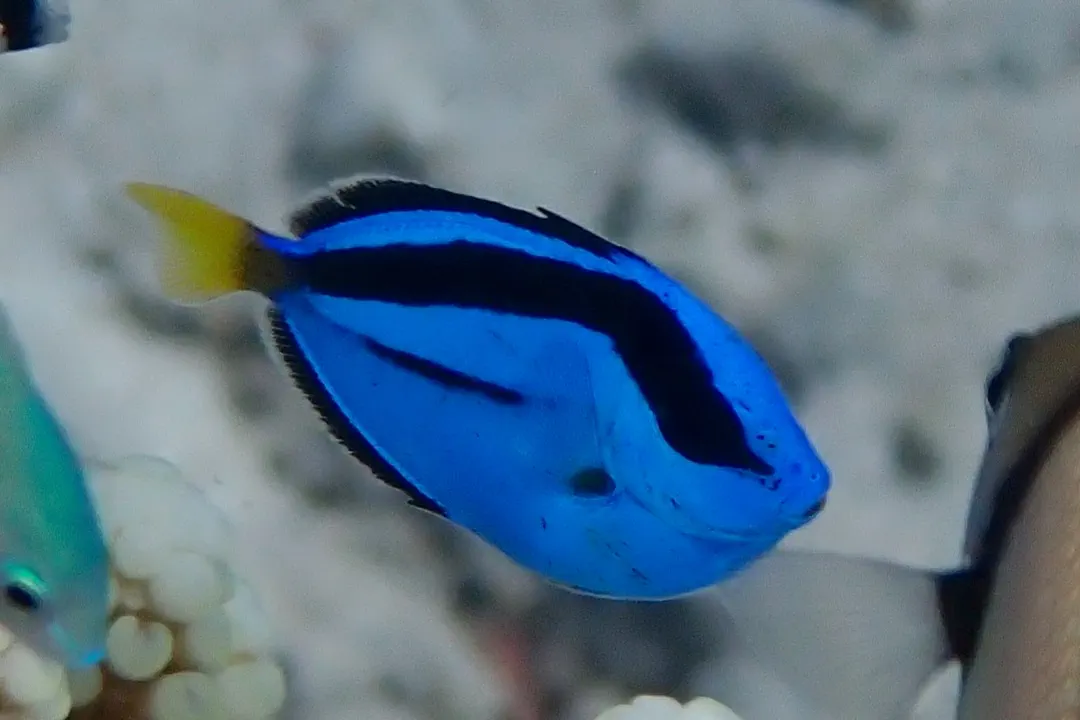 Jean-Paul BoerekampsCC0 · iNaturalist
 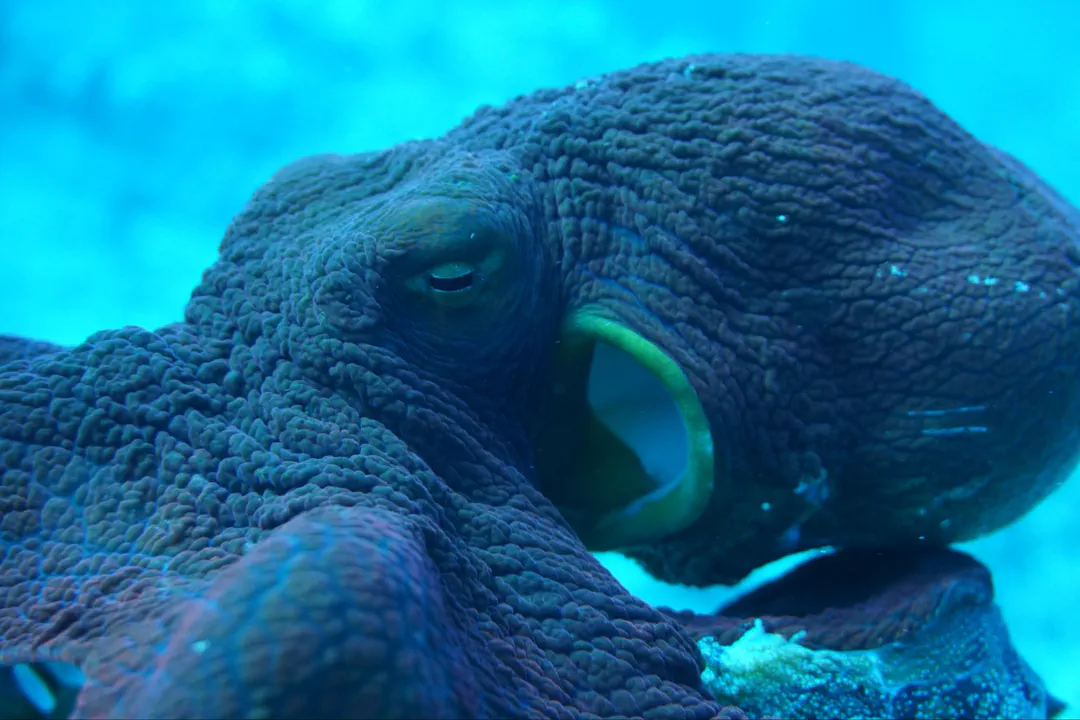 © cello caruso-turielloCC BY 4.0 · iNaturalist
 2. Mafia Island Marine Park
Mafia Island, a designated marine park, is defined by its annual aggregation of whale sharks (Rhincodon typus) from October to March. These gentle giants, reaching lengths over 10 meters, cruise the plankton-rich waters, offering close snorkeling and diving encounters in depths from 5 to 20 meters, accessible to all diver levels via boat trips.
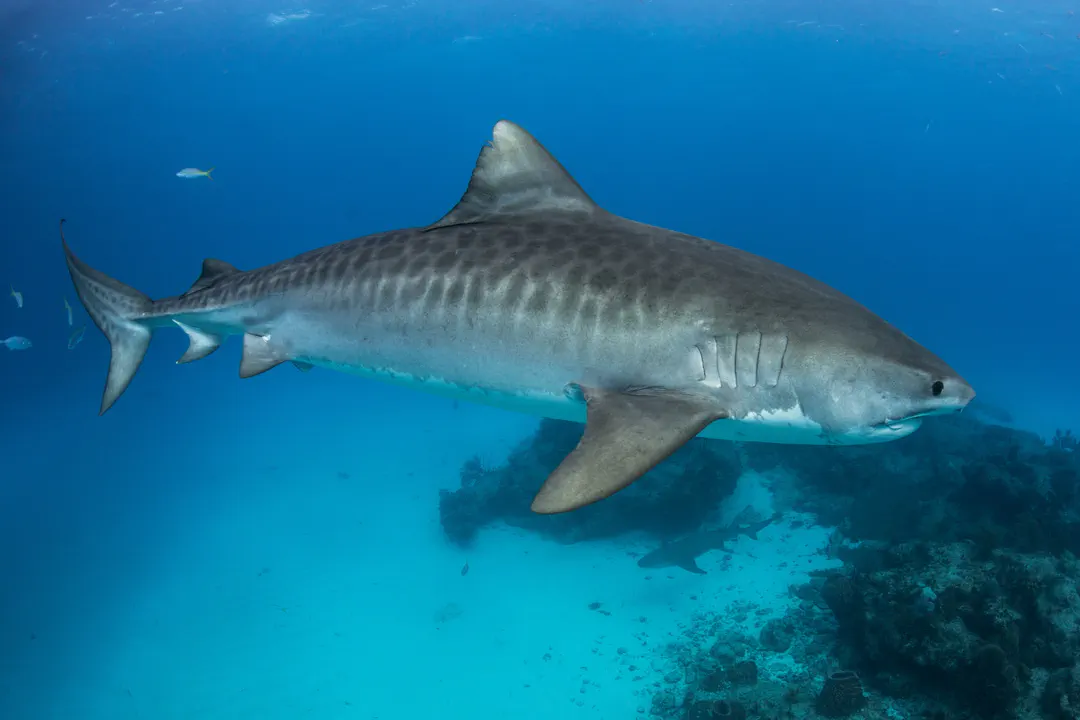
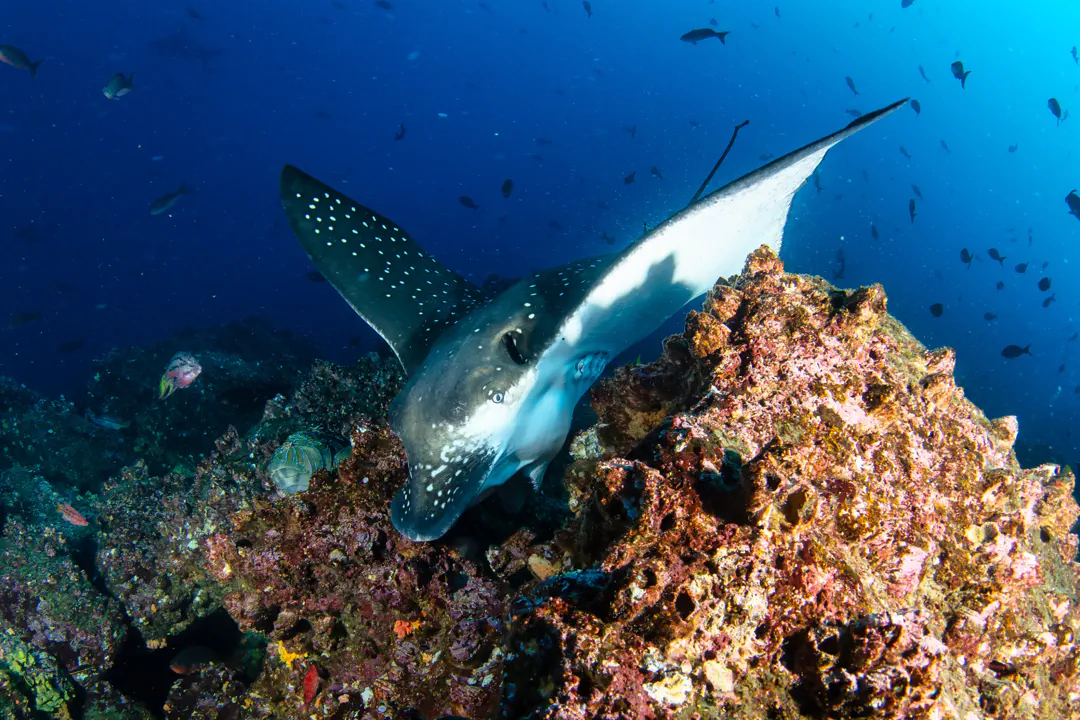
Beyond these seasonal visitors, Mafia’s outer reefs present a complex seascape of hard and soft corals, where tiger sharks and eagle rays patrol the deeper sections, from 25-30 meters. Its quieter, less developed atmosphere means fewer boats and more intimate interactions with the resident reef fish and elusive macro life like ghost pipefish and various nudibranchs.
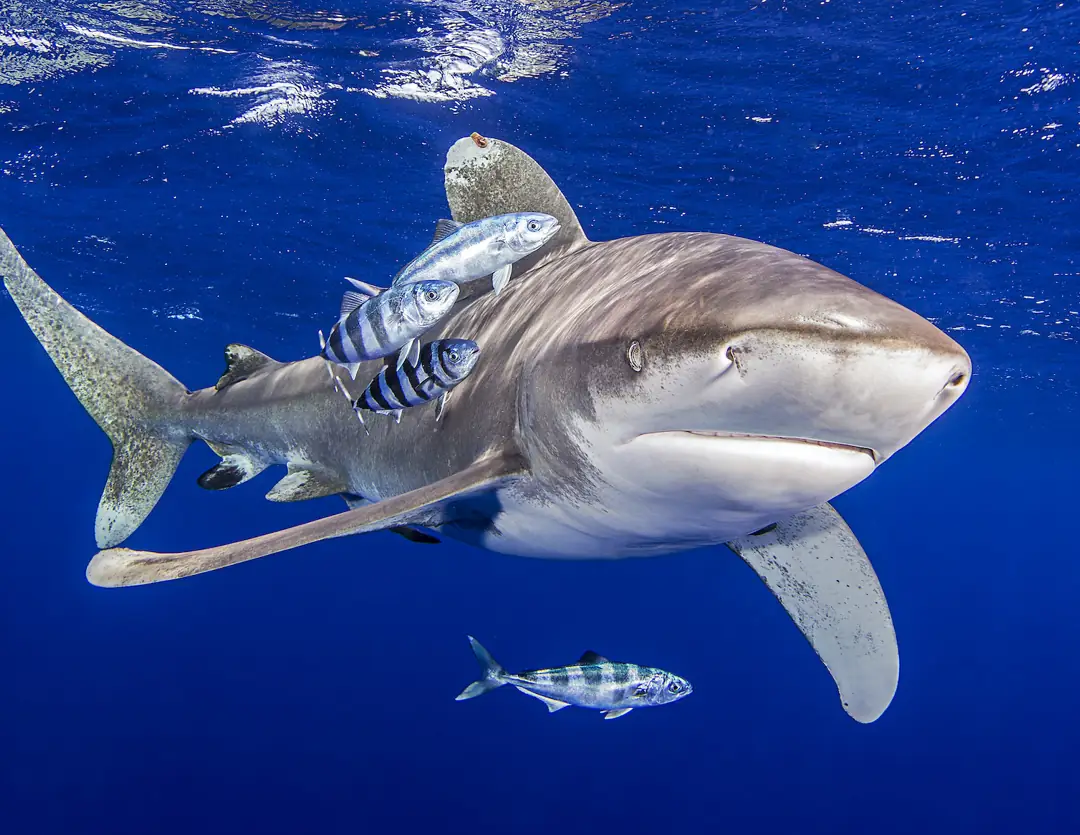 © seabook.appAll rights reserved
 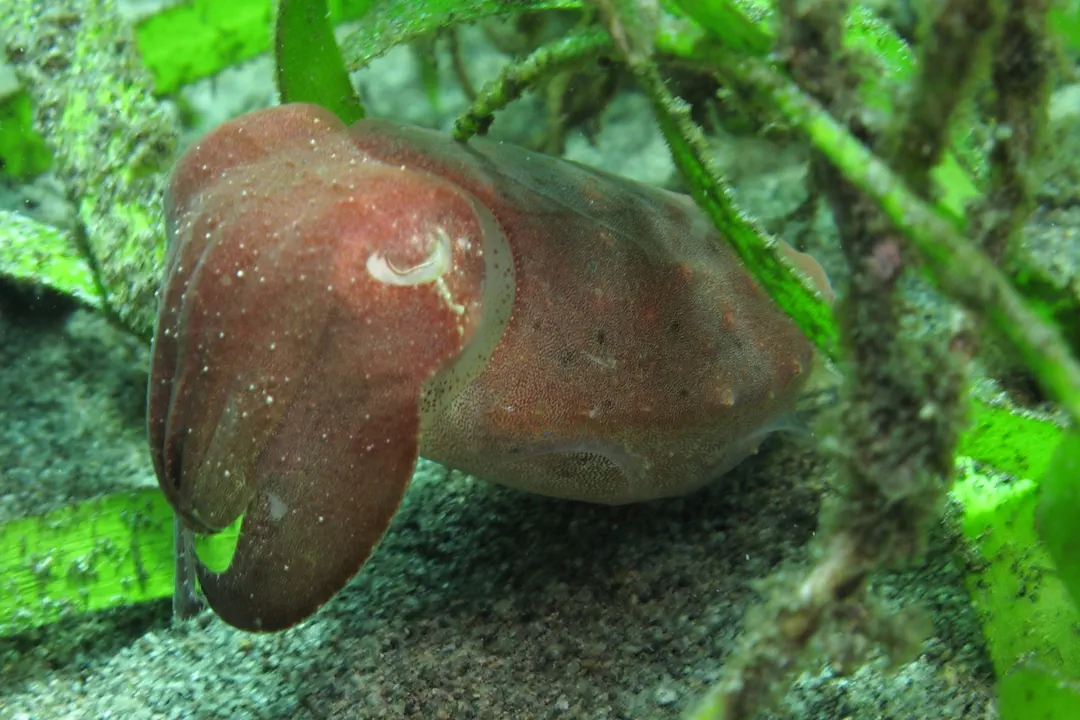 © BJ SmitCC BY 4.0 · iNaturalist
 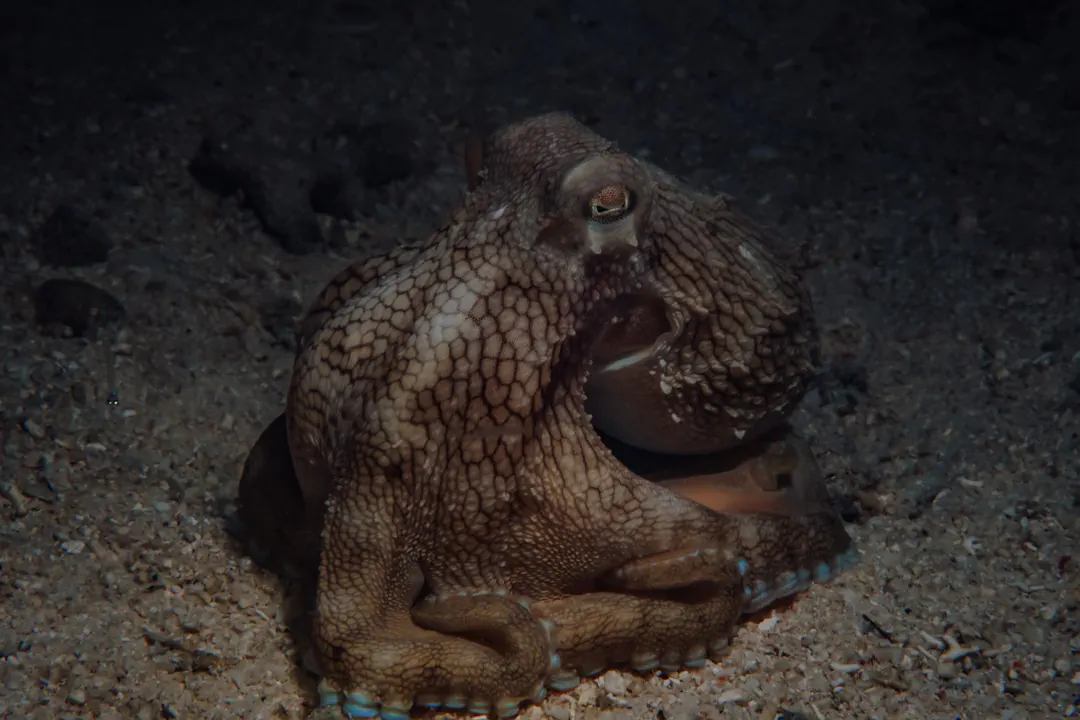 © Stas KuryanAll rights reserved
 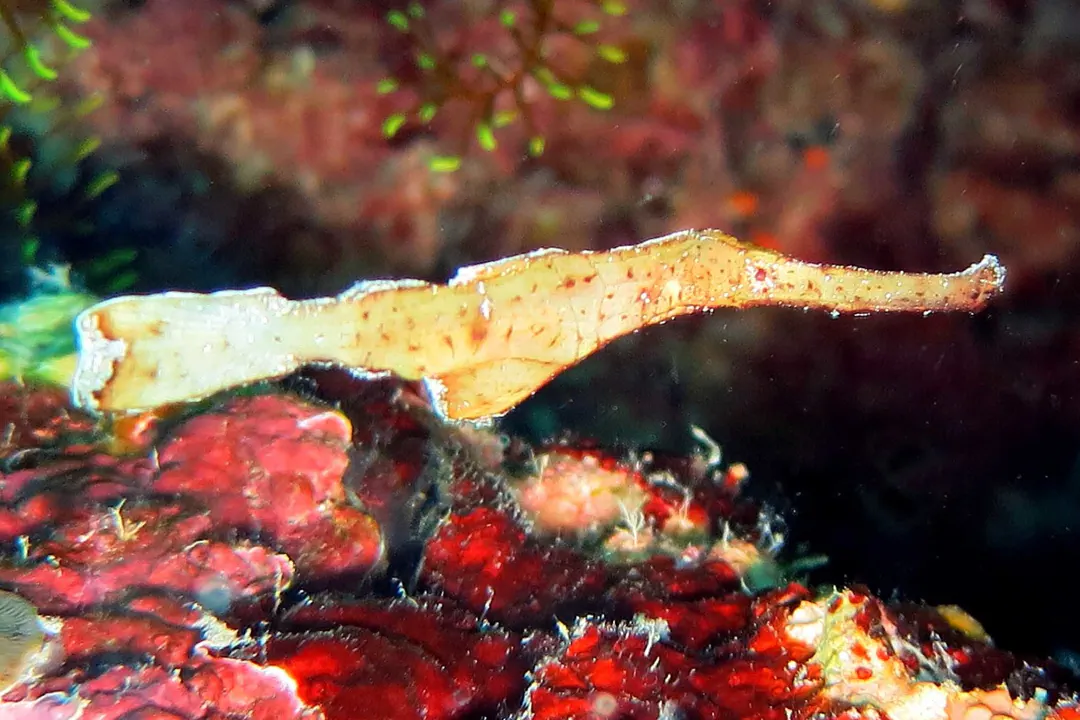 © Lakshmi SawitriCC BY 4.0 · iNaturalist
 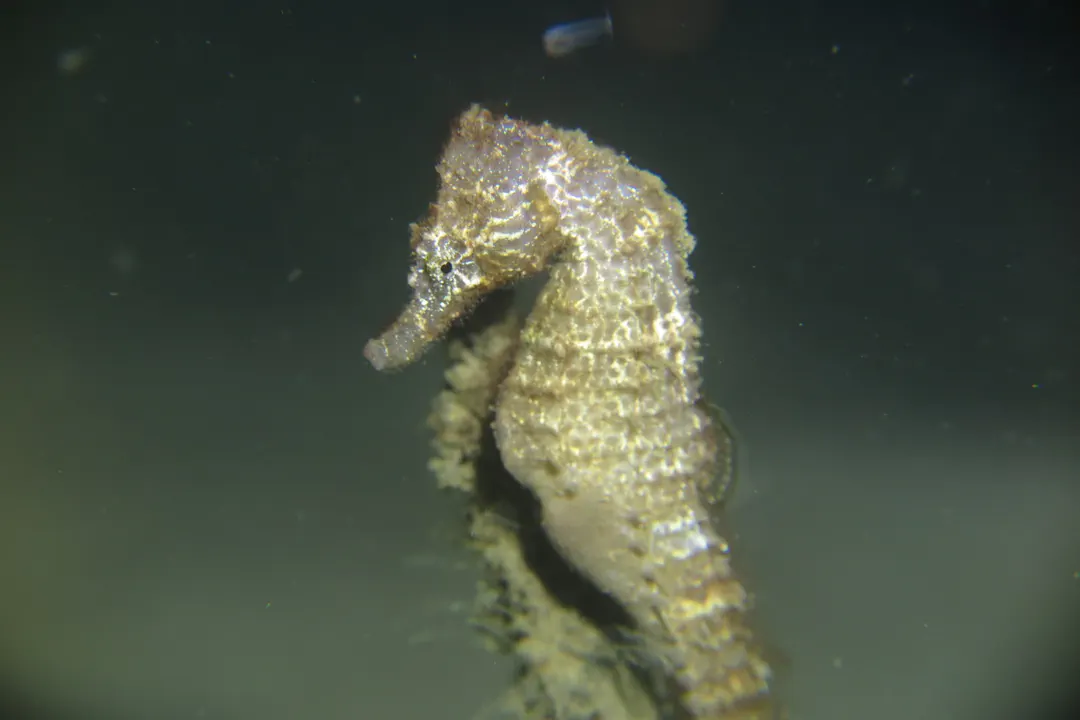 © Ewout KnoesterCC BY-SA 4.0 · iNaturalist
 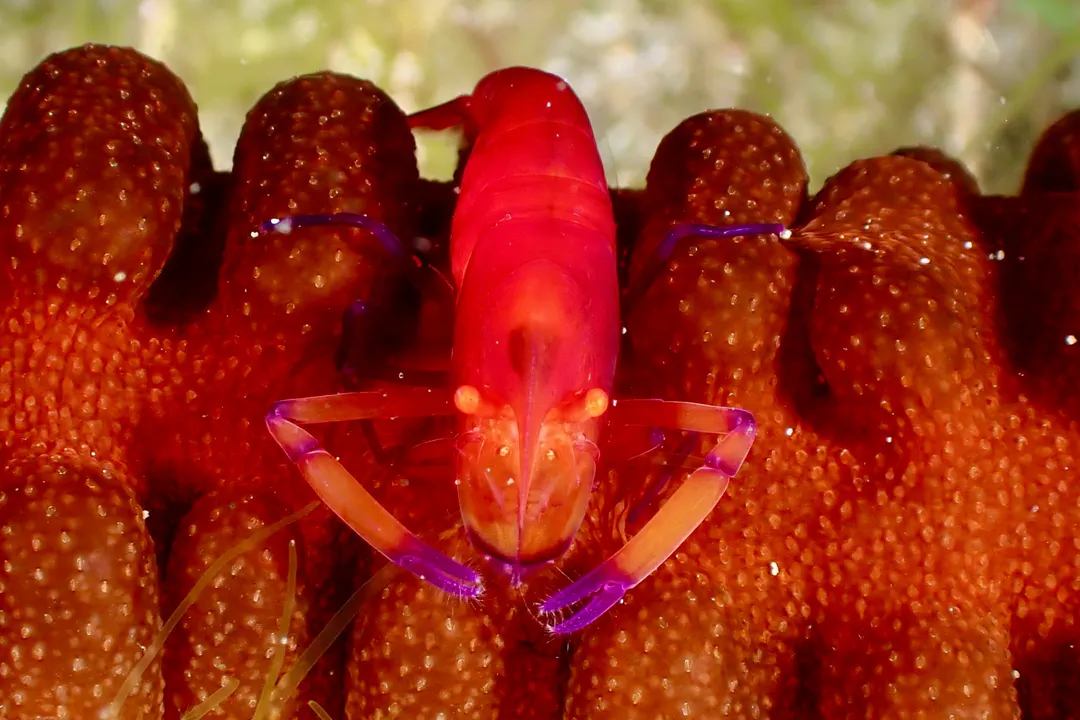 Chris SpainCC0 · iNaturalist
 3. Pemba Island
Pemba Island, lying further north, is characterized by its precipitous ocean-facing walls that plunge to depths exceeding 40 meters. These deep drop-offs, coupled with strong currents, attract a procession of large pelagic fish, making it a destination for experienced divers seeking dynamic drift dives.
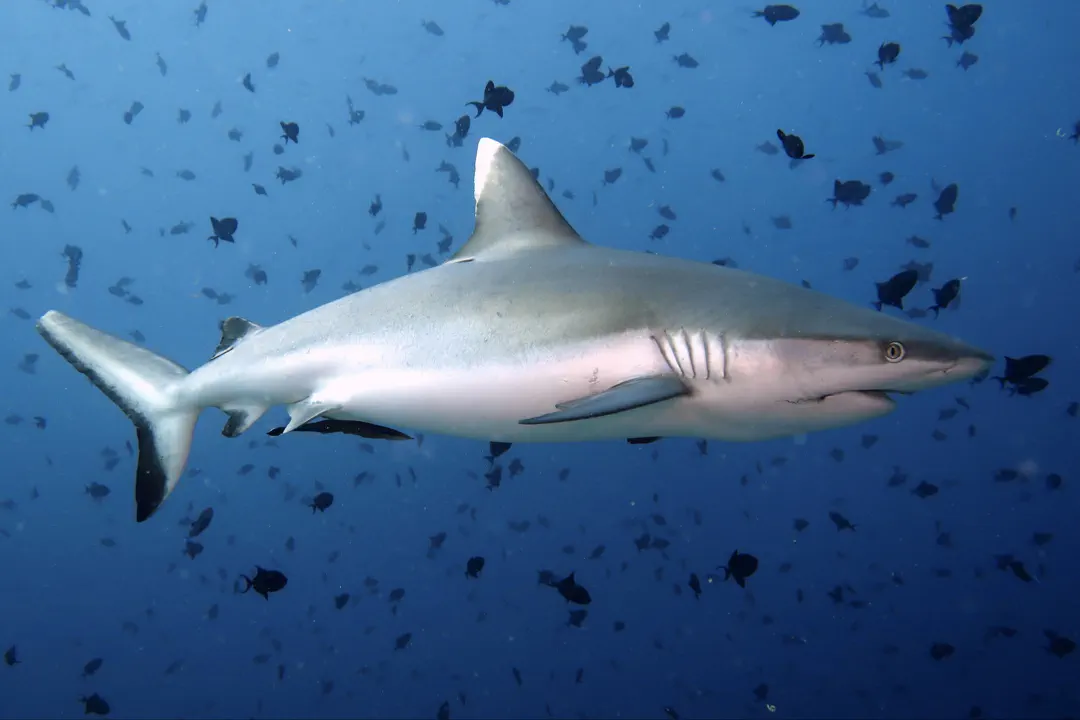
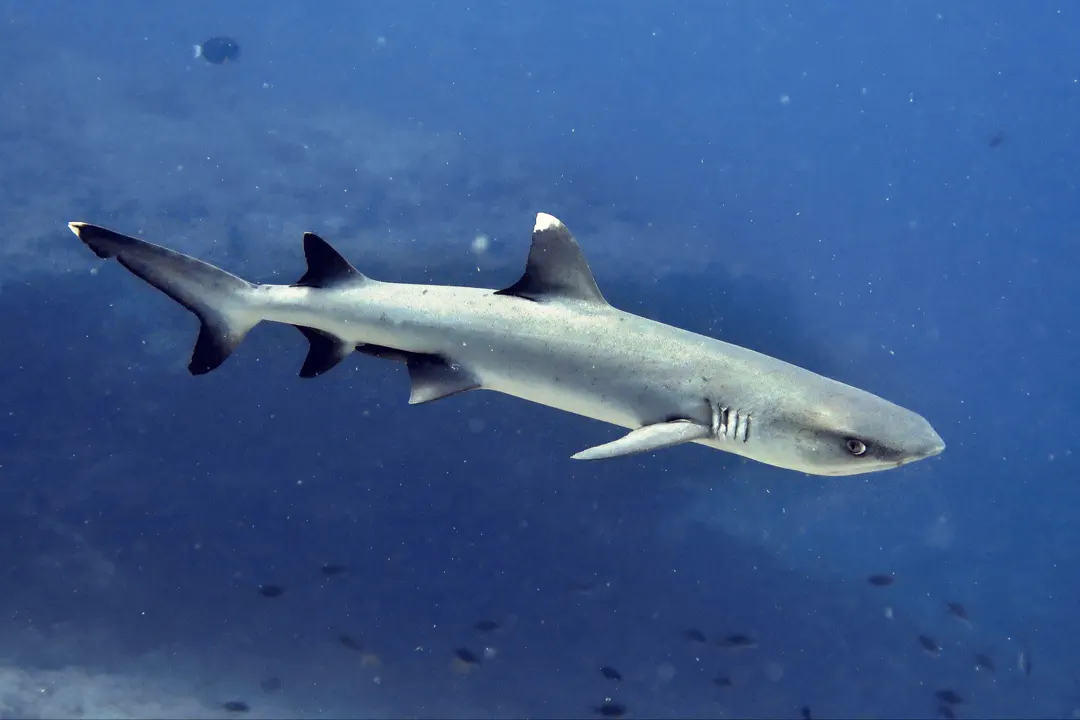
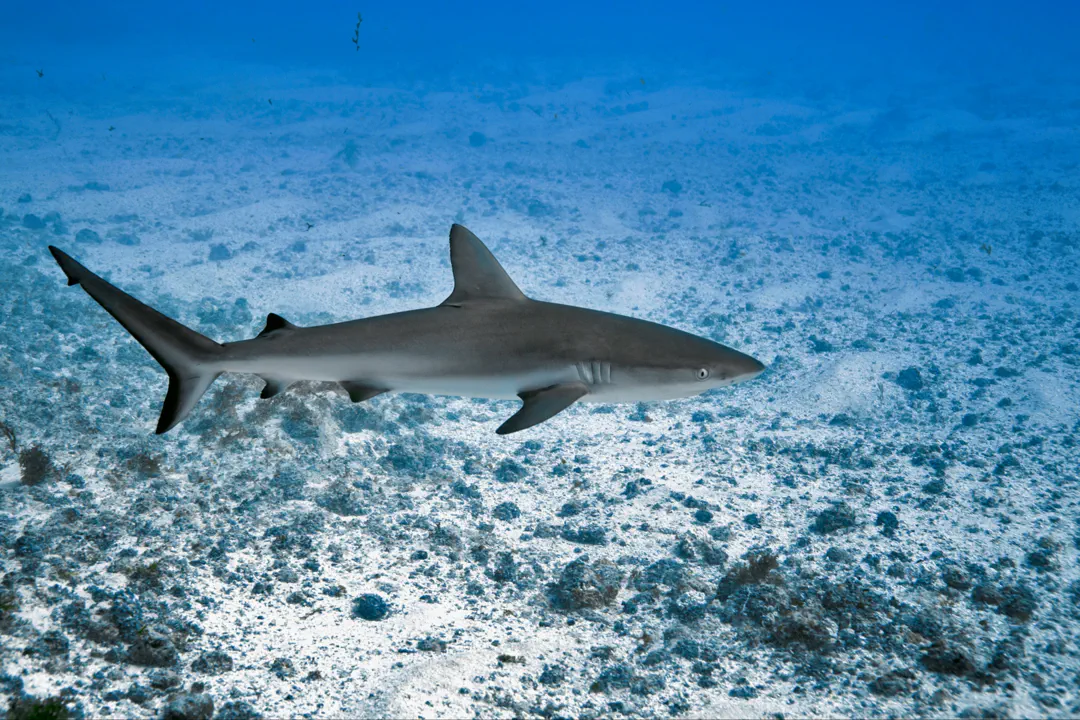
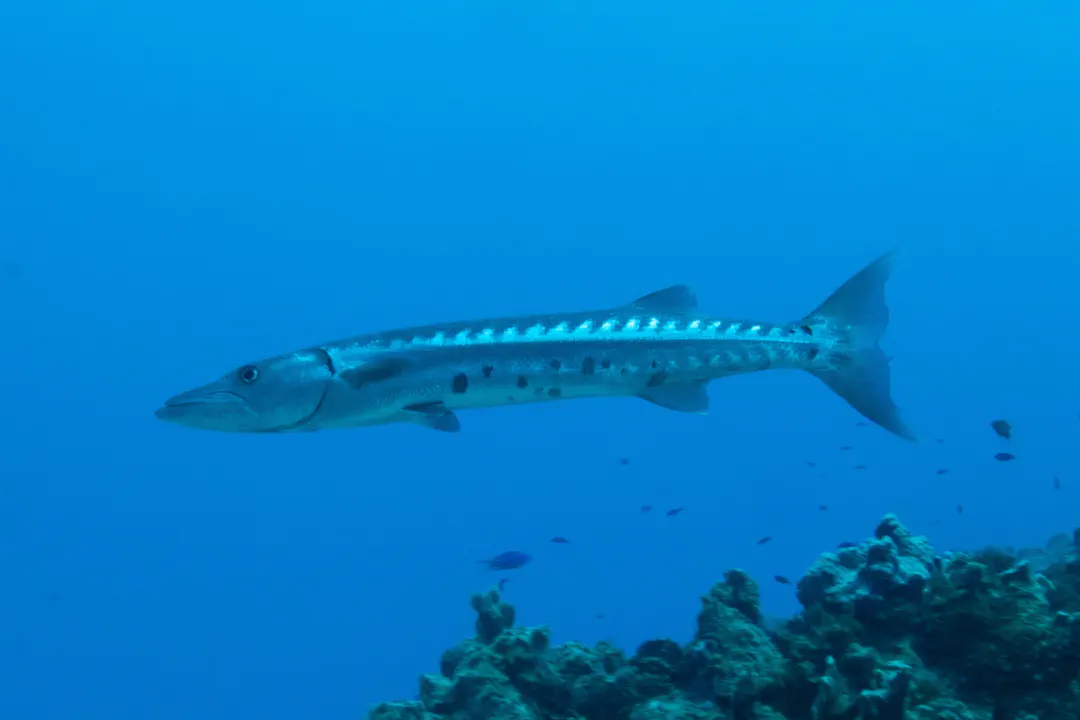
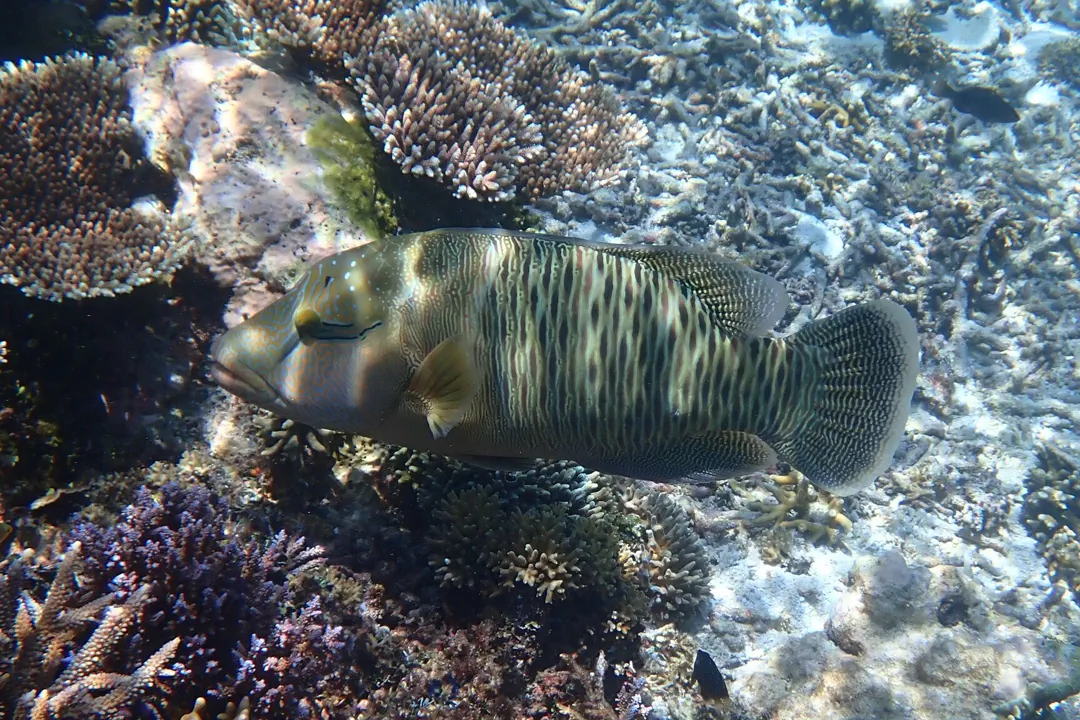
Here, schools of barracudas hang suspended in the blue, while grey reef sharks and Galapagos sharks cruise the thermocline. The deep reefs, accessed by boat, feature extensive hard and soft corals, forming thriving ecosystems where large groupers and Napoleon wrasse forage amongst the reef structure.
 © R VasconcellosCC BY 4.0 · iNaturalist
  © seabook.appAll rights reserved
  © Ian ShawAll rights reserved
  © Dan SchofieldCC BY 4.0 · iNaturalist
  © Daniel BenákCC BY 4.0 · iNaturalist
  © Nicola CrockfordCC BY 4.0 · iNaturalist
 4. Dar es Salaam: Bongoyo Island Marine Reserve
Just a 30-minute boat ride from Dar es Salaam, Bongoyo Island Marine Reserve provides an easily accessible dive option for mainland visitors. These fringing reefs, with depths from 5 to 15 meters, are suitable for less experienced divers or those seeking a relaxed day trip.
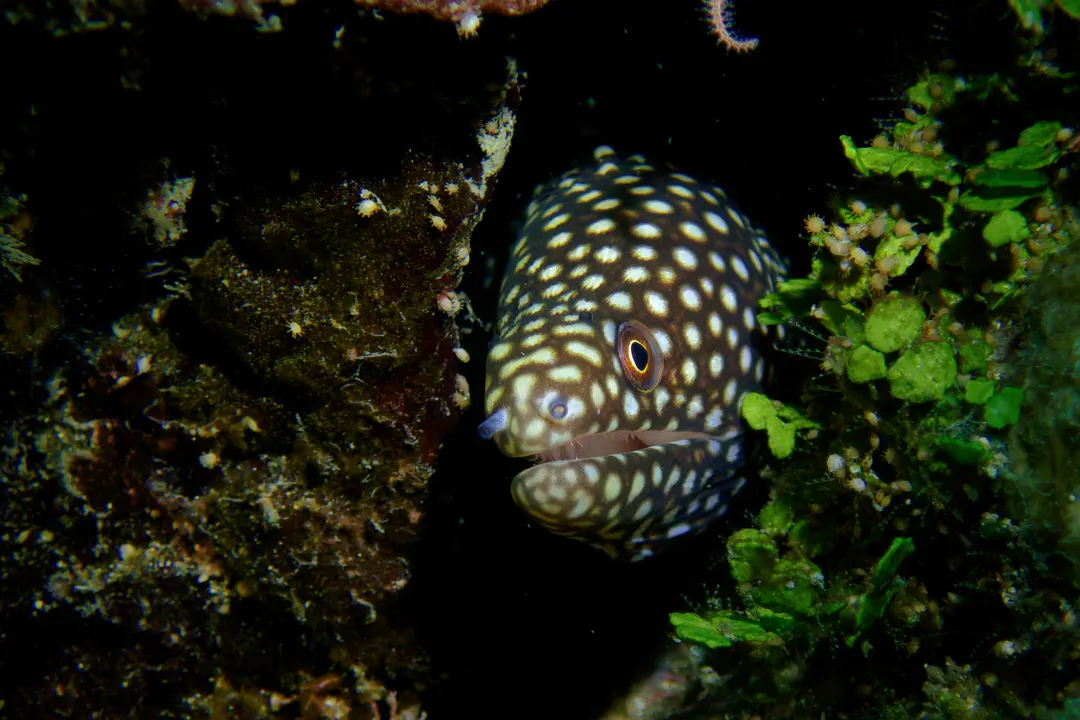
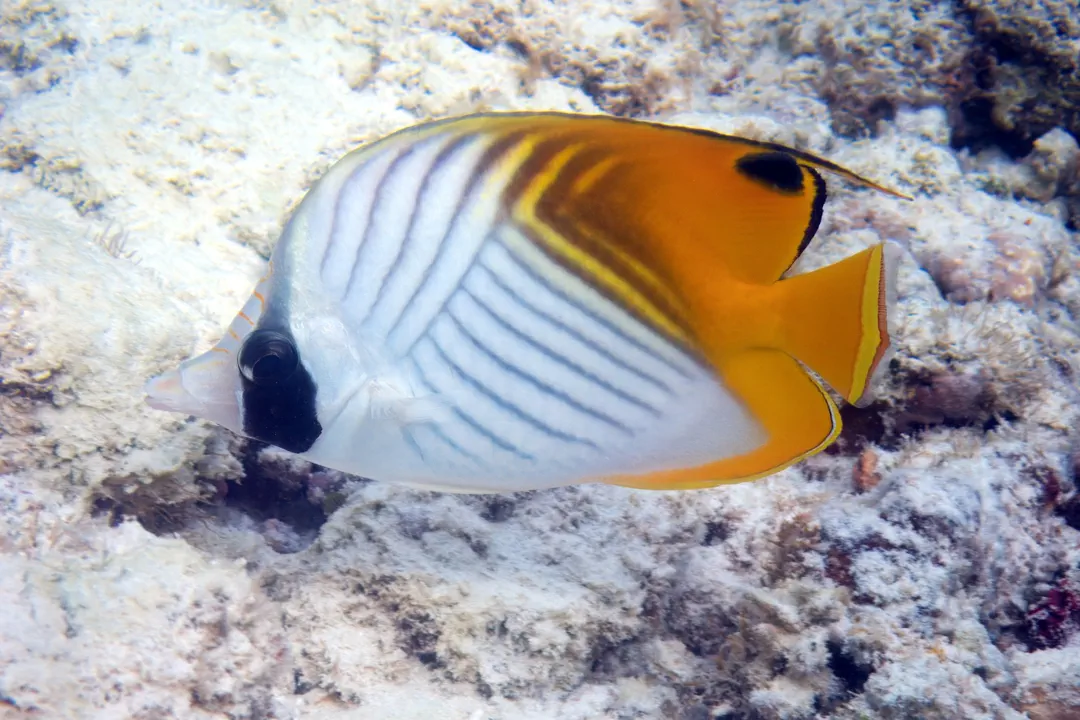
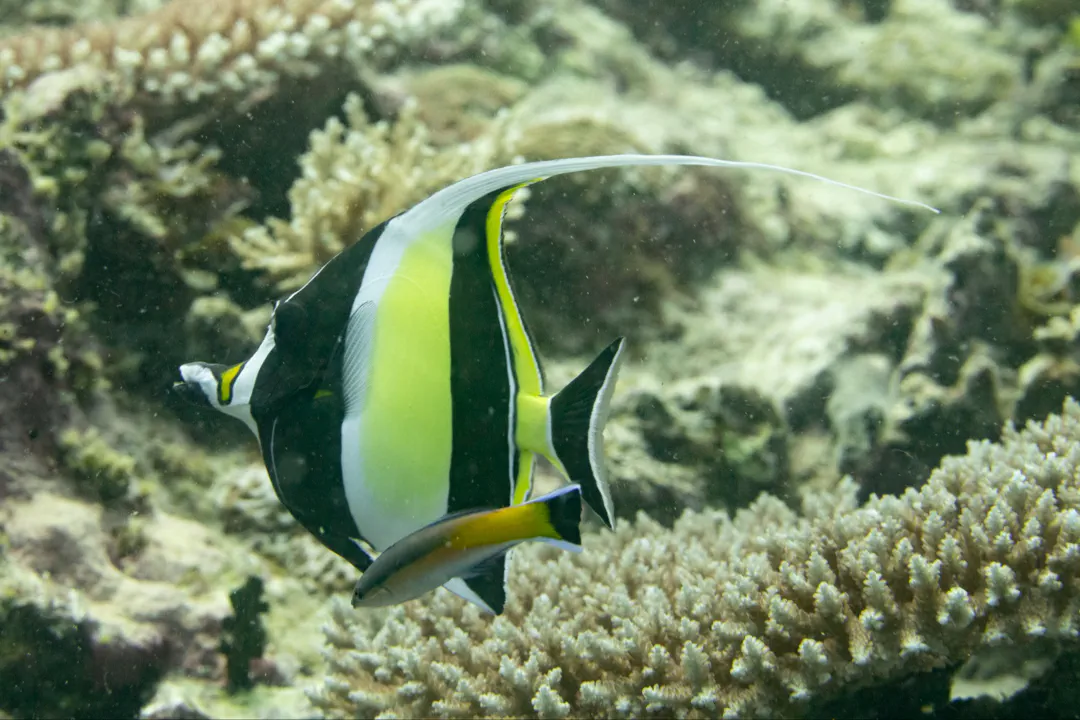
While not offering the dramatic drop-offs of the outer islands, Bongoyo's sites reveal a range of reef fish, including butterflyfish and angelfish, alongside moray eels peeking from their rocky crevices. Octopus and cuttlefish are also frequently spotted, offering engaging marine encounters close to the city.
 © Jay ParolineCC BY 4.0 · iNaturalist
  © Darren ObbardCC BY 4.0 · iNaturalist
  © João D'AndrettaCC BY 4.0 · iNaturalist
  © cello caruso-turielloCC BY 4.0 · iNaturalist
  © Ewout KnoesterCC BY-SA 4.0 · iNaturalist
  © seabook.appAll rights reserved
 Diving Conditions and Practical Tips
Tanzania's underwater environment shifts with location and season. Water temperatures remain between 25°C and 29°C, allowing for comfortable dives. Visibility can exceed 30 meters, particularly during the dry seasons, though it reduces to 10-15 meters during monsoon periods.
Currents range from barely perceptible drifts on inner reefs to strong flows around Pemba's deep walls. Always choose a dive operator with a track record of safety and local knowledge. For those planning drift dives, a personal dive computer and a reef hook are useful additions to your gear.
Conservation Efforts
Tanzania demonstrates a commitment to safeguarding its marine heritage. The establishment of marine protected areas like Mafia Island Marine Park and the Mnemba Atoll conservation zone plays a key role in this effort.
These protected zones aim to preserve coral reefs, regulate fishing practices, and promote sustainable tourism. By doing so, Tanzania strives to ensure its underwater ecosystems remain healthy for future generations, maintaining a balance between human interaction and ecological health.
Questions
Do I need a visa to visit Tanzania?
Most non-African nationals require a visa to enter Tanzania. It can be obtained in advance online (e-Visa) or upon arrival at major entry points, though pre-arranging is recommended.
What is the currency in Tanzania?
The local currency is the Tanzanian Shilling (TZS). US Dollars are widely accepted in tourist areas, especially for larger payments like safaris or dive packages, but smaller local purchases require shillings.
Is it safe to dive in Tanzania?
Yes, diving in Tanzania is generally safe when using reputable dive operators who adhere to international safety standards. Always ensure your gear is well-maintained and follow your dive guide's instructions.
Can I combine diving with a safari trip in Tanzania?
Yes, combining a safari in one of Tanzania's national parks (like the Serengeti or Ngorongoro Crater) with a diving extension to Zanzibar, Mafia, or Pemba is a popular itinerary, offering a contrast between terrestrial wildlife and marine ecosystems.
What diving certification level is required?
Many dive sites, particularly around Zanzibar and Mafia, are suitable for Open Water certified divers. However, advanced sites like Pemba's deep walls and drift dives are best suited for Advanced Open Water divers or those with equivalent experience.
Are there any local permits or fees for diving?
Yes, marine park fees are typically included in dive package costs when diving within protected areas like Mafia Island Marine Park or Mnemba Atoll. Always confirm with your dive operator what fees are included.