
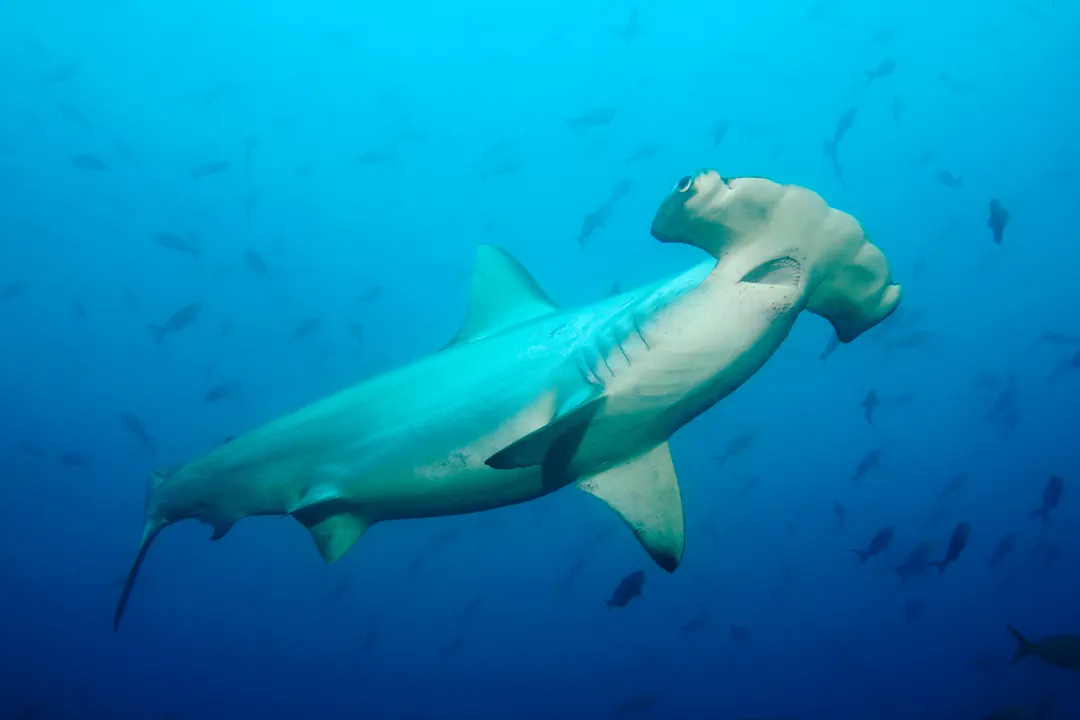
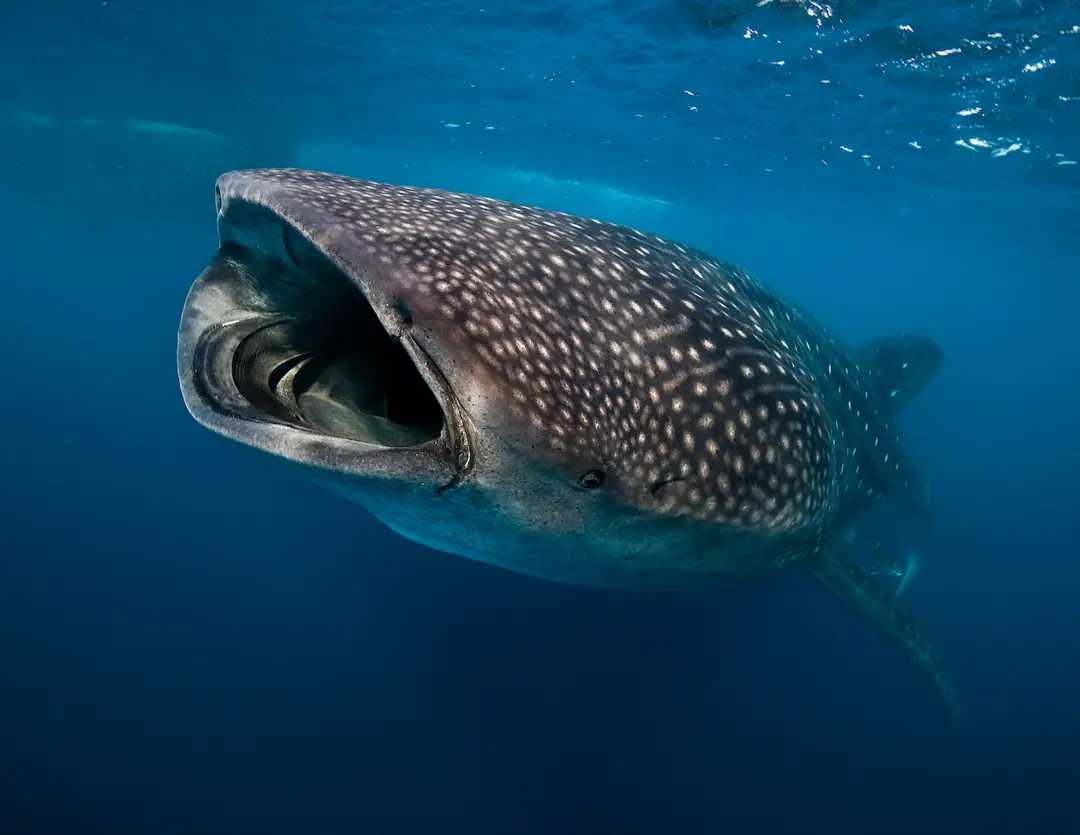
At Darwin Arch in the northern Galápagos, you hang onto volcanic basalt at a depth of 18 meters while a four-knot current pulls at your regulator. Thirty scalloped hammerheads (Sphyrna lewini) sweep past overhead, their flattened heads silhouetted against morning sunlight filtering down through greenish water. An eight-meter whale shark glides out of the blue, its pale grey flanks covered in white spots like stars against a night sky.
Finding the best liveaboard destinations comes down to reaching remote ocean pinnacles, isolated atolls, and protected marine reserves where large pelagic creatures aggregate. Peak encounters across these global routes range from year-round opportunities in tropical corridors to narrow windows between March and November depending on the archipelago. Surface water temperatures span from 21°C in cold-water upwelling zones to 30°C in equatorial seas, while underwater visibility varies from 15 meters during plankton surges to over 30 meters in pelagic blue water.
Top itineraries focus on remote destinations including Darwin and Wolf in the Galápagos, Socorro Island in Mexico, Cocos Island off Costa Rica, Raja Ampat in Indonesia, and the offshore Red Sea reefs of Daedalus and Brothers. These voyages offer close encounters with scalloped hammerheads, oceanic whitetip sharks, giant oceanic mantas, and whale sharks. While tropical reef circuits suit confident intermediate divers, isolated oceanic seamounts demand advanced certification, experience in heavy currents, and comfortable handling of negative surface entries.
Why Book a Liveaboard for Marine Life Encounters?
Liveaboard vessels provide access to remote ocean pinnacles, offshore seamounts, and isolated marine reserves that sit beyond the range of land-based day boats. By eliminating daily transits back to shore, these specialized boats allow divers to wake up directly over deep-water cleaning stations and stay positioned on wild reefs during peak morning feeding hours.
Staying offshore enables itineraries to link multiple distant ecosystems within a single trip, from steep drop-offs exposed to oceanic currents to sheltered inner lagoons. Daily schedules often include three to four dives timed around shifting tides and sunlight, maximizing encounters with pelagic predators when they are most active. Reaching these distant waters also means sharing dive sites with fewer people, as vessel capacity is tightly regulated across major marine reserves.
Operating in remote waters introduces strict technical demands on both vessels and divers. Open-ocean crossings between islands can span 30 to 36 hours through rough swells, requiring stable hulls and clear safety protocols. Divers must be self-sufficient with buoyancy, carry surface marker buoys on every descent, and maintain conservative gas management when diving hours away from shore-based medical facilities.
Galapagos Islands (Ecuador): Schooling Hammerheads and Endemics
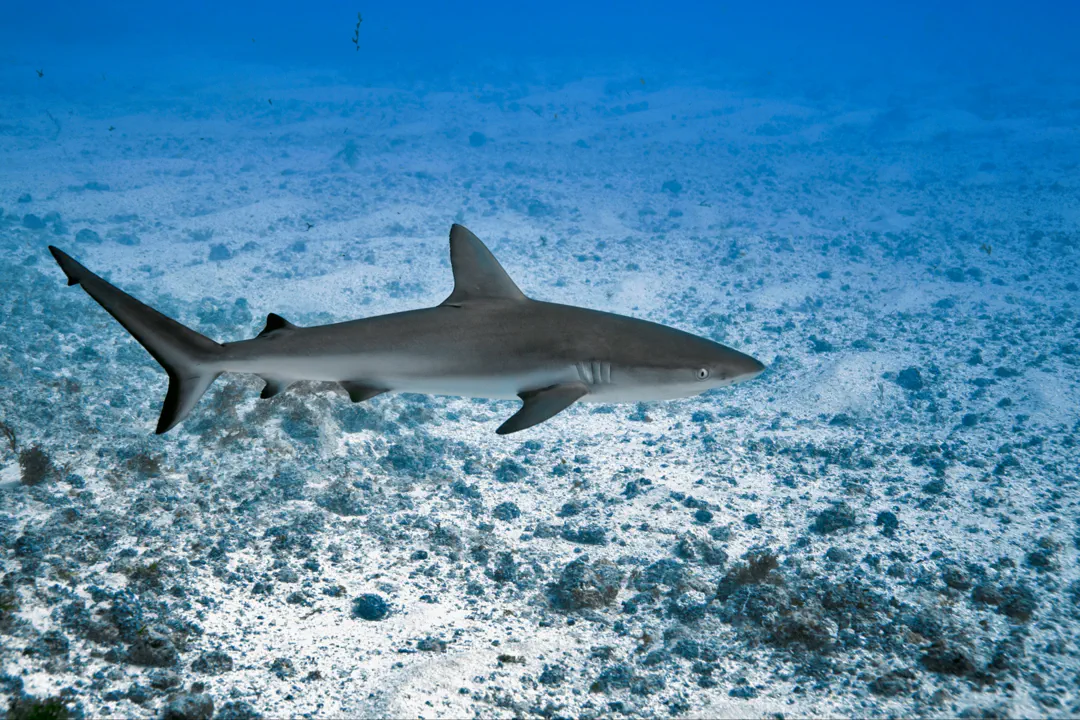
The Galápagos Islands offer cold, nutrient-dense waters where convergence currents bring hundreds of scalloped hammerheads and massive pelagic species together around isolated northern outcroppings. Key liveaboard sites like Darwin and Wolf Islands stand as legendary high-current spots where divers lock into rocky ledge platforms to watch massive schools of sharks pass through cleaning stations.
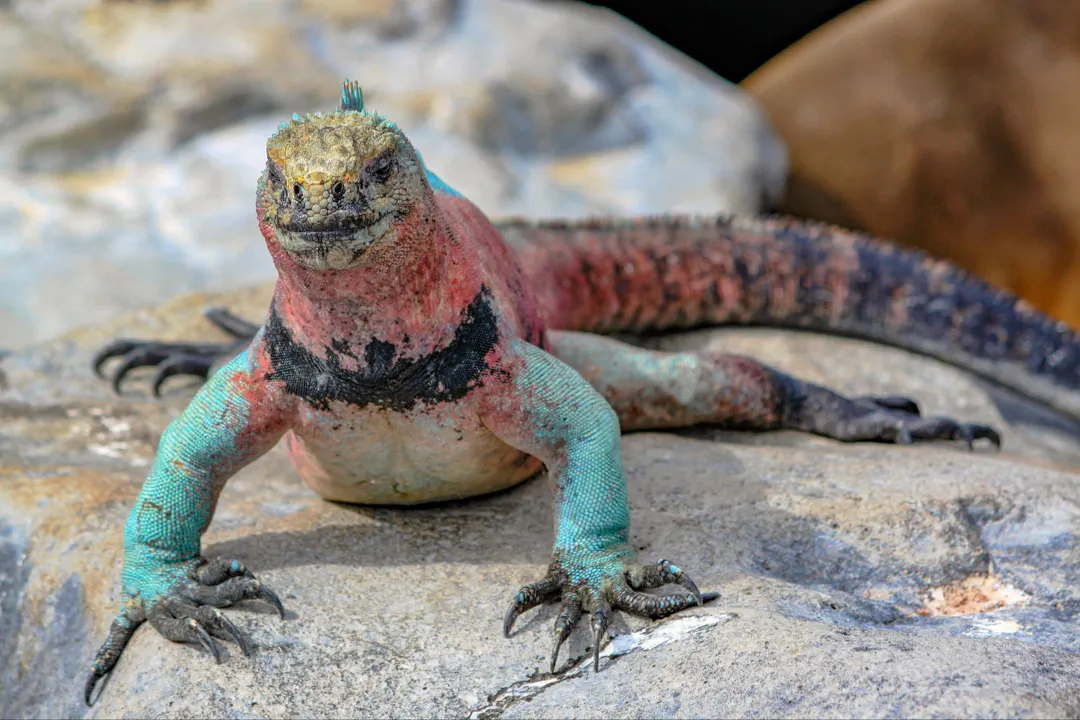
Water temperatures fluctuate between 21°C and 28°C depending on the season and depth, driven by the cold Humboldt and Cromwell currents. Visibility ranges from 12 to 25 meters, dropping when plankton surges draw filter feeders into the shallows. Between June and November, female whale sharks measuring up to 12 meters pass through the northern archipelago, while endemic marine iguanas forage on submerged green algae along rocky shorelines.
Diving these northern islands requires advanced skills, as surge and unpredictable currents can pull divers off rocks into blue water. Expect negative surface entries directly into strong flow, quick descents along barren basalt walls, and safety stops completed while drifting in open ocean. A 5 mm or 7 mm wetsuit with hood and gloves is standard protection against cold thermoclines that sit below 15 meters.
Depth: 6-30 m. Access: liveaboard boat, 14 hours north of Itabamba Channel. Level: Advanced Open Water. Best months: June-November.
 © seabook.appAll rights reserved
 © seabook.appAll rights reserved
 © Shawn O'DonnellCC BY 4.0 · iNaturalist
 © R VasconcellosCC BY 4.0 · iNaturalist
 © seabook.appAll rights reserved
 © Matteo BellucciCC BY 4.0 · iNaturalist
Raja Ampat (Indonesia): World Record Coral Reef Biodiversity
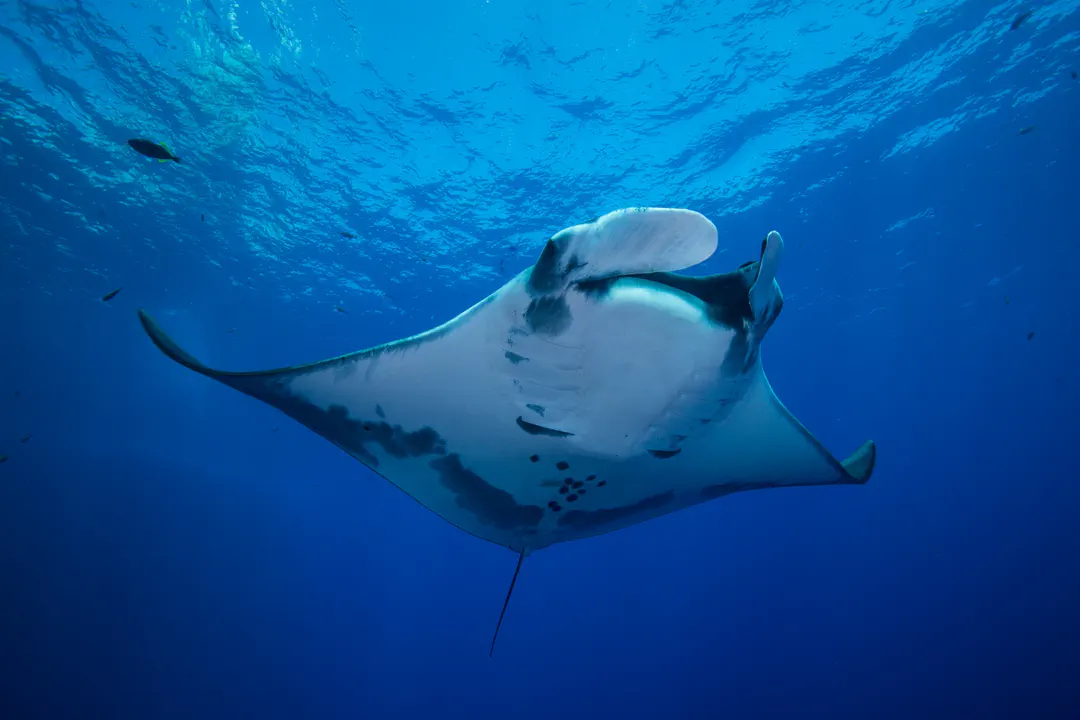
Raja Ampat sits at the epicenter of the Coral Triangle, harboring unmatched reef fish variety across thousands of limestone islands, karst passages, and sweeping drift sites. Liveaboard itineraries navigate these sheltered straits and exposed outer reefs, positioning divers above active cleaning stations where reef manta rays and oceanic mantas gather to feed.
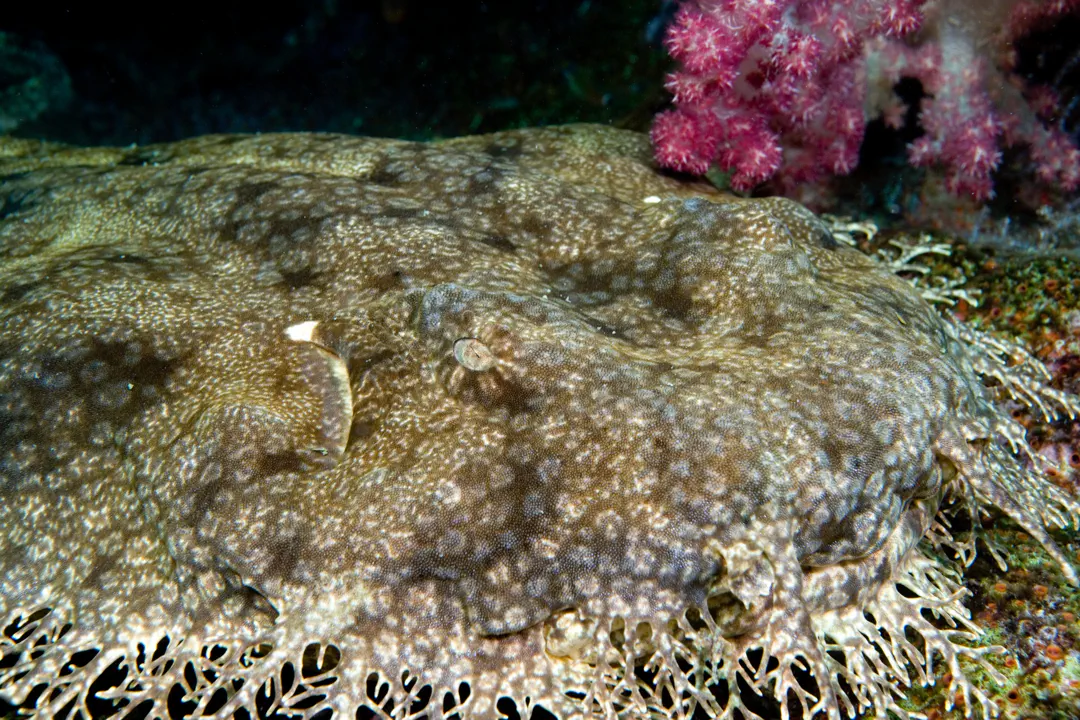
Water temperatures remain consistently warm between 27°C and 30°C year-round, while visibility fluctuates from 15 to 30 meters depending on tidal flow and plankton density. Deep channels like the Dampier Strait channel rich tidal currents that nourish massive soft coral forests, black coral bushes, and dense schools of jacks. In lower-energy reef pockets, divers can log species with the Seabook app to identify cryptics like the pygmy seahorse attached to sea fans or the flat, fringed profile of the tasseled wobbegong resting on sandy ledges.
Navigating these passages involves quick changes in tidal flow, generating strong downcurrents and whirlpools near outer reef corners. Divers deploy reef hooks on bare rock outcroppings to hold position in two-knot currents while watching grey reef sharks and schooling barracudas swim past. Smooth surface conditions inside the archipelagos make this destination comfortable between long open-water drifts.
Depth: 5-30 m. Access: liveaboard boat, 2-6 hours from Sorong port. Level: Open Water to Advanced Open Water. Best months: October-April.
 © seabook.appAll rights reserved
 © seabook.appAll rights reserved
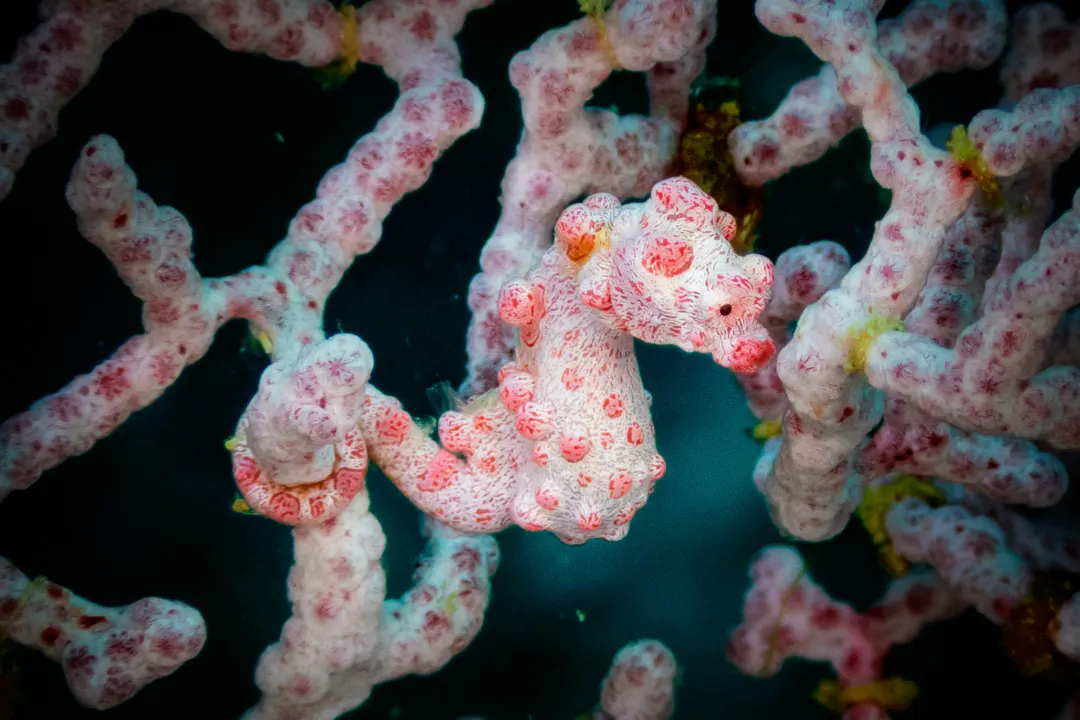 © Pierre PericardCC BY 4.0 · iNaturalist
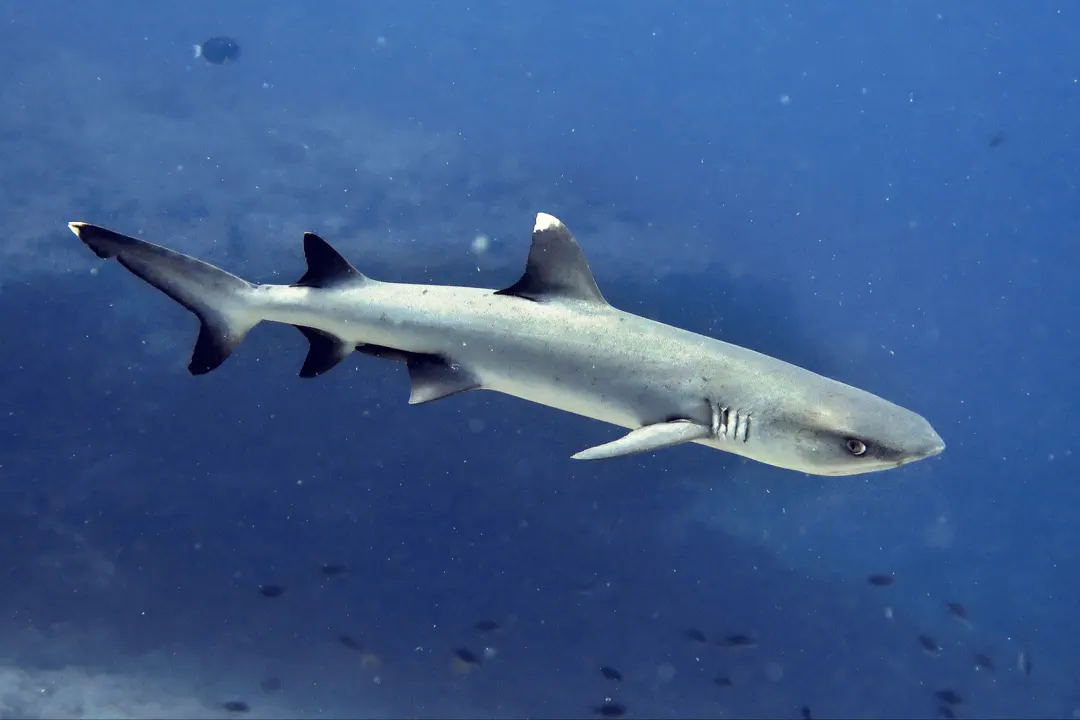 © Daniel BenákCC BY 4.0 · iNaturalist
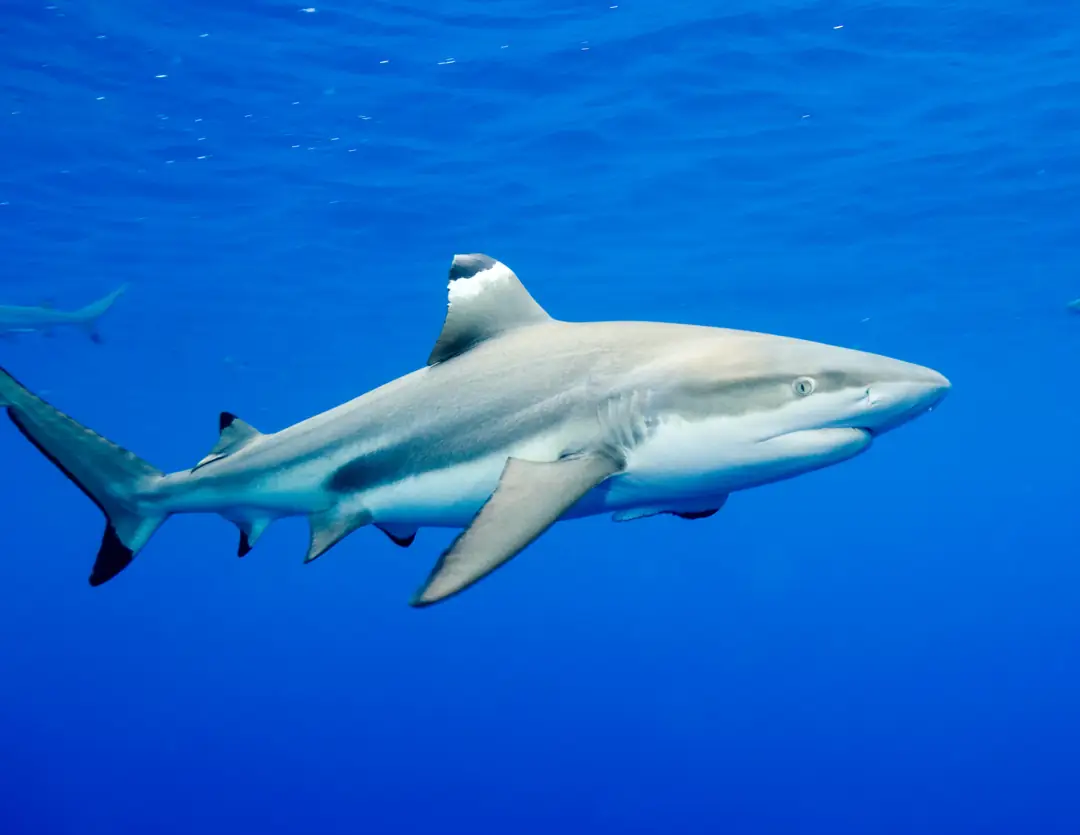 © seabook.appAll rights reserved
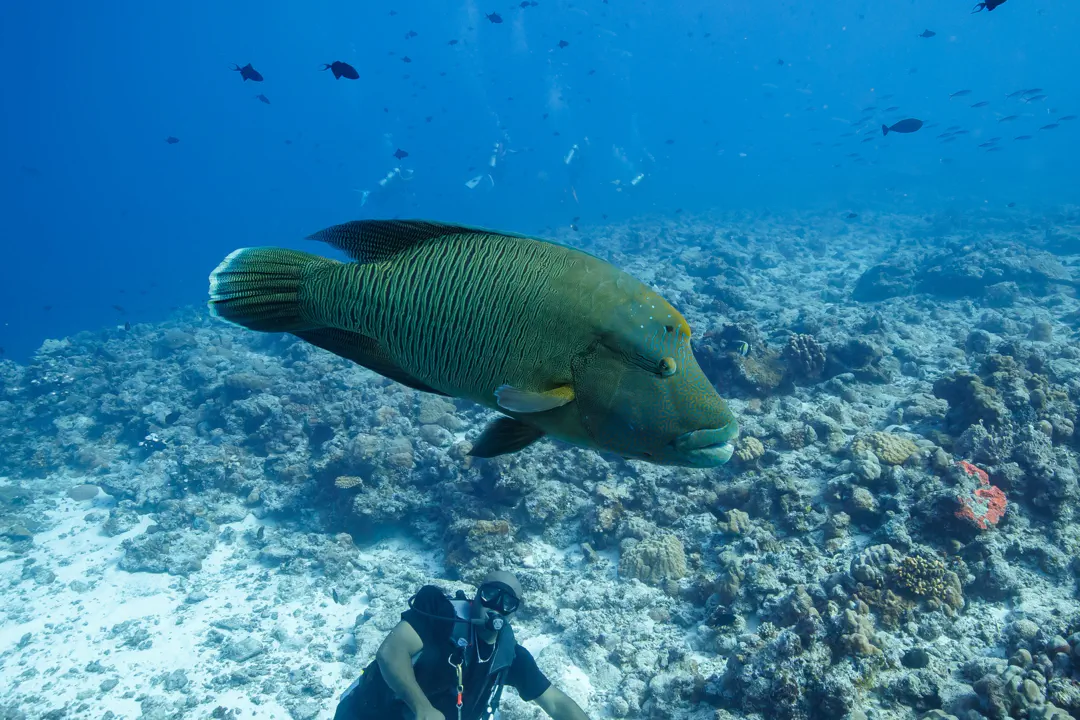 © seabook.appAll rights reserved
Socorro Island (Mexico): Giant Mantas and Wild Dolphins
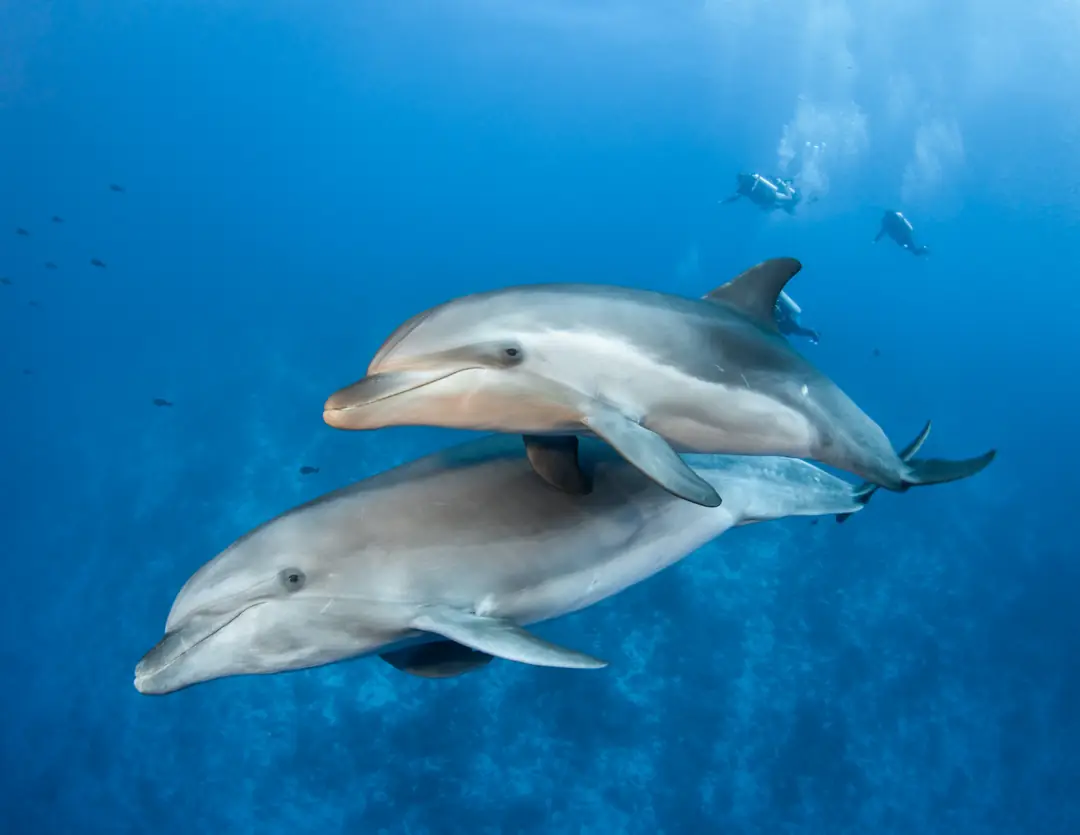
Socorro Island and the surrounding Revillagigedo Archipelago feature open-Pacific oceanic pinnacles known for intimate encounters with giant oceanic mantas, wild bottlenose dolphins, and multiple shark species. Reached via a 24 to 30-hour liveaboard ocean crossing from Cabo San Lucas, these remote volcanic rocks attract pelagic giants into shallow cleaning stations.
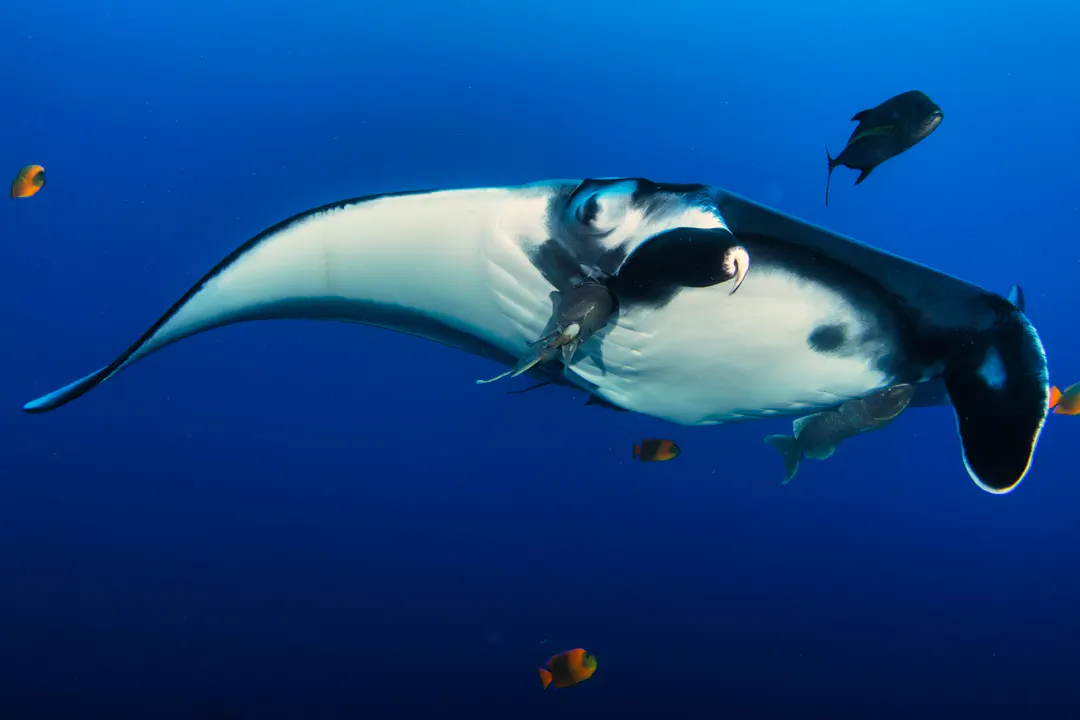
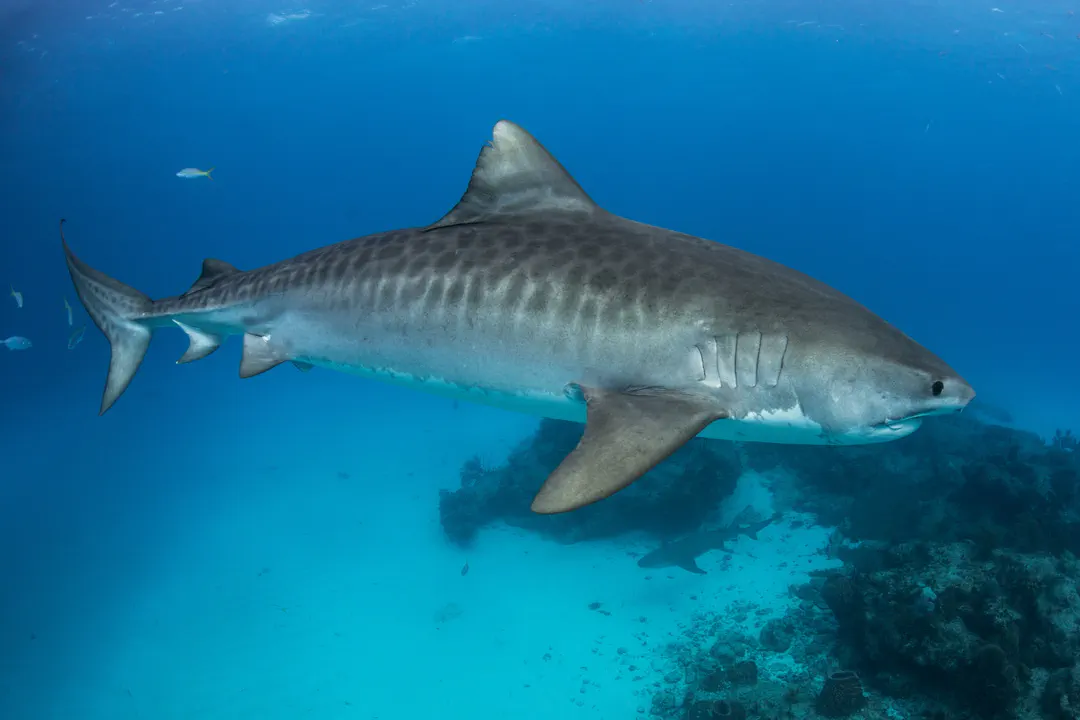
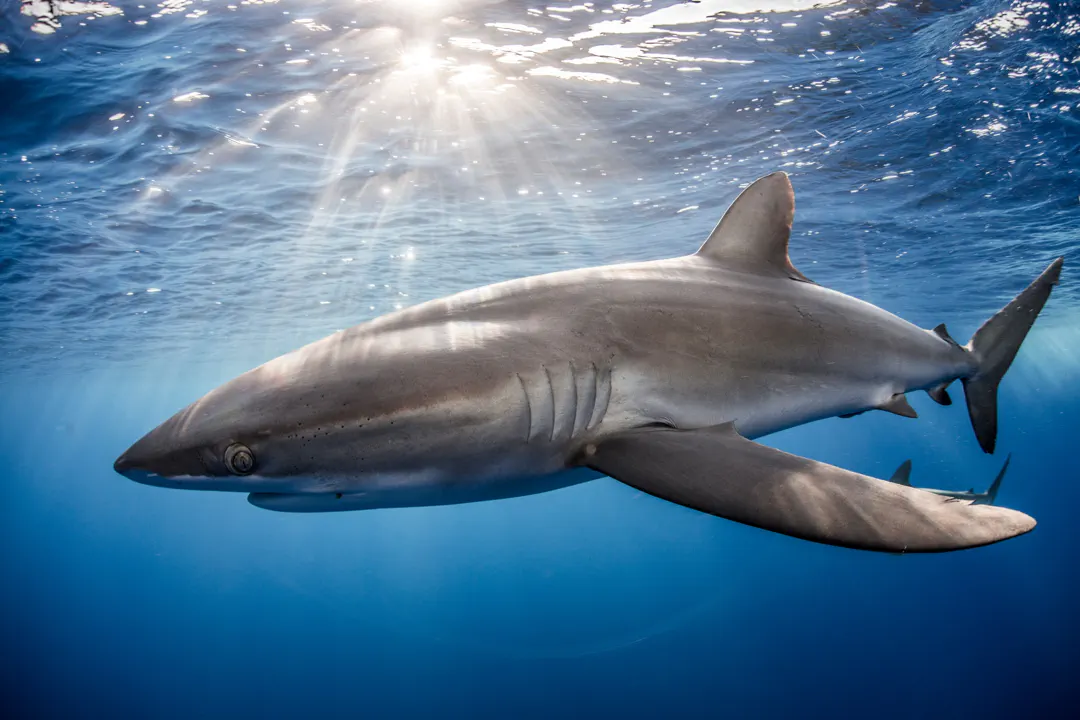
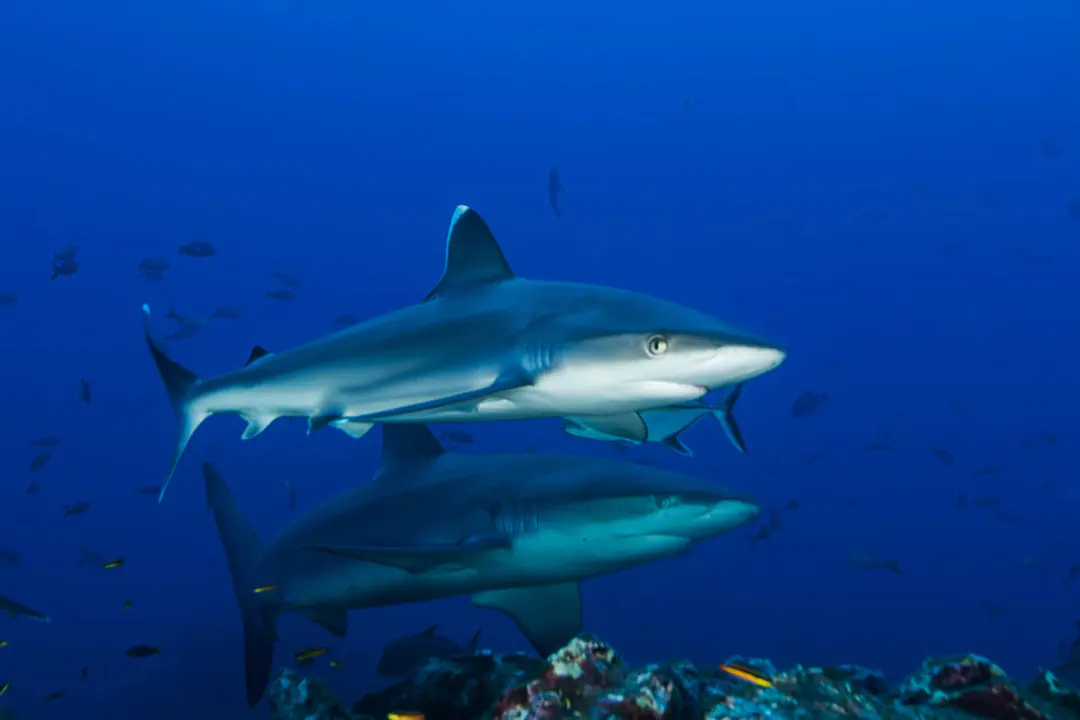
Water temperatures range from 21°C in early spring to 28°C in late autumn, while blue-water visibility often exceeds 30 meters. Giant oceanic mantas with wingspans reaching seven meters regularly hover less than a meter above divers, seeking the gentle touch of bubbles. Bottlenose dolphins frequently descend to depths of 20 meters to interact with dive groups, while silky sharks, Galápagos sharks, and schooling hammerheads patrol the deep outer drop-offs.
The remote position of San Benedicto, Socorro, and Roca Partida exposes every site to open ocean swells and sudden surge. Dive operations require negative entries over deep water without anchor lines, demanding tight buddy coordination and precise buoyancy control. Divers carry dual surface marker buoys and air horns, as all safety stops take place while drifting in deep open ocean.
Depth: 10-30 m. Access: liveaboard boat, 24-30 hours from Cabo San Lucas. Level: Advanced Open Water. Best months: November-May.
 © seabook.appAll rights reserved
 © seabook.appAll rights reserved
 © seabook.appAll rights reserved
 © seabook.appAll rights reserved
Red Sea Deep South (Egypt): Oceanic Whitetips and Drop-Offs
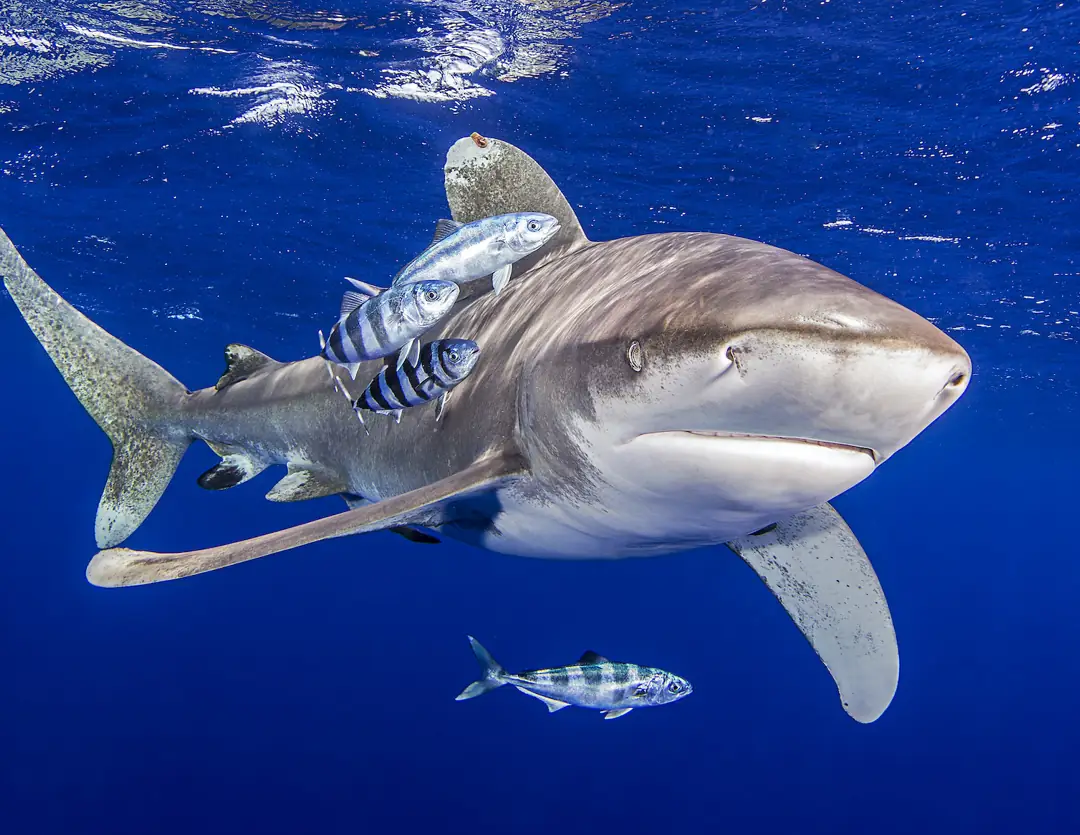
The Egyptian Deep South itinerary takes liveaboards to isolated offshore reefs including Brothers, Daedalus, and Elphinstone, famous for curious oceanic whitetip sharks and steep wall drop-offs. These narrow coral pinnacles rise from depths over 500 meters, acting as magnetic gathering spots for open-water predators in the middle of the Red Sea.
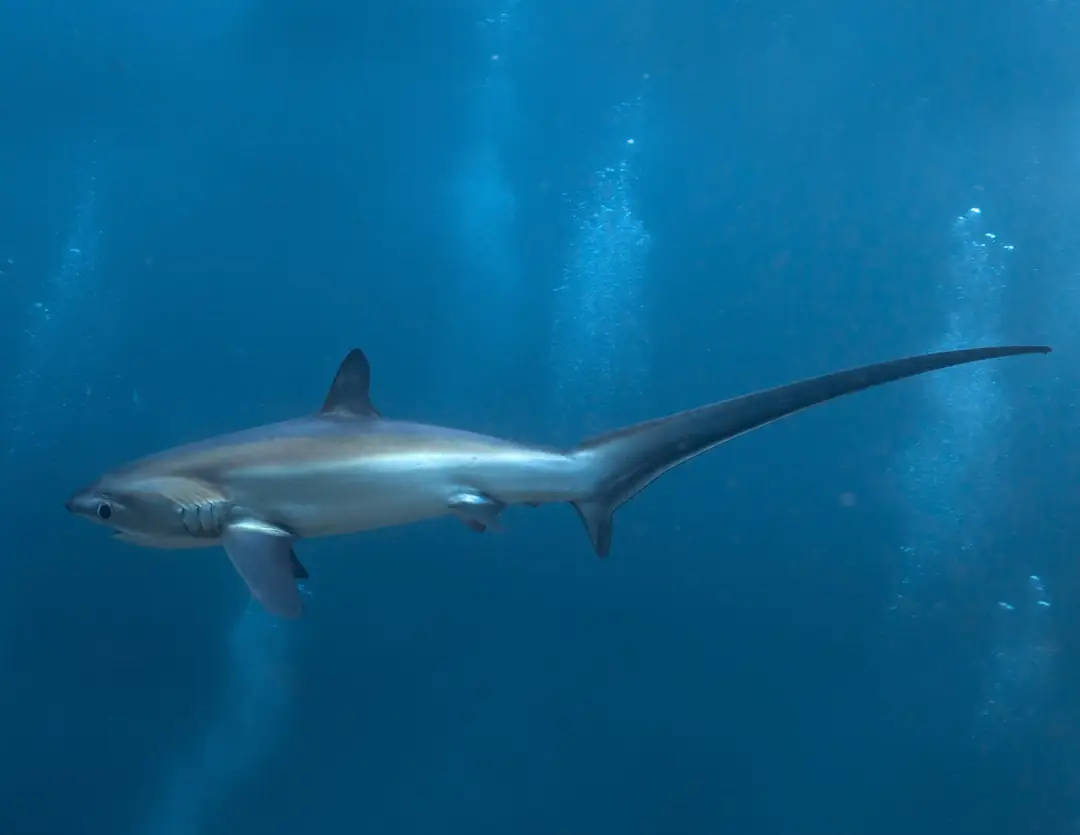
Water temperatures vary from 22°C in winter to 30°C in mid-summer, with visibility regularly reaching 30 meters along vertical walls clad in soft corals and massive gorgonian sea fans. Oceanic whitetip sharks patrol directly under moored dive boats during autumn months, approaching divers out in the open blue. Thresher sharks with long, scythe-like tails circle deep cleaning stations at 30 meters during early morning descents, alongside schools of scalloped hammerheads.
Diving these offshore reefs requires comfort with deep vertical walls, unpredictable current shifts, and surface chop. Boats moor on lee sides of the reef, but divers frequently enter from small inflatable tenders directly over dark blue drop-offs. Strict safety guidelines mandate maintaining distance from curious oceanic whitetip sharks and avoiding any surface feeding or physical contact.
Depth: 10-40 m. Access: liveaboard boat, 6-10 hours from Marsa Alam or Hurghada. Level: Advanced Open Water (minimum 50 logged dives). Best months: September-November for oceanic whitetips; May-August for hammerheads.
 © seabook.appAll rights reserved
 © Jenvit SeriburiAll rights reserved
 © seabook.appAll rights reserved
Cocos Island (Costa Rica): Seamounts and Apex Predators
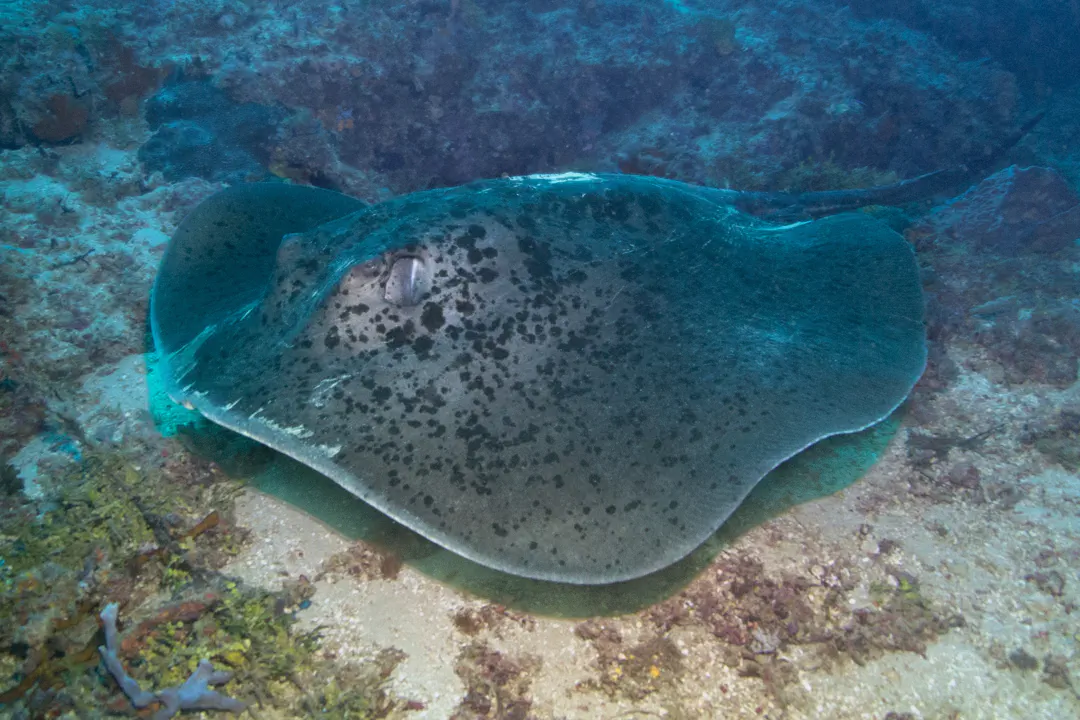
Cocos Island is an isolated oceanic outpost 500 to 550 kilometers off Costa Rica's Pacific coast, celebrated for intense cleaning station action with hundreds of scalloped hammerheads and active apex predators. Accessible via a 36-hour liveaboard voyage across open ocean, this rainforest-covered island features submerged pinnacles where pelagic marine life concentrates in massive numbers.
Water temperatures typically range between 24°C and 29°C, though abrupt thermoclines can drop temperatures to 20°C at depth. Visibility ranges from 15 to 25 meters, often heavy with plankton that attracts whale sharks and dense bait balls of bigeye trevally. At famous pinnacles like Bajo Alcyone, divers sink to boulder-strewn ridges at 25 meters to watch wall-to-wall schools of hammerheads swim into strong cleaning currents.
Conditions at Cocos are demanding, characterized by heavy surge, strong current downwellings, and long drifts away from submerged reefs. Divers need high self-reliance, deploying delayed surface marker buoys from depth while managing gas consumption in cool water. Strict national park regulations protect the area, permitting non-contact wildlife observation from behind designated rock boundaries.
Depth: 12-35 m. Access: liveaboard boat, 36 hours from Puntarenas port. Level: Advanced Open Water. Best months: June-December for maximum shark biomass; January-May for calmer seas.
 © Ewout KnoesterCC BY-SA 4.0 · iNaturalist
Tubbataha Reefs (Philippines): Pristine Atolls and Shark Sanctuaries
Tubbataha Reefs Natural Park is a protected UNESCO site in the middle of the Sulu Sea, featuring vertical wall drop-offs, dense reef shark populations, and pristine coral cover. Reached only by liveaboard during a strict three-month weather window, this remote sanctuary lies 150 kilometers offshore from Palawan.
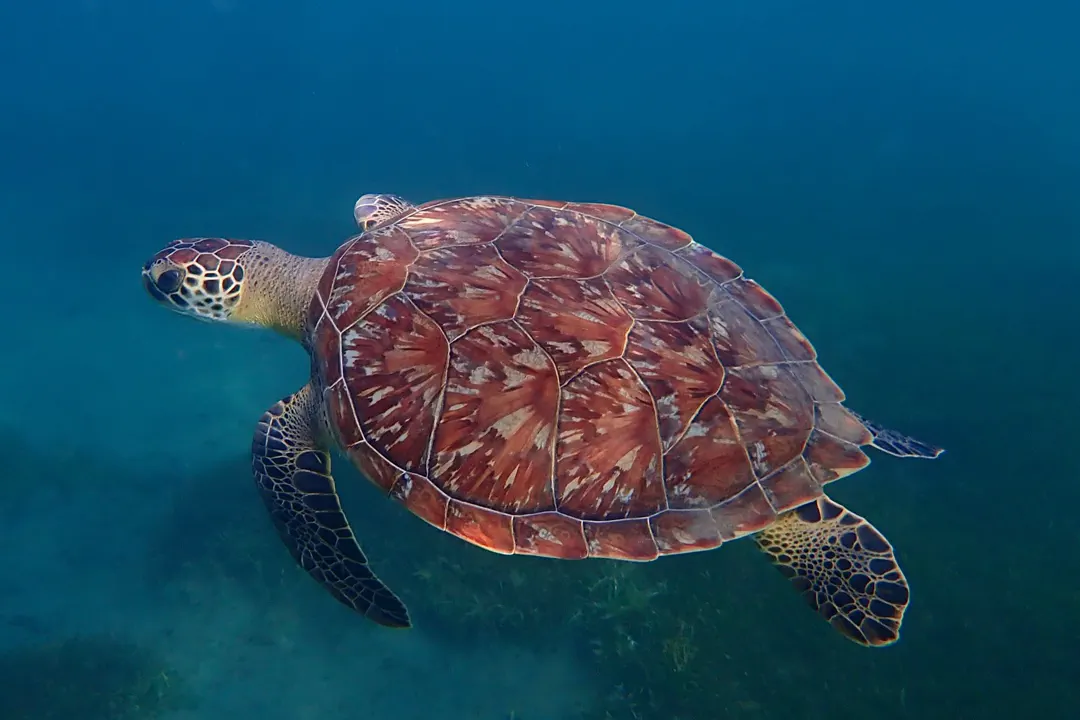
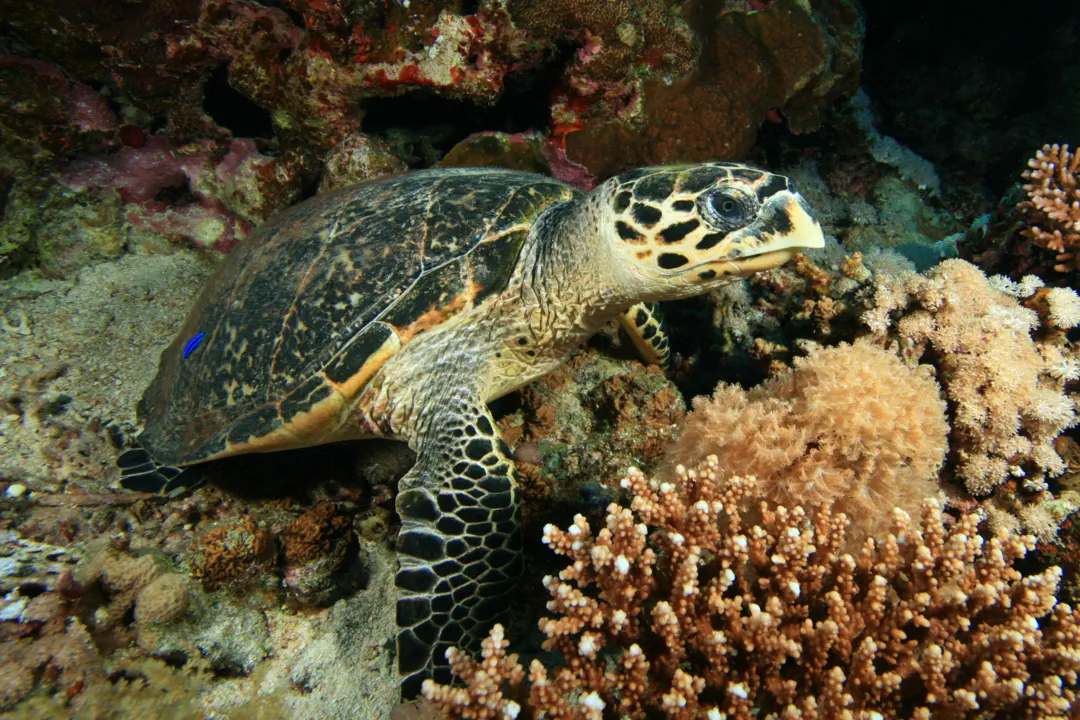
Water temperatures range between 27°C and 30°C with visibility frequently exceeding 30 to 40 meters in clear blue oceanic water. Sheer underwater cliffs plunge hundreds of meters into the depths, blanketed in gigantic barrel sponges and sea fans. White-tip reef sharks, blacktip reef sharks, and grey reef sharks rest on sandy ledges or cruise along wall edges, while green sea turtles and hawksbill turtles swim through shallow reef flats.
Diving inside Tubbataha involves high-energy drift dives around the northern and southern atolls' outer corners. Strong tidal currents sweep divers along vertical faces where giant trevally, barracuda, and occasional whale sharks pass in open water. Liveaboard permits are strictly limited each season, enforcing rigid environmental conservation standards to preserve the park's underwater ecosystem.
Depth: 5-40 m. Access: liveaboard boat, 10-12 hours from Puerto Princesa. Level: Advanced Open Water recommended. Best months: March-June.
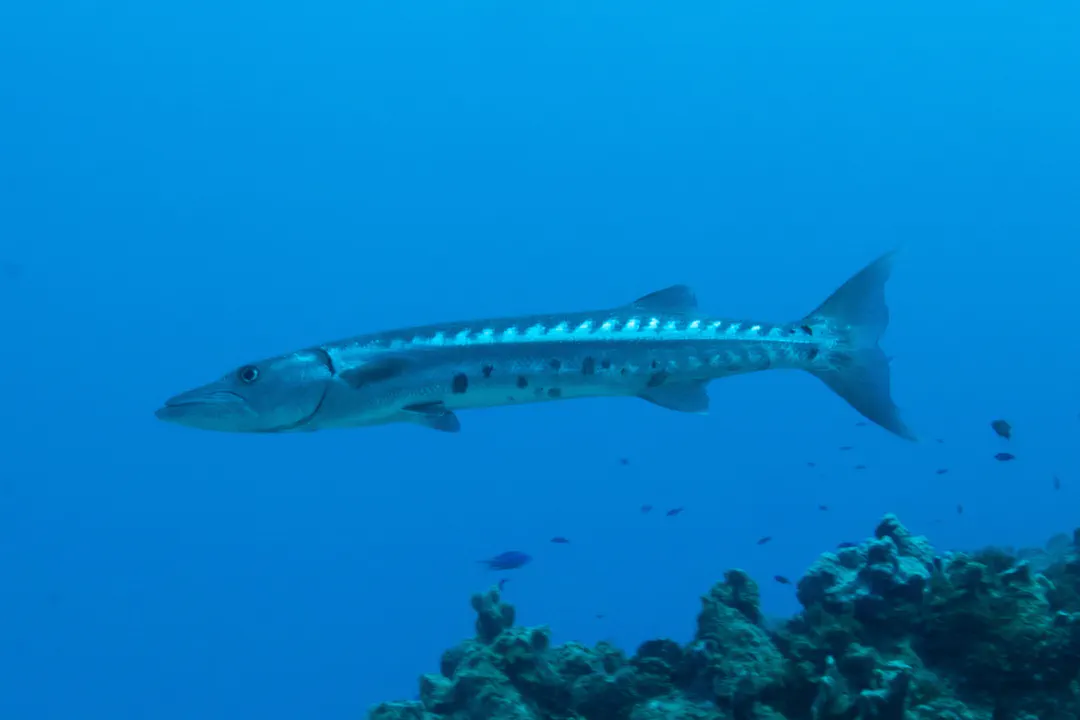 © Dan SchofieldCC BY 4.0 · iNaturalist
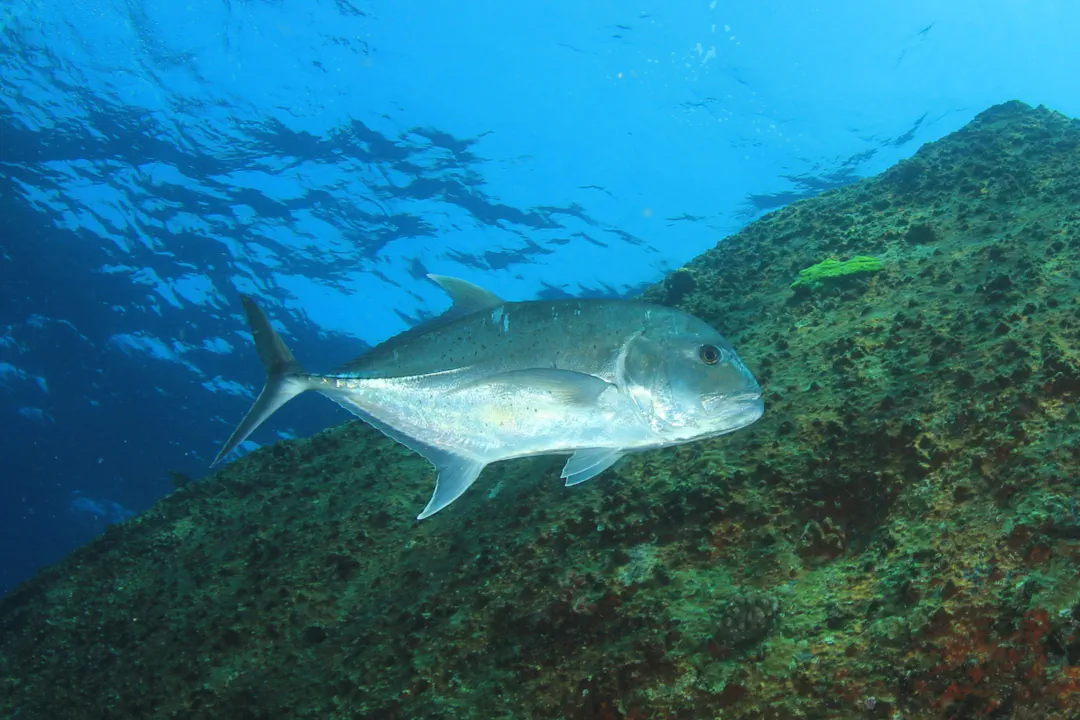 © seabook.appAll rights reserved
Best Time of Year for Liveaboard Trips
Selecting the best time of year for a liveaboard trip depends on aligning seasonal weather windows with peak marine life aggregations across different global ocean basins. While tropical destinations like Raja Ampat operate throughout much of the year, seasonal offshore parks enforce short windows dictated by trade winds and swell patterns.
From March through June, the Sulu Sea settles into calm conditions, opening the narrow dive window for Tubbataha Reefs. Between June and November, nutrient-rich upwellings in the Galápagos pull large numbers of whale sharks and schooling hammerheads toward Darwin and Wolf Islands. Autumn months from September to November offer optimal conditions in the Egyptian Red Sea for encounters with curious oceanic whitetip sharks along offshore reefs.
Pacific destinations like Socorro and Cocos offer year-round diving, but species encounters shift with changing water temperatures. Winter and spring bring cooler water and giant mantas to Socorro, while summer and autumn months bring higher plankton density and increased hammerhead numbers to Cocos Island. Reviewing historical water temperature charts and local wind trends before booking helps ensure trip expectations align with natural seasonal cycles.
How to Choose a Liveaboard for Your Certification Level
Matching your certification level and logged dive experience to a liveaboard route ensures safe navigation of technical ocean conditions like heavy currents, blue-water ascents, and deep drop-offs. Beginners thrive on sheltered itineraries like the northern Red Sea, whereas isolated oceanic pinnacles demand advanced skills, independent buoyancy control, and rapid negative surface entries.
Most high-current or pelagic liveaboard operators enforce strict minimum requirements, typically asking for Advanced Open Water certification and 30 to 50 verified logged dives. Divers should feel confident deploying a delayed surface marker buoy while hovering in mid-water, reading current direction along reef edges, and performing safety stops without a reference line. Enriched Air Nitrox certification is strongly recommended across all repetitive liveaboard schedules to extend no-decompression limits during multi-dive days.
Before reserving a spot on a vessel, review safety equipment standards, including onboard emergency medical oxygen, satellite communication systems, and skiff pickup procedures. Carry personal safety gear such as signaling mirrors, air horns, and dive lights on every dive. Choosing a route that matches your current skill level allows you to relax and enjoy complex marine ecosystems without unnecessary stress.
Questions
What is the best liveaboard destination for beginner divers?
Northern Red Sea routes generally offer the most forgiving liveaboard conditions, with sheltered reefs, warm water, and many relatively shallow sites, although offshore Brothers, Daedalus, and Elphinstone itineraries are advanced. Raja Ampat can suit less experienced divers on carefully selected routes, but tidal currents and remote logistics still require solid buoyancy control and a conservative approach.
Which liveaboard trip offers the highest chance of seeing hammerhead sharks?
Darwin and Wolf Islands in the Galápagos and Cocos Island are among the strongest destinations for scalloped hammerheads, but no operator can guarantee a sighting or a particular school size. Galápagos whale-shark encounters are mainly seasonal from June through November, whereas hammerhead availability can extend across more of the year; local current, visibility, and cleaning-station conditions determine the actual encounter.
Are liveaboard trips suitable for non-divers or snorkellers?
Some Raja Ampat and selected tropical itineraries offer snorkeling, kayaking, or shore excursions, but the schedule is built primarily around scuba diving and may include long periods at sea. Galápagos, Cocos, and Socorro routes are less suitable for non-divers because headline sites involve exposed offshore conditions, strong current, deep water, and few alternative activities.
How many dives per day do you do on a liveaboard?
Many tropical liveaboards schedule three dives per day, and some add a night dive when transit, weather, and local rules allow. Remote shark itineraries may offer only two dives on a day involving a long crossing or difficult current, so the advertised maximum should not be treated as a guaranteed daily schedule.
Is Enriched Air Nitrox required for liveaboard diving?
Nitrox is usually not universally required, but many divers use it for repetitive no-decompression dives because it can reduce nitrogen exposure when analyzed and planned correctly. It does not extend depth limits automatically, prevent decompression sickness, or replace surface intervals; divers need Nitrox certification, an analyzed cylinder, and a computer set to the correct oxygen percentage.

