
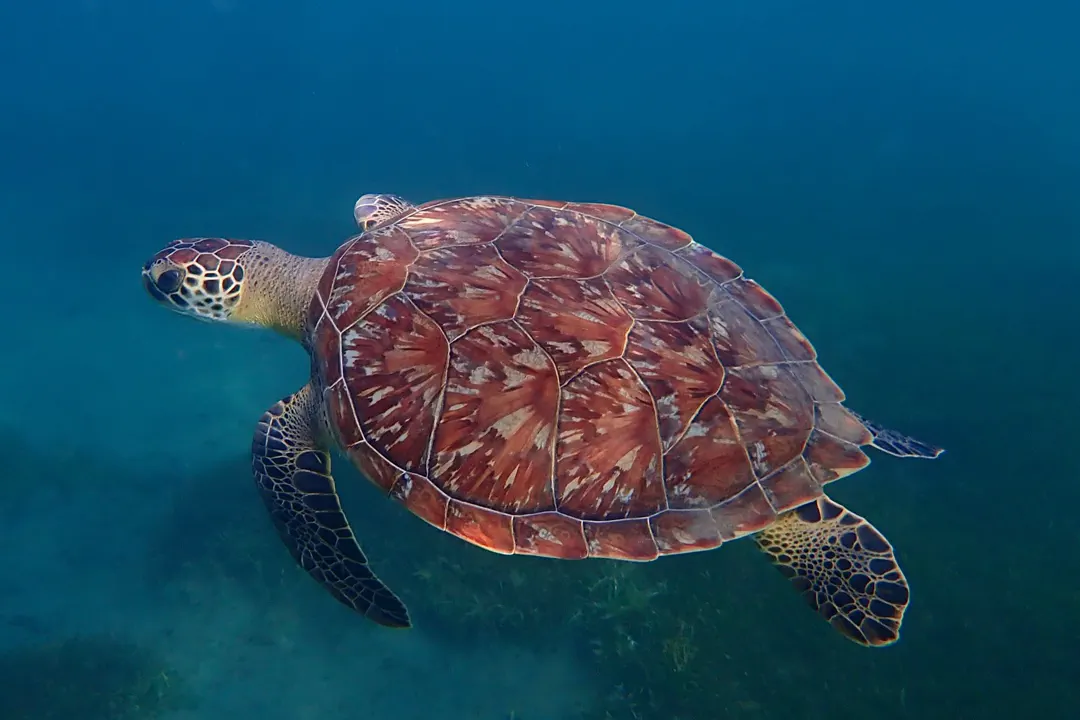
At Sawandarek Jetty in Raja Ampat, sunlight pierces two meters of calm water onto blue-tipped branching Acropora corals. A green sea turtle glides horizontally past a school of yellowtail fusiliers, its shell reflective in the noon light as gentle surges roll over the reef flat. Horned starfish lie scattered across white sand pockets three meters below.
Top global snorkeling locations feature shallow reefs from 1 to 5 meters deep, water temperatures between 22°C and 30°C, and visibility ranging from 15 to 80 meters. Leading destinations include Raja Ampat, the Great Barrier Reef, Baa Atoll, the Red Sea, and French Polynesia. These sites showcase manta rays, sea turtles, dugongs, and reef sharks for both novice surface floaters and confident drift snorkelers.
Peak conditions align with dry months from October to April in Southeast Asia and the Maldives, and May to October in the Pacific and Red Sea. Entry points vary from step-off resort house reefs to boat-accessed outer barrier walls.
What Makes a Top Snorkeling Location?
Sunlight fuels photosynthesis in the symbiotic algae inside reef-building corals, concentrating marine life within five meters of the surface. Ideal sites offer water depths between one and five meters, visibility exceeding 15 meters, and shelter from heavy ocean swells.
Calm conditions and minimal current allow effortless surface floating. While visibility reaches 30 meters during dry seasons, heavy coastal rainfall or strong offshore winds stir up sediment, dropping surface clarity below 10 meters near river outlets.
Living coral structure provides shelter for parrotfish, surgeonfish, and juvenile reef sharks. Marine park zoning and restricted vessel transit preserve these shallow habitats, letting wildlife feed and rest undisturbed meters from shore.
Raja Ampat, Indonesia: Coral Triangle's Shallow Masterpiece
Raja Ampat in Indonesia's West Papua province offers sheltered fringing reefs with water temperatures from 27°C to 30°C and visibility up to 30 meters. According to the UNESCO Man and the Biosphere Programme, Raja Ampat reefs host more than 75% of known coral species, over 1,320 coral-reef fish species and five rare or endangered sea-turtle species.
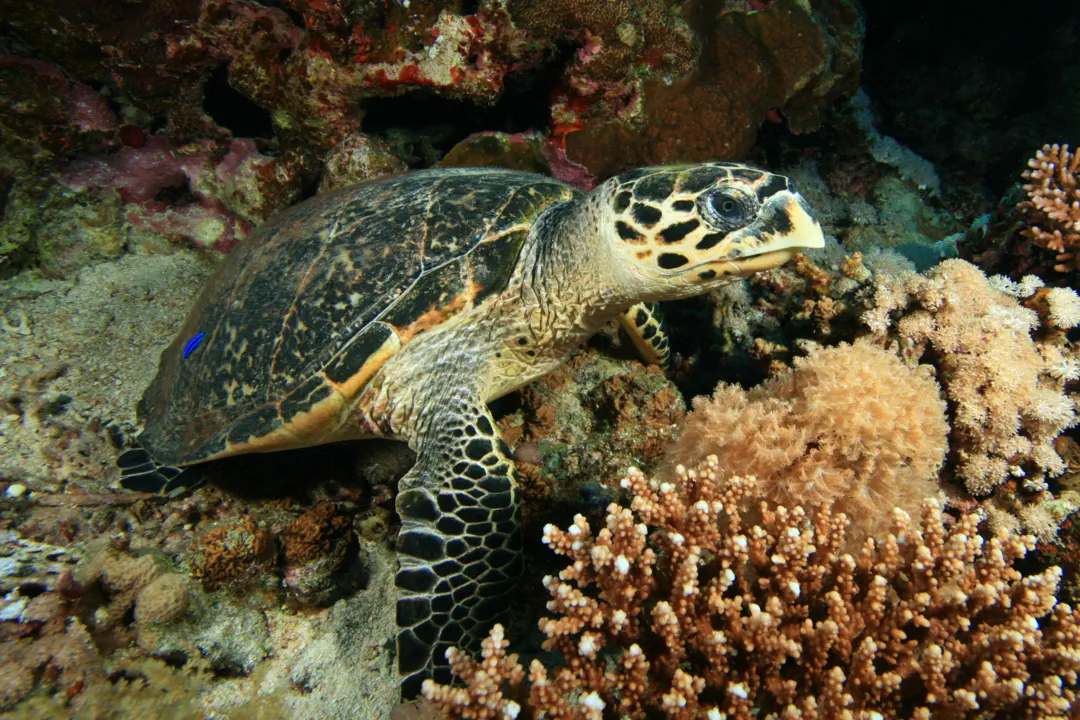
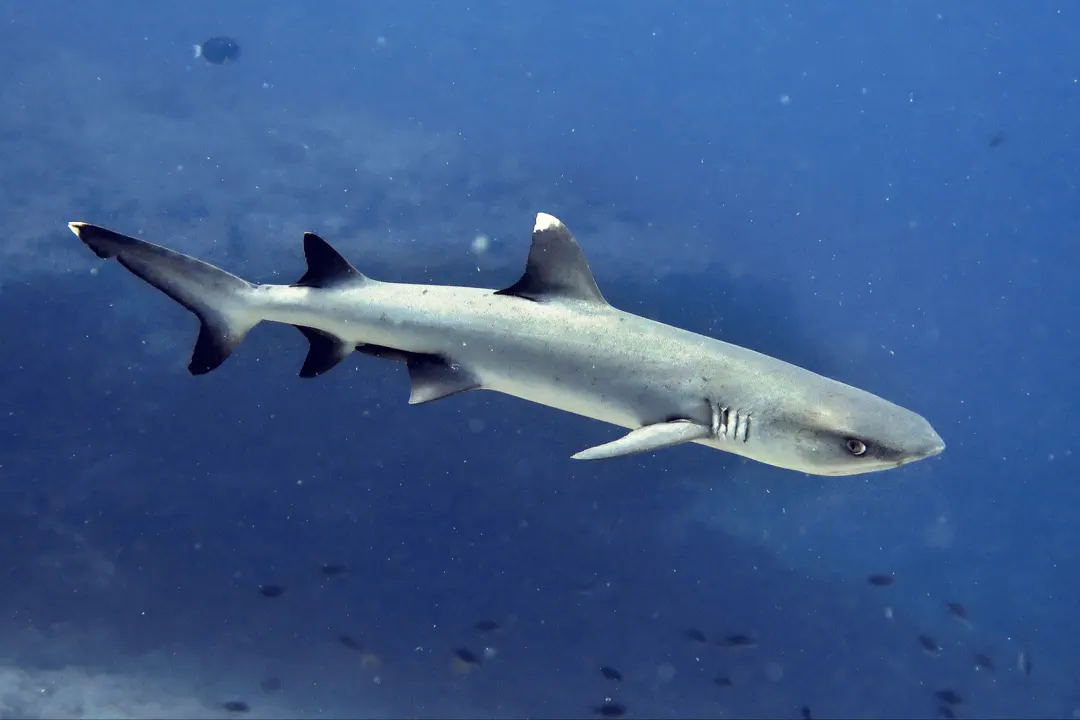
In shallow fringing reefs and sheltered lagoons, snorkelers spot hawksbill turtles browsing on sponges, while juvenile blacktip reef sharks patrol knee-deep sand flats. Whitetip reef sharks rest under hard coral overhangs at depths of three meters.
Water temperatures remain stable year-round. While tidal currents run through deep channels like the Kabui Passage, protected island bays provide calm swimming conditions for surface observers.
 © seabook.appAll rights reserved
 © Matteo BellucciCC BY 4.0 · iNaturalist
 © seabook.appAll rights reserved
 © seabook.appAll rights reserved
 © Daniel BenákCC BY 4.0 · iNaturalist
 © seabook.appAll rights reserved
The Great Barrier Reef, Australia: Coral Gardens and Marine Giants
Stretching 2,300 kilometers along Queensland, the Great Barrier Reef features shallow lagoons where water temperatures range from 21°C in winter to 29°C in summer. Inner island sites near Green Island provide calm entries, while outer reefs bring coral gardens within two meters of the surface.
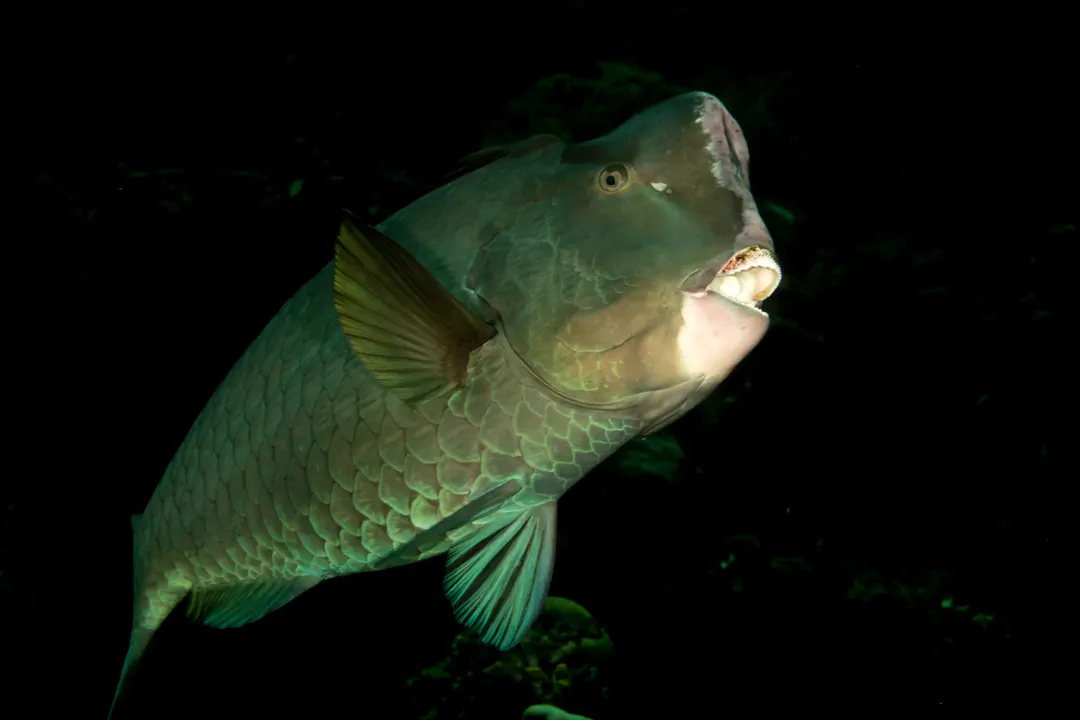
Green sea turtles graze quietly on seagrass beds, while large bumphead parrotfish crunch through hard coral in shallow schools. The Great Barrier Reef Marine Park Authority highlights that potato cod is a protected species under applicable zoning rules, residing near channel margins and reef drop-offs.
Water temperatures peak between 27°C and 29°C from December to April, dropping to 21–24°C from June to August. Protective stinger suits are required during the warmer summer months when box jellyfish inhabit coastal waters.
 © Ian ShawAll rights reserved
 © Rickard ZerpeCC BY 4.0 · iNaturalist
 © Olka KuryanAll rights reserved
Baa and Ari Atolls, Maldives: Manta Rays and House Reefs
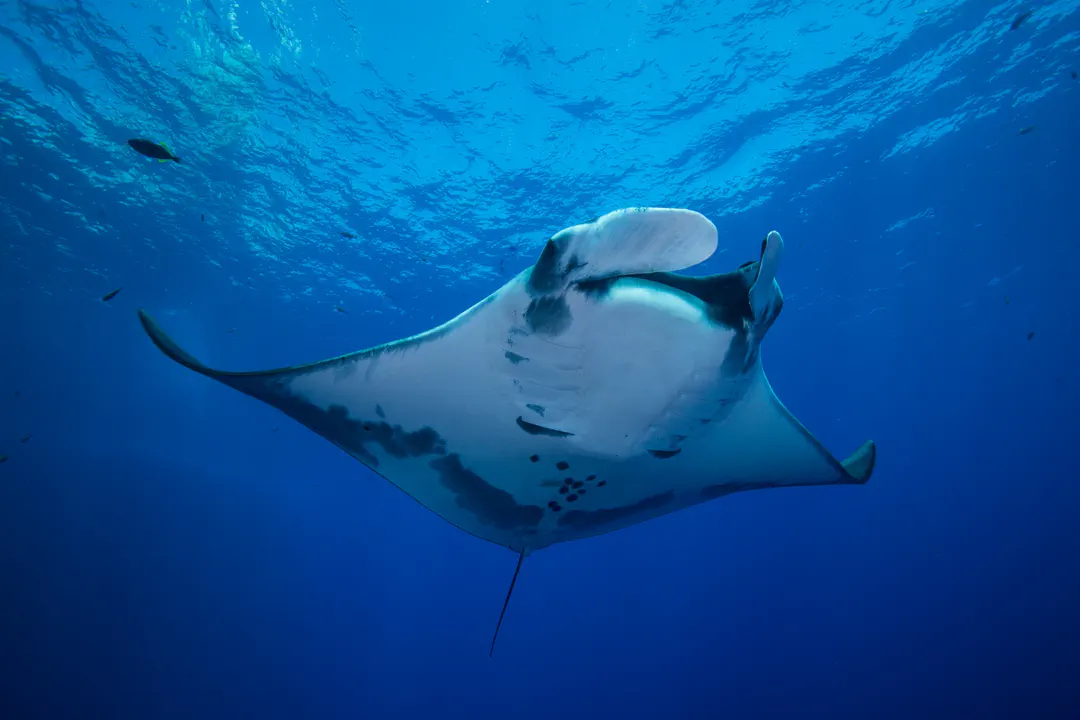
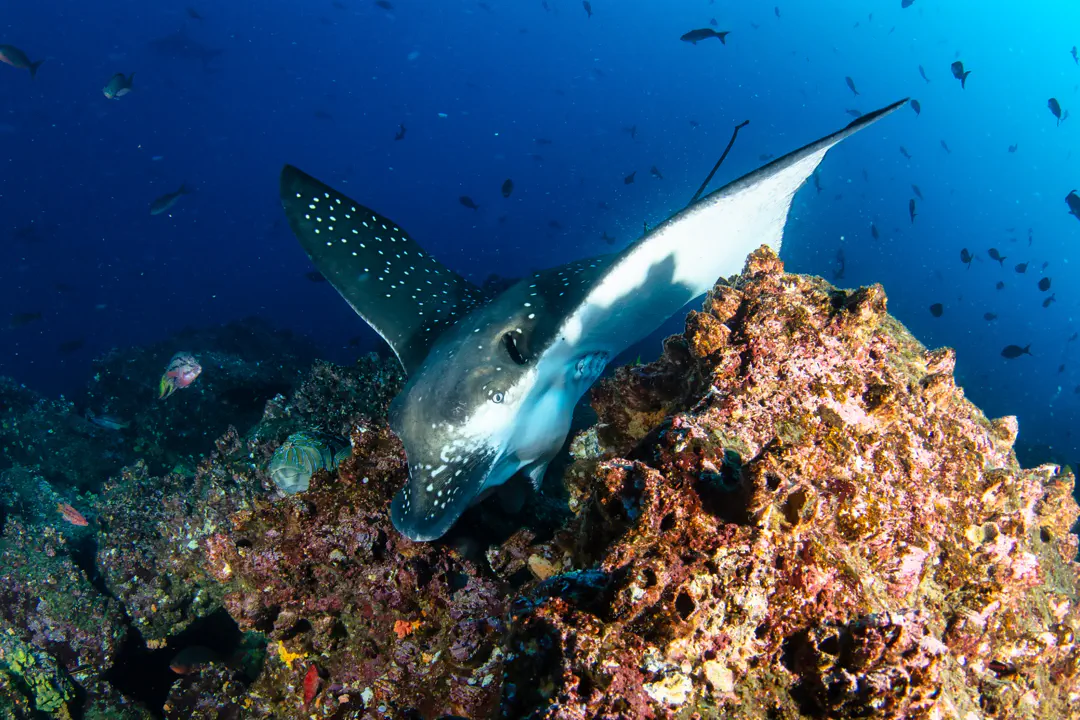
Baa and Ari Atolls in the Maldives feature shallow house reefs starting at one meter deep with year-round water temperatures between 27°C and 30°C. Southwest-monsoon conditions concentrate plankton in Hanifaru Bay, drawing massive reef manta ray aggregations from May to November.
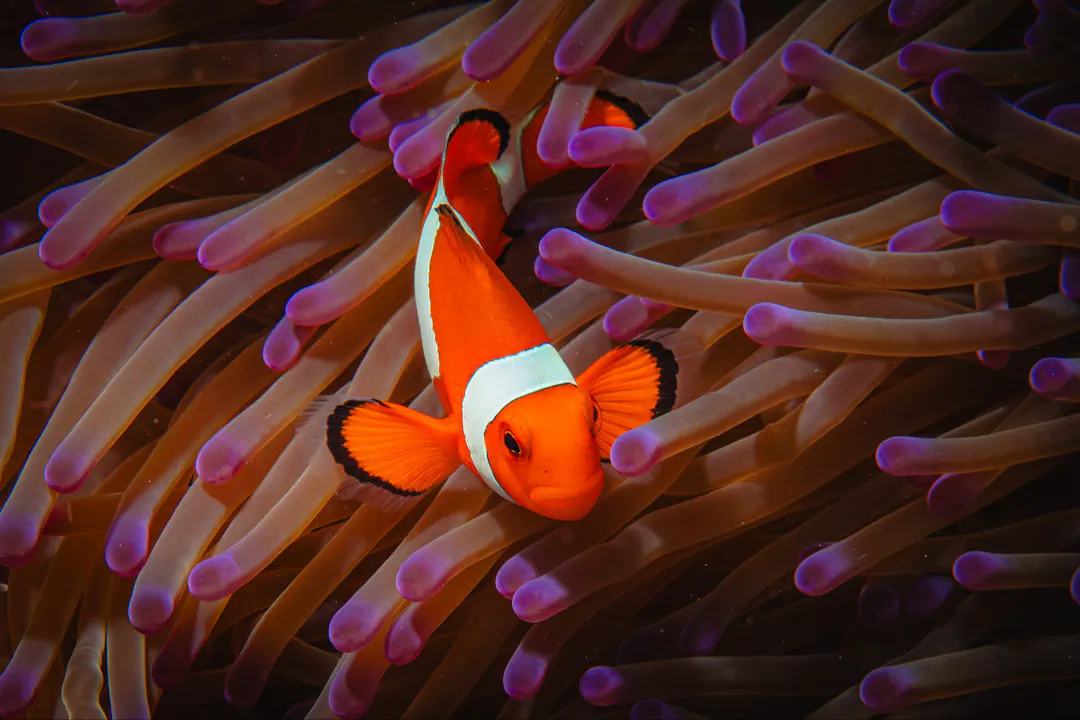
Resort house reefs drop gently from shore, letting swimmers float above anemonefish and feeding hawksbill turtles without boat transfers. Snorkeling alongside filter-feeding manta rays requires strict adherence to reserve rules that prohibit touching or blocking their path.
Visibility averages 20 to 25 meters outside plankton blooms. Snorkelers can record sightings of spotted eagle rays and blacktip reef sharks in the Seabook app to log wildlife encounters across the archipelago.
 © seabook.appAll rights reserved
Red Sea, Egypt: Clear Waters and Coastal Drop-Offs
Egypt’s Red Sea coast offers fringing reefs that drop into deep water meters from shore, with visibility exceeding 25 meters year-round. Water temperatures range from 22°C in winter to 30°C in mid-summer across shallow entry sites near Marsa Alam and Dahab.
Seagrass meadows in protected bays near Marsa Alam host resident dugongs and grazing green turtles. Along the shallow reef crest, endemic species such as the Red Sea bannerfish and Red Sea raccoon butterflyfish move among hard table corals.
High salinity and low desert runoff keep water clarity sharp year-round. Daily shore entries allow easy exploration without lengthy boat trips.

Bora Bora and Moorea, French Polynesia: Lagoon Rays and Reef Sharks
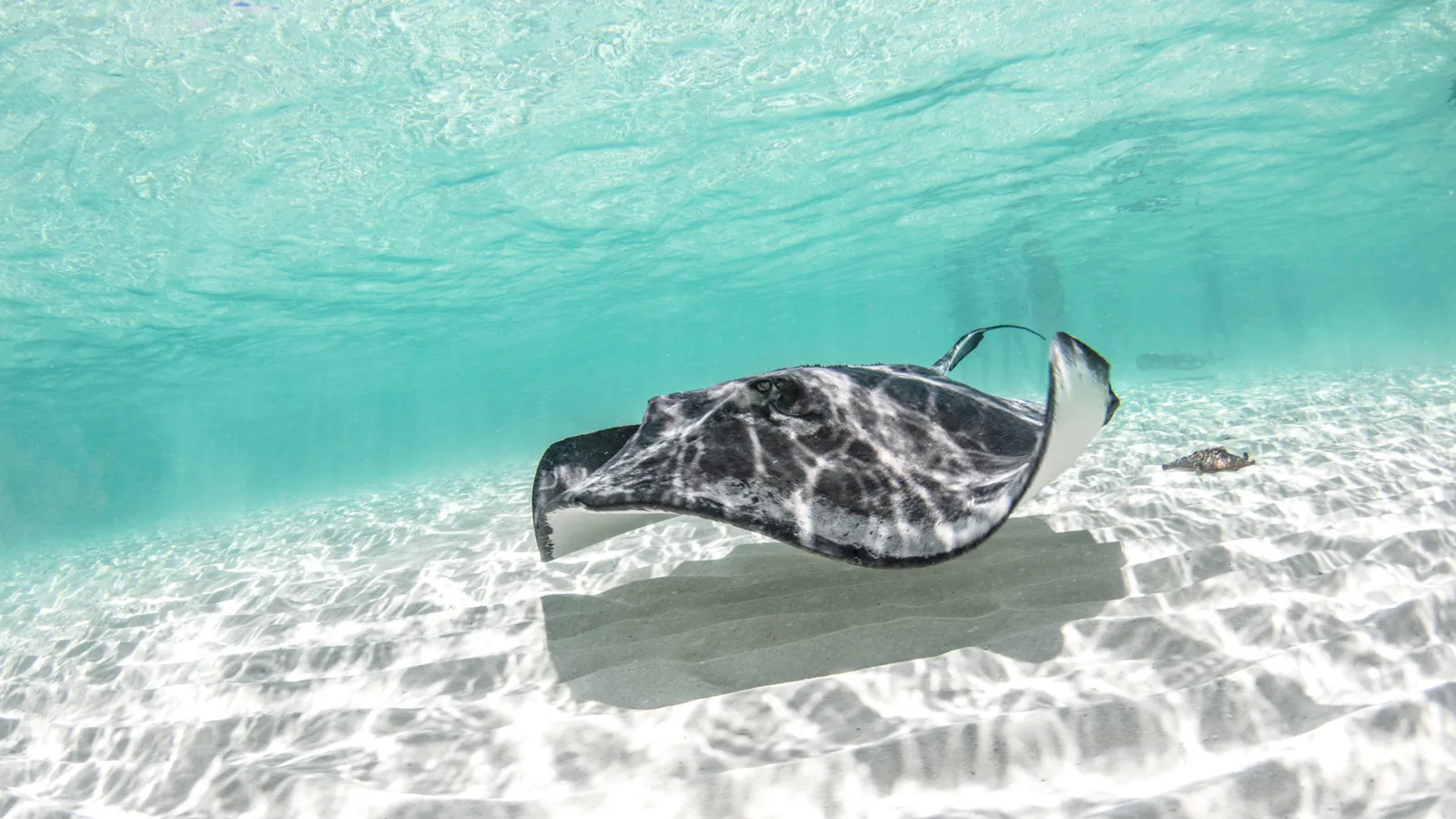
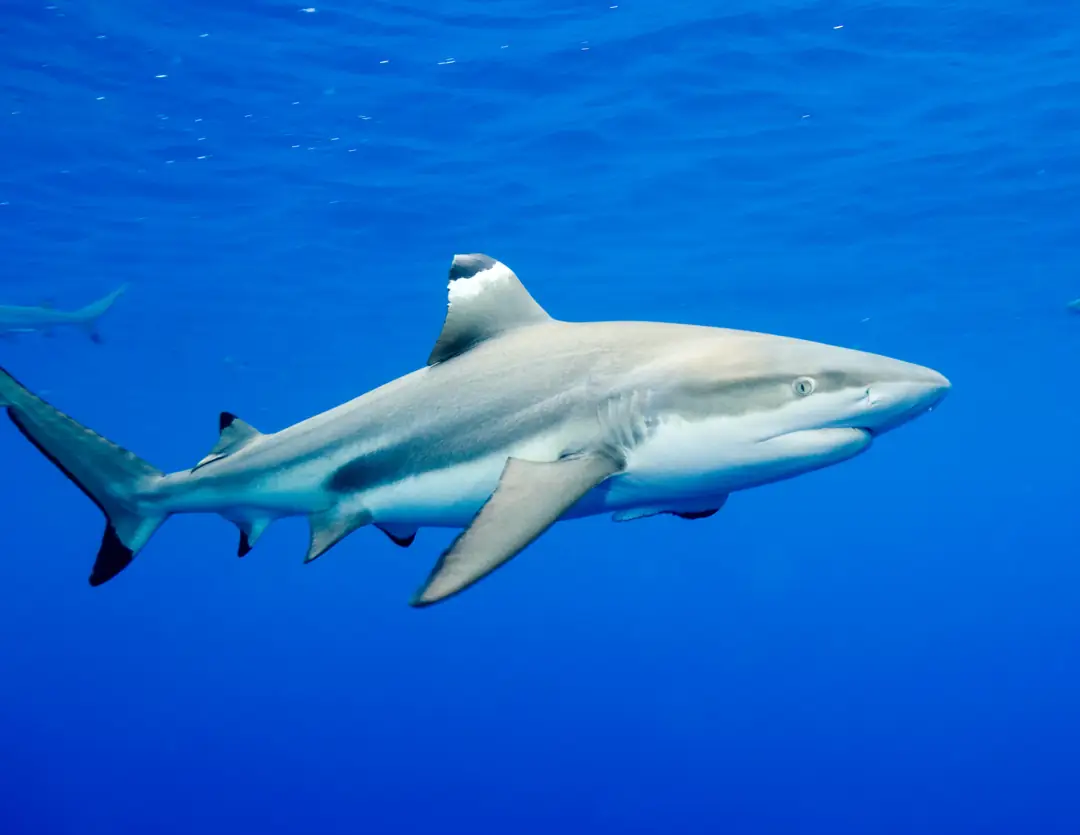
Bora Bora and Moorea feature protected island lagoons with depths between one and three meters and water temperatures from 25°C to 29°C. Clear lagoon waters provide over 20 meters of visibility for observing blacktip reef sharks and stingrays over sandy flats.
Blacktip reef sharks and pink whiprays glide across sandy channels in knee-deep water. Green turtles move through deeper passes, while schools of convict surgeonfish graze along shallow coral heads.
Lagoon water clarity remains high throughout the year. Localized rain during the wet season from November to April can temporarily reduce visibility near island streams.
How to Choose the Right Snorkeling Destination
Selecting a snorkeling destination requires matching water conditions to your swimming experience and seasonal wildlife migrations. Beginners benefit from shallow, current-free resort house reefs in the Maldives, whereas experienced floaters can tackle tidal channels in Raja Ampat.
Seasonality controls water clarity and animal movements. Monsoonal plankton concentration in Baa Atoll brings manta rays to shallow bays between May and November, while dry winter months on the Great Barrier Reef offer clear, cool water.
Always verify local marine park rules and safety guidelines before entering the water. UV-protective rash guards safeguard skin without releasing harmful chemicals into shallow coral habitats.
Questions
Where is the best snorkeling in the world for beginners?
Sheltered lagoons and resort house reefs in the Maldives and French Polynesia offer ideal beginner conditions. They provide entry straight from sandy shores, warm water between 26°C and 30°C, and minimal current.
Which destination is best for snorkeling with manta rays and whale sharks?
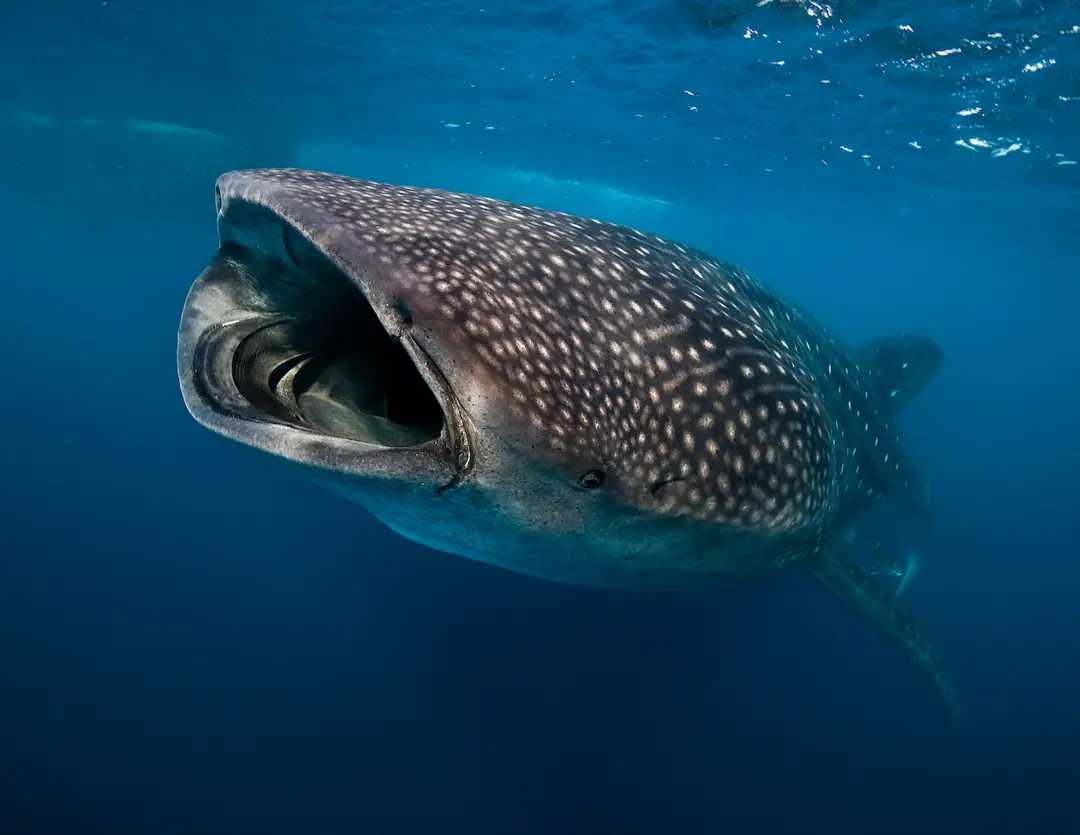
Hanifaru Bay in the Maldives' Baa Atoll provides reliable shallow encounters with manta rays during the southwest monsoon from May to November. Ningaloo Reef in Western Australia offers seasonal surface encounters with whale sharks from March to July.
Do I need formal certification to go snorkeling?
No certification is required for surface snorkeling. Swimmers need basic water competence, a fitted mask, snorkel, and fins. Flotation vests assist non-swimmers in open lagoon water.
Is it safe to snorkel with blacktip reef sharks?
Blacktip reef sharks are cautious animals that pose minimal risk to humans. Snorkelers should remain calm, move smoothly, avoid sudden splashing, and maintain a respectful distance without feeding wildlife.
What time of year is best for tropical snorkeling trips?
Timing varies by region. The dry season from November to April brings calm, clear seas to Southeast Asia and the Maldives, whereas May to October offers optimal dry weather along the Great Barrier Reef and French Polynesia.
Sources
- Raja Ampat - Man and the Biosphere Programme (MAB) - UNESCO · 2026-06-09
- Protected species of the Great Barrier Reef · 2022-08-22