
At a depth of twenty metres beside Richelieu Rock, a four-metre whale shark glides past the purple soft corals of the submerged pinnacle. Plankton hangs thick in the green-blue water as sunlight filters down from the surface, illuminating pale spots along the giant's flanks. A dense cloud of yellowtail fusiliers splits around its broad snout, while a diver hovers motionless in the mild current, watching six tonnes of cartilage and muscle ease effortlessly into the deep.
Observing sharks in Thailand is a reality across two distinct marine environments: the Andaman Sea to the west and the Gulf of Thailand to the east. Water temperatures remain warm throughout the year, fluctuating between 27°C and 30°C, while visibility stretches from 10 metres on plankton-rich reefs up to 30 metres at offshore seamounts. The Andaman Coast offers peak conditions from November through April, whereas the Gulf of Thailand delivers clear water from May through September.
Key destinations like Richelieu Rock, Shark Point, Sail Rock, Hin Daeng, the Phi Phi Islands, and Chumphon Pinnacle provide opportunities to see a variety of species. Divers and snorkellers regularly encounter filter-feeding whale sharks, resting zebra sharks, and sleek blacktip reef sharks. Sites range from shallow, protected lagoons suitable for novice divers to deep, current-swept pinnacles meant for experienced logged divers.
What Species of Sharks Live in Thailand?
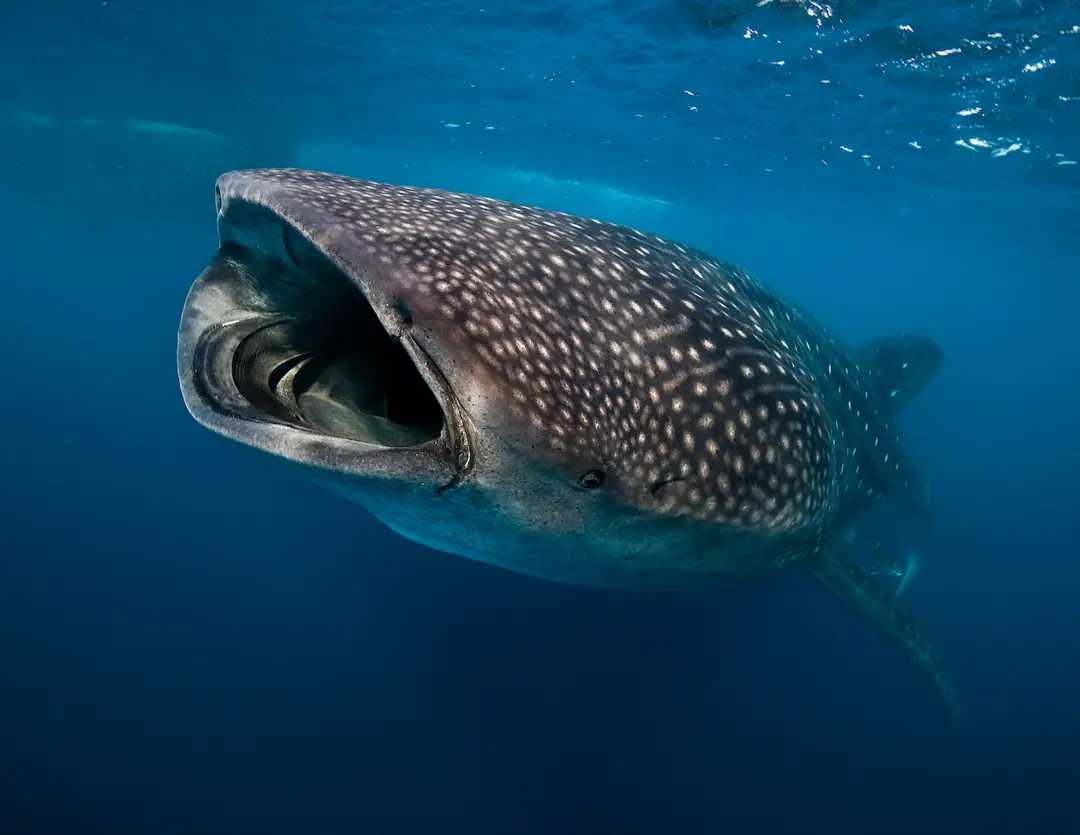
Thai waters host more than 20 documented shark species, spanning bottom-dwelling carpet sharks, pelagic wanderers, and territorial reef predators. The largest resident is the whale shark (Rhincodon typus), a filter feeder that draws plankton and small fish through its massive gills. These harmless giants migrate along ocean trenches and aggregate around nutrient-dense underwater pinnacles off both coasts.
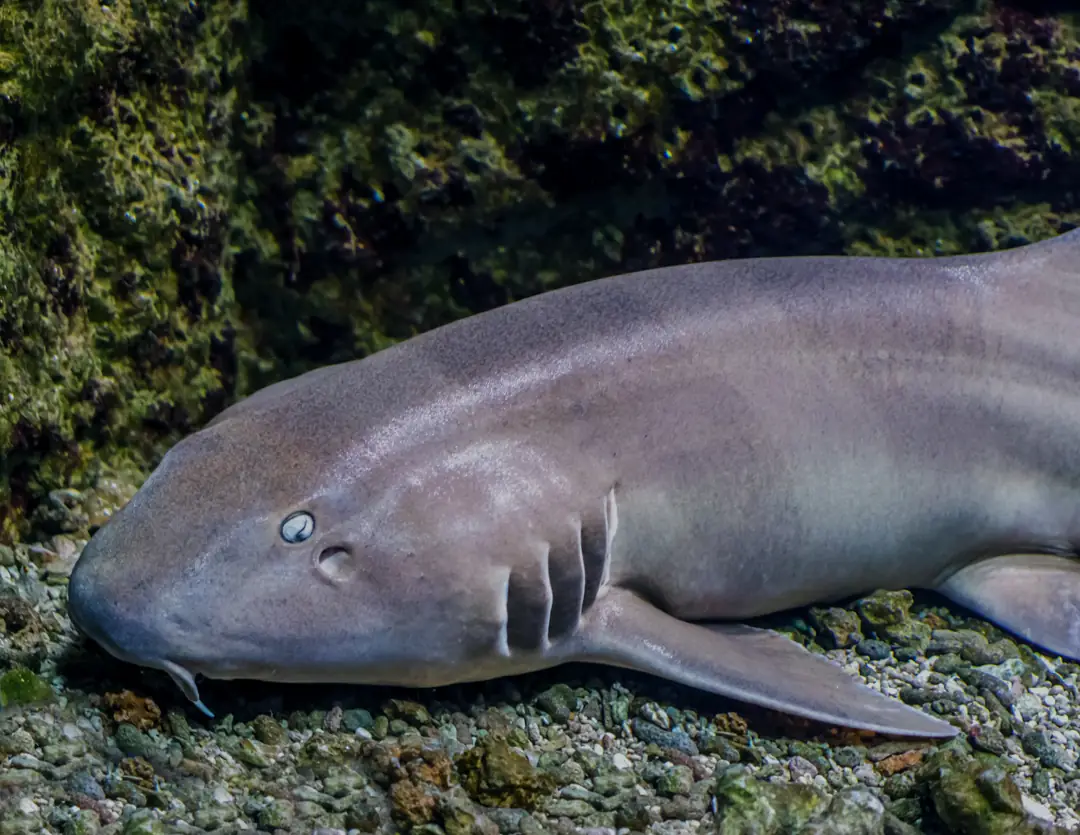
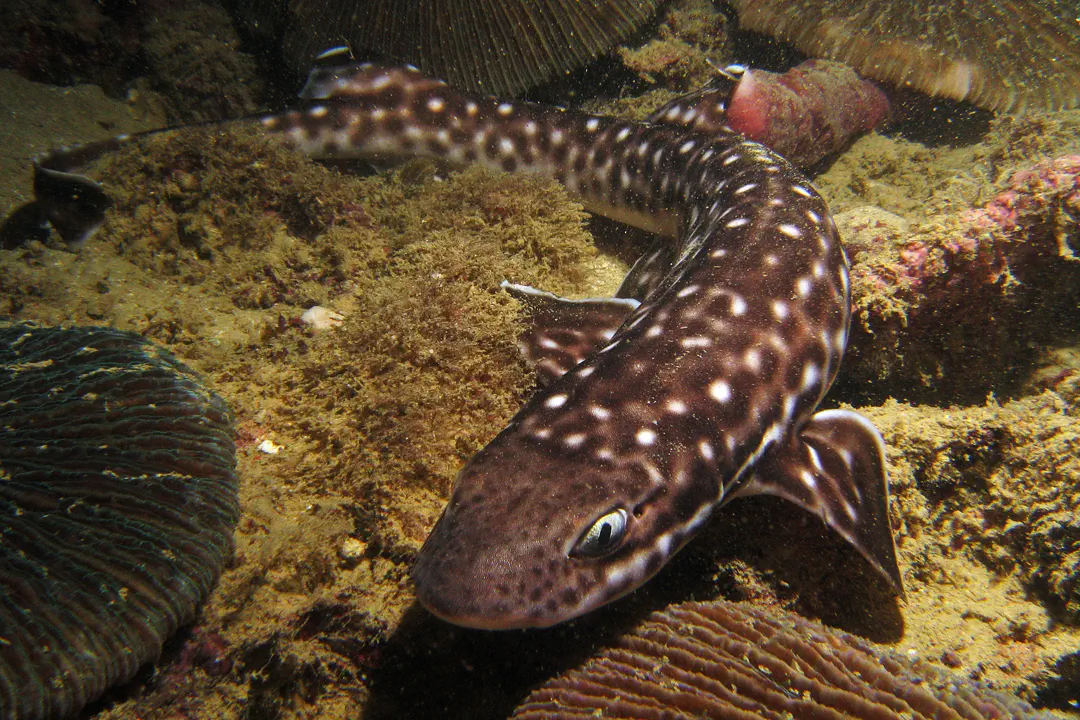
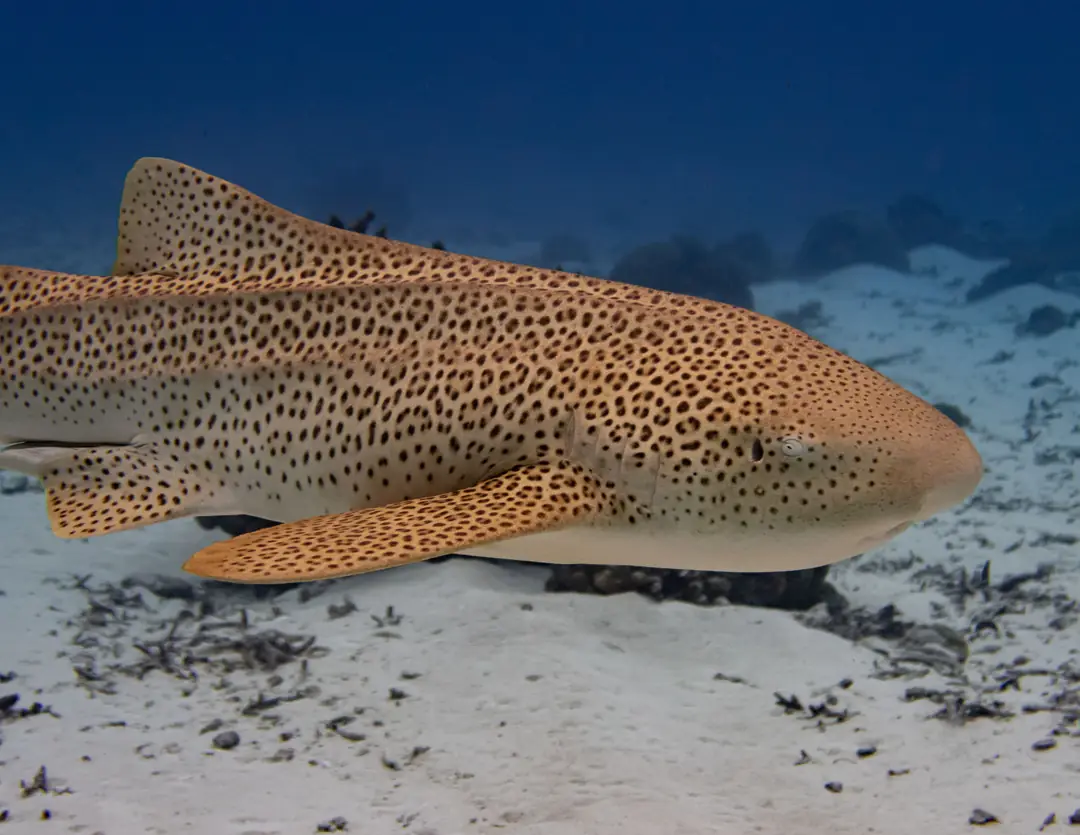
Along sandy sea floors and reef margins, divers frequently find benthic species resting motionless during daylight hours. The zebra shark (Stegostoma tigrinum) is common on open sand patches, while smaller brownbanded bamboo sharks (Chiloscyllium punctatum) and coral catsharks (Atelomycterus marmoratus) wedge themselves deep into dark reef crevices. You can log your sightings and confirm field identifications of these cryptic bottom-dwellers directly inside the Seabook app after every dive.
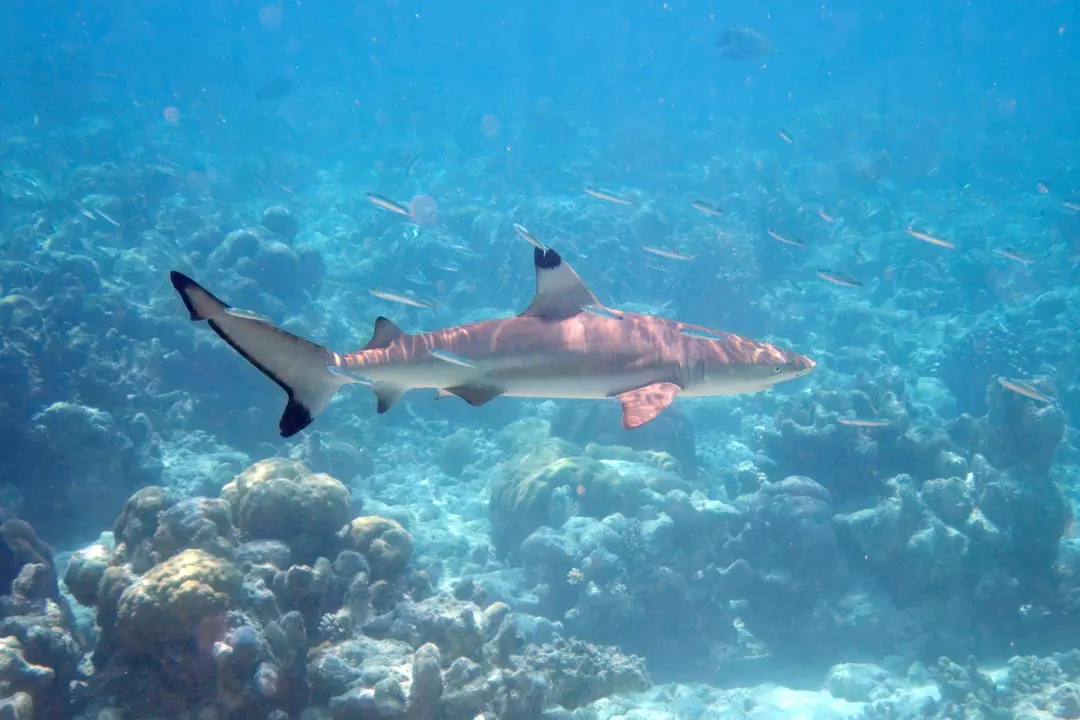
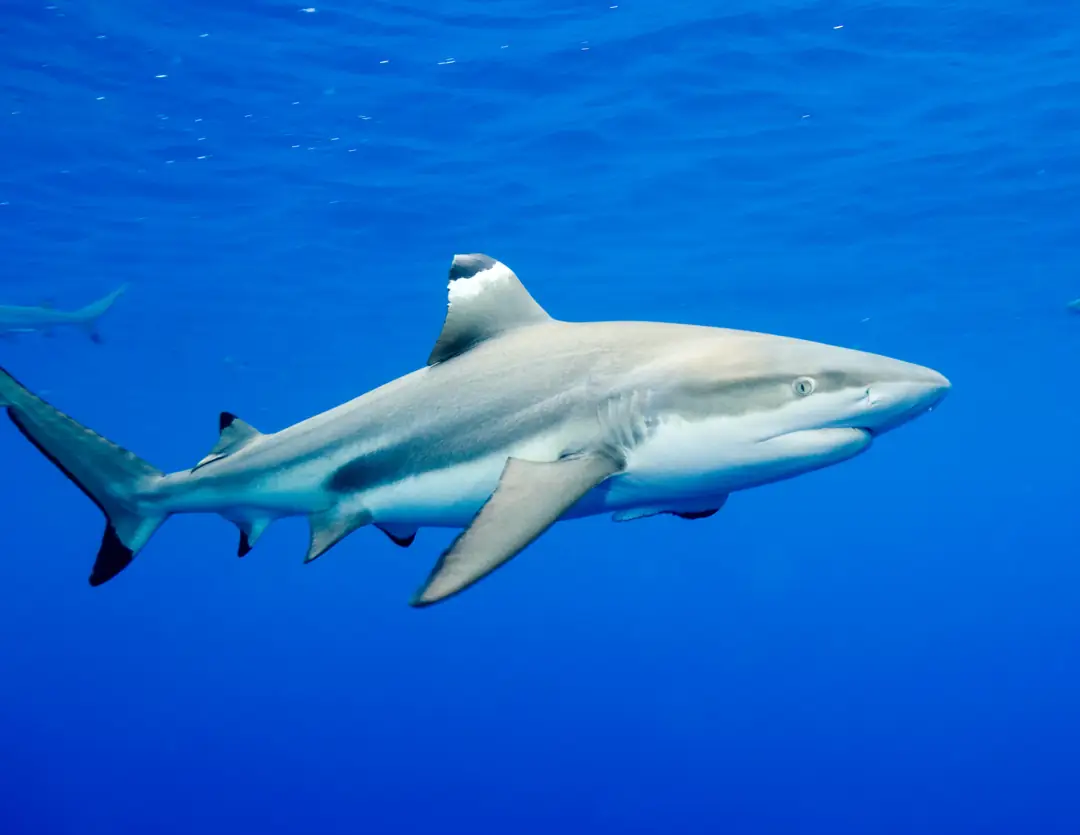
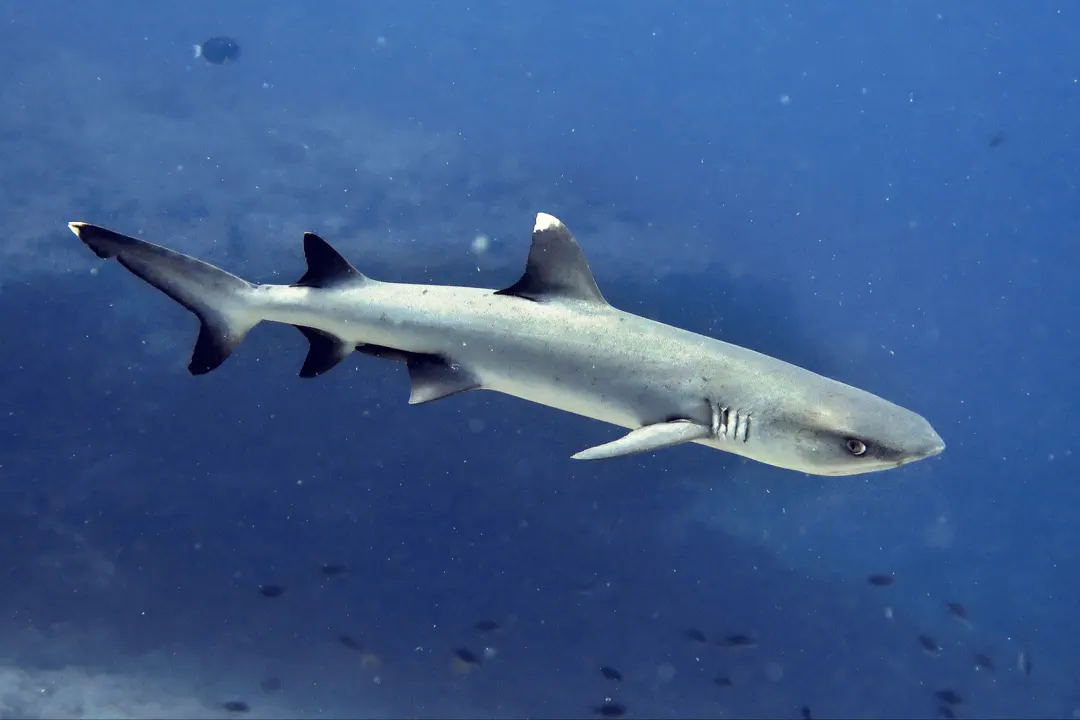
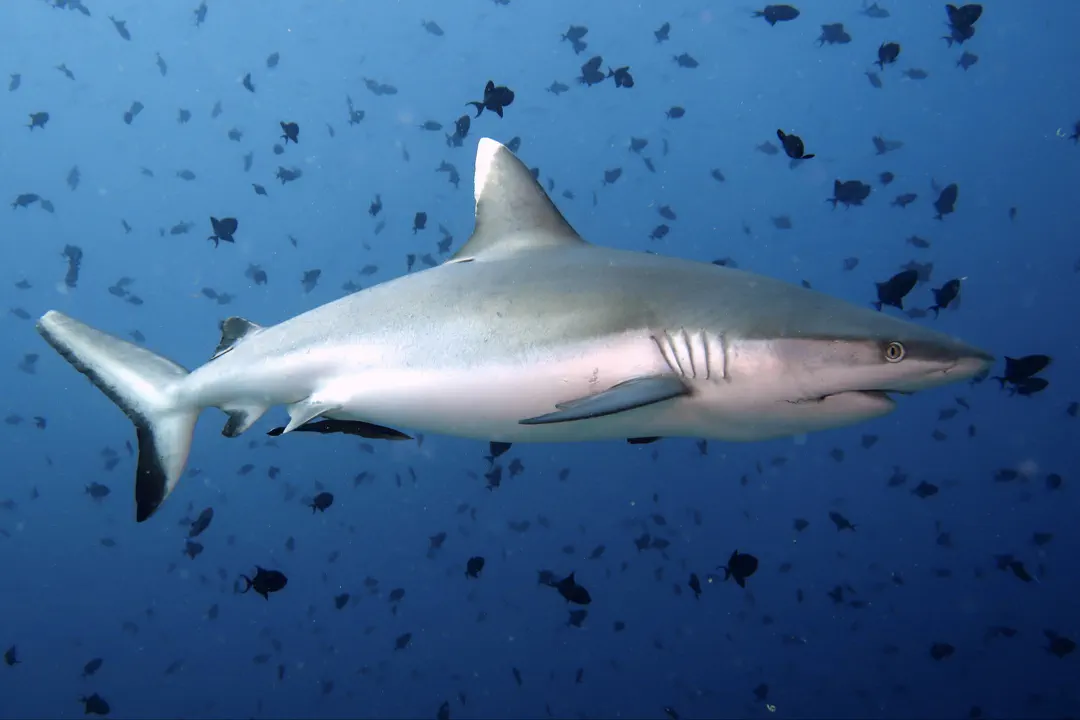
Shallow coral flats and lagoons are the domain of active swimmers like the blacktip reef shark (Carcharhinus melanopterus), recognized by the stark black markings on its dorsal and caudal fins. In deeper offshore waters and steep wall environments, divers occasionally spot whitetip reef sharks (Triaenodon obesus) resting on rocky shelves, as well as grey reef sharks (Carcharhinus amblyrhynchos) patrolling deep blue drop-offs.
 © seabook.appAll rights reserved
Chiloscyllium punctatum
*Chiloscyllium punctatum*, is a bamboo shark in the family [Hemiscylliidae](seabook://category?id=e79ac404-90c7-441d-a3bf-35f7d00d0769) found in the Indo-West Pacific from Japan to northern Australia,...
 © KongCC BY-SA 4.0 · iNaturalist
Atelomycterus marmoratus
*Atelomycterus marmoratus* is a species of catshark, and part of the family [Scyliorhinidae](seabook://category?id=3b98b7b1-f873-4f96-ada2-f21aaa760d33). It is common on shallow coral reefs across the...
 © seabook.appAll rights reserved
Carcharhinus melanopterus
*Carcharhinus melanopterus* is a species of requiem shark, in the family [Carcharhinidae](seabook://category?id=fe242683-eae0-47fd-b6b6-1144a93b6471), easily identified by the prominent black tips on ...
 © seabook.appAll rights reserved
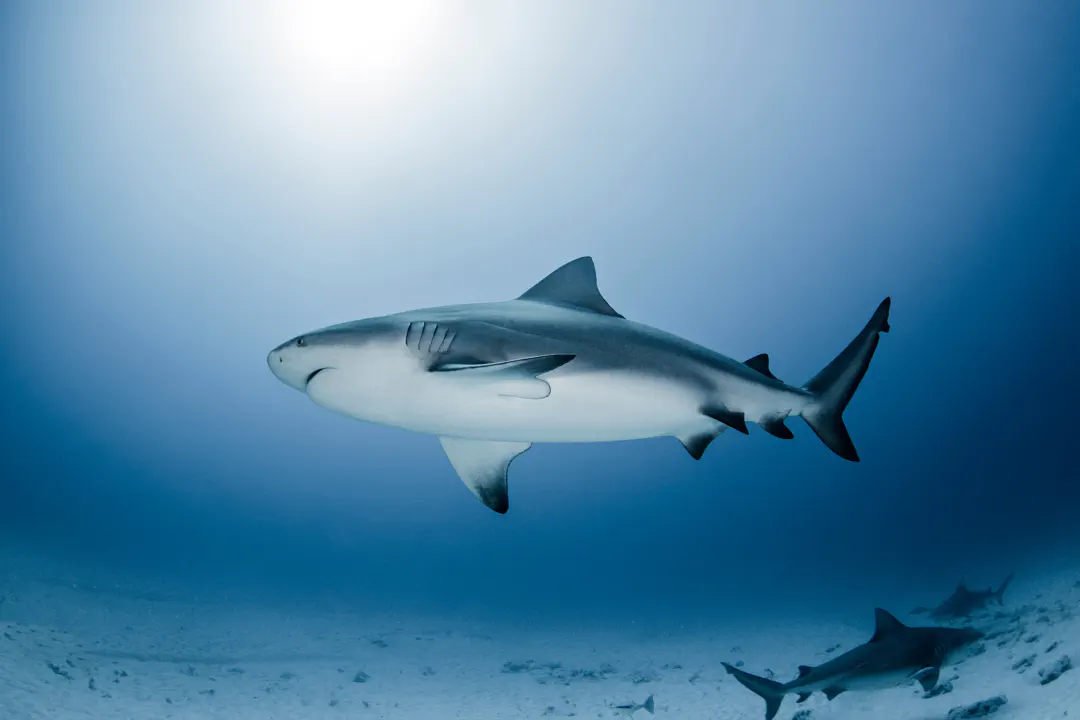
Carcharhinus leucas
*Carcharhinus leucas* is a requiem shark commonly found worldwide in warm, shallow waters along coasts and in rivers. The bull shark is known for its aggressive nature, predilection for warm shallow w...
Best Dive Sites to See Sharks in Thailand
Richelieu Rock (Surin Islands): Whale Sharks and Pelagic Visitors
Richelieu Rock is a horseshoe-shaped limestone pinnacle located inside Mu Ko Surin National Park, rising from a sandy seabed at 30 metres up to just below the surface. Exposed to open sea currents, the site funnels nutrient-dense water around its rock faces, attracting massive concentrations of marine life. Plankton blooms here draw migratory whale sharks, which circle the upper section of the reef between 5 and 15 metres depth.
Along the deeper flanks of the main horseshoe, schools of chevron barracuda and bigeye trevally form tight silver walls that shift with the current. Blacktip reef sharks occasionally cross the deeper sand gaps at 25 metres, while juvenile zebra sharks nestle into rubble channels. The rock itself is covered in anemones, sea fans, and dense soft coral colonies where macro creatures shelter from pelagic predators.
Because Richelieu Rock sits in open water far offshore, surge and sweeping currents are common. Divers must be comfortable performing negative entries and monitoring their depth without a wall reference. Deploying a surface marker buoy during safety stops is mandatory due to frequent boat traffic overhead.
Depth: 5-30 m. Access: liveaboard or day-trip boat, 90 minutes from Khao Lak. Level: Advanced Open Water. Best months: November-April.
 © seabook.appAll rights reserved © seabook.appAll rights reserved
 © Pauline FeyAll rights reserved
 © Daniel BenákCC BY 4.0 · iNaturalist © seabook.appAll rights reserved
Shark Point (Phuket): Resting Leopard Sharks and Benthic Species
Shark Point, known locally as Hin Musang, comprises three submerged limestone pinnacles aligned north to south off the coast of Phuket. The site gets its name from the high frequency of zebra sharks resting on the coarse white sand surrounding the bases of the pinnacles at depths between 12 and 22 metres. Divers can approach these docile carpet sharks by remaining calm and staying low to the seabed.
The rock faces are coated in pink and purple soft corals that thrive in the nutrient-carrying currents. Brownbanded bamboo sharks hide inside dark overhangs and small crevices at Pinnacle One, often revealing only their banded tails. Schools of yellowtail barracuda and fusiliers circle the shallow crowns of the pinnacles at 5 metres.
Visibility here ranges from 10 to 20 metres depending on the tidal cycle. Strong currents often run across the pinnacles, requiring divers to use the rock structure for shelter during the descent and swim. It serves as an accessible offshore shark site for divers staying in Phuket or Ao Nang.
Depth: 10-25 m. Access: boat, 90 minutes from Phuket. Level: Open Water. Best months: November-April.
© seabook.appAll rights reserved © KongCC BY-SA 4.0 · iNaturalist Sail Rock (Koh Phangan): Bull Sharks and Deep Pinnacles
Sail Rock is widely regarded as the premier deep pinnacle in the Gulf of Thailand, breaching the water surface and dropping down to a sandy floor at 40 metres. Situated halfway between Koh Phangan and Koh Tao, this isolated granite mass acts as a beacon for marine life in open water. The standout feature is "The Chimney," a vertical swim-through entering at 18 metres and exiting at 6 metres.
Whale sharks visit Sail Rock reliably during seasonal plankton surges, swimming near the surface or circling the mid-water section around 15 metres. In deeper waters beyond 30 metres, thermoclines dropping to 26°C occasionally attract solitary apex sharks cruising along the sandy bottom. Massive schools of pickhandle barracuda and giant trevally circle the pinnacle constantly.
Due to its exposed position, conditions at Sail Rock vary from calm glassy seas to heavy swell with strong surface currents. Intermediate and advanced divers benefit most from this site, as proper buoyancy control is critical around the deep drop-offs and vertical rock formations.
Depth: 6-40 m. Access: boat, 50 minutes from Koh Phangan or Koh Tao. Level: Advanced Open Water. Best months: March-September.
Hin Daeng and Hin Muang (Mu Ko Lanta): Ocean Giants and Reef Patrols
Located in the far southern Andaman Sea inside Mu Koh Lanta National Park, Hin Daeng (Red Rock) and Hin Muang (Purple Rock) offer some of Thailand's deepest wall profiles. Hin Daeng features a dramatic vertical wall dropping past 60 metres, clad in red soft corals. Hin Muang is entirely submerged, its top starting at 8 metres and falling to a seabed past 45 metres.
These twin pinnacles lie near deep oceanic trenches, making them primary stopping points for migratory whale sharks and oceanic rays. Whitetip reef sharks patrol the ledges between 20 and 30 metres, while grey reef sharks are occasionally seen along the deeper drop-offs. Zebra sharks can sometimes be found resting in the sheltered sandy saddles between the rocks.
Conditions at Hin Daeng and Hin Muang are strictly for experienced divers. Currents can be powerful and unpredictable, downcurrents occasionally occur along the steep walls, and visibility ranges from 15 to 30 metres. The sites are usually accessed via liveaboard or long-distance speedboat trips.
Depth: 8-40 m. Access: liveaboard or boat, 2 hours from Koh Lanta. Level: Advanced Open Water. Best months: November-April.
 © Daniel BenákCC BY 4.0 · iNaturalist
Phi Phi Islands (Krabi): Shallow Reef Sharks for Snorkellers
The Phi Phi archipelago consists of steep limestone islands surrounded by shallow coral gardens, hard coral slopes, and protected sandy bays. Locations like Palong Wall, Phi Phi Small Point, and Maya Bay provide shallow, calm habitats ideal for observing reef sharks. Blacktip reef sharks are the dominant species throughout these island reefs.
In the shallows between 2 and 8 metres, juvenile blacktip reef sharks patrol over coral heads and sandy floors. Snorkellers and novice divers can watch these quick, agile predators search for small reef fish. Along deeper limestone ledges at 15 metres, zebra sharks and resting bamboo sharks are periodically encountered on the sand.
Water conditions around Phi Phi are generally mild, with light currents and visibility averaging 12 to 20 metres. Park authorities actively regulate visitor access in key zones like Maya Bay to protect critical shallow nursery habitats.
Depth: 2-18 m. Access: boat, 30 minutes from Phi Phi Don. Level: Beginner and Snorkeller. Best months: November-April.
Chumphon Pinnacle (Koh Tao): Deep Offshore Apex Predators
Chumphon Pinnacle is a massive granite seamount located 12 kilometres northwest of Koh Tao in the Gulf of Thailand. The main rock tops out at 14 metres below the surface and descends to a wide boulder bed at 30 metres. Smaller satellite rocks, known as Barracuda Rock, extend out into deeper water to the south.
This site is famous for seasonal encounters with whale sharks, which feed in the open water surrounding the pinnacle. Along the granite boulders, brownbanded bamboo sharks shelter in dark cracks during the day. Dense shoals of chevron barracuda, queenfish, and giant trevally form tight vortexes directly above the rock crown.
Chumphon Pinnacle experiences varying visibility from 10 to 25 metres. Thermoclines are common below 20 metres, dropping the water temperature by a couple of degrees and creating hazy mixing layers. Its depth profile makes it a primary location for advanced training dives.
Depth: 14-35 m. Access: boat, 40 minutes from Koh Tao. Level: Advanced Open Water. Best months: March-September.
Best Season to Dive with Sharks in Thailand
Thailand's geographical split creates two separate diving seasons across its eastern and western seas. The Andaman Sea season runs from November through April, coinciding with the dry northeast monsoon. During these months, surface conditions remain calm, offshore national parks like the Similan and Surin Islands open for visitors, and underwater visibility reaches up to 30 metres. Peak whale shark encounters off Richelieu Rock and Hin Daeng occur between February and April when plankton concentrations peak.
Conversely, the Gulf of Thailand offers its finest conditions from May through September. While the southwest monsoon brings wind and rain to the Andaman Coast, Gulf sites like Koh Tao, Koh Phangan, and Koh Samui enjoy clear skies and calm waters. Visibility at Sail Rock and Chumphon Pinnacle ranges from 15 to 25 metres, with whale shark sightings reported frequently in spring and late summer.
Water temperatures across both regions remain consistently warm, hovering between 27°C and 30°C year-round. A 3mm wetsuit or a simple neoprene skin is sufficient for insulation during dive trips. However, divers planning repetitive deep profiles or dives in cold thermoclines may prefer a full 3mm suit to maintain warmth.
Water temperature
Thailand, monthly average
Phuket (Andaman Sea side), popular diving area in western Thailand; averages from NOAA satellite-derived sea surface temperature data
Are Sharks in Thailand Dangerous to Swimmers and Divers?
Encounters with sharks in Thai waters are safe for swimmers, snorkellers, and scuba divers. The species most commonly seen—such as whale sharks, zebra sharks, bamboo sharks, and blacktip reef sharks—are non-aggressive and view humans with indifference or caution. Filter-feeding whale sharks lack sharp teeth and consume only plankton and small fish, while benthic species remain resting on the sand unless provoked.
Documented unprovoked shark incidents in Thailand are exceptionally rare across decades of active coastal tourism. Most reef species, including blacktip reef sharks in shallow water, are timid and quickly swim away if approached too quickly or loudly. Respecting their space ensures encounters remain calm and natural for both the animals and observers.
To maintain safety, divers and swimmers should adhere to basic wildlife interaction guidelines. Avoid swimming at dusk or dawn in low-visibility zones near river estuaries, never feed marine life or enter the water near active fishing operations, and keep a horizontal position in the water column when observing sharks on the reef.
Tips for Beginner Divers and Snorkellers
Beginner divers and snorkellers can easily observe sharks in Thailand by selecting sites matched to their experience level. Shallow, protected locations like the Phi Phi Islands or coastal reefs around Phuket offer clear water, minimal current, and reliable blacktip reef shark sightings in under 10 metres of water. Novice divers should gain confidence in basic buoyancy control before booking trips to exposed offshore pinnacles.
Deep sites like Richelieu Rock, Sail Rock, and Hin Daeng feature strong currents, open-water descents, and depth profiles reaching 30 metres or more. Beginners planning to visit these locations should complete their Advanced Open Water certification first. Developing solid buoyancy control prevents accidental contact with fragile corals or disturbing bottom-dwelling zebra sharks.
When encountering any shark underwater, practice passive observation. Maintain a separation distance of at least 3 to 4 metres, keep your hands tucked close to your body, and refrain from chasing or cornering an animal against the reef. Never touch or ride a whale shark, and always allow the animal a clear, unblocked path to swim away.
Questions
Are there sharks in Thailand?
Yes, Thailand's coastal waters host over 20 documented shark species. Commonly sighted species include filter-feeding whale sharks, resting zebra sharks, coastal blacktip reef sharks, and small bottom-dwelling bamboo sharks across both the Andaman Sea and the Gulf of Thailand.
Are shark attacks common in Thailand?
No, unprovoked shark incidents in Thailand are extraordinarily rare. The shark species native to Thai dive sites are naturally shy or non-aggressive toward humans, making underwater encounters safe for divers and swimmers.
Where can you swim with whale sharks in Thailand?
The top dive sites for whale shark encounters are Richelieu Rock and Hin Daeng in the Andaman Sea, as well as Sail Rock and Chumphon Pinnacle in the Gulf of Thailand. Sightings peak between February and April in the Andaman and from March to May in the Gulf.
Can beginners dive with sharks in Thailand?
Yes, shallow locations such as the Phi Phi Islands and Shark Point near Phuket feature calm conditions and shallow depths between 5 and 15 metres, making them ideal for beginners to observe blacktip reef sharks and zebra sharks.
How warm is the water in Thailand for shark diving?
Water temperatures in Thailand remain warm throughout the year, ranging between 27°C and 30°C (81°F to 86°F). A standard 3mm wetsuit or a dive skin is sufficient for thermal protection.
What is the most common shark seen while diving in Thailand?
The blacktip reef shark and the zebra shark (locally known as the leopard shark) are the two most frequently sighted species on shallow coral reefs and sandy seabeds throughout Thailand.

