Introduction to the Chagos Islands
At a depth of 25 meters, along the outer reef slope of Peros Banhos Atoll, a solitary grey reef shark, approximately 1.8 meters in length, glides effortlessly against a moderate current. Its streamlined body, a flash of silver-grey, weaves through a dense school of fusiliers, which part and reform like a living curtain. Sunlight, filtered through 30 meters of turquoise water, illuminates the vibrant hard coral formations, revealing a reef teeming with unseen life.
This is a glimpse into the Chagos Archipelago, an exceptionally remote and pristine wilderness in the heart of the Indian Ocean. Far from human disturbance, these islands and their surrounding waters remain a stronghold for marine biodiversity, safeguarded by strict conservation measures that protect one of the planet's last truly wild ocean spaces.
Geography, History, and Conservation
Located roughly midway between Africa and Indonesia, the Chagos Islands form the southernmost archipelago of the Chagos-Laccadive Ridge. This isolated position in the central Indian Ocean has historically shielded its ecosystems from many anthropogenic pressures, allowing marine life to flourish largely undisturbed.
Today, the entire Chagos Archipelago and its surrounding waters are designated as the Chagos Marine Protected Area (MPA). This status ensures a no-take policy across its vast expanse, prohibiting fishing and resource extraction, a critical measure for maintaining its ecological integrity and resilience against global environmental changes.
Untouched Marine Ecosystems
The underwater landscapes of the Chagos Islands are dominated by flourishing coral reefs, showcasing remarkable recovery from past bleaching events. Hard corals like the massive *Diploastrea heliopora* form impressive structures, providing shelter and hunting grounds for countless reef fish. These healthy coral gardens are a testament to the effectiveness of the MPA's protection, demonstrating the ocean's capacity for regeneration when given the chance.
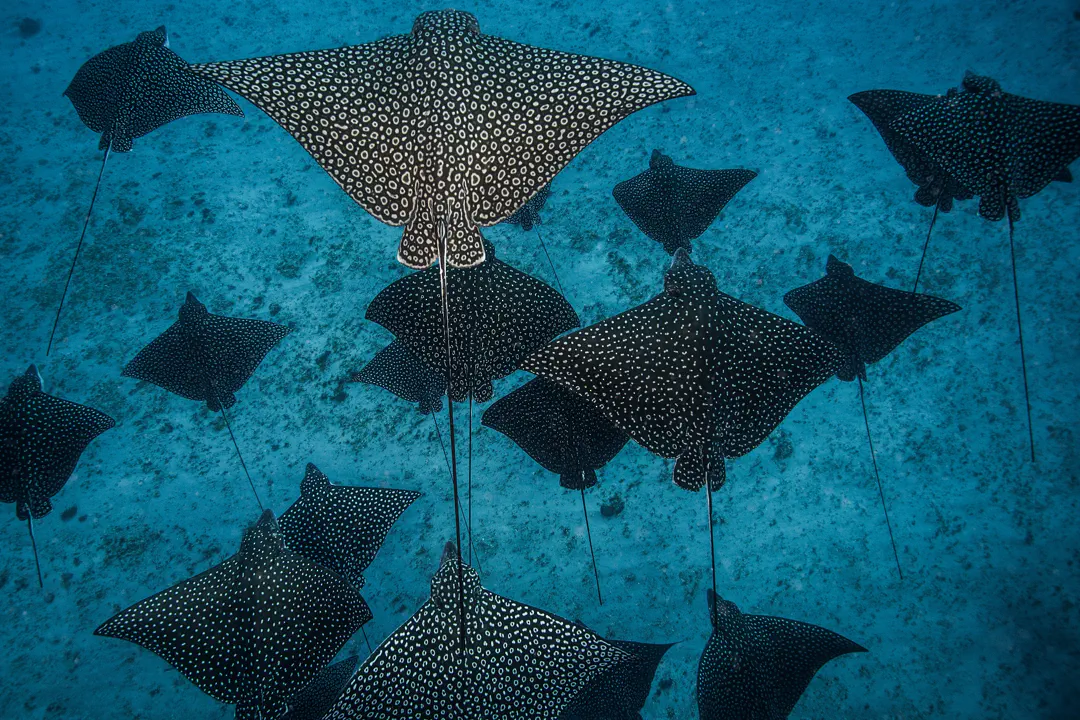
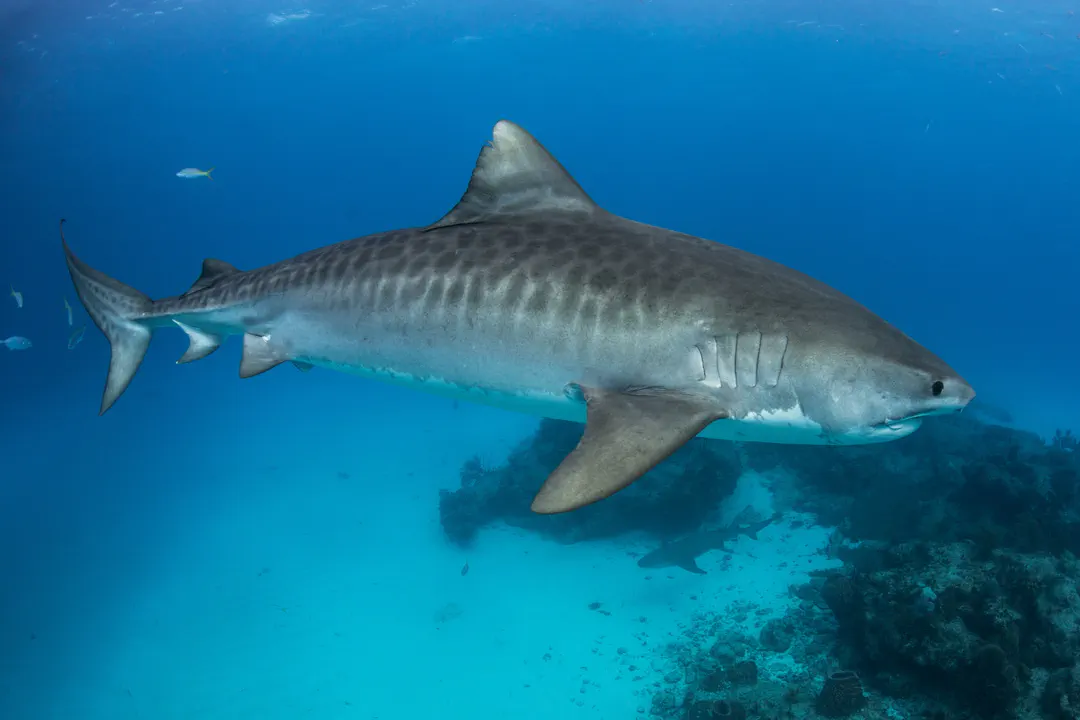
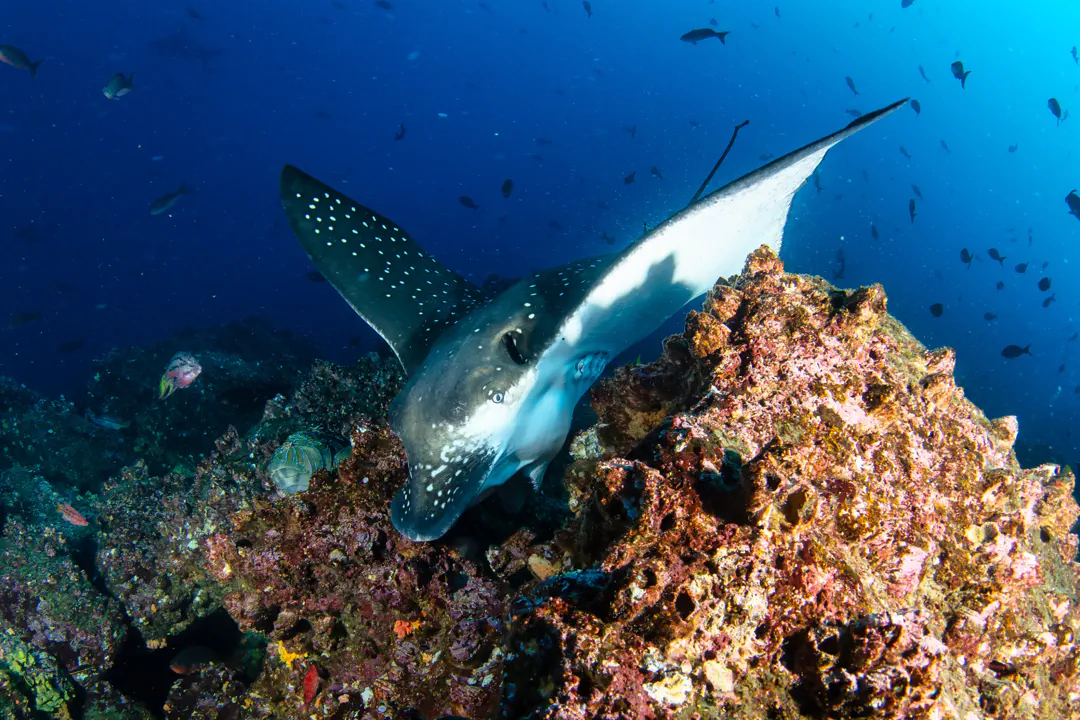
Beyond the reef, the pelagic waters pulse with life, indicative of a truly healthy ecosystem. Divers frequently encounter large numbers of apex predators, including tiger sharks (*Galeocerdo cuvier*) and various reef sharks, alongside graceful eagle rays (*Aetobatus narinari*) and marbled whiprays (*Himantura granulata*). Schools of tuna and barracuda patrol the blue, completing a food web that remains largely intact.
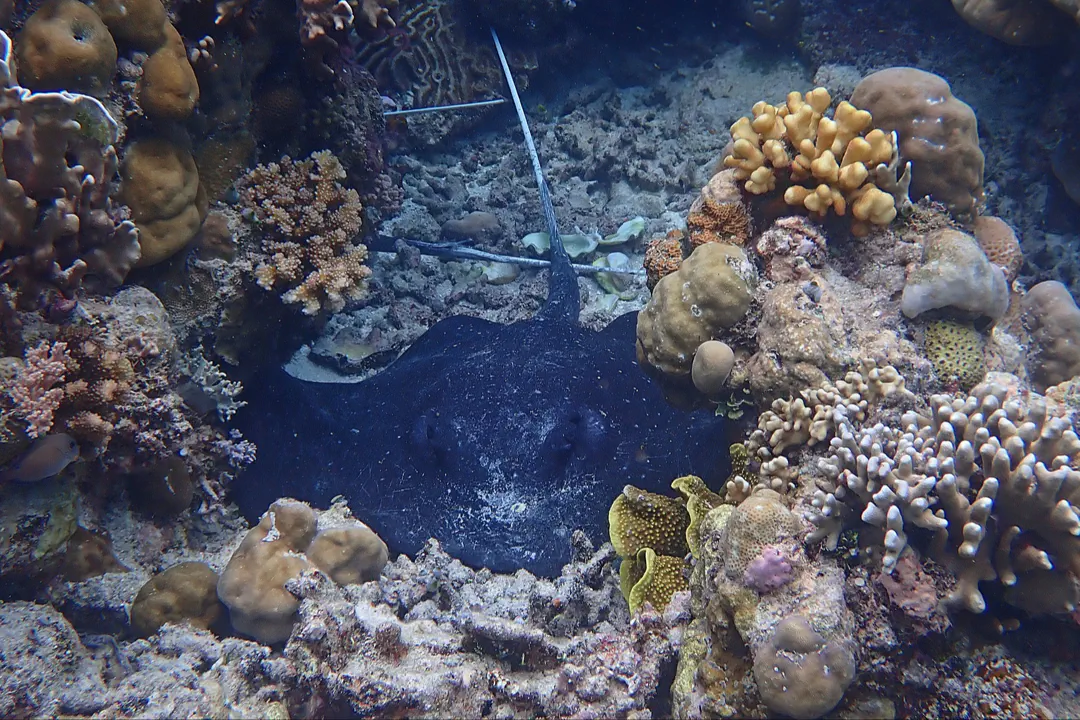 James EatonCC0 · iNaturalist
 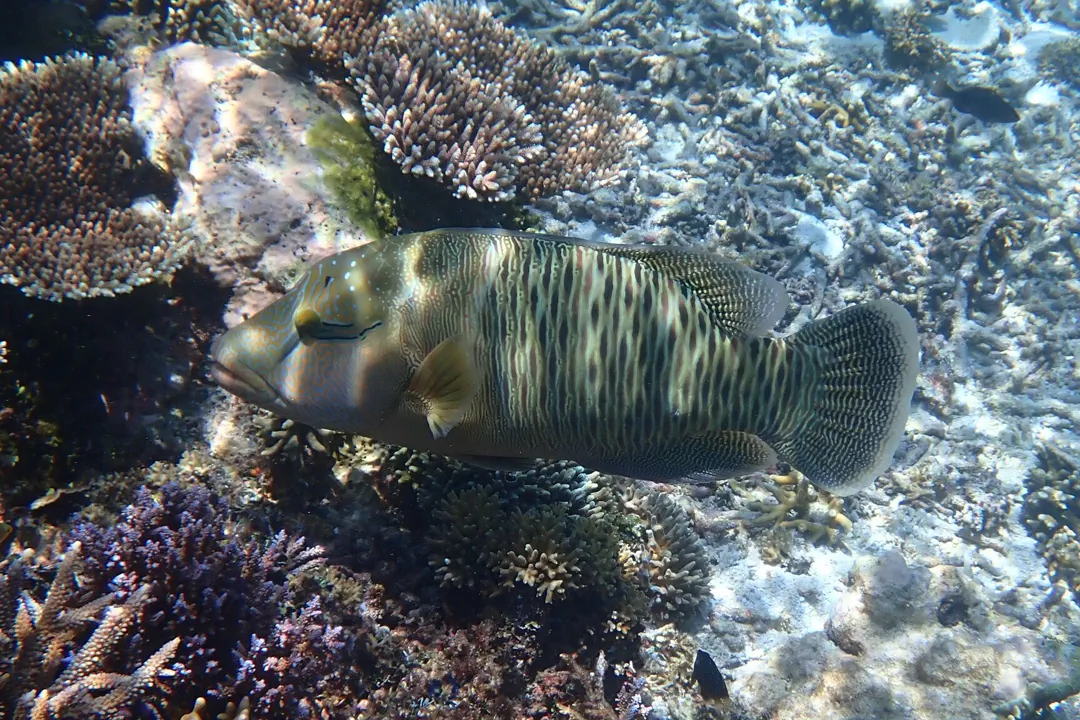 © Nicola CrockfordCC BY 4.0 · iNaturalist
 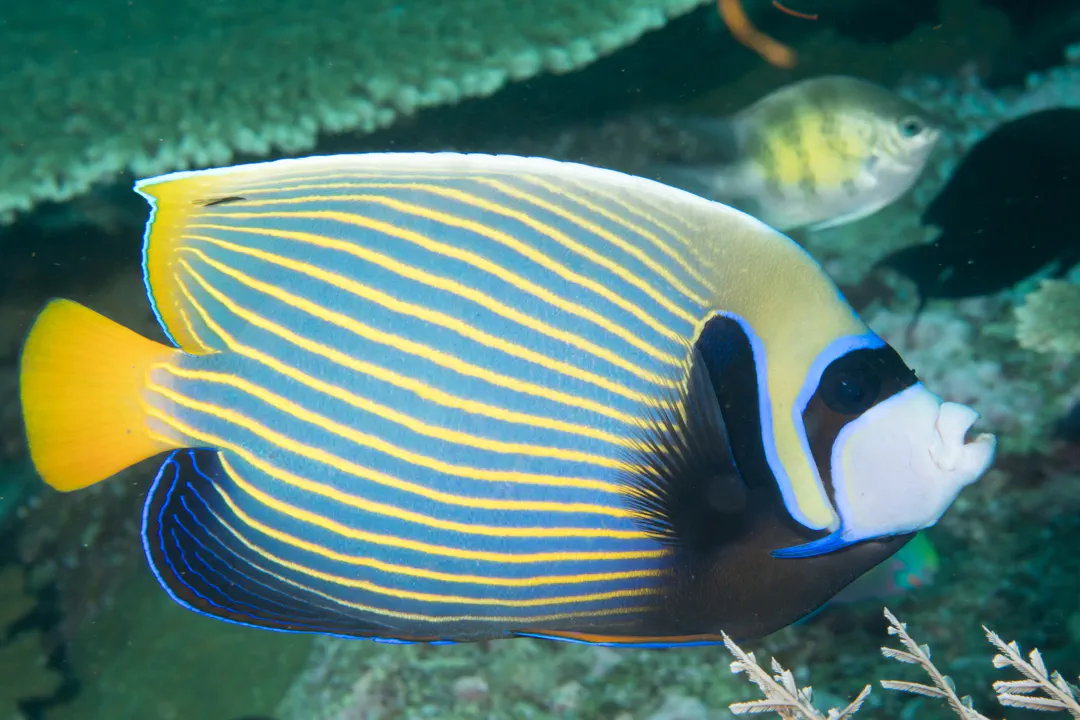 © Rickard ZerpeCC BY 4.0 · iNaturalist
 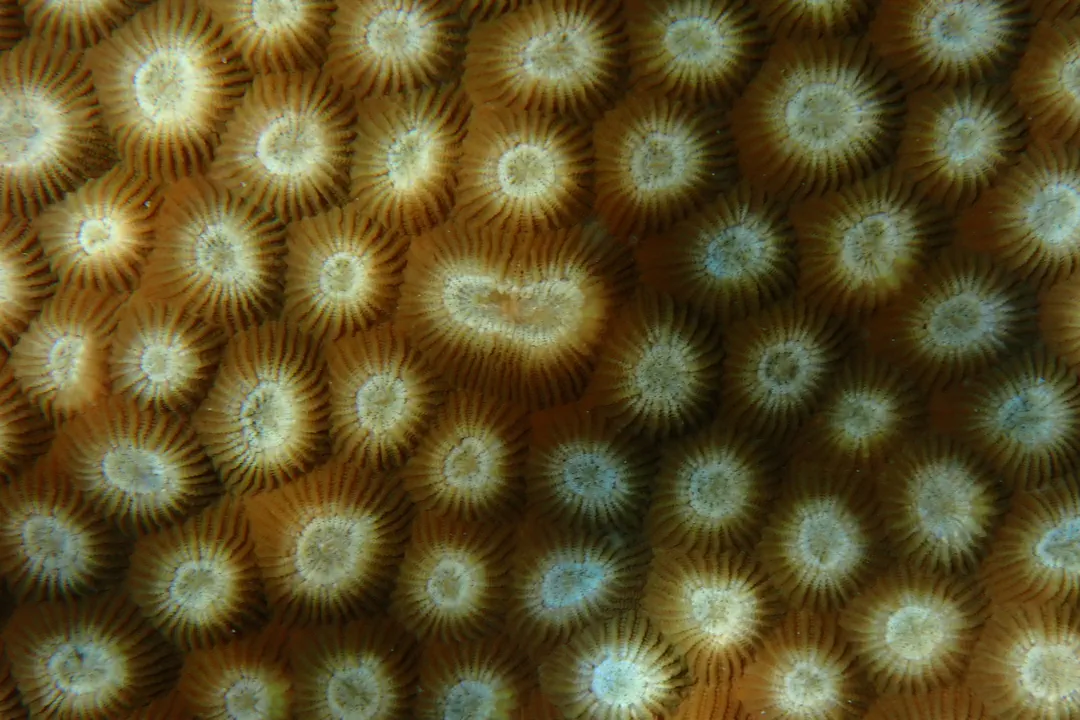 © Debra BakerCC BY 4.0 · iNaturalist
 Best Time to Visit and Diving Conditions
The ideal season for diving in the Chagos Islands typically spans from November to May, outside the main monsoon periods. During these months, the seas are generally calmer, offering optimal conditions for exploring the remote atolls and banks.
Divers can expect exceptional visibility, often extending up to 30-50 meters, allowing for expansive views of the underwater topography and distant pelagic encounters. Water temperatures remain consistently warm, averaging between 27°C and 30°C. While many sites are sheltered, strong currents can be encountered, particularly in channels and on exposed reef edges, making drift diving a common and exhilarating experience.
Water temperature
Chagos Islands, monthly average
Average sea surface temperatures for Diego Garcia, Chagos Archipelago (central Indian Ocean, 7°S 72°E). Typical diving depth range 5-40m. Data represents tropical Indian Ocean conditions.
Notable Dive Sites of the Chagos
Salomon Atoll: The Lagoon's Secret
Salomon Atoll, a ring of small islands encircling a tranquil lagoon, offers a contrasting experience to the more exposed outer reefs. Here, within depths typically ranging from 5 to 20 meters, divers find sheltered coral gardens teeming with smaller reef inhabitants. The calm, clear waters make it an excellent location for less experienced divers or those seeking a relaxed exploration of vibrant reef ecosystems.
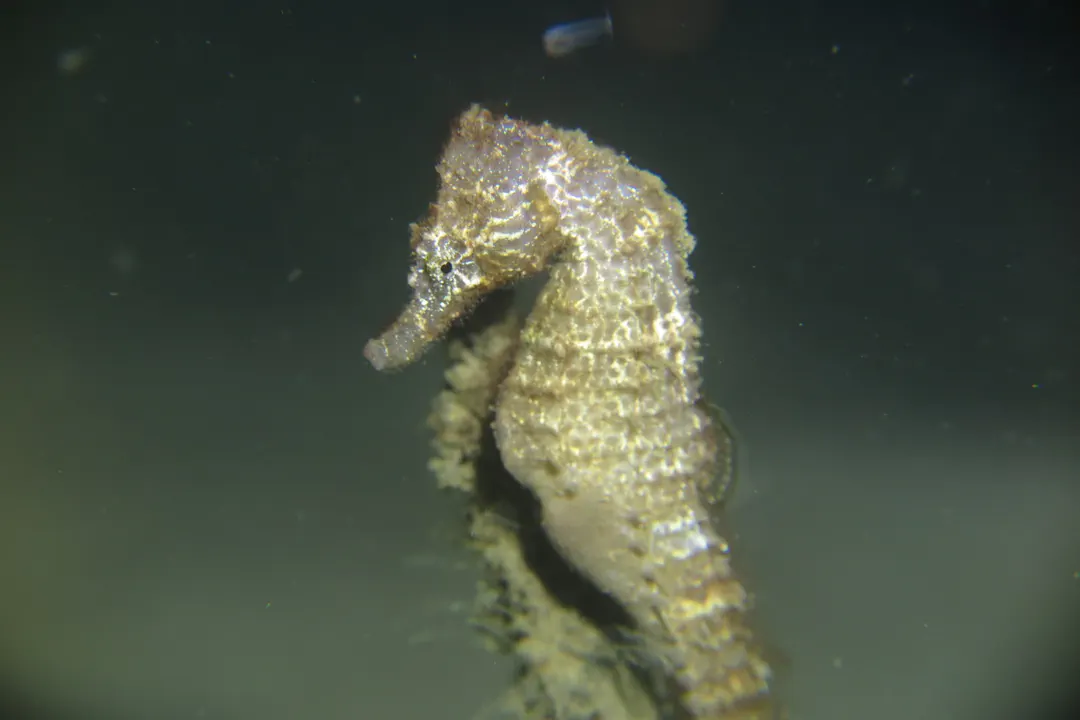
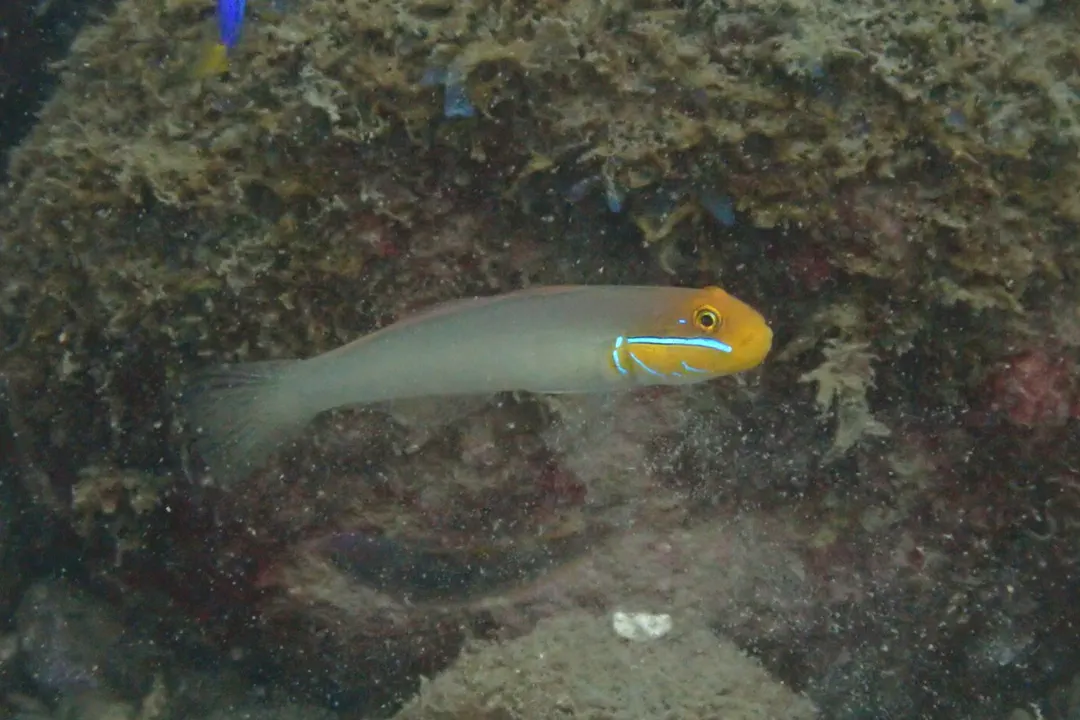
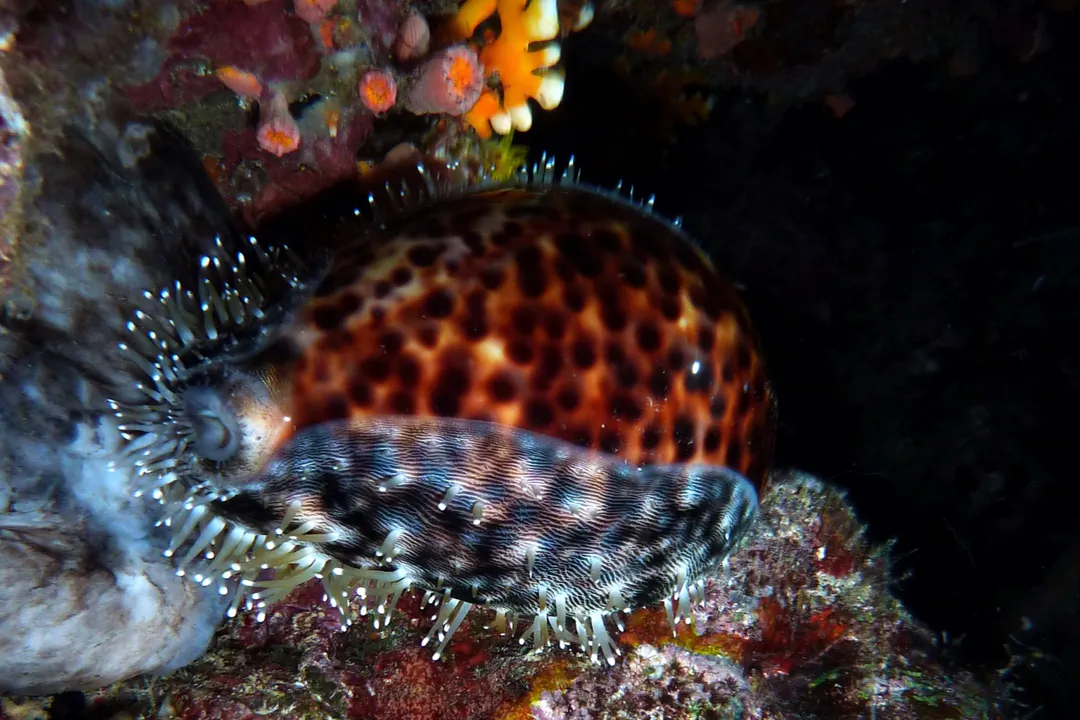
Among the branching corals and anemones, look for the subtle movements of cleaner gobies like *Valenciennea strigata* and the intricate patterns of the emperor angelfish (*Pomacanthus imperator*). The lagoon also hosts cryptic creatures, including various nudibranchs such as *Micromelo undatus*, and the captivating, if elusive, seahorse (*Hippocampus kuda*).
 © Ewout KnoesterCC BY-SA 4.0 · iNaturalist
  © 呂一起(Lyu yi-chi)CC BY 4.0 · iNaturalist
  © Kai SquiresCC BY 4.0 · iNaturalist
  Chris SpainCC0 · iNaturalist
 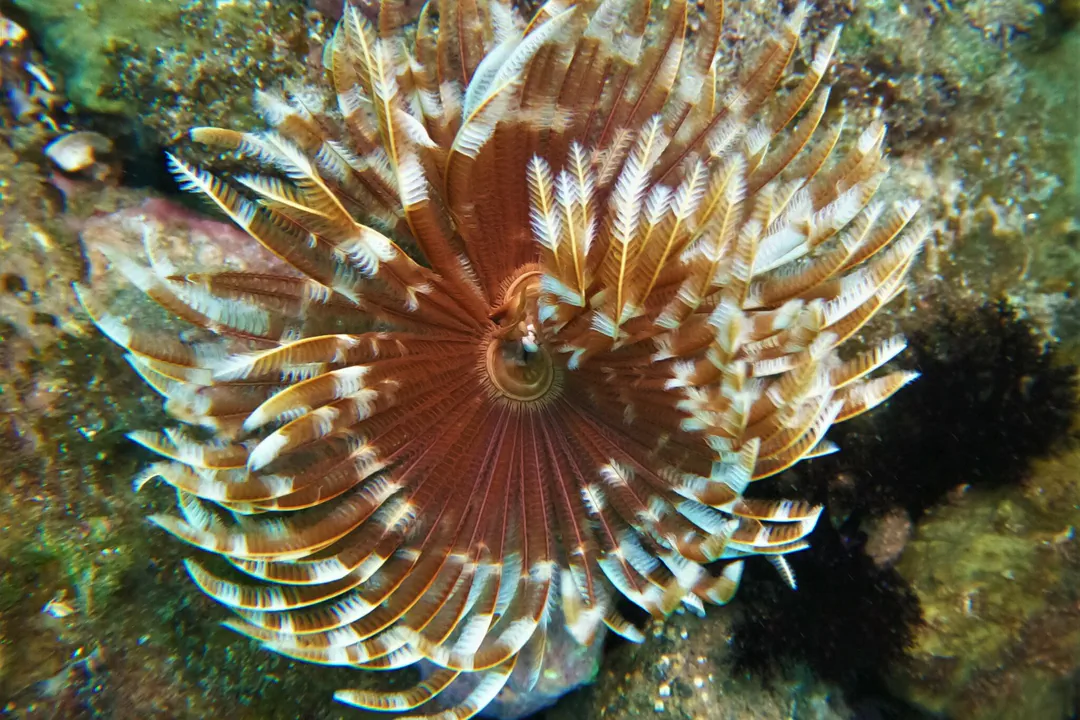 © Alberto AlcaláCC BY 4.0 · iNaturalist
 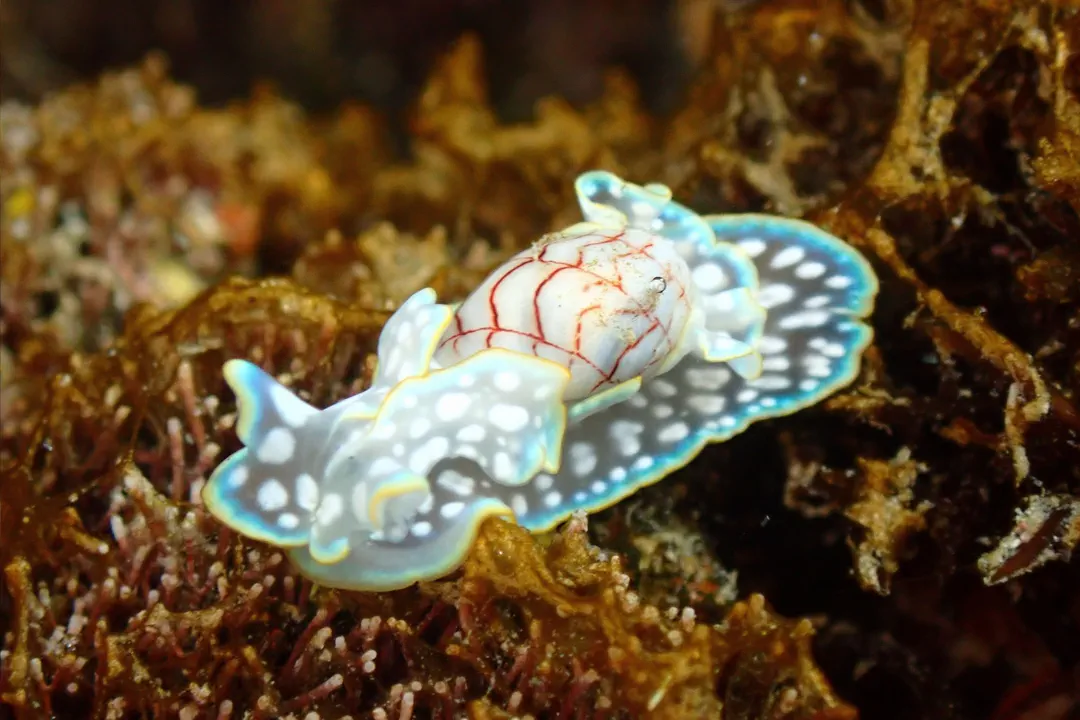 © Ben JobsonCC BY 4.0 · iNaturalist
 Great Chagos Bank: Pelagic Encounters
The Great Chagos Bank, a vast submerged plateau, serves as a major aggregation point for large pelagic species, particularly along its deeper drop-offs and channels. Dives here often descend to 30 meters or more, characterized by strong currents that sweep nutrients across the bank, attracting an abundance of marine life. This is a thrilling arena for drift dives, where the current carries you past monumental schools of fish.
Encounters with tiger sharks (*Galeocerdo cuvier*) and various reef sharks are common, as are sightings of majestic eagle rays (*Aetobatus narinari*). Schools of fusiliers (*Pterocaesio pisang*) form shimmering walls, while the occasional ornate ghost pipefish (*Solenostomus cyanopterus*) might be spotted clinging to a crinoid, a rare macro gem in a pelagic realm.
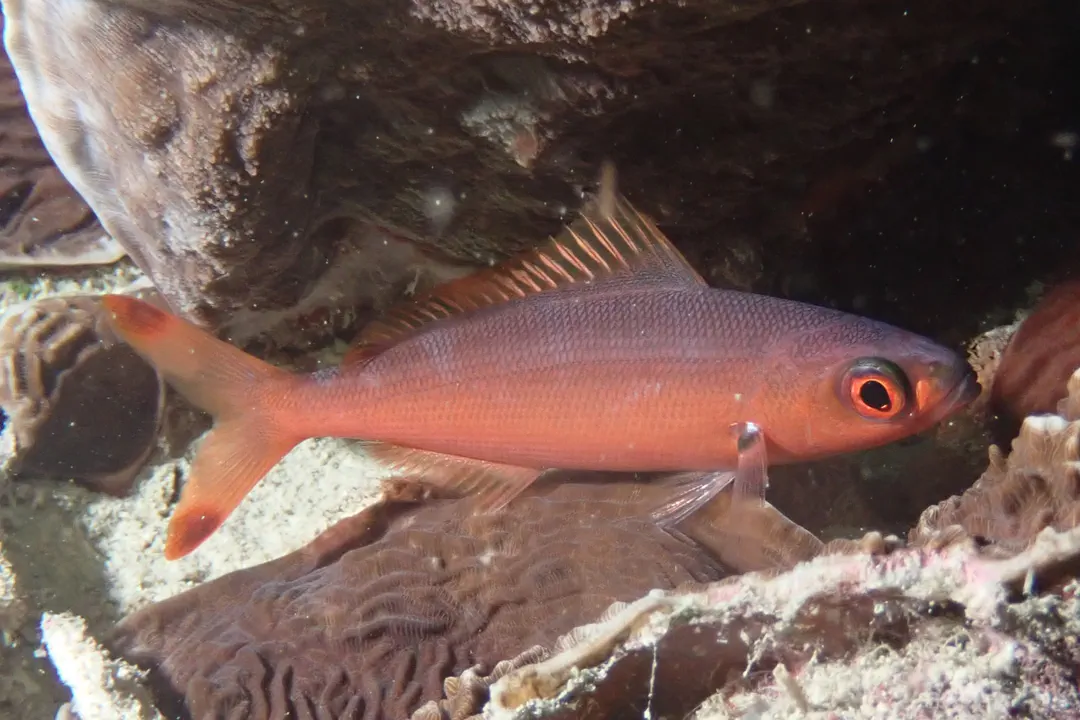 © Roger RittmasterCC BY 4.0 · iNaturalist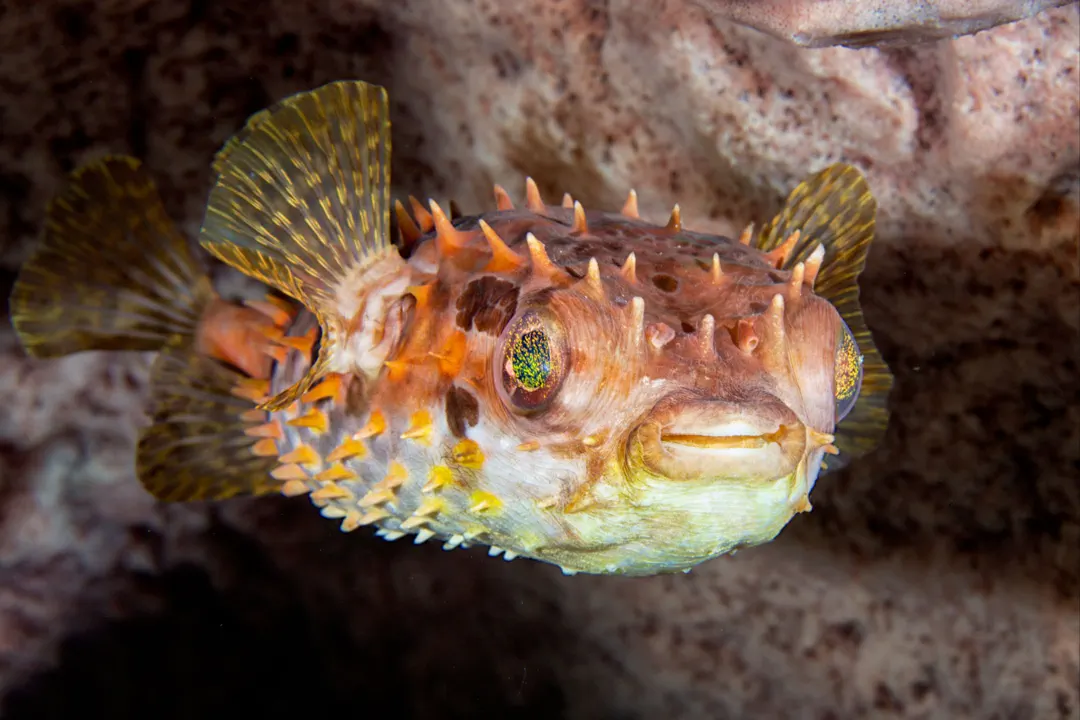
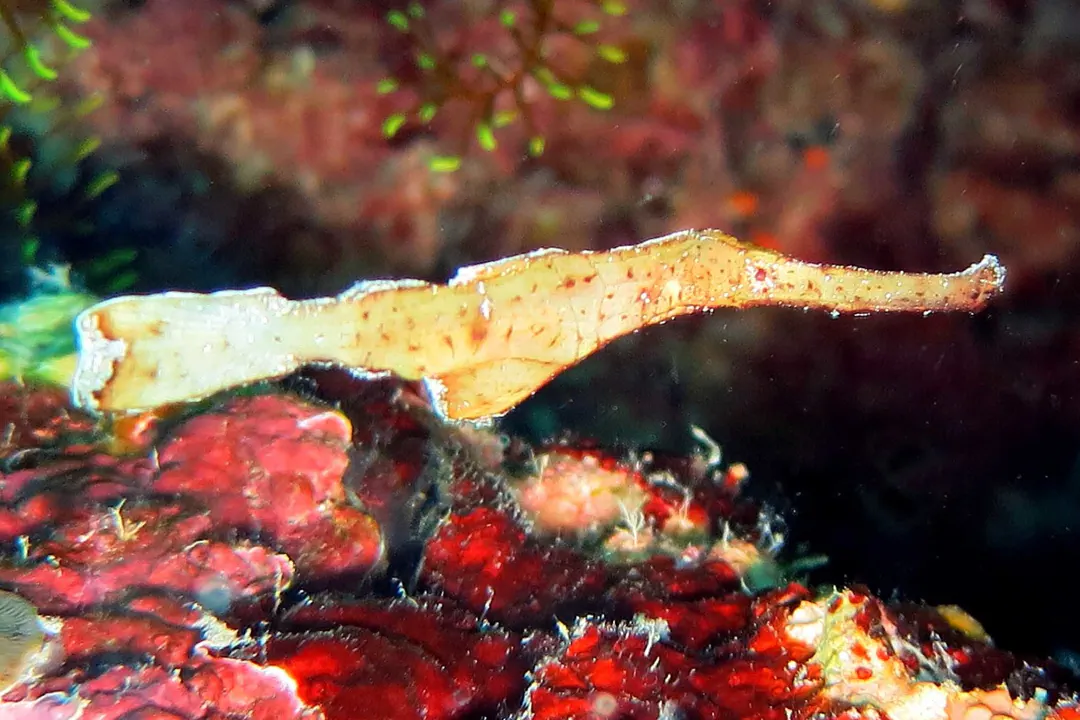 © Lakshmi SawitriCC BY 4.0 · iNaturalist
 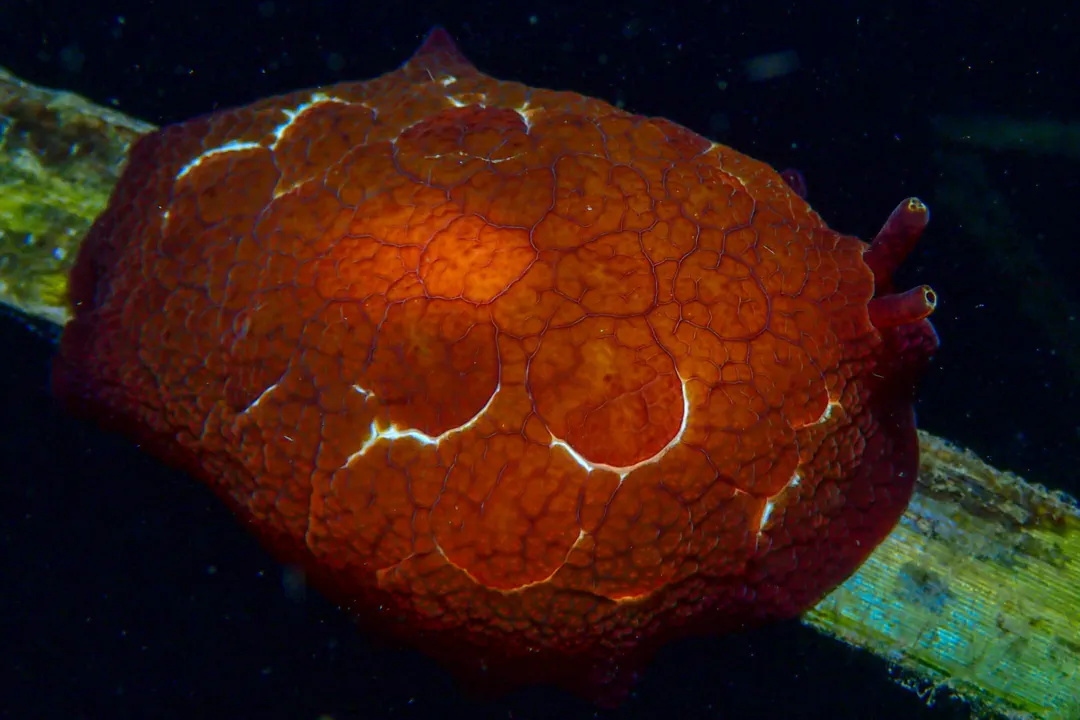 © Dan SchofieldCC BY 4.0 · iNaturalist
 Peros Banhos Atoll: Wall Diving and Macro Life
Peros Banhos Atoll offers some of the most spectacular wall dives in the Chagos, with dramatic drop-offs plunging from shallow reef flats into the deep blue. These walls, often descending beyond 40 meters, are adorned with an intricate tapestry of soft corals, sponges, and gorgonian fans, creating a vibrant canvas for keen-eyed divers. The steep topography creates a diverse habitat, attracting a wide array of reef fish and elusive macro subjects.
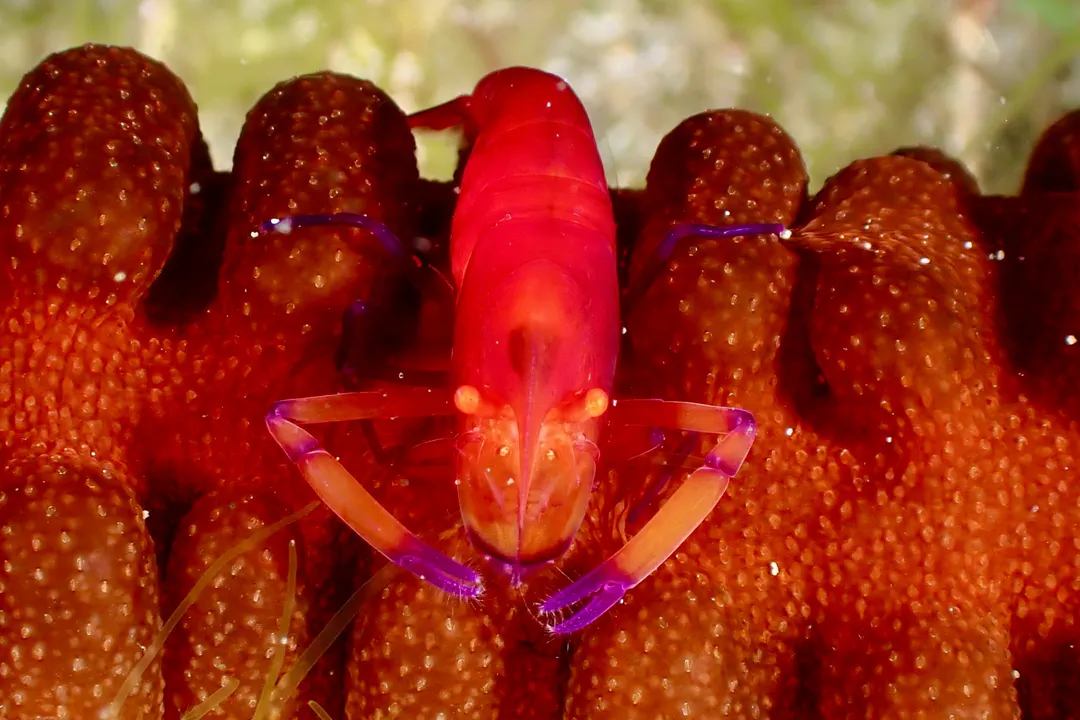
Within the crevices and overhangs, divers can discover a rich diversity of macro life. Look for the delicate *Hoplophrys oatesi* (pink pygmy seahorse) camouflaged on soft corals, or the vibrant imperial shrimp (*Periclimenes imperator*) riding on a sea cucumber. Crabs like *Trapezia bidentata* shelter among the coral branches, while the rare hairy frogfish (*Antennarius striatus*) might be found patiently waiting for prey, blending perfectly with its surroundings.
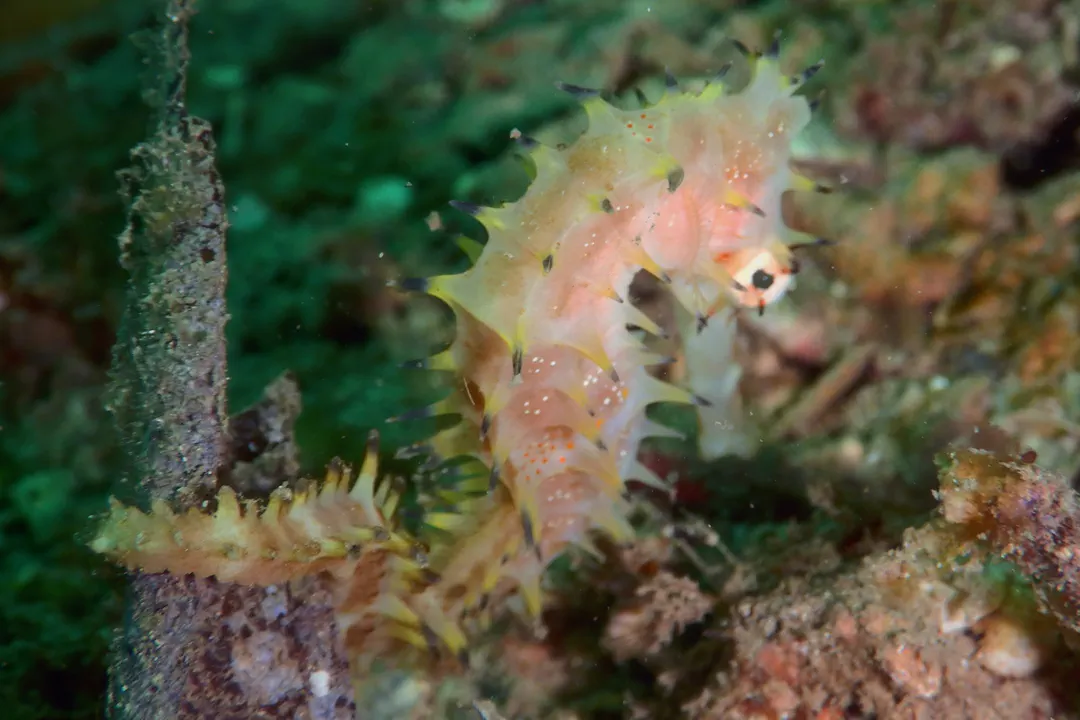 © Ewout KnoesterCC BY-SA 4.0 · iNaturalist
 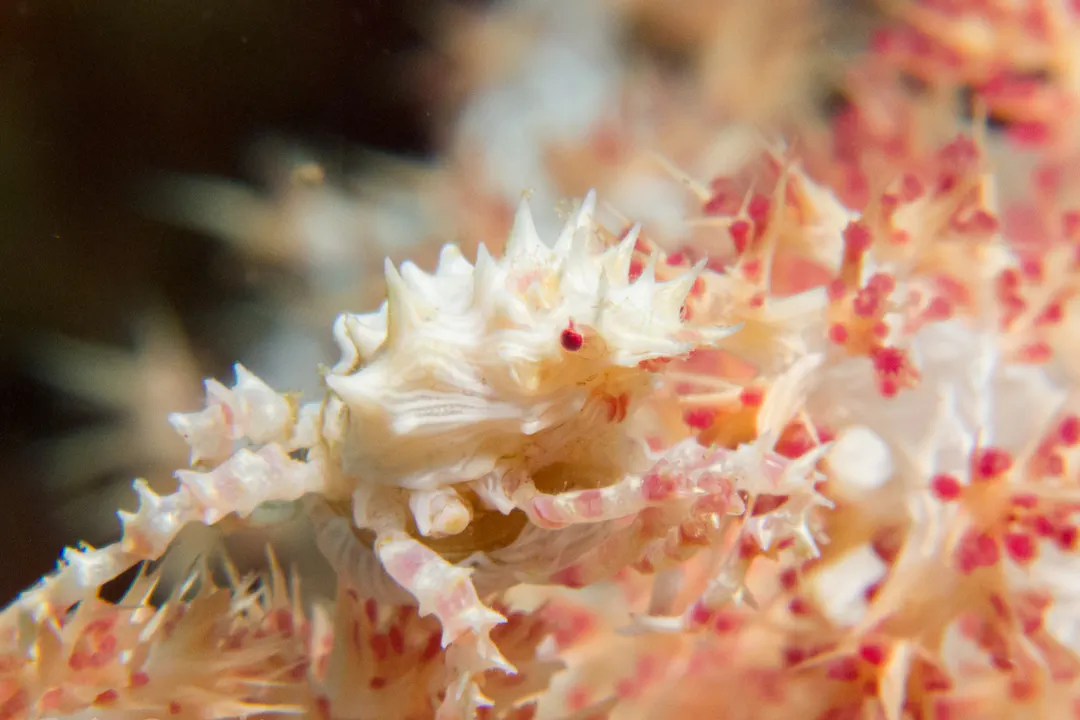 © BJ SmitCC BY 4.0 · iNaturalist
 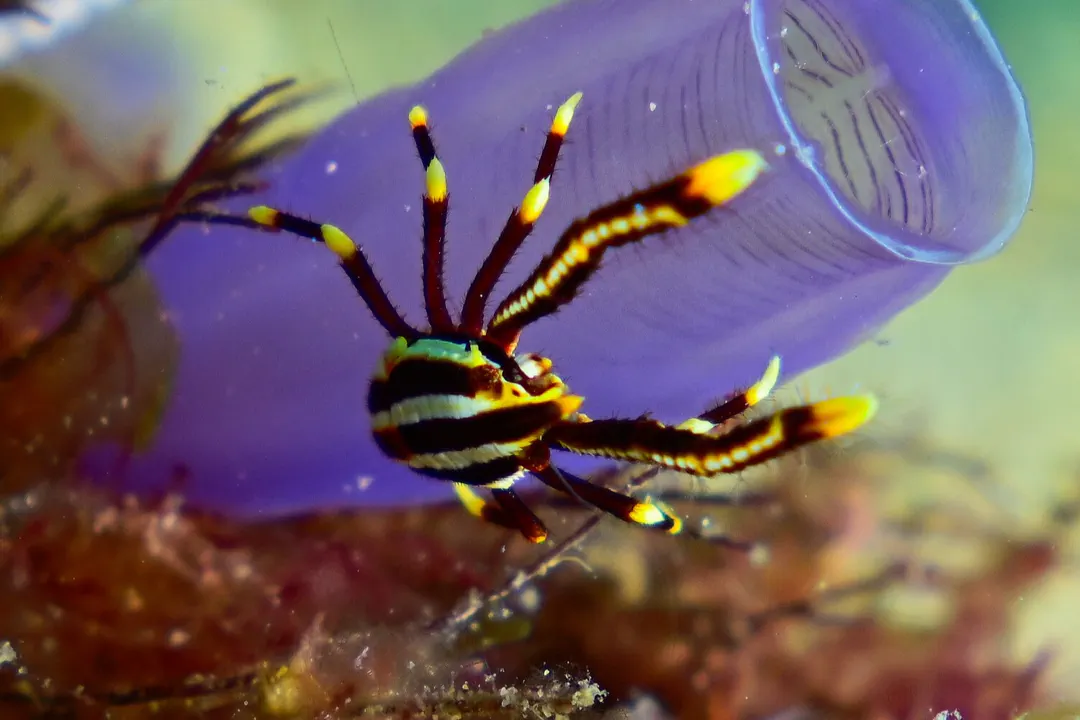 © Bernie WongCC BY 4.0 · iNaturalist
 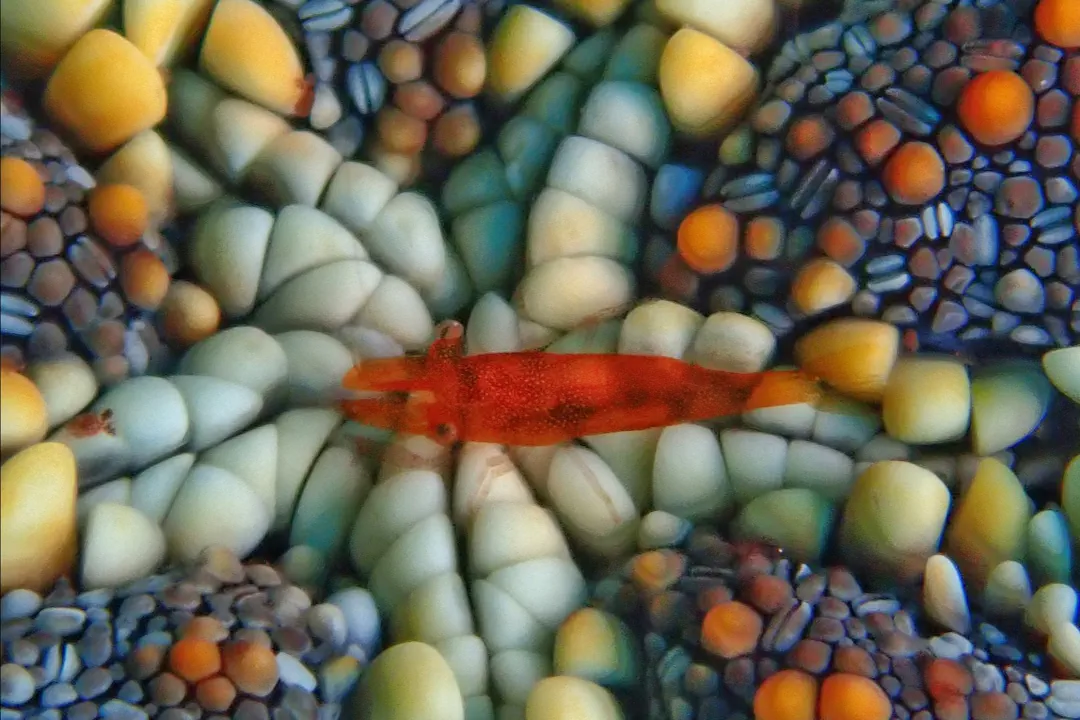 © Alberto AlcaláCC BY 4.0 · iNaturalist
 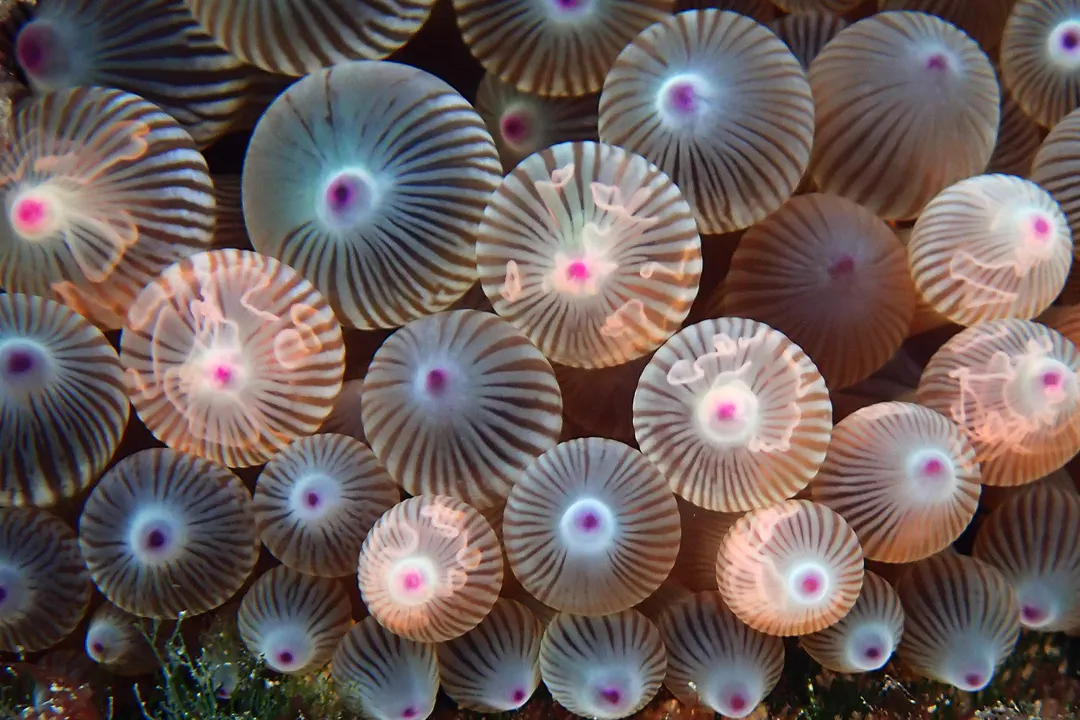 © Susan PriorCC BY 4.0 · iNaturalist
 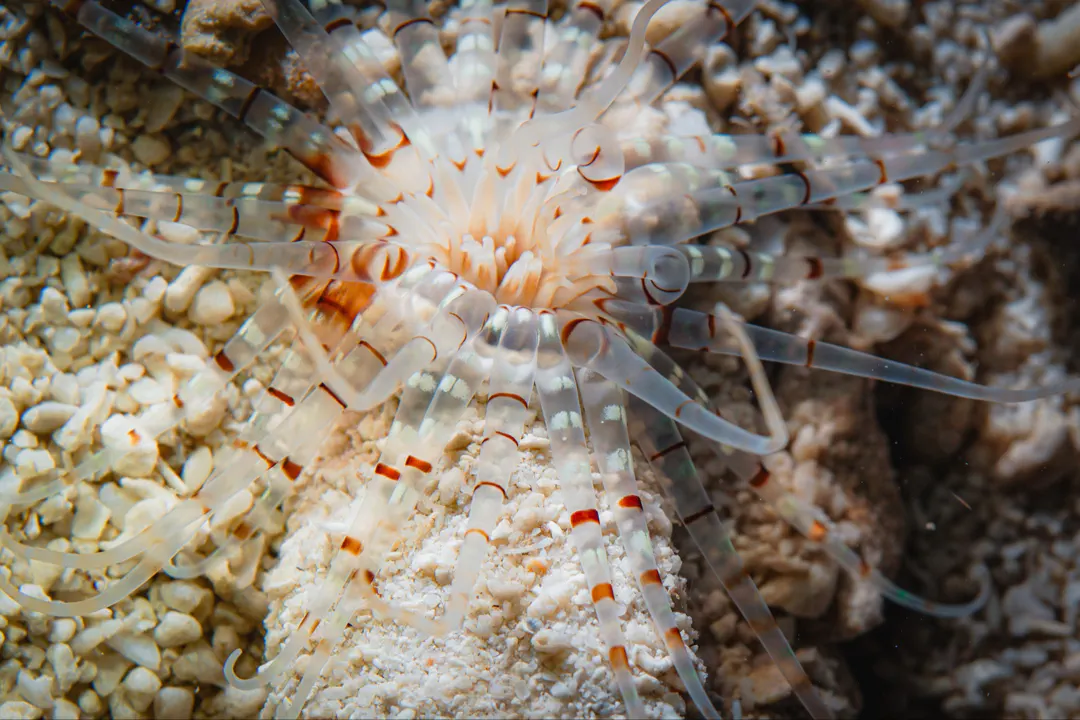 © Stas KuryanAll rights reserved
 Practical Diving Tips for the Chagos
Planning a dive trip to the Chagos Islands requires careful preparation due to its remote location and protected status. Access is exclusively via specialized liveaboard expeditions, which typically operate for several weeks or months in the region. Booking well in advance is essential, as permits are strictly controlled and availability is limited.
While some sites are suitable for all levels, many dives involve strong currents and deeper wall profiles, making advanced open water certification and experience with drift diving highly recommended. Divers should be self-sufficient and comfortable in remote environments. Essential equipment includes a dive computer, surface marker buoy (SMB), and reef hook for drift dives. Adherence to the strict environmental regulations of the MPA, including no-touching and no-collecting rules, is paramount to preserving this extraordinary ecosystem.
Questions
How can one access the Chagos Islands for diving?
Access to the Chagos Islands is highly restricted due to its protected status and remote location. Diving is primarily done via specialized liveaboard expeditions that have obtained the necessary permits. Private yachts can also visit with prior authorization.
What level of diving experience is required for the Chagos?
While there are sites suitable for all levels, many dives involve strong currents and deeper walls, making advanced open water certification and experience with drift diving highly recommended to fully enjoy the diverse sites.
What kind of marine life can I expect to see?
The Chagos Islands boast an incredible diversity, from large pelagics like sharks, rays, and tuna to pristine coral reefs teeming with reef fish, macro life, and various invertebrates. It's truly a diver's paradise for biodiversity.
Are there any specific environmental guidelines or restrictions?
Yes, as a strict Marine Protected Area, there are stringent rules against fishing, collecting, and touching marine life. Divers must adhere to responsible diving practices, maintain buoyancy, and follow all guidelines provided by their liveaboard crew.
Is the Chagos Islands a suitable destination for underwater photography?
Absolutely. With exceptional visibility, healthy corals, and an abundance of both large pelagics and macro subjects, the Chagos Islands offer world-class opportunities for underwater photography and videography.