Introduction: Singapore's Unexpected Underwater World
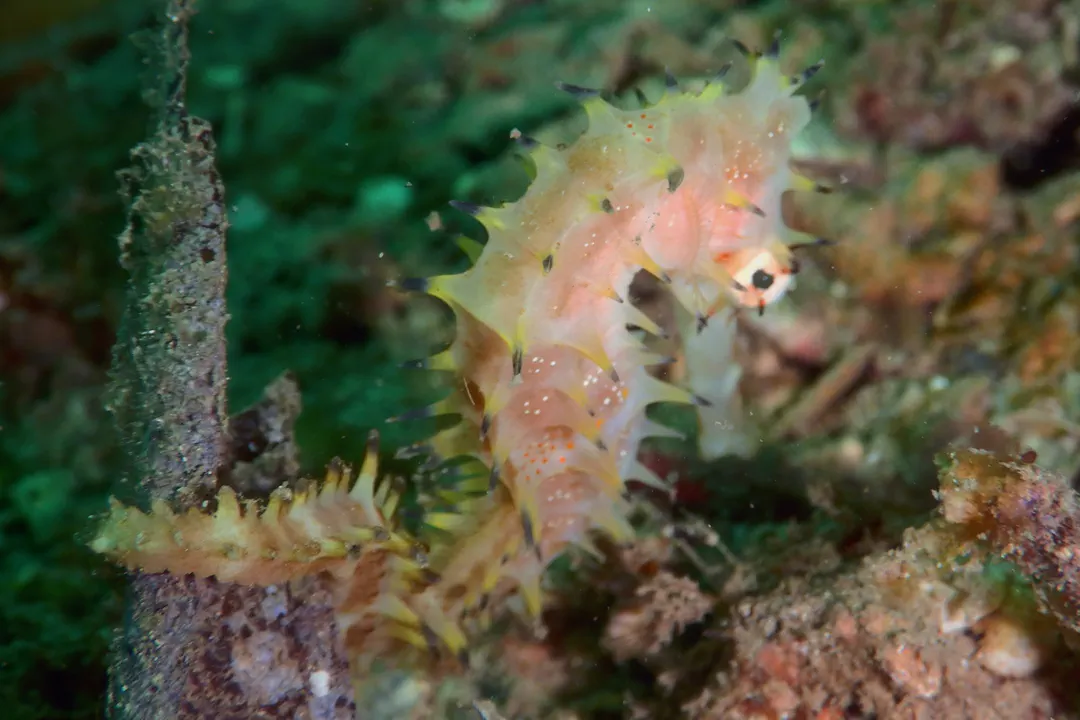
Beneath the surface at Pulau Hantu, a common clownfish, *Amphiprion ocellaris*, darts into the protective tentacles of a magnificent sea anemone, *Heteractis magnifica*, at a mere 5 meters depth. Around them, the gentle current, often barely perceptible during slack tide, carries a fine suspension that gives the scene a soft, painterly blur. A spiny seahorse, *Hippocampus histrix*, clings to a gorgonian fan nearby, its delicate prehensile tail wrapped tight against the subtle sway.
Singapore is one of Southeast Asia’s most unexpected dive destinations because its reefs sit beside one of the world’s busiest ports and a densely urbanised coastline, yet they still support a surprisingly rich marine community. The country’s waters include coral reefs, sandy bottoms, seagrass beds, seawalls, jetty piles, and wreck habitat, offering a mix of natural and human-made ecosystems within a very small area.
That patchwork of habitats explains why Singapore is known more for close-range macro photography than for expansive blue-water visibility. Its marine history is unusual as well; land reclamation and coastal engineering have reshaped much of the shoreline over the last century. Even so, surveys have documented more than 250 species of hard corals in Singapore’s waters, and these reefs have become a focal point for conservation, restoration, and citizen science. For divers, the appeal lies in seeing how reef life persists at the edge of a major global city.
Conditions suit patient, observant diving rather than long-range scanning. Water stays warm throughout the year, and many dives are timed around tides to take advantage of calmer water and better access to shallow reef areas. Singapore rewards slow buoyancy control, careful finning, and a good macro lens, because many of its most interesting animals are small, cryptic, and often hidden in rubble, sponges, soft corals, and anemones.
Singapore's Unique Marine Environment and Climate
Singapore sits near the equator, so sea temperatures remain consistently warm, with surface water usually around 28–30 °C and only modest seasonal variation. Air temperatures are also stable, but rainfall patterns matter: the wetter northeast monsoon typically brings heavier showers from about December to March, while the southwest monsoon from June to September is often drier but can still produce squalls and reduced visibility after storm runoff.
Diving is possible all year, but the clearest windows often come during calmer stretches between major rain events. Urban development has had a major influence on Singapore’s marine environment. Coastal reclamation, dredging, and shipping traffic have reduced and fragmented reef habitat, yet they have also prompted active management, including coral nurseries, translocation work, and reef restoration projects.
Singapore’s conservation strategy is notable because it treats marine biodiversity as a working part of national planning rather than as an isolated nature reserve project. Artificial reefs and restoration structures now complement natural reef patches in some areas. At the Sisters’ Islands Marine Park, for example, conservation teams have used coral propagation and transplanting to strengthen reef resilience, while public education and monitoring help track coral survival and recruitment.
For divers, these efforts matter because they increase the odds of seeing recovering reef edges, juvenile reef fish, and patches of hard coral cover in a highly modified seascape. The marine setting also shapes dive planning. Most Singapore sites are shallow, tide-dependent, and relatively protected from ocean swell, but currents can still run strongly around channels and exposed points, especially near tidal changes. A dive operator that understands local tidal windows is essential, because timing often matters more than depth when planning a successful day underwater.
Best Time to Dive in Singapore
Singapore is a year-round warm-water destination, with water temperatures usually ranging from about 28 to 30 °C. That means a thin wetsuit, rashguard, or even a shorty is enough for many divers, but sun protection and hydration matter because surface conditions can feel hot and humid between dives.
Visibility commonly falls in the 3 to 10 meter range and can drop lower after heavy rainfall or during periods of suspended sediment, so expectations should favor close-quarters sightings rather than wide scenic vistas. Seasonality affects not just visibility but also what is most visible. After heavy rain, runoff can reduce clarity for a day or more, while calmer inter-monsoon periods often provide better dive conditions.
Night diving and dusk dives can also be rewarding because many crustaceans and cephalopods become more active after sunset, and Singapore’s relatively shallow sites make those time windows accessible for properly planned dives. Biologically, Singapore is best known for macro life. Divers regularly look for seahorses, octopuses, nudibranchs, pipefish, shrimps, crabs, anemones, and reef fish tucked into rubble and coral heads. The reefs and artificial structures can be especially productive at low tide or on slack water when small animals are easier to spot and the water movement is more manageable.
Water temperature
Singapore, monthly average
Singapore city-state waters (main island and surrounding straits), surface temperatures; typical diving depth range 5-30m
What to Expect: Singapore's Underwater World
Singapore’s underwater realm is a realm of the small and the camouflaged, where patience uncovers an intricate world thriving on reefs and artificial structures. Divers often spend their time scanning for the tell-tale shimmer of an emperor shrimp, *Periclimenes imperator*, on a sea cucumber, or the subtle undulations of a flatworm moving across coral rubble. The focus here is on discovering the details that often go unnoticed in larger, faster-paced dives.
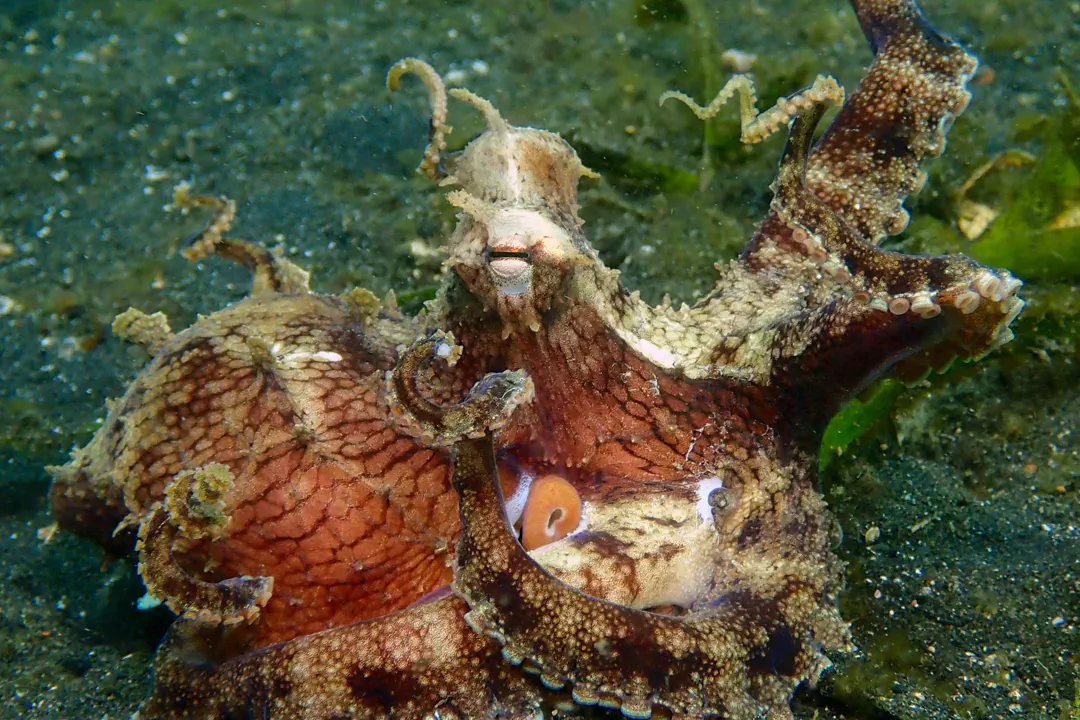
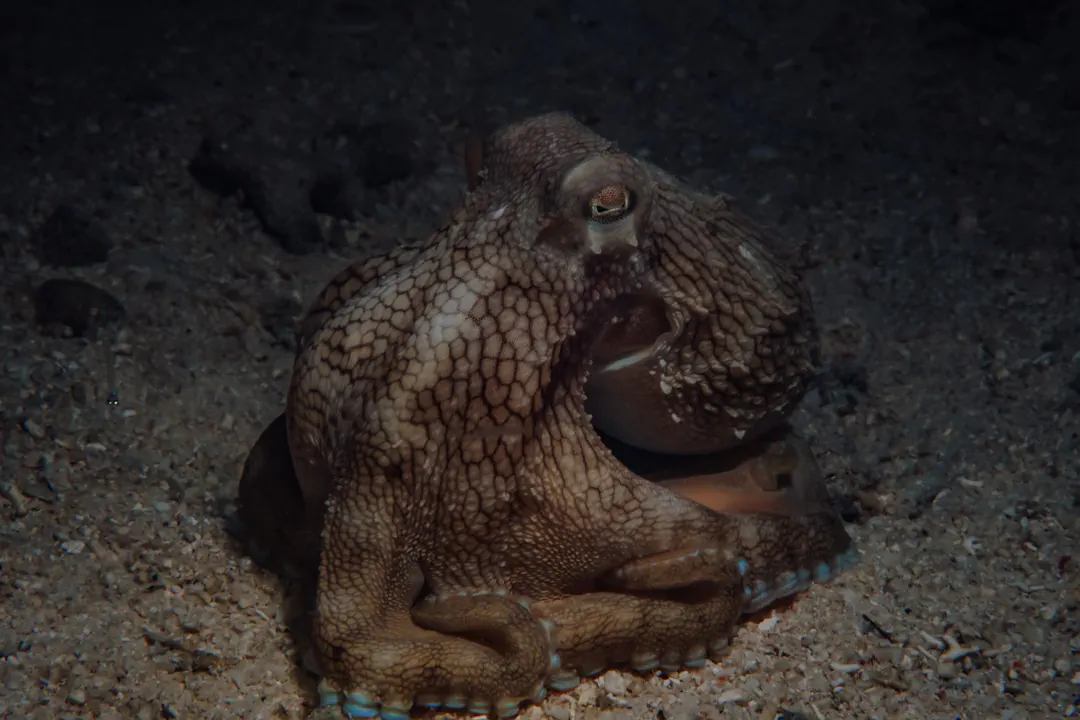
Along sandy patches, a coconut octopus, *Amphioctopus marginatus*, might be seen meticulously building its shell fortress, while a spiny seahorse, *Hippocampus histrix*, remains perfectly still, blending with its gorgonian perch. These waters are a haven for cephalopods, from the common broadclub cuttlefish, *Sepia latimanus*, displaying its iridescent skin, to the more elusive pygmy squid.
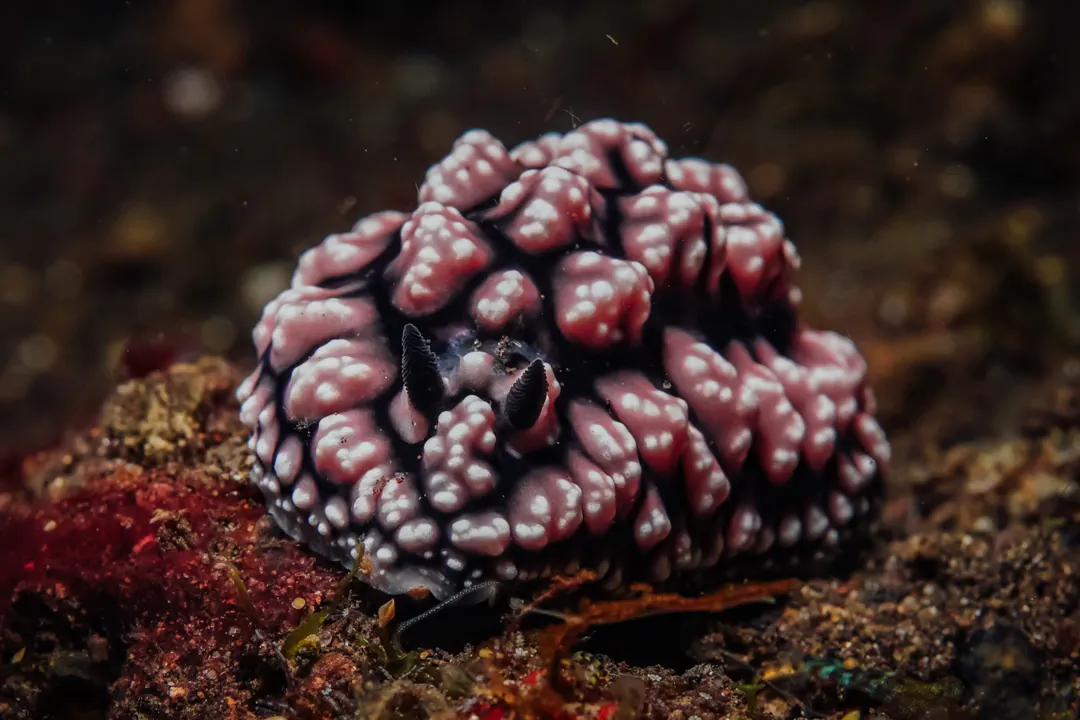
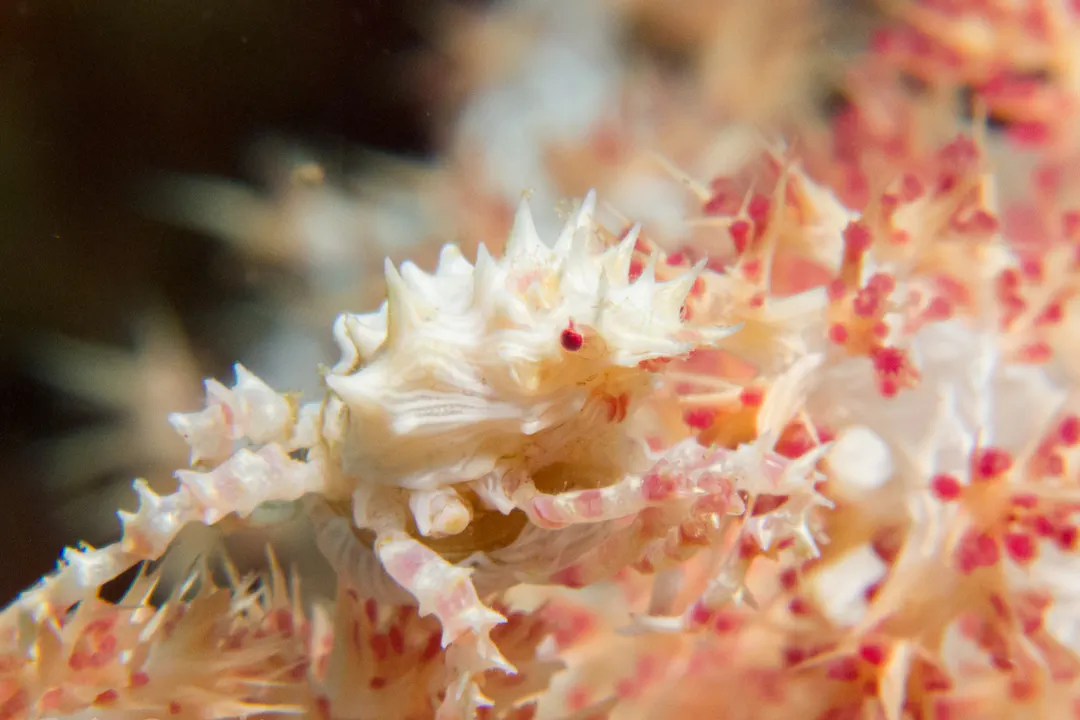
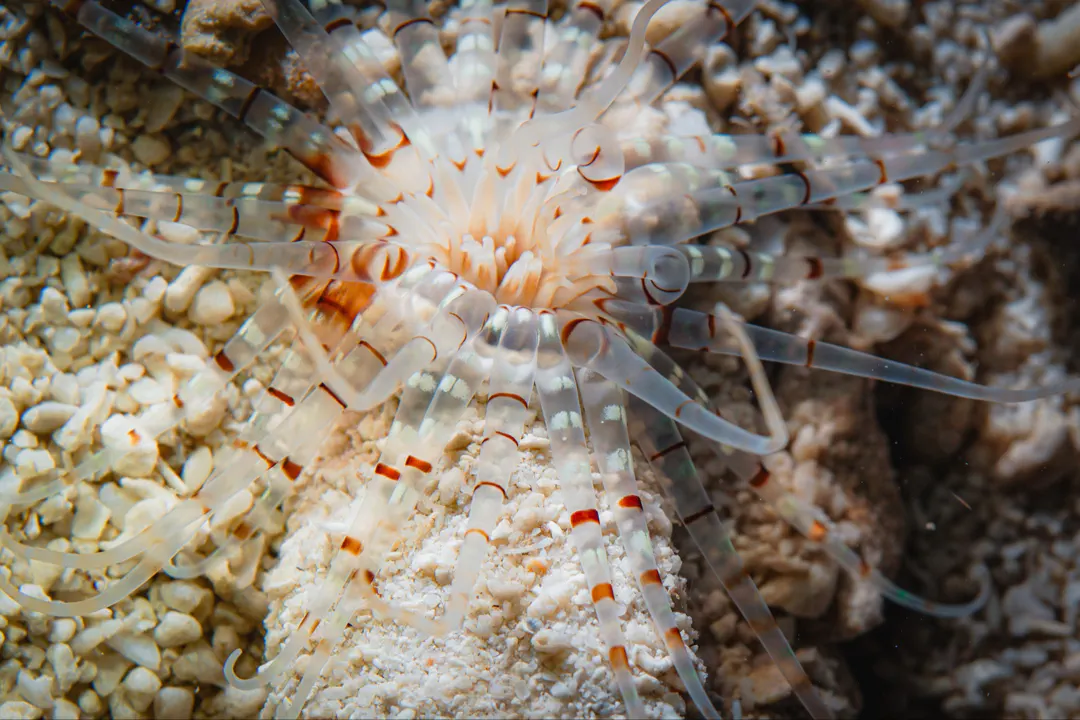
Nudibranchs are a particular draw, with species like the striking *Halgerda willeyi* and the elegant *Chelidonura amoena* navigating the substrate. Divers might also spot the vibrant *Phyllidiella pustulosa*, its textured mantle a splash of color against the reef. For those with a keen eye, the delicate *Hoplophrys oatesi*, a candy crab, might be found nestled within a soft coral, or a magnificent tube anemone, *Cerianthus filiformis*, extending its long tentacles from a sandy burrow.
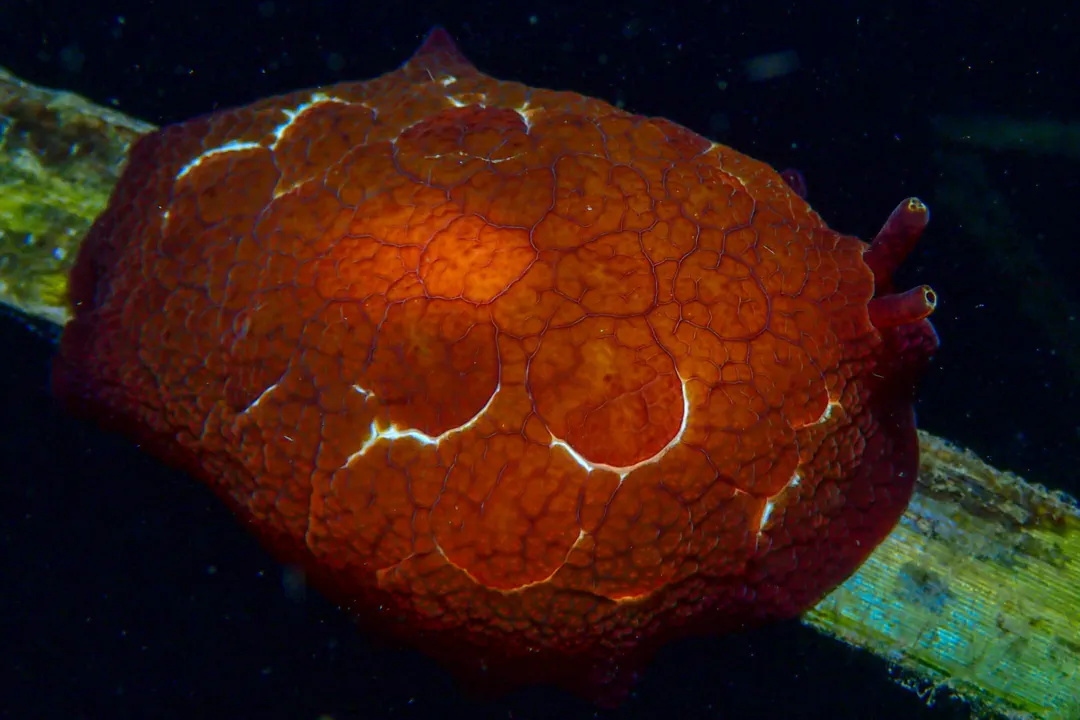
Every dive reveals a new miniature drama, from the slow crawl of a *Pleurobranchus forskalii* sea slug to the intricate cleaning stations where various shrimps attend to small reef fish. It’s a place where the smallest creatures command the greatest attention, turning each dive into a treasure hunt for hidden gems.
 © Stas KuryanAll rights reserved
  © Ewout KnoesterCC BY-SA 4.0 · iNaturalist
 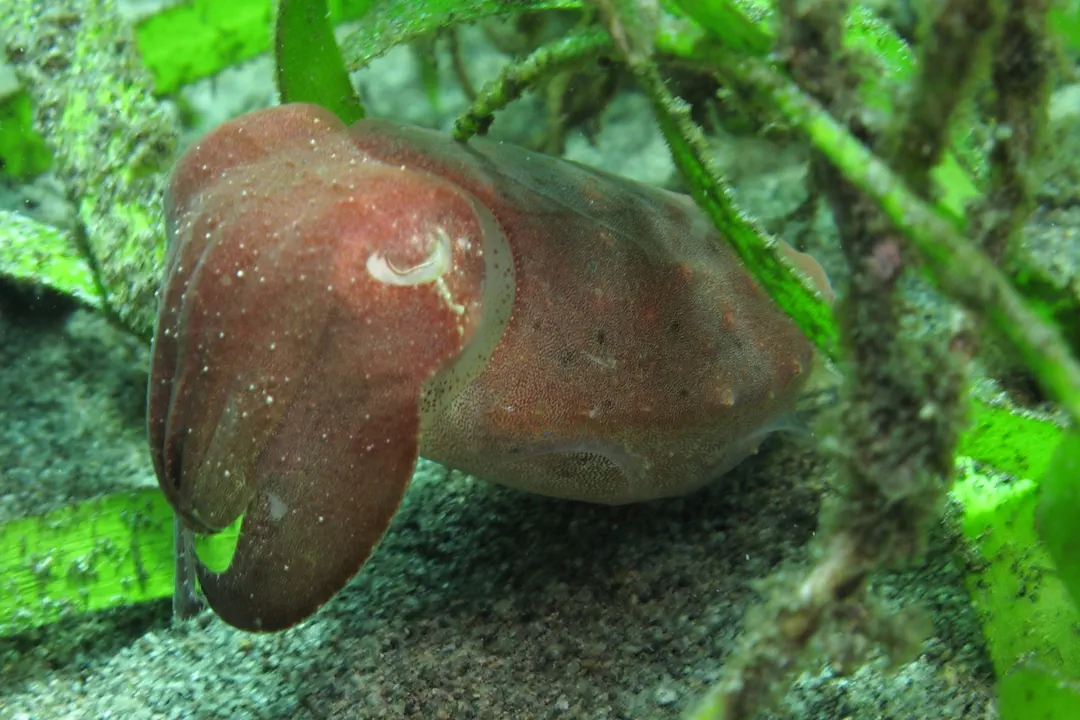 © BJ SmitCC BY 4.0 · iNaturalist
 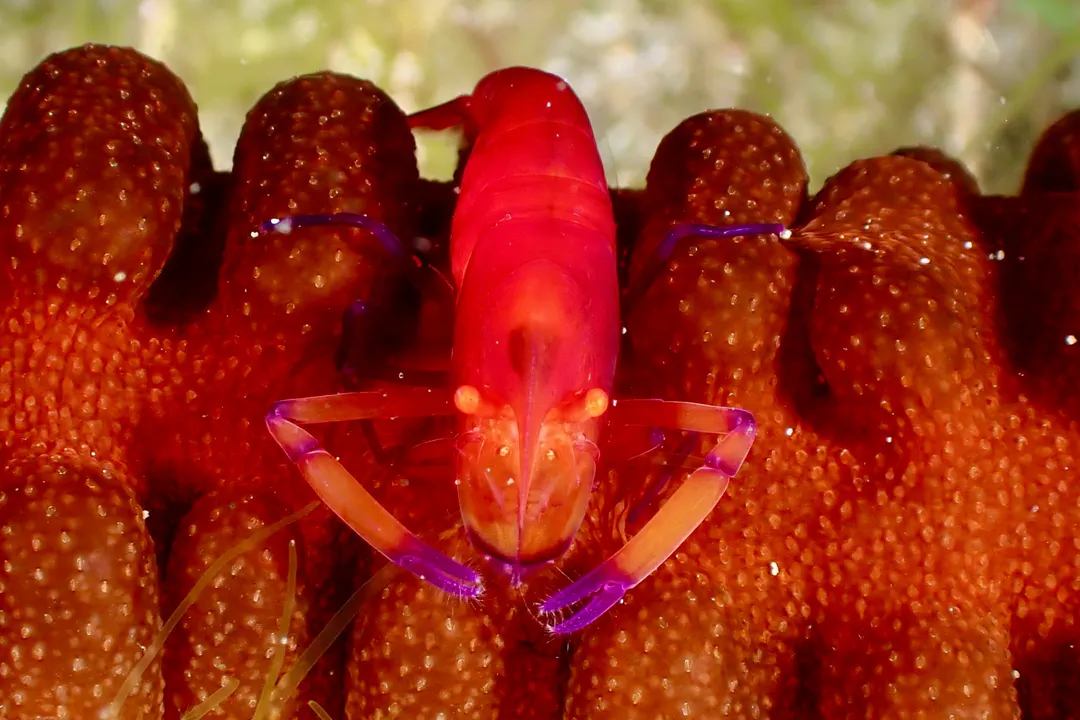 Chris SpainCC0 · iNaturalist
 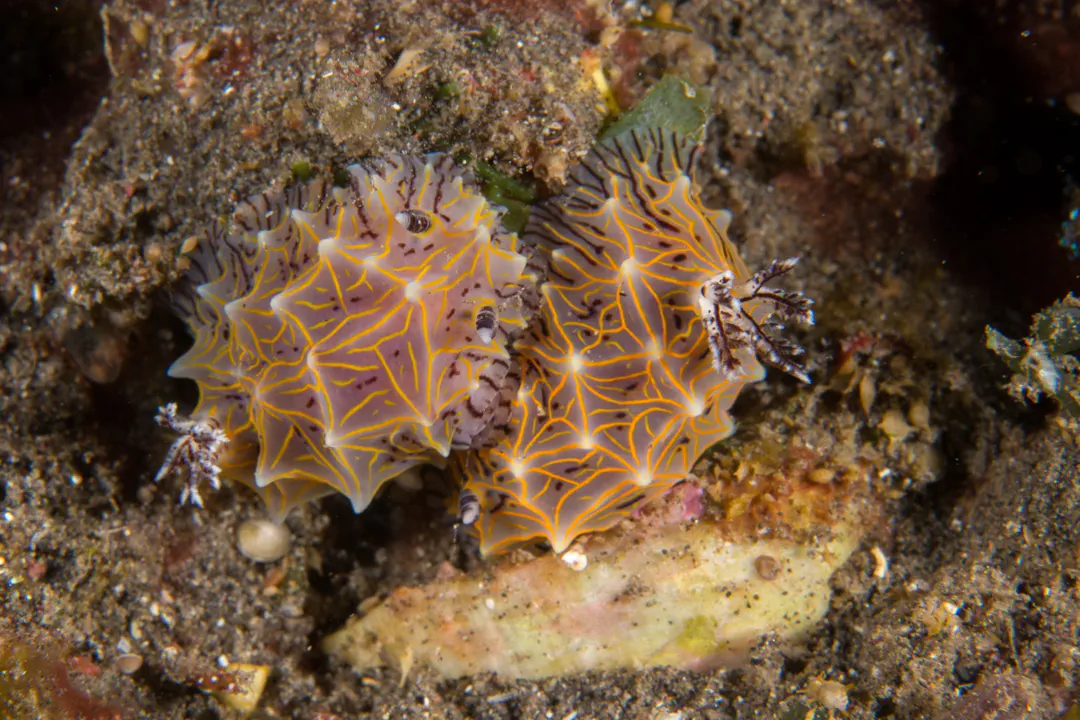 © Bernard PictonCC BY 4.0 · iNaturalist
 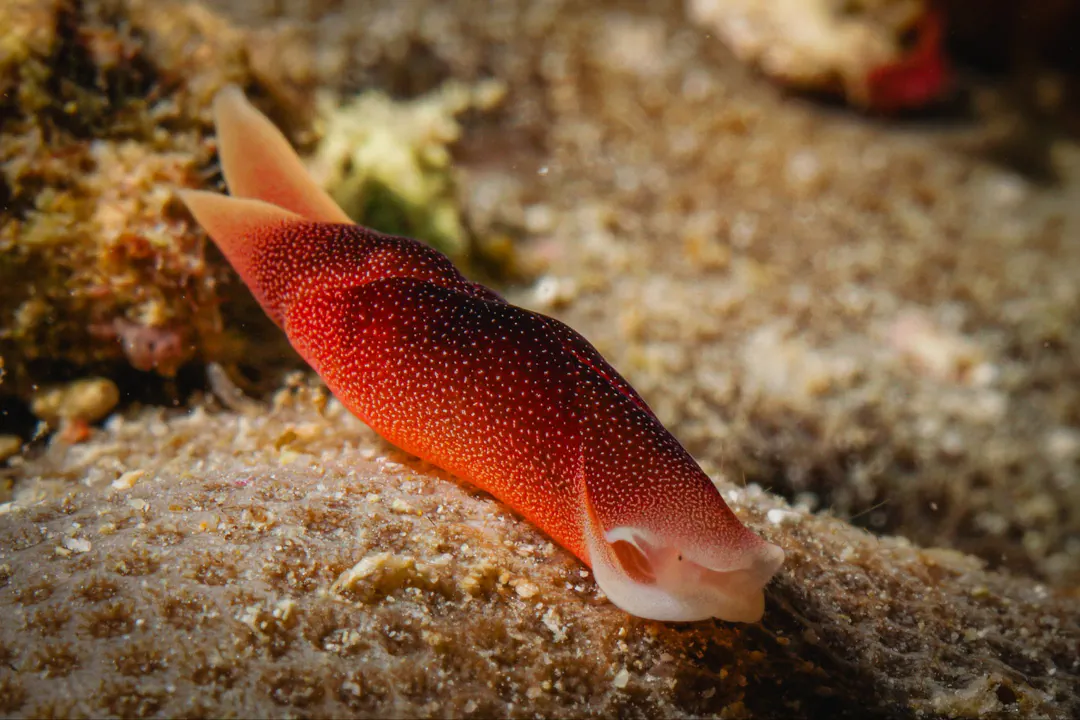 © Stas KuryanAll rights reserved
 Notable Dive Sites in Singapore
Pulau Hantu: The Ghost Island's Hidden Depths
Pulau Hantu is Singapore’s most explored dive site, accessible by boat and suitable for divers of various experience levels, especially those keen on macro photography. Dives here typically range from 3 to 14 meters, with conditions largely dependent on the tides. The site includes sandy bottoms, coral rubble, seagrass patches, and reef edges, offering a wider range of encounters than a simple open-ocean reef.
The island’s reefs have persisted despite intense coastal development nearby, which makes them ecologically important as remnant habitat and as a refuge for reef-associated species. Pulau Hantu is better understood as a shallow, tide-sensitive site where timing, calm water, and precise buoyancy are critical. Because the site is so shallow, many divers use smaller cylinders or limit bottom time for repeated macro searches rather than long unbroken swims.
Typical sightings include spiny seahorses, *Hippocampus histrix*, various nudibranchs such as *Phyllidiella pustulosa* and *Chelidonura amoena*, and common octopuses, *Amphioctopus marginatus*. Divers might also find broadclub cuttlefish, *Sepia latimanus*, pipefish, anemones, small crabs, and shrimps, along with reef fish sheltering among hard coral heads and rubble. The site is also a useful example of how Singapore’s artificial and natural habitats blend, since moorings, seawalls, and sheltered reef pockets all contribute to the local food web.
For training and photography, Pulau Hantu works best during slack tide or near slack water, when suspended sediment is lower and small animals are easier to locate. Seasonally, the site can change quickly after rain and wind, with visibility often falling when runoff and turbidity increase. Calm spells can reveal much better reef structure and a broader range of cryptic fauna, while rougher periods still support life but make subjects harder to find. Divers should expect a living, shifting site rather than a static postcard reef, and that is part of its appeal.
 © Stas KuryanAll rights reserved
  © BJ SmitCC BY 4.0 · iNaturalist
  © Stas KuryanAll rights reserved
  © Dan SchofieldCC BY 4.0 · iNaturalist
 Sisters' Islands Marine Park: A Sanctuary of Biodiversity
The Sisters’ Islands Marine Park, Singapore’s first and only marine park, covers about 40 hectares around Small Sister’s Island and Big Sister’s Island. This protected area, accessible by boat with permits handled by dive operators, offers dives typically between 5 and 15 meters, appealing to divers interested in reef ecology and conservation.
It safeguards one of the country’s most important remaining reef systems, where coral nursery and transplant work is part of Singapore’s broader coral restoration effort. Divers here may encounter common clownfish, *Amphiprion ocellaris*, nestled within magnificent sea anemones, *Heteractis magnifica*, or bubble-tip anemones, *Entacmaea quadricolor*.
Large emperor angelfish, *Pomacanthus imperator*, glide past massive hard coral colonies like *Diploastrea heliopora* and the intricate *Cynarina lacrymalis*. Occasional sightings of turtles, reef squid (*Sepioteuthis lessoniana*), and even small reef sharks or eagle rays add to the allure, though macro life remains the primary draw.
The park's conservation efforts mean divers can observe a recovering ecosystem, with vibrant patches of coral and a greater density of reef fish. It’s a site that tells a story of resilience and active management, showcasing how marine life can rebound with dedicated protection.
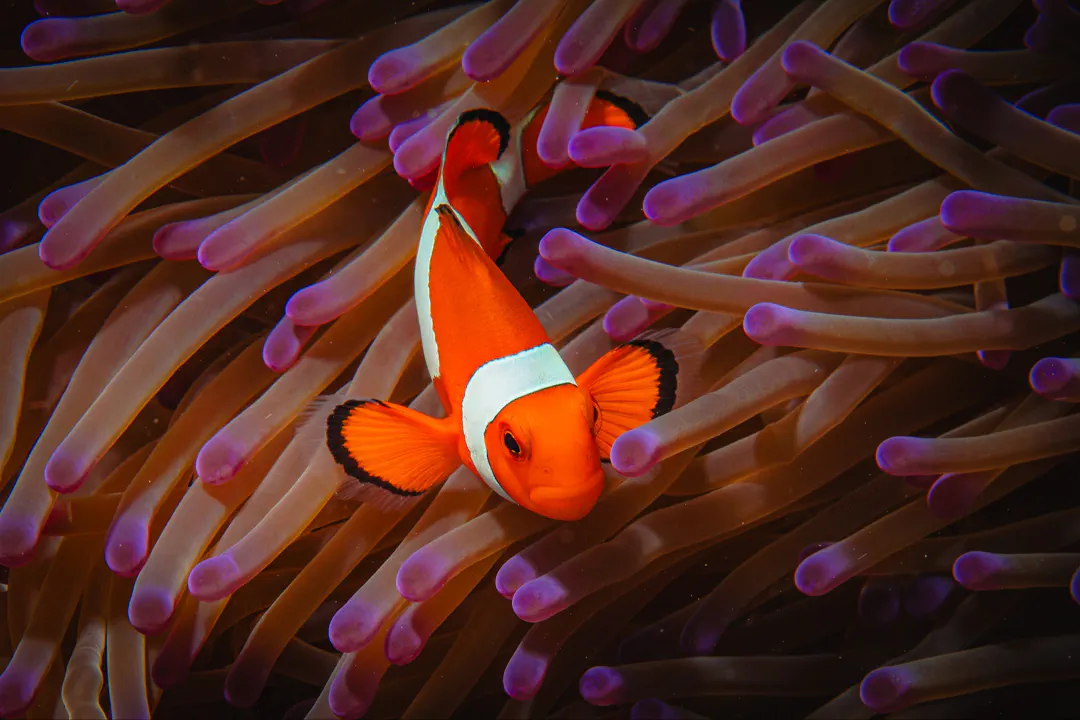 © Olka KuryanAll rights reserved
 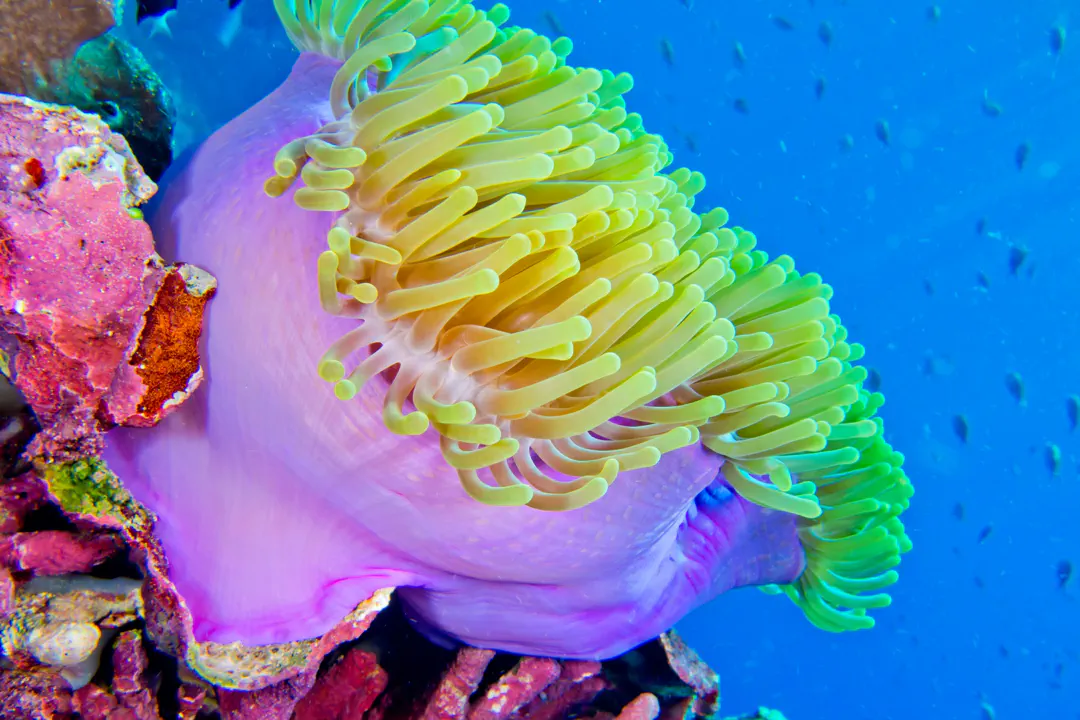 © seabook.appAll rights reserved
 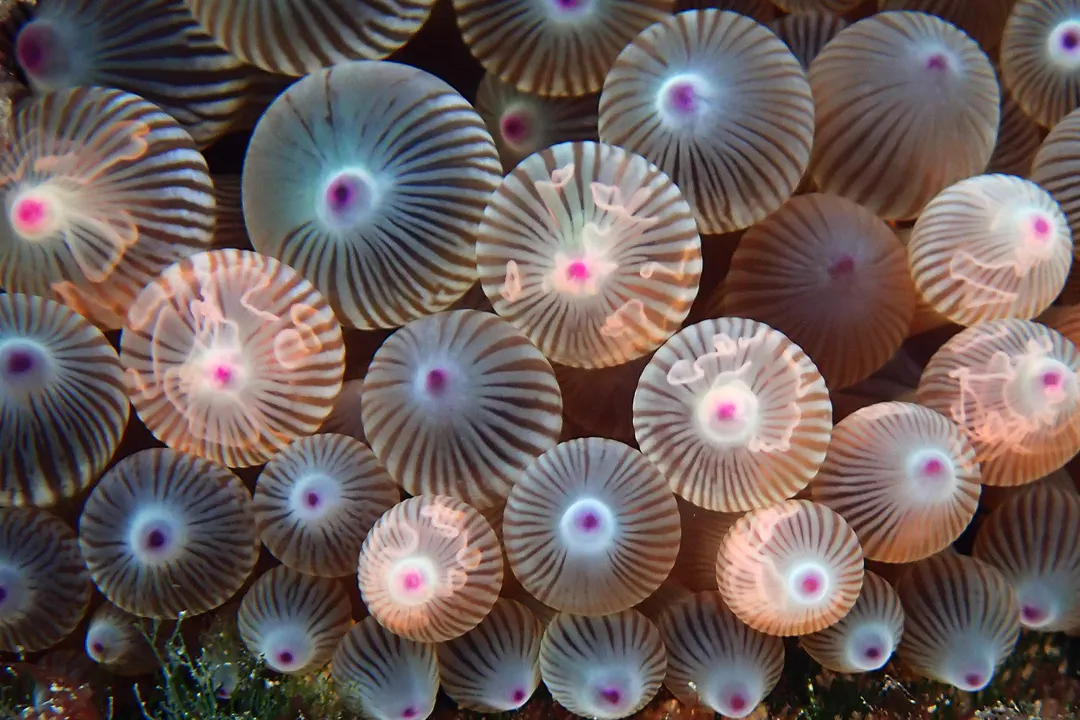 © Susan PriorCC BY 4.0 · iNaturalist
 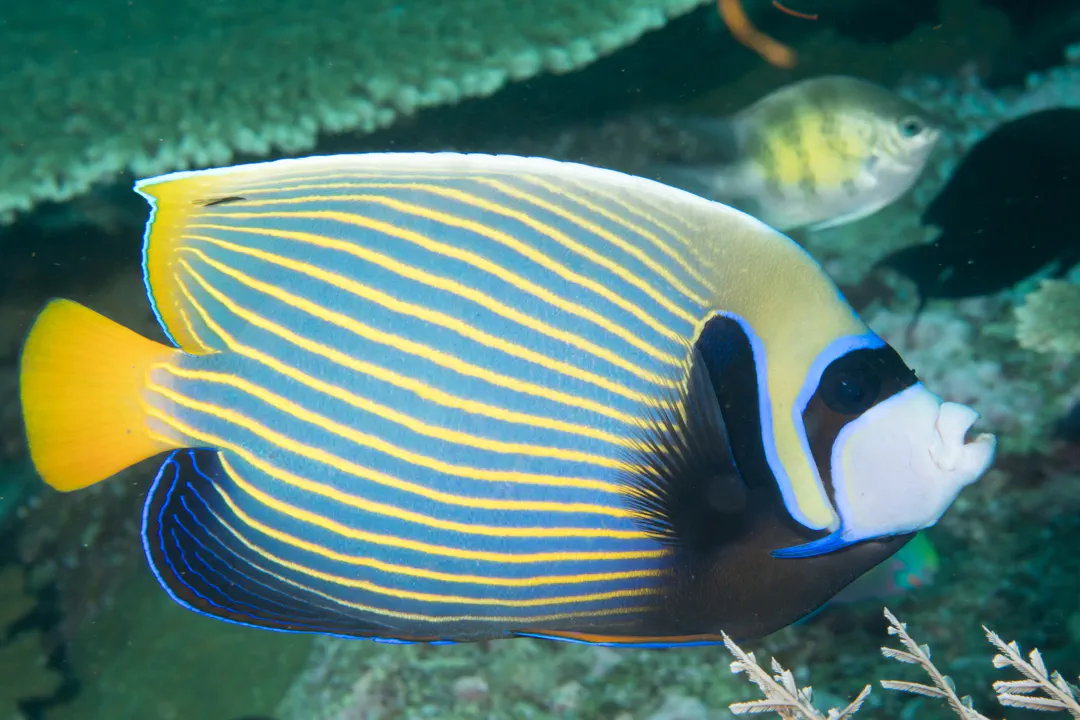 © Rickard ZerpeCC BY 4.0 · iNaturalist
 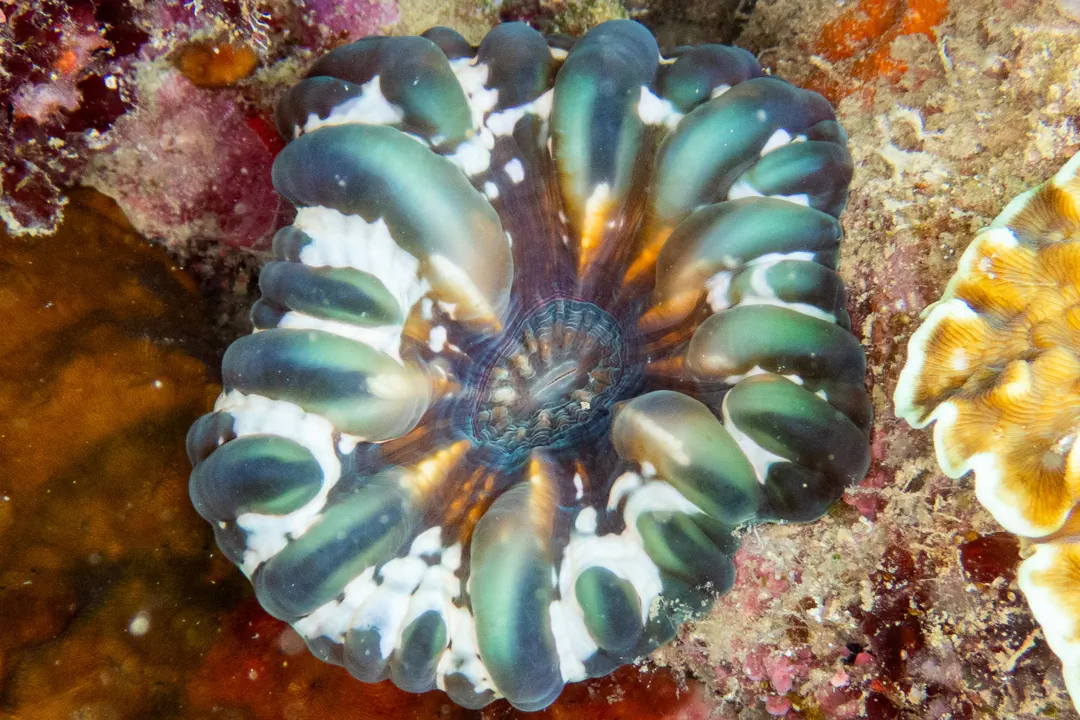 © Pierre PericardCC BY 4.0 · iNaturalist
 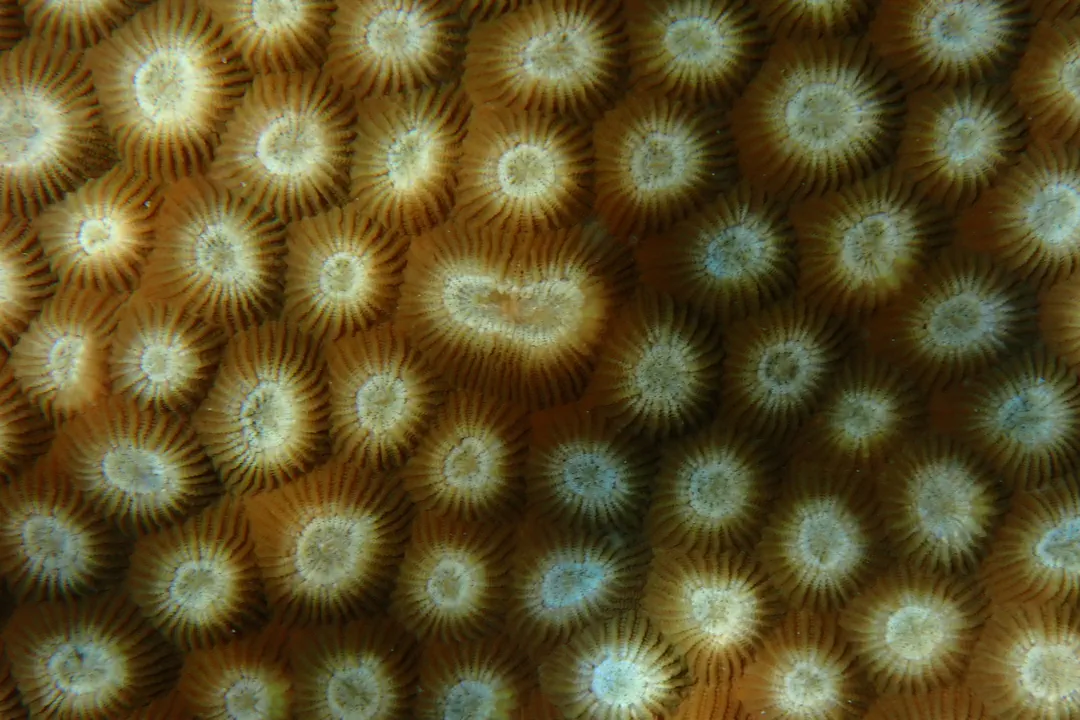 © Debra BakerCC BY 4.0 · iNaturalist
 St. John's Island & Lazarus Island: Accessible Adventures
St. John’s Island and nearby Lazarus Island offer some of Singapore’s most accessible shallow-water marine habitats, typically ranging from 3 to 10 meters depth. These areas, reached by boat, are not high-energy offshore reefs; instead, they combine sheltered shores, lagoon-like water, man-made structures, and adjacent reef patches. They are particularly suitable for beginner divers, training dives, and slower, macro-focused exploration.
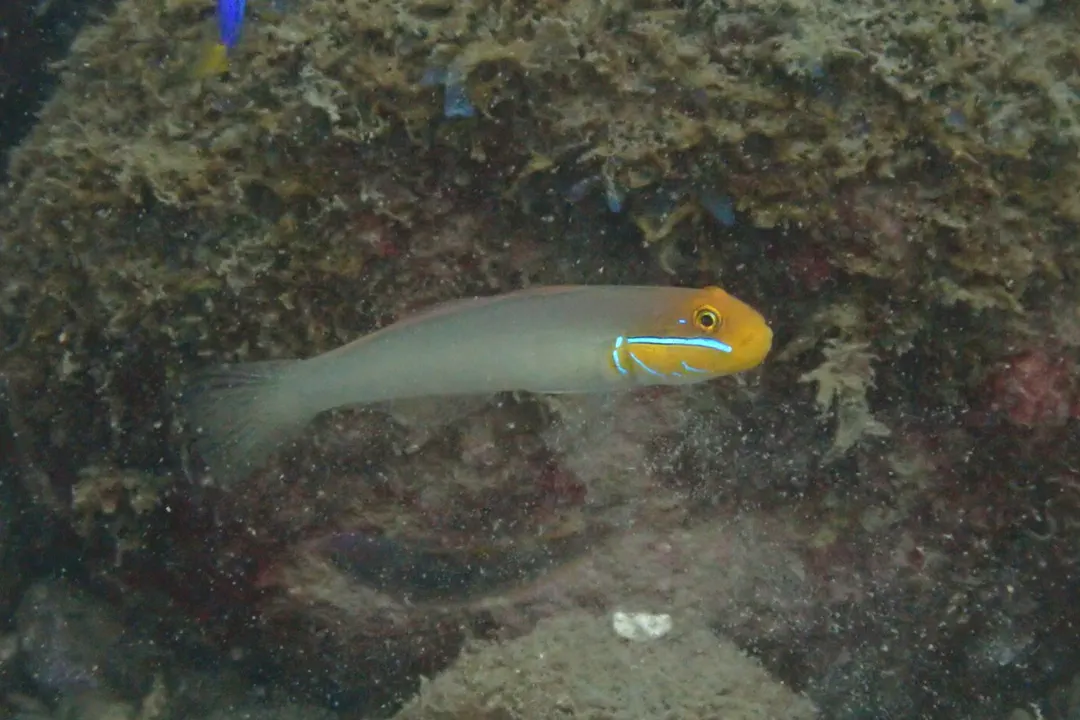
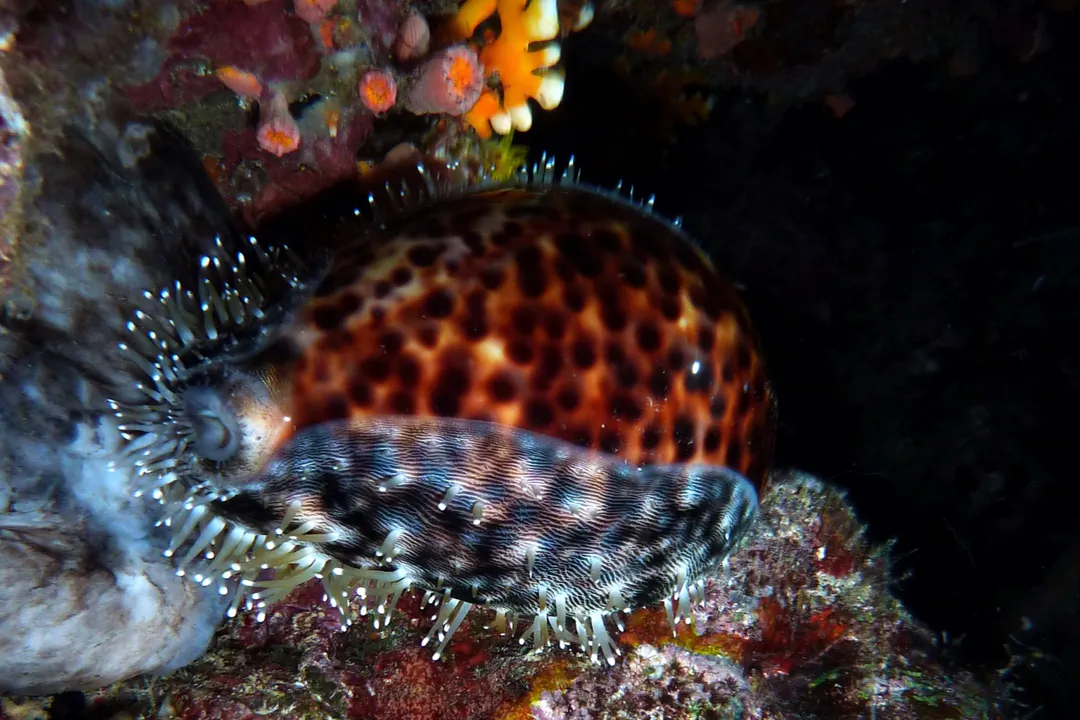
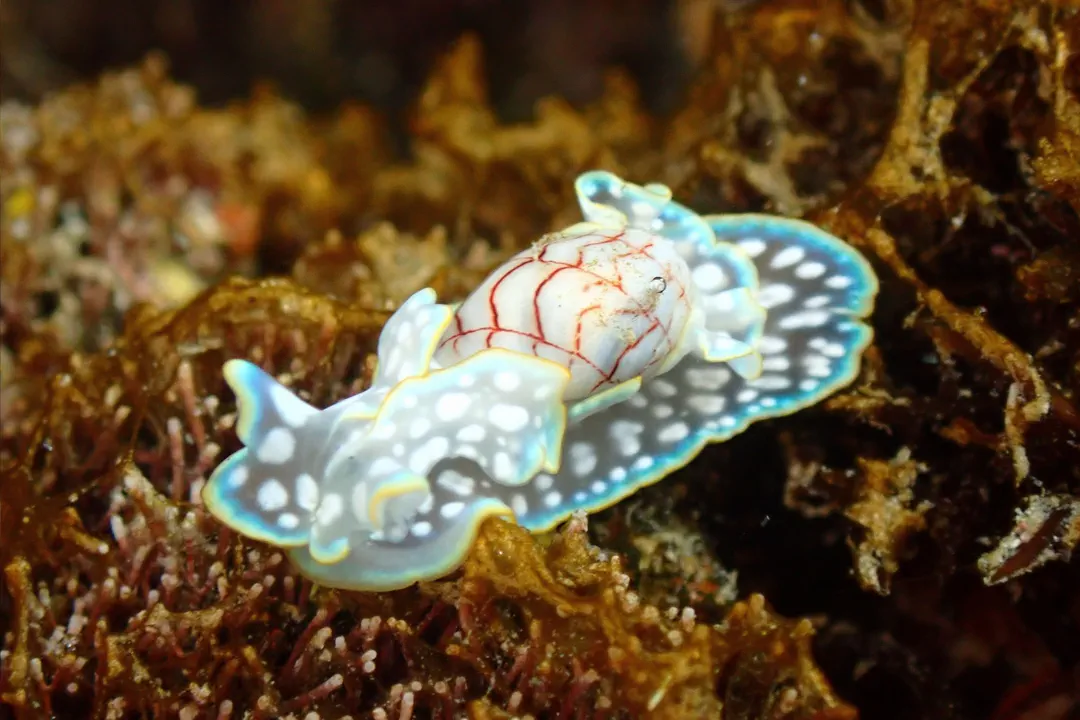
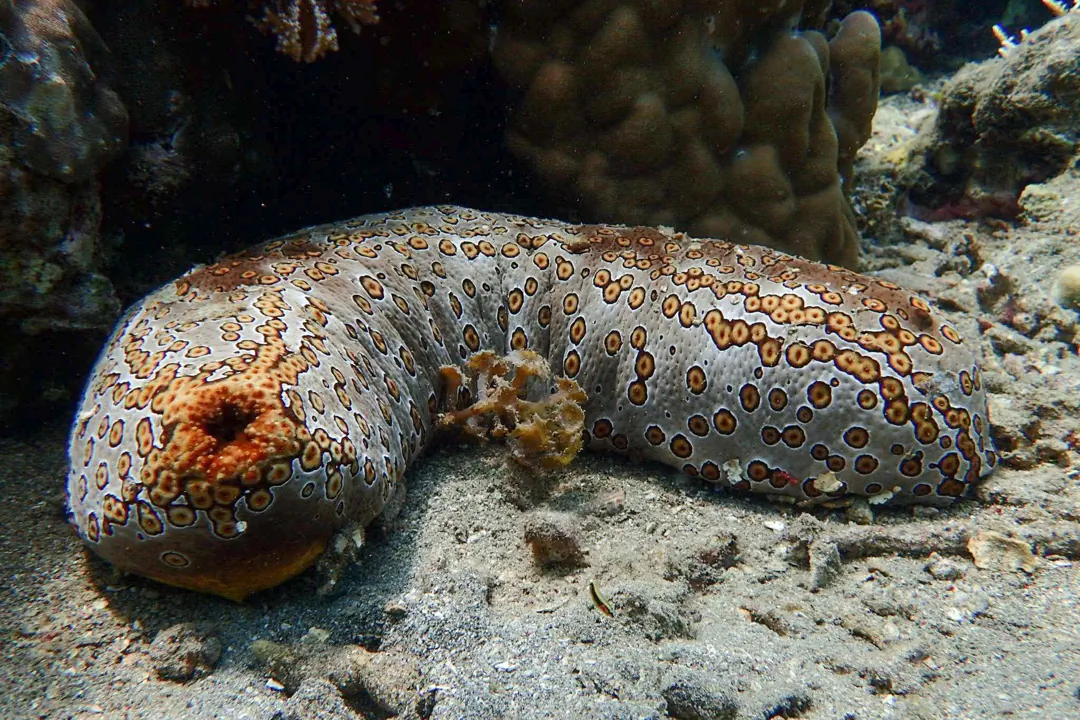
These habitats can support flat-faced seahorses, *Hippocampus kuda*, various pipefish, crabs like the slipper lobster *Parribacus antarcticus*, and a range of nudibranchs and small reef fish such as the orange-spotted goby, *Valenciennea strigata*. Divers might also spot a tiger cowrie, *Cypraea tigris*, grazing on algae, or the iridescent *Micromelo undatus* bubble snail.
For underwater photographers, the main reward is variety in a compact area. Coral rubble, seaweed-fringed edges, and artificial surfaces can all hold different communities, and the best finds often come from inspecting the same patch of bottom at different tides. That makes St. John’s and Lazarus a strong choice for divers who value repeated, careful observation over dramatic topography.
Diving conditions tend to be shallow and tide-driven, so slack water offers the best access and the least turbidity. After rain, sediment can reduce visibility, but the sheltered nature of the islands often means that small invertebrates remain easy enough to find if divers move slowly and keep close to the substrate. In warm months, juvenile fish and breeding activity can make the shallows especially active.
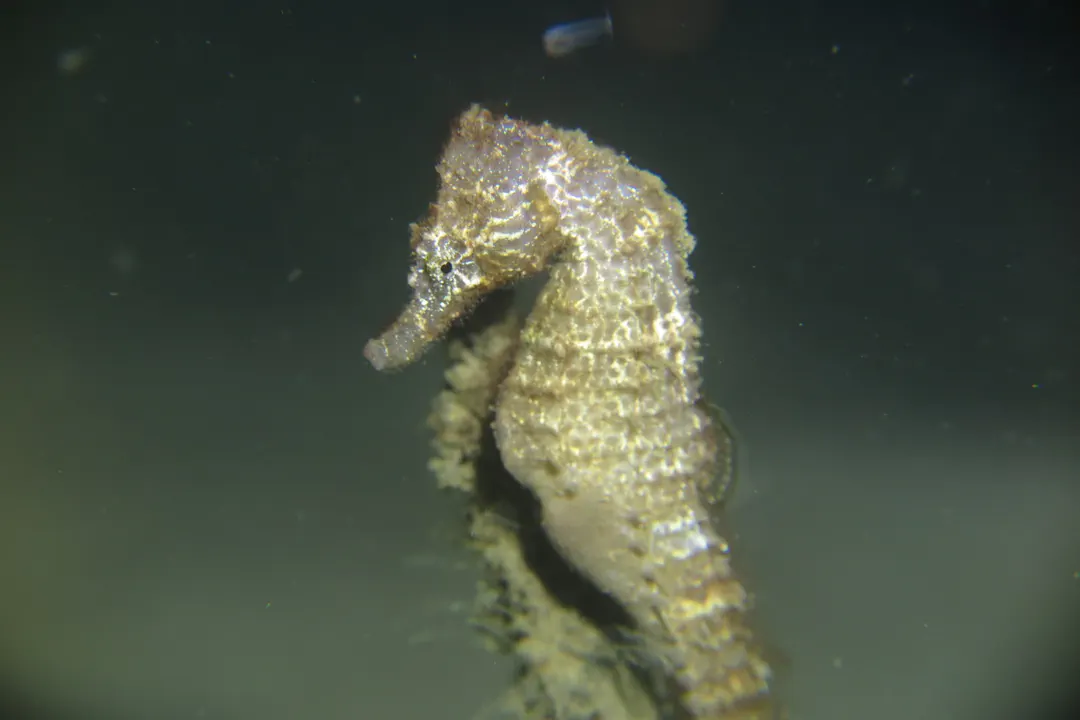 © Ewout KnoesterCC BY-SA 4.0 · iNaturalist
 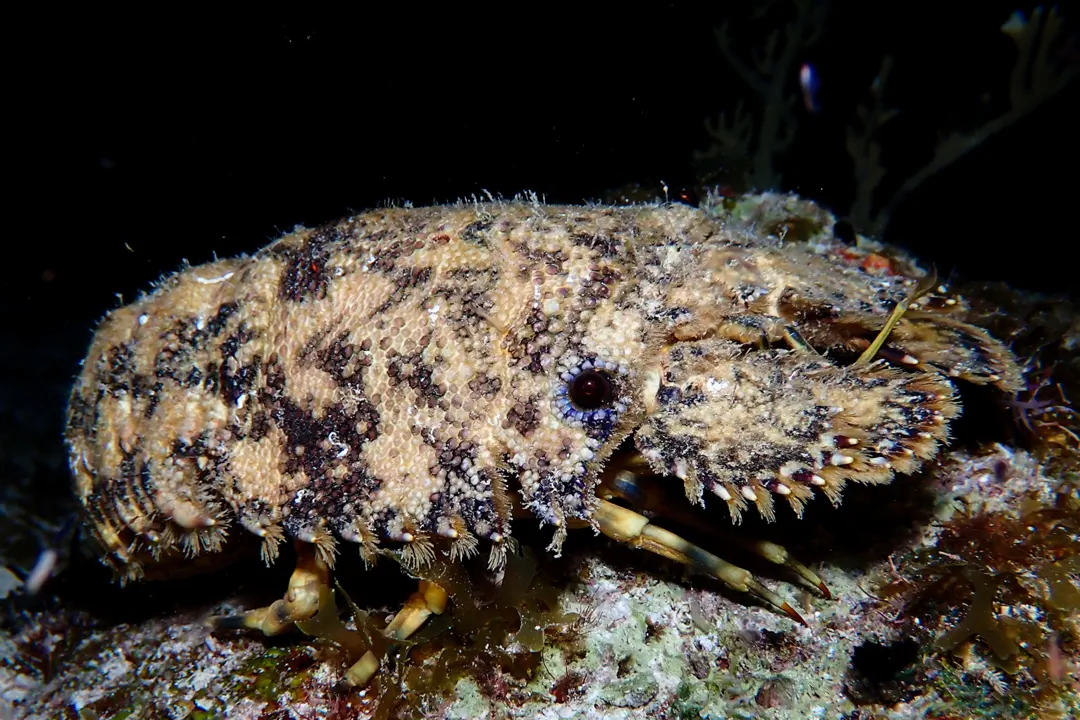 © Dan SchofieldCC BY 4.0 · iNaturalist
  © 呂一起(Lyu yi-chi)CC BY 4.0 · iNaturalist
  © Kai SquiresCC BY 4.0 · iNaturalist
  © Ben JobsonCC BY 4.0 · iNaturalist
  © Dan SchofieldCC BY 4.0 · iNaturalist
 Kusu Island: Reefs and Cultural Significance
Kusu Island combines cultural heritage with a compact but ecologically interesting reef environment, typically dived between 3 and 10 meters depth. The island is better known on land for its Chinese temple and pilgrimage traditions, yet its surrounding waters include shallow reef patches, coral rubble, and sheltered habitats that support reef fish, anemones, and many small invertebrates. For divers, that mix creates a site where ecology and local history sit side by side within a very small area.
The reef community around Kusu is typical of Singapore’s southern islands: it is patchy, shallow, and highly influenced by tides and water clarity. Divers may encounter common clownfish, *Amphiprion ocellaris*, soft corals, sea anemones, crabs, shrimps, and nudibranchs like *Phyllidiella pustulosa* and *Chelidonura amoena*, along with reef fish that use hard coral heads and rubble for shelter.
Broaclub cuttlefish, *Sepia latimanus*, and spiny seahorses, *Hippocampus histrix*, are also regularly sighted. Larger animals are less predictable, so Kusu is best approached as a macro and reef-edge site rather than a place to expect regular big-animal encounters. Kusu’s importance is partly educational; sites like this show that Singapore’s marine biodiversity survives not in large uninterrupted reef tracts but in a network of small, resilient patches that are maintained by local protection and careful stewardship.
For visitors, that means the most successful dives come from slow scanning, shallow water awareness, and respect for delicate benthic life. Seasonal patterns follow the same tropical rhythm as the rest of Singapore: warm water all year, better visibility during calmer periods, and reduced clarity after prolonged rain. Because the site is shallow, even small changes in tide or runoff can noticeably affect what divers see, so timing remains a major factor in success.
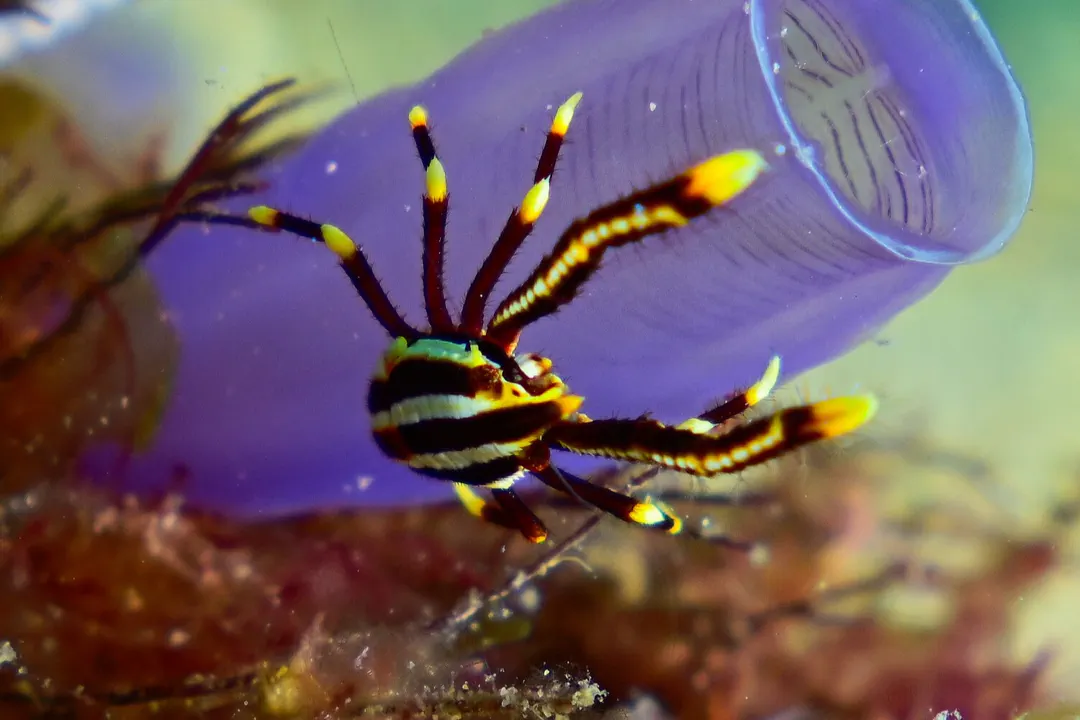 © Bernie WongCC BY 4.0 · iNaturalist
 Practical Diving Tips for Singapore
Planning a dive trip to Singapore requires attention to local conditions and booking with an experienced dive operator. Most recreational dives are done through licensed local operators, and many shore or boat dives do not require a personal permit. However, some sites within protected areas or special access zones may require operator coordination or advance approval, so it is safest to book with a reputable dive centre that knows the local rules and tidal access windows.
Visibility is often modest, commonly around 3 to 10 metres, and it can drop further after heavy rain, strong tides, or periods of suspended sediment. Singapore is therefore better suited to macro diving and careful close-range observation than to wide-angle scenic dives, although clearer days do occur during calmer weather. Currents can become strong around channels, reef edges, and during tidal changes, especially at shallow sites that depend on slack water.
Experienced local operators plan around the tides, and divers should be comfortable with current-aware diving, good buoyancy control, and the ability to abort a dive if conditions change. While Singapore is primarily a macro destination, occasional sightings of turtles, barracudas, and even small reef sharks or eagle rays have been reported, particularly in the protected waters of Sisters’ Islands Marine Park. However, these are less common than in other Southeast Asian destinations.
Gear rental is widely available through dive centers, and it is advisable to bring your own mask, fins, and wetsuit for comfort. Always practice responsible diving, avoiding contact with marine life and never leaving any trace behind, to help preserve Singapore’s unique underwater habitats.
Questions
Do I need a special permit to dive in Singapore?
Most recreational dives are done through licensed local operators, and many shore or boat dives do not require a personal permit. However, some sites within protected areas or special access zones may require operator coordination or advance approval, so it is safest to book with a reputable dive centre that knows the local rules and tidal access windows.
What is the typical visibility like in Singapore?
Visibility is often modest, commonly around 3 to 10 metres, and it can drop further after heavy rain, strong tides or periods of suspended sediment. Singapore is therefore better suited to macro diving and careful close-range observation than to wide-angle scenic dives, although clearer days do occur during calmer weather.
Are there any strong currents to be aware of?
Yes, currents can become strong around channels, reef edges and during tidal changes, especially at shallow sites that depend on slack water. Experienced local operators plan around the tides, and divers should be comfortable with current-aware diving, good buoyancy control and the ability to abort a dive if conditions change.
Can I see large marine animals like sharks or rays in Singapore?
Large animals are possible but not the main draw. Turtles, barracudas, reef sharks and eagle rays are occasionally reported, especially around the southern islands and protected reef areas, but Singapore is far more reliable for small reef fauna such as nudibranchs, seahorses, octopuses and shrimps.