Introduction to Hong Kong's Underwater Realm
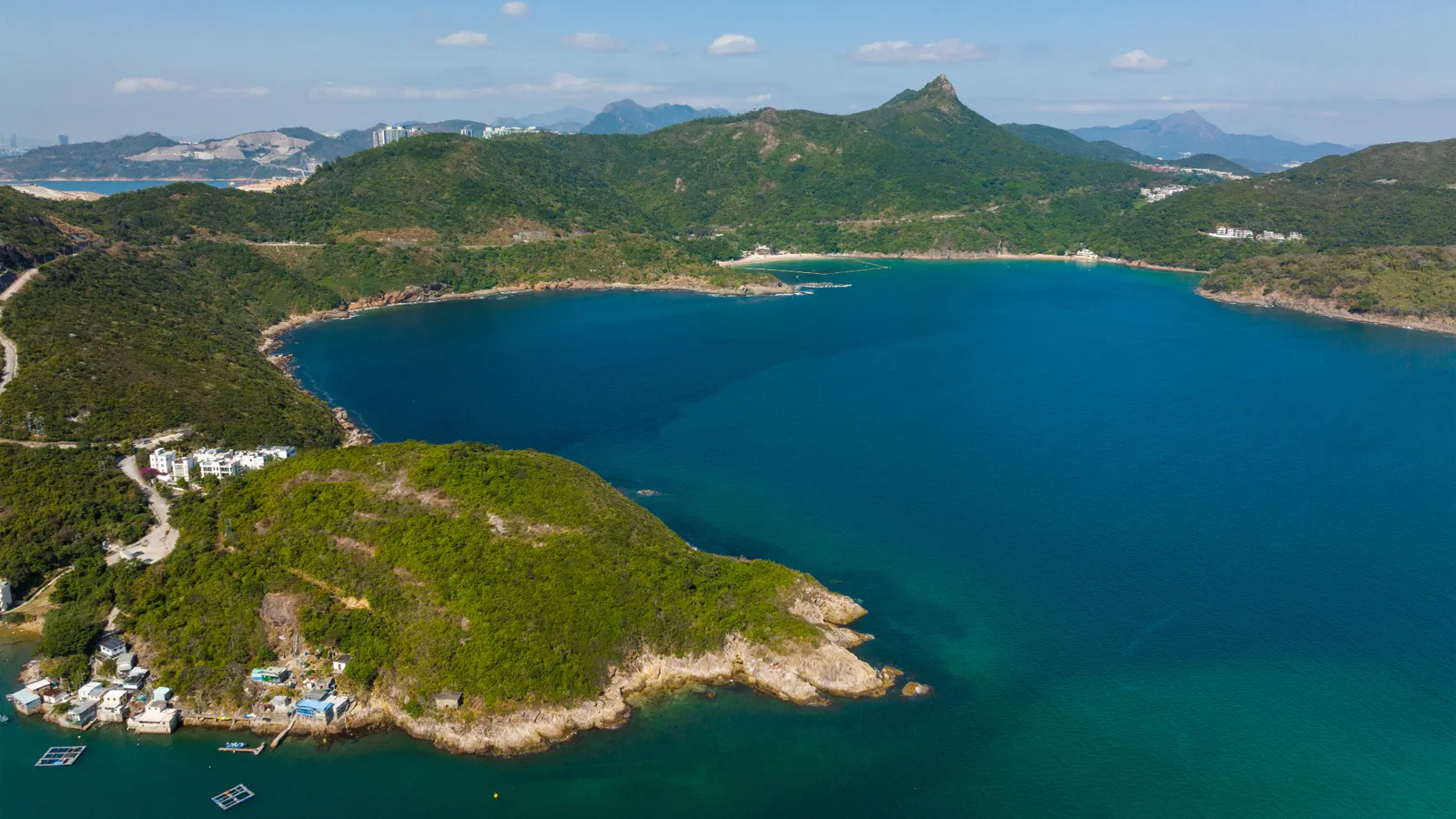
Just beyond the bustling ferry lanes of Sai Kung, at a depth of 8 meters off Sharp Island, a broadclub cuttlefish shimmers with iridescent blues and greens, its skin a dynamic canvas. It hovers, then extends two long feeding tentacles in a lightning strike to snatch a small crab from a patch of soft coral. Sunlight, filtered through the calm surface, paints shifting patterns across the reef, revealing a world far removed from the city's concrete towers.
This often-overlooked underwater realm belongs to Hong Kong, a metropolis known more for its urban energy than its marine ecosystems. Yet, beneath its surface lies a unique intersection where both tropical and temperate influences shape an extraordinary blend of life.
Geography and Climate for Divers
Hong Kong's position at the northern edge of the South China Sea, coupled with the seasonal monsoons, creates a dynamic marine environment. The Pearl River Estuary to the west brings nutrient-rich, sediment-laden freshwater, influencing visibility in those areas, while the eastern waters remain more oceanic and clear.
Water temperatures range from a cool 18°C in winter to a balmy 29°C in summer. Visibility, a key factor for divers, ranges from 3-5 meters nearshore to 10-15+ meters in the clearer eastern marine parks during peak season. Currents are typically mild around sheltered islands, but exposed sites like Bluff Island often experience strong surges, necessitating careful planning and appropriate experience.
Marine Ecosystems: A Blend of Tropical and Temperate
The marine life here represents a fascinating ecological crossroads. Divers encounter dense fields of hard corals, such as brain and staghorn species, typically associated with tropical reefs, alongside soft corals swaying in the current.
Yet, species more commonly found in cooler, temperate zones also thrive, such as certain nudibranchs and even some temperate fish species, creating a unique biological crossroads. This combination supports creatures from cephalopods like cuttlefish and octopuses, to elusive reef dwellers like moray eels, and occasional pelagic visitors like barracuda.
Best Time to Dive in Hong Kong
The optimal diving season in Hong Kong stretches from April to October. During these months, the waters warm to 25-29°C, conducive to comfortable diving, and visibility is typically best, extending to 10-15+ meters from July to September.
Outside of this period, winter diving (November to March) sees water temperatures drop to 18-22°C, often requiring thicker wetsuits (5-7mm), and visibility is reduced, averaging 3-7 meters. However, specific marine life, such as many nudibranch species and broadclub cuttlefish, are notably more active and visible during these cooler months.
Water temperature
Hong Kong, monthly average
Hong Kong (Victoria Harbour area), sea surface temperatures based on Hong Kong Observatory and oceanographic averages for popular diving sites
Top Dive Sites in Hong Kong
Sharp Island (Kiu Tsui Chau)
Beneath the gentle ripples off Sharp Island, a common seahorse, no larger than a thumb, clings to a strand of seagrass at 5 meters depth, swaying with the subtle surge. Its camouflage is so perfect it seems to vanish and reappear with each passing current. This site, accessible by a 15-minute boat ride from Sai Kung, is a shallow, sheltered spot known for its abundant macro life and is ideal for beginners and macro photographers.
Depths range from 3 to 10 meters. Divers can explore small, scattered coral patches, rocky crevices, and sandy bottoms, where broadclub cuttlefish and day octopuses frequently change color, blending seamlessly with their surroundings or flashing vibrant hues.
Port Island (Ngan Chau)
At Port Island, the exposed eastern face plunges to 18 meters, where schools of dark-banded fusiliers sheet through the blue water, catching the sun's rays. Currents here are consistently stronger than in sheltered bays, bringing clear, nutrient-rich water that supports extensive hard coral formations, particularly robust brain and staghorn corals, and draws in larger reef fish. This boat-accessed site is known for its dramatic underwater topography and strong currents, making it ideal for intermediate divers comfortable with drift diving.
Depths range from 8 to 20 meters. Beyond the extensive coral fields, impressive underwater rock formations create dramatic walls and swim-throughs. Large groupers often shelter in crevices, and blacktip reef sharks are occasionally sighted patrolling the deeper ledges.
Tung Ping Chau Marine Park
The waters surrounding Tung Ping Chau, Hong Kong's most northeasterly island and a designated marine park, offer a glimpse into the region's most pristine coral communities. At 10 meters depth, the intricate branches of staghorn corals stretch towards the surface, providing refuge for countless small reef fish. The clarity here consistently exceeds 15 meters during the peak season, making it Hong Kong's clearest dive site.
Accessible by a 1.5-hour boat journey from Sai Kung, this site is suitable for all experience levels, with depths ranging from 5 to 15 meters. Its distinct feature is the combination of its unique layered shale rock formations extending underwater with expansive, healthy coral gardens. This protected status within the marine park fosters a high density of life, including numerous nudibranch species, octopuses, and reef fish like butterflyfish, angelfish, and the occasional green humphead parrotfish.
Bluff Island (Sha Tong Hau)
Bluff Island presents a dramatic underwater landscape, where a large sea arch at 12 meters depth creates an ethereal gateway into the blue. The island is famed for its impressive sea caves and arches, carved by centuries of wave action, offering unique topographical exploration for divers. Strong currents consistently sweep through these formations, delivering nutrient-rich waters that support a robust reef ecosystem. This boat-accessed site is renowned for its dramatic underwater topography of sea caves and arches, making it best for experienced divers comfortable with drift diving.
Depths range from 8 to 25 meters. Beyond the unique rock formations, divers regularly encounter schools of dark-banded fusiliers, large titan triggerfish, and occasional sightings of spotted eagle rays or smaller blacktip reef sharks patrolling the deeper edges of the reef.
Practical Tips for Diving in Hong Kong
Exploring Hong Kong's underwater world is best done with local dive operators, many of whom are based in Sai Kung. They provide boat charters to the dive sites, often including equipment rental and experienced dive guides. Booking in advance, especially for weekend trips during peak season, is highly recommended.
Safety is paramount; always dive within your certification limits and listen to your dive guide. Environmentally conscious diving practices, such as maintaining buoyancy, avoiding contact with marine life, and refraining from taking souvenirs, are crucial to protect these delicate ecosystems. Support operators who prioritize marine conservation.
Questions
Do I need a special license to dive in Hong Kong?
No special local license is required beyond standard international diving certifications (e.g., PADI, SSI) to dive with a recognized dive center in Hong Kong.
What is the visibility like in Hong Kong waters?
Visibility ranges from 3-7 meters on average, but during the peak season (July-September), especially in marine parks like Tung Ping Chau, it can extend beyond 15 meters on good days. It's advisable to check with local operators for current conditions.
Are there any wrecks to dive in Hong Kong?
Yes, Hong Kong has several historical wrecks, though many are deep or require specific permits. Some local dive operators may offer trips to accessible wreck sites.
Is Hong Kong suitable for beginner divers?
Absolutely! Many dive sites, like those around Sharp Island, are shallow and calm, making them perfect for introductory dives and new certification courses.
What marine conservation efforts are in place in Hong Kong?
Hong Kong has several Marine Parks and Marine Reserves, like Tung Ping Chau and Hoi Ha Wan, which protect critical habitats. Local NGOs and government departments also run initiatives for coral restoration and marine pollution reduction.
How do I access Hong Kong's dive sites?
Most dive sites are accessed by boat charters, primarily departing from Sai Kung. Local dive operators in Sai Kung offer day trips, including equipment rental and dive guides.
When is the best time of year to dive?
The optimal diving season runs from April to October, with the clearest and warmest water from July to September. Winter diving (November to March) is possible but requires thicker wetsuits due to cooler temperatures.