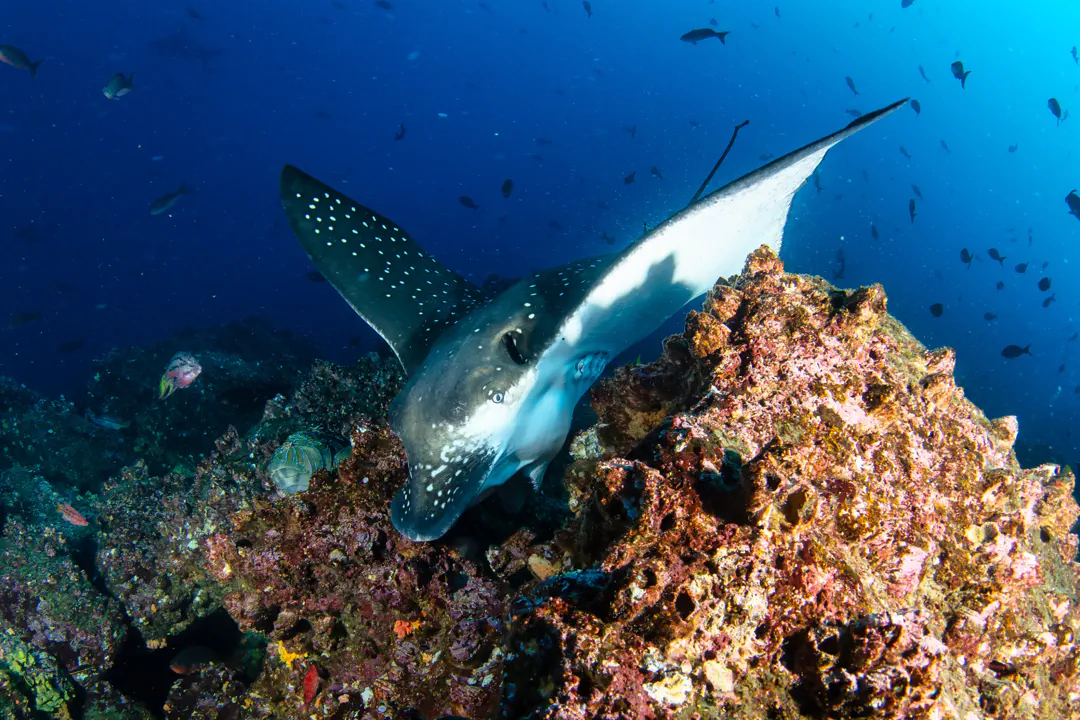
At a depth of 18 meters beneath the surface at Pedras Secas, volcanic basalt pillars form wide arches that frame blue light. A nurse shark sits motionless on a patch of white coarse sand, while a French angelfish picks crusty algae from the rock overhead. Above the canyon, a spotted eagle ray spreads its wings into the slow current and glides toward the open Atlantic.
Diving in Fernando de Noronha centers on a remote equatorial archipelago located 350 kilometers off the northeastern coast of Brazil. Water temperatures stay remarkably steady at 26–28 °C throughout the year, while underwater visibility regularly reaches 30 to 40 meters during the dry season. The best months to visit for calm seas and maximum underwater clarity run from August through November, when offshore winds flatten the water along the island's sheltered coast.
The archipelago features over twenty distinct sites ranging from shallow harbor wrecks to deep volcanic pinnacles swept by oceanic currents. Divers frequently encounter green turtles, hawksbill turtles, Caribbean reef sharks, and endemic species found nowhere else on Earth. Sheltered bays along the inner coast offer quiet training grounds for novice divers, whereas deep drop-offs like Cabeço da Sapata and the sunken warship Corveta V17 demand advanced training and technical decompression procedures.
What Is Diving in Fernando de Noronha Like?
The underwater landscape of Fernando de Noronha is shaped by ancient submarine volcanism that pushed dark basalt columns and jagged rock shelves out of the abyssal floor. Vertical walls plunge into deep water, creating dramatic crevices, caverns, and natural swim-throughs where marine organisms take shelter. Because these volcanic structures sit isolated in the open Atlantic Ocean, they act as an oceanic oasis that gathers both reef-attached creatures and transient open-water predators.
Oceanographers split the archipelago into two distinct marine environments with contrasting underwater conditions. The inner coast, known as Mar de Dentro, faces the Brazilian mainland and remains shielded from dominant trade winds for half the year. The outer coast, or Mar de Fora, faces the open ocean, where wind-driven surge and ocean swells scour sloping basalt reefs and test a diver's buoyancy skills.
About 70 percent of the archipelago falls within the Fernando de Noronha Marine National Park, where federal conservation regulations strictly protect marine habitats. Scuba diving is restricted to authorized operators, and divers must refrain from touching corals, feeding wildlife, or disturbing historical artifacts on wreck sites. These protective measures help maintain clear waters and unharassed marine life across both sides of the island.
Best Time to Dive in Fernando de Noronha
Weather in Fernando de Noronha follows a tropical oceanic pattern divided into a wet season and a dry season. The wet period spans from January through July, bringing frequent rainfall, shifting wind patterns, and choppy surface transfers between dive sites. Despite the rain, underwater visibility during these months often stays around 20 to 25 meters, allowing rewarding dives whenever surface conditions allow boat departures.
The dry season extends from August through December, marking the prime period for clear water and calm surface conditions on the Mar de Dentro. August through November is widely considered the peak window, when offshore winds smooth out the sea and underwater visibility routinely climbs to 30 or 40 meters. During these months, boat rides are brief and gentle, making it easy to reach distant pinnacles and deep walls.
Conversely, the Atlantic winter between December and March brings heavy ocean swells to the Mar de Fora on the outer coast. These swells create surf breaks that attract surfers but generate heavy surge and reduced visibility on shallow outer reefs. Operators adjust daily schedules based on wind and swell forecasts, shifting dives to sheltered lee sites whenever outer waters become rough.
Fernando de Noronha Water Temperature by Month
Water temperature
Fernando de Noronha, Brazil, monthly average
Fernando de Noronha archipelago, popular diving area off northeast Brazil coast; surface temperatures, typical scuba depth 10-30m
Water temperatures around the archipelago remain tropical year-round, fluctuating within a narrow range between 26 °C and 28 °C. Seasonal shifts are minimal, meaning thermal shock is rarely an issue when descending into deeper water. Local upwellings and sudden thermoclines are uncommon around the main island, giving divers uniform warmth from the surface down to 30 meters.
A 3mm full wetsuit or shorty provides sufficient insulation for most divers undertaking single or double tank morning trips. However, divers who tend to chill during repetitive dives or longer boat rides may prefer a 5mm full suit for added warmth. Because surface intervals take place under equatorial sun, staying hydrated and wearing UV-protective clothing on the boat is just as critical as choosing the right wetsuit.
Exposure protection also serves a dual purpose by guarding against accidental contact with sharp basalt edges and stinging hydroids. Dive operators monitor daily sea-surface temperatures, but thermal comfort ultimately depends on individual metabolism and exposure duration. Planning conservative surface intervals with adequate fluid intake helps maintain safety across consecutive dive days.
Best Dive Sites in Fernando de Noronha
Pedras Secas (Mar de Dentro): swim-throughs and resting nurse sharks
Pedras Secas consists of a group of dark basalt rocks that breach the surface on the sheltered inner coast, descending to a sandy seabed at 18 meters. Below the waterline, the rock structure is honeycombed with natural arches, narrow canyons, and daylight-lit caverns carved by centuries of ocean surge. Sunlight penetrates the shallow ceiling openings, casting dramatic beams that illuminate the dark volcanic stone.
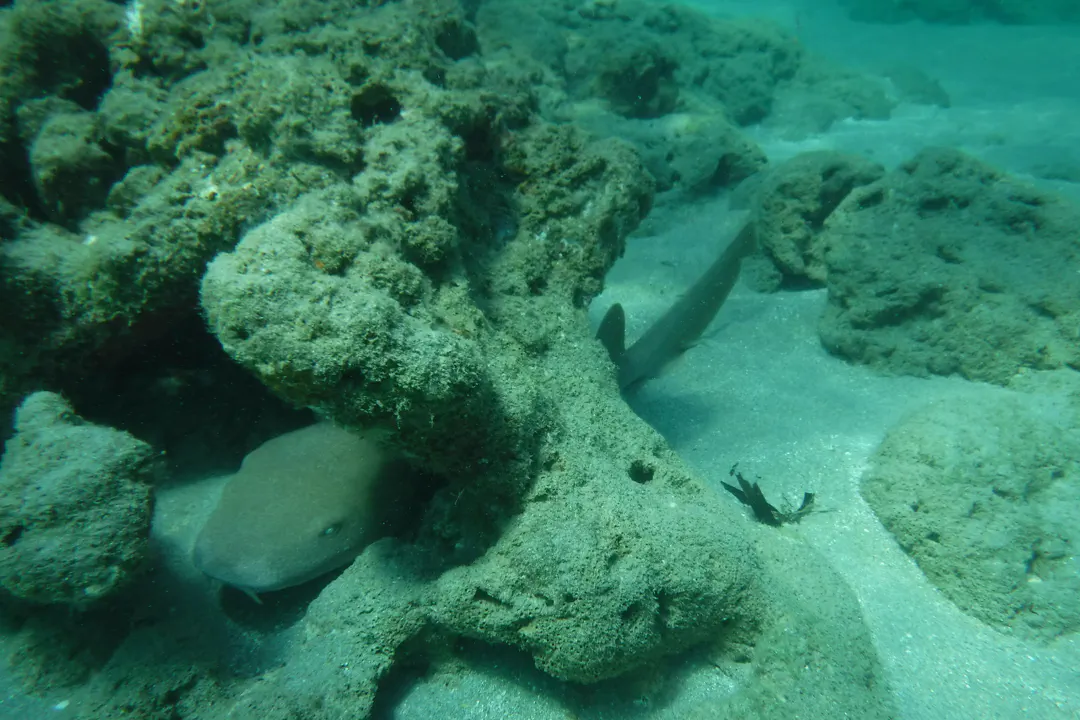
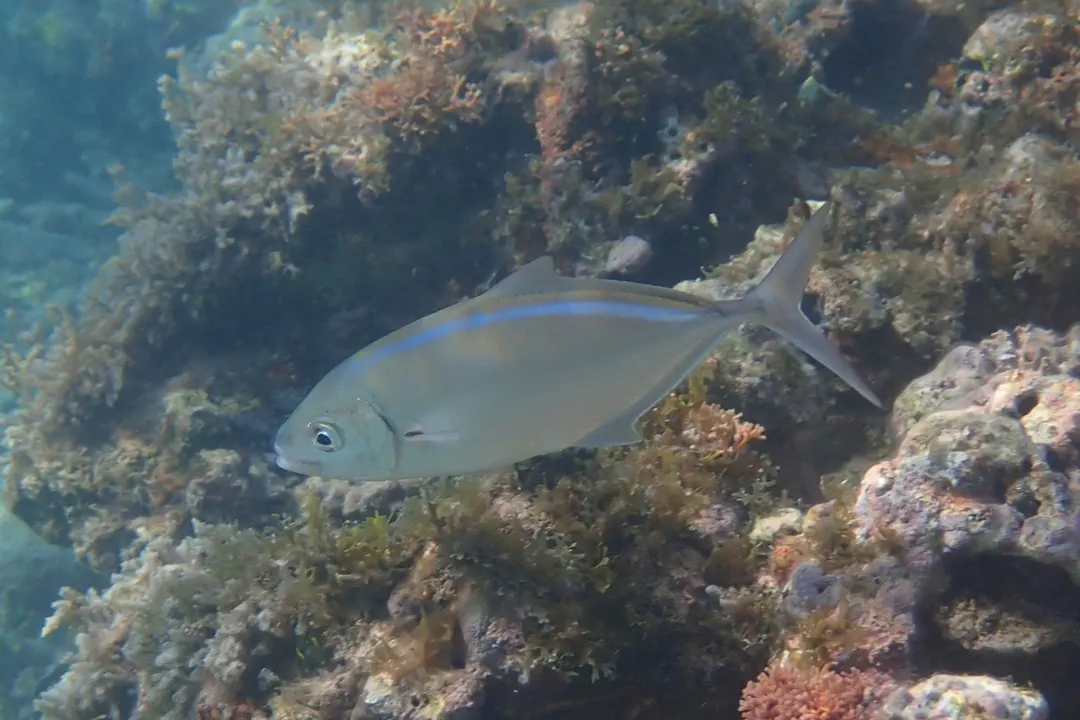
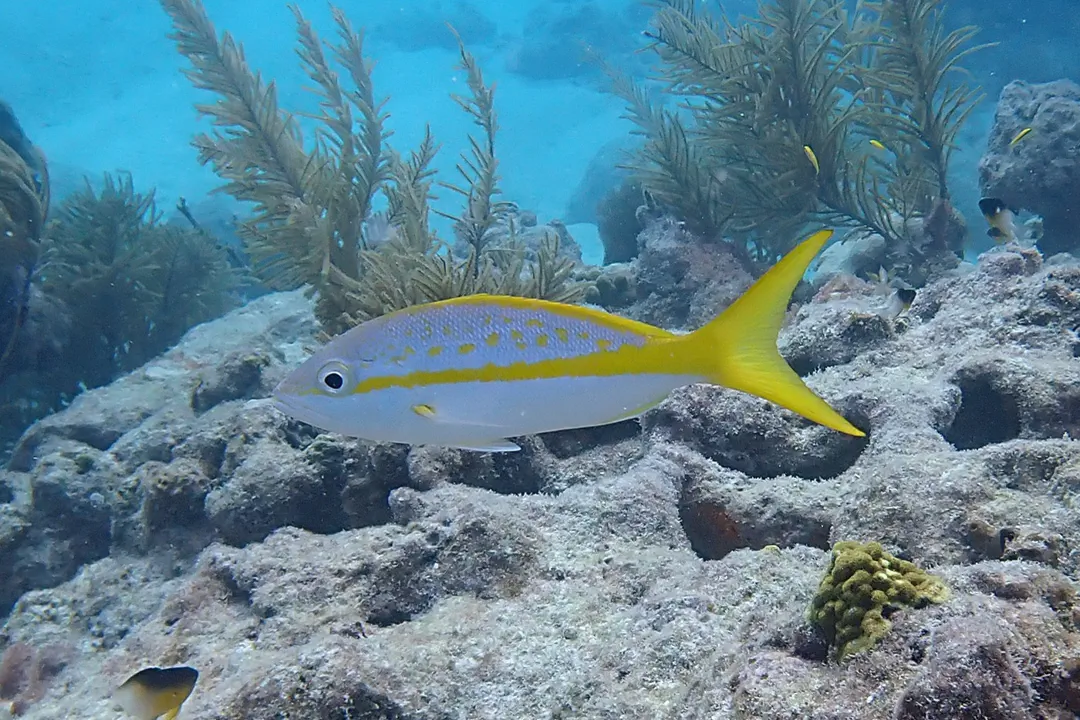
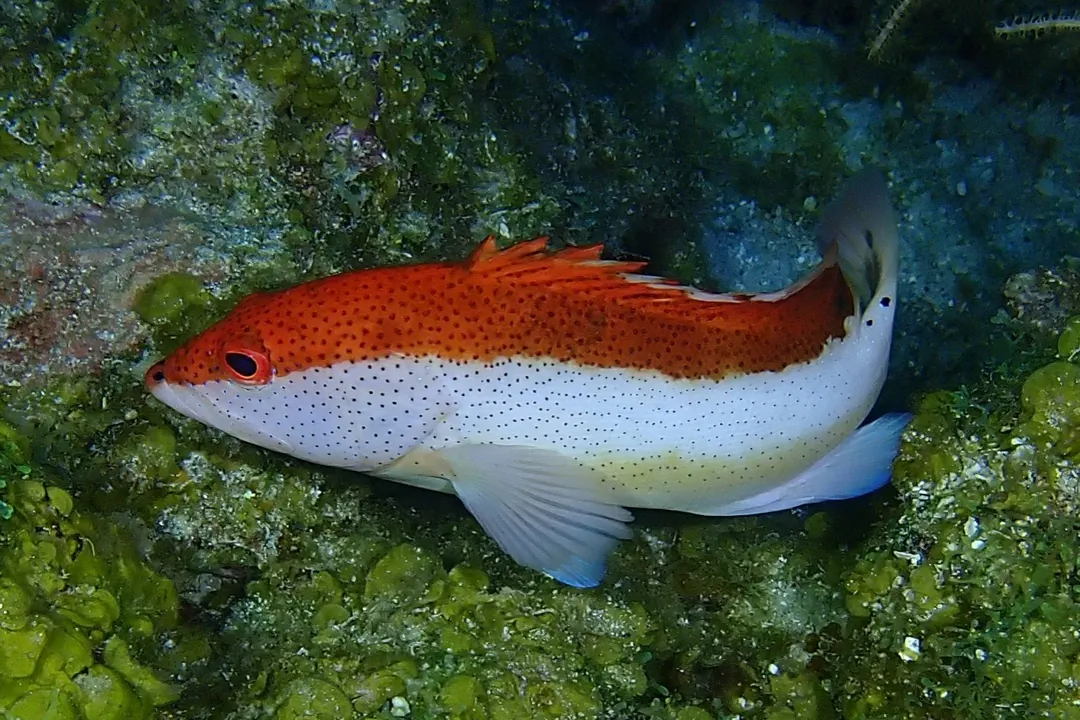
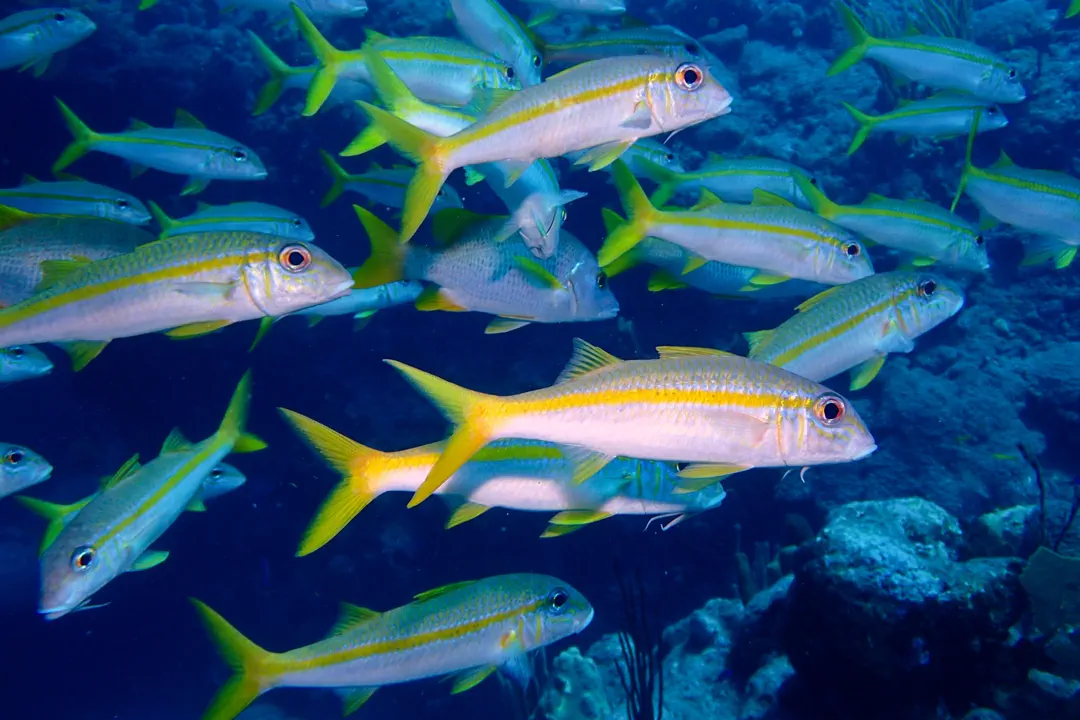
Nurse sharks frequently rest in quiet sand pockets inside the arches, completely motionless while cleaner wrasses attend to their gills and skin. Schools of yellowtail snappers and horse-eye jacks linger near the upper rock edges, while queen angelfish and spotted eagle rays drift between the basalt monoliths. Gliding through the wider tunnels reveals crevices packed with banded coral shrimp and red hinds guarding their territory.
Navigating the passages requires precise buoyancy control, as surge can gently move divers toward sharp basalt walls. Divers must keep a safe distance from overhead rocks and avoid kicking up sediment in enclosed spaces. The clear layout and moderate depth make this site a rewarding underwater labyrinth during calm dry-season days.
Depth: 12-22 m. Access: boat, 15 minutes from Porto de Santo Antônio. Level: Open Water. Best months: August-December.
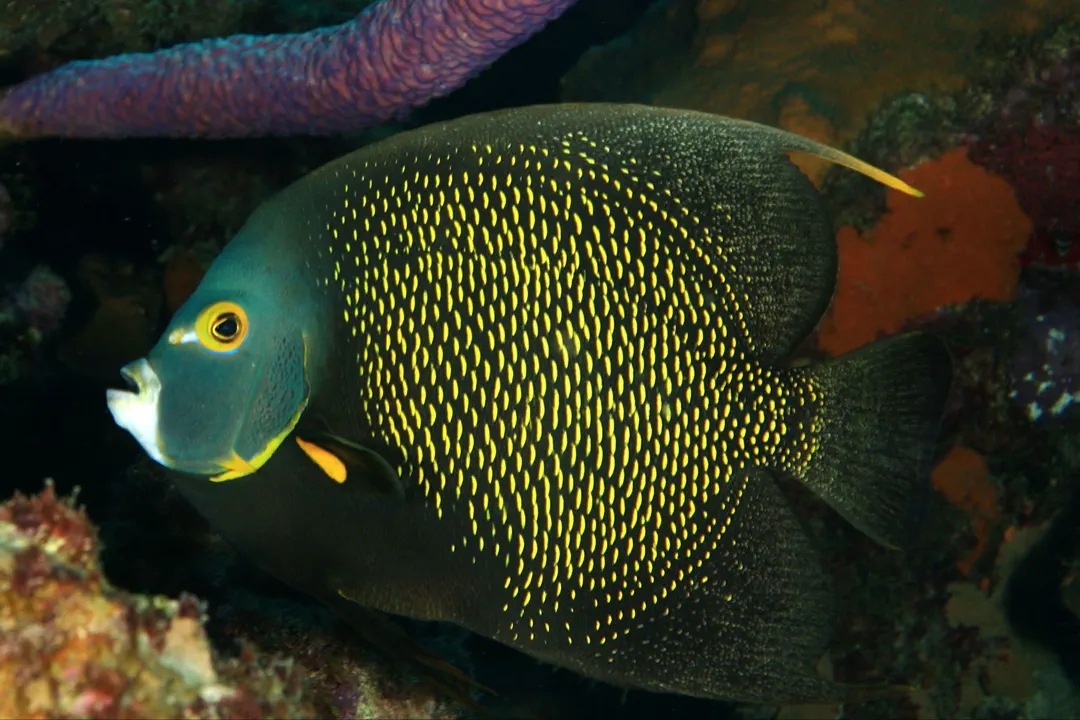 © LASZLO ILYESCC BY 4.0 · iNaturalist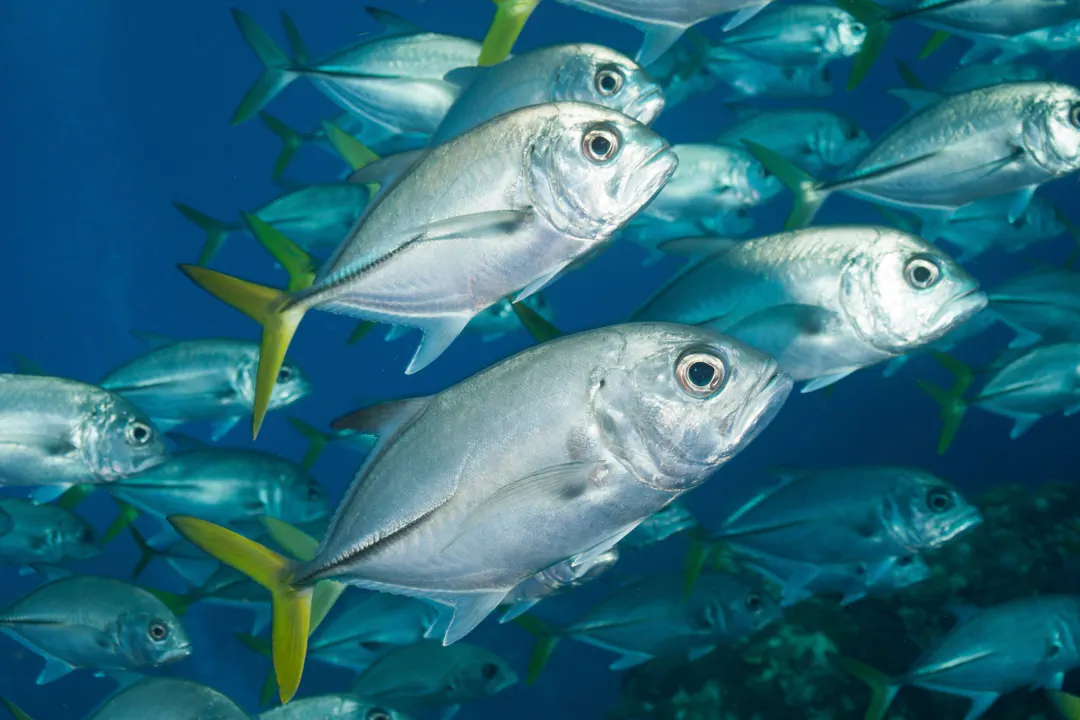
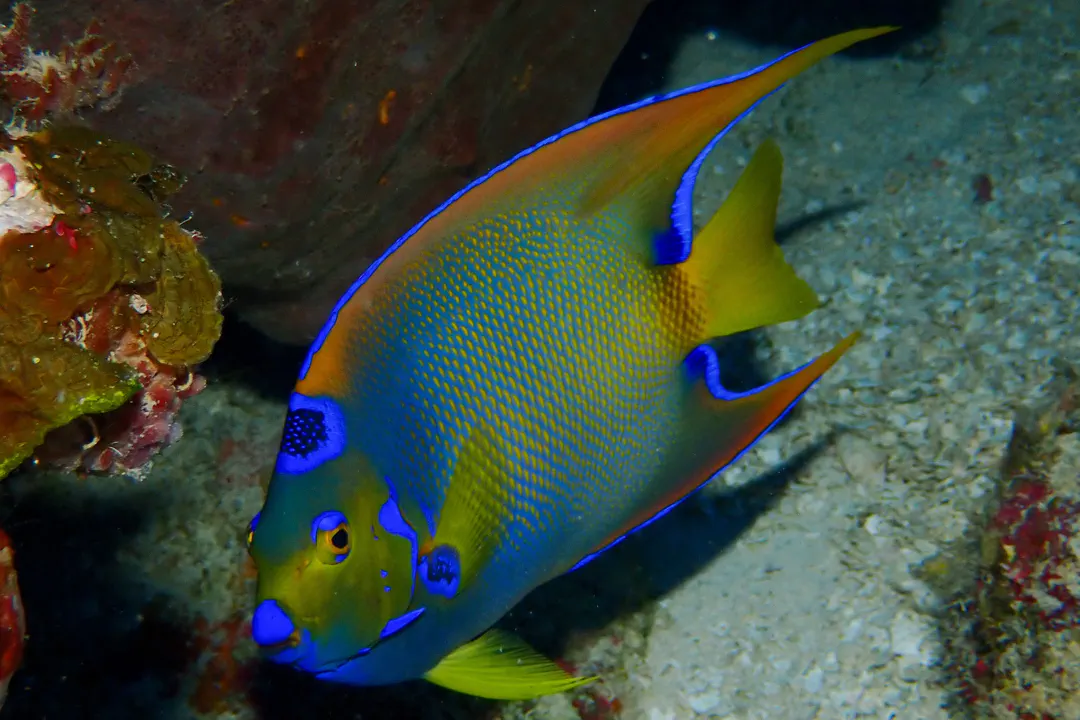 © Dan SchofieldCC BY 4.0 · iNaturalist
 Corveta V17 (Mar de Dentro): deep wreck for technical divers
The Corveta V17 is an Imperial Marinheiro-class corvette built for the Brazilian Navy that sank in 1983 after striking a submerged reef. Today, the 56-meter warship rests completely upright and intact on a flat sand bottom at a depth of 62 meters. Because of its extreme depth, the vessel remains extraordinarily well preserved, complete with its bow cannon, wheelhouse, and deck fittings encrusted in delicate marine growth.
Deep oceanic currents sweep across the wreck, attracting large pelagic predators like ocean triggerfish, black jacks, and schools of great barracuda that patrol above the main mast. Giant goliath groupers occasionally shelter under the stern counter, while large amberjacks circle the superstructure in search of smaller prey. Penetration into the interior compartments is restricted to certified technical divers carrying redundant gas mixes.
Diving the Corveta V17 requires trimix or extended-range technical certifications, detailed gas management planning, and strict adherence to decompression schedules. The deep blue water around the hull often provides visibility exceeding 30 meters, offering technical divers a view of the intact warship standing on the ocean floor. Descending and ascending along a mooring line ensures controlled speed and precise decompression stops.
Depth: 55-62 m. Access: boat, 25 minutes from Porto de Santo Antônio. Level: Technical Diver. Best months: August-December.
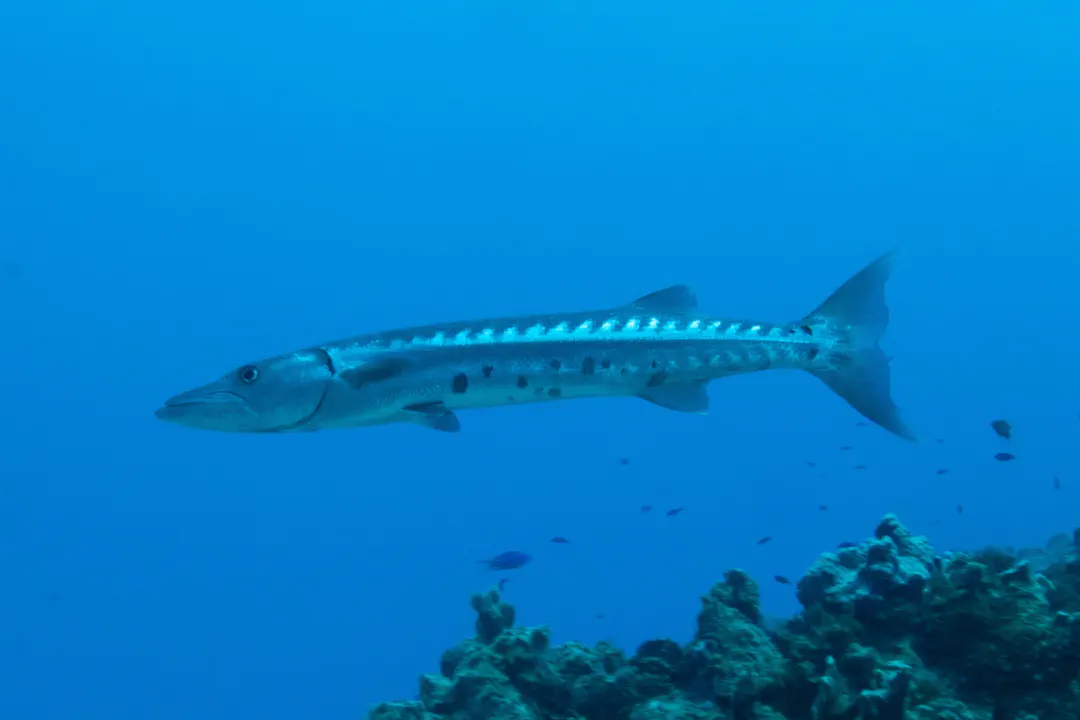 © Dan SchofieldCC BY 4.0 · iNaturalist
 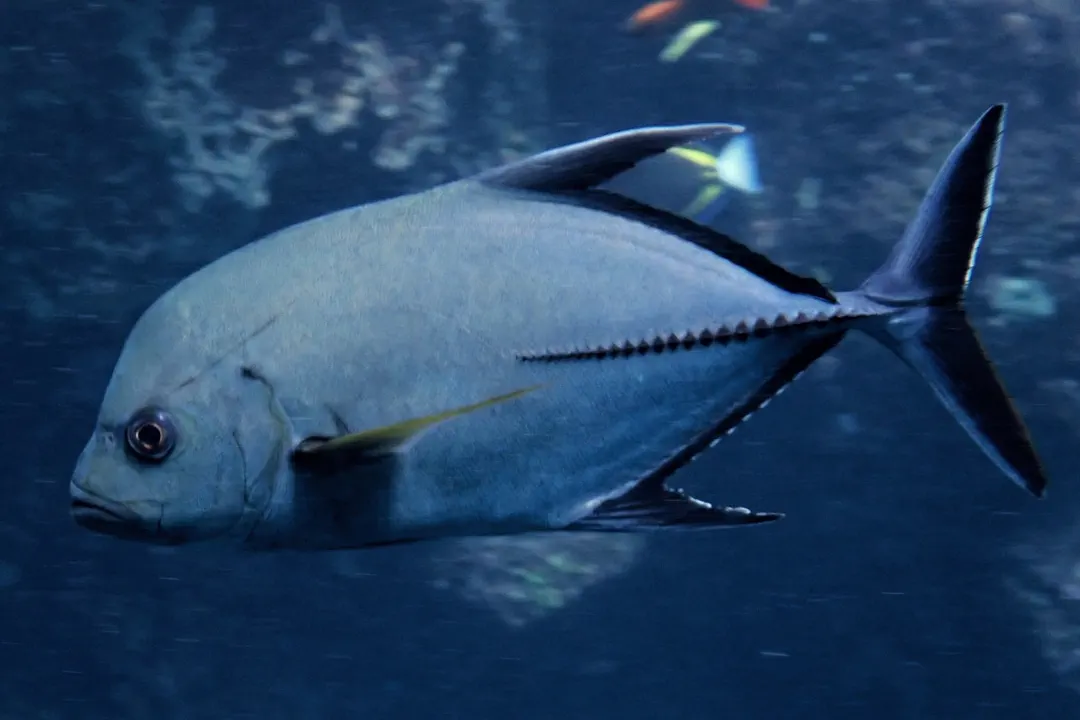 © Alberto AlcaláCC BY 4.0 · iNaturalist
 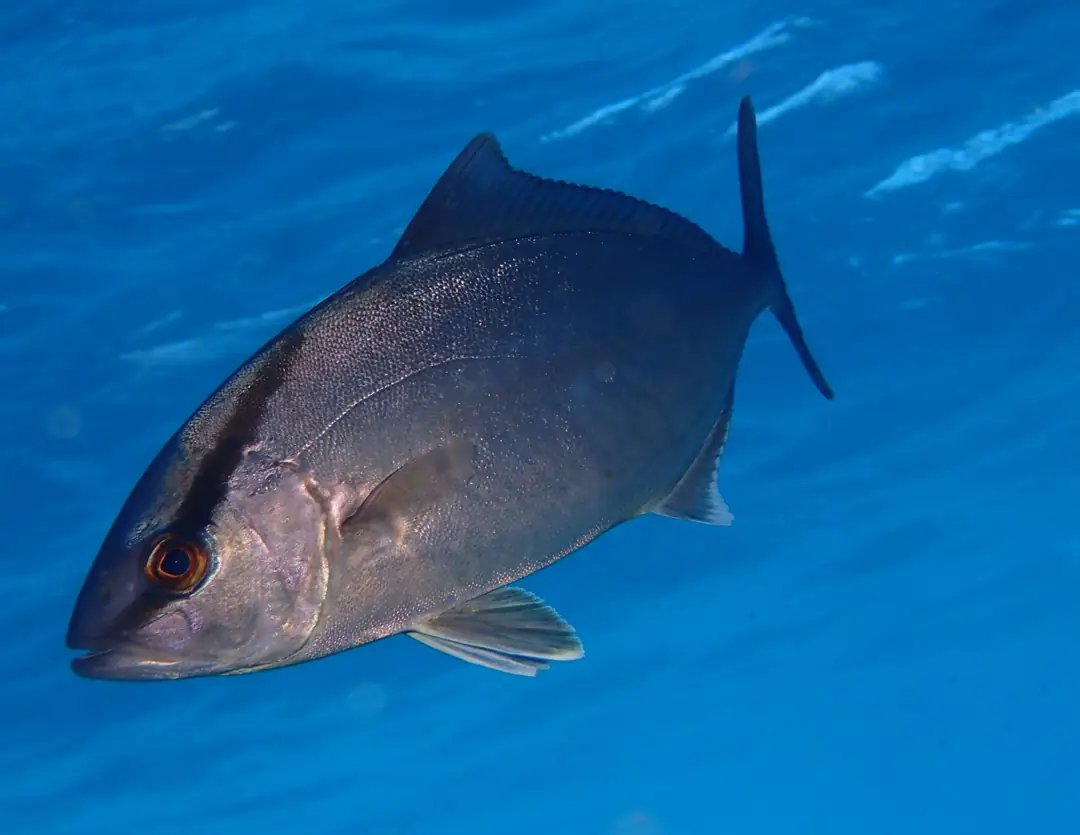 © Ian ShawAll rights reserved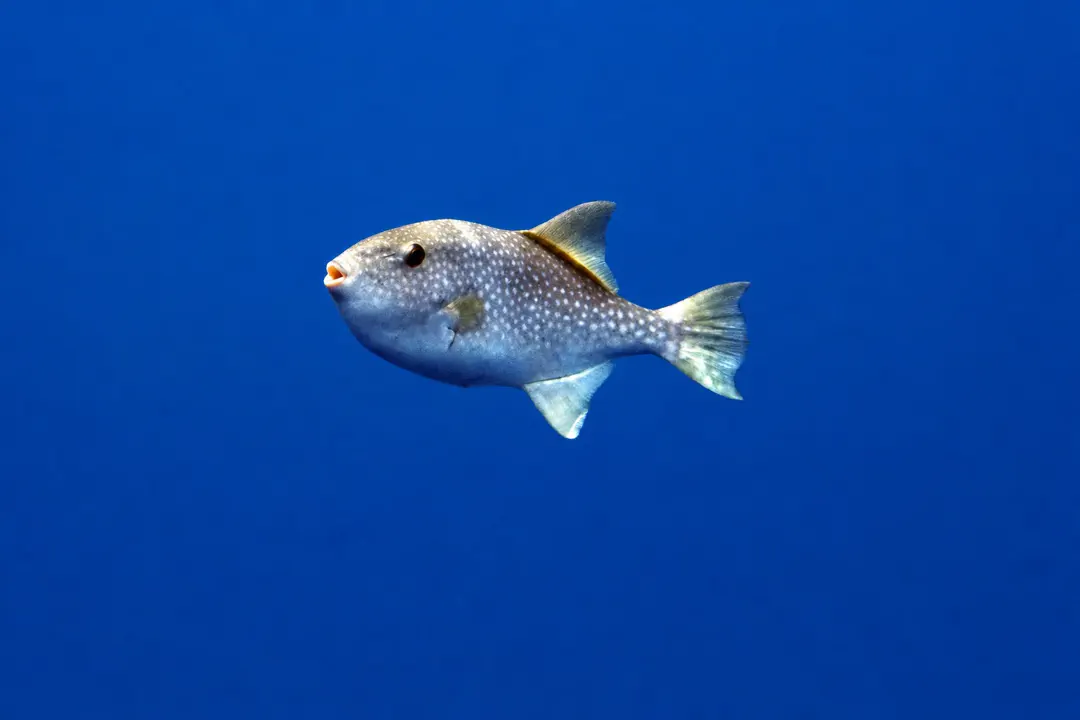
Buraco das Cabras (Mar de Fora): drift dive over coral slope
Situated on the exposed outer coast, Buraco das Cabras features a sloping volcanic reef that drops from 8 meters down to 30 meters into the open Atlantic. Constant water movement along this eastern shore brings nutrient-rich oceanic currents, feeding dense colonies of soft corals and encrusting sponges. The topography includes large boulders and fractured rock shelves where marine life gathers to feed and find shelter.
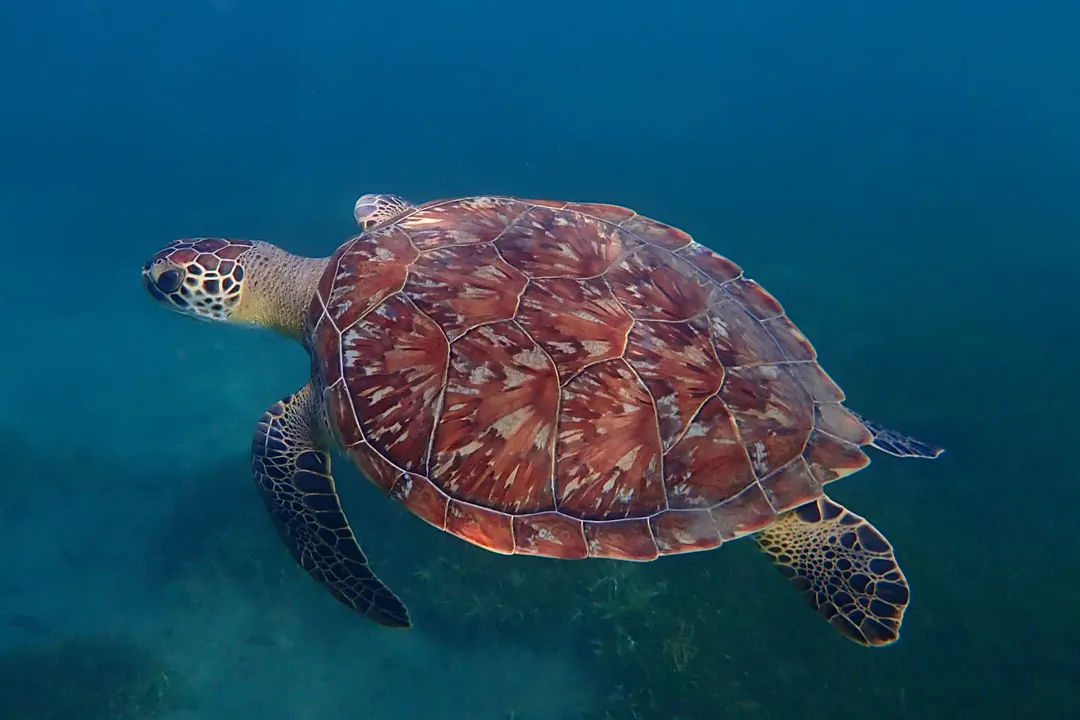
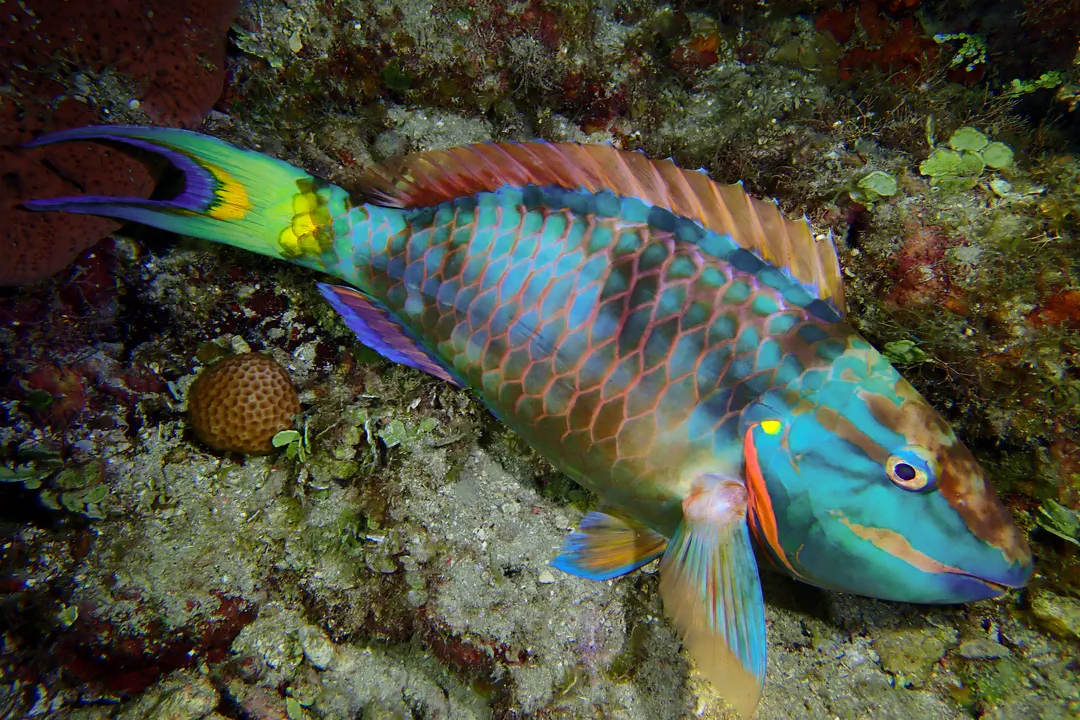
Divers typically execute this dive as a steady drift, floating alongside the slope as the current carries them over the reef. Green sea turtles are a constant presence here, grazing on algae mats or resting under basalt ledges while yellowtail snappers form dense schools overhead. Large green moray eels weave through rock crevices, and stoplight parrotfish crunch on turf algae along the reef top.
Because current strength can change quickly on the outer coast, divers need comfortable buoyancy control and must remain close to their dive guide throughout the glide. Deploying a delayed surface marker buoy at the end of the dive is essential to signal the chase boat in open water. On clear days, looking out toward the deep blue off the slope often reveals passing eagle rays or pelagic jacks.
Depth: 8-30 m. Access: boat, 20 minutes from Porto de Santo Antônio. Level: Advanced Open Water. Best months: December-April.
 © Matteo BellucciCC BY 4.0 · iNaturalist
  © Fish and DiveCC BY 4.0 · iNaturalist
  ZygyCC0 · iNaturalist
  © Robin WhiteCC BY 4.0 · iNaturalist
 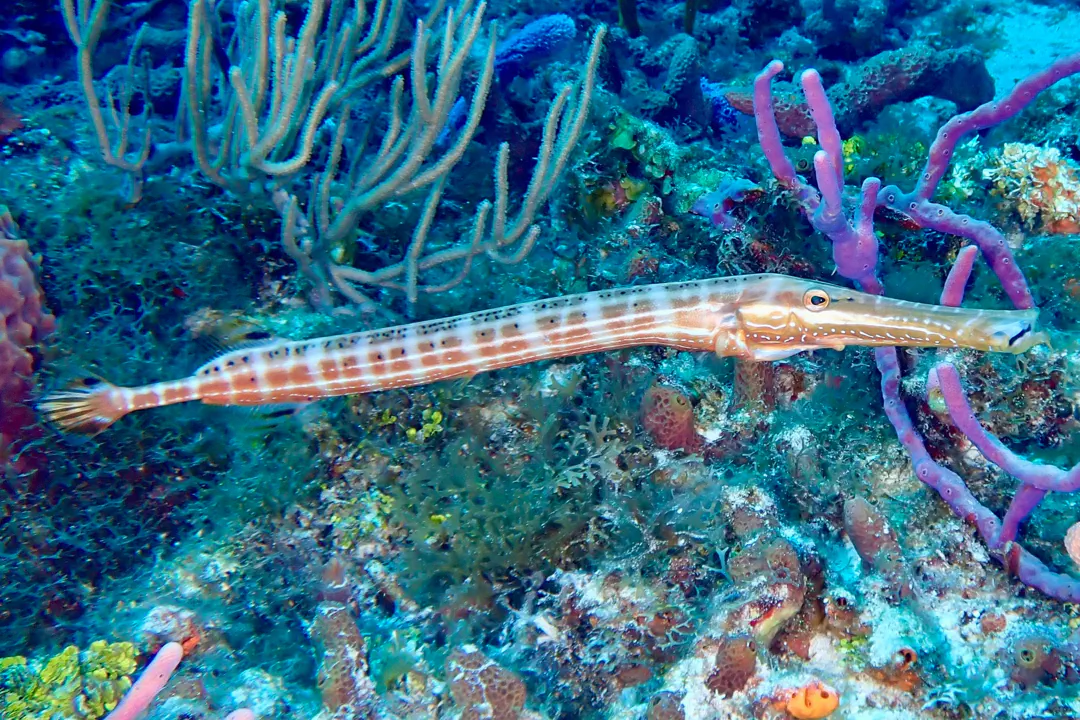 Chris SpainCC0 · iNaturalist
 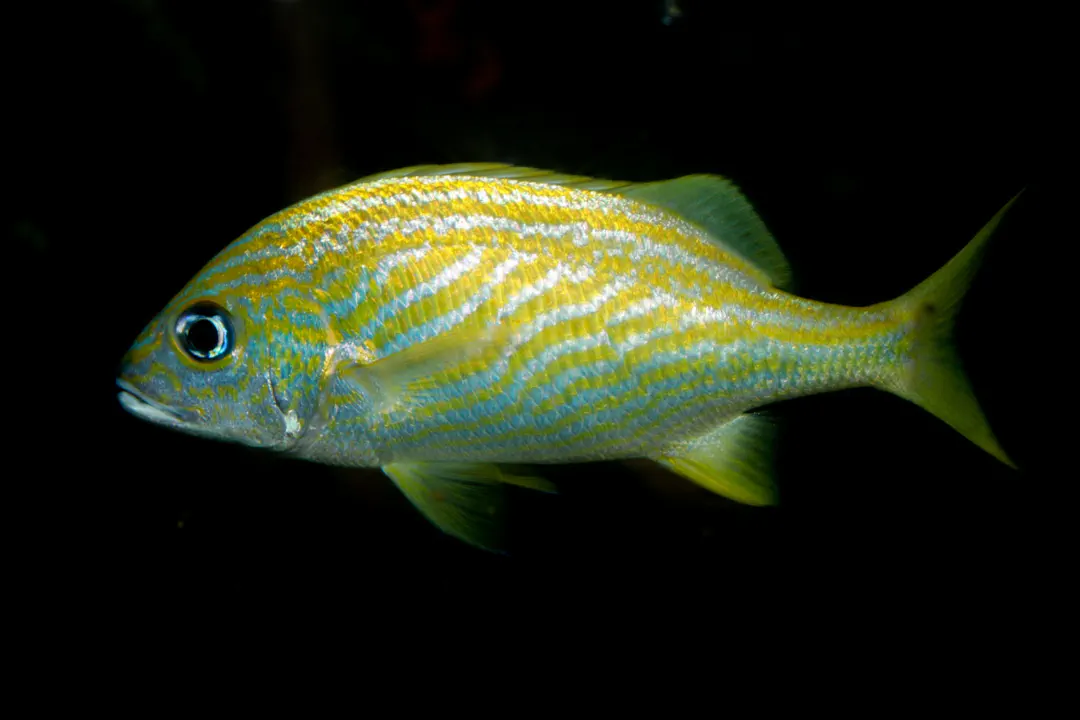 © Brian GratwickeCC BY 4.0 · iNaturalist
 Cabeço da Sapata (Mar de Dentro): oceanic pinnacle for large pelagics
Cabeço da Sapata is a dramatic underwater pinnacle that rises from depths beyond 42 meters to within 15 meters of the surface on the western tip of the island. Surrounded by deep open ocean, this isolated mountain of basalt deflects deep ocean currents upward, creating an upwelling zone packed with baitfish and hunting predators. The underwater walls are steep and sheer, covered in hardy encrusting organisms and deep-water sponges.
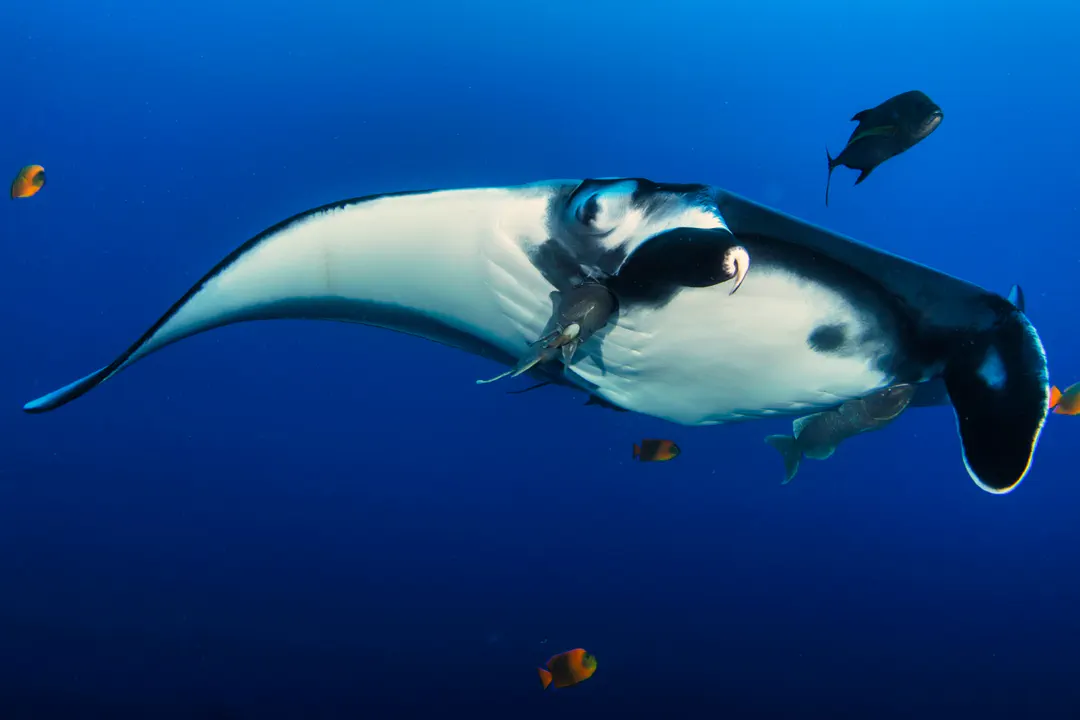
The pinnacle serves as a primary gathering point for large pelagic marine life passing through equatorial waters. Schools of black jacks, great barracuda, and oceanic mobula rays frequently circle the upper rock structure, while lemon sharks and large black groupers patrol the deeper ledges below 30 meters. Spotted eagle rays regularly line up against the current, hovering effortlessly along the sheer rock faces.
Strong, multi-directional currents and significant depth make Cabeço da Sapata a site suitable strictly for experienced divers capable of quick entries and precise depth control. Divers launch via a negative entry to reach the shelter of the pinnacle quickly without being swept off target by surface drift. When conditions allow, circling this solitary volcanic spire offers one of the most exciting deep water experiences in the South Atlantic.
Depth: 15-42 m. Access: boat, 35 minutes from Porto de Santo Antônio. Level: Advanced Open Water. Best months: August-December.
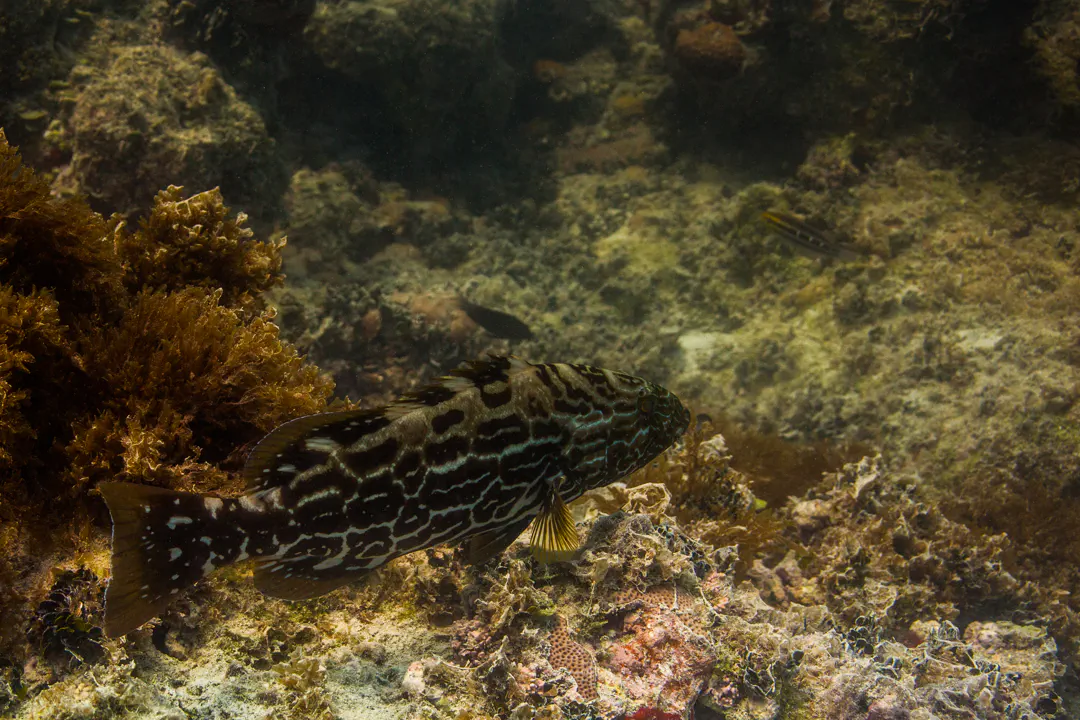 © João D'AndrettaCC BY 4.0 · iNaturalist
 Laje dos Dourados (Mar de Fora): shallow rocky reef rich in macro life
Laje dos Dourados is a shallow volcanic ledge located on the Mar de Fora, where depth ranges between 5 and 12 meters over a complex rocky bottom. The site is characterized by low basalt walls, shallow overhangs, and narrow crevices carved out by persistent ocean surge. Because of its shallow depth, natural sunlight saturates the sea floor, highlighting the rich colors of encrusting algae and reef fauna.
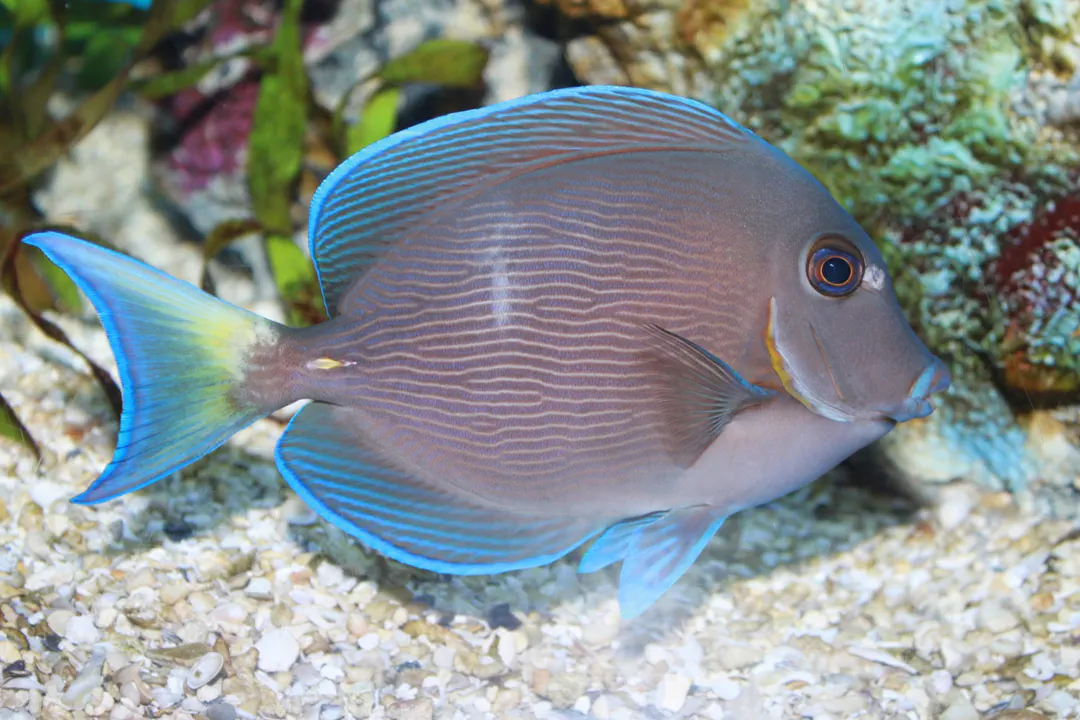
This shallow habitat shelters smaller reef creatures and endemic species, including the Noronha wrasse and Brazilian basslets hiding inside dark overhangs. Insular octopuses move across the rocky substrate, changing color and texture instantly as they hunt for crabs in small rock pools. Banded puffers, blue tangs, and doctorfish graze along the upper rock surfaces, while juvenile hawksbill turtles feed on shallow sponges.
Gentle ocean surge requires careful positioning to avoid contact with sharp volcanic rocks while observing macro life inside small crevices. Photographers and slow-paced observers will find endless small creatures tucked into the basalt shelf. Staying low to the reef while maintaining neutral buoyancy ensures a peaceful experience without disturbing feeding turtles.
Depth: 5-12 m. Access: boat, 20 minutes from Porto de Santo Antônio. Level: Open Water. Best months: December-April.
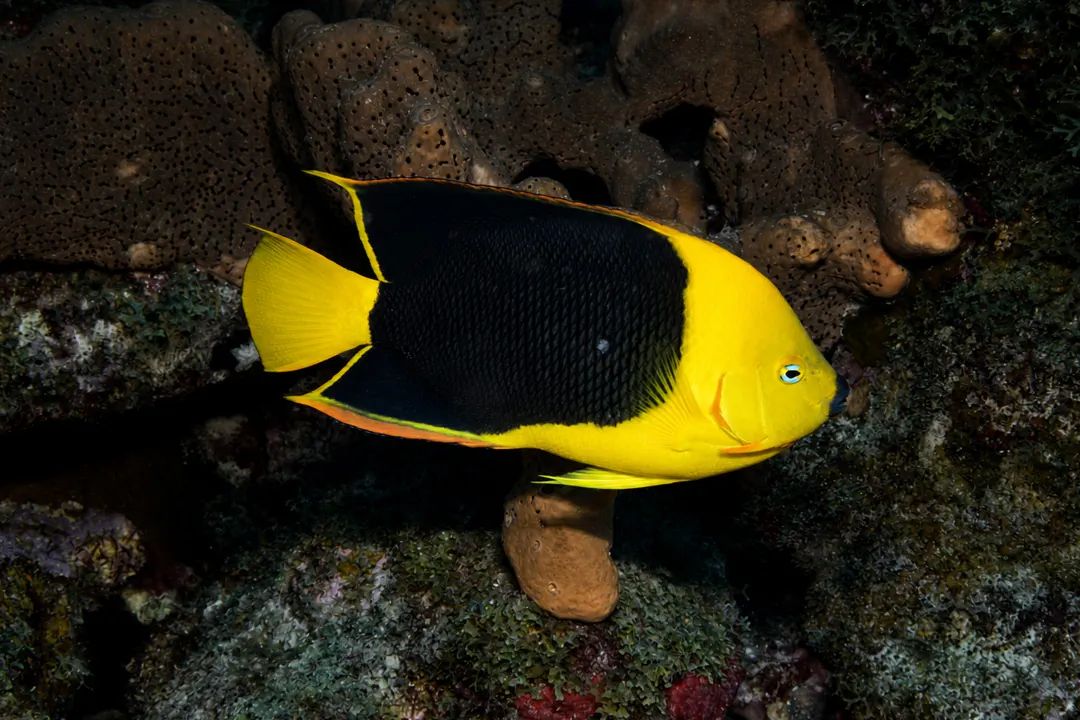
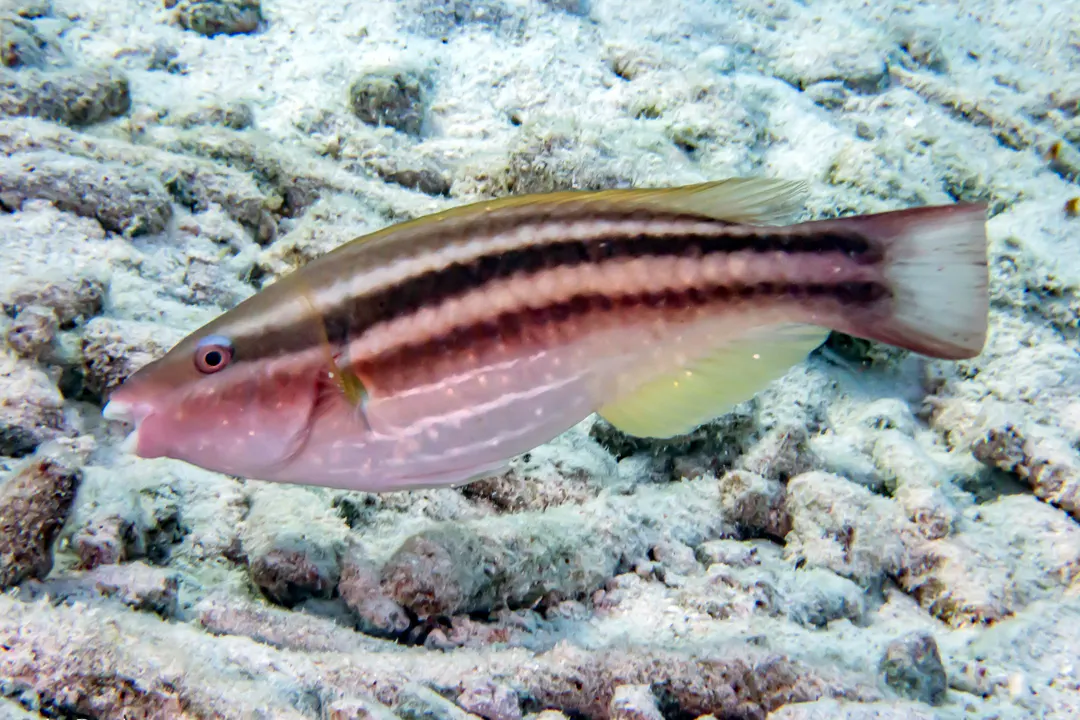 © Jay BrasherCC BY 4.0 · iNaturalist
 Porto de Santo Antônio (Mar de Dentro): sheltered wreck and beginner haven
Located right inside the island's principal harbor, Porto de Santo Antônio offers a sheltered environment with depths between 3 and 12 meters. The focal point of the site is the wreck of the Greek cargo vessel Eleani Sader, which ran aground in 1962 and now rests scattered across a calm, sandy seabed. The iron ribs and engine block of the ship are overgrown with turf algae, sponges, and hard marine growths.
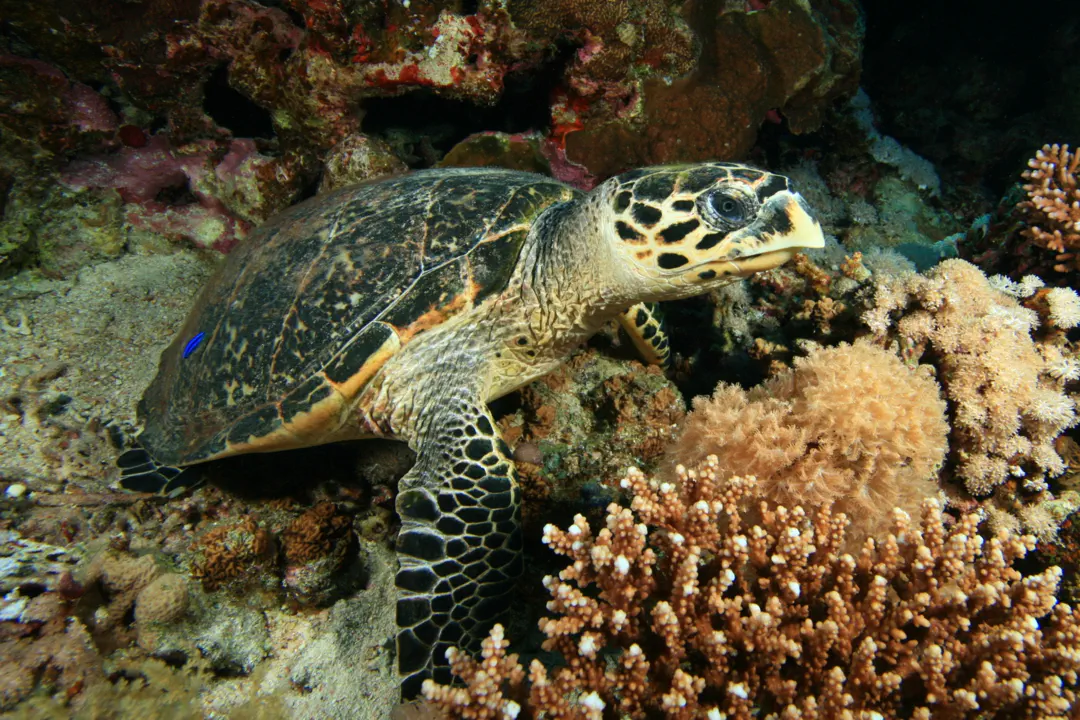
The calm harbor environment attracts dense aggregations of juvenile fish, including sergeant majors, ocean surgeonfish, and banded butterflyfish fluttering around the rusty hull. Nurse sharks often rest quietly under iron plates on the sand, while hawksbill turtles forage along the shallow breakwater rocks. Camouflaged spotted scorpionfish sit motionless on debris, requiring divers to keep a sharp eye out before placing hands near the structure.
Protection from open ocean swells makes Porto de Santo Antônio the ideal spot for checkout dives, refresher courses, and relaxed night dives. Beginners can practice buoyancy control and basic skill drills without struggling against currents or heavy wave action. Snorkellers can easily explore the upper sections of the wreck from the harbor shore during calm tides.
Depth: 3-12 m. Access: shore or boat, 5 minutes from harbor. Level: Open Water / Beginner. Best months: Year-round.
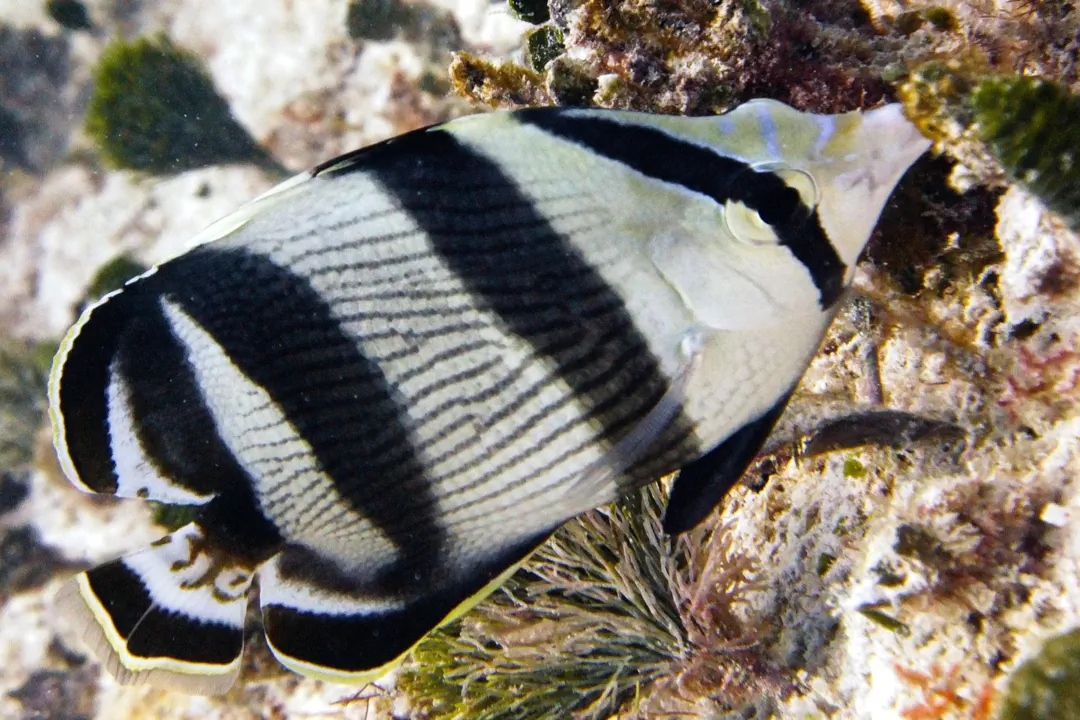 © Matteo CassellaAll rights reserved
 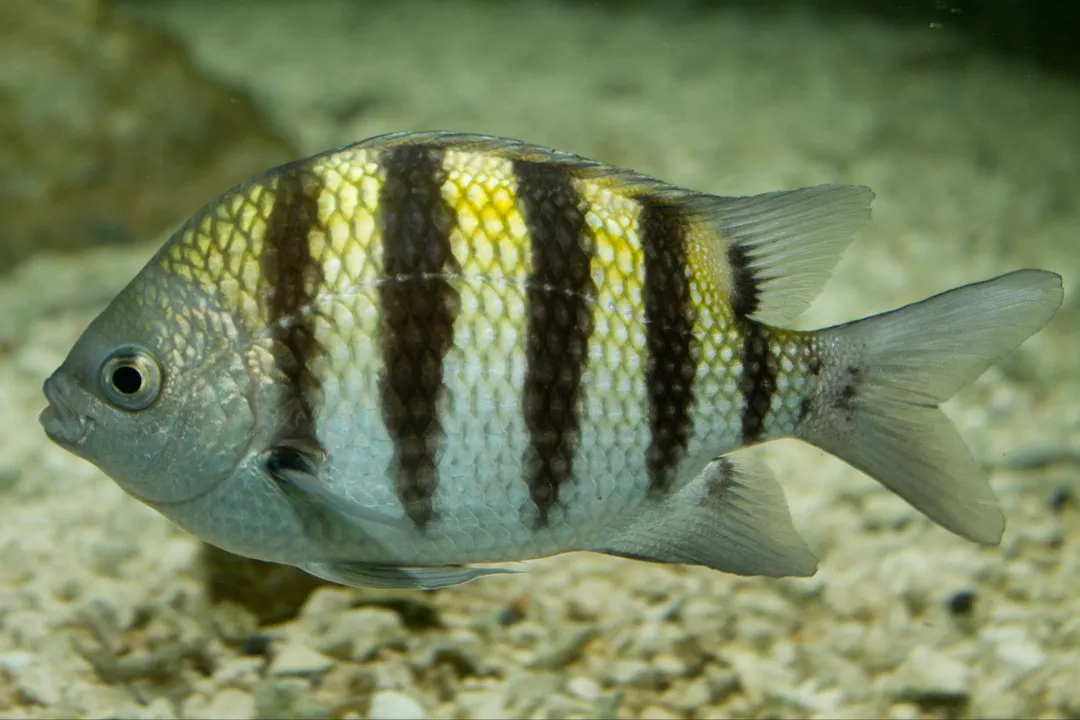 © Brian GratwickeCC BY 4.0 · iNaturalist
 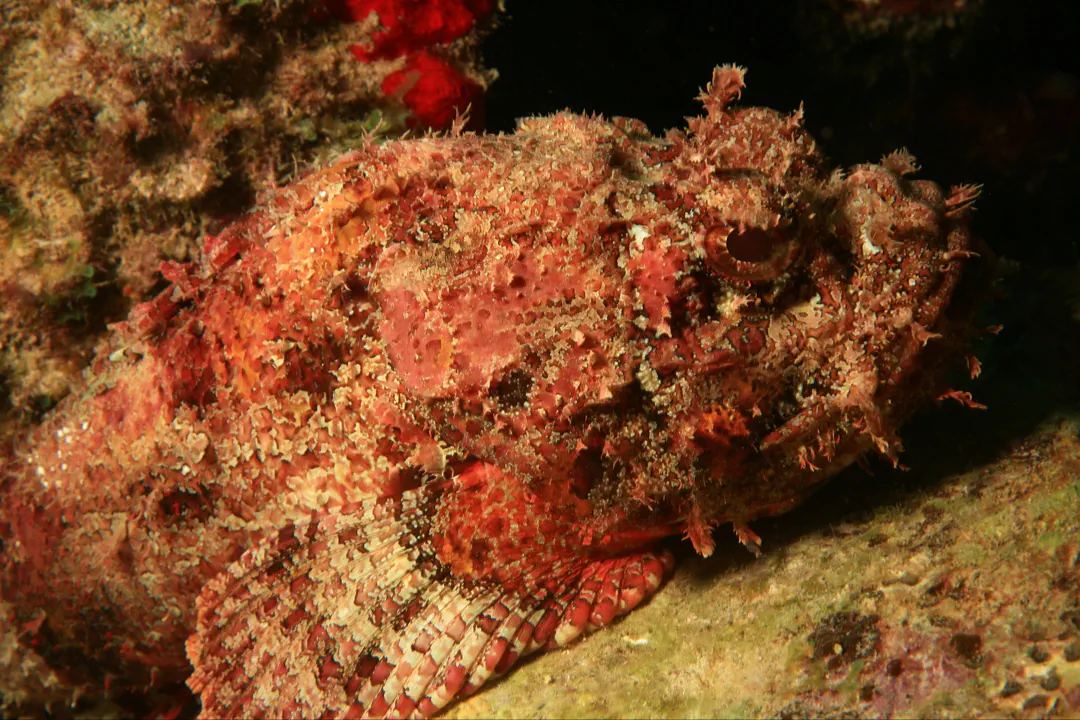 © LASZLO ILYESCC BY 4.0 · iNaturalist
 Marine Life in Fernando de Noronha
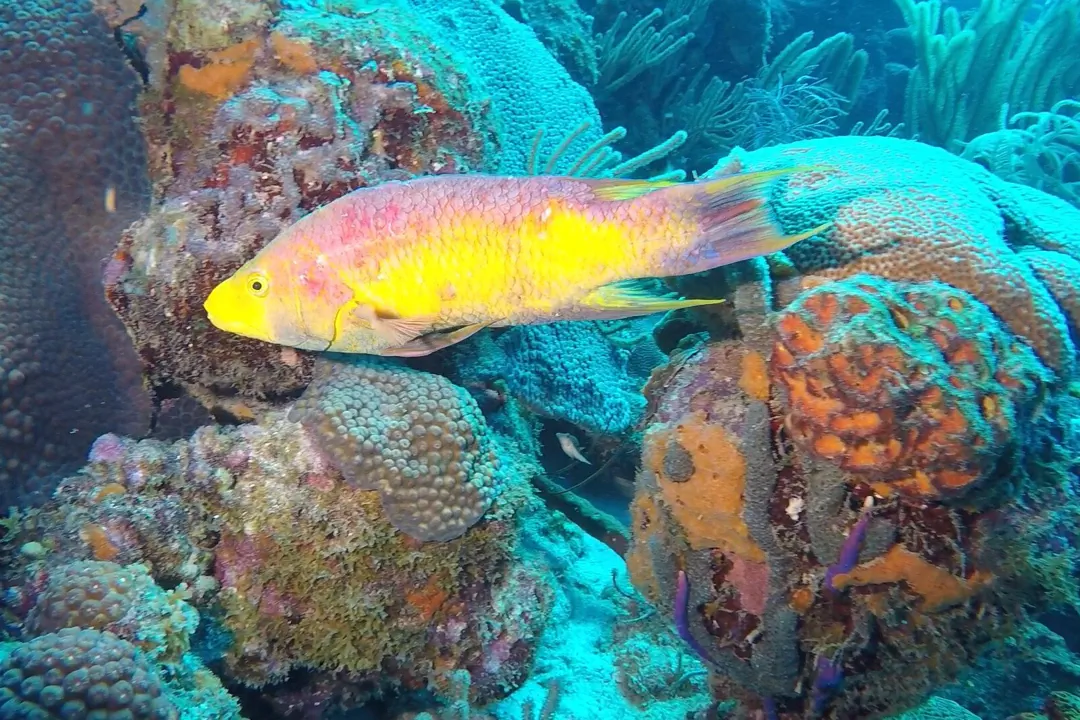
Fernando de Noronha's isolated position in the South Atlantic supports a unique marine community where open-ocean species meet restricted-range island fauna. Over 200 species of fish inhabit these waters, including endemic reef fish such as the Noronha wrasse (Thalassoma noronhanum) and Rocas damselfish (Stegastes rocasensis). Large predators like Caribbean reef sharks, nurse sharks, and massive black groupers play key roles in keeping the reef ecosystem balanced and healthy.
Sea turtles are a major highlight for divers, thanks to decades of monitoring by Project TAMAR, Brazil's national sea turtle conservation initiative. Both green turtles and hawksbill turtles use the archipelago as a crucial feeding and nesting ground, showing remarkably little fear of divers as they graze on algae and sponges. Logging your underwater sightings in the Seabook app during your trip helps track local fish populations and verify the species you spot on each dive site.
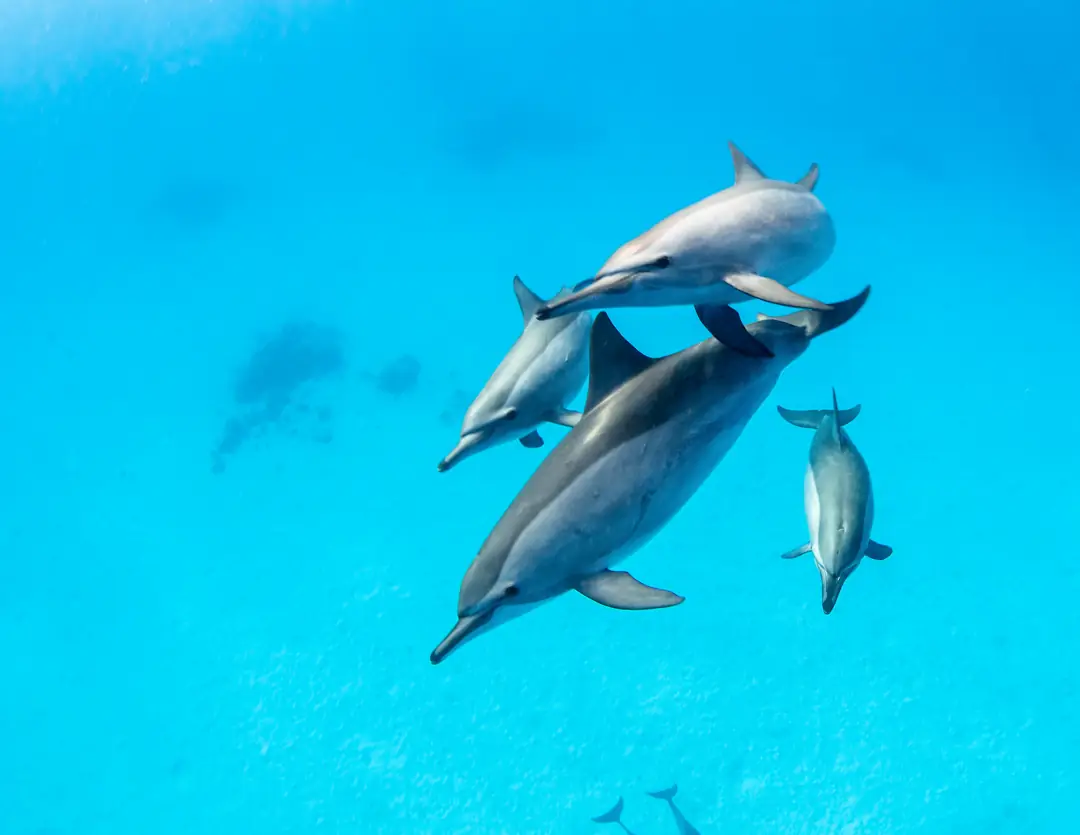
Spinner dolphins (Stenella longirostris) gather daily by the hundreds inside Baía dos Golfinhos to rest and socialise after hunting offshore at night. Official conservation regulations strictly protect this sanctuary, prohibiting descending into Dolphin Bay, entering it by boat, or swimming inside the bay. Visitors observe the dolphins from a high cliff viewpoint, though wild dolphins often choose to leap alongside dive boats transiting across open water outside the bay.
 © Robin WhiteCC BY 4.0 · iNaturalist
  © Brian GratwickeCC BY 4.0 · iNaturalist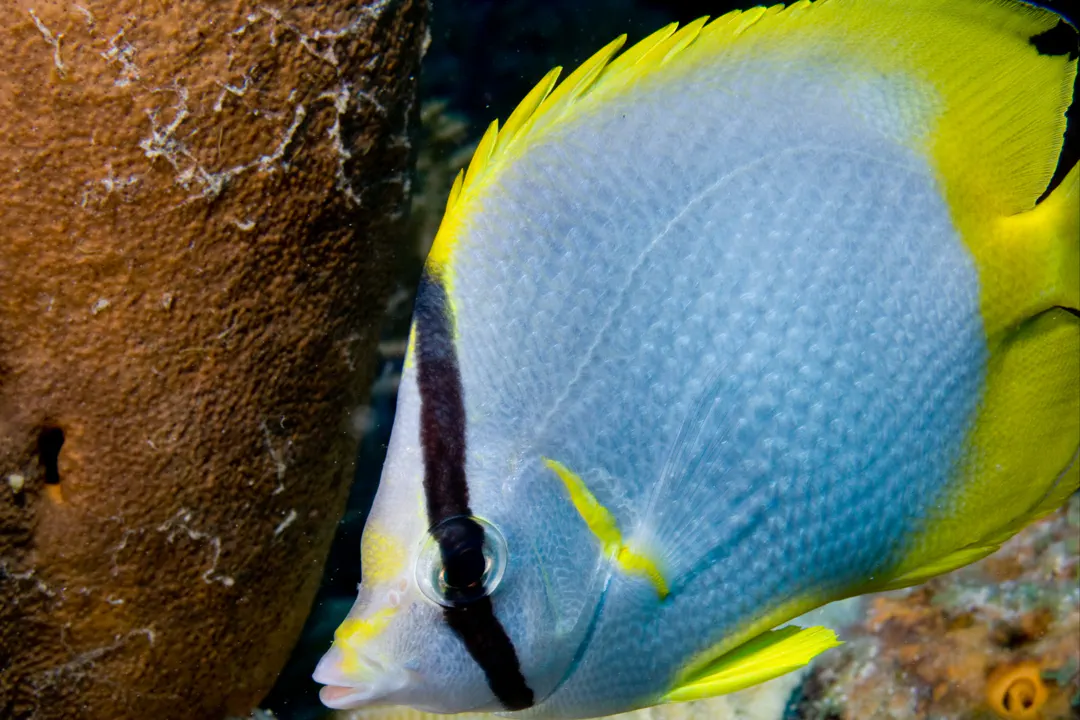
 © Dan SchofieldCC BY 4.0 · iNaturalist
  © Dan BenderCC BY 4.0 · iNaturalist
 Is Fernando de Noronha Good for Beginners and Snorkellers?
While Fernando de Noronha is famous for its deep wrecks and current-swept pinnacles, it also provides excellent entry-level diving in sheltered bays. Novice divers can gain confidence at sites like Porto de Santo Antônio or shallow reefs along the Mar de Dentro, where calm surface conditions and gentle currents allow easy skill practice. Operators carefully screen divers before assigning them to advanced offshore sites, ensuring everyone stays within their comfort zone.
Snorkelling on the island is equally rewarding, particularly along shallow, protected beaches on the inner coast. At Praia do Atalaia, access to the delicate natural tidal pool is tightly controlled to preserve the fragile marine life. Visitors at Atalaia must float above the coral-covered pool using required masks and flotation devices, and walking on the reef or wearing sunscreen before entry is forbidden.
Snorkellers should respect wildlife boundaries at all times, keeping a respectful distance from feeding turtles, stingrays, and nurse sharks in shallow water. Chasing or touching marine animals violates park rules and can result in fines from environmental rangers. By following local guidelines, novice divers and snorkellers can enjoy close encounters with wildlife while protecting the archipelago's marine sanctuary.
Getting There and Practical Tips
Reaching Fernando de Noronha involves taking a domestic flight from mainland Brazilian gateways such as Recife or Natal. Because flight capacity is limited and park permits are strictly regulated, travelers should book air tickets and accommodation months in advance. UNESCO World Heritage Centre documentation describes visitor controls for Fernando de Noronha, including a management limit of approximately 420 visitors per day to the main island alongside restrictions on non-recyclable materials.
Visiting the island requires paying two separate environmental fees before entry or upon arrival. The state Environmental Preservation Tax (TPA) increases progressively for each day spent on the island, while the ICMBio Marine National Park ticket grants access to protected beaches, dive sites, and national park trails for ten days. Paying these fees online in advance saves significant time at the airport and park check-in kiosks.
Equipping yourself properly ensures a seamless diving trip to this isolated sanctuary. Bring your dive certification card, logbook, a 3mm wetsuit, and a delayed surface marker buoy for ocean drift dives. Inspecting rental regulators and dive computers thoroughly before leaving the harbor ensures equipment reliability when diving remote oceanic pinnacles.
Questions
Are there sharks in Fernando de Noronha?
Yes, Fernando de Noronha supports healthy populations of nurse sharks, Caribbean reef sharks, and occasional lemon sharks along reef slopes and sandy bottoms. These species are generally docile and pose no threat to divers who maintain a respectful distance. Divers must never touch, feed, or corner sharks while underwater.
Is it dangerous to swim in Fernando de Noronha?
Swimming and diving are safe when using authorized beaches and following local dive guides. Hazards include strong open-ocean currents, surface surge along rocky shores, and sharp basalt rocks on exposed sites. Protected inner coast bays provide calm, sheltered conditions suitable for all experience levels.
Can you dive with spinner dolphins in Fernando de Noronha?
No, intentional swimming or diving with spinner dolphins inside Dolphin Bay is strictly prohibited by federal law to safeguard their resting habitat. Visitors can watch hundreds of dolphins socialise from the cliff viewpoint above Baía dos Golfinhos. Wild dolphins frequently swim past boats or divers at nearby open-water sites outside the protected bay.
What is the best month to dive in Fernando de Noronha?
August through November is the premier window for diving on the inner coast because dry weather creates calm seas and maximum underwater clarity. During these months, visibility often reaches 30 to 40 meters on protected sites like Pedras Secas. The outer coast offers alternative drift diving options when winter ocean swells subside.
How warm is the water in Fernando de Noronha?
Water temperatures remain equatorial and warm throughout the year, averaging between 26 °C and 28 °C across all depths. A 3mm full wetsuit or shorty provides comfortable thermal protection for most recreational dives. Divers prone to chilling during longer or repetitive dives may prefer a 5mm wetsuit.
Is Fernando de Noronha suitable for beginner divers?
Yes, sheltered harbor sites like Porto de Santo Antônio offer shallow, gentle conditions ideal for beginner divers and checkout dives. However, deep wrecks, exposed walls, and strong-current pinnacles require advanced training and experience. Authorized dive centers carefully evaluate diver skills before selecting appropriate dive sites.