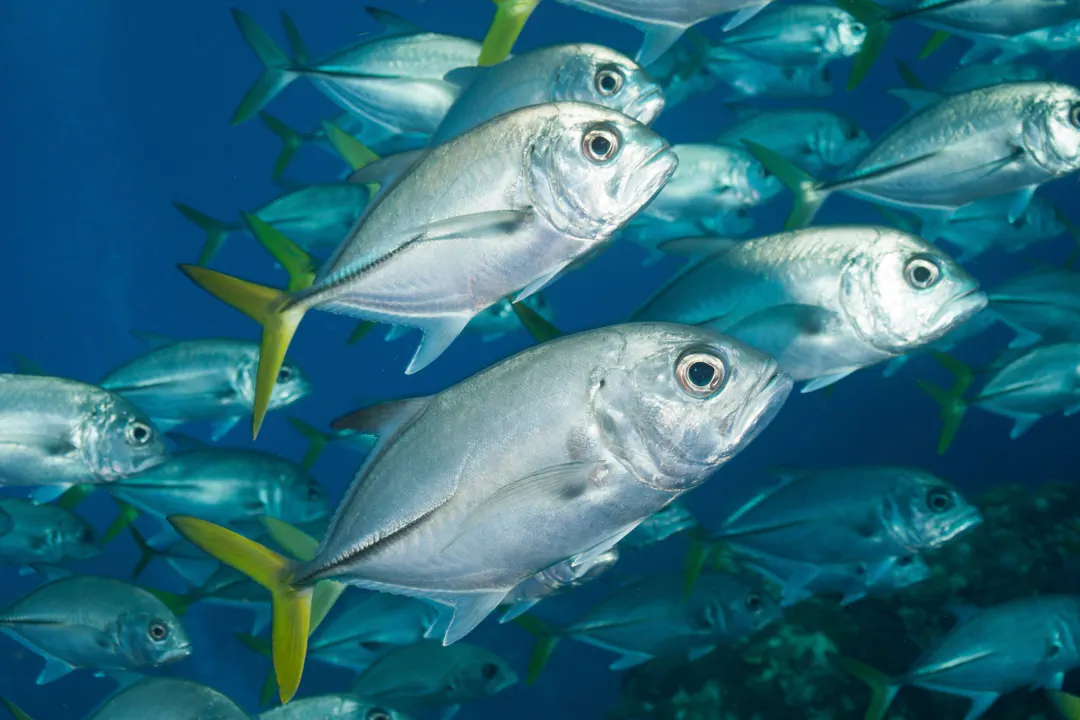
Thirty-seven meters below the surface off Key Largo, a mooring line trembles in a two-knot current that sweeps across the steel deck of the USCGC Duane. Sunlight filters down through clear water as a dozen bar jacks form a swirling silver funnel above the ship's superstructure. A massive goliath grouper lingering near the radar tower opens its cavernous mouth to flare its gills before drifting slowly into the shadow of the bridge.
Scuba diving in the Florida Keys provides access to the only living coral barrier reef ecosystem in the continental United States, spanning an island chain that stretches over 120 miles. Water temperatures range from 22°C in January to 30°C in August, with visibility consistently reaching 15 to 30 meters on offshore reefs during calm conditions. The best months to dive are May through September, when summer weather brings flat seas and warm water across the entire sanctuary.
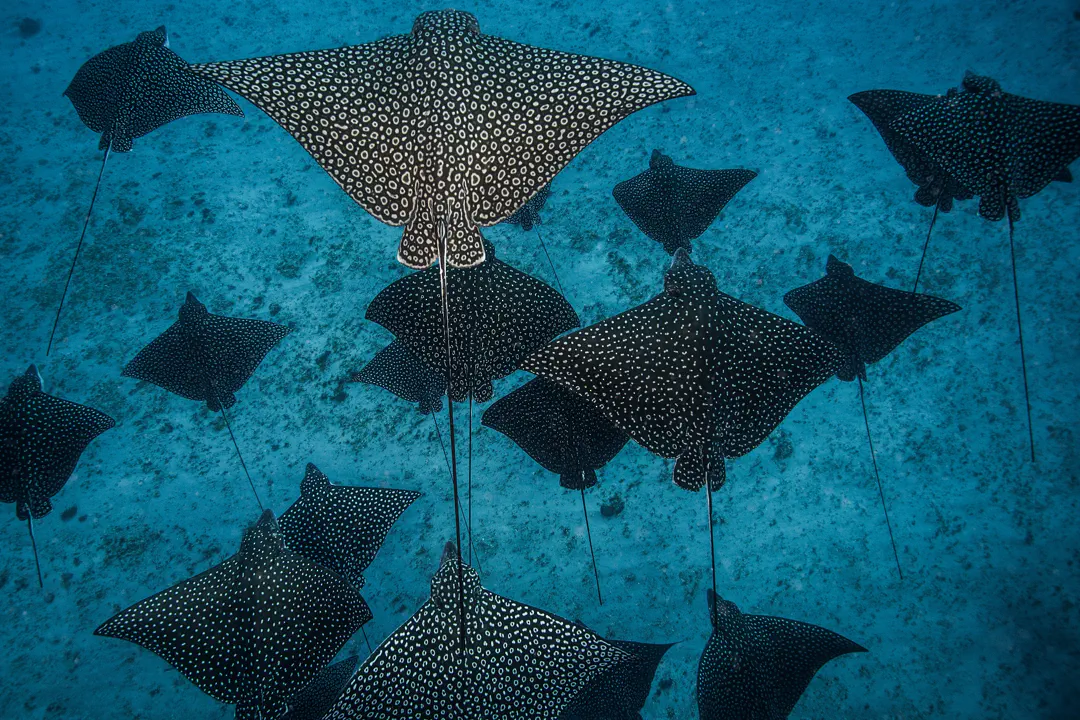
Divers can explore deep artificial reefs like the USCGC Duane and USNS Vandenberg, or navigate shallow spur-and-groove formations at Molasses Reef and Sombrero Reef. Signature wildlife includes goliath groupers, spotted eagle rays, green sea turtles, and resident nurse sharks. This destination accommodates all experience levels, offering shallow 7-meter reef profiles for beginners alongside 40-meter wreck penetration profiles for advanced divers.
What Is Diving in the Florida Keys Like?
The underwater landscape of the Florida Keys forms a continuous marine corridor running from Key Largo down to Key West. According to a report by the Florida Department of Environmental Protection, Our Florida Reefs Media Fact Sheet, the Florida Reef Tract extends more than 350 miles and supports more than 6,000 types of marine life. Shallow patch reefs give way to offshore spur-and-groove structures, where hard coral ridges alternate with deep sand channels that channel oceanic tides.
A report by NOAA Fisheries, Habitat Matters: Coral and Coral Reefs, 2021, notes that the Florida Reef Tract is the largest coral barrier reef ecosystem in the continental United States and the third-largest barrier-reef ecosystem in the world. As documented by National Marine Sanctuaries, Florida Keys Shipwreck Trail, NOAA, the Florida Keys Shipwreck Trail includes sites ranging from shallow recreational wrecks to wrecks deeper than 100 feet, with some sites subject to swift currents. These sunken vessels serve as artificial strongholds for pelagic predators and encrusting invertebrates.
The health of these habitats reflects ongoing environmental pressure across the region. In a 2016 habitat assessment by the Florida Keys National Marine Sanctuary, Habitats, NOAA, researchers found that stony corals covered 6.5 percent and soft corals covered 13.3 percent of reefs in the sanctuary. Furthermore, as published by NOAA Ocean Service, NOAA and Partners Respond to Ongoing Outbreak of Coral Disease, 2019, the majority of the Florida Reef Tract lies within the Florida Keys National Marine Sanctuary, and stony coral tissue loss disease was reported spreading through the tract from 2014 onward.
Best Time to Dive in the Florida Keys
Diving in the Florida Keys is possible twelve months a year, but ocean conditions shift distinctly with the changing seasons. The summer window from May through September offers the calmest weather, lightest winds, and smoothest surface conditions across all dive zones. Morning runs to outer reefs and deep wrecks encounter minimal swell during these months, allowing easy entries and clear surface navigation.
Winter diving between December and March brings dry, crisp air but frequent winter cold fronts. These weather systems push cold northerly winds across Florida Bay, occasionally building rough 2-to-3-meter seas for 24 to 48 hours. When a front passes, visibility on outer reefs can surge past 30 meters as clean Gulf Stream water flushes over the shallow coral ledges.
The autumn months of September, October, and November sit within the peak of the Atlantic hurricane season. While late-season conditions can bring extended calm spells, tropical storms can interrupt dive schedules on short notice. Checking daily marine forecasts and maintaining flexible travel plans is essential for divers visiting during early autumn.
Florida Keys Water Temperature by Month
Water temperature
Florida Keys, USA, monthly average
Florida Keys area (popular US diving spot, e.g. Key West), surface water temps for tropical Atlantic/Gulf diving regions
Thermal protection in the Florida Keys varies dramatically between winter and summer. Water temperatures reach their annual low in January and February at 22°C, requiring a 5mm full wetsuit for most divers completing multi-dive days. Some divers add a hooded vest or thermal rash guard during late winter to stay warm during 50-minute bottom times.
Temperatures climb steadily through spring, reaching 25°C in April and 27°C in May. During this shoulder season, a 3mm full wetsuit provides ideal comfort for double-tank morning charters. Surface intervals are warm and pleasant, though wind chill can develop on open boat skiffs during morning runs.
From July through September, nearshore readings peak between 28°C and 30°C. Water this warm allows divers to use a 1mm to 3mm shorty suit or a simple dive skin for thermal protection and defense against hydroid stings. Water temperatures cool back down to 25°C by November, signaling the return to full 3mm or 5mm suits.
Best Dive Sites in the Florida Keys
USCGC Duane (Key Largo)
Sunk intentionally in 1987 as an artificial reef, the USCGC Duane rests perfectly upright on a sandy bottom 1 mile south of Molasses Reef. The top of the crow's nest sits at 18 meters, while the main deck lies at 33 meters and the sand reaches 37 meters. Strong offshore currents frequently sweep over the hull, carrying nutrient-rich water that sustains deep-water sponges and thick schools of pelagics.
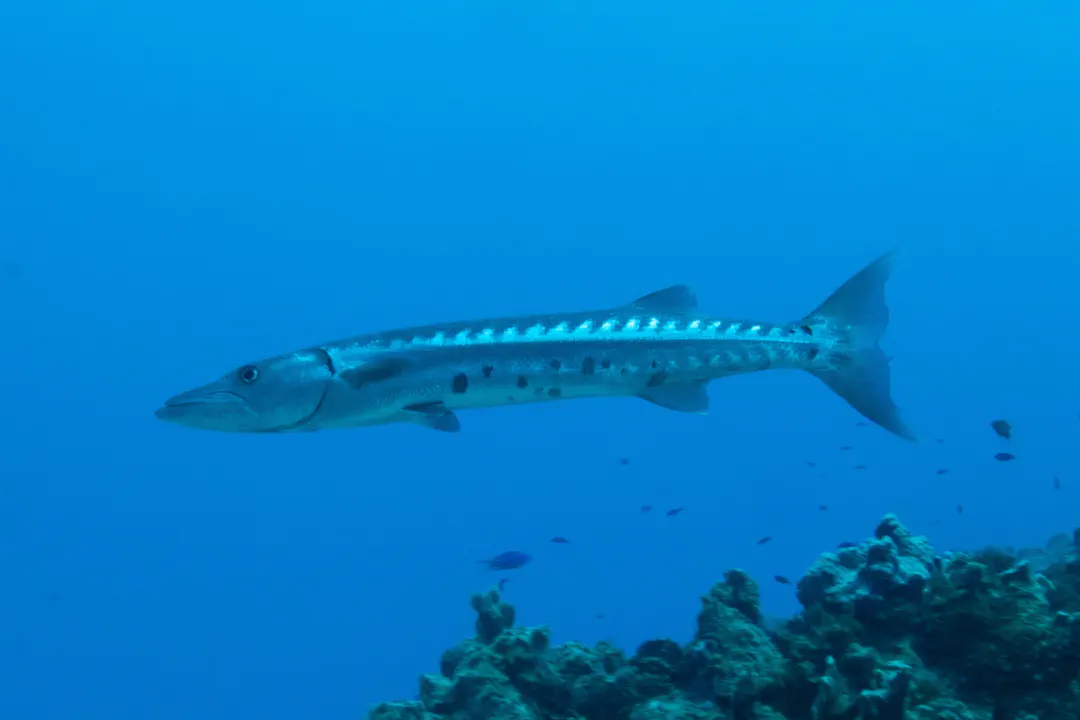
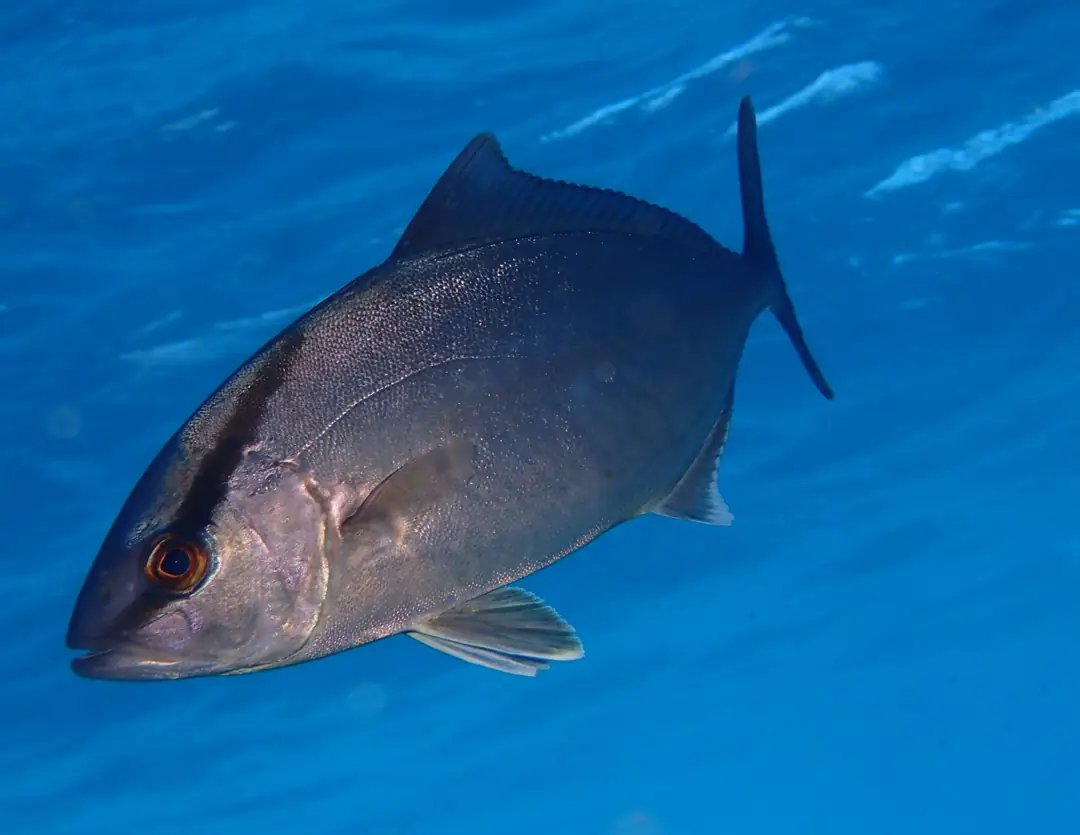
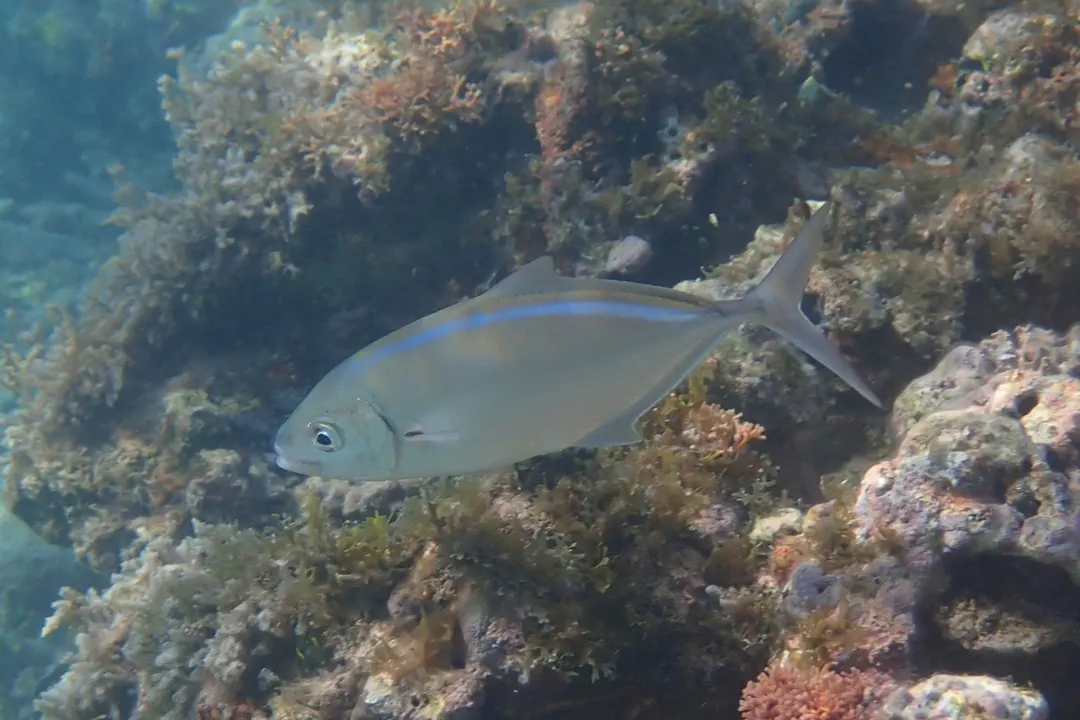
Great barracudas hang suspended in the lee of the ship's bridge while schools of horse-eye jacks and crevalle jacks circle the radar tower. Goliath groupers exceeding 150 kilograms frequently take up residence inside the open hold, while blackfin tuna and cubera snappers patrol the open water surrounding the bow.
Navigating the wreck requires tight gas management, current awareness, and disciplined buoyancy to avoid sharp metal structures. Divers must ascend along the moored descent line to complete safety stops safely in strong surface flow.
Depth: 18-37 m. Access: boat, 30 minutes from Key Largo. Level: Advanced Open Water. Best months: May-September.
 © Dan SchofieldCC BY 4.0 · iNaturalist
  © Ian ShawAll rights reserved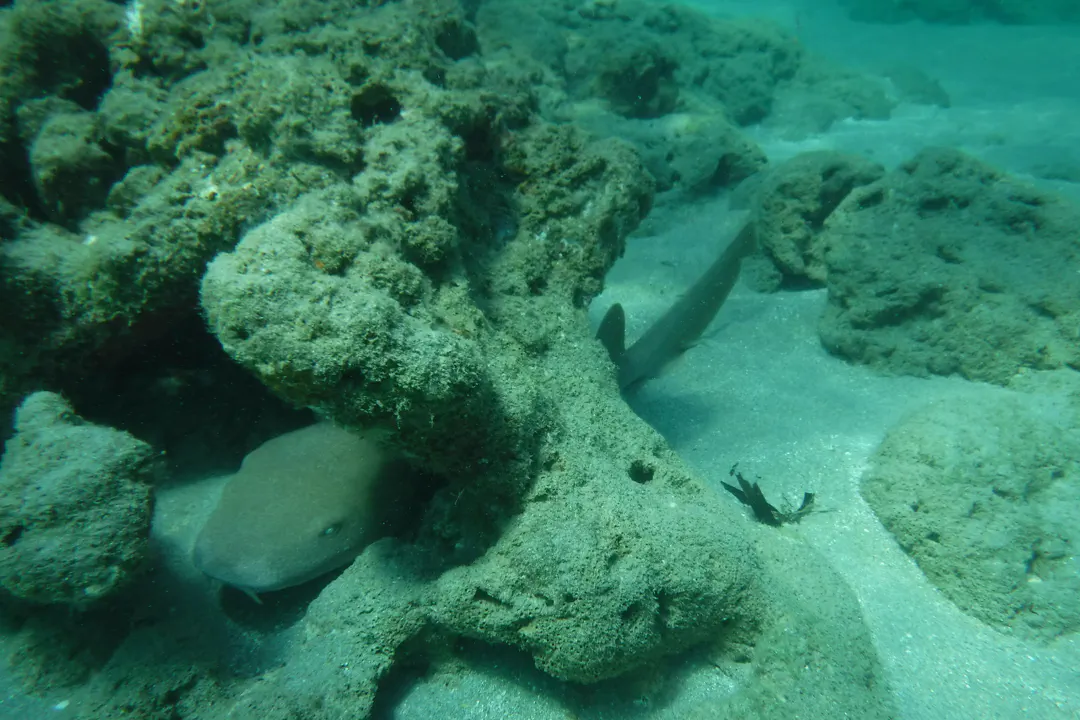
 © Fish and DiveCC BY 4.0 · iNaturalist
 Christ of the Abyss at Dry Rocks (Key Largo)
Submerged in 1965 within Key Largo’s Dry Rocks sanctuary, the Christ of the Abyss is a 2.6-meter bronze statue resting in a natural coral amphitheater. The base of the statue sits in 7 meters of water, making the site visible from the surface and accessible to all experience levels. The bronze arms reach upward toward the surface, encrusted with fire coral, algae, and encrusting sponges.
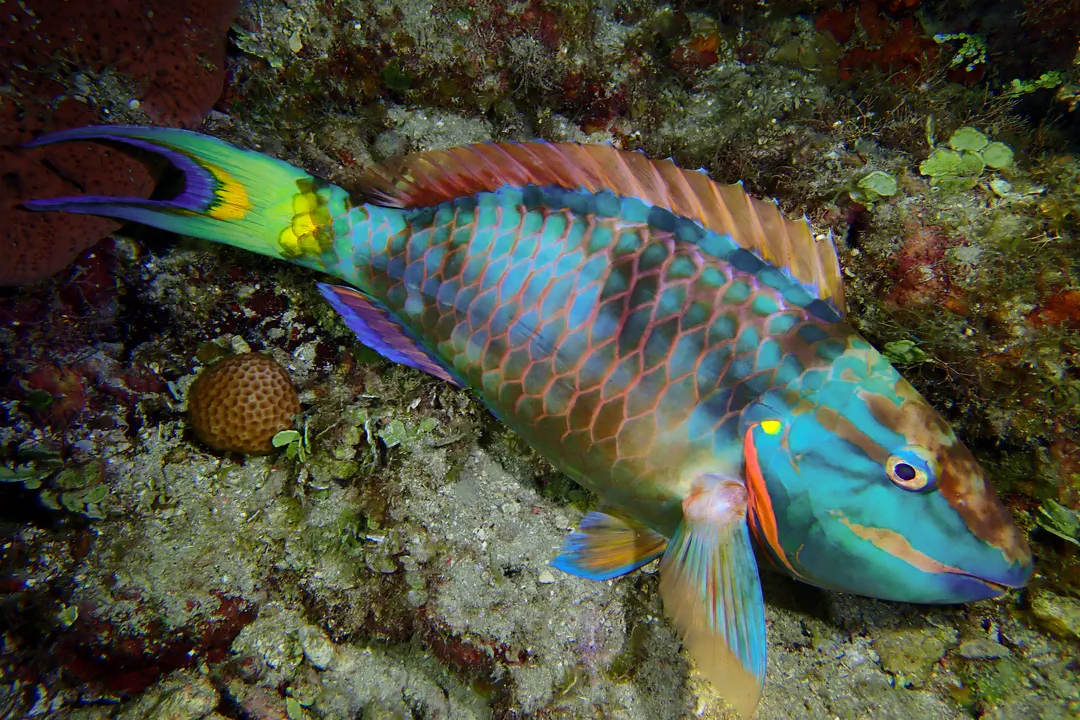
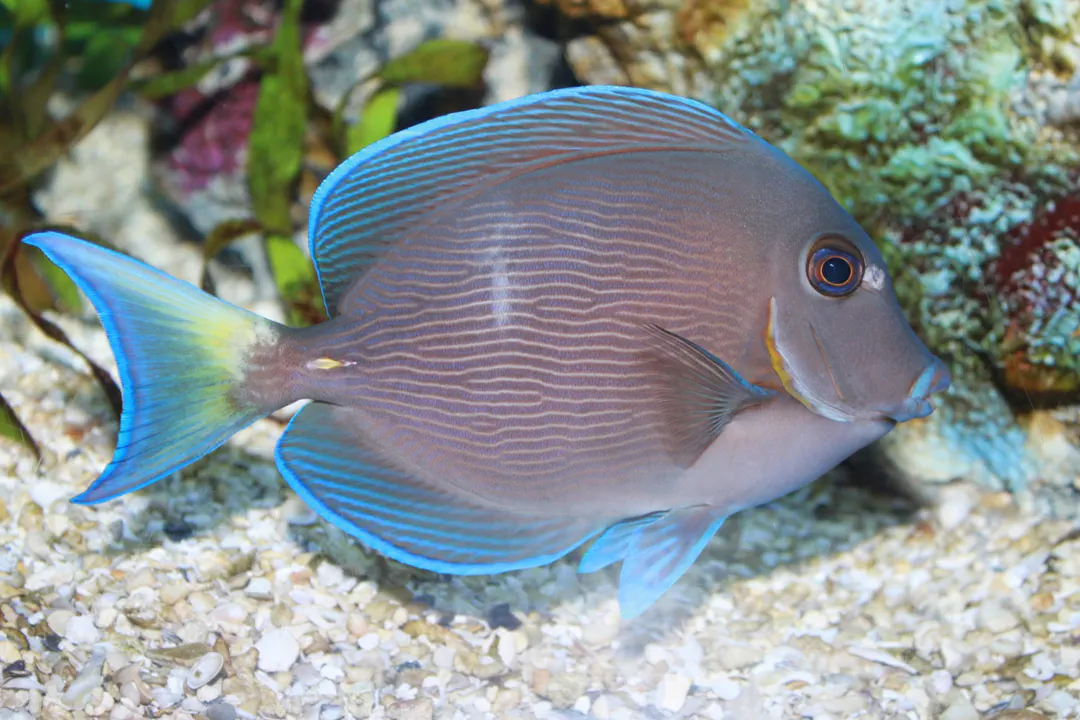
Surrounding the statue, low-relief spur-and-groove formations harbour green parrotfish, stoplight parrotfish, blue tangs, and blue-striped grunts. Banded sergeant majors defend egg nests along the pedestal, while small nurse sharks frequently rest beneath nearby brain coral overhangs.
Ocean surge can be noticeable across this shallow plateau during moderate wind, requiring careful fin control. Maintaining neutral buoyancy prevents accidental impact with fragile stony corals, and keeping clear of boat transit channels ensures safety during surfacing.
Depth: 3-8 m. Access: boat, 25 minutes from Key Largo. Level: Open Water / Snorkeller. Best months: May-September.
 © Robin WhiteCC BY 4.0 · iNaturalist
  © Brian GratwickeCC BY 4.0 · iNaturalist
 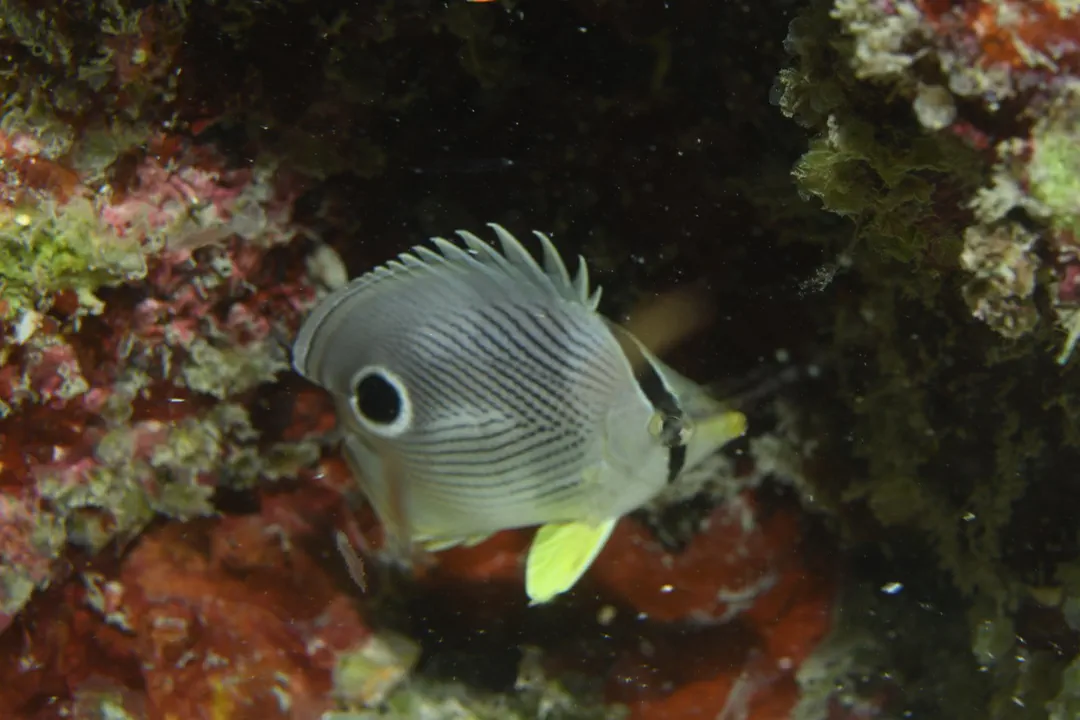 © Robin WhiteCC BY 4.0 · iNaturalist
 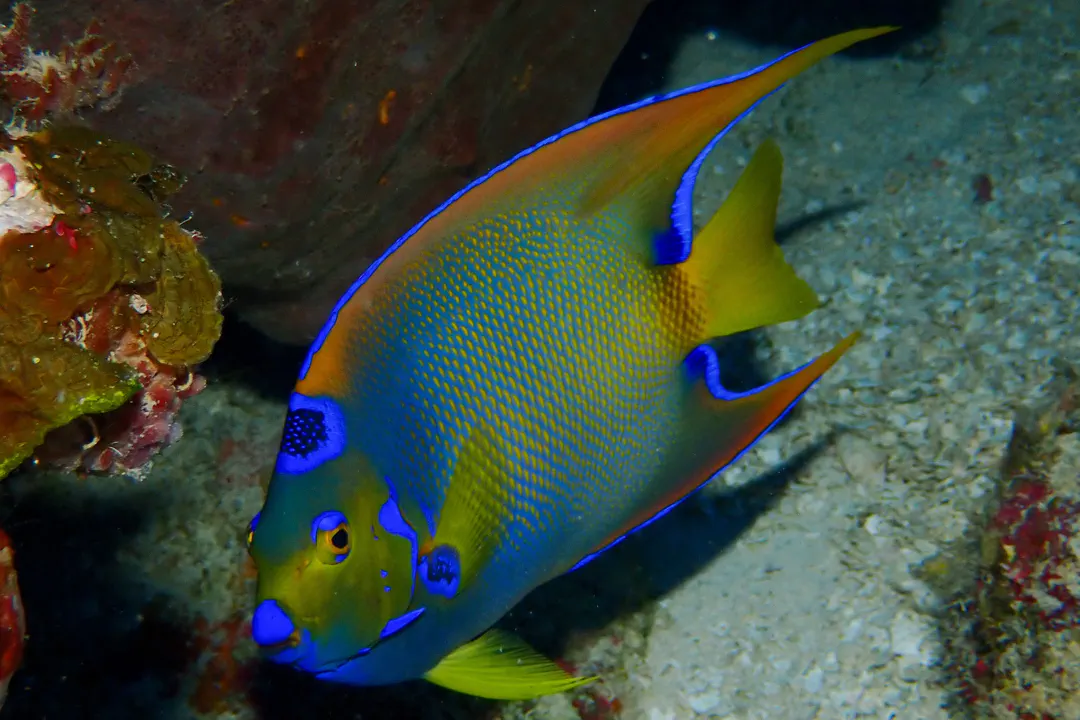 © Dan SchofieldCC BY 4.0 · iNaturalist
 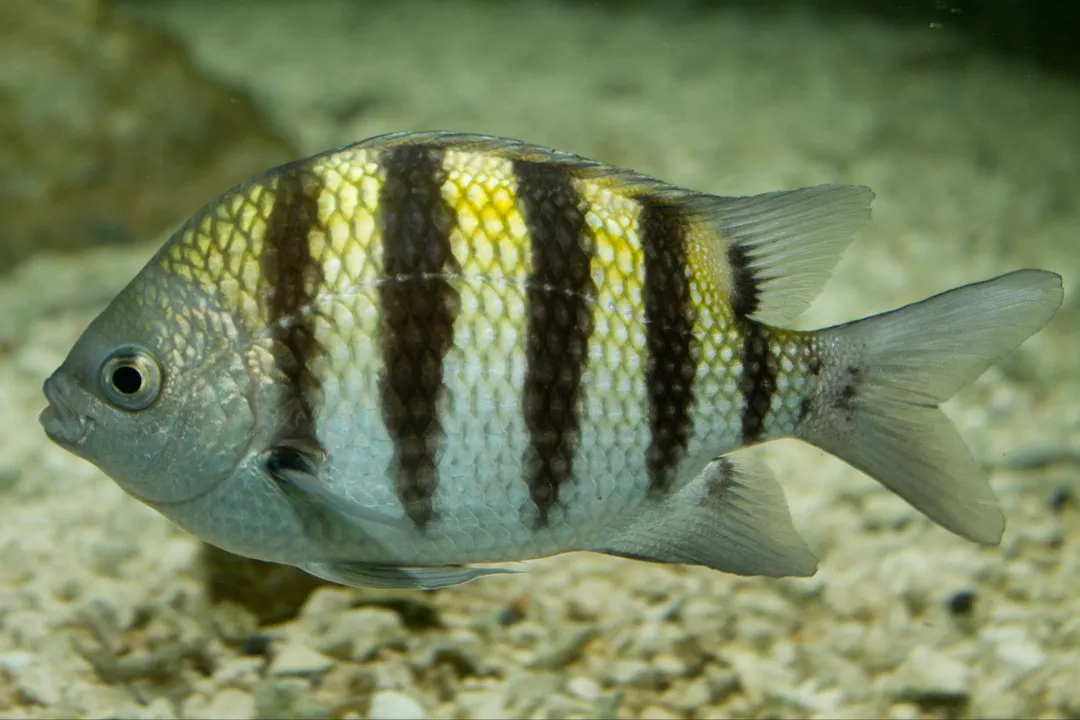 © Brian GratwickeCC BY 4.0 · iNaturalist
 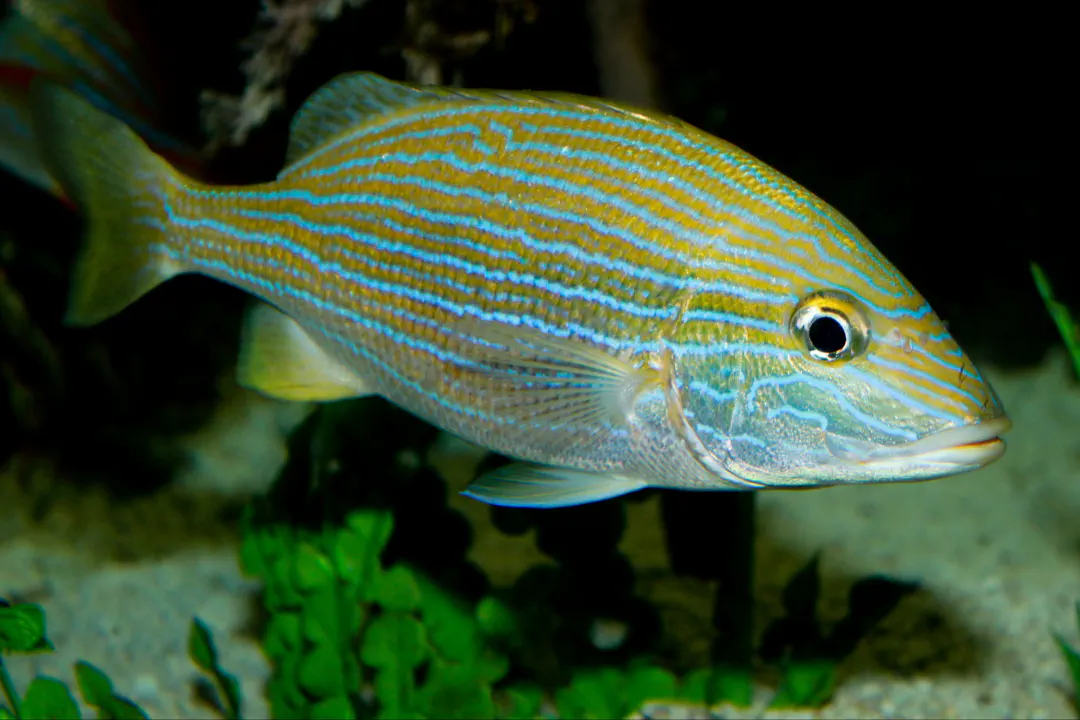 © Brian GratwickeCC BY 4.0 · iNaturalist
 Molasses Reef (Key Largo)
Situated offshore southeast of Key Largo, Molasses Reef is an expansive spur-and-groove coral system with high-profile ledges, deep sand channels, and individual coral heads. Depths range from 3 meters on the shallow reef top down to 18 meters along the outer drop-off. Gentle to moderate currents push oceanic water through the sand grooves, feeding soft corals and sea fans.
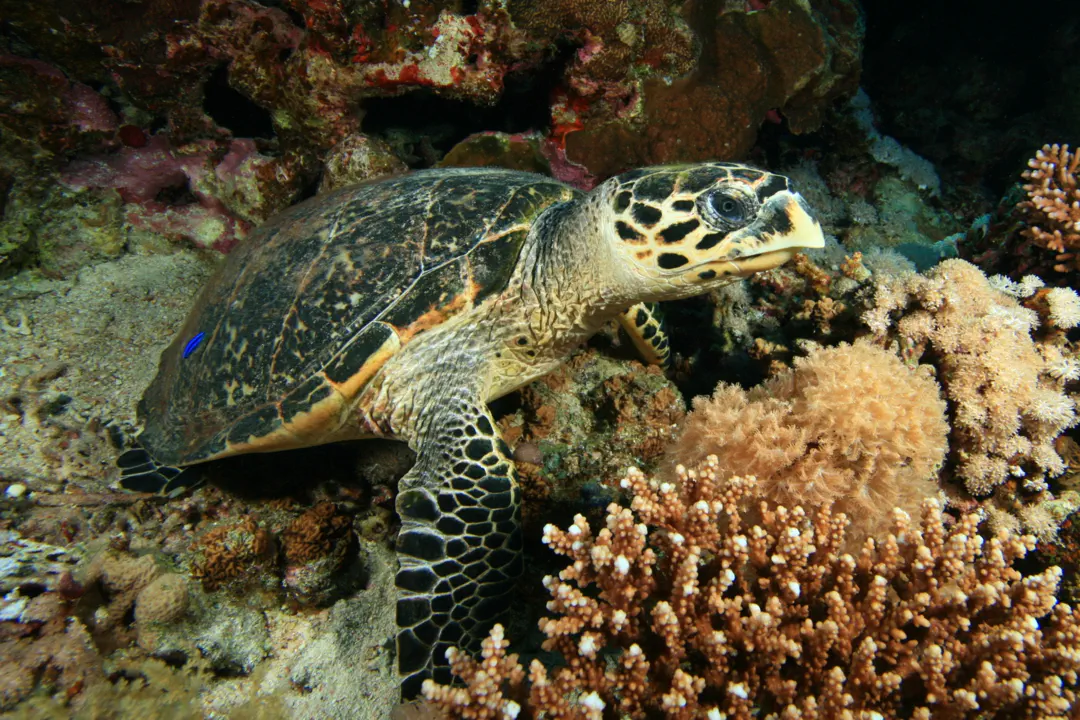
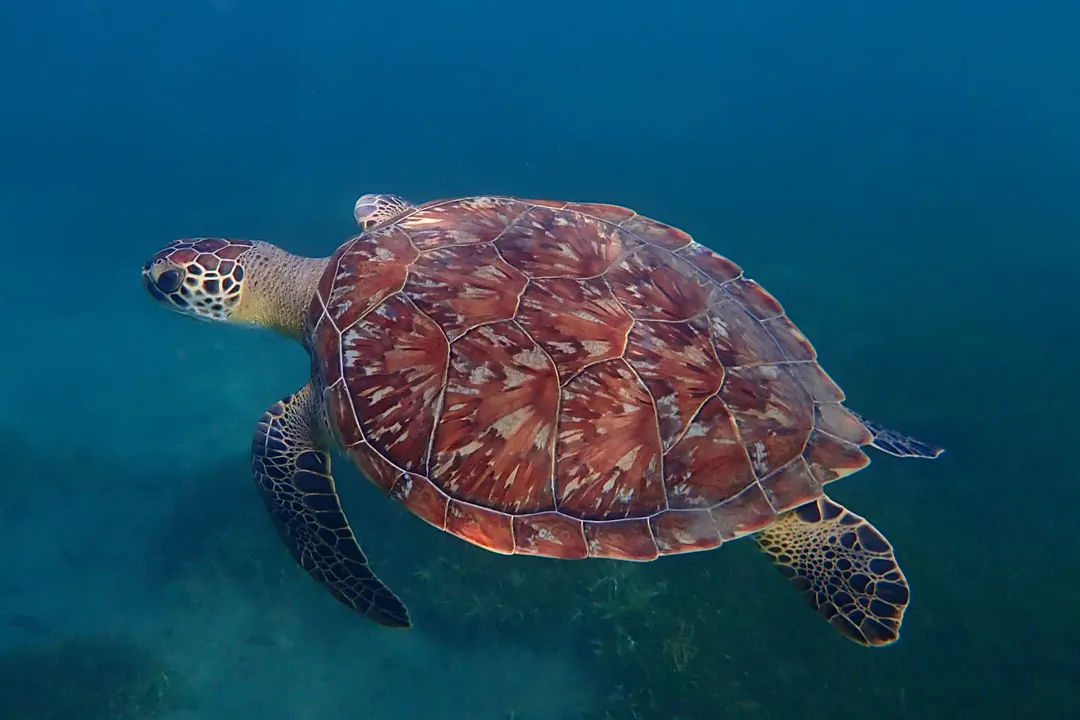
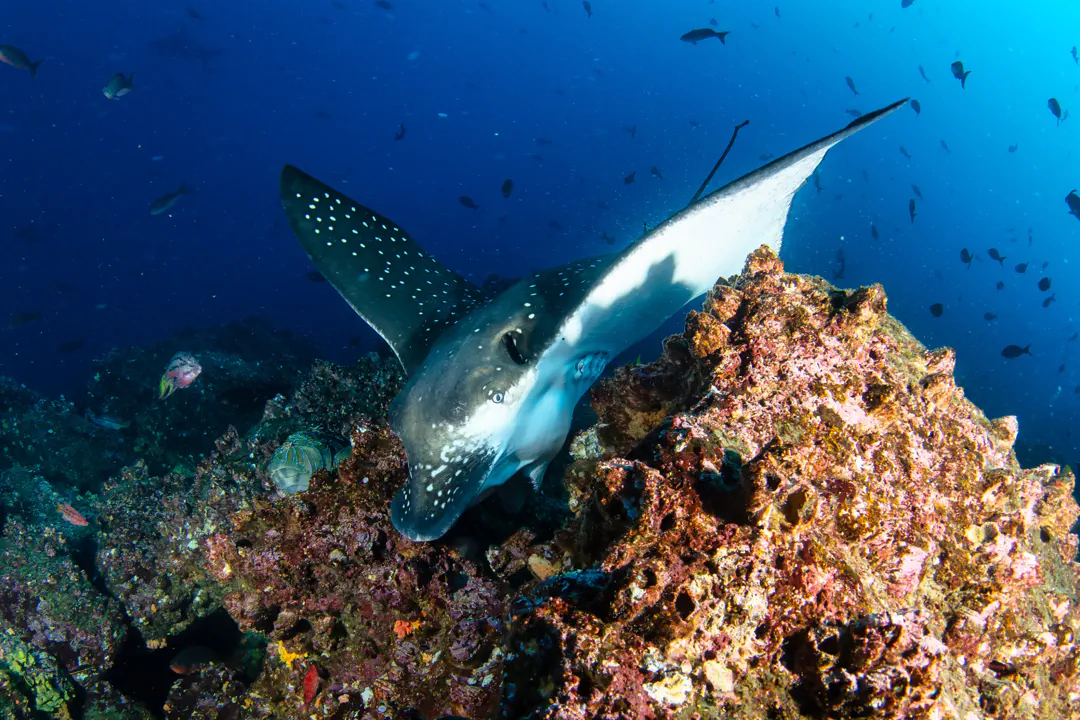
Hawksbill sea turtles graze on encrusting sponges along the groove edges, while green sea turtles rest on sandy bottoms in the shade of coral overhangs. Spotted eagle rays glide through the channels in small groups, and schools of midnight parrotfish and black grouper move through the deeper coral passages.
Navigating Molasses Reef is straightforward, as the clear sand channels provide natural highways between the coral spurs. Photographers should maintain tight streamlined gear to avoid contacting living fire coral while framing reef fish against the blue background.
Depth: 3-18 m. Access: boat, 30 minutes from Key Largo. Level: Open Water. Best months: May-September.
 © Matteo BellucciCC BY 4.0 · iNaturalist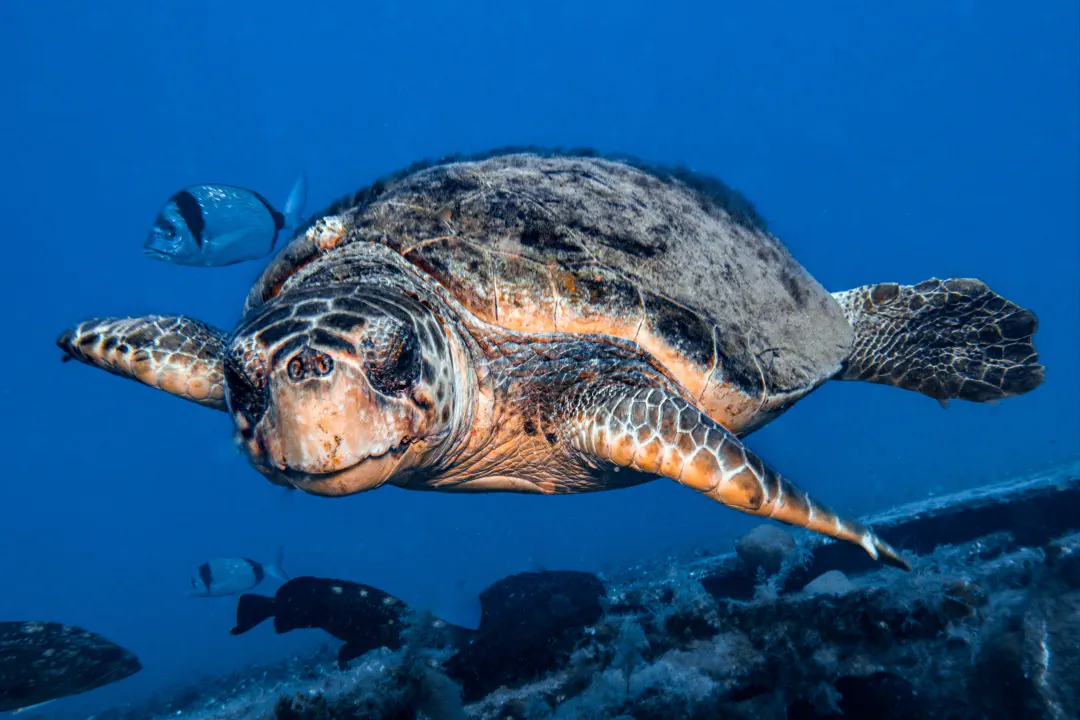
Thunderbolt Wreck (Marathon)
Sunk intentionally in 1986 four miles south of Marathon, the Thunderbolt is a 58-meter research and cable-laying ship resting upright on a smooth sand bottom at 37 meters. The wheelhouse top reaches up to 23 meters, presenting a striking silhouette in clear water. Deep currents frequently run across the open deck, bringing baitfish and large marine life to the steel structure.
Multiple resident goliath groupers inhabit the shaded open hold and stern wheelhouse, each weighing well over 150 kilograms. Greater amberjacks and schools of yellowtail snapper sweep around the mast, while cobia and spotted eagle rays frequently pass overhead in the open water.
Due to the depth and potential for swift flow, divers require deep wreck training and precise gas calculation. External navigation provides excellent views of the vessel's complete profile without entering overhead environments.
Depth: 23-37 m. Access: boat, 20 minutes from Marathon. Level: Advanced Open Water. Best months: May-September.
Sombrero Reef (Marathon)
Marked by an 1858 skeletal iron lighthouse, Sombrero Reef is a 30-acre protected sanctuary site off Marathon. The reef features coral arches, swim-through caverns, and spur-and-groove formations in shallow depths between 3 and 10 meters. Clean water flushes across the site, supporting soft coral gardens and encrusting sea fans.
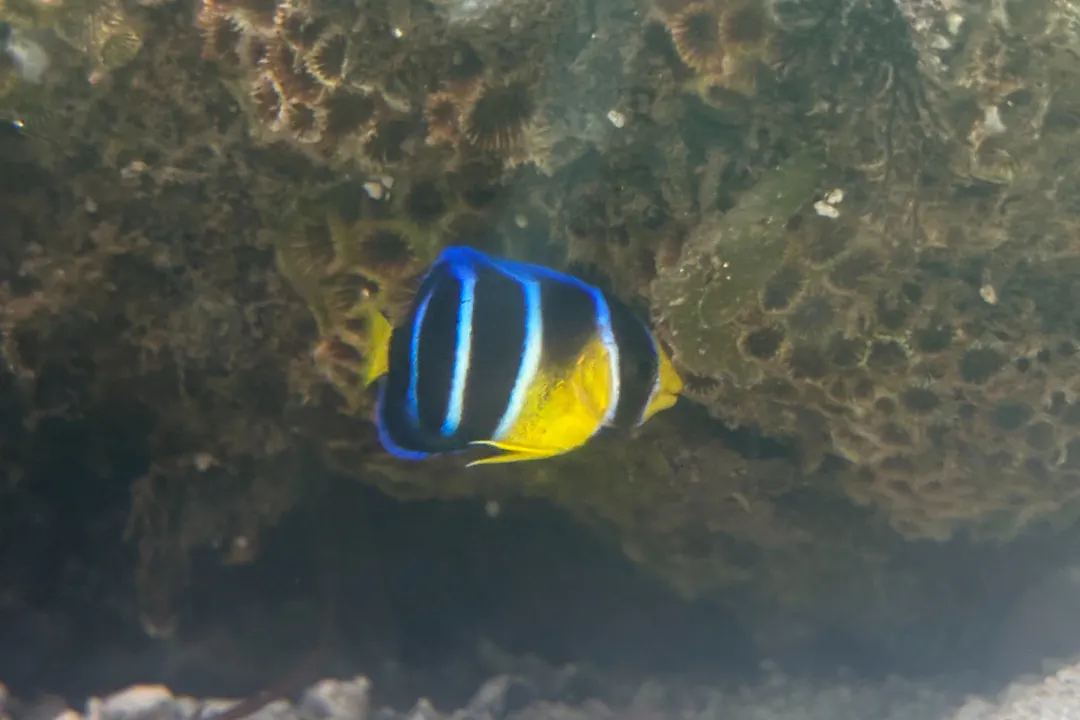
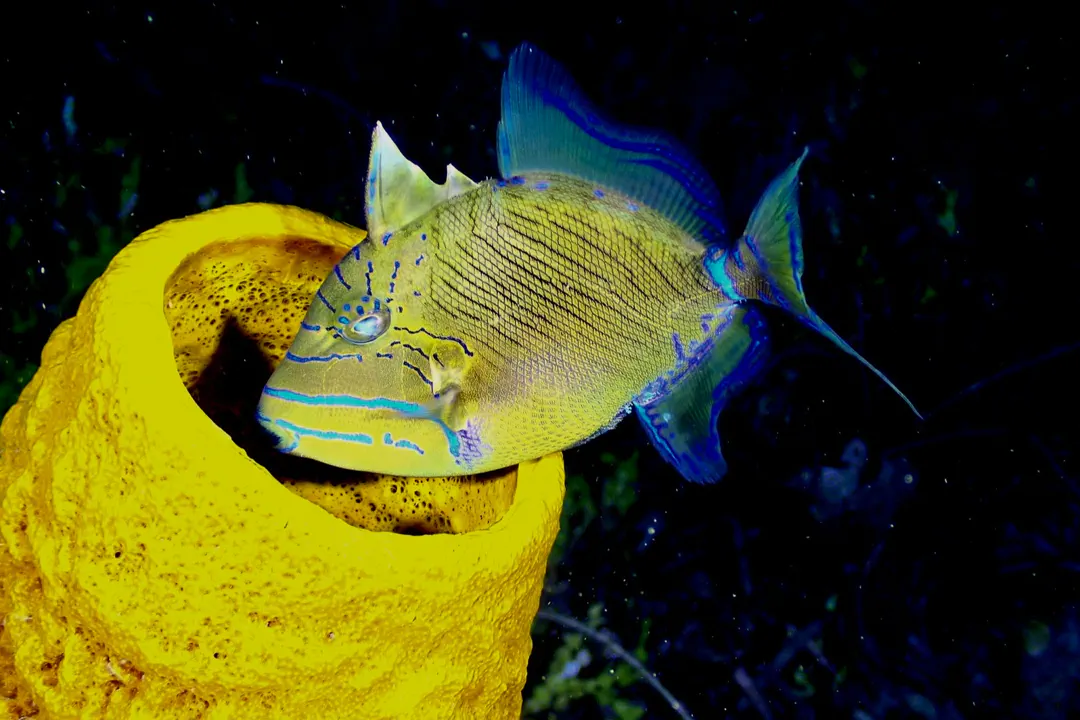
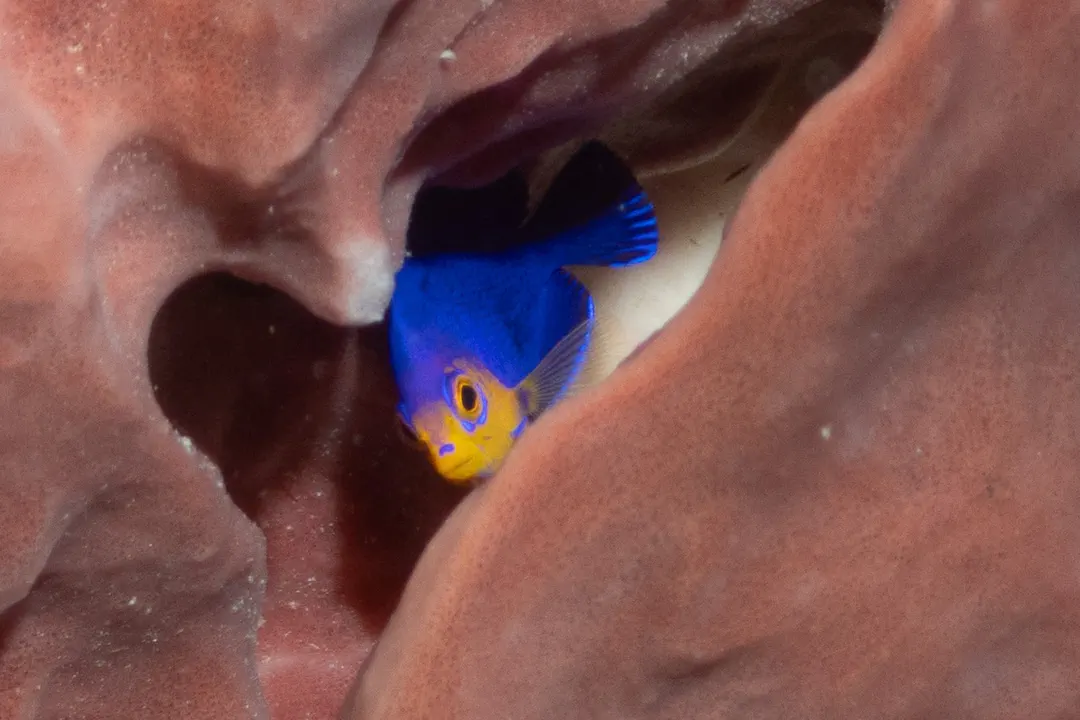
Queen angelfish and blue angelfish cruise through the coral swim-throughs, while blue-striped grunts pack tightly under ledges. Southern stingrays lie buried in the sand patches, and loggerhead sea turtles regularly pass through the shallow gaps between coral heads.
High light levels and shallow depths afford maximum bottom time and clear color rendering for underwater photography. Divers should use mooring lines for descents and avoid touching fragile coral arches while swimming through the overhead passages.
Depth: 3-10 m. Access: boat, 20 minutes from Marathon. Level: Open Water. Best months: May-September.
 © Zakqary RoyCC BY 4.0 · iNaturalist
  © Robin WhiteCC BY 4.0 · iNaturalist
  Justin PhilboisCC0 · iNaturalist
  © cello caruso-turielloCC BY 4.0 · iNaturalist
 USNS General Hoyt S. Vandenberg (Key West)
Resting six miles off Key West in 42 meters of water, the USNS General Hoyt S. Vandenberg is a 160-meter missile-tracking ship sunk in 2009. The vessel's superstructure reaches up to 14 meters beneath the surface, featuring massive satellite dishes, radar towers, and expansive open steel decks.
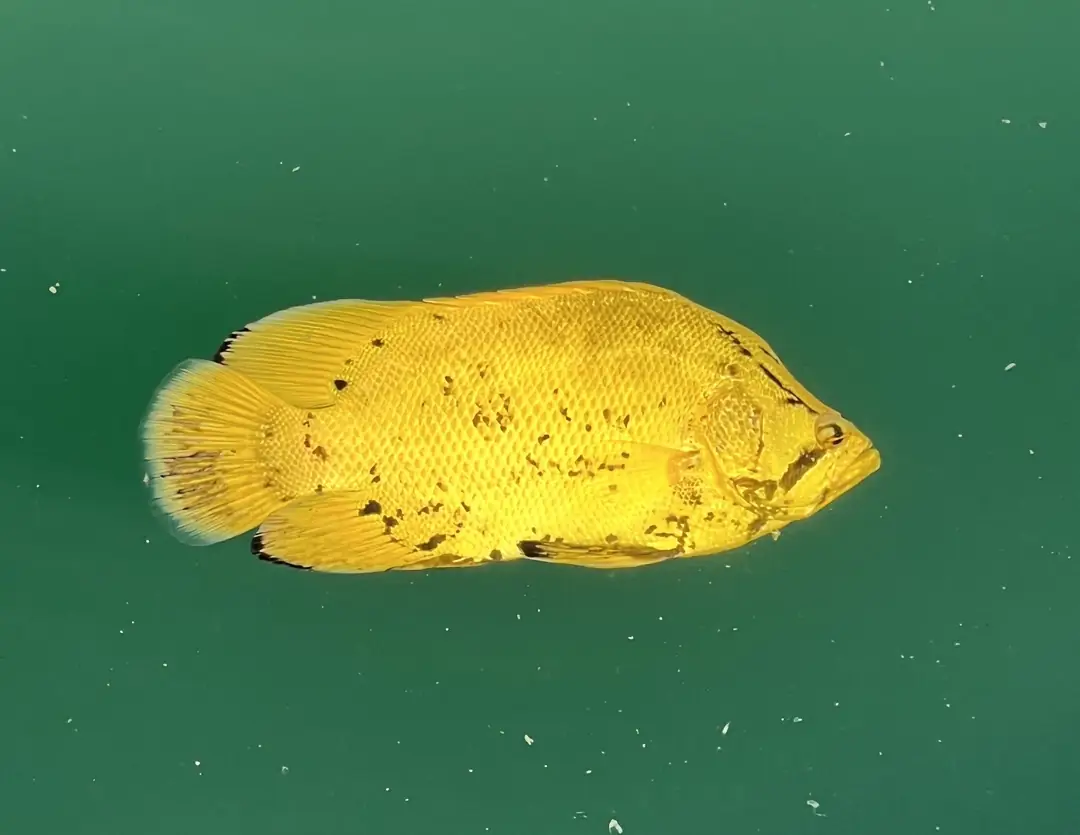
Large pelagic predators frequent the structure, including bull sharks, cobia, and massive schools of crevalle jacks that roll past the communication dishes. Goliath groupers claim the deep shadowed cutouts of the hull, while tripletail and horse-eye jacks shelter along the vertical steel plating.
The Vandenberg requires careful dive planning due to depth, potential nitrogen narcosis, and variable currents. Divers conducting external routes past the giant dishes must monitor bottom time strictly and carry redundant ascent markers for surface pick-up.
Depth: 14-42 m. Access: boat, 30 minutes from Key West. Level: Advanced Open Water. Best months: May-September.
 © Victoria ThaxtonAll rights reserved
  © R VasconcellosCC BY 4.0 · iNaturalist
 Marine Life in the Florida Keys
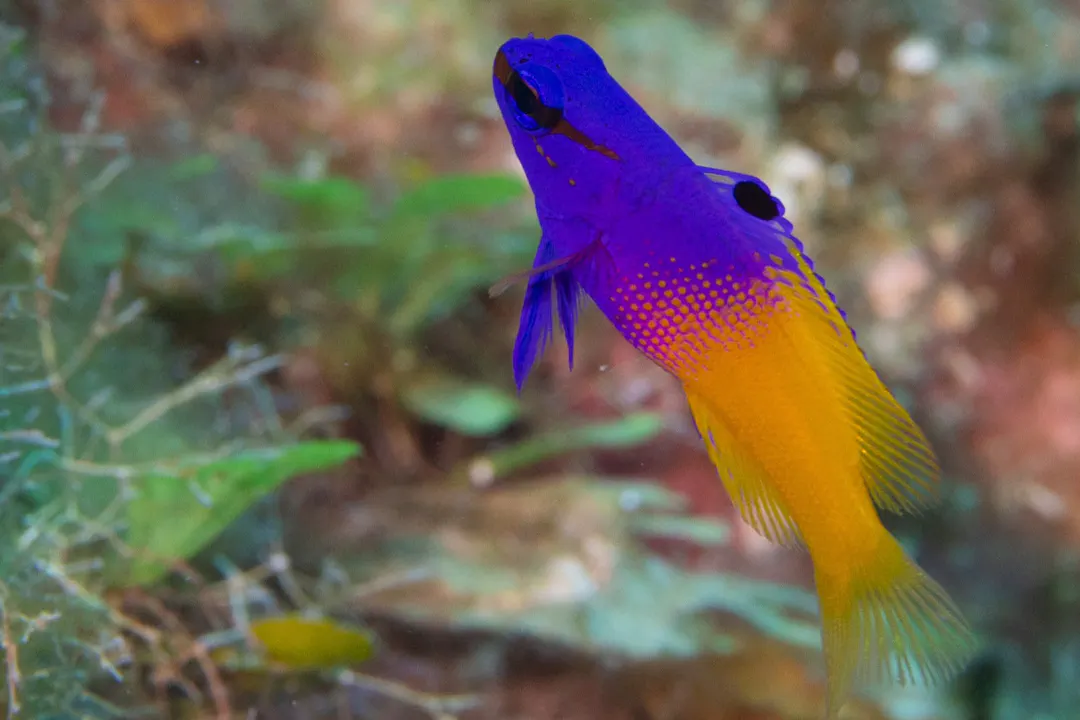
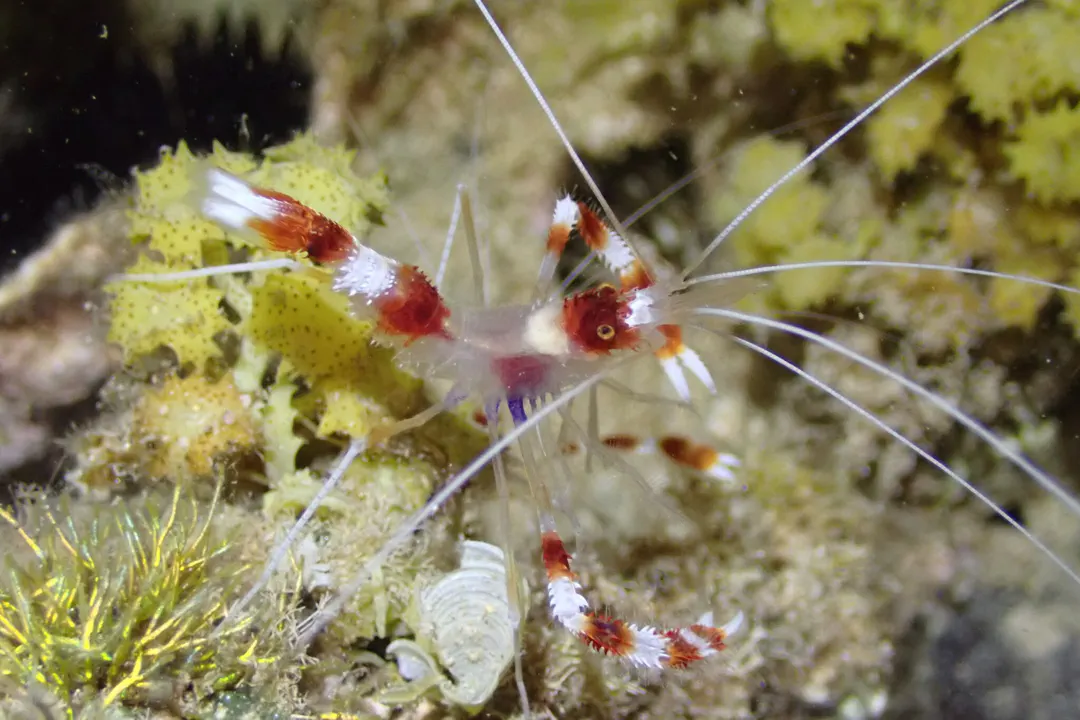
Beyond large wrecks and schooling pelagics, the reef framework across the Florida Keys shelters an intricate array of nocturnal invertebrates and macro life. Caribbean spiny lobsters tuck into deep limestone ledges during the day, extending long antennae into open water. Banded coral shrimp and scarlet cleaner shrimp occupy cleaning stations inside coral crevices, waiting to groom passing reef fish.
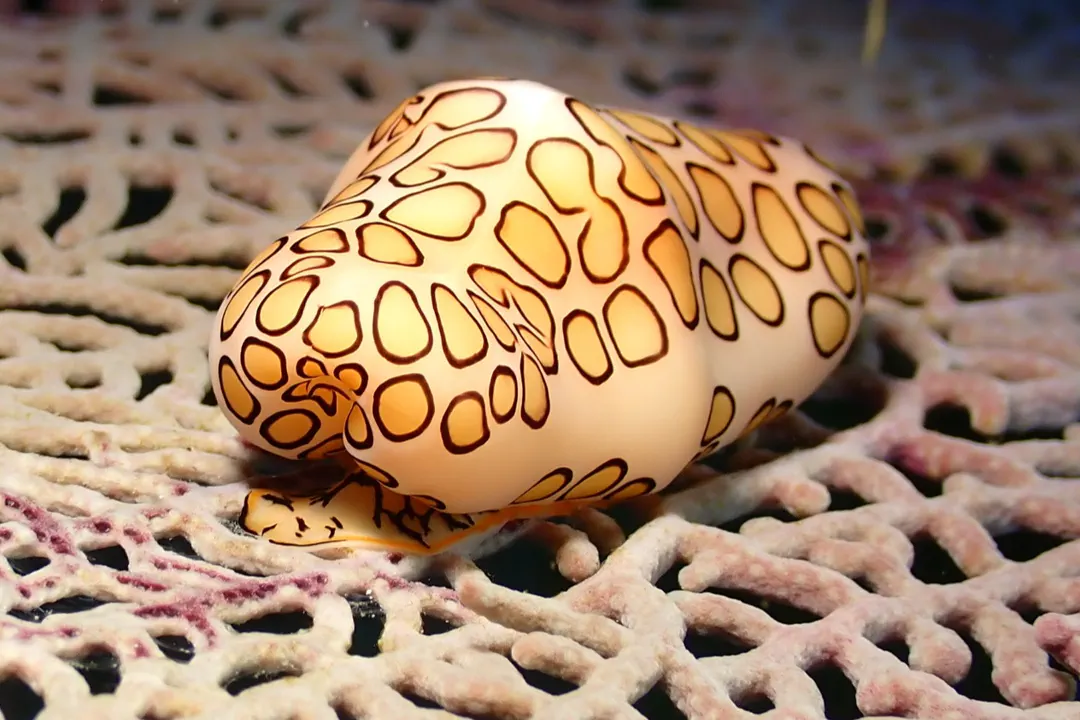
Moray eels are common throughout every key, with green morays resting in deep undercut ledges and chain morays hunting small crabs among shallow coral rubble. Flamingo tongue snails crawl over purple sea fans, feeding on living tissue while displaying brightly patterned mantles. Divers can use the Seabook app on their phones between charters to log sightings and quickly identify unusual reef critters.
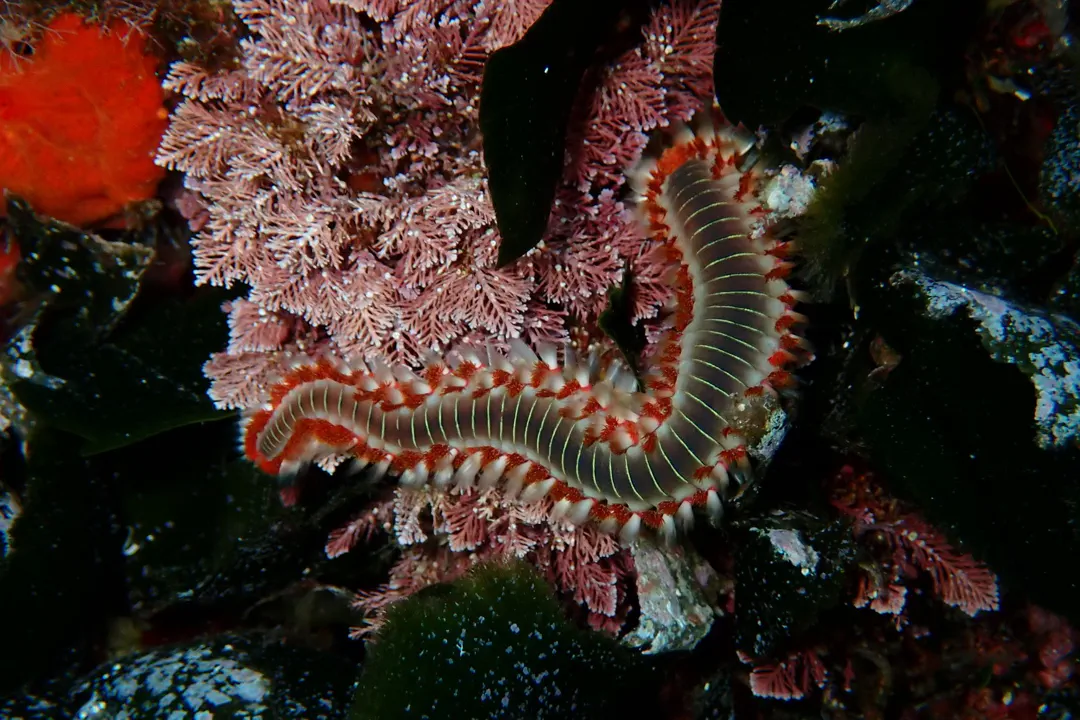
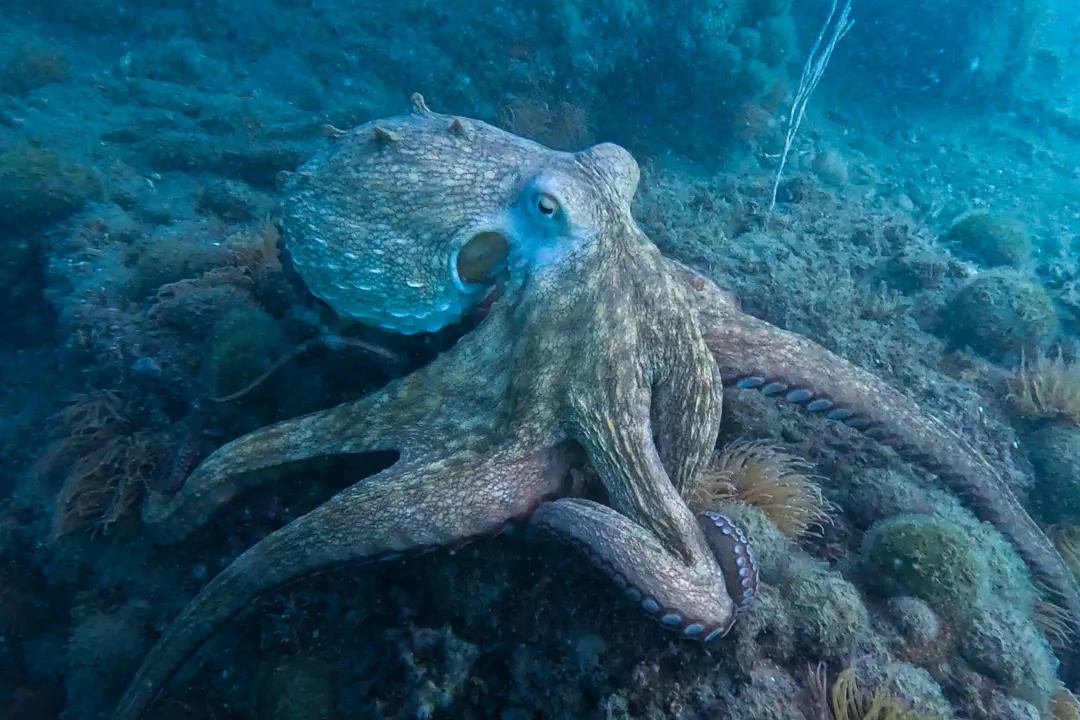
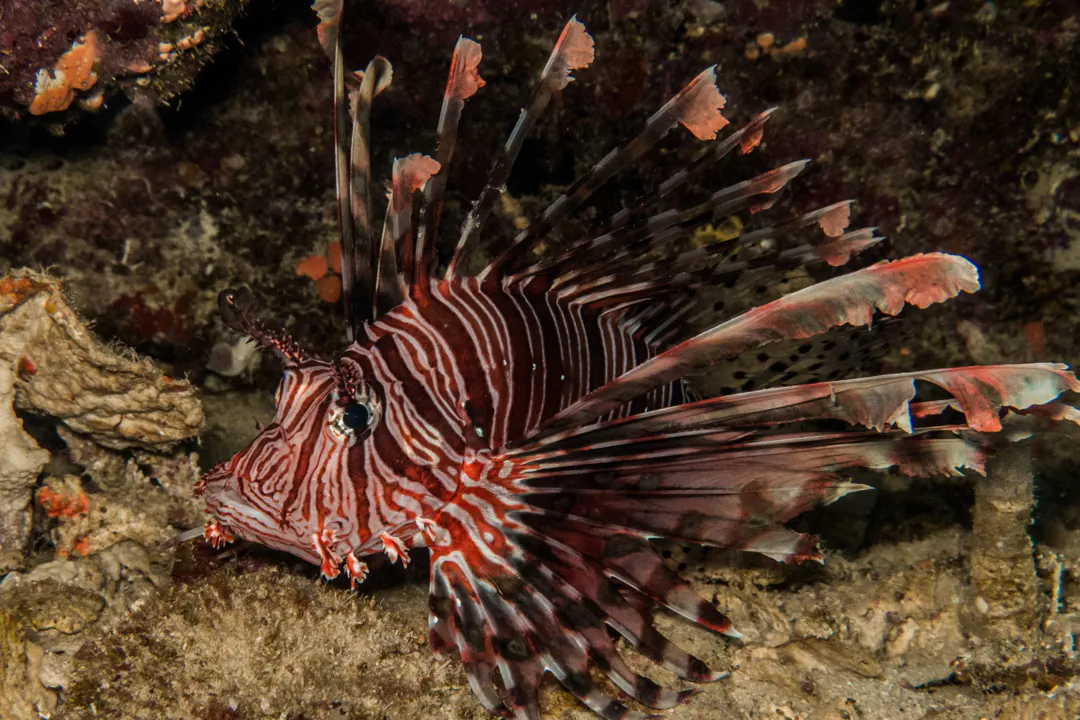
Golden jawfish hover above sandy burrows, quickly dropping tail-first into sand holes when approached. Invasive red lionfish occupy shaded overhangs across both artificial wrecks and natural reefs. Carefully inspecting dark recesses with a dive light reveals hidden octopuses, fireworms, and encrusting cup corals across every island sector.
 © Cricket RaspetCC BY 4.0 · iNaturalist
  © Juraj AhelCC BY 4.0 · iNaturalist
  © Robin WhiteCC BY 4.0 · iNaturalist
  Justin PhilboisCC0 · iNaturalist
  © João D'AndrettaCC BY 4.0 · iNaturalist
 Is the Florida Keys Good for Beginners and Snorkellers?
The Florida Keys is exceptionally well suited for entry-level divers and snorkellers. Dozens of offshore sanctuary reefs sit in less than 10 meters of water, offering gentle conditions with virtually no overhead hazards. Protected areas such as John Pennekamp Coral Reef State Park in Key Largo provide calm, shallow reef access ideal for initial open-water training dives or casual family snorkelling.
Local operators cater heavily to novice divers, operating spacious boats equipped with easy stern platforms, sturdy ladders, and dedicated divemasters. Short 20-minute boat rides to shallow sites mean calm surface intervals and minimal risk of motion sickness. Navigation on spur-and-groove reefs is intuitive, as sand channels lead divers cleanly out and back to moored vessels.
Beginners should focus on maintaining neutral buoyancy to protect fragile brain and staghorn corals. Staying slightly elevated above shallow reef crests prevents fin damage to marine life and avoids accidental contact with stinging fire coral hydroids.
Getting There and Practical Tips
Traveling to the Florida Keys usually begins with a flight into Miami International Airport or Fort Lauderdale-Hollywood International Airport, followed by a drive south along US-1. Driving the Overseas Highway takes approximately two hours to Key Largo and four hours to Key West. Direct flights are also available into Key West International Airport for those focusing on lower keys wreck diving.
A 3mm to 5mm wetsuit, surface marker buoy, dive compass, and reef-safe sunscreen cover most seasonal diving needs. Under Monroe County guidance, Florida law strictly requires displaying a Divers-Down flag measuring at least 20 by 24 inches on boats, or 12 by 12 inches on towed floats, with divers staying within 300 feet of their flag in open water.
Conservation regulations strictly protect all marine life inside the Florida Keys National Marine Sanctuary. Anchoring on living coral is illegal, so divers and boat captains must utilize permanent mooring buoys at all dive sites. Respecting sanctuary rules ensures these historic wrecks and shallow reefs remain protected for future generations.
Questions
Are there sharks in the Florida Keys?
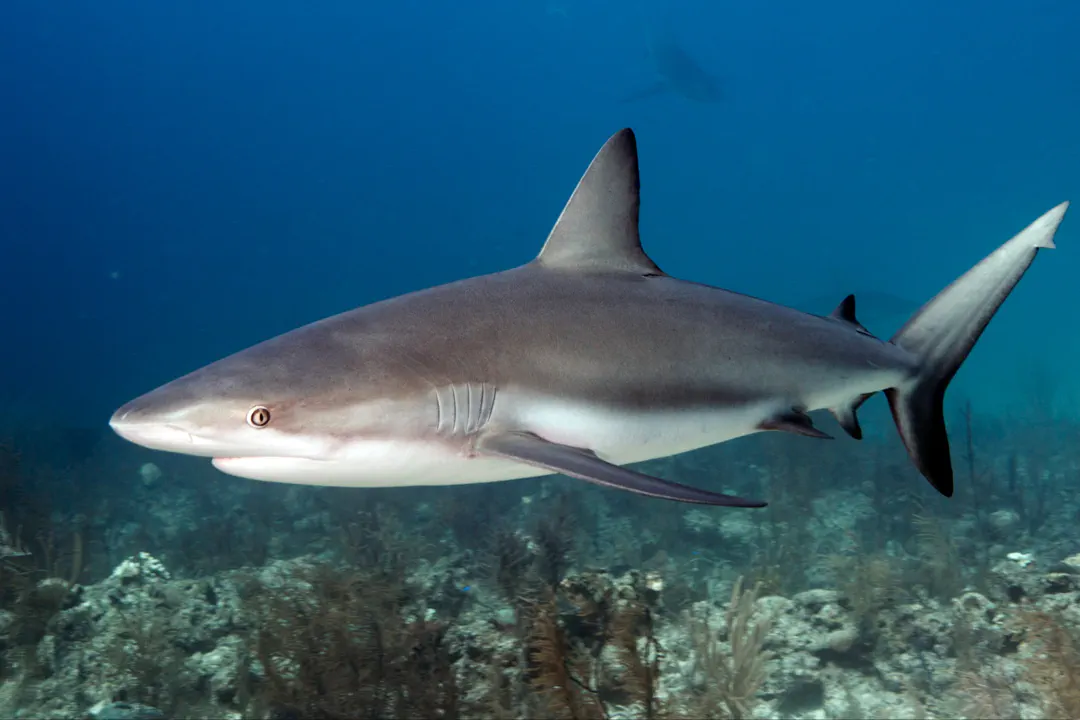
Yes. Nurse sharks, Caribbean reef sharks, bull sharks, blacktip sharks, lemon sharks, and occasional hammerheads occur in Florida Keys waters. Sightings depend on site, season, and visibility. Divers should never feed, touch, pursue, or corner a shark, and should leave the water if an animal behaves unusually persistently.
Is it dangerous to swim in the Florida Keys?
Swimming and diving are generally safe when people account for boat traffic, weather, currents, depth, and marine hazards. Use a buddy system, display the required divers-down flag, stay out of marked channels, avoid touching fire coral and lionfish, and follow conservative limits on deep wrecks.
What fish can you see in the Florida Keys?
Typical reef fish include parrotfish, blue tangs, angelfish, grunts, snappers, damselfish, wrasses, barracuda, jacks, and groupers. Larger wrecks and offshore reefs may also attract goliath grouper, amberjack, cobia, eagle rays, and nurse sharks.
Can you see turtles in the Florida Keys?
Green, loggerhead, and hawksbill turtles occur in the Florida Keys. Green turtles often use seagrass and shallow reef habitat, hawksbills forage among reef sponges and corals, and loggerheads feed over reefs and sand. Observe every turtle without chasing, touching, or blocking its path.
How warm is the water in the Florida Keys in summer?
Summer water temperatures commonly range from 28°C to 30°C, with shallow areas occasionally approaching 31°C during calm weather. Many divers use a 3 mm full suit, shorty, or dive skin, but wind and repeated dives can justify thicker exposure protection.
Do I need an advanced certification to dive the Florida Keys?
No. Many shallow reefs in approximately 5 to 18 meters of water are suitable for Open Water divers when conditions match their training. Deep wrecks like the Duane, Thunderbolt, and Vandenberg reach roughly 36 to 42 meters at the seabed and require deep-wreck training, equipment, and gas planning.
Sources
- Habitat Matters: Coral and Coral Reefs - NOAA Fisheries · 2021-06-01
- Our Florida Reefs: Media Fact Sheet · 2025-07-22
- Habitats - Florida Keys National Marine Sanctuary - NOAA · 2026-10-06
- The Sanctuary - Florida Keys National Marine Sanctuary - NOAA · 2026-10-02
- Shipwreck Trail | National Marine Sanctuaries · 2026-10-04
- NOAA and Partners Respond to Ongoing Outbreak of Coral Disease ... · 2019-07-24