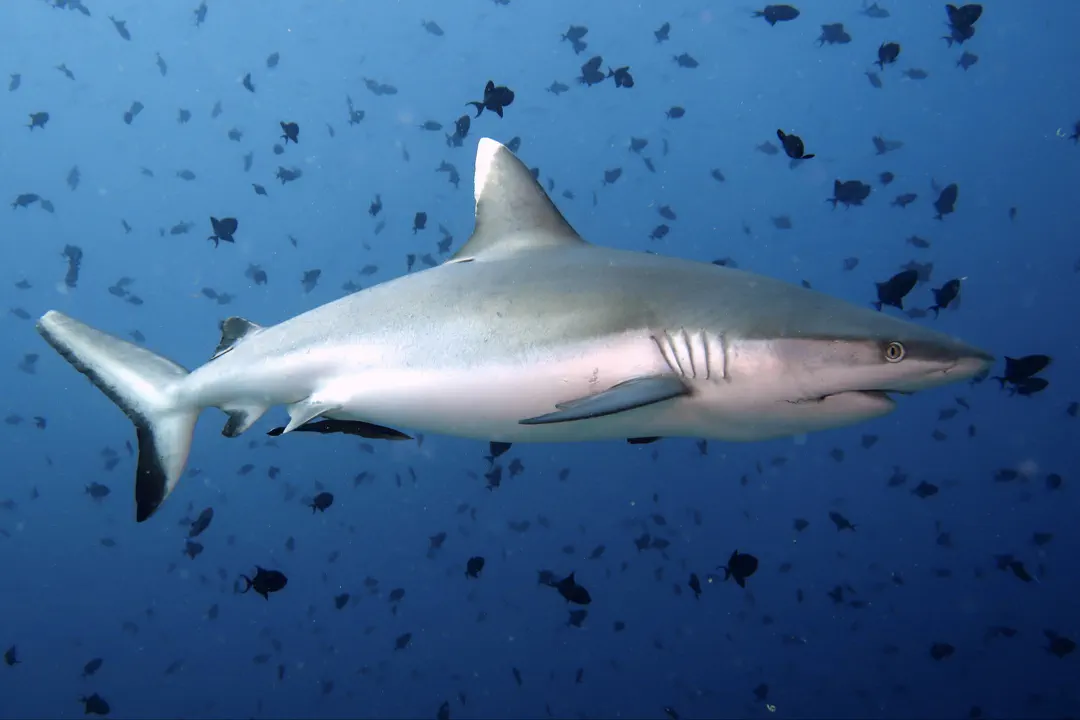
At a depth of eighteen meters at Castle Rock in Komodo National Park, a three-knot tidal flow surges over a submerged volcanic pinnacle. Sunlight cuts through clear water, illuminating a dozen grey reef sharks suspended in the oncoming current while giant trevallies dart into swirling schools of goldband fusiliers. Below, whitetip reef sharks rest on ledges of hard coral as the tide forces nutrient-dense seawater past the reef edge.
Scuba diving in Indonesia spans an equatorial archipelago stretching roughly 5,000 kilometers from Sumatra to West Papua. Conditions change noticeably between regions, but water temperatures across the nation generally range from 22°C during seasonal upwellings in the south to 30°C in northern tropical bays. Visibility varies from 10 meters on silted muck slopes to more than 30 meters along deep offshore drop-offs, with the driest overall diving conditions running from May to October in southern areas and October to April in eastern provinces.
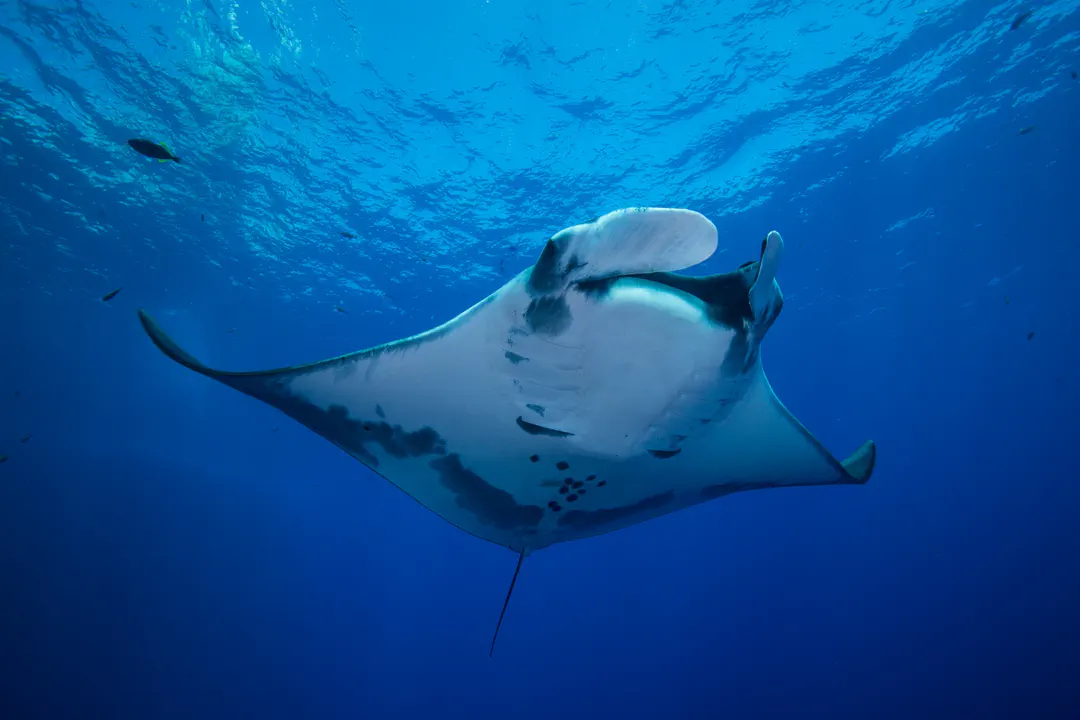
Key dive locations highlight the country's geographical range, including the ocean sunfish cleanings at Crystal Bay, the high fish density at Cape Kri, current-swept pinnacles at Castle Rock, shallow shore access at the USAT Liberty wreck, and cryptic macro fauna along the volcanic slopes of Hairball. These sites host signature marine species such as reef manta rays, wobbegong sharks, pygmy seahorses, and green sea turtles. Entry-level sites near Bali and the Gili Islands accommodate beginner divers, while current-exposed channels in Komodo and Nusa Penida demand confident buoyancy control.
What Is Diving in Indonesia Like?
Indonesia occupies the central core of the Coral Triangle, an equatorial marine zone covering six million square kilometers across Southeast Asia and the western Pacific. According to data from the Coral Triangle Atlas, this region harbors approximately 76 percent of all described coral species globally, amounting to 605 distinct coral species out of 798 known worldwide. The physical marine territory includes roughly 19,805 square kilometers of coral reefs and over 29,631 square kilometers of protective mangrove forests.
Data published by the World Wide Fund for Nature notes that these waters support at least 2,228 species of reef fish alongside six of the world's seven marine turtle species. The country profile from the Coral Triangle Atlas further highlights that the Bird's Head Peninsula in Raja Ampat alone supports approximately 574 coral species. This concentration of marine life creates underwater environments that shift from fringing hard-coral gardens to sheer drop-offs, quiet sheltered bays, and black volcanic sand slopes.
Underwater topography is shaped by complex inter-island channels where water exchanges between the Pacific Ocean and the Indian Ocean. Strong tidal flow carries nutrients directly onto outer reef faces, nourishing vast soft coral colonies and attracting large pelagic predators. Divers encounter varied marine ecosystems within single island chains, ranging from shallow mangrove nurseries to current-swept offshore pinnacles.
Best Time to Dive in Indonesia
Because the archipelago extends across multiple climate zones, there is no single nationwide diving season. Local wind patterns, rainfall, and sea states dictate optimal periods for specific island groups. Planning a trip requires matching your chosen region with its specific weather cycle rather than relying on country-wide forecasts.
The southern island chain, including Bali, Lombok, and Komodo, experiences its driest weather and calmest seas from May through October during the southeast monsoon. Komodo liveaboards operate heavily during these months, taking advantage of predictable winds and clear conditions in the northern park sites. However, deep upwellings in southern Komodo during this time bring water temperatures down significantly.
Conversely, eastern regions like Raja Ampat in West Papua enter their primary diving season from October through April. During these months, northern winds drop, resulting in flat sea conditions across the Dampier Strait and smooth boat crossings to outer islands. Regions such as Lembeh Strait and North Sulawesi offer sheltered conditions that permit diving throughout the calendar year.
Indonesia Water Temperature by Month
Water temperatures in Indonesia generally average between 22°C and 30°C depending on latitude, depth, and oceanic currents. Northern tropical regions like Raja Ampat, Lembeh, and Bunaken maintain steady temperatures between 28°C and 30°C year-round. In these northern spots, a 3 mm wetsuit or rashguard provides sufficient thermal protection for multiple daily dives.
In contrast, southern locations such as Nusa Penida, Bali, and Komodo experience pronounced seasonal upwellings. Cold currents rising from deep ocean trenches can push bottom temperatures down to 22–24°C between July and October. Thermoclines are common in these channels, where water temperature can drop four or five degrees over a vertical distance of just two meters.
Visibility across the country typically ranges from 10 to 30 meters. Plankton-rich waters in areas like southern Komodo or muck sites in Lembeh may yield visibility under 15 meters, while deep oceanic walls around Raja Ampat regularly exceed 25 meters. Selecting a 5 mm wetsuit or adding a hooded vest ensures comfort when diving cold upwelling zones.
Water temperature
Indonesia, monthly average
Bali (popular diving area like Tulamben and Nusa Penida), typical surface temperatures for scuba diving depths 5-30m
From the community's dive logs
What divers log in Indonesia
From 291 dives logged by 93 Seabook divers. What this group recorded, not a verdict on the destination.
Most-logged marine lifedivers who logged it
 © seabook.appAll rights reserved 14 divers
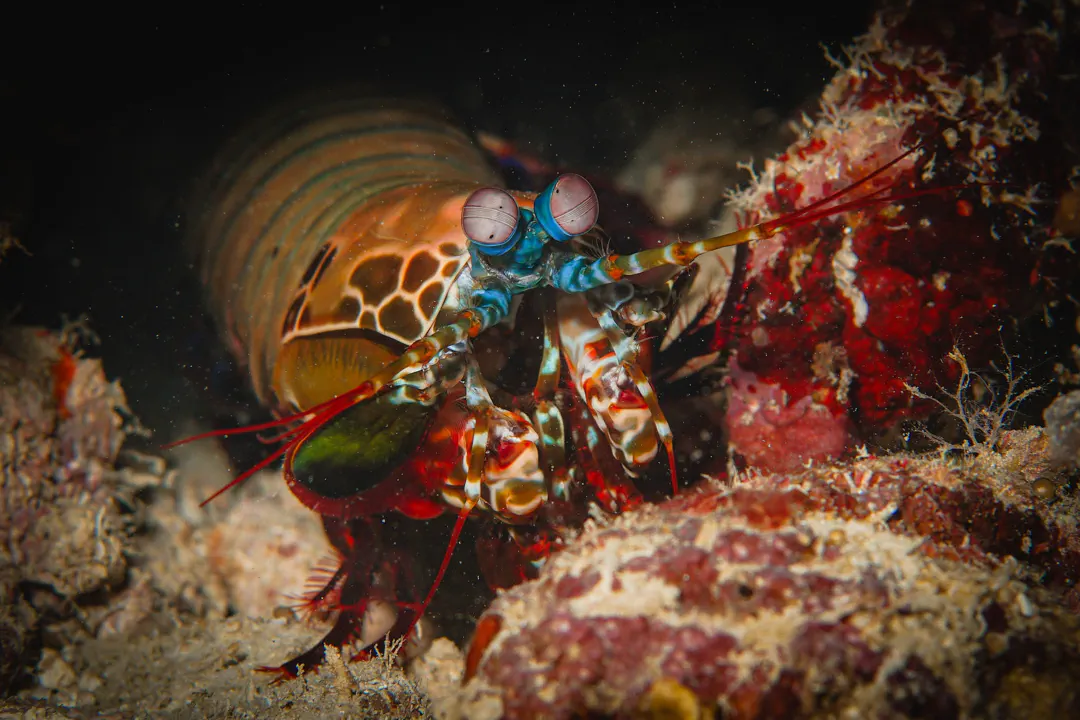
 © seabook.appAll rights reserved 11 divers
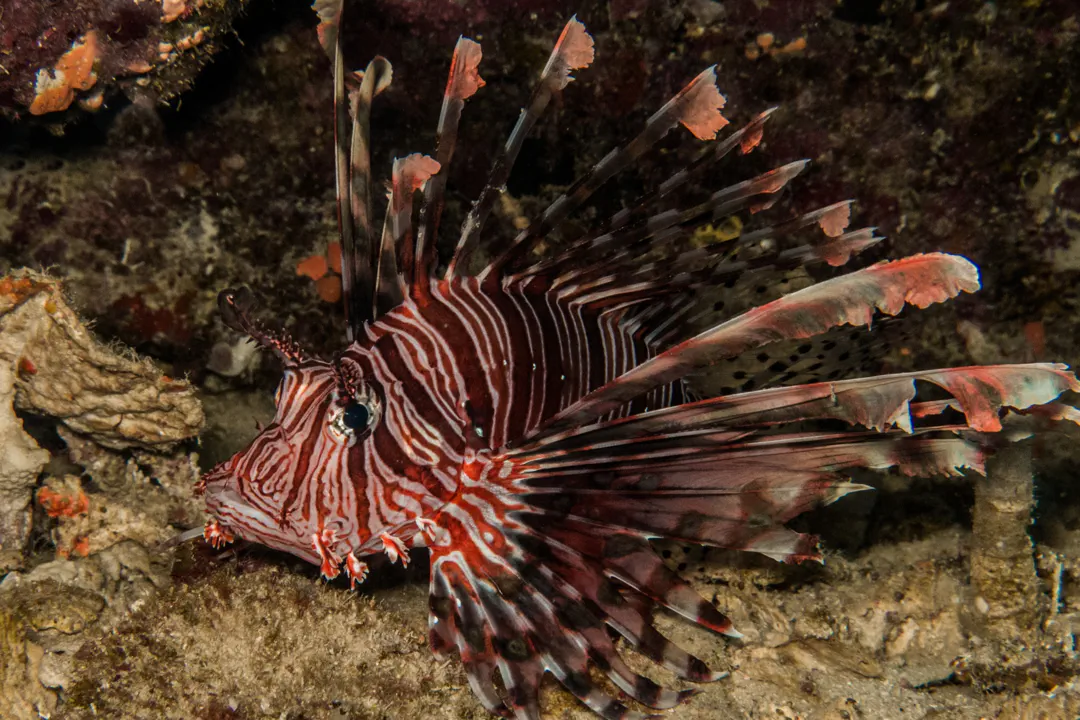
 © Stas KuryanAll rights reserved 10 divers
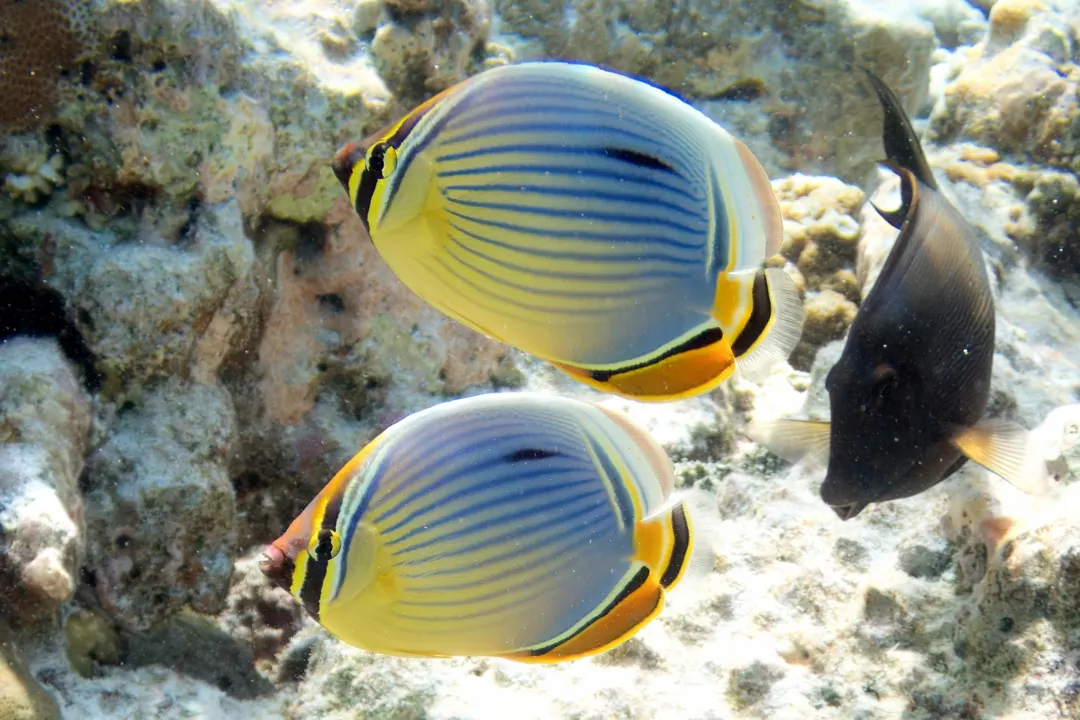
Best Dive Sites in Indonesia
Indonesia's vast marine geography contains thousands of recorded dive sites spread across seventeen thousand islands. The following key locations represent the distinct dive environments, topography, and marine species found across the major island groups.
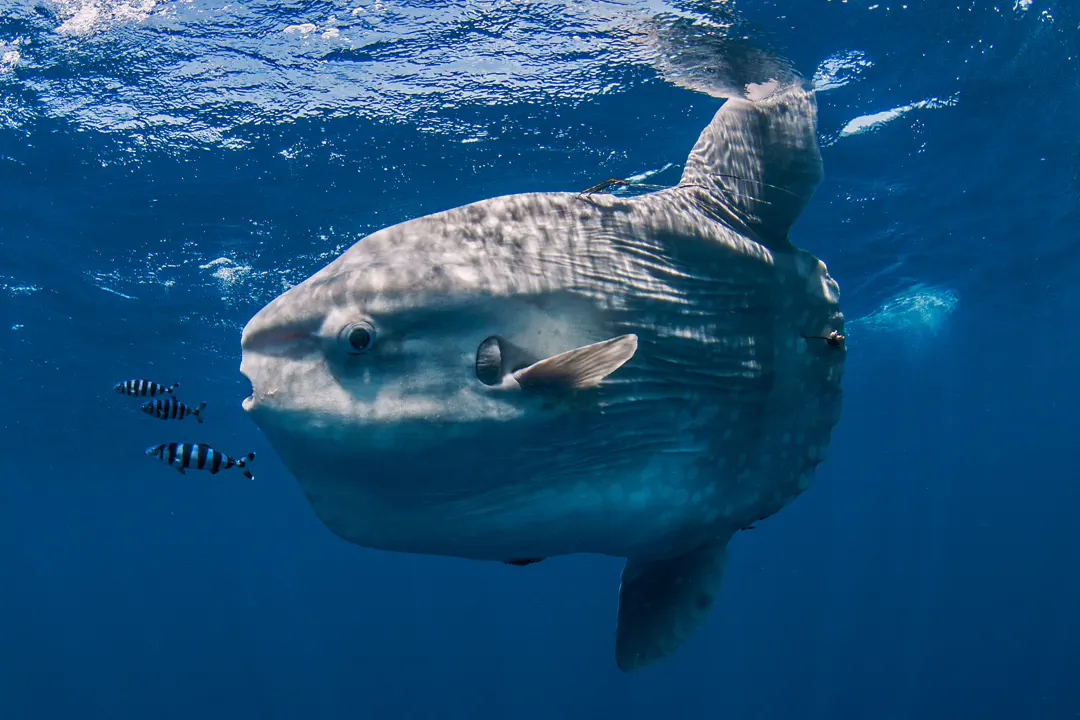
Crystal Bay (Nusa Penida, Bali): Mola mola encounters
Crystal Bay sits inside a sheltered cove on the southwest coast of Nusa Penida, facing the deep ocean channel that separates Nusa Penida from Nusa Ceningan. The center of the bay features a shallow hard-coral garden at six meters that drops steadily toward a deep sandy channel exposed to open ocean currents. Deep oceanic water upwells through this channel, dropping temperatures to 22°C and bringing exceptional clarity.
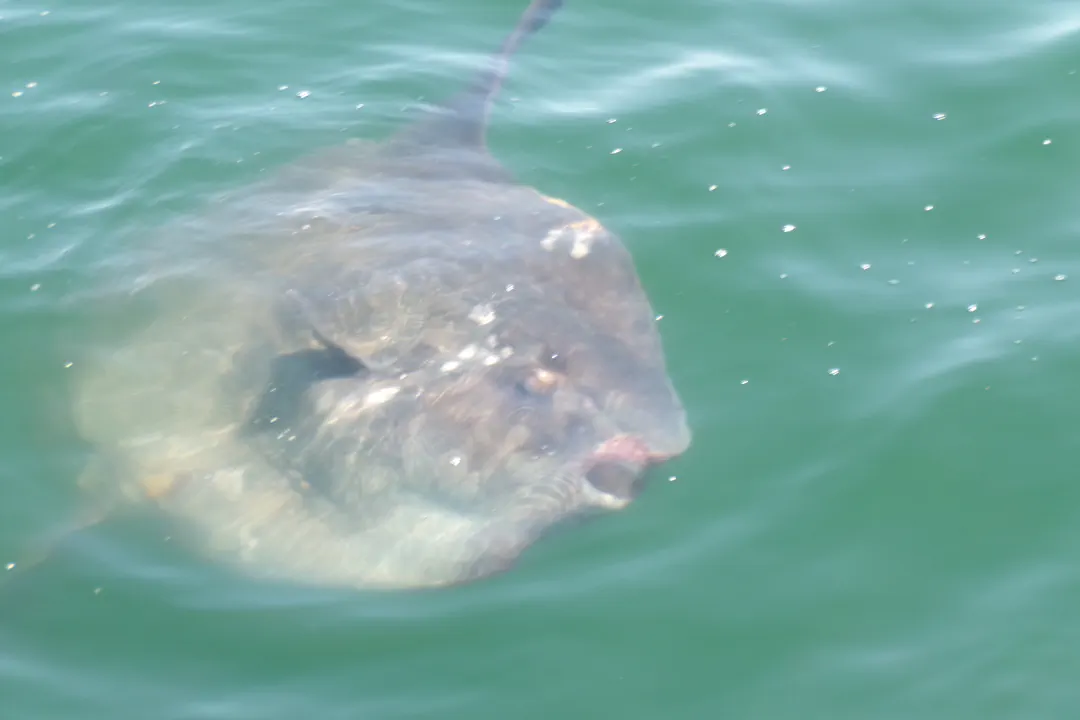
Between July and October, these cool upwellings attract the oceanic sunfish, or Mola mola, up from depths exceeding one hundred meters. These disc-shaped bony fish, often measuring over two meters across, hold stationary in the water column at depths between 18 and 30 meters while bannerfish clean parasites from their skin. Reef manta rays and blacktip reef sharks also frequent the surrounding ledges.
Currents in the outer channel can accelerate rapidly with changing tides, creating strong downcurrents that pull away from the main reef. Divers should remain close to the reef slope, monitor depth gauges continuously, and avoid descending deep into the open channel when sunfish are present.
Depth: 6-30 m. Access: boat, 45 minutes from Sanur or 15 minutes from Toyapakeh. Level: Advanced Open Water. Best months: July-October.
 © seabook.appAll rights reserved © seabook.appAll rights reserved
 © seabook.appAll rights reserved
 © Daniel BenákCC BY 4.0 · iNaturalist © seabook.appAll rights reserved
Cape Kri (Raja Ampat): World record fish species count
Cape Kri marks the eastern tip of Kri Island in the Dampier Strait, where oceanic currents collide with a sloping coral reef face. The site features dense formations of staghorn coral, large sea fans, and soft coral colonies that stretch from five meters down to a sandy floor at thirty-four meters. Water flow across the point supplies continuous nutrients to the entire reef system.
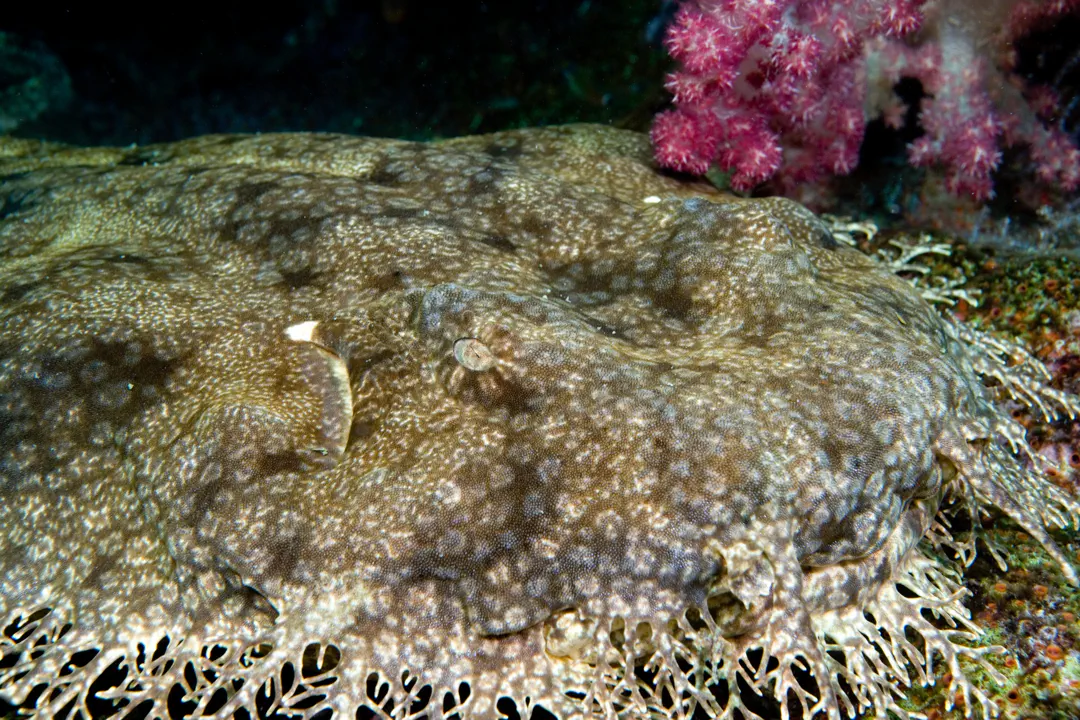
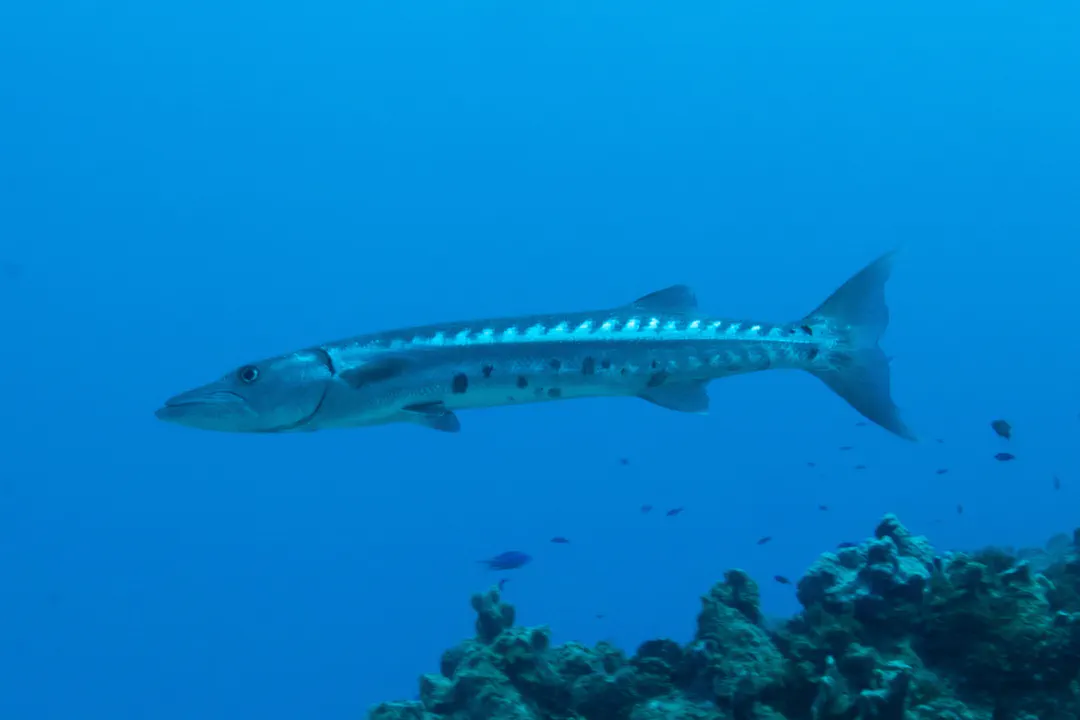
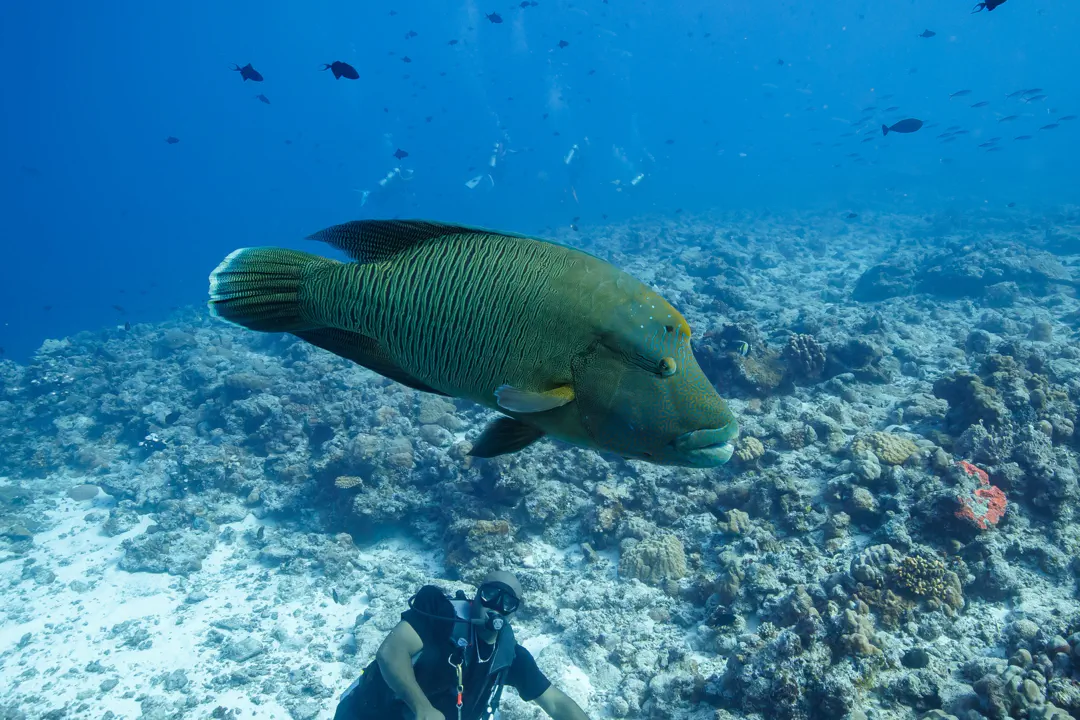
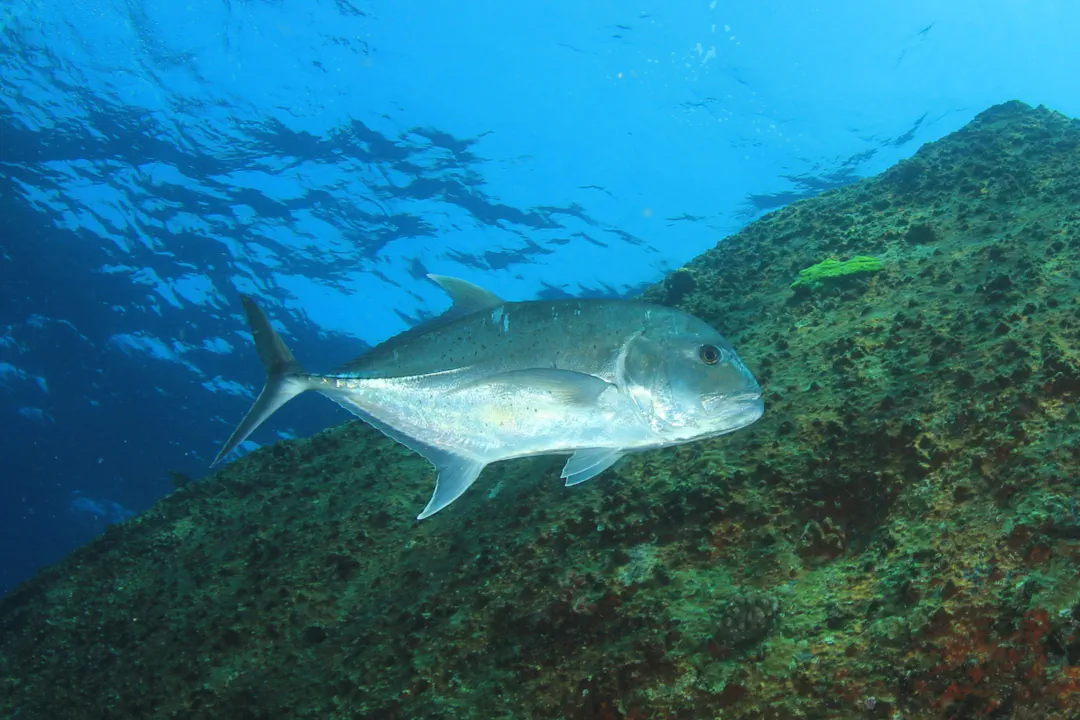
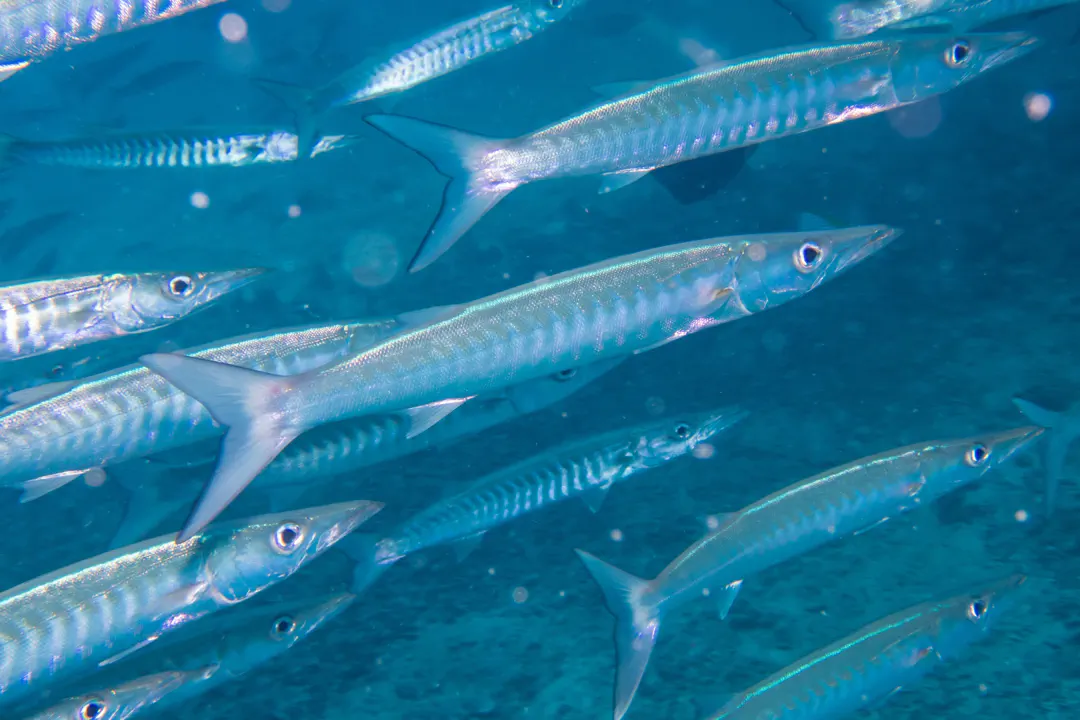
A single scientific survey recorded 374 distinct fish species on a single dive at this location, highlighting the extreme concentration of marine life supported by the Dampier Strait. Dense schools of bluefin trevally, barracuda, and yellowtail fusiliers form thick walls in the water column, while wobbegong sharks lie camouflaged under table coral ledges.
Tidal currents across Cape Kri can be powerful, requiring divers to enter up-current and drift along the reef slope before staging in quiet eddies behind rocky outcrops. Keeping a surface marker buoy ready is necessary as divers drift into open water during safety stops.
Depth: 5-30 m. Access: boat, 10 minutes from Kri Island resorts. Level: Intermediate to Advanced. Best months: October-April.
 © seabook.appAll rights reserved
 © Matteo BellucciCC BY 4.0 · iNaturalist
 © Dan SchofieldCC BY 4.0 · iNaturalist
 © seabook.appAll rights reserved
Castle Rock (Komodo): Action-packed current dives
Castle Rock is a submerged volcanic seamount in northern Komodo National Park whose peak rises to within four meters of the ocean surface. The underwater structure drops down a series of stepped ledges to a deep seabed at thirty-five meters. Strong tidal currents strike the northern face of the rock, splitting the flow and creating high-energy hunting zones.
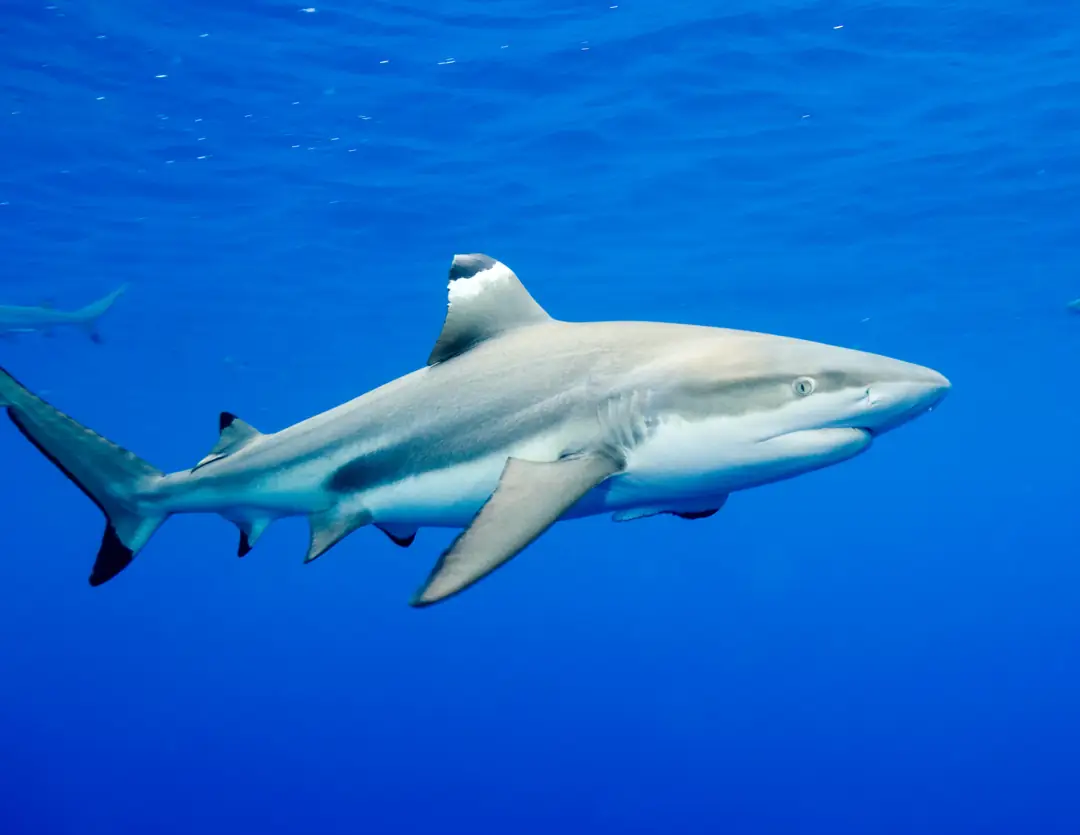
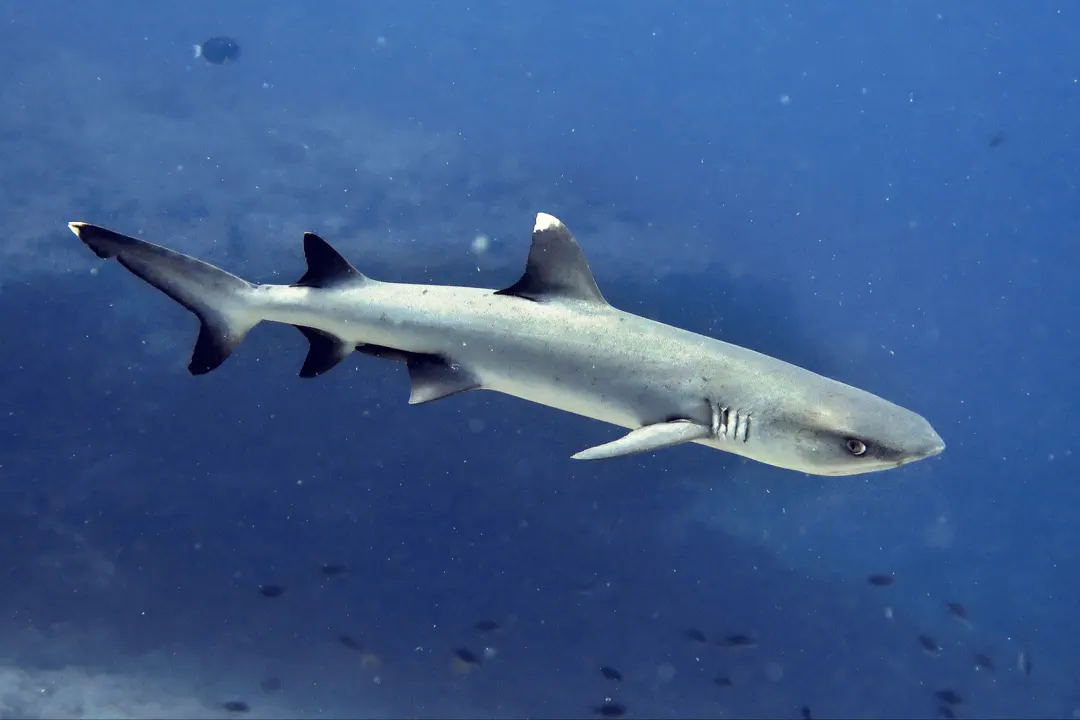
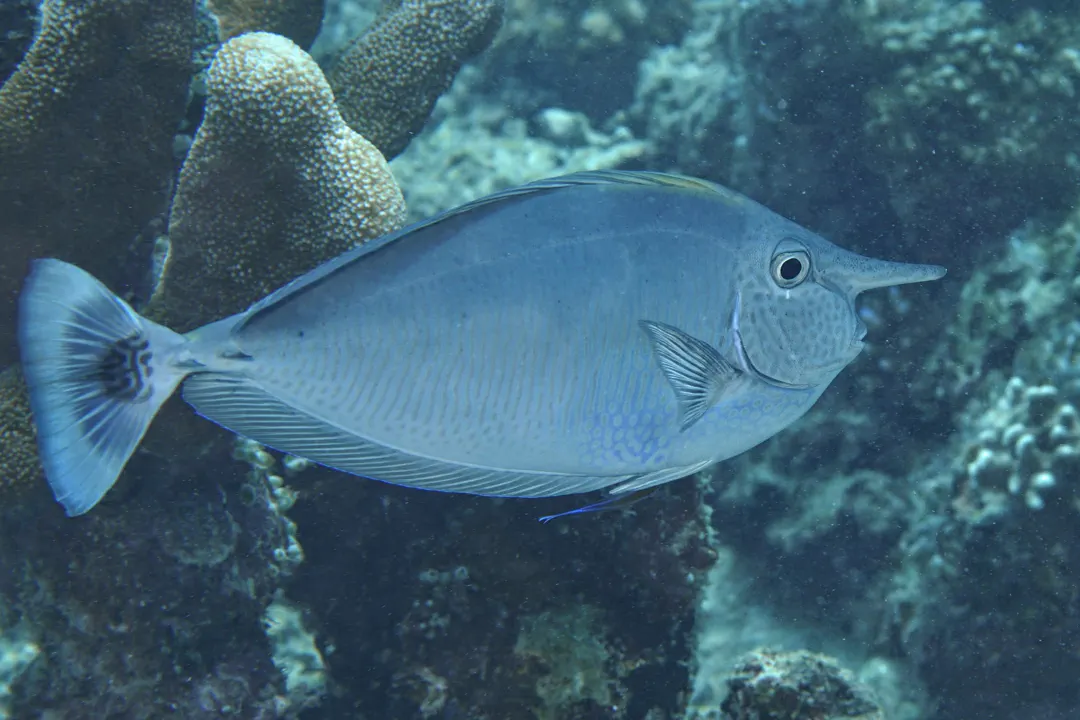
Grey reef sharks and whitetip reef sharks patrol the up-current point at depths of 20 to 25 meters, holding position in the moving water. Schooling giant trevallies, dogtooth tuna, and bigeye trevallies make rapid hunting runs into clouds of fusiliers, while humpack unicornfish hover in the shelter of the peak.
Diving Castle Rock requires a quick, negative entry to reach the shelter of the rock face before the surface current pushes the group past the site. Divers hook into bare rock ledges using reef hooks to observe shark activity without exhausting gas supplies.
Depth: 4-30 m. Access: boat, 2 hours from Labuan Bajo or via liveaboard. Level: Advanced Open Water. Best months: May-October.
 © Daniel BenákCC BY 4.0 · iNaturalist
 © seabook.appAll rights reserved
 © Stas KuryanCC BY-SA 4.0 · Seabook
 © portioidCC BY 4.0 · iNaturalist
Liberty Wreck (Tulamben, Bali): Accessible shore wreck
The USAT Liberty was an armed United States Army cargo ship torpedoed by a Japanese submarine in 1942. After being towed to the black sand beach at Tulamben, the 120-meter steel hull rested on the shore until the 1963 eruption of Mount Agung pushed the vessel completely underwater. The wreck now rests parallel to shore on a black volcanic slope.
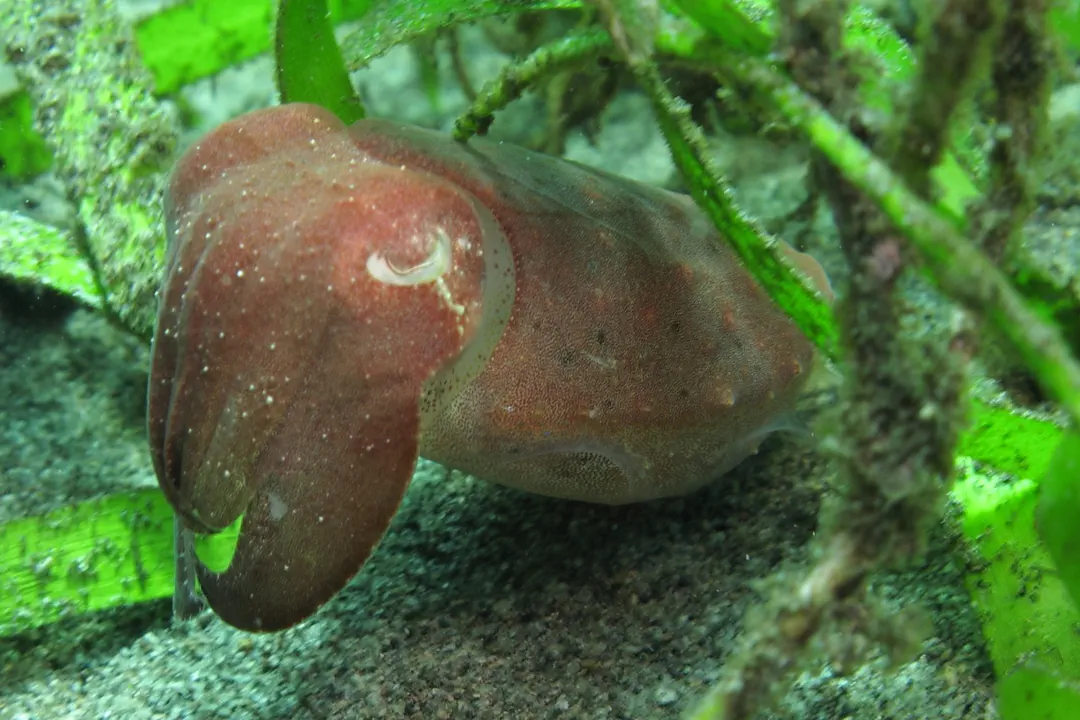
The shallowest structural beams lie just five meters beneath the surface, while the bow rests on the sand at thirty meters. Over six decades underwater, the steel skeleton has converted into an artificial reef covered in barrel sponges, hydroids, and soft corals. Broadclub cuttlefish hover over broken hatches, while bumphead parrotfish gather near the bow in early morning light.
Entry is made directly from the stony shore, making the site accessible in calm seas. The lack of strong currents makes the wreck suitable for training dives, though careful fin technique is required over the dark, loose volcanic gravel.
Depth: 5-30 m. Access: shore entry from Tulamben beach. Level: Open Water. Best months: April-November.
 © BJ SmitCC BY 4.0 · iNaturalist
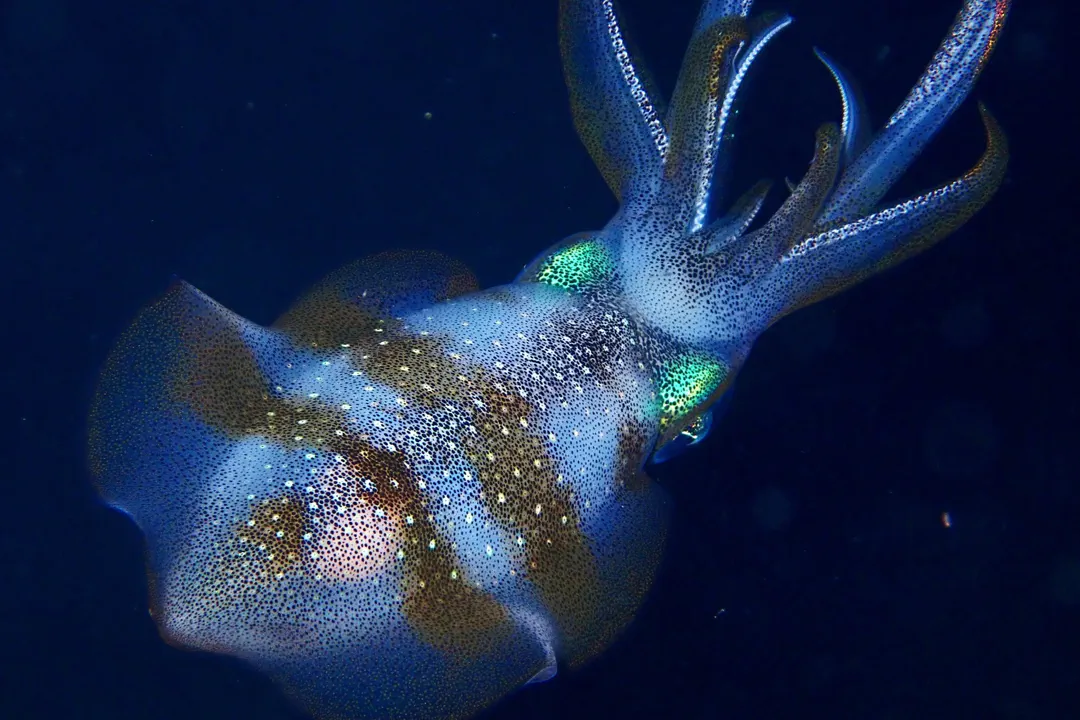 Jean-Paul BoerekampsCC0 · iNaturalist
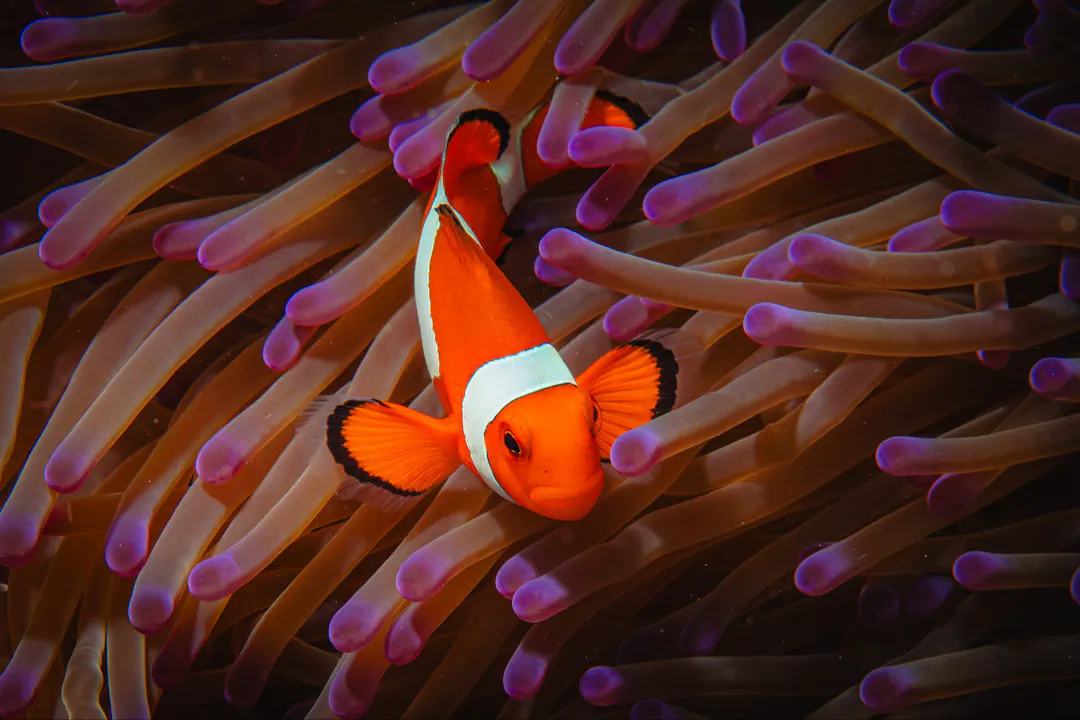 © Olka KuryanAll rights reserved
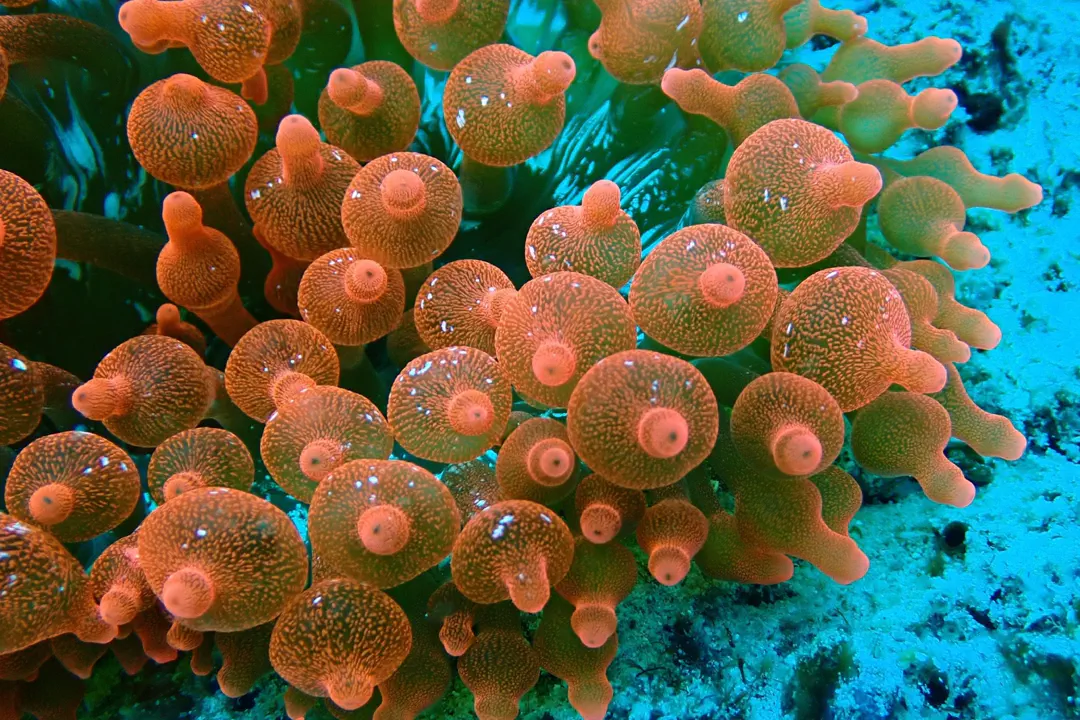 © Ben CostamagnaCC BY 4.0 · iNaturalist
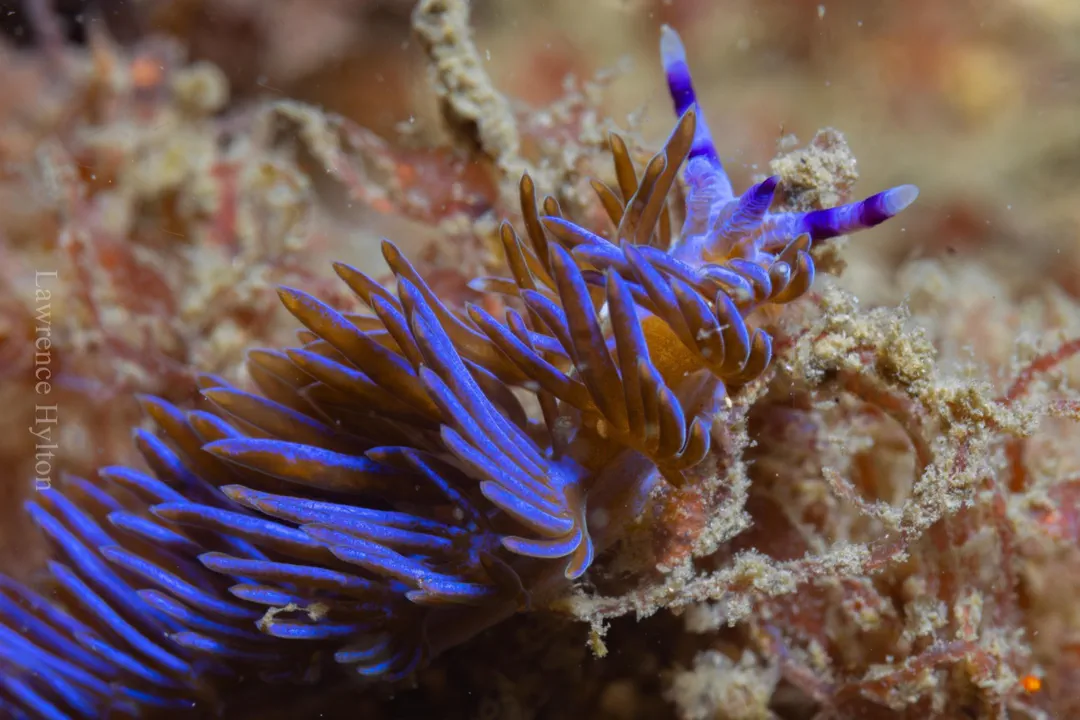 © Lawrence HyltonAll rights reserved
Hairball (Lembeh Strait): Premier muck diving
Hairball is located on the North Sulawesi coast along the sheltered Lembeh Strait. The site consists of a gentle underwater slope composed of fine black volcanic silt, scattered coconut shells, and small patches of rubble stretching from 5 to 25 meters depth. There is virtually no hard coral growth present.
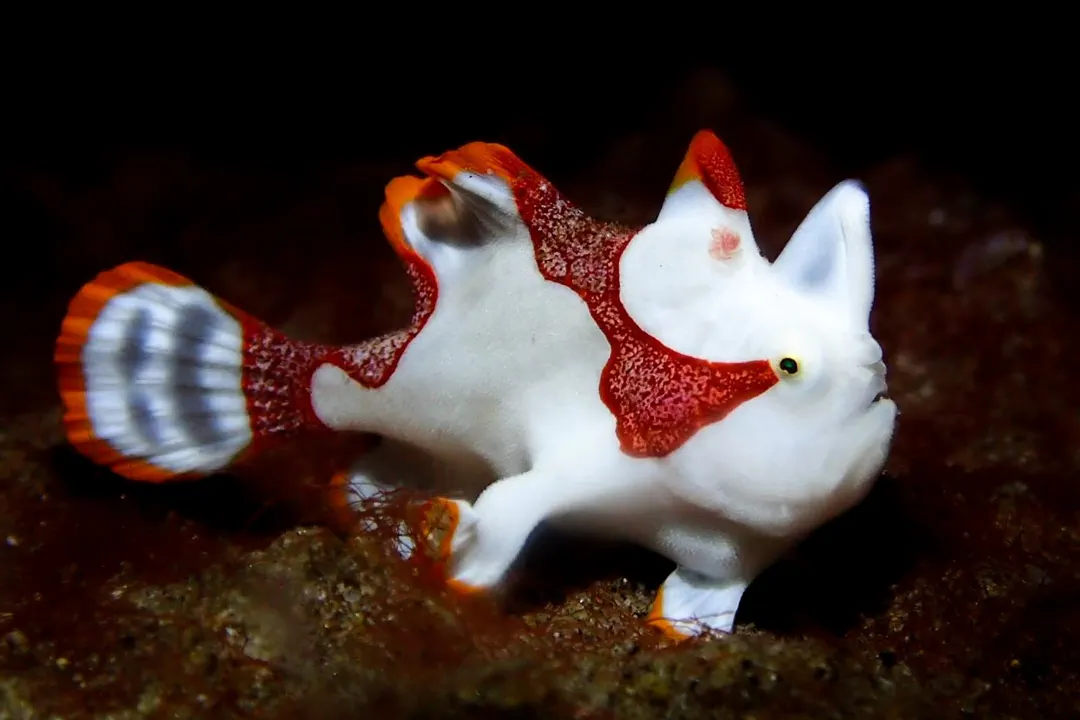
Despite its barren appearance, this black sand habitat harbors cryptic, camouflaged marine life. Divers spot hairy frogfish, painted frogfish, ornate ghost pipefish, and coconut octopuses hiding within discarded shells. Bargibant's pygmy seahorses anchor themselves to isolated gorgonian sea fans along the deeper edges.
Diving here involves slow, meticulous searches inches above the sea floor. Flawless buoyancy control is mandatory to prevent fin kicks from stirring up fine silt clouds that destroy visibility and smother delicate bottom-dwelling creatures.
Depth: 5-25 m. Access: boat, 10 minutes from local Lembeh resorts. Level: Open Water. Best months: Year-round (best visibility October-December).
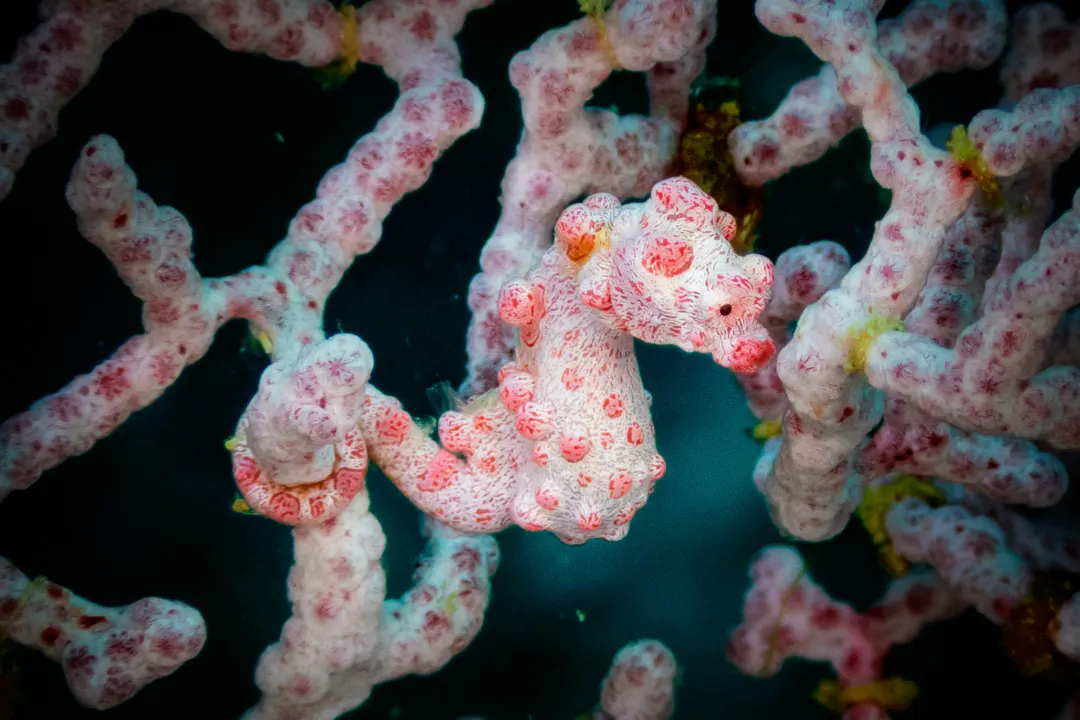 © Pierre PericardCC BY 4.0 · iNaturalist
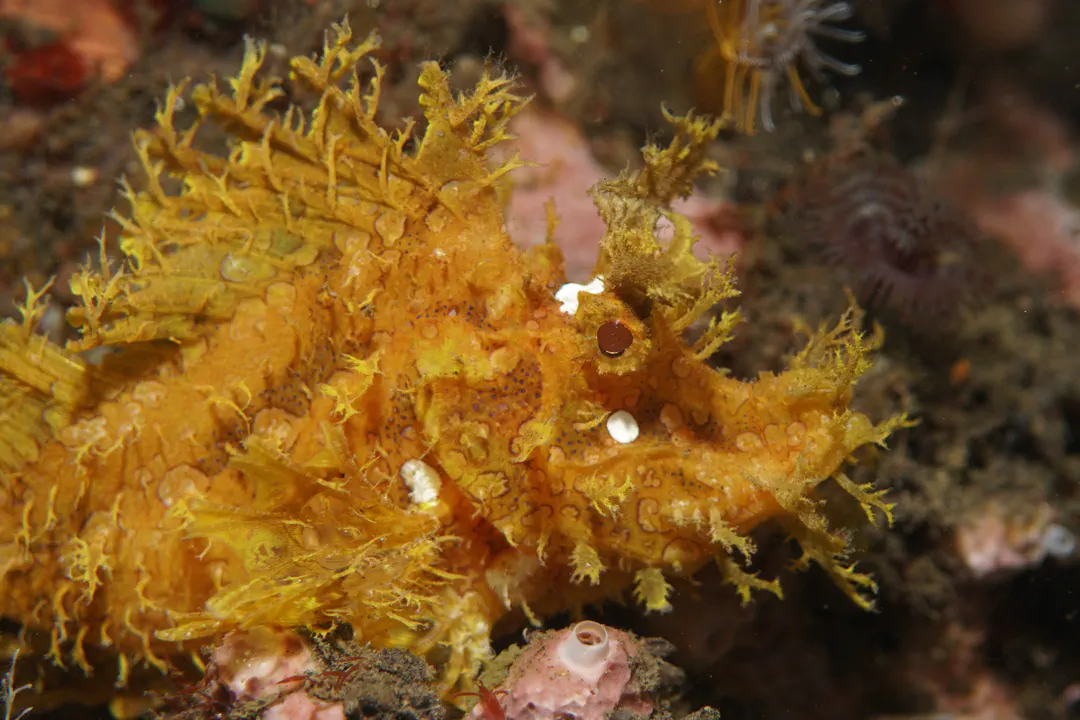 © Stas KuryanAll rights reserved
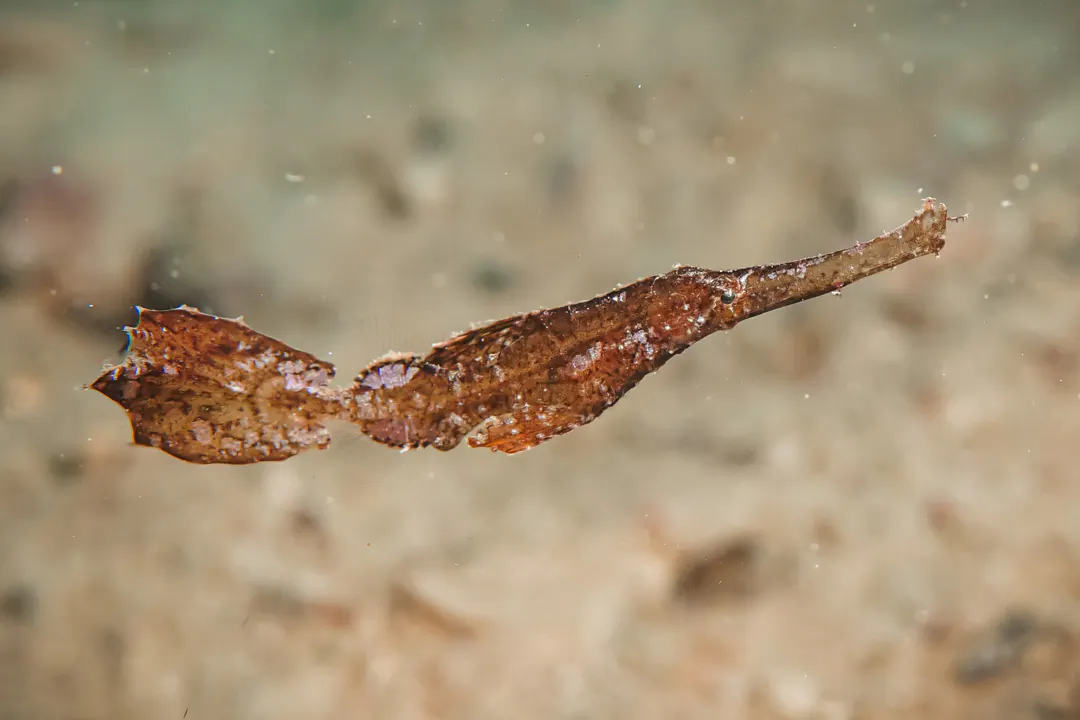 © Stas KuryanAll rights reserved
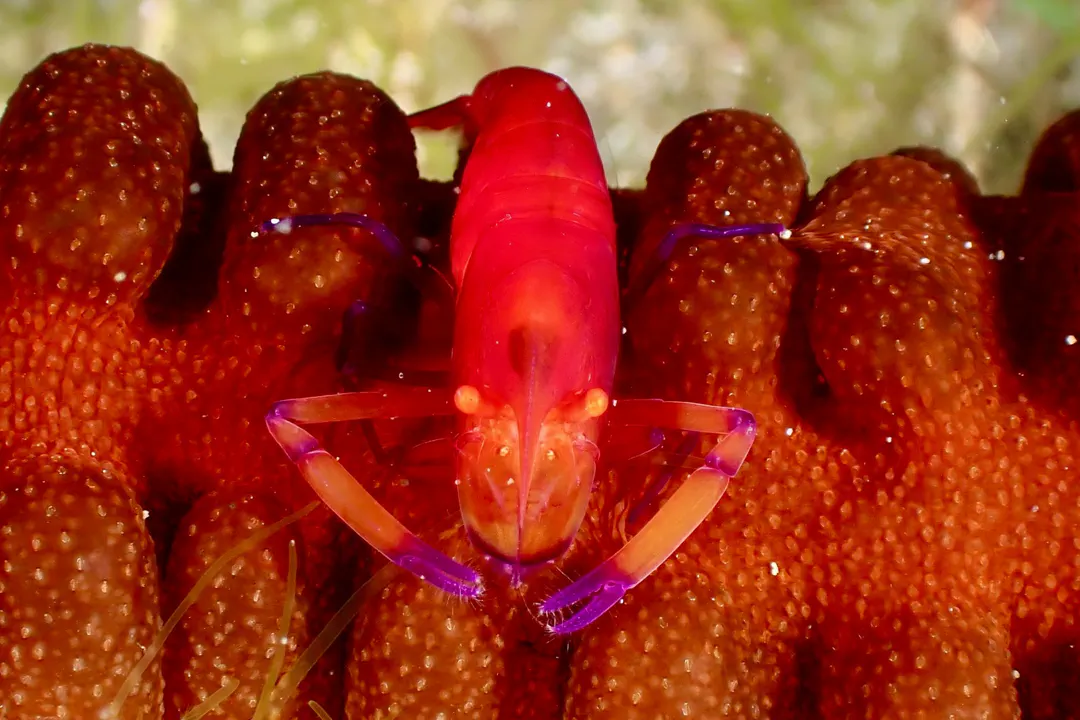 Chris SpainCC0 · iNaturalist
 © Dan SchofieldCC BY 4.0 · iNaturalist
 © Dan SchofieldCC BY 4.0 · iNaturalist
Barracuda Point (Kakaban, Derawan): Huge schooling barracudas
Barracuda Point lies along the outer reef wall of Kakaban Island in the remote Derawan Archipelago off East Kalimantan. The site features a steep limestone wall that plunges straight into deep blue water. Currents sweep along the outer wall, bringing nutrient drops that attract pelagic schools.
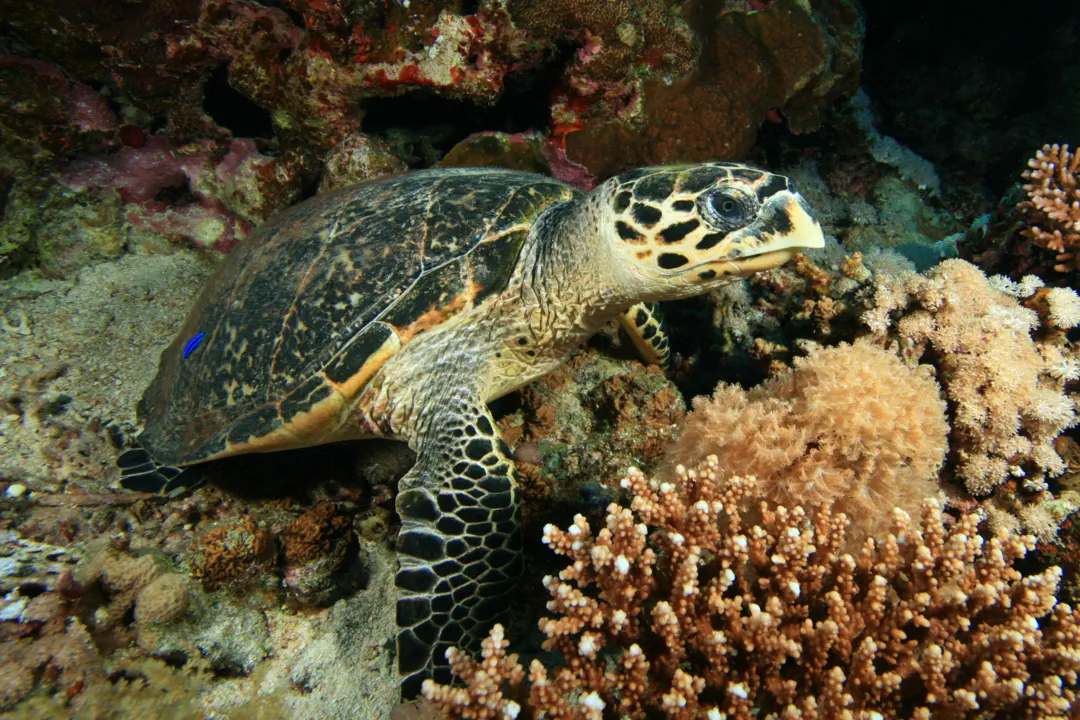
Thousands of chevron barracudas form dense, swirling circular schools off the reef corner, creating massive vertical spirals in the water column. Green sea turtles and hawksbill turtles swim along the upper reef edge at twelve meters, while blacktip reef sharks patrol the blue water deeper down.
Outer wall currents can be unpredictable, requiring divers to stay close to the vertical rock face and maintain visual contact with dive guides. A surface marker buoy is essential when drifting out into open ocean water for safety stops.
Depth: 10-30 m. Access: boat, 20 minutes from Derawan or Maratua. Level: Intermediate to Advanced. Best months: March-October.
Marine Life in Indonesia
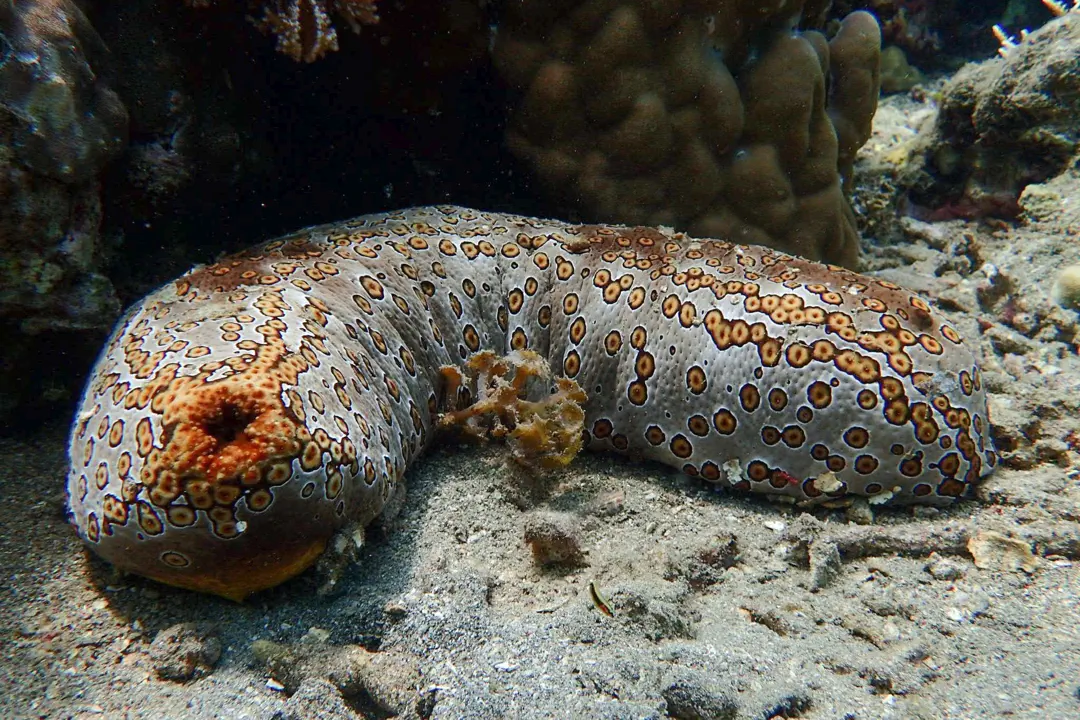
Indonesia's equatorial position provides habitat for thousands of specialized marine organisms. Benthic species fill distinct ecological roles across the reef, from sea cucumbers processing organic debris on sandy floors to cleaner shrimp tending parasite stations on coral heads. Soft corals, gorgonian fans, and hard scleractinian structures provide shelter and hunting grounds for intricate food webs.
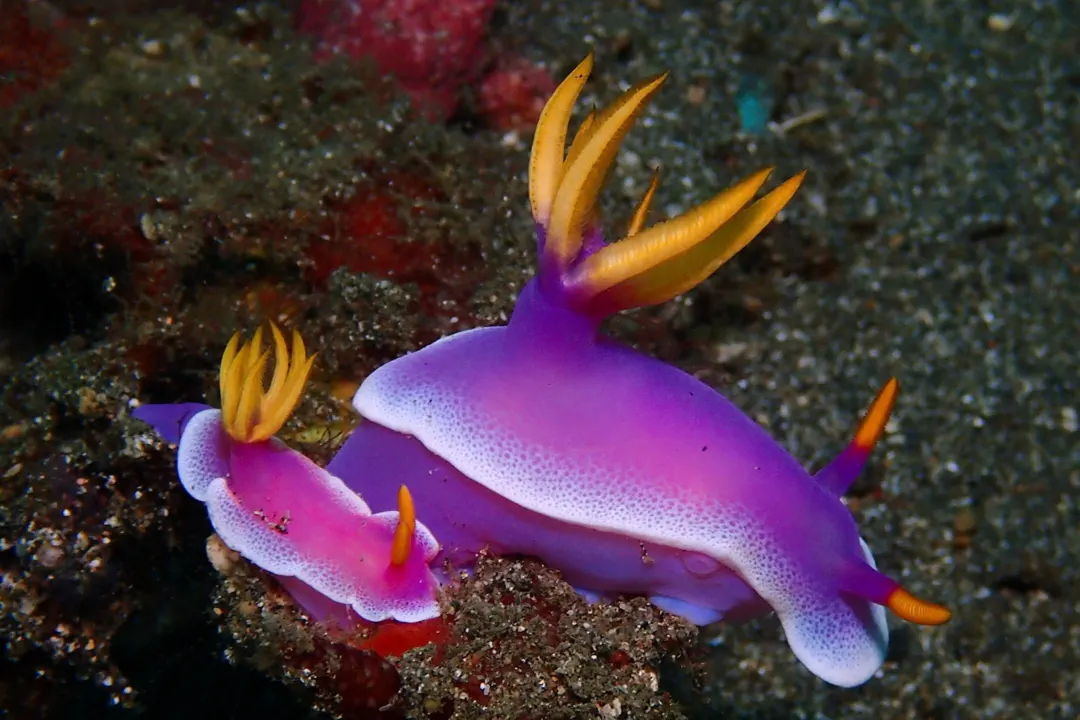
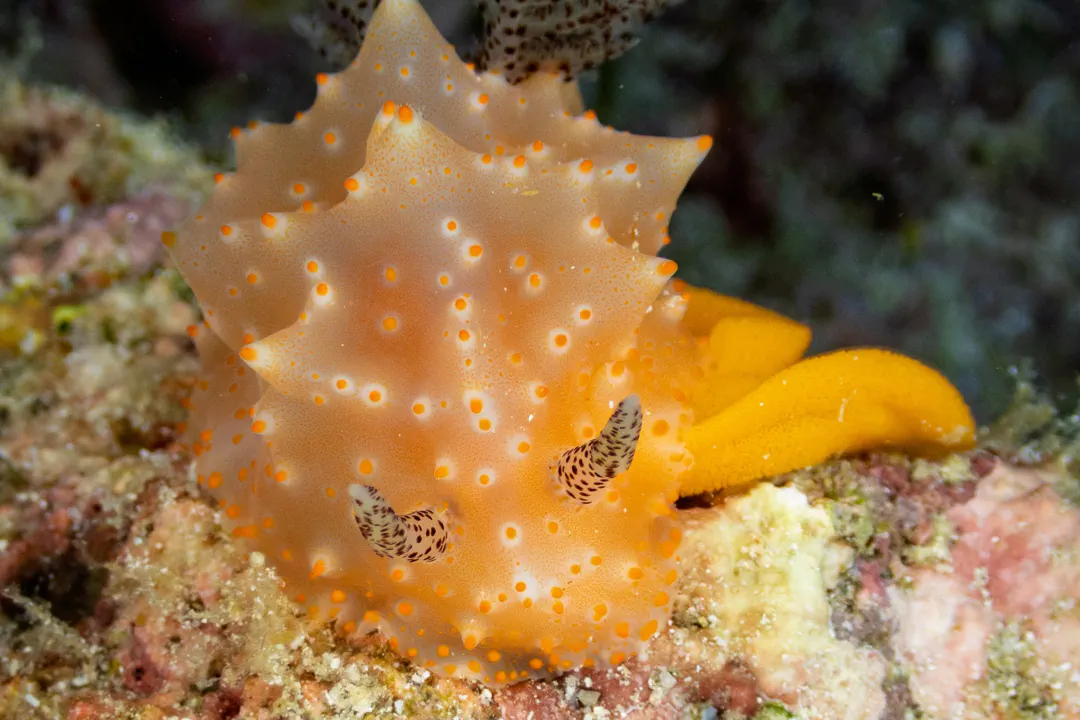
Invertebrates display unusual adaptations across volcanic sand slopes and hard reefs. Nudibranch species like Phyllidiella pustulosa and Goniobranchus geminus display warning colors while grazing on toxic sponges. When logging sightings or identifying cryptic reef dwellers like nudibranchs and flatworms after a dive, using the Seabook app helps divers verify species names and build an accurate personal logbook.
Specialized symbiotic relationships are visible on almost every reef sector. Emperor shrimp reside on the skin of sea cucumbers, while Thor amboinensis shrimp sway among carpet anemone tentacles alongside clownfish pairs. Cryptic species such as thorny seahorses and orbicular burrfish rely on camouflage, blending into coral branches and sea floor rubble.
 © Pierre PericardCC BY 4.0 · iNaturalist
 © Dan SchofieldCC BY 4.0 · iNaturalist
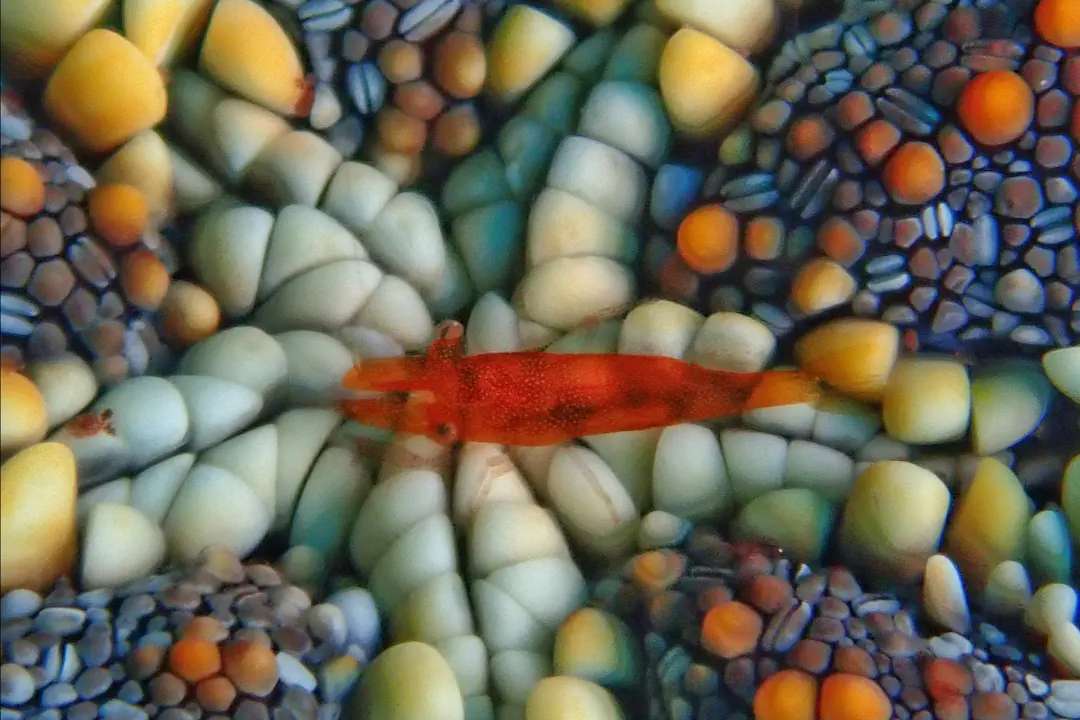 © Alberto AlcaláCC BY 4.0 · iNaturalist
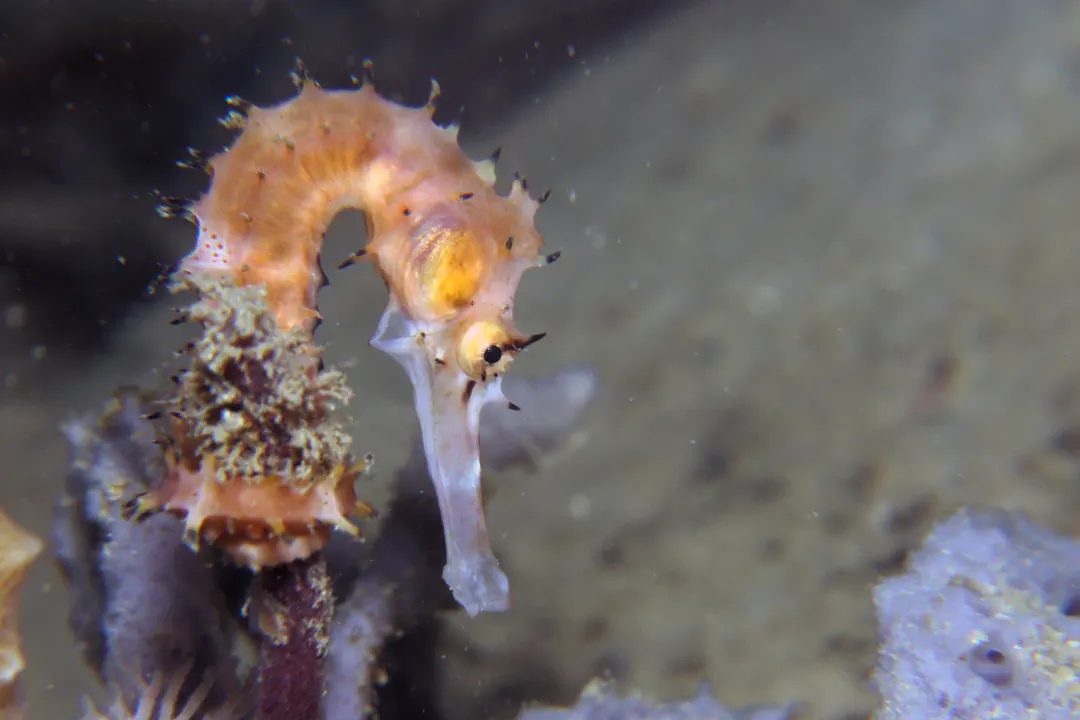 © Ewout KnoesterCC BY-SA 4.0 · iNaturalist
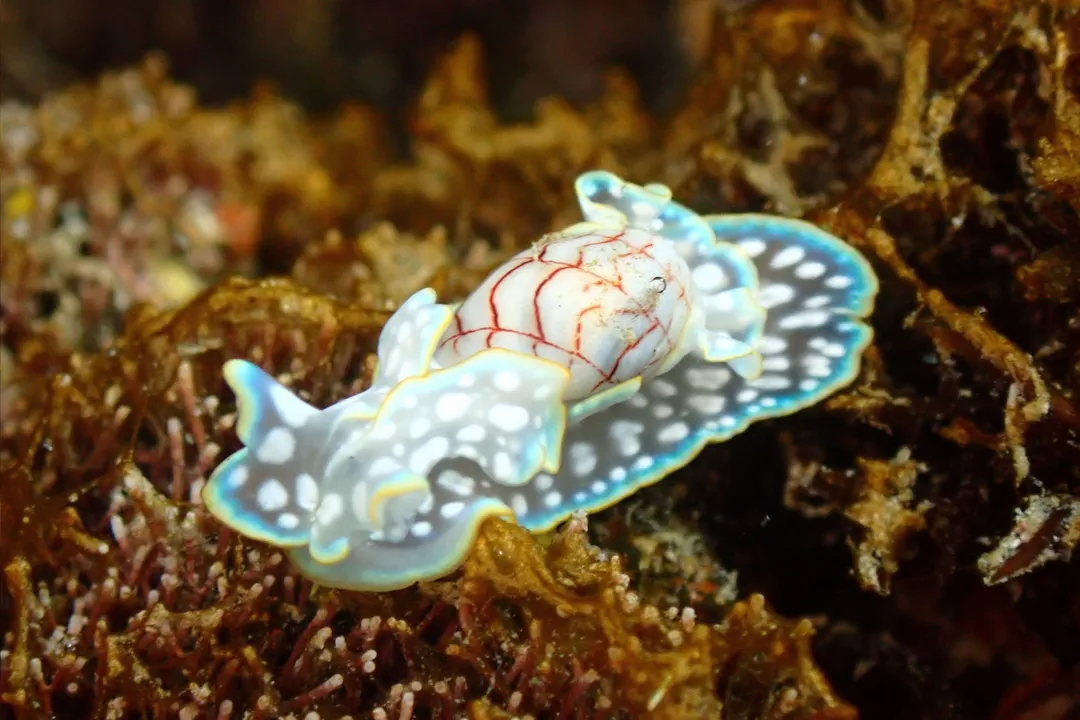 © Ben JobsonCC BY 4.0 · iNaturalist
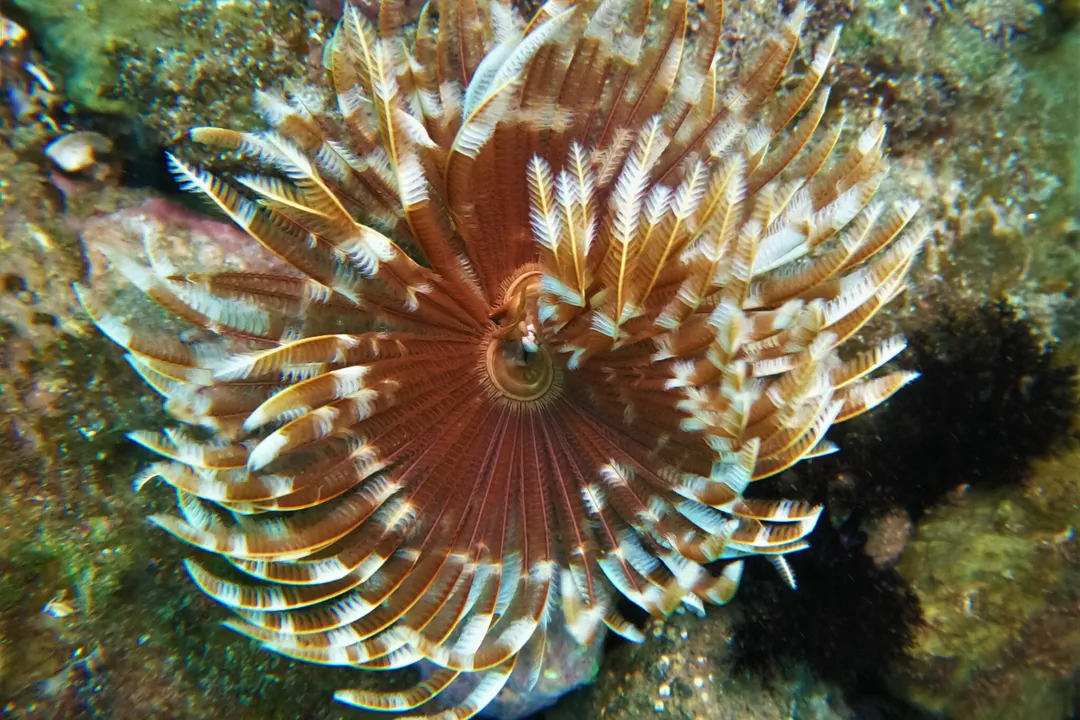 © Alberto AlcaláCC BY 4.0 · iNaturalist
Is Indonesia Good for Beginners and Snorkellers?
Indonesia accommodates entry-level divers and snorkellers, but destination choice is critical. Sheltered locations like Amed and Tulamben in eastern Bali feature calm shore entries, mild water movement, and shallow reef slopes starting at three meters. Similarly, the Gili Islands and Bunaken Marine Park offer shallow, protected reef flats ideal for initial training or casual snorkelling.
In contrast, destinations known for heavy current, such as Komodo, Nusa Penida, and open channels in Raja Ampat, are ill-suited for novice divers. Strong tidal flow, sudden downwellings, and choppy surface conditions in these zones require precise buoyancy control and familiarity with surface marker buoys. Beginners visiting these regions should remain in protected bays under instructor supervision.
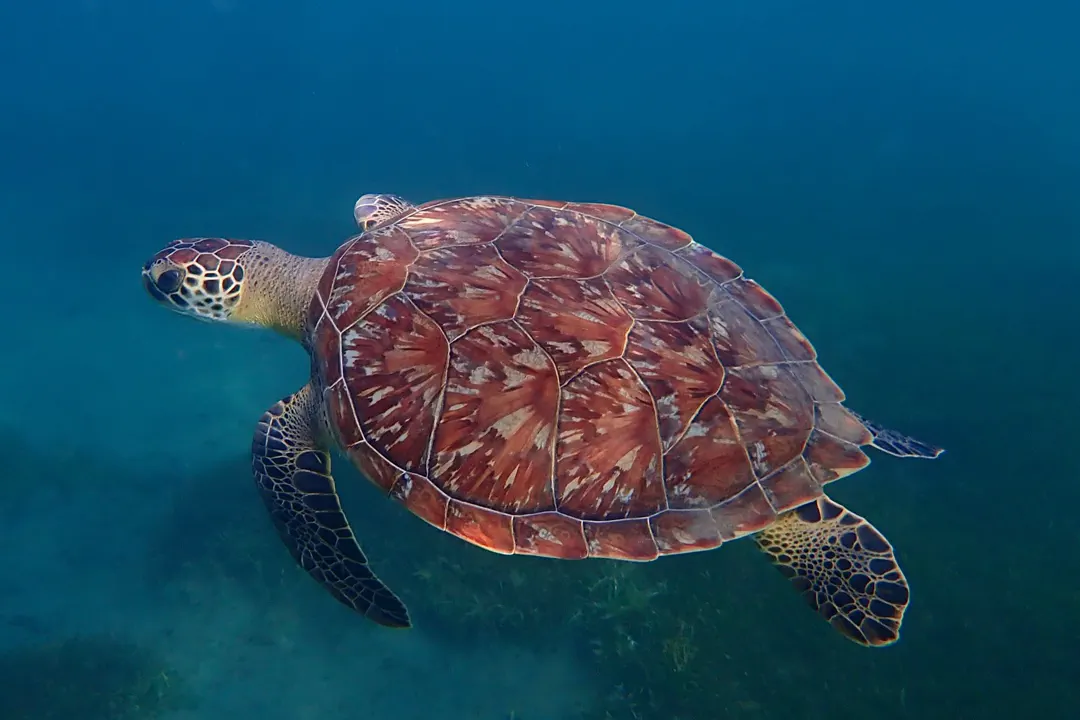
Snorkellers can observe green sea turtles, hard coral gardens, and shallow reef fish across many calm bays. Sites like the USAT Liberty wreck allow snorkellers to see historic structures resting just beneath the surface. Always check local current conditions before entering open water, and use flotation vests when snorkelling near deeper drop-offs.
Getting There and Practical Tips
International flights arrive primarily through Ngurah Rai International Airport in Bali (DPS) or Soekarno-Hatta International Airport in Jakarta (CGK). Reaching specific diving regions requires domestic connections: domestic flights connect Bali to Labuan Bajo (LBJ) for Komodo, while flights to Sorong (SOQ) via Jakarta or Makassar serve as the gateway for Raja Ampat. Manado (MDC) provides access to Lembeh and Bunaken.
Choosing between land-based resorts and liveaboards depends on your target region. Resort stays work well in Bali, Lembeh, Bunaken, and the Gili Islands, where top sites lie within short day-boat rides. Liveaboards are the most efficient option for exploring Raja Ampat, Komodo, and the Banda Sea, allowing access to remote offshore pinnacles far from land infrastructure.
Ensure your dive insurance policy specifically covers emergency medical evacuation, search and rescue, and hyperbaric chamber treatment. Marine park entry fees apply in protected zones like Komodo and Raja Ampat, payable in local currency (IDR) upon arrival or included in liveaboard permits. Always carry a personal surface marker buoy and safety whistle on every dive.
Questions
Are there sharks in Indonesia?
Yes. Indonesian waters support whitetip reef sharks, blacktip reef sharks, grey reef sharks, wobbegongs, and whale sharks. Protected zones like Raja Ampat and Komodo National Park offer healthy habitats with regular sightings, though exact encounters depend on local currents and site conditions.
Is it dangerous to swim in Indonesia?
Swimming and diving are safe when following local briefings and staying within protected bays. However, open channels around Nusa Penida and Komodo experience powerful tidal currents and downwellings; unsupervised swimming in exposed channels should be strictly avoided.
What fish can you see in Indonesia?
Indonesian reefs host over 2,200 fish species, ranging from pelagics like ocean sunfish, manta rays, and giant trevallies to reef species like parrotfish and barracuda. Macro sites add specialized fauna including frogfish, pygmy seahorses, and ghost pipefish.
Can you see turtles in Indonesia?
Yes, green sea turtles and hawksbill turtles are widespread across the archipelago. High concentrations occur along shallow reef flats in Bali, the Gili Islands, Bunaken, and the Derawan Archipelago off East Kalimantan.
What is the best month to dive in Indonesia?
There is no single best month for the entire country due to regional weather patterns. May through October offers ideal conditions for Komodo and Bali, while October through April provides optimal, calm diving in Raja Ampat.
Do I need a liveaboard to dive in Indonesia?
No. Land-based resort diving is popular and effective in regions like Bali, Lembeh, Bunaken, and the Gili Islands. Liveaboards are primarily recommended for remote regions like Raja Ampat, Komodo, and the Banda Sea to reach distant reefs.
Sources
- ctatlas.coraltriangleinitiative.org › AboutThe Coral Triangle - Coral Triangle Atlas · 2026-10-20
- Coral Triangle - | WWF · 2026-01-01
- Indonesia - Coral Triangle Atlas · 2026-10-19

