Introduction to Diving in Peru
A young South American sea lion, sleek and quick, twists through the green-blue water at Isla Palomino, its dark eyes briefly meeting yours before it darts into a barrel roll. Around 10 meters deep, the cool Pacific current carries strands of kelp, forming a swaying backdrop as the colony's barks echo faintly from the surface.
Peru’s coast offers one of South America’s most distinctive cold-water diving environments, shaped by the Humboldt Current and the upwelling system that fuels exceptional marine productivity. Instead of tropical reefs, divers encounter nutrient-rich Pacific waters, dense fish aggregations, sea lions, penguins, and seasonal pelagic visitors along a coastline that stretches for more than 2,400 km.
The country’s underwater appeal grew from this unusual oceanography: cold, oxygen-rich waters support abundant plankton and large schools of anchoveta, which in turn sustain seabirds, marine mammals, and predatory fish. For divers, that means the experience is less about coral gardens and more about raw, animal-rich encounters in clear but chilly water, especially where rocky headlands, islands, and protected reserves concentrate life.
Diving conditions vary sharply by latitude and season. Central and southern Peru often demand thicker exposure protection because water temperatures commonly stay in the mid-teens Celsius, while the far north can feel significantly warmer during the austral summer. That contrast lets Peru offer both temperate wildlife diving and, in the north, occasional encounters with warm-water pelagics that are rare farther south.
Peru's Unique Marine Environment
The Humboldt Current, also called the Peru Current, flows northward along the west coast of South America and drives one of the most productive marine systems on Earth. Cold water upwells from depth, bringing nitrate and phosphate into sunlit surface layers where phytoplankton blooms support a food web that has historically underpinned the region’s massive anchoveta fishery.
This productivity has enormous ecological significance. The Peruvian anchoveta, Engraulis ringens, is one of the most important forage fish in the world and forms the base of a chain that feeds guano-producing seabirds, pelagic fish, sea lions, and whales. In peak productivity zones, biomass can be astonishingly concentrated, which is why Peru’s coastline supports both industrial fisheries and spectacular wildlife viewing.
For divers, the same process that feeds the ecosystem also shapes the experience underwater. Visibility can be excellent on some days but drops when plankton density rises, and water temperatures remain cool for much of the year because the current suppresses tropical influence along the central and southern coast. Sites near islands, rocky reefs, and marine reserves often produce the most reliable encounters because they sit close to these nutrient pathways.
Historically, this ecosystem has also been central to Peru’s economy and conservation policy. The collapse and recovery cycles of anchoveta stocks, tightly linked to El Niño and La Niña variability, have made the Humboldt system a global case study in ocean management, climate sensitivity, and the importance of protecting top predators and forage species alike.
When to Dive: Seasons and Conditions
Peru is a year-round diving destination, but the experience changes noticeably with season and latitude. Along the central coast near Lima and Paracas, water temperatures are often about 14-20°C, with the cooler period generally running from May to November and the slightly warmer season from December to April. Divers should expect the coldest conditions at depth, where thermoclines can make a 7mm suit, hood, gloves, and booties feel essential rather than optional.
Season also affects visibility and animal behavior. Cooler months can bring better blue-water clarity in some areas and more frequent pelagic activity, while warmer months can increase plankton abundance and reduce visibility, especially after localized upwelling or wind-driven changes. On the northern coast, summer water can feel noticeably warmer, sometimes reaching the low 20s Celsius, which draws different species and makes long surface intervals more comfortable.
El Niño and La Niña conditions can alter the entire diving calendar. Warm events may push tropical species farther south and raise sea surface temperatures, while strong upwelling periods intensify cold-water conditions and concentrate baitfish, seabirds, and predators. Divers planning a trip should therefore check not only the month but also the current ocean conditions, because Peru’s coastal water can change rapidly over a few days.
Practical planning matters as much as season. Many divers do best with at least a 5mm to 7mm wetsuit, and in colder southern sites a two-piece suit or semi-dry setup can be more comfortable for repetitive dives. A dive computer, surface signaling device, and some experience handling current are valuable because many of Peru’s best sites sit near channels, islands, or exposed headlands where drift and surge can be strong.
Water temperature
Peru, monthly average
Lima area on central Peruvian coast (most popular diving reference point); data from typical oceanographic averages influenced by Humboldt Current
Marine Biodiversity: A Cold-Water Oasis
Peru’s marine life is shaped by cold, highly productive waters rather than coral reefs, so the characteristic fauna includes sea lions, penguins, schooling fish, rays, sharks, and seasonal whales. The South American sea lion, Otaria flavescens, is one of the most common and charismatic species around islands and rocky shores, while the Humboldt penguin, Spheniscus humboldti, remains a flagship bird of the Peruvian coast and nearby island systems.
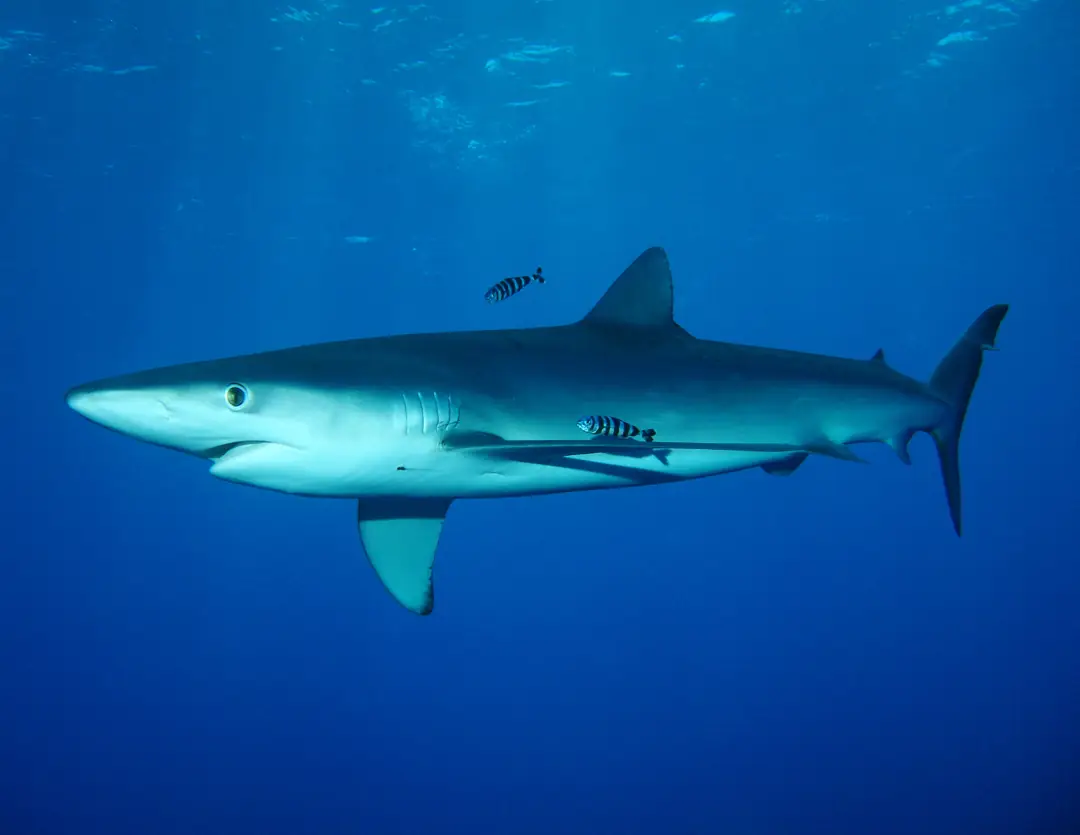
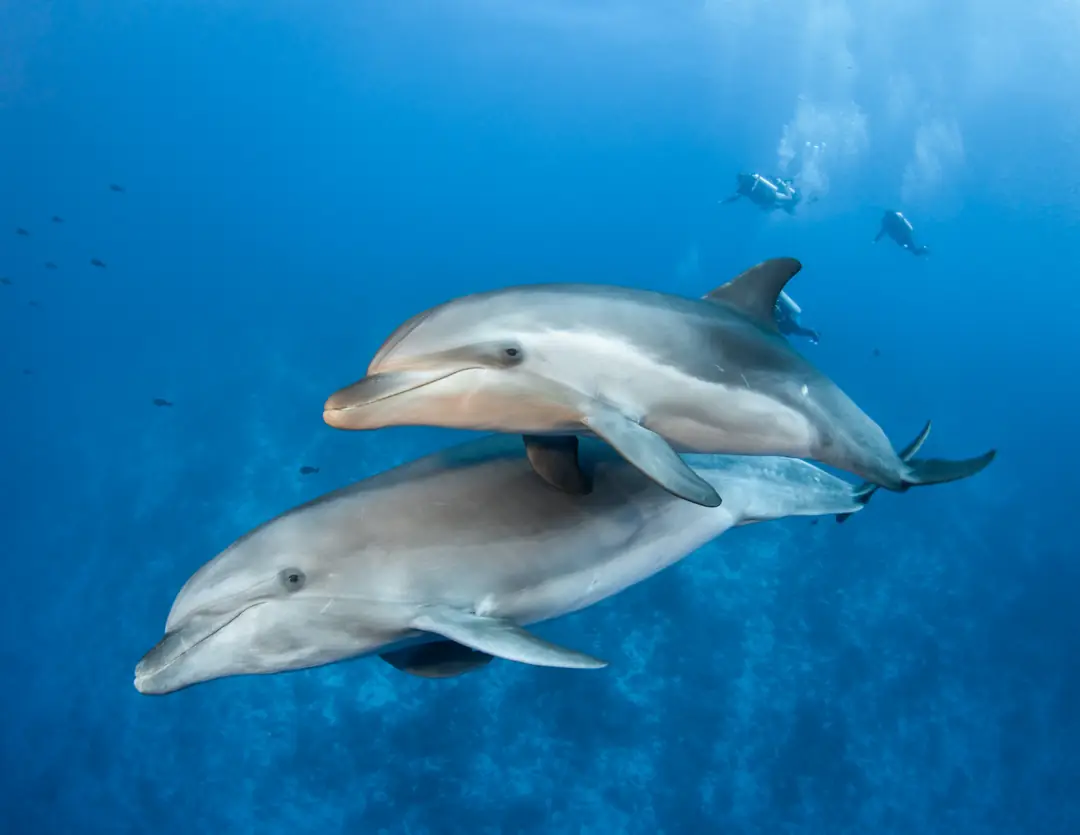
Pelagic species appear when conditions favor baitfish and plankton concentrations. Blue sharks, Prionace glauca, are common offshore predators in the eastern Pacific, and mobulid rays can occasionally pass through productive waters, especially where currents and upwelling create feeding opportunities. The anchoveta, Engraulis ringens, deserves special mention because it is the ecological engine of the entire system and the main prey base for many visible animals.
On the northern coast, warmer water can bring higher species turnover, including seasonal whale shark visits and occasional tropical or subtropical visitors. Farther south, encounters tend to center on sea lions, penguins, large schools of fish, and oceanic birds rather than reef fish diversity. That makes Peru especially rewarding for divers who value large-animal encounters and dramatic oceanography over tropical coral scenery.
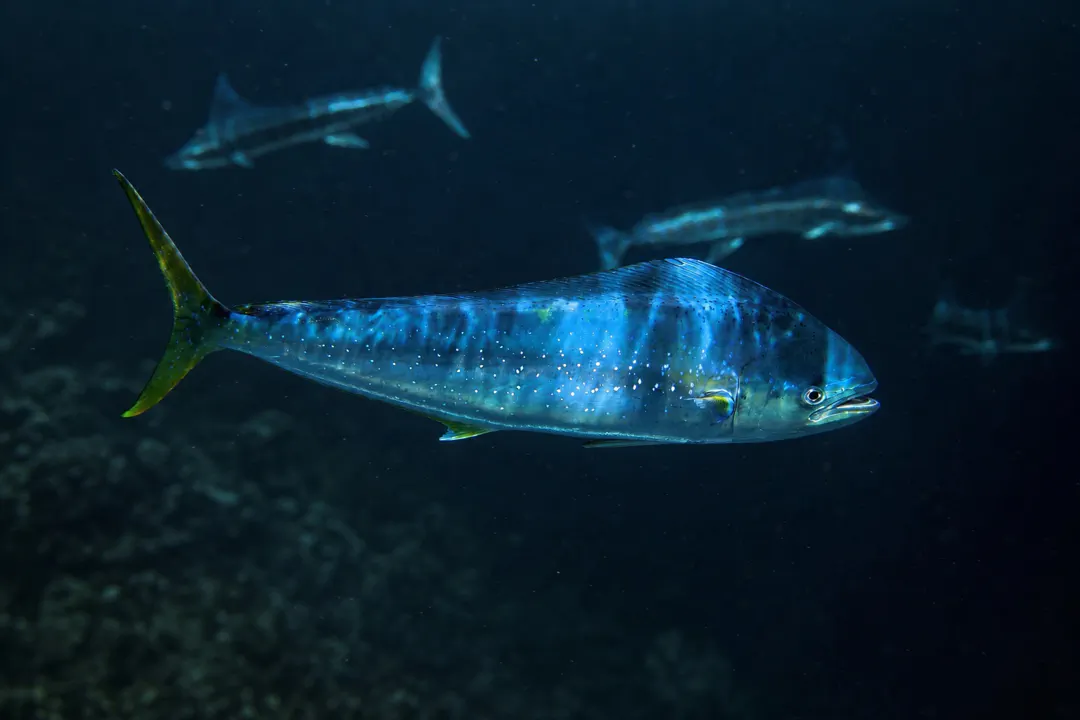
Species choice also varies with depth and habitat. Nearshore rocky habitats may hold moray eels, blennies, and juvenile reef-associated fish, while offshore islands and nutrient-rich channels are more likely to attract pelagics, marine mammals, and birds. Observant divers should watch the water column as much as the seafloor, because many of Peru’s best sightings happen midwater or at the surface.
 © Patrick DollCC BY-SA 4.0
  © Matteo BellucciCC BY 4.0 · iNaturalist
  © seabook.appAll rights reserved
  © seabook.appAll rights reserved
 Top Dive Sites in Peru
Isla Palomino: Swimming with Sea Lions
Isla Palomino, just off Callao near Lima, is best known for its large South American sea lion colony and for snorkelers who want close but controlled encounters with wildlife. The island lies in cold, productive coastal water, so the experience often includes noisy seabird colonies, kelp-like algae on the rocks, and the occasional school of baitfish moving through the area.
The site works well for beginners in the sense that it is usually accessed as a supervised boat excursion rather than a technical dive, but the water remains cold and can be choppy. A 5mm to 7mm wetsuit, hood, and gloves are standard for comfort, and the best behavior is passive observation: avoid touching the sea lions, stay horizontal in the water, and let the animals approach on their own terms.
Historically, the islands off Callao have supported coastal wildlife because they sit along productive currents that concentrate fish. Today, Palomino is one of Peru’s most recognizable marine tourism sites, especially for visitors who want a reliable sea lion experience without traveling far from the capital. The colony’s behavior can be most active when sea conditions are calm and visibility improves during cooler parts of the year.
Paracas National Reserve: Desert Meets Ocean
Paracas National Reserve is one of Peru’s most important marine and coastal protected areas, spanning a desert shoreline, offshore islands, and cold Pacific waters shaped by the Humboldt Current. It protects a remarkably productive system where rocky points, sand, offshore islets, and upwelling zones combine to support seabirds, marine mammals, and fish aggregations in a relatively small area.
Divers visiting Paracas can expect cooler water, strong ecological contrasts, and a landscape where desert cliffs meet the ocean. Sea lions, Humboldt penguins, rays, and schooling fish are among the most likely highlights, while the reserve’s island and nearshore habitats also attract large seabird colonies. Because the area is exposed to wind and swell, conditions can vary quickly and the best dives often depend on local boat skipper experience and seasonal sea state.
Paracas has major conservation history as well. It was officially created on 25 September 1975, making it Peru’s first marine-coastal protected area, and it remains the country’s best-known example of balancing tourism, fisheries, and biodiversity conservation. That protection matters because the reserve sits in a biologically intense zone where nutrient-rich waters feed birds, mammals, and fish that also support local livelihoods.
Lobos de Tierra Island: Remote and Untouched
Lobos de Tierra Island lies farther north on Peru’s coast and offers a more remote, less visited diving environment than sites near Lima. Its appeal comes from productive waters, island topography, and the possibility of seeing large schools of fish, sea lions, and midwater predators in conditions that feel wilder and more isolated than the capital-area sites.
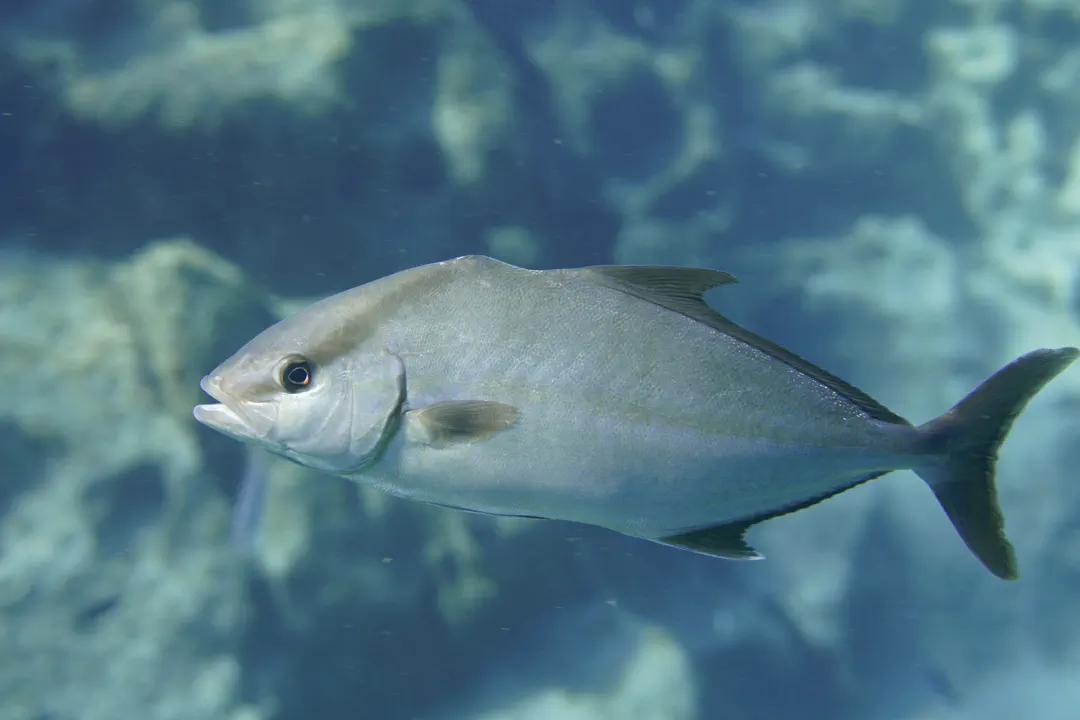
The island sits in a region influenced by the Humboldt Current, so even here the water can remain cooler than many travelers expect for a tropical latitude. Species that are most plausible in this setting include South American sea lions, blue sharks, ocean sunfish, and other pelagic visitors, but the site should be described primarily as a cold-water, fish-rich island system rather than a place guaranteed for shark encounters.
Diving here rewards patience and local knowledge. Currents, swell, and visibility can change quickly, and the best underwater life often concentrates around drop-offs, channels, and baitfish activity rather than on any fixed reef structure. For experienced divers, that combination can produce exciting open-water encounters and a stronger sense of remoteness than more accessible tourist sites.
 © Michael BommererCC BY 4.0
 Northern Peru (Mancora/Organos): Warmer Waters and Whale Sharks
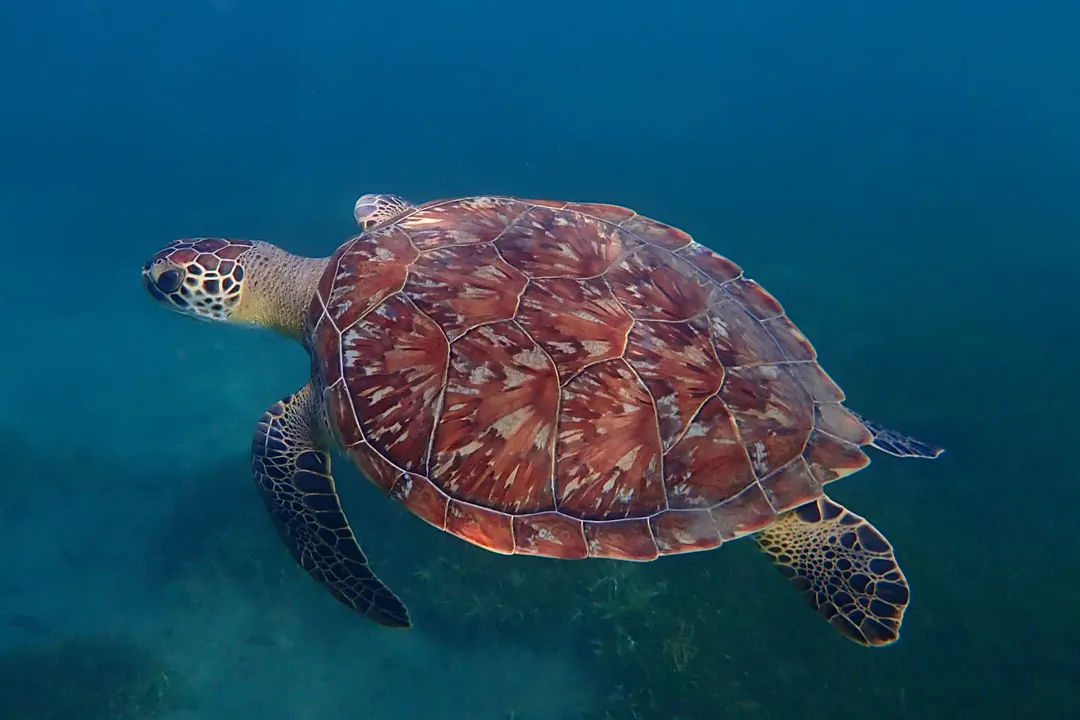
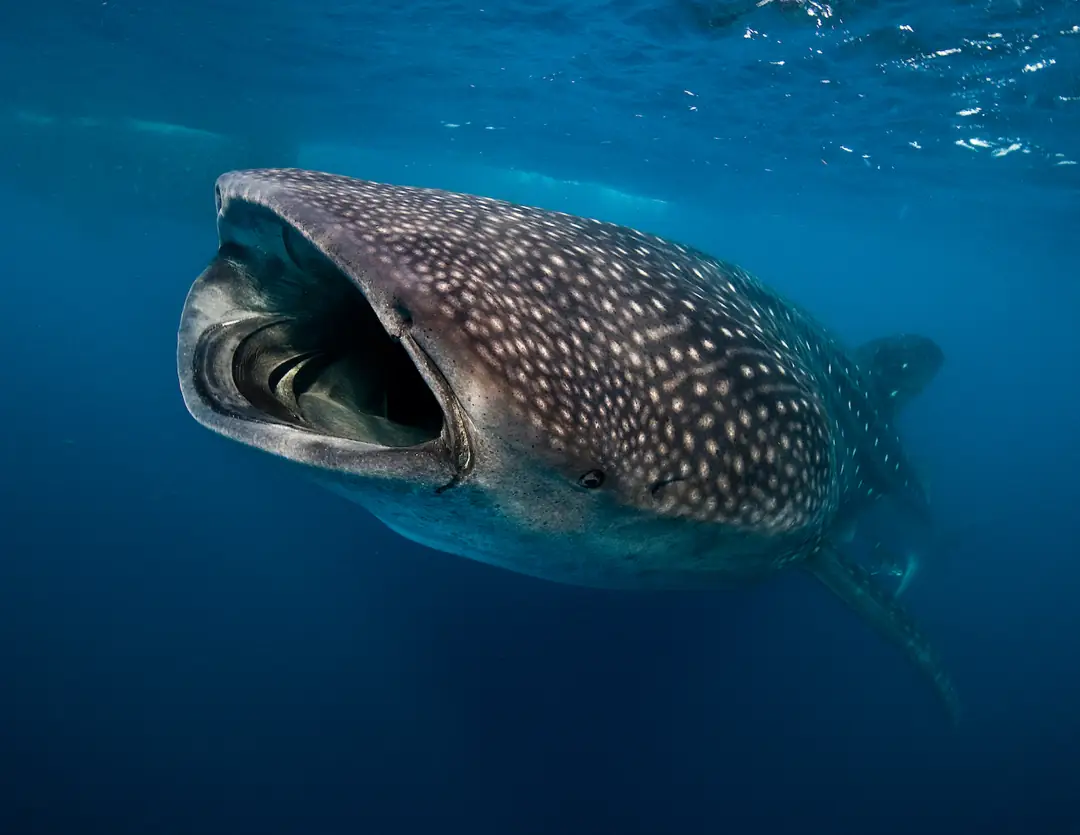
Northern Peru, including areas such as Máncora and Los Órganos, offers the warmest and most seasonally dynamic diving in the country. In the austral summer, coastal waters can become much warmer than around Lima, and that shift opens the door to sightings of whale sharks, mobulid rays, turtles, and other pelagic species that are uncommon in Peru’s central and southern waters.
The northern coast is especially interesting because it sits near the tropical eastern Pacific transition zone, where warmer conditions can overlap with Humboldt-influenced productivity. This creates a mixed marine community: divers may see species associated with tropical waters alongside cold-water pelagics and schools of fish drawn to plankton-rich patches. The result is less predictable than a reef destination but often more exciting for large-animal encounters.
Timing is crucial. Whale shark encounters in northern Peru are generally seasonal, with reports concentrated in the warmer months and often linked to increased productivity and plankton availability. Divers should not assume a guaranteed sighting, but they can improve their chances by visiting during the period when local operators report the highest activity and by choosing boats that follow wildlife-viewing guidelines.
 © seabook.appAll rights reserved
  © seabook.appAll rights reserved
 Conservation and Responsible Diving
Conservation is central to Peru’s dive future because the country’s most visible marine attractions depend on healthy current systems, balanced fisheries, and protected breeding or haul-out sites. Marine mammals, penguins, seabirds, and commercially valuable fish all rely on the same food web, so habitat loss or overfishing can quickly ripple through the entire coastal ecosystem.
Protected areas such as Paracas, and wildlife tourism sites like Isla Palomino, show how conservation and recreation can work together when visitor numbers are managed and animal disturbance stays low. Responsible divers should avoid chasing wildlife, never feed animals, and choose operators that respect approach distances and local regulations, especially around sea lion colonies and sensitive bird nesting sites.
Seasonal ocean variability also makes conservation planning more important. El Niño events can compress habitat, alter species distribution, and stress breeding colonies, while colder, more productive years can temporarily boost biomass. Long-term protection of foraging areas, breeding sites, and nearshore migration corridors gives Peru the best chance of keeping both biodiversity and dive tourism viable.
Essential Tips for Divers in Peru
Cold-water diving in Peru requires more insulation than many travelers expect. A 5mm suit can work on some northern summer days, but a 7mm wetsuit with hood, gloves, and booties is a safer default for central and southern sites, where water commonly sits in the mid-teens Celsius and surface conditions can feel even colder after wind exposure.
Local current knowledge matters because many of Peru’s most interesting sites are exposed to swell, surge, or strong tidal flow. Divers should book with operators who understand seasonal conditions, carry a dive computer to track temperature and no-decompression limits, and brief carefully on entries and exits, especially when shore access is rocky or boat pickups are moving in current.
Basic wildlife etiquette also improves safety and the quality of the encounter. Keep a respectful distance from sea lions and birds, avoid rapid finning that stirs sediment or startles animals, and watch the water column for pelagics and changing visibility. For photographers, Peru often rewards wide-angle lenses, low-light readiness, and patience, because many of the best subjects appear in dim, green-blue water rather than on shallow coral.
Frequently Asked Questions
Questions
Is Peru suitable for beginner divers?
Peru can suit beginners in selected locations, especially supervised wildlife excursions such as sea lion snorkeling near Lima or calm, sheltered boat dives with reputable operators. Many of the best sites still have cold water, swell, or current, so beginners should choose locations rated for their experience and avoid assuming that all Peruvian diving is easy.
What is the water temperature like in Peru?
Water temperature varies by region and season, but central-coast diving often ranges from about 14°C to 20°C, with the coldest conditions usually felt from May to November. In the northern region, summer waters can be several degrees warmer, sometimes rising into the low 20s Celsius, so exposure protection should match both location and time of year.
Can I see sharks when diving in Peru?
Yes, several shark species occur in Peruvian waters, including blue sharks and, in the north, seasonal whale sharks. Sightings depend heavily on location, season, and ocean conditions, and most dives are not guaranteed shark dives, so travelers should treat them as possible highlights rather than certain encounters.
Are there whale sharks in Peru?
Whale sharks do appear in Peru, especially along the northern coast where warmer seasonal conditions increase the chance of sightings. Encounters are most often reported in the austral summer and other warm periods, but the species is seasonal and unpredictable, so travelers should plan with local operators that monitor recent activity.
What gear should I bring for diving in Peru?
A 5mm to 7mm wetsuit, plus hood, gloves, and booties, is the most practical setup for much of the country, especially the central and southern coast. A dive computer, surface signaling device, and equipment suitable for boat entries or rocky exits are also wise choices because conditions can change quickly.
Is it possible to dive with sea lions?
Yes, Isla Palomino near Lima is the best-known place for close encounters with South American sea lions. The experience works best when visitors stay calm, avoid touching the animals, and let the animals control the distance, which protects both divers and wildlife.