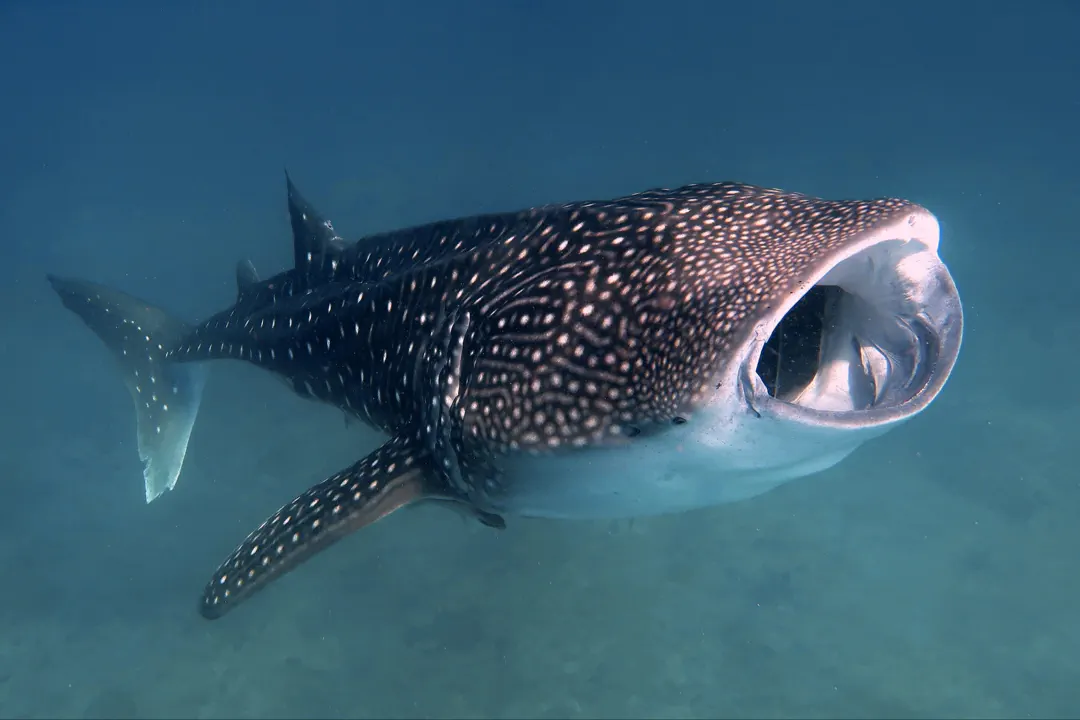
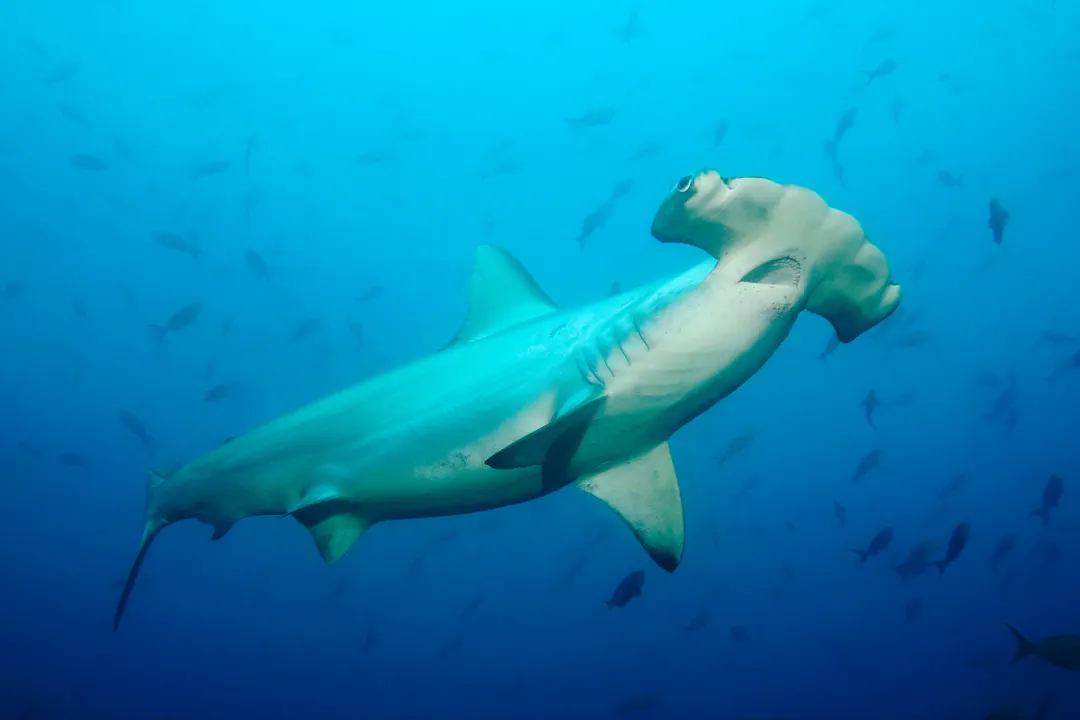
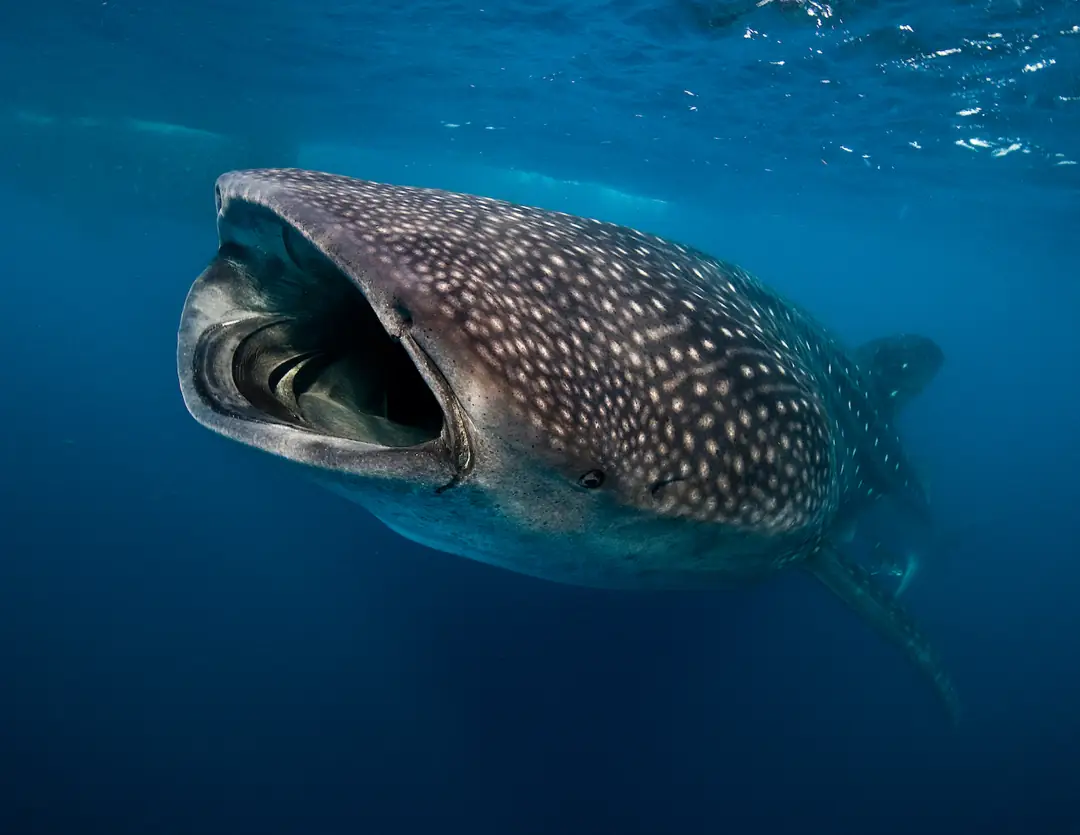
At eighteen metres below the Pacific surface at Darwin Arch, a six-knot current rips across the rocky ledge. A sixteen-metre female whale shark glides out of the blue haze, her pale spots catching the dim sunlight while thirty scalloped hammerheads angle into the flow beside her. You hold fast to a barnacle-encrusted volcanic rock as the ocean moves around you like a rushing river.
Planning a trip for diving in the Galapagos requires understanding its distinct seasonal shifts. The cool season from June to November brings water temperatures between 16°C and 22°C with visibility from 10 to 25 metres, attracting massive pelagic aggregations. The warmer season from December to May sees water temperatures rise from 23°C to 28°C with calmer surface conditions and clearer water reaching up to 30 metres.
Key dive sites like Darwin Island, Wolf Island, Gordon Rocks, Punta Vicente Roca, and Kicker Rock showcase whale sharks, schooling hammerheads, ocean sunfish, and Galapagos sea lions. High currents and cold thermoclines make liveaboard routes ideal for experienced divers with advanced certifications. Beginners and snorkellers can still explore sheltered shore-based sites such as Los Tuneles and North Seymour.
What Is Diving in the Galapagos Like?
Three major ocean currents meet in this isolated Pacific archipelago, driving nutrient-dense deep water toward the surface. The cold Equatorial Undercurrent flows from the west, while the Humboldt Current pushes north from the Antarctic, colliding with the warm Panama Current from the north. This oceanographic mixing zone fuels an immense food web that sustains thousands of marine species across lava reefs and steep drop-offs.
Underwater visibility fluctuates rapidly as thermal layers shift throughout a single dive. A diver might plunge through a warm surface layer of 24°C only to hit a sharp thermocline at fifteen metres where the water temperature plunges to 16°C. These cold upwelling zones carry dense blooms of plankton that draw filter-feeders alongside apex predators hunting in the cold waters.
Volcanic topography dominates the underwater landscape, with vertical walls, boulder slopes, and submarine lava tubes framing every site. Coral reefs here are sparse compared to tropical regions, replaced instead by barnacle-covered basalt, black coral trees, and red algae beds. Upwelling currents sweep across these structures, creating high-energy environments where pelagic creatures gather in extraordinary numbers.
Best Time to Dive in the Galapagos
The calendar in the Galapagos splits into two distinct marine seasons defined by trade winds and ocean currents. The garua season runs from June through November, bringing southeast trade winds, overcast skies, and air temperatures averaging 22°C. Ocean currents strengthen during these months, dropping surface temperatures to between 16°C and 22°C while bringing nutrients that attract pelagic giants.
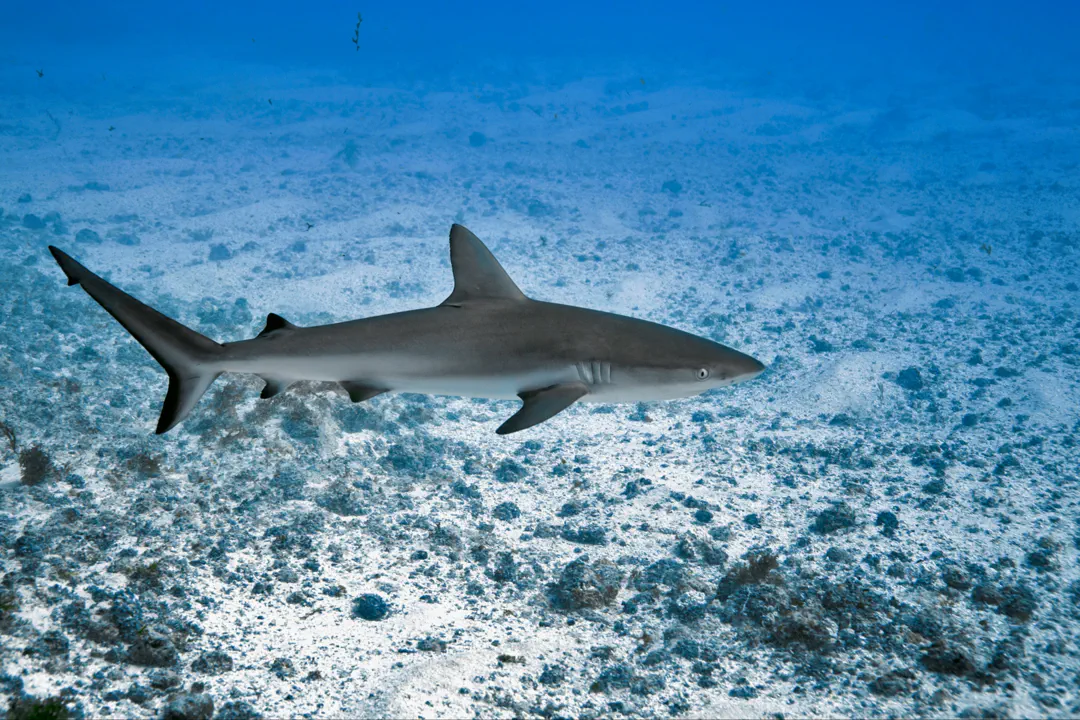
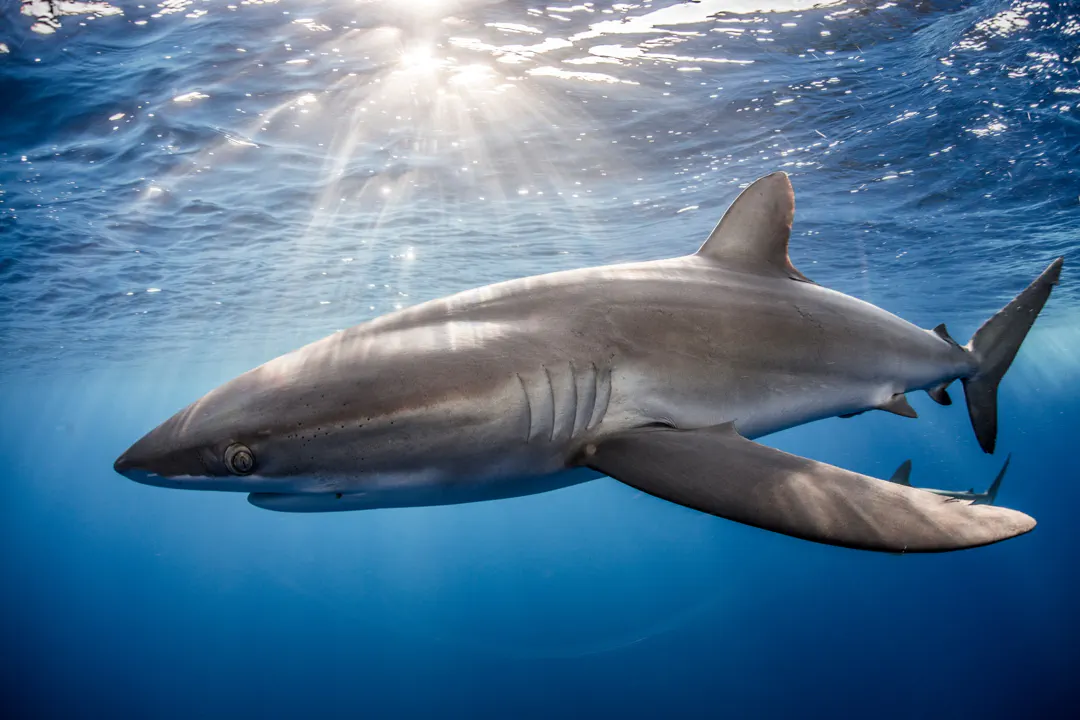
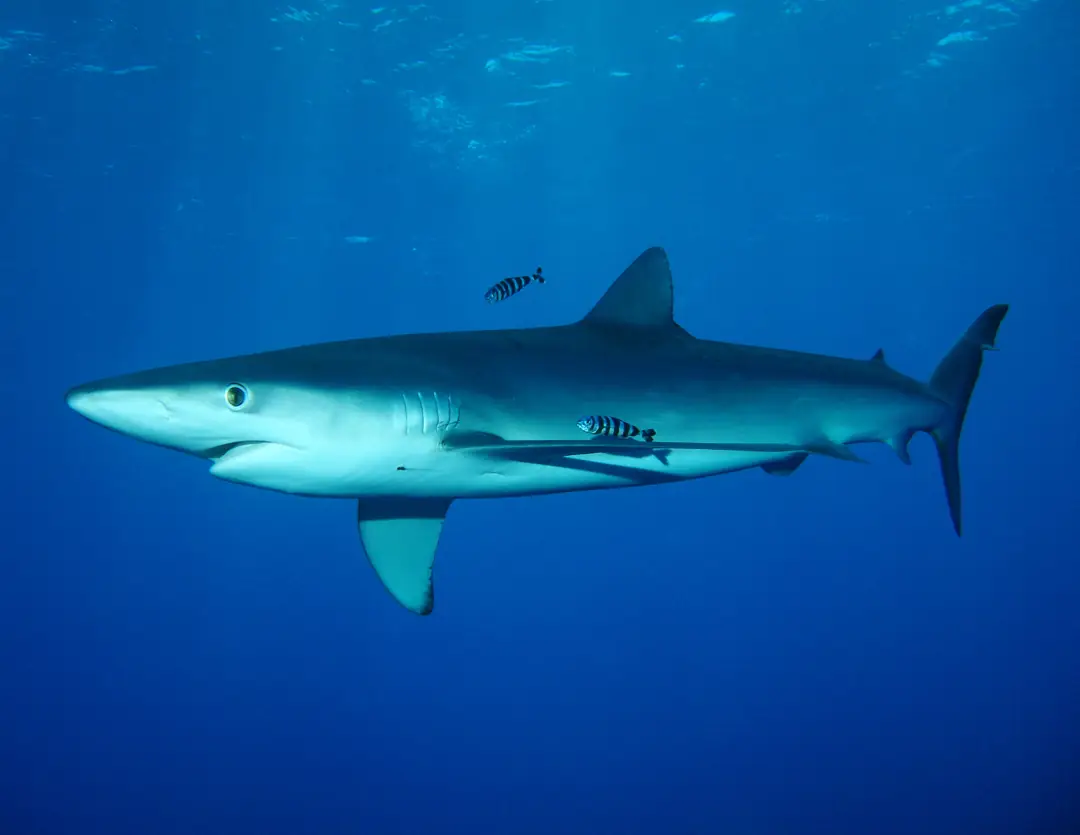
During the garua months, massive pregnant whale sharks migrate past the northernmost islands of Darwin and Wolf. Schooling hammerheads patrol the drop-offs in their hundreds, while pods of silky sharks and Galapagos sharks circle in the current. Divers navigating these waters face choppy seas, strong surge, and cold thermoclines that demand thick exposure suits and confident buoyancy control.
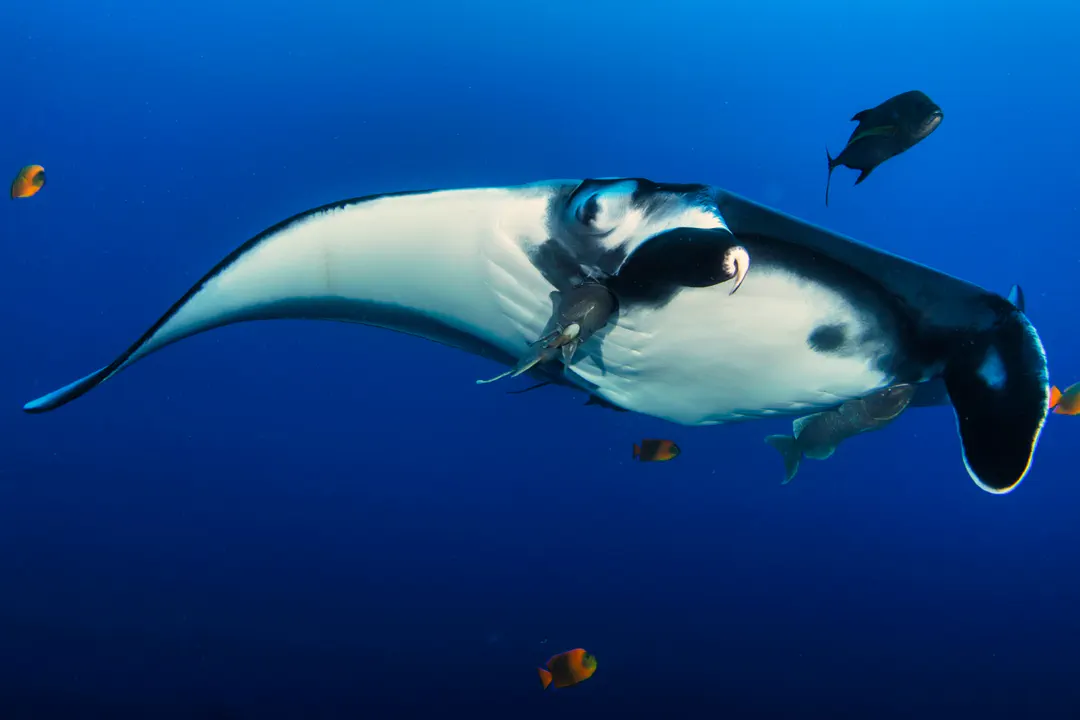
The warm season spans from December through May, marked by calm seas, sunny skies, and water temperatures between 23°C and 28°C. Rain showers occur periodically, but underwater visibility often stretches beyond 25 metres. Manta rays, eagle rays, and hammerhead schools remain active, while green sea turtles gather in shallow bays to mate and feed along sunlit algae beds.
Galapagos Water Temperature by Month
Water temperatures across the archipelago vary significantly depending on geographic location and current patterns. The northern islands of Darwin and Wolf stay slightly warmer than the central islands due to the Panama Current, averaging 22°C to 25°C in the cool season. Conversely, western sites near Isabela and Fernandina drop as low as 14°C when the Cromwell Current wells up from the deep ocean floor.
From January to April, surface temperatures peak across the central islands, ranging between 24°C and 28°C. Thermoclines remain deeper during these warm months, offering comfortable diving conditions in 5mm to 7mm wetsuits. As May turns into June, cold currents push upward, dropping surface readings to 18°C around Santa Cruz and San Cristobal.
By September and October, ocean temperatures reach their annual low across the entire marine reserve. Divers frequently encounter sharp temperature drops of 5°C or more within a single three-metre descent. Preparing for these rapid shifts requires flexible thermal layering, including hoods, gloves, and hooded vests under a 7mm suit or semi-dry system.
Water temperature
Galapagos Islands, Ecuador, monthly average
Ecuador Pacific Coast near Guayaquil; typical sea surface temperatures for mainland coastal diving areas
Best Dive Sites in the Galapagos
The marine reserve features dive sites spread across three distinct geographic zones, ranging from high-current pelagic hotspots in the far north to sheltered lava formations in the central and western islands.
Darwin Island (Darwin Atoll): Whale sharks and schooling hammerheads
At Darwin Island, the submerged rocky platform below the former arch structure drops from nine metres down to thirty metres before plunging into the abyss. Down at eighteen metres, divers position themselves along volcanic ledge outcroppings to hold position against relentless three- to six-knot currents. Upwelling waters push massive volumes of plankton past the platform, creating an open-ocean feeding station for large pelagics.
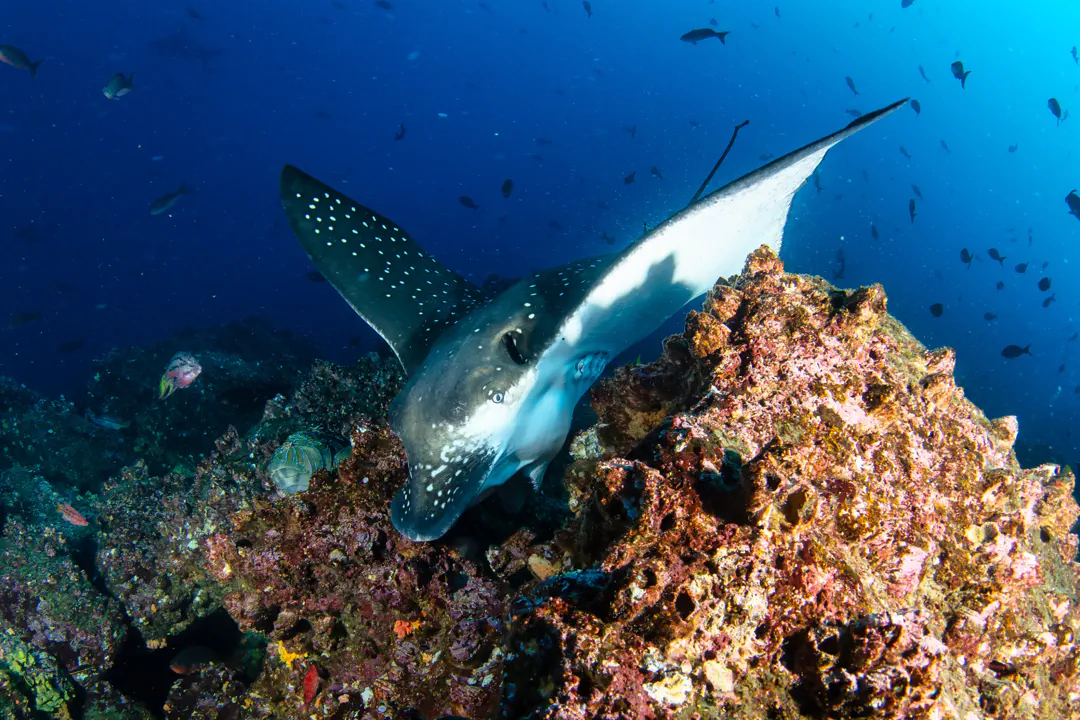
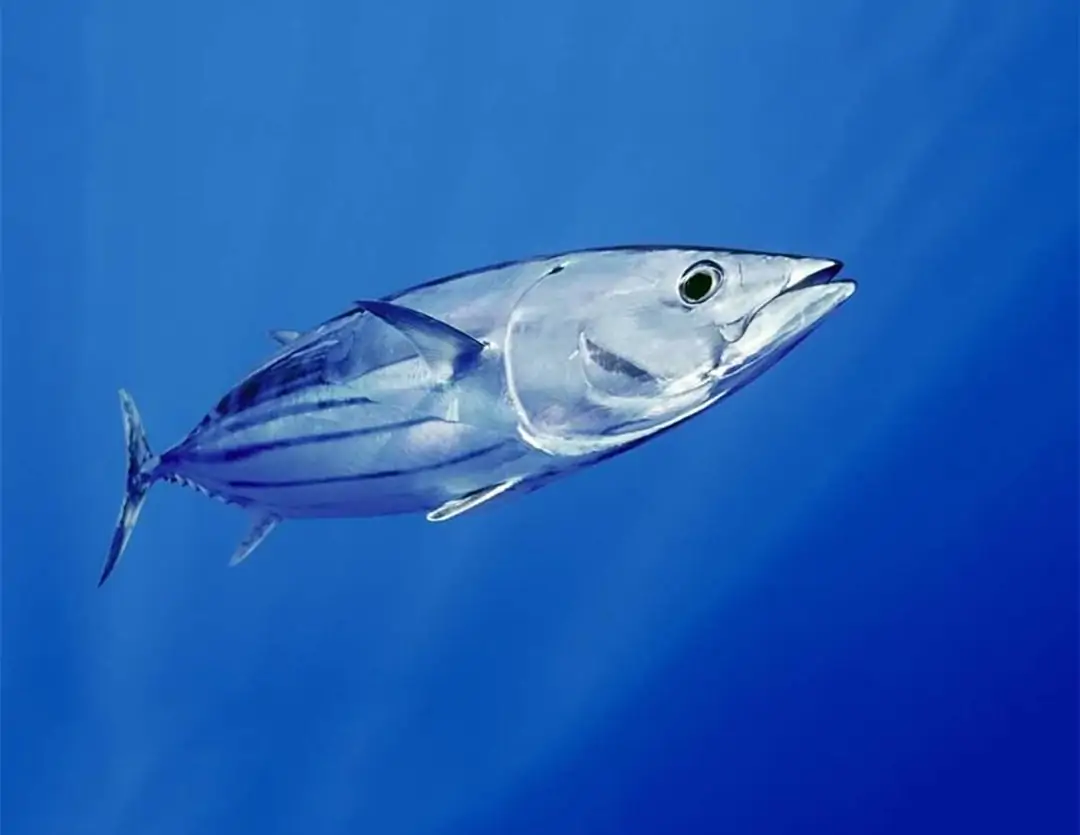
Pregnant female whale sharks measuring up to fourteen metres in length cruise past the plateau between July and November. Hundreds of scalloped hammerheads form dense overhead walls, their silhouettes blocking out the afternoon light. Pacific green sea turtles and spotted eagle rays drift through the blue, while skipjack tuna hunt schooling fish along the ledge edge.
Diving here demands strong negative entries and immediate descent to avoid surface drift in heavy swells. The current can push divers into open water within seconds if they lose contact with the rock face. Safety sausage markers, signaling devices, and strong finning technique are mandatory for every drift along this northern platform.
Depth: 9-30 m. Access: liveaboard boat, 18 hours north of Santa Cruz. Level: Advanced Open Water. Best months: June-November.
 © seabook.appAll rights reserved
  © seabook.appAll rights reserved
  © R VasconcellosCC BY 4.0 · iNaturalist
  © seabook.appAll rights reserved
  © seabook.appAll rights reserved
  © seabook.appAll rights reserved
 Wolf Island (Northern Galapagos): Strong currents and mass shark aggregations
Wolf Island rises sheer out of the deep Pacific ninety kilometres south of Darwin, surrounded by boulder-strewn drop-offs and jagged underwater pinnacles. At sites like Shark Bay and The Landslide, large volcanic boulders cascade from twelve metres down to forty metres depth. Strong surge and sweeping currents force divers to hook into bare rock surfaces to watch pelagic species pass by.
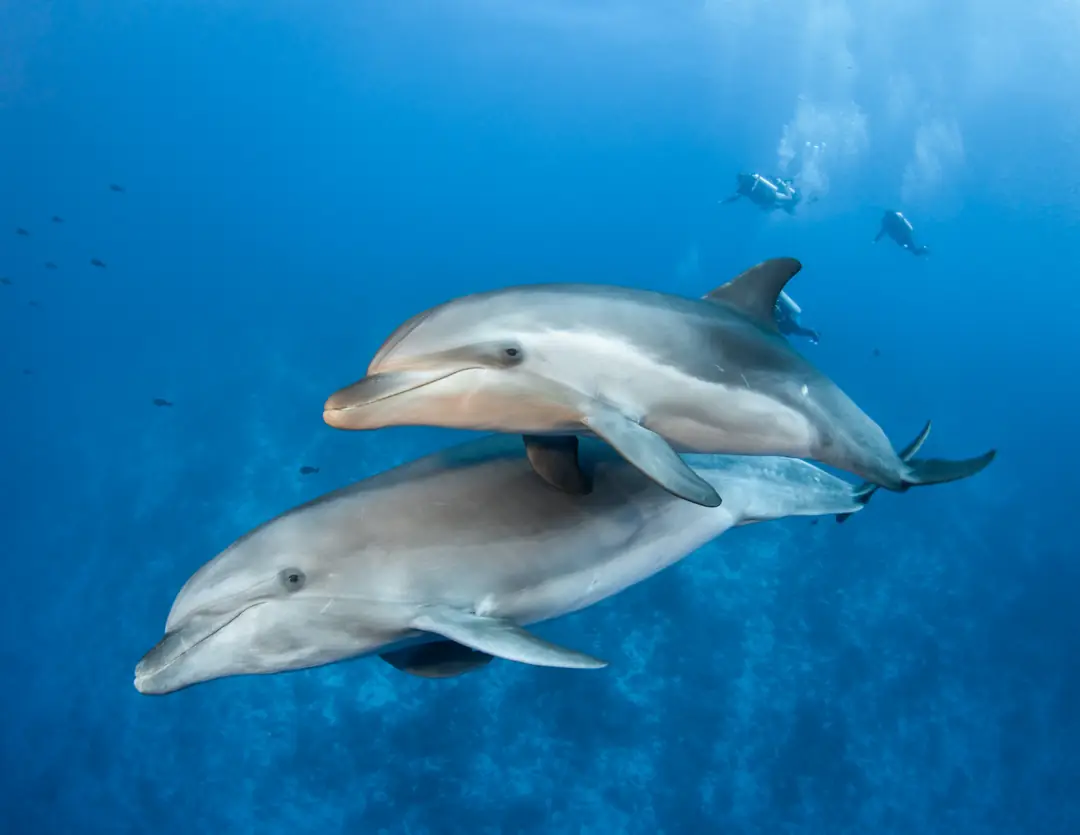
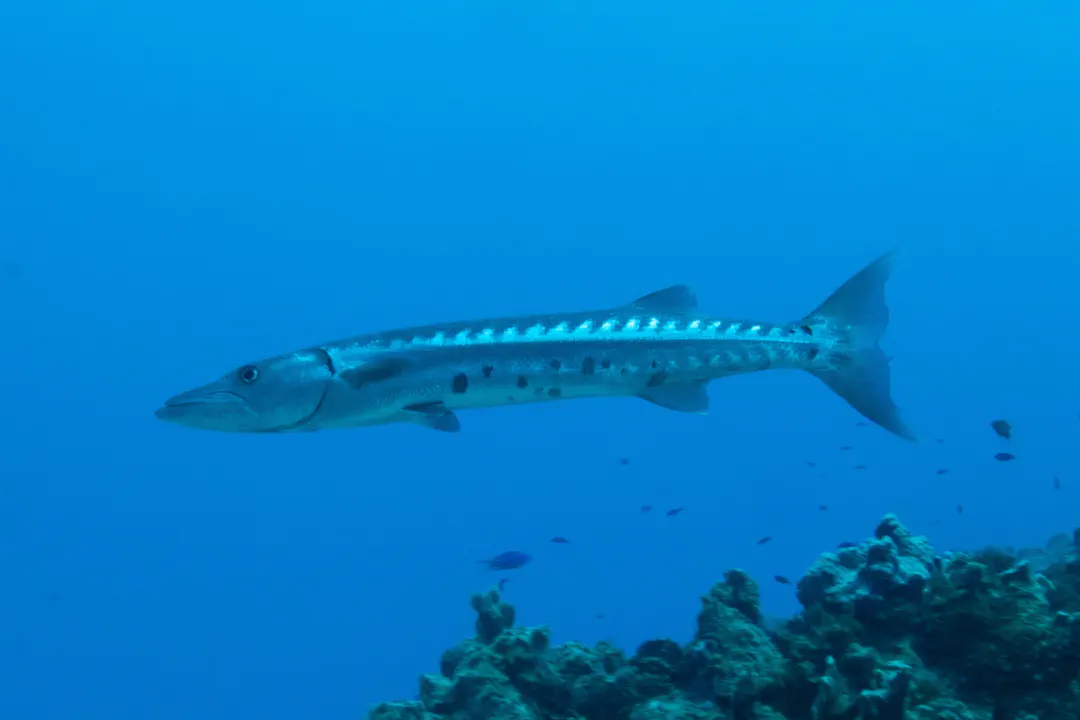
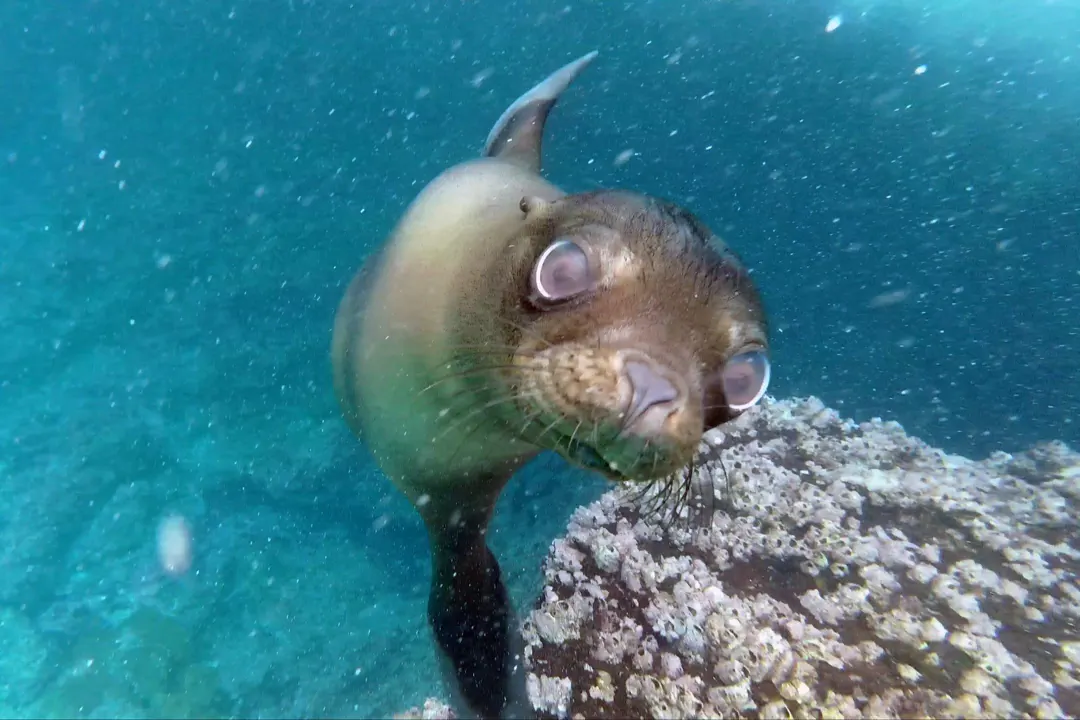
Galapagos sharks, silky sharks, and hammerheads aggregate in the churning currents along the western rock face. Bottlenose dolphins frequently descend to twenty metres to interact with divers, while yellowtail amberjack and great barracuda sweep through in tight schools. Galapagos sea lions shelter among the boulders out of the main current stream.
Entry at Wolf requires rapid descent in choppy surface waters, followed by precise group drifting along the submerged walls. Currents here shift direction suddenly near underwater points, creating downdrafts and eddying whirls. Liveaboard skiffs follow diver surface marker buoys closely, picking up groups as they drift off the wall into open water.
Depth: 12-40 m. Access: liveaboard boat, 16 hours north of Santa Cruz. Level: Advanced Open Water. Best months: June-November.
 © seabook.appAll rights reserved
  © seabook.appAll rights reserved
  © Dan SchofieldCC BY 4.0 · iNaturalist
  © seabook.appAll rights reserved
  © Kristof ZyskowskiCC BY 4.0 · iNaturalist
  © Patrick DollCC BY-SA 4.0
 Gordon Rocks (Santa Cruz): High energy currents and resident hammerhead pods
Gordon Rocks consists of an eroded volcanic crater sitting off the eastern coast of Santa Cruz Island. The site features three jagged rocks protruding above the water, with a submerged central caldera reaching depths between twelve and thirty metres. Strong ocean currents squeeze through the northern and southern channels of the crater, earning the site its nickname, The Washing Machine.
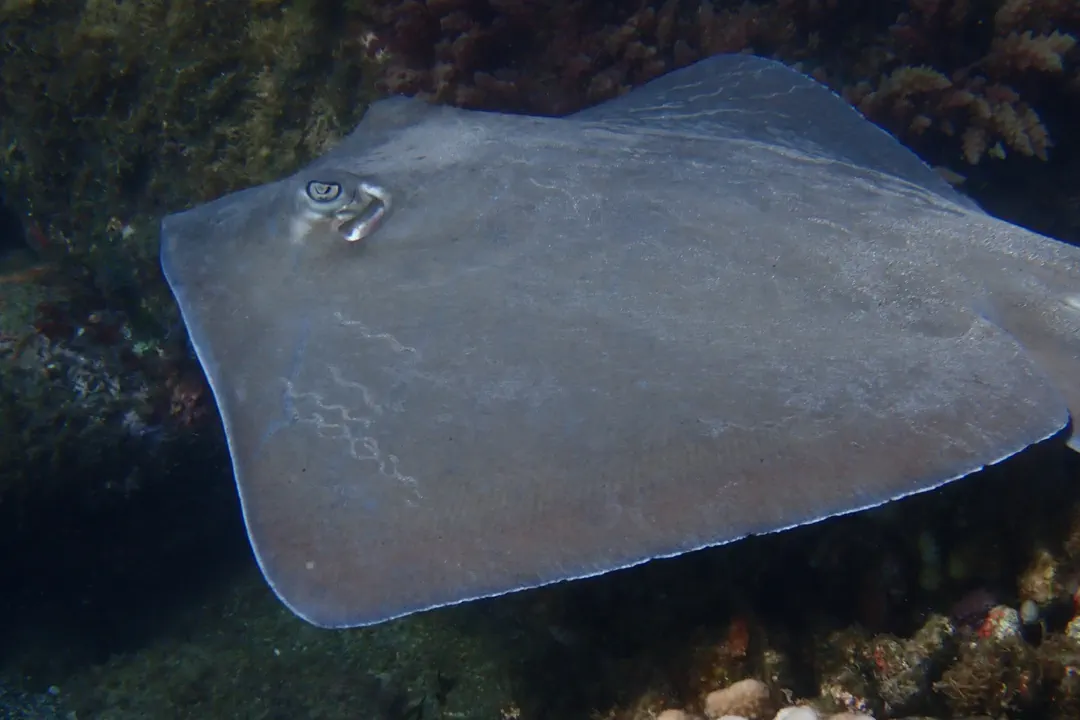
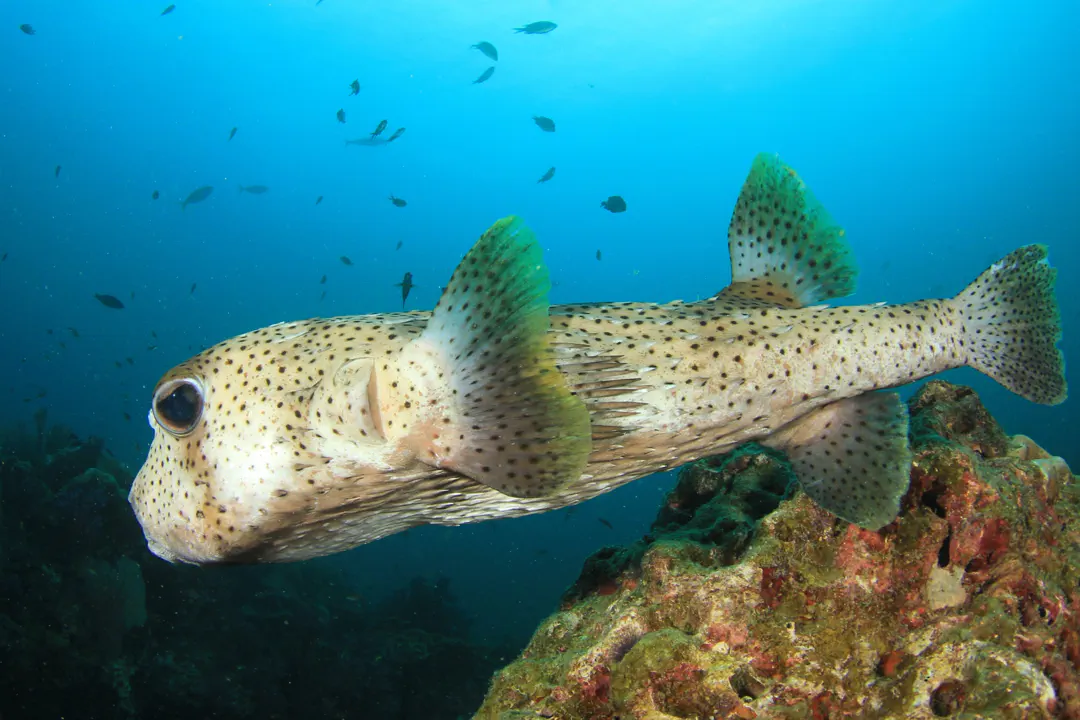
Schooling hammerheads enter the crater to utilize cleaning stations along the rocky ridges where king angelfish pick off parasites. Galapagos bullhead sharks lie camouflaged along the sandy bottom, while diamond stingrays and bat rays hover in the currents. Harlequin wrasse and guineafowl puffers populate the shallower boulders inside the caldera edge.
The severe surge and unpredictable currents inside the channel demand careful buoyancy control and steady breathing. Divers must navigate down the outer walls before tucking behind volcanic rock outcrops to observe the hammerhead pods. Day boats run regularly from Santa Cruz, making this one of the few accessible hammerhead sites for land-based divers.
Depth: 12-30 m. Access: day boat, 45 minutes from Santa Cruz. Level: Advanced Open Water. Best months: December-May.
 © Alberto AlcaláCC BY 4.0 · iNaturalist
  © seabook.appAll rights reserved
 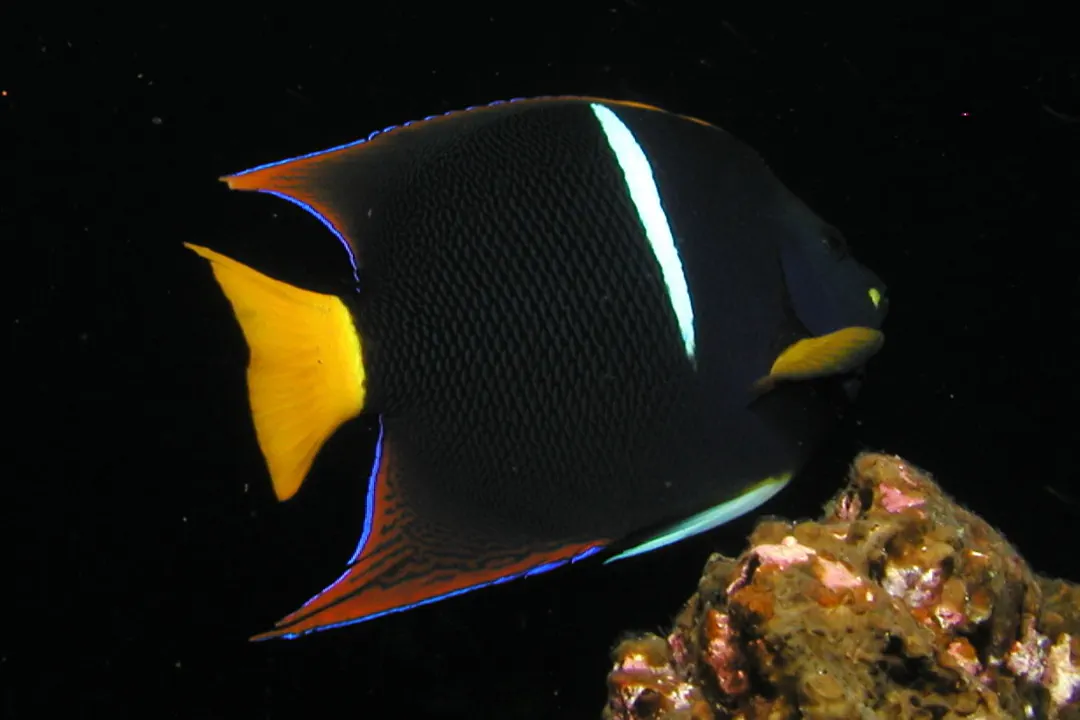 © desertnaturalistCC BY 4.0 · iNaturalist
 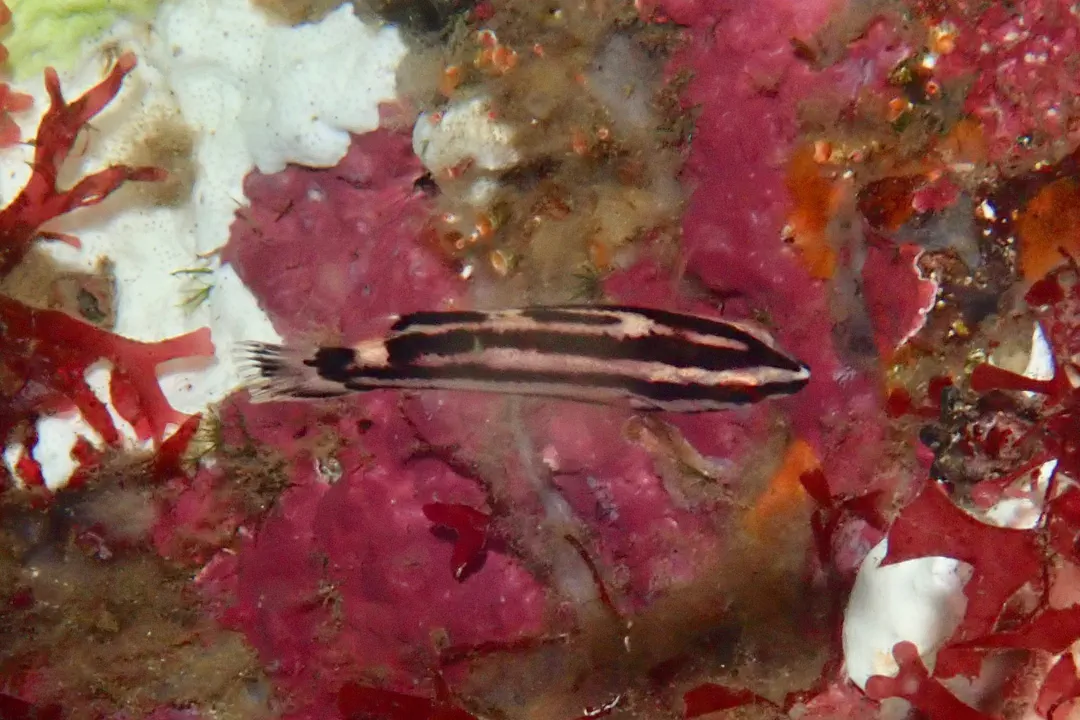 © jeyreCC BY 4.0 · iNaturalist
 Punta Vicente Roca (Isabela Island): Cold ocean currents and mola mola sightings
Located on the northwestern tip of Isabela Island, Punta Vicente Roca sits directly in the path of the upwelling Cromwell Current. The dive takes place along a steep wall beneath towering cliffs, dropping from five metres down to forty metres into cold, dark water. Water temperatures here frequently hover between 14°C and 16°C, creating a unique temperate ocean ecosystem.
Ocean sunfish, or Mola mola, emerge from the deep water to visit cleaning stations along the wall at depths between fifteen and twenty-five metres. Flightless cormorants dive from the surface down to fifteen metres, using their reduced wings to propel themselves through the water while hunting fish. Galapagos penguins dart past in search of schooling prey, while red-lipped batfish rest on sandy ledges at twenty metres.
The cold water and reduced visibility averaging eight to twelve metres require 7mm wetsuits with hoods and gloves. Surge along the shallow wall sections can push divers against barnacle-covered rock, so maintaining middle-water buoyancy is critical. The combination of rare species makes this cold-water dive a highlighted stop on western liveaboard itineraries.
Depth: 5-40 m. Access: liveaboard boat, western island route. Level: Intermediate to Advanced. Best months: May-November.
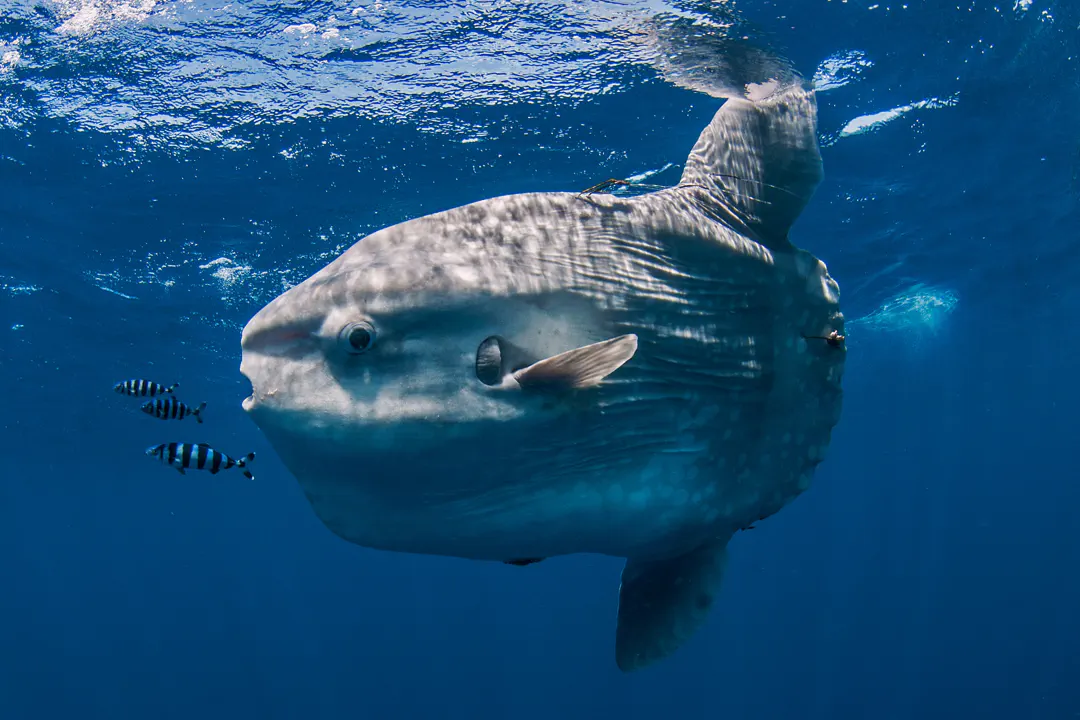 © seabook.appAll rights reserved
 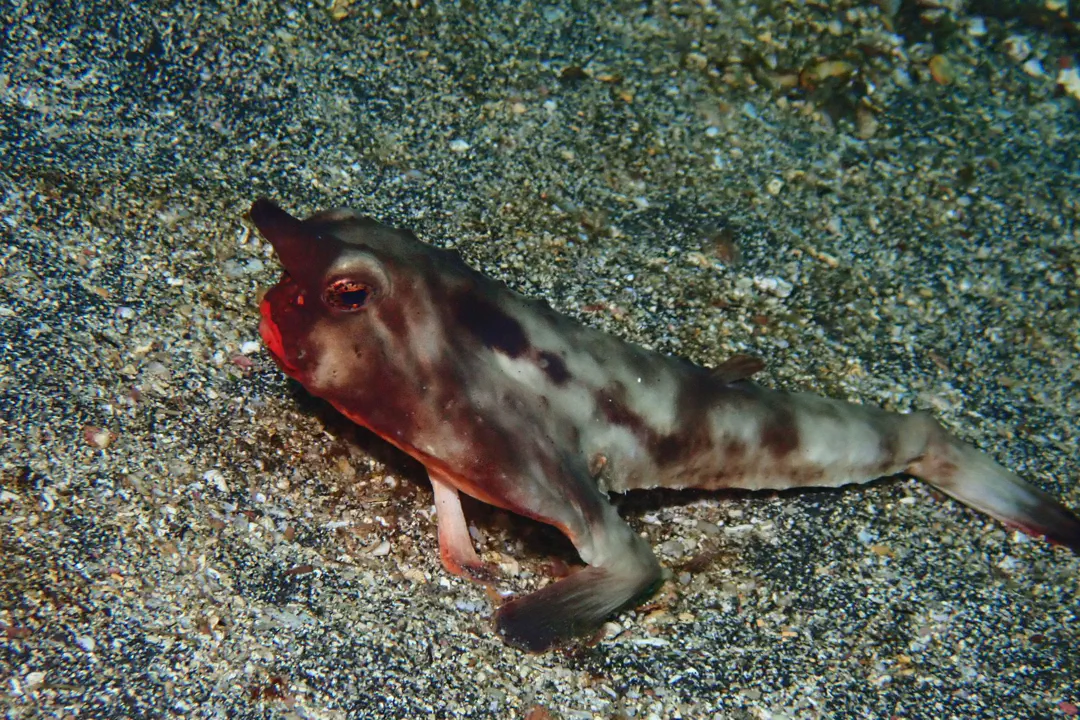 © jeyreCC BY 4.0 · iNaturalist
  © Shawn O'DonnellCC BY 4.0 · iNaturalist
 Los Tuneles (Isabela Island): Lava archways and calm sea turtle sanctuaries
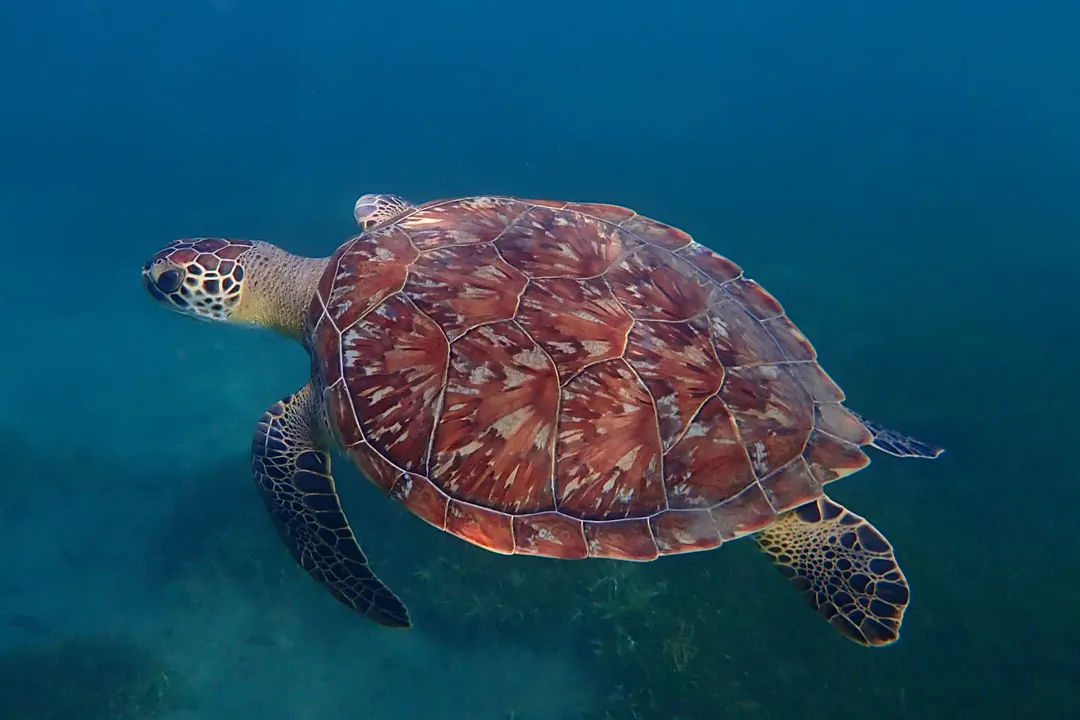
Los Tuneles sits on the southern coast of Isabela Island, formed by ancient lava flows that cooled into a network of arches, caves, and shallow platforms. Water depths in this sheltered sanctuary range from one to eight metres, featuring flat, glassy surface conditions protected from outer ocean swells. Sunlight filters through natural lava archways, illuminating white sandy bottoms and black basalt formations.
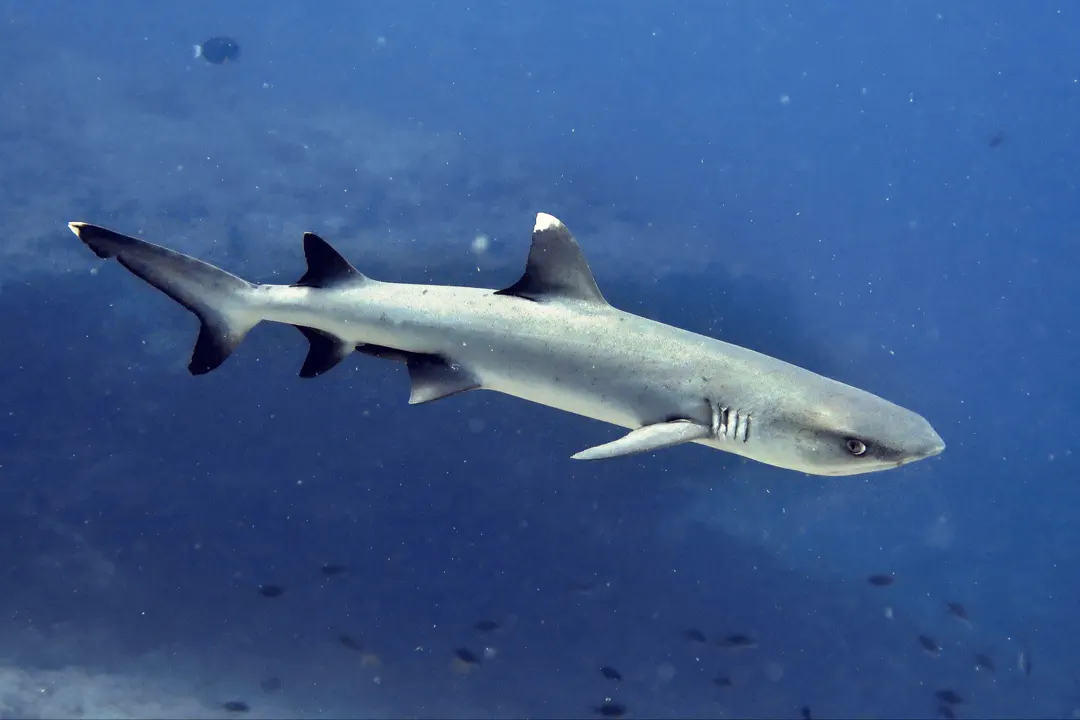
Pacific green sea turtles gather in large numbers, resting beneath lava overhangs or feeding quietly on green algae along the rocks. Whitetip reef sharks sleep crammed together inside low lava caves, while Galapagos sea lions loop and dive around visitors. Schools of flathead grey mullet and Panamic sergeant majors swim through the sunlit archways.
This shallow, low-energy environment is ideal for snorkellers and newly certified divers exploring the Galapagos from land-based lodging on Isabela. Navigating the maze of lava tunnels requires careful finning to avoid disturbing settled silt on the cavern floors. Local guides lead daily excursions to Los Tuneles by boat, combining walking paths over lava bridges with shallow water exploration.
Depth: 1-8 m. Access: day boat, 45 minutes from Puerto Villamil. Level: Beginner to Open Water. Best months: Year-round.
 © Daniel BenákCC BY 4.0 · iNaturalist
  © Matteo BellucciCC BY 4.0 · iNaturalist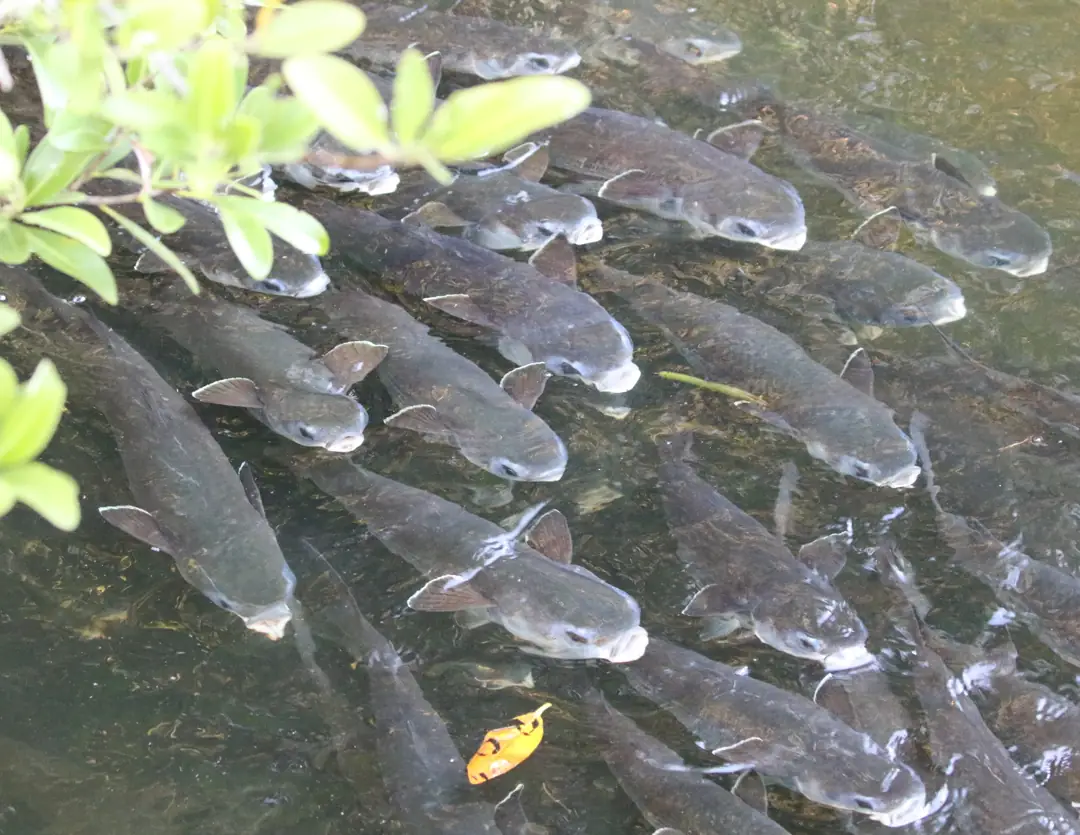
Kicker Rock (San Cristobal): Vertical rock walls and sleeping sharks
Kicker Rock, or Leon Dormido, rises one hundred and forty metres straight out of the ocean off San Cristobal Island. The dive centers on a narrow vertical channel that splits the monolith into two giant rock towers, reaching depths of six to thirty metres. Current surges back and forth through this eighty-metre-deep channel, funneling plankton and smaller reef fish through the rock passage.
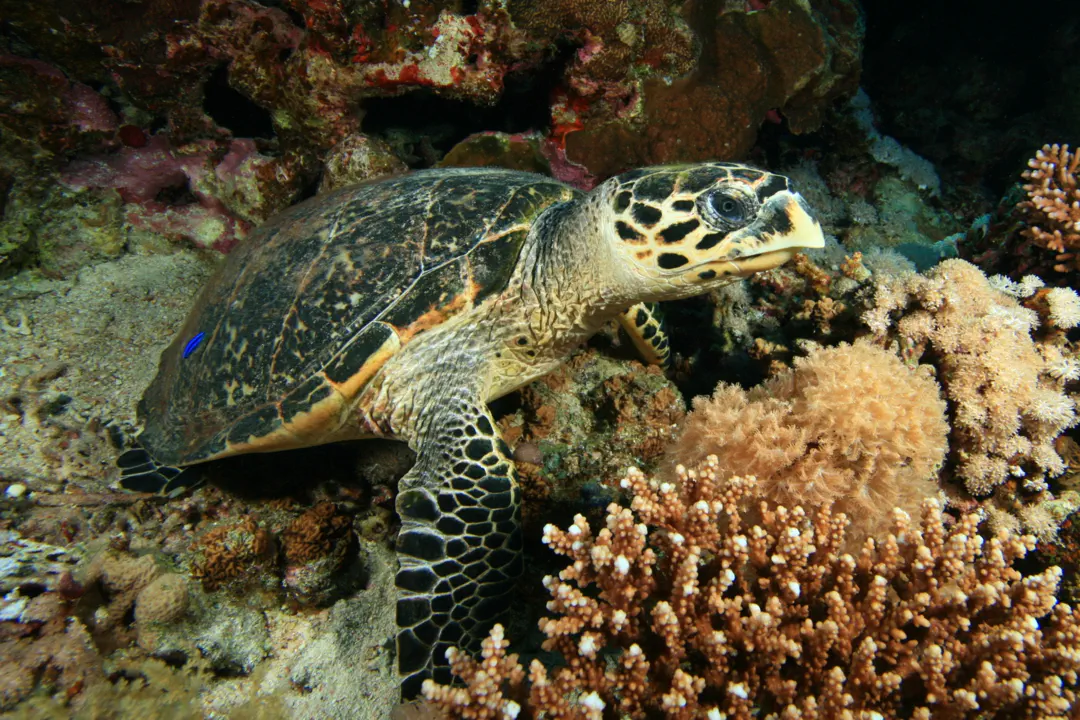
Galapagos sharks and scalloped hammerheads cruise back and forth within the shaded channel walls. Spotted eagle rays glide in formation through the middle water column, while Pacific green sea turtles feed along the rocky walls covered in red algae and sea anemones. Eastern Pacific bonito and Pacific creolefish sweep past in small schools along the outer walls.
Water temperatures at Kicker Rock range from 18°C to 23°C, with visibility varying between eight and twenty metres depending on current strength. Divers execute a drift through the channel before rounding the outer wall into calmer water. Day boats depart daily from Puerto Baquerizo Moreno, offering an accessible pelagic experience without requiring a full liveaboard journey.
Depth: 6-30 m. Access: day boat, 1 hour from Puerto Baquerizo Moreno. Level: Intermediate. Best months: December-May.
 © Georgina JonesCC BY-SA 4.0 · iNaturalist
 Marine Life in the Galapagos
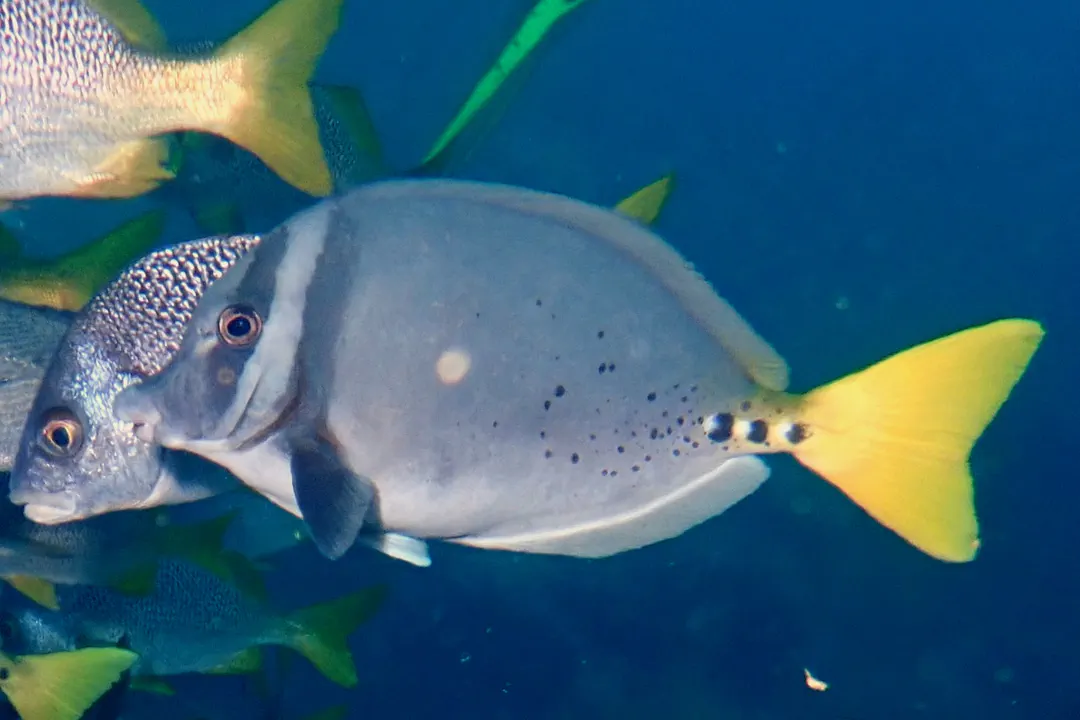
Beyond the famous shark aggregations, the Galapagos Marine Reserve hosts hundreds of species found nowhere else on Earth. Benthic habitats feature unusual endemics like the red-lipped batfish, which walks along sandy sea floors using modified pectoral fins. Bumphead damselfish, Galapagos bullhead sharks, and razor surgeonfish occupy the kelp-like algae beds that cover volcanic rock formations across the central islands.
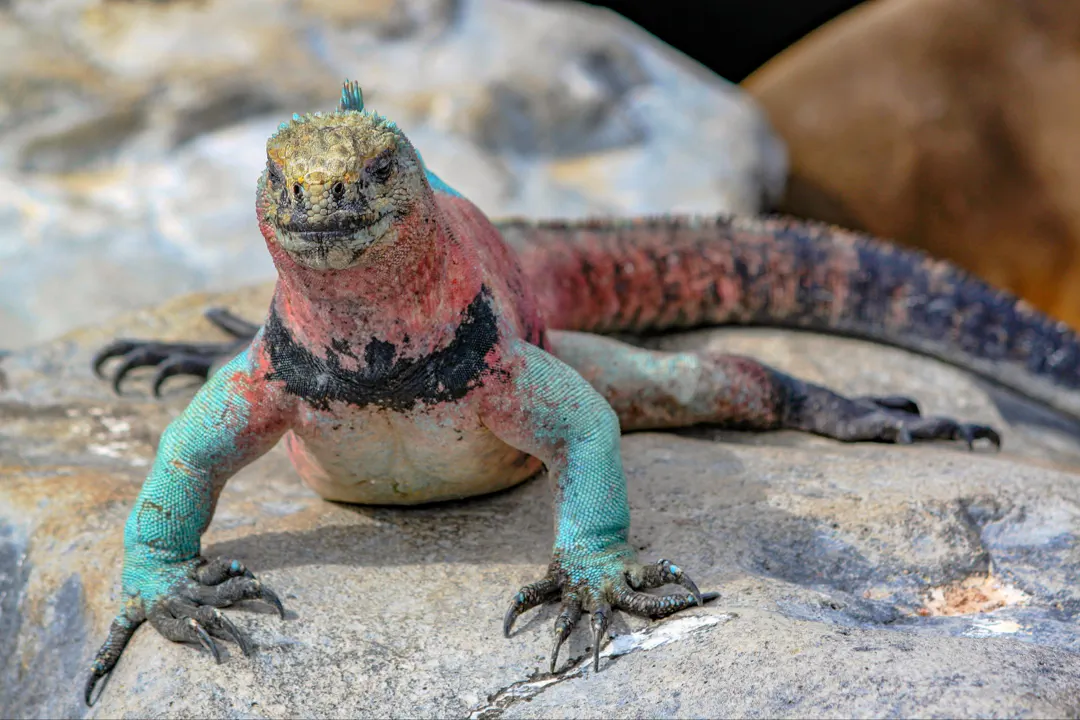
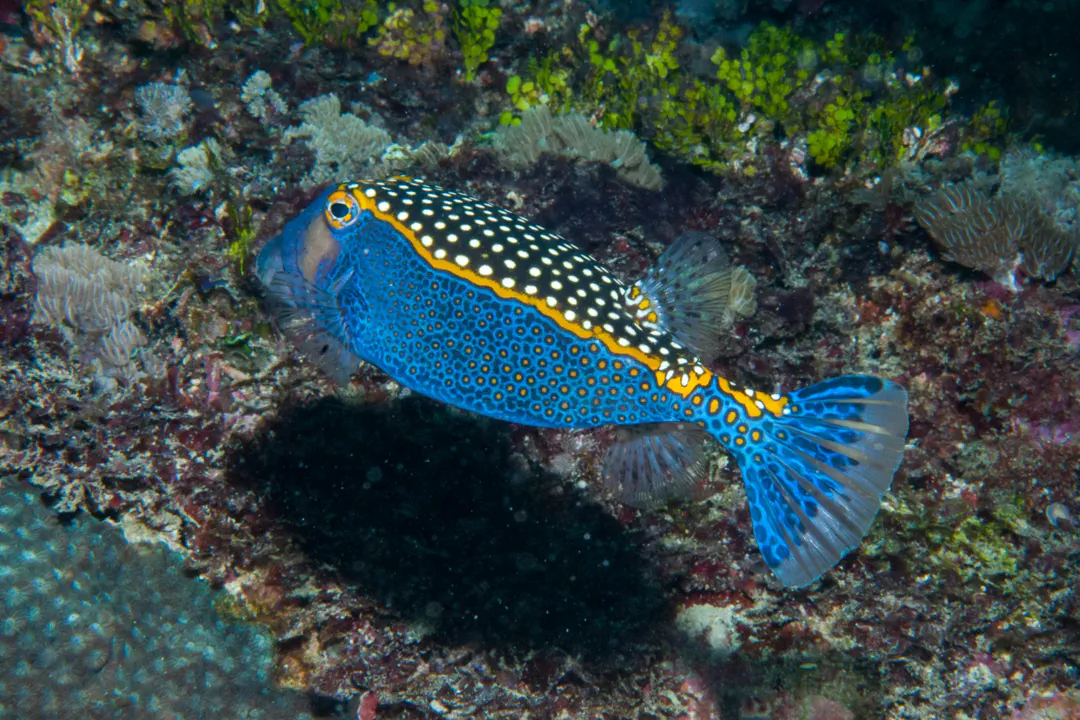
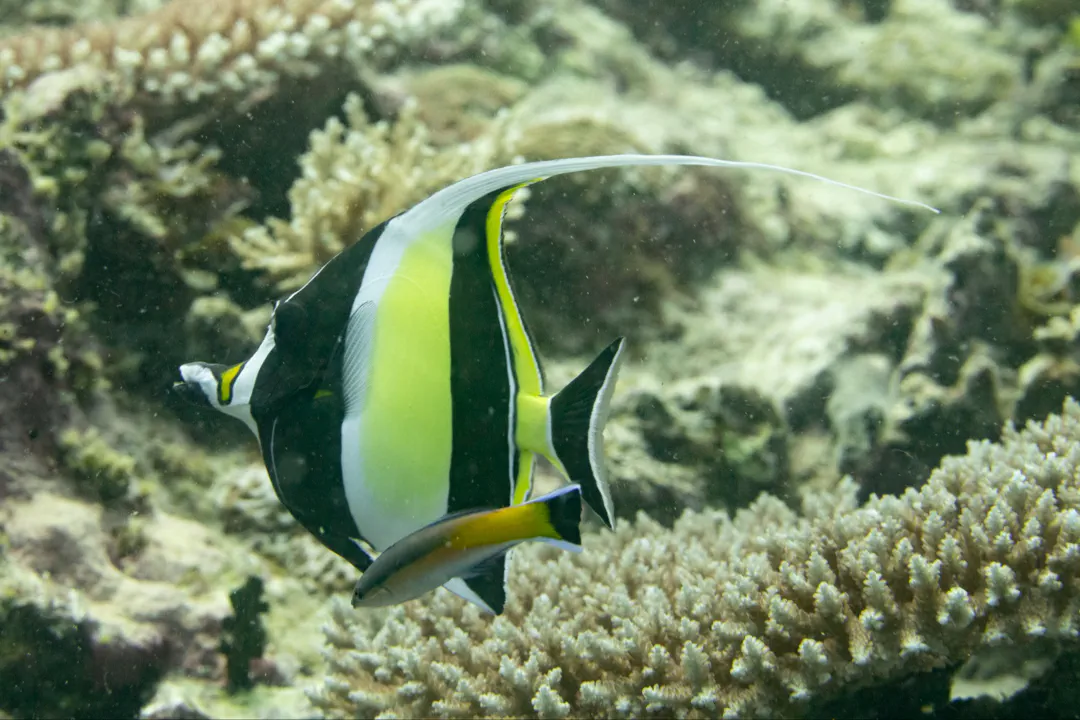
Marine reptiles add another rare dimension to dives across the archipelago. Marine iguanas dive down to thirty metres, clinging to volcanic rock with powerful claws while grazing on red and green algae in surging water. Pacific green sea turtles nest across the beaches and rest in shallow bays, while spotted trunkfish and Moorish idols weave through boulder crevices.
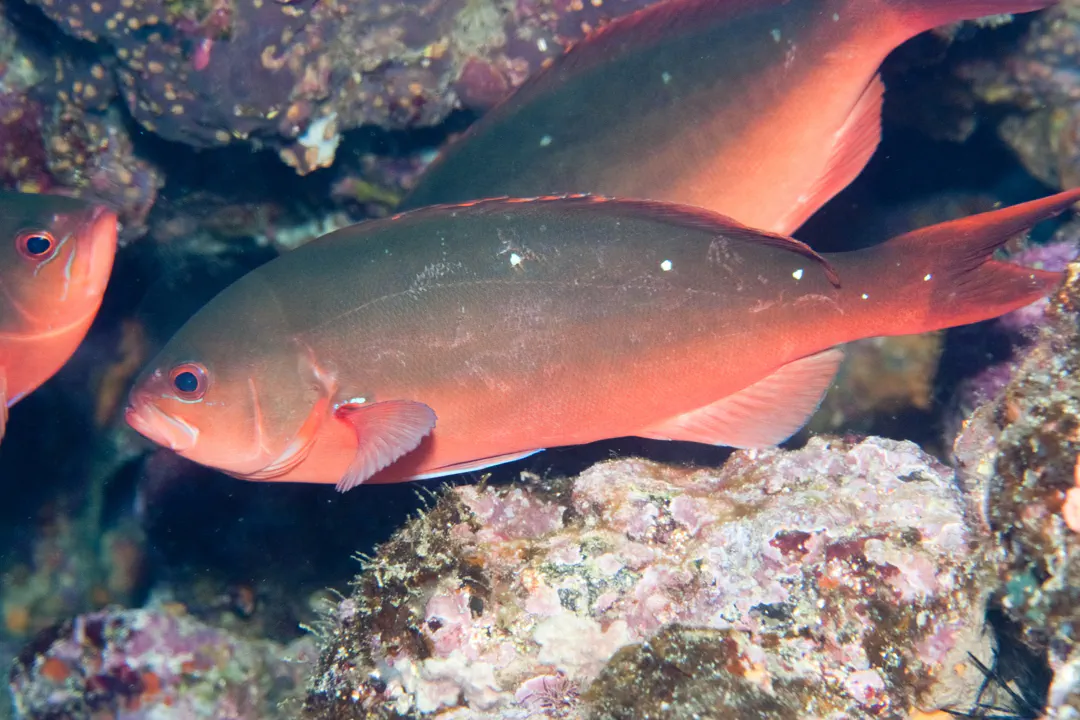
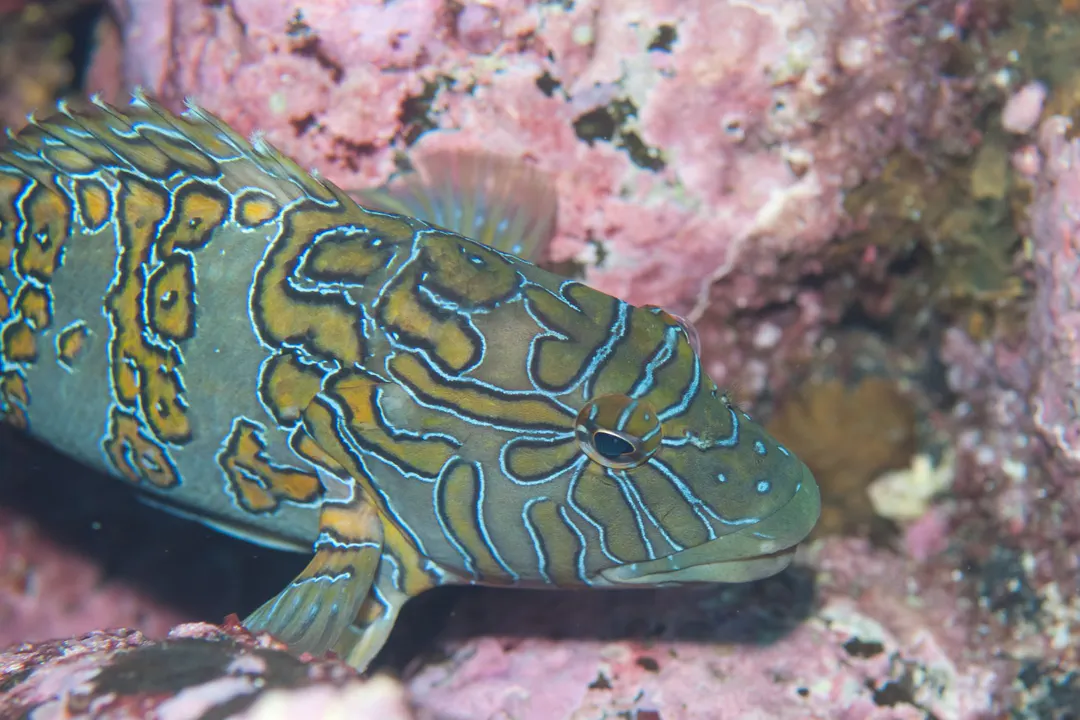
Identifying these unique species becomes effortless when logging dives with the Seabook app, which provides verified field guide data and marine species recognition for Galapagos fauna. Giant hawkfish, spotted sharpnose puffers, and leather bass fill the shallow reef zones, while large groupers like the sailfin grouper patrol deeper boulders.
Invertebrate life flourishes in the cold, nutrient-dense water despite the limited presence of hard coral reefs. Black coral bushes extend from wall crevices at depths below fifteen metres, providing shelter for longnose hawkfish and Pacific seahorses. Bright orange cup corals, pencil sea urchins, and giant sea stars coat the basalt rocks, supporting complex benthic food webs across every island shore.
 © Georgina JonesCC BY-SA 4.0 · iNaturalist
  © jeyreCC BY 4.0 · iNaturalist
  © Bernard PictonCC BY 4.0 · iNaturalist
  © cello caruso-turielloCC BY 4.0 · iNaturalist
 Are the Galapagos Good for Beginners and Snorkellers?
Diving in the Galapagos presents physical challenges that differ significantly from typical tropical reef destinations. Strong upwelling currents, heavy ocean surge, cold thermoclines, and limited underwater visibility demand strong buoyancy skills and comfort in open water. Advanced open water certification and a minimum of fifty logged dives are strongly recommended for liveaboard itineraries visiting Darwin and Wolf.
Novice divers and snorkellers can still experience the archipelago by taking land-based day trips from Santa Cruz, Isabela, or San Cristobal islands. Sheltered sites like Los Tuneles, Concha de Perla, and Tortuga Bay offer calm, shallow water where beginners can swim with sea lions, green sea turtles, and juvenile whitetip reef sharks. Day boats to sites like Kicker Rock and North Seymour provide entry-level opportunities on calm weather days.
Snorkelling is exceptionally rewarding across the inner islands, often matching the wildlife encounters seen on deeper dives. Marine iguanas feeding in two metres of water, playful sea lions performing acrobatics, and penguins hunting fish near the surface are easily viewed from the water's surface. Guided land tours combine shore walks with snorkelling stops that require no diving certification at all.
Getting There and Practical Tips
Reaching the Galapagos requires flying from mainland Ecuador, with daily flights departing from Quito and Guayaquil to San Cristobal or Baltra. Travelers must purchase a Transit Control Card for 20 USD at the mainland airport before clearing special biosecurity screening. Upon arrival in the islands, visitors pay an entry fee of 200 USD in cash to support marine reserve conservation and island infrastructure.
Packing the right exposure gear is essential for comfortable diving across changing ocean conditions. A 7mm full wetsuit, hooded vest, gloves, and sturdy boots are recommended during the cool garua season from June to November. A 5mm wetsuit usually suffices during the warmer season from December to May, though bringing a hood remains wise due to deep thermoclines.
Booking liveaboard trips twelve to eighteen months in advance is necessary due to strict permits limiting vessel numbers inside the marine reserve. Day-trip operators based in Puerto Ayora or Puerto Baquerizo Moreno offer more flexible booking options for travelers seeking land-based itineraries. Confirming that dive operators carry emergency oxygen, satellite trackers, and safety sausages ensures maximum safety during high-current drift dives.
Questions
Are there sharks in the Galapagos?
Yes, the Galapagos Marine Reserve hosts massive populations of sharks including scalloped hammerheads, Galapagos sharks, whale sharks, silky sharks, and whitetip reef sharks. Divers regularly encounter schools of hundreds of hammerheads at northern sites like Darwin and Wolf islands.
Is it dangerous to swim or dive in the Galapagos?
Diving in the Galapagos is safe when accompanied by licensed guides and respecting environmental conditions. However, outer island sites require advanced skills to handle cold water down to 14°C, currents up to 6 knots, reduced visibility, and heavy ocean swells.
How warm is the water in the Galapagos?
Water temperatures average 16°C to 22°C (60°F–71°F) during the cool season from June to November. Temperatures increase to 23°C to 28°C (73°F–82°F) during the warm season from December to May.
Can you see marine iguanas underwater in the Galapagos?
Marine iguanas dive down to 30 metres in shallow coastal waters around Isabela and Fernandina islands to graze on red algae growing on lava rocks. Snorkellers and divers frequently see them feeding in depths between 2 and 10 metres.
What dive certification do you need for a Galapagos liveaboard?
Most Galapagos liveaboard operators mandate an Advanced Open Water certification with a minimum of 30 to 50 logged open-water dives. Guides require experience with drift diving, negative entries, surface marker buoys, and cold water thermoclines.
Can beginners go diving in the Galapagos?
Beginners can complete day dives at sheltered sites like Los Tuneles, North Seymour, or Tortuga Bay from land-based ports. However, liveaboard itineraries to Darwin and Wolf islands feature heavy surge and strong currents unfit for entry-level divers.