Why October is a Fantastic Month for Diving
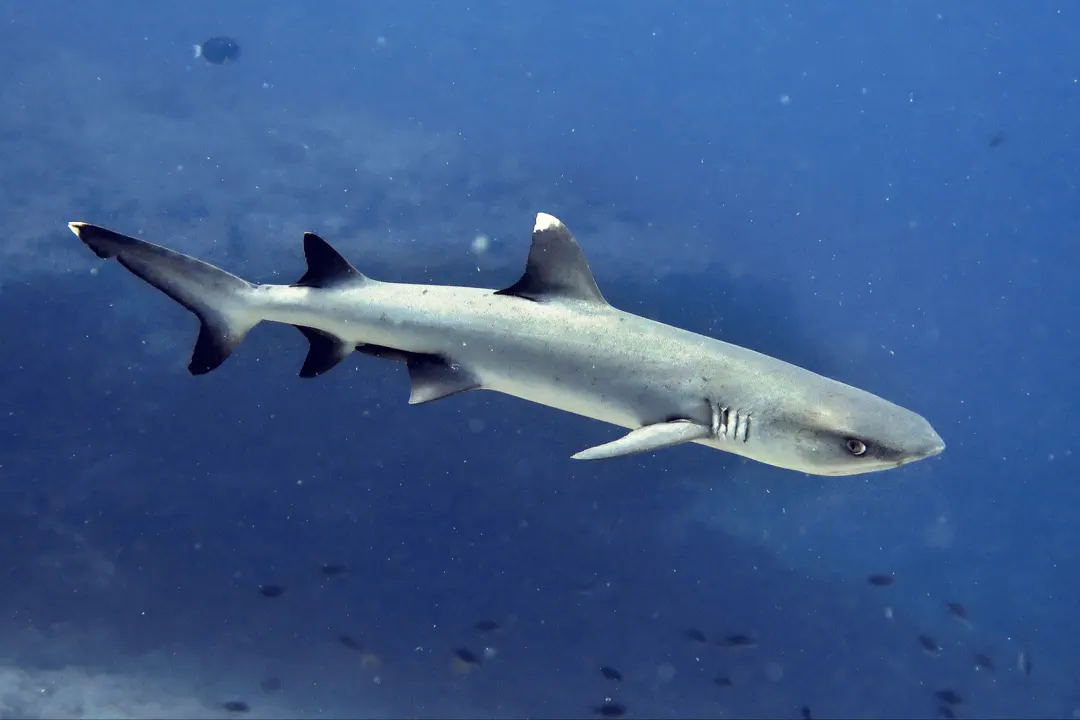
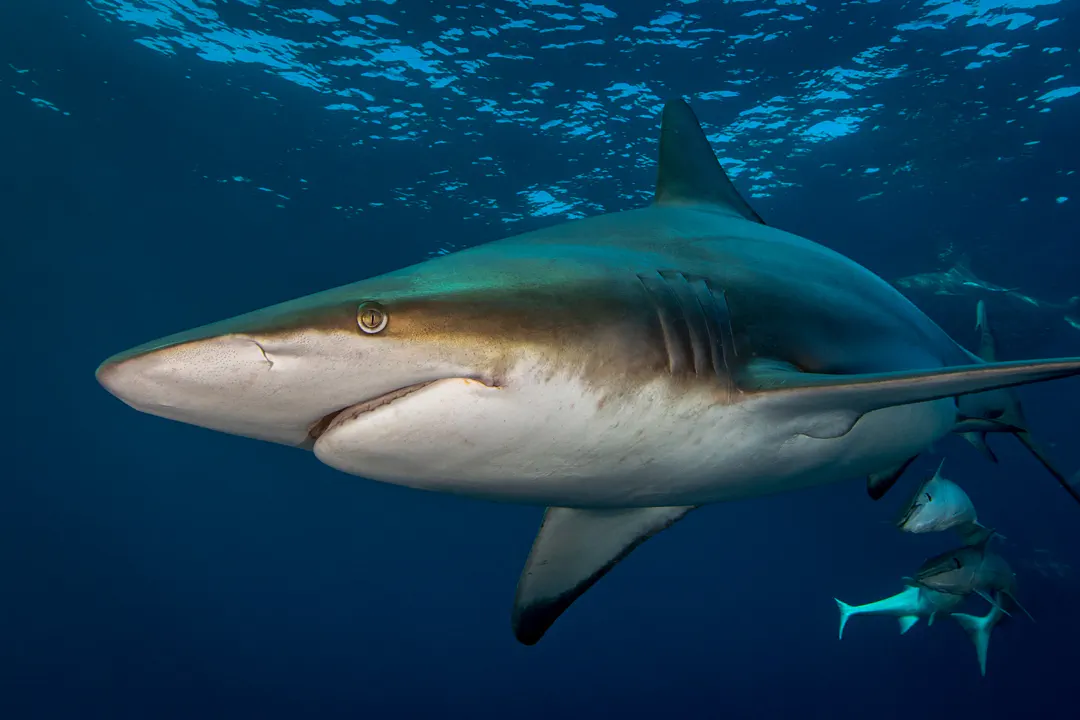
At 20 meters, a shimmering school of fusiliers, numbering in the hundreds, streams through a channel, their scales catching the morning sun like scattered jewels. Below, a solitary blacktip reef shark, its fins tipped in dark charcoal, patrols the reef edge, a silent hunter navigating the gentle surge. This transitional period often reveals new patterns of marine life, as migrations shift and feeding frenzies begin.
Red Sea, Egypt
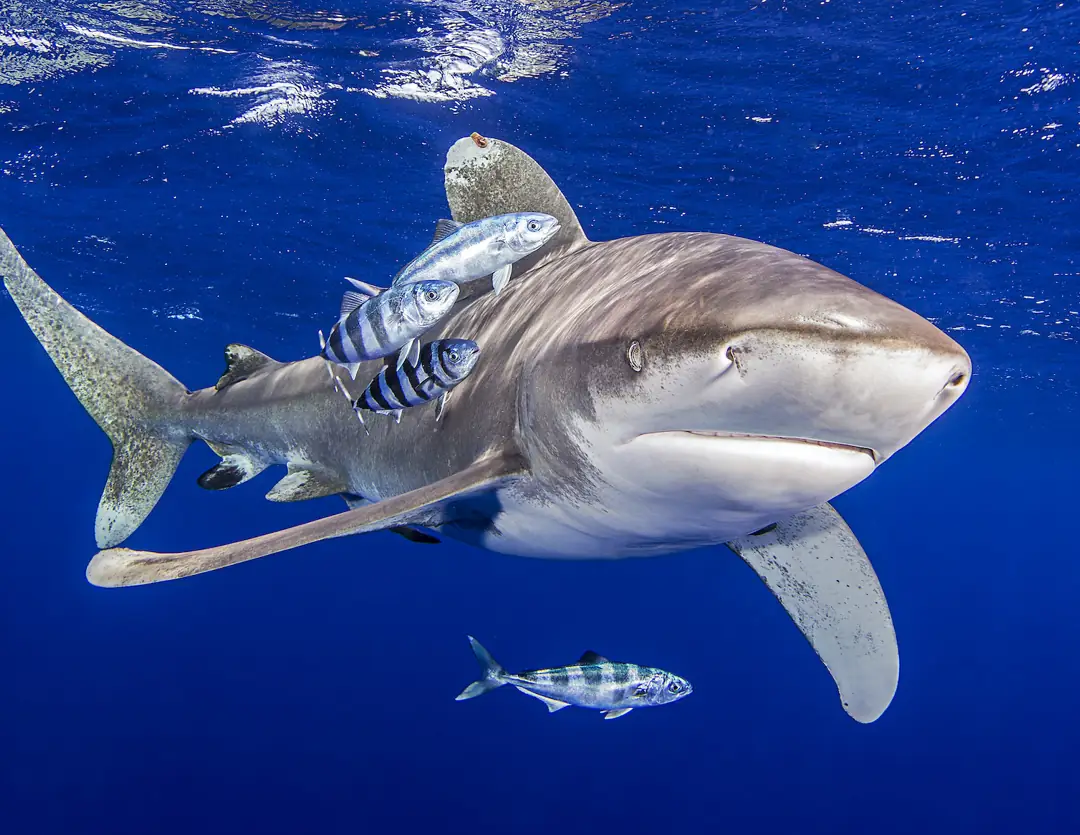
In the northern Red Sea, water temperatures are 26–29°C during October, with visibility reaching 20–30 meters on offshore reefs. This period offers warm conditions and frequent pelagic encounters. At sites like the **Brothers Islands**, accessible by liveaboard and requiring a permit, divers navigate depths of 10-40 meters around two exposed pinnacles, often encountering oceanic whitetip sharks and hammerheads in strong currents. Suitable for experienced divers due to exposed conditions.
**Daedalus Reef**, another liveaboard destination with permits required, plunges to over 40 meters, where schooling hammerheads gather in deep blue water, suitable for experienced divers given the deep profile and potential currents. **Elphinstone Reef**, a boat dive from Marsa Alam, offers similar depths (10-40m) and currents, with oceanic whitetips patrolling its north and south plateaus. It's suitable for experienced divers comfortable with drift diving.
 © seabook.appAll rights reserved
 © seabook.appAll rights reserved
 © Matteo BellucciCC BY 4.0 · iNaturalist
 © seabook.appAll rights reserved
 Jean-Paul BoerekampsCC0 · iNaturalist
 © portioidCC BY 4.0 · iNaturalist
Maldives: Mantas and Whale Sharks
October in the Maldives is a transitional month, as the southwest monsoon begins to recede. Sea conditions can be unsettled on western-facing atolls, and visibility is 10–25 meters due to increased plankton. These nutrient-rich waters, however, attract filter feeders like manta rays and whale sharks.
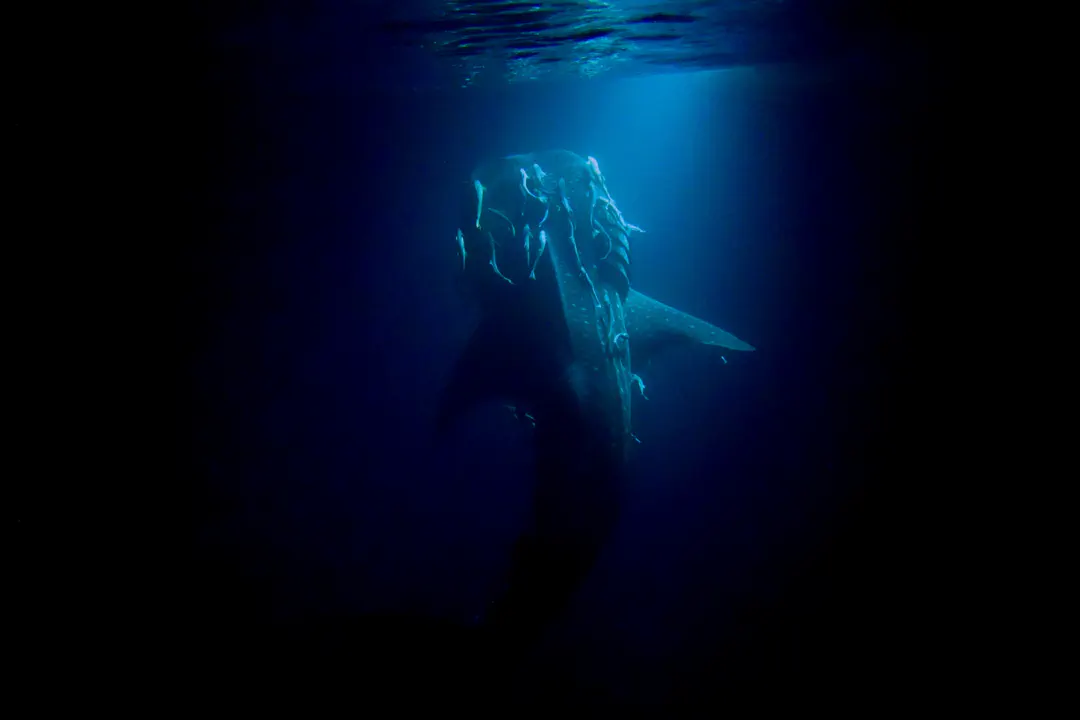
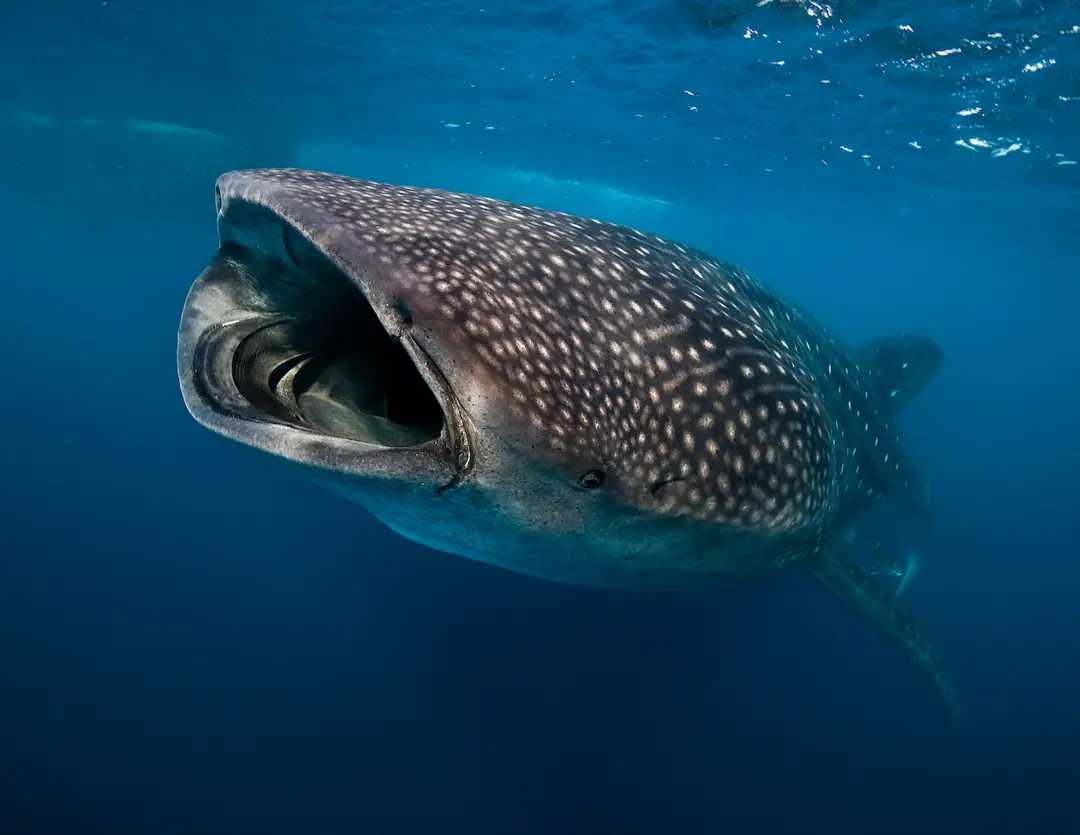
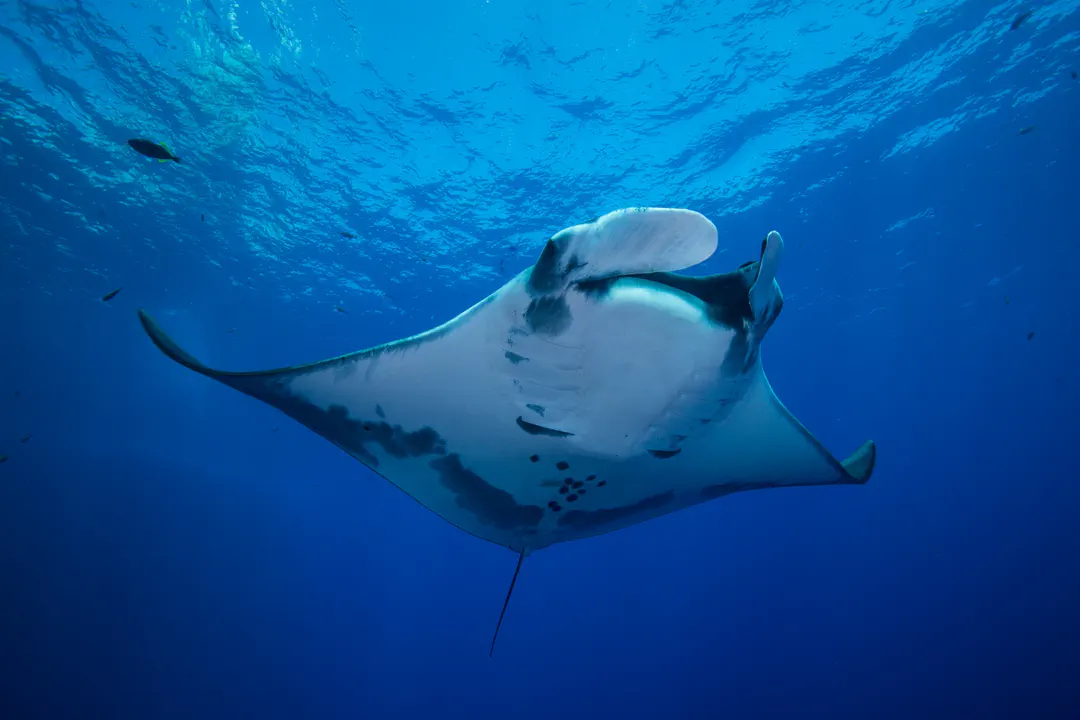
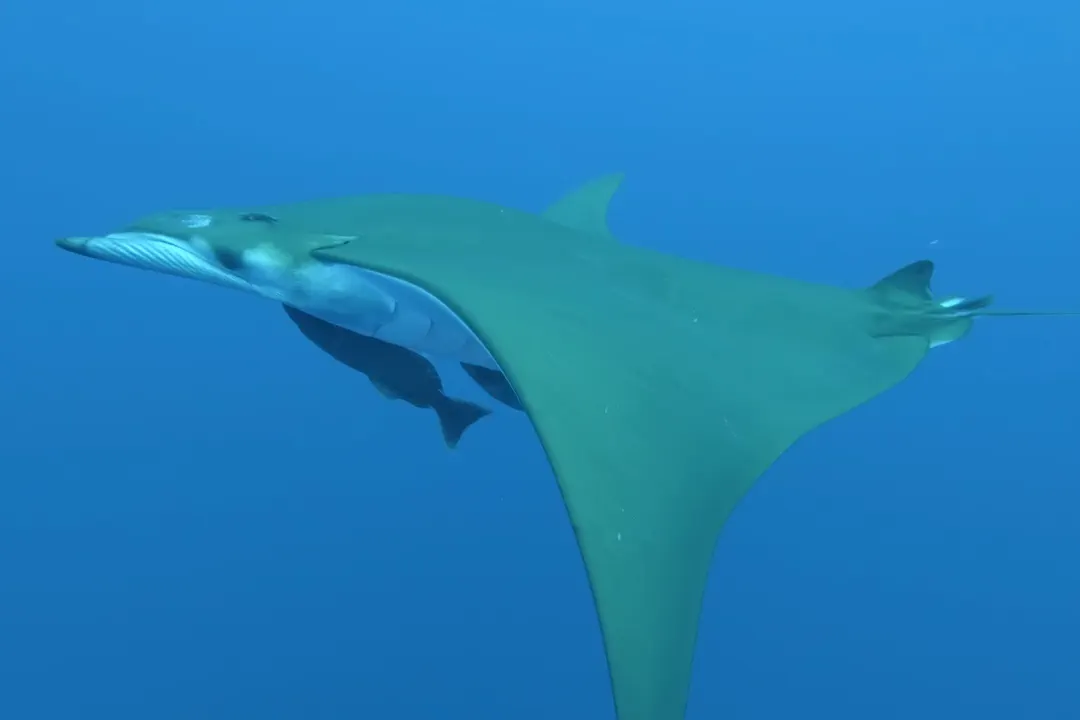
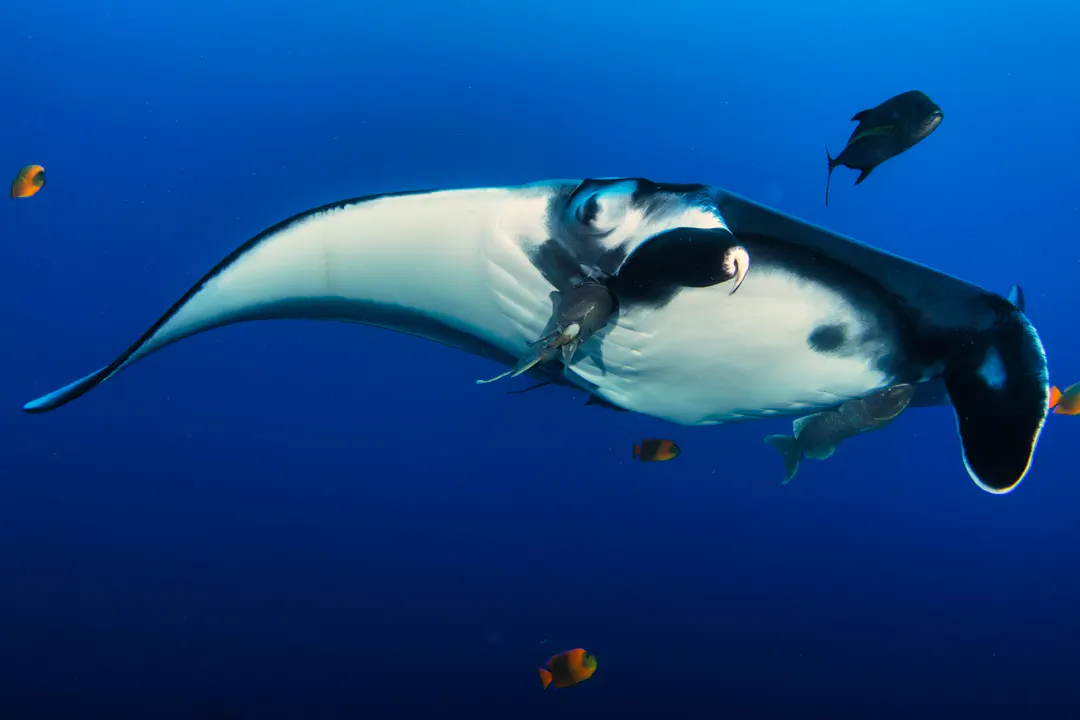
Manta rays concentrate at Baa Atoll’s Hanifaru Bay from June through November, with dozens to over a hundred animals during major feeding events. **Hanifaru Bay** is a protected marine area, accessible by boat (snorkeling only, permits and guides required), where these aggregations occur in shallow, plankton-rich waters. Whale sharks, meanwhile, are encountered year-round around South Ari Atoll, and October provides a prime window for encountering both species.
**South Ari Atoll**, accessible by boat, offers drift dives along its outer reefs (5-30m), known for frequent whale shark sightings, and is suitable for all levels of certified divers. Water temperatures are 27–29°C.
 © seabook.appAll rights reserved
 © Daniel BenákCC BY 4.0 · iNaturalist
 © Daniel BenákCC BY 4.0 · iNaturalist
 © Tiago MatiasCC BY 4.0
 © R VasconcellosCC BY 4.0 · iNaturalist
Thailand: Andaman Sea Reopens
October marks the beginning of the high season for Thailand's Andaman Sea, including the Similan and Surin Islands. The southwest monsoon eases between mid-October and November, allowing operators to reopen itineraries for the season.
Visibility often reaches 30 meters, providing clear views of species such as whale sharks and manta rays. **Richelieu Rock**, a horseshoe-shaped pinnacle accessible by liveaboard or day boat, ranges from 5 to 35 meters deep, has mild to moderate currents, and is known for its dense aggregation of schooling barracuda and trevally, alongside macro life like seahorses. It is suitable for advanced divers due to potential currents.
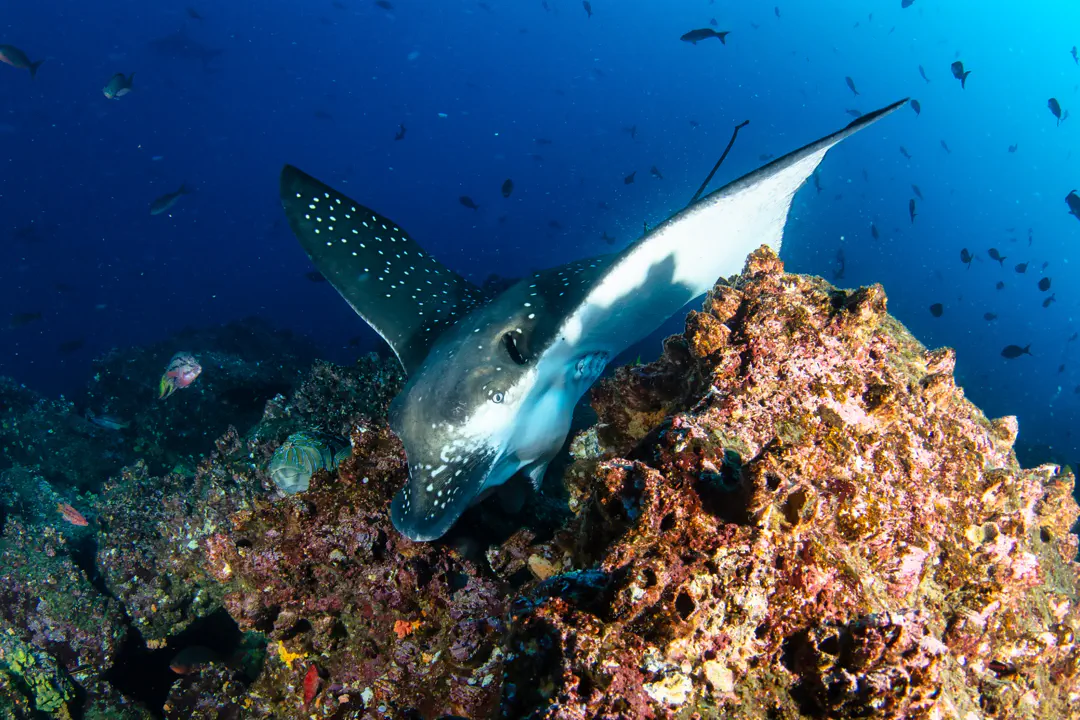
The **Similan and Surin Islands**, accessible by liveaboard or day boat, offer drift dives along granite boulders and coral gardens (5-30m), home to leopard sharks and occasional manta rays, suitable for all certified divers, with some drift experience beneficial.
 © seabook.appAll rights reserved
 © seabook.appAll rights reserved
 © seabook.appAll rights reserved
 © seabook.appAll rights reserved
 © João D'AndrettaCC BY 4.0 · iNaturalist
Palau: Shark Sanctuary
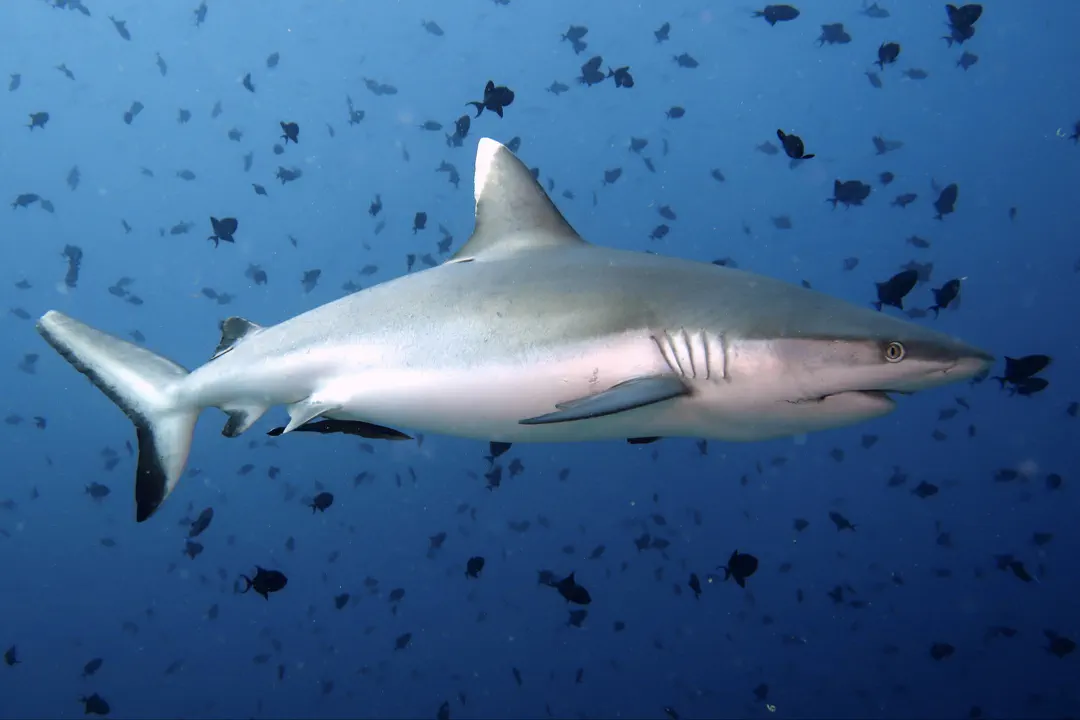
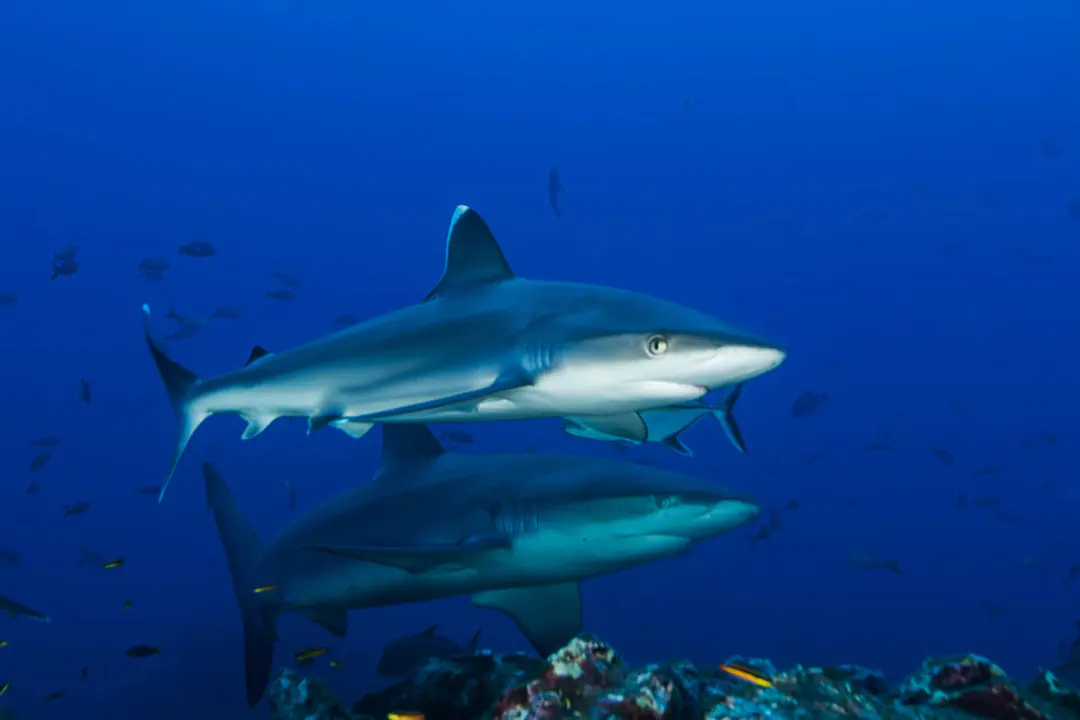
Palau in October features warm waters around 28-30°C and visibility exceeding 25 meters. Divers experience swift drift dives along outer reefs, encountering abundant shark species, including grey reef sharks that patrol sites like Blue Corner.
**Blue Corner**, a boat dive from Koror (depths 10-40m), is a plateau dropping to over 300 meters, known for its strong currents and pelagic action, drawing in grey reef sharks, snappers, and barracuda; it is suitable for experienced divers. Nearby **Jellyfish Lake**, accessible by a short hike and requiring a permit (snorkeling only, 0-5m depth), offers an encounter with millions of golden jellyfish, which have lost their stinging capabilities, shimmering through the water column.
 © seabook.appAll rights reserved
 © Rickard ZerpeCC BY 4.0
 © Darren ObbardCC BY 4.0 · iNaturalist
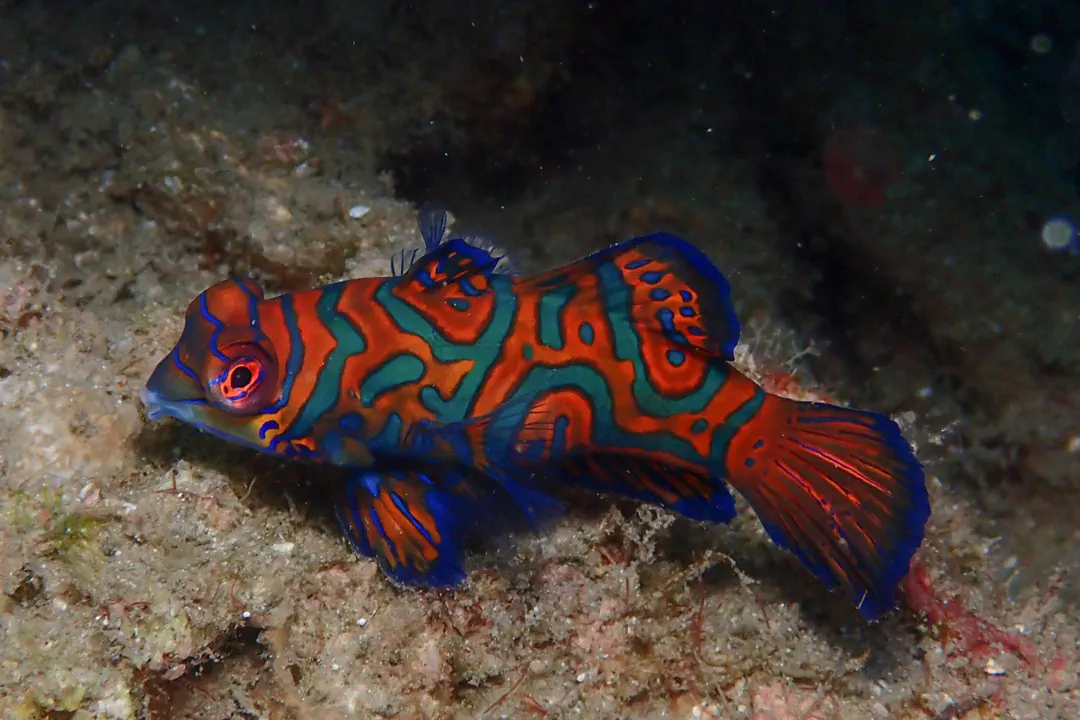 © Dan SchofieldCC BY 4.0 · iNaturalist
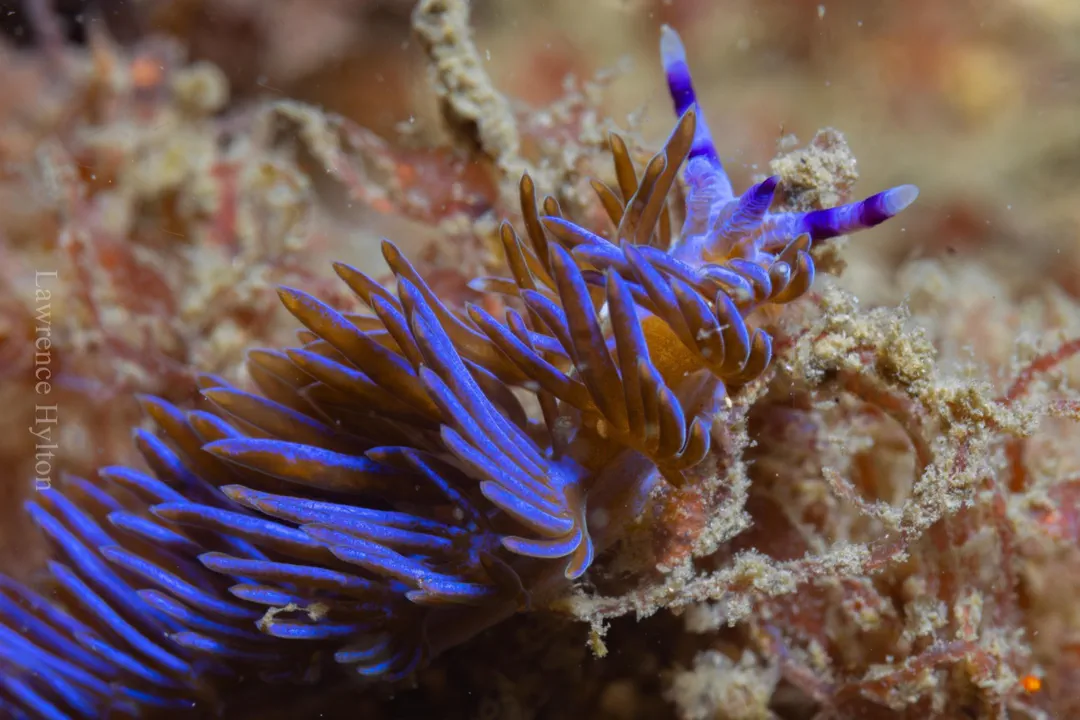 © Lawrence HyltonAll rights reserved
Gardens of the Queen, Cuba: Shark Haven
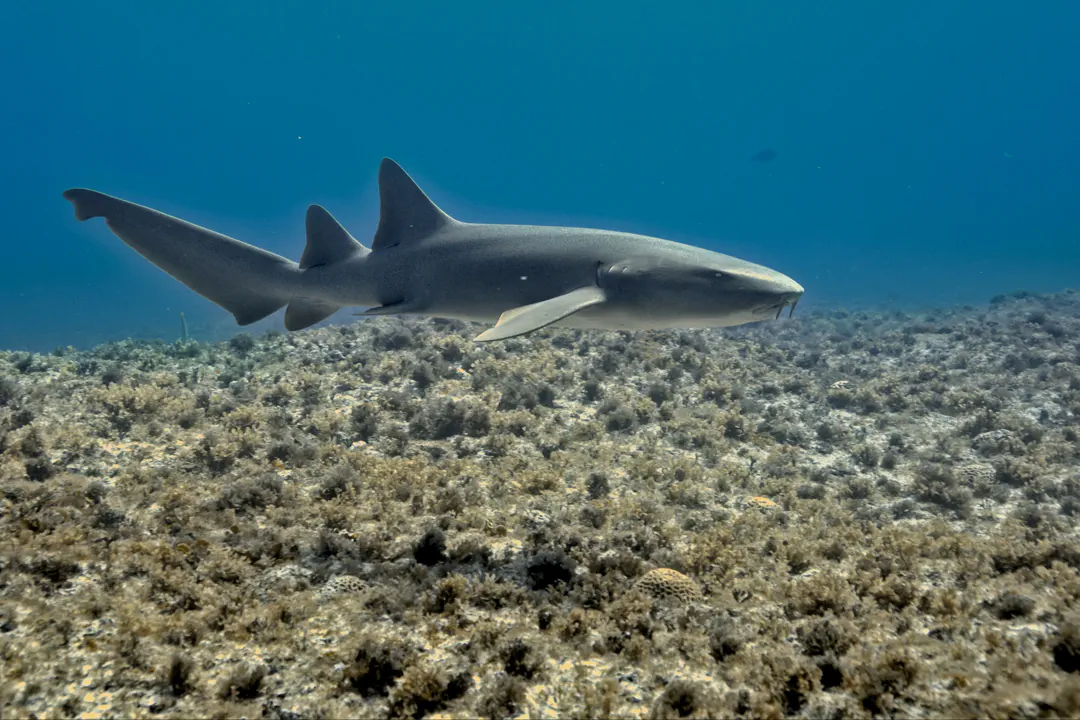
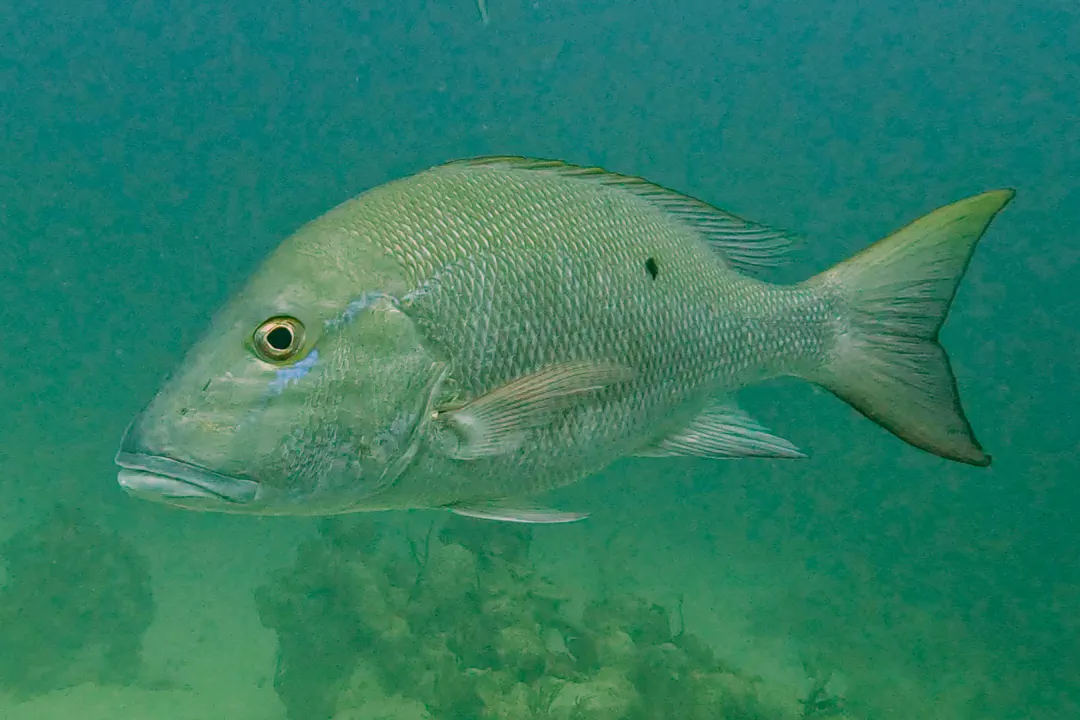
October provides favorable conditions to visit the protected waters of **Gardens of the Queen** (Jardines de la Reina) in Cuba. This marine park, accessible by liveaboard only (depths 5-30m), hosts a thriving shark population, including Caribbean reef sharks and nurse sharks, which are seen at depths of 10-25 meters, often swimming curiously close to divers. Suitable for all certified divers comfortable with boat access.
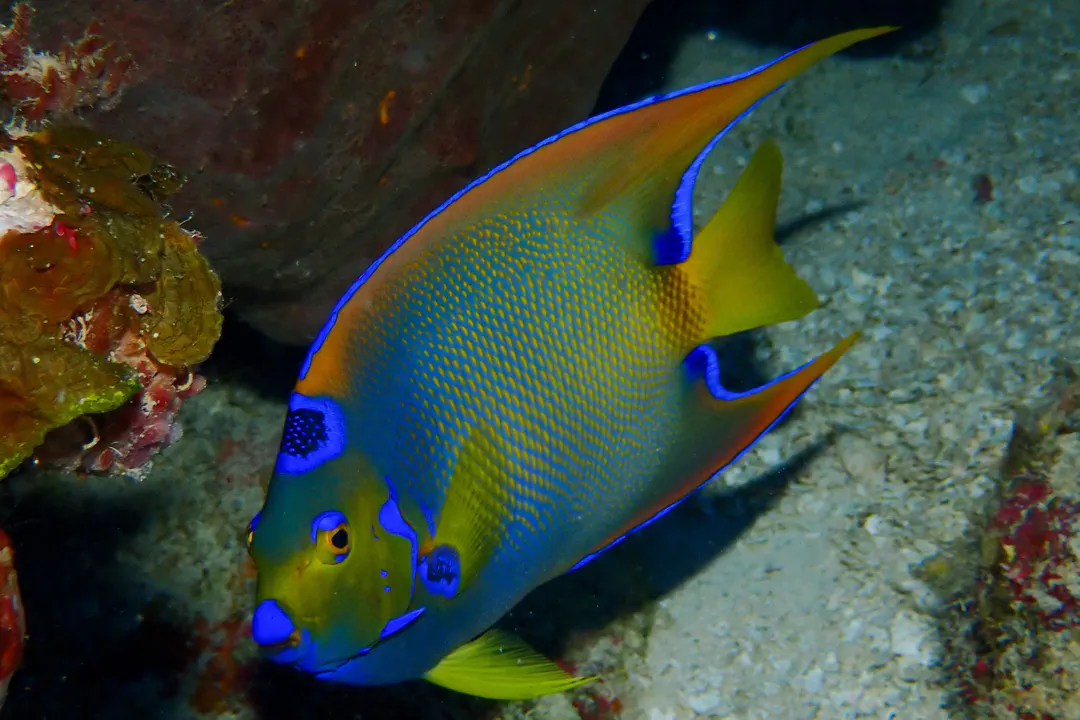
The area features vast, intact coral formations. Water temperatures are 27-29°C, with visibility exceeding 20 meters, revealing queen angelfish, their electric blue and yellow scales flashing, and schooling snappers.
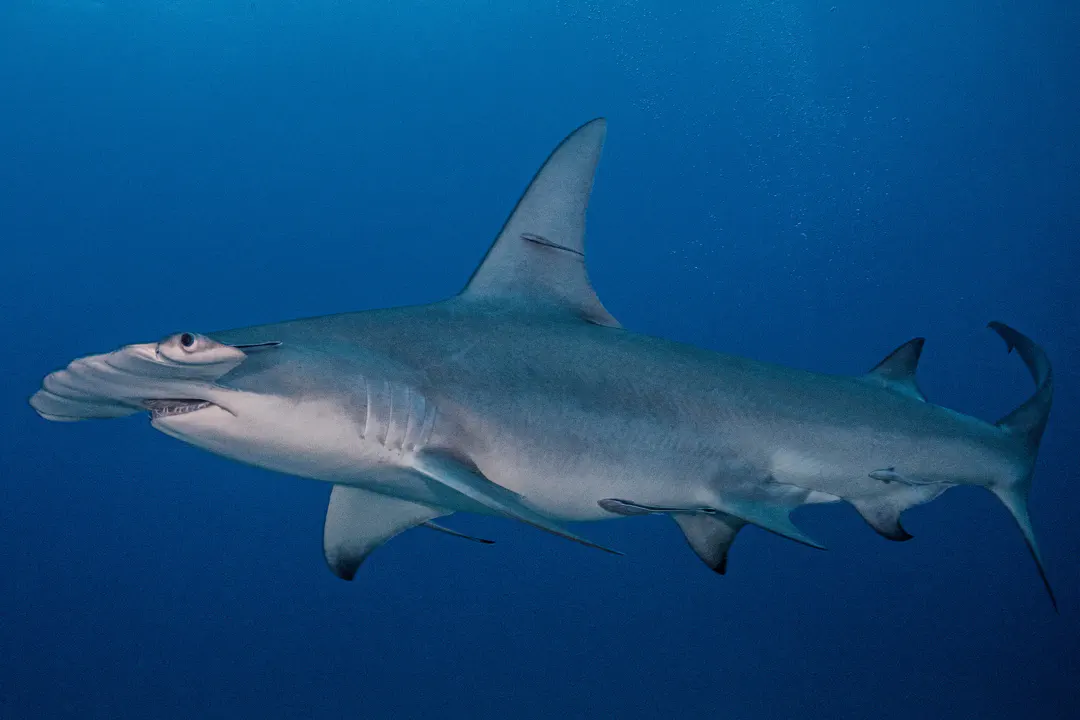 © seabook.appAll rights reserved
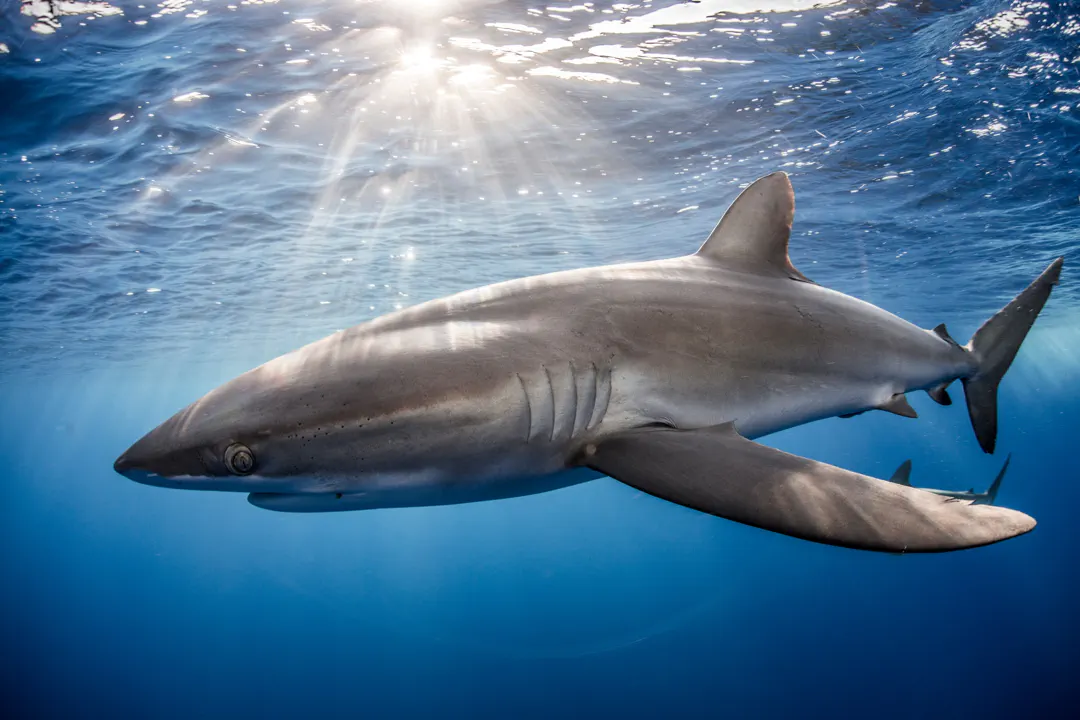 © seabook.appAll rights reserved
 © Dan SchofieldCC BY 4.0 · iNaturalist
 © Dan SchofieldCC BY 4.0 · iNaturalist
 Justin PhilboisCC0 · iNaturalist
Mexico (Yucatan Peninsula): Cenotes and Caribbean Reefs
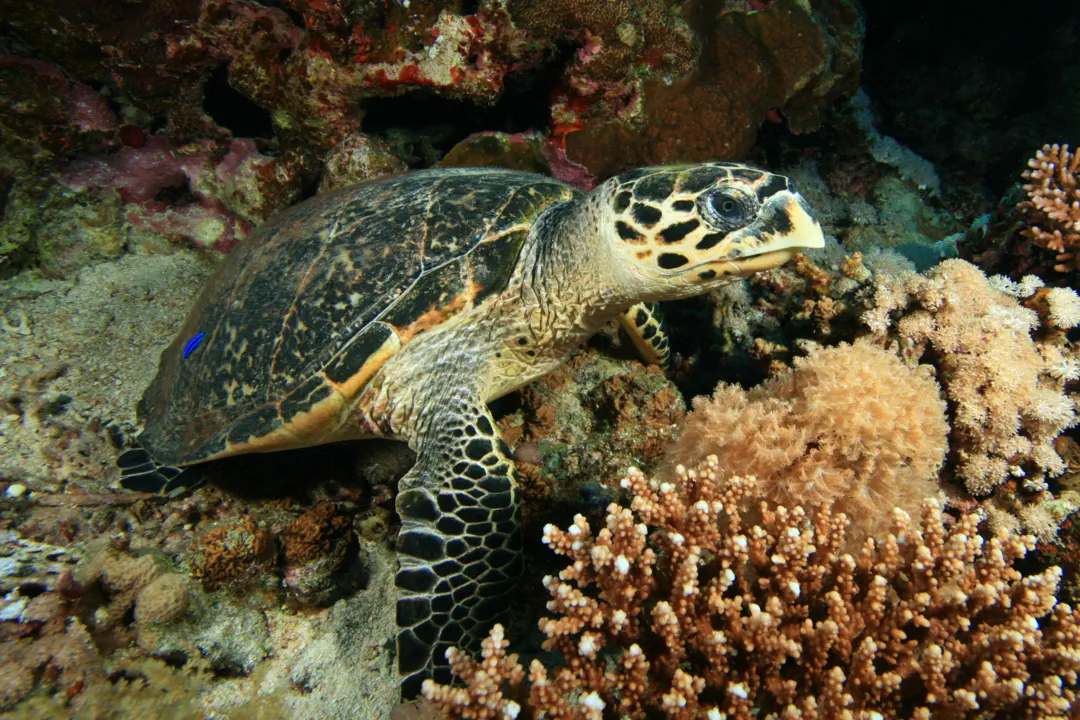
The Yucatan Peninsula offers contrasting diving experiences in October. Caribbean reef sites off **Cozumel** (accessible by ferry from Playa del Carmen, boat dives 10-40m) and **Playa del Carmen** (boat dives 10-30m) have water at 27–29°C, supporting species like Caribbean reef sharks and hawksbill turtles along their wall dives and fringing reefs. Cozumel is suitable for all certified divers, with advanced certification for deeper wall sections.
Playa del Carmen is suitable for all certified divers.
Inland, the region is known for its freshwater **cenotes**, groundwater systems at 24–26°C. These caverns and caves, accessible by local transport (various depths, typically 5-30m for cavern diving), require specialized training and equipment, offering a unique exploration of subterranean freshwater ecosystems. Here, unique cave communities, such as blind cave fish and crustaceans, thrive in the stillness.
Cavern diving is suitable for certified divers, while cave diving requires specific technical certifications.
 Justin PhilboisCC0 · iNaturalist
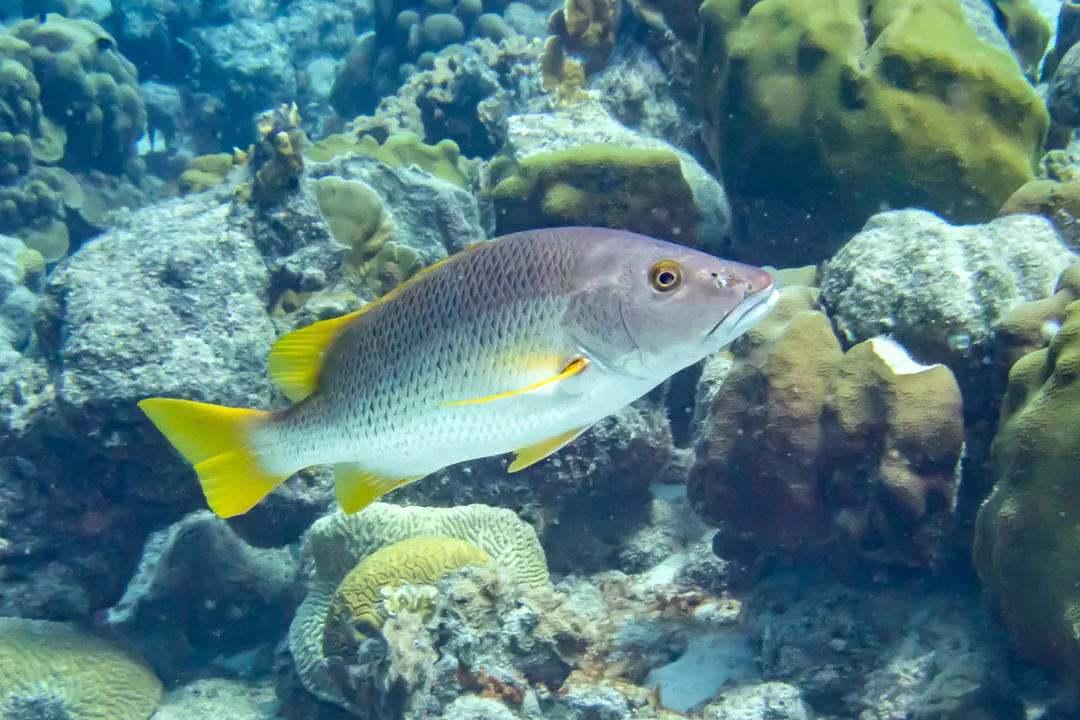 © Jay BrasherCC BY 4.0 · iNaturalist
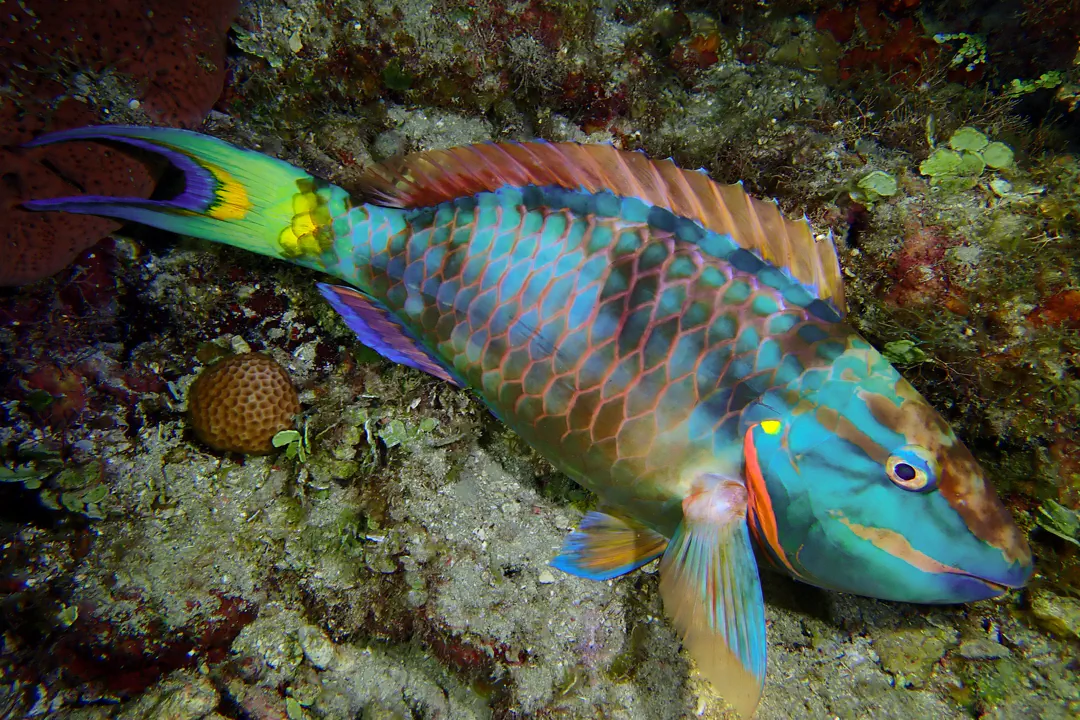 © Robin WhiteCC BY 4.0 · iNaturalist
Frequently Asked Questions About Diving in October
Questions
What are the typical water temperatures in October?
In October, tropical sites like the Red Sea, Maldives, and Caribbean typically have water temperatures ranging from 27–29°C. Mexico's cenotes are cooler, usually 24–26°C. These temperatures can vary slightly with local conditions and depth.
Is October a good month for seeing large marine animals?
Yes, October is a strong month for large marine animals in specific locations. Manta rays are abundant at Hanifaru Bay in the Maldives (June-November), and whale sharks are frequently seen in South Ari Atoll. Thailand's Andaman Sea reopens, offering early season pelagic encounters, while the Red Sea's offshore reefs provide consistent shark sightings.
Are there any regions to avoid in October due to weather?
The Caribbean, Gulf of Mexico and western Atlantic remain within the June 1–November 30 hurricane season, so storms can disrupt flights, boats and diving even late in the month. The Maldives and Thailand can also experience residual monsoon weather, including rain, wind and strong currents; checking marine forecasts and cancellation policies shortly before departure is essential.
What type of wetsuit should I bring for October diving?
For water temperatures between 27–29°C, a 3mm full wetsuit is generally sufficient for comfort and protection. For cooler waters (23–25°C, like the cenotes) or if you are prone to cold, a 5mm wetsuit is recommended, especially for multiple dives. A shorty offers less protection from stings and abrasion.
Is October considered peak season or off-season for diving?
October is a transitional month. It marks the start of the main dive season in Thailand's Andaman Sea as the monsoon recedes. In the Maldives, it's still a peak period for megafauna. While the Red Sea offers warm conditions, regions like the Caribbean still carry hurricane season risks, and local holiday demand can influence crowd levels and prices.

