
Bosnia and Herzegovina: Diving the Adriatic's Hidden Corner
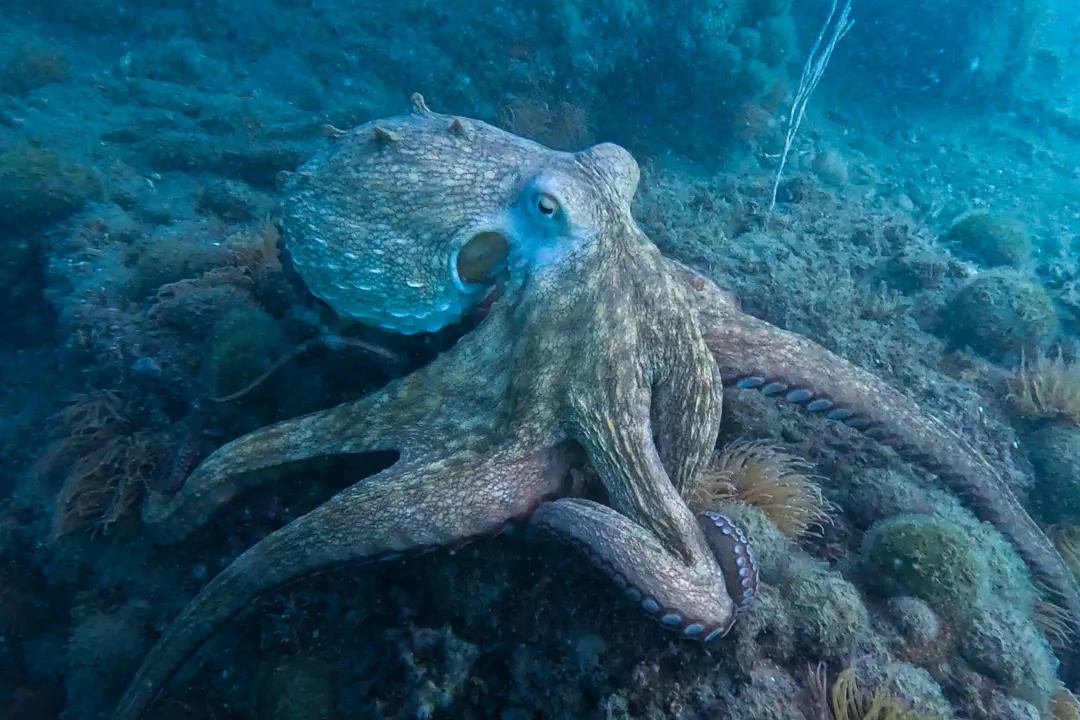
A common octopus, its mantle textured like the surrounding rock, pulsed with shifting shades of rust and pearl as it flattened itself against a sun-dappled face at 8 meters in Neum Bay. Below, a small school of brown damselfish darted through a patch of seagrass, their dark scales catching the faint green light filtering down from the surface. The water, a cool 24°C in late summer, offered a view extending beyond 15 meters, revealing the gentle slopes of the Adriatic seabed.
This intimate underwater scene unfolds along a stretch of coastline often overlooked by the wider diving world. Bosnia and Herzegovina, a nation celebrated for its dramatic mountains and pristine rivers, also holds a brief, compelling secret: a narrow opening to the Adriatic Sea. This compact marine frontier provides calm, shallow waters ideal for observing small, resident Mediterranean species, a world away from the country's inland wonders.
Bosnia and Herzegovina's Unique Coastal Access
The country's maritime connection to the Adriatic is defined by the Neum corridor, a strip of land that marks one of Europe's shortest coastlines, measuring approximately 20 to 24 kilometers. This geographic constraint creates a sheltered diving environment, characterized by rocky shores and small, calm bays. It's a distinctly Mediterranean setting, influenced by the northern Adriatic's temperate conditions.
Here, the underwater landscape supports small fish like wrasses and gobies, along with crustaceans such as hermit crabs, and mollusks like common octopuses, rather than vast pelagic encounters. Seagrass meadows, rocky ledges, and varied bottom habitats serve as vital nursery and feeding grounds for many Mediterranean species. Divers who move slowly and scan crevices will discover the most camouflaged residents.
Best Time to Dive the Adriatic Coast
The optimal period for diving Bosnia and Herzegovina's Adriatic waters stretches from late spring through early autumn. During these months, water temperatures become comfortable, rising from 14–20 °C in spring to a peak of 23–27 °C in July and August. A 5 mm wetsuit is sufficient for summer dives, though thicker protection is advisable for spring and autumn.
Visibility reaches its clearest during calm periods in these seasons, with stronger light illuminating details on rocky faces and within seagrass beds. These conditions offer longer bottom times and reveal more active marine behaviors.
Water temperature
Bosnia and Herzegovina, monthly average
Neum area (Adriatic coastline near town of Neum); surface water temperatures for this narrow coastal strip
Exploring Neum Bay: The Marine Gateway
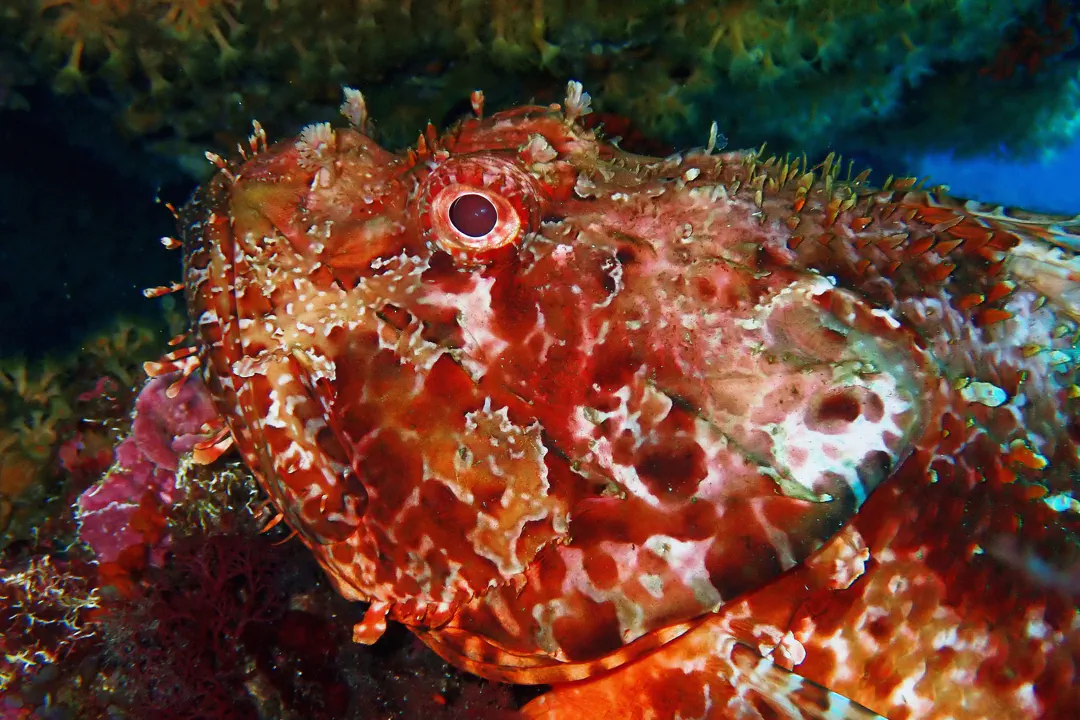
Neum Bay serves as the primary marine diving location, with dive sites accessible from shore or by short boat rides. Depths for recreational diving range from 5 meters on gentle slopes to around 25 meters near rocky outcrops, making it suitable for all certified experience levels. Its distinct feature is the consistent calm of its sheltered waters, providing clear views of Mediterranean coastal life, particularly smaller, resident species. While grand coral structures are absent, these habitats support species like colorful wrasses, camouflaged scorpionfish, and octopuses, yielding rewarding sightings for divers who take their time.
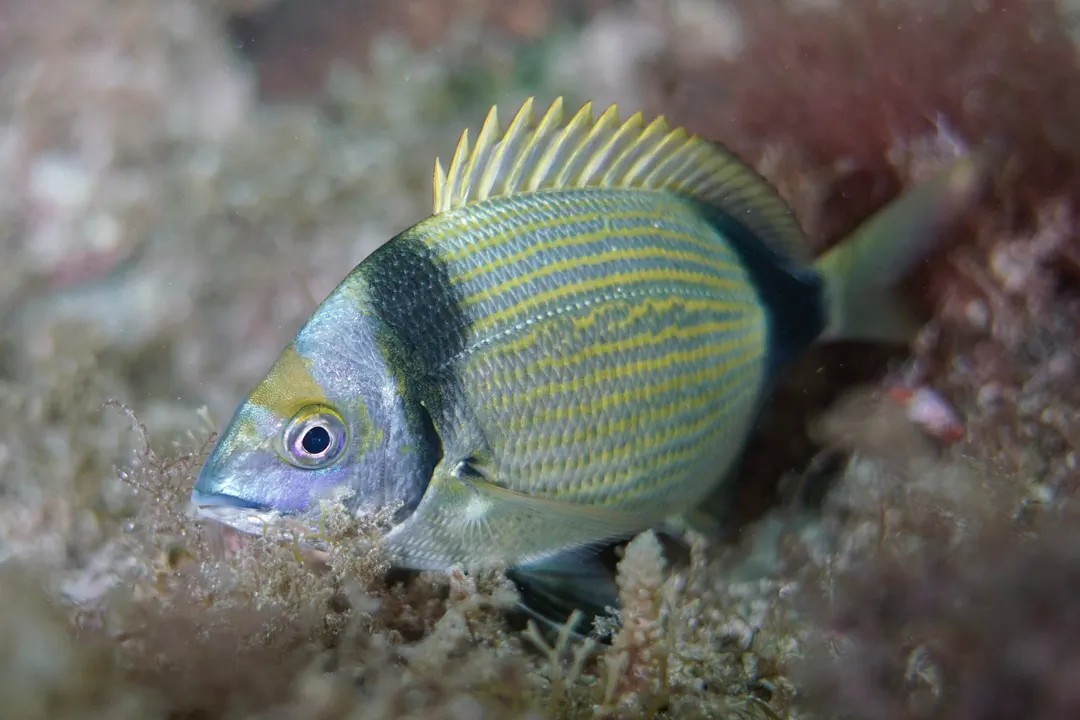
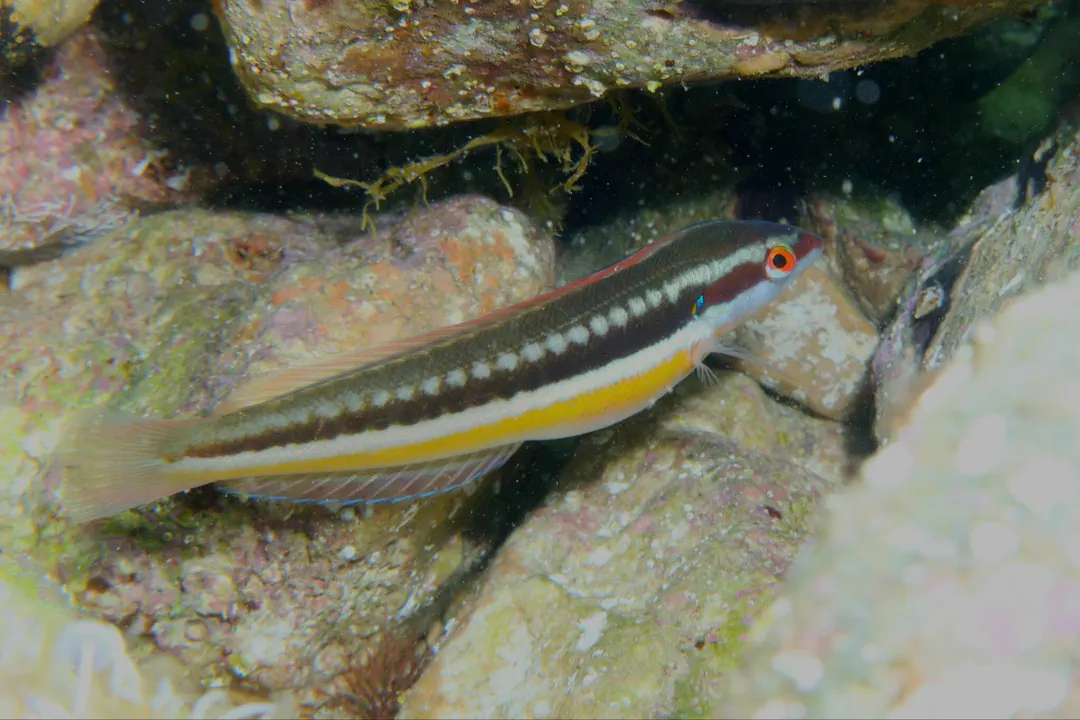
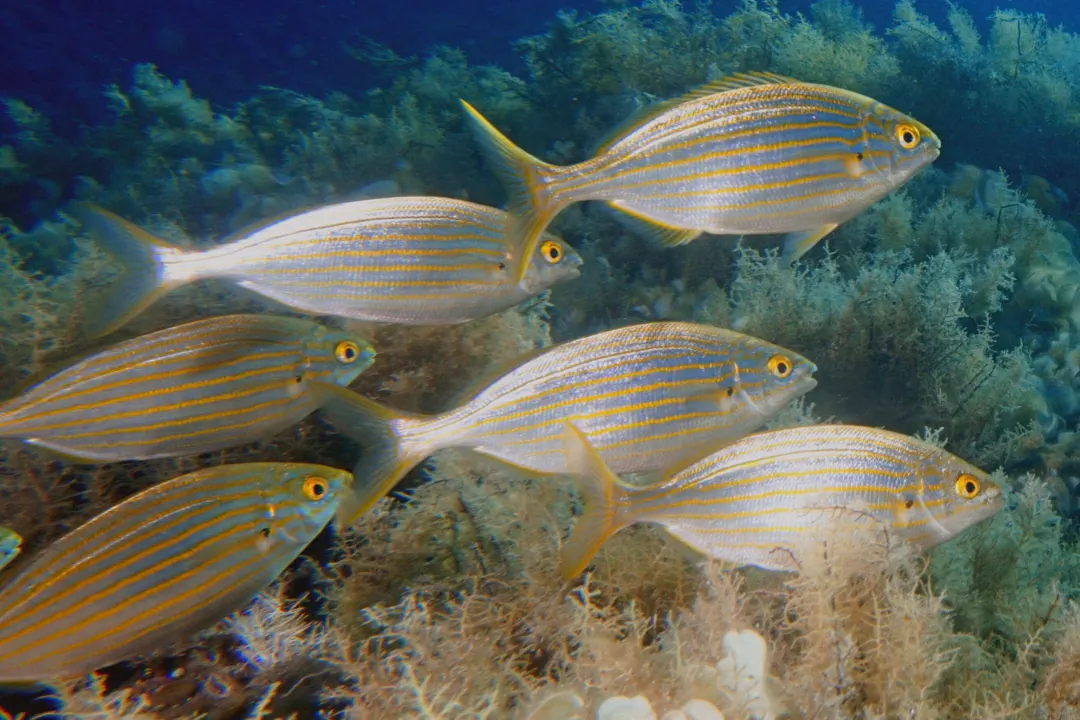
The clearest and most active sightings occur within the first 10 to 20 meters, where sunlight still penetrates brightly, illuminating abundant fish and invertebrates. Here, divers can find common coastal fish like ornate wrasses and two-banded seabreams, alongside sea urchins, hermit crabs, and octopuses nestled within the rocky cover or seagrass.
 © seabook.appAll rights reserved
  © Donald DavesneCC BY 4.0 · iNaturalist
  © Klaus Kevin KristensenCC BY 4.0 · iNaturalist
  © Michael BommererCC BY 4.0 · iNaturalist
  © Julien RenoultCC BY 4.0 · iNaturalist
  © Guido and Carrara familyCC BY 4.0 · iNaturalist
 Underwater Landscapes and Biodiversity
The Bosnian coast, while not defined by expansive reef walls, hosts a classic Mediterranean assemblage of marine life. Its underwater environment, a mix of rocky substrate and patchy seagrass, provides habitat for fish like the vibrant ornate wrasse and various seabreams, along with a range of invertebrates such as starfish and sea cucumbers. This ecosystem thrives in a shallow, temperate sea with seasonal productivity.
Most encounters occur above 20 meters, particularly around structures where light, algae, and shelter create microhabitats. Divers can observe ornate wrasses darting between rocks, peacock wrasses foraging in the sand, and common octopuses expertly camouflaged against the seabed. A slow, close search of rock faces, weed edges, and crevices often reveals well-hidden creatures.
 Justin PhilboisCC0 · iNaturalist
 Diving Conditions and What to Expect
Visibility in the Bosnian Adriatic ranges from good to excellent, with calm weather periods seeing visibility exceed 20 meters. However, conditions can fluctuate with wind, surface chop, and coastal runoff. Currents are mild in the sheltered bays, making many sites accessible for various experience levels.
Despite the calm conditions, local guidance is highly recommended. Local operators know the most productive habitats and safest entry/exit points, and their expertise helps divers locate specific species and navigate the compact coastal area efficiently.
Planning Your Dive Trip
Bosnia and Herzegovina's diving infrastructure is compact, centered around Neum, where a few local dive centers operate. These centers offer essential services including equipment rental, guided dives, and various courses. Divers should be aware that the local scene is small and focused.
It is advisable to book services in advance, particularly if planning a trip during the summer peak season, to secure equipment and guide availability. Engaging with local operators early allows for better planning of specific site visits and ensures dive logistics are handled efficiently in this compact coastal region of the Adriatic.
Questions
Is Bosnia and Herzegovina suitable for beginner divers?
Yes, the sheltered waters around Neum are suitable for beginner divers, especially in late spring and summer when temperatures are warmer and sea conditions are more stable. Beginner-friendly dives are typically shallow, under 12 meters, but local supervision is important because site access, entry points, and visibility can change with weather and boat traffic.
What kind of marine life can I expect to see?
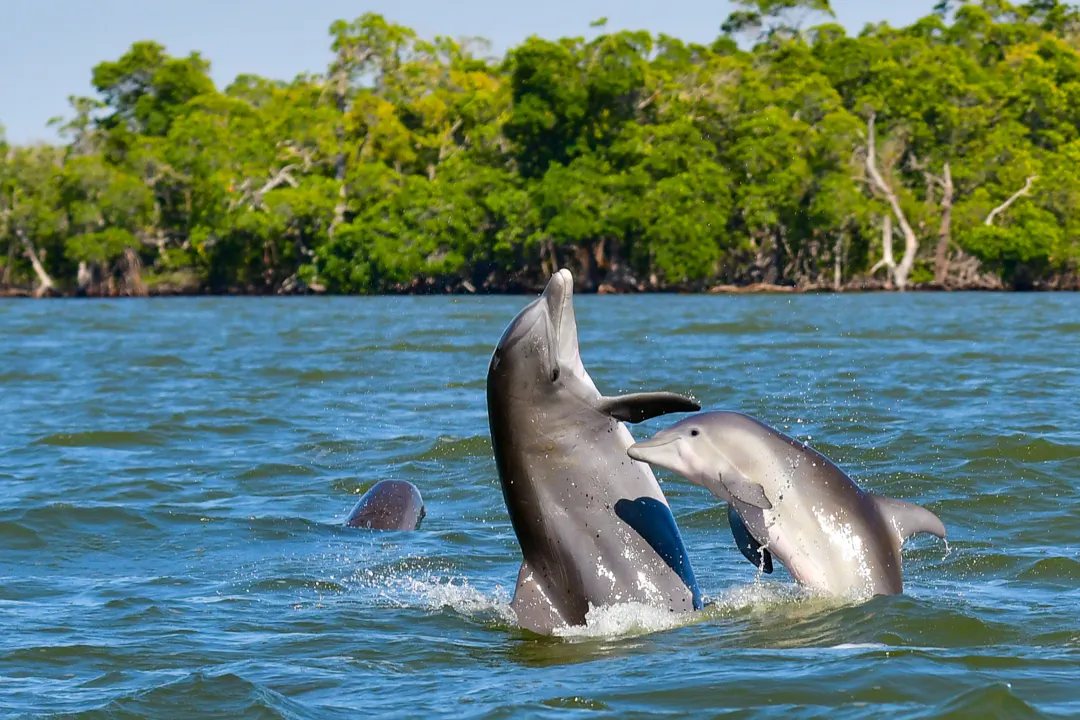
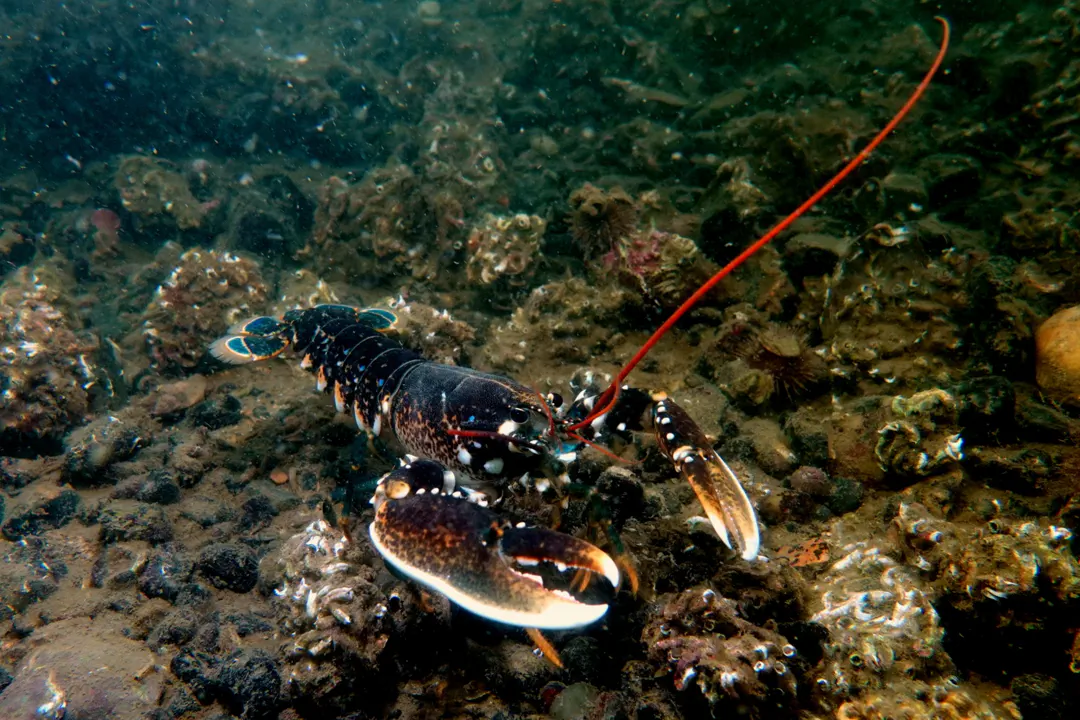
Divers can expect a Mediterranean mix of wrasses, seabreams, scorpionfish, octopuses, sea urchins, crabs, and lobsters. Specifically, ornate wrasse, peacock wrasse, common two-banded seabream, and European lobster are commonly observed. While larger animals like dolphins may be seen offshore, they are not guaranteed on ordinary recreational dives, and shark sightings are uncommon in the nearshore Bosnian Adriatic.
Are there any wrecks to dive in Bosnia and Herzegovina?
While there are reports of small wrecks and artificial structures within Neum Bay, their exact locations, depths, and conditions are primarily known by local dive operators. These sites are generally shallow, typically ranging from 10 to 20 meters, making them accessible for certified recreational divers. Access is by boat from Neum. Their distinct feature lies in their status as locally-known, often untouched, habitats for smaller fish and invertebrates, rather than large, intact vessels. Divers interested in these sites should inquire directly with local dive centers for current details and logistical arrangements, as information is not publicly cataloged.
Can I combine marine diving with freshwater diving in BiH?
Yes, Bosnia and Herzegovina is well-suited for divers seeking both marine and freshwater experiences. The country’s karst landscape supports springs, rivers, and cave systems that appeal to experienced freshwater and cave divers, while the Adriatic coast offers a separate temperate marine environment for the same trip.