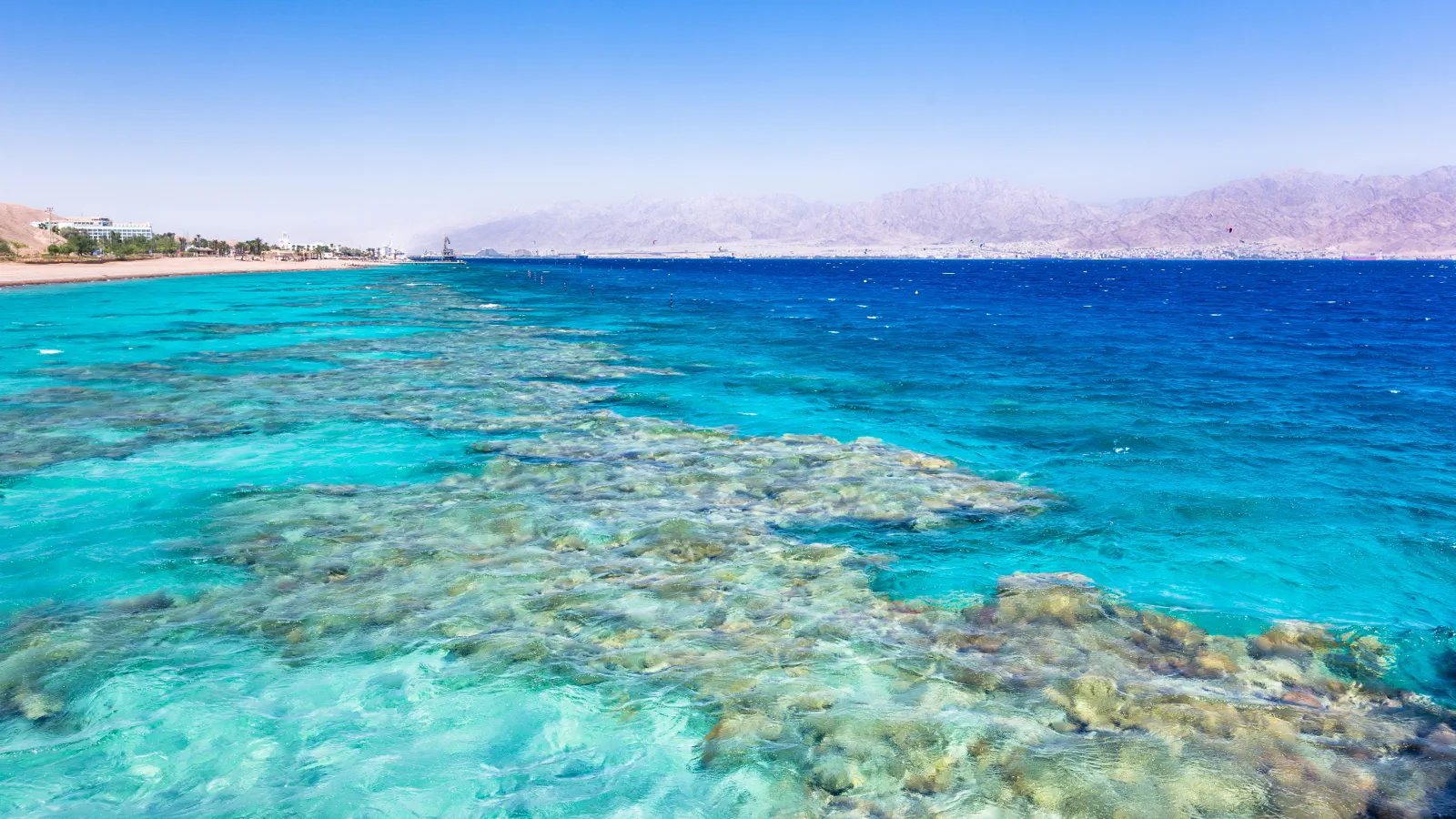
Israel's shores touch two vastly different marine worlds: the Red Sea's coral-laden Gulf of Aqaba in the south, and the Mediterranean Sea's ancient coast to the west. This guide explores the distinct underwater landscapes and creatures awaiting divers in each.
A Diver's Crossroads: Red Sea Meets Mediterranean
Imagine tracing the northernmost extent of the Indo-Pacific reef system, then shifting to ancient Roman harbors beneath temperate currents. The Red Sea here thrives with hard corals and tropical fish, while the Mediterranean reveals submerged history and resilient temperate species shaped by its distinct oceanography.
Climate and Best Time to Dive
Diving in Israel is possible year-round, though water conditions and temperatures differ markedly between the Red Sea and Mediterranean coasts. In the Gulf of Aqaba, water temperatures remain between 21°C in winter and 27°C in summer, offering consistent conditions. The Mediterranean, however, experiences more pronounced seasonal shifts, with temperatures dropping to 17°C in winter and rising to 29°C in summer.
Water temperature
Israel, monthly average
Mediterranean coast near Tel Aviv; primary diving area for Israel, surface temperatures
Eilat: Jewel of the Red Sea
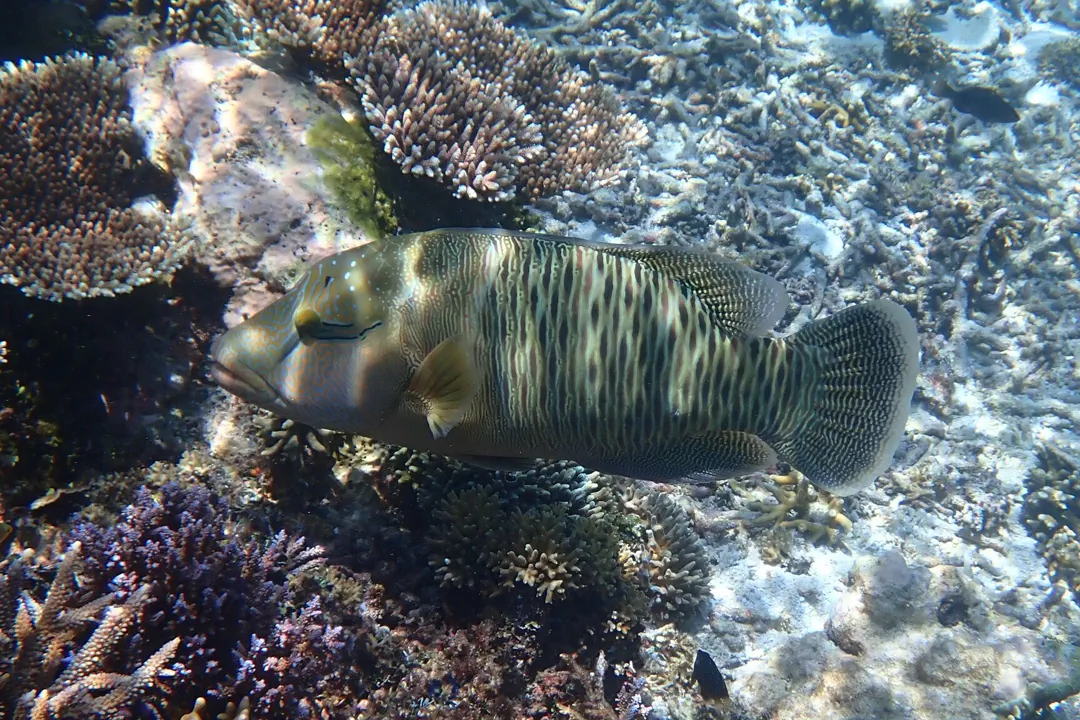
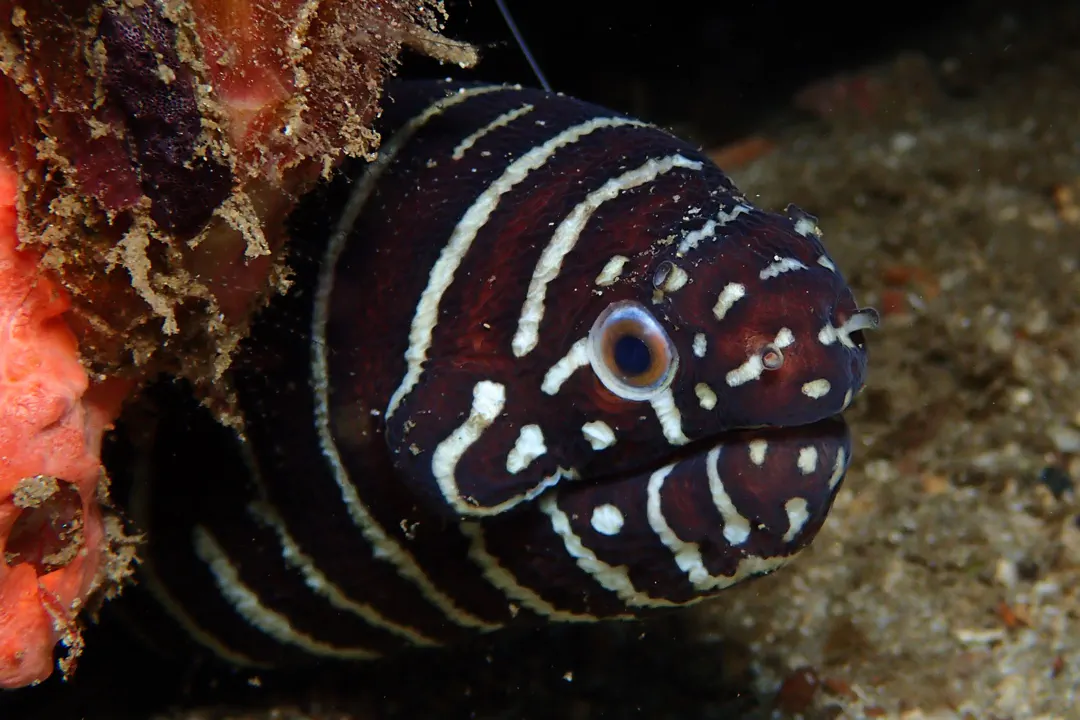
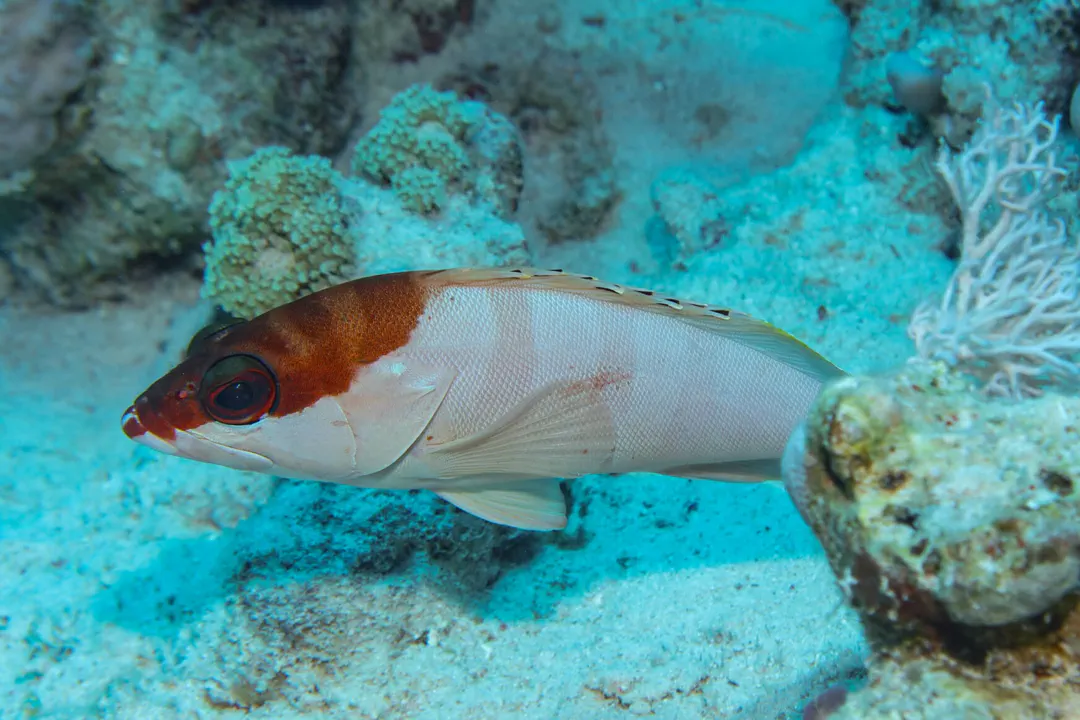
Eilat, nestled at the northernmost point of the Gulf of Aqaba, offers a window into the Red Sea's marine life. Visibility here consistently exceeds 30 meters, revealing fields of branching acropora and dome-shaped porites corals. Fusiliers stream past, while anemonefish guard their homes among the tentacles, thriving at the edge of a desert landscape.
 © Nicola CrockfordCC BY 4.0 · iNaturalist
  © Dan SchofieldCC BY 4.0 · iNaturalist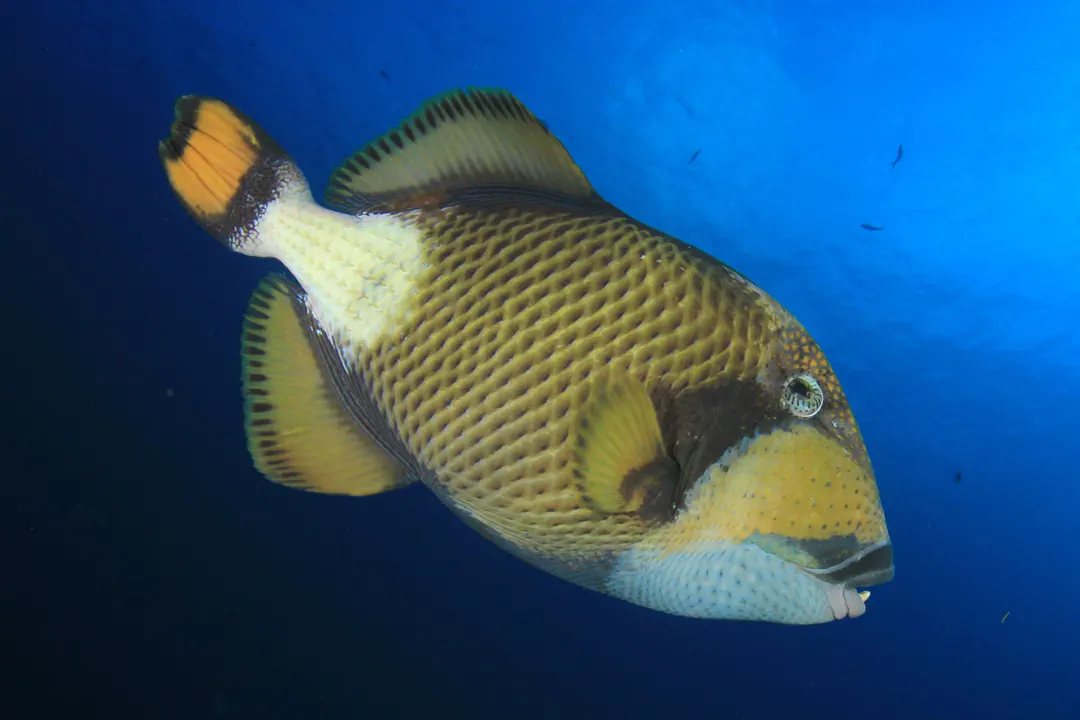
 © Julien RenoultCC BY 4.0 · iNaturalist
 The Japanese Gardens
Below the surface, the Japanese Gardens unfolds as Eilat's only officially protected marine reserve. This site, accessible by both shore and boat, features two distinct, parallel reefs descending from 6 meters to over 30 meters. Diving requires a guide to navigate its designated zones.
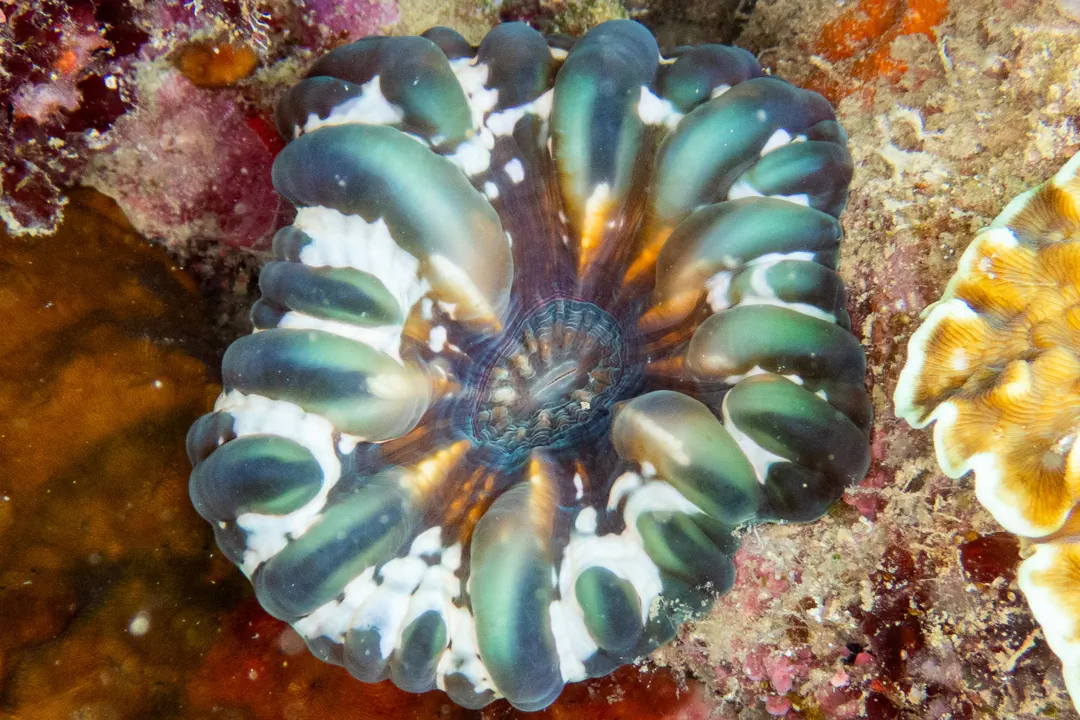
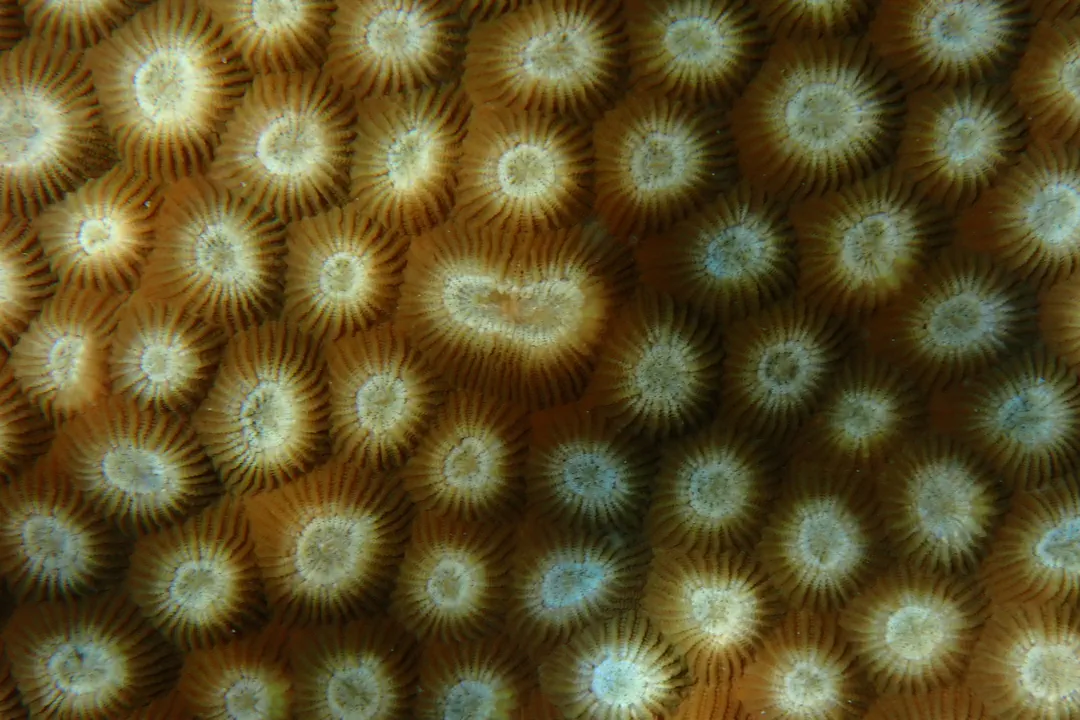
Divers fin between the coral walls, observing large gorgonian fans and expansive table corals, where schooling anthias drift and clownfish tend their anemone homes. Its distinct feature is the pristine double reef structure, offering shallow coral gardens for novice divers (6-15m) and deeper walls with larger fans for advanced divers (15-30m).
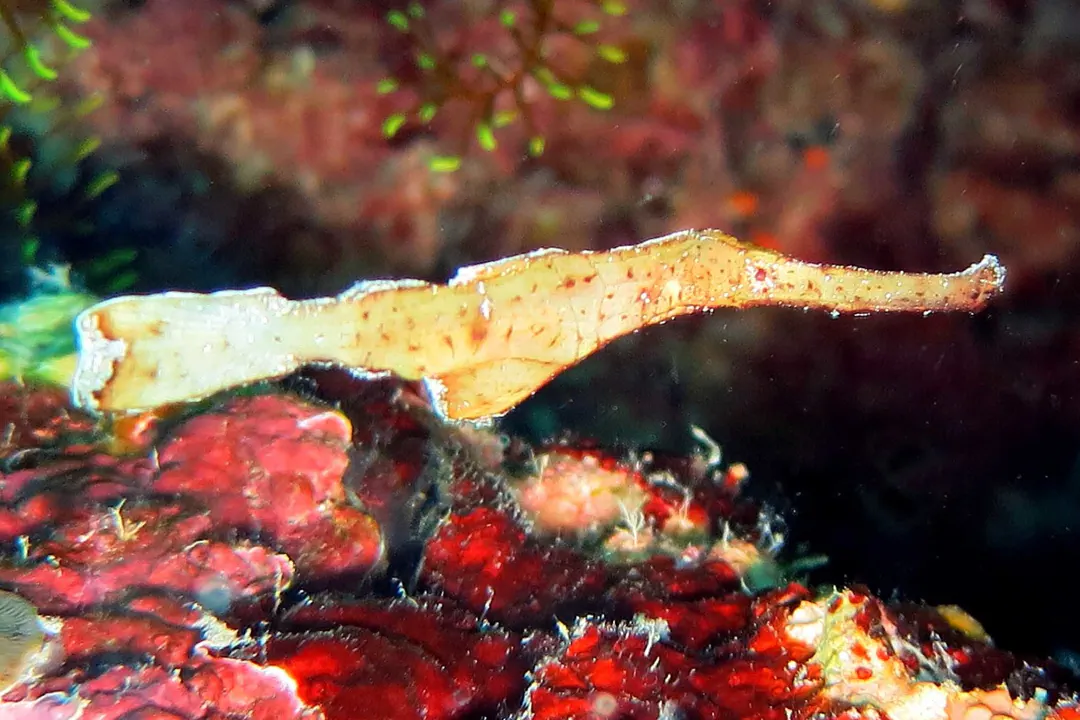 © Lakshmi SawitriCC BY 4.0 · iNaturalist
 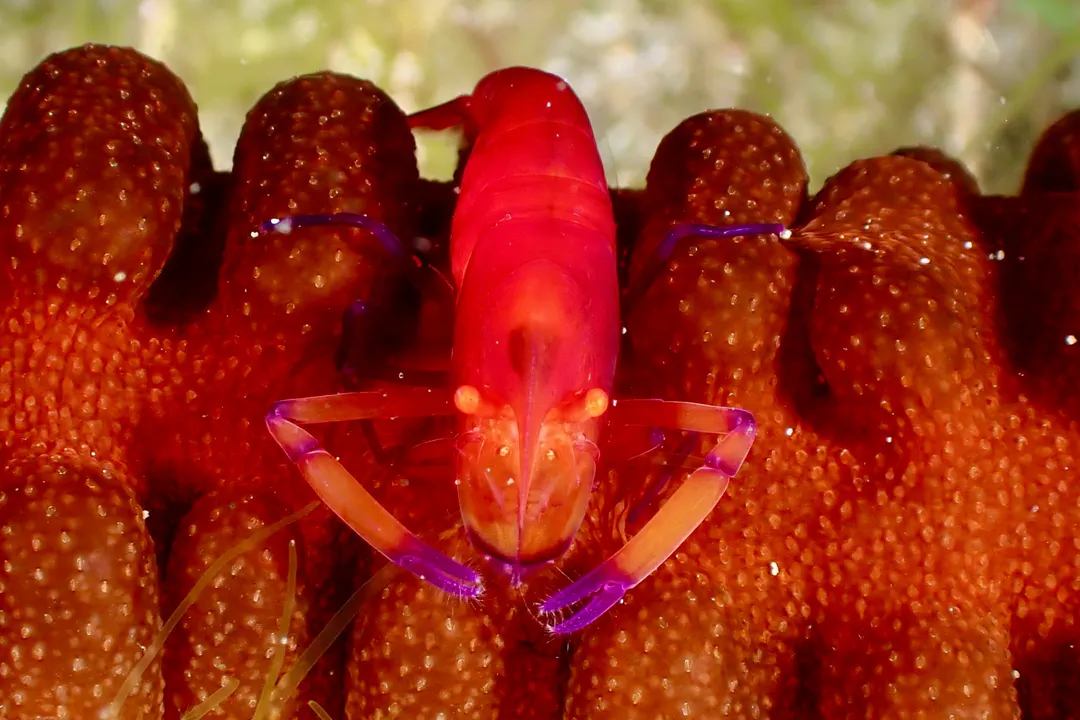 Chris SpainCC0 · iNaturalist
 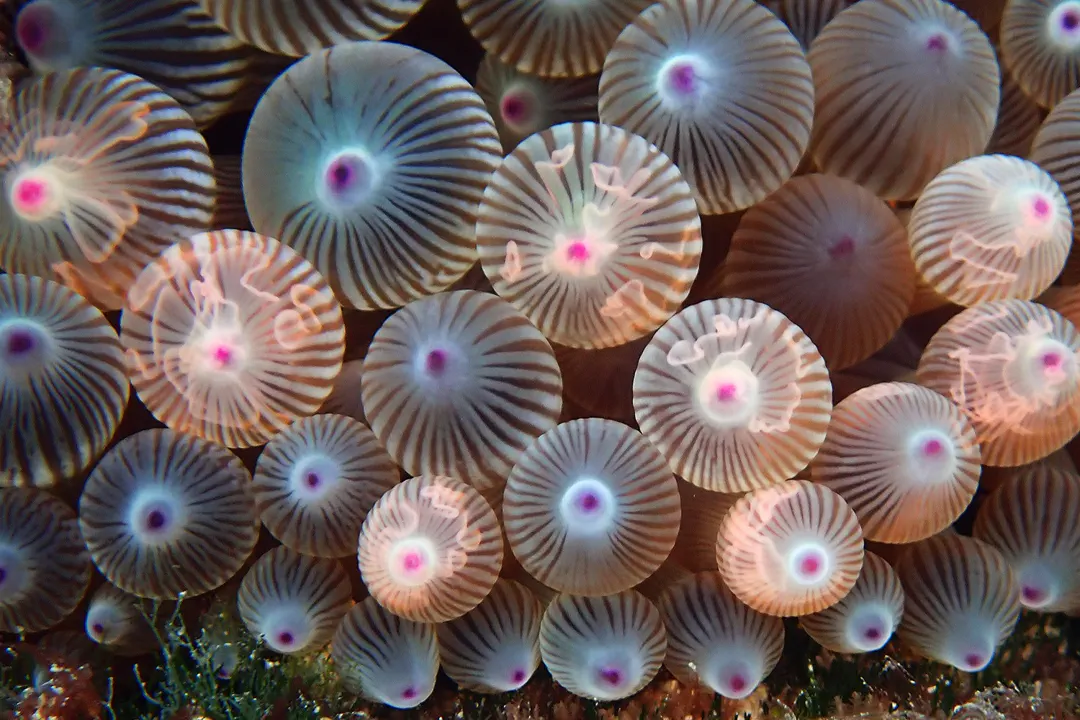 © Susan PriorCC BY 4.0 · iNaturalist
 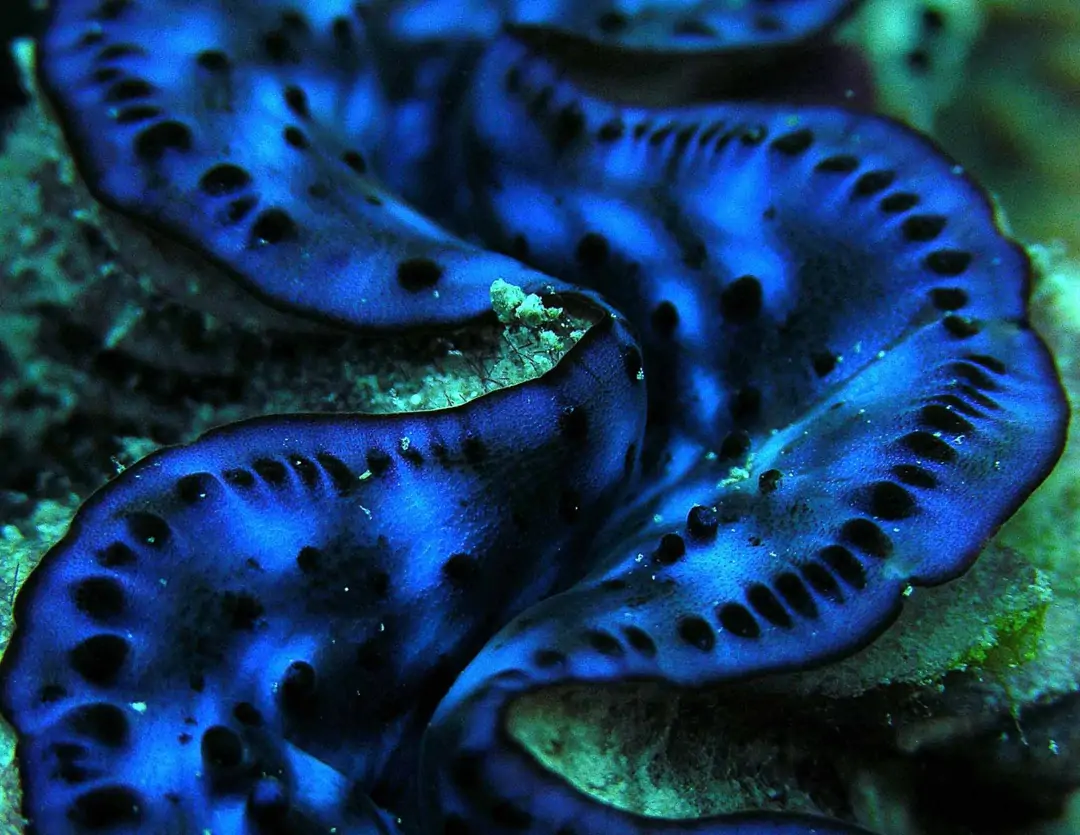 © Stas KuryanAll rights reserved
  © Pierre PericardCC BY 4.0 · iNaturalist
  © Debra BakerCC BY 4.0 · iNaturalist
 Satil Wreck
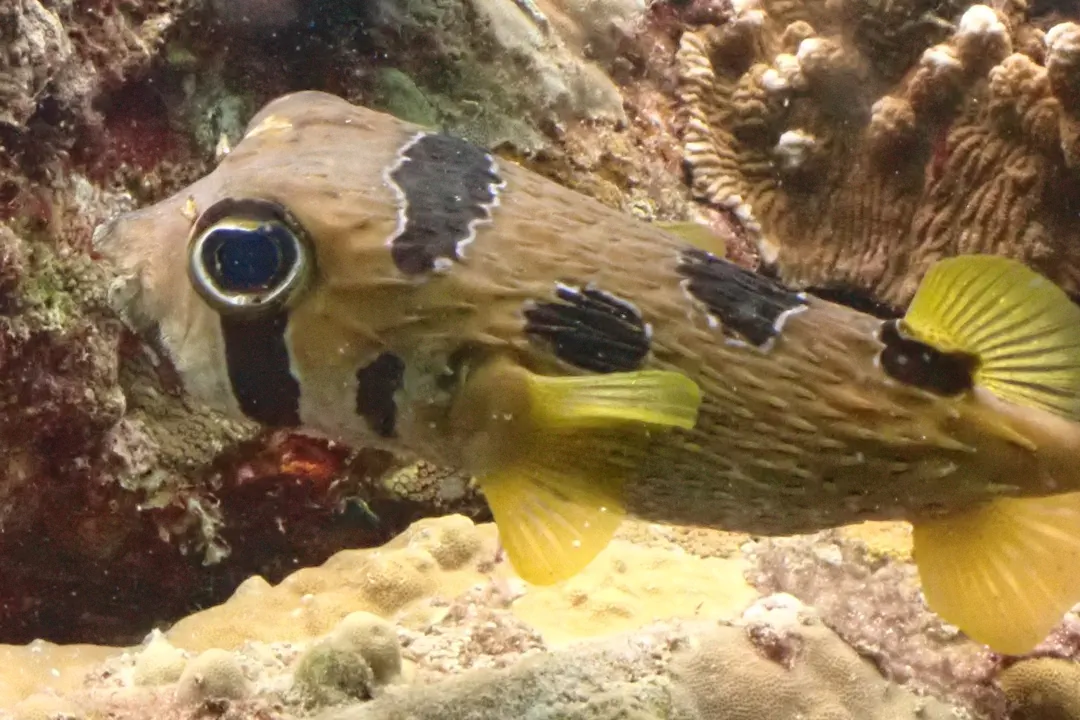
The Satil Wreck, an Israeli Navy missile boat scuttled in 1994, lies upright on a sandy bottom at 24 meters, its mast reaching up to 12 meters. This artificial reef, accessible by boat, hosts dense schools of fusiliers that stream around the superstructure, creating a living curtain. Moray eels peek from its dark recesses, and lionfish perch on the railings.
Its distinct feature is the intact missile boat, providing an accessible wreck dive for advanced recreational divers (20-28m), with opportunities for deeper technical penetration dives into its interior.
 © Jay ParolineCC BY 4.0 · iNaturalist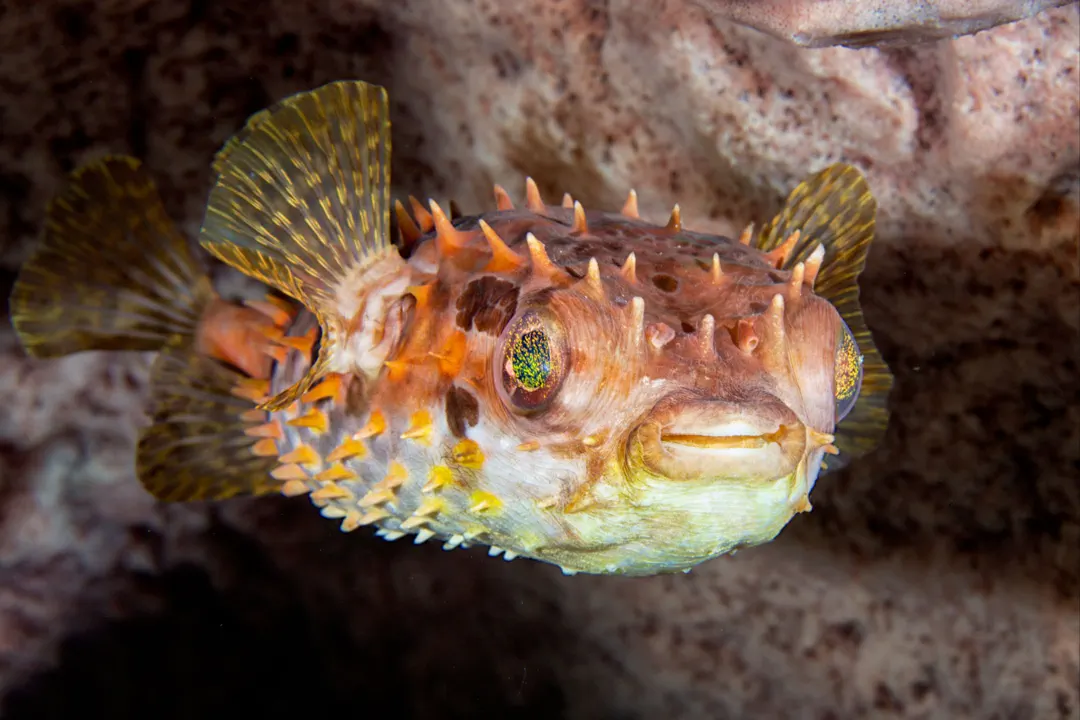
 © Georgina JonesCC BY-SA 4.0 · iNaturalist
  Jean-Paul BoerekampsCC0 · iNaturalist
  © Robin WhiteCC BY 4.0 · iNaturalist
  © Daniel BenákCC BY 4.0 · iNaturalist
 Moses Rock
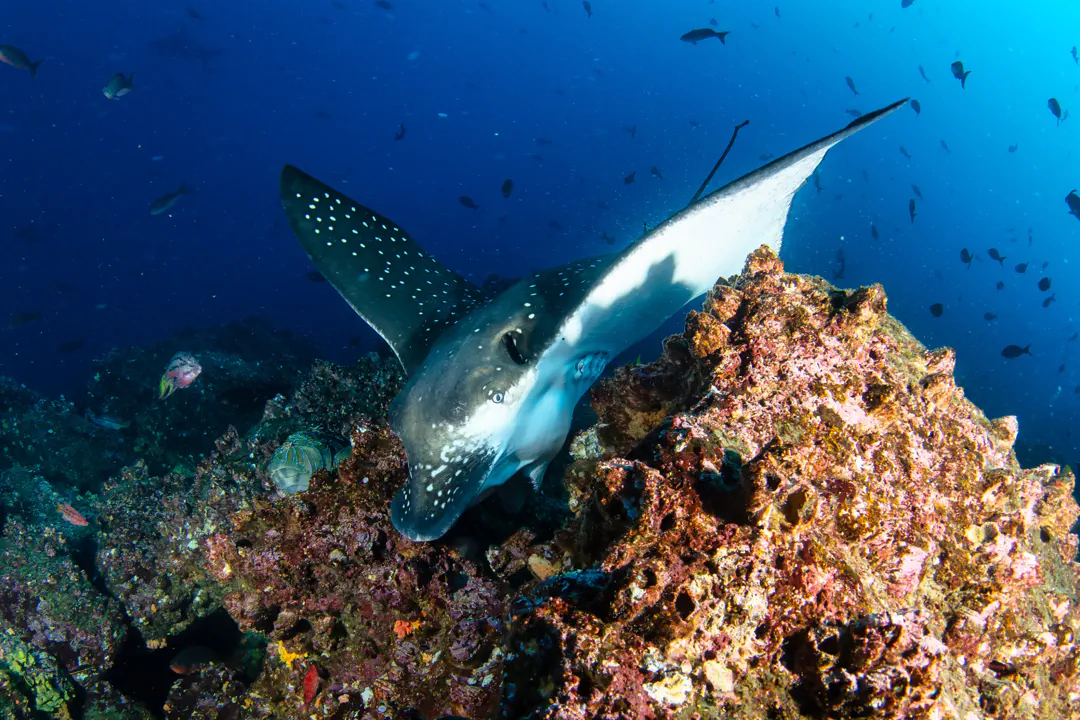
Moses Rock rises as a coral pinnacle from a depth of 25 meters, its summit just 5 meters below the surface. This boat-accessed site experiences strong currents, which attract pelagic visitors like spotted eagle rays gliding past. Schools of bannerfish swirl around the coral-encrusted walls, while jacks and barracuda patrol the exposed reef for smaller prey.
Its distinct feature is the exposed pinnacle profile, drawing in pelagic life and challenging experienced divers comfortable with drift conditions (5-25m). Deep overhangs provide shelter for specific nudibranch species like the Red Sea Phyllidia.
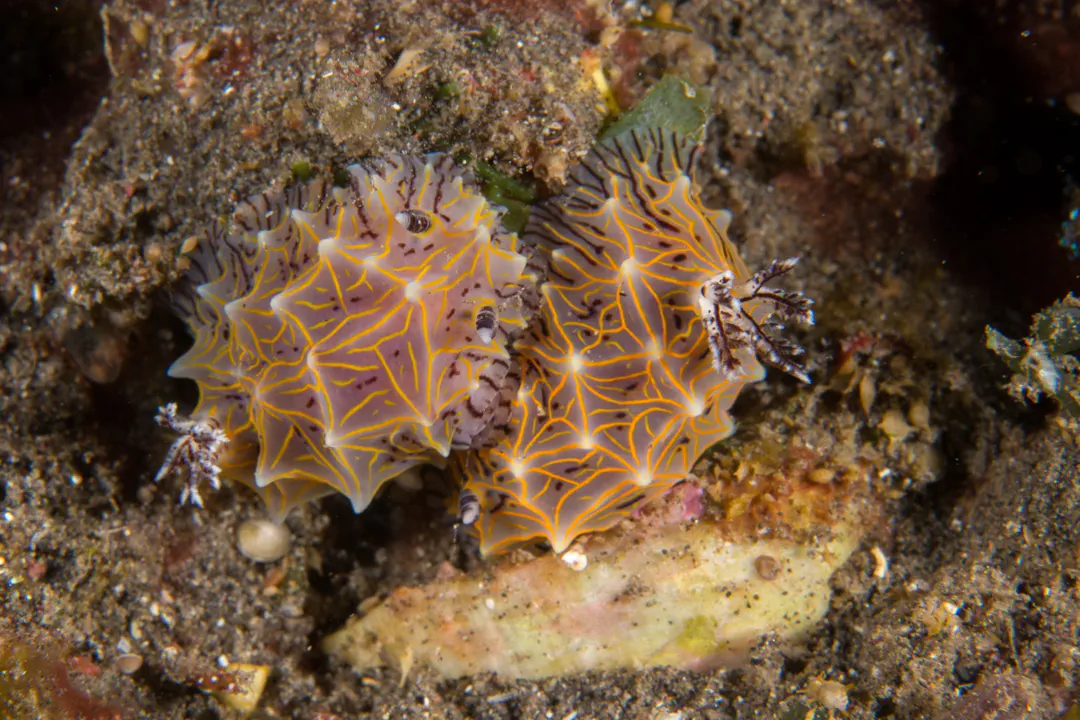 © Bernard PictonCC BY 4.0 · iNaturalist
 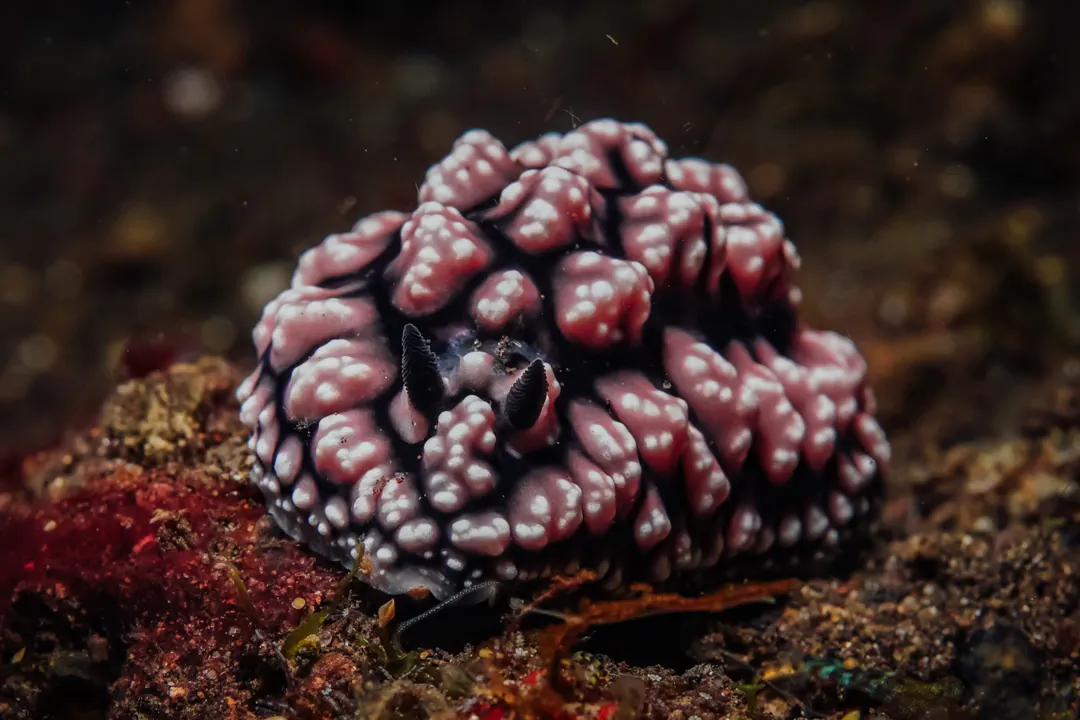 © Stas KuryanAll rights reserved
 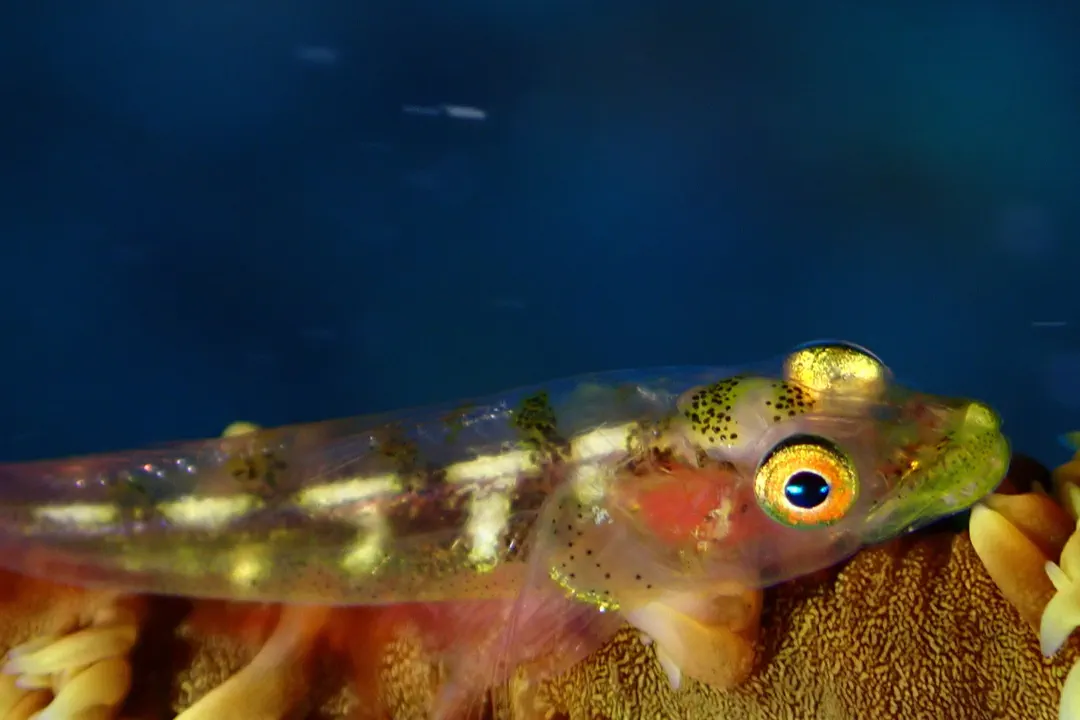 © Robin WhiteCC BY 4.0 · iNaturalist
 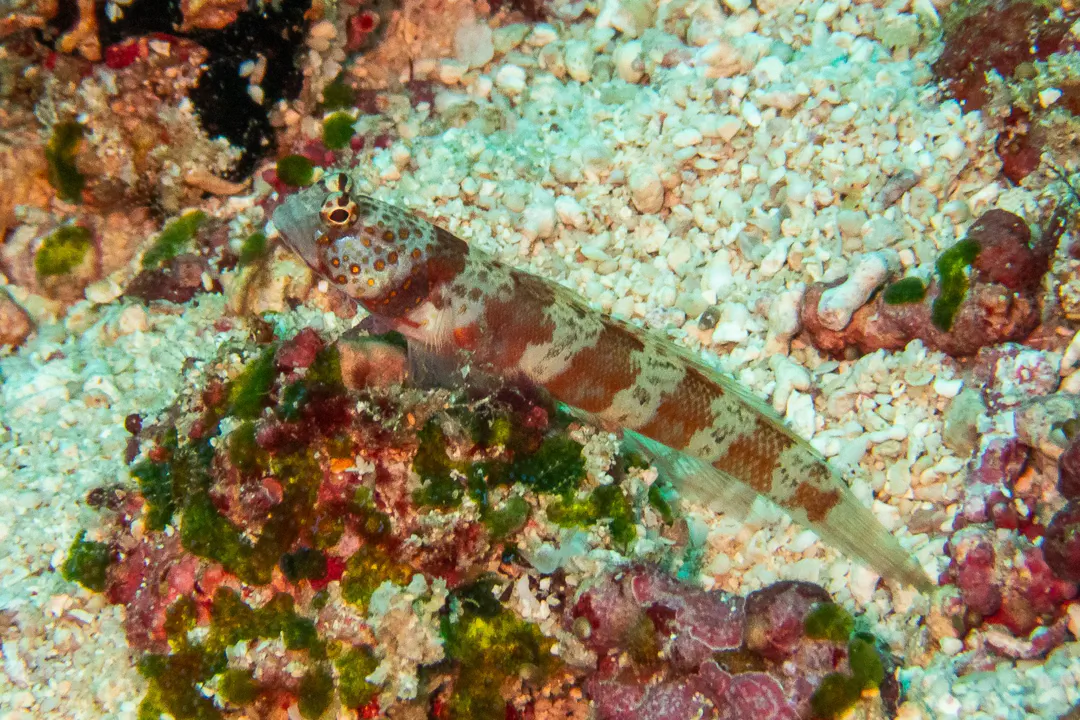 © Piotr LukasikCC BY 4.0 · iNaturalist
 Mediterranean Coast: History Underwater
The Mediterranean coastline of Israel presents a stark contrast to the Red Sea. Here, the underwater landscape shifts from extensive coral gardens to submerged ancient cities and shipwrecks. Temperate species like the red scorpionfish and various sea slugs, such as Flabellina affinis, have made their home amidst these historical remains.
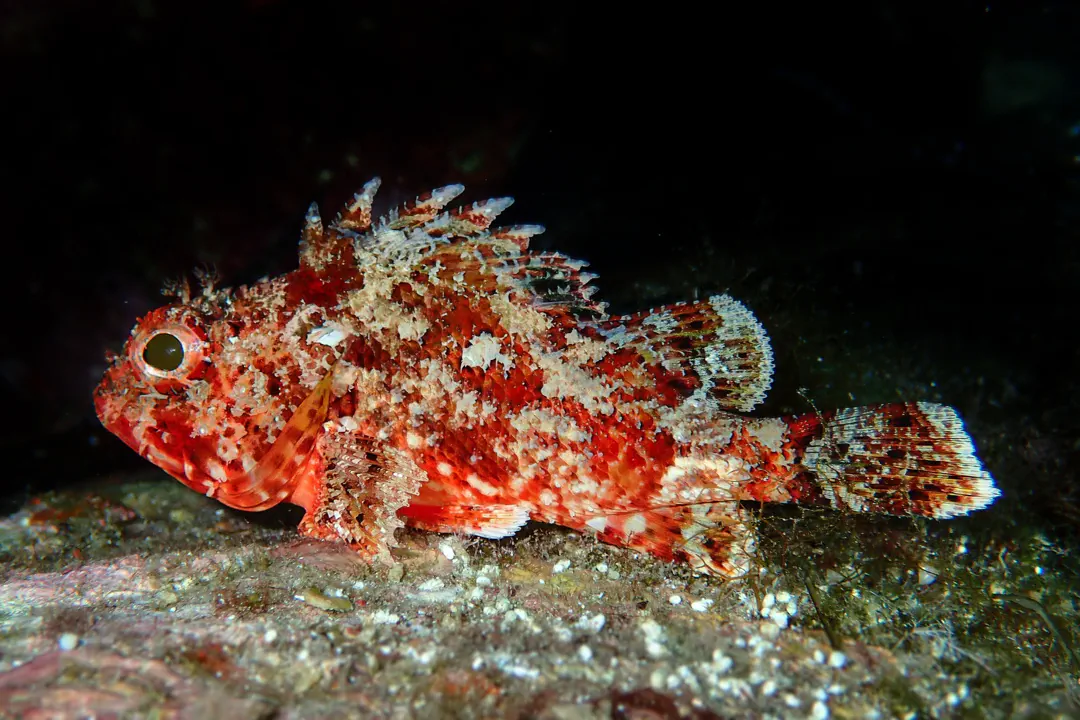 © Julien RenoultCC BY 4.0 · iNaturalist
 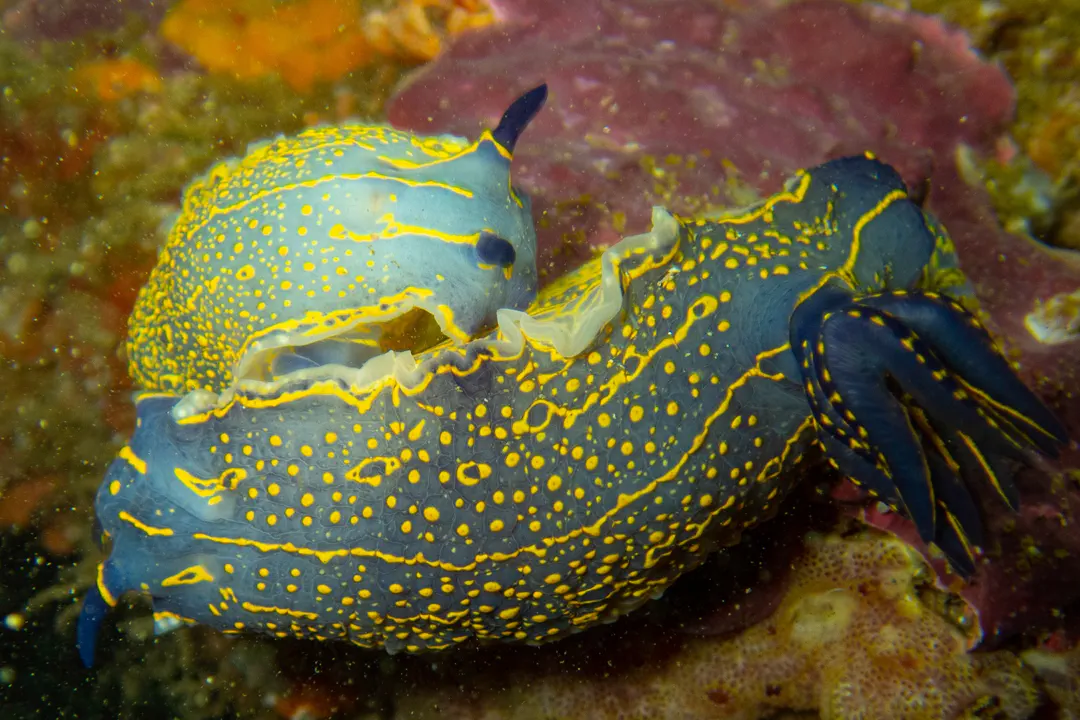 © Bernard PictonCC BY 4.0 · iNaturalist
 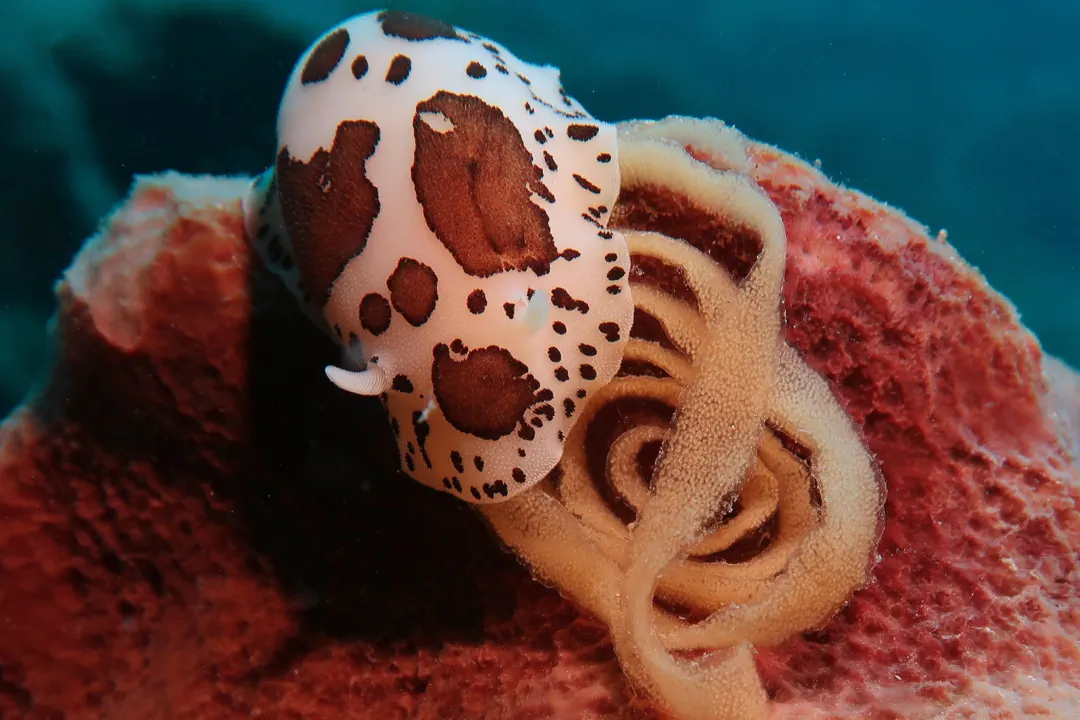 © Daniel BenákCC BY 4.0 · iNaturalist
 Caesarea Underwater Archeological Park
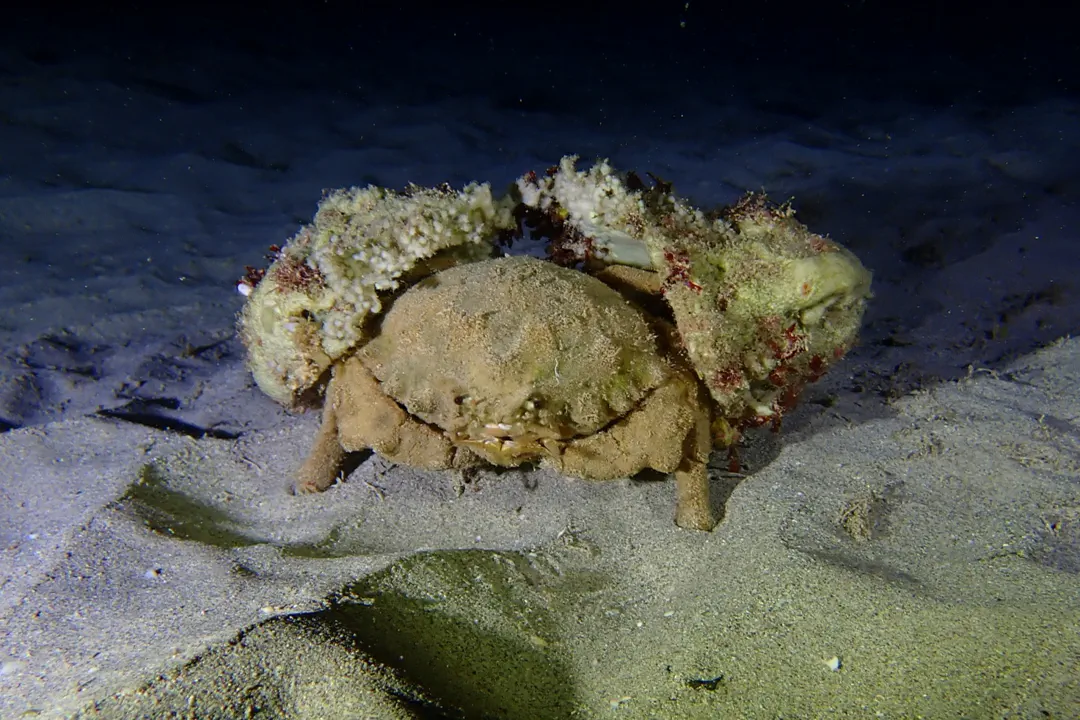
At Caesarea, divers explore the submerged remains of King Herod's ancient port city, a designated underwater archaeological park. This site, accessible by shore or boat and requiring a guide, lies at depths of 3 to 10 meters. Divers fin over massive Roman breakwaters, encounter marble columns scattered on the seafloor, and can spot fragments of mosaic floors.
Moray eels, such as the Mediterranean moray, consistently inhabit the crevices of these ancient stones, while small dusky groupers patrol the ruins. Its distinct feature is the immersion in ancient Roman history, making it a unique historical dive perfectly suited for novice divers and snorkelers (3-10m) seeking an accessible cultural experience.
Akhziv Canyon
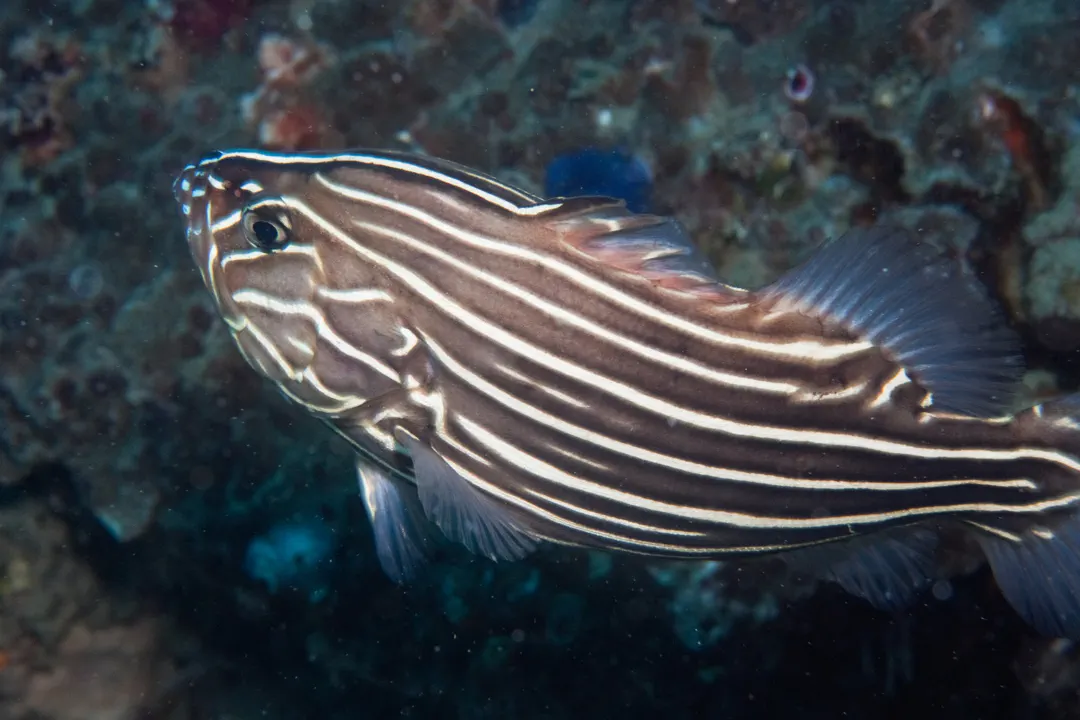
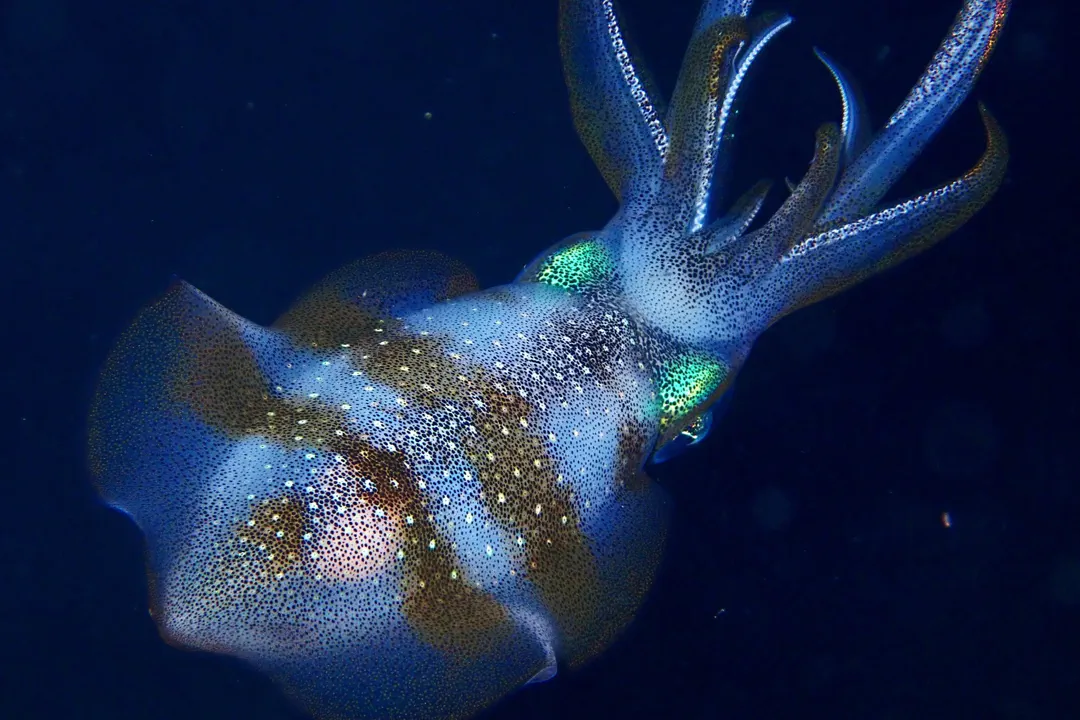
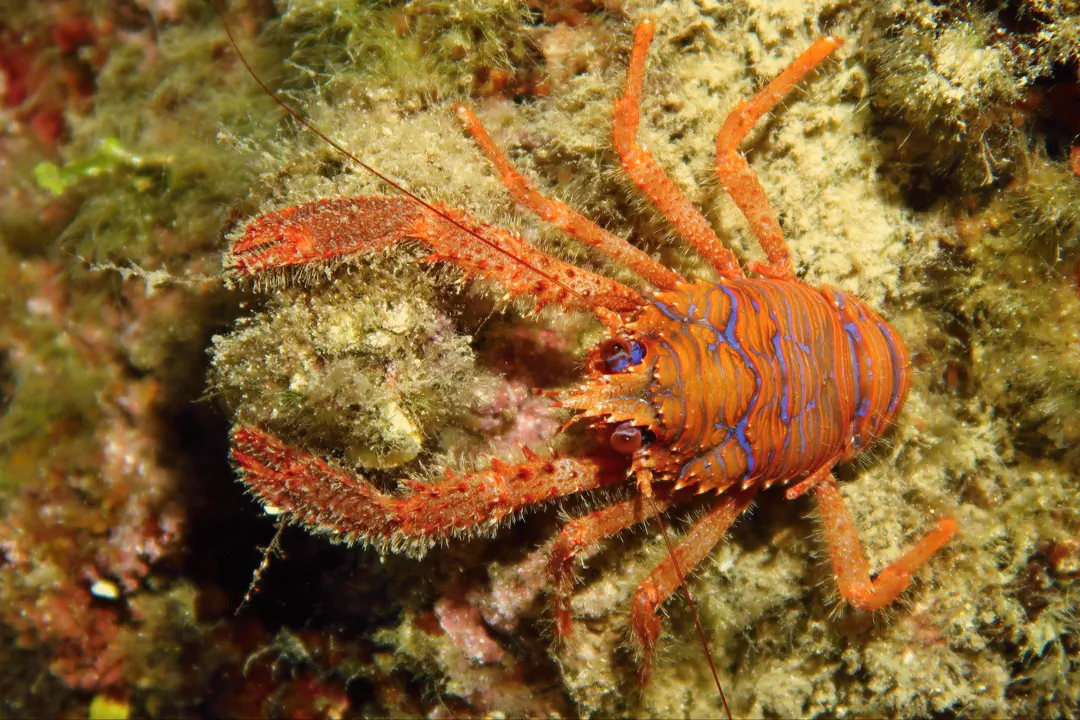
Further north, off the coast near Akhziv, lies a deep-water canyon system descending beyond 30 meters, accessible by boat. This site is characterized by dramatic rock formations, overhangs, and small caves that provide shelter for red scorpionfish and slipper lobsters. The cooler, deeper waters also host schools of saddled seabream and barracuda, offering a different ecological perspective than the Red Sea.
Its distinct feature is the dramatic underwater topography of canyons and caves, offering a challenging dive for advanced divers comfortable with potential stronger currents and deeper profiles (20-40m).
Practical Tips for Diving in Israel
Navigating Israel's distinct dive regions requires some practical considerations. Both Eilat and the Mediterranean coast offer numerous dive centers providing equipment rental and guided trips, with English widely spoken. Understanding local marine park rules and seasonal conditions is key for planning any underwater exploration. Israeli New Shekels (ILS) are the local currency, and credit cards are widely accepted.
Questions
Is Israel suitable for beginner divers?
Yes, Eilat in the Red Sea offers many shallow, calm dive sites with minimal current and consistently high visibility, perfect for beginners and training. The Mediterranean also has accessible sites, particularly the shallow archaeological parks, though conditions can be more variable with seasonal currents and visibility.
What is the main difference between Red Sea and Mediterranean diving in Israel?
The Red Sea, specifically Eilat, is characterized by extensive hard and soft coral reefs teeming with tropical fish, offering classic reef diving. The Mediterranean, in contrast, focuses on submerged ancient archaeological sites, historical shipwrecks, and unique temperate marine life adapted to its rocky and sandy bottoms.
Are there sharks in Israel's waters?
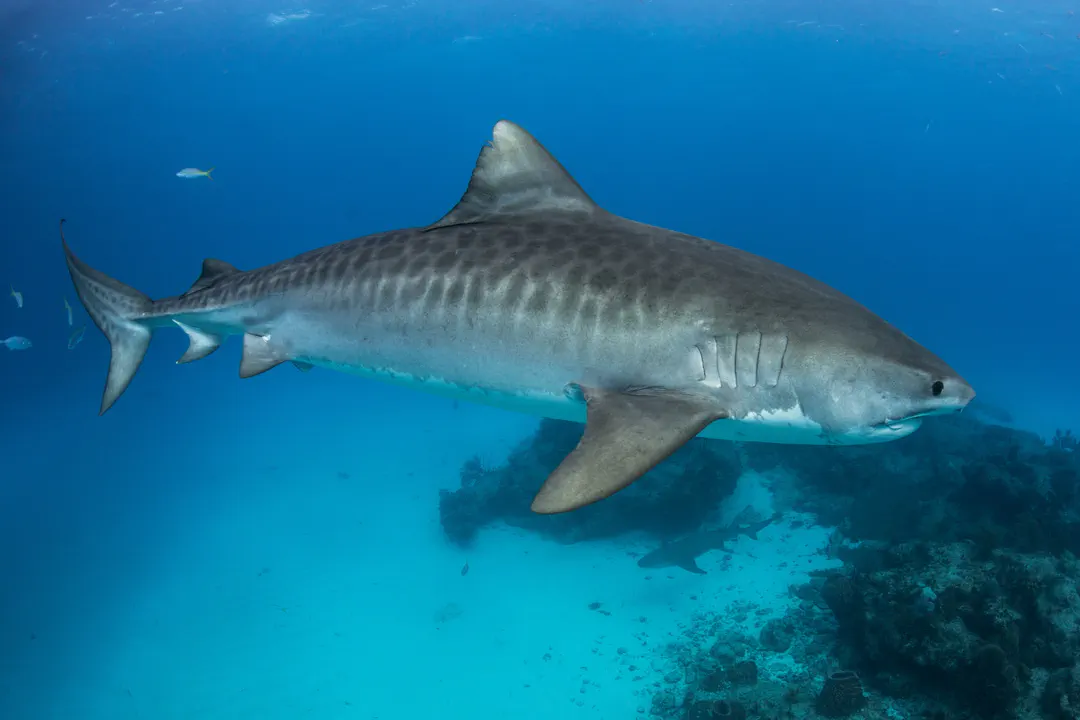
Yes, various shark species inhabit Israel's waters. In the Red Sea, whitetip reef sharks and occasional hammerheads can be spotted, particularly on deeper dives or in specific seasons. Mediterranean waters also host sharks, such as sandbar sharks and dusky sharks, though encounters are less common for recreational divers.
Do I need a special permit to dive in Israel?
Generally, no special permit is required beyond standard diving certifications (e.g., PADI, SSI). However, some protected areas, such as the Japanese Gardens in Eilat, have specific regulations requiring a local guide to ensure adherence to marine park rules.
What is 'Lessepsian migration' in the context of Israeli diving?
Lessepsian migration refers to the phenomenon where marine species from the Red Sea migrate through the Suez Canal into the Mediterranean. This has introduced tropical species to the Mediterranean, which divers may occasionally encounter, altering the local ecosystem.