
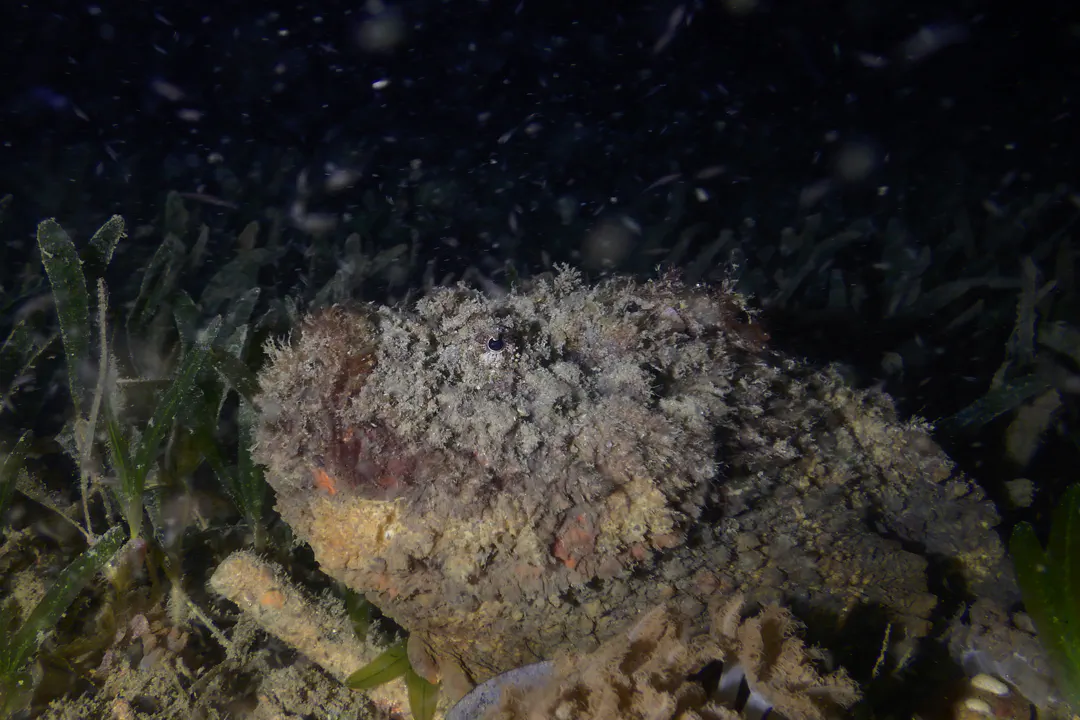
At Shark Point off Phuket, fifteen metres beneath the surface, a grey reef slope glimmers under green sunlight as a lionfish flares its fan-like pectoral fins. Nearby, a reef stonefish rests motionless on a granite ledge, its coarse skin blended perfectly into algae-encrusted rock. The current pulls gently, carrying glassfish past the silent predator while divers drift overhead.
Recognizing dangerous sea creatures in Thailand is essential for anyone diving or swimming in the Andaman Sea or Gulf of Thailand. Water temperatures remain between 28°C and 30°C year-round, with visibility ranging from 10 to 30 metres depending on location and season. The Andaman coast experiences its rainy monsoon from May to October, whereas peak diving runs from November to April across both regions.
While species like stonefish, box jellyfish, titan triggerfish, and sea kraits possess potent venom or sharp teeth, serious accidents remain rare. Most underwater injuries happen when divers accidentally step on bottom-dwelling fish or enter nesting zones. By maintaining neutral buoyancy and respecting a strict hands-off policy, divers of all experience levels can safely explore Thailand's reefs.
What Are the Most Dangerous Sea Creatures in Thailand?
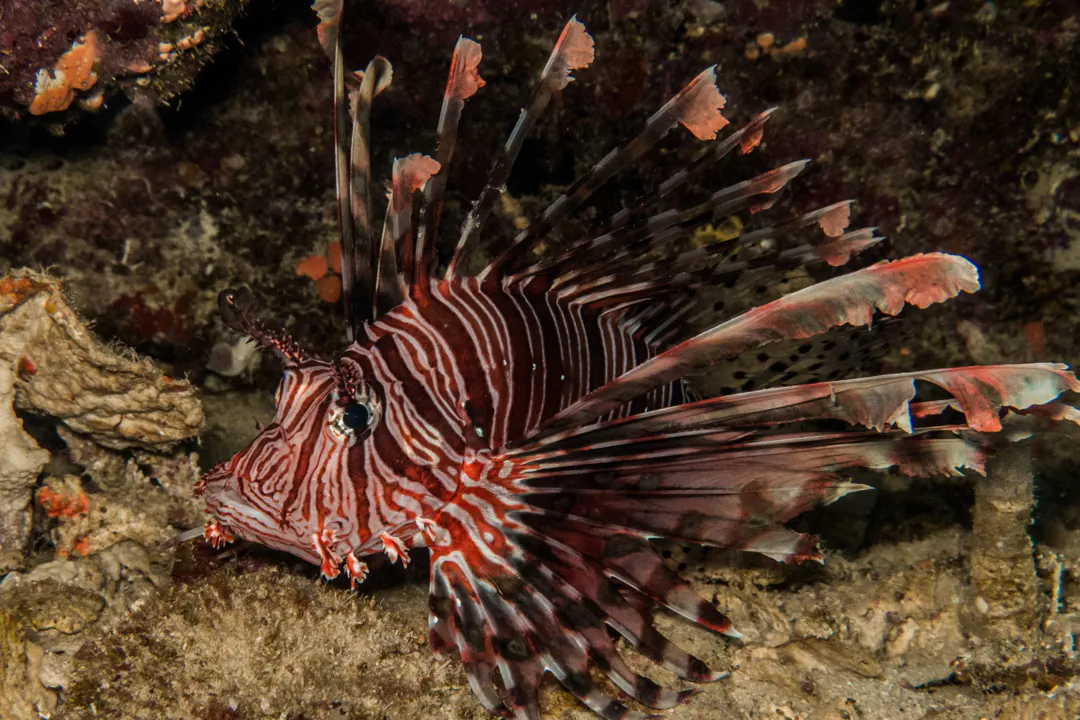
Thailand's hazardous marine species fall into three clear physiological categories: actively venomous fish, stinging organisms, and territorial bite risks. Venomous species like stonefish, lionfish, and scorpionfish possess sharp dorsal or pelvic spines connected directly to venom glands. These animals do not attack, but inject toxins when compressed by a diver's hand or boot.
Stinging organisms like box jellyfish and Portuguese man-o'-war rely on microscopic stinging capsules called nematocysts along their trailing tentacles. When skin touches these tentacles, thousands of capsules fire venom instantly into the tissue. In contrast, territorial animals such as titan triggerfish and giant moray eels cause physical trauma through powerful jaws rather than chemical toxins.
Understanding these distinctions dictates how you prepare for a dive along Thai coasts. Most hazardous encounters occur in shallow waters, sandy reef flats, or around granite boulders where marine life rests or nests. Diver awareness, paired with careful buoyancy control, eliminates the vast majority of potential hazards before you even submerge.
 © Ewout KnoesterCC BY-SA 4.0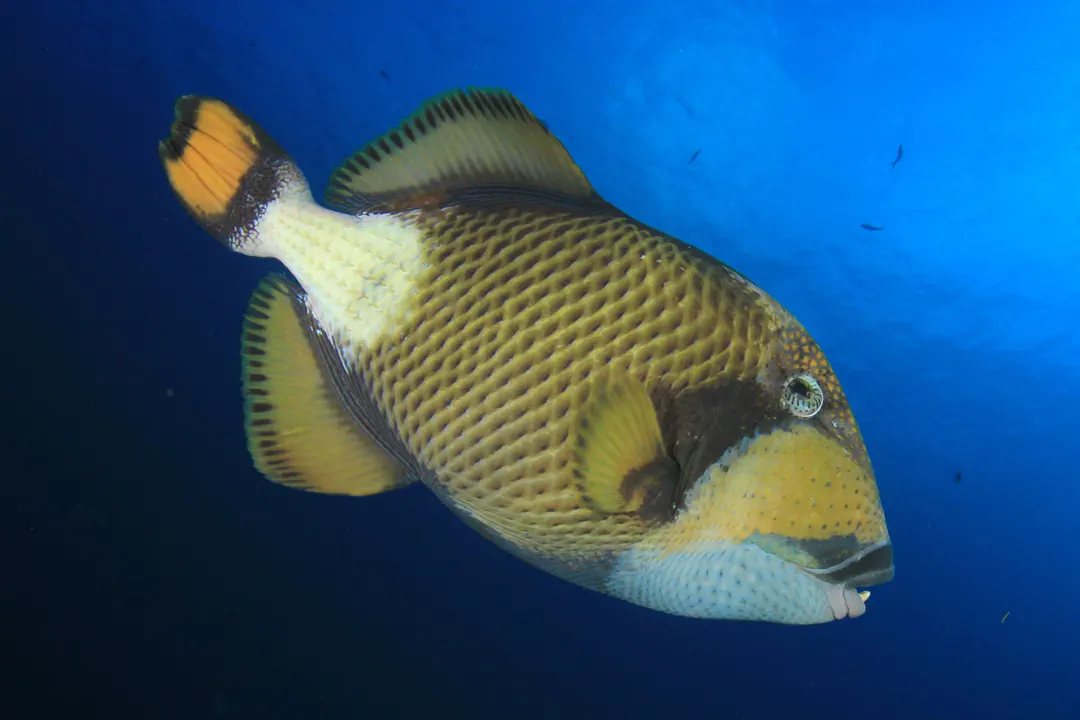
 © Stas KuryanAll rights reserved
  © Stas KuryanAll rights reserved
 Venomous Fish in Thailand: Stonefish, Lionfish, and Scorpionfish
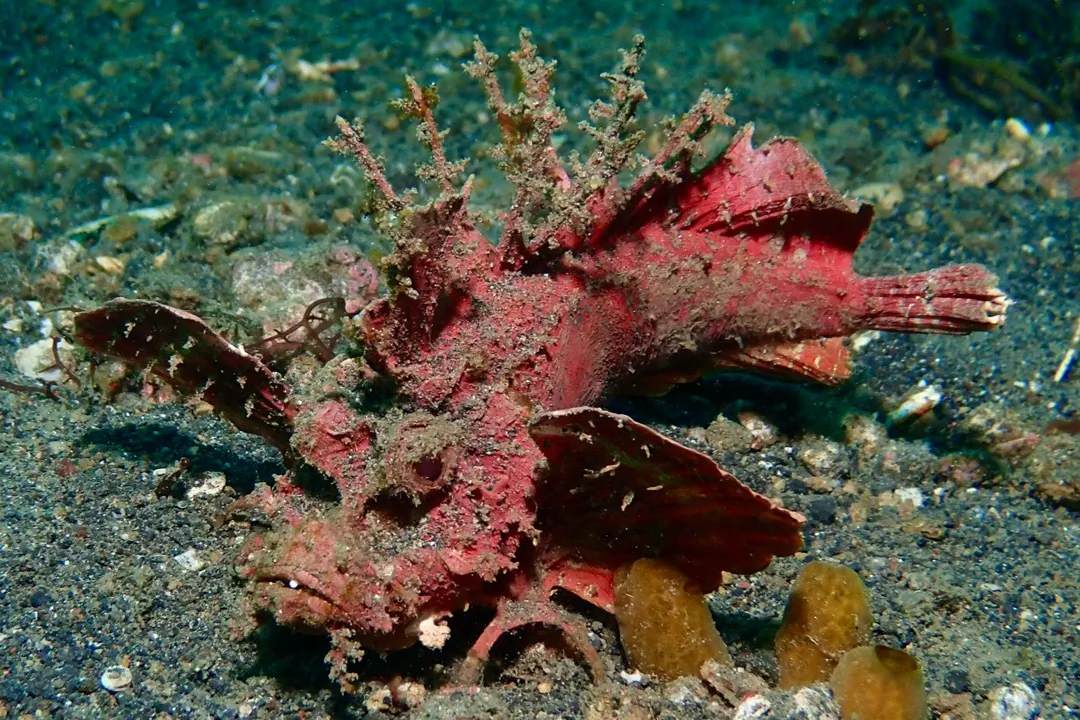
Reef stonefish (Synanceia verrucosa) and devil scorpionfish (Scorpaenopsis possi) represent the ultimate camouflage masters on Thai reefs. Lying motionless on granite rocks or half-buried in coarse sand at depths from 2 to 25 metres, their textured skin mimics algae and rubble perfectly. Thirteen rigid dorsal spines act like hypodermic needles, capable of puncturing boot soles if pressed.
Lionfish (Pterois volitans and Pterois miles) are far more visible, hovering above coral heads with outstretched venomous spines. They use their elaborate fins to corner small glassfish and crustaceans against crevice walls. While lionfish are non-aggressive toward humans, underwater photographers who back up without looking often make accidental contact with their sharp fin rays.
Avoiding contact requires constant spatial awareness and proper trim in the water column. Never kneel on sandy patches or grab dead coral heads without carefully scanning the substrate first. If a puncture occurs, immediately end the dive, safely ascend, and call Thailand's national emergency medical service at 1669 for immediate transport.
 © João D'AndrettaCC BY 4.0 · iNaturalist
  © desertnaturalistCC BY 4.0 · iNaturalist
 Jellyfish Hazards in Thailand: Box Jellyfish and Portuguese Man-o'-War
Box jellyfish and stinging cubozoans represent Thailand's most medically significant coastal marine hazard. Encounters occur seasonally, particularly during rainy periods between May and October when coastal runoff alters shore conditions. Sightings are documented around Gulf locations like Koh Samui, Koh Phangan, Koh Tao, Hua Hin, and Trat, as well as select Andaman beaches.
Because box jellyfish possess near-transparent cubic bells, they remain virtually invisible in murky shore water. Their trailing tentacles can extend several metres, carrying dense arrays of venomous nematocysts that cause extreme pain and systemic shock upon contact. Swimmers and snorkellers should strictly heed local beach warning flags and avoid entering murky coastal bays after heavy rainstorms.
Wearing full-length rashguards or thin exposure suits provides an effective physical barrier against drifting tentacles and sea lice. According to Tourism Authority of Thailand guidance, many developed resort beaches maintain designated swimming nets and shoreline first-aid stations stocked with vinegar. Always inspect the beach area for emergency supplies before swimming in open bay waters.
Territorial Reef Animals: Titan Triggerfish and Moray Eels
Titan triggerfish (Balistoides viridescens) are infamous among Thai reef dwellers for their aggressive nest defense. During breeding periods, females lay eggs in shallow sand depressions and patrol an inverted cone-shaped territory extending straight up to the surface. When threatened, a triggerfish rolls onto its side, raises its heavy dorsal spine, and charges rapidly at intruding divers.
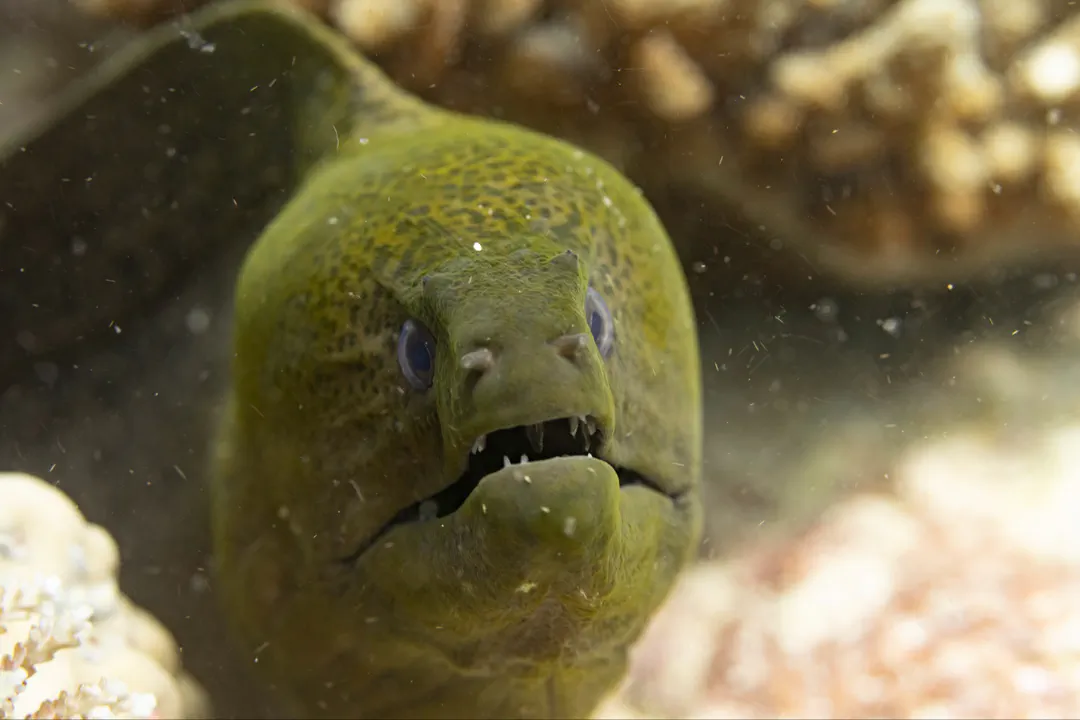
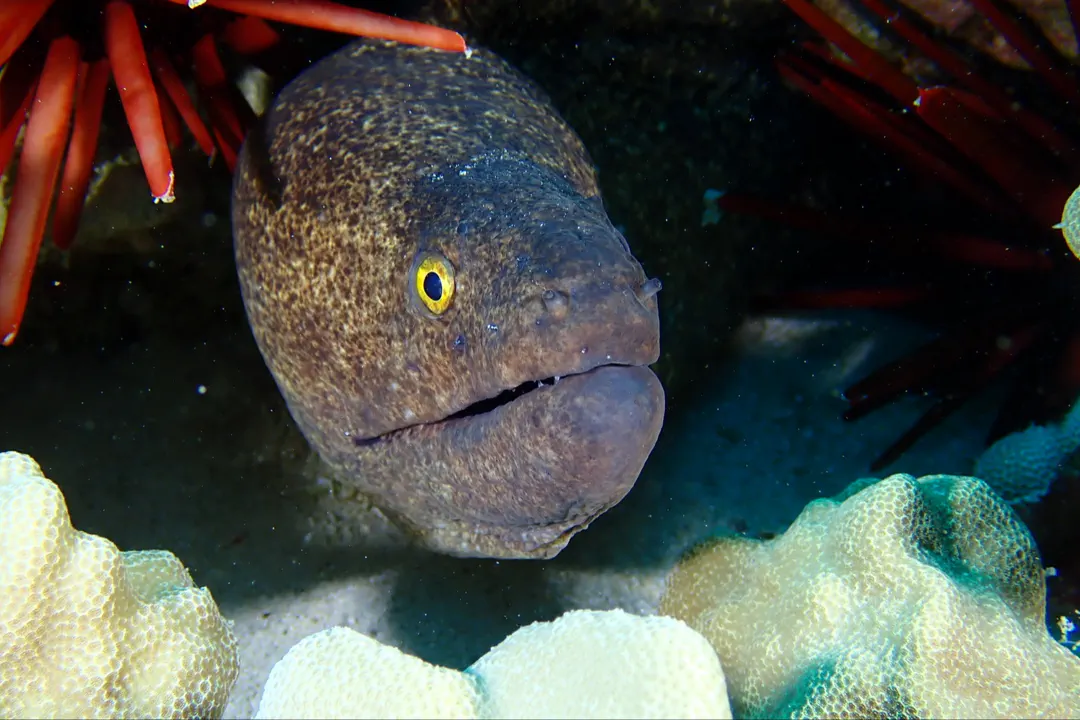
Giant moray eels (Gymnothorax javanicus) and yellowmargin morays (Gymnothorax flavimarginatus) occupy rocky crevices across depth ranges from 3 to 40 metres. Their habit of rhythmically opening and closing their mouths is a natural breathing mechanism to pump water over their gills, not a sign of imminent attack. Morays typically bite only when cornered, poked, or enticed by hand-feeding.
If a titan triggerfish displays warning behavior, never swim upward into its cone-shaped territory. Instead, turn your body horizontally, stay low to the reef, and kick away using your fins as a barrier between yourself and the fish. Respecting their personal space allows you to observe these dynamic creatures without incident.
 © cello caruso-turielloCC BY 4.0 · iNaturalist
  © Robin WhiteCC BY 4.0 · iNaturalist
 Venomous Invertebrates and Reptiles: Sea Snakes, Cone Snails, and Blue-Ringed Octopuses
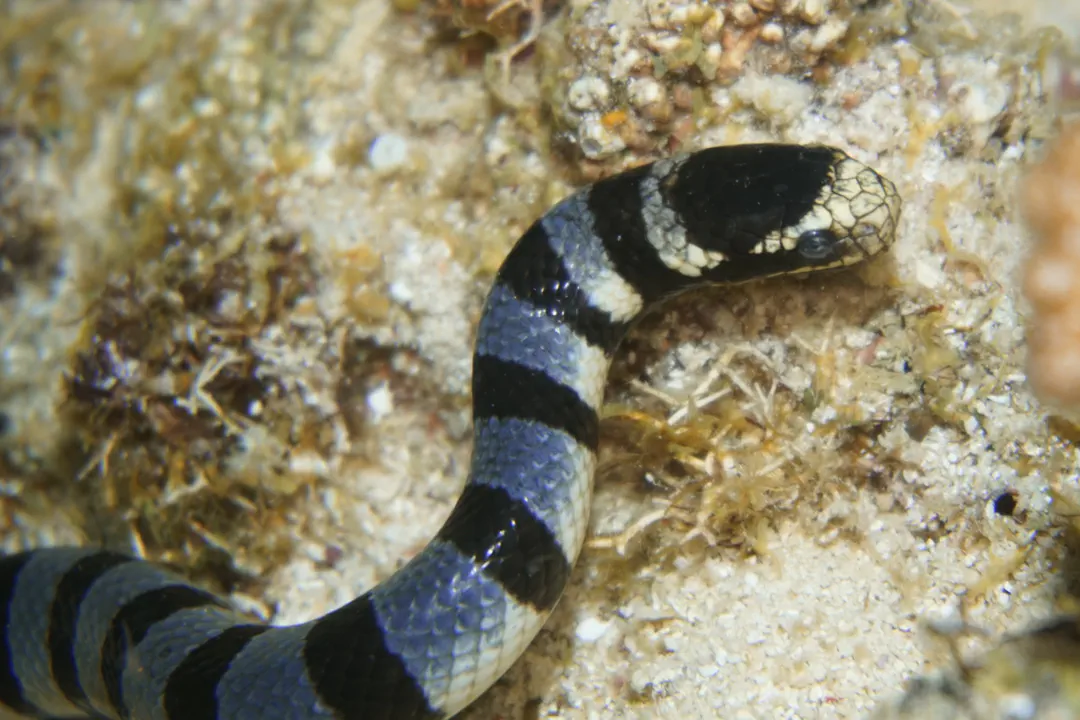
Banded sea kraits (Laticauda colubrina) are air-breathing reptiles frequently seen hunting damselfish among Thai coral heads down to 20 metres. Though their neurotoxic venom is extremely potent, kraits are notoriously docile and possess tiny fangs situated deep in their mouths. They rarely bite unless actively pinned, grabbed, or squeezed by careless swimmers.
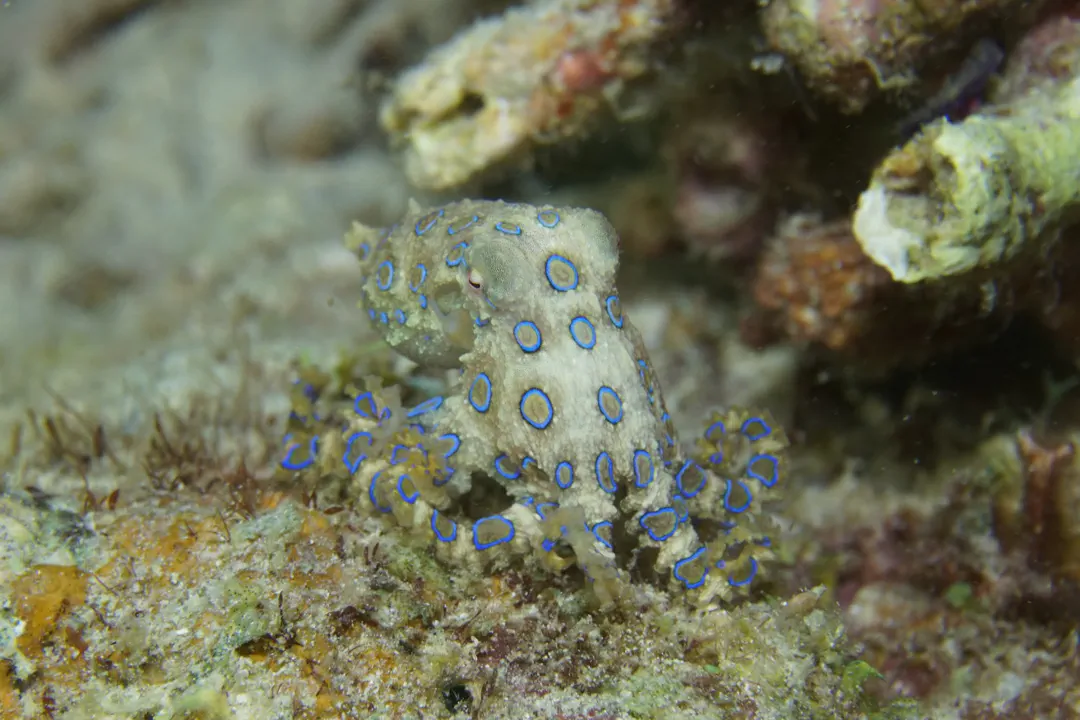
Invertebrates like the geography cone snail (Conus geographus) and blue-ringed octopus (Hapalochlaena) carry deadly neurotoxins used to paralyze prey instantly. Geography cones inhabit sandy rubble and shoot a venom-loaded radular harpoon when handled. Using the Seabook app on your surface intervals helps you quickly identify these small creatures and learn their specific defensive warnings.
Crown-of-thorns starfish (Acanthaster planci) present a sharp, spiny hazard along coral slopes. Their stiff spines break off under pressure, embedding toxic tissue under human skin that causes throbbing pain and inflammation. Adhering to a strict no-touch rule protects both your skin from hidden toxins and fragile reef structures from damage.
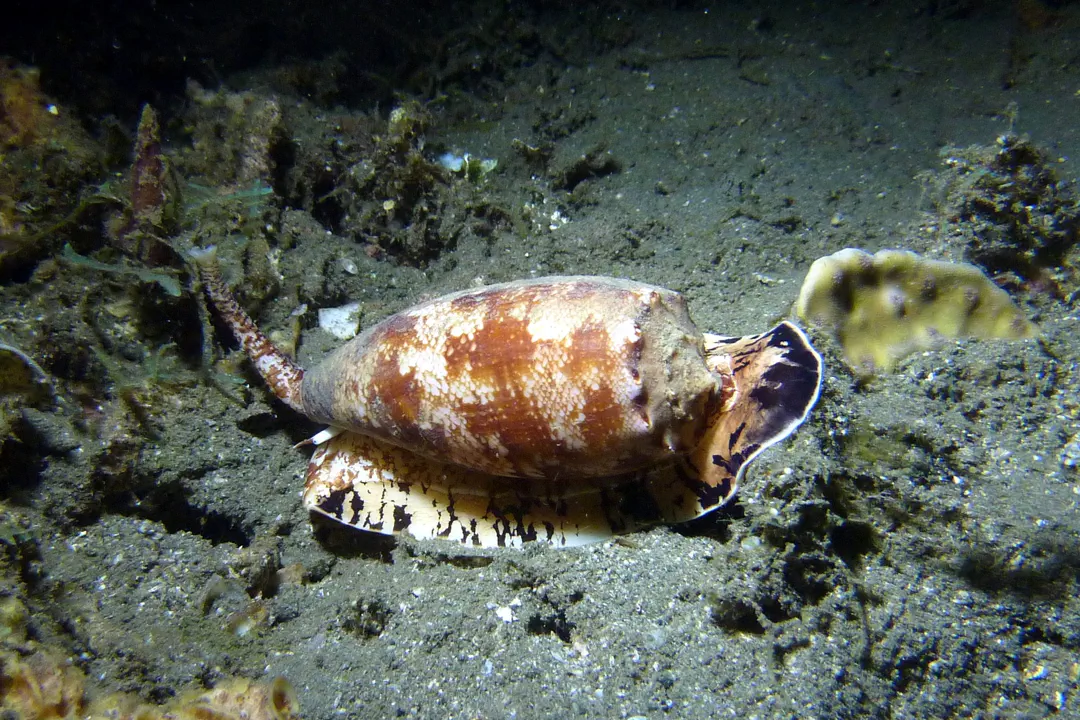 © Kai SquiresCC BY 4.0 · iNaturalist
 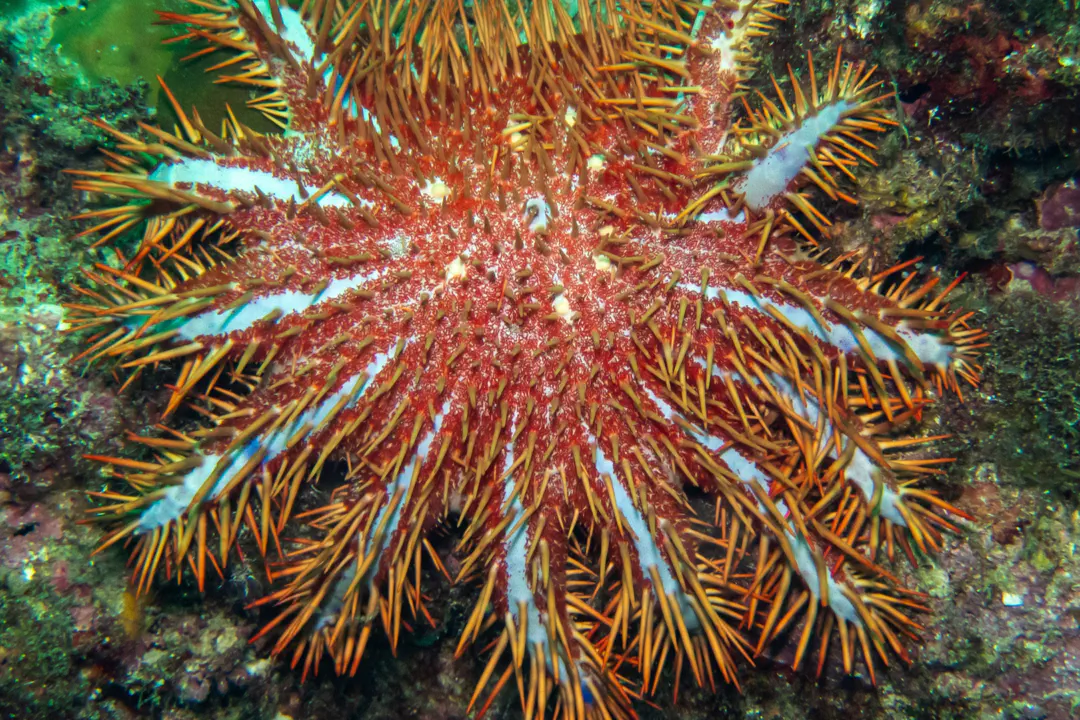 © portioidCC BY 4.0 · iNaturalist
 Are Sharks Dangerous in Thailand?
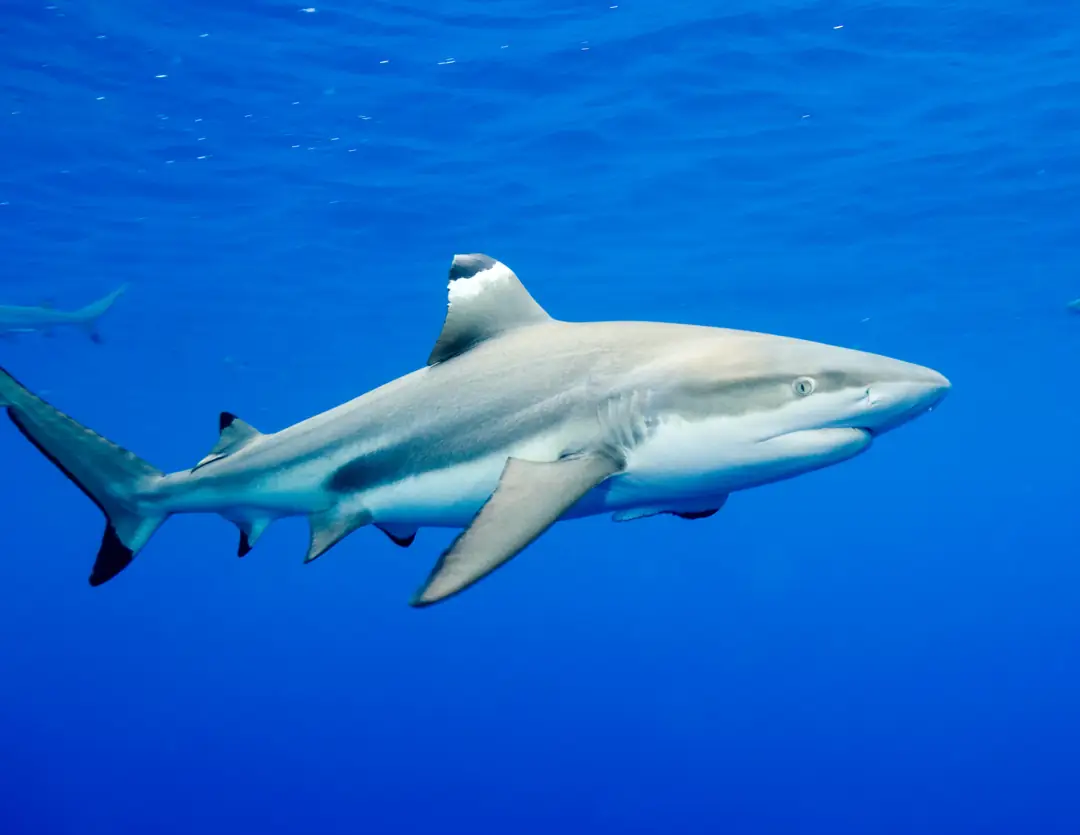
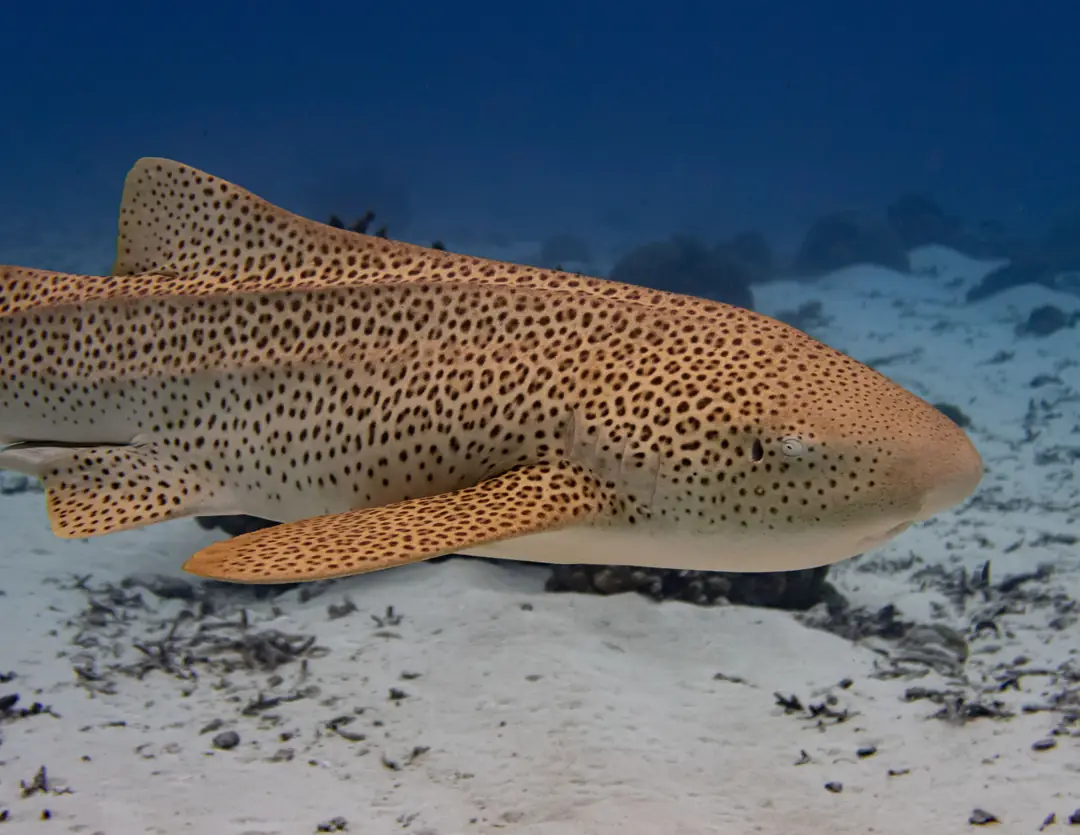
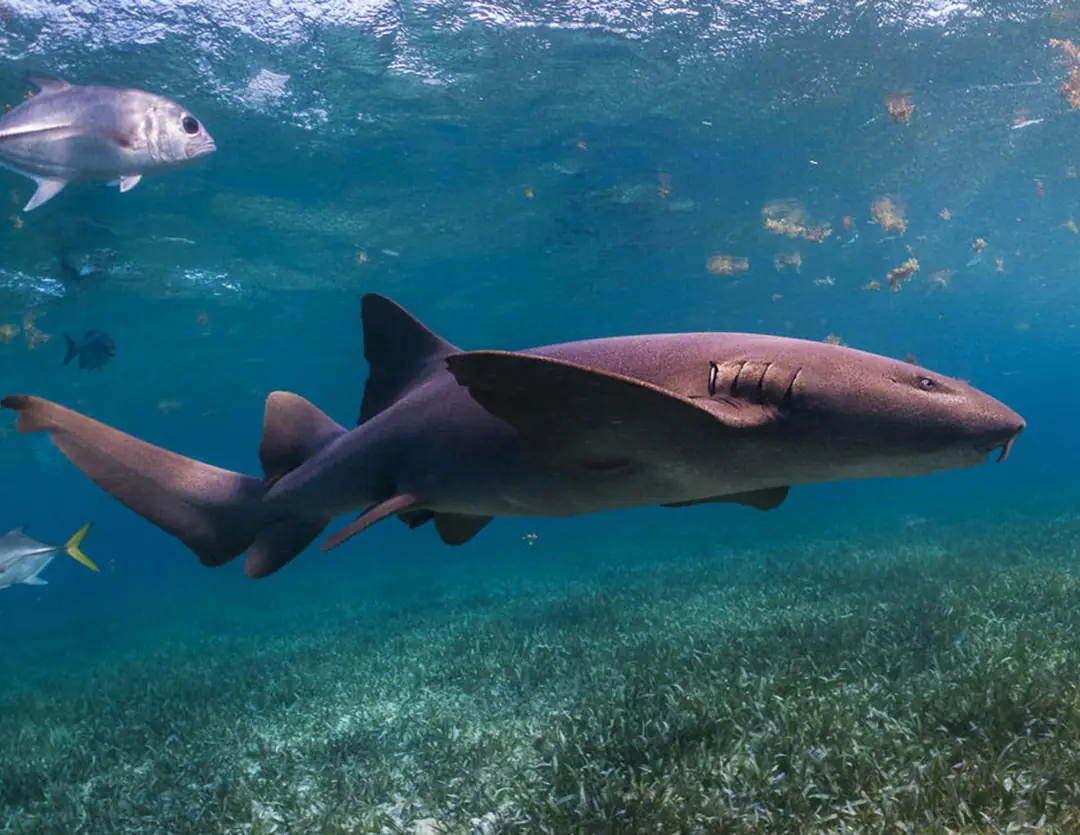
Sharks cruising Thai waters pose virtually no danger to divers or swimmers. Blacktip reef sharks (Carcharhinus melanopterus) patrol shallow lagoons and reef flats at depths of 1 to 15 metres, but remain timid and skittish around humans. Zebra sharks (Stegostoma tigrinum), often called leopard sharks locally, spend their days resting peacefully on sandy seabed bottoms.
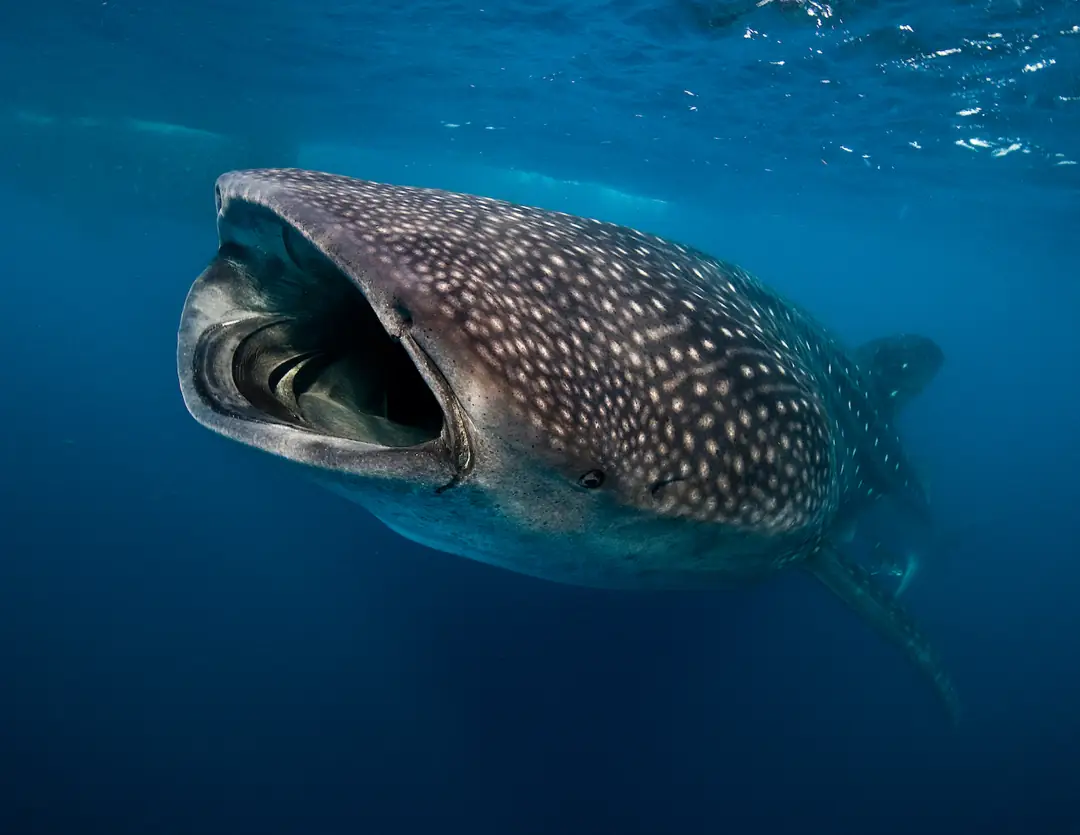
Tawny nurse sharks (Nebrius ferrugineus) hide under overhangs during daylight hours, while gentle whale sharks (Rhincodon typus) filter plankton near offshore pinnacles like Richelieu Rock and Hin Daeng. None of these species view humans as prey, and unprovoked shark attacks in Thailand are extraordinarily rare events.
Maintaining respectful interaction protocols ensures these encounters remain safe and enjoyable. Give resting leopard sharks plenty of room on the sand, avoid blocking a shark's swim path, and never attempt to ride or touch whale sharks. Calm, unobtrusive observation rewards divers with extended views of these majestic ocean predators.
First Aid and Practical Safety Tips for Diving and Swimming in Thailand
Preventing marine life injuries in Thailand begins with excellent buoyancy control and proper exposure gear. Wearing a full-length 3mm wetsuit or rashguard shields your skin from brush contact with stinging hydroids, fire coral, and drifting tentacles. Streamline your gauge consoles and keep fins elevated above reef substrates to prevent accidentally disturbing hidden bottom dwellers.
If you experience a stonefish or scorpionfish spine puncture, immediately exit the water and notify medical personnel. Submerging the affected limb in hot water between 40°C and 45°C helps break down heat-labile venom proteins and alleviates severe pain. Never delay calling emergency medical services at 1669 or transporting the patient to a hospital while treating the wound.
For suspected box jellyfish stings, official travel safety guidelines recommend flooding the sting area with household vinegar for at least 30 seconds to neutralize undischarged nematocysts. Avoid rubbing the wound with sand or rinsing with fresh water, as osmotic shifts will trigger remaining stingers. Keep emergency numbers saved on your phone and confirm dive boat safety equipment before departing shore.
Questions
Are there dangerous sea creatures in Thailand?
Yes, Thailand is home to venomous species like box jellyfish, stonefish, lionfish, and sea snakes, as well as territorial animals like titan triggerfish. However, incidents are rare if proper safety measures and no-touch policies are observed.
Are box jellyfish common in Thailand?
Box jellyfish are present seasonally, particularly in the Gulf of Thailand (Koh Samui, Koh Phangan) between July and October, and occasionally in the Andaman Sea. Many popular beaches feature vinegar stations and protective netting.
What should you do if stung by a jellyfish in Thailand?
Immediately pour vinegar over the affected area for at least 30 seconds to neutralize undischarged stinger cells. Do not rinse with fresh water or rub with sand, and seek medical assistance promptly.
Are shark attacks common in Thailand?
No, shark attacks are extremely rare in Thailand. Most species encountered by divers, such as blacktip reef sharks, leopard sharks, and whale sharks, are docile and pose no threat to humans.
How can divers avoid titan triggerfish attacks?
During nesting season, titan triggerfish defend an inverted cone-shaped territory above their nest. If a triggerfish displays aggressive signals like rolling on its side or raising its dorsal spine, swim away horizontally along the reef rather than directly upward.
Is it safe to snorkel in Thailand without a wetsuit?
While warm waters make short-cut swimwear tempting, wearing a rashguard or thin suit protects against accidental stings, sea lice, coral scrapes, and sun exposure.