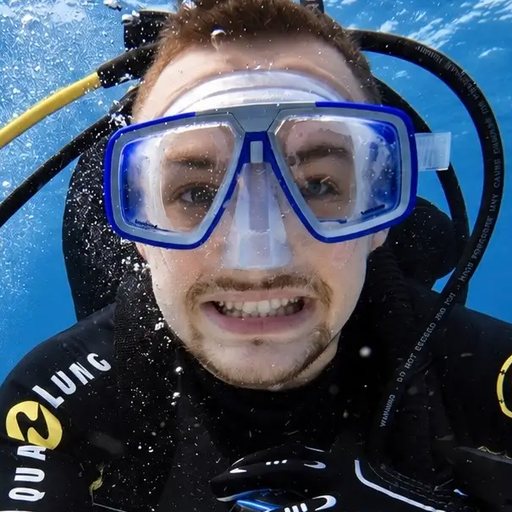
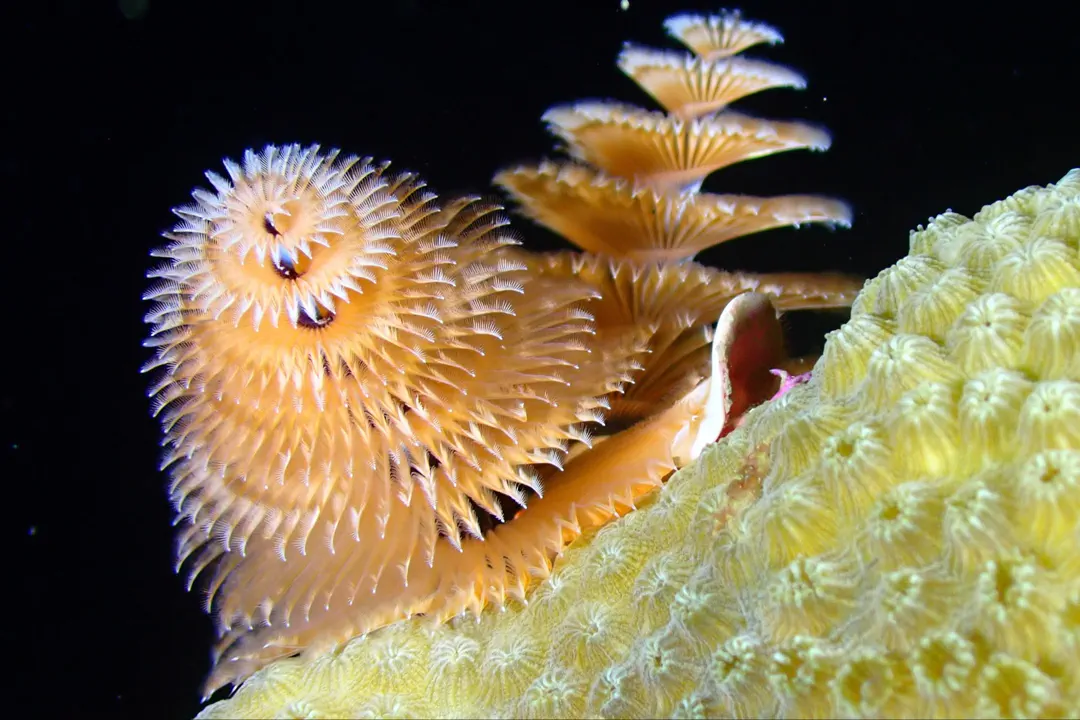
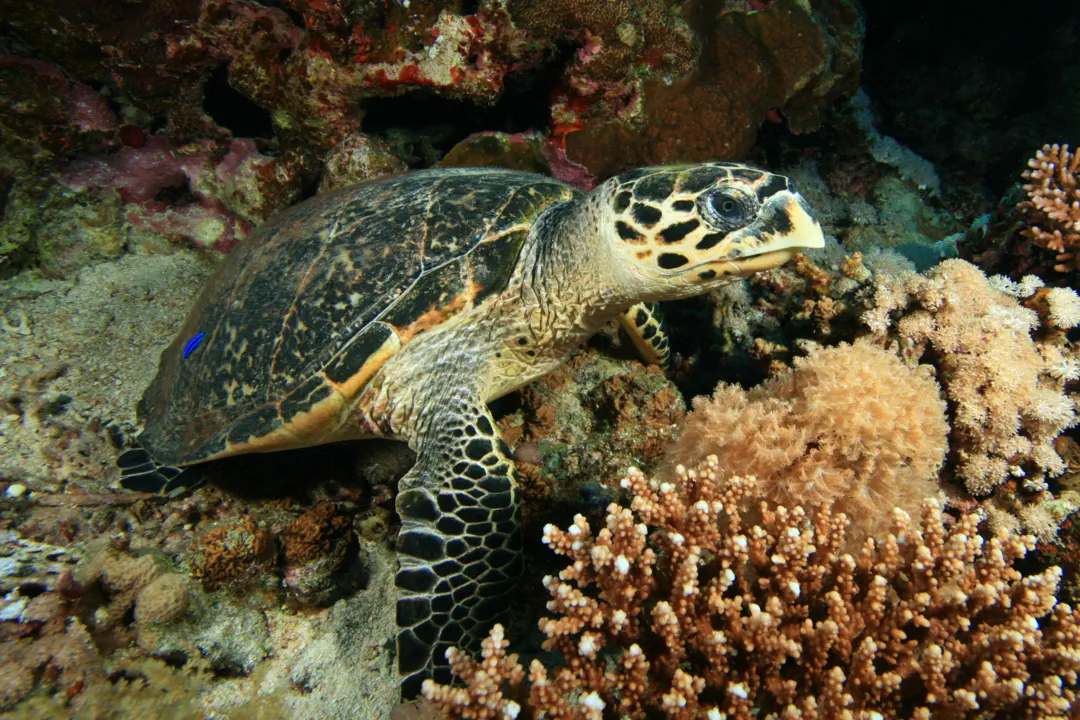
At a depth of eight metres off 1000 Steps, sunlight streams through clear blue water, illuminating a green sea turtle as she grazes on low turf algae along a limestone ledge. A subtle current sweeps past, bending Christmas tree worms inward while a solitary spotted eagle ray glides four metres overhead, its dark wings dotted with bright white rings.
Diving in Bonaire centers around accessible fringing reefs that parallel the island's leeward western coast. Water temperatures remain stable throughout the year, ranging between 26°C in February to 29°C in October, while visibility regularly clears 30 metres. The dry season from December through April brings consistently calm surface conditions, though diving continues across all twelve months.
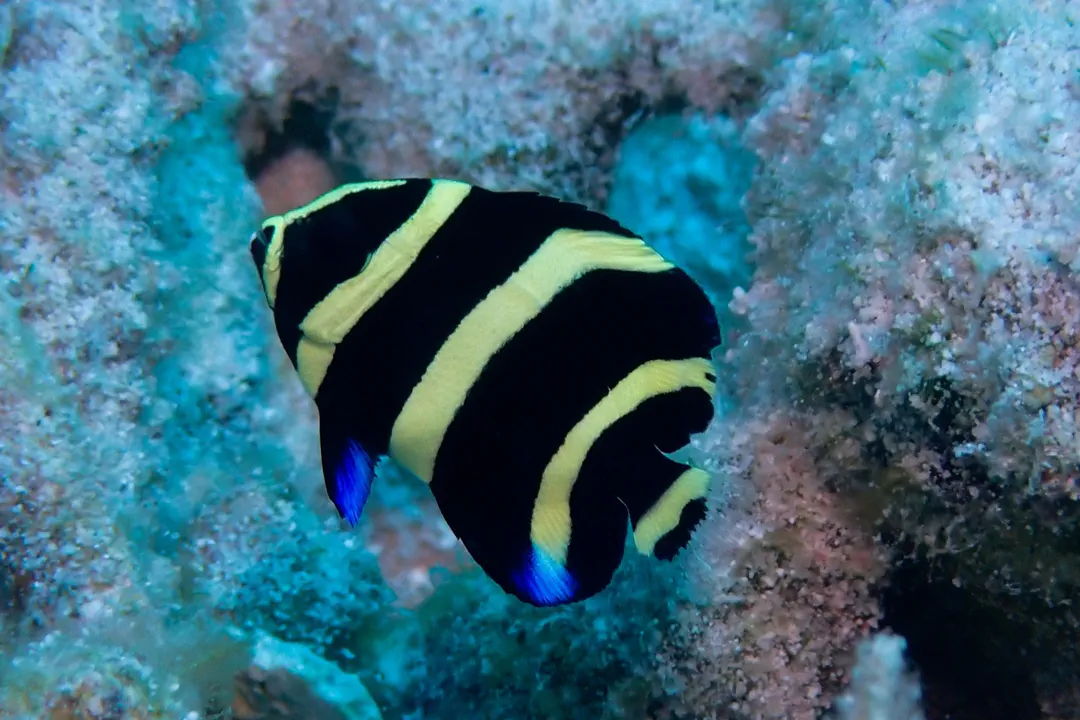
Major sites like Salt Pier, the Hilma Hooker wreck, Karpata, Bari Reef, and 1000 Steps feature immediate reef drops within a fifty-metre swim from shore. Divers routinely observe French angelfish, tarpon, Caribbean reef octopus, and hawksbill sea turtles. The calm west coast makes the island ideal for self-guided shore divers, beginners building confidence in shallow water, and snorkellers exploring upper reef terraces.
What Is Diving in Bonaire Like?
The marine landscape of Bonaire features a continuous fringing reef system that runs along the sheltered western shoreline. Limestone terraces drop gently from the tide line to six metres depth before sloping downward to deep sand channels at thirty metres. Because the island's physical geography blocks east trade winds, surface water remains exceptionally still along the dive zone.
Shore access shapes the daily rhythm of diving across the island. Divers load compressed air tanks into pickup trucks and drive along the single coastal road, pulling off at marked access points. Surface swims are brief, often requiring fewer than thirty metres of finning before reaching the top of the coral drop-off.
Marine conservation measures have protected these waters for over four decades. Strict park regulations prohibit boat anchors on live substrate, spearfishing, and marine collection, preserving hard coral colonies like star coral and brain coral. The absence of heavy commercial harbor traffic maintains clear water and stable habitat across the entire leeward coast.
Best Time to Dive in Bonaire
Bonaire operates as a year-round diving destination due to its southern location in the Caribbean sea. Peak travel months run from December through April, coinciding with the dry season when trade winds remain predictable and rainfall is minimal. During these months, surface conditions along the western shore remain glossy and calm.
The period from May through November brings slightly warmer water and lower visitor density across dive sites. September and October mark the calmest months for wind, creating smooth sea surface conditions across the western coast. While brief tropical rain showers occur in late autumn, they rarely impact underwater clarity along the steep drop-offs.
Planning a trip during the shoulder months allows divers easier access to popular shore entries without crowd congestion. Dive shop tank stations operate efficiently year-round, and boat charters to Klein Bonaire maintain regular daily departure schedules regardless of the month.
Bonaire Water Temperature by Month
Water temperatures around Bonaire follow a narrow annual spectrum, fluctuating by only three degrees Celsius between seasons. The coolest water arrives in January and February at 26°C, while maximum thermal readings reach 29°C during September and October. Thermoclines are rare along the shallow western slope, keeping temperatures uniform from the surface down to thirty metres.
Exposure protection needs depend primarily on dive frequency and individual cold sensitivity rather than dramatic seasonal drops. A 3mm full wetsuit or shorty provides sufficient insulation for most divers during the warmer months from June to November. During the cooler winter months or when logging three to four dives a day, a 3mm to 5mm suit helps prevent core heat loss.
Underwater visibility remains high across all twelve months, averaging between twenty and thirty-five metres. Heavy downpours can temporarily reduce clarity near drainage outlets along shore, but open reef sites clear within hours as gentle coastal movements redistribute sediment.
Water temperature
Bonaire, monthly average
Reference point: Bonaire near Kralendijk / west coast reef areas; typical dive waters are shallow Caribbean surface waters around the island.
Best Dive Sites in Bonaire
Bonaire features over eighty-five officially recognized dive sites mapped along its western coast and around the satellite island of Klein Bonaire. Each location offers direct access to the fringing reef system, with entries clearly marked by yellow-painted stones set beside the coastal highway.
1000 Steps: Star Coral Drop-offs and Sea Turtles
A stone staircase carved into the limestone cliff leads divers down seventy-two steps to a beach composed of white coral rubble. The entry enters shallow water over a wide sand flat before the bottom drops away at six metres depth. Massive mountainous star coral colonies dominate the upper slope, forming broad buttresses that extend into deep water.
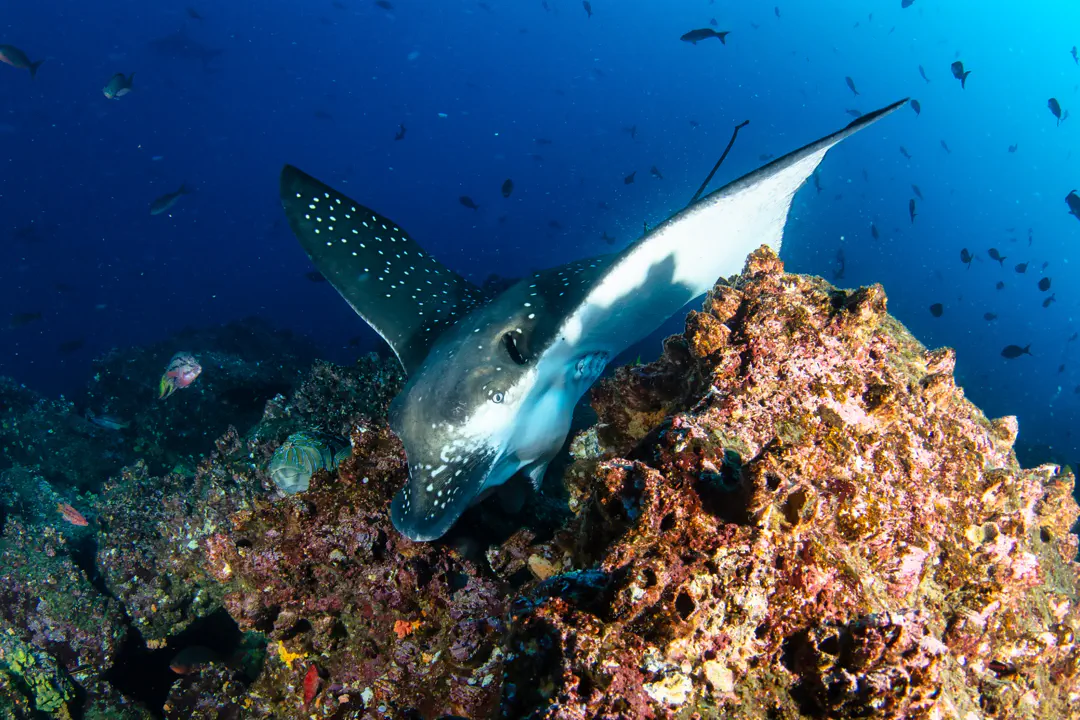
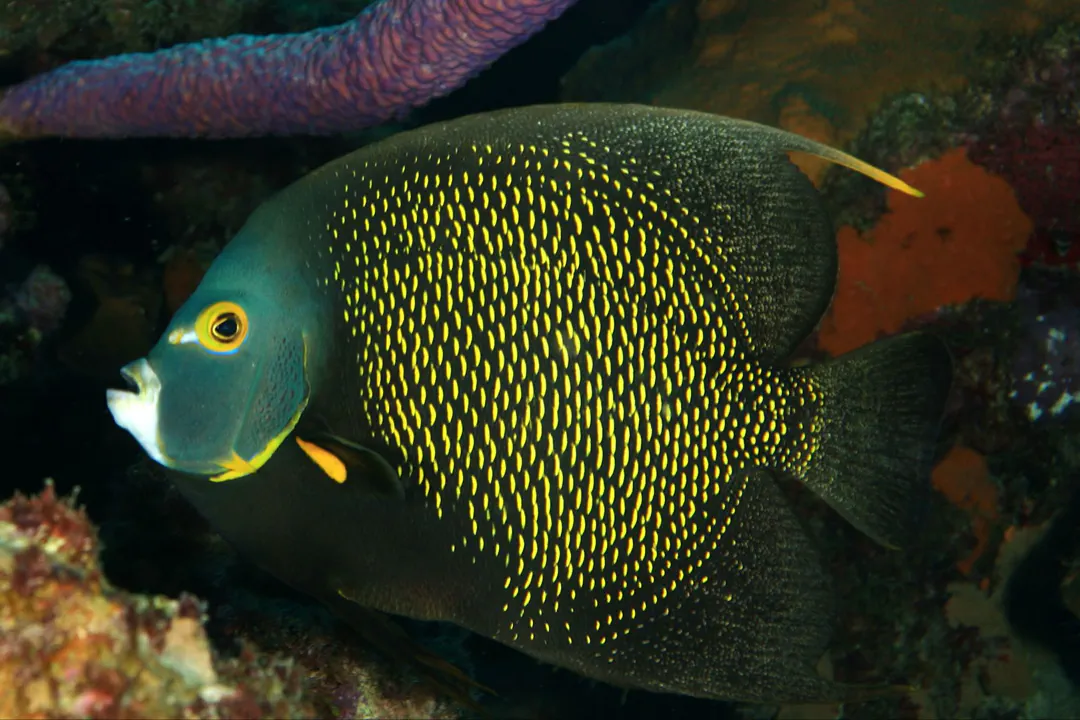
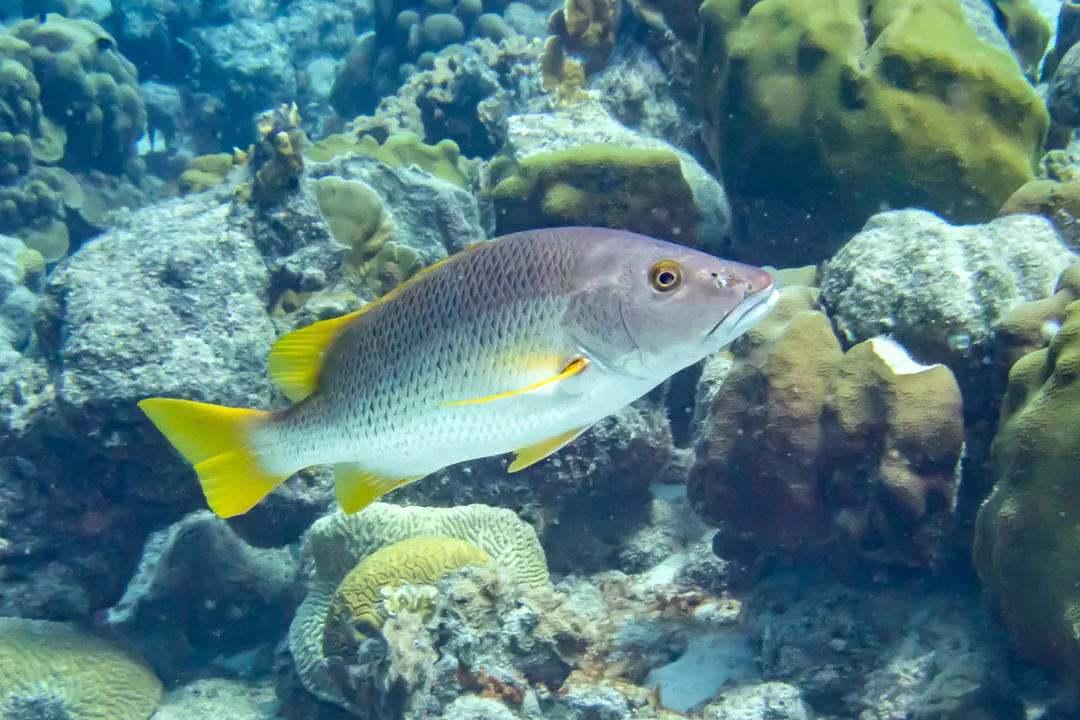
Green sea turtles feed on algae along the shallower ledges, frequently allowing slow-moving divers to pass within two metres. Spotted eagle rays regularly patrol the edge where the coral wall plunges toward thirty metres, cruising smoothly against mild coastal drifts. Schoolmaster snappers gather in tight formations beneath overhangs while French angelfish swim in pairs through the coral head crevices.
Surge can build along the shoreline entry during high tide, requiring careful foot placement when stepping across slippery limestone rocks. Exiting requires pacing oneself while carrying heavy scuba gear up the steep cliffside staircase.
Depth: 6-30 m. Access: shore entry via cliff staircase, 15 km north of Kralendijk. Level: Open Water. Best months: December-April.
 © seabook.appAll rights reserved
 © LASZLO ILYESCC BY 4.0 · iNaturalist
 © Matteo CassellaCC BY-SA 4.0 · iNaturalist
 © Jay BrasherCC BY 4.0 · iNaturalist
 © Robin WhiteCC BY 4.0 · iNaturalist
 © Robin WhiteCC BY 4.0 · iNaturalist
Hilma Hooker: Cargo Wreck Encrusted in Sponge and Coral
The Hilma Hooker is a seventy-metre steel freighter resting on its starboard side in a sandy channel at thirty metres depth. Positioned between two distinct coral reef ridges, the ship was sunk in 1984 and now serves as an artificial reef structure. Light penetrates down to the hull, highlighting heavy growths of orange elephant ear sponges and tube sponges.
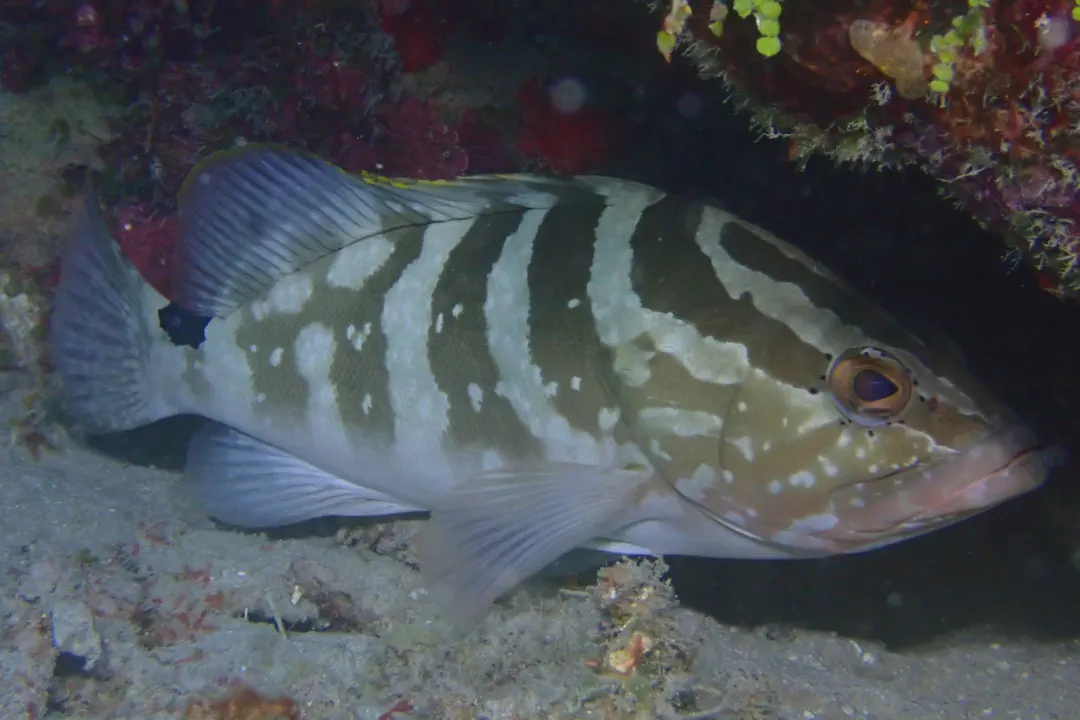
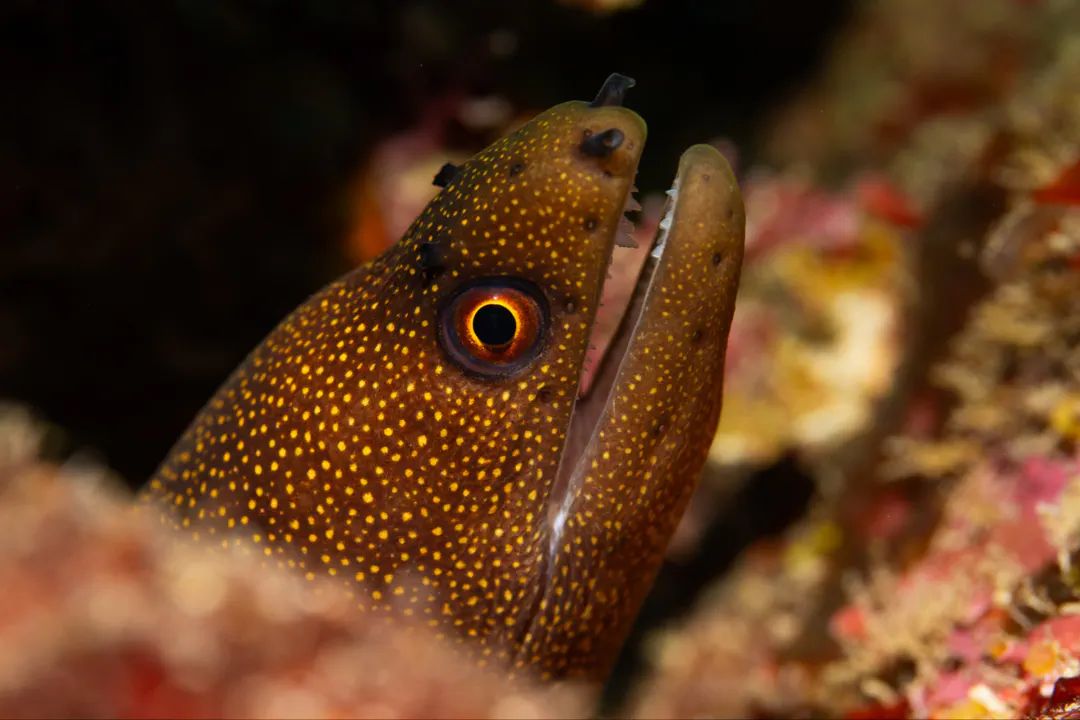
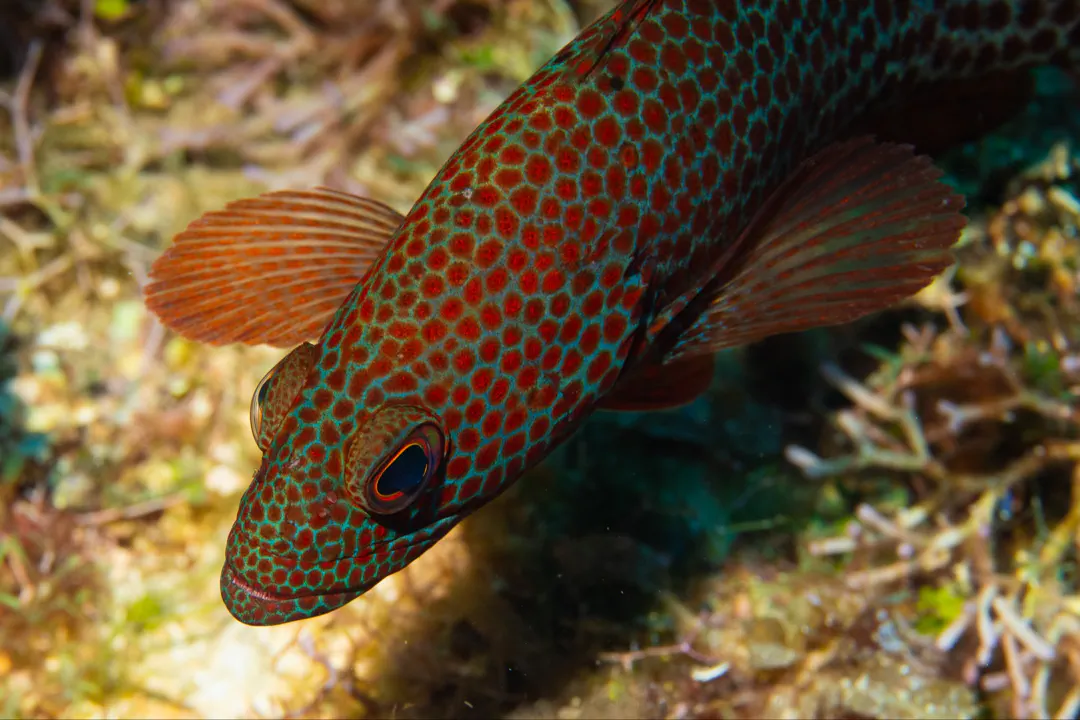
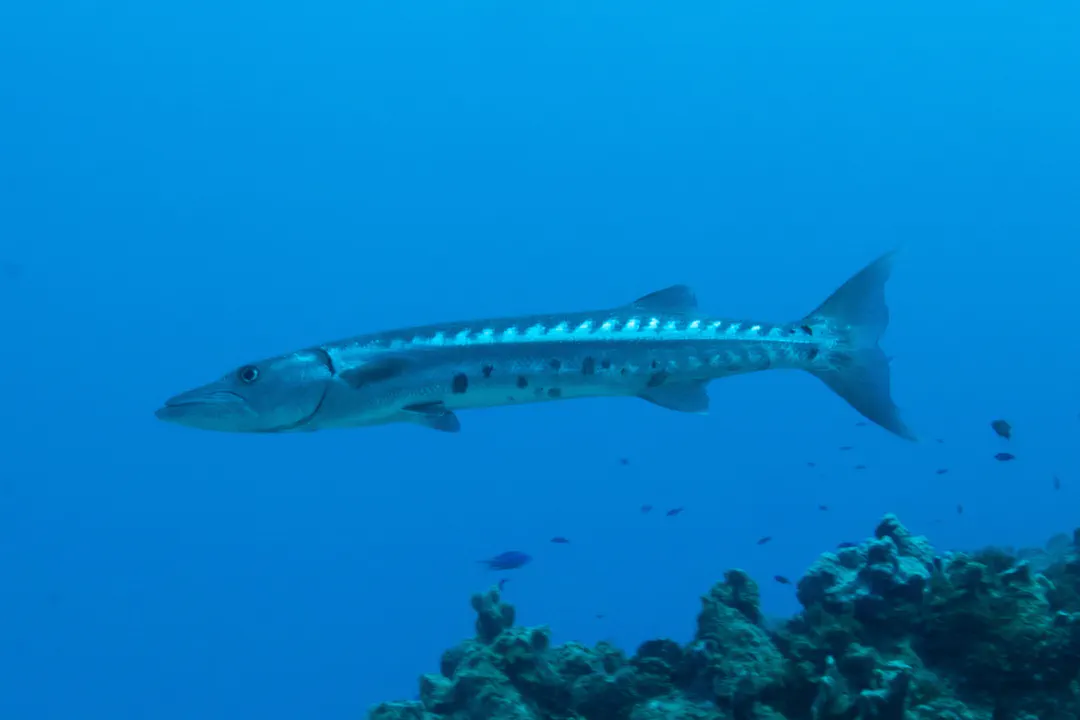
Large tarpon reaching nearly two metres in length gather in the shadow of the main deck during morning hours, hanging motionless in the open water. Great barracuda hover near the top mast at sixteen metres depth, while Nassau groupers and yellowtail morays seek shelter inside the open cargo holds and exposed hull plates.
Reaching the wreck requires a fifty-metre surface swim from the pebble shore across the inner reef flat. Divers must carefully monitor bottom time and air consumption due to the thirty-metre profile on the sand floor.
Depth: 18-30 m. Access: shore entry, 10 km south of Kralendijk. Level: Advanced Open Water. Best months: December-April.
 © cello caruso-turielloCC BY 4.0 · iNaturalist
 © Dan SchofieldCC BY 4.0 · iNaturalist
 © cello caruso-turielloCC BY 4.0 · iNaturalist
 © Robin WhiteCC BY 4.0 · iNaturalist
 © Dan SchofieldCC BY 4.0 · iNaturalist
 © Robin WhiteCC BY 4.0 · iNaturalist
Salt Pier: Pilings Covered in Invertebrates and Schooling Fish
Industrial steel pilings supporting the salt loading facility drop vertically into five to fifteen metres of clear water, creating an underwater forest of artificial habitat. Sunlight filters between the overhead metal girders, casting light beams across the sea floor where dense schools of grunts and snappers congregate.
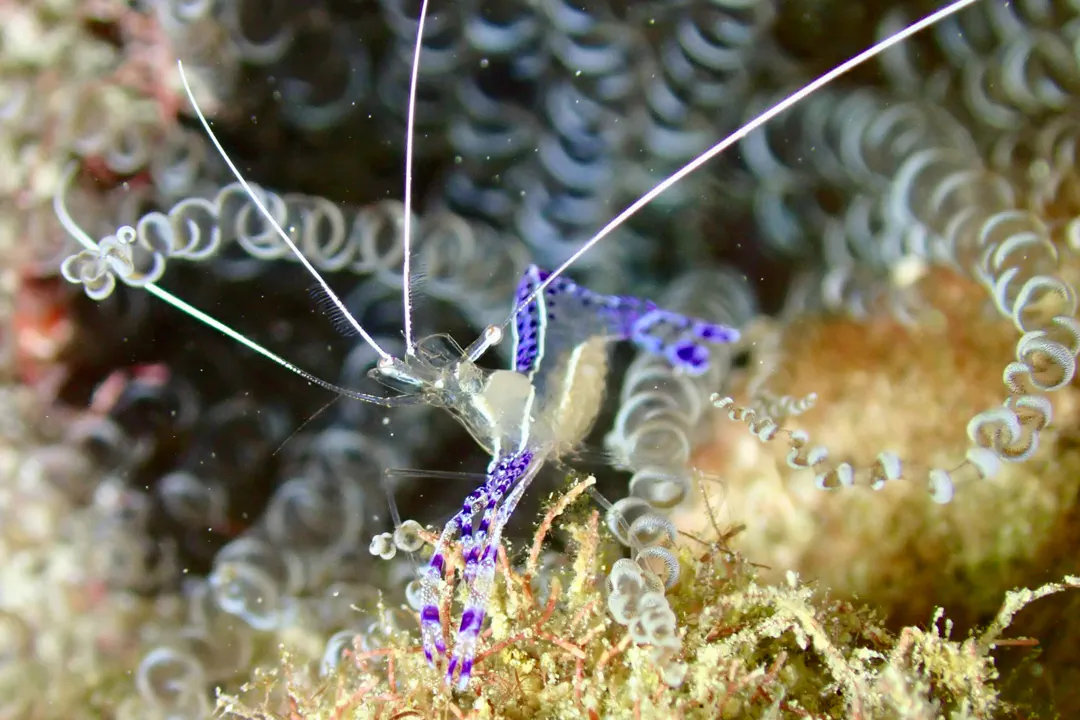
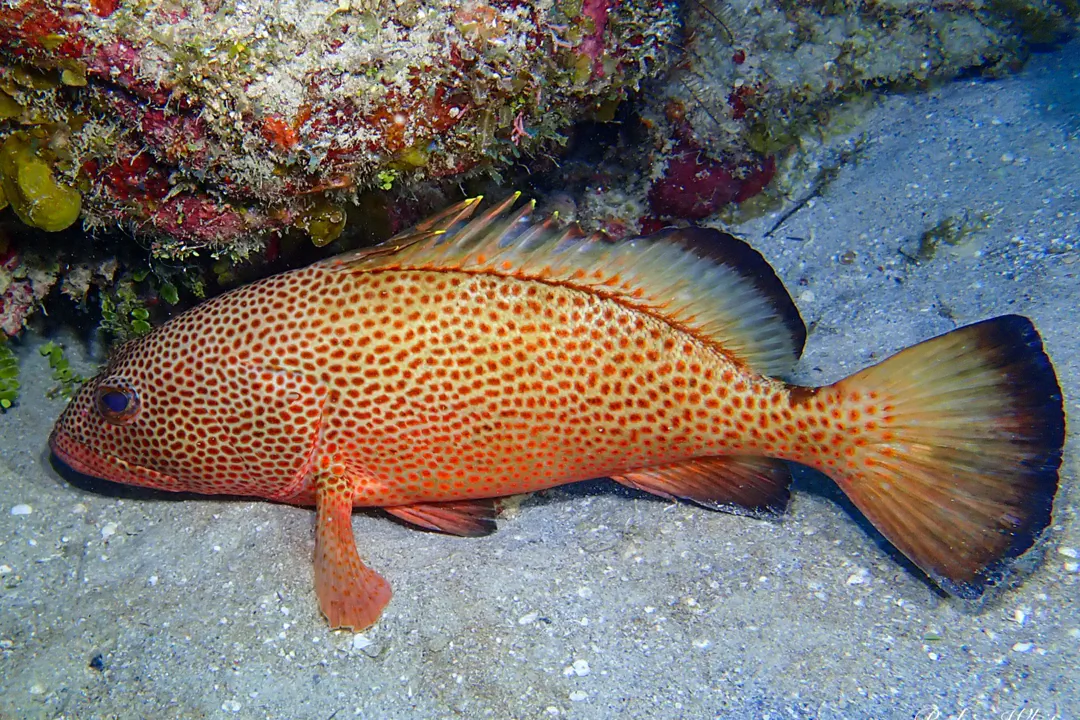
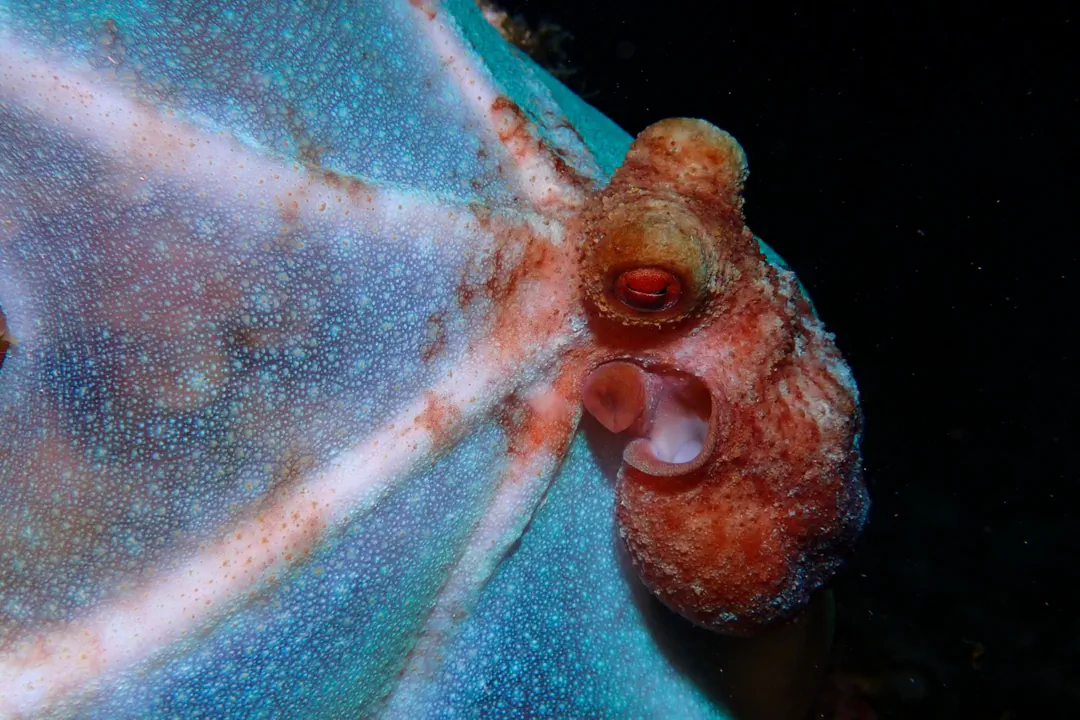
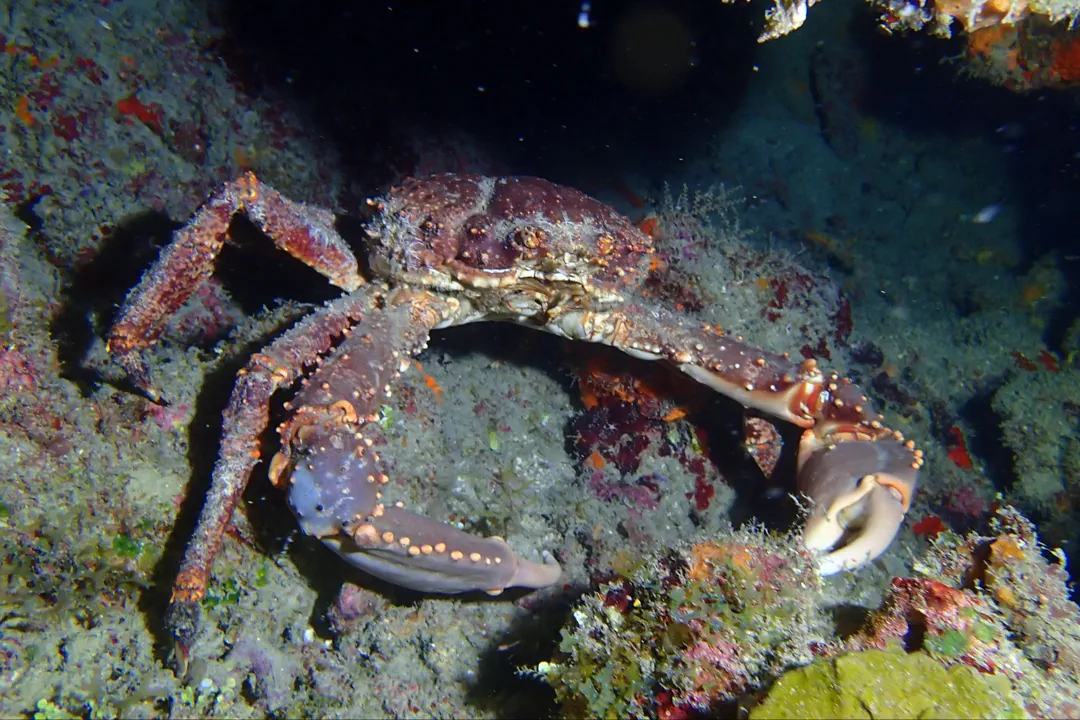
The vertical steel posts are encrusted with orange cup corals, encrusting sponges, and red tunicates. Caribbean reef octopuses hide inside hollow pipe openings, while channel clinging crabs and Pederson cleaner shrimp inhabit small crevices around the structure bases. Southern stingrays and spotted eagle rays routinely glide across the surrounding sand flats looking for buried crustaceans.
Entry is made from a small gravel beach just north of the active pier structures. Swimmers and divers must maintain precise buoyancy to avoid touching sharp barnacles encrusting the shallow pilings.
Depth: 5-15 m. Access: shore entry from beach beside salt pans, 12 km south of Kralendijk. Level: Open Water. Best months: Year-round.
 © Dan SchofieldCC BY 4.0 · iNaturalist
 © Robin WhiteCC BY 4.0 · iNaturalist
 © Jan Ebr & Ivana EbrováCC BY 4.0 · iNaturalist
Karpata: Underwater Ridges and Giant Elkhorn Corals
Located at the northern end of the paved coastal road, Karpata features vertical reef topography characterized by deep coral ridges and wide sand chutes. The entry point uses a concrete dock ramp that leads into shallow water, where thick thickets of elkhorn coral reach upward toward the surface.
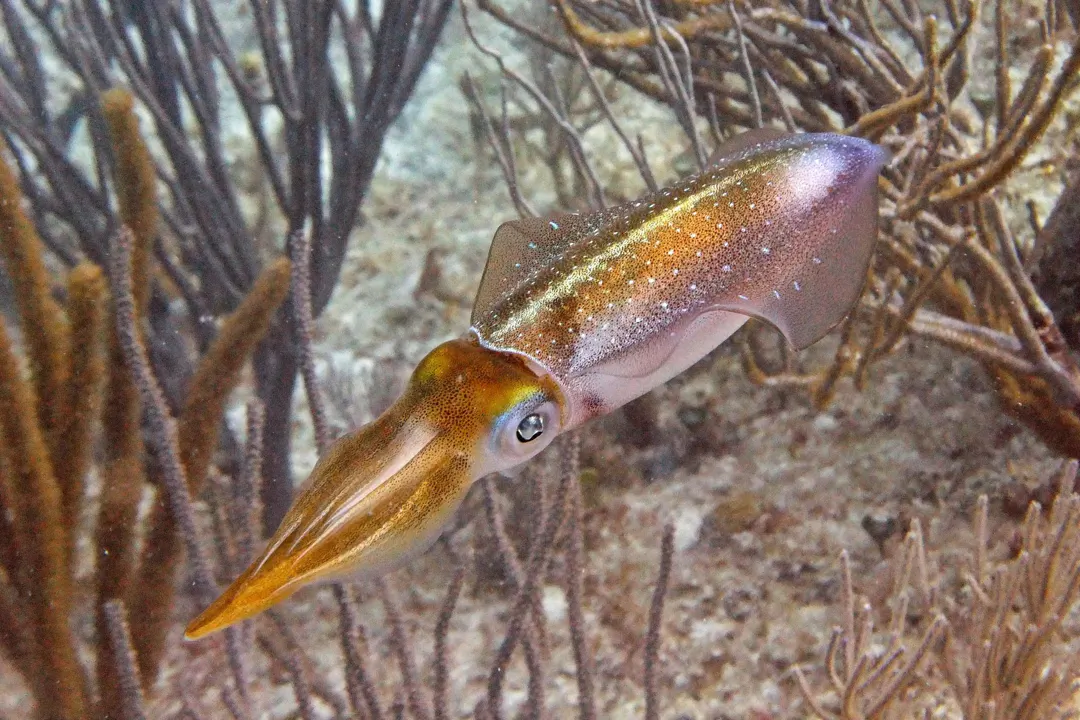
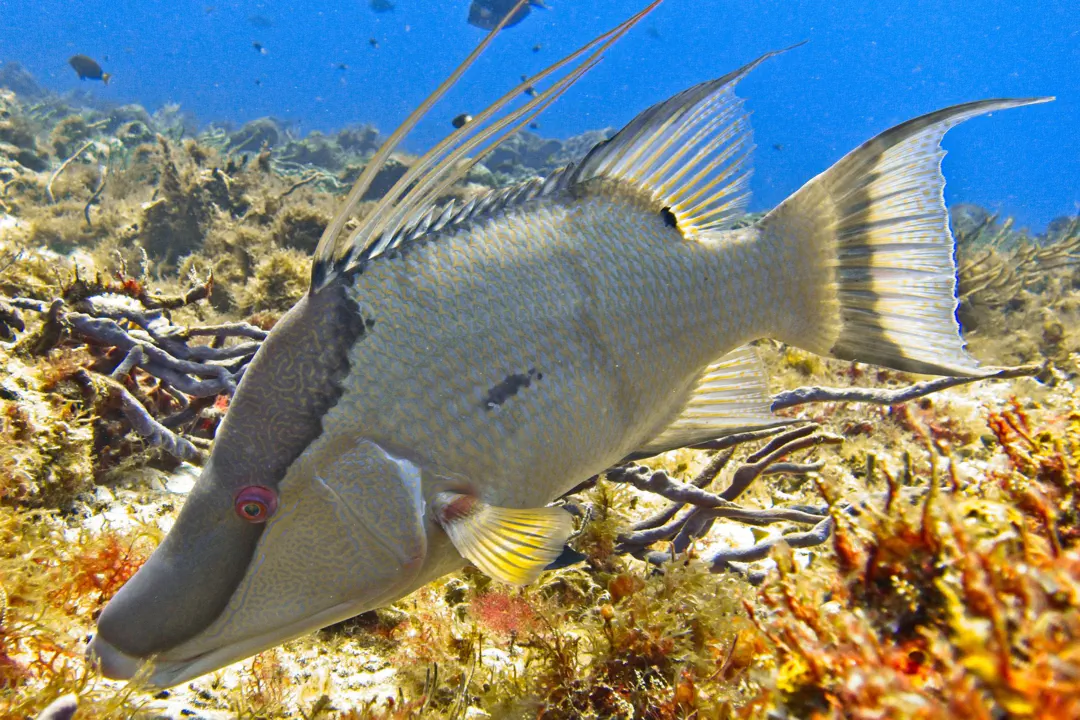
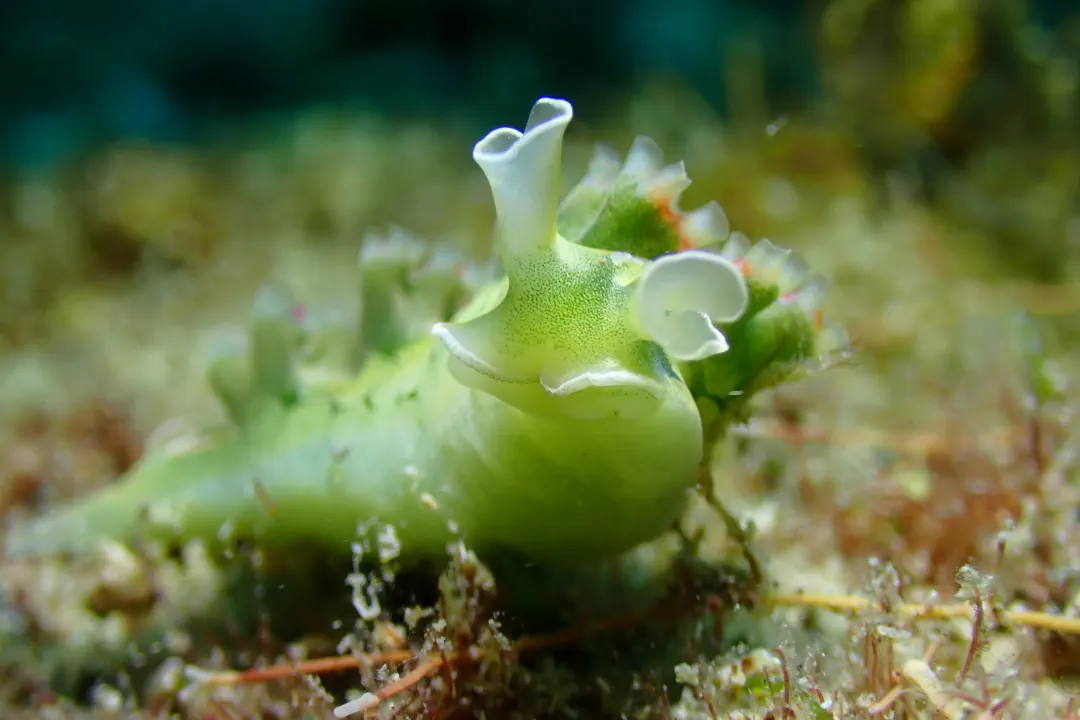
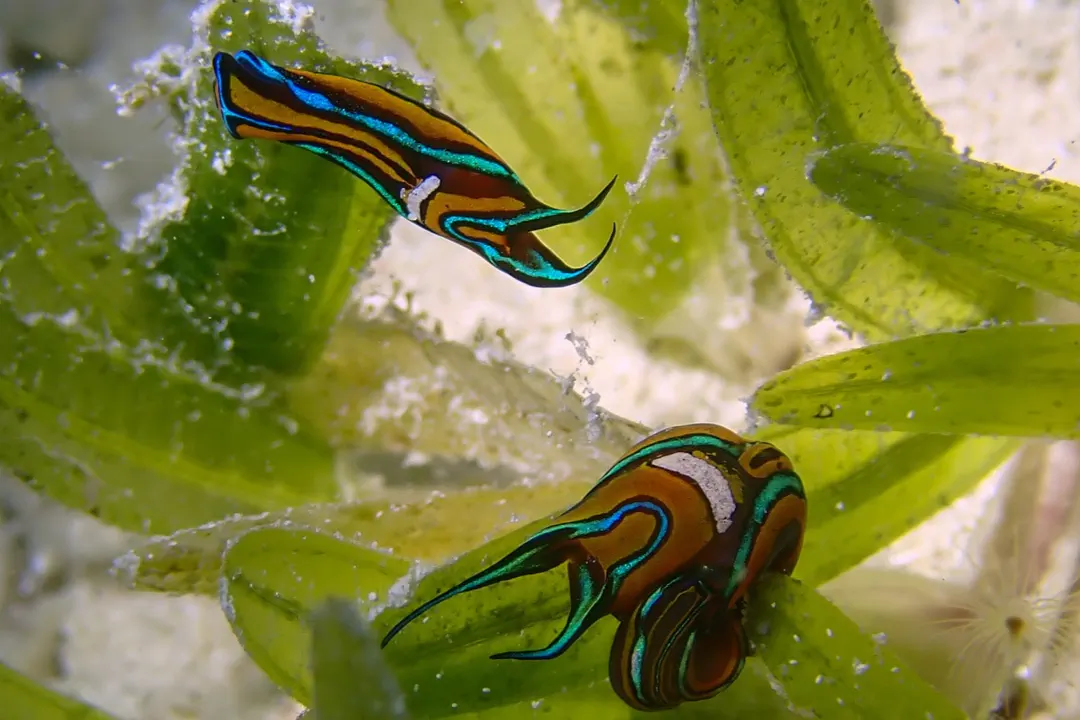
Large brain corals and pillar corals form high walls along the slope, providing shelter for red hind groupers and hogfish. Caribbean reef squid hover in formation in the top three metres of the water column, while lettuce sea slugs crawl across green algae patches in shallow crevices. Deep drop-offs at twenty-five metres occasionally draw passing pelagic species drifting in from open water.
Northern swells can generate strong entry surf against the concrete ramp during winter months. Navigating back to the exit requires keeping a close watch on landmarks along the sloping wall.
Depth: 6-35 m. Access: shore entry via concrete ramp, 18 km north of Kralendijk. Level: Open Water to Advanced. Best months: May-October.
 © Matteo CassellaCC BY-SA 4.0 · iNaturalist
 © Robin WhiteCC BY 4.0 · iNaturalist
 © Robin WhiteCC BY 4.0 · iNaturalist
Bari Reef: Shallow Terraces and Fish Diversity
Bari Reef features a shallow sand entry leading to a wide coral shelf that begins in four metres of water. A gentle slope drops toward a second reef terrace at fifteen metres depth, offering an easy navigation route across calm water.
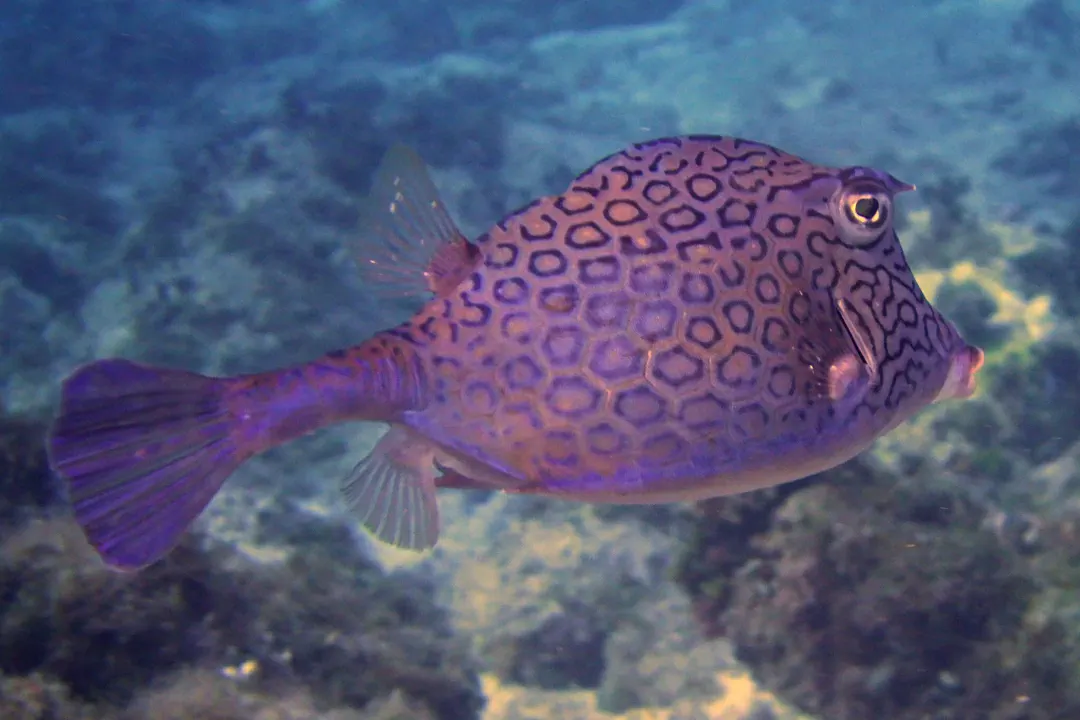
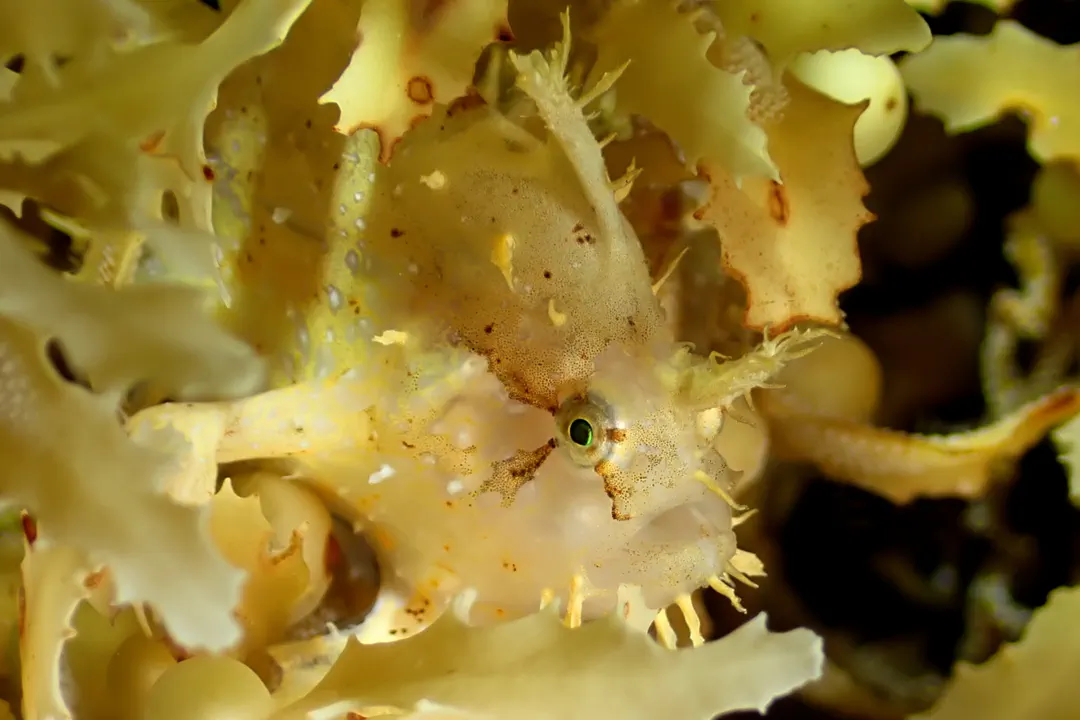
Volunteer fish surveys have documented over three hundred distinct species on this single reef structure. Divers can observe frogfish camouflaged on sponge colonies, yellowhead jawfish hovering above sand burrows, and painted nudibranchs crawling over dead coral rubble. Honeycomb cowfish and smooth trunkfish feed along the shallow seagrass patches near the entry point.
The calm entry and shallow depth profile make this site ideal for night diving and extended bottom times. Photographers often focus on the upper terrace where light levels remain exceptionally high.
Depth: 4-25 m. Access: shore entry via sandy beach or pier, 2 km north of Kralendijk. Level: Open Water. Best months: Year-round.
 © Gregor BailarCC BY 4.0 · iNaturalist
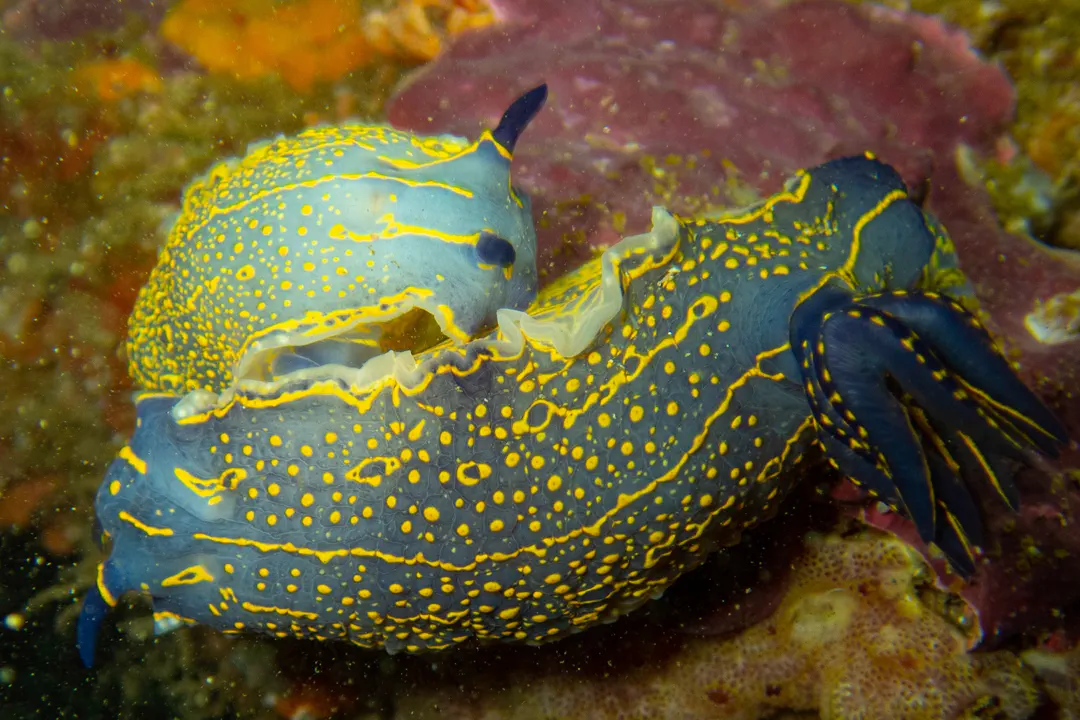 © Bernard PictonCC BY 4.0 · iNaturalist
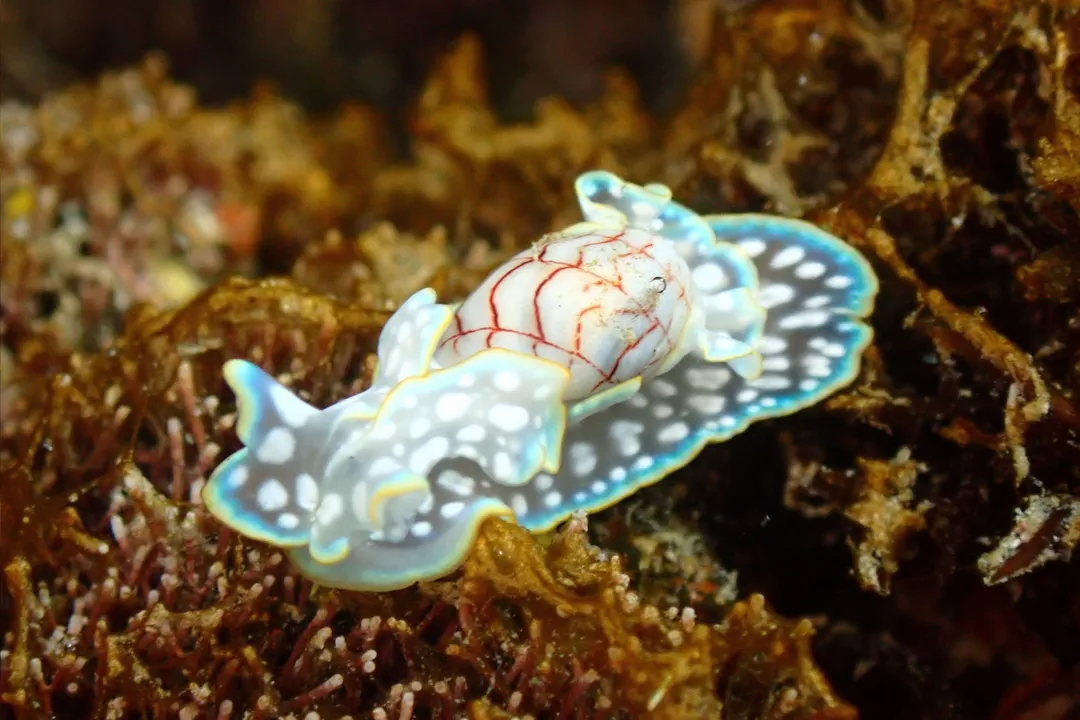 © Ben JobsonCC BY 4.0 · iNaturalist
Klein Bonaire - Eagleray: Offshore Wall and Pelagics
Situated on the northeast corner of the uninhabited island of Klein Bonaire, Eagleray is accessed exclusively by dive boat from Kralendijk. The site features a steep vertical wall covered in soft corals, sea whips, and dense rope sponges that extend past forty metres depth.
Spotted eagle rays and southern stingrays sweep along the edge of the deep drop-off, where open ocean currents brush the outer reef. Blacktip sharks occasionally pass through the blue water past thirty metres, while black groupers and schoolmaster snappers patrol the upper coral slope. Hawksbill sea turtles rest inside undercut ledges along the wall at fifteen metres depth.
Boat mooring buoys protect the delicate wall from anchor damage, allowing vessels to tie off safely. Mild surface drifts require divers to stay close to the guide and deploy a surface marker buoy during ascents.
Depth: 10-35 m. Access: boat charter, 15 minutes from Kralendijk harbour. Level: Advanced Open Water. Best months: December-April.
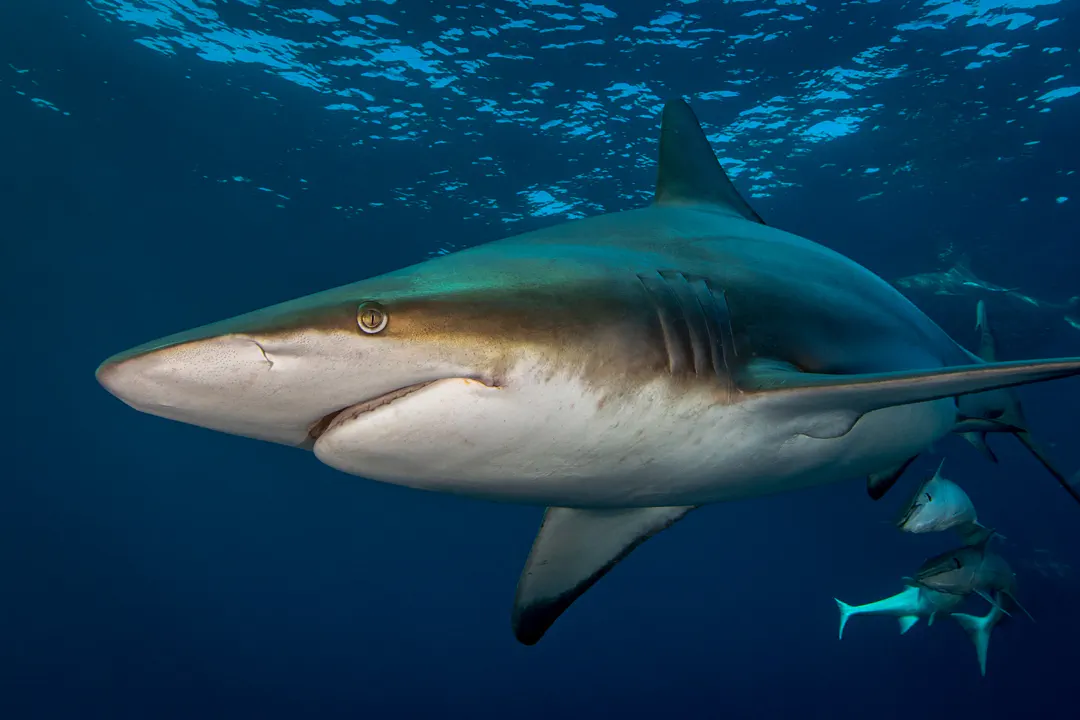 © seabook.appAll rights reserved
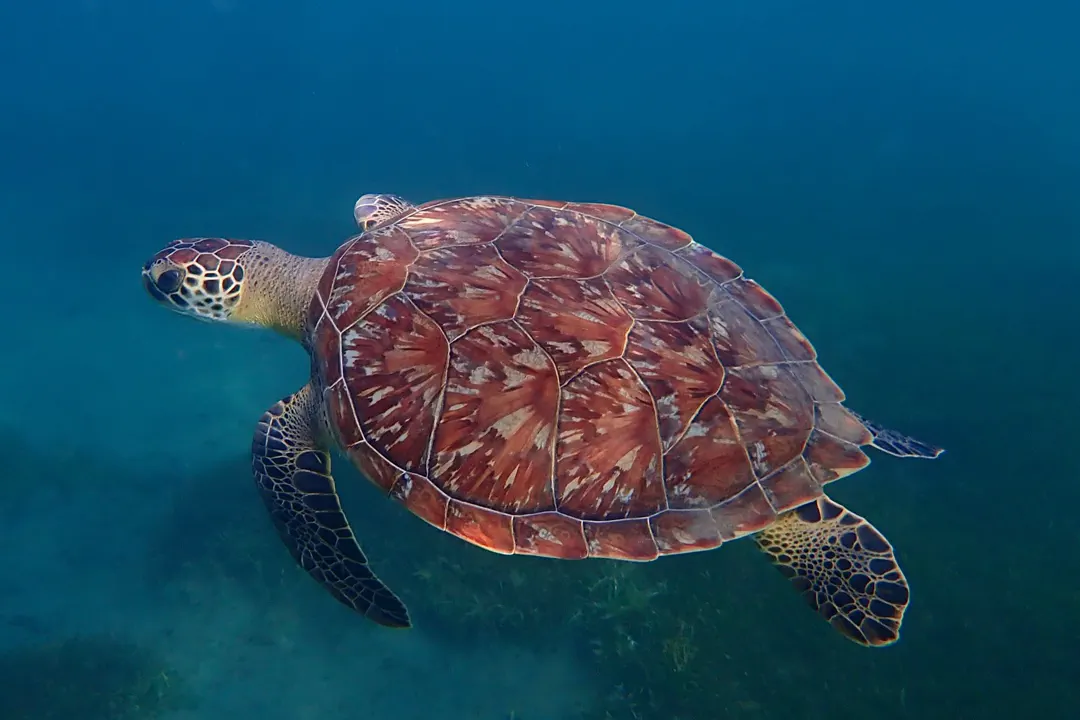 © Matteo BellucciCC BY 4.0 · iNaturalist
 © seabook.appAll rights reserved
Marine Life in Bonaire
The shallow reef slope around Bonaire supports a wide variety of benthic invertebrates, mobile crustaceans, and reef fish. Brain coral, star coral, and gorgonian sea fans build the primary physical structure, while tube sponges and rope sponges filter nutrients from passing water currents.
Among the smaller reef inhabitants, Caribbean reef squid move through shallow water in coordinated groups, displaying rapid color shifts across their mantle. Golden tail morays and spotted morays peer out from coral crevices, while queen helmet shells and hermit crabs scavenge across deep sand channels. Night dives reveal hunting Caribbean reef octopuses and spiny lobsters moving across open coral heads.
Using the Seabook app helps divers quickly identify hard-to-spot species like frogfish, lettuce sea slugs, and cowfish, while allowing them to log exact sightings directly from their phone after returning to shore.
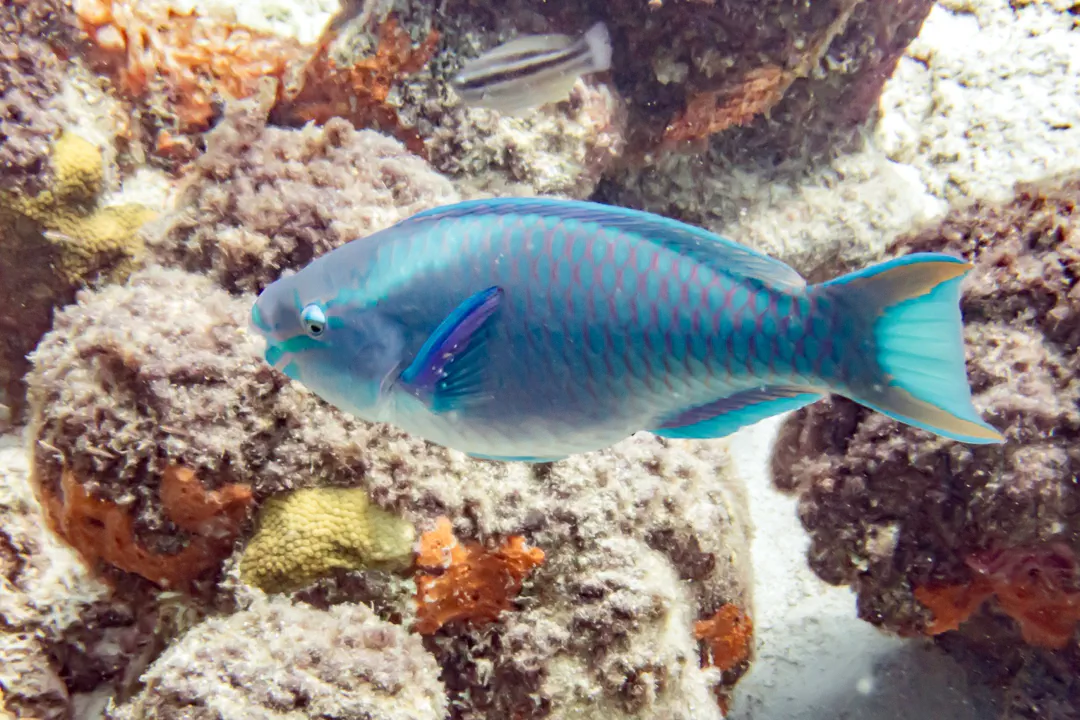
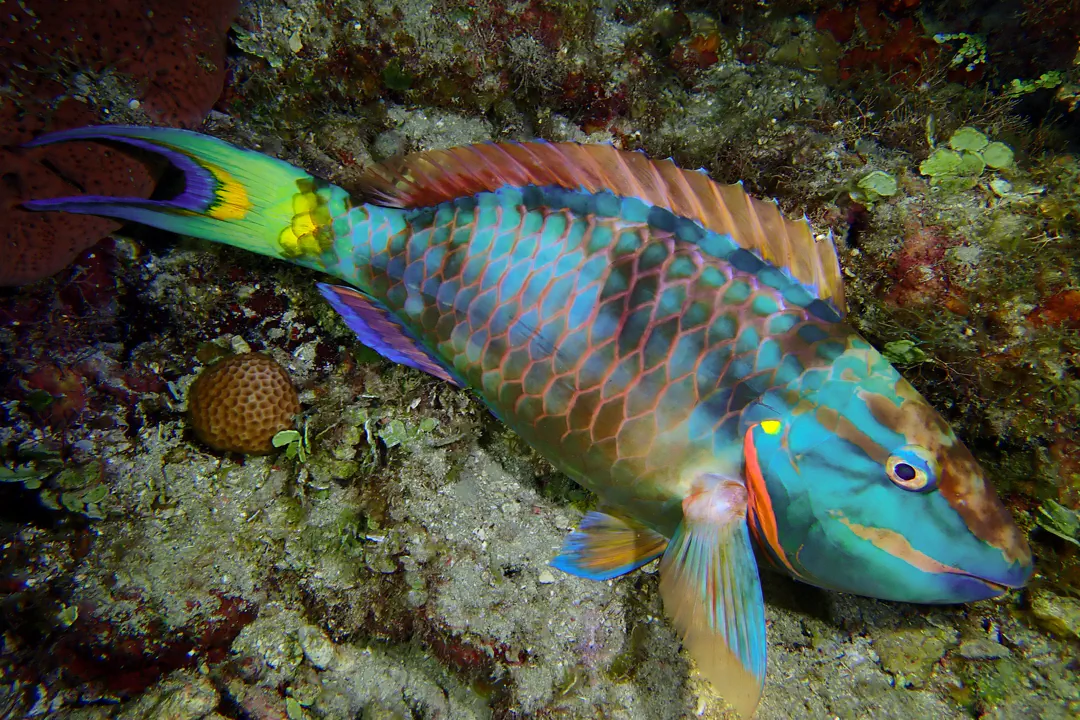
Larger marine creatures such as stoplight parrotfish, queen triggerfish, and hogfish graze continuously along the upper reef edge. Their feeding activity prevents macroalgae from smothering live coral heads, preserving the ecological balance across the marine park's shallow coastal waters.
 © Dan SchofieldCC BY 4.0 · iNaturalist
 © Jay BrasherCC BY 4.0 · iNaturalist
 © Robin WhiteCC BY 4.0 · iNaturalist
Is Bonaire Good for Beginners and Snorkellers?
Bonaire ranks among the most accessible destinations for novice divers and snorkellers due to its protected geography. The leeward western coastline shields shallow sites from strong ocean swell, resulting in calm surface conditions at most entry points.
Beginners benefit from shallow reef terraces that begin in as little as three to five metres of water. Currents along the main island's west coast remain low, eliminating the need for hard drift-diving skills during initial training or early logging dives.
Snorkellers can observe extensive marine life directly from shore without descending past three metres depth. Sites like Bari Reef and Salt Pier offer shallow structures where sea turtles, parrotfish, and eagle rays swim within easy viewing distance from the surface.
Entry points require basic care when walking across exposed limestone or coral rubble shorelines. Wearing sturdy hard-soled dive booties prevents slips on wet rock surfaces when walking down into shallow water with full equipment.
Getting There and Practical Tips
Reaching Bonaire involves flying into Flamingo International Airport near Kralendijk, which receives direct flights from major international hubs. Upon arrival, renting a double-cab pickup truck is the standard way to travel between dive sites, as truck beds are specifically designed to haul heavy air tanks and wet dive gear.
All visitors entering the water must purchase the nature park pass issued by STINAPA before diving or snorkeling. Dive centers offer drive-through tank swap stations where divers can drop off empty tanks and pick up filled tanks in minutes without leaving their vehicle.
While shore diving offers maximum schedule flexibility, divers should always leave dive plans with someone on shore and carry a surface marker buoy. Monitoring air consumption and maintaining proper weighting ensures controlled entries and exits along rocky shorelines.
Hydration is critical during full days of shore diving under the tropical sun. Carrying ample fresh water in the vehicle for drinking and rinsing camera equipment helps maintain comfort throughout multi-dive days.
Questions
Are there sharks in Bonaire?
Sharks occur in Bonaire's wider offshore waters, but routine near-shore sightings are uncommon compared to reef fish, turtles, and rays. Nurse sharks occasionally rest on sandy bottoms beneath overhangs, while migratory species or blacktip sharks are sometimes spotted along Klein Bonaire drop-offs or off the wild east coast.
Is it dangerous to swim in Bonaire?
Swimming along the leeward western coast is safe due to calm surface water, high visibility, and minimal currents. Swimming off the windward eastern coast is discouraged because of powerful surf, heavy Atlantic swells, and dangerous shore entry points.
What fish can you see in Bonaire?
Bonaire is home to over 450 species of fish, including French angelfish, honeycomb cowfish, schoolmaster snappers, stoplight parrotfish, yellowtail moray eels, and camouflaged frogfish.
Can you see turtles in Bonaire?
Green sea turtles and hawksbill sea turtles reside along Bonaire's reefs and seagrass beds year-round. Divers regularly observe them around sites such as 1000 Steps, Salt Pier, and Klein Bonaire.
How warm is the water in Bonaire?
Water temperatures range from 26°C in January and February to 29°C in September and October, making a 3mm wetsuit or skin suit sufficient for most divers year-round.
Do you need a boat to dive in Bonaire?
No boat is required for most diving on the main island. Divers can rent a pickup truck and drive directly to marked yellow-stone shore entry points, though boats are needed to access Klein Bonaire.