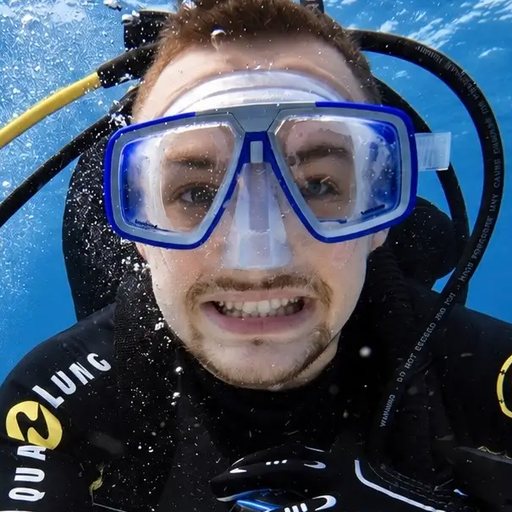
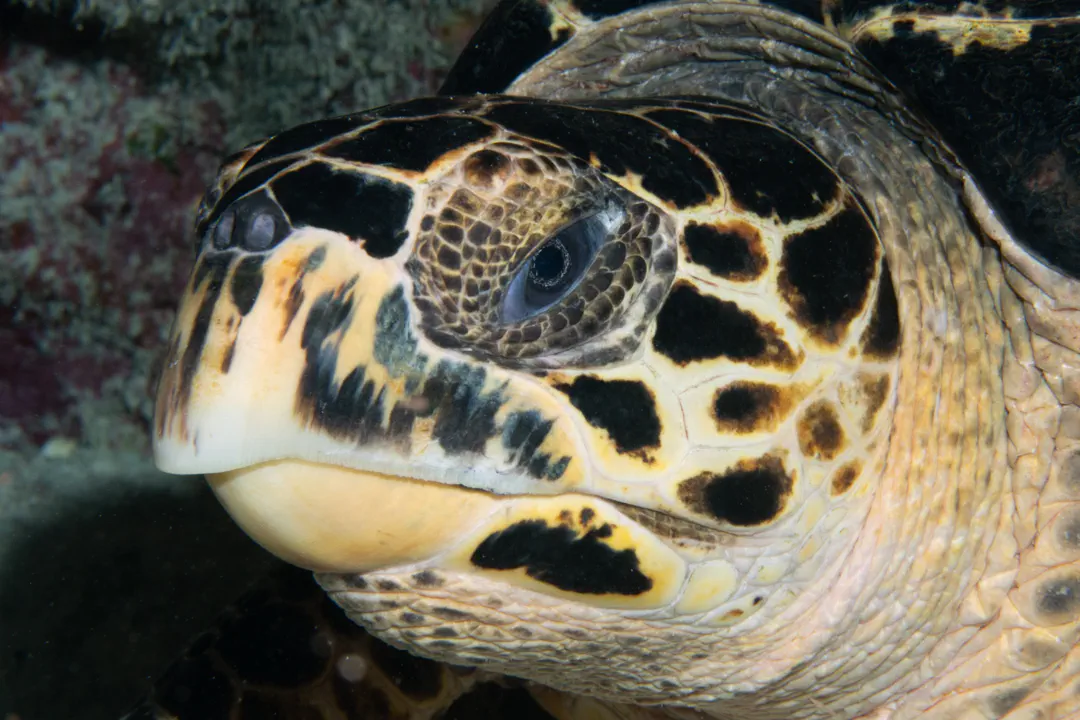
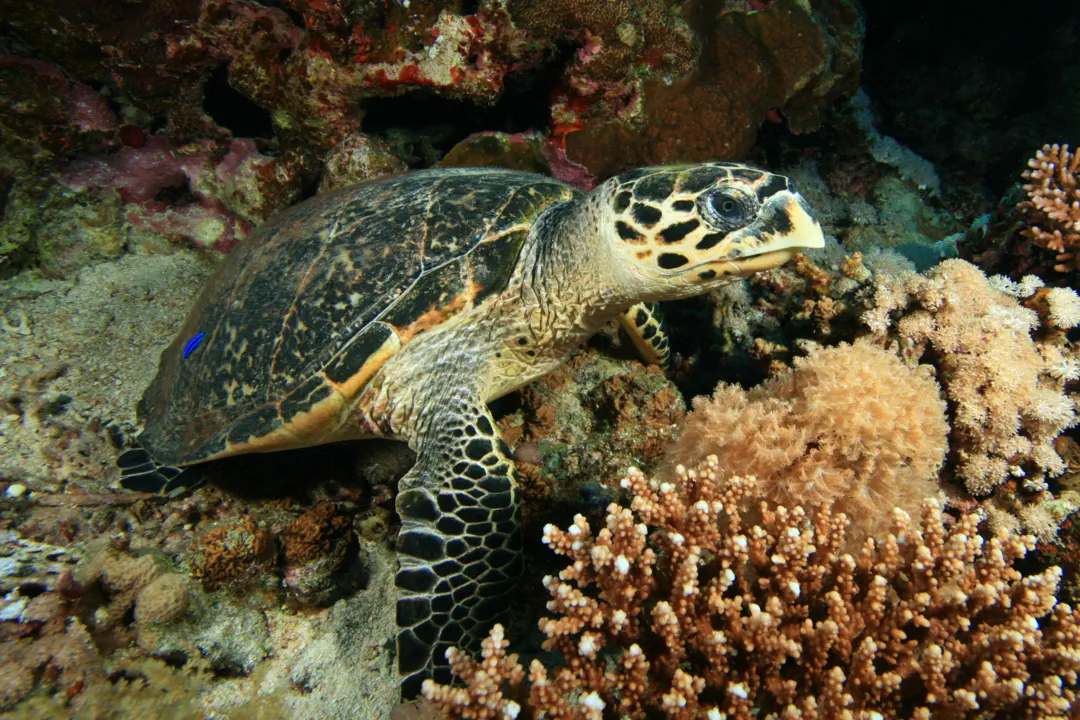
At a depth of 18 meters along Palancar Caves, shafts of morning sunlight pierce the water, illuminating massive yellow tube sponges and deep overhangs. A two-knot current pushes you steadily forward while a hawksbill turtle uses its front flippers to steer through a limestone archway. You glide past without taking a single fin kick, held weightless above star corals as blue-headed wrasses scatter into the shadows.
Scuba diving in Cozumel centers on high-visibility drift diving along the island's sheltered western coast, where the Mesoamerican Barrier Reef provides sudden walls and shallow coral gardens. Water temperatures remain warm throughout the year, ranging from 25°C in February to 29°C in August, while visibility regularly stretches between 20 and 30 meters. The best months to visit are from December through April for dry weather and eagle ray sightings, though May and June bring quiet reefs and calm seas before the late-summer storm season.
Signature sites include the deep drop-offs at Santa Rosa Wall, the towering limestone pinnacles of Columbia Deep, the shallow coral stretches of Yucab Reef, and the sunken naval vessel C-53 Felipe Xicoténcatl. These waters host green sea turtles, spotted eagle rays, nurse sharks, queen angelfish, and the endemic splendid toadfish found nowhere else on Earth. Cozumel accommodates divers across skill levels, offering gentle shallow drifts for novices and deep cavern swim-throughs like Devil's Throat at Punta Sur for advanced profiles.
What Is Diving in Cozumel Like?
Diving along Cozumel's western coast relies on gentle to moderate currents that carry divers parallel to the reef face from south to north. Dive boats drop groups upstream, follow their surface marker buoys from above, and collect divers at the end of their safety stops. This drift profile removes the need to swim against currents or return to a fixed anchor line. The underwater landscape changes rapidly along the edge, shifting from broad sand flats at 10 meters into vertical limestone precipices that plunge into the deep blue channel.
The Mesoamerican Reef framework forms spur-and-groove formations, caverns, and massive coral heads shaped by decades of oceanic flow. Protected since 1996, the Cozumel Reefs National Park encompasses 12,000 hectares of marine territory along the southern two-thirds of the island. Park regulations mandate the use of fixed mooring buoys and prohibit touching marine organisms or taking gloves underwater. These protections help preserve fragile elkhorn, brain, and pillar corals while sustaining feeding grounds for resident species.
A drift dive begins with a simultaneous roll entry, where all divers descend immediately to meet at depth near the guide. Maintaining neutral buoyancy is essential, as the current moves horizontally across uneven coral profiles and deep swim-throughs. Divers keep their fins elevated above the reef floor to prevent siltation and damage to soft corals. While the current provides passive movement, divers must monitor air consumption, watch depth gauges carefully, and deploy a delayed surface marker buoy before surfacing into open water.
Best Time to Dive in Cozumel
The best time for diving in Cozumel runs from December through April, when dry weather, mild air temperatures, and reliable water clarity create ideal conditions. This period coincides with the annual arrival of spotted eagle rays, which frequent the deep outer walls and sandy channels along the southern reefs. Green and hawksbill turtles remain present year-round, while summer months from May to September mark the primary nesting season along local beaches.
Winter conditions between December and February can bring seasonal cold fronts known locally as nortes. These sudden wind events blow down from the north, creating choppy surface conditions and occasionally forcing the harbour master to close port departures for one or two days. Despite brief closures, underwater visibility recovers quickly once the wind subsides. Water temperatures during these cooler months dip to 25°C, making exposure protection an important consideration for multi-dive days.
Summers from July through October bring the warmest water at 29°C, minimal wind, and low crowds, but also mark the Atlantic hurricane season. While severe tropical storms are rare, rain showers and shifting weather can temporarily affect surface conditions. Transition months like May and June offer an appealing balance of warm water, few tourists, and calm seas before peak summer heat. Diver preference dictates timing, whether prioritizing winter pelagic sightings or summer warmth.
Cozumel Water Temperature by Month
Water temperatures in Cozumel remain comfortably warm year-round, ranging from a low of 25°C between January and March to a peak of 29°C in August and September. Thermal layers are minimal on open wall dives because ocean currents keep the water column well mixed. These consistent temperatures allow divers to log multiple dives per day across several consecutive days without thermal fatigue.
During the winter months from December to April, a 3 mm or 5 mm full wetsuit provides sufficient insulation against the 25°C water and wind chill on surface intervals. Adding a hooded vest helps retain core warmth during repetitive three-dive schedules. From May through November, when sea temperatures rise to 28–29°C, a 3 mm full suit or shorty offers protection against minor stings and environmental contact while preventing chilling at depth.
Because drift diving requires limited physical exertion, body heat generation is lower than during active swimming against currents. Extended bottom times in clear 30-meter water gradually leach core body heat over a week of intensive diving. Choosing a well-fitting wetsuit with effective neck and wrist seals ensures comfort across all profile depths. Proper exposure protection keeps divers relaxed, helping to extend bottom times and improve air consumption efficiency.
Water temperature
Cozumel, Mexico, monthly average
Reference point: Cozumel Island, using the main diving area off San Miguel de Cozumel in the Caribbean Sea; values represent typical sea-surface temperatures.
Best Dive Sites in Cozumel
Cozumel's primary dive sites sit along the island's sheltered lee shore, stretching from the central marina down to the southern tip. These sites range from shallow, sunlit coral fields suited to beginner drifts to vertical drop-offs designed for experienced wall divers.
Palancar Caves (South Reefs): Swim-throughs and coral pinnacles
Palancar Caves forms part of the massive Palancar reef complex, known for its limestone structures rising 15 meters from the sea floor. The site features a series of natural arches, tunnels, and light-filled swim-throughs carved into the coral wall. Sunbeams filter through overhead openings, revealing yellow tube sponges, deep overhangs, and sea whips swaying in the moderate current.
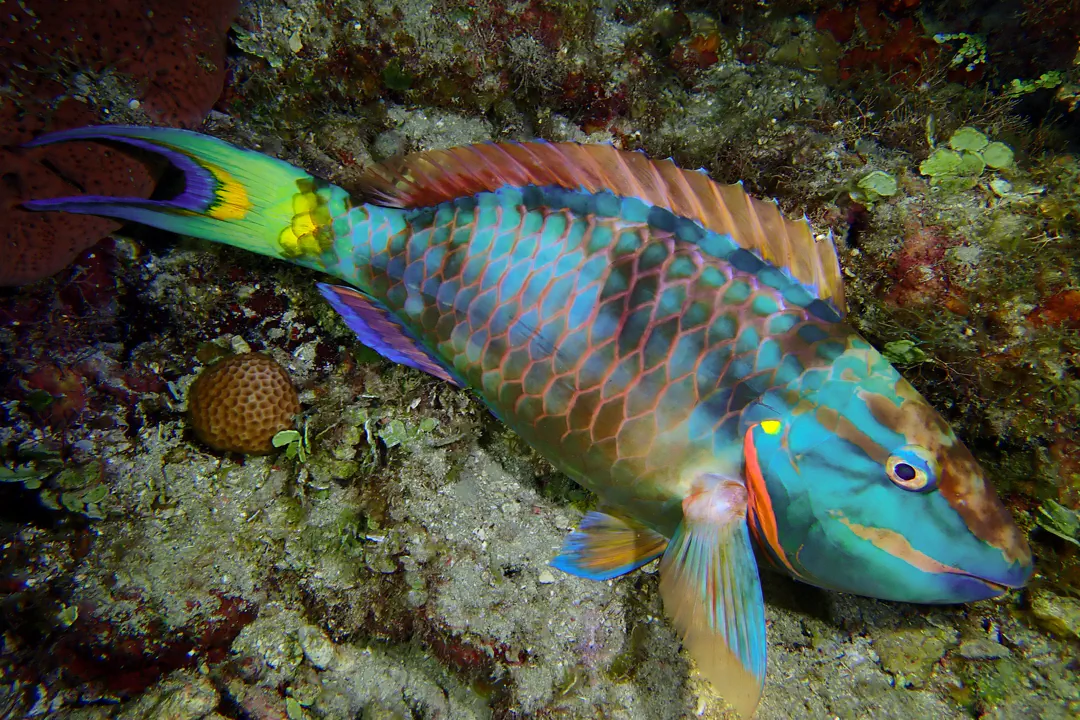
Schooling glassfish and squirrelfish cluster inside the shaded caverns, while green moray eels poke their heads from rocky crevices. Queen angelfish and parrotfish graze along the upper coral heads, and hawksbill turtles regularly drift between the pinnacles. Patient divers examining the base of coral buttresses can spot the white-whiskered splendid toadfish resting inside dark rubble crevices.
Currents at Palancar Caves remain manageable, making it an excellent location for intermediate divers transitioning into structural drift diving. Divers should maintain precise buoyancy to navigate the overhead tunnels without scraping coral ceilings or kicking up bottom sediment. The exit leads out onto a sloping wall where blue ocean drops into the deep abyss.
Depth: 10-25 m. Access: boat, 30 minutes from San Miguel. Level: Intermediate. Best months: Year-round.
 © seabook.appAll rights reserved
 © R VasconcellosCC BY 4.0 · iNaturalist
 © Robin WhiteCC BY 4.0 · iNaturalist
Santa Rosa Wall (Central Reefs): Deep drop-offs and fast currents
Santa Rosa Wall is one of Cozumel's most dramatic wall dives, beginning along a reef crest at 15 meters before plunging straight down into deep blue water. Brisk northward currents sweep along the drop-off, carrying divers past vast overhangs, giant barrel sponges, and dense deep-water sea fans. The sense of exposure along the sheer vertical drop makes this site a favorite for drift divers.
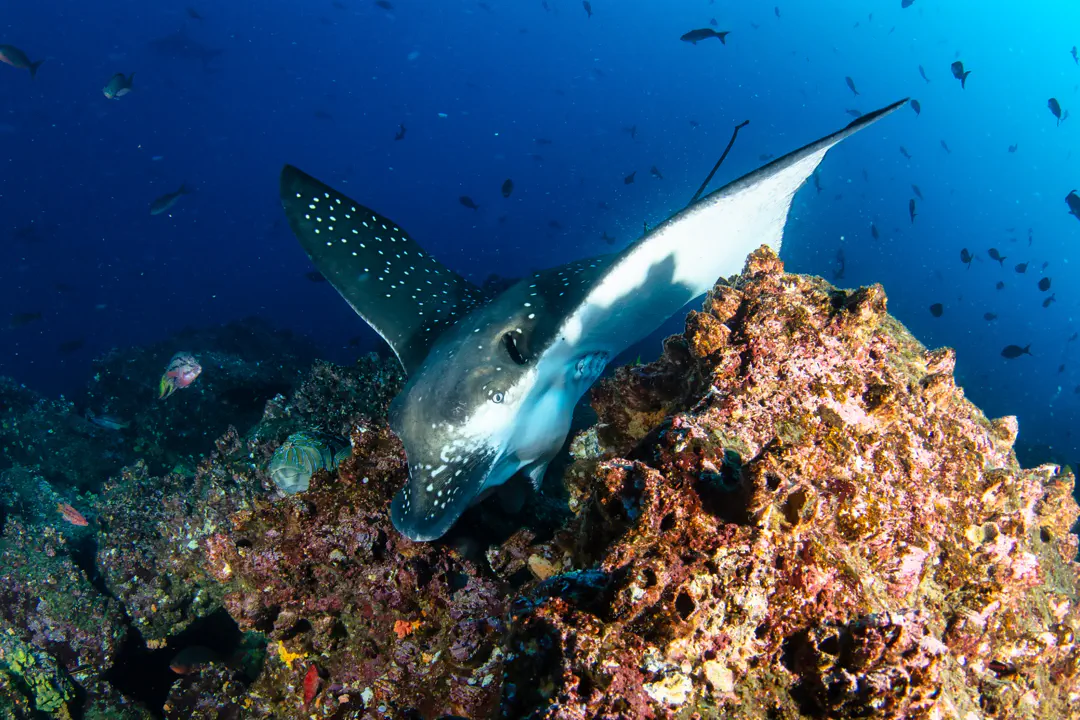
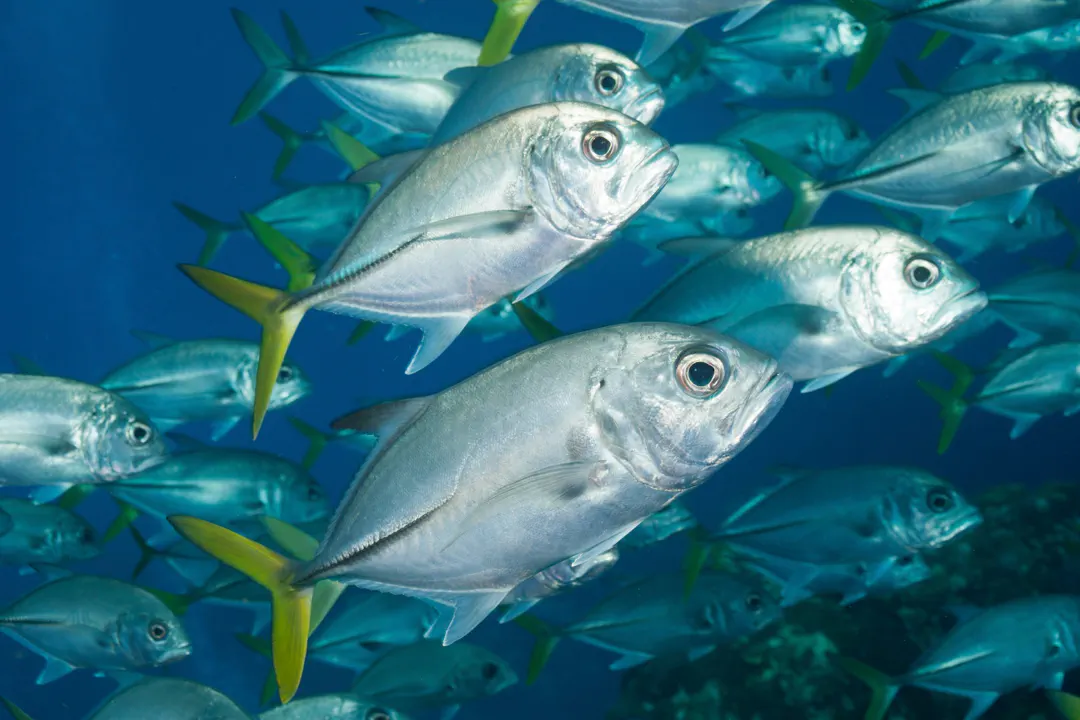
Pelagic species patrol the open water just off the drop-off edge. Spotted eagle rays glide along the wall during winter months, while midnight parrotfish and large black groupers defend territories among the coral ledges. Schools of horse-eye jacks and barracuda hover in the current above, as hawksbill turtles feed on encrusting sponges along the sheer rock faces.
Groups roll off the boat together and make a negative entry to reach the reef crest quickly, avoiding drift separation at the surface. Divers must keep a watchful eye on their dive computers, as the immense depth beneath can easily lure unobservant divers past recreational limits. A delayed surface marker buoy is deployed during the three-minute safety stop at 5 meters before live-boat retrieval.
Depth: 15-30 m. Access: boat, 20 minutes from San Miguel. Level: Advanced Open Water. Best months: November-April.
 © seabook.appAll rights reserved
 © Matteo BellucciCC BY 4.0 · iNaturalist
 © Dan SchofieldCC BY 4.0 · iNaturalist
 © Brian GratwickeCC BY 4.0 · iNaturalist
 © seabook.appAll rights reserved
Columbia Deep (South Reefs): Giant coral towers and pelagic encounters
Columbia Deep marks the southern reach of Cozumel's major reef system, characterized by immense coral towers rising more than 15 meters from the seabed. These broad limestone pinnacles sit beside a dramatic drop-off that sinks into the abyssal channel between Cozumel and the mainland. Water clarity here regularly exceeds 30 meters, granting expansive views of the sweeping underwater topography.
The deep ocean environment attracts larger marine predators rarely seen on shallower inshore reefs. Caribbean reef sharks cruise along the sand channels between pinnacles, while massive goliath groupers rest under deep structural overhangs. Nurse sharks lie parked on sandy bottoms, and spotted eagle rays sweep past in formation during peak winter months.
Due to depth, potential for strong currents, and rapid gas consumption, Columbia Deep demands disciplined dive management. Divers must establish a strict depth limit and monitor no-decompression limits carefully while navigating between the giant pinnacles. The site rewards experienced divers with pristine coral architecture.
Depth: 18-30 m. Access: boat, 40 minutes from San Miguel. Level: Advanced. Best months: December-March.
Punta Sur (South Reefs): Cavern swim-throughs and deep topography
Located at the southern tip of Cozumel, Punta Sur is an advanced dive site famous for a deep cavern formation known as Devil's Throat. Divers enter a dark, narrow tunnel at 27 meters and descend through an enclosed vertical chute before popping out onto the sunlit outer wall face at 40 meters. The depth and overhead environment demand thorough preparation and composure.
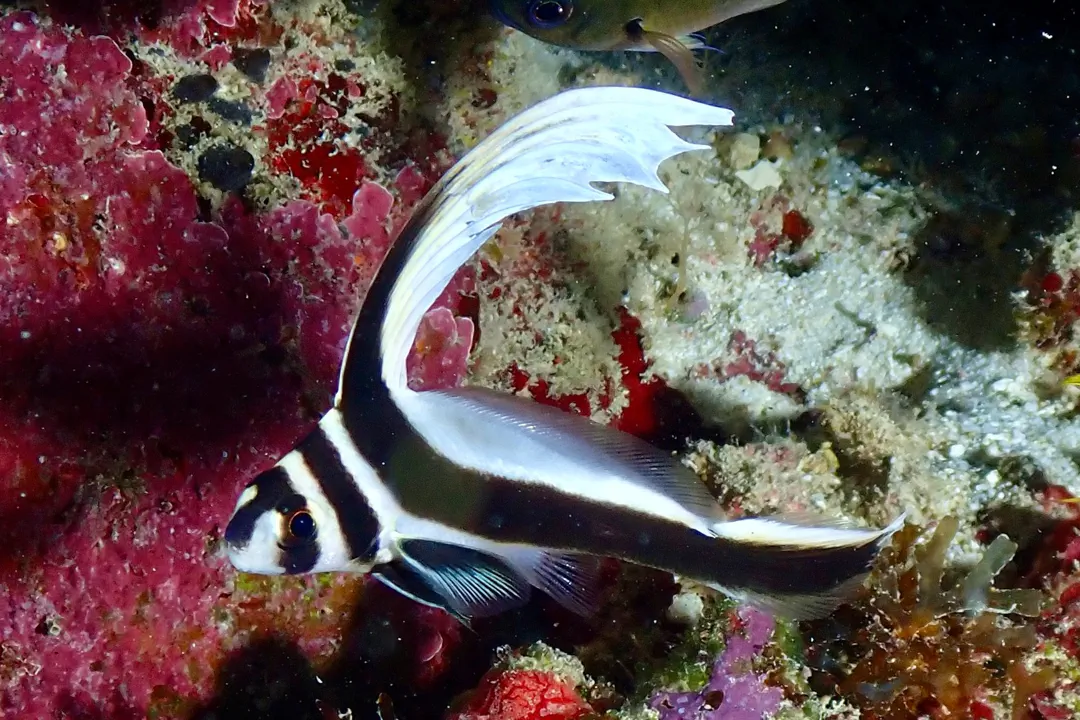
Outside the chamber system, Cathedral Cave features broad arches filled with light shafts, deep-water gorgonians, and black coral bushes. The outer wall drops into deep water where pelagic species like blacktip sharks, eagle rays, and large barracudas cruise past in the ocean current. High-hats, spotted drum, and spiny lobsters shelter in the dark recesses surrounding the cavern entrance.
Devil's Throat should only be attempted by divers with cavern training or extensive deep-diving experience under direct divemaster supervision. Neutral buoyancy control, gas management, and comfort in dark, enclosed spaces are essential to avoid silting or panic. Divers seeking a less technical profile can remain on the upper wall plateau at 18 to 25 meters.
Depth: 18-40 m. Access: boat, 45 minutes from San Miguel. Level: Advanced / Deep Certified. Best months: December-April.
 Chris SpainCC0 · iNaturalist
Yucab Reef (Central Reefs): Low-current shallow reef for beginners
Yucab Reef offers a long, dense coral ridge sitting in shallow water between 12 and 15 meters depth. The current along Yucab remains mild to moderate, allowing divers to enjoy an effortless, long-lasting drift over brain corals, sea whips, and sea rods. Its shallow profile maximizes bottom time and light penetration, making it an ideal choice for afternoon secondary dives.
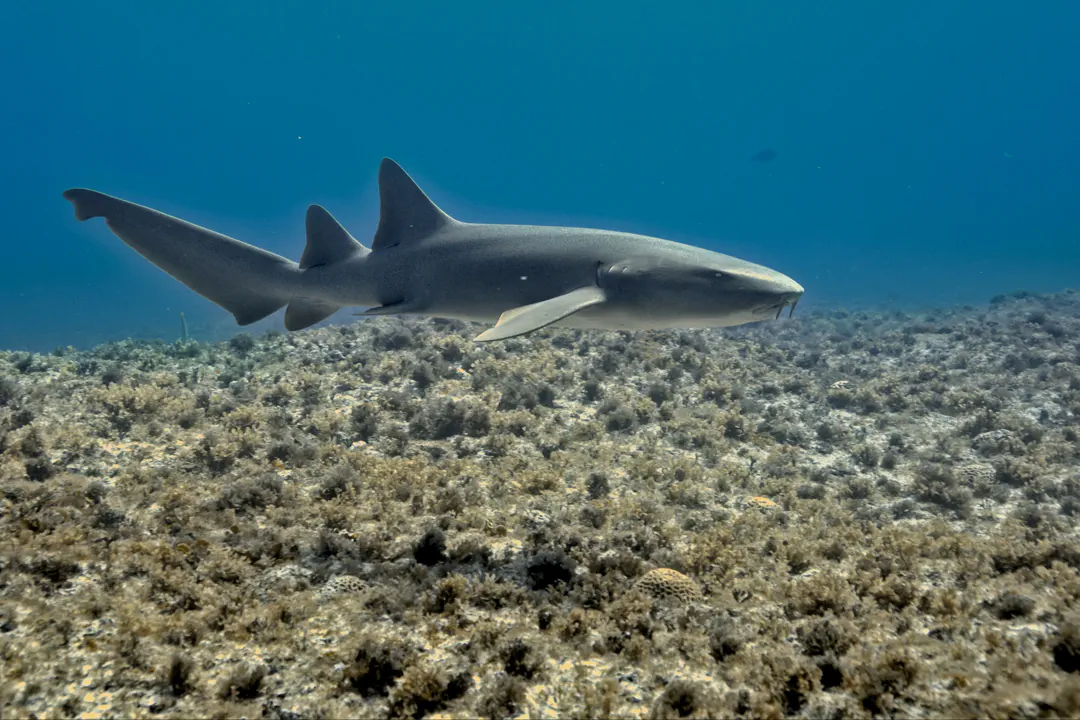
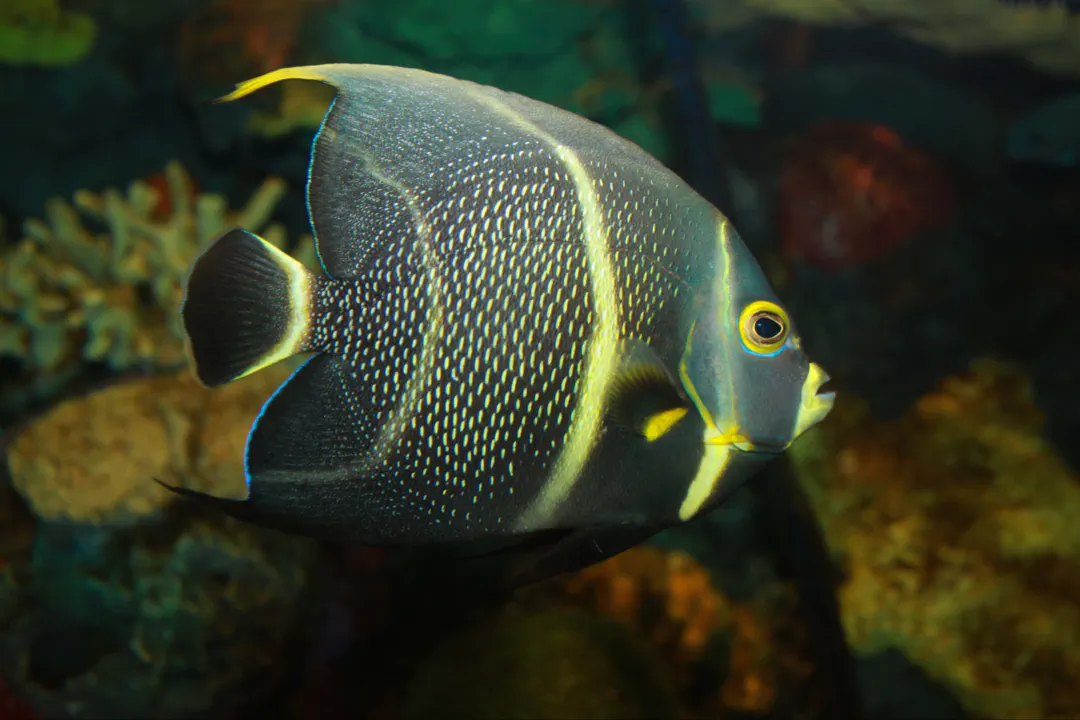
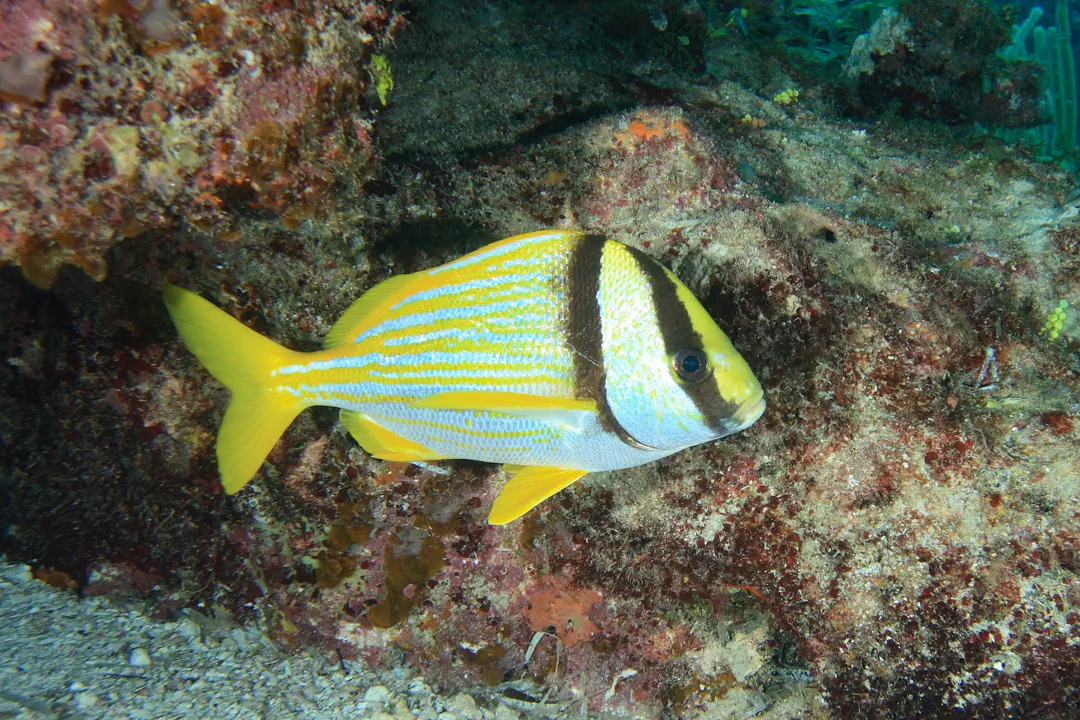
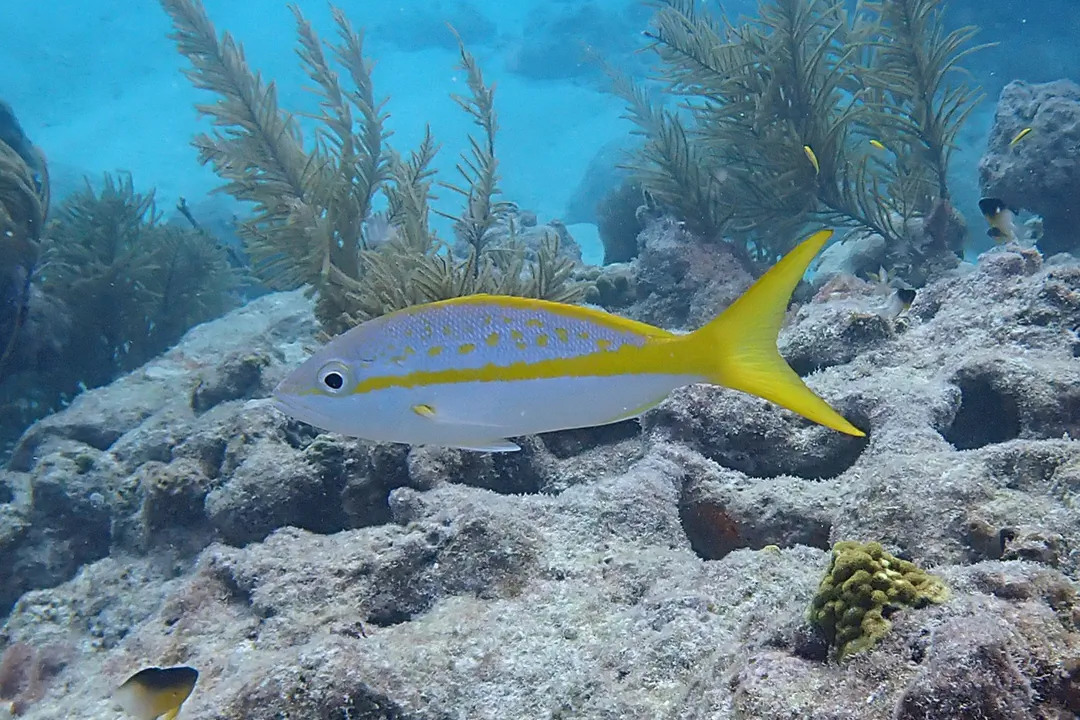
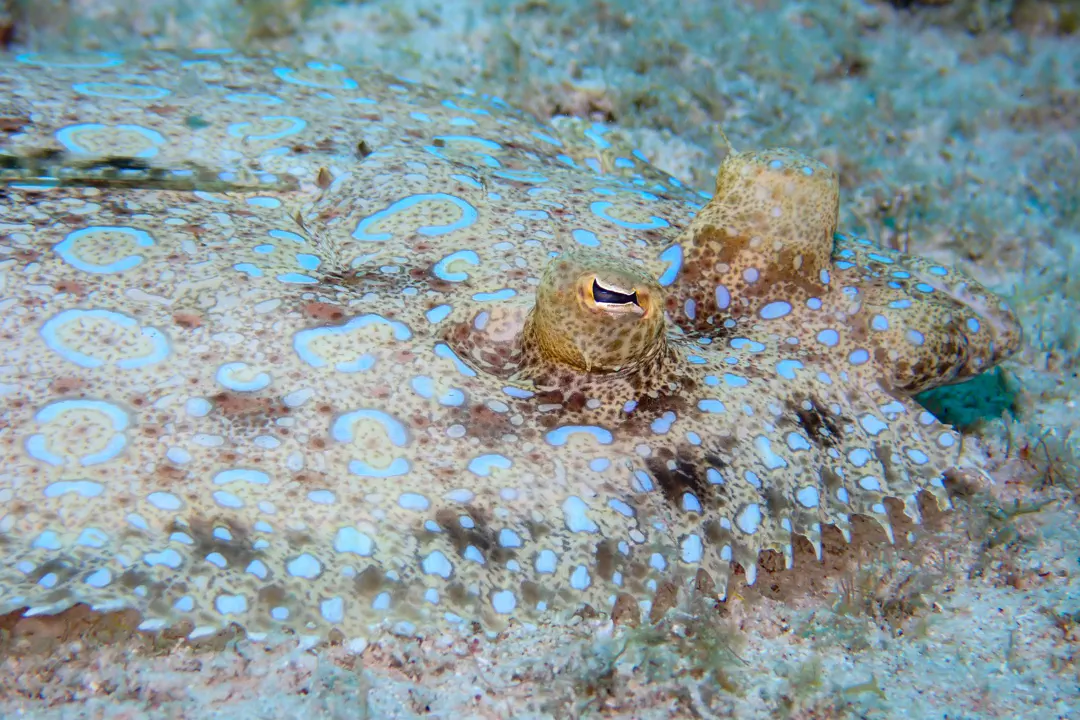
The reef is packed with marine life, including resting nurse sharks tucked under low coral ledges and French angelfish picking at sponges. Yellowtail snappers and porkfish form dense schools around the coral heads, while peacock flounders camouflage against sandy patches. Careful observers can find flamingo tongue snails clinging to purple sea fans and spotted moray eels breathing slowly from crevices.
Yucab provides a forgiving environment for divers perfecting their drift technique and buoyancy control. The gentle current moves divers along a continuous coral path without sudden drop-offs or complex overhead hazards. Guides use this site to evaluate diver comfort before taking groups to deeper southern walls.
Depth: 12-15 m. Access: boat, 15 minutes from San Miguel. Level: Beginner / Open Water. Best months: Year-round.
 © seabook.appAll rights reserved
 ZygyCC0 · iNaturalist
 © Dan SchofieldCC BY 4.0 · iNaturalist
C-53 Wreck (Central Coast): Sunken naval vessel with structured marine life
The C-53 Felipe Xicoténcatl is a 55-meter former Mexican Navy minesweeper intentionally scuttled in 1999 to form an artificial reef. Sitting completely upright on a flat sandy sea floor at 24 meters depth near Chankanaab, the wreck is fully prepared for diver access. Large access holes cut into the hull allow trained divers to navigate interior corridors lit by natural ambient light.
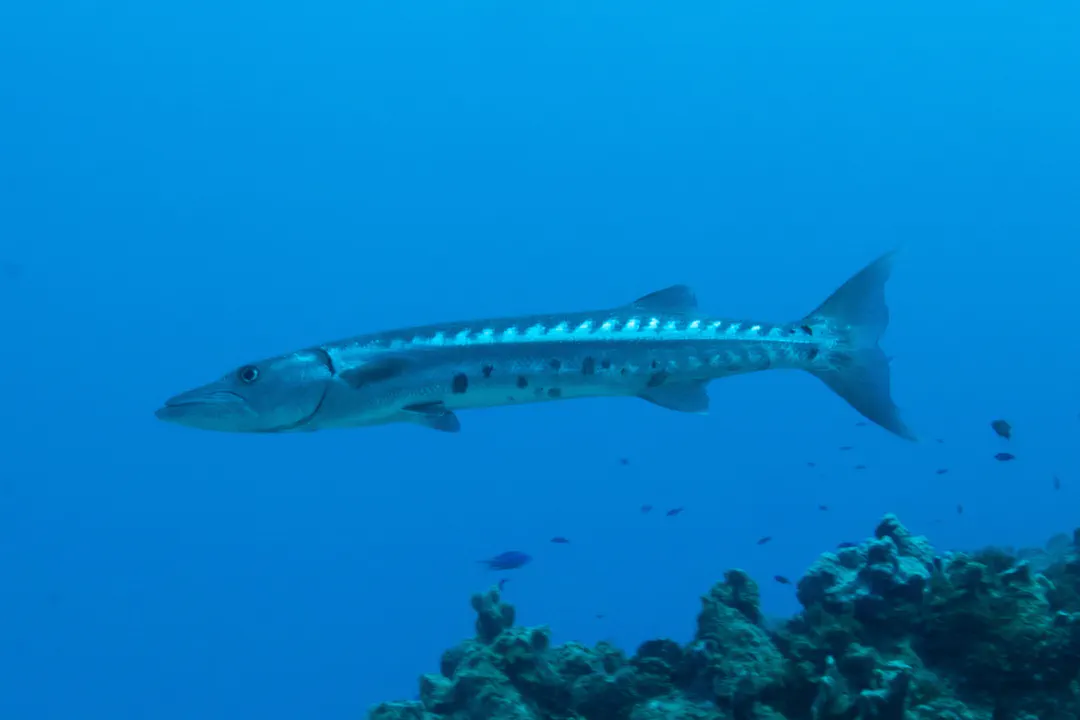
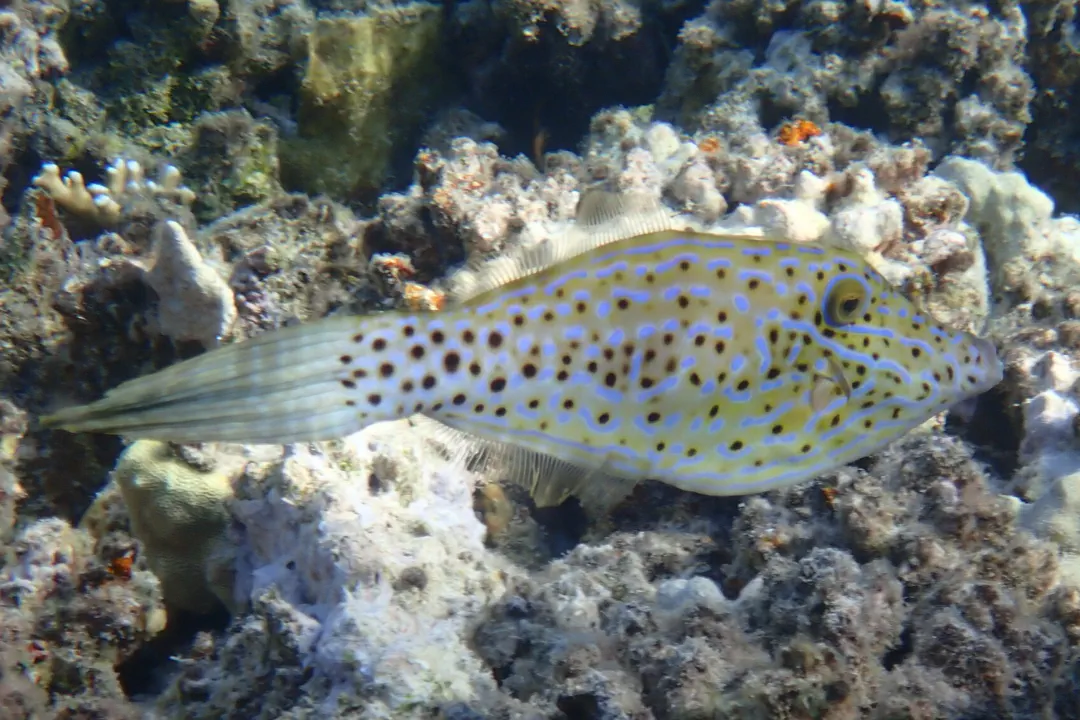
Over two decades underwater have transformed the steel vessel into a thriving marine habitat covered in algae, encrusting sponges, and hydroids. Great barracuda hover like silver sentinels above the wheelhouse, while schools of jacks and yellowtail snappers sweep across the main deck. Nurse sharks and green moray eels rest inside the engine room cutouts and beneath the stern.
The C-53 sits in an area with variable current, requiring a swift descent down a mooring line to reach the deck. While exterior exploration is suitable for intermediate divers, entering interior compartments requires proper wreck certification, lights, and careful finning techniques to avoid kicking up rust scale. Safety stops are completed on the mooring line before surface retrieval.
Depth: 18-24 m. Access: boat, 15 minutes from San Miguel. Level: Intermediate / Wreck. Best months: Year-round.
 Andrew DeaconCC0 · iNaturalist
Marine Life in Cozumel
The waters surrounding Cozumel harbour a dense marine ecosystem nourished by continuous Caribbean currents. Hard corals such as star, brain, and pillar corals build the structural backbone, accompanied by giant barrel sponges that can exceed 1.5 meters in height. Resident hawksbill and green sea turtles are encountered on almost every dive, while spotted eagle rays glide in formation across deeper sand channels throughout winter.
Cozumel's most famous inhabitant is the endemic splendid toadfish (Sanopus splendidus), distinguished by its bright yellow fins and dark blue striped body. Hiding deep inside dark coral rubble hollows, this secretive fish is found nowhere else in the world. Using the Seabook app on your phone after a dive makes it easy to log sightings, identify cryptic species like the spotted drum or smooth trunkfish, and check habitat details for the region's unique creatures.
Larger predators like great barracuda, black grouper, and goliath grouper occupy upper reef territory, while nurse sharks remain resting beneath shaded alcoves. Spiny lobsters, channel clinging crabs, arrow crabs, and flamingo tongue snails coat the reef superstructure. Night dives on shallow sites like Paradise Reef reveal hunting octopus, slipper lobsters, and bioluminescent plankton glowing in the open water.
Is Cozumel Good for Beginners and Snorkellers?
Cozumel is an accommodating destination for beginner divers and snorkellers, provided they choose sites suited to their experience level. Shallow reefs such as Yucab, Paradise, and Dzul-Ha feature gentle currents, clear water, and maximum depths under 15 meters, allowing new divers to gain confidence in drift diving. Dedicated dive operators assign guides to small groups and conduct thorough briefings on live-boat drop and pickup procedures.
Novice divers should ensure comfortable buoyancy control before tackling deeper wall sites, as currents along outer drop-offs can pick up speed unexpectedly. Many local dive centers offer Discover Scuba Diving programs and Open Water checkout dives in sheltered shore locations like Chankanaab Beach Park. Practicing mask clearing and buoyancy control in calm, low-current shallow water ensures a smooth transition to open-water drift dives.
Snorkellers can enjoy productive wildlife encounters right from the shore at locations like Chankanaab and Sunset Beach, where limestone entries drop into shallow fish-filled basins. Boat tours also take snorkellers to El Cielo, a shallow sandbar where hundreds of red cushion sea stars rest in waist-deep turquoise water alongside juvenile stingrays. Snorkellers should always wear a high-visibility float or life vest to stay visible to boat captains operating near the reef edge.
Getting There and Practical Tips
Traveling to Cozumel for a diving vacation is straightforward, with direct flights landing directly at Cozumel International Airport (CZM). Alternatively, travelers can fly into Cancún International Airport (CUN), arrange a 45-minute ground transfer to Playa del Carmen, and board the 45-minute passenger ferry to the island. Ground transport, luggage handling, and ferry schedules mean the Cancún route typically takes three to four hours from arrival to hotel check-in.
All divers entering the Cozumel Reefs National Park must pay a daily park fee of 110 Mexican pesos (approximately $6 USD), provided as a wristband by your dive operator. Most dive shops run two-tank morning trips departing at 8:30 AM, returning around 1:00 PM, with optional afternoon or night dives available. Live-boat pickups are standard practice across most park sites, so every diver should carry a delayed surface marker buoy and a whistle for surface visibility.
When planning your flight home, adhere strictly to recommended surface intervals before flying: wait at least 12 hours after a single no-decompression dive and 18 hours after multiple dive days. Bringing a windproof jacket or boat coat is recommended for surface intervals during winter months when norte winds blow across open water. Cash in Mexican Pesos or US Dollars is widely accepted for tipping boat crews and divemasters after your trip.
Questions
Are there sharks in Cozumel?
Yes, nurse sharks (Ginglymostoma cirratum) are frequently seen resting under coral ledges or on sandy bottoms across shallow sites like Yucab. Caribbean reef sharks (Carcharhinus perezi) are occasionally sighted along deeper southern walls such as Columbia Deep and Punta Sur. Sightings vary by day and current conditions, and divers should maintain a respectful distance without attempting to feed, touch, or pursue them.
Can you see turtles in Cozumel?
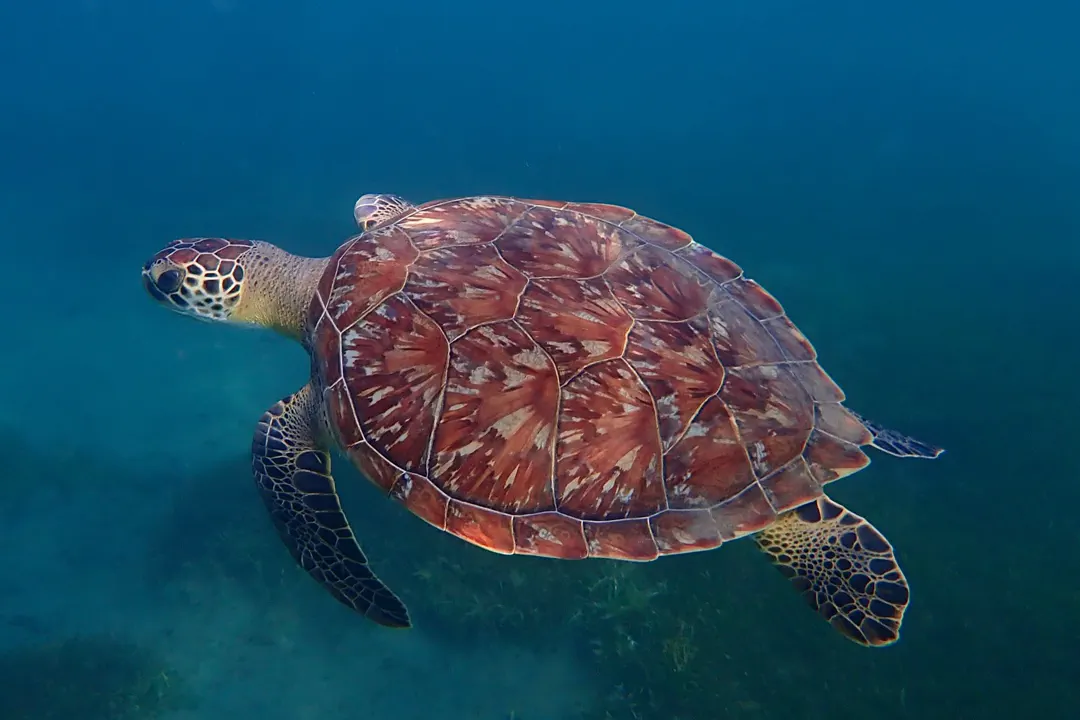
Green sea turtles (Chelonia mydas) and hawksbill sea turtles (Eretmochelys imbricata) live in Cozumel's waters year-round. They are commonly spotted feeding on sponges along Palancar and Santa Rosa Reefs or resting on shallow coral ledges. Divers should never chase or touch turtles, leaving them clear space to surface for air when needed.
What is the best month to dive in Cozumel?
The best overall months for diving in Cozumel are December through April, which offer dry weather, clear visibility, and the seasonal arrival of spotted eagle rays. May and June provide warm water around 28°C, calm seas, and fewer crowds before peak summer. July through October brings the warmest water at 29°C but carries higher rainfall and Atlantic tropical storm risks.
Is diving in Cozumel suitable for beginners?
Yes, Cozumel is suitable for beginners who stick to shallow, low-current sites like Yucab Reef, Paradise Reef, and Chankanaab. These locations offer depths between 10 and 15 meters with easy drift conditions. Beginners should ensure they have good buoyancy control and attend a thorough drift briefing before attempting deeper wall profiles.
How warm is the water in Cozumel?
Water temperatures range from 25°C to 26°C between January and March and rise to 28°C to 29°C between July and October. A 3 mm full wetsuit is recommended for summer dives, while a 3 mm or 5 mm suit with an optional hooded vest is best for repetitive winter diving. Temperature remains consistent throughout the water column with minimal thermoclines.
How do you get to Cozumel for a diving trip?
You can fly directly into Cozumel International Airport (CZM) or fly into Cancún International Airport (CUN). From Cancún, take a taxi or shuttle bus 45 minutes south to Playa del Carmen, then buy a ticket for the 45-minute passenger ferry to Cozumel. Allow three to four hours total travel time if transferring through Cancún.