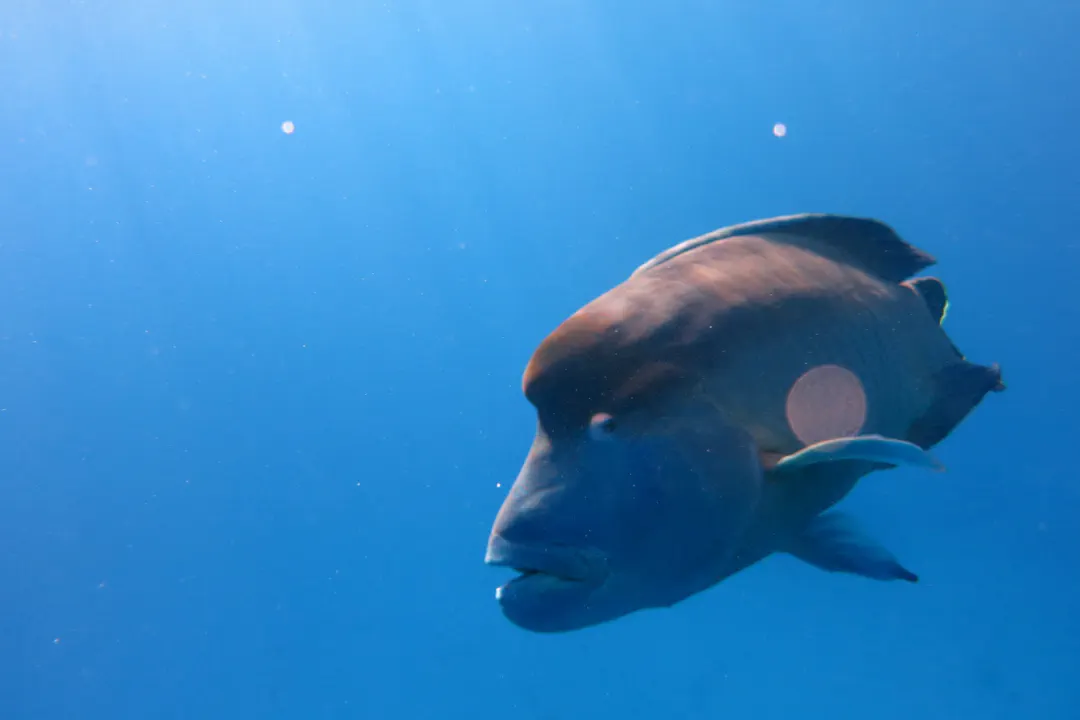
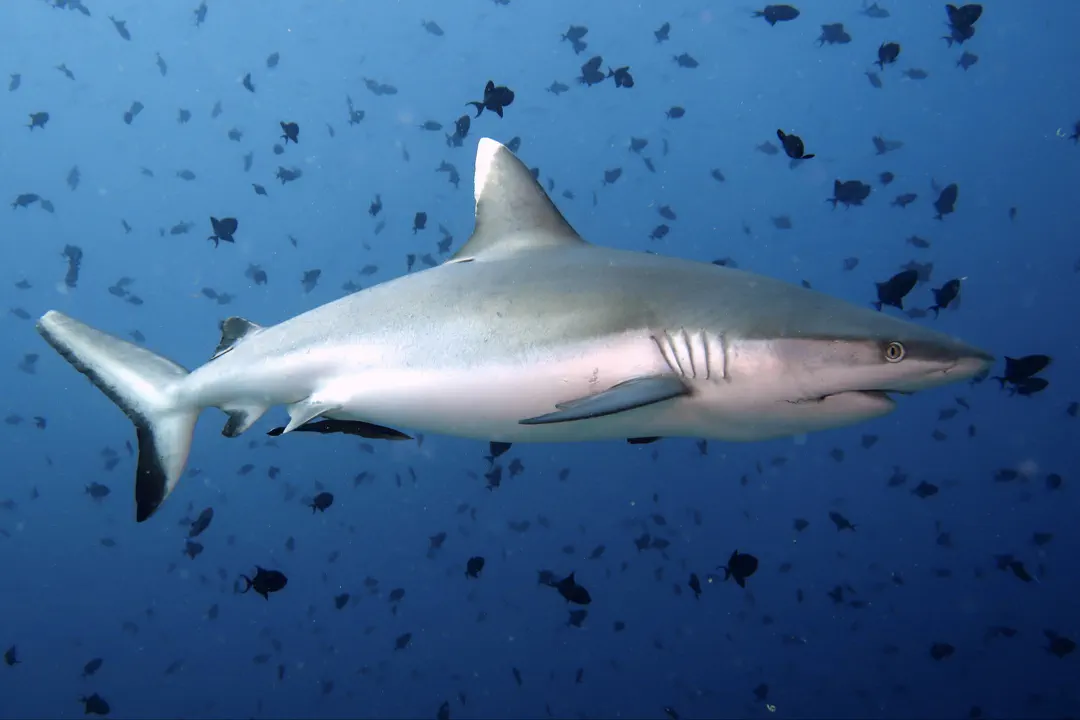
At 22 metres along the vertical drop-off of Shark Reef, morning light cuts through the deep blue water, casting rippling networks across a massive gorgonian fan. A grey reef shark patrols the edge of the abyss, its pectoral fins stiffened as a school of orange anthias surges upward in unison. The south-going current pulls gently against your fin blades while two Napoleon wrasse drift into view along the coral wall.
Scuba diving in Sharm El Sheikh provides direct access to the northern Red Sea's most celebrated marine environments at the southern tip of the Sinai Peninsula. The best months for diving run from March to May and September to November, when desert air temperatures remain comfortable and marine life activity peaks. Water temperatures range between 21°C in February and 29°C in August, while underwater visibility regularly exceeds 30 metres across offshore marine zones.
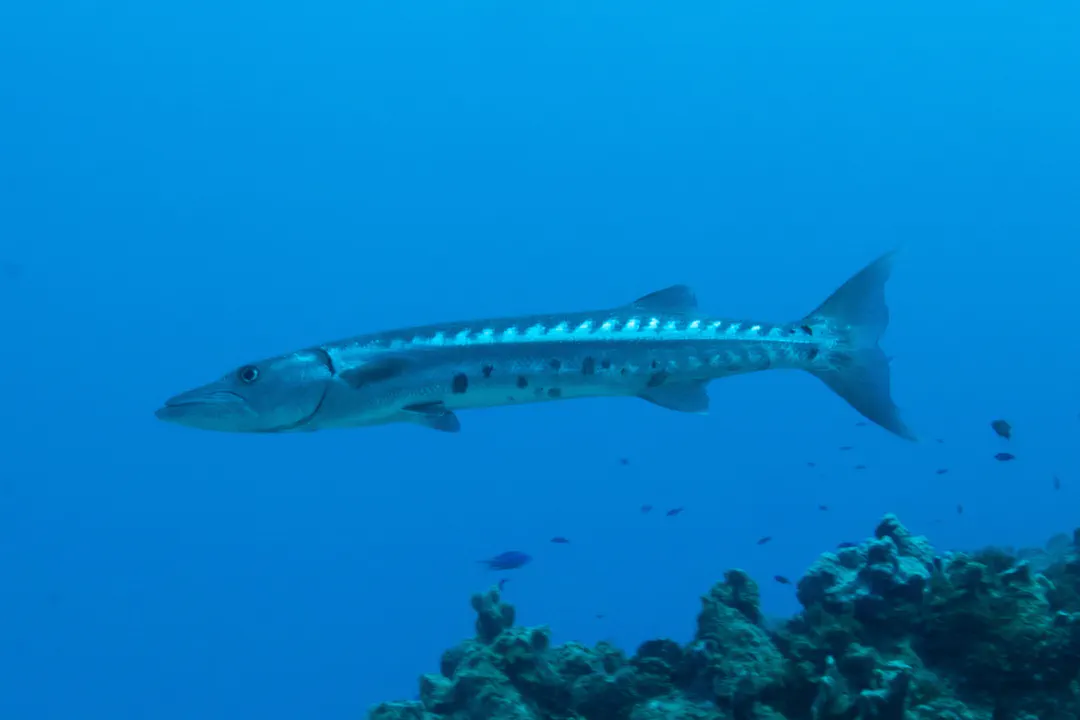
Key diving locations include the steep drop-offs of Ras Mohammed National Park, the current-swept pinnacles of the Strait of Tiran, and the historical World War II wreckage of the SS Thistlegorm. Divers frequently encounter scalloped hammerheads, manta rays, hawksbill sea turtles, and dense schools of barracuda along these vertical walls. The region accommodates every experience level, offering shallow, sheltered bays for beginners and snorkellers alongside deep drift dives for advanced divers.
What Is Diving in Sharm El Sheikh Like?
Submerged mountain ranges and deep rift valleys dictate the underwater landscape surrounding the Sinai Peninsula. Tectonic forces along the Gulf of Aqaba created sheer vertical drop-offs that plunge hundreds of metres into oceanic depths. Constant water movement along these walls delivers essential nutrients, nourishing extensive formations of hard stony corals and soft alcyonarian coral trees that carpet the substrate.
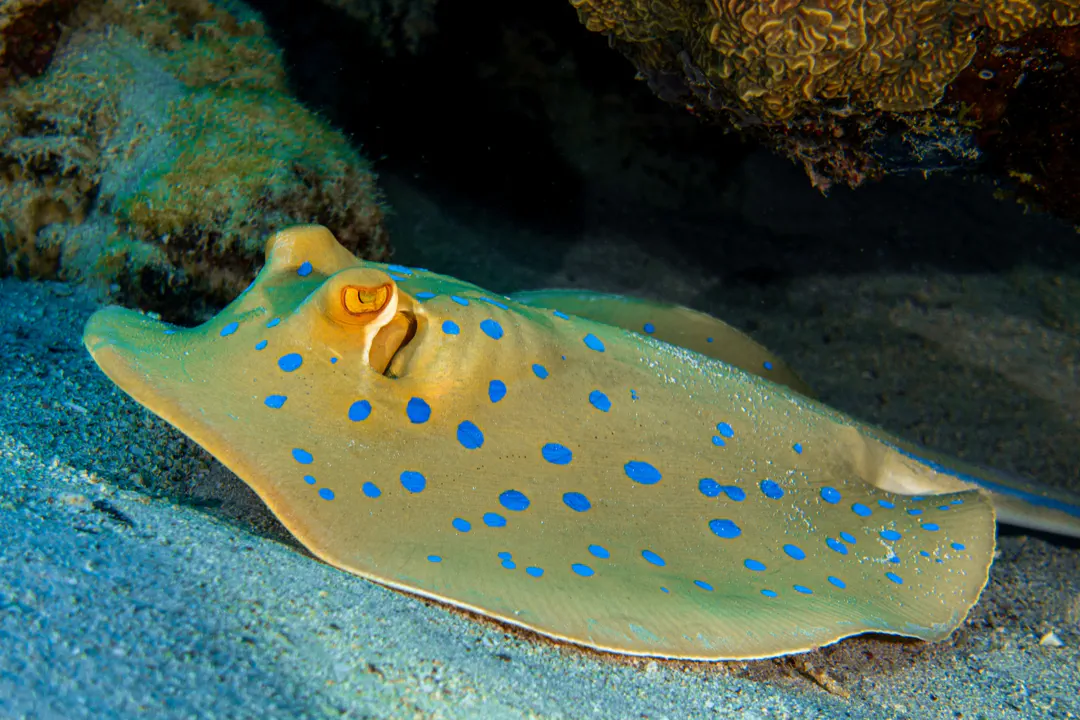
Diving here feels like flying alongside underwater cliffs suspended in clear space. Bright orange sea goldies cluster in the thousands around blue-tipped acropora branches, while giant moray eels coil inside deep coral crevices. The intense desert sunlight penetrates deep into the water column, illuminating yellow mask butterflyfish and solitary blue-spotted stingrays gliding across sandy shelves.
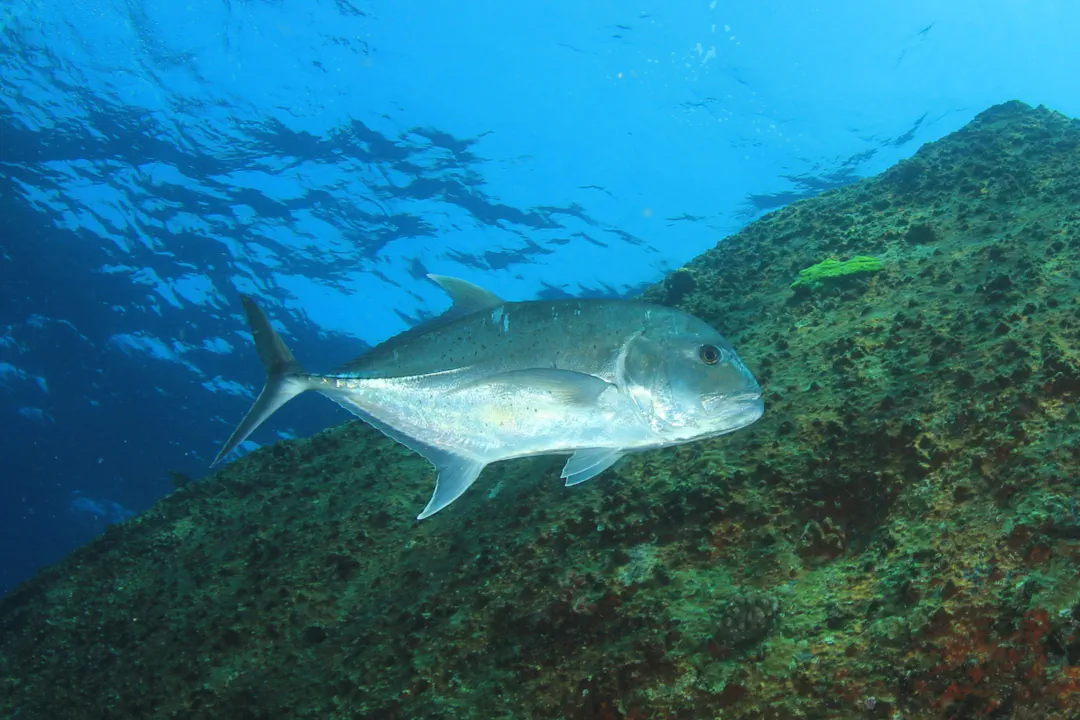
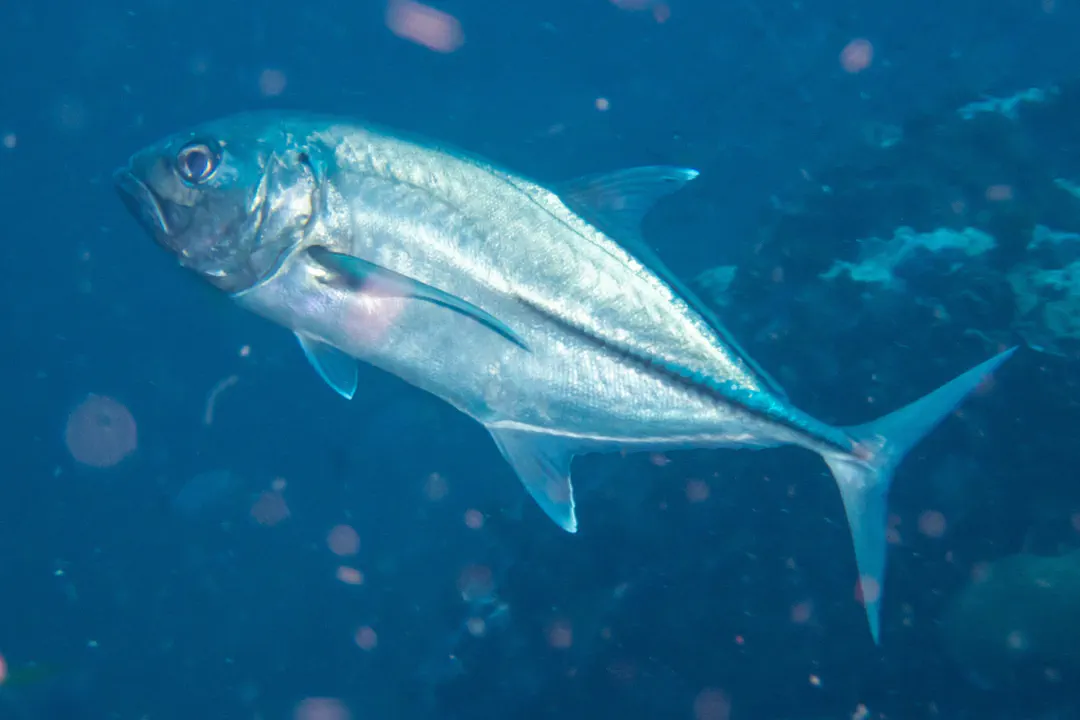
Nutrient-rich currents sweeping through narrow straits attract oceanic predators directly to the reef margins. Schools of giant trevally, pickhandle barracuda, and dogtooth tuna move in tight formations against the current to hunt smaller reef fish. Observation of these interactions requires minimal effort, as divers simply hook into the reef or drift smoothly alongside the wall while the ocean ecosystem moves past.
Best Time to Dive in Sharm El Sheikh
Diving conditions remain accessible throughout the entire calendar year in the Sinai region. The spring months from March to May bring warming sea temperatures and rising plankton levels that draw large pelagic species toward the outer reefs. Autumn from September to November delivers optimal balance, with calm surface conditions, warm sea water, and clear underwater visibility.
During the summer months of June through August, water temperatures reach their annual peak around 29°C. Large aggregations of twinspot snappers, bohar snappers, and unicornfish assemble off the deep drop-offs of Ras Mohammed to spawn. Whale sharks occasionally pass through the northern Red Sea during this season, filtering plankton in the upper sunlit layers.
Winter brings cooler water conditions from December through February, dropping to roughly 21°C. Despite cooler seas, winter provides extraordinary water clarity that often extends past 40 metres. Schools of scalloped hammerhead sharks ascend into shallower depths along the outer walls of the Tiran Strait, offering reliable encounters for cold-tolerant divers.
Sharm El Sheikh Water Temperature by Month
Water temperature
Sharm El Sheikh, Egypt, monthly average
Red Sea, Egypt (popular diving area reference: Hurghada/Sharm El-Sheikh region). Typical diving depth range: 5-40m. Data represents average sea surface temperatures.
Sea surface temperatures in Sharm El Sheikh follow a distinct annual curve driven by desert air temperatures. The coldest water arrives in January and February, holding steady at 21°C to 22°C across both coastal reefs and offshore channels. Thermal layers are minimal during winter, creating uniform temperatures from the surface down past 30 metres.
Warming begins rapidly in April, reaching 24°C before climbing to 28°C in July and topping out at 29°C in August. Thermoclines occasionally form in late summer around 25 metres depth, where temperatures can drop by two to three degrees. Water temperatures cool gradually through October and November, maintaining an inviting 25°C to 27°C through early autumn.
Exposure protection requirements vary based on the season and exposure duration. A 5mm full neoprene wetsuit ensures comfort during longer winter dives when surface winds feel chilly between dives. A 3mm shorty or full suit provides ample warmth during the warm summer months, though full suits remain recommended for protection against fire corals.
Best Dive Sites in Sharm El Sheikh
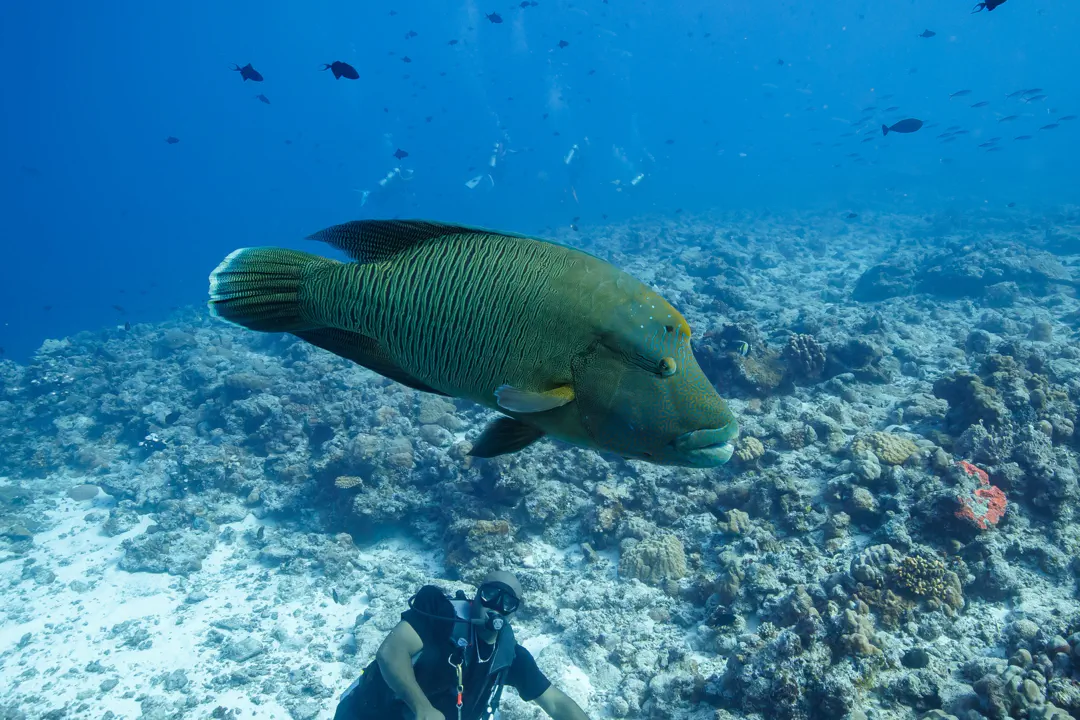
Shark & Yolanda Reef (Ras Mohammed): drop-offs, toilet wrecks, and grey reef sharks
Two massive coral pinnacles rise from deep water at the southern point of the Sinai Peninsula, joined by a shallow sandy saddle at 18 metres depth. Shark Reef drops vertically into an abyss exceeding 800 metres, where strong currents sweep along the coral face. Yolanda Reef lies just to the west, named after a Cypriot cargo ship that ran aground in 1980 and spilled its cargo across the reef plateau.
Divers usually start by dropping along the sheer wall of Shark Reef to look for pelagic species in the open blue water. Grey reef sharks, giant trevally, and blacktip sharks patrol the drop-off while red anemones cover the shallower reef face. Drifting with the current leads across the saddle to Yolanda Reef, where thousands of anthias hover above table corals.
The wreckage of the Yolanda rests on the south side of the reef, featuring piles of ceramic toilets, bath tubs, and automobile parts encrusted in hard coral. Crocodilefish lie disguised on the sandy seafloor among the porcelain fixtures, while blue-spotted ribbontail rays probe the sediment. Large bluefin trevally sweep through the wreckage to hunt small damselfish sheltering inside the exposed pipes.
Depth: 6-30 m. Access: boat, 45 minutes from Sharm El Sheikh marina. Level: Advanced Open Water. Best months: March-November.
 © Daniel BenákCC BY 4.0 · iNaturalist
 © seabook.appAll rights reserved
 © Dan SchofieldCC BY 4.0 · iNaturalist
 Andrew DeaconCC0 · iNaturalist
 © seabook.appAll rights reserved
 © seabook.appAll rights reserved
SS Thistlegorm (Gulf of Suez): historic World War II wreck loaded with cargo
The British armed freighter SS Thistlegorm sits upright on a flat seabed at a depth of 30 metres in the Straits of Gubal. Sunk by German bombers in October 1941, the 128-metre vessel carried military supplies intended for Allied troops in North Africa. The blast split the stern section, scattering ammunition boxes and armored Bren gun carriers across the surrounding sand.
Divers descend along a mooring line directly to the main deck at 16 metres, where large winches and deck guns remain clearly visible. Penetration into the hold reveals rows of Bedford trucks, WWII motorcycles stacked neatly in cargo bays, field equipment, and airplane wings. The structure acts as an artificial reef, supporting marine life inside its dark steel chambers.
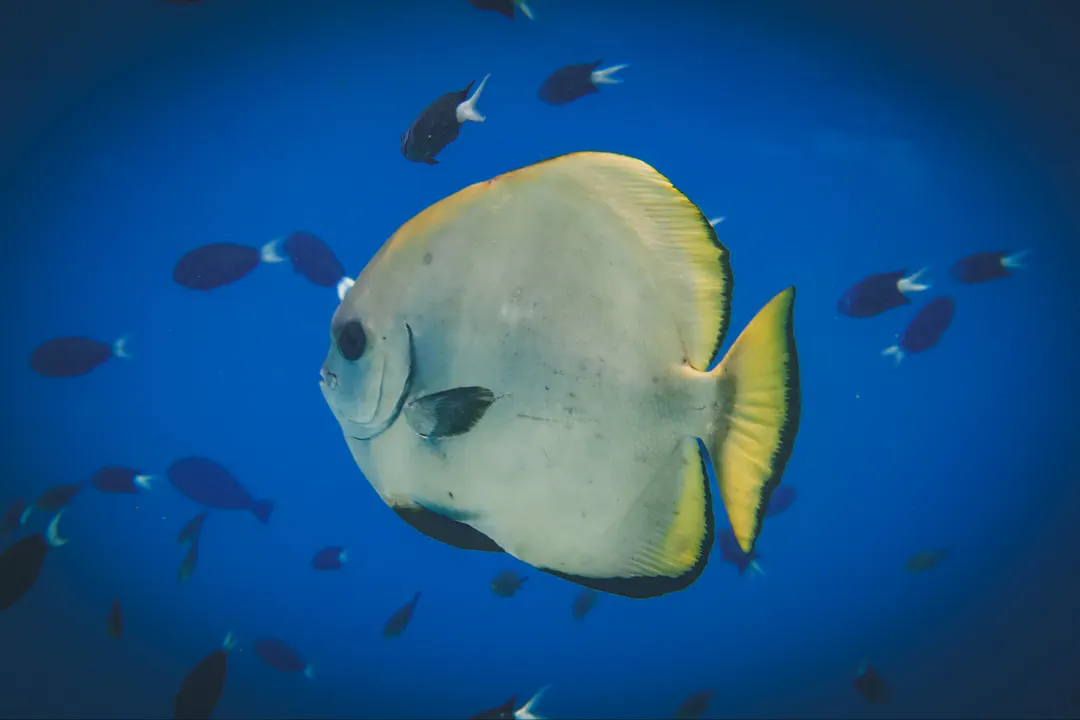
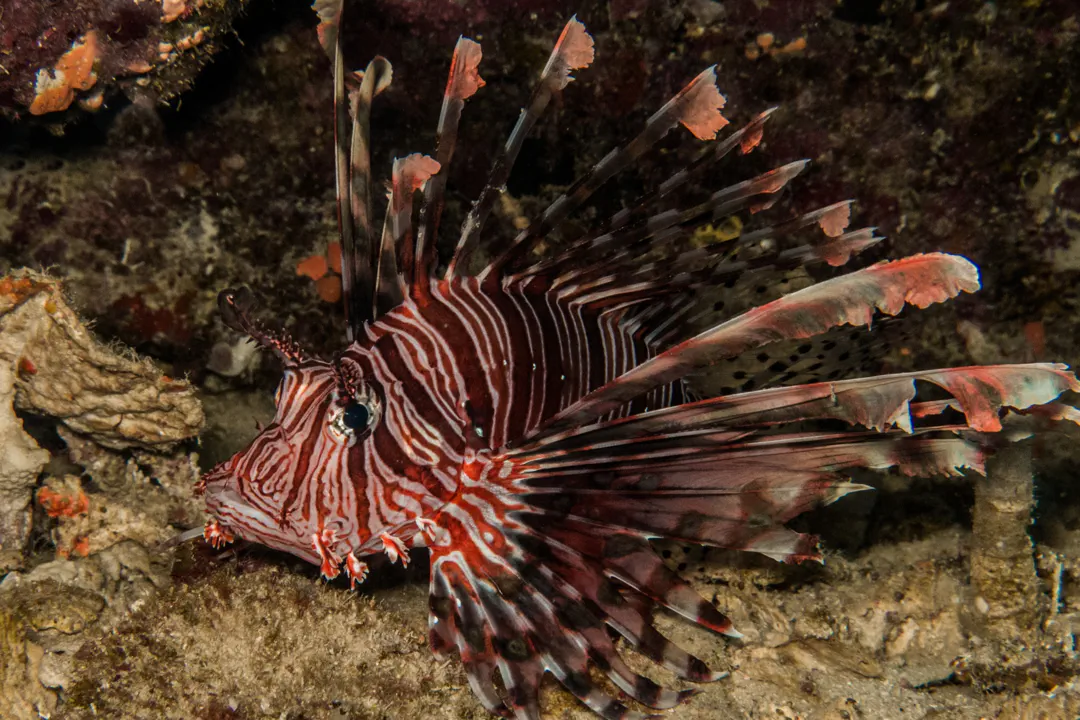
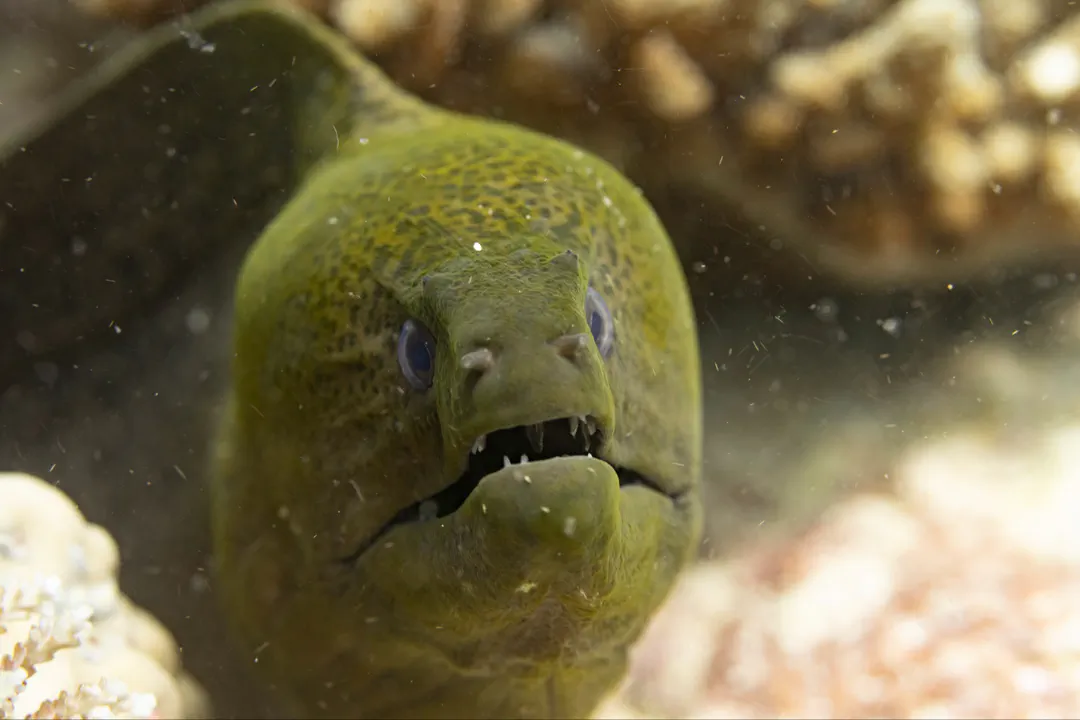
Resident batfish school around the ship's rear mast while lionfish hover motionless inside the cargo holds. Giant moray eels up to two metres in length inhabit the exposed pipework, and large schools of barracuda circle above the wreck deck. Currents can run exceptionally strong at this exposed offshore location, requiring careful gas planning and rope-assisted ascents.
Depth: 16-30 m. Access: boat, 3 hours from Sharm El Sheikh (day trip or liveaboard). Level: Advanced Open Water. Best months: March-December.
 © Olka KuryanAll rights reserved
 © João D'AndrettaCC BY 4.0 · iNaturalist
 © Ian ShawAll rights reserved
 © Pauline FeyAll rights reserved
 © cello caruso-turielloCC BY 4.0 · iNaturalist
 © portioidCC BY 4.0 · iNaturalist
Jackson Reef (Strait of Tiran): hammerhead sharks and fiery gorgonian fans
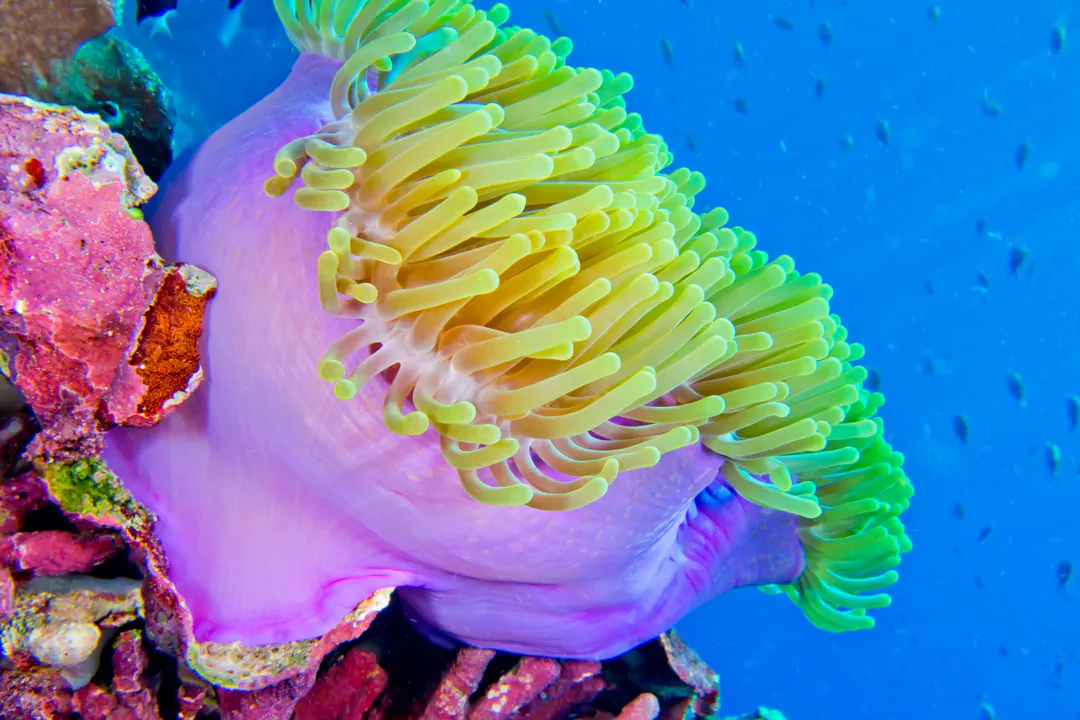
Jackson Reef sits as the northernmost reef in the Strait of Tiran, exposed to open sea conditions where the Gulf of Aqaba narrows. A bright red anemone garden covers the southwestern wall at a depth of 12 metres, surrounded by red anemonefish. The eastern wall drops straight down, covered in red gorgonian fans and whip corals that thrive in the current.
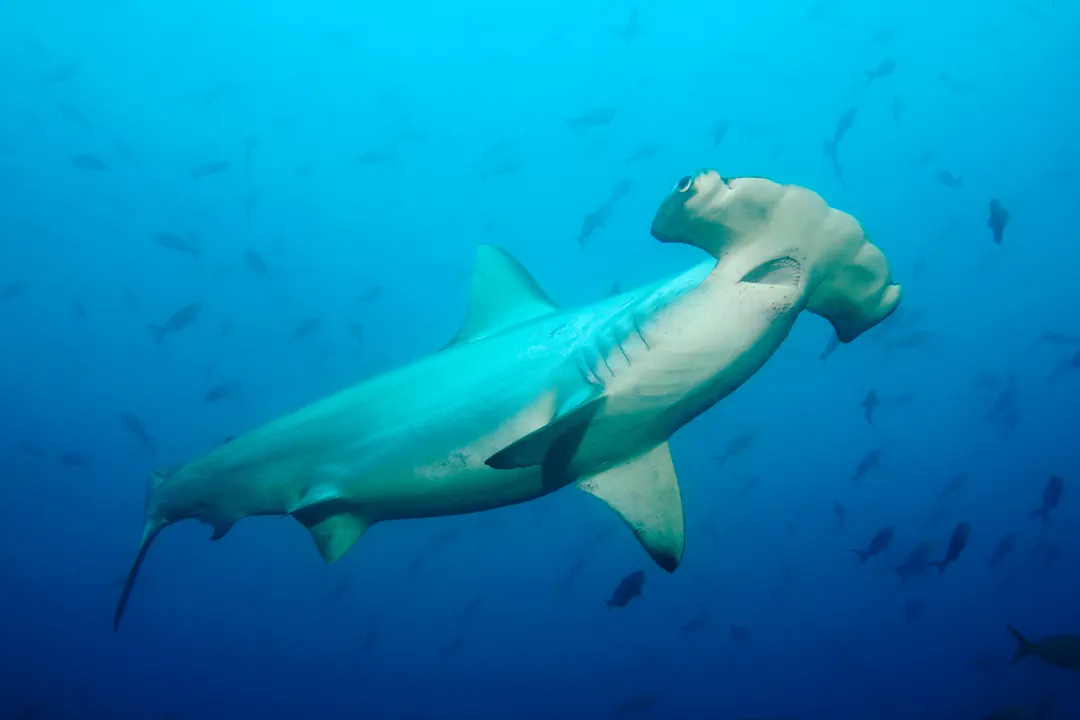
The northern point of Jackson Reef is famous for seasonal aggregations of scalloped hammerhead sharks. During the summer months, divers swim off the reef into the deep blue water where cool thermoclines attract these pelagic hunters. Groups of five to twenty hammerheads can be observed swimming in loose formations before they retreat back into the deep.
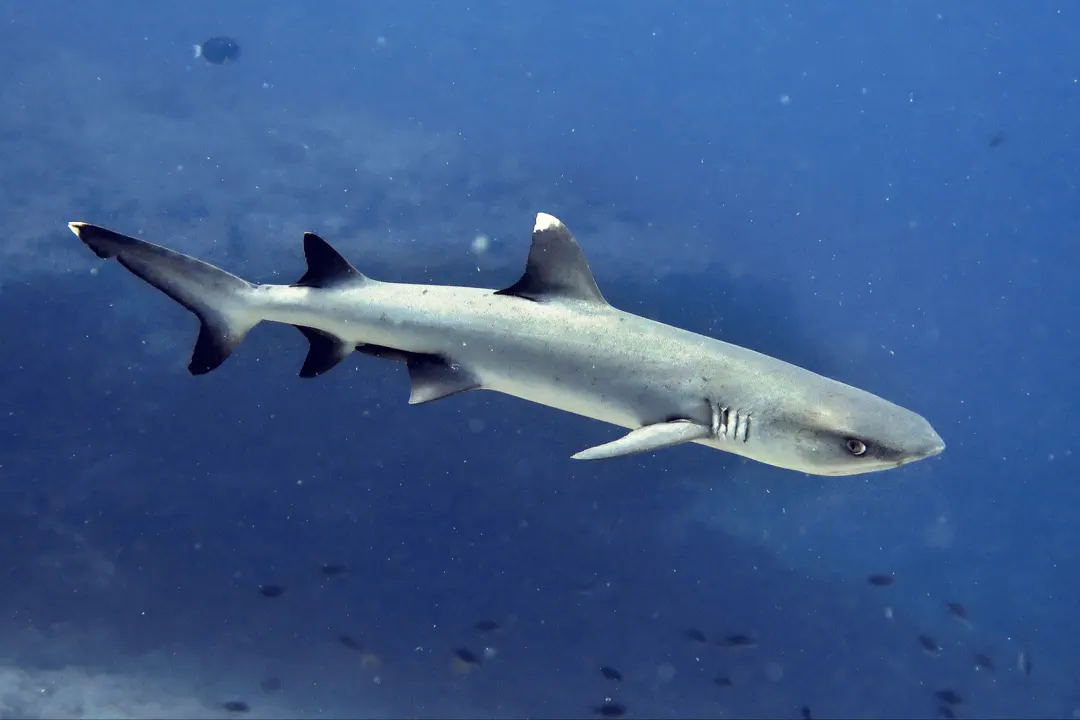
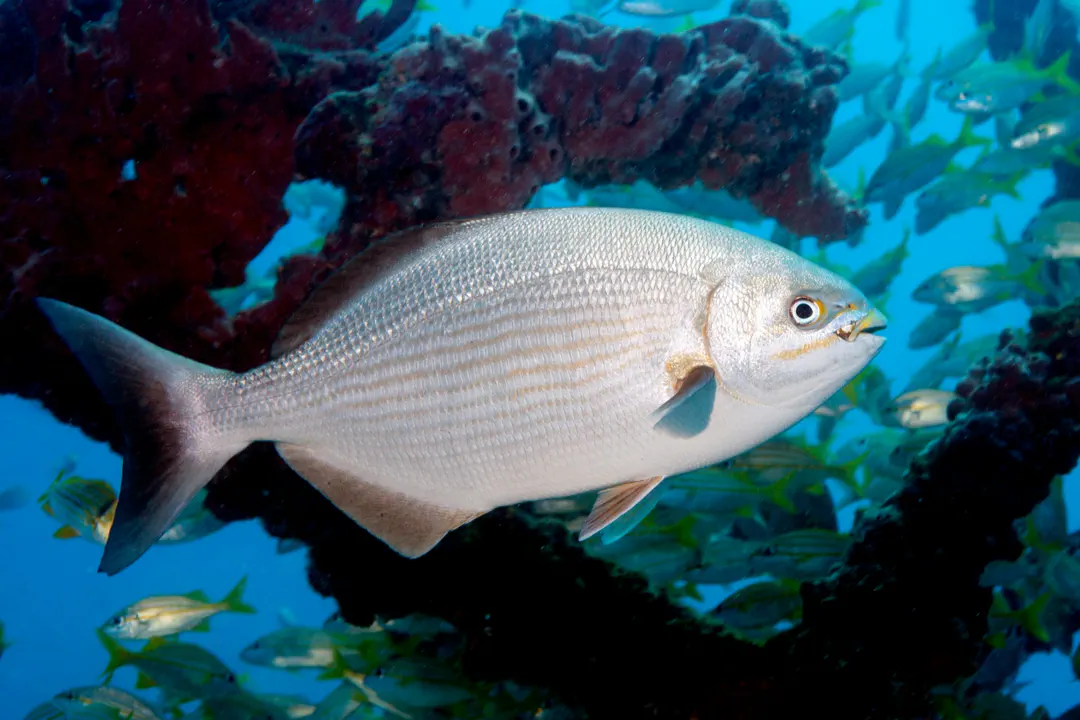
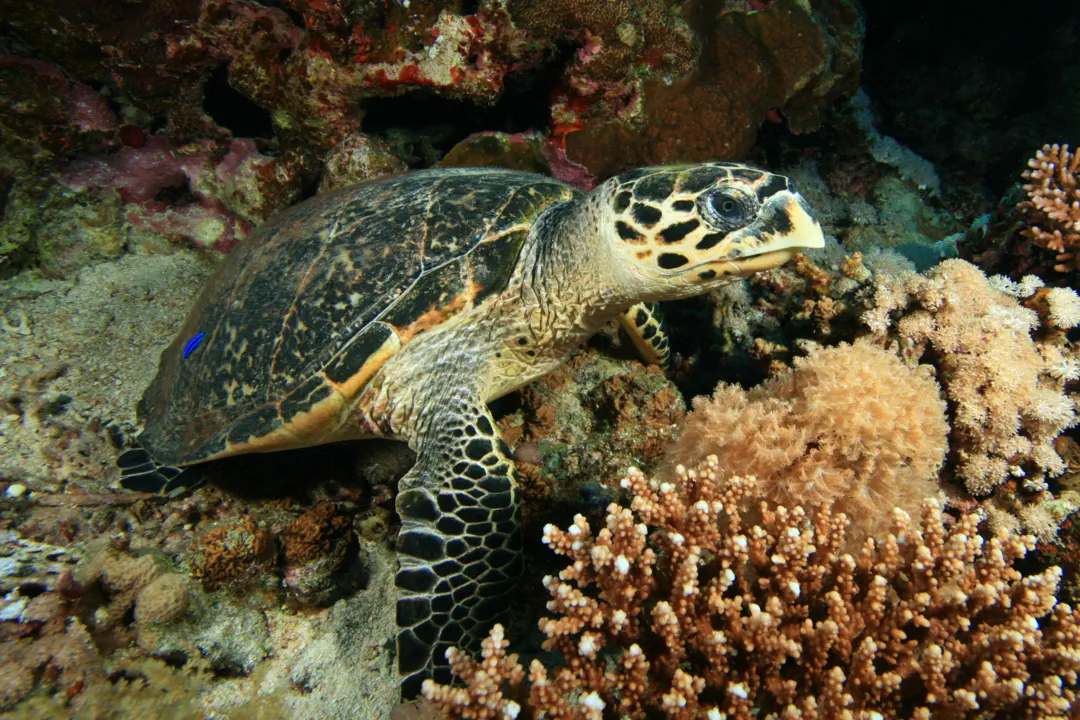
Strong tidal currents sweep across the shallow reef flat, where the rusting bow of the merchant vessel Lara remains grounded on the reef crest. Whitetip reef sharks rest on sandy ledges along the back of the reef, while hawksbill turtles feed on soft corals. The current often necessitates fast drift dives that finish in the sheltered lee of the southern plateau.
Depth: 5-30 m. Access: boat, 40 minutes from Naama Bay. Level: Advanced Open Water. Best months: June-September.
 © seabook.appAll rights reserved
 © seabook.appAll rights reserved
 © Daniel BenákCC BY 4.0 · iNaturalist
 Andrew DeaconCC0 · iNaturalist
 © R VasconcellosCC BY 4.0 · iNaturalist
 © seabook.appAll rights reserved
Thomas Reef (Strait of Tiran): deep canyon, drift diving, and pelagic visitors
As the smallest reef in the Tiran Strait, Thomas Reef experiences intense current flow around its entire circumference. The underwater terrain is sheer wall on all sides, covered in yellow tube corals, dense soft coral bushes, and black coral trees. Divers enter at the southern corner and drift rapidly along the eastern wall past massive coral outcrops.
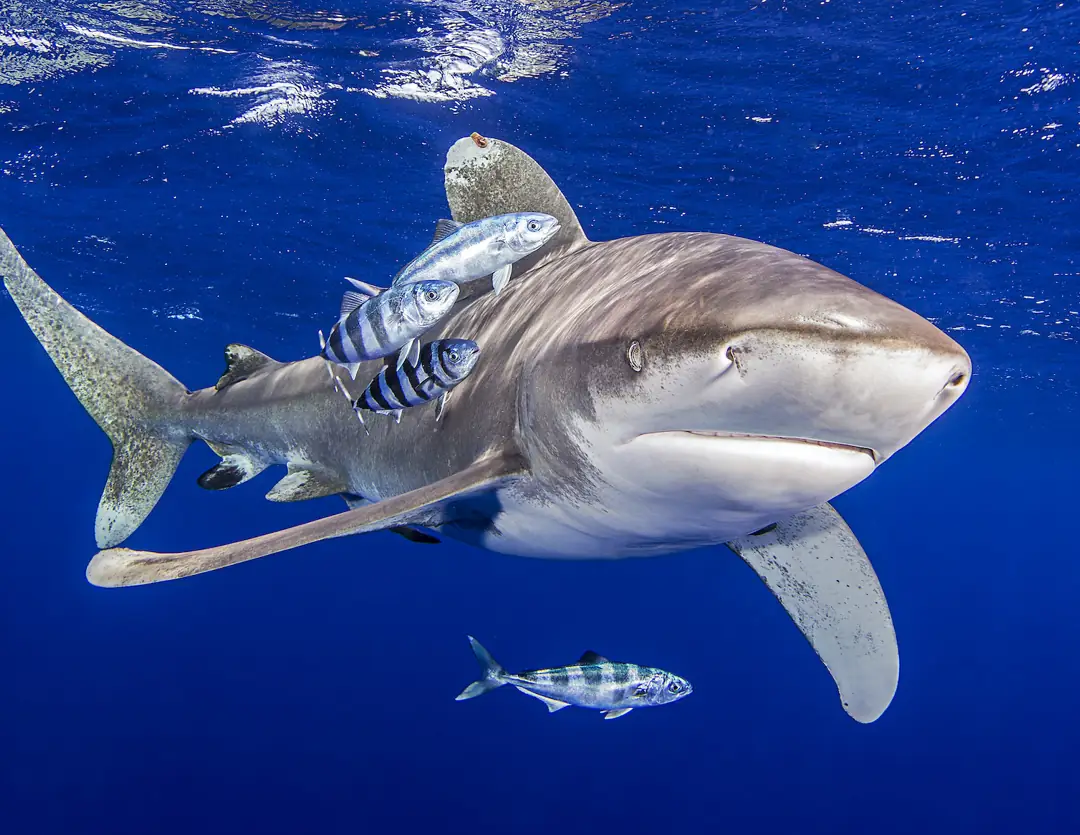
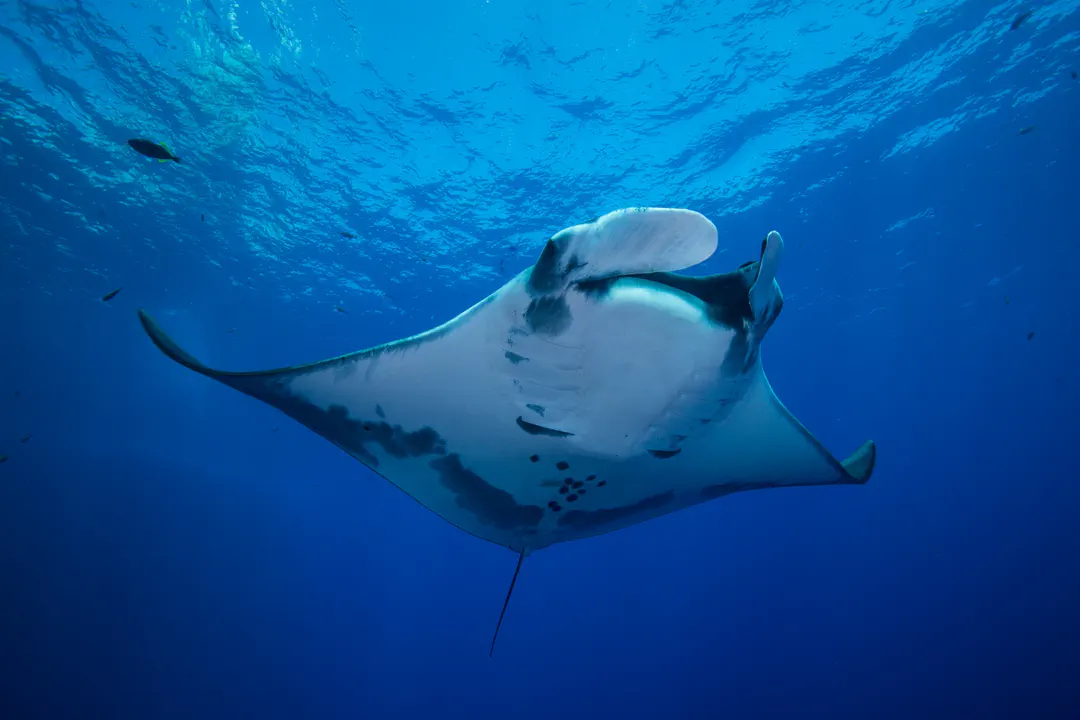
A deep underwater canyon begins along the eastern face at 35 metres depth, plunging into a narrow fissure that extends past 80 metres. Three natural archways span the top of the canyon at technical diving depths, attracting deep divers equipped with mixed gases. Along the upper wall, oceanic whitetip sharks and mobula rays occasionally pass in the blue.
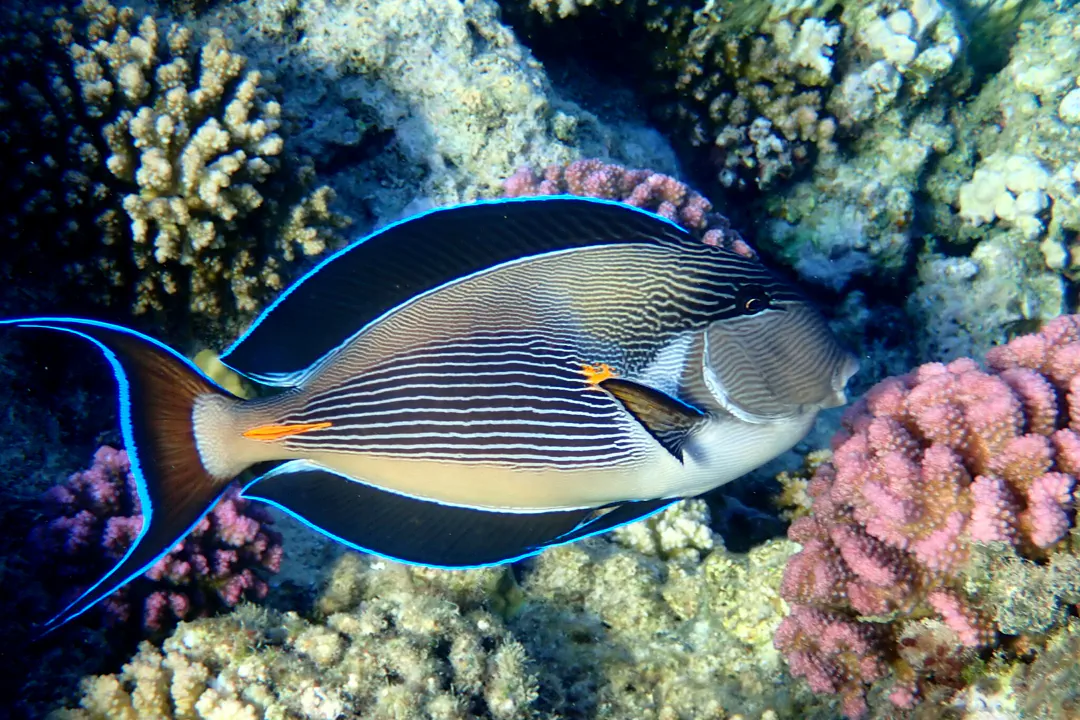
The top plateau at 6 metres shelters mask butterflyfish, Arabian angelfish, and soothead anemonefish within branching acropora thickets. Large dogtooth tuna and Spanish mackerel patrol the drop-off edge, darting into schools of fusiliers. Due to the high flow of water and absence of shallow moorings, all dives here are executed as boat-drift entries and pick-ups.
Depth: 10-30 m. Access: boat, 40 minutes from Sharm El Sheikh. Level: Advanced Open Water. Best months: March-November.
 © seabook.appAll rights reserved
Dunraven Wreck (Beacon Rock): 19th-century Victorian steamship covered in glassfish
The Dunraven sank in 1876 after striking the southern tip of Sha'ab Mahmud reef while carrying spice and cotton from India to England. The 85-metre iron-hulled steamship came to rest upside down on a sloping reef floor between 15 and 28 metres. Over nearly a century and a half underwater, hard corals have encrusted the hull plates.
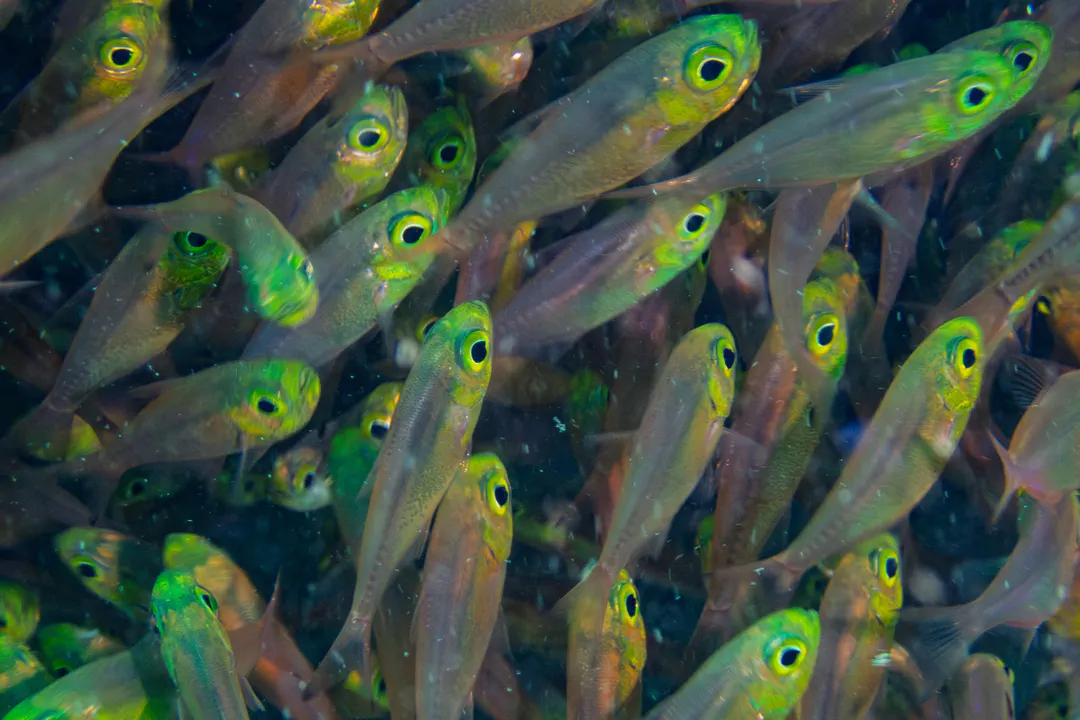
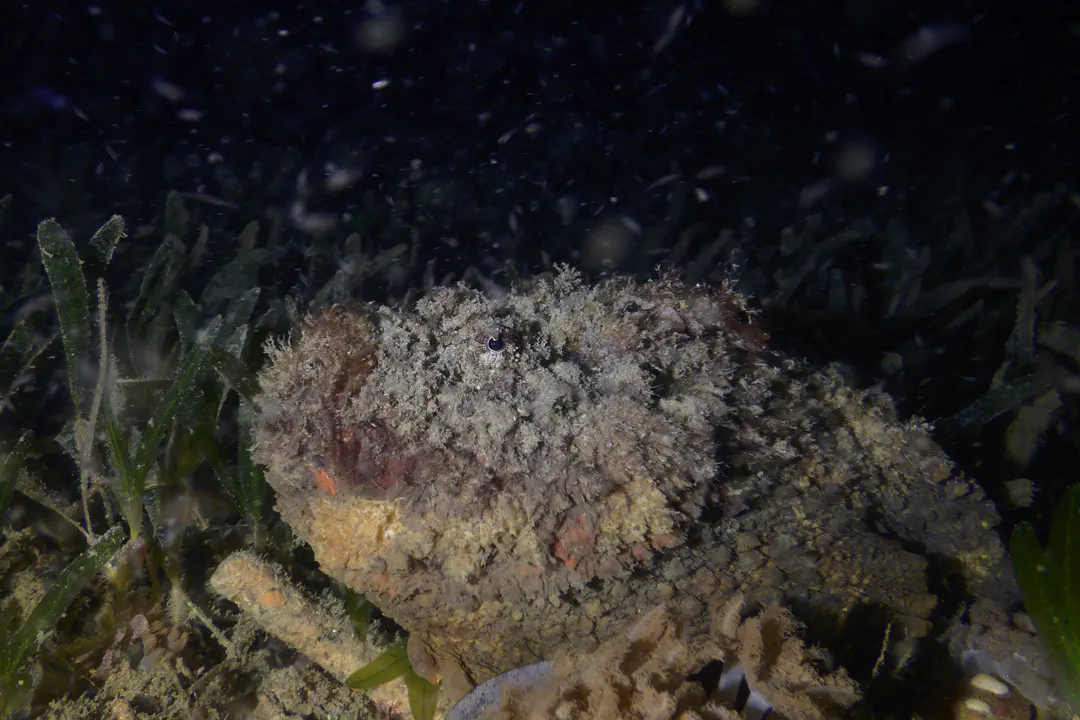
Divers can enter the inverted hull through large fractures in the iron shell, swimming through the open hold alongside rows of exposed steel ribs. Sunlight streams through holes in the hull, illuminating massive clouds of tiny golden glassfish that part as divers move through. Stonefish and scorpionfish sit camouflaged along the rusted beams and engine boilers.
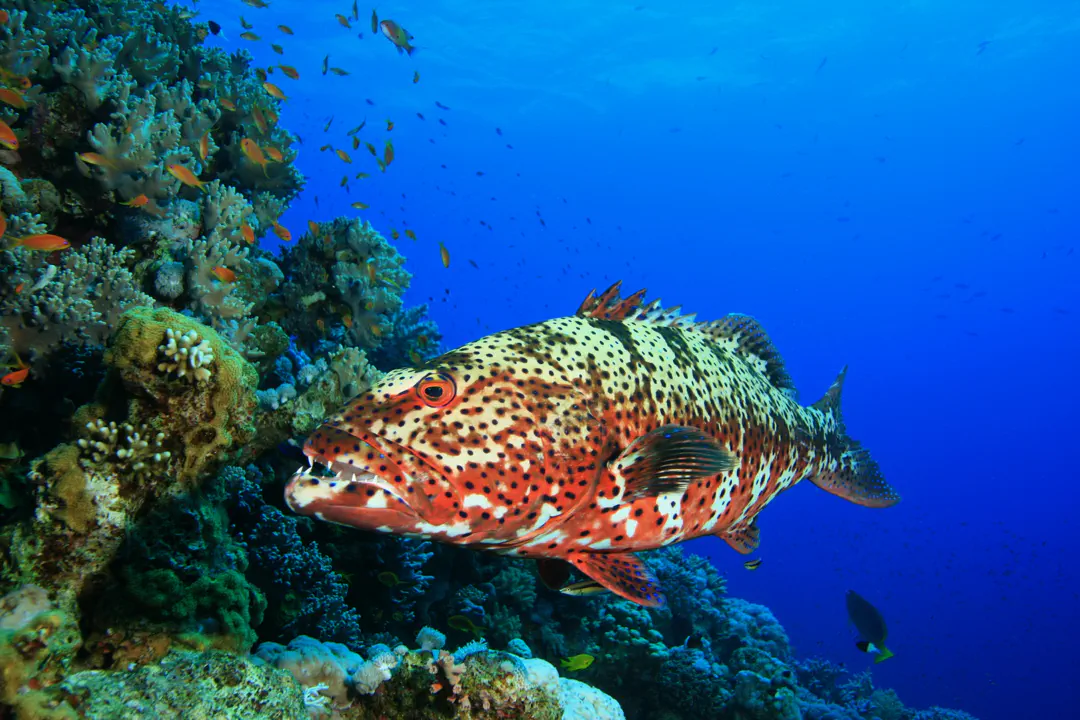
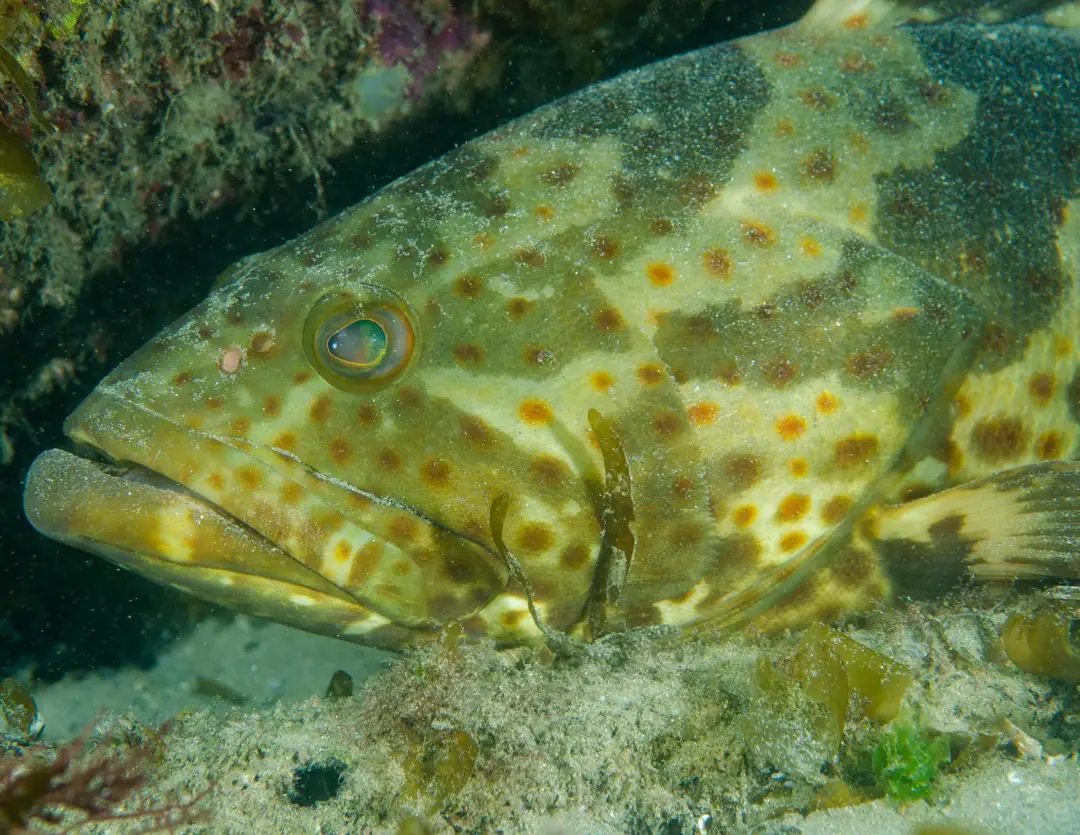
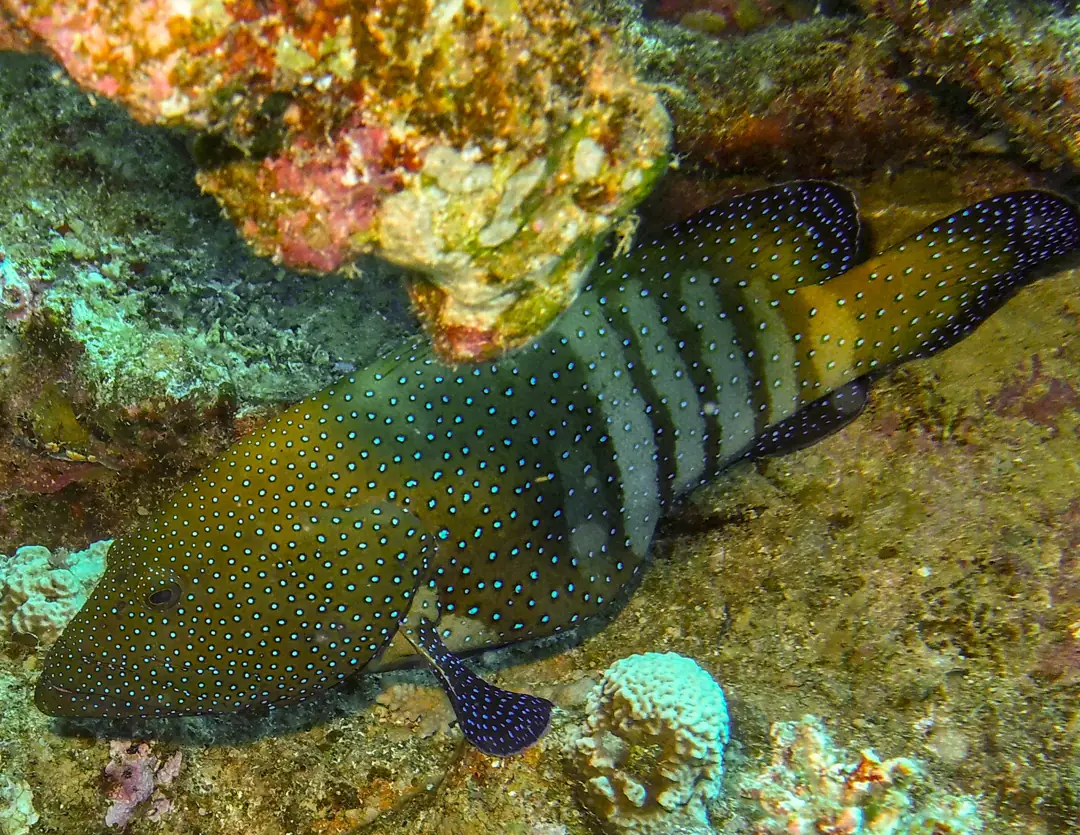
Outside the hull, the surrounding reef plateau features coral gardens occupied by peacock groupers and blue-ringed angelfish. Crocodilefish lie stationary on the sand near the stern propeller, relying on their mottled skin to blend with coral rubble. The shallow depth and minimal current make the Dunraven an accessible wreck for divers of all experience levels.
Depth: 15-28 m. Access: boat, 2 hours from Sharm El Sheikh. Level: Open Water. Best months: Year-round.
 © Pierre PericardCC BY 4.0 · iNaturalist
 © Lesley ClementsAll rights reserved
 © Ewout KnoesterCC BY-SA 4.0
Ras Um Sid (Sharm Coast): sheltered coral garden ideal for beginners and night dives
Located on a prominent coastal headland south of Naama Bay, Ras Um Sid offers direct access to a coral plateau that slants gently into deep water. A lighthouse marks the cliff above, while below the surface, a forest of giant gorgonian fans begins around 20 metres depth. The upper plateau remains sheltered from major currents, providing easy swimming conditions.
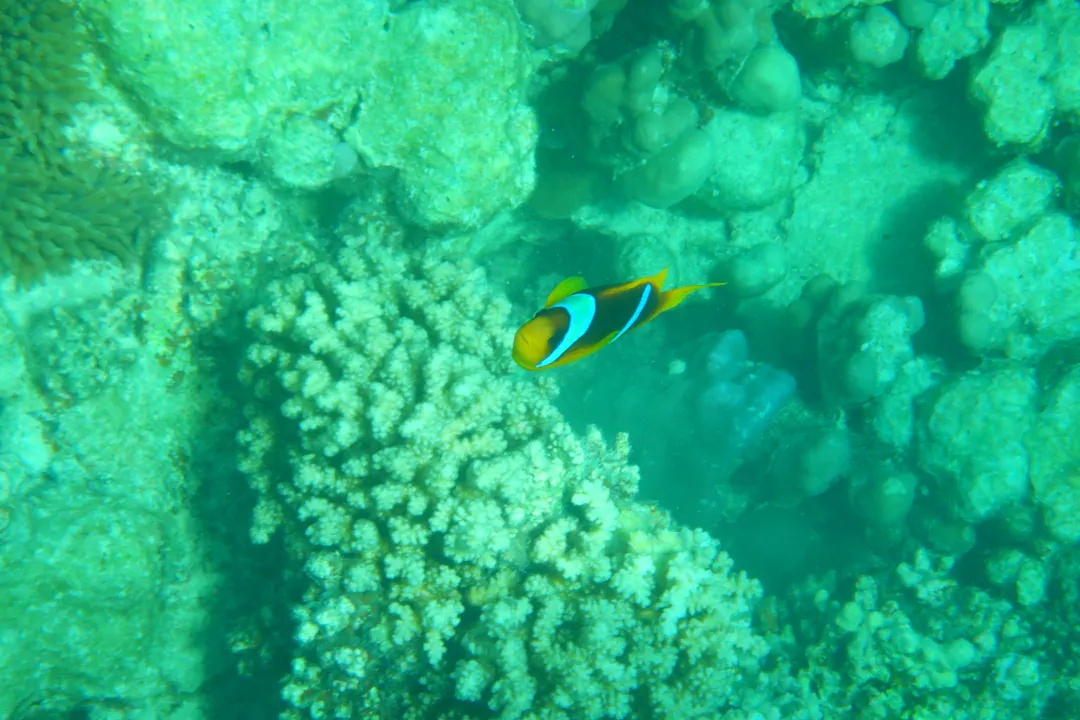
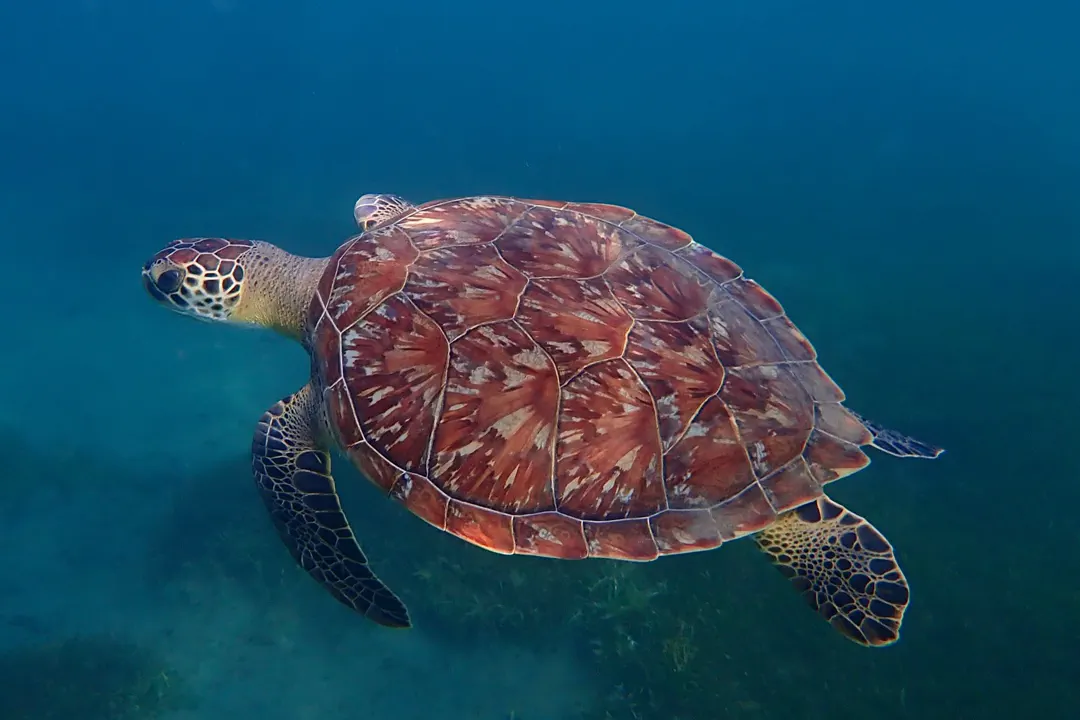
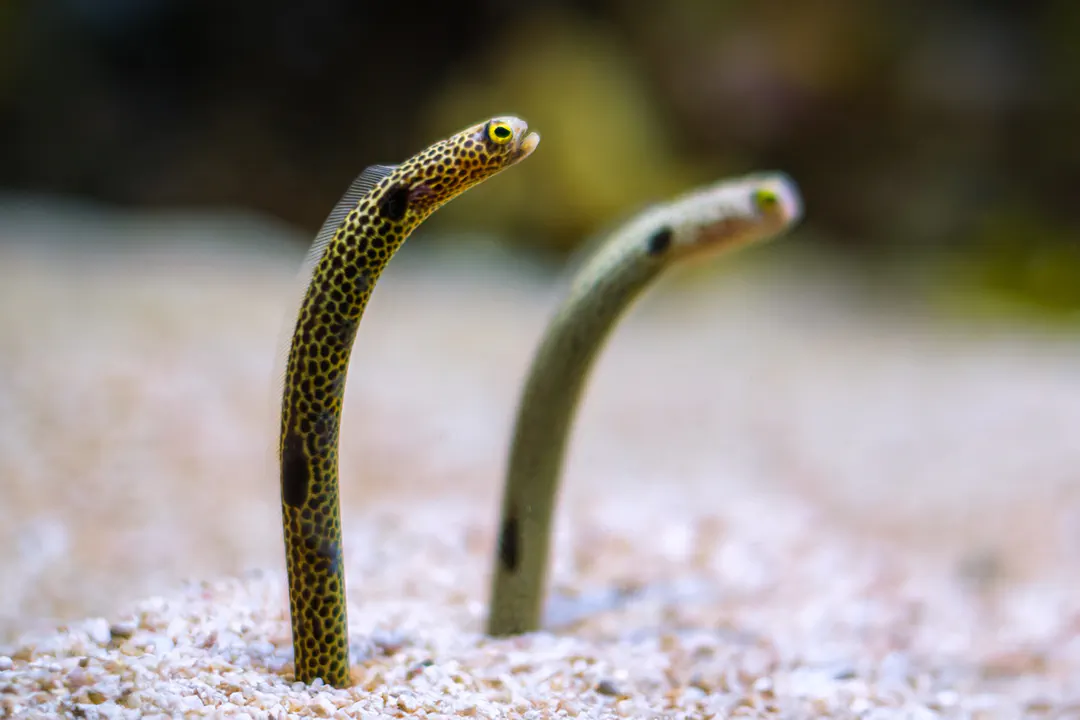
Red Sea anemonefish aggressively guard their host anemones along the shallow reef top at 5 to 10 metres. Green sea turtles and hawksbill turtles frequently graze on soft corals along the edge of the slope, showing little fear of passing divers. Garden eels protrude from the sandy slopes on the lower plateau, swaying in unison with the gentle surge.
Ras Um Sid is known for night diving, when nocturnal creatures emerge across the reef plateau. Feather stars and basket stars climb to prominent positions on coral heads to capture plankton, while slipper lobsters crawl across the seabed. Spanish dancers—large nudibranchs with red skirts—are regularly spotted swimming through the water column after dark.
Depth: 5-25 m. Access: shore or boat, 15 minutes from Sharm El Sheikh. Level: Open Water. Best months: Year-round.
 © Gergely NiggCC BY 4.0 · iNaturalist
 © Matteo BellucciCC BY 4.0 · iNaturalist
 © seabook.appAll rights reserved
 © Dirk FroebelCC BY 4.0 · iNaturalist
 © seabook.appAll rights reserved
Marine Life in Sharm El Sheikh
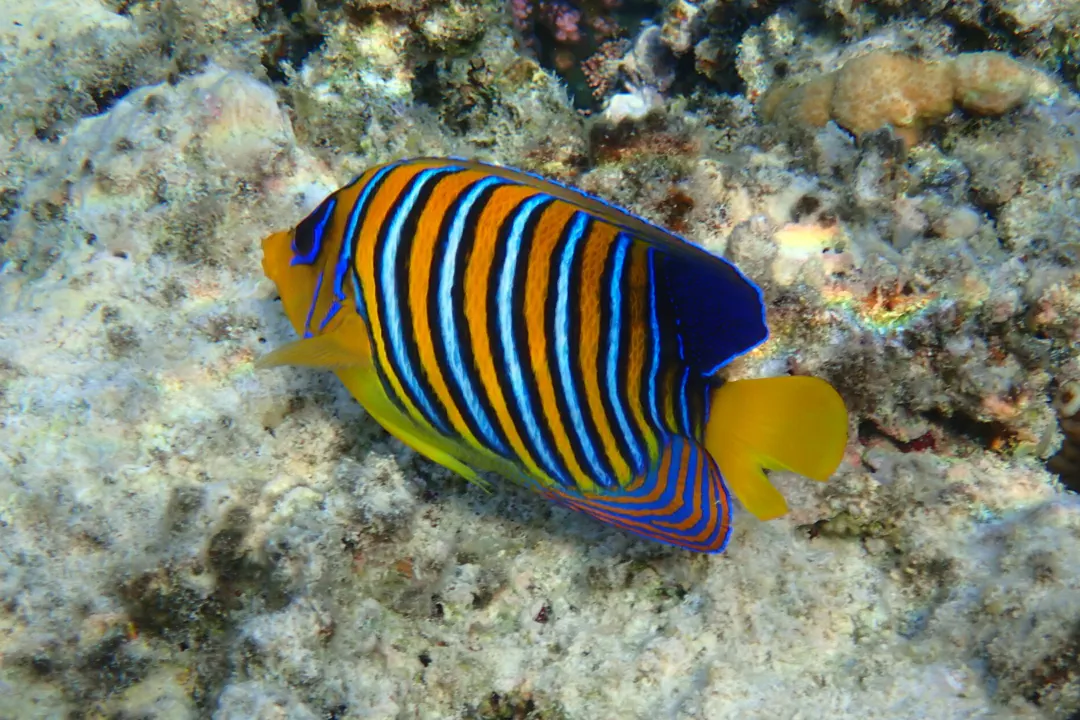
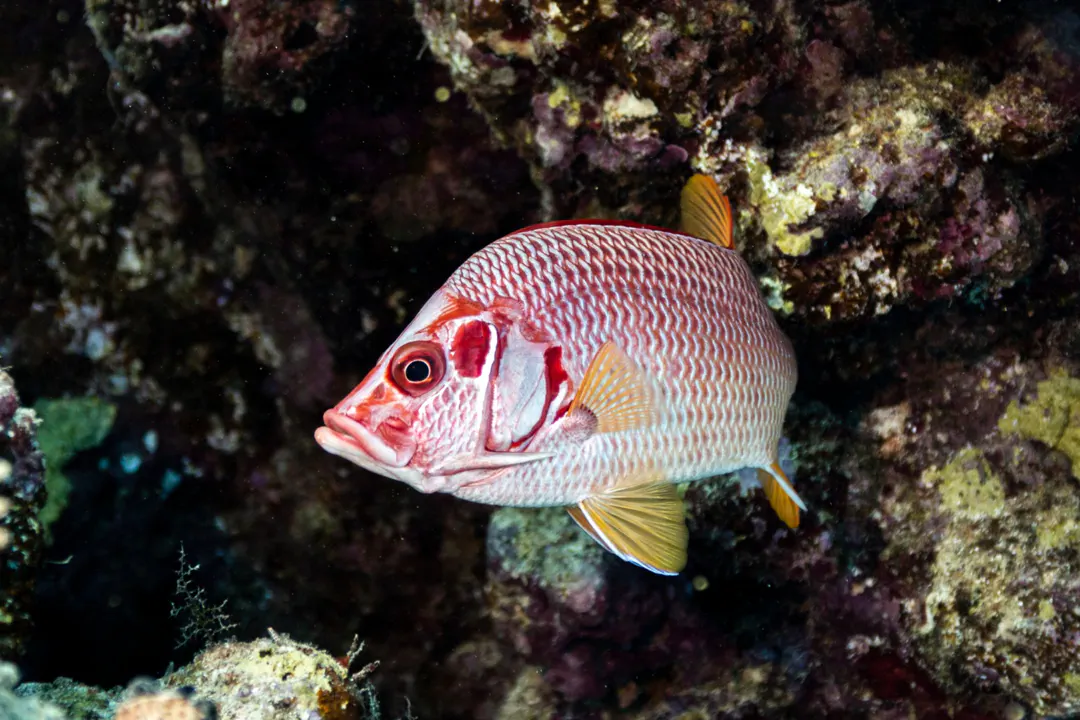
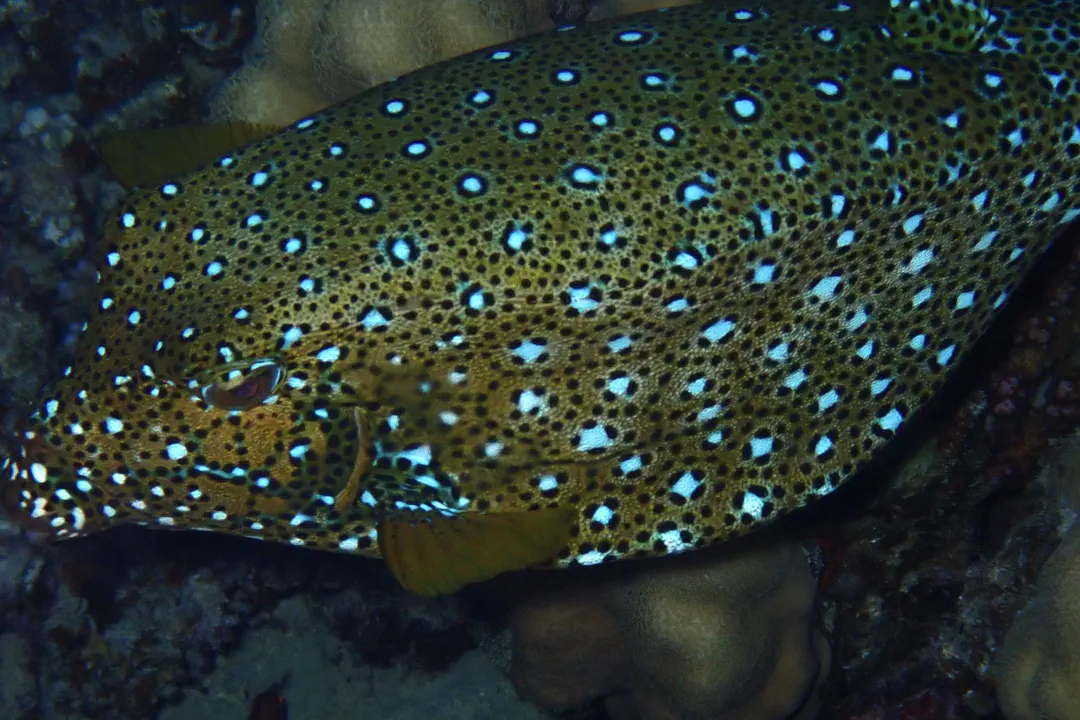
The northern Red Sea contains exceptional marine diversity, housing more than 1,200 fish species and over 200 soft and hard corals. Nearly ten percent of these species exist nowhere else on Earth, having evolved in relative isolation within the Red Sea basin. Endemic species like the Red Sea bannerfish, mask butterflyfish, and Arabian angelfish add distinctive colors to every dive.
Macro enthusiasts can discover cryptic life hiding among the reef structures with careful observation. Ornate ghost pipefish hover head-down beside sea whips, while colorful nudibranchs graze on encrusting sponges along shady overhangs. Logging species encountered during your dives using the Seabook app helps keep track of regional endemics and rare sightings like frogfish or blue-ringed octopus across Sinai dive sites.
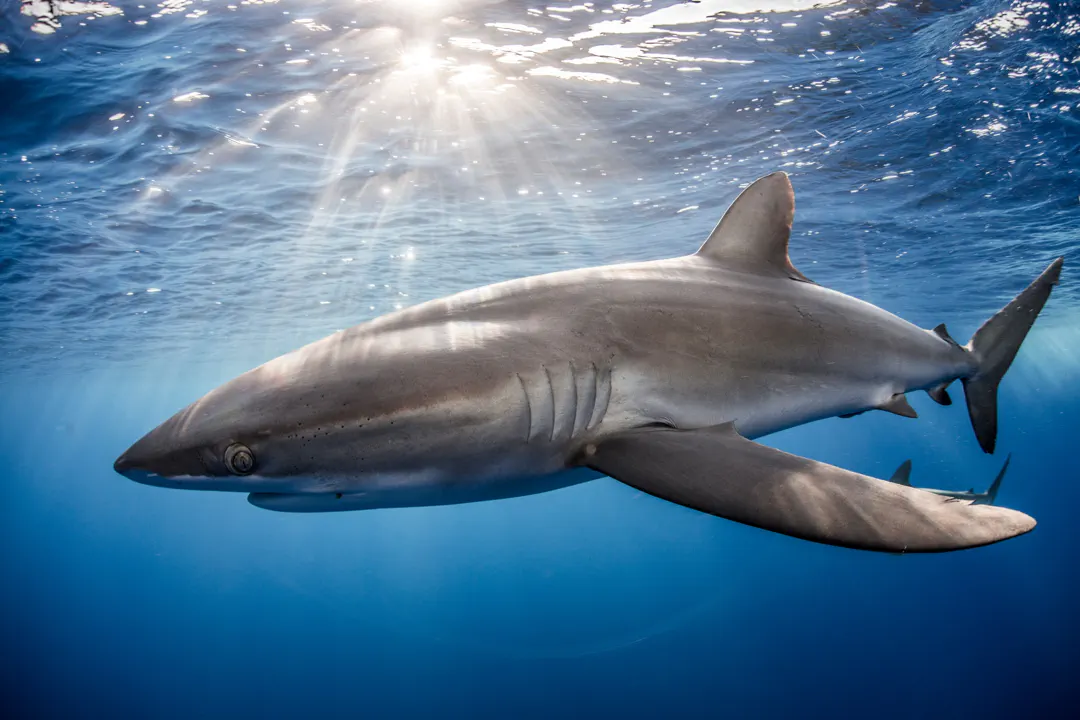
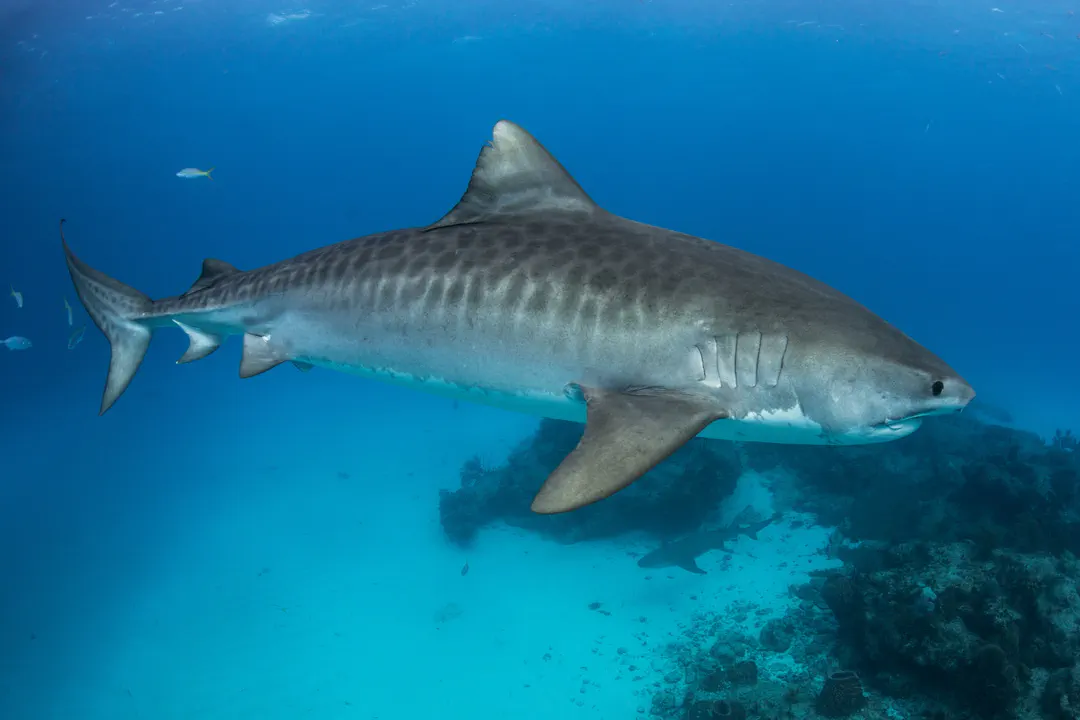
Larger marine species move continuously between the coastal fringing reefs and offshore pinnacles. Manta rays visit cleaning stations on shallow reef flats during plankton blooms, while titan triggerfish aggressively construct nests in sandy patches during spring. Solitary tiger sharks and oceanic whitetip sharks patrol deep water drop-offs, completing an intricate aquatic food chain.
 © seabook.appAll rights reserved
 © seabook.appAll rights reserved
 © R VasconcellosCC BY 4.0 · iNaturalist
 Jean-Paul BoerekampsCC0
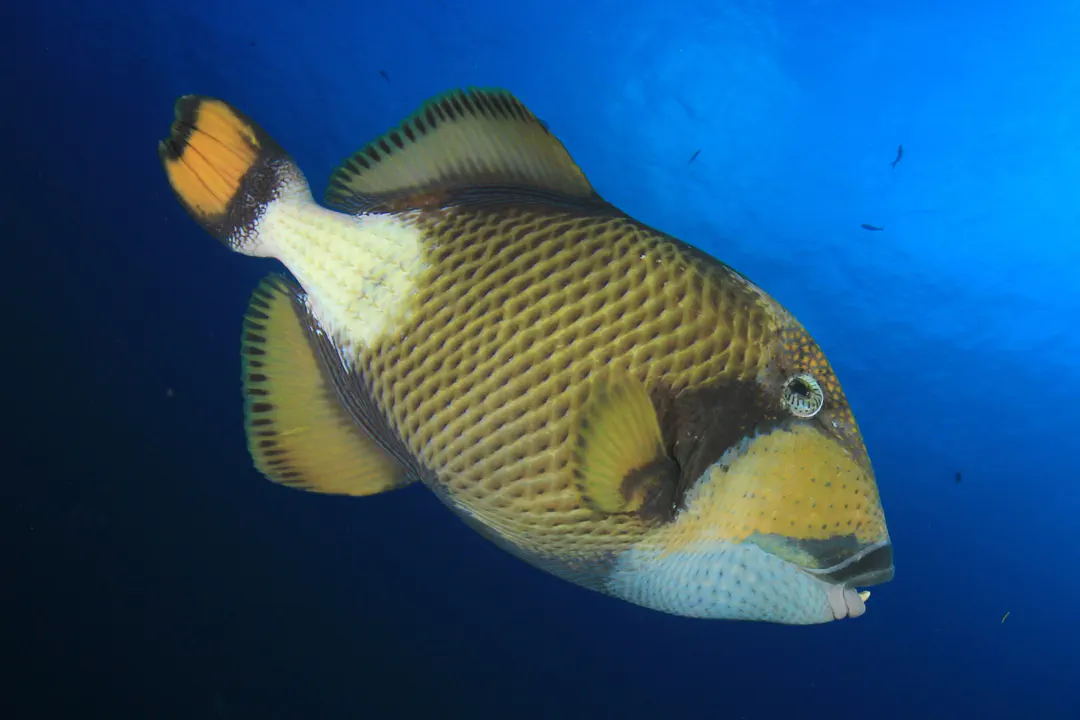 © seabook.appAll rights reserved
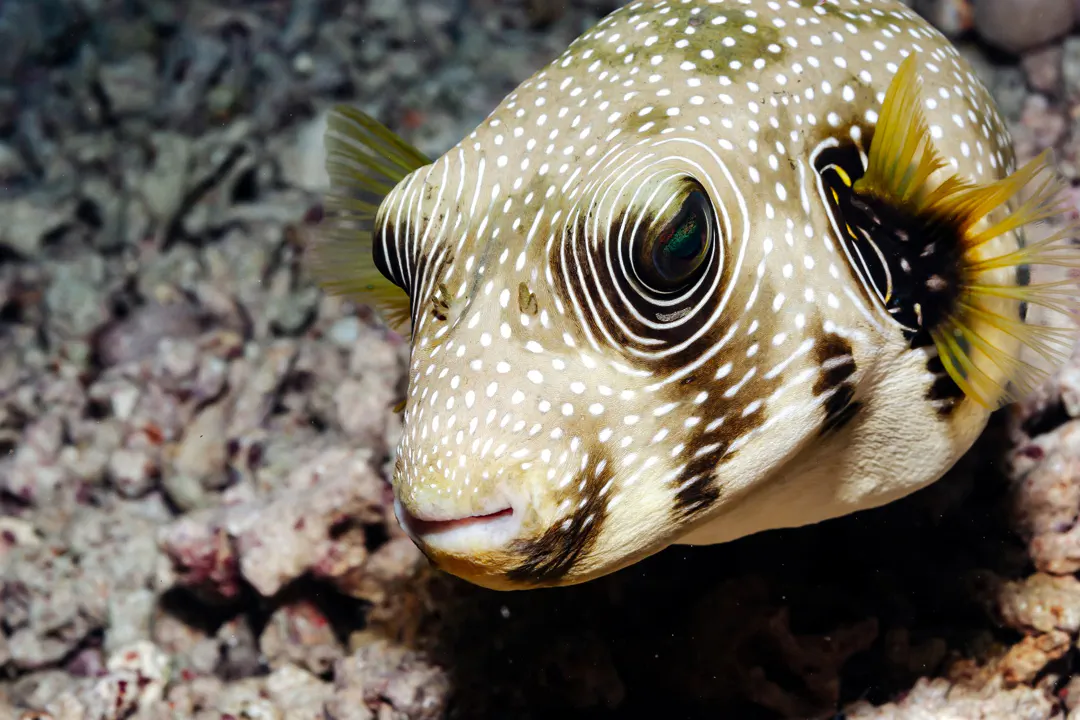 © seabook.appAll rights reserved
Is Sharm El Sheikh Good for Beginners and Snorkellers?
Sharm El Sheikh offers an excellent environment for novice divers and non-diving companions. Shallow, wave-protected bays such as Naama Bay, Shark's Bay, and Ras Um Sid provide calm waters with gentle sloping bottoms ideal for introductory training dives. Fringing reefs begin just meters from the shore, allowing snorkellers to view dense hard coral structures without entering deep water.
Snorkelling conditions in Ras Mohammed National Park are outstanding, with shallow reef flats packed with marine life accessible directly from day boats. Guided snorkelling trips visit sites like Main Beach and Eel Garden, where shallow water provides clear views of sea turtles, parrotfish, and giant clams. Calm morning surface conditions make boat excursions comfortable for non-divers.
Beginner divers should note that offshore locations require more advanced qualifications and experience. Sites in the Strait of Tiran and deep wrecks like the SS Thistlegorm feature washing-machine currents, negative entries, and deep depths suited for Advanced Open Water divers. Local dive centers structure daily schedules so beginners and experienced divers can visit appropriate sites matching their skill level.
Getting There and Practical Tips
Sharm El Sheikh International Airport (SSH) serves as the primary gateway, receiving direct flights from major European and Middle Eastern hubs year-round. Transfers from the airport to key resort areas like Naama Bay, Ras Um Sid, or Sharks Bay take between 15 and 30 minutes by taxi or private shuttle. Most dive centers provide free hotel pick-ups for daily boat departures.
Visitors can choose between staying at resort hotels with daily boat trips or booking a liveaboard safari. Resort-based daily boats leave the jetty around 8:00 AM and offer two to three dives per day in Ras Mohammed or Tiran, returning by mid-afternoon. Liveaboards operating out of Sharm El Sheikh run four- to seven-night itineraries, offering early morning dives on remote wrecks before day boats arrive.
Entry permits are required for Ras Mohammed National Park and are arranged by your dive center for a fee per day. Hyperbaric chambers are fully operational in Sharm El Sheikh, staffed by medical professionals specialized in diving medicine. Standard travel insurance should include hyperbaric treatment coverage and emergency medical evacuation for diving activities down to your certified depth limit.
Questions
Are there sharks in Sharm El Sheikh?
Yes, grey reef sharks, whitetip reef sharks, and blacktip reef sharks are commonly seen along drop-offs in Ras Mohammed and Tiran. Scalloped hammerhead sharks gather seasonally off Jackson Reef from June to September, while oceanic whitetip sharks occasionally visit offshore reefs during autumn.
Can you see turtles in Sharm El Sheikh?
Hawksbill and green sea turtles are frequently encountered throughout Ras Mohammed National Park and coastal sites like Ras Um Sid. They are commonly observed feeding on sponges along shallow drop-offs or resting on sandy ledges between 5 and 18 metres depth.
What level of diving certification is needed for Sharm El Sheikh?
Open Water divers can comfortably enjoy sheltered coastal sites, shallow coral gardens, and protected bays around Sharm El Sheikh. However, an Advanced Open Water certification is strongly recommended to dive the SS Thistlegorm wreck, deep walls in Thomas Reef, and current-swept drift sites in the Strait of Tiran.
Is Sharm El Sheikh better for liveaboard or day-boat diving?
Both options excel depending on your focus. Day-boat diving allows you to stay in comfortable shore accommodation while visiting Ras Mohammed and Tiran daily. A liveaboard trip is ideal if you want early morning, crowd-free access to distant wrecks like the SS Thistlegorm and remote reefs further down the Gulf of Suez.
How warm is the water in Sharm El Sheikh in October?
Water temperatures in October range between 26°C and 27°C (79°F to 81°F). These conditions offer warm, pleasant diving that typically requires only a 3mm or 5mm wetsuit, accompanied by calm seas and clear visibility.
Can non-divers snorkel at Ras Mohammed National Park?
Yes, Ras Mohammed offers exceptional snorkelling opportunities along its protected shallow reef crests. Day boats feature dedicated guides for snorkellers, and designated shore entry points like Main Beach allow easy access to shallow coral gardens teeming with reef fish.

