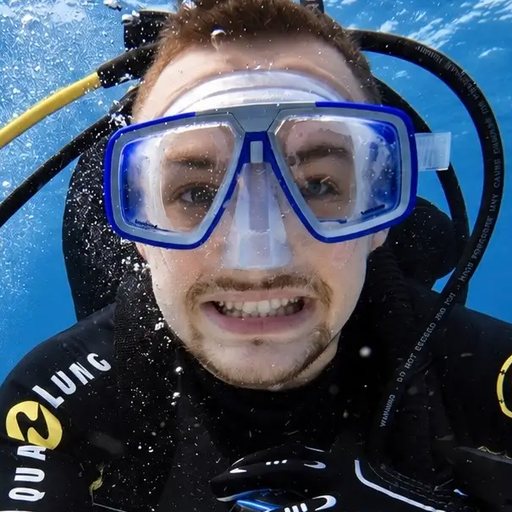
At fifteen metres below the surface at Cod Hole, a hundred-kilogram potato cod swivels its pectoral fins to hold steady against a gentle flood tide. Golden light shafts filter through five-metre table corals, illumination catching the dark polka-dot mottling on the grouper's massive flank. It inches forward until its blunted snout drifts within hand's reach, opening its gills wide as cleaner wrasse dart between its teeth.
Diving in the Great Barrier Reef spans over 2,300 kilometres of Australia's northeastern coastline, delivering encounters with over 1,500 fish species and 400 soft and hard coral varieties. The prime season runs during the dry winter months from June through October, when southeast trade winds settle, delivering visibility ranging from 15 to 40 metres. Sea surface temperatures fluctuate between 22°C in southern reefs during July and 29°C across northern waters in January.
Key diving destinations range from Lizard Island's remote northern reefs to town-adjacent offshore systems near Cairns, Port Douglas, and Ayr. Divers encounter signature marine life including dwarf minke whales, green sea turtles, white-tip reef sharks, and giant potato cod across varied habitats. Shallow outer reef platforms accommodate new divers and snorkellers, while deep pinnacles and oceanic walls like Osprey Reef require advanced certification.
What Is Diving in the Great Barrier Reef Like?
The marine structure along the Queensland continental shelf divides into distinct ecological zones, each presenting different sea conditions and species profiles. Inner reefs rest closer to the mainland, where shallow coral gardens sit in 5 to 15 metres of water over sandy bottoms, shaded by coastal river outflows. Outer barrier reefs sit 30 to 70 kilometres offshore, where oceanic swells crash against coral walls and visibility routinely reaches 25 metres. Further out in the Coral Sea, isolated oceanic atolls rise from depths exceeding 1,000 metres, swept by clear currents that draw large pelagic predators.
Current strength varies sharply depending on tidal movements and geographic exposure across the reef matrix. Coastal sites feature calm, shallow lagoons with minimal current, allowing comfortable bottom time for novice divers observing anemonefish and giant clams. Outer edge drop-offs and narrow reef channels experience swift tidal surges up to three knots, where schools of chevron barracuda and grey reef sharks gather to feed on drift plankton.
Coral growth mirrors these physical forces, with delicate branching staghorn colonies lining protected lagoons while massive brain corals and boulder formations anchor the surge-beaten seaward slopes. Phototropic soft corals spread colorful fans across shaded overhanging ledges, harbouring nudibranchs, mantis shrimp, and juvenile reef fish. Planning a trip requires choosing between single-day boat runs to intermediate outer sites and multi-day liveaboard journeys out to the oceanic drop-offs.
Best Time to Dive in the Great Barrier Reef
The region experiences two primary weather seasons that dictate underwater visibility, sea state, and marine species movements. The dry winter season running from June to October brings stable weather, low rainfall, and clear water carried by prevailing trade winds. Visibility peaks at 30 to 40 metres along the Ribbon Reefs and northern drop-offs during these months, while water temperatures cool to their annual minimum.
Late spring and early summer from October to December mark a transformation across the underwater ecosystem as waters warm rapidly. Annual coral spawning events occur three to six nights after the full moon in November, releasing billions of pink egg and sperm bundles that coat the surface and attract filter-feeding marine life. Seas remain calm, and daytime air temperatures average 30°C, though humidity increases steadily toward the summer wet period.
The summer wet season from January to May brings tropical rain showers, higher sea temperatures up to 29°C, and occasional monsoonal low-pressure systems. Freshwater runoff reduces visibility at inner reefs to 10 metres, though oceanic sites far offshore maintain clarity. Marine stingers, including box jellyfish and Irukandji, inhabit calm coastal shores during these months, making full-length exposure suits necessary for all water entries.
Great Barrier Reef Water Temperature by Month
Water temperature
Great Barrier Reef, Australia, monthly average
Great Barrier Reef area near Cairns, Queensland (most popular diving region in Australia); surface temperatures for tropical coral reef diving
Sea surface temperatures shift predictably along latitude and seasonal cycles, shaping equipment choices for divers throughout the year. Northern sectors around Lizard Island stay warmer, fluctuating between 24°C in winter and 29°C in mid-summer. Southern sectors near Townsville and the Whitsundays drop to 22°C in July and August, requiring thicker neoprene protection for multi-dive days.
During the winter months from June to September, a 3mm to 5mm full wetsuit keeps divers comfortable during three or four repetitive daily dives. Thermal hood vests or additional under-layers prove useful on multi-day liveaboard itineraries where extended bottom times gradually draw core heat. Water clarity is high, meaning solar radiation penetrates deep into the water column even during cooler months.
From November through April, warm water allows most divers to wear lightweight 3mm suits or full-body lycra stinger suits. While thermal protection becomes less critical in 28°C water, full-length coverage remains essential across northern Queensland to guard against hydroid stings, sharp coral heads, and venomous jellyfish tentacles.
Best Dive Sites in the Great Barrier Reef
Key diving zones distribute along hundreds of nautical miles of continental shelf, offering entry points tailored to different experience levels and travel schedules. Cairns and Port Douglas serve as primary departure hubs for day trips to outer reef systems like Agincourt, where floating platforms provide easy access. Advanced liveaboard vessels depart these same ports, heading north toward Lizard Island or out into the deep open waters of the Coral Sea.
Cod Hole (Lizard Island): giant potato cod encounters
At the northern tip of the Ribbon Reefs near Lizard Island, Cod Hole features a gently sloping coral arena resting between 10 and 20 metres depth. Sandy channels meander between massive bommies covered in hard coral heads, where resident potato cod (*Epinephelus tukula*) grow over two metres long and weigh up to 110 kilograms. These large groupers show remarkable curiosity, hovering inches from divers' masks as they navigate the site.
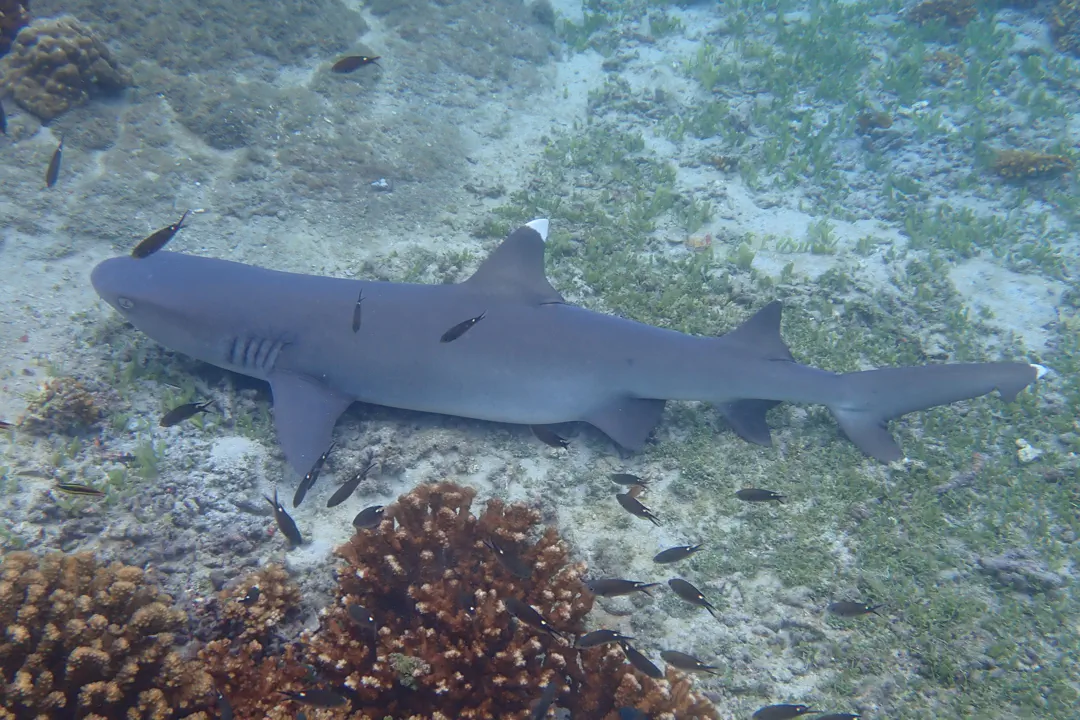
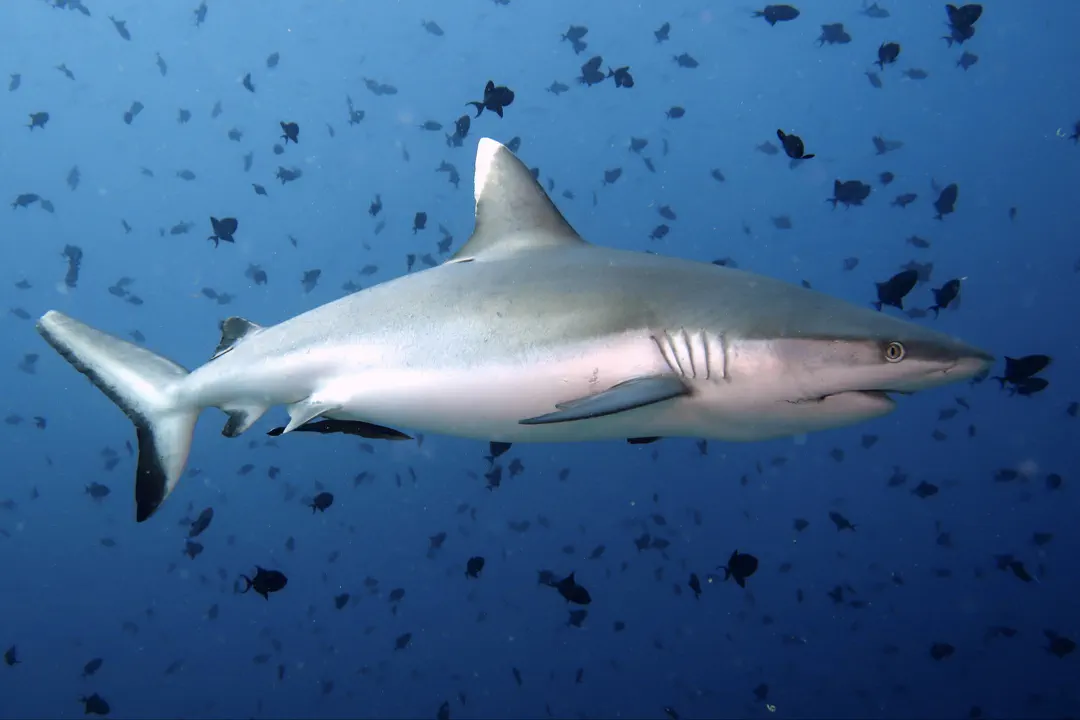
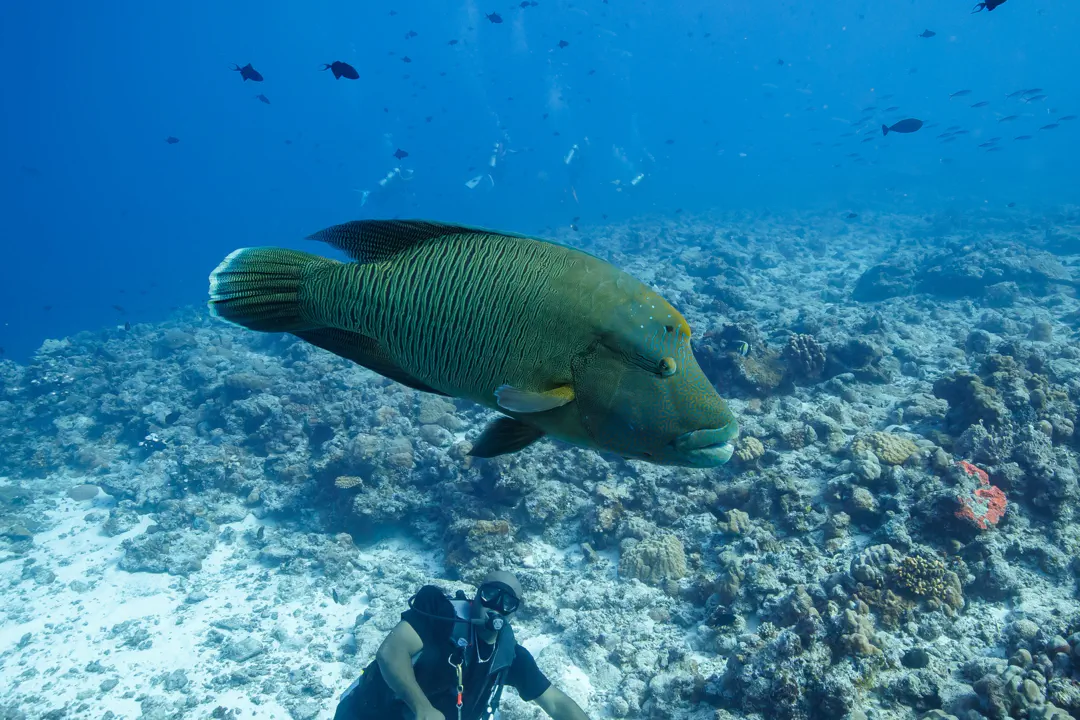
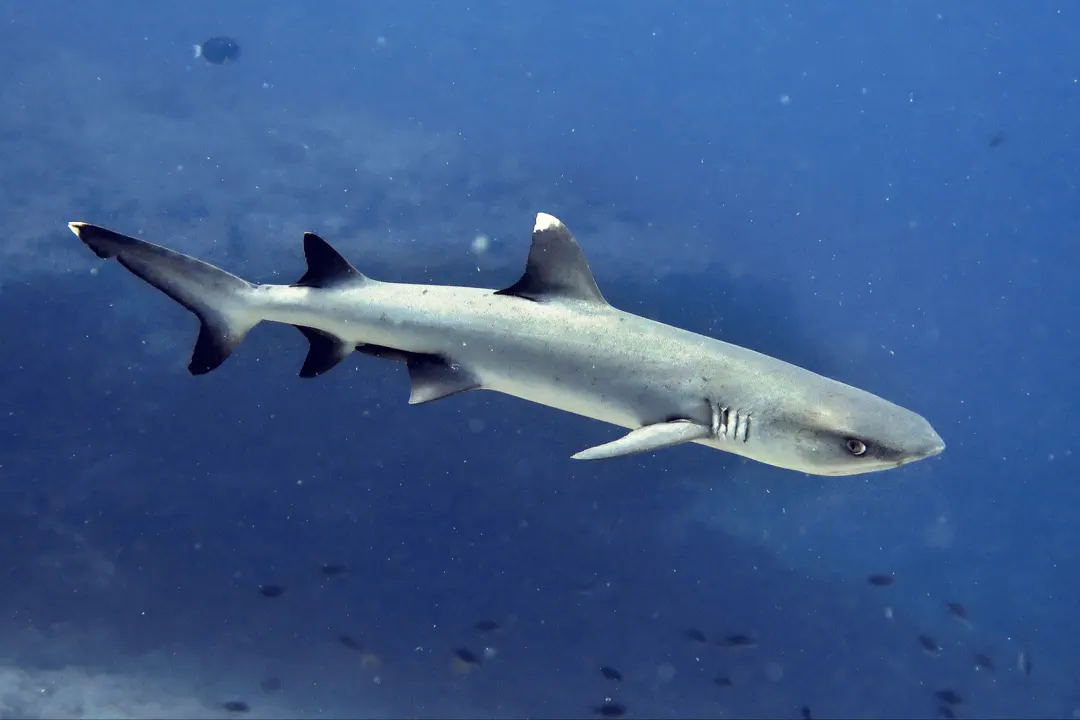
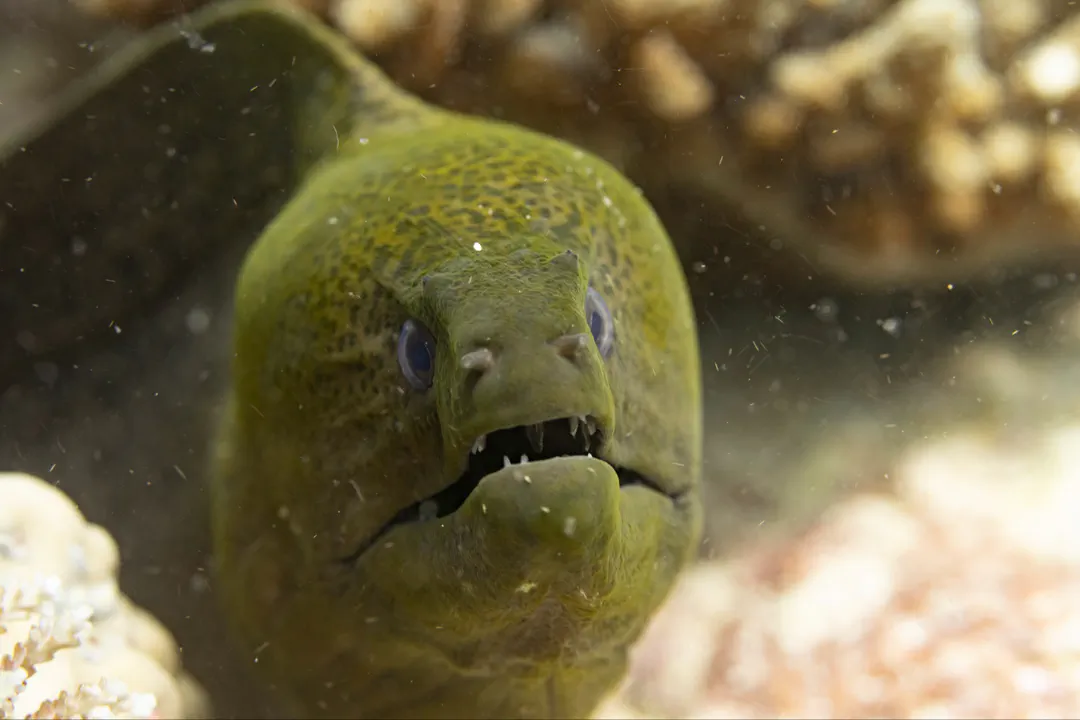
Grey reef sharks (*Carcharhinus amblyrhynchos*) cruise the deeper sandy margins at 20 metres, where the slope drops into open channel water. Maori wrasse (*Cheilinus undulatus*) with thick turquoise scales and distinct humpheads weave through branching staghorn formations searching for invertebrates. Whitetip reef sharks (*Triaenodon obesus*) rest on the floor inside open overhangs, while giant moray eels (*Gymnothorax javanicus*) extend their jaws from crevices along the bommie bases.
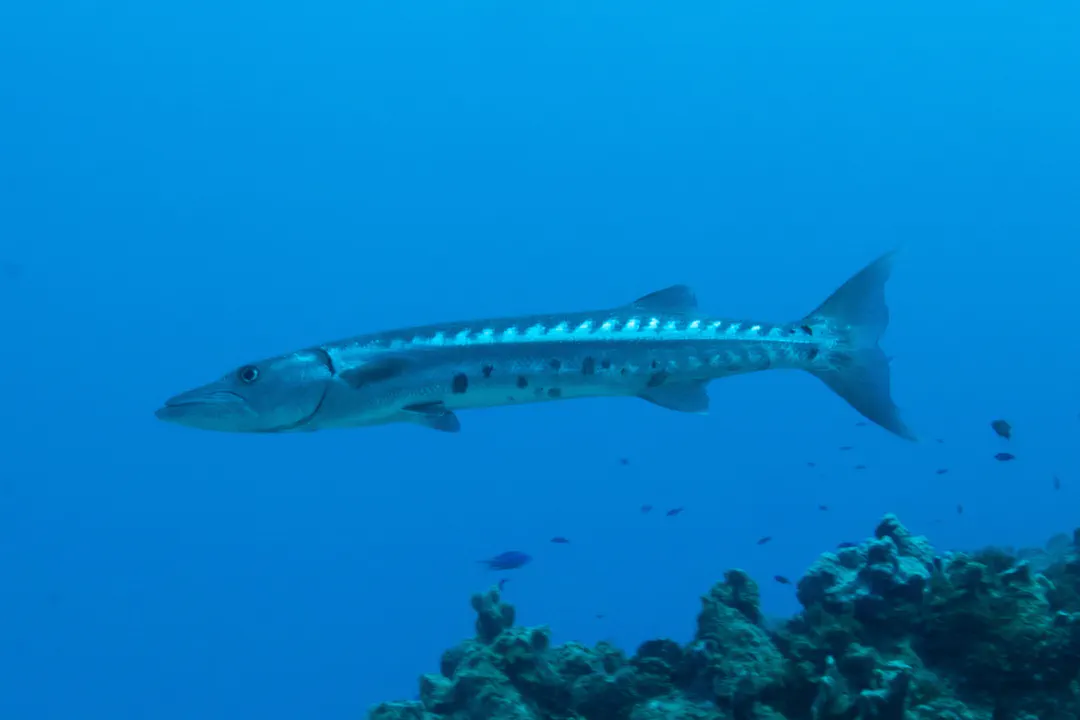
Gentle to moderate currents push nutrient-rich water across the top of the reef, feeding schools of red bass (*Lutjanus bohar*) and coral trout (*Plectropomus leopardus*). Great barracuda (*Sphyraena barracuda*) patrol upper water layers in small groups, hunting fusiliers above the hard coral gardens. The shallow depth profile allows long bottom times with exceptional natural lighting for underwater observation.
Depth: 10-30 m. Access: liveaboard boat, 4 hours from Lizard Island or overnight from Cairns. Level: Open Water. Best months: June-November.
 © Ian ShawAll rights reserved
 © Daniel BenákCC BY 4.0 · iNaturalist
 © seabook.appAll rights reserved
 © Daniel BenákCC BY 4.0 · iNaturalist
 © cello caruso-turielloCC BY 4.0 · iNaturalist
 © Dan SchofieldCC BY 4.0 · iNaturalist
Osprey Reef (Coral Sea): shark feeding drop-offs
Rising vertically out of 1,000 metres of abyssal blue water in the Coral Sea, Osprey Reef is an isolated oceanic atoll located 350 kilometres offshore from Cairns. The northern point, known as North Horn, forms an amphitheatre carved into a sheer underwater cliff face that plummets straight into the dark abyss. Constant deep-water upwellings create water visibility exceeding 40 metres year-round.
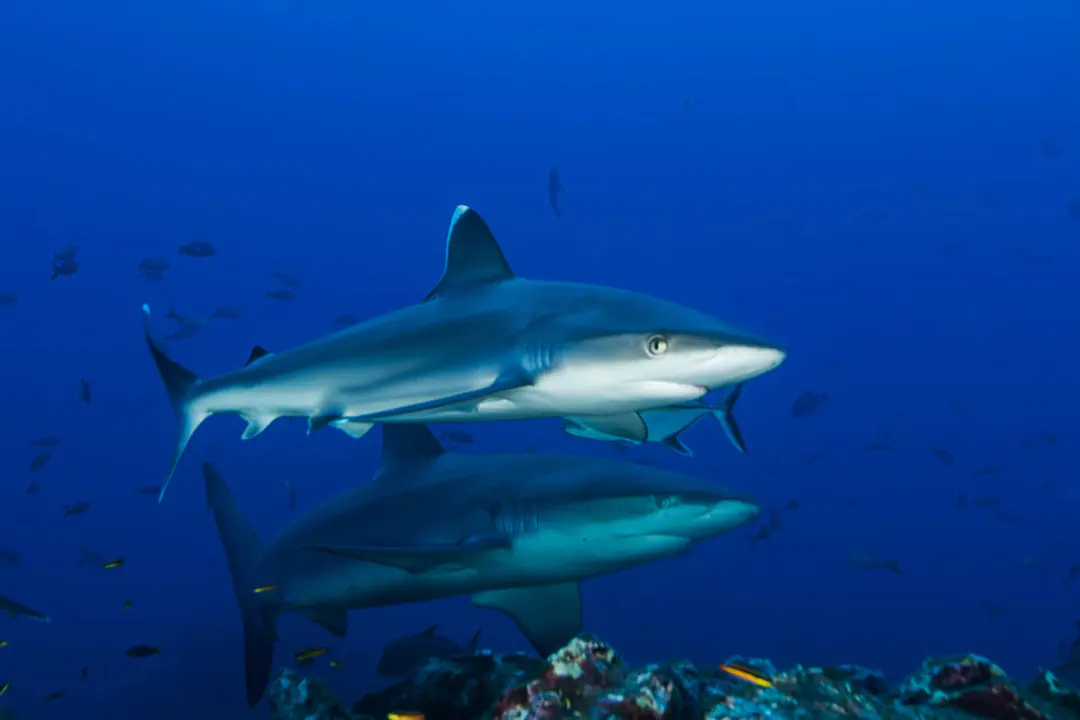
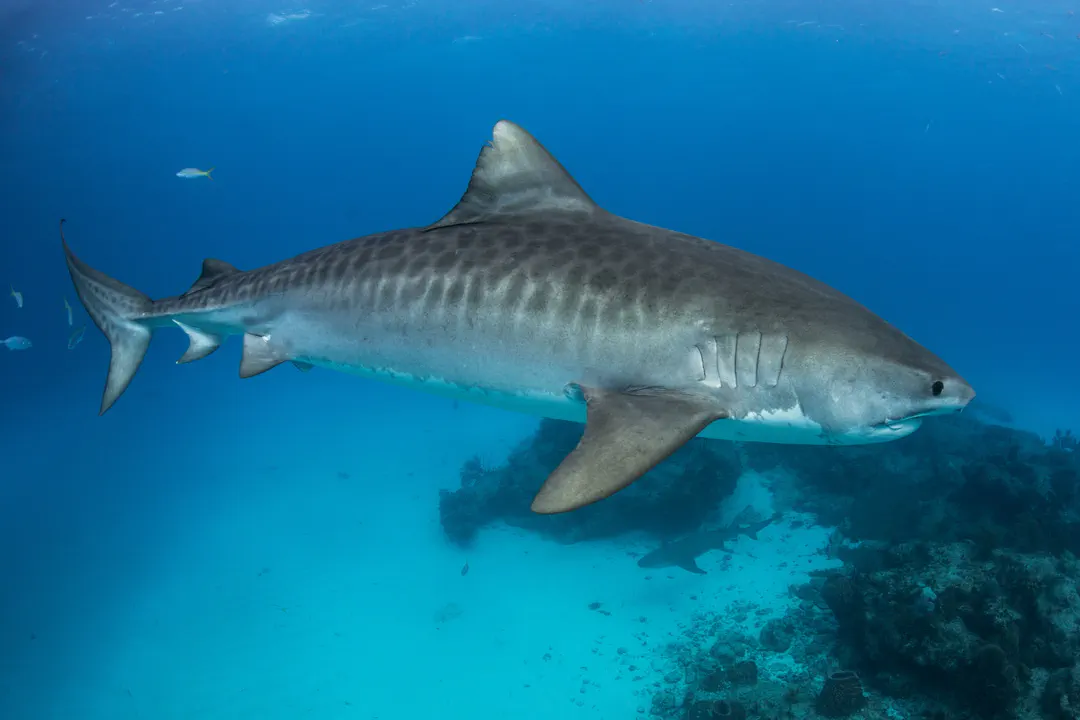
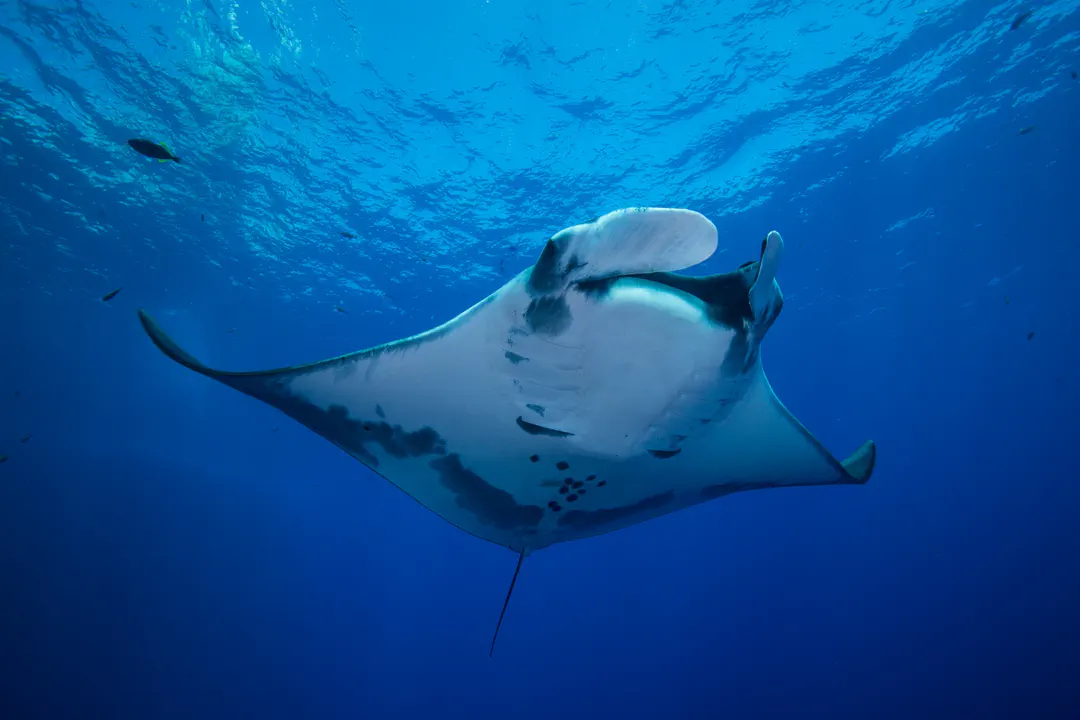
Dozens of grey reef sharks (*Carcharhinus amblyrhynchos*) and silvertip sharks (*Carcharhinus albimarginatus*) patrol the edge of the drop-off, riding swift oceanic currents. Solitary tiger sharks (*Galeocerdo cuvier*) and scalloped hammerheads (*Sphyraena lewini*) occasionally emerge from the deep blue gloom below 30 metres. Reef manta rays (*Manta alfredi*) glide over shallow cleaning stations along the crest of the wall at 12 metres.
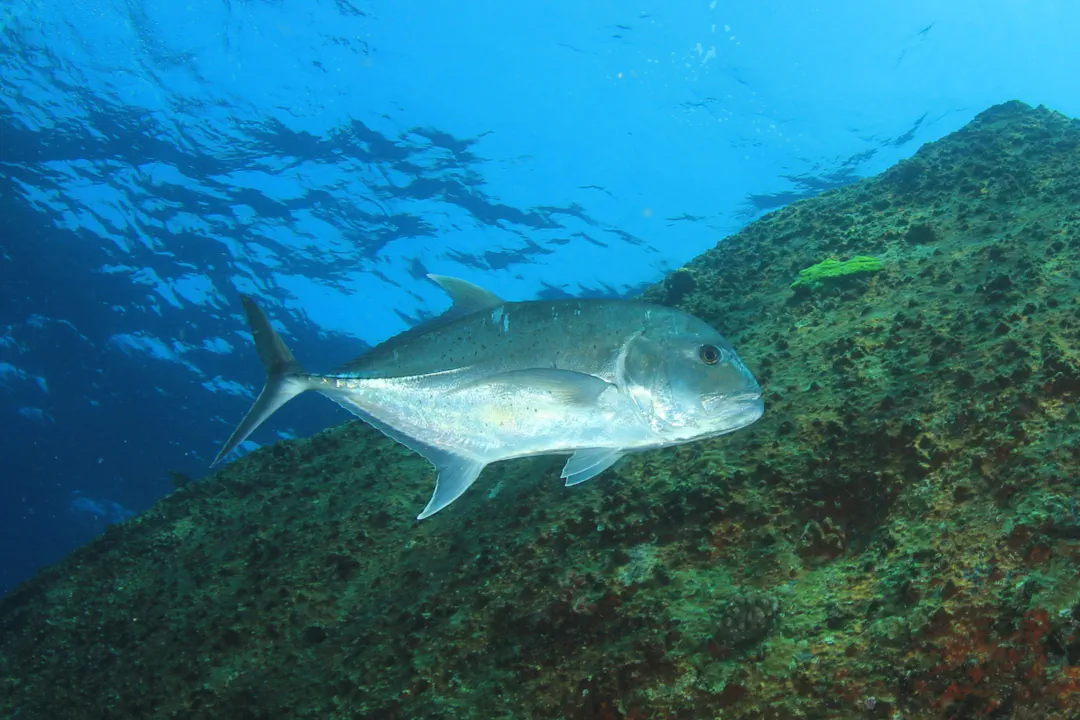
Giant trevally (*Caranx ignobilis*) dart between red sea whips that anchor to the vertical rock face. Spotted eagle rays (*Aetobatus ocellatus*) fly in formation along the outer current lines, while orange-shoulder surgeonfish (*Naso lituratus*) graze along the upper coral shelf. Heavy ocean currents require sound buoyancy control and comfort in deep blue water environments.
Depth: 12-40 m. Access: liveaboard boat, 12 hours northeast of Cairns. Level: Advanced Open Water. Best months: June-December.
 © seabook.appAll rights reserved
 © seabook.appAll rights reserved
 © seabook.appAll rights reserved
 © seabook.appAll rights reserved
SS Yongala (Ayr): historic shipwreck packed with marine life
Sunk by a tropical cyclone in 1911, the 110-metre passenger steamship SS Yongala rests intact on a flat, barren sand bed at a depth of 28 metres off the coast of Ayr. Because the steel hull serves as the only solid structure for kilometres around, it acts as an artificial reef magnet, holding an extraordinary density of sea life. The upper deck sits at 15 metres depth, encrusted with soft corals, sponges, and hydroids.
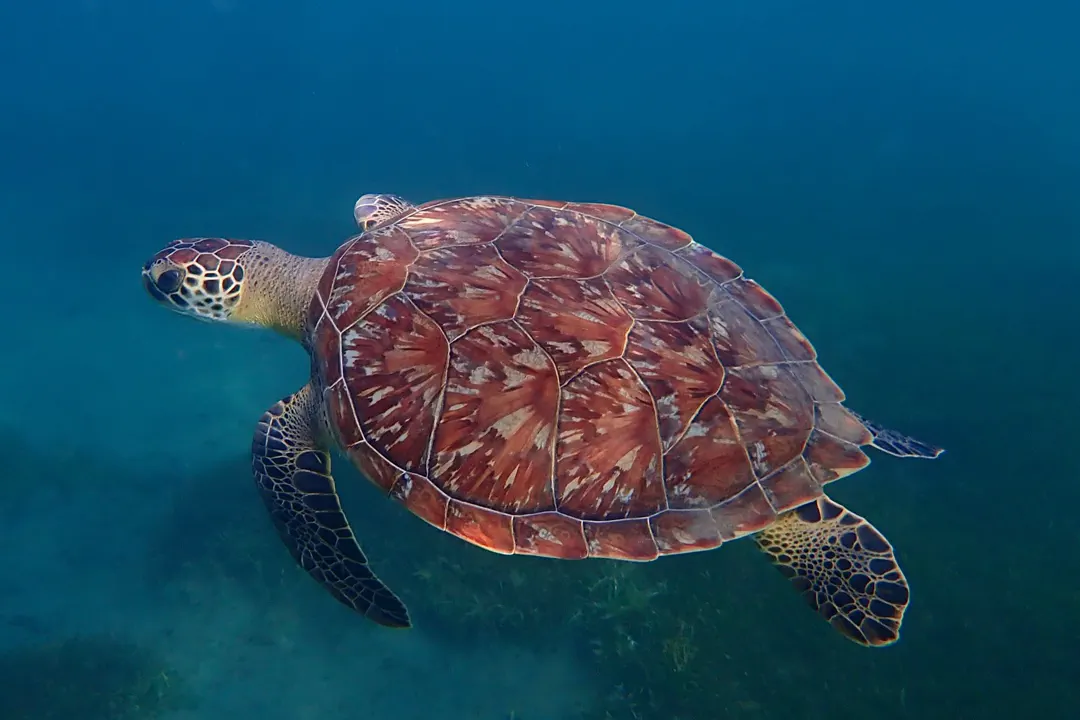
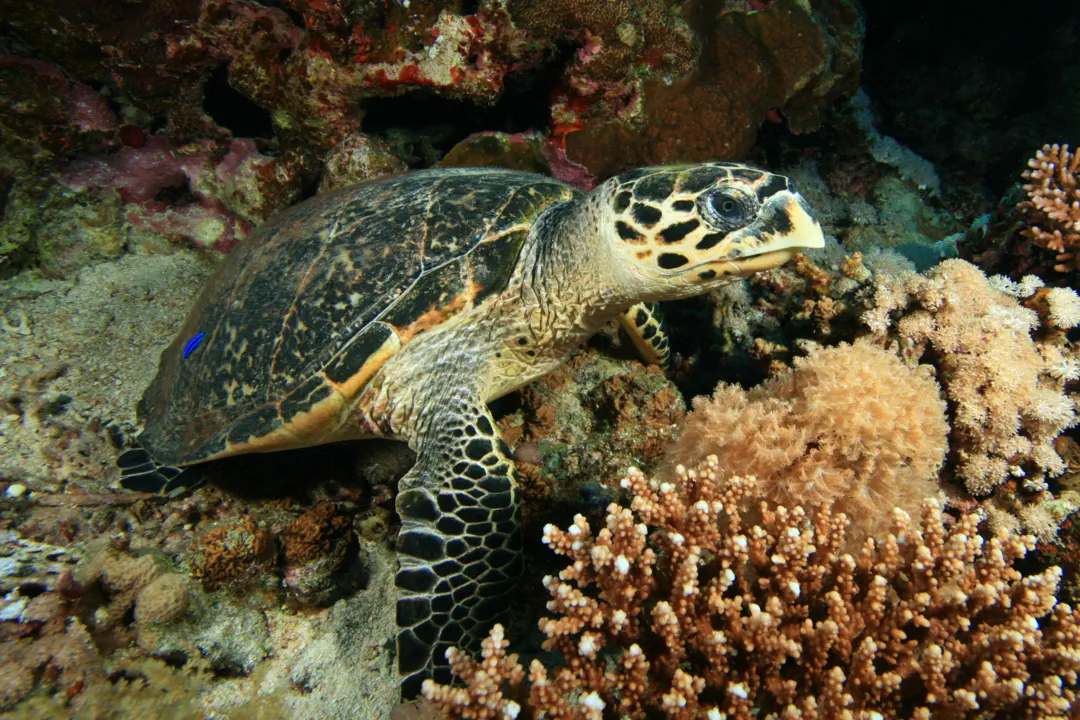
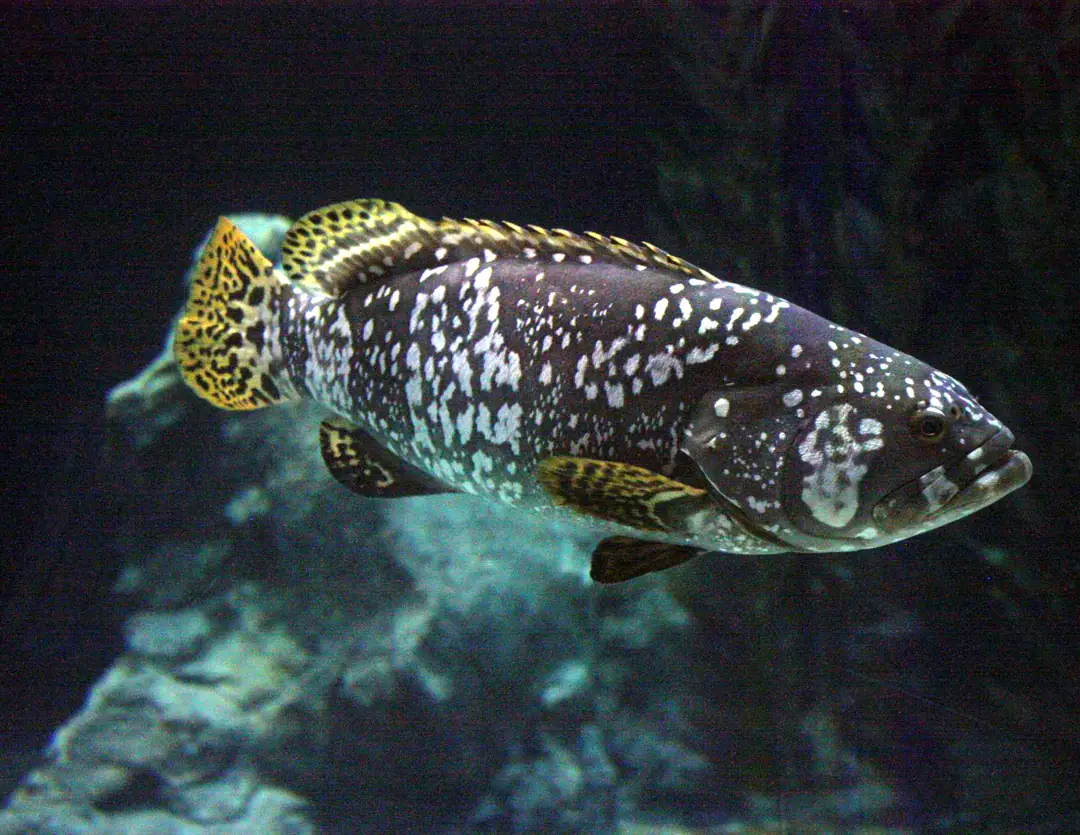
Green sea turtles (*Chelonia mydas*) and hawksbill turtles (*Eretmochelys imbricata*) rest directly on the rusted iron plates or surface to breathe before returning to the superstructure. Massive giant groupers (*Epinephelus lanceolatus*) exceeding two metres in length dwell inside the dark cargo holds, while elegant sea snakes (*Hydrophis elegans*) glide smoothly from the deck to the surface.
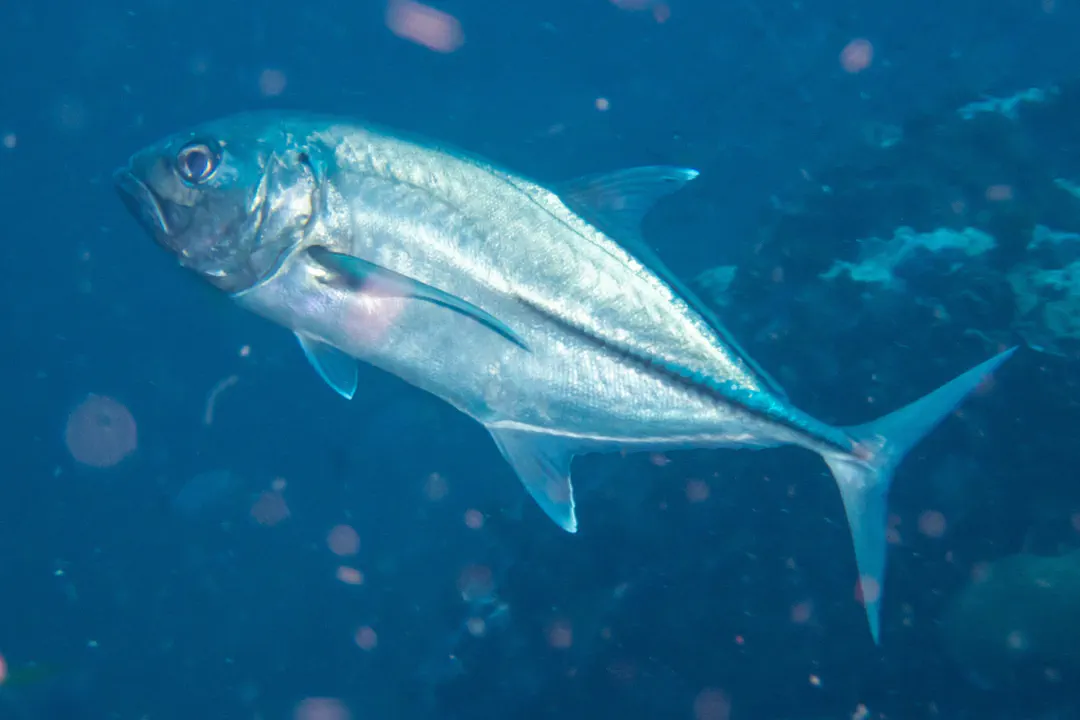
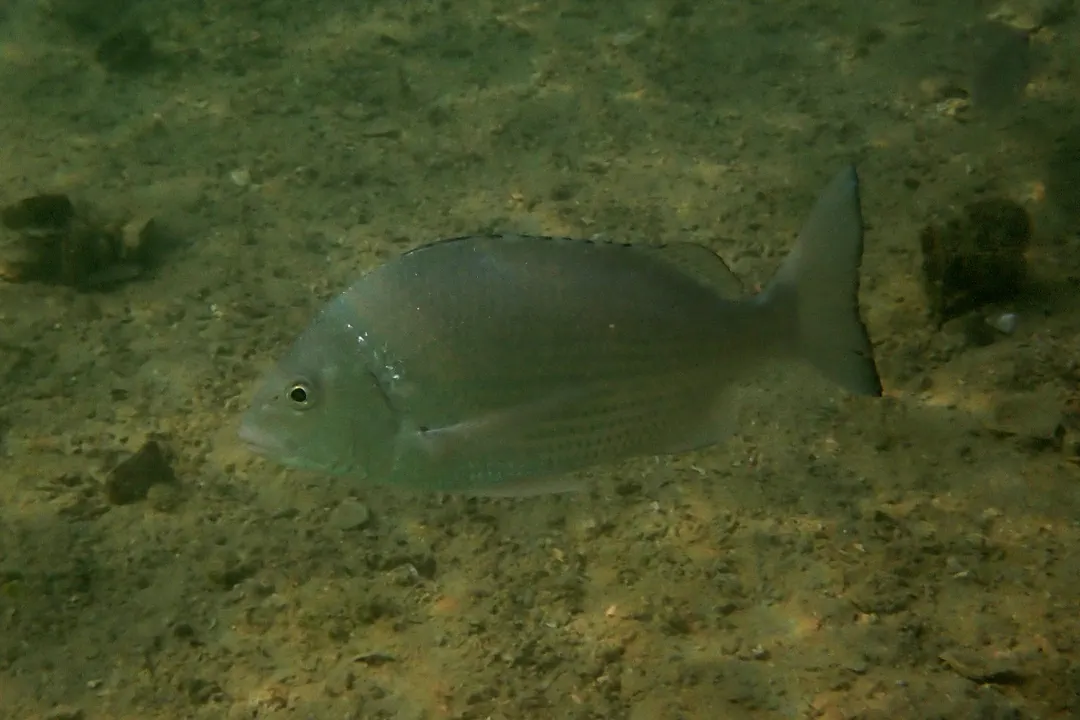
Dense shoals of bigeye trevally (*Caranx sexfasciatus*) form tight, rotating silver tornadoes above the bow, while Spanish mackerel (*Scomberomorus commerson*) dart through the mid-water column hunting baitfish. Goldbody bream (*Rhabdosargus sarba*) shelter in the lee of the hull away from the strong coastal currents that sweep across open water. Penetration inside the wreck is strictly prohibited to preserve both the heritage structure and diver safety.
Depth: 15-30 m. Access: boat, 30 minutes from Alva Beach (Ayr). Level: Advanced Open Water. Best months: May-November.
 © Matteo BellucciCC BY 4.0 · iNaturalist
 © seabook.appAll rights reserved
 © portioidCC BY 4.0 · iNaturalist
 © Ben JobsonCC BY 4.0 · iNaturalist
 © Pauline FeyAll rights reserved
 © HombreCC BY-SA 4.0
Agincourt Reef (Port Douglas): pristine outer reef gardens
Situated on the absolute edge of Australia's continental shelf off Port Douglas, Agincourt Reef consists of a series of ribbon-like reef patches bathed in clear oceanic water. Depths across the site average 5 to 20 metres, where shallow coral gardens support dense thickets of staghorn and hard brain corals. The high water clarity provides conditions for sunlight to reach deep into the coral beds.
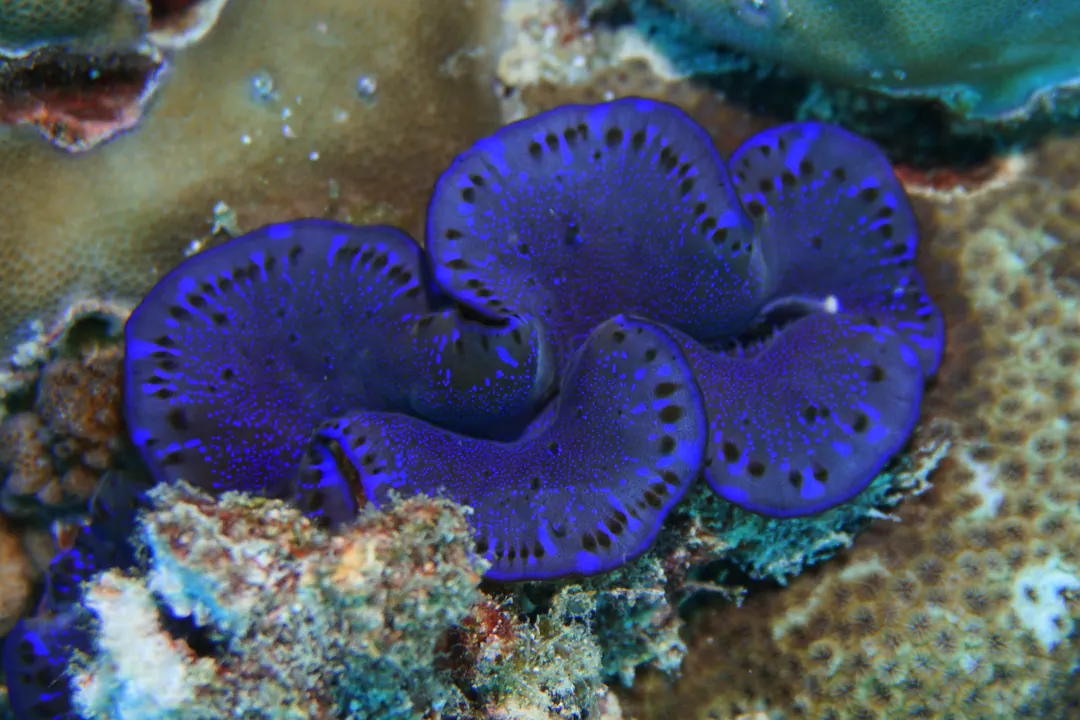
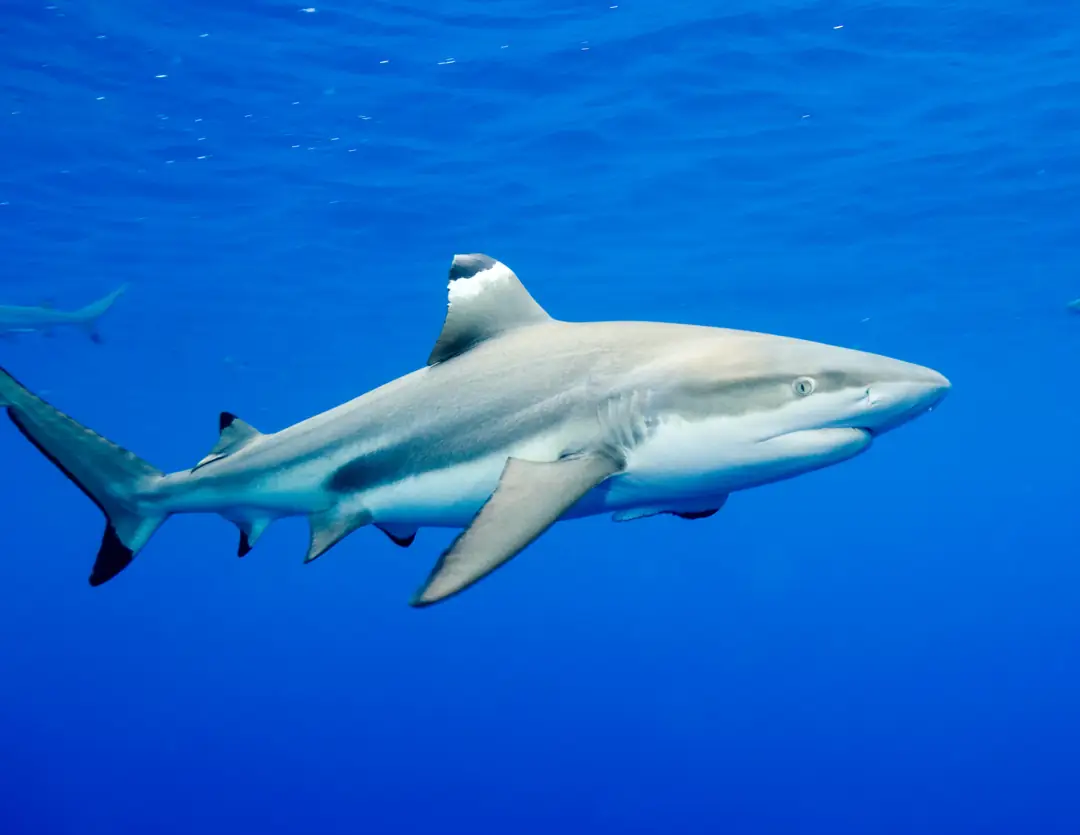
Clown anemonefish (*Amphiprion percula*) nest within soft sea anemones along shallow reef tops, aggressively guarding their territory against curious divers. Giant clams (*Tridacna gigas*) measuring over a metre across embed into the hard substrate, displaying vivid blue, green, and iridescent mantle patterns. Blacktip reef sharks (*Carcharhinus melanopterus*) cruise the shallow turquoise lagoons in water less than three metres deep.
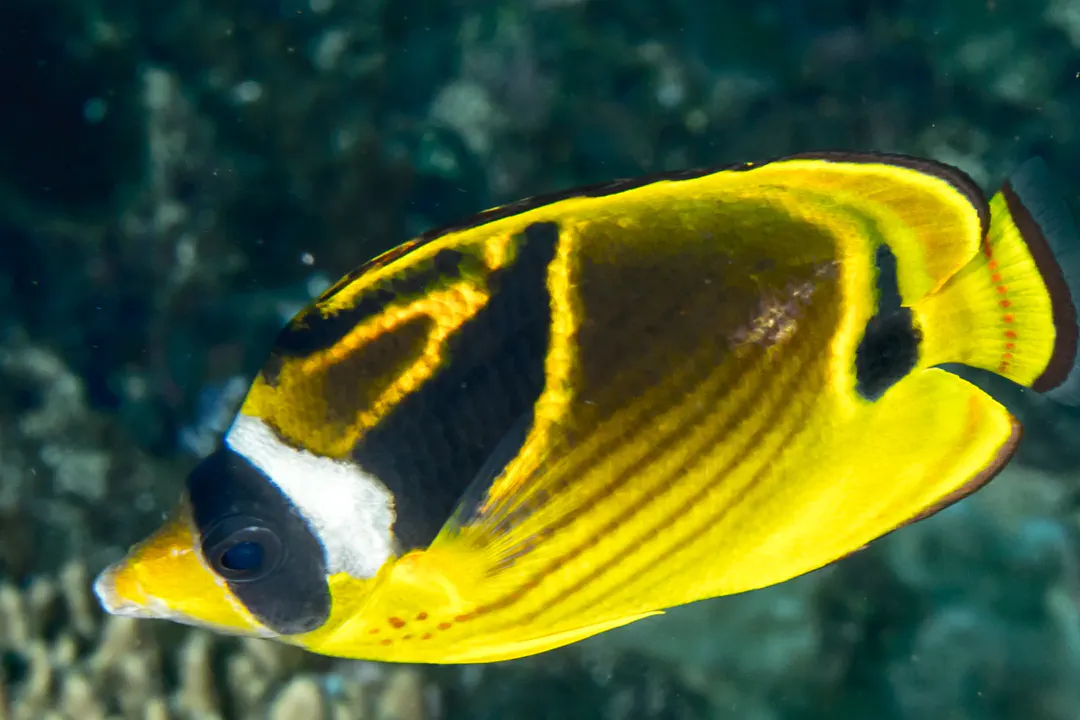
Redtail butterflyfish (*Chaetodon lunula*) and lined surgeonfish (*Acanthurus lineatus*) pick at algae encrusting the coral heads, while Bleeker's parrotfish (*Chlorurus bleekeri*) scrape hard coral with beak-like teeth. Red lionfish (*Pterois volitans*) spread feather-like pectoral fins under small ledges, hunting small glassfish. The minimal current and shallow depths make Agincourt ideal for relaxed bottom times and multi-level dives.
Depth: 5-20 m. Access: day boat, 90 minutes from Port Douglas. Level: Open Water. Best months: April-December.
 © Stas KuryanAll rights reserved
 © seabook.appAll rights reserved
 © Rickard ZerpeCC BY 4.0 · iNaturalist
 © Petr KnotekCC BY 4.0 · iNaturalist
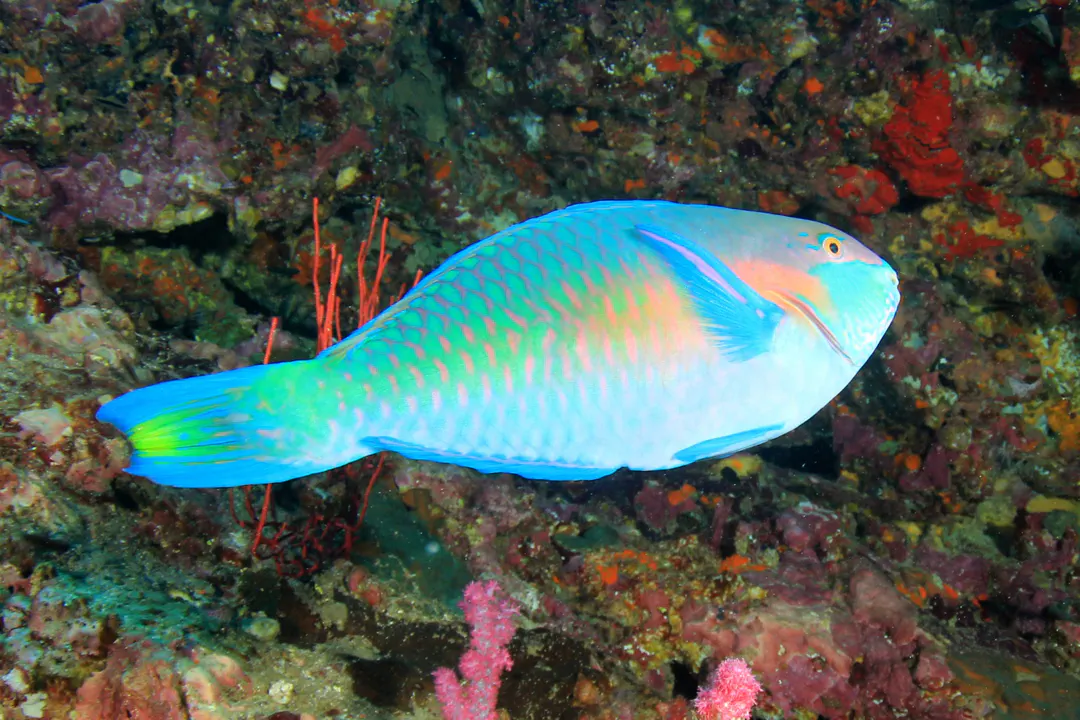 © seabook.appAll rights reserved
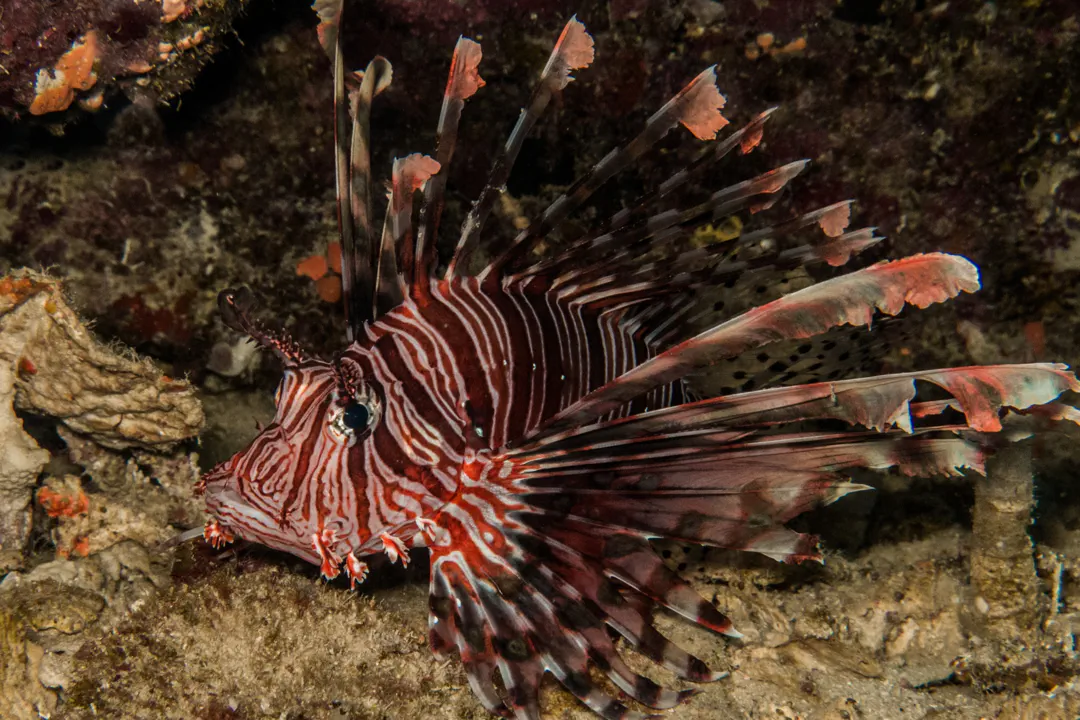 © João D'AndrettaCC BY 4.0 · iNaturalist
Steve's Bommie (Ribbon Reefs): isolated pinnacle with macro species
Steve's Bommie is an isolated coral pinnacle rising dramatically from a sandy seabed at 30 metres up to within 3 metres of the surface in the Ribbon Reefs sector. The vertical rock pillar features deep overhangs, small caves, and dense growths of yellow tube sponges and gorgonian fans. Its isolated position in the channel attracts both small organisms and large pelagic species seeking cleaning stations.
Sharp-eyed divers search the soft coral branches for Bargibant's pygmy seahorses (*Hippocampus bargibanti*), which grow no larger than two centimetres and match the exact pink coloration of their host fans. Commerson's frogfish (*Antennarius commerson*) crouch motionless on sponge encrustations, disguised as bare rock while waiting to gulp unsuspecting prey. Short-tailed pipefish (*Syngnathoides biaculeatus*) weave among the weed-covered base structures.
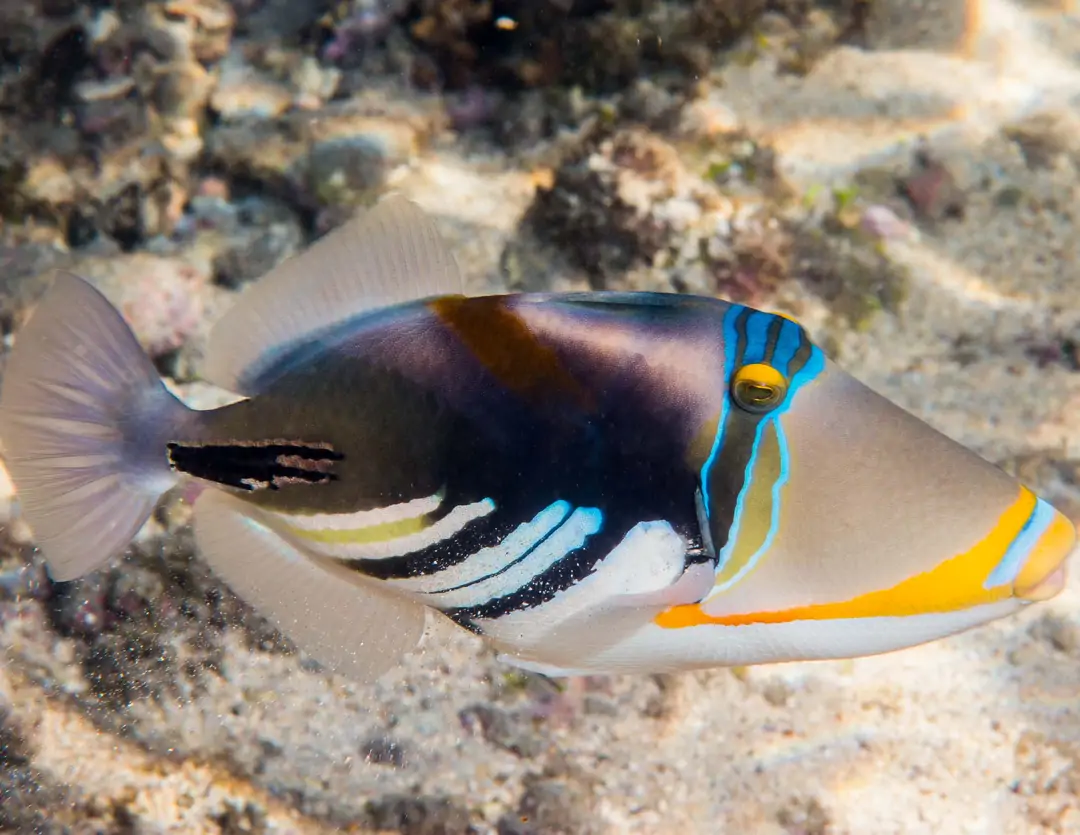
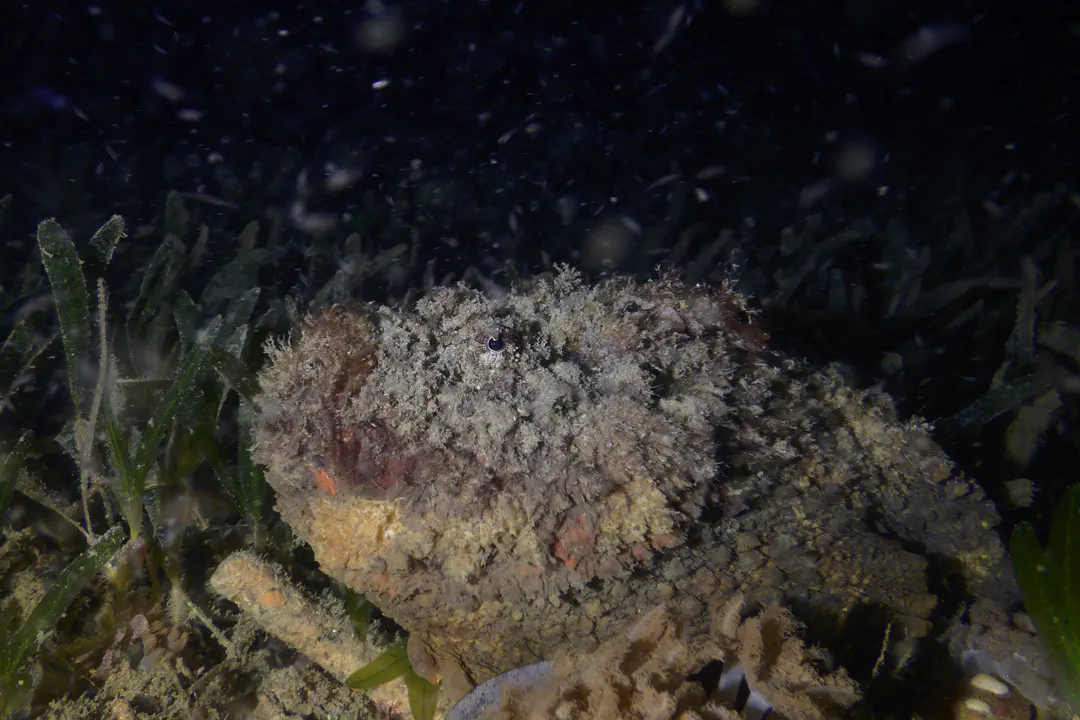
Broadbarred firefish (*Pterois antenna*) hide in shaded cracks alongside reef stonefish (*Synanceia verrucosa*) resting on sandy ledges. Flamboyant Picasso triggerfish (*Rhinecanthus aculeatus*) guard nests in the surrounding rubble, while fluted giant clams (*Tridacna squamosa*) showcase scalloped shells lined with brightly colored mantles. The compact size of the pinnacle allows divers to spiral upwards around the structure over a single dive.
Depth: 3-30 m. Access: liveaboard boat, 2.5 hours from Lizard Island. Level: Open Water. Best months: June-November.
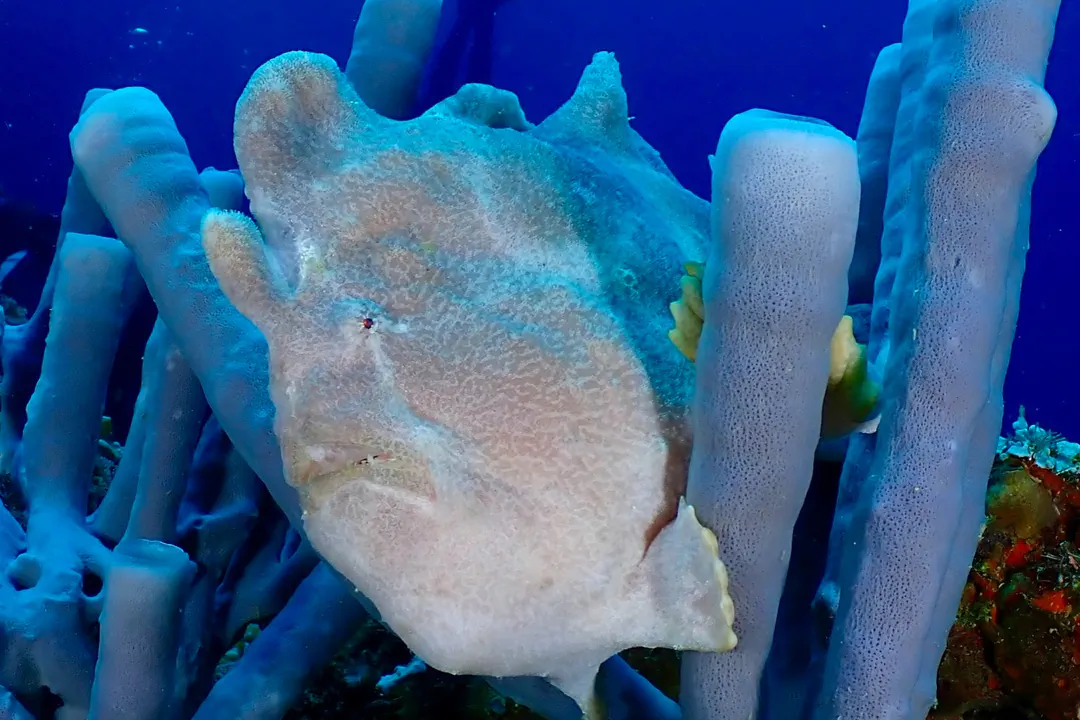 Chris SpainCC0 · iNaturalist
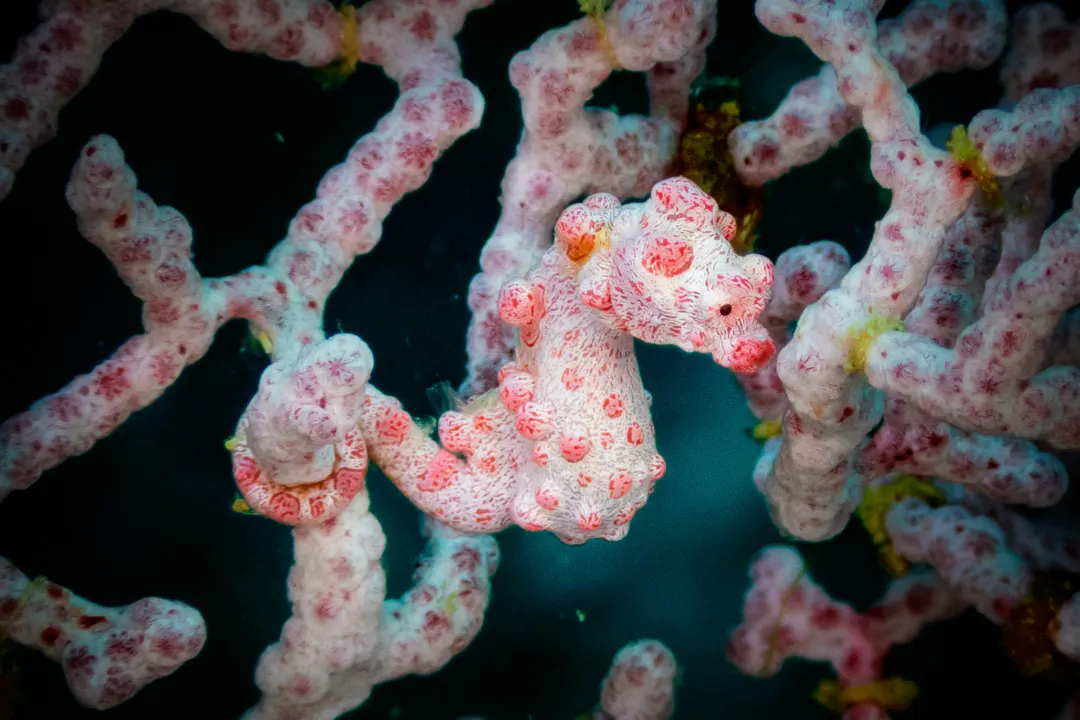 © Pierre PericardCC BY 4.0 · iNaturalist
 © Francois LibertAll rights reserved
 © Ewout KnoesterCC BY-SA 4.0
Ribbon Reef No. 10 (Lizard Island sector): dwarf minke whale aggregations
Located in the northern reach of the Ribbon Reefs near Lizard Island, Ribbon Reef No. 10 features shallow reef flats and protected back-reef lagoons resting in 10 to 20 metres of water. Clear oceanic water flows gently through the outer gaps, maintaining healthy hard coral gardens and exceptional underwater visibility. While the coral formations host rich resident fish life, the site is famous for mid-year whale encounters.
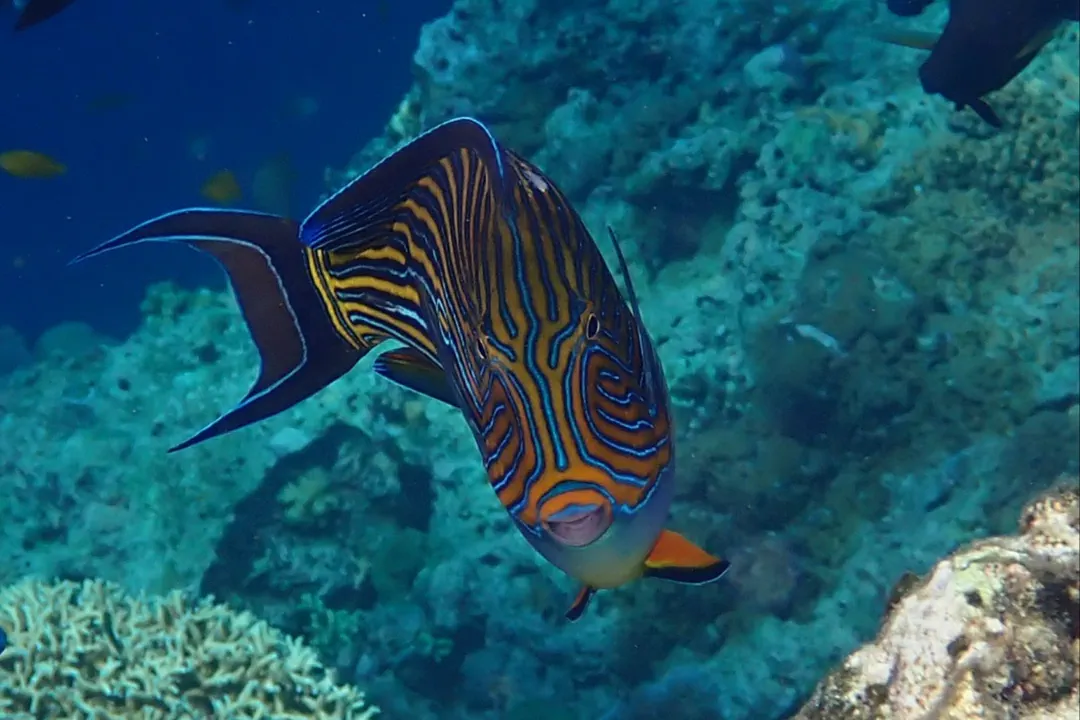
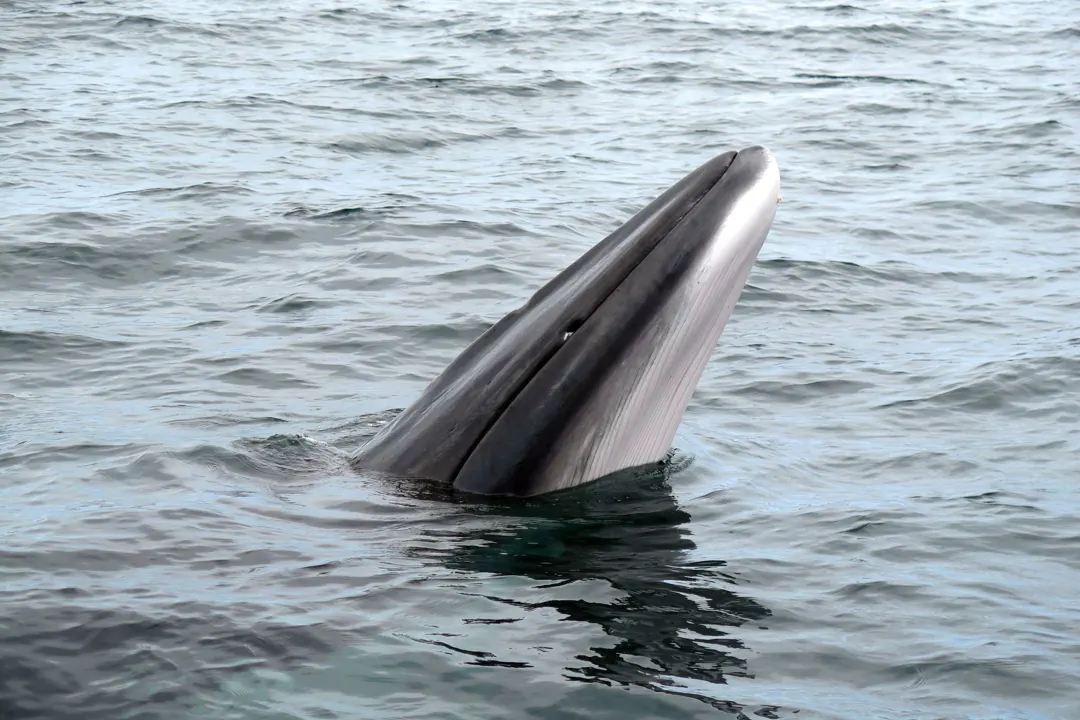
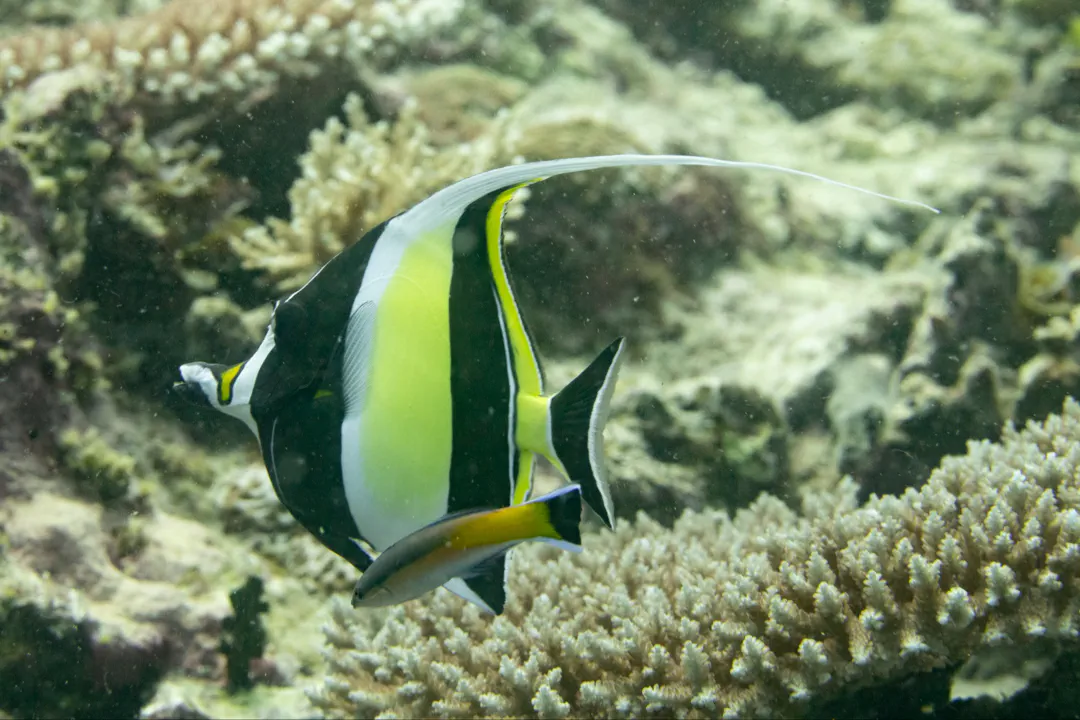
During June and July, migratory dwarf minke whales (*Balaenoptera acutorostrata*) congregate around Ribbon Reef No. 10, often initiating prolonged close-up interactions with snorkelers and divers holding trailing ropes. These inquisitive cetaceans, reaching eight metres in length, make repeated passes within metres of human observers in calm, clear water. Moorish idols (*Zanclus cornutus*) and regal angelfish (*Pygoplites diacanthus*) swim among the staghorn branches below.
Yellow boxfish (*Ostracion cubicum*) and green chromis (*Chromis viridis*) hover over table corals in the quiet lagoon corners, while threadfin butterflyfish (*Chaetodon auriga*) pair up along the shallow edges. Red lip parrotfish (*Cetoscarus ocellatus*) graze on algae patches, producing fine coral sand that settles in the calm channels. The gentle sea conditions inside the reef perimeter allow relaxed, long-duration water entries.
Depth: 5-20 m. Access: liveaboard boat, 3 hours from Lizard Island. Level: Open Water. Best months: June-July (for whales), June-November (overall).
 © NilsCC BY 4.0 · iNaturalist
 © cello caruso-turielloCC BY 4.0 · iNaturalist
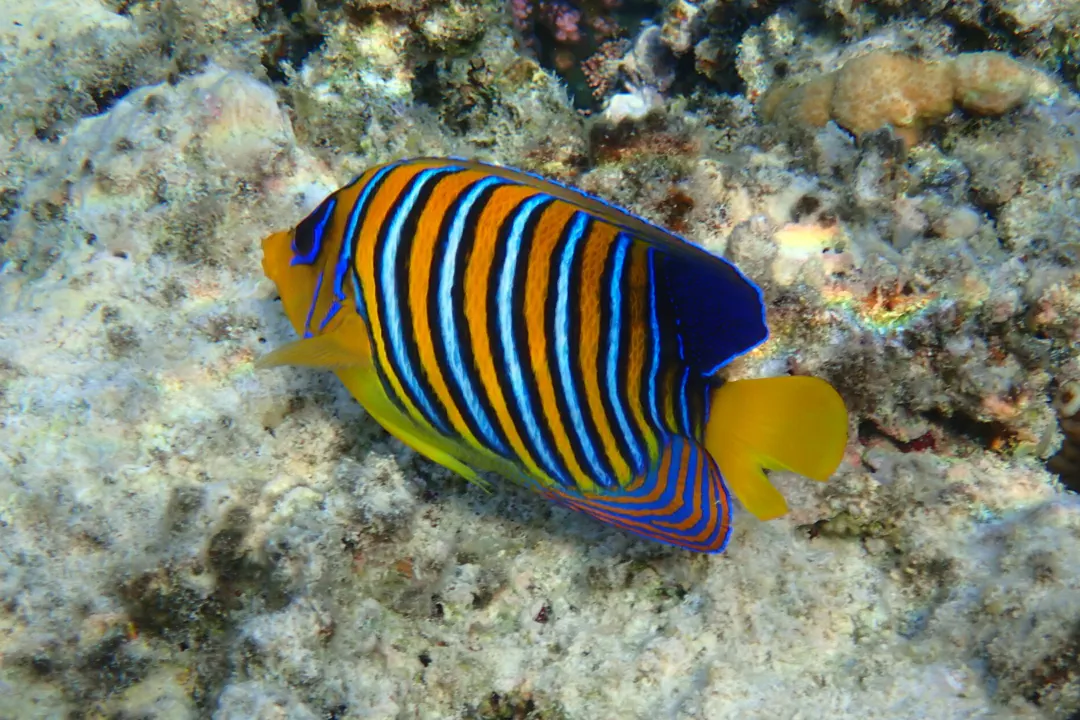 Andrew DeaconCC0 · iNaturalist
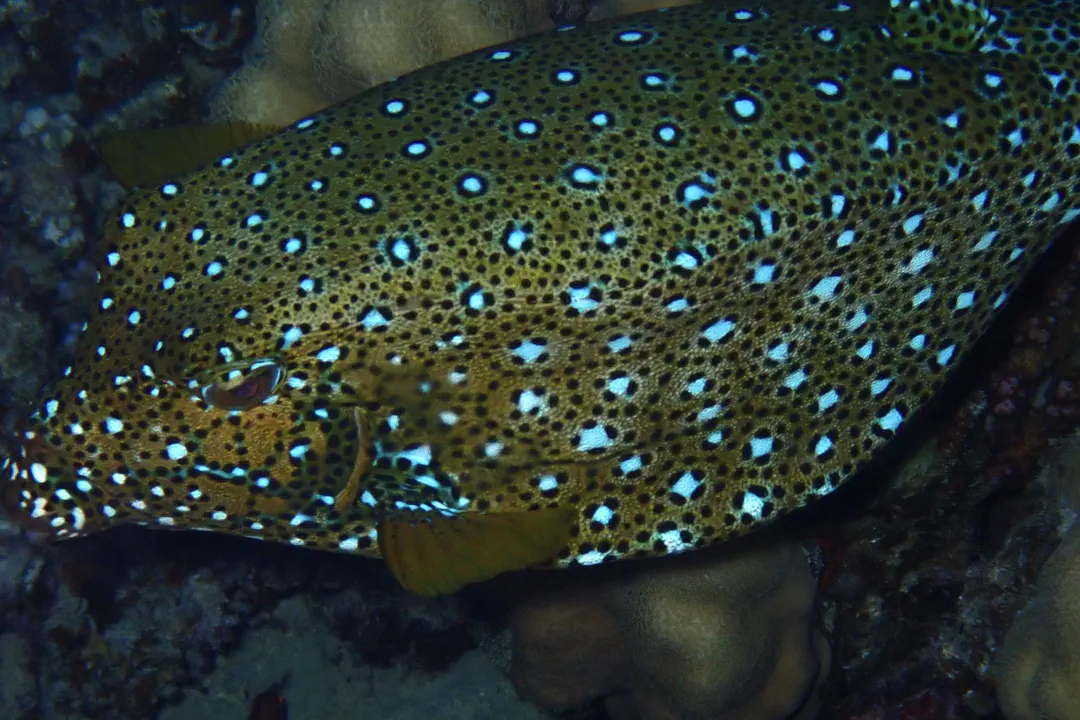 Jean-Paul BoerekampsCC0
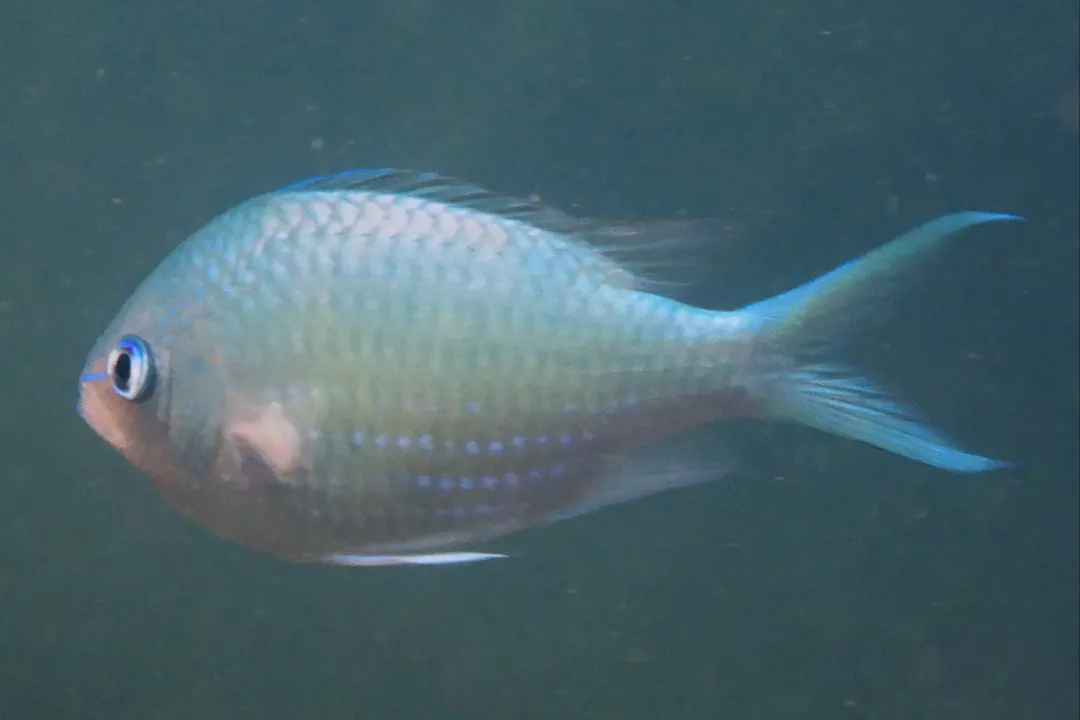 © Ewout KnoesterCC BY-SA 4.0 · iNaturalist
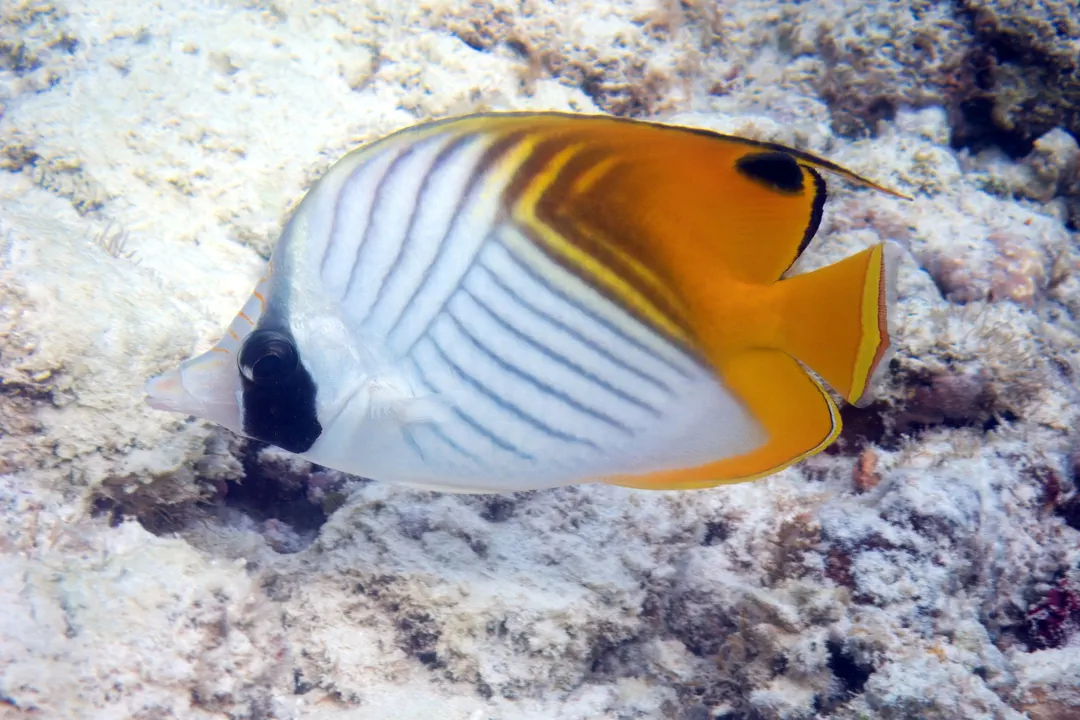 © Darren ObbardCC BY 4.0 · iNaturalist
Marine Life in the Great Barrier Reef
The marine species diversity across Queensland's offshore waters represents one of the most complex aquatic ecosystems on Earth. Migratory humpback whales (*Megaptera novaeangliae*) travel north from Antarctic feeding grounds between July and September to calve in warm, sheltered lagoon waters. Elusive dugongs (*Dugong dugon*) feed on shallow coastal seagrass beds, while bottlenose dolphins (*Tursiops truncatus*) frequently surf the bow waves of dive vessels cruising between outer reef sites.
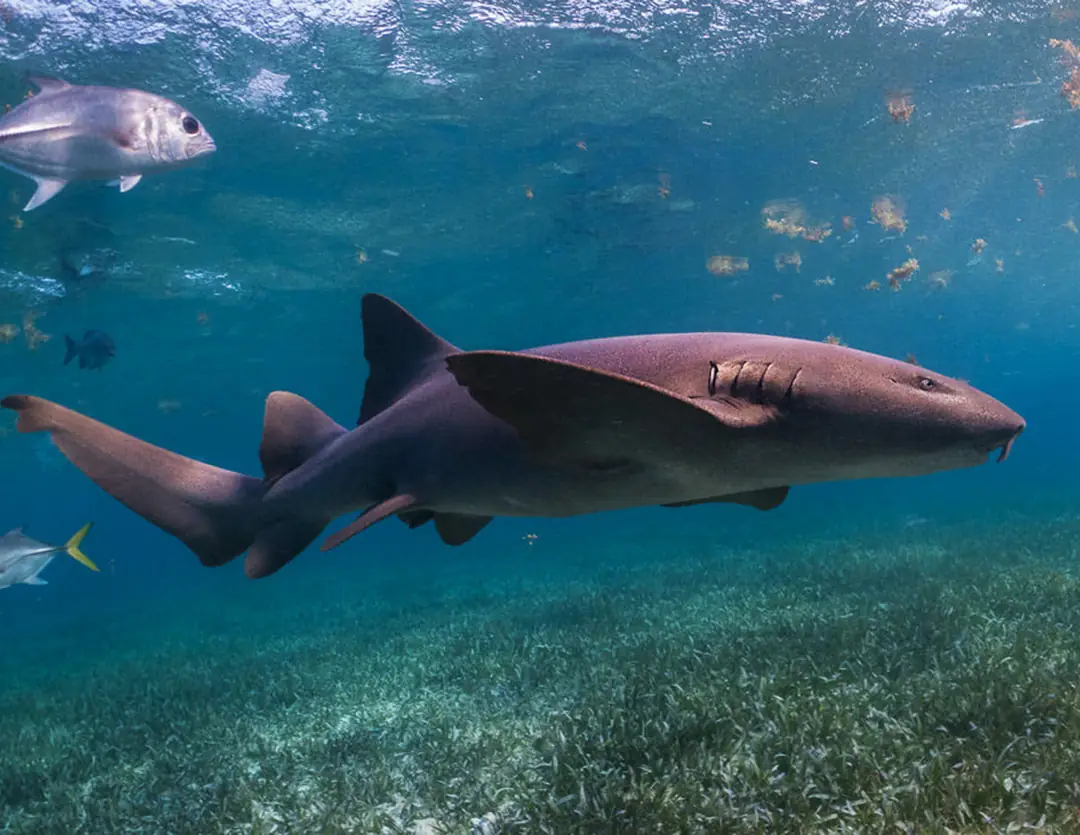
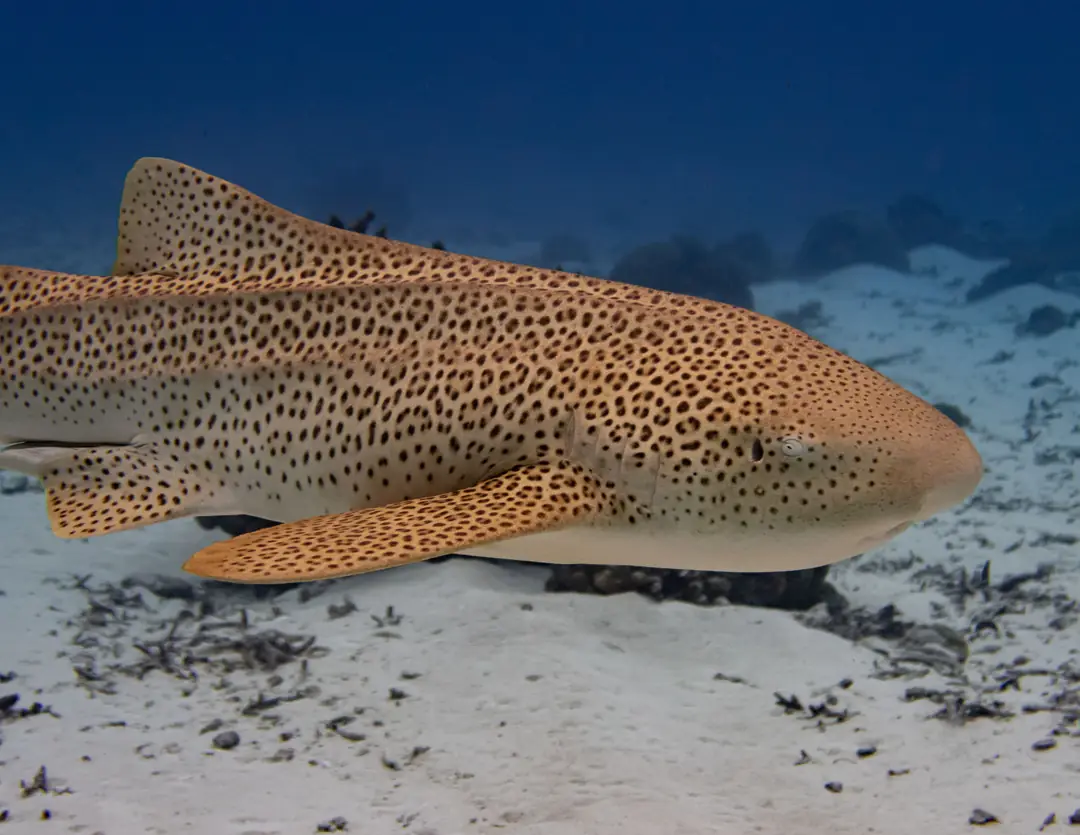
Loggerhead sea turtles (*Caretta caretta*) and flatback turtles (*Natator depressus*) navigate the sandy passages between reefs, while bottom-dwelling sharks like tawny nurse sharks (*Nebrius ferrugineus*) and zebra sharks (*Stegostoma tigrinum*) rest on sandy patches during daylight hours. Seasonal ocean wanderers including whale sharks (*Rhincodon typus*) and giant oceanic manta rays (*Mobula birostris*) filter-feed in current channels where plankton concentrates during moon tides.
Smaller predatory species inhabit the coral matrix, such as the peacock hind (*Cephalopholis argus*) and sea kraits (*Laticauda colubrina*) hunting between coral heads. Identifying these varied species during surface intervals becomes part of the experience, and logbook entries can be enriched using the Seabook app to check regional fish distribution and record exact sighting coordinates. Invertebrates like the venomous crown-of-thorns starfish (*Acanthaster planci*) inhabit hard reef structures, feeding on living coral polyps.
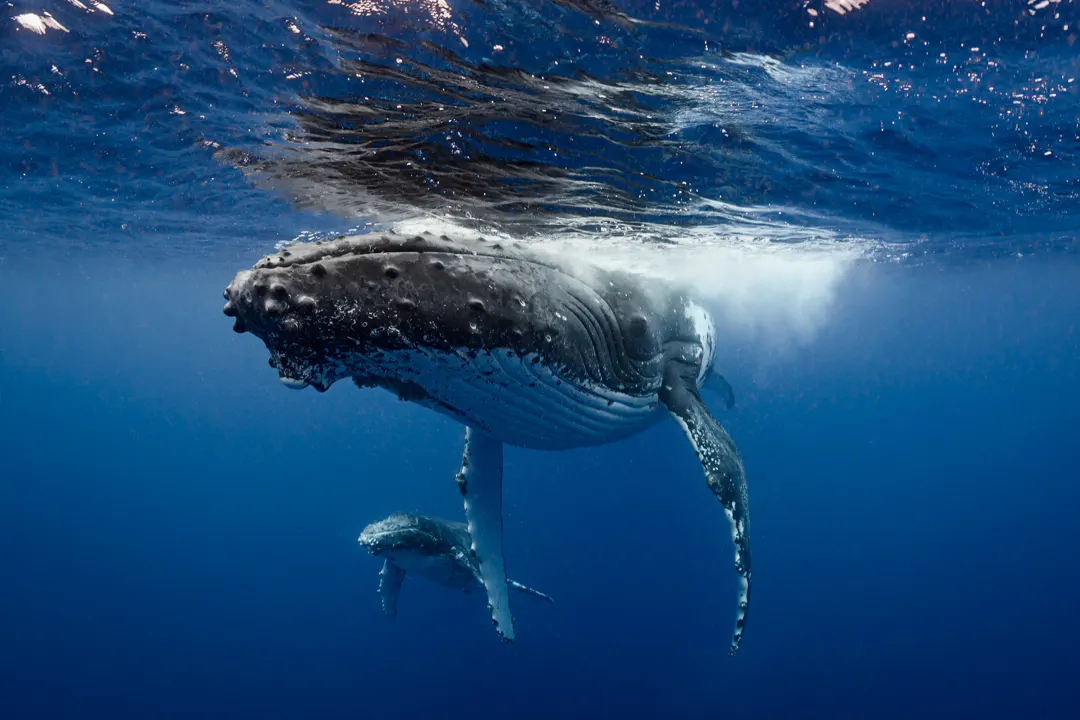 © seabook.appAll rights reserved
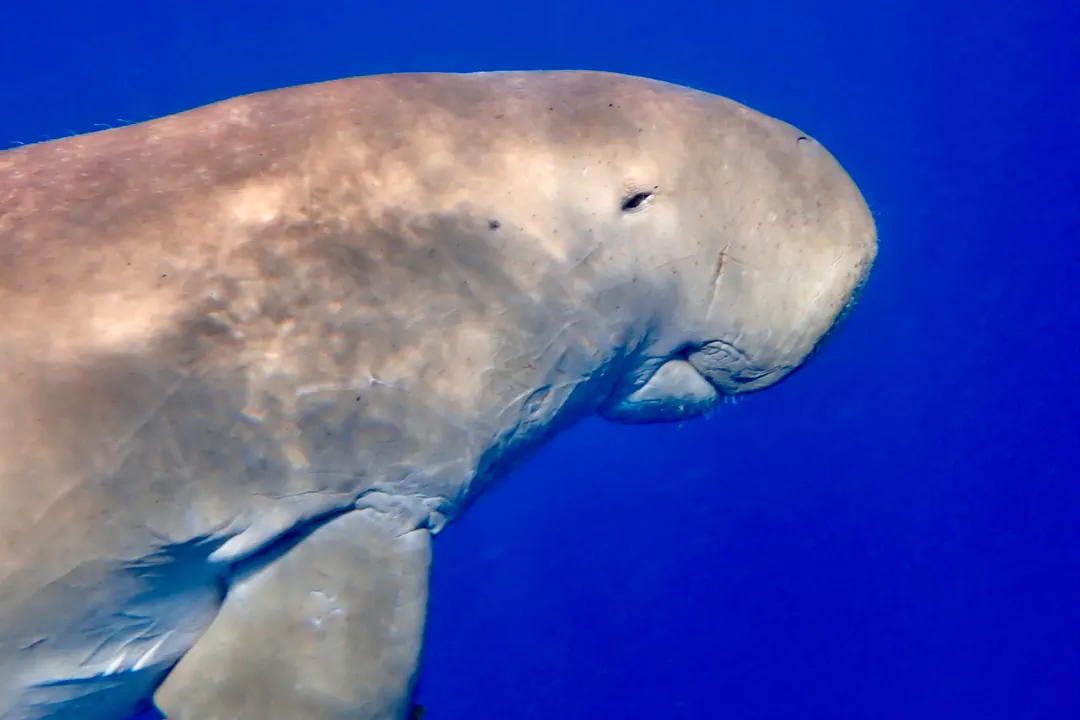 Jean-Paul BoerekampsCC0 · iNaturalist
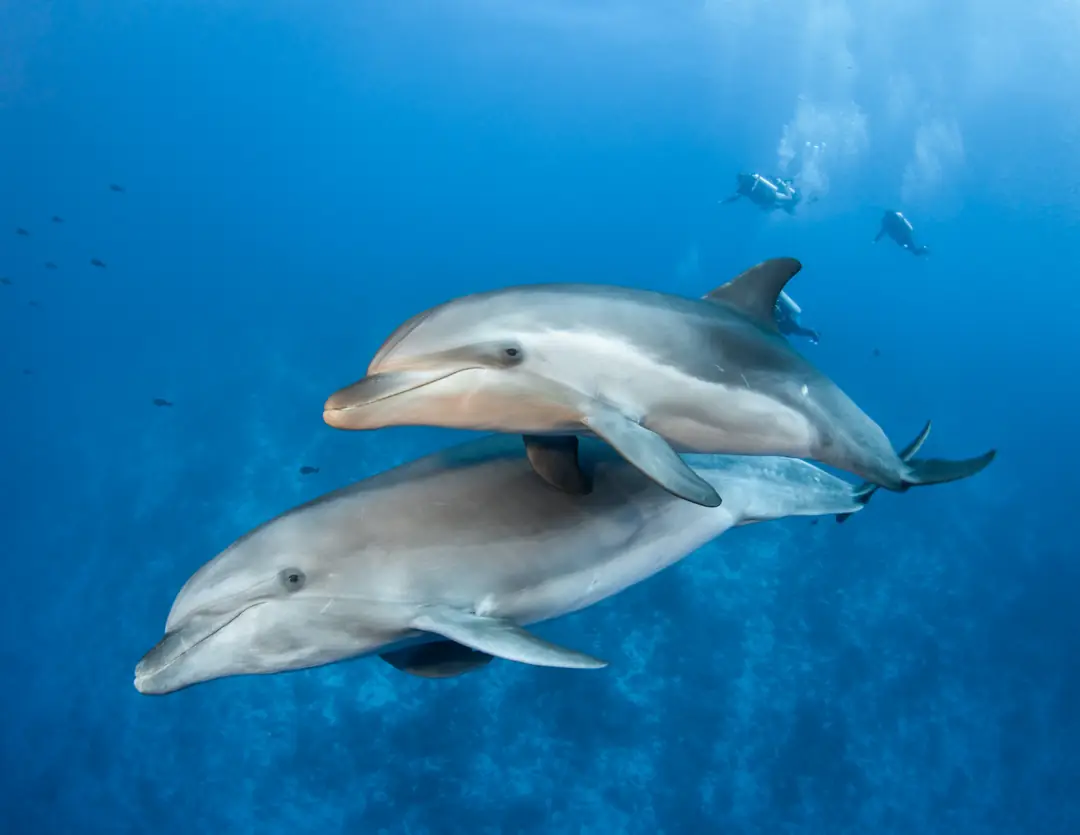 © seabook.appAll rights reserved
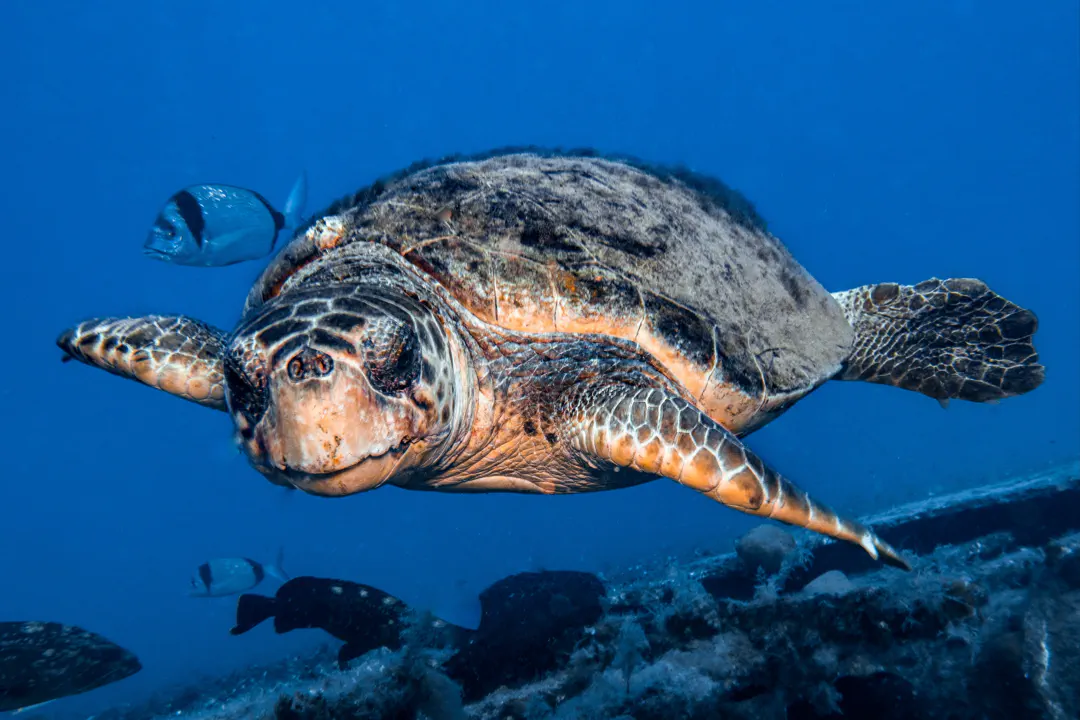 © seabook.appAll rights reserved
 © seabook.appAll rights reserved
 © Pauline FeyAll rights reserved
Is the Great Barrier Reef Good for Beginners and Snorkellers?
The Great Barrier Reef is exceptionally well suited for beginner divers and non-diving snorkellers due to its vast array of shallow, sheltered reef lagoons and permanent outer reef pontoons. Multi-story floating platforms docked at outer sites like Agincourt and Moore Reef offer stable staging areas with direct access to calm waters between 2 and 8 metres deep. Beginner divers can complete introductory scuba dives or entry-level certification courses in current-free, highly controlled environments.
Snorkellers enjoy high visibility over shallow coral gardens where sunlight highlights brightly colored giant clams, anemonefish, and parrotfish just below the surface. Safety nets, flotation vests, and permanent lookout stations on pontoon platforms provide a high level of support for nervous swimmers. Water clarity near the surface ensures viewability without needing to dive deep.
Experienced divers seeking technical drop-offs, strong current drifts, or oceanic shark encounters can choose multi-day liveaboards visiting Osprey Reef or the far northern Ribbon Reefs. This division of sites ensures that novices remain in calm, shallow waters while experienced divers reach remote, deep-water environments away from day-trip crowds.
Getting There and Practical Tips
Cairns and Port Douglas serve as the primary gateways for diving in northern Queensland, both supported by Cairns International Airport with direct flights from major Australian cities and international hubs. Townsville and Ayr provide southern entry points specifically for diving the SS Yongala wreck. Travel to outer reef platforms takes 90 minutes by high-speed catamaran, while liveaboard excursions range from 3 to 7 nights depending on the itinerary.
All divers visiting Queensland are required to pay the Environmental Management Charge (EMC), commonly referred to as the reef tax, which directly funds conservation and marine park management. Comprehensive dive medical checks may be mandated locally for individuals with pre-existing medical conditions under Australian workplace safety regulations. Park rules strictly prohibit touching, standing on, or collecting any marine life or coral formations.
Thermal protection varies by season, requiring a 3mm to 5mm wetsuit in winter and a 3mm shorty or full lycra suit in summer. From November through May, full-body stinger suits are mandatory for shallow water entries to protect against marine stingers. Booking liveaboard trips several months in advance is critical during peak minke whale season in June and July due to strict permit limits on vessel passenger capacity.
Questions
When is the best month for diving in the Great Barrier Reef?
June through October provides the clearest underwater visibility, ranging from 20 to 40 metres, alongside lower humidity and calm sea conditions. This winter period also coincides with the annual migration of dwarf minke whales and humpback whales through the Ribbon Reefs.
Are there dangerous sharks in the Great Barrier Reef?
While large apex predators like tiger sharks and bull sharks inhabit Queensland waters, encounters on dive sites are rare and non-aggressive. The vast majority of species seen while diving are docile grey reef, whitetip, and blacktip reef sharks resting on sand beds or patrolling deep walls.
Can beginners dive in the Great Barrier Reef?
Yes, numerous outer reef sites and permanent pontoon platforms off Cairns and Port Douglas feature calm, current-free shallow lagoons between 3 and 10 metres deep. These conditions are ideal for introductory scuba experiences, open water training, and snorkelling.
How warm is the water in the Great Barrier Reef in July?
In July, water temperatures reach their annual low, averaging 22°C in southern reef sectors and 24°C in northern areas near Lizard Island. A 3mm to 5mm full wetsuit is recommended to maintain core thermal warmth over multiple daily dives.
What is the difference between day boats and liveaboards in Cairns?
Day boats travel 90 minutes to intermediate outer reefs for 2 to 3 shallow dives on fixed platforms, returning to port every afternoon. Multi-day liveaboards travel further offshore to reach remote sectors like the Ribbon Reefs and Coral Sea atolls like Osprey Reef.
Do I need a stinger suit when diving in Queensland?
Full-body lycra stinger suits are strongly recommended between November and May to protect skin against box jellyfish and Irukandji in coastal and shallow waters. Beyond sting protection, lycra suits provide essential protection against solar exposure and minor coral scrapes.

