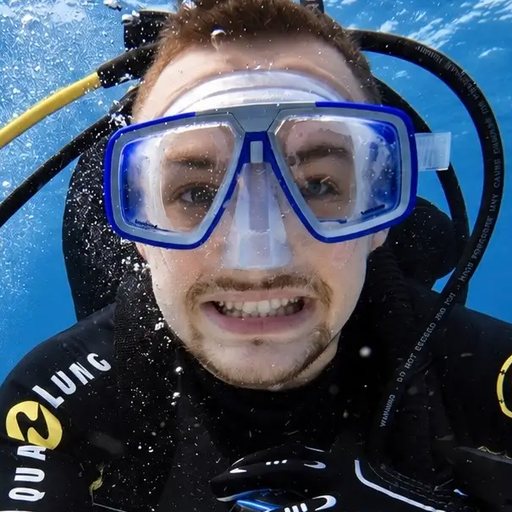
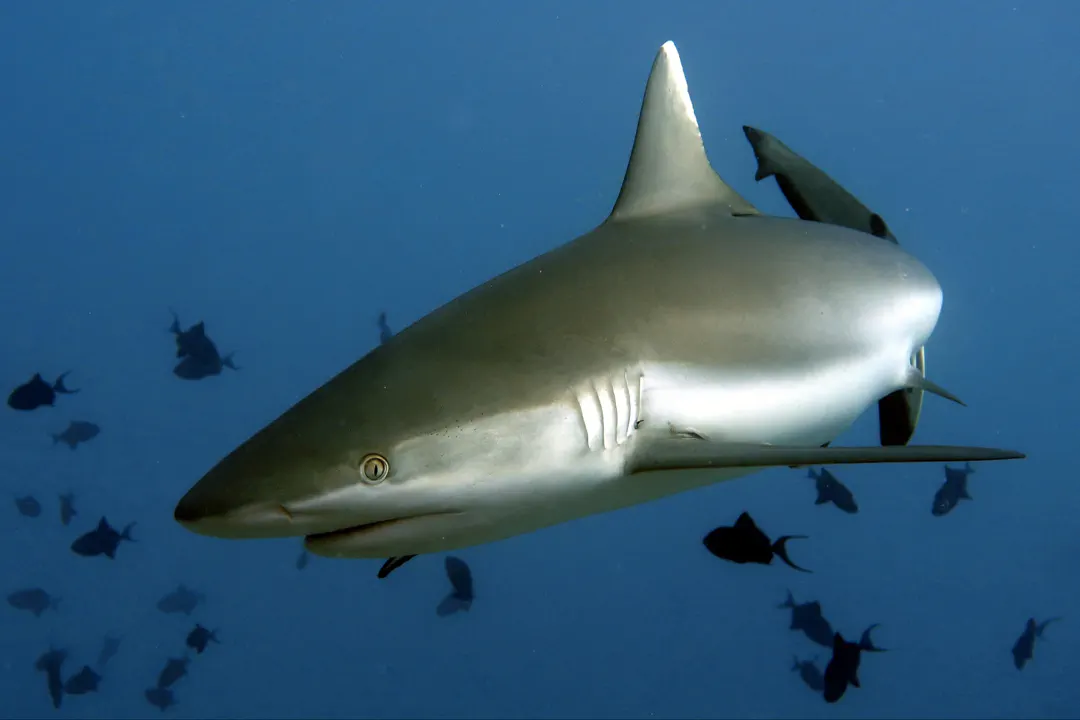
At twenty-eight meters down inside hold number two of the SS Thistlegorm, daylight enters through torn steel deck plates in cold shafts. A giant moray eel wrapped around a rusted motorcycle chassis slowly opens and closes its jaws, while rubber tyres of WWII Bedford trucks sit half-embedded in fine silt. Outside, a gentle two-knot current pushes past the forward gun platform where silver jacks circle.
Diving in Egypt spans the northern Sinai Peninsula down to the southern border with Sudan, offering direct access to historic shipwrecks, deep offshore pinnacles, and coastal coral walls. The best months to visit are spring (March to May) and autumn (September to November), when air temperatures stay comfortable and water temperatures hover between 23°C and 28°C. Water visibility consistently reaches 20 to 30 metres across most open-water sites, though wind and plankton blooms can occasionally reduce it along shallow coastal margins.
Key destinations include the wreck of the SS Thistlegorm, the sheer drop-offs of Ras Muhammad, and the offshore oceanic shark magnets of Elphinstone and Daedalus. Underwater encounters feature oceanic whitetip sharks, schooling hammerheads, resident green sea turtles, and rare dugongs along southern seagrass beds. Sheltered resort bays in Hurghada and Sharm El Sheikh cater to beginner divers and snorkellers, while remote offshore marine parks demand advanced certification and experience with drift entries.
What Is Diving in Egypt Like?
The Egyptian Red Sea splits into two distinct operational regions that shape every itinerary. Northern routes departing from Sharm El Sheikh or Hurghada center on shallow coral gardens, sheltered shorelines, and accessible shipwrecks preserved in calm waters. Southern routes leaving from Marsa Alam or Port Ghalib target exposed oceanic plateaus, deep drop-offs, and strong open-ocean currents where pelagic predators gather.
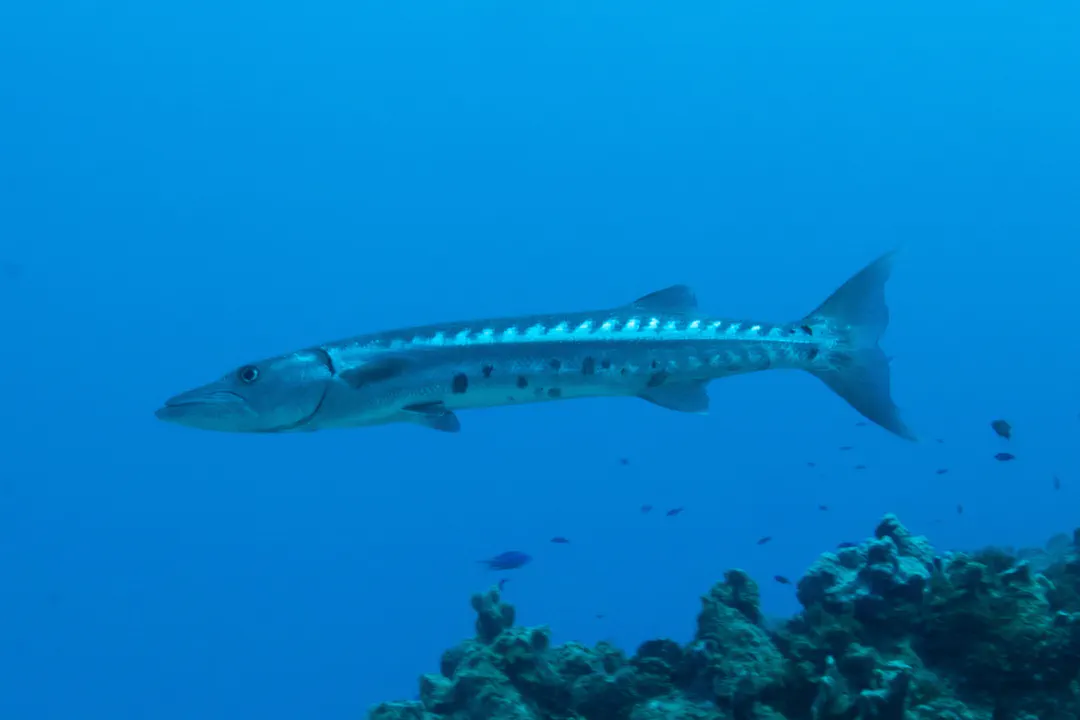
Estuarine and river runoff do not exist in the surrounding desert, leaving the sea remarkably clear year-round. This clarity supports roughly 1,000 recorded fish species and approximately 150 species of hard and soft corals. Dense populations of anthias, butterflyfish, and parrotfish populate shallow reef flats, while pelagic species like barracuda, dogtooth tuna, and reef sharks cruise the blue outer drop-offs.
Spatial protection plays a major role in preserving these underwater environments. Ras Muhammad National Park, established at the southern tip of the Sinai Peninsula in 1983, safeguards vertical coral walls that fall over 700 metres into the abyss. Farther south, isolated offshore reefs like Daedalus and the Brothers Islands are protected within marine park boundaries, limiting boat numbers and regulating diver entries.
Best Time to Dive in Egypt
Spring and autumn offer the most balanced conditions for diving in Egypt. From March through May and September through November, air temperatures stay comfortably between 25°C and 32°C. Water temperatures during these transitional months range from 23°C in spring up to 28°C in early autumn, allowing most divers to remain comfortable in a 3 mm or 5 mm wetsuit across multiple daily dives.
Summer brings intense desert heat on land, with air temperatures regularly topping 38°C. Underwater, however, summer yields the warmest sea temperatures, reaching 27°C to 29°C in July and August. These warm conditions coincide with the peak season for schooling scalloped hammerhead sharks at offshore sites like Daedalus Reef, though surface intervals require strict hydration plans to prevent heat illness.
Winter runs from December through February, bringing cooler water temperatures that drop to 20°C or 22°C in the northern Red Sea. A 5 mm wetsuit with a hooded vest is essential during these months, especially when wind chills increase surface interval cooling. Late autumn into early winter marks the prime period for oceanic whitetip shark encounters around Elphinstone Reef and the Brothers Islands.
Egypt Water Temperature by Month
Water temperature
Egypt, monthly average
Red Sea, Egypt (popular diving area reference: Hurghada/Sharm El-Sheikh region). Typical diving depth range: 5-40m. Data represents average sea surface temperatures.
From the community's dive logs
What divers log in Egypt
From 206 dives logged by 63 Seabook divers. What this group recorded, not a verdict on the destination.
Most-logged marine lifedivers who logged it
 © seabook.appAll rights reserved 15 divers
 © seabook.appAll rights reserved 11 divers
 © seabook.appAll rights reserved 10 divers
Best Dive Sites in Egypt
SS Thistlegorm (Sinai Peninsula): WWII wreck frozen in time
The SS Thistlegorm rests upright on a sandy seabed between 16 and 32 metres deep in the Strait of Gubal. Sunk by German bombers on 6 October 1941, this 128-metre British armed merchant ship remains one of the world's most intact underwater wartime capsules. Its open holds reveal rows of BSA motorcycles, Bedford trucks, armored Bren gun carriers, aircraft wings, and stacks of Lee-Enfield rifles.
Heavy currents frequently sweep across the wreck's superstructure, requiring divers to use descent lines tied directly to the hull. Inside the holds, calm water allows for detailed exploration, though fine silt coats every surface. Divers must maintain precise buoyancy control to avoid disturbing the sediment and obscuring visibility for others in overhead environments.
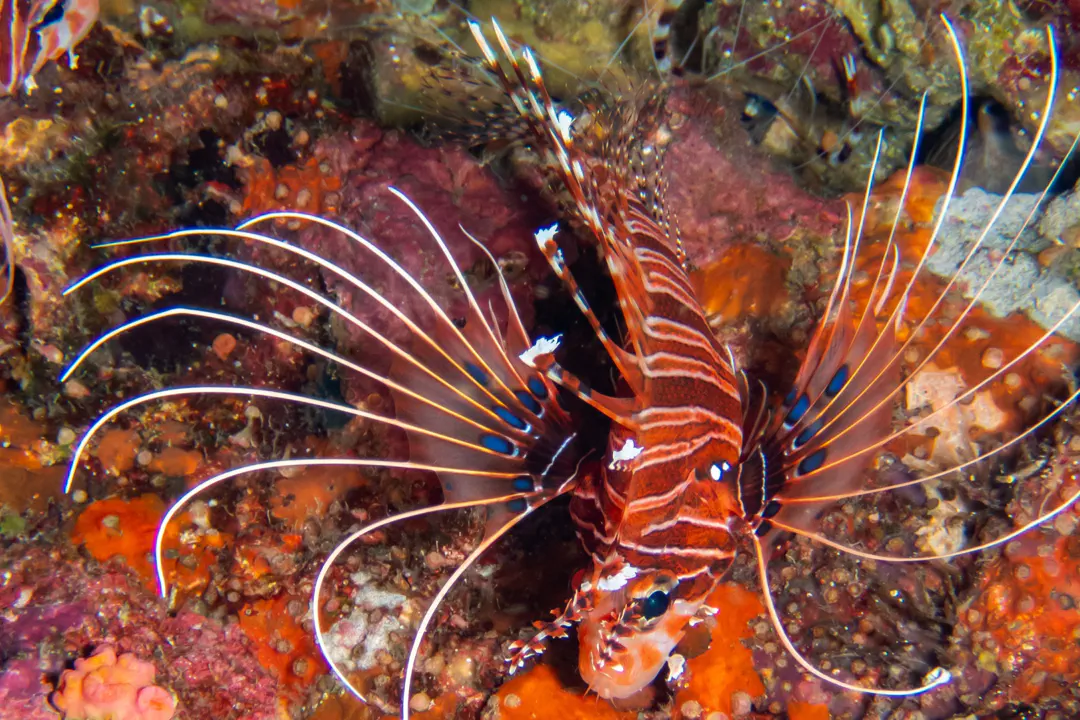
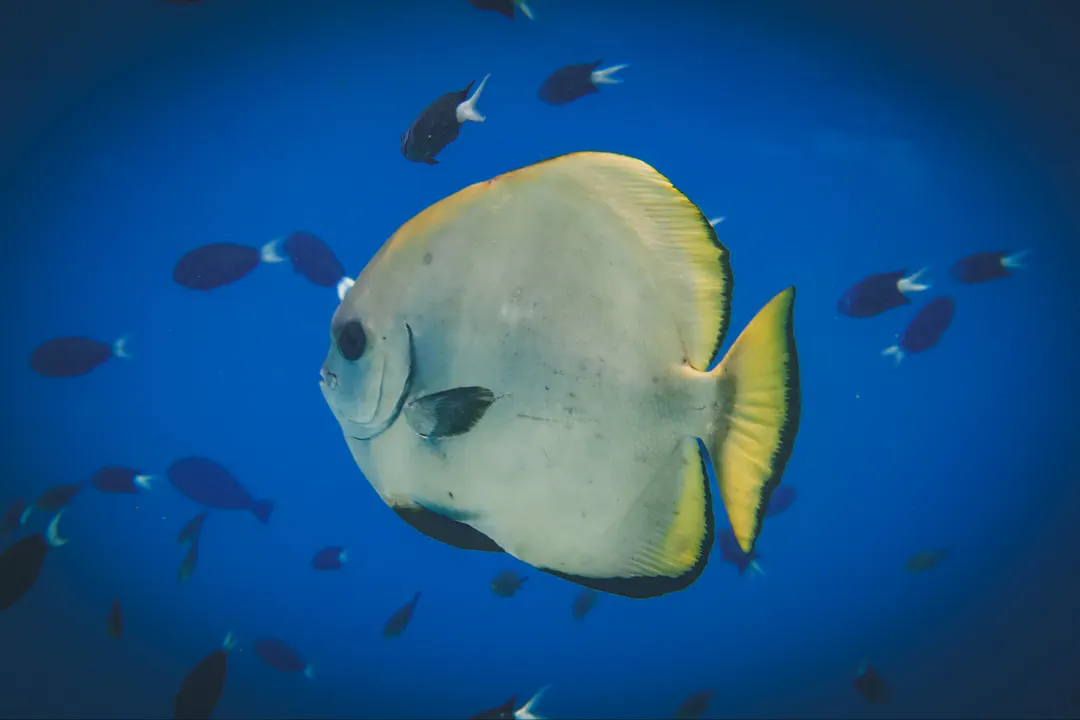
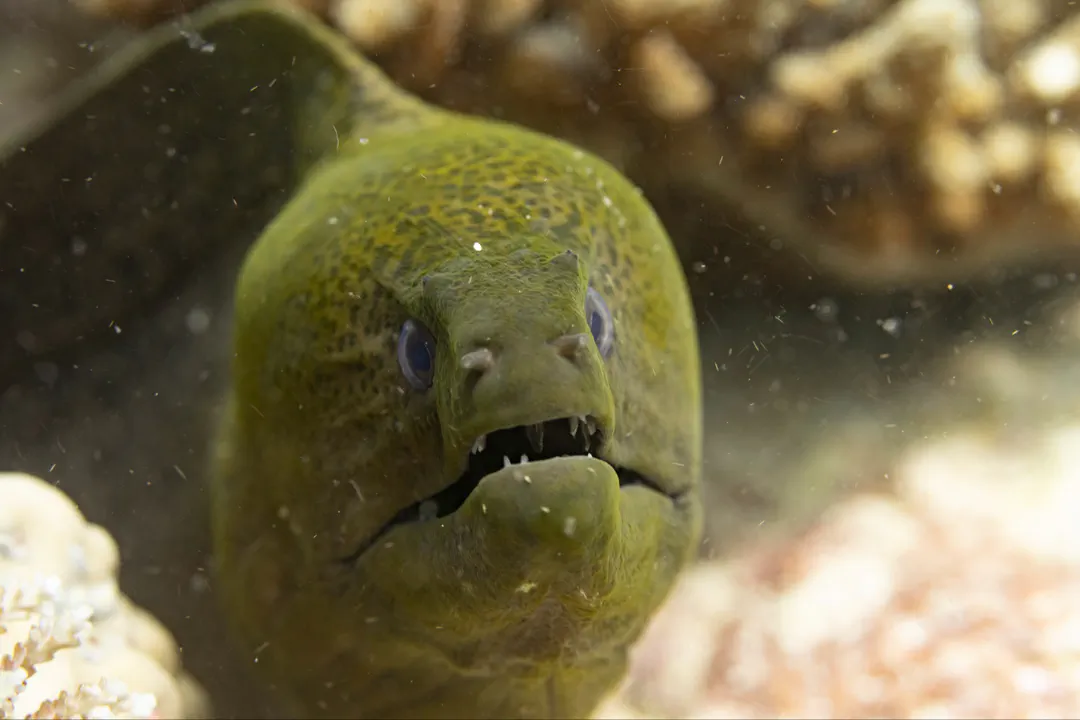
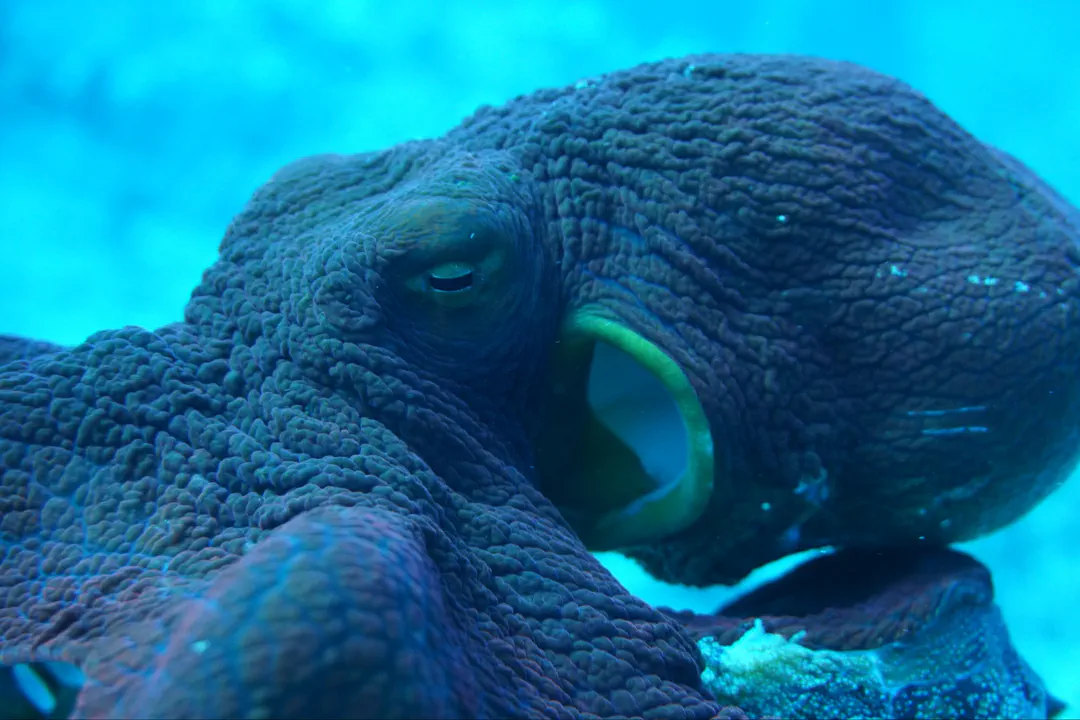
Coral encrustations transform the steel hull into an artificial reef structure. Giant moray eels coil inside broken pipework, while lionfish hover along the deck railings and schools of batfish shadow ascending divers near the main mast. Nitrox is widely recommended for this site to extend no-decompression limits during repeat morning dives.
Depth: 16-32 m. Access: boat, 3 hours from Sharm El Sheikh. Level: Advanced Open Water. Best months: March-May and September-November.
 © Dan SchofieldCC BY 4.0 · iNaturalist
 © seabook.appAll rights reserved
 © Olka KuryanAll rights reserved
 © Matteo BellucciCC BY 4.0 · iNaturalist
 © Ben CostamagnaCC BY 4.0 · iNaturalist
 © cello caruso-turielloCC BY 4.0 · iNaturalist
Shark and Yolanda Reef (Ras Muhammad): dramatic wall drop-offs
Located at the southern tip of the Sinai Peninsula, Shark Reef and Yolanda Reef rise as twin coral pinnacles from depths exceeding 700 metres. The two structures are connected by a shallow saddle at 15 metres, where strong currents meet at the confluence of the Gulf of Suez and the Gulf of Aqaba. Guides typically run negative entries from live boats to allow divers to drop quickly below surface current drift.
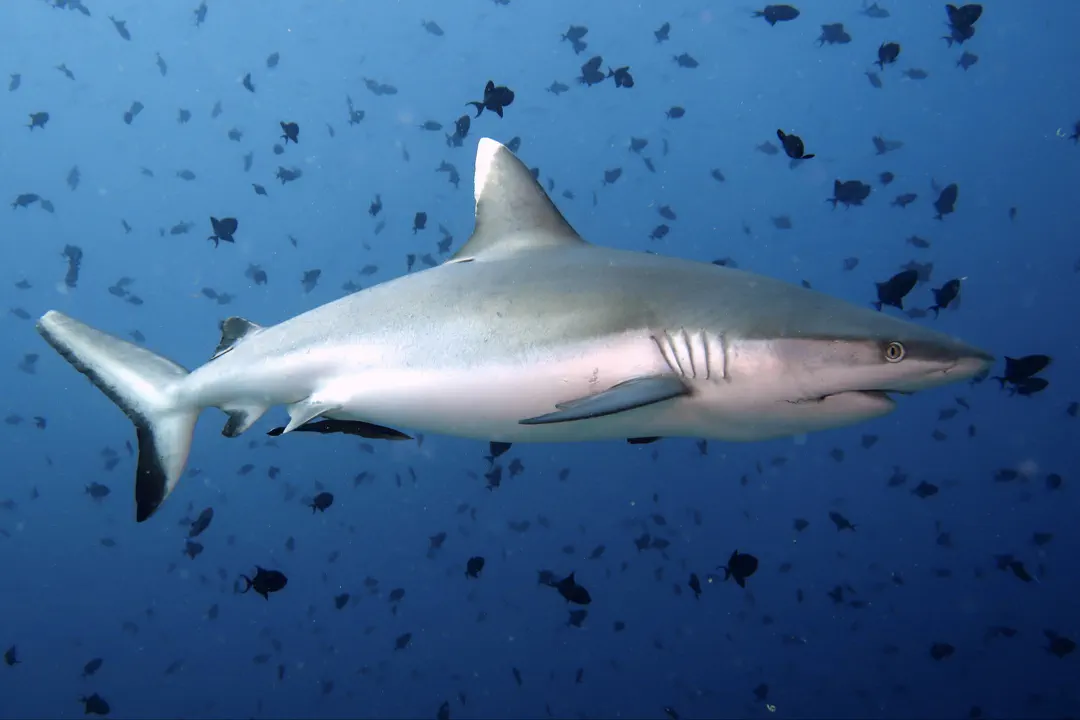
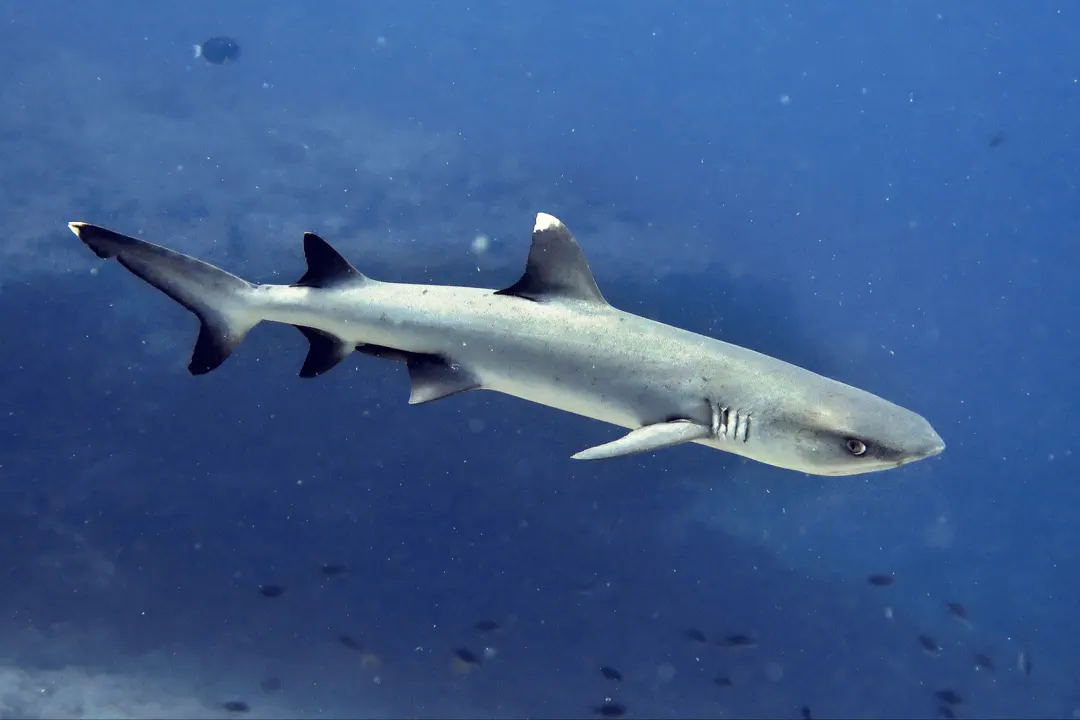
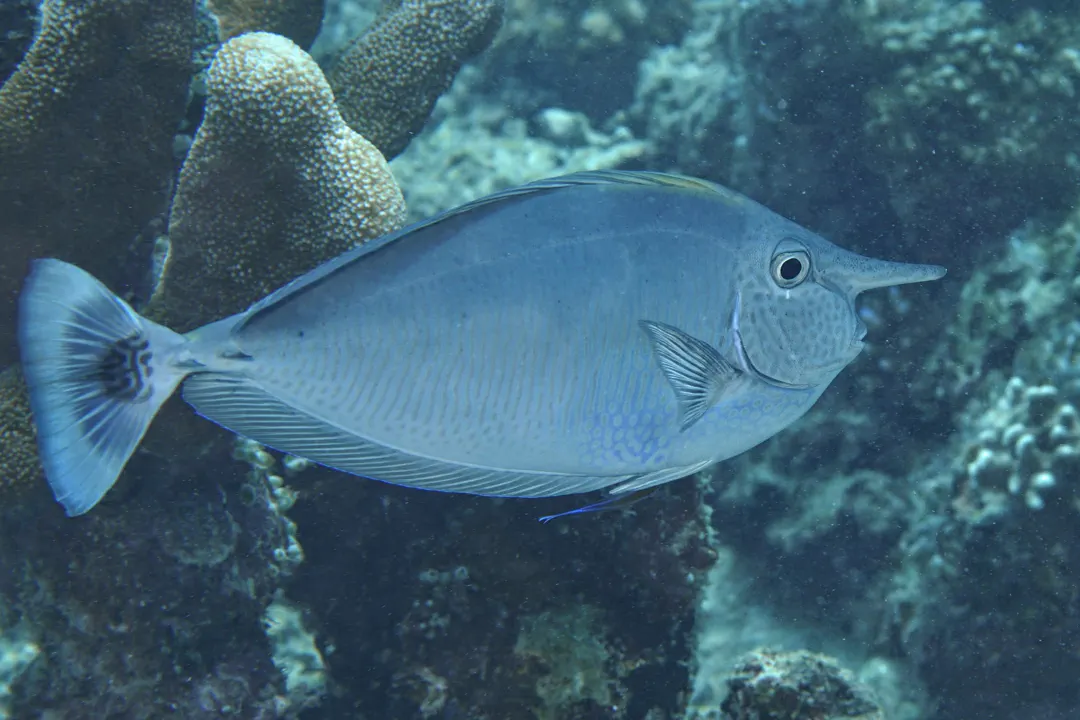
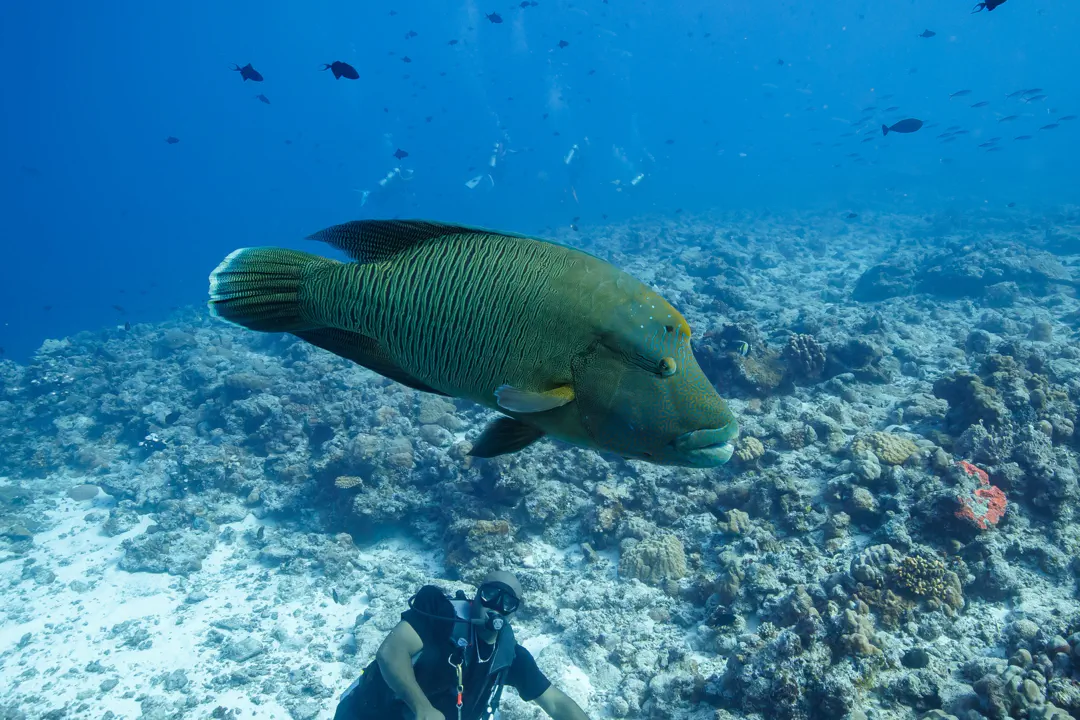
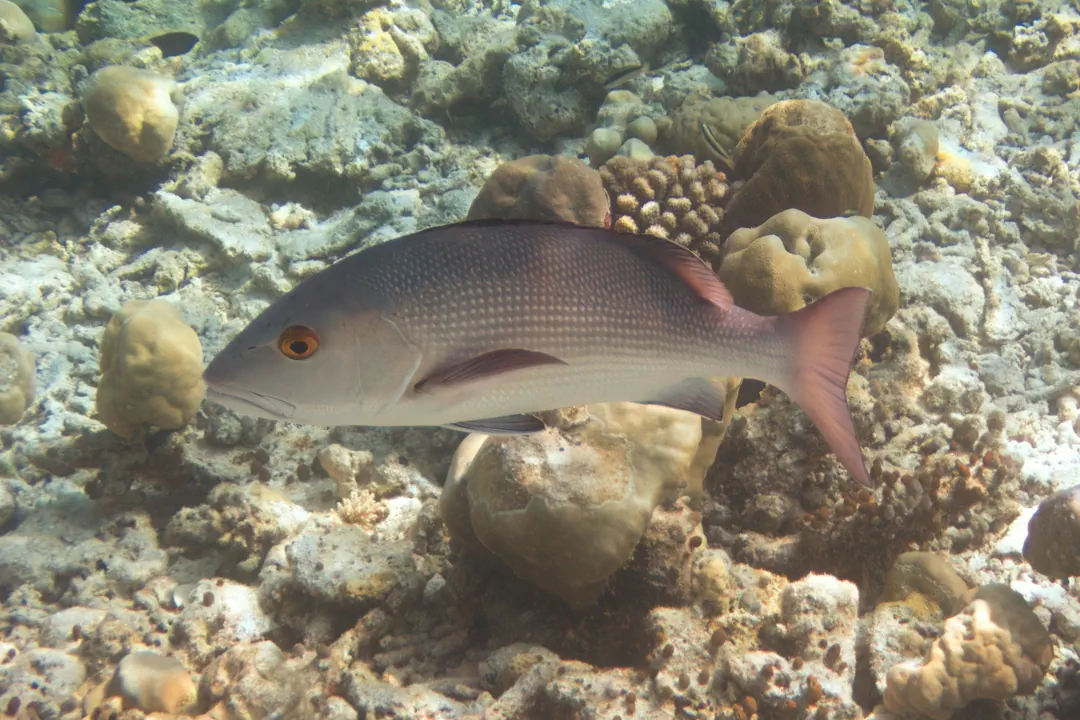
The eastern wall of Shark Reef sheerly drops into the deep blue, attracting grey reef sharks, blacktip reef sharks, and solitary Napoleon wrasse. Snapper and unicornfish congregate in dense, shimmering schools off the corner during early summer spawning aggregations, while hawksbill turtles graze along the current-facing drop-offs.
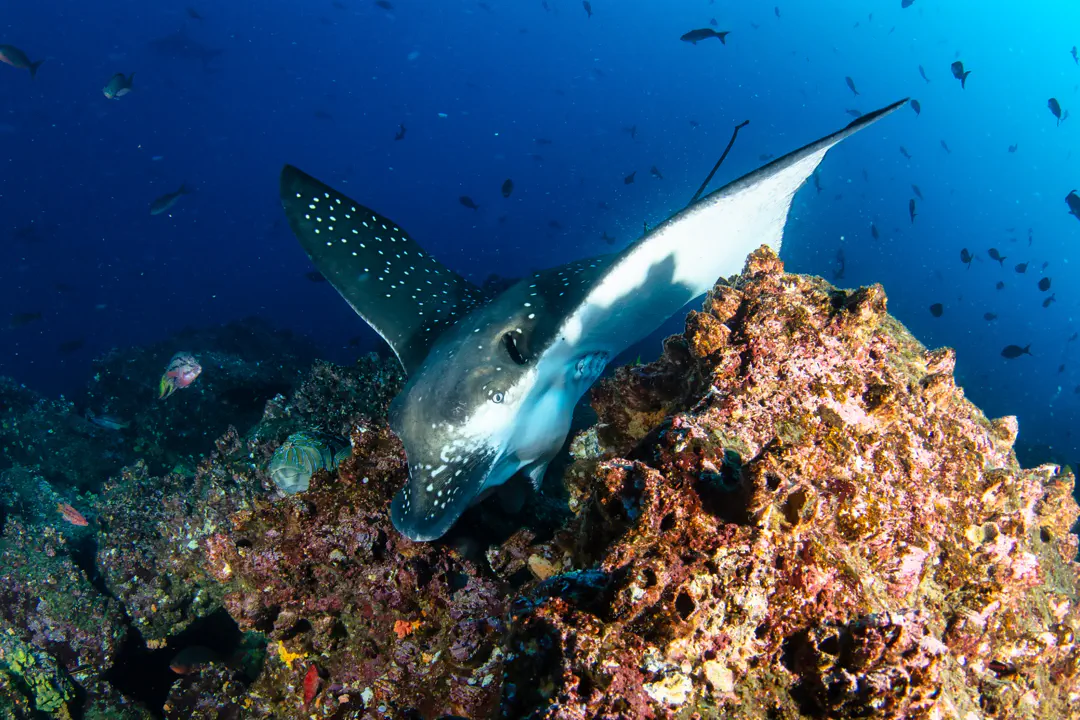
Yolanda Reef takes its name from the cargo ship Yolanda, which ran aground here in 1980 before sliding into the deep. Its remaining cargo—dozens of ceramic toilets, bathtubs, and linoleum rolls—rests scattered across a shallow plateau between 10 and 25 metres. Marine life has completely integrated into the porcelain fixtures, with blue-spotted ribbontail rays hiding underneath and moray eels occupying open plumbing pipes.
Depth: 10-30 m. Access: boat, 45 minutes from Sharm El Sheikh. Level: Intermediate to Advanced. Best months: April-November.
 © Daniel BenákCC BY 4.0 · iNaturalist
 © Daniel BenákCC BY 4.0 · iNaturalist
 © Stas KuryanCC BY-SA 4.0 · Seabook
 © seabook.appAll rights reserved
 © seabook.appAll rights reserved
 Andrew DeaconCC0 · iNaturalist
Elphinstone Reef (Marsa Alam): up-close oceanic whitetip encounters
Elphinstone Reef is an isolated, narrow offshore structure measuring 300 metres in length, situated 12 kilometres off the coast of Marsa Alam. Its steep east and west walls plunge into depths beyond 100 metres, while shallow plateaus extend from its northern and southern tips at 20 to 40 metres. Strong, unpredictable currents run parallel to the reef, demanding confident buoyancy control and comfortable blue-water ascents.
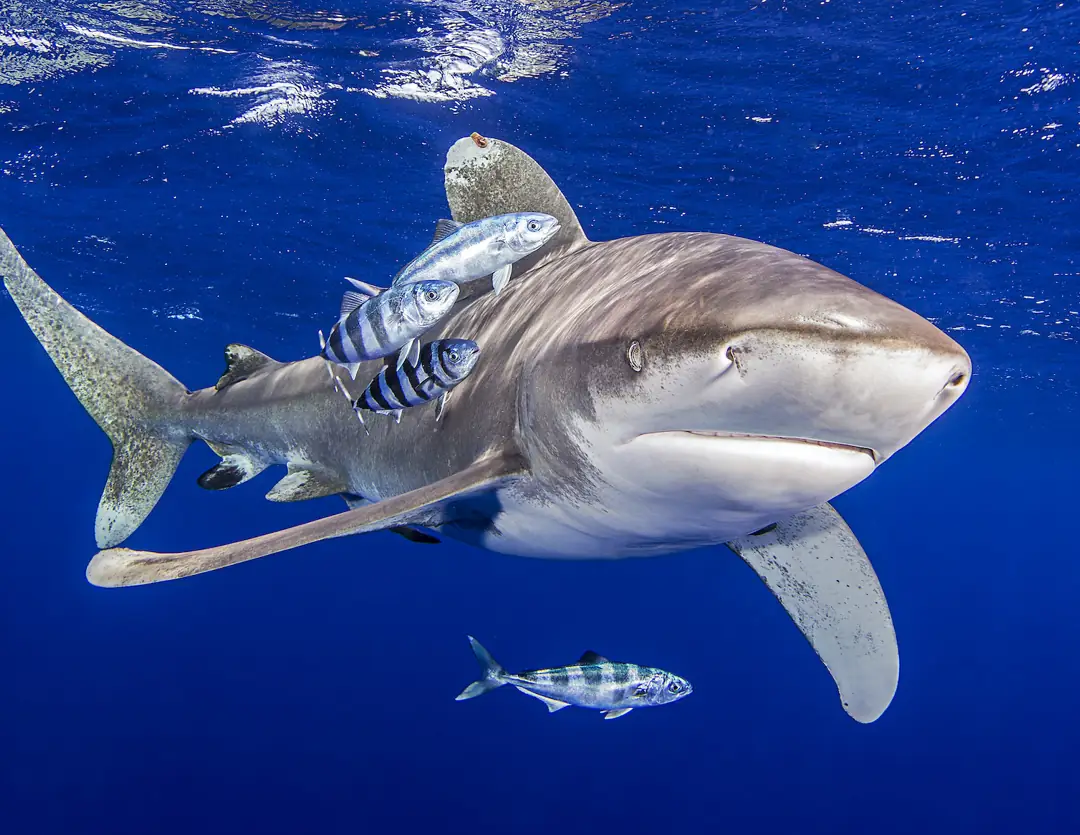
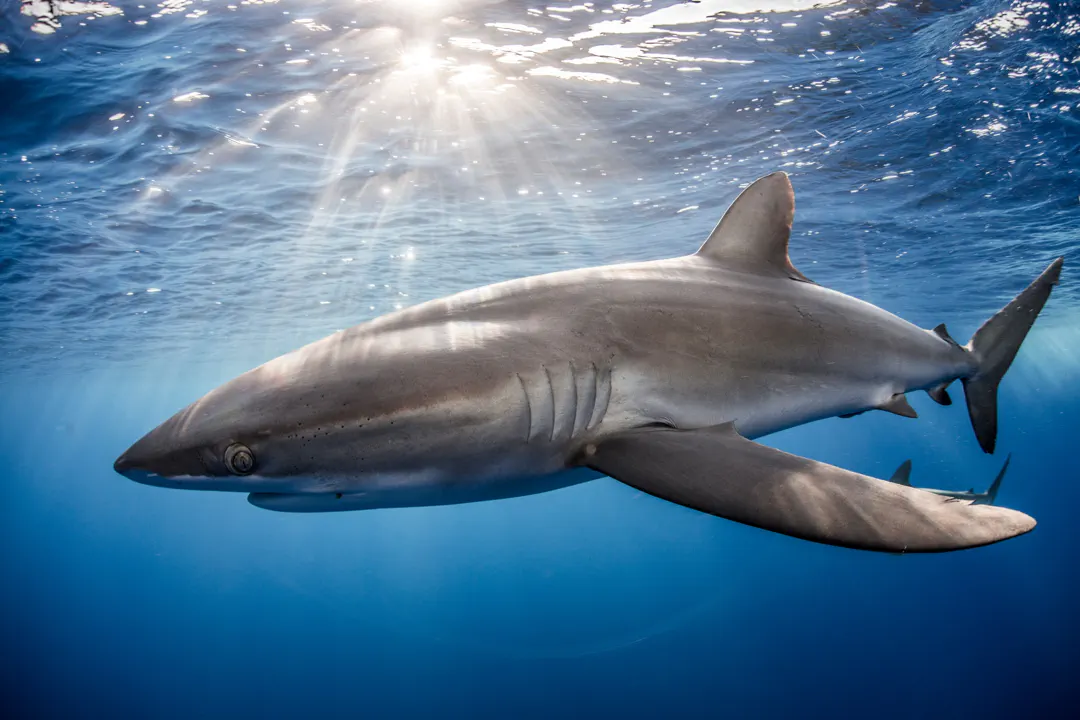
The southern plateau is famous for close encounters with oceanic whitetip sharks (Carcharhinus longimanus), particularly from October through December. These curious pelagic predators patrol the upper 15 metres of the water column, often approaching divers closely beneath stationary liveaboards and day boats. Divers are advised to keep horizontal profiles and maintain direct eye contact with approaching sharks.
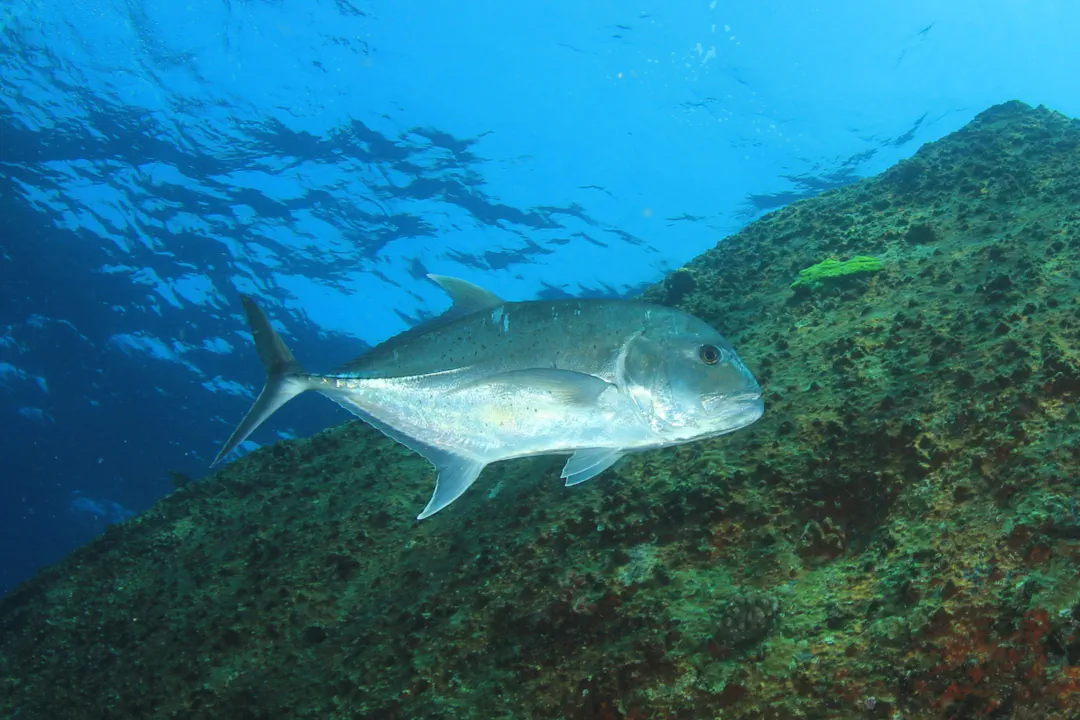
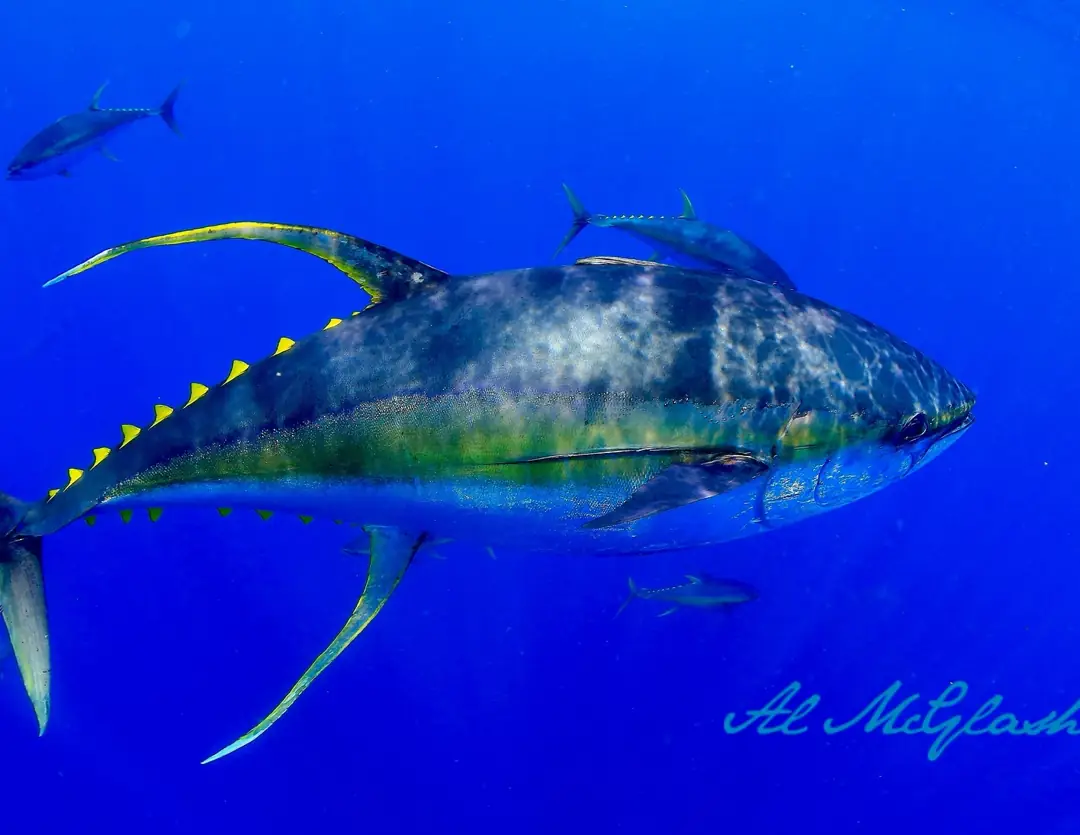
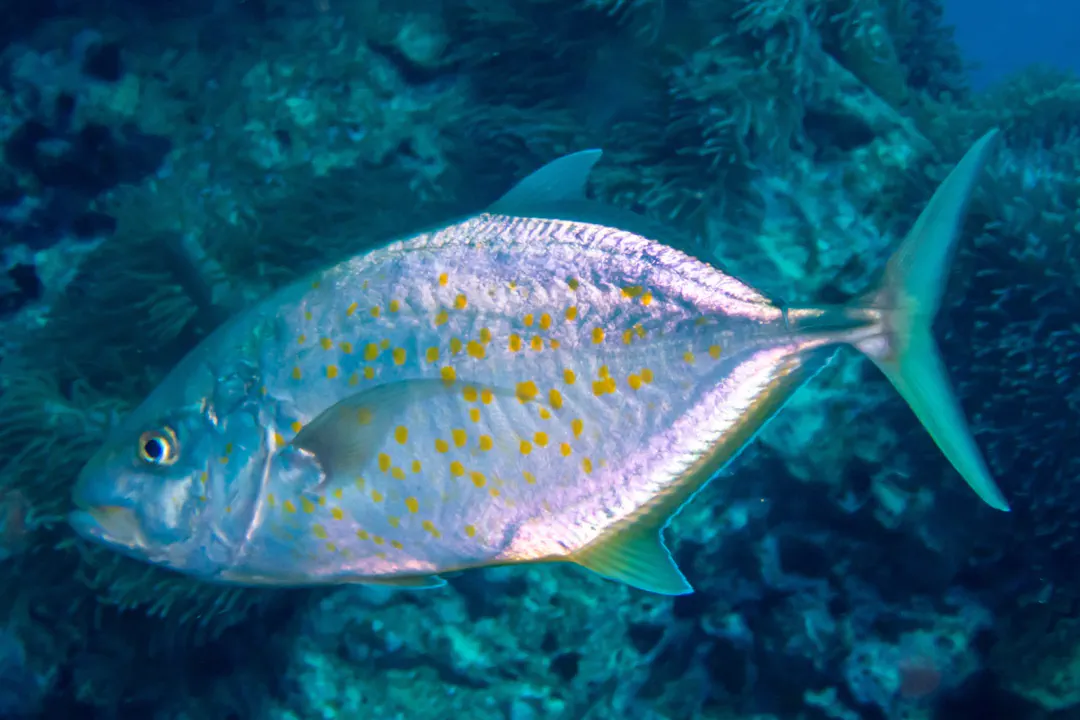
Along the vertical walls, dense forests of red soft corals and giant gorgonian sea fans filter nutrients from the passing current. Schooling barracuda, yellowfin tuna, and giant trevally hunt along the reef margins, while silky sharks and occasional hammerheads pass along the deeper northern plateau during early morning drifts.
Depth: 20-40 m. Access: boat, 20 minutes from Marsa Alam shore. Level: Advanced Open Water. Best months: October-December.
 © seabook.appAll rights reserved
 © seabook.appAll rights reserved
 © seabook.appAll rights reserved
 © seabook.appAll rights reserved
 © seabook.appAll rights reserved
 © AlmcglashanCC BY-SA 4.0
Daedalus Reef (Offshore Red Sea): schooling hammerhead sharks
Situated 80 kilometres offshore in the middle of the Red Sea, Daedalus Reef is a remote circular pinnacle topped by a nineteenth-century lighthouse. The reef walls drop vertically on all sides into waters over 500 metres deep. Because of its extreme offshore location, Daedalus is exposed to open-sea swell and powerful currents, making it accessible primarily via week-long liveaboard trips.
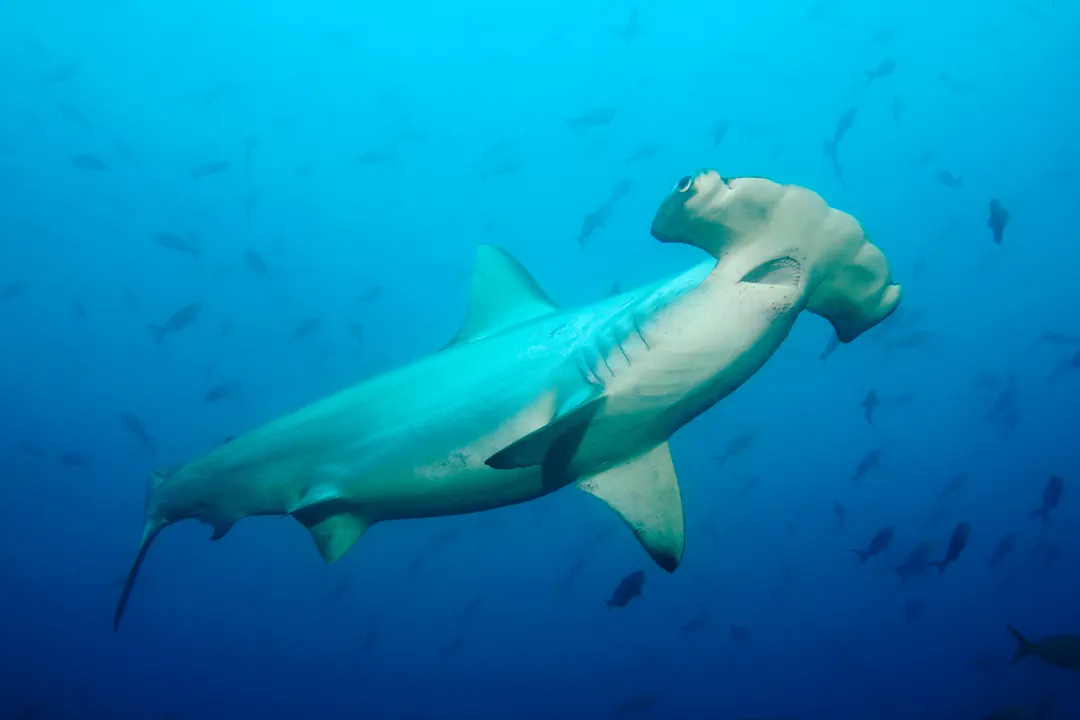
The primary draw at Daedalus is the resident population of scalloped hammerhead sharks (Sphyrna lewini). Early morning dives off the northern point offer the best chance to spot schools of hammerheads cruising in the deep blue at 30 to 40 metres. Divers hang in the water column off the wall, watching the sharks silhouette against the rising sun before slowly drifting back toward the main reef structure.
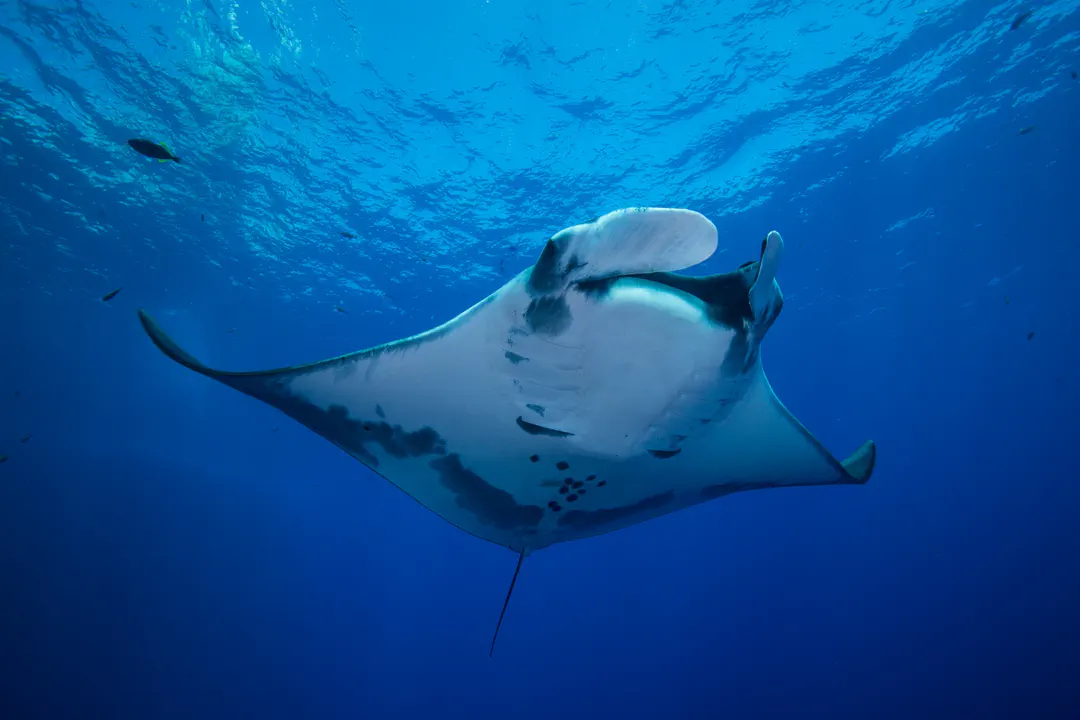
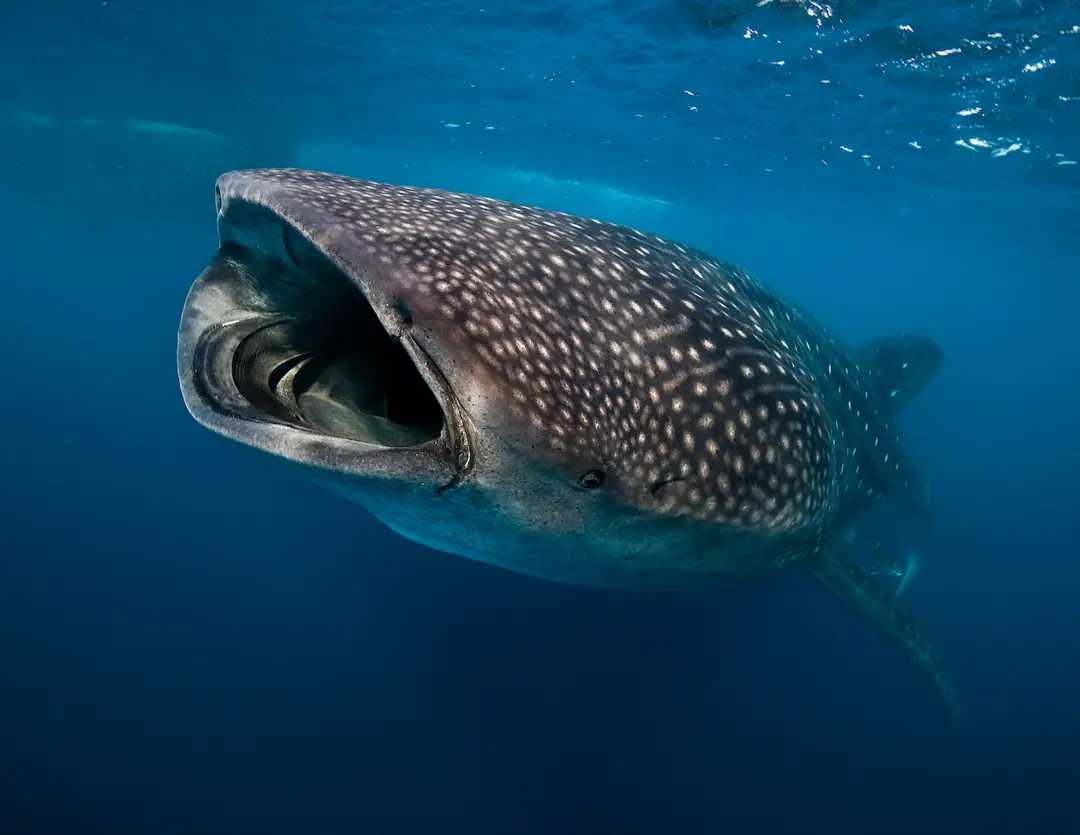
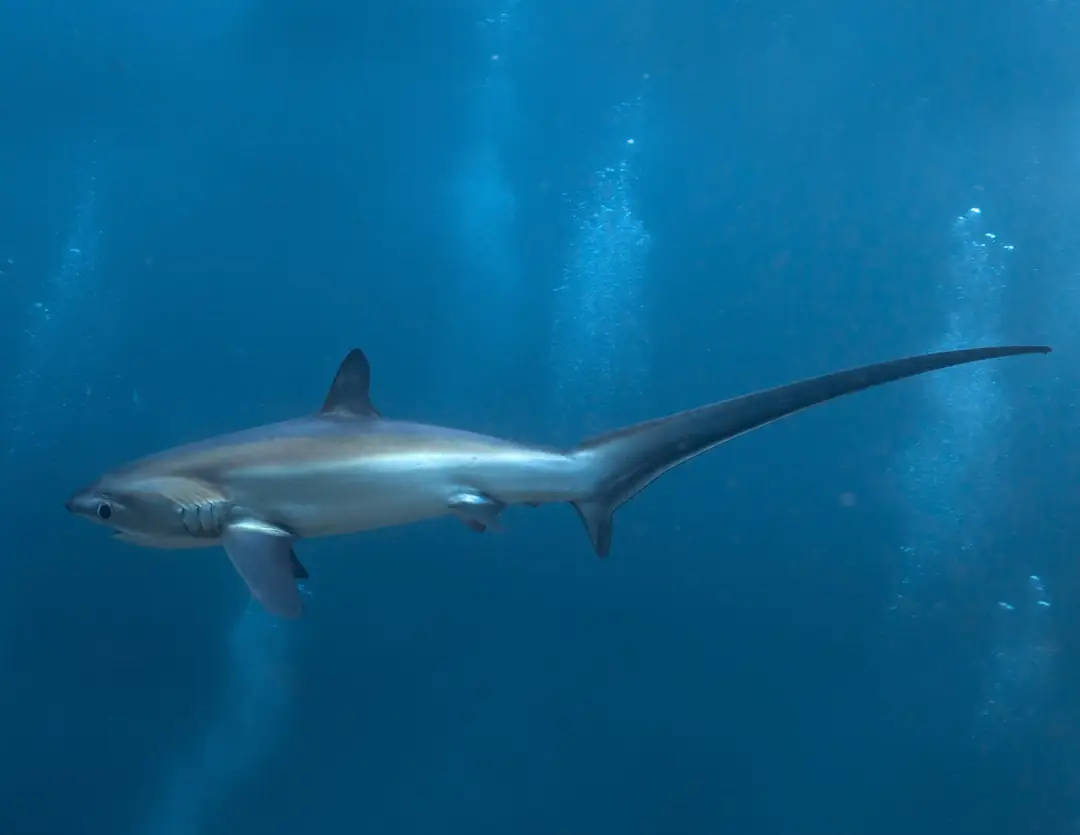
Beyond hammerheads, Daedalus supports pristine soft coral growth and an abundance of large pelagic visitors. Thresher sharks with elongated caudal fins occasionally circle the deeper cleaning stations on the southern plateau, while mantas and whale sharks pass through during summer plankton surges.
Depth: 15-40 m. Access: liveaboard, 9 hours from Marsa Alam. Level: Advanced Open Water (30+ logged dives). Best months: May-September.
 © Jenvit SeriburiAll rights reserved
 © seabook.appAll rights reserved
 © seabook.appAll rights reserved
 © Darren ObbardCC BY 4.0 · iNaturalist
 © portioidCC BY 4.0 · iNaturalist
The Canyon (Dahab): deep cavern and shore access
Positioned along the Gulf of Aqaba coastline, The Canyon in Dahab is an open-topped underwater fissure formed by ancient tectonic forces in the coastal fringing reef. Entering from a calm shore beach, divers swim across a shallow lagoon and sandy slope before reaching the top of the fissure at a depth of 15 metres.
The narrow fissure drops down into a sandy-bottomed cavern that opens out at 30 metres into a natural rock archway. Sunlight filters through narrow cracks overhead, illuminating tiny glassfish and lionfish hovering inside the chamber. Buoyancy must be controlled carefully to prevent silt from rising off the floor and clouding the internal passage.
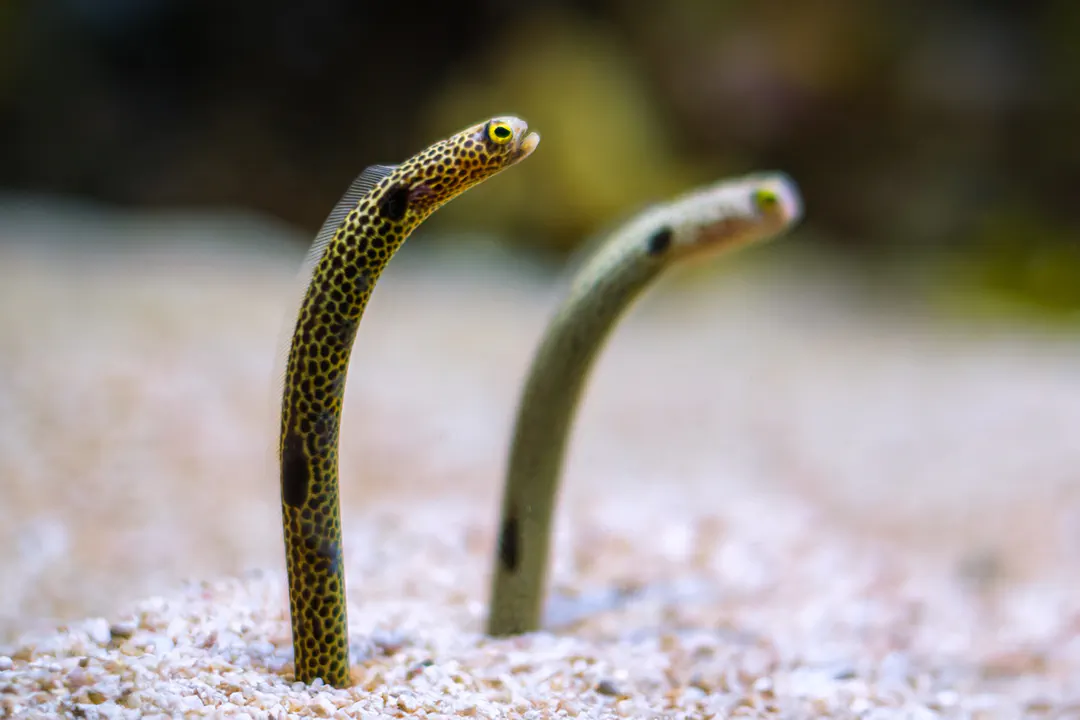
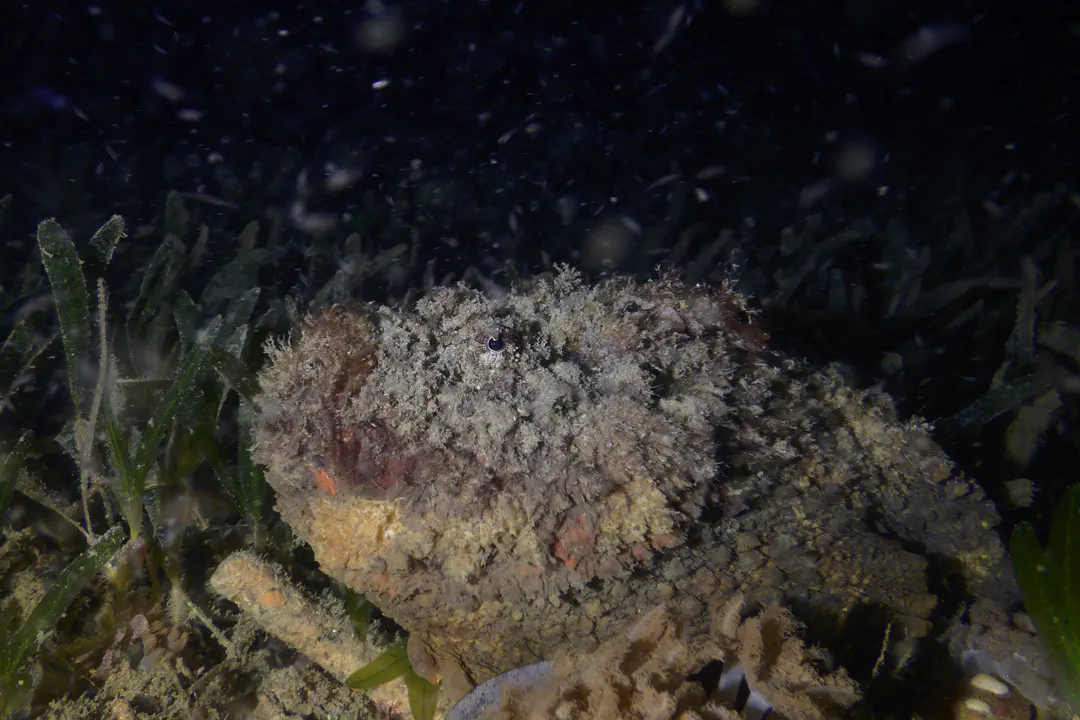
Outside the cavern structure, the sandy slope holds garden eel colonies (Heteroconger hassi) swaying softly in the slight surge. Masked butterflyfish and stonefish blend into the surrounding coral rock, while blue-spotted rays forage in the sand. Logging your sightings in the Seabook app helps track individual encounters with Red Sea endemic species like the blue-cheeked butterflyfish across these distinct Gulf of Aqaba habitats.
Depth: 15-30 m. Access: shore entry, 20 minutes from Dahab town. Level: Advanced Open Water. Best months: March-November.
 © seabook.appAll rights reserved
 © cello caruso-turielloCC BY 4.0 · iNaturalist
 © Ewout KnoesterCC BY-SA 4.0
 Dimitri BrosensCC0 · iNaturalist
Thomas Reef (Strait of Tiran): deep canyon and vibrant soft corals
Thomas Reef is the smallest of the four main reefs situated in the Strait of Tiran between the Sinai Peninsula and Saudi Arabia. Despite its compact size, the reef features steep drop-offs, swirling tidal currents, and a deep canyon on its southern face that begins at 35 metres and plummets well beyond recreational diving limits.
Current-swept walls are completely covered in dense colonies of pink and orange soft corals (Dendronephthya) alongside broad gorgonian sea fans. Millions of orange anthias swarm around the hard coral heads in the upper 12 metres, darting into crevices whenever blue-spotted rays or white-tip reef sharks pass along the wall.
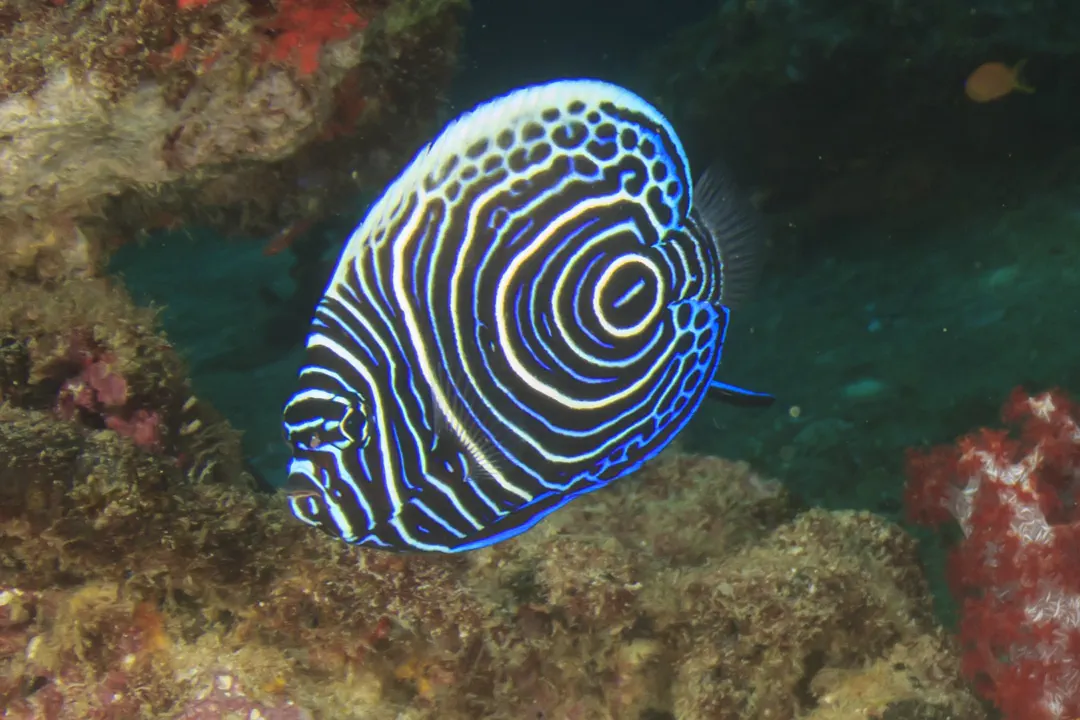
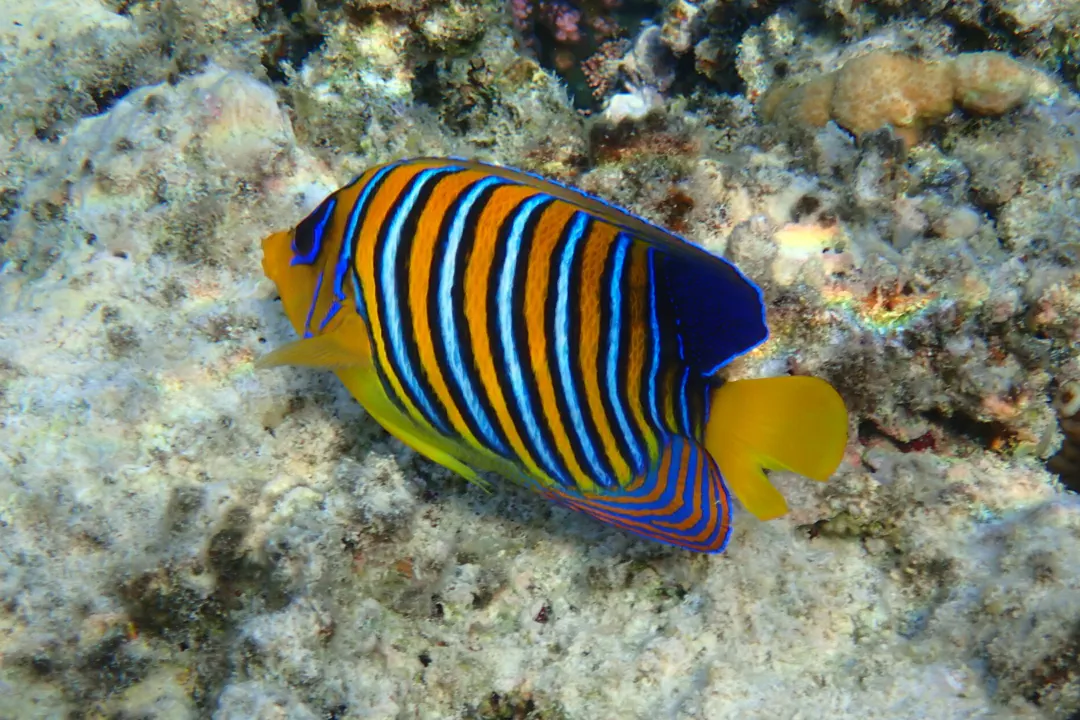
Divers typically execute a drift dive along the eastern or western wall depending on tidal flow. Emperor angelfish, clown triggerfish, and solitary napoleon wrasse are encountered throughout the profile, while large schools of blackfin barracuda often hold position in the current off the northern point.
Depth: 12-35 m. Access: boat, 2 hours from Sharm El Sheikh. Level: Advanced Open Water. Best months: April-October.
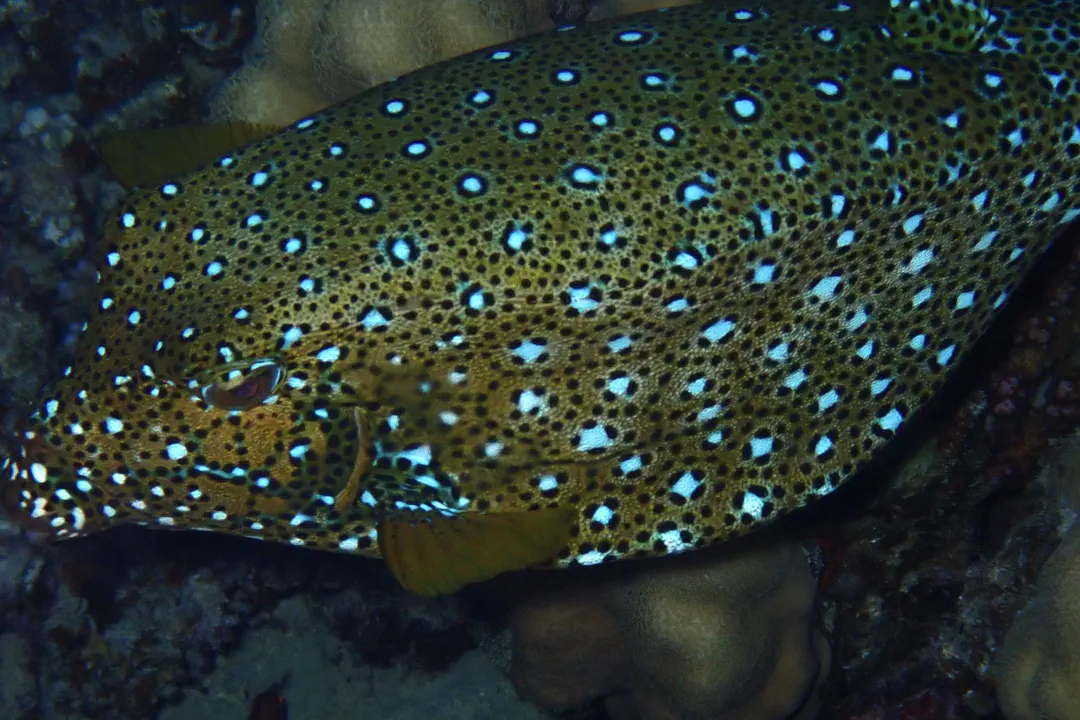 Jean-Paul BoerekampsCC0
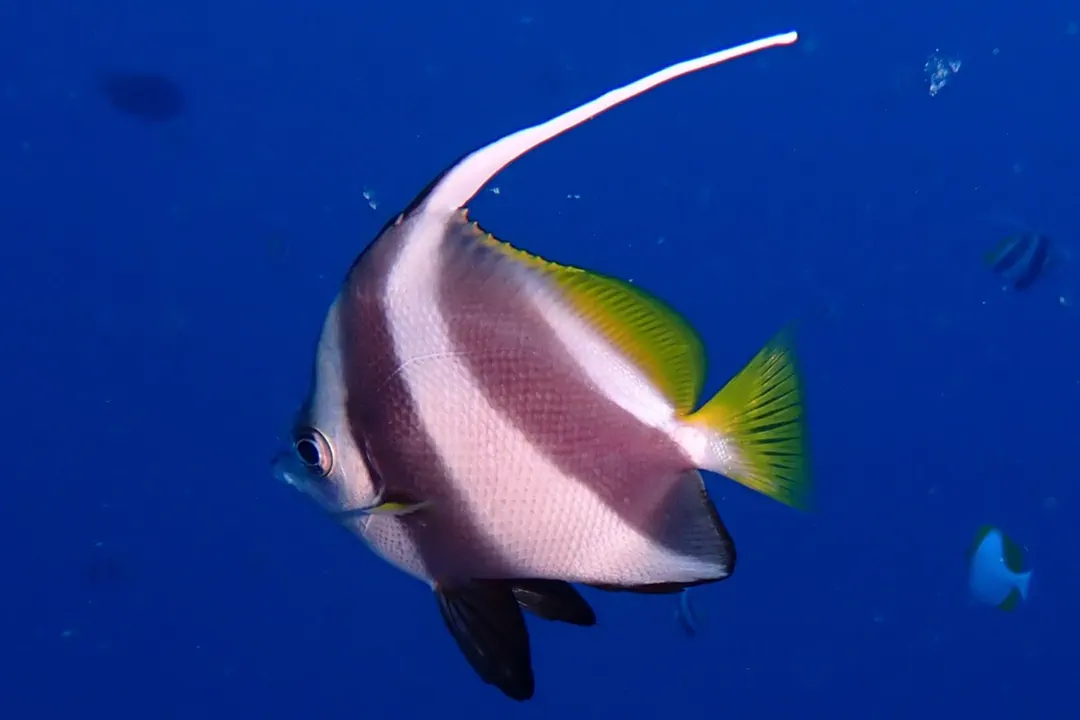 © Robin WhiteCC BY 4.0 · iNaturalist
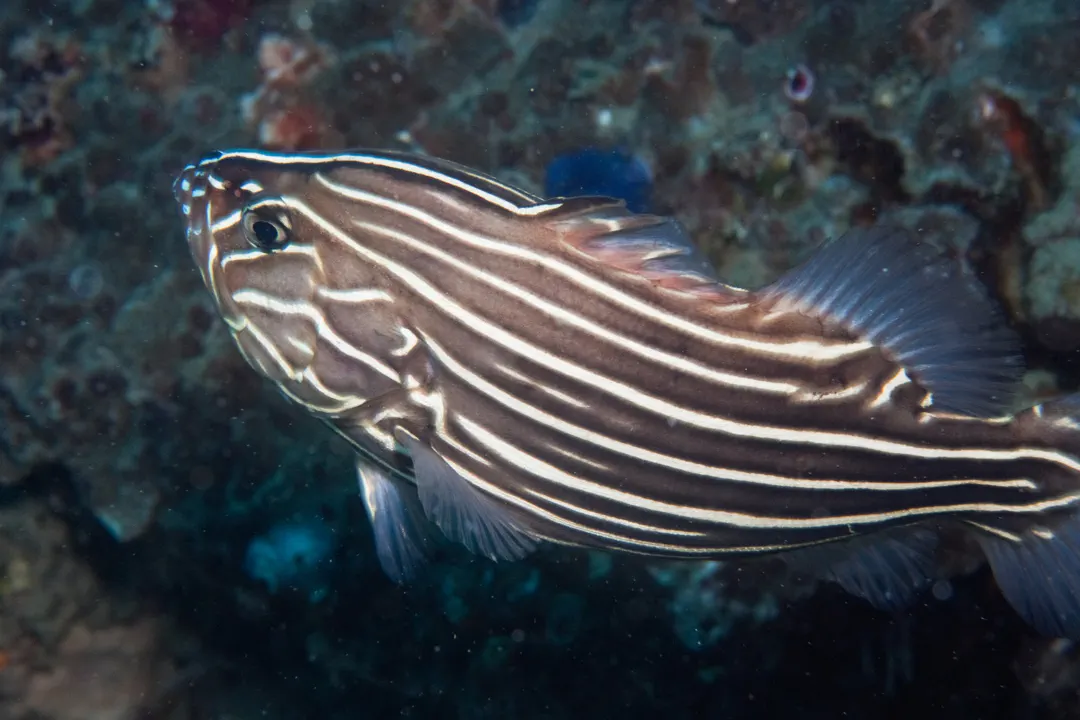 © Georgina JonesCC BY-SA 4.0 · iNaturalist
Brothers Islands (Offshore Red Sea): twin pinnacles and shipwrecks
Rising from oceanic depths, Big Brother and Little Brother are two tiny isolated volcanic islands located 60 kilometres offshore from El Quseir. Big Brother is marked by a prominent 1883 stone lighthouse and features two historic wrecks: the Numidia, a 130-metre British cargo ship that sank vertically in 1901, and the Aida, an Egyptian troop transport that struck the reef in 1957.
The Numidia rests on a steep incline starting at 8 metres and descending past 80 metres, its wooden deck long gone but its steel ribs heavily grown with soft corals and whip corals. Little Brother, sitting one kilometre to the south, lacks shipwrecks but is renowned for wall diving, dense sea fan forests, and pelagic cleaning stations on its northern plateau.
Both islands attract major pelagic predators. Pelagic thresher sharks (Alopias pelagicus) regularly visit deep cleaning stations at dawn on Little Brother, while oceanic whitetips and grey reef sharks patrol the surface waters around Big Brother's boat moorings. Powerful offshore currents require experienced liveaboard divers who are proficient with SMB deployments.
Depth: 15-40 m. Access: liveaboard, 7 hours from Hurghada. Level: Advanced Open Water. Best months: September-November.
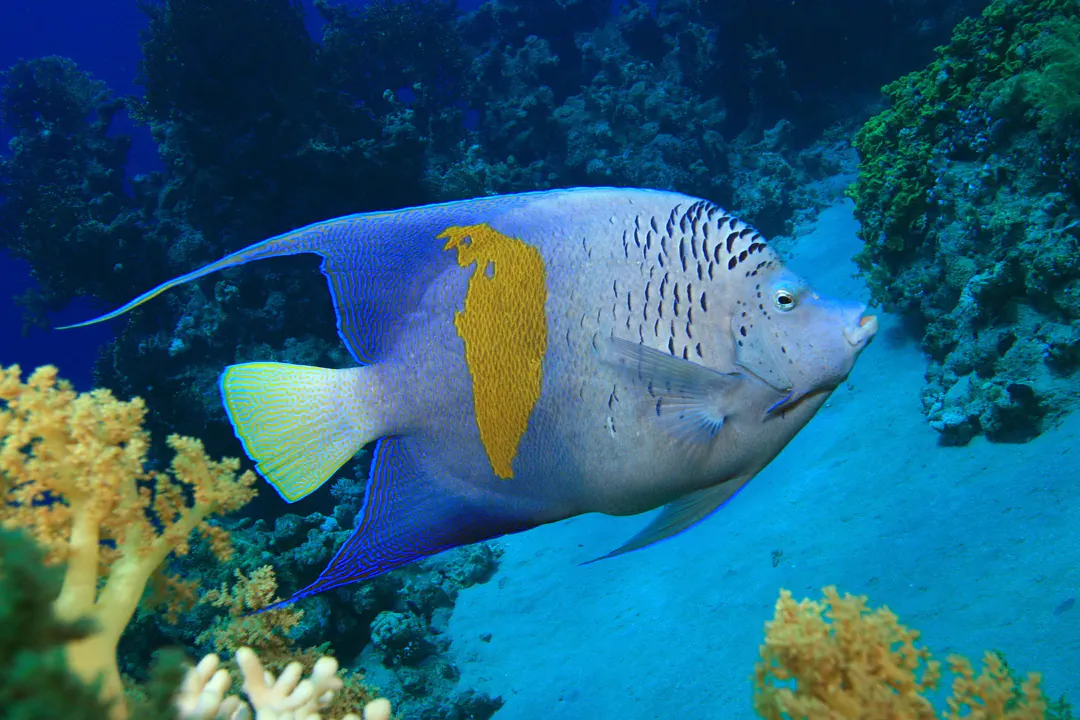 © seabook.appAll rights reserved
Marine Life in Egypt
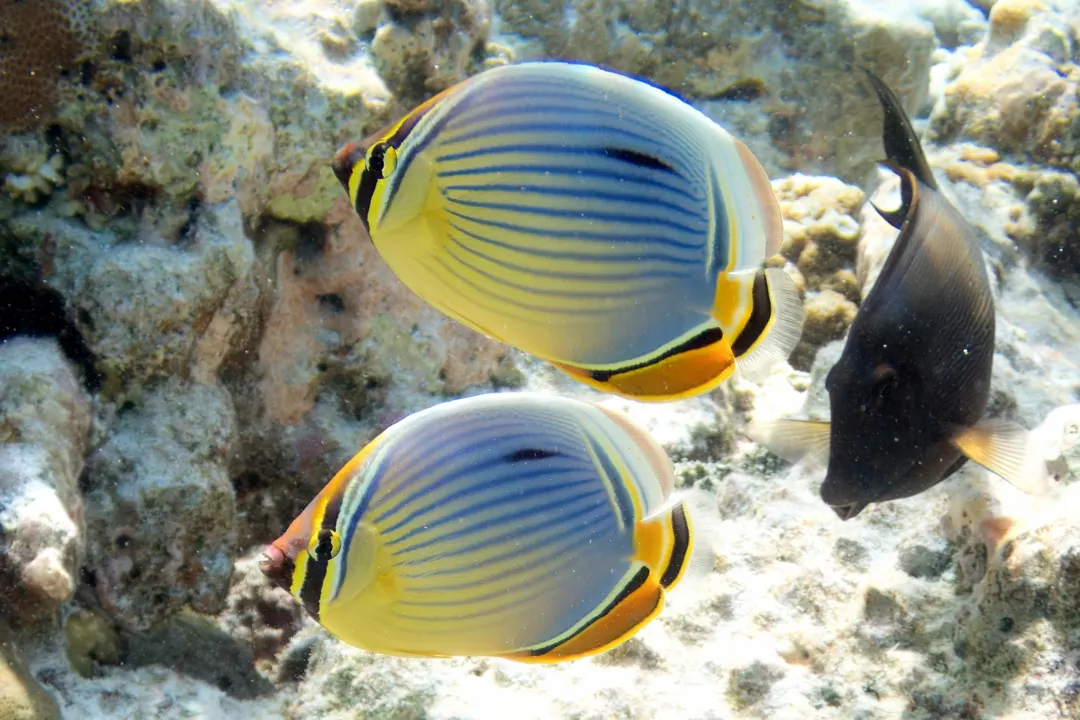
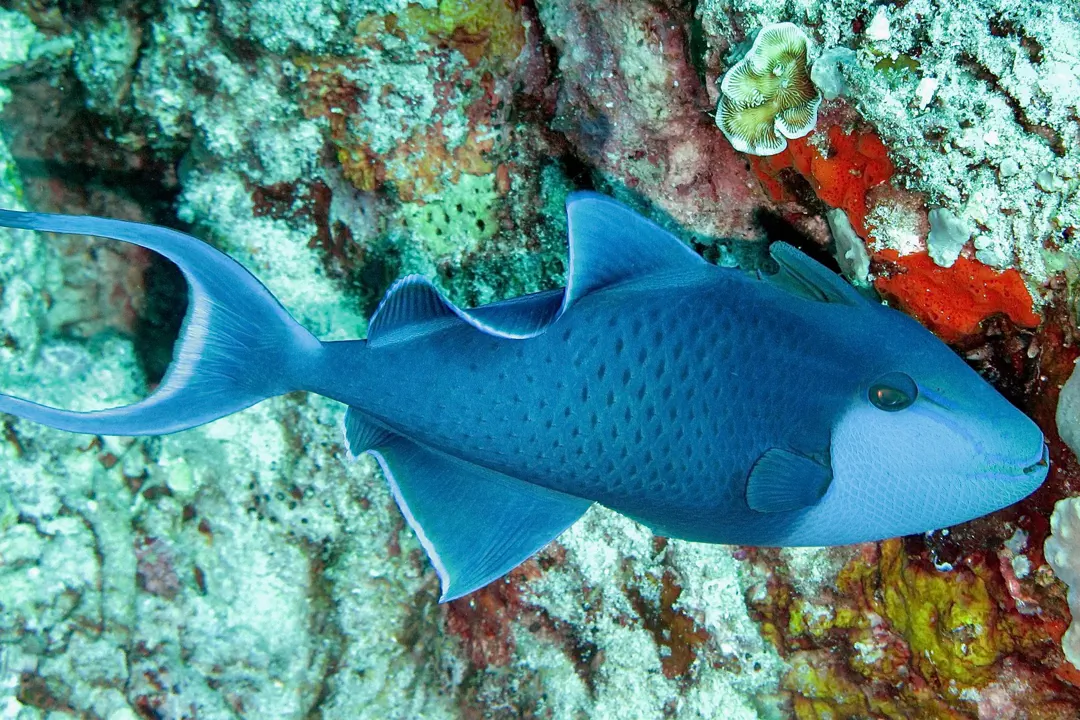
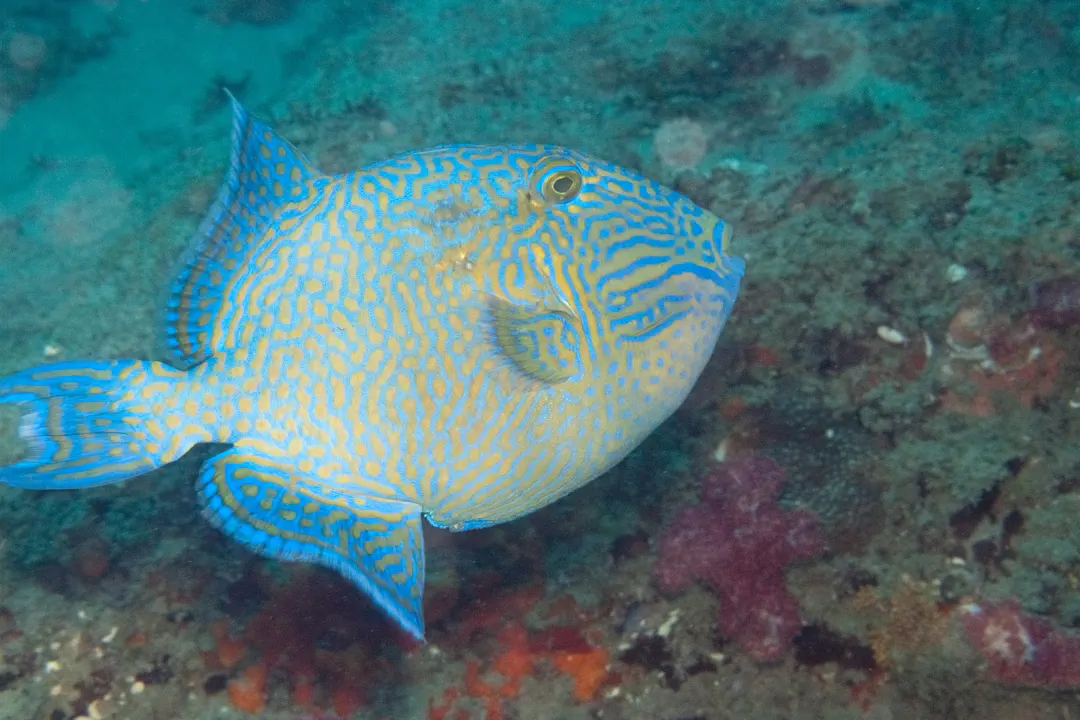
The isolation of the Red Sea has fostered remarkable biodiversity, with over 1,000 species of fish inhabiting its reefs. Endemic species—animals found nowhere else on Earth—make up a significant portion of the local fish population. Notable endemics include the Red Sea raccoon butterflyfish (Chaetodon fasciatus), the Red Sea bannerfish (Heniochus intermedius), and the Arabian picassofish (Rhinecanthus assasi).
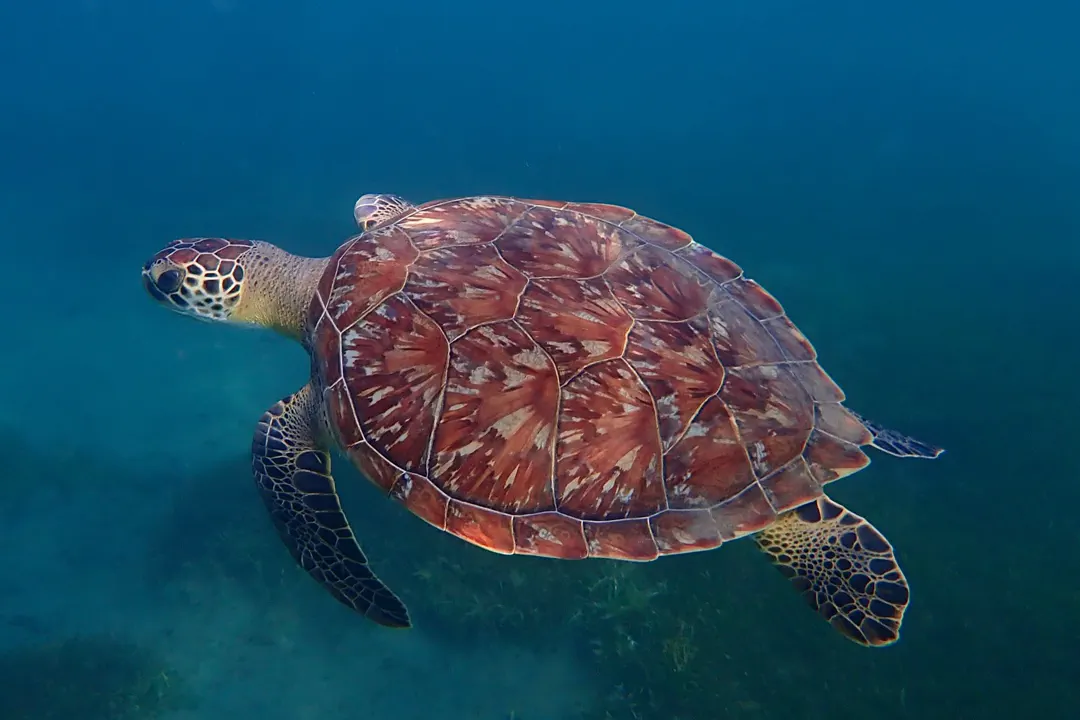
Large marine mammals and reptiles frequent specific coastal habitats. Rare dugongs (Dugong dugon) feed on shallow seagrass beds in southern bays near Marsa Alam, such as Marsa Egla and Abu Dabbab. Indo-Pacific bottlenose dolphins (Tursiops aduncus) and spinner dolphins (Stenella longirostris) form resident pods along offshore reefs like Sha'ab Samadai, while green sea turtles (Chelonia mydas) graze nearby.
Along vertical drop-offs and open plateaus, pelagic predators dominate the water column. Reef sharks, oceanic whitetips, hammerheads, and thresher sharks patrol deep currents alongside giant trevally, dogtooth tuna, and barracuda. Shallow reef flats shelter cryptic creatures, including stonefish, blue-spotted ribbontail rays, and giant morays hiding inside coral crevices.
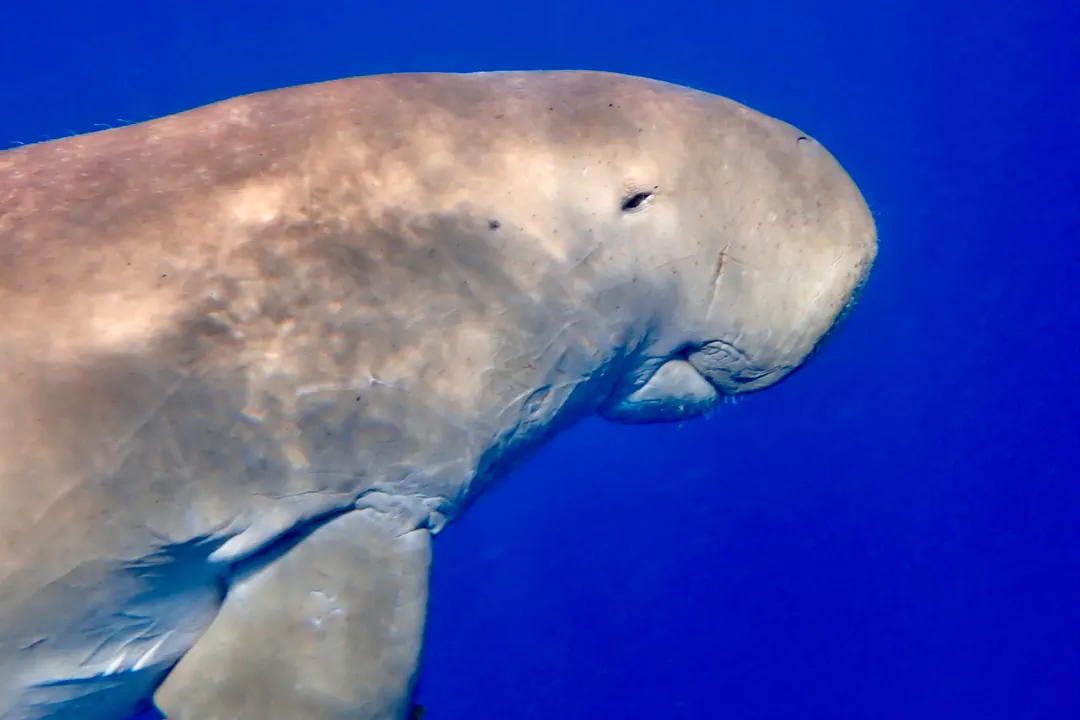 Jean-Paul BoerekampsCC0 · iNaturalist
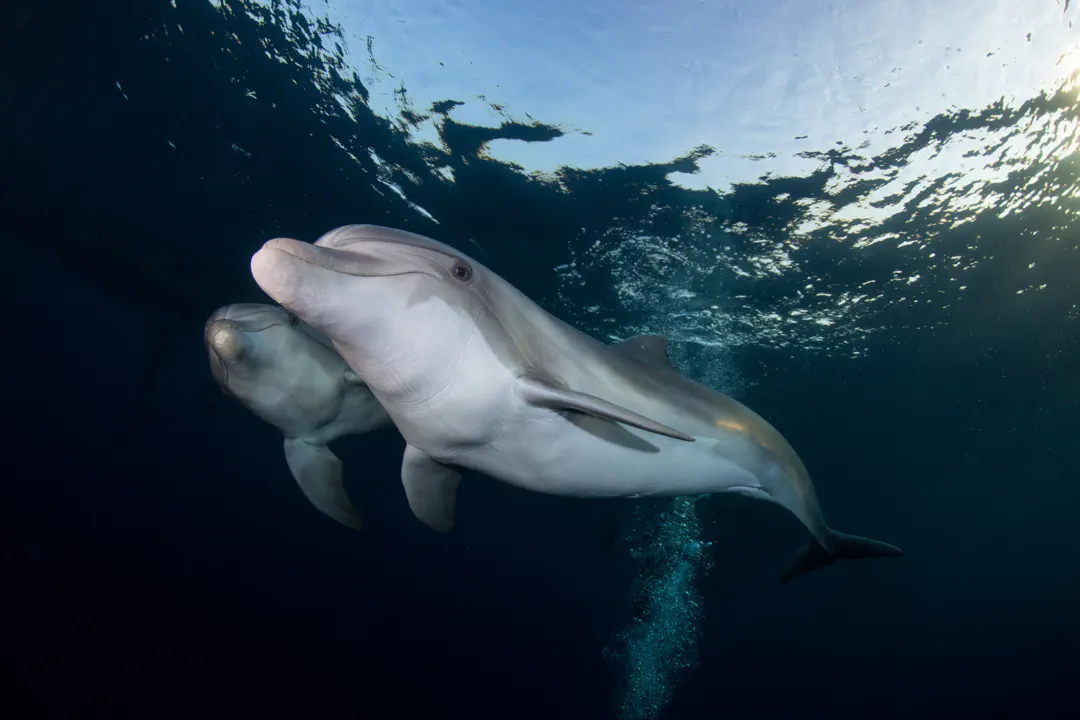 © טל שמעCC BY-SA 4.0 · iNaturalist
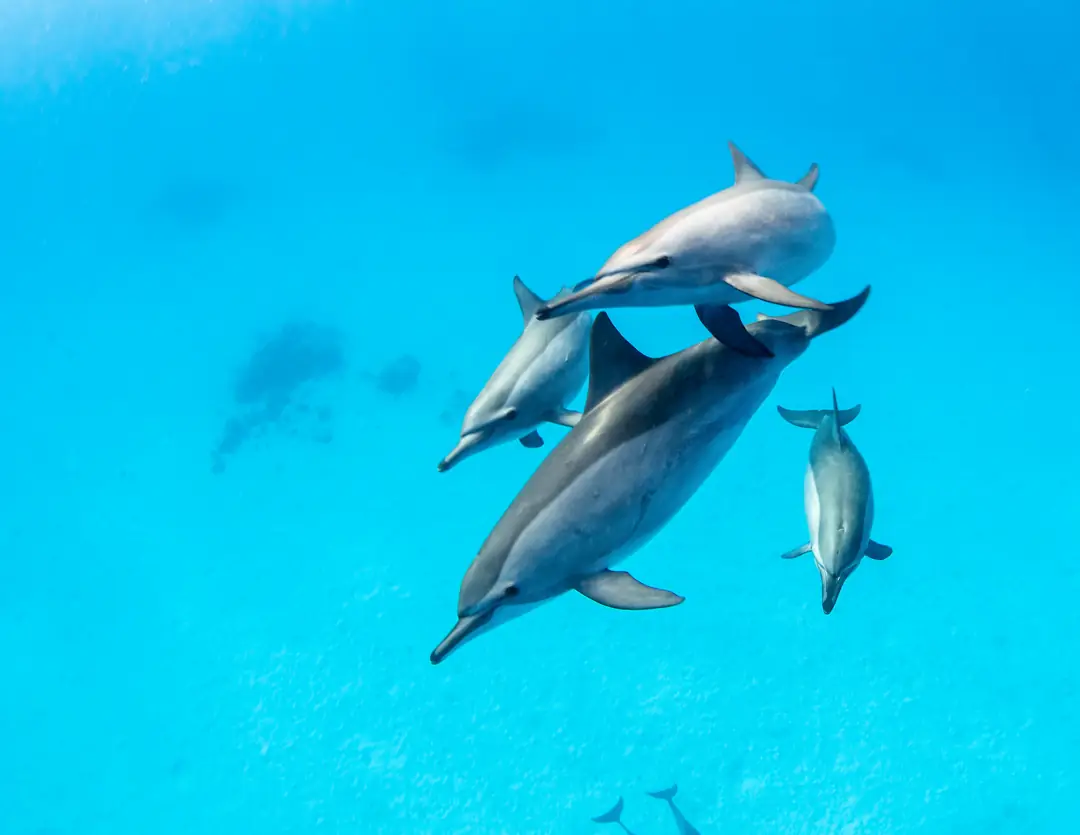 © seabook.appAll rights reserved © seabook.appAll rights reserved
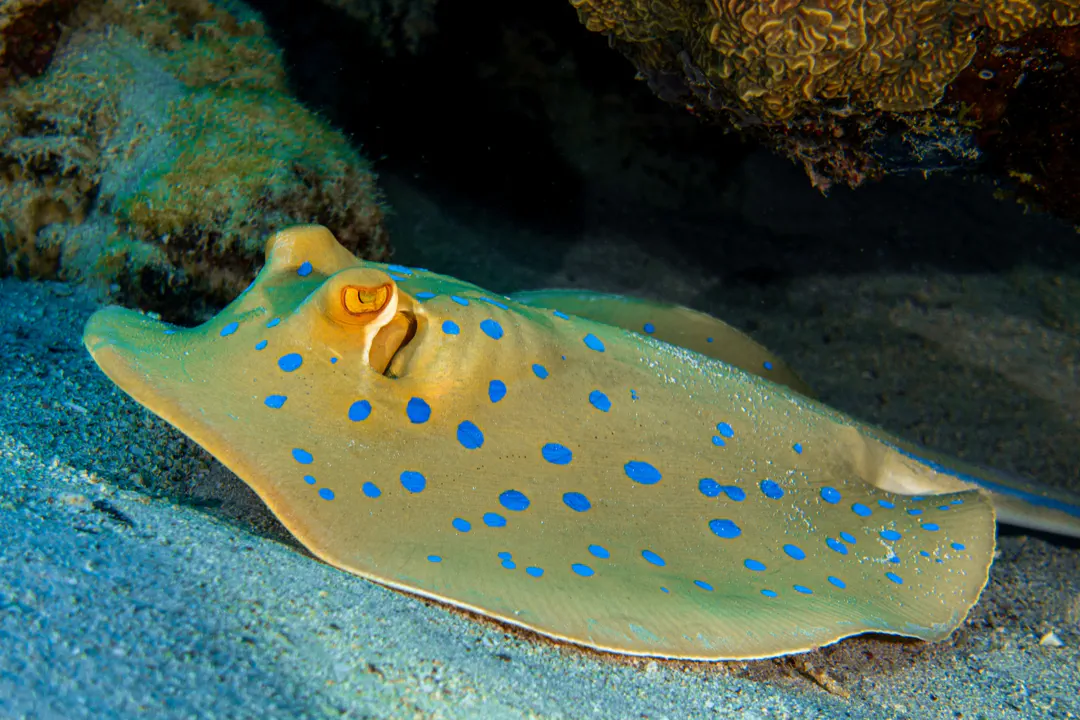 © Dirk FroebelCC BY 4.0 · iNaturalist
Is Egypt Good for Beginners and Snorkellers?
Egypt offers exceptional conditions for entry-level divers and snorkellers, provided they choose the right location. Coastal destinations like Hurghada, Sharm El Sheikh, and Dahab feature sheltered bays with minimal current, calm surface conditions, and shallow sandy bottoms between 2 and 12 metres deep.
Beginners can complete Open Water certifications or introductory trial dives on shallow fringing reefs that start right from the beach or a short day-boat ride. Visibility in these protected bays routinely exceeds 15 metres, allowing clear sightlines for mastering buoyancy, mask clearing, and basic underwater navigation alongside experienced instructors.
Snorkellers can explore coral gardens directly from shore in places like Sharm El Maya or Marsa Alam's protected coves. Shallow reef flats host colorful parrotfish, damselfish, and blue-spotted rays within arm's reach of the surface. Snorkellers should wear thermal rash guards or thin wetsuits for protection against sun exposure and slight surface currents.
Getting There and Practical Tips
Travel to Egypt's diving hubs is straightforward, with major international airports located in Sharm El Sheikh (SSH), Hurghada (HRG), and Marsa Alam (RMF). European charter flights operate direct routes daily to these coastal gateways, while regional domestic flights connect through Cairo for travelers visiting inland cultural sites before heading to the coast.
Choosing between land-based resort diving and liveaboards depends on your experience and target dive sites. Resort stays in Dahab, Hurghada, or Sharm El Sheikh provide easy access to local coastal reefs, day-boat trips, and relaxed shore diving. Liveaboards are essential for reaching isolated offshore marine parks like Daedalus, the Brothers, and Zabargad, where long open-sea transits are required.
Practical requirements vary depending on the itinerary. Offshore liveaboard operators typically require Advanced Open Water certification and a minimum of 30 to 50 logged dives due to deep walls and strong currents. Entry visas can be obtained online or upon arrival at major airports for many nationalities, and divers must present proof of valid dive insurance covering emergency medical treatment and hyperbaric recompression.
Questions
Are there sharks in Egypt?
Yes, over 44 shark species are recorded in the Egyptian Red Sea. Recreational divers routinely encounter whitetip reef sharks, grey reef sharks, oceanic whitetips, and scalloped hammerheads, particularly at offshore reefs like Elphinstone and Daedalus. Whale sharks and thresher sharks make occasional appearances depending on season and plankton levels.
Is it dangerous to swim in the Red Sea?
Swimming and diving in the Red Sea are generally safe when using reputable operators and adhering to standard dive procedures. Environmental factors like strong drift currents, surface boat traffic, and dehydration pose far greater practical risks than marine life encounters. Always follow guide briefings, deploy surface marker buoys, and stay within designated swimming zones.
What fish can you see in Egypt?
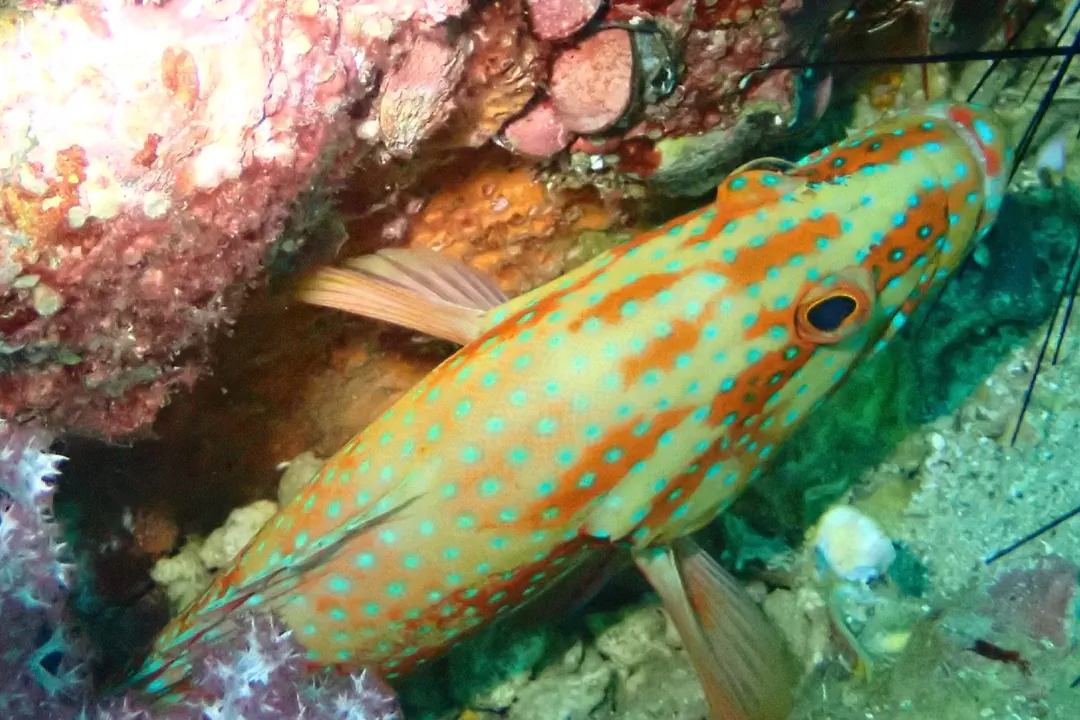
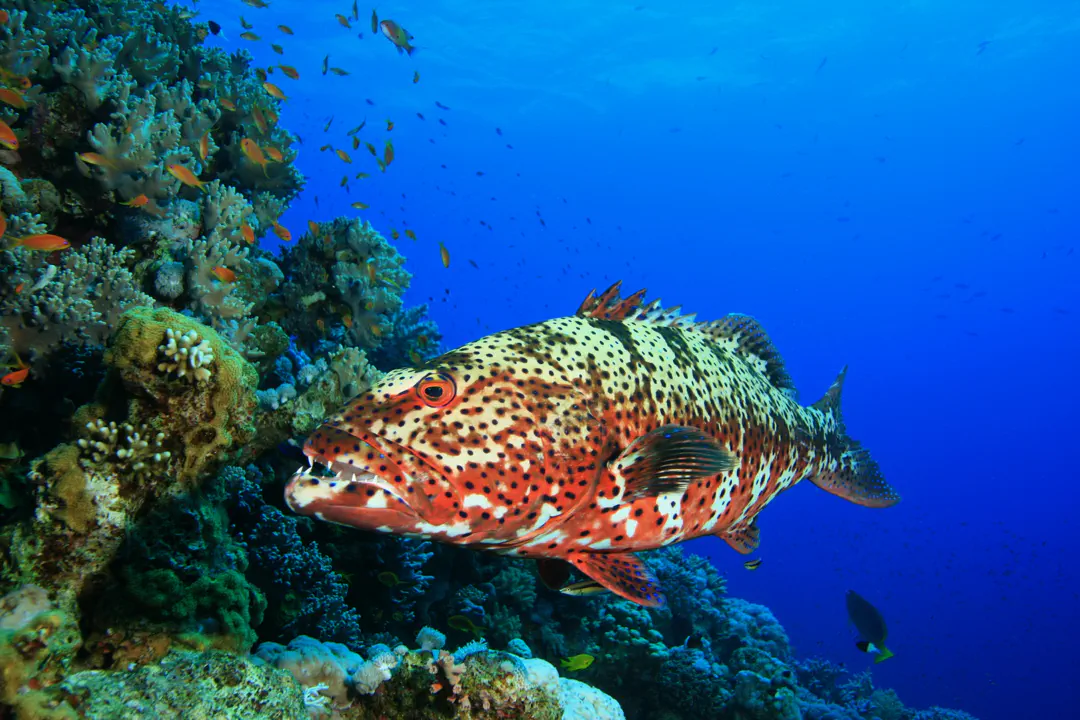
Divers in Egypt can see over 1,000 fish species, including lionfish, giant moray eels, emperor angelfish, blue-spotted rays, and large napoleon wrasse. Endemic species like the Red Sea raccoon butterflyfish and Red Sea bannerfish are common on shallow reefs. Pelagic species including barracuda, giant trevally, and tuna frequent outer wall drop-offs.
Can you see turtles in Egypt?
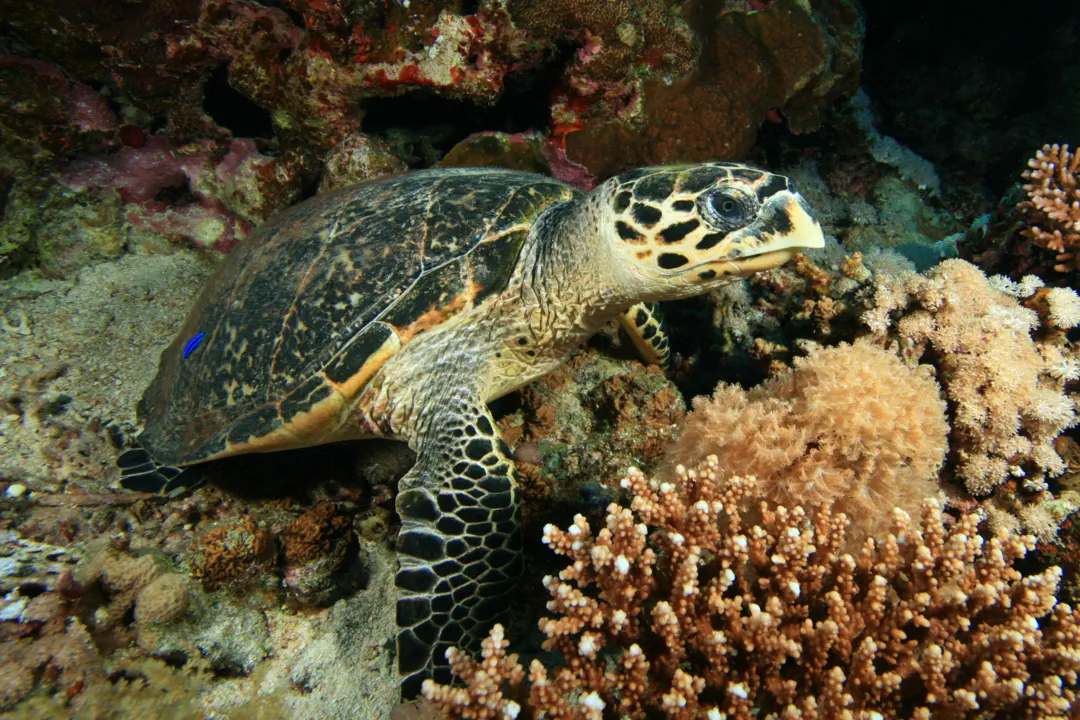
Green sea turtles and hawksbill turtles are common sightings across Egyptian Red Sea reefs. Green turtles are frequently spotted feeding on seagrass meadows in Marsa Alam, while hawksbills graze on soft corals along coastal reef walls near Sharm El Sheikh. Divers should maintain a respectful distance and avoid blocking turtles when they surface for air.
How warm is the water in Egypt in September?
September brings some of the warmest sea temperatures of the year, averaging between 27°C and 29°C across most Egyptian dive sites. A 3 mm wetsuit or shorty is typically sufficient for thermal protection during September dives. Air temperatures remain high, making hydration during surface intervals essential.
Is Egypt good for beginner divers?
Yes, Egypt is an ideal training location due to sheltered bays, minimal currents, and shallow coral gardens around Sharm El Sheikh, Hurghada, and Dahab. Beginners can comfortably learn in clear water with visibility exceeding 15 metres. Remote offshore sites with strong currents should be saved until additional experience is gained.
Do I need a liveaboard to dive in Egypt?
You do not need a liveaboard to enjoy diving in Egypt, as land-based resorts offer access to hundreds of coastal reefs, local wrecks, and day-boat destinations. However, a liveaboard is necessary to reach remote offshore marine parks such as Daedalus, Rocky Island, and the Brothers Islands, which are located far out in the open sea.