At Flying Fish Reef off Kaş, ten meters down a limestone pinnacle, sunbeams slice through blue water onto white gravel. A dusky grouper hovers motionless above a ledge, its dark flanks flecked with bronze spots, before flicking its tail to recede into a shadowy crevice. Below, the wall plunges past fifty meters into deep blue.
Diving in Turkey spans the Mediterranean Lycian Coast and Aegean Sea, where limestone drop-offs, caverns, and scuttled wrecks define the underwater landscape. The main diving season runs from May through October, when surface water temperatures climb between 18°C and 28°C. Underwater visibility regularly measures between 20 and 30 meters, with clear offshore days extending beyond 30 meters.
Coastal hubs like Kaş, Bodrum, Fethiye, and Antalya offer contrasting dive experiences ranging from shallow aircraft wrecks to deep pinnacle drop-offs. Divers commonly encounter Mediterranean groupers, loggerhead sea turtles, octopuses, and schooling bream around rocky reefs. The region suits beginners learning in sheltered bays, while technical divers explore deep wartime wreckage and overhead cave systems.
What Is Diving in Turkey Like?
Turkey's southern coastline features jagged limestone topography that drops straight into deep water. Submerged cliffs, natural arches, and subterranean caverns create complex habitats along the seabed. Underwater boulders and drop-offs host slow-growing sponges, orange cup corals, and encrusting bryozoans rather than soft tropical corals.
The water along the Lycian Coast maintains high clarity due to limited river runoff and steep rocky shorelines. Plankton blooms are rare during the warm summer months, giving divers unobstructed views along deep walls. Currents remain mild in sheltered bays, though offshore pinnacles experience moderate flows that draw schooling pelagic fish.
Historical maritime activity leaves its mark across the seafloor in ancient stone anchors and amphora sherds. While ancient archaeological sites like the 14th-century BCE Uluburun shipwreck are strictly protected heritage reserves, recreational divers can explore modern scuttled military vessels. Strict national laws prohibit moving or collecting any artifacts encountered during a dive.
Best Time to Dive in Turkey
The Mediterranean diving season in Turkey opens in May and continues into late October. May and June bring surface water temperatures around 18°C to 22°C, requiring a 5mm to 7mm wetsuit for comfort. Visibility is sharp in early summer, and dive sites experience minimal boat traffic before peak tourist months arrive.
July and August bring peak surface temperatures reaching 24°C to 28°C under clear skies. However, distinct thermoclines sit below 20 meters, where water temperatures drop sharply to 20°C or lower. Divers descending past the warm surface layer should prepare for cooler water profiles regardless of hot weather on land.
September and October offer some of the most stable diving conditions along the coast. Surface water retains summer heat around 23°C to 25°C, while air temperatures drop to comfortable levels. Wind conditions tend to settle during autumn, allowing reliable boat access to exposed offshore pinnacles and deep walls.
Water temperature
Turkey, monthly average
Mediterranean coast near Antalya (most popular diving area in Turkey, typical surface temperatures for scuba diving sites)
From the community's dive logs
What divers log in Turkey
From 15 dives logged by 8 Seabook divers. What this group recorded, not a verdict on the destination.
Months these logs come fromwhen people dived, not when it is best
Best Dive Sites in Turkey
Turkey's top dive sites cluster around four main hubs along the southwestern coast, each offering distinct underwater topography, wreck access, and marine ecosystems.
Flying Fish Reef (Kaş)
Flying Fish Reef rises from deep water off the Kaş peninsula, starting just five meters beneath the surface. The limestone pinnacle drops off sharply into blue water, reaching depths beyond 60 meters. Current often sweeps across the shallower top, pushing small baitfish tight against the rock.
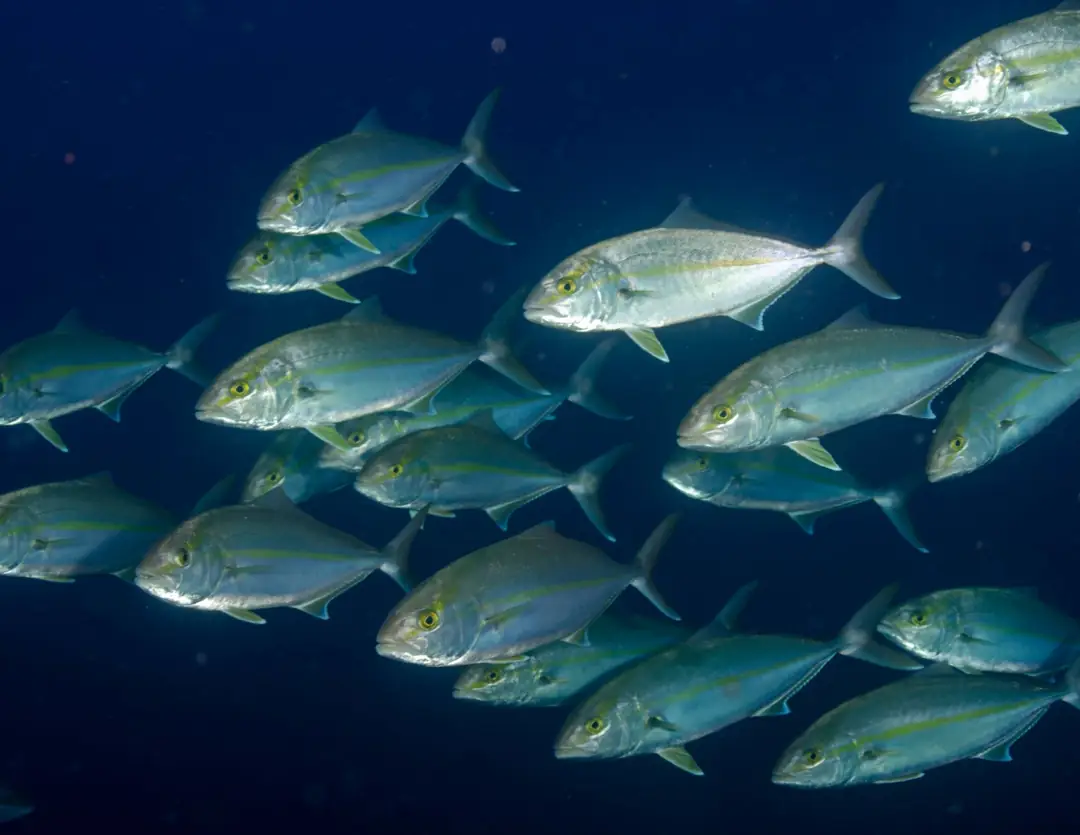
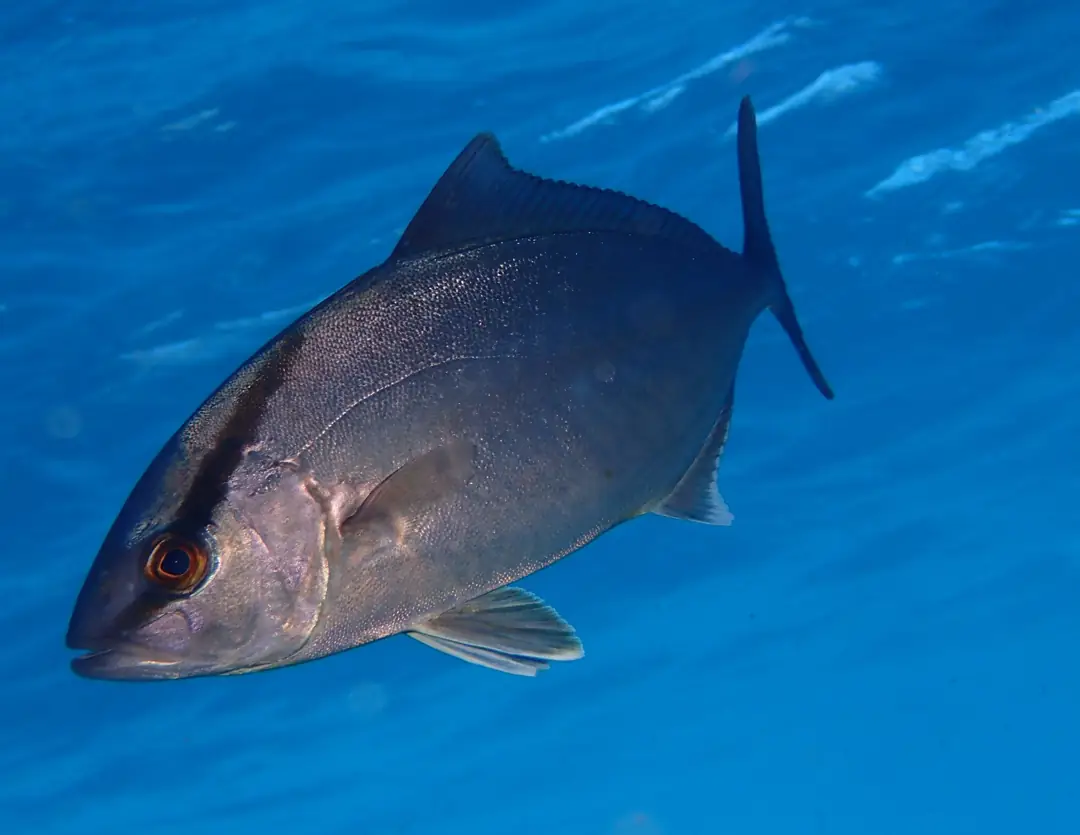
At fifty meters depth rest the broken metal remains of an Italian Savoia-Marchetti SM.79 bomber from World War II. The deep wreck profile requires advanced technical planning, gas management, and brief bottom times. The surrounding open water attracts migratory amberjacks and Mediterranean barracuda patrolling the drop-off edges.
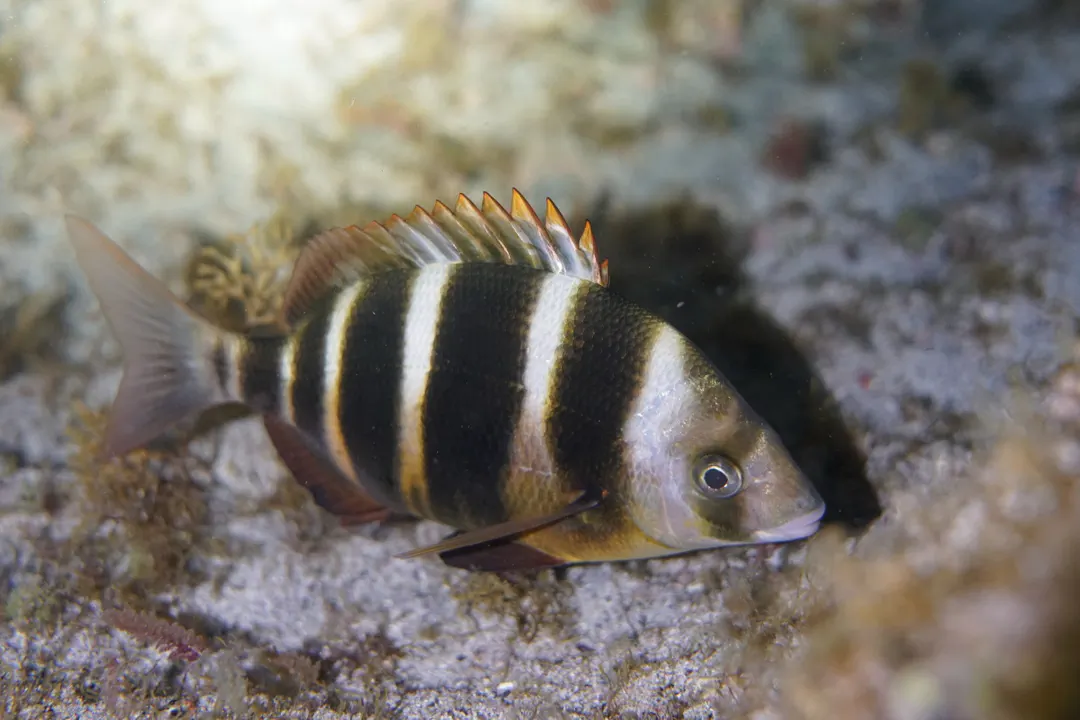
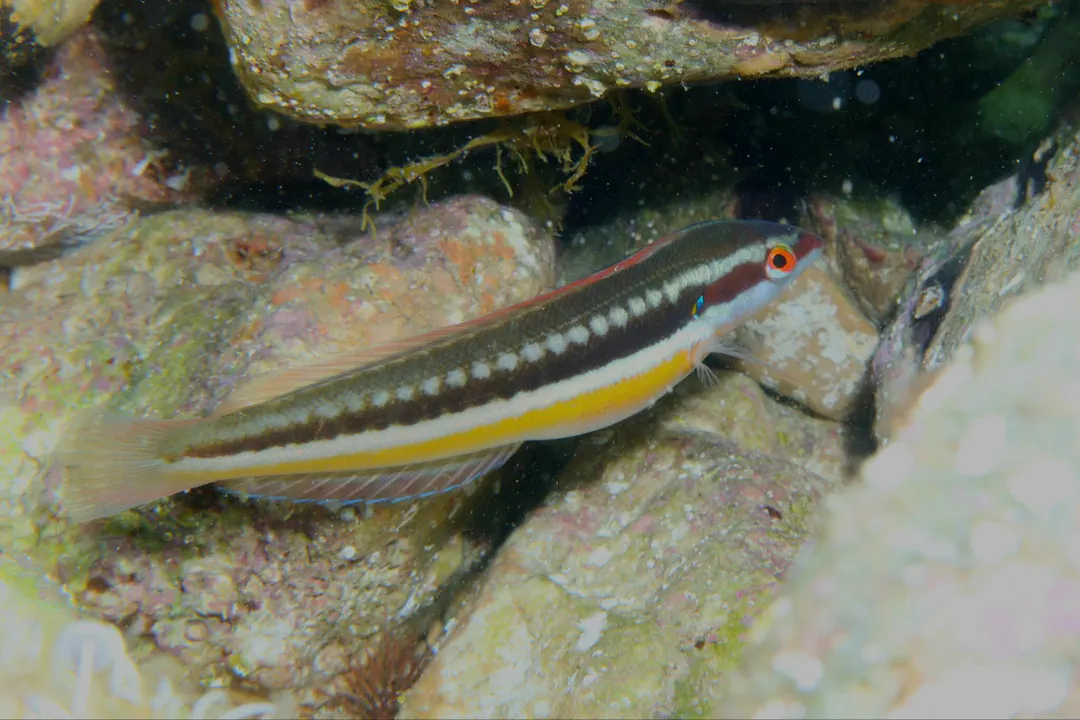
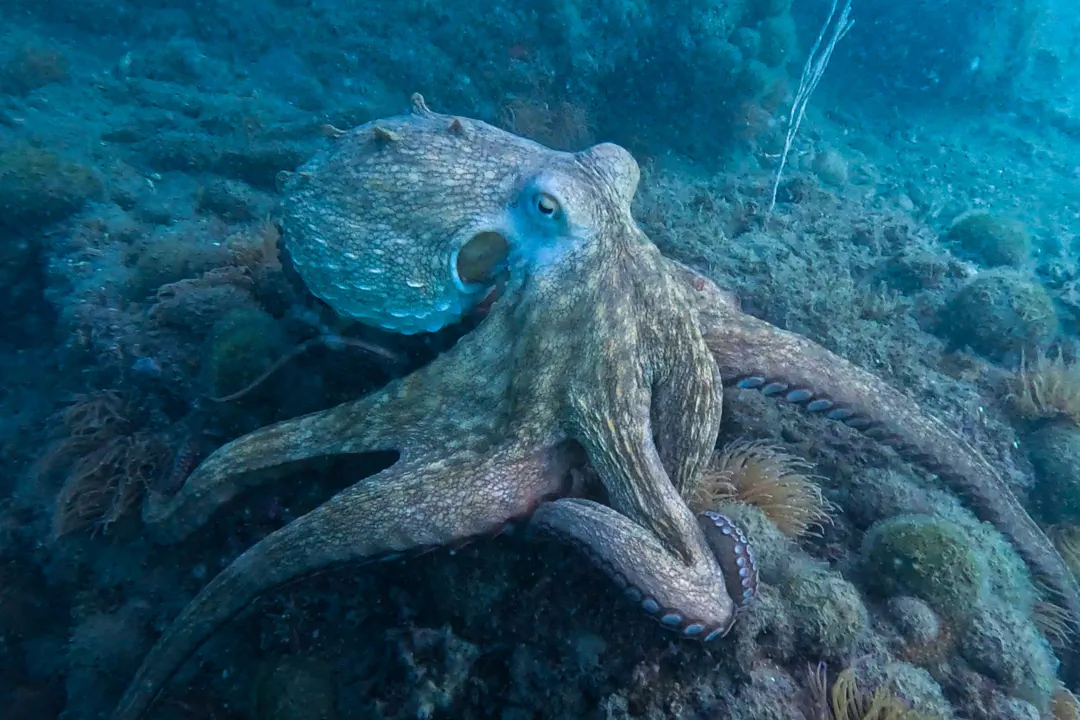
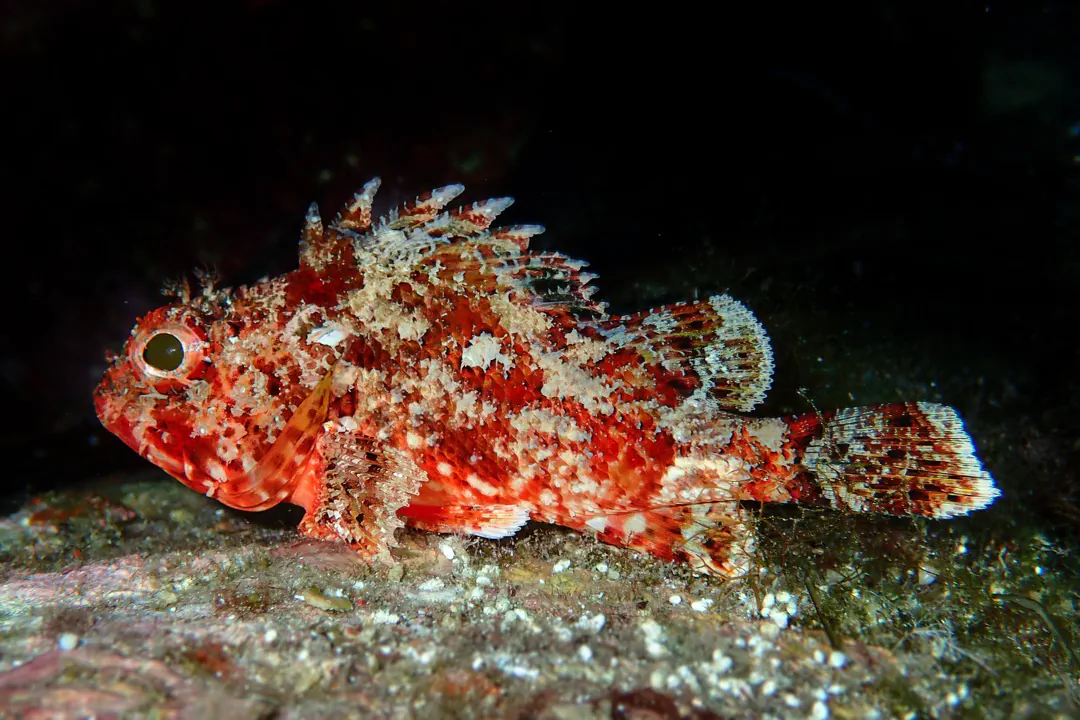
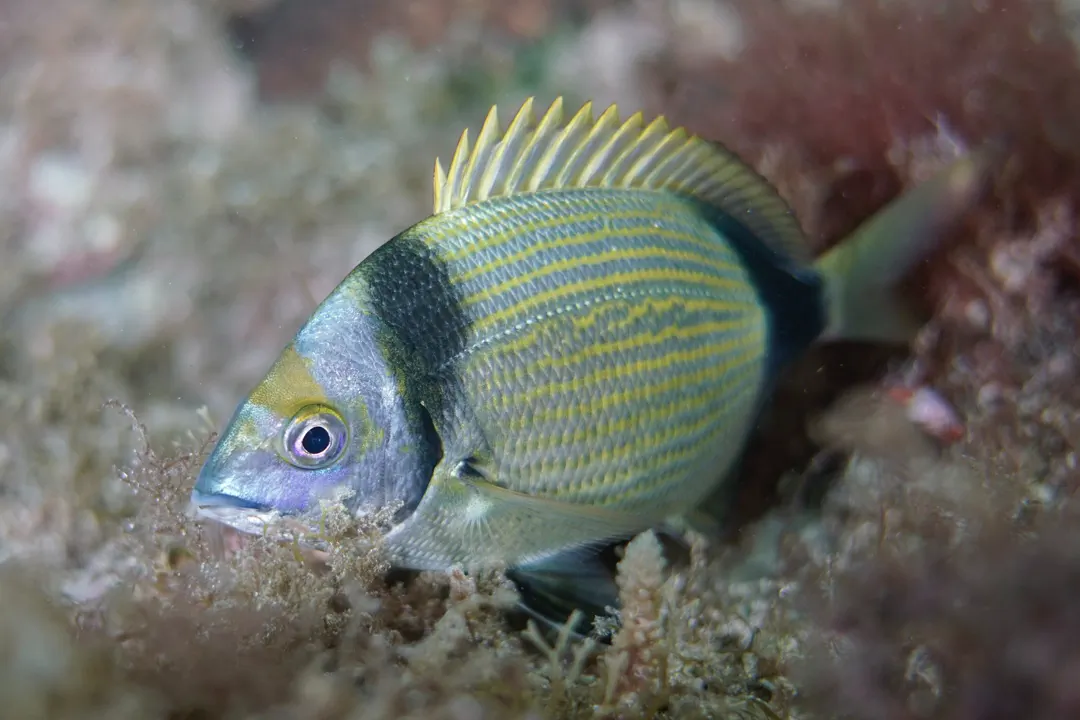
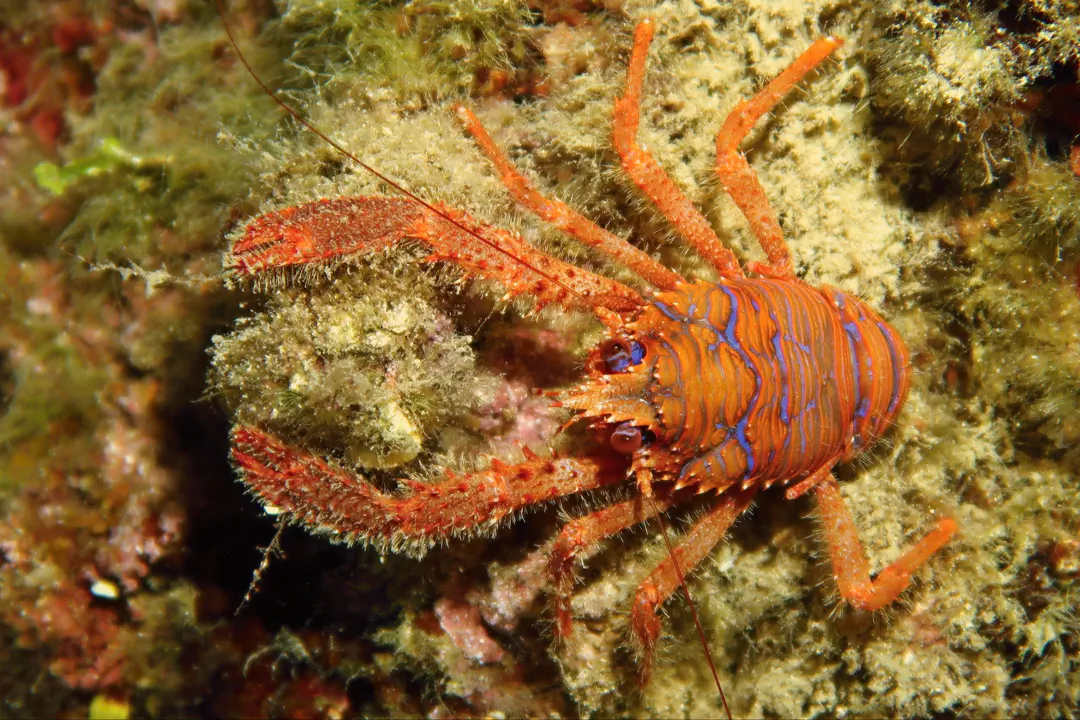
Sheltered pockets along the pinnacle host Mediterranean rainbow wrasses and zebra seabream darting through boulder gaps. Common octopuses wedge themselves into narrow rock fissures, while slipper lobsters hide beneath dark ledges. Divers must monitor their depth gauges closely on this steep, open-ocean site.
Depth: 5-50 m. Access: boat, 30 minutes from Kaş. Level: Advanced Open Water / Technical. Best months: May-October.
 © Ian ShawAll rights reserved
 © Michael BommererCC BY 4.0 · iNaturalist
 © Julien RenoultCC BY 4.0 · iNaturalist
 Justin PhilboisCC0 · iNaturalist
C-47 Dakota Wreck (Kaş)
Scuttled in 2006 to form an artificial reef, this former Turkish Air Force C-47 Dakota transport plane sits upright on a sandy floor between 19 and 25 meters depth. The twin-engine aircraft remains intact, with its nose pointed gently upward and wings spanning across the white seabed.
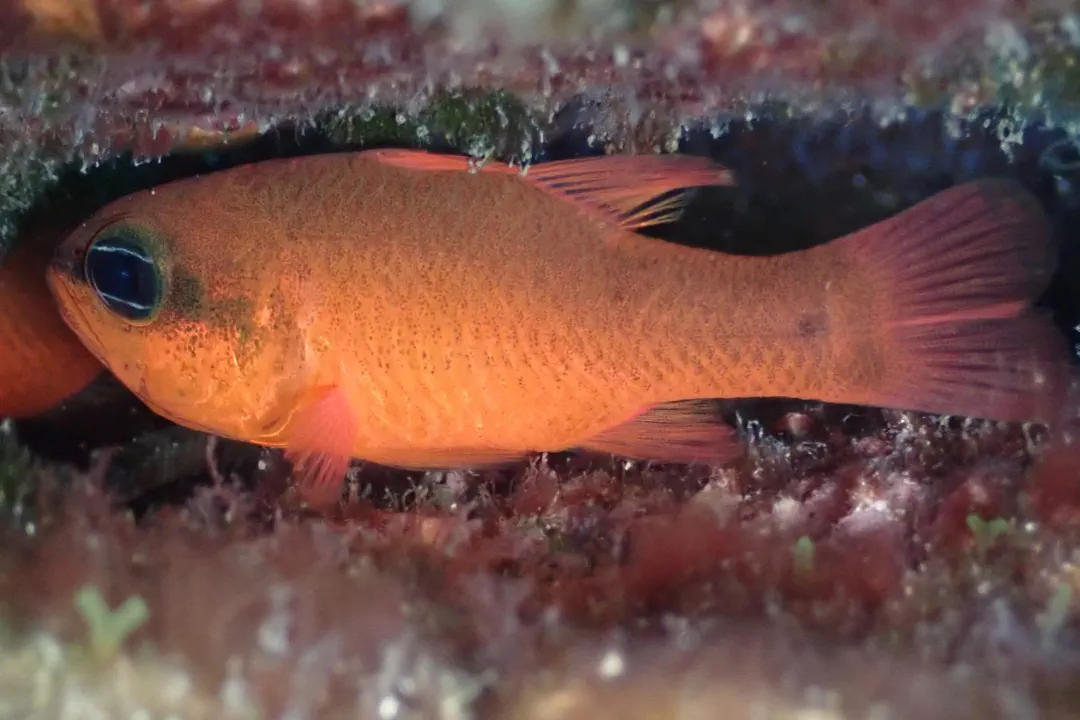
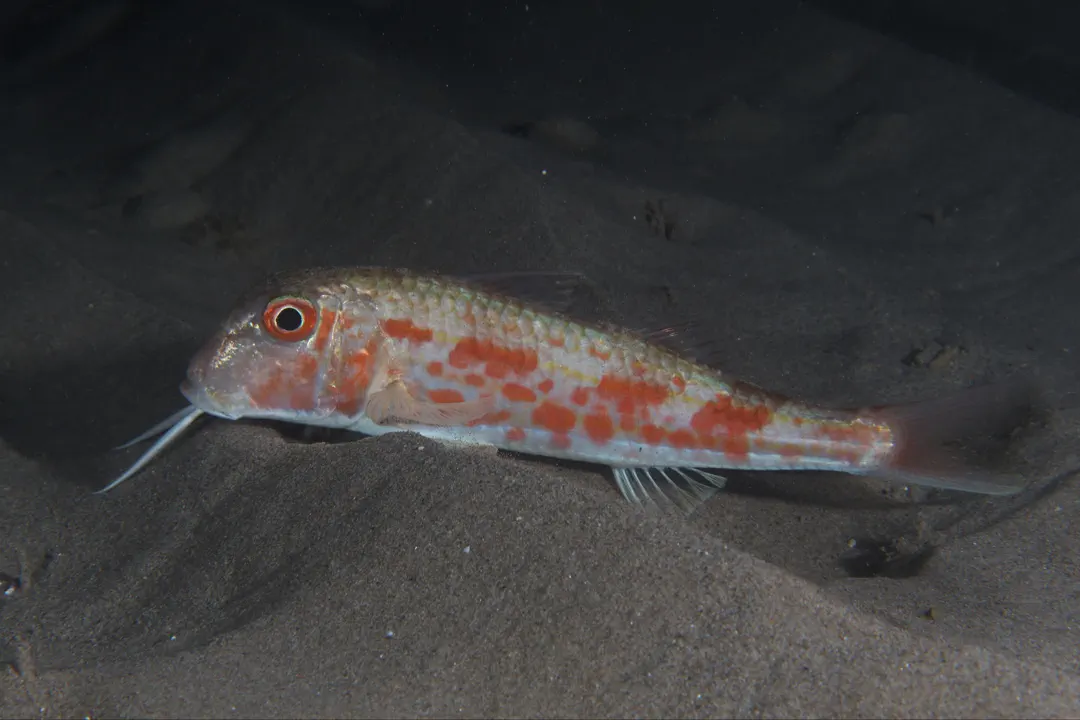
Mediterranean cardinalfish crowd the shadow beneath the fuselage, while small red mullet sift through the surrounding sand for invertebrates. Ornate rainbow wrasses flash along the aluminum hull, which is gradually accumulating encrusting sponges and small algae patches. Conger eels frequently coil inside the dark engine cowlings.
The manageable depth makes the C-47 Dakota an ideal wreck dive for Open Water certified divers. Good visibility allows clear views of the entire airframe from above before descending to inspect the wings. Divers should maintain neutral buoyancy above the sand to prevent kicking up fine sediment.
Depth: 19-25 m. Access: boat, 15 minutes from Kaş. Level: Open Water. Best months: May-October.
 © shahar chaikinCC BY 4.0 · iNaturalist
 © Julien RenoultCC BY 4.0 · iNaturalist
 © Julien RenoultCC BY 4.0 · iNaturalist
 © Michael BommererCC BY 4.0 · iNaturalist
Big Cave (Kaş)
The wide cavern mouth of Big Cave opens at eighteen meters depth along a vertical rock cliff. Sunlight illuminates the spacious entrance chamber, where solitary yellow corals coat the upper ceiling. As divers move inward, ambient daylight fades, revealing a quiet vault protected from open-ocean currents.
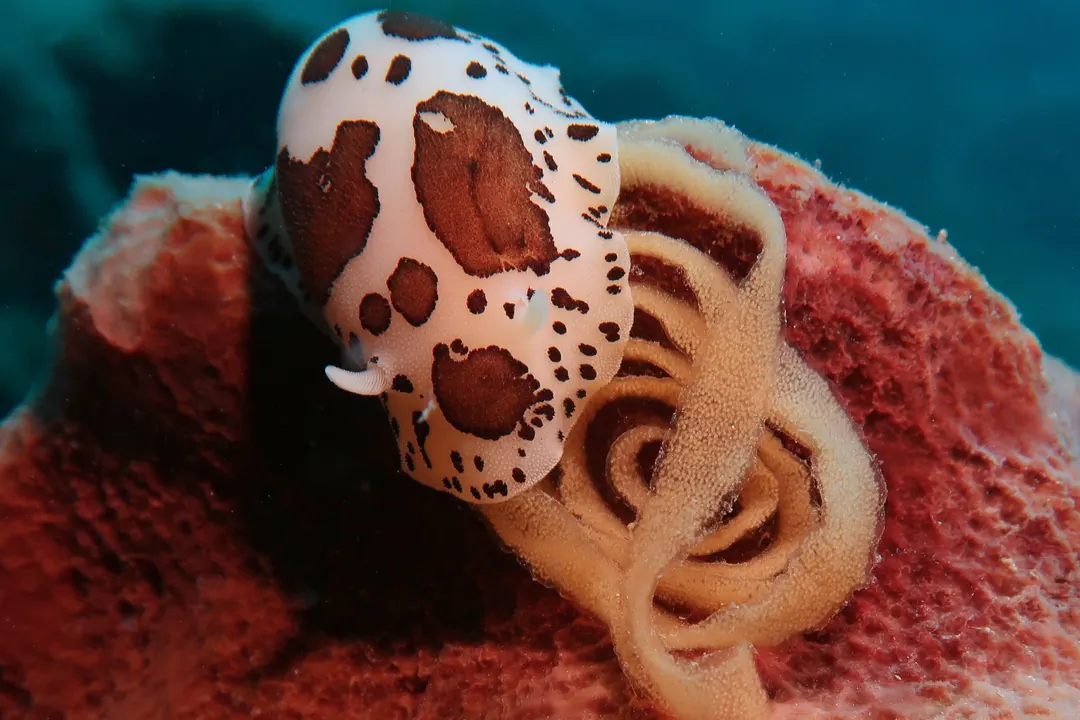
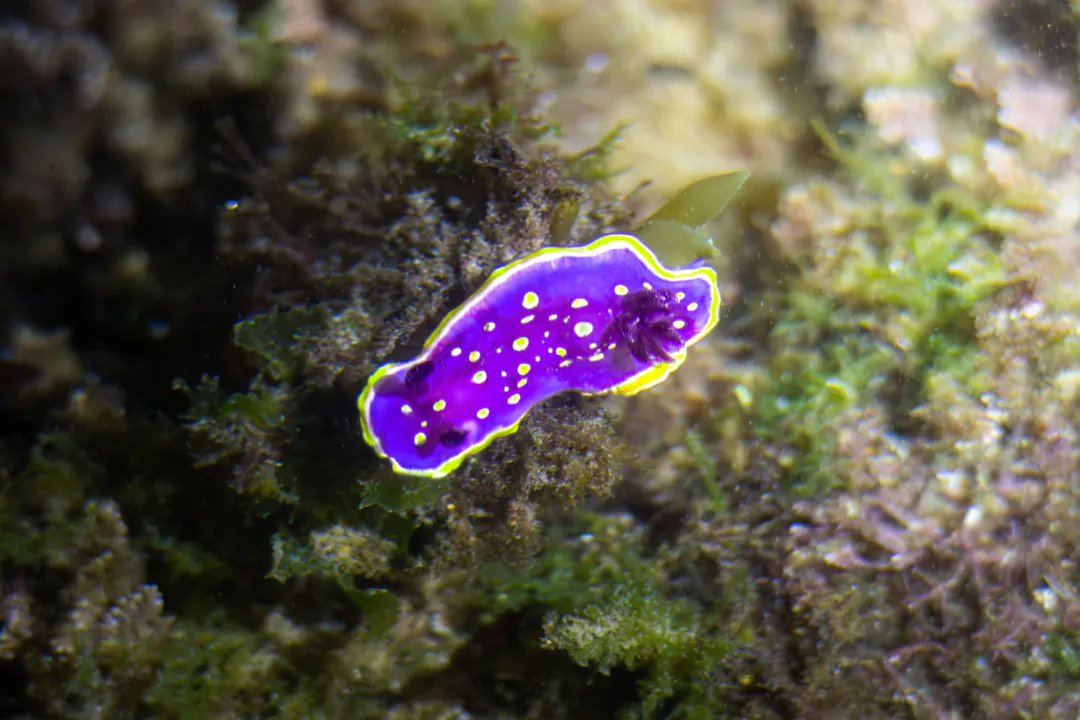
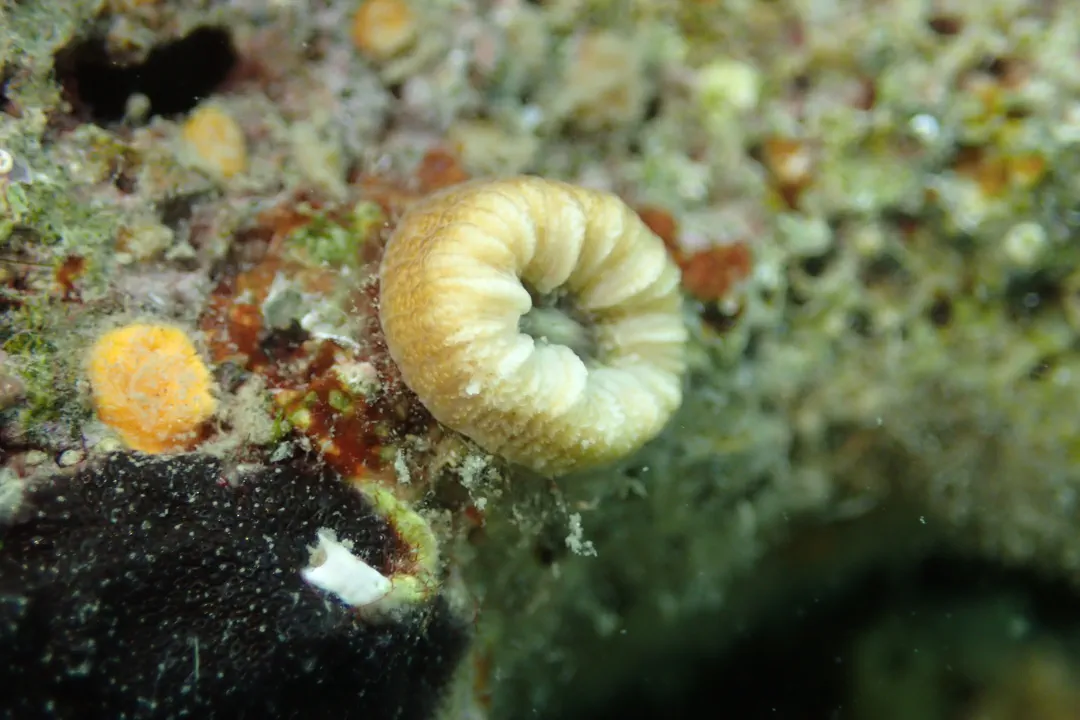
Dalmatian nudibranchs crawl across the rock walls, displaying white bodies covered in dark ringed spots. Pink flabellina sea slugs and striped squat lobsters hide within tight cracks alongside red cardinalfish. Macro photography lights illuminate yellow cup corals expanding their translucent tentacles in the dark.
Recreational divers without specialized overhead training must remain in the outer daylight zone where the cave mouth stays clearly visible. Fine silt blankets the floor, requiring smooth finning to maintain clear water. The dive finishes with a slow ascent along the outer limestone wall.
Depth: 18-30 m. Access: boat, 20 minutes from Kaş. Level: Advanced Open Water. Best months: May-October.
 © Daniel BenákCC BY 4.0 · iNaturalist
 © Diego González DopicoCC BY 4.0 · iNaturalist
 © Daniel BenákCC BY 4.0 · iNaturalist
 © Juraj AhelCC BY 4.0 · iNaturalist
Pınar 1 Coast Guard Wreck (Bodrum)
The Pınar 1, a retired 37-meter Turkish Coast Guard vessel, was intentionally scuttled near Karaada Island off Bodrum in 2007. The ship sits upright on a sloping seabed, with its deck at 18 meters and the keel resting at 32 meters depth.
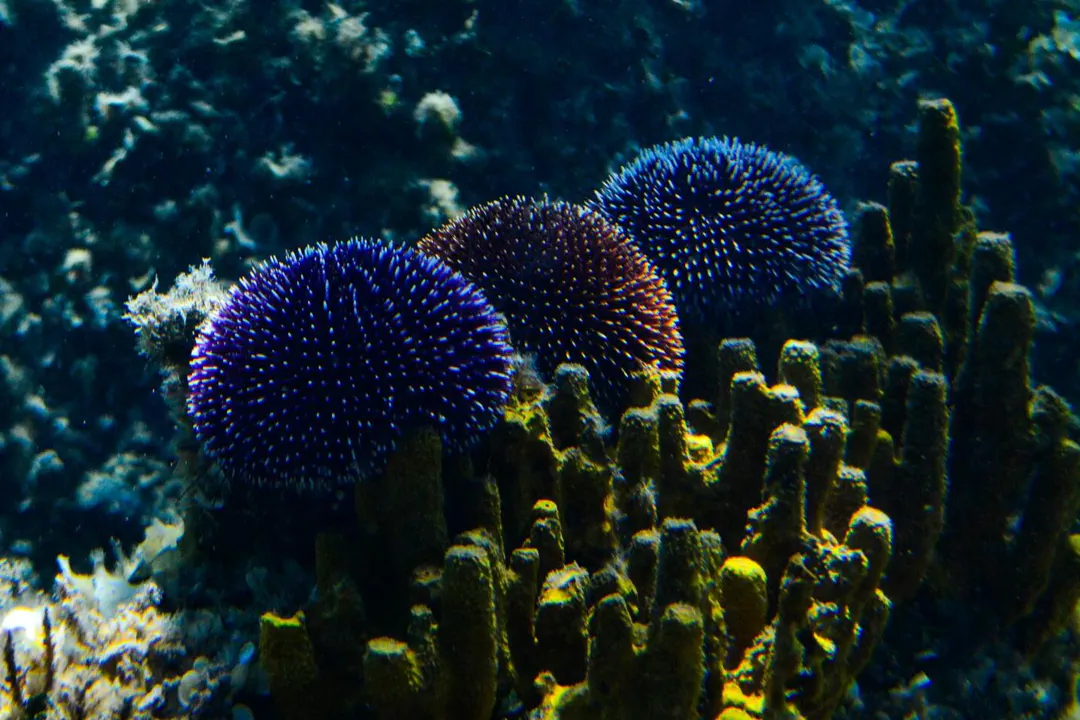
Encrusting sponges, bryozoans, and purple sea urchins coat the steel wheelhouse and railings. Zebra seabream and rainbow wrasses swim through open deck spaces, while slipper lobsters take shelter inside dark engine recesses. Nudibranchs move along covered metal surfaces, feeding on hydroid colonies.
The wreck's depth profile allows Open Water divers to explore the upper deck while Advanced divers inspect the stern and propeller. Currents around Karaada Island are usually gentle, making for straightforward navigation along the hull. Clear water provides distinct views of the vessel's complete silhouette during descent.
Depth: 18-32 m. Access: boat, 25 minutes from Bodrum. Level: Advanced Open Water. Best months: May-October.
 Marino LinićCC0 · iNaturalist
Afkule (Fethiye)
Afkule features a dramatic vertical rock face near Fethiye that drops straight from the surface past forty meters depth. Overhanging limestone ledges, deep crevices, and shallow swim-through caverns cut into the wall, creating stark contrasts between bright daylight and dark shade.
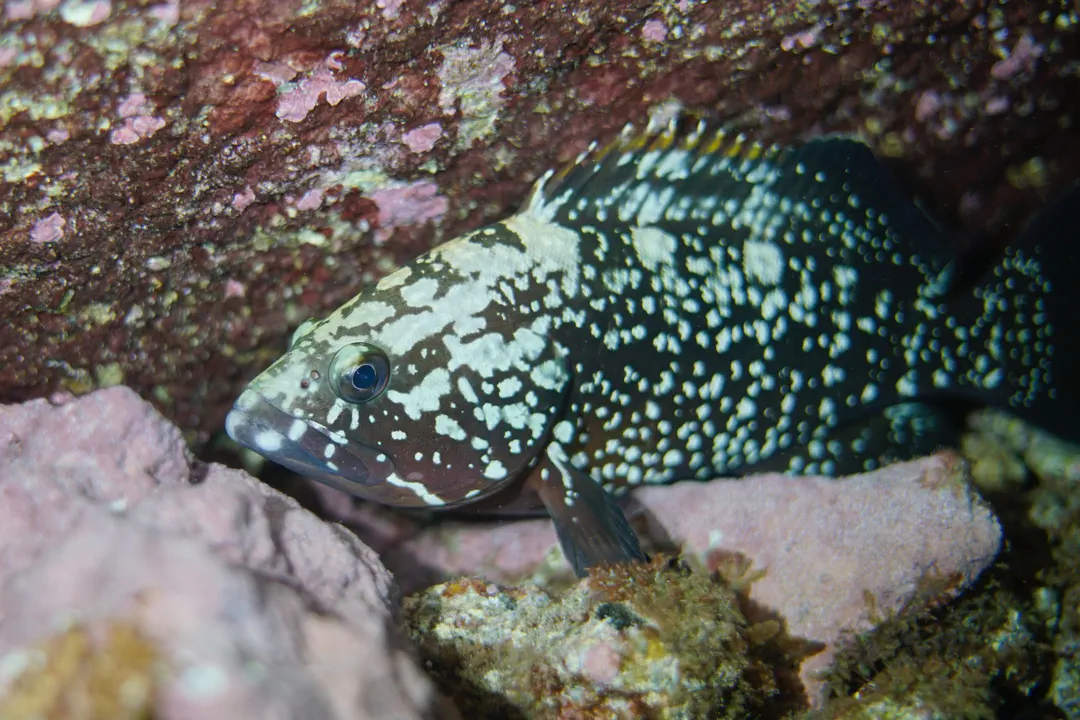
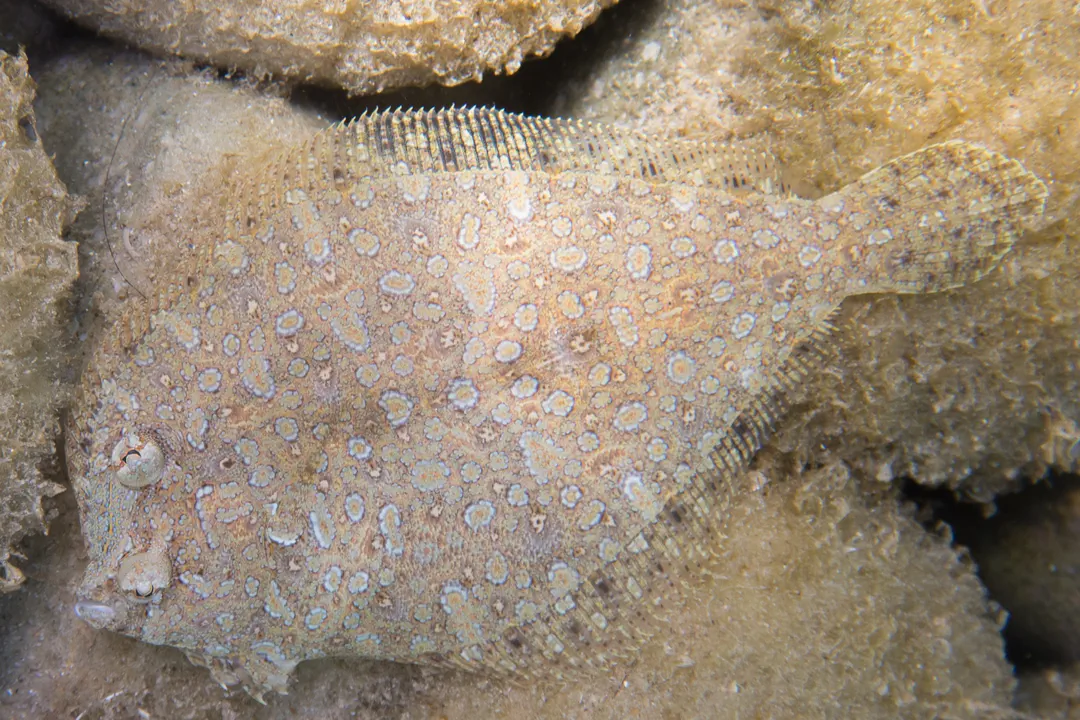
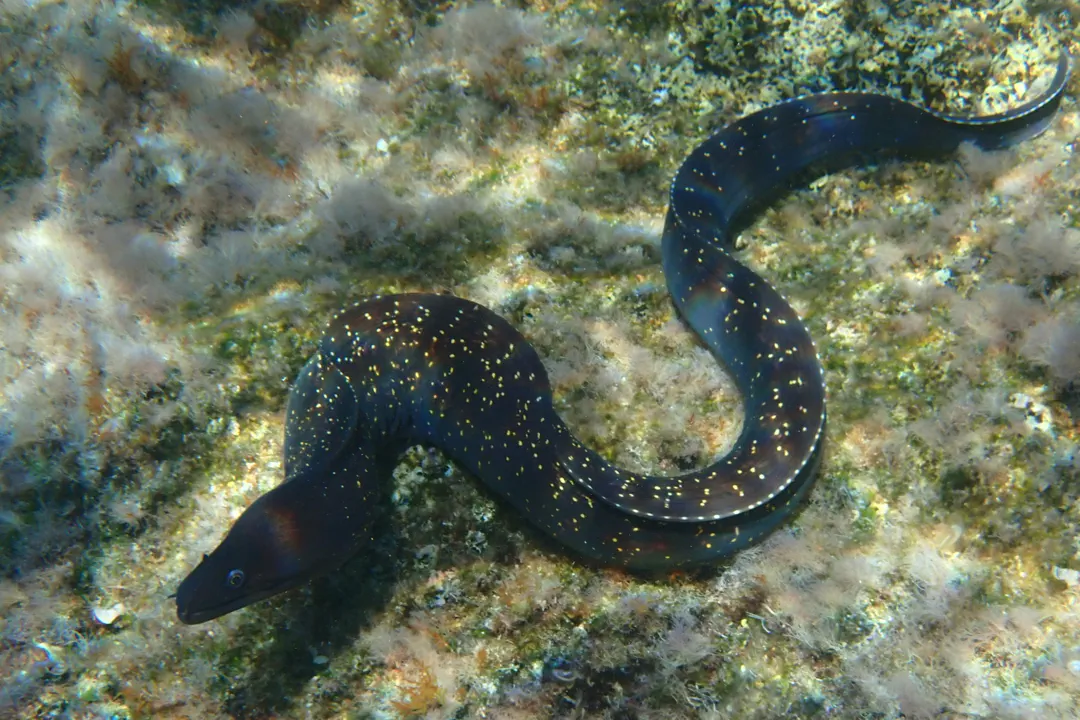
Large dusky groupers patrol the deeper sections of the cliff, slipping into wide rock caverns when approached. Mediterranean moray eels extend their patterned heads from narrow wall holes, while wide-eyed flounders blend seamlessly into small sandy ledges along the rock faces. Red cardinalfish cluster inside dark overhangs.
Buoyancy control is essential at Afkule to avoid descending past planned depth limits along the shear rock face. Light filters down through narrow overhead shafts in the swim-throughs, illuminating bright orange sponges. The dive concludes with a safety stop suspended in deep blue water off the wall.
Depth: 5-40+ m. Access: boat, 40 minutes from Fethiye. Level: Advanced Open Water. Best months: May-October.
 © Michael BommererCC BY 4.0 · iNaturalist
 © BartCC BY 4.0 · iNaturalist
 © Dmitry KulakovCC BY 4.0 · iNaturalist
 © Lou WagstaffeCC BY 4.0 · iNaturalist
 © Juraj AhelCC BY 4.0 · iNaturalist
Alanya Tunnel (Antalya)
Alanya Tunnel is a natural rock passage that cuts 30 meters through a high coastal headland near Antalya. The tunnel entry sits at nine meters depth, sloping gently down to fourteen meters at the exit, offering an accessible introduction to cavern topography.
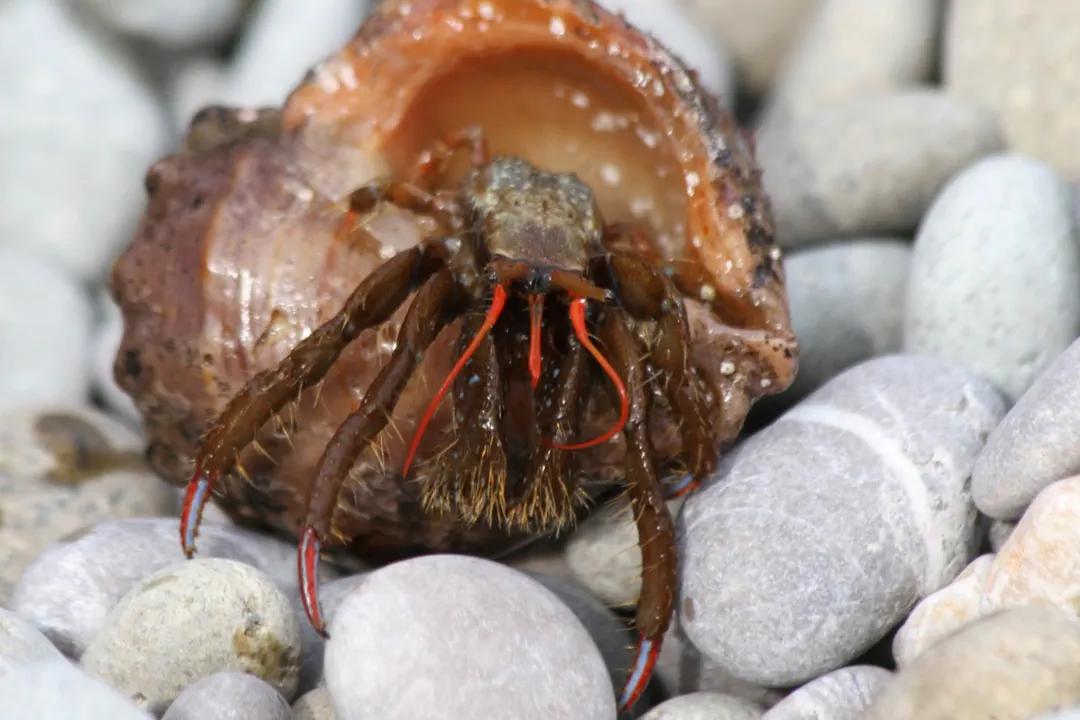
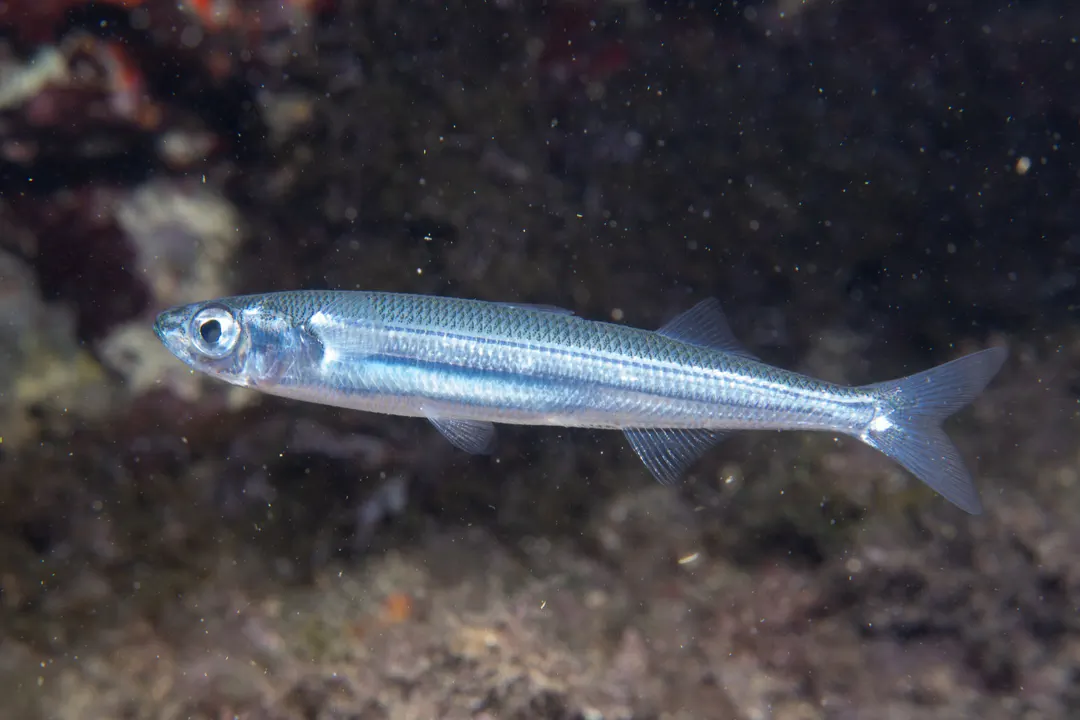
Dense schools of Mediterranean silversides swarm inside the passage, parting as divers pass through. Cardinalfish shelter along the shadowed rocky ceiling, while hermit crabs and slipper lobsters walk across the boulder-strewn floor. Striped seabream hover near the sunlit tunnel exits.
Natural light enters from both ends of the wide tunnel, maintaining continuous visibility throughout the swim-through. Shallow depths allow generous bottom time and easy safety stops near the headland rocks. Calm surface conditions make this site suitable for novice divers building confidence in overhead environments.
Depth: 9-14 m. Access: boat, 15 minutes from Alanya. Level: Open Water. Best months: May-October.
 © Julien RenoultCC BY 4.0 · iNaturalist
Marine Life in Turkey
Marine life in Turkey reflects the temperate nature of the eastern Mediterranean basin, dominated by rock-dwelling fish, invertebrates, and pelagic visitors. Rocky reefs shelter dusky groupers, octopuses, and moray eels, while sandy floors host flounders and stingrays. Sea bream species and rainbow wrasses form the most constant underwater presence across all depths.
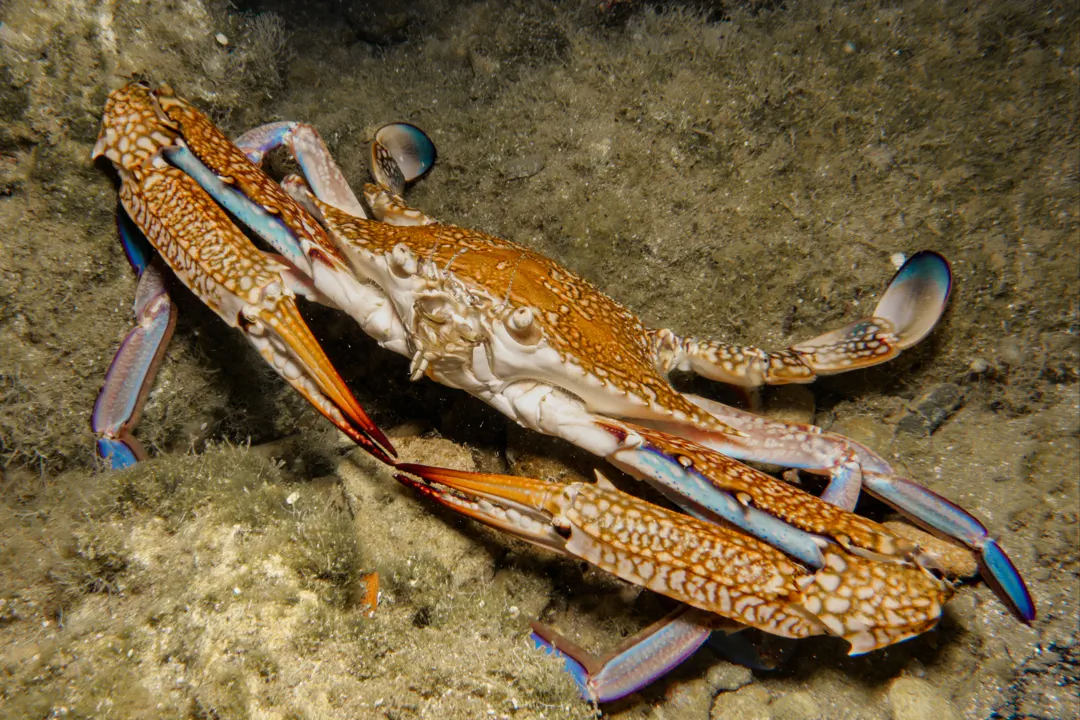
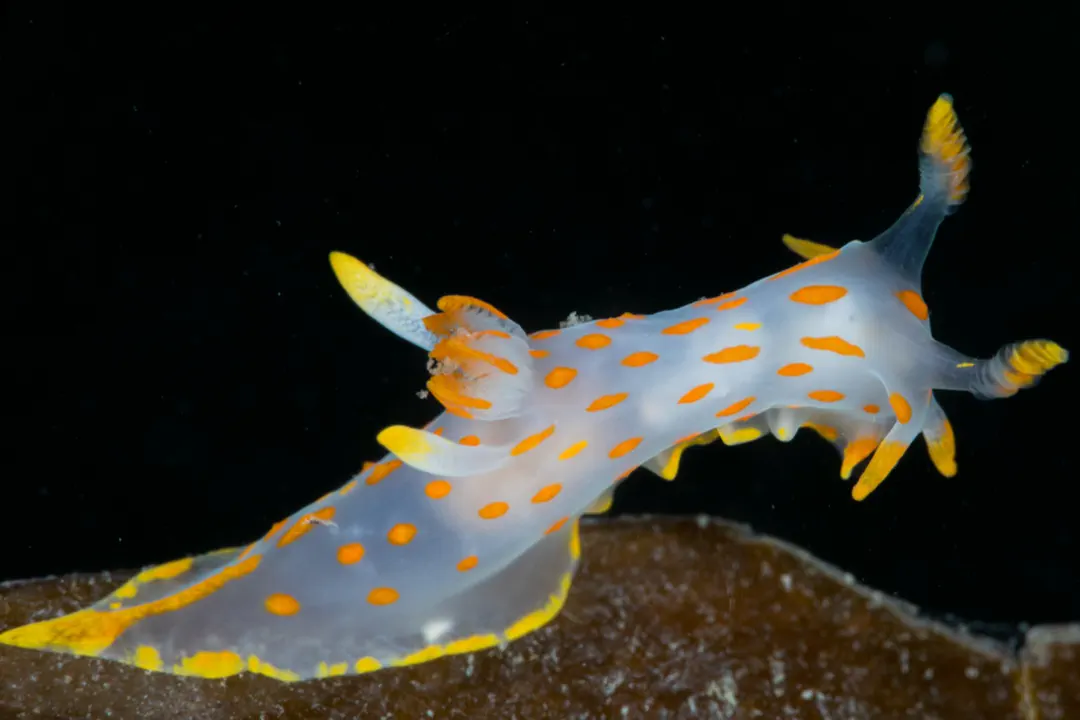
The eastern Mediterranean is also undergoing ecological shift due to Lessepsian migration—species moving from the Red Sea through the Suez Canal. Invasive blue swimming crabs, Lessepsian squids, and nudibranch species like Coryphellina rubrolineata now co-exist alongside native fauna. Loggers and divers use the Seabook app to log these changing Mediterranean species during their dives.
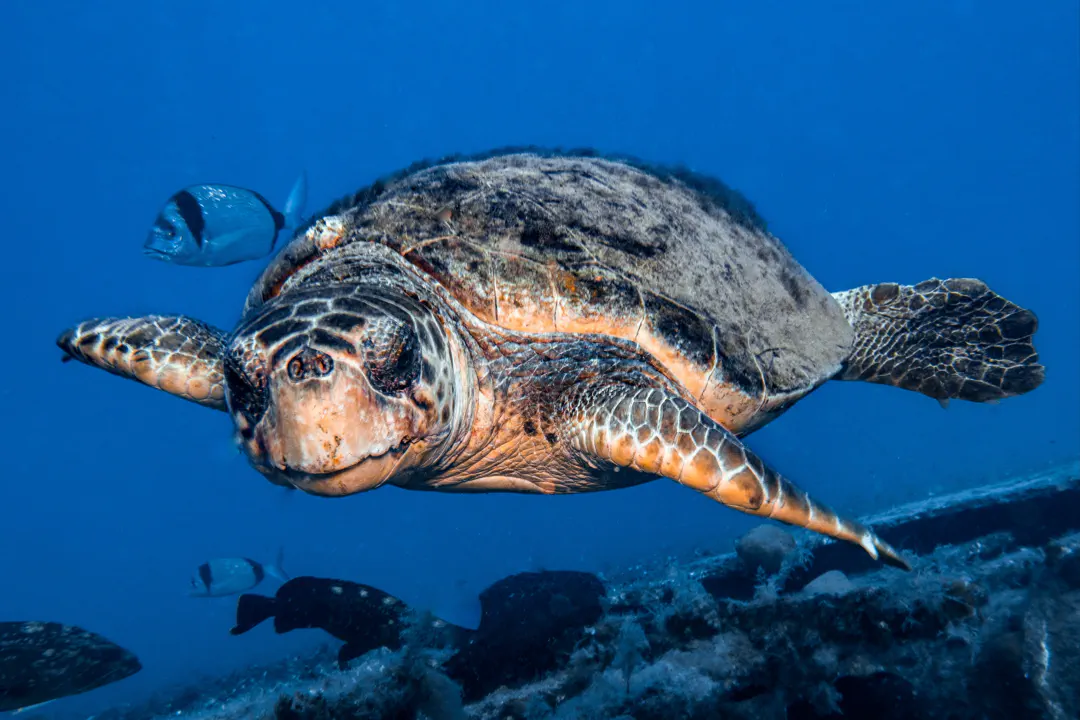
Marine reptiles represent another highlight of Turkish waters, with loggerhead sea turtles (Caretta caretta) regularly sighted off Kaş, Fethiye, and Dalyan. These air-breathing reptiles feed on crabs and jellyfish along coastal reefs between May and September before returning to protected nesting beaches.
 © seabook.appAll rights reserved
 © seabook.appAll rights reserved
 © Heine JensenCC BY 4.0 · iNaturalist
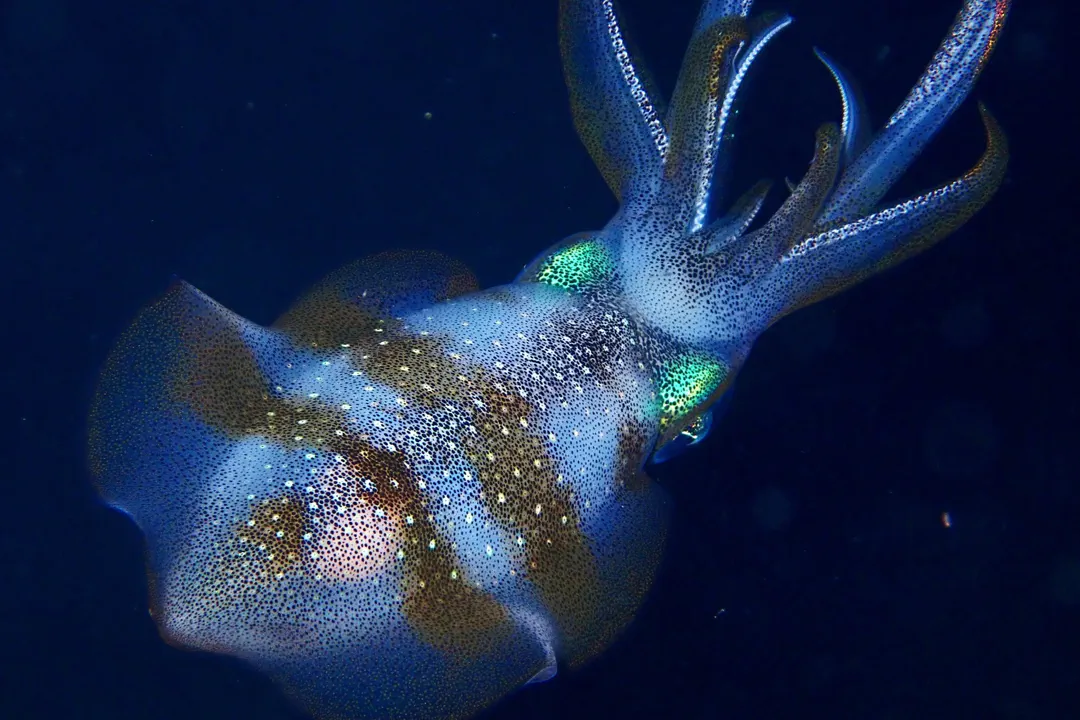 Jean-Paul BoerekampsCC0 · iNaturalist
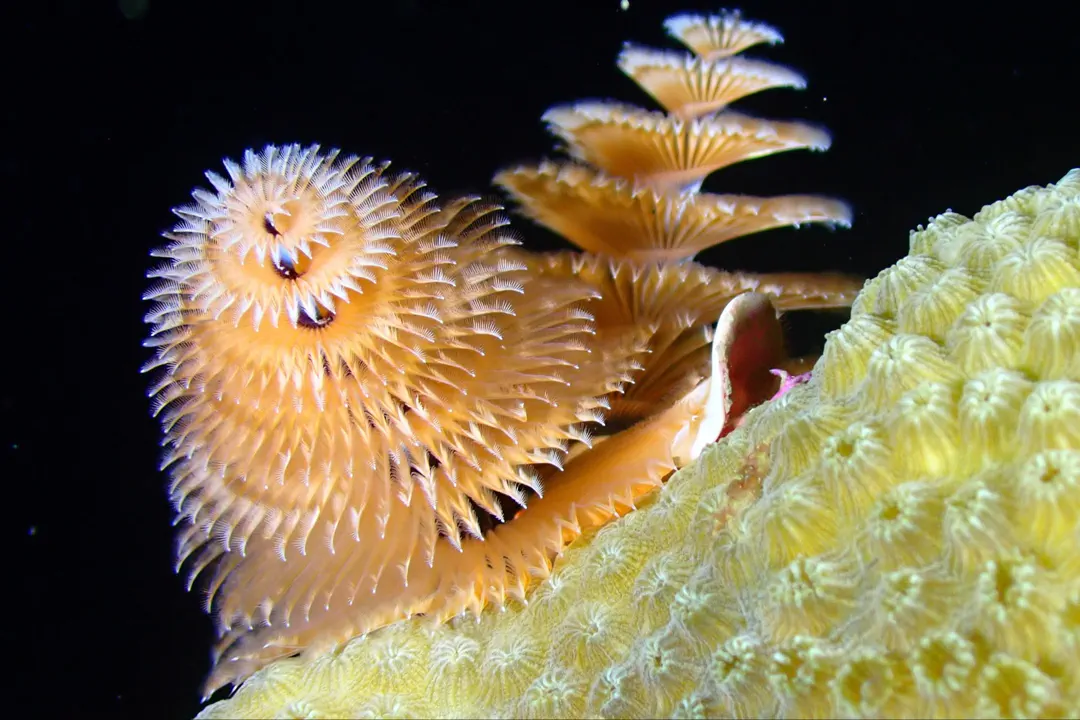 © Robin WhiteCC BY 4.0 · iNaturalist
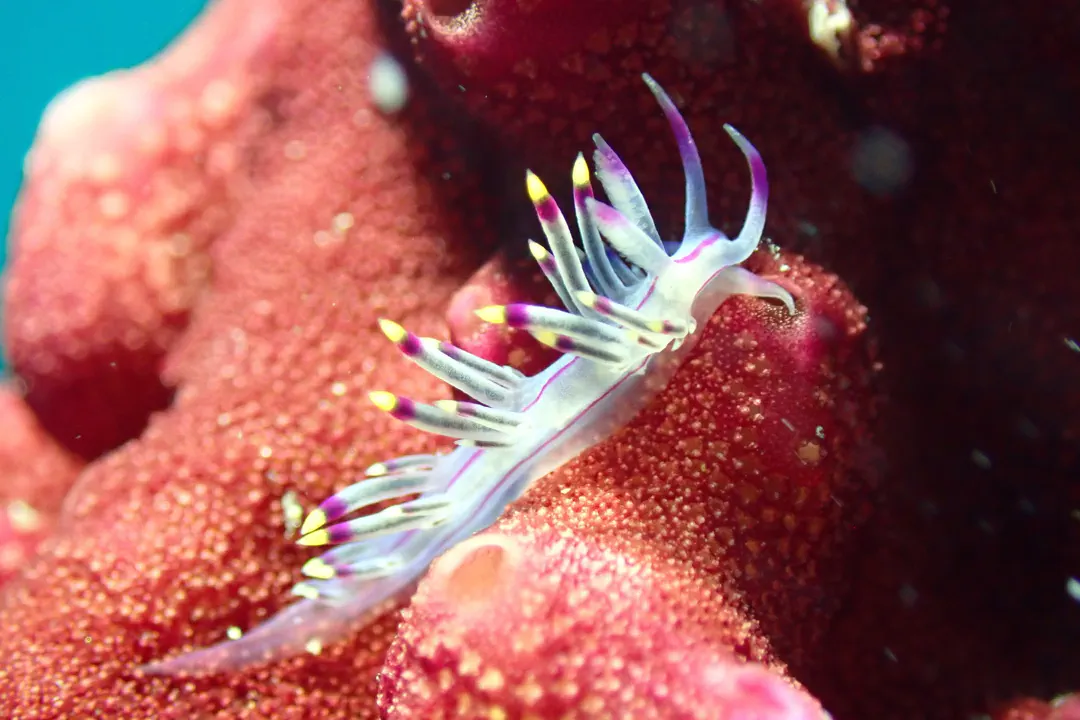 © Robin WhiteCC BY 4.0 · iNaturalist
Is Turkey Good for Beginners and Snorkellers?
Turkey is an excellent environment for beginner divers and those completing entry-level certifications. Sheltered bays along Kaş, Bodrum, and Fethiye offer calm, current-free waters with sand bottoms at five to twelve meters. High water clarity eases underwater navigation and reduces anxiety for novice divers.
Professional dive centers operate comfortably equipped daily boats staffed by multi-lingual instructors. Confined water training often takes place in clear, shallow coves populated by curious damselfish and wrasses rather than swimming pools. Shallow artificial wrecks like the C-47 Dakota give new divers easy access to wreck diving within basic depth limits.
Snorkellers find plenty to see around rocky headlands and shallow coves across the Lycian coast. Rocky shorelines allow snorkellers to view sea urchins, octopuses, sea bream, and occasional loggerhead turtles resting in shallow seagrass beds. Water clarity allows clear views from the surface down to ten meters depth.
Getting There and Practical Tips
Traveling to Turkey's dive regions relies on three primary gateway airports along the southern coast. Dalaman Airport provides the closest access to Fethiye and Kaş, with road transfers taking roughly one to two hours. Bodrum Airport serves the Bodrum peninsula, while Antalya Airport caters to dive sites along the eastern Lycian coast and Alanya.
Thermal protection should match the planned dive season and target depths. A 5mm wetsuit is ideal for peak summer surface layers, but adding a hooded vest or choosing a 7mm suit is wise for deeper dives below thermoclines or shoulder-season trips in May and October. Daily boat charters supply 12-liter steel or aluminum tanks with DIN and Yoke valves, along with Nitrox options at major centers.
Most nationalities can obtain an electronic visa (e-Visa) online prior to arriving in Turkey. Dive centers require proof of certification, a logged dive history, and standard medical questionnaires before boarding daily boats. Carry local currency (Turkish Lira) for small coastal port fees and tip boxes on dive vessels.
Questions
Are there sharks in Turkey?
Small coastal shark species such as small-spotted catsharks and dogfish live in deeper Turkish waters, but encounters near popular dive sites are uncommon. Mediterranean waters do not host resident populations of blacktip reef sharks or tropical reef sharks. Divers in Kaş or Bodrum rarely encounter sharks, making dives focused primarily on groupers, wrecks, and invertebrates.
Is it safe to dive in Turkey?
Scuba diving in Turkey is safe when conducted through licensed dive centers that comply with international training standards and maritime regulations. Operators carry emergency oxygen, maintain surface support, and plan dives around local weather conditions. Divers should adhere strictly to their certification depth limits and avoid unguided cave or wreck penetrations.
Can you see sea turtles while diving in Turkey?
Loggerhead sea turtles (Caretta caretta) are frequently seen swimming along the reefs of Kaş, Fethiye, and Dalyan between May and September. Green turtles also inhabit Mediterranean waters, though sightings are less common than loggerheads. Divers should keep a respectful distance of several meters and avoid touching or pursuing turtles.
What is the water temperature in Turkey in July?
Surface water temperatures along the Mediterranean coast in July average between 24°C and 28°C. However, distinct thermoclines occur below 20 meters depth, where temperatures can drop to 20°C or lower. A 5mm wetsuit provides adequate insulation against cold water layers on deeper dive profiles.
Do I need a permit to dive on historical wrecks in Turkey?
Recreational diving on approved modern wrecks and artificial reefs is arranged directly through local licensed dive centers without individual permits. Ancient archaeological wrecks like Uluburun are closed to sport diving to protect cultural heritage. Turkish law strictly prohibits touching, moving, or removing any historical artifact from the seabed.
Is Kaş or Bodrum better for scuba diving?
Kaş is widely regarded as Turkey's top destination for clear-water wall dives, deep pinnacles, and higher marine biodiversity. Bodrum excels in artificial wreck diving, accessible training bays, and convenient resort logistics. Divers seeking dramatic drop-offs and pelagic fish prefer Kaş, while beginners and wreck enthusiasts often choose Bodrum.