
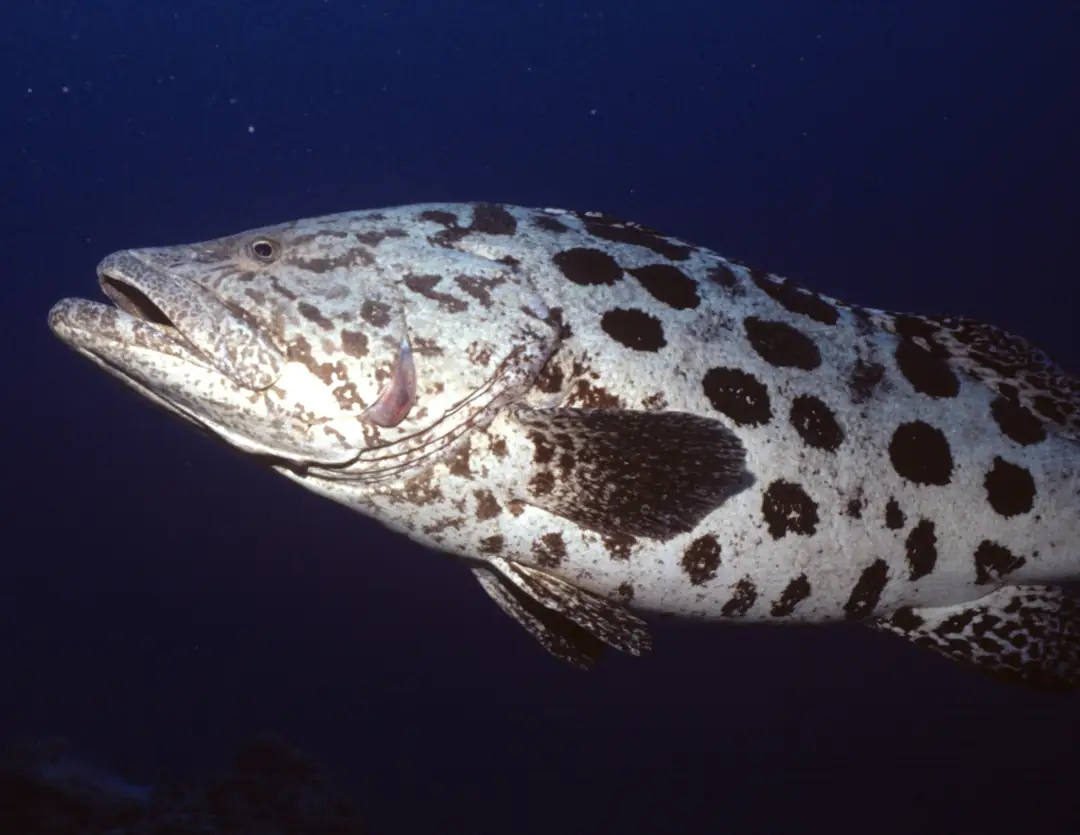
At a depth of 15 metres on Ribbon Reef No. 10, a giant potato cod weighing nearly 100 kilograms drifts out from beneath a coral overhang. Sunlight cuts through the clear water, illuminating dark mottling across its broad flanks as a pair of cleaner wrasses pick at its gills. Surrounding the bommie, thousands of orange anthias surge in unison against a mild northward current.
Exploring the fish of the Great Barrier Reef exposes divers to one of the world's most expansive marine systems, stretching over 2,300 kilometres along the Queensland coast. Water temperatures range from 22°C during the winter months of July and August to 29°C in the summer peak of January, while visibility varies between 15 and 30 metres depending on offshore winds and tides. The dry season from June to November typically yields the clearest water and most consistent conditions across the outer reefs.
Key diving locations include the Ribbon Reefs, Osprey Reef in the Coral Sea, and the sheltered fringing reefs of the Whitsundays. Signature species range from solitary apex predators like grey reef sharks and giant trevallies to heavy-bodied groupers and delicate anemonefish. Shallow reef flats suit snorkellers and novice divers, while deeper outer walls and exposed passes require advanced certification and experience with open-water currents.
What Fish Live in the Great Barrier Reef?
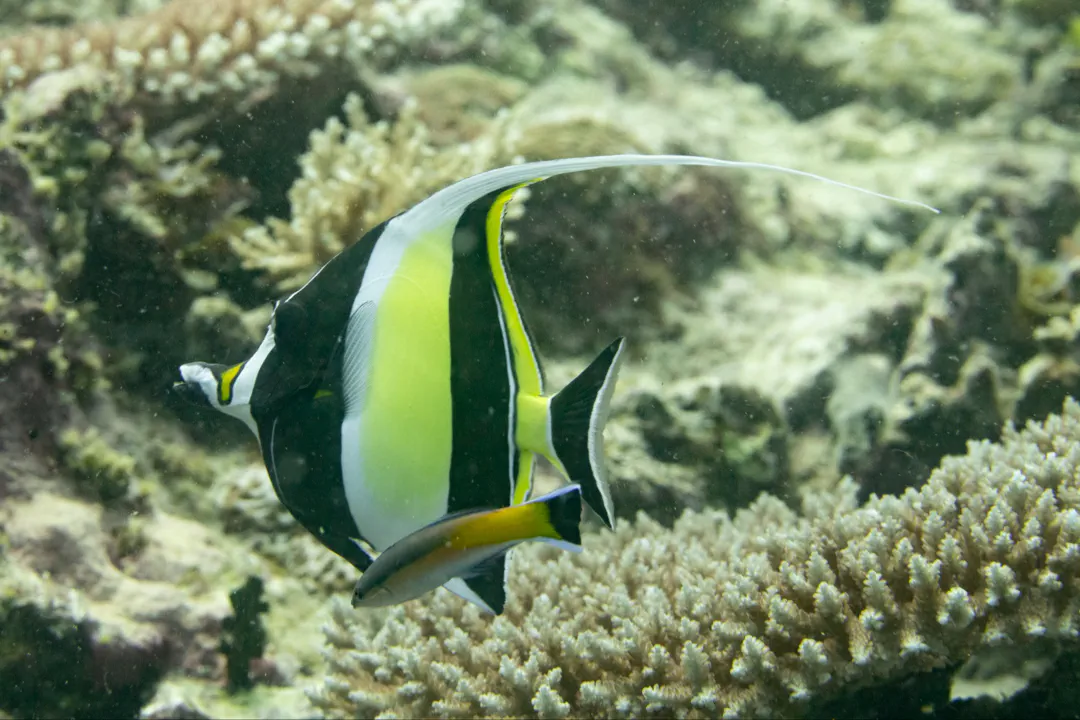
According to the Great Barrier Reef Marine Park Authority, Animals found on the Great Barrier Reef, the ecosystem supports approximately 1,625 fish species, including about 1,400 coral-reef fish species. This immense variety encompasses everything from tiny algae-grazing blennies to heavy pelagic hunters that patrol the reef crest. Identifying these species underwater relies on observing structural features such as body profile, tail shape, fin markings, and feeding behaviour rather than relying solely on colour.
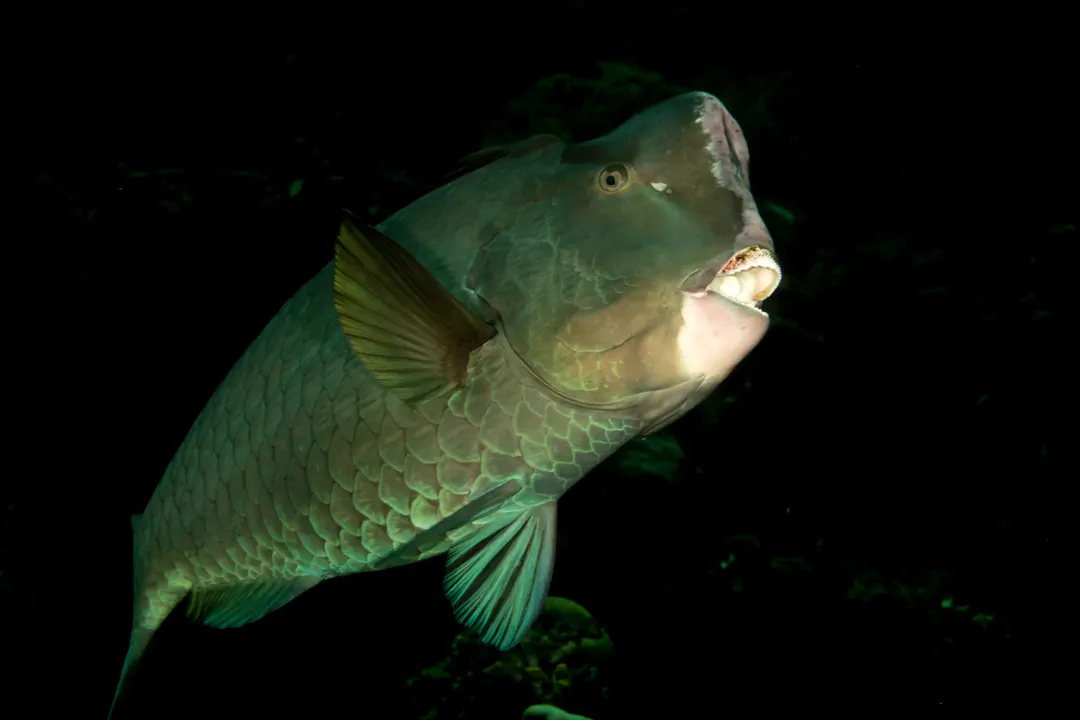
Colouration changes dramatically across life stages, and red or orange wavelengths are rapidly absorbed within the first 10 metres of the water column. Large humphead wrasses (Cheilinus undulatus) display thick, fleshy lips and an intricate wave-like scale pattern, frequenting outer slopes down to 60 metres depth. In shallow hard-coral zones, humphead parrotfish (Bolbometopon muricatum) form small herds, using their fused beak-like teeth to scrape algae and consume structural carbonate from coral heads.
Territorial species like the lined surgeonfish (Acanthurus lineatus) defend feeding patches along exposed reef crests using sharp caudal spines. Nearby, Rainford’s butterflyfish (Chaetodon rainfordi) uses its narrow snout to pick individual coral polyps from hard colonies. Divers can use the Seabook app between dives to cross-reference fin shapes, habitat types, and depth records to confirm field identifications.
 © Ian ShawAll rights reserved
 © seabook.appAll rights reserved
 © Rickard ZerpeCC BY 4.0 · iNaturalist
 Andrew DeaconCC0 · iNaturalist
 © Petr KnotekCC BY 4.0 · iNaturalist
 © cello caruso-turielloCC BY 4.0 · iNaturalist
Large Pelagics and Reef Predators
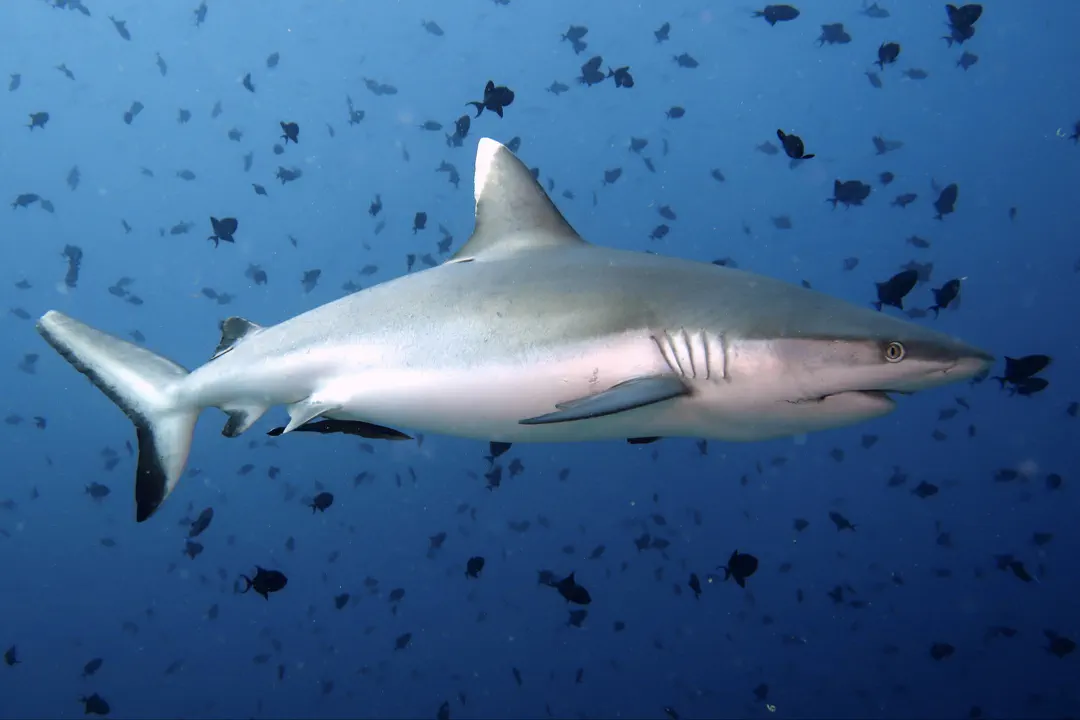
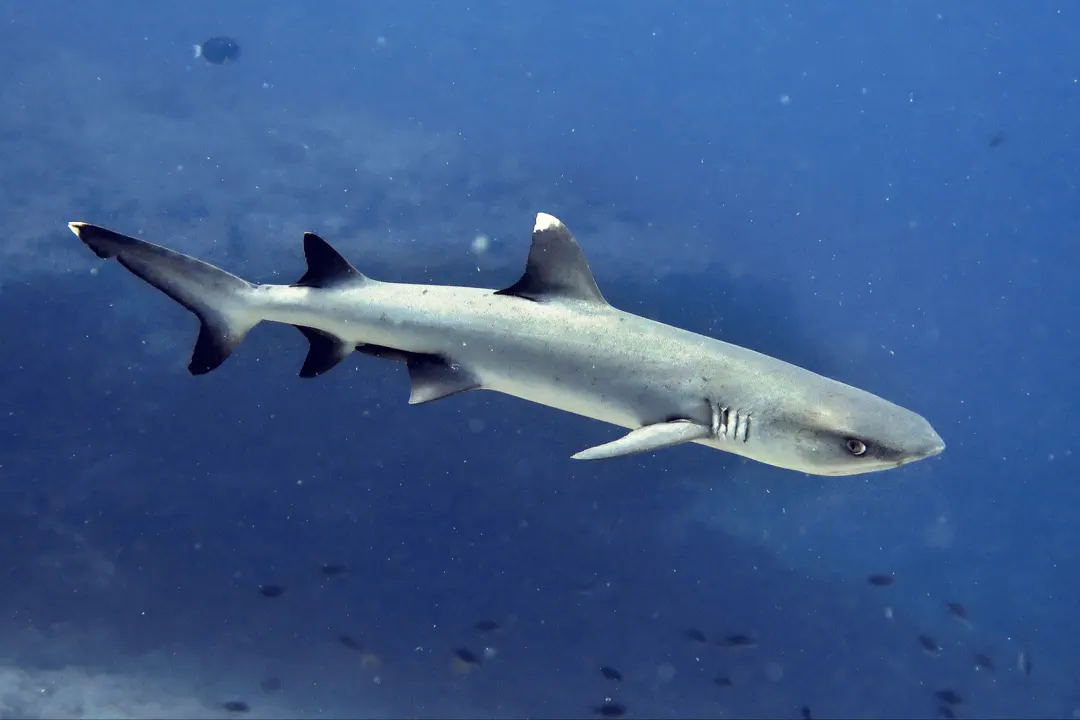
Outer reef walls, drop-offs, and deep oceanic passes serve as primary hunting grounds for apex predators and large open-water species. Grey reef sharks (Carcharhinus amblyrhynchos) frequently patrol deep drop-offs between 10 and 40 metres, often aggregating where tidal currents sweep over reef corners. Whitetip reef sharks (Triaenodon obesus) rest directly on sandy bottoms or inside small caves during daylight before hunting reef crevices at dusk.
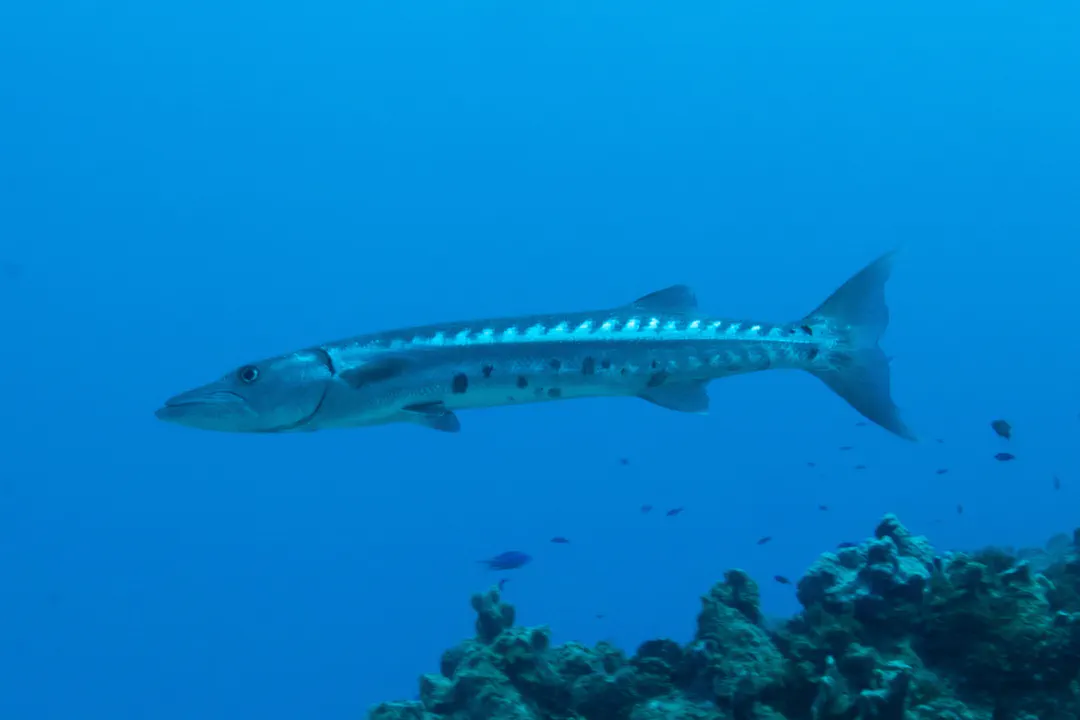
Along exposed outer walls, giant trevallies (Caranx ignobilis) coordinate fast-paced attacks against schooling fusiliers, reaching speeds over 40 kilometres per hour. Great barracudas (Sphyraena barracuda) remain suspended motionless in midwater before executing explosive bursts to capture solitary reef fish. Fast-swimming Spanish mackerels (Scomberomorus commerson) cruise along outer channels, following seasonal migrations of baitfish during cooler winter months.
Diving among large predators demands disciplined buoyancy control and strict adherence to dive plan depths. Strong downwellings and sweeping cross-currents can occur along outer reef corners, making an audible surface marker buoy essential safety gear. Remaining calm, staying near the reef structure, and avoiding sudden hand movements helps ensure respectful, non-disruptive encounters with sharks and large trevallies.
 © Daniel BenákCC BY 4.0 · iNaturalist
 © Daniel BenákCC BY 4.0 · iNaturalist
 © Dan SchofieldCC BY 4.0 · iNaturalist
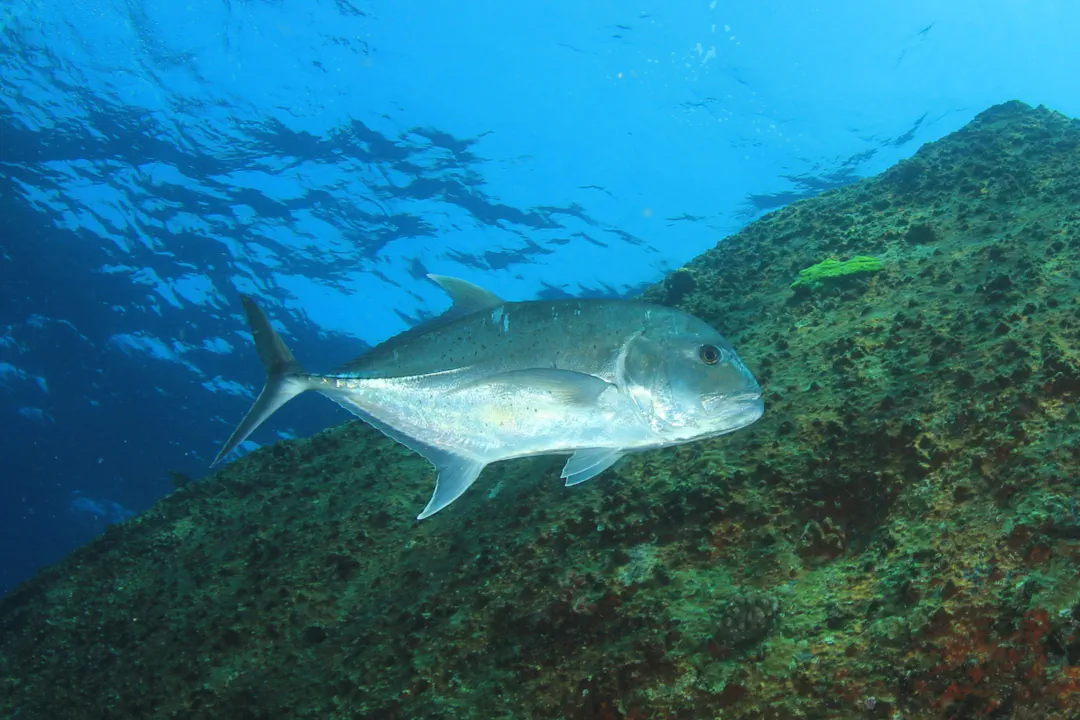 © seabook.appAll rights reserved
 © Pauline FeyAll rights reserved
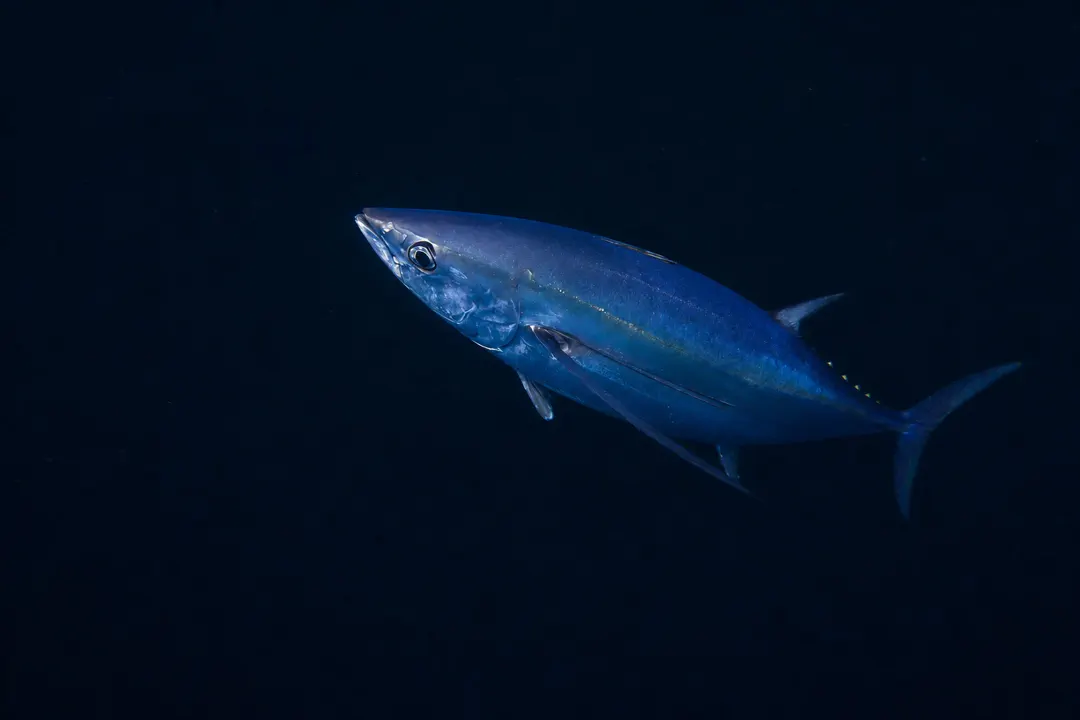 © seabook.appAll rights reserved
Thunnus alalunga
The albacore (Thunnus alalunga), known also as the longfin tuna, is a species of tuna of the order Scombriformes. It is found in temperate and tropical waters across the globe in the epipelagic and me...
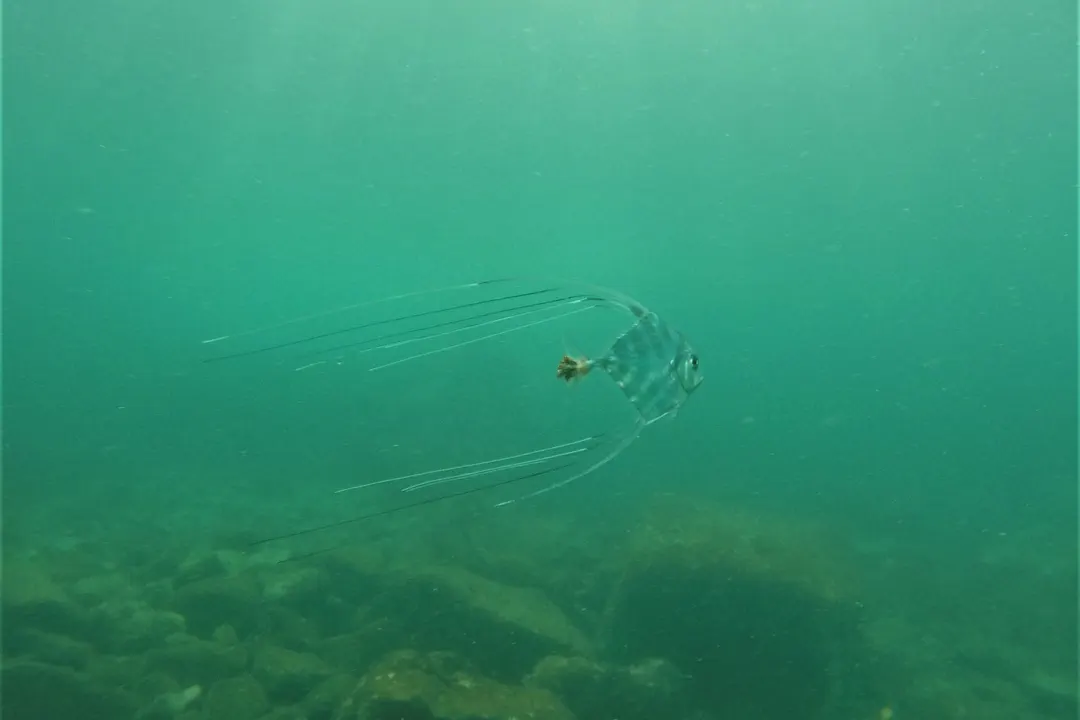 © Alberto AlcaláCC BY 4.0
Alectis ciliaris
*Alectis ciliaris* is a widely distributed species of tropical marine fish in the jack family, [Carangidae](seabook://category?id=a895accc-85d3-4842-8db4-36d2df1133a4). The species is found in tropica...
Damselfishes and Reef Dwellers
Shallow hard-coral gardens host dense aggregations of small, active reef fish that rarely stray far from shelter. Blue-green chromis hover half a metre above branching acropora corals, picking microscopic zooplankton from the passing current. When a predator approaches, hundreds of chromis retreat simultaneously into the protective matrix of coral branches within a fraction of a second.
Damselfishes defend strict territories over algal patches, driving off much larger herbivorous fish that approach their grazing areas. According to the Great Barrier Reef Marine Park Authority, Great 8, the reef contains around 1,625 fish species and about 11 anemonefish species distributed from the southern reefs to Cape York. These anemonefish live in obligate symbiosis with sea anemones, relying on a thick mucus coat to protect themselves from stinging tentacles.
Anemonefish operate under a strict social hierarchy governed by size and dominance within each host. The largest individual functions as the breeding female, while the second-largest serves as the breeding male. If the female dies, the dominant male undergoes a hormonal transition over several weeks to become the new breeding female, allowing the next largest juvenile to mature into the functional male.
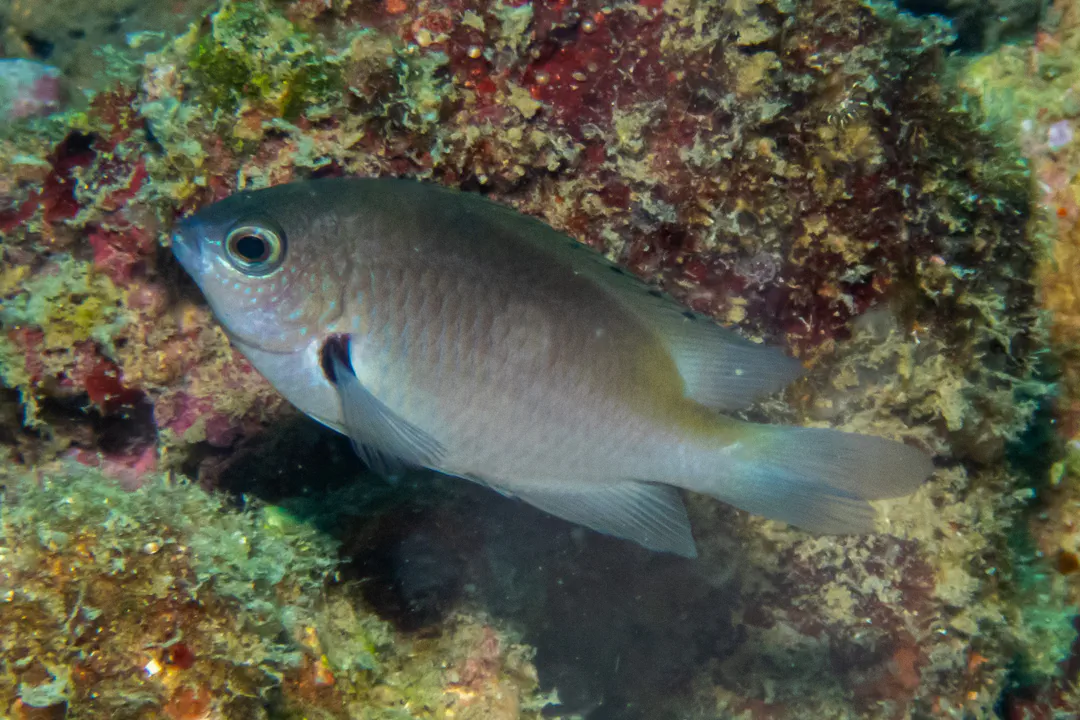 © portioidCC BY 4.0
Pomacentrus alexanderae
*Pomacentrus alexanderae* is a species of marine damselfish in the family [Pomacentridae](seabook://category?id=1f361bc0-beab-4b6b-bf7f-f68ac5d19588). ## Description It has a pale greyish body with a ...
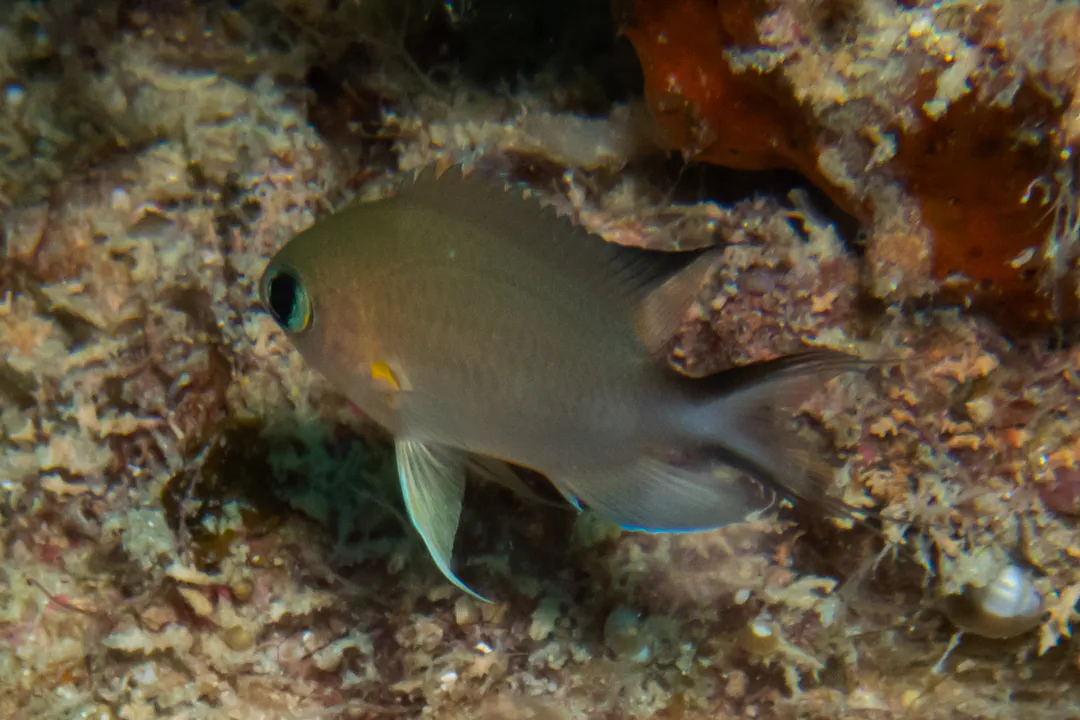 © portioidCC BY 4.0
Pycnochromis amboinensis
*Chromis amboinensis* is a damselfish from the Western Pacific. It occasionally makes its way into the aquarium trade. ## Description It has a relatively deep brownish-grey body a large yellow spot at...
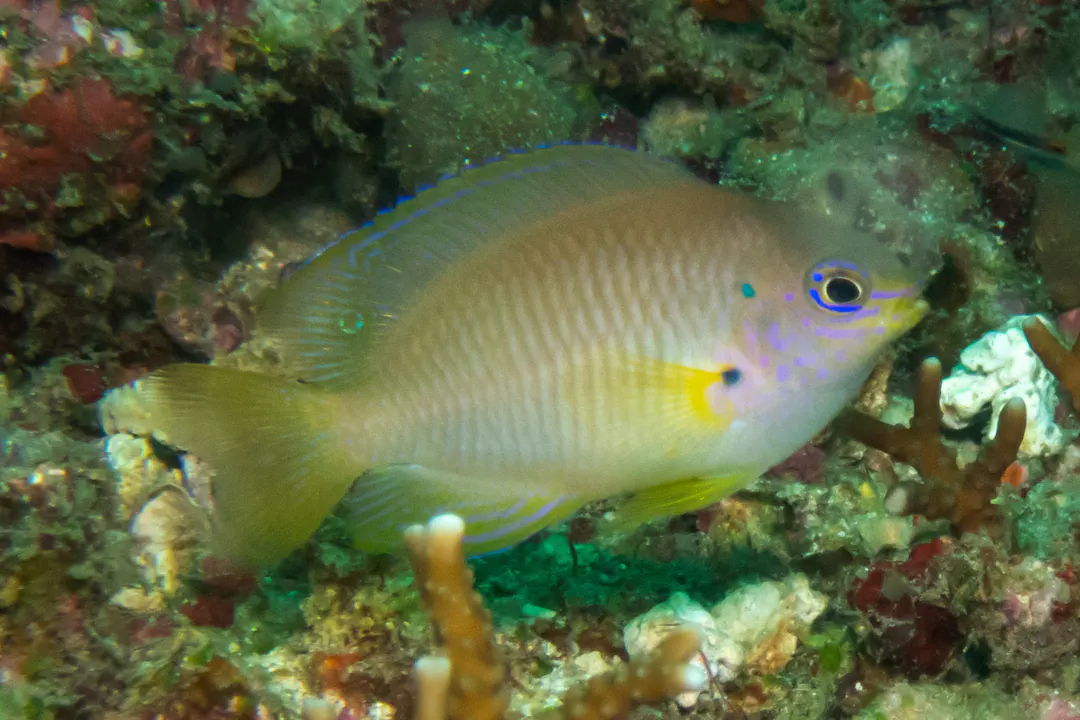 © portioidCC BY 4.0 · iNaturalist
Pomacentrus amboinensis
*Pomacentrus amboinensis* is a Damselfish from the Western Pacific. It occasionally makes its way into the aquarium trade. ## Description It has a yellow to pale mauve bidy with darker scale margins, ...
Benthic and Camouflaged Fish Species
Bottom-dwelling fishes rely heavily on structural disguise, mottled skin textures, and patient ambush tactics to survive along the seafloor. The reef stonefish (Synanceia verrucosa) reaches lengths of 40 centimetres and rests completely stationary on coral rubble, matching encrusted rock. Its dorsal fins carry thirteen stout spines equipped with potent venom glands capable of inflicting severe envenomation.
Lionfishes extend delicate, fan-like pectoral fins to corner small damselfishes against coral heads before engulfing them whole. Small combtooth blennies perch atop dead coral heads, using specialized pelvic fins to prop themselves up while watching for passing detritus. Nearby, partner gobies share burrow networks with alpheid snapping shrimps, where the blind shrimp excavates sand while the goby monitors the entrance for danger.
Spotting well-camouflaged benthic species requires slow, methodical scanning across rubble zones and reef bases. Divers must maintain positive clearance above the substrate at all times and avoid placing hands or knees on any surface. In the event of an accidental stonefish sting, immediate immersion of the affected limb in hot water helps neutralize heat-labile toxins while emergency medical aid is contacted.
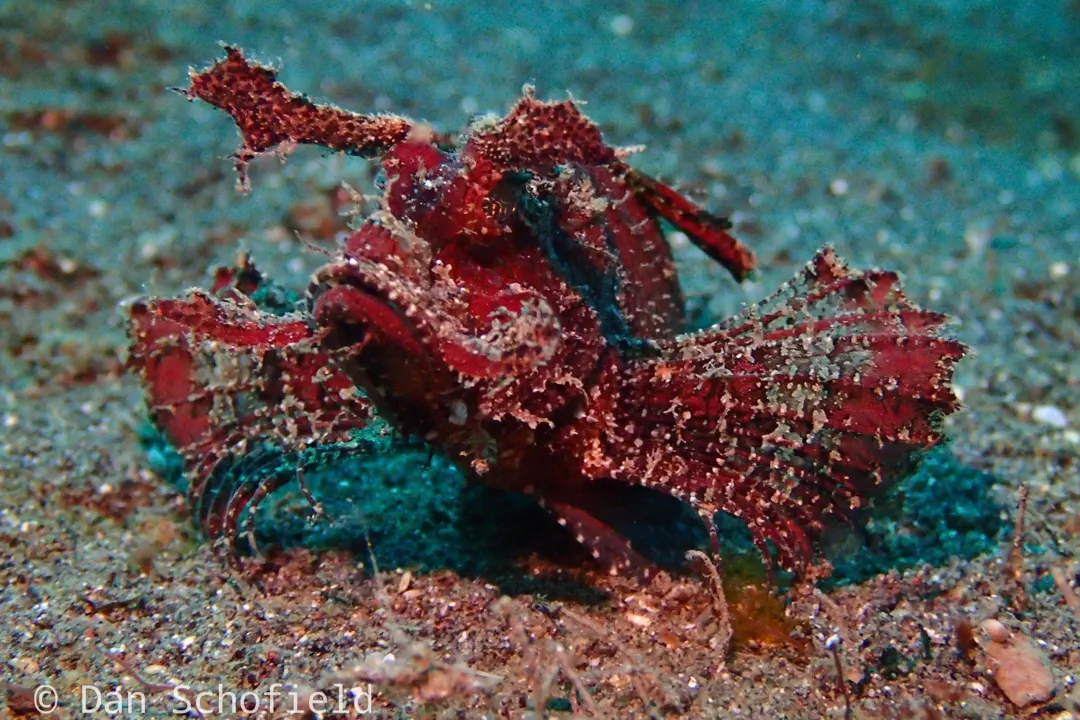 © Dan SchofieldCC BY 4.0 · iNaturalist
Pteroidichthys amboinensis
*Pteroidichthys amboinensis* is a scorpionfish native to the Indian and Pacific oceans. ## Description The Ambon scorpionfish is shaggy, and can change its color for the ideal camouflage. It has a wid...
Best Regions to Encounter Fish Diversity
Fish distribution varies markedly across the 2,300-kilometre span of the reef system due to differences in exposure, depth, and water movement. The Northern Ribbon Reefs feature narrow barrier chains cut by deep passes, offering clear oceanic water and reliable encounters with large groupers, sharks, and pelagic hunters. The Cod Hole on Ribbon Reef No. 10 sits at depths of 10 to 20 metres, where habituated potato cod gather along low coral ledges.
In a 2025 report titled The Cod Hole is back, the Great Barrier Reef Marine Park Authority reported potato cod returning to the Cod Hole, with individuals reaching about 2 metres and 100 kilograms and up to five giant fish observed on a dive. Farther offshore in the Coral Sea, Osprey Reef rises from depths over 1,000 metres, creating an oceanic oasis where grey reef sharks, silvertips, and schooling barracudas circle steep vertical drop-offs.
In contrast, the Whitsunday Islands feature sheltered, shallow fringing reefs dominated by dense stands of soft corals, butterflyfishes, and juvenile wrasses. Southern locations like Heron Island and Lady Elliot Island offer shallow coral cays where manta rays, green turtles, and reef sharks mingle over calm sandy lagoons. Choosing the right region depends on whether a diver prioritizes high-energy pelagic walls or tranquil macro zones.
Best Time to See Marine Life in the Great Barrier Reef
Diving conditions on the Great Barrier Reef change seasonally, offering distinct advantages throughout the year. The Australian winter from June to August brings cooler sea temperatures between 22°C and 25°C, reduced rainfall, and steady trade winds. This period delivers underwater visibility between 20 and 30 metres across outer reef sites and coincides with the annual migration of dwarf minke whales and humpback whales.
Summer from December to February raises water temperatures to 27°C–29°C, accelerating biological activity across shallow reef flats. Mass coral spawning typically takes place in October or November following a full moon, triggering a massive release of gametes that attracts filter-feeding organisms and planktivorous fish. However, summer also brings higher rainfall, lower coastal visibility, and increased marine stinger presence in shallow inshore waters.
Spring from September to November often provides the best balance of calm seas, warm water around 25°C–27°C, and high fish activity before summer rains begin. Planning a trip during these transitional months allows divers to explore exposed outer walls like Osprey Reef with minimal wind surge. Checking local marine park notices, tide charts, and wind forecasts ensures safe conditions regardless of the chosen month.
Questions
What is the most famous fish in the Great Barrier Reef?
The potato cod (Epinephelus tukula) is one of the reef’s most famous large fishes because habituated individuals gather at the Cod Hole on Ribbon Reef No. 10. Clownfishes and anemonefish, such as Amphiprion akindynos, are also highly recognized across shallow coral gardens from Cape York to the southern reefs.
Are there dangerous fish in the Great Barrier Reef?
Venomous species such as reef stonefish (Synanceia verrucosa), lionfishes, and stingrays reside on the reef, but incidents are rare when divers avoid physical contact. Maintaining neutral buoyancy, keeping fins clear of coral, and wearing a suit minimizes risk, while hot water immersion serves as immediate first aid for stings.
Can you see sharks while diving the Great Barrier Reef?
Yes, around 50 shark species inhabit the Great Barrier Reef region, with whitetip reef sharks and grey reef sharks being the most common. Divers regularly observe them along outer reef walls, oceanic passes, and drop-offs at locations like Osprey Reef and the Ribbon Reefs.
Is snorkelling enough to see reef fish on the GBR?
Snorkelling provides excellent views of shallow species including butterflyfish, parrotfish, damselfish, and anemonefish, as much of the reef's highest fish density occurs in water under 10 metres deep. Scuba diving adds access to deeper drop-offs, overhangs, and nocturnal species.
What certification is recommended for diving with large pelagics on the GBR?
An Open Water certification is the standard minimum requirement, but an Advanced Open Water qualification is recommended for deep outer walls, pinnacles, and liveaboard drift dives where strong currents and pelagic aggregations occur.
Sources
- Animals found on the Great Barrier Reef · 2022-08-22
- Great 8 - Great Barrier Reef Marine Park Authority · 2022-08-22
- The Cod Hole is back | Reef Authority · 2025-09-08