
At 28 meters depth on the SS Thistlegorm in the Egyptian Red Sea, shafts of morning sunlight pierce the blue water, revealing the rusted steel frame of a British cargo deck. A solitary giant barracuda hangs motionless above an overturned Bedford truck, its silver scales reflecting light, while a pair of lionfish drift slowly past the steering wheel of an intact motorcycle resting in Hold Two.
Exploring the best wreck diving destinations offers a rare window into maritime history and ocean ecology. Across global wreck sites, water temperatures range from 22°C in cool winter months to 30°C in sheltered tropical lagoons, with underwater visibility spanning 10 to over 30 meters depending on currents and runoff. Peak conditions across most tropical regions occur between October and April, when ocean swells subside and weather patterns stabilize.
Major global graveyards like the SS Thistlegorm in Egypt, Chuuk Lagoon in Micronesia, Coron Bay in the Philippines, the USAT Liberty in Bali, and the USS Spiegel Grove in Florida draw divers to sunken hulls. These metal structures shelter resident groupers, sea turtles, lionfish, and schooling jacks. While shallow structures welcome Open Water divers and snorkellers, deeper holds and interior corridors require Advanced Open Water certification or dedicated overhead environment training.
Why Do Shipwrecks Attract Marine Life?
On flat, featureless beds of ocean sand, currents sweep away larvae and offer no shelter from roving predators. When a steel vessel sinks, its vertical walls and iron plates break the open water, creating hard substrate for microscopic algae, encrusting sponges, and hard corals. Within weeks, microbial films coat the metal, attracting filter-feeding invertebrates that form the foundation of a localized biological community.
Fish aggregate around sunken vessels because vertical relief provides relief from open ocean currents, resting places, and concentrated plankton drift. According to Lemasson and colleagues, global meta-analysis in BioScience, 2024, shipwrecks supported significantly greater abundances of fish and invertebrates, although researchers found insufficient comparable data to establish a universal shipwreck biomass increase over natural sedimentary seabed.
The physical impact varies depending on substrate and regional conditions. A New Jersey Department of Environmental Protection, Division of Fish, Game and Wildlife artificial-reef colonization study measured 689 times more organisms and 760 times more biomass on reef habitat than on comparable sandy seabed. However, as documented in a Shipwreck ecology review in BioScience, 2024, shipwrecks differ from intentionally deployed artificial reefs because historical wrecks may retain cargo, fuel, and deteriorating metals that alter the surrounding sediment over time. Furthermore, a NOAA Institutional Repository study of an artificial reef wreck off Mahukona, Hawaii found enhanced abundance and richness of some fish and crustose algae, while stony coral abundance did not show significant enhancement.
What Are the Best Wreck Diving Destinations Worldwide?
Global wreck diving destinations fall into two distinct historical categories: wartime graveyards created by military conflict and intentionally scuttled artificial reefs. Wartime clusters in the Pacific and Red Sea preserve intact cargo, weapon systems, and personal artifacts within protected lagoons or open channels. Intentionally scuttled vessels, stripped of hazardous materials before sinking, offer wide cutouts designed specifically for safer diver navigation.
Each region presents unique environmental parameters that dictate diver qualifications and entry methods. Tropical Pacific lagoons offer calm surface waters with deep interior silt, while open sea reefs in the Red Sea and Atlantic Ocean expose wreck frames to strong current sweeps and sudden swells. Matching your experience level to a site's depth and water movement ensures safe exploration.
Whether exploring a shallow beach entry wreck sitting at 3 meters depth or descending down a mooring line to a 40-meter naval vessel, shipwreck ecology provides close encounters with species that thrive around artificial structures. Predators use superstructures to ambushed prey, while smaller fish occupy rust holes and pipe networks.
Red Sea, Egypt: SS Thistlegorm and Abu Nuhas
Sunk by German bombers in October 1941, the 126-meter SS Thistlegorm rests on a sandy seabed in the Strait of Gubal at depths between 16 and 32 meters. Inside its exposed holds, dive lights illuminate rows of Lee-Enfield rifles, rubber boots, and BSA motorcycles still standing in cargo rows.
Nearby at Abu Nuhas reef north of Hurghada, four major cargo ships lie scattered along a sharp coral wall, including the Carnatic and the Giannis D. Broad-headed red lionfish hover along the metal crossbeams, while humphead wrasses cruise the hull perimeter and great barracudas hang suspended in the open water current.
Water temperatures range from 22°C in February to 30°C in August, with visibility frequently exceeding 20 meters. Divers must navigate moderate to strong currents that sweep across open cargo decks.
Depth: 16-32 m. Access: boat, 3 hours from Hurghada or Sharm El Sheikh. Level: Advanced Open Water. Best months: October-April.
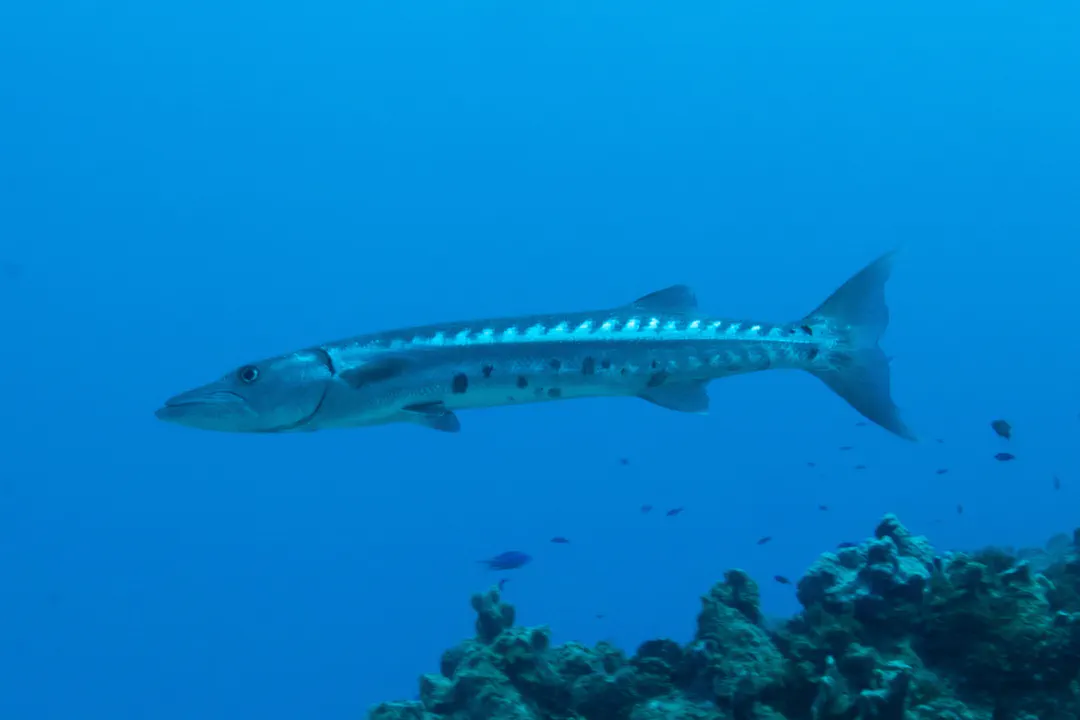 © Dan SchofieldCC BY 4.0 · iNaturalist
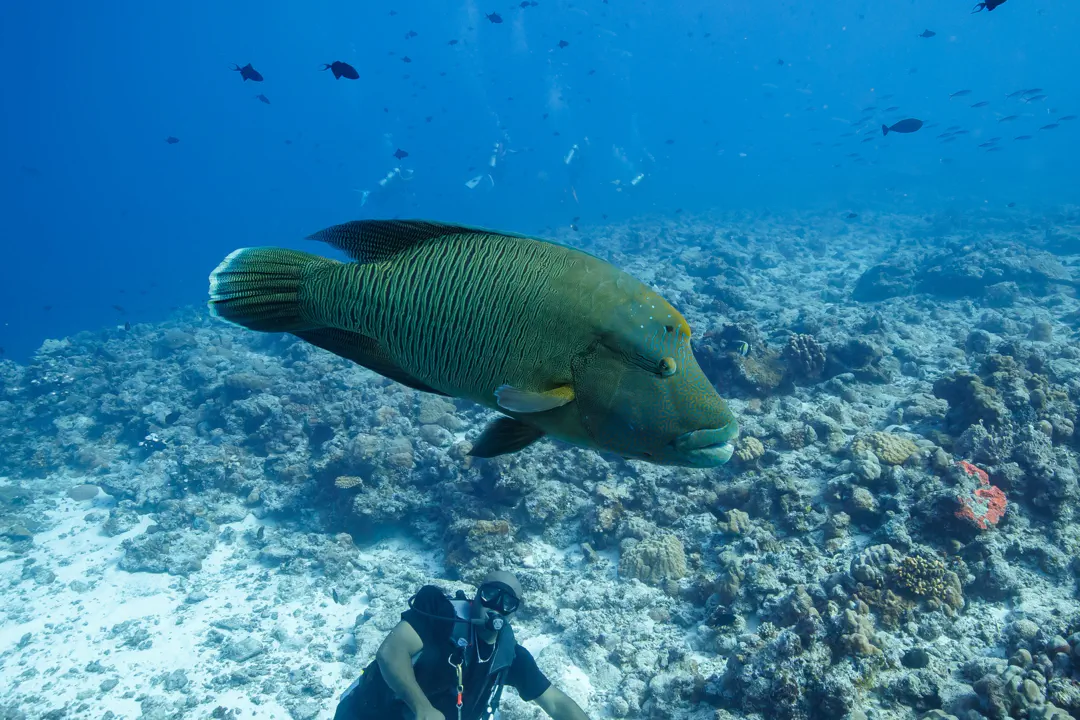 © seabook.appAll rights reserved
 © Ian ShawAll rights reserved
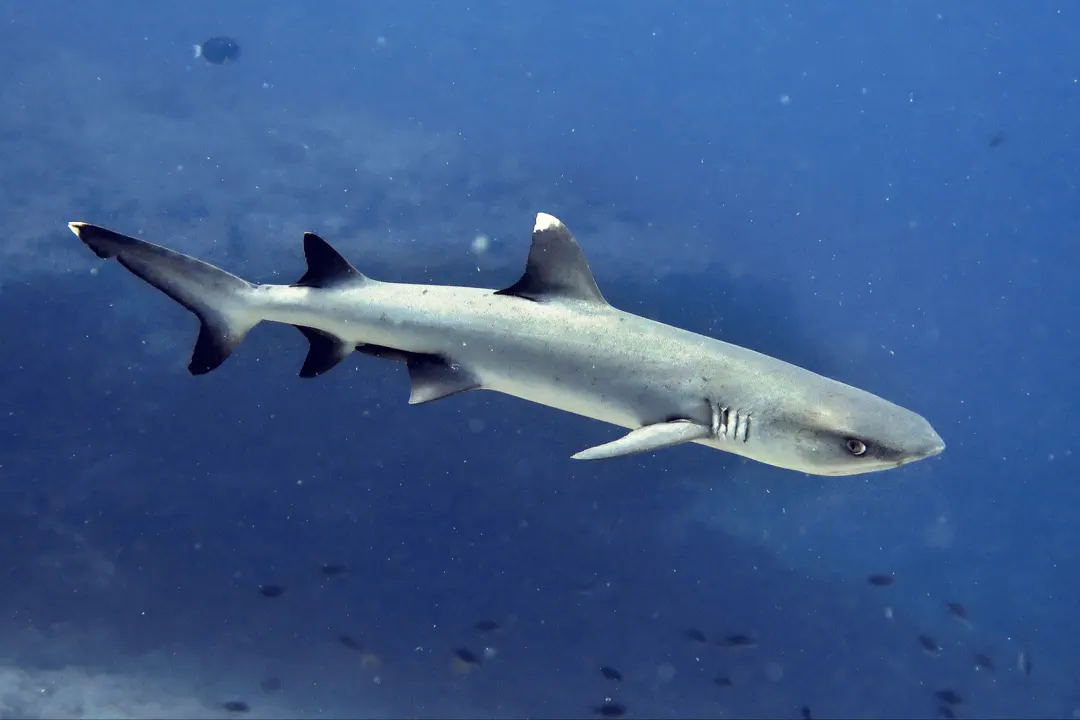 © Daniel BenákCC BY 4.0 · iNaturalist
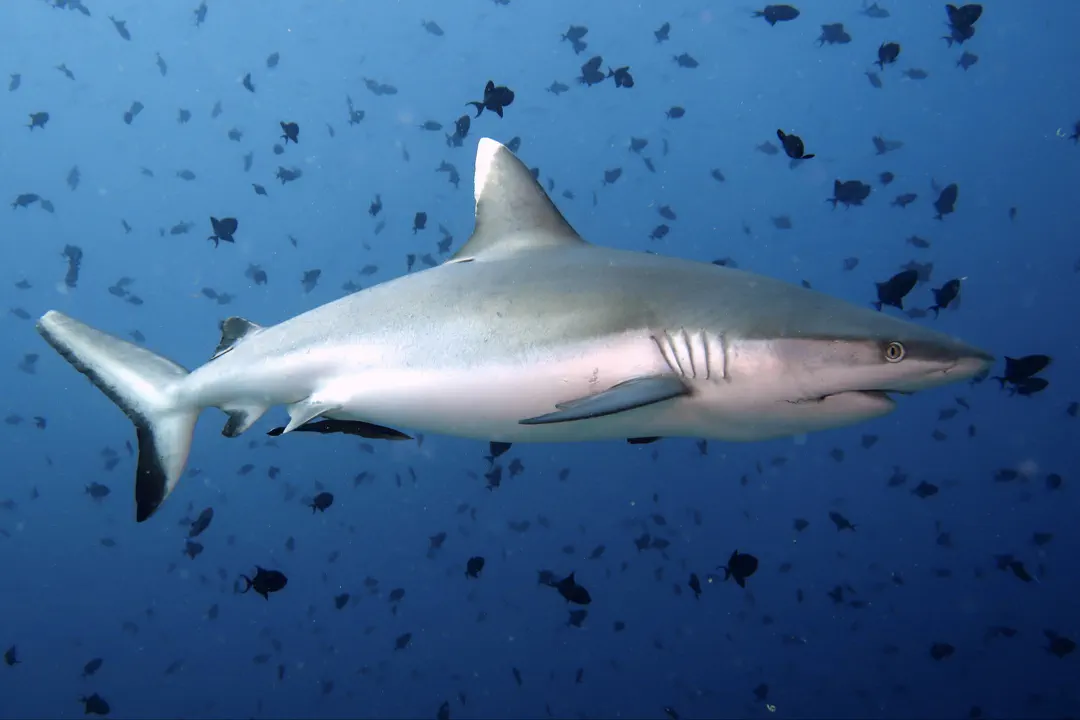 © Daniel BenákCC BY 4.0 · iNaturalist
 © Roger RittmasterCC BY 4.0
Chuuk Lagoon, Micronesia: Ghost Fleet of the Pacific
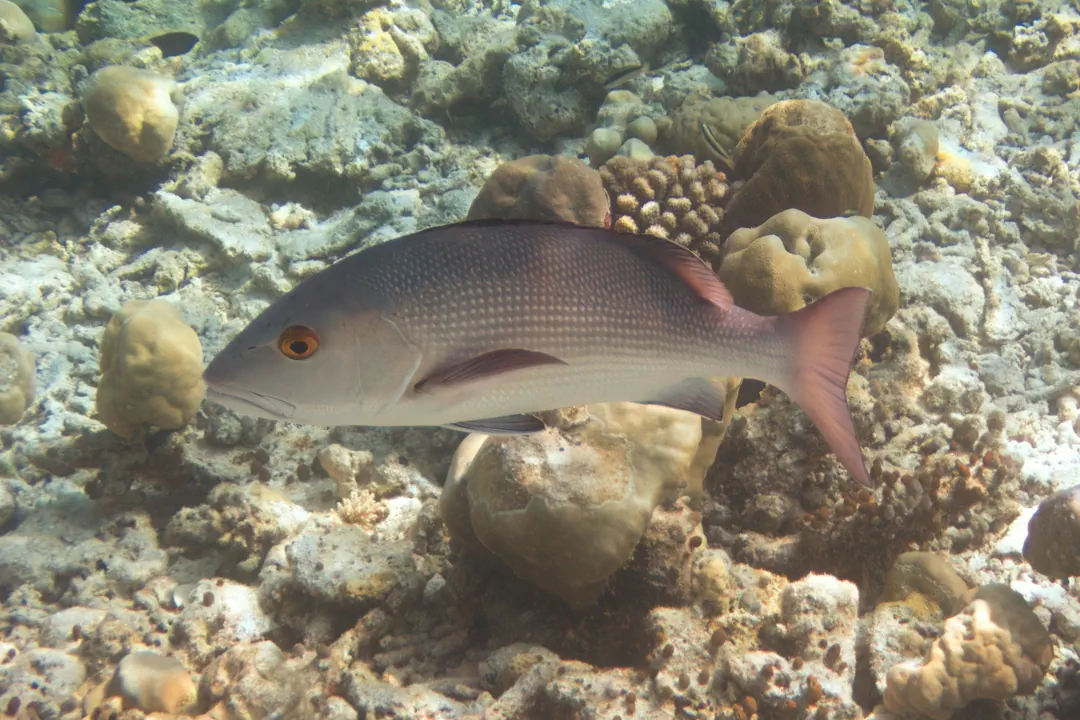
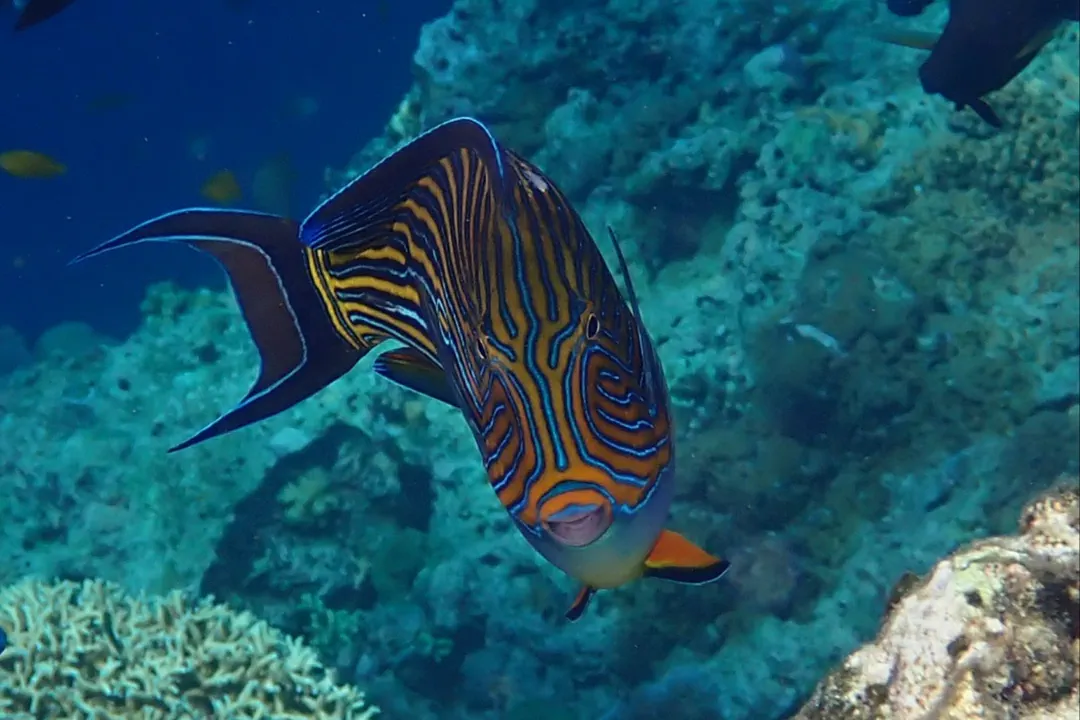
In February 1944, Operation Hailstone sank over 50 Japanese warships and merchant vessels in the sheltered waters of Chuuk Lagoon. Today, intact merchant vessels like the Fujikawa Maru and Heian Maru lie upright in quiet water between 12 and 40 meters depth, their superstructures encrusted with soft corals and sea fans.
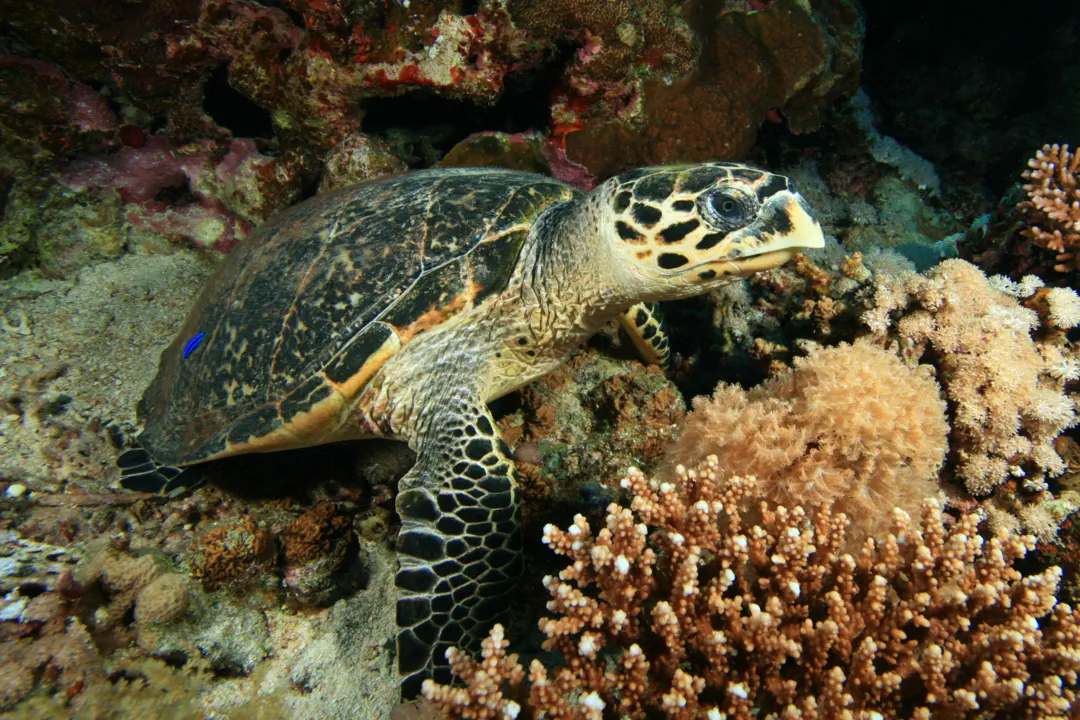
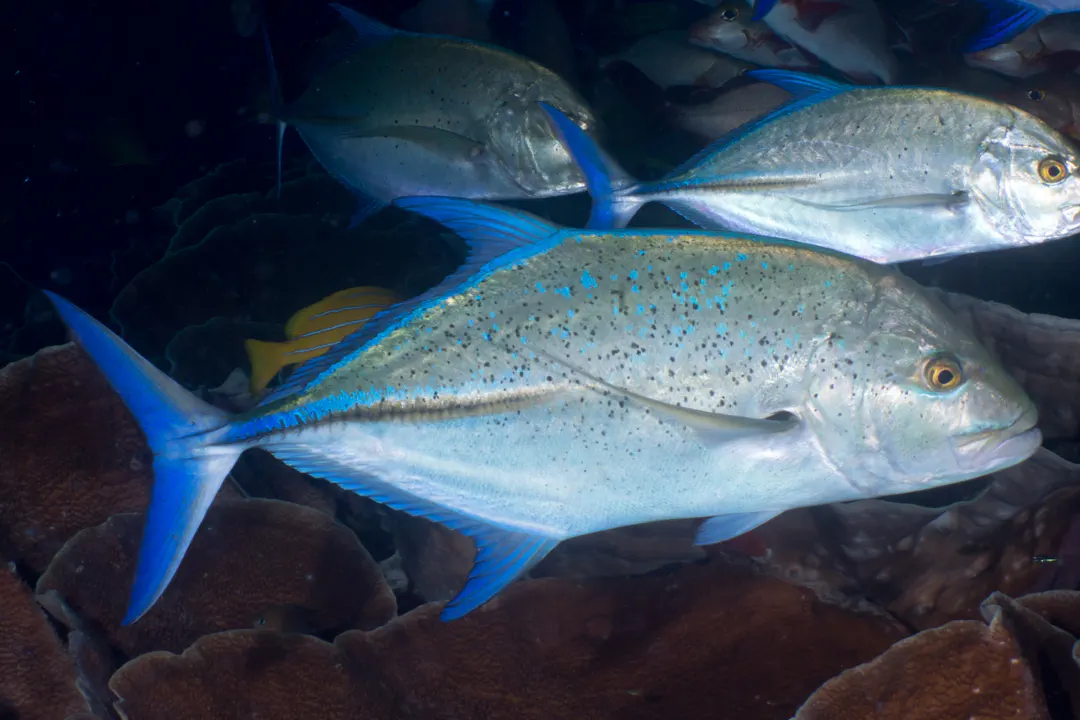
Zero fighter planes rest inside cargo holds alongside gas masks and artillery shells, where whitetip reef sharks rest on silt floors and hawksbill sea turtles scrape sponges from iron plates. Schooling trevally and lionfish drift through open doorways and companionways.
The sheltered lagoon shields dives from heavy ocean swells, maintaining water temperatures around 28-30°C year-round. Visibility ranges between 15 and 30 meters, though fine silt inside holds requires precise buoyancy control to prevent sudden silt-outs.
Depth: 12-60 m. Access: boat, 15-45 minutes from Weno. Level: Advanced Open Water to Technical. Best months: December-April.
 © seabook.appAll rights reserved
 © Piotr LukasikCC BY 4.0 · iNaturalist
 © Roger RittmasterCC BY 4.0 · iNaturalist
 © Darren ObbardCC BY 4.0 · iNaturalist
 © Rickard ZerpeCC BY 4.0 · iNaturalist
 © Petr KnotekCC BY 4.0 · iNaturalist
Coron Bay, Philippines: WWII Japanese Fleet
Sunk during an American airstrike in September 1944, a fleet of Japanese supply ships rests across Coron Bay at depths from 5 to 40 meters. The 160-meter Kyokuzan Maru lies almost upright in clear water, while the Irako and Akitsushima rest deeper, offering complex passageways for trained divers.
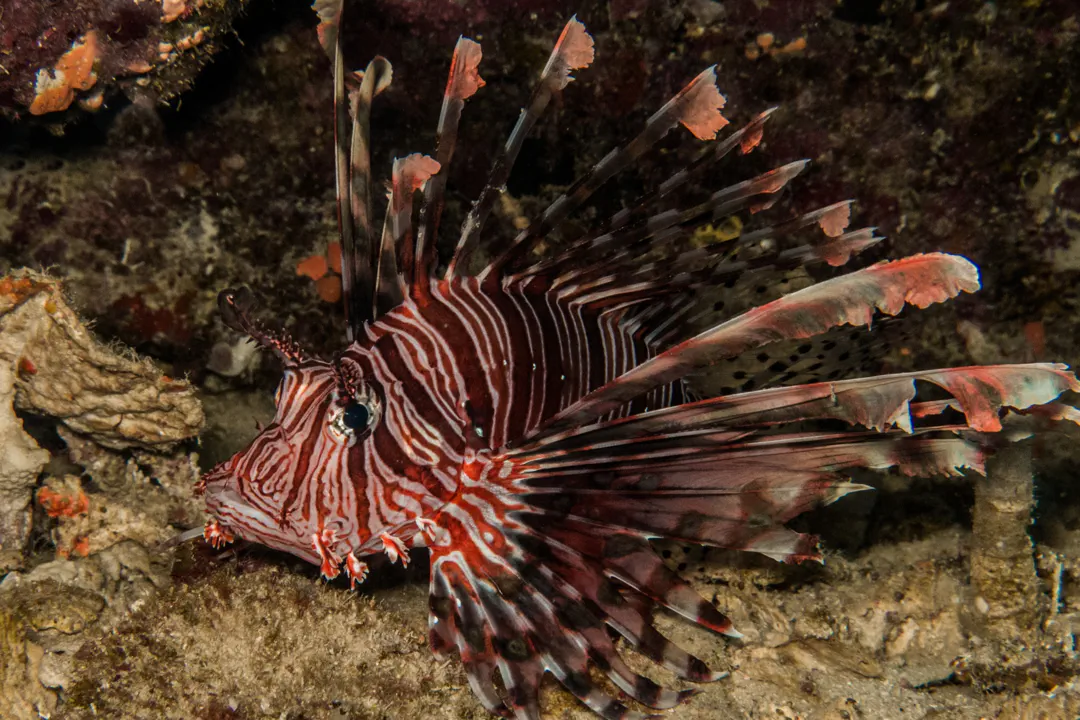
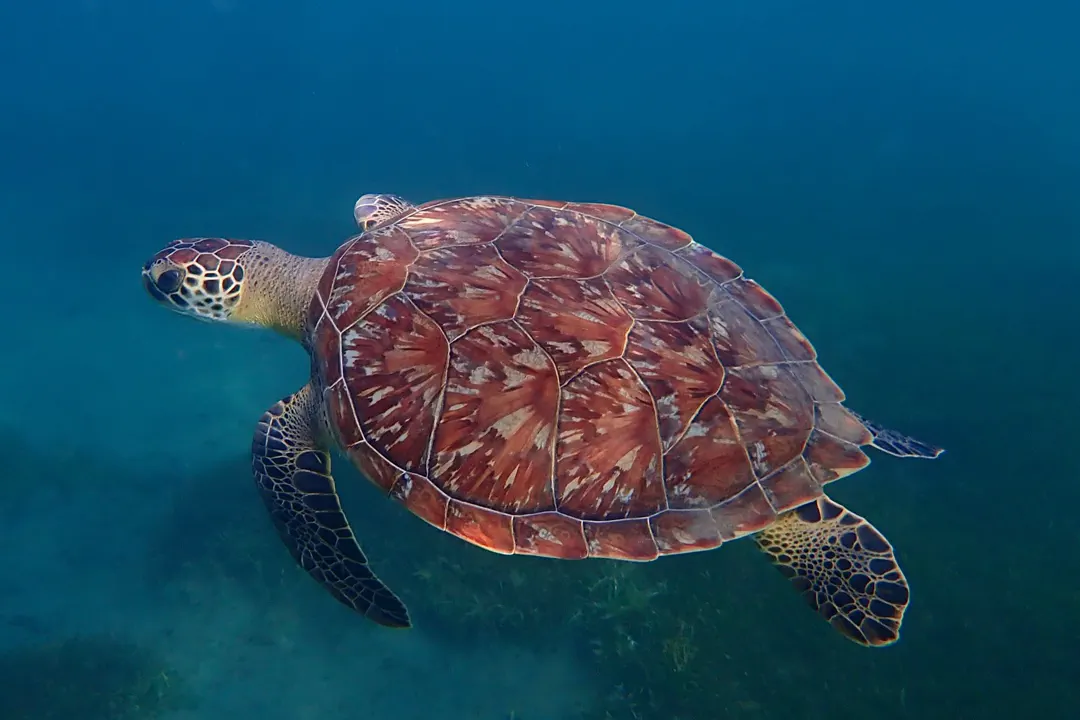
Red lionfish glide over soft coral gardens covering the superstructures, while green sea turtles rest along exposed deck plates. You can log these sightings and identify species you encounter around the hull using the Seabook app during surface intervals.
Water temperatures remain warm at 27-30°C year-round, with visibility ranging from 8 to 20 meters depending on rainfall and tidal shifts. Shallow sections of skeleton hulls allow sunlight to reach interior spaces where yellowtail barracudas aggregate.
Depth: 5-40 m. Access: boat, 30-90 minutes from Coron Town. Level: Open Water to Technical. Best months: November-May.
 © João D'AndrettaCC BY 4.0 · iNaturalist
 © Matteo BellucciCC BY 4.0 · iNaturalist
 © portioidCC BY 4.0 · iNaturalist
 © cello caruso-turielloCC BY 4.0 · iNaturalist
 © Alberto AlcaláCC BY 4.0
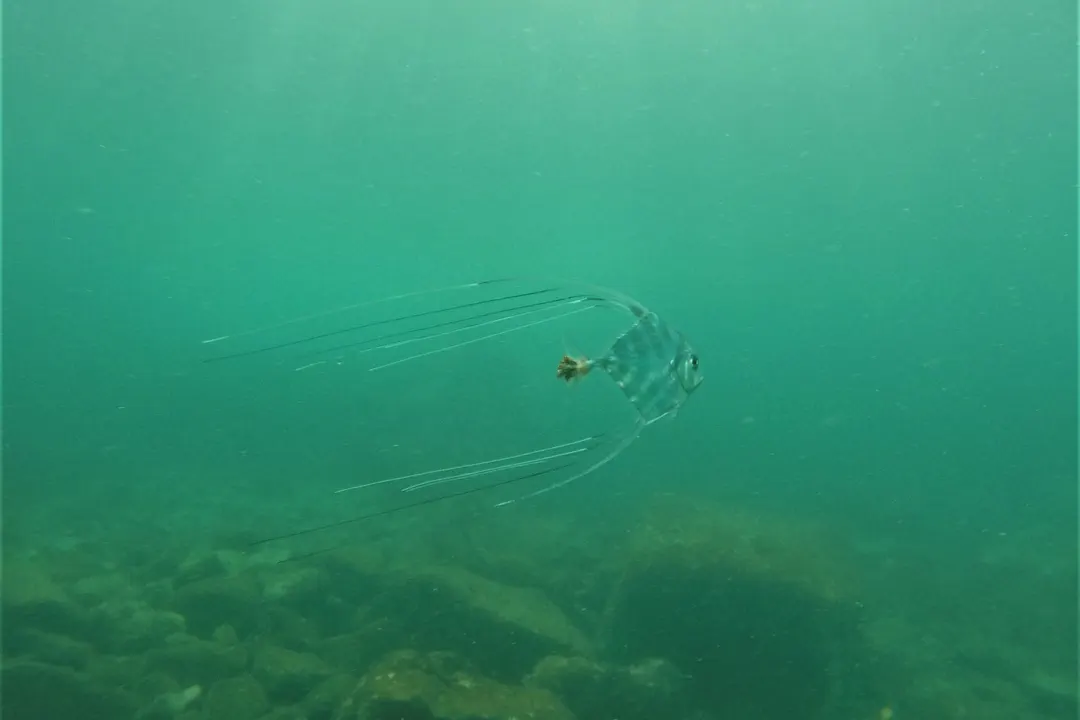
Alectis ciliaris
*Alectis ciliaris* is a widely distributed species of tropical marine fish in the jack family, [Carangidae](seabook://category?id=a895accc-85d3-4842-8db4-36d2df1133a4). The species is found in tropica...
Tulamben, Bali: USAT Liberty Wreck
Torpedoed by a Japanese submarine in January 1942, the 120-meter USAT Liberty was beached at Tulamben until the 1963 eruption of Mount Agung pushed the vessel offshore into water 3 to 30 meters deep. Resting on a black sand slope just meters from shore, the hull is heavily overgrown with hard corals, gorgonian fans, and sponges.
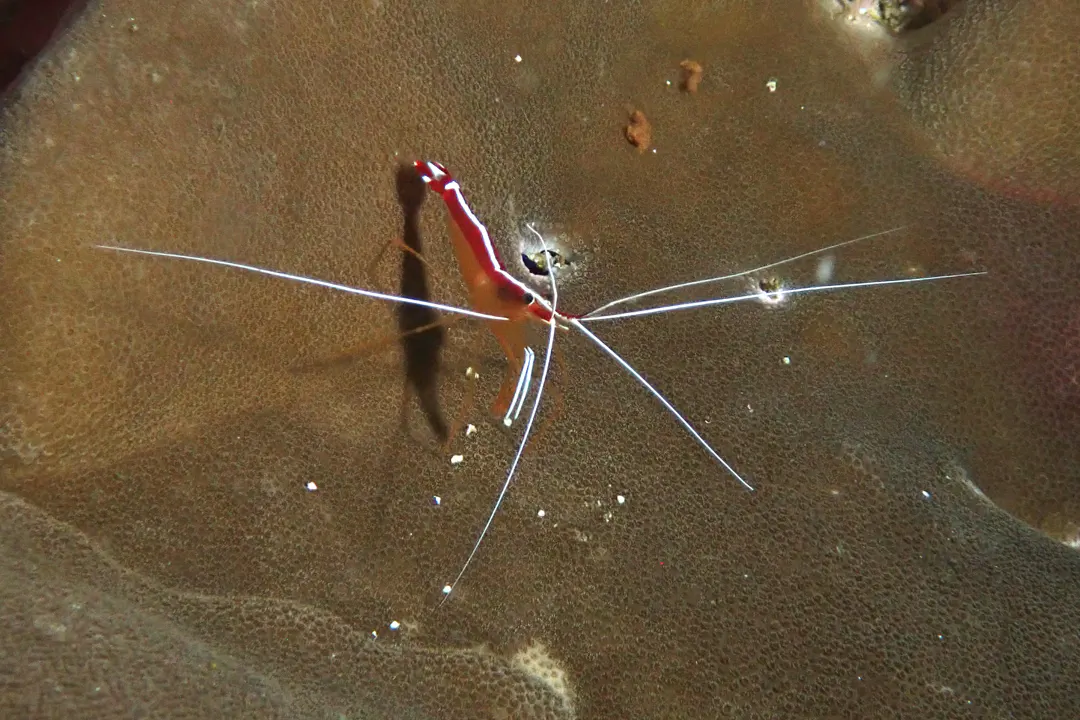
Lined surgeonfish graze on algae along the upper ribbing, while cleaner shrimp operate cleaning stations inside shadowed metal cutouts. In the early morning, schools of bigeye trevally spiral above the stern while false clown anemonefish hide in anemones attached to the superstructure.
Shore entry requires walking over smooth volcanic pebbles into mild surf, making it one of the world's most accessible large shipwrecks. Water temperatures range between 26°C and 30°C, with visibility reaching 15 to 25 meters during dry months.
Depth: 3-30 m. Access: shore dive from Tulamben beach. Level: Open Water and Snorkeller. Best months: April-November.
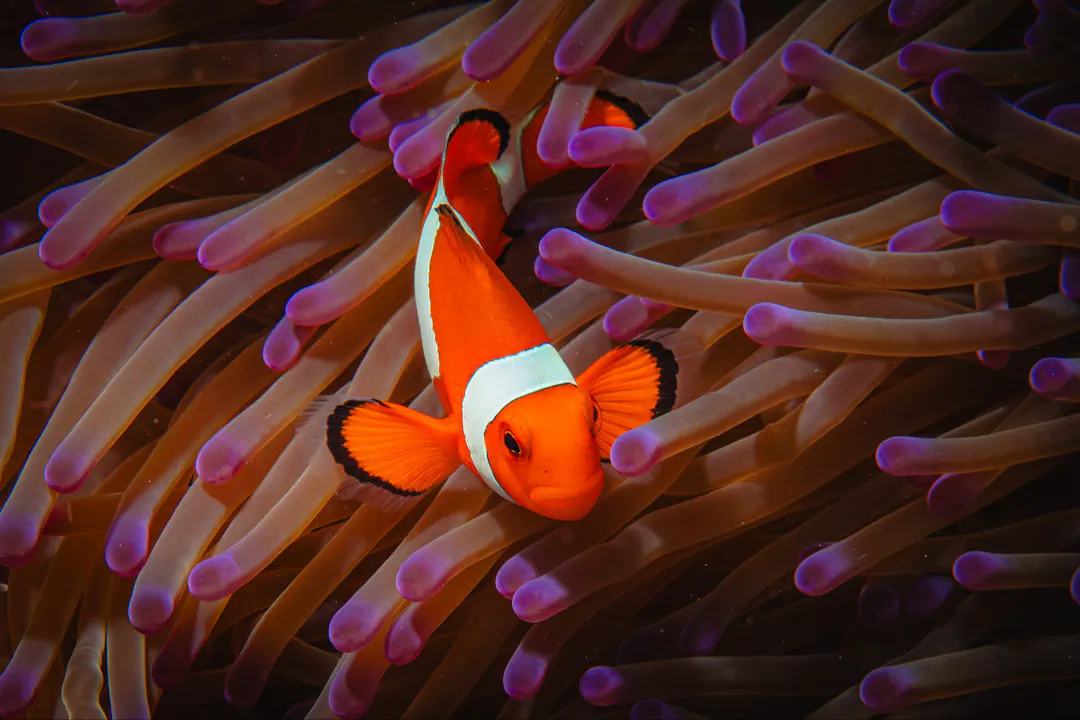 © Olka KuryanAll rights reserved
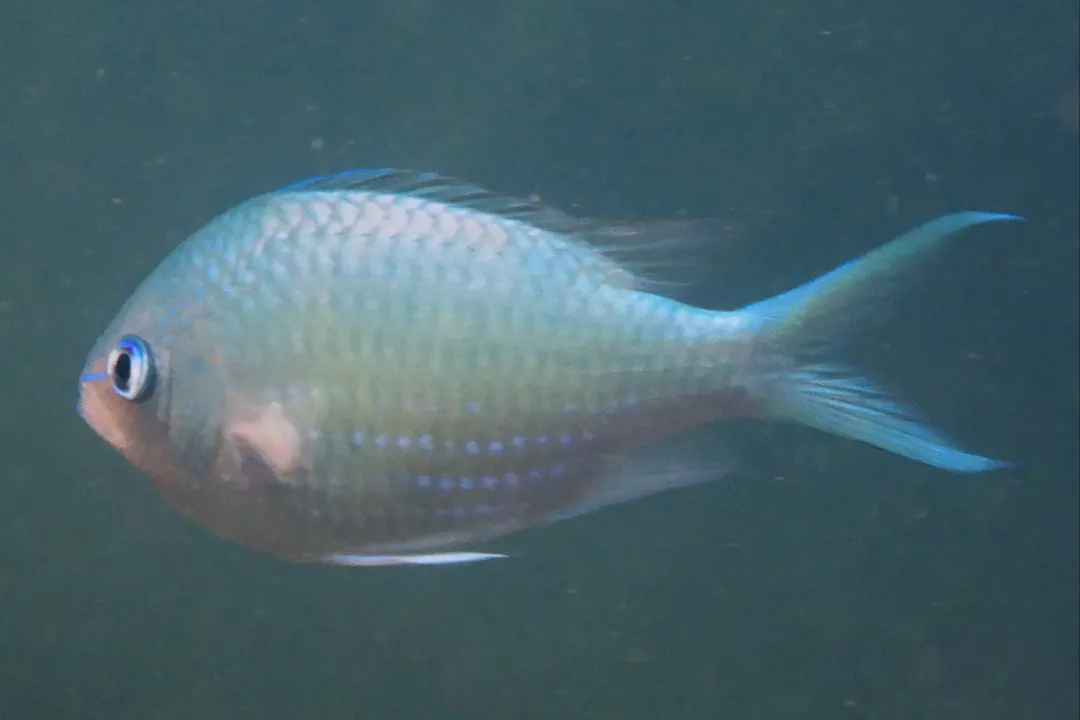 © Ewout KnoesterCC BY-SA 4.0 · iNaturalist
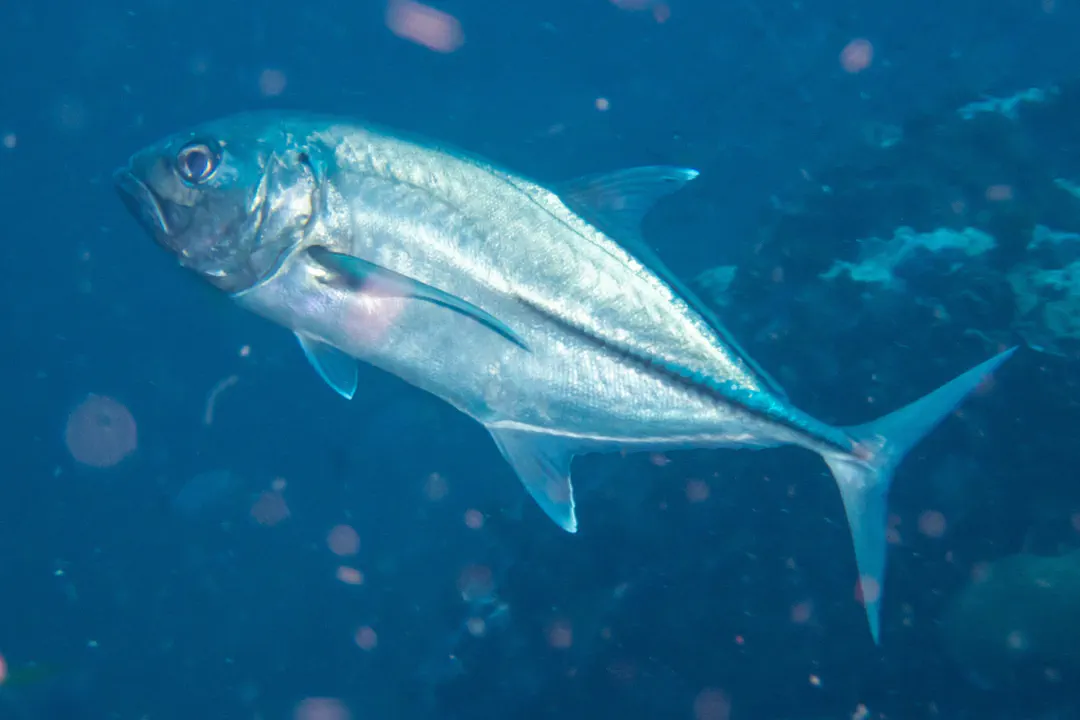 © portioidCC BY 4.0 · iNaturalist
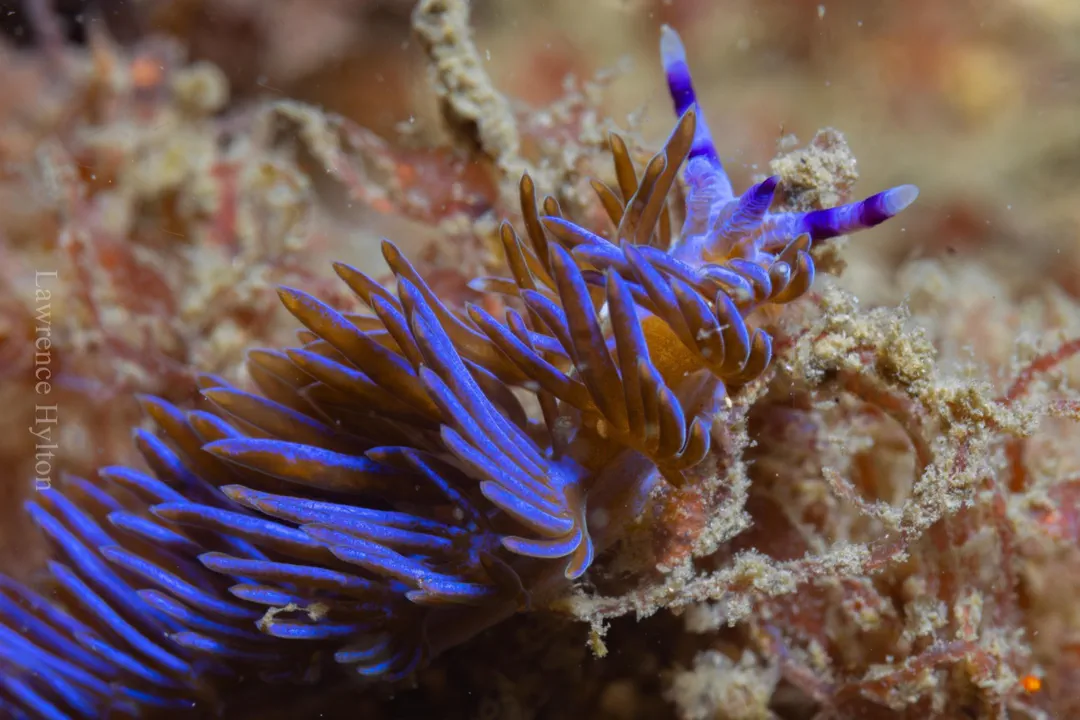 © Lawrence HyltonAll rights reserved
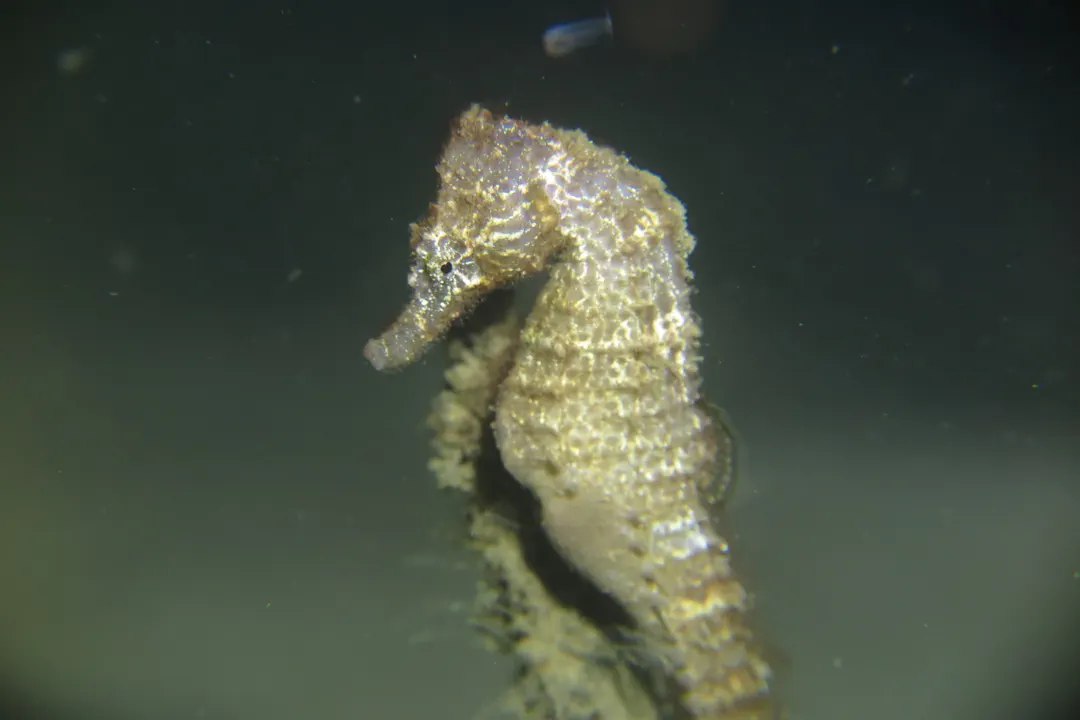 © Ewout KnoesterCC BY-SA 4.0 · iNaturalist © Roger RittmasterCC BY 4.0
Lysmata amboinensis
***Lysmata amboinensis*** is an omnivorous shrimp species, which will generally scavenge and eat parasites and dead tissue. *L. amboinensis* is naturally part of the reef ecosystem, and is widespread ...
Key Largo, Florida: USS Spiegel Grove
Intentionally scuttled in 2002 to create an artificial reef within the Florida Keys National Marine Sanctuary, the 155-meter USS Spiegel Grove rests on sand at a depth of 40 meters, with its upper deck reaching 18 meters below the surface. A NOAA National Centers for Coastal Ocean Science project identifies shipwrecks like this as vital habitats supporting reef fishes and top predators on the continental shelf.
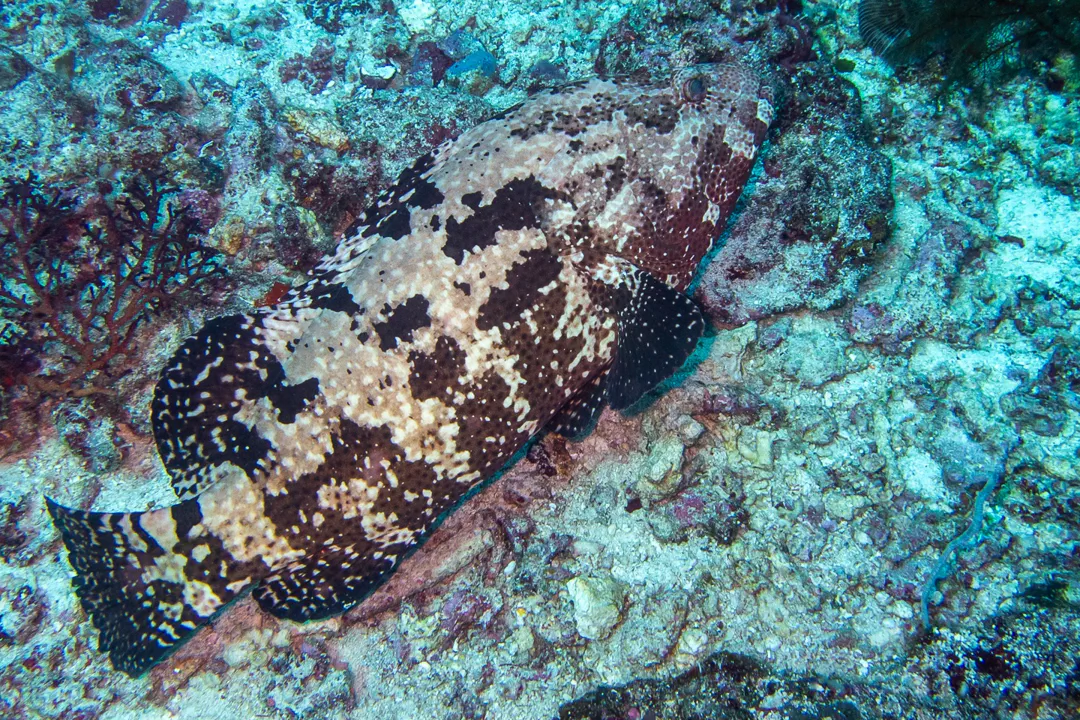
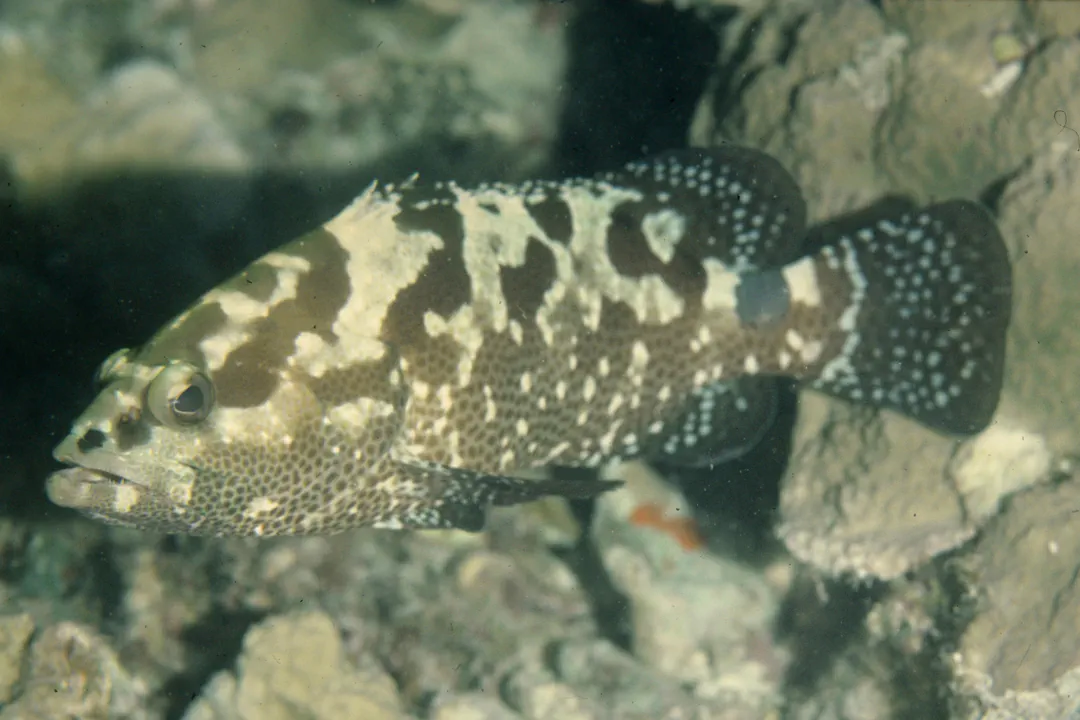
Massive goliath groupers weighing over 150 kilograms shelter in the vehicle holds, while great barracudas hover above the radar tower. Nurse sharks rest along the lower hull plates, and southern stingrays glide across the surrounding sand.
Water temperatures range from 23°C in winter to 30°C in summer, with visibility varying between 15 and 30 meters. Strong Atlantic currents often sweep across the wide deck spaces, requiring divers to use mooring lines during descent and ascent.
Depth: 18-40 m. Access: boat, 30 minutes from Key Largo. Level: Advanced Open Water. Best months: May-September.
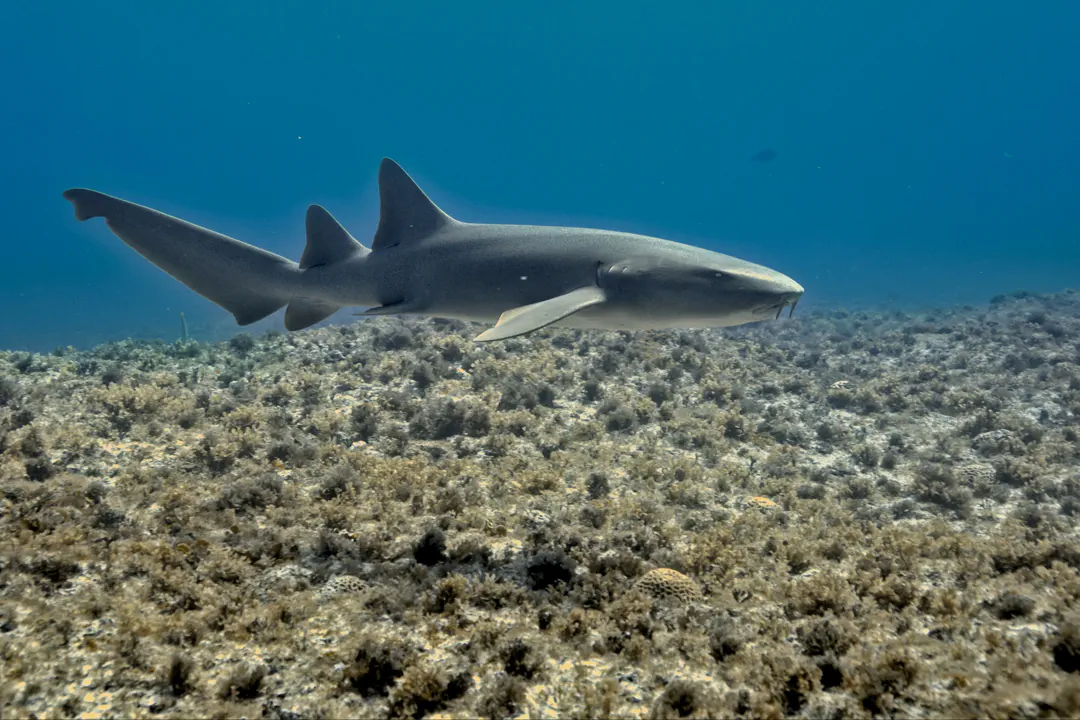 © R VasconcellosCC BY 4.0 · iNaturalist
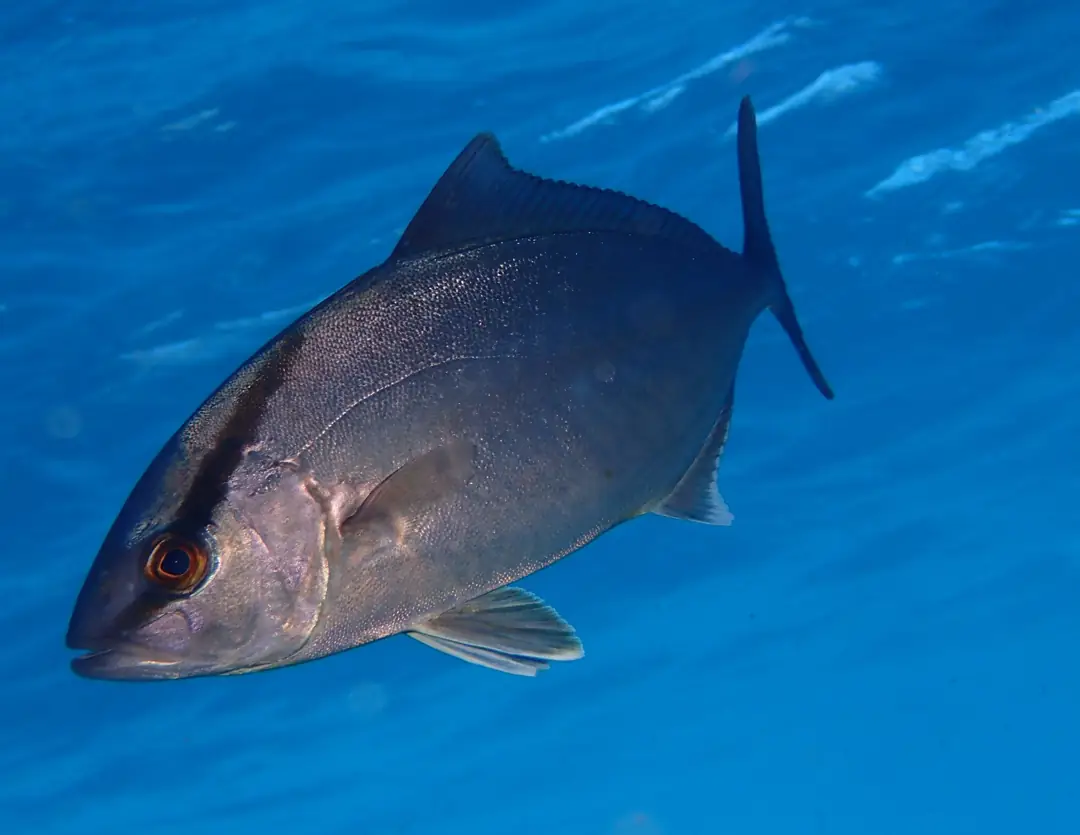 © Ian ShawAll rights reserved
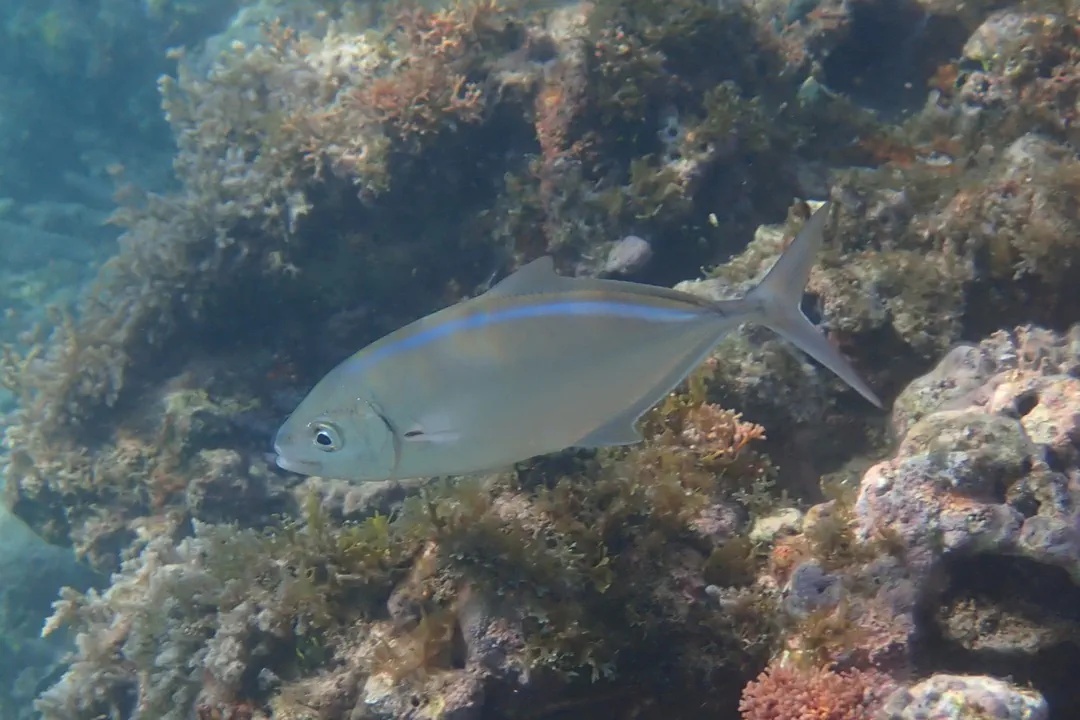 © Fish and DiveCC BY 4.0 · iNaturalist
What Gear and Certifications Do You Need for Wreck Diving?
Diving external hull structures requires standard Open Water or Advanced Open Water certification, depending on site depth and current strength. However, penetrating a shipwreck involves entering an overhead environment with no direct vertical access to the surface, demanding specialized Wreck Diver training.
Essential equipment for wreck exploration includes a primary dive light and backup flashlight to illuminate dark compartments and restore natural colors lost below 10 meters depth. Divers carry a guideline reel for penetration, a cutting device like a line cutter to manage fishing line entanglement risks, and Enriched Air Nitrox to extend bottom time during repetitive mid-depth dives.
Buoyancy control and modified propulsion techniques, such as the frog kick, are critical when navigating interior passages. A single careless fin stroke can kick up fine silt from hold floors, reducing visibility from 20 meters to zero in seconds and causing complete disorientation.
Questions
Do you need a specialty certification to dive shipwrecks?
Not necessarily for an exterior, non-penetration dive conducted within your certification depth limits. However, entering inside a wreck requires specialized overhead environment training. A Wreck Diver specialty course covers limited penetration skills, while complex deep wrecks require technical decompression certifications.
Which wreck diving destination is best for beginners?
Tulamben's USAT Liberty in Bali is among the most accessible choices because the wreck starts in just 3 meters of water directly off a volcanic beach. Beginners can explore the upper iron frames outside the wreck with minimal current, while deeper sections extend down to 30 meters.
What marine life is unique to artificial reefs?
No major marine species relies exclusively on artificial reefs; creatures use them as alternative hard substrate. Wrecks concentrate shelter-seeking groupers, schooling jacks, barracuda, sponges, corals, and cleaner shrimp, though high fish numbers often reflect aggregation from surrounding areas rather than net ecosystem production.
Why are dive lights necessary on shallow wreck dives?
A dive light restores red and orange color wavelengths filtered out by water deeper than 5 meters. It reveals hidden marine life inside dark crevices, engine rooms, and cargo holds, while aiding underwater communication and hazard identification even on shallow daylight dives.
Can non-divers see shipwrecks when snorkelling?
Yes, several famous shipwrecks sit in shallow water accessible from the surface. Portions of the USAT Liberty in Bali rise to within 3 meters of the surface, making superstructure frames and surrounding fish schools clearly visible to snorkellers in good visibility.
Sources
- A global meta-analysis of ecological effects from offshore marine artificial structures · 2026-04-13
- study reveals artificial reefs enhance new jersey's marine ... · 2026-10-20
- Shipwreck ecology: Understanding the function and processes from ... · 2024-01-31
- [PDF] Proceedings of the First - the NOAA Institutional Repository · 2026-11-17
- Assessing the Ecological Function of Shipwrecks, Artificial Reefs and Rocky Reefs on the Southeastern U.S. Continental Shelf - NCCOS - National Centers for Coastal Ocean Science · 2026-11-04